
Want to reduce cooking stress? When is the right time to replace your kitchen knives?
Have you ever felt frustrated while cooking because your knife is dull and you can't cut ingredients properly, or because sharpening it repeatedly doesn't seem to help? These frustrations might actually be signs that it's time to replace your knives. This article explains when you need to replace your knives to solve these problems. Replacing your knives can significantly improve your cooking experience, so be sure to check it out.
When the blade becomes dull
When a knife becomes dull, you'll have to use more force than necessary to cut food. If this continues, it will reduce your cooking efficiency and waste time and energy. Also, trying to cut with too much force can damage the knife itself, so you should consider replacing it as soon as you notice that the blade has become noticeably dull.
When food gets crushed or gets stuck more often
When a knife becomes dull, you need to apply more force to cut ingredients. This can lead to vegetables and meat being crushed, or the knife catching on food more often. Continuing to cook with a dull knife can be stressful and may result in wasted food. In such cases, it's recommended to replace your knife with a new one as soon as possible.
When rust or chips are noticeable
When rust or chips start to become noticeable on your kitchen knife, it's a sign that it's time to replace it. Rust deteriorates the metal part of the knife, and continued use will further worsen its sharpness. Chips not only reduce sharpness but can also damage food, increasing the risk of injury with each use. If you find rust or chips, it's important to consider replacing your knife for hygiene and safety reasons.
When sharpening doesn't restore the sharpness
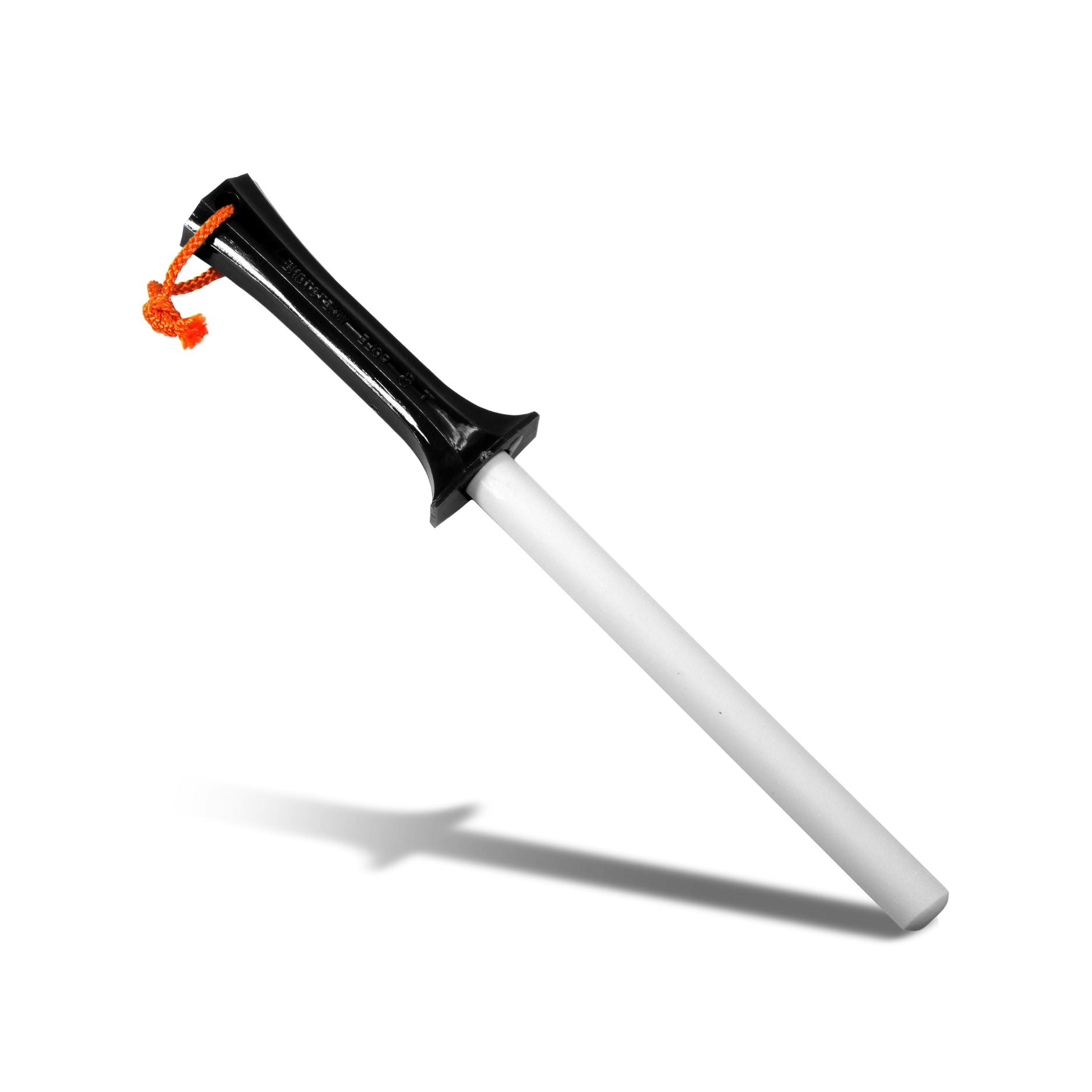
If sharpening your kitchen knife doesn't restore its sharpness, it's highly likely that the knife has reached the end of its lifespan. Sharpening alone may not always restore its original sharpness. If you feel that the sharpness is not returning, it's time to seriously consider replacing it.
Key points to consider when choosing a kitchen knife and how to choose a replacement.
When replacing your kitchen knife, you might be unsure which one to choose. There are many types of knives, varying in usability, materials, and design. Next, we'll explain the key points to consider when choosing a knife and what kind of knife to select after replacing your old one.
1. Choose a knife that suits your purpose.
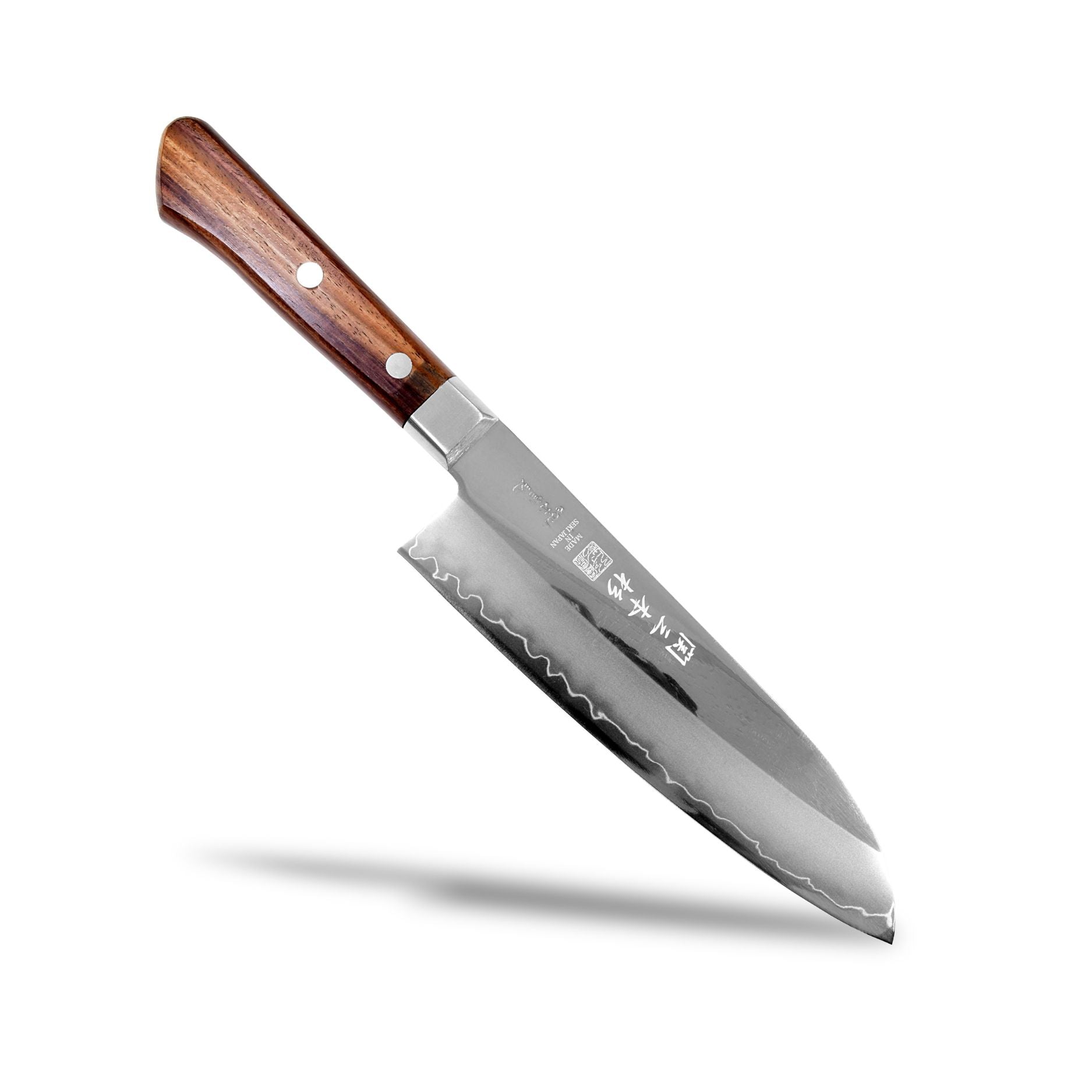
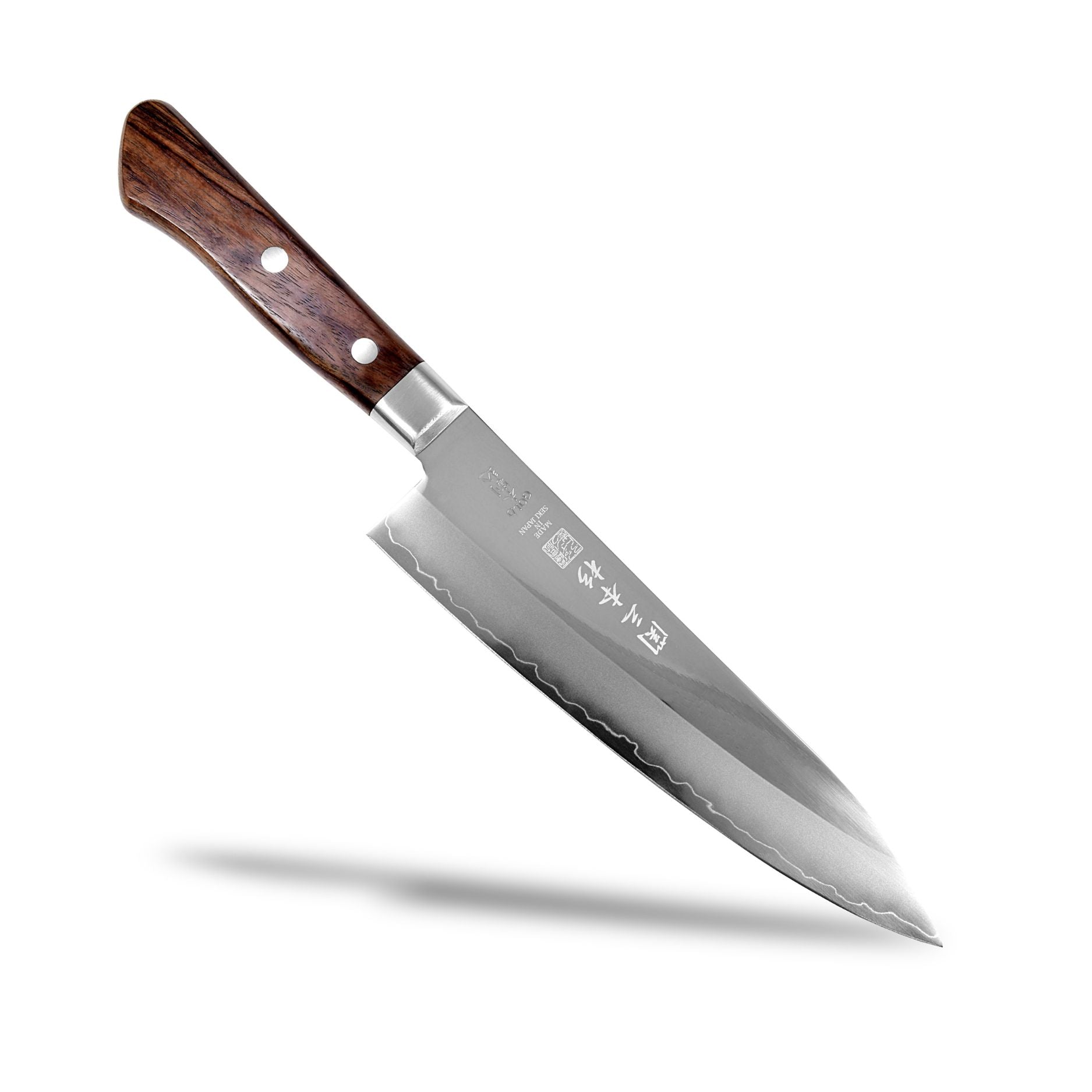
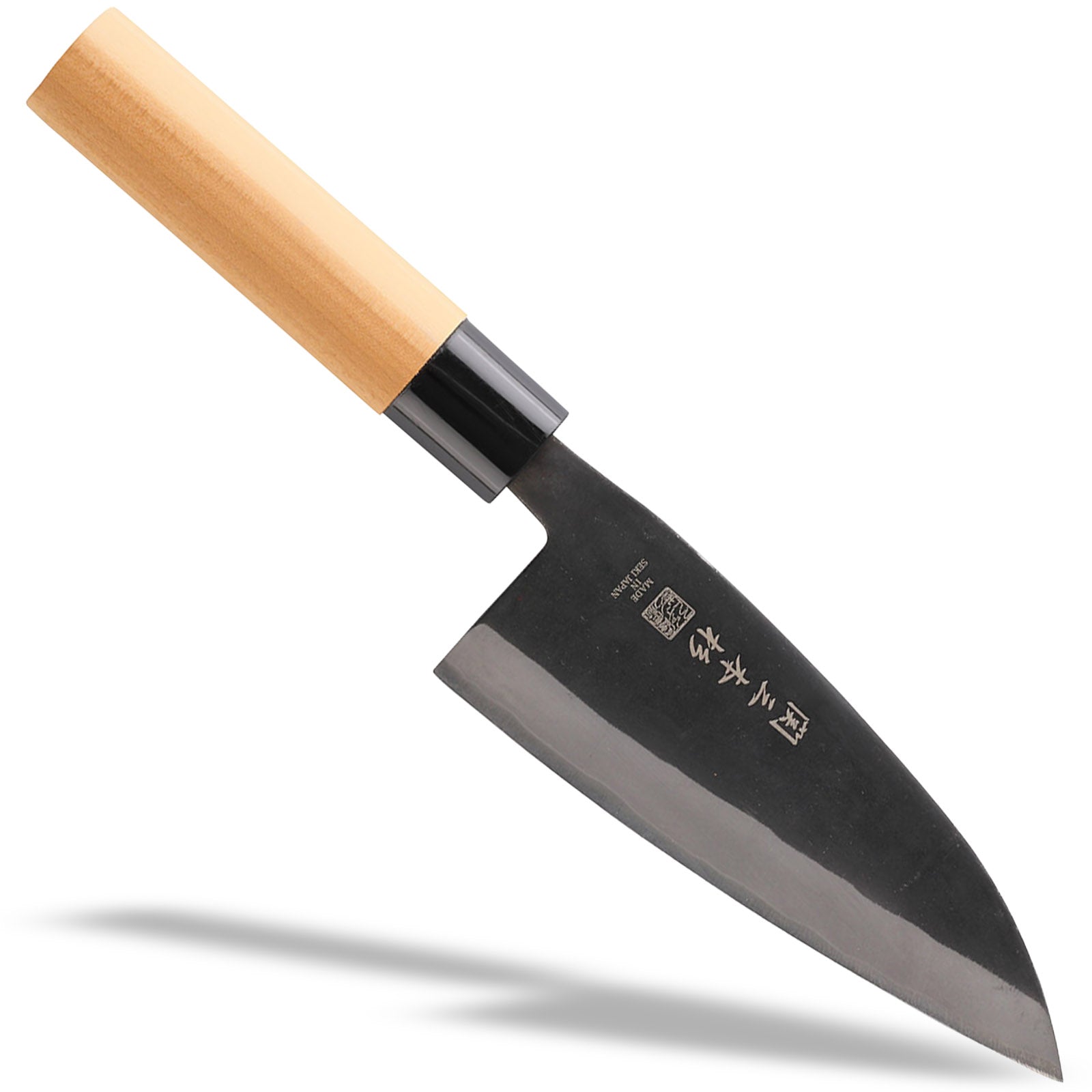
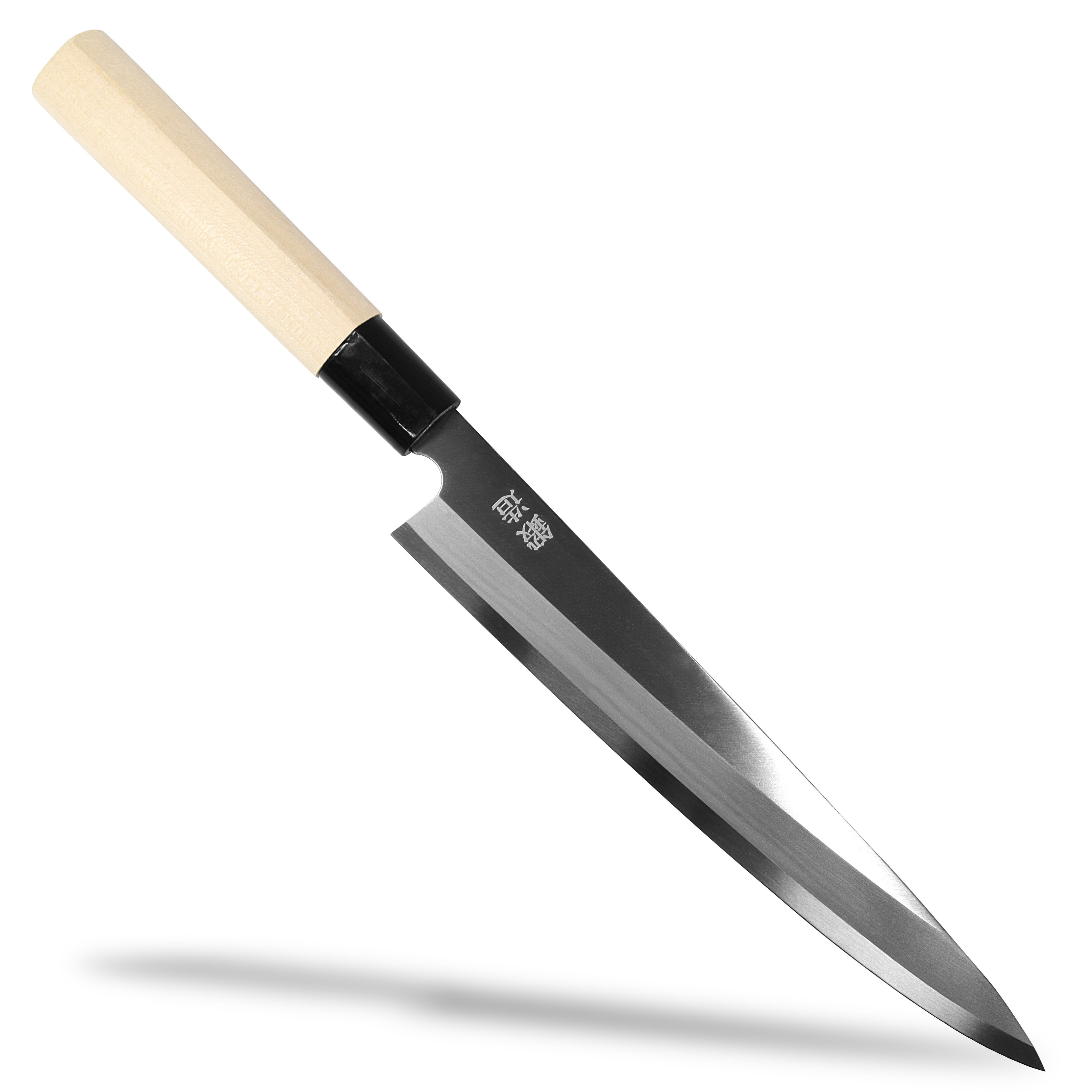
There are many different types of kitchen knives, each with its own specialized use. For example, there are "gyuto" (chef's knife) and "santoku" (general-purpose knife) for cutting meat, and "deba" (fish filleting knife) for filleting fish. It's important to choose a knife that suits your cooking style and the ingredients you frequently use. For example, a versatile santoku knife is convenient for those who mainly cook at home, but if you do specialized cooking, choosing a specialized knife will be more convenient.
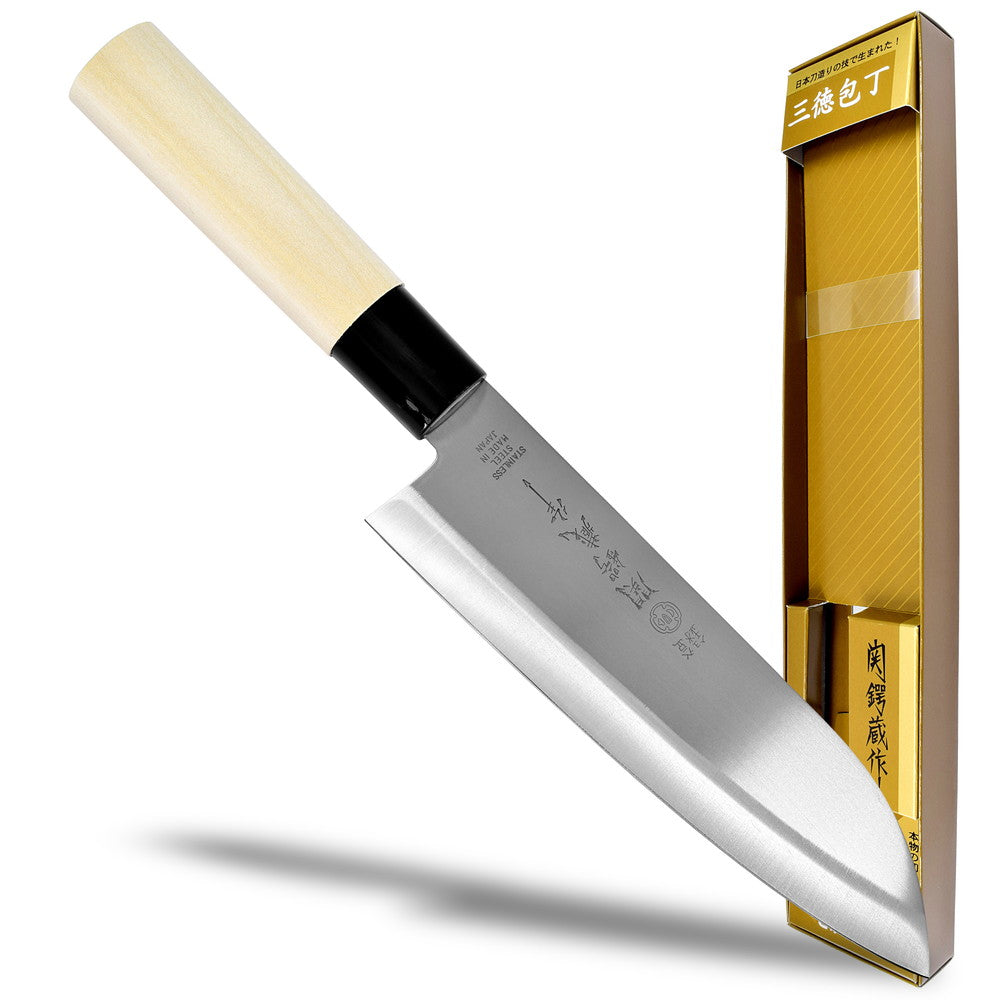
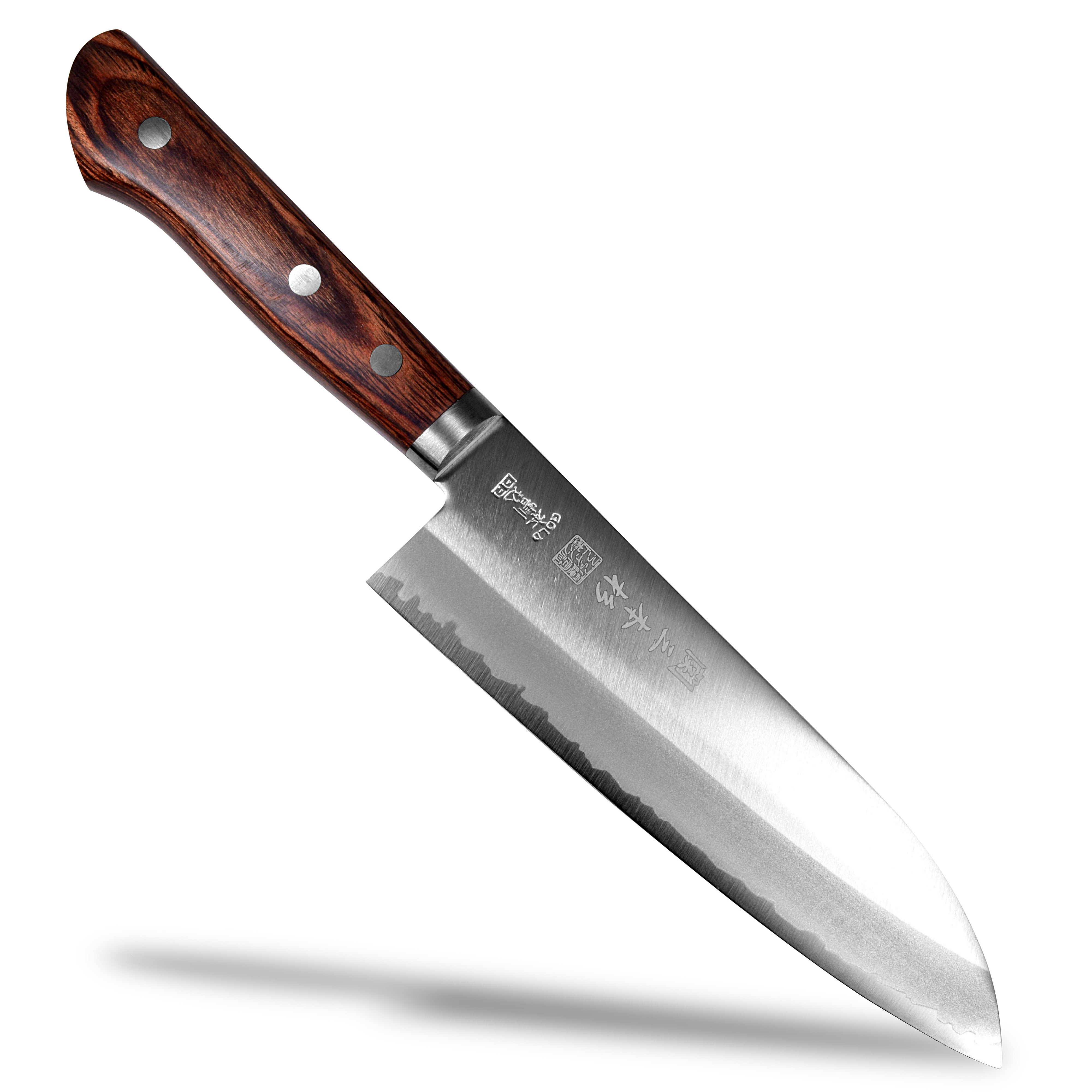
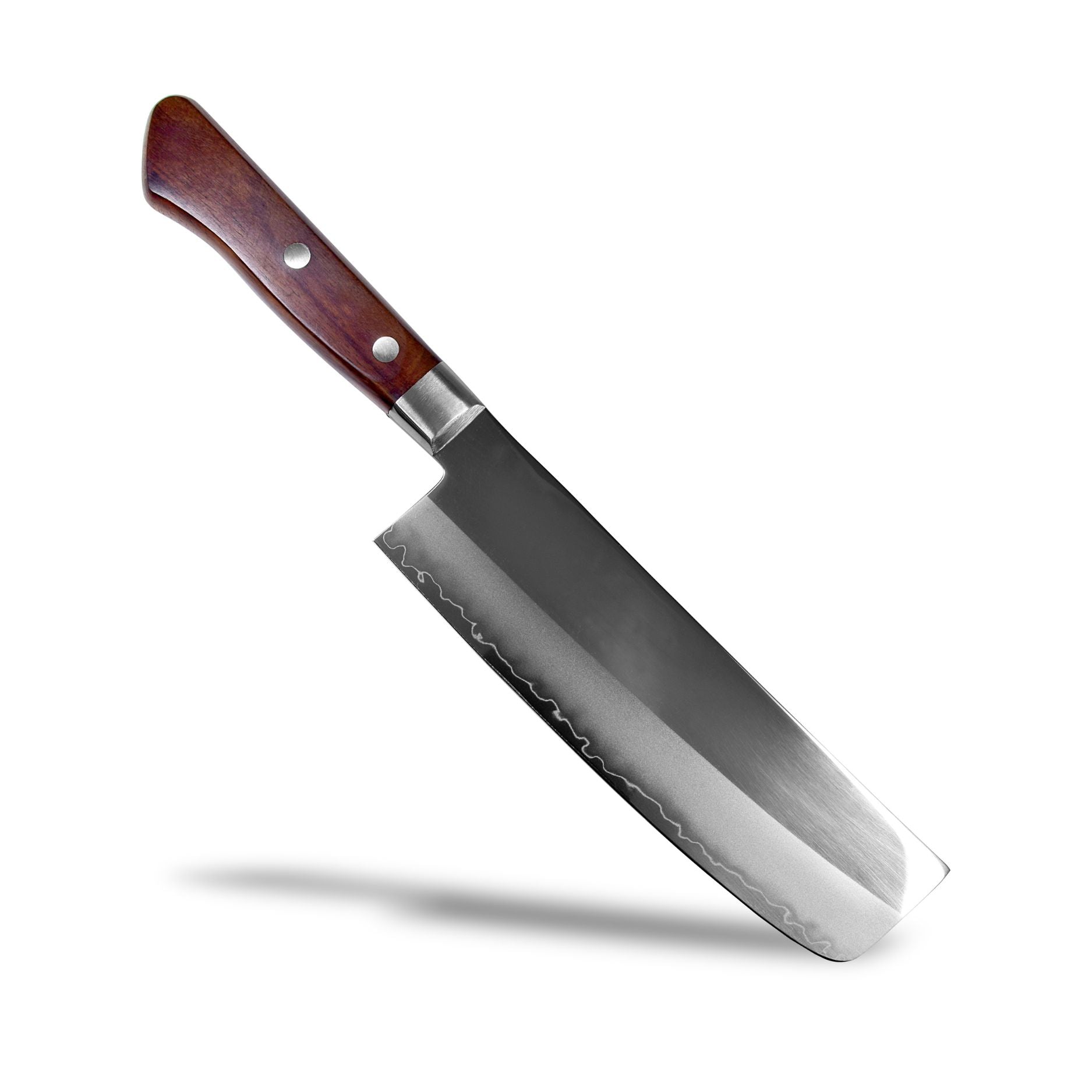
Here are our recommendations for Santoku knives.
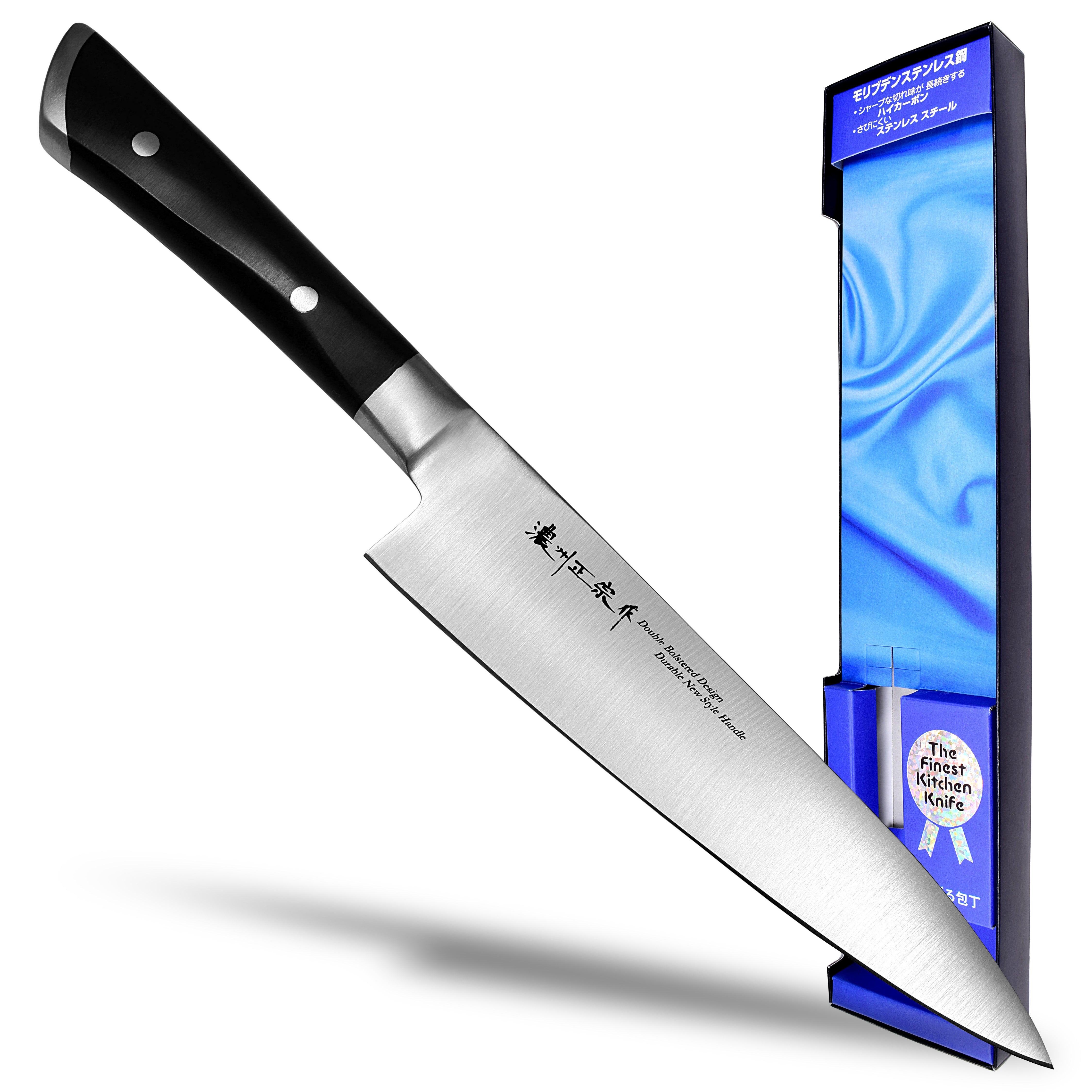
Here are our recommendations for chef's knives.
2. Check the material.
The material of a kitchen knife greatly affects its sharpness and durability. Stainless steel is rust-resistant and easy to handle, but its sharpness may be inferior to that of steel. On the other hand, knives made of steel (high-carbon steel) have a sharp edge, but they rust easily, so maintenance is important. When choosing a kitchen knife, it is important to consider the environment in which you will use it and how easy it is to maintain when selecting the material.
3. Choose a grip that fits comfortably in your hand.
The handle of a kitchen knife greatly affects its ease of use. Choosing a handle that fits comfortably in your hand is key to comfortable cooking over long periods. Consider the size of your hand and how easy it is to grip when selecting the handle shape and material. For example, wooden handles are gentle on the hand and become more comfortable to grip the more you use them, making them popular. Plastic and rubber handles are easy to clean, non-slip, and safe.
4. Check the balance and weight.
The balance of the knife is also an important point when using it. A knife that is too heavy or too light is difficult to use and can make cooking stressful. Check the weight and balance that fits your hand and make it easy to hold and use. An ideal knife is one that feels comfortable in your hand and allows you to cut without applying much force.
5. Design is also an important element.
When replacing your kitchen knives, design is one of the important factors to consider. Choosing a design that suits your kitchen and cooking style will not only enhance the visual appeal but also boost your motivation to cook. With a wide variety of options available, from simple and functional designs to traditional Japanese knives and modern and stylish designs, you can find one that suits your preferences.
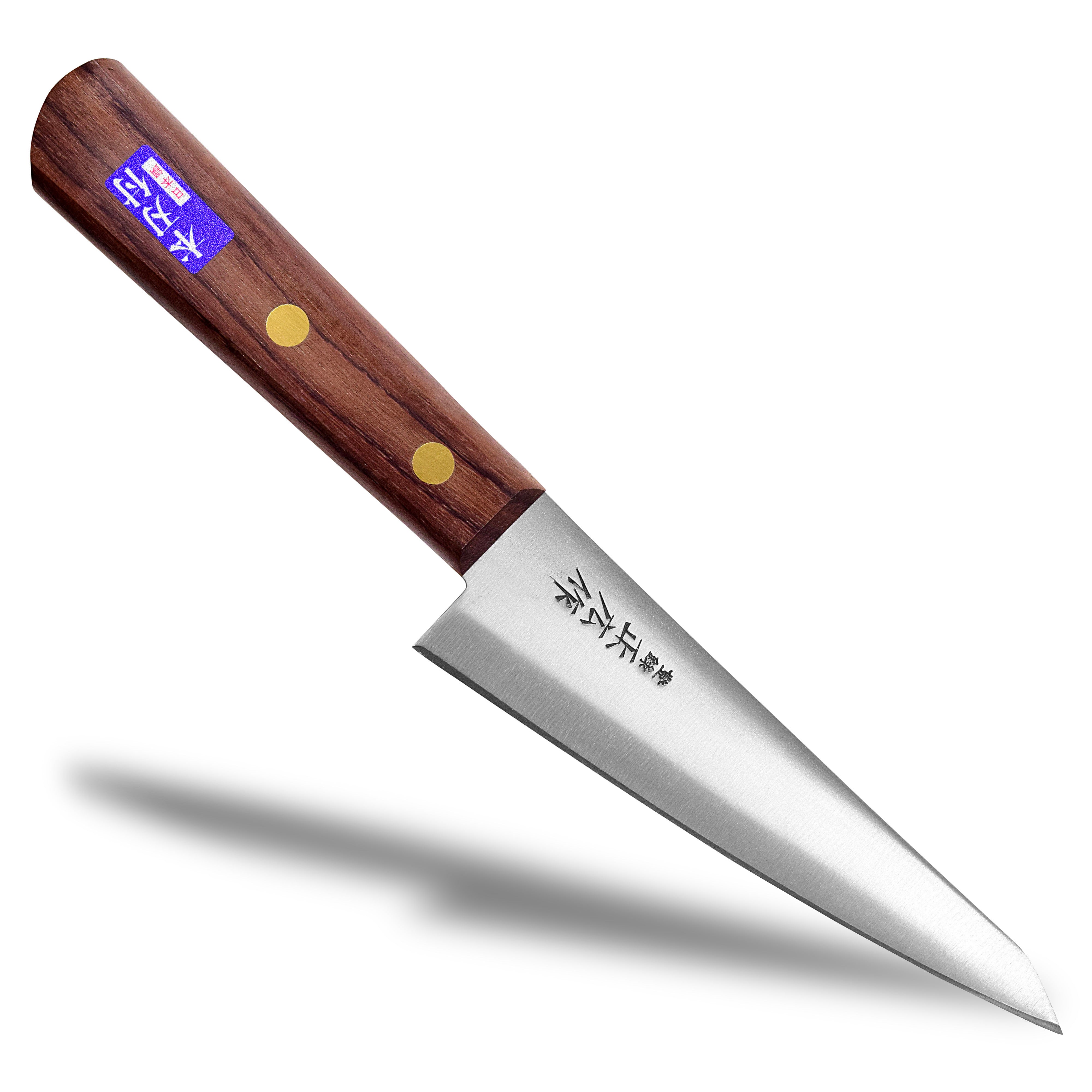
Here are some popular knives with stylish designs.
summary
You should consider replacing your kitchen knife when it becomes dull, or when you notice chips or rust on the blade. If maintenance doesn't restore its sharpness, you should consider replacing it!
When choosing a kitchen knife, it's important to select one that suits your purpose, is easy to use, is made of a suitable material, and feels comfortable in your hand.
We hope you find the perfect one for you!