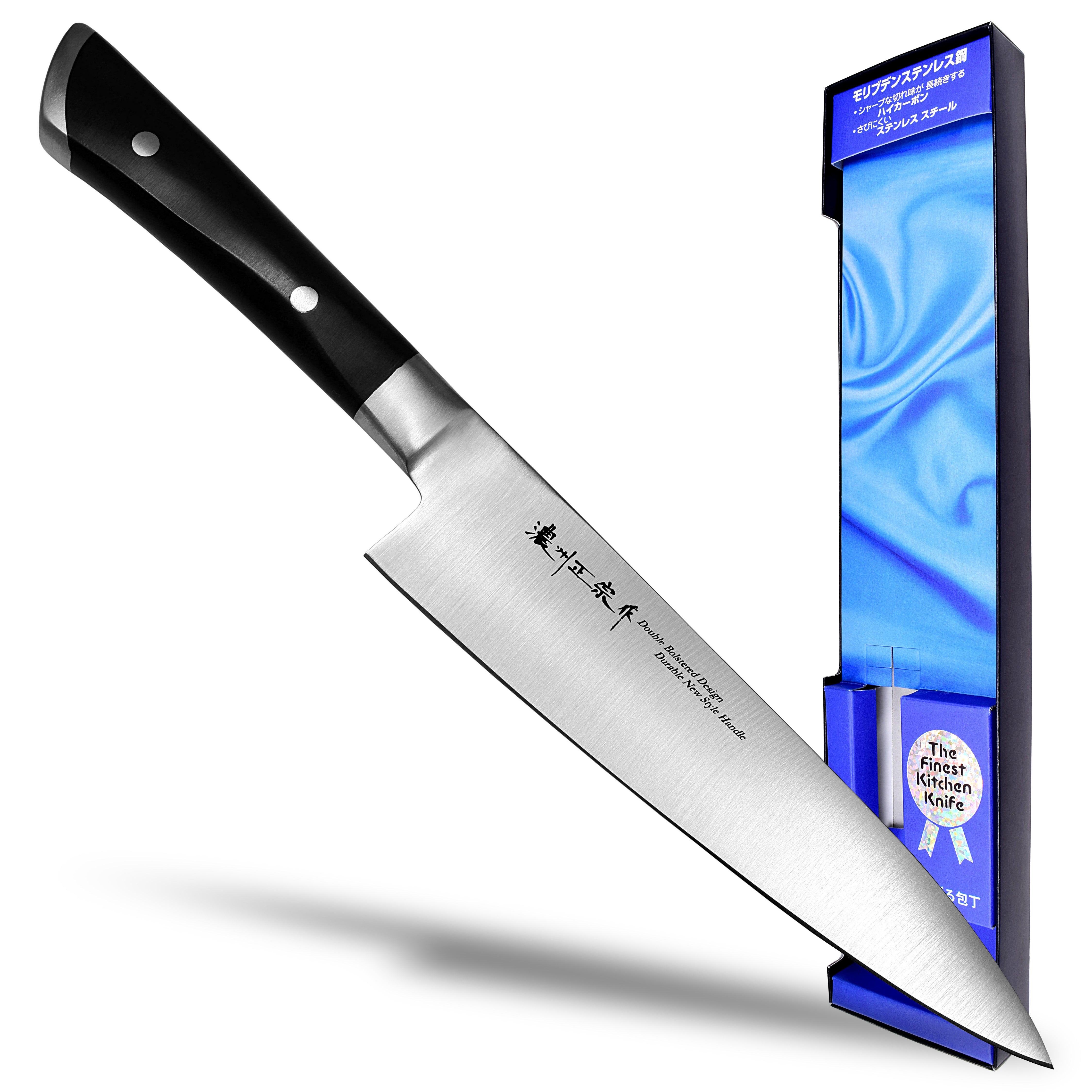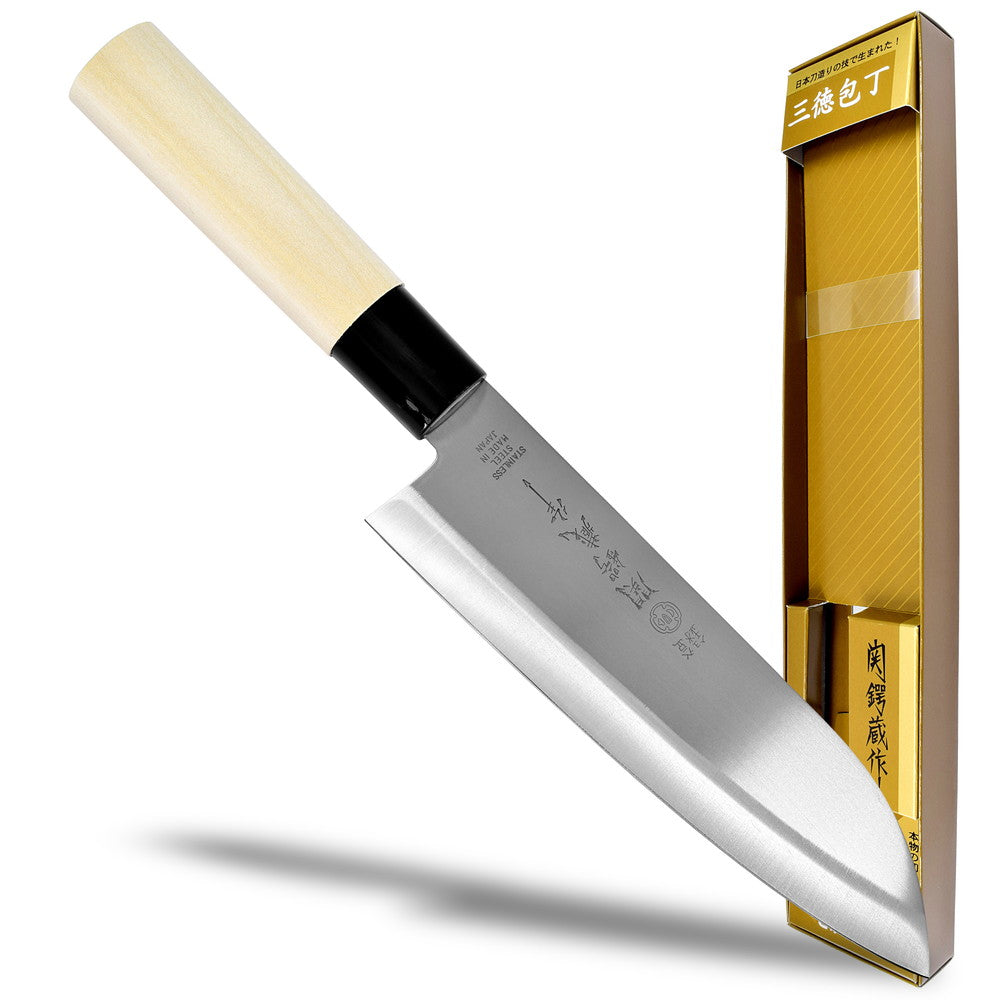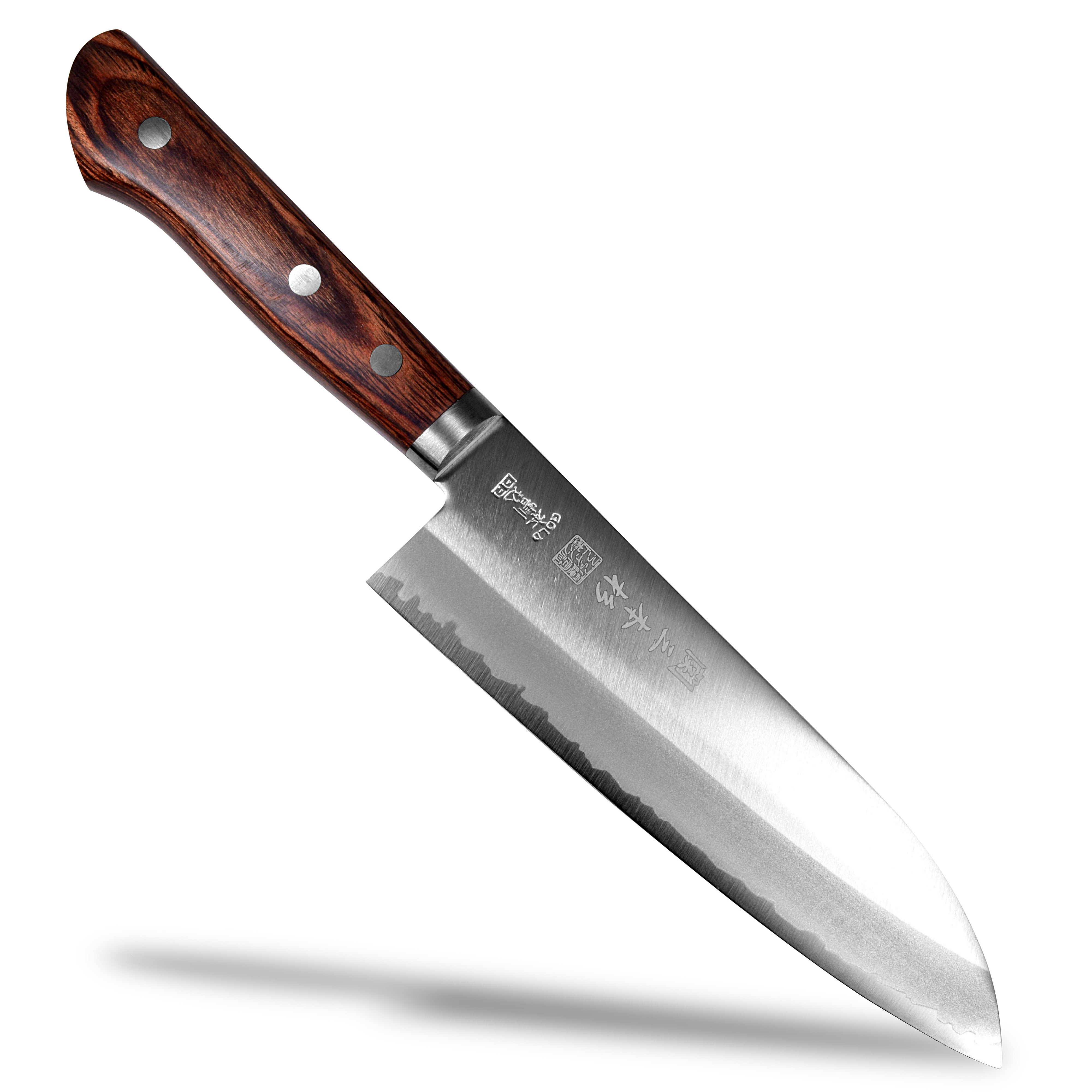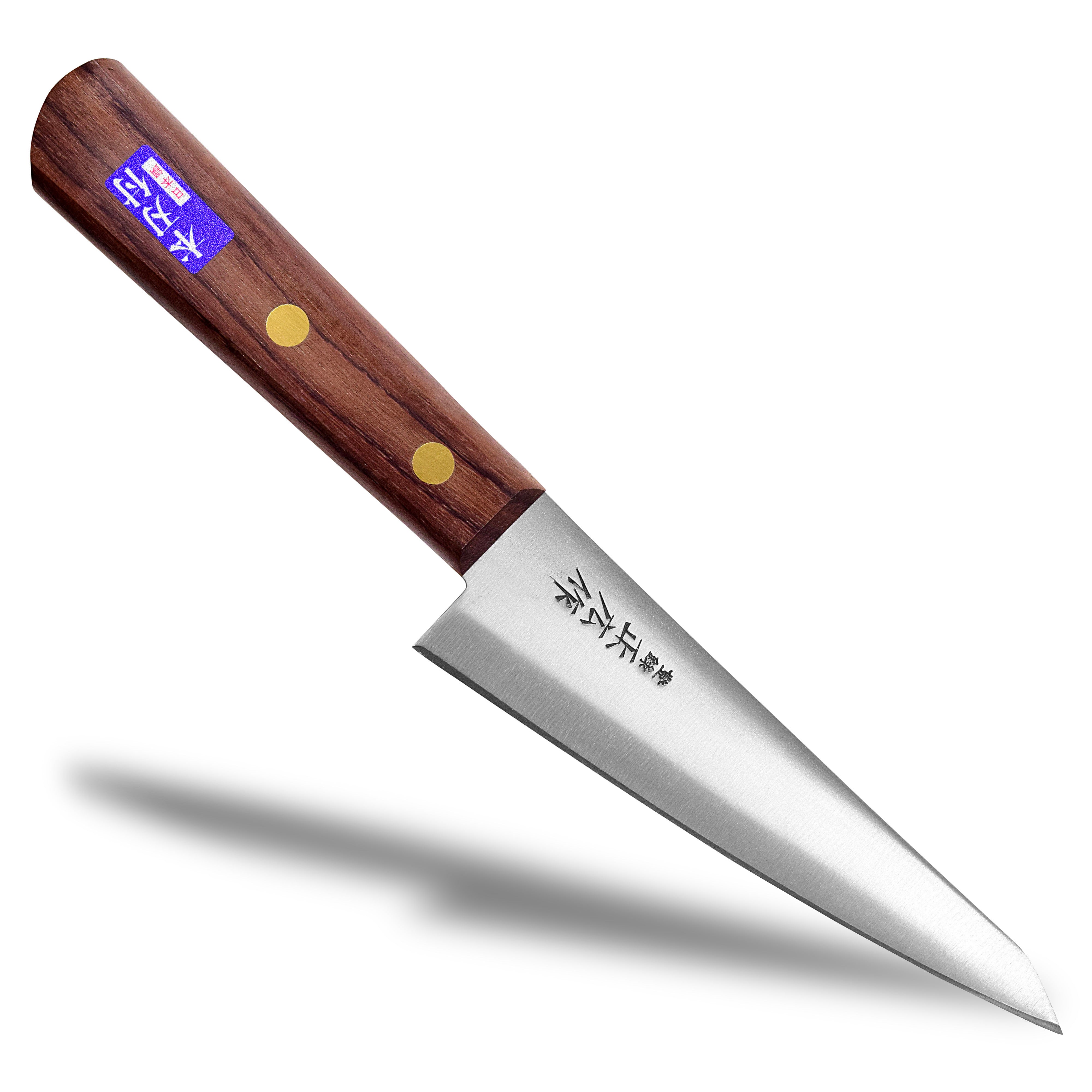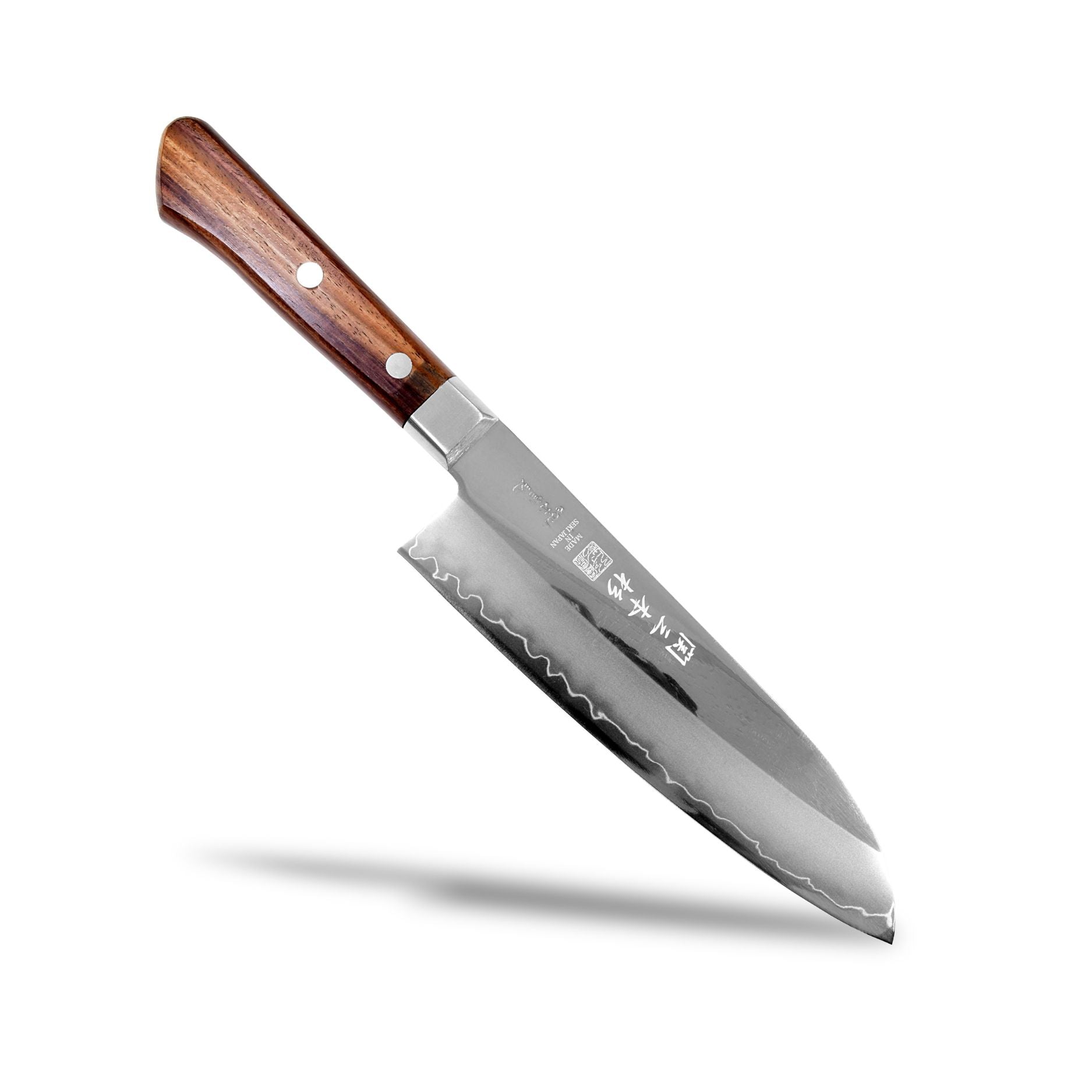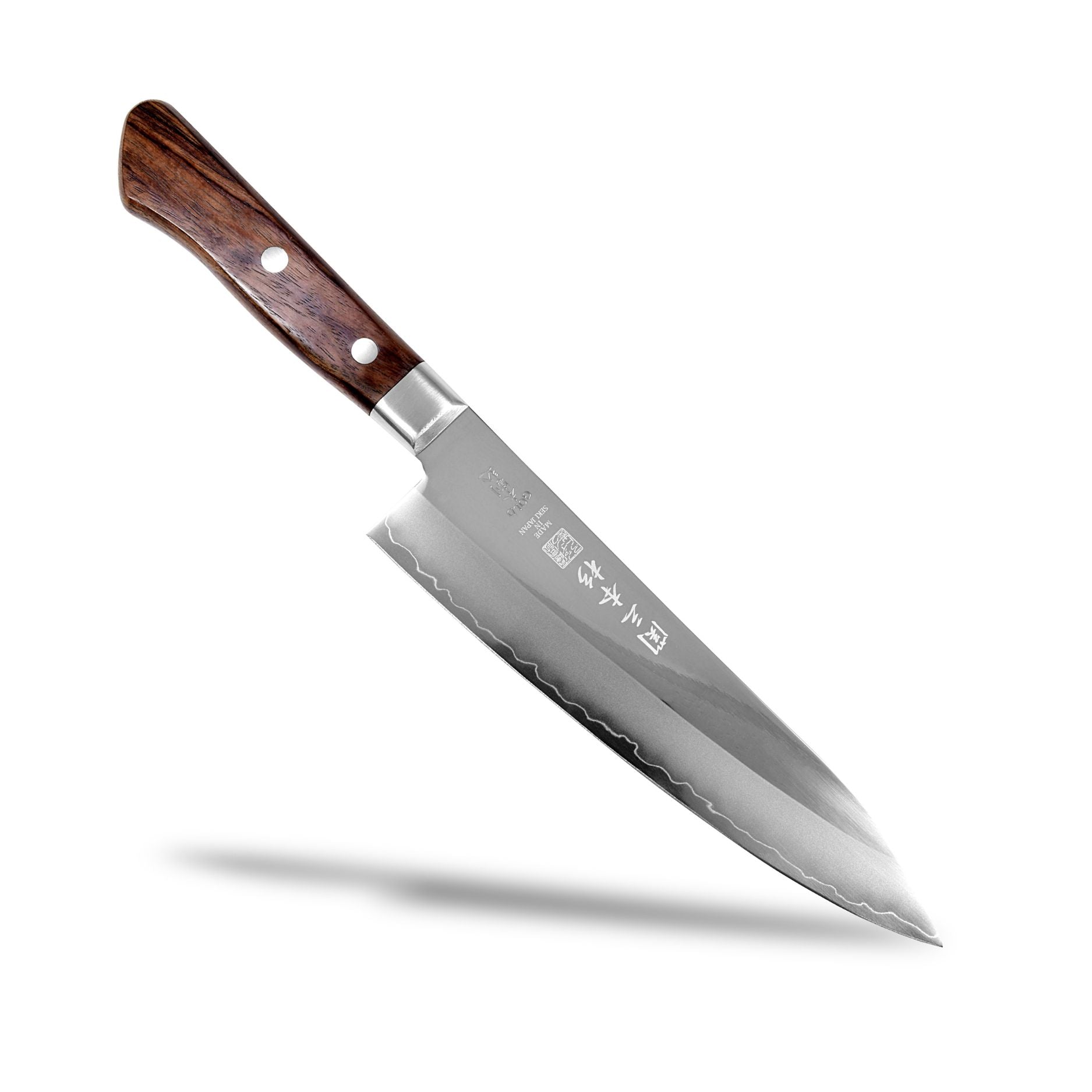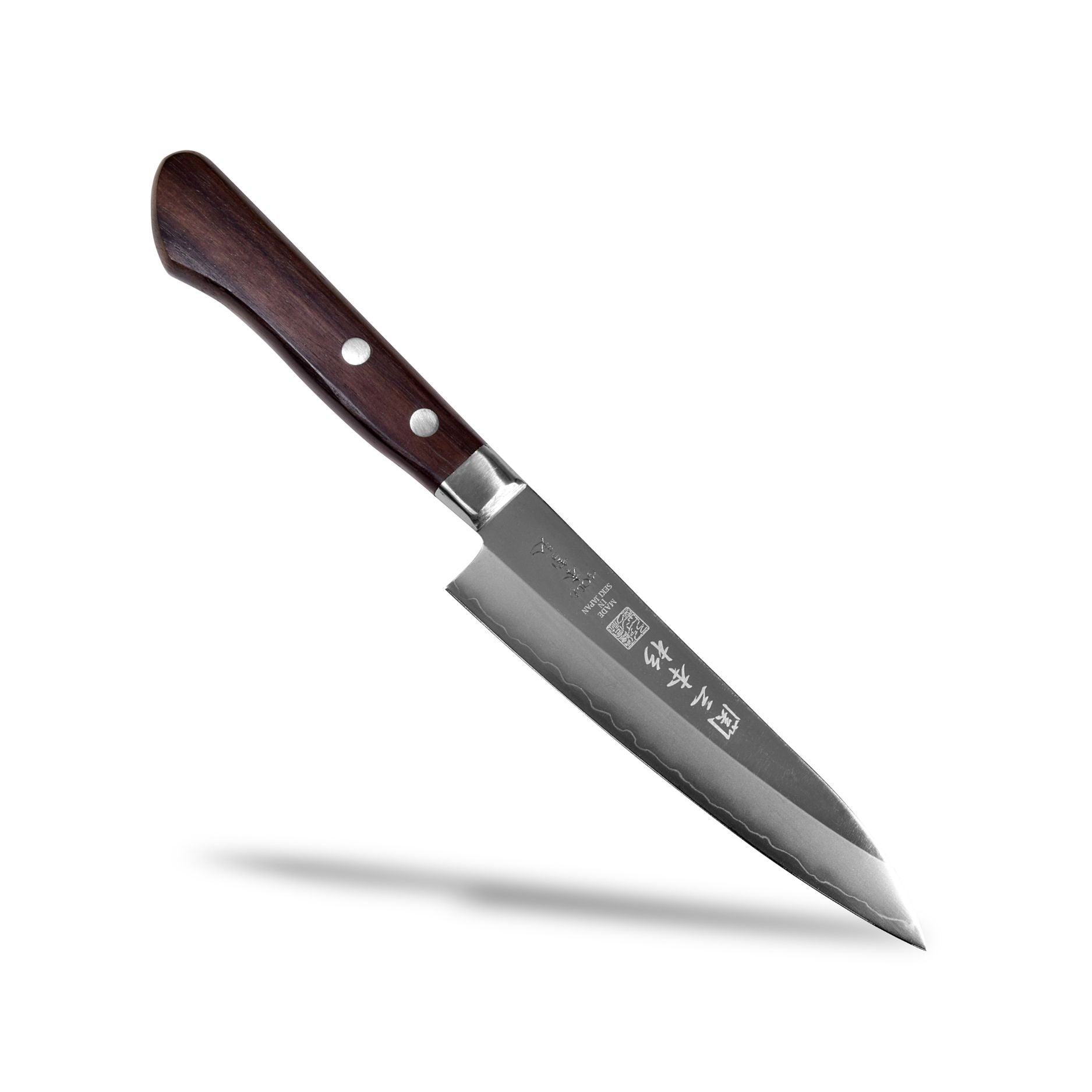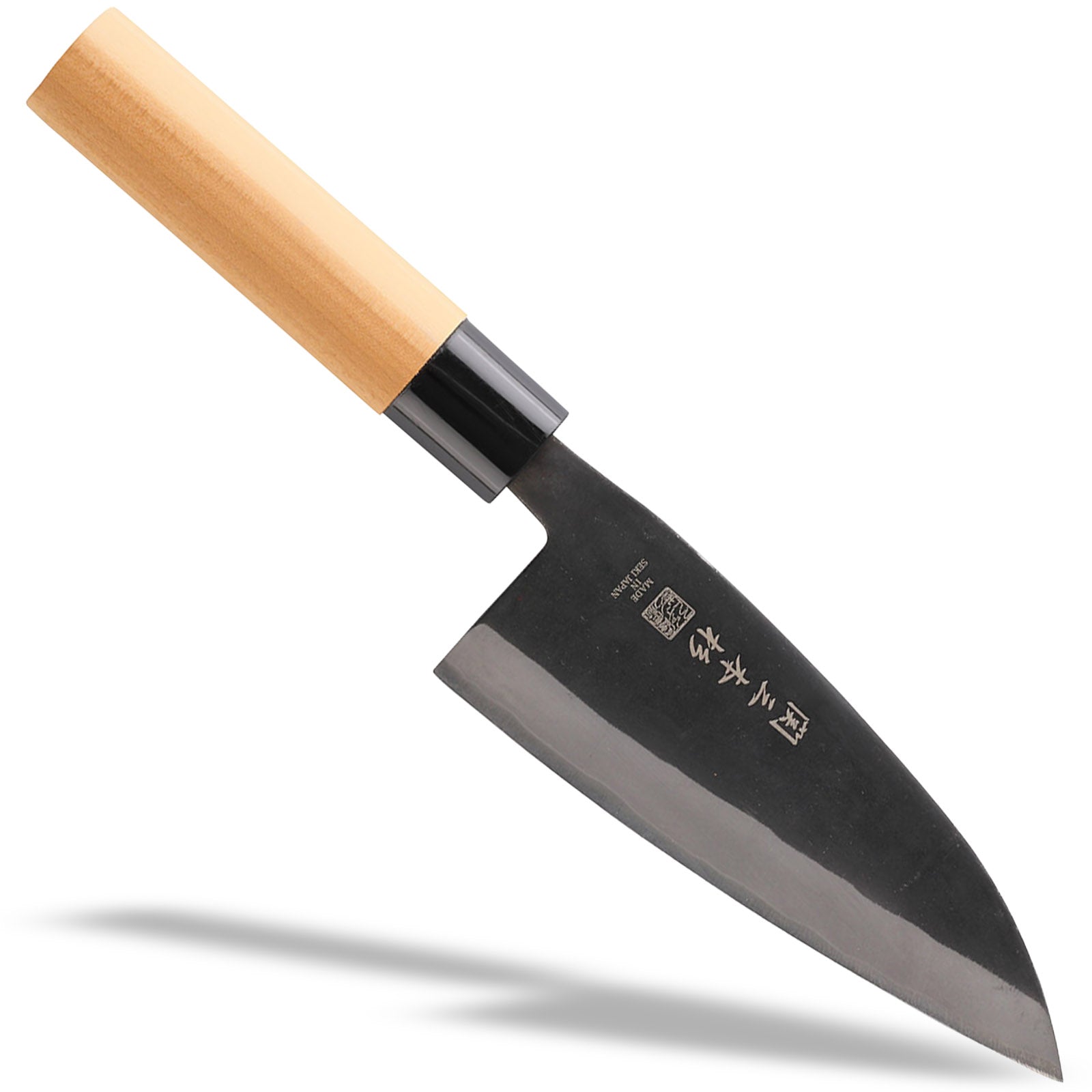

What is a Japanese kitchen knife? Let's start by understanding the overall picture.
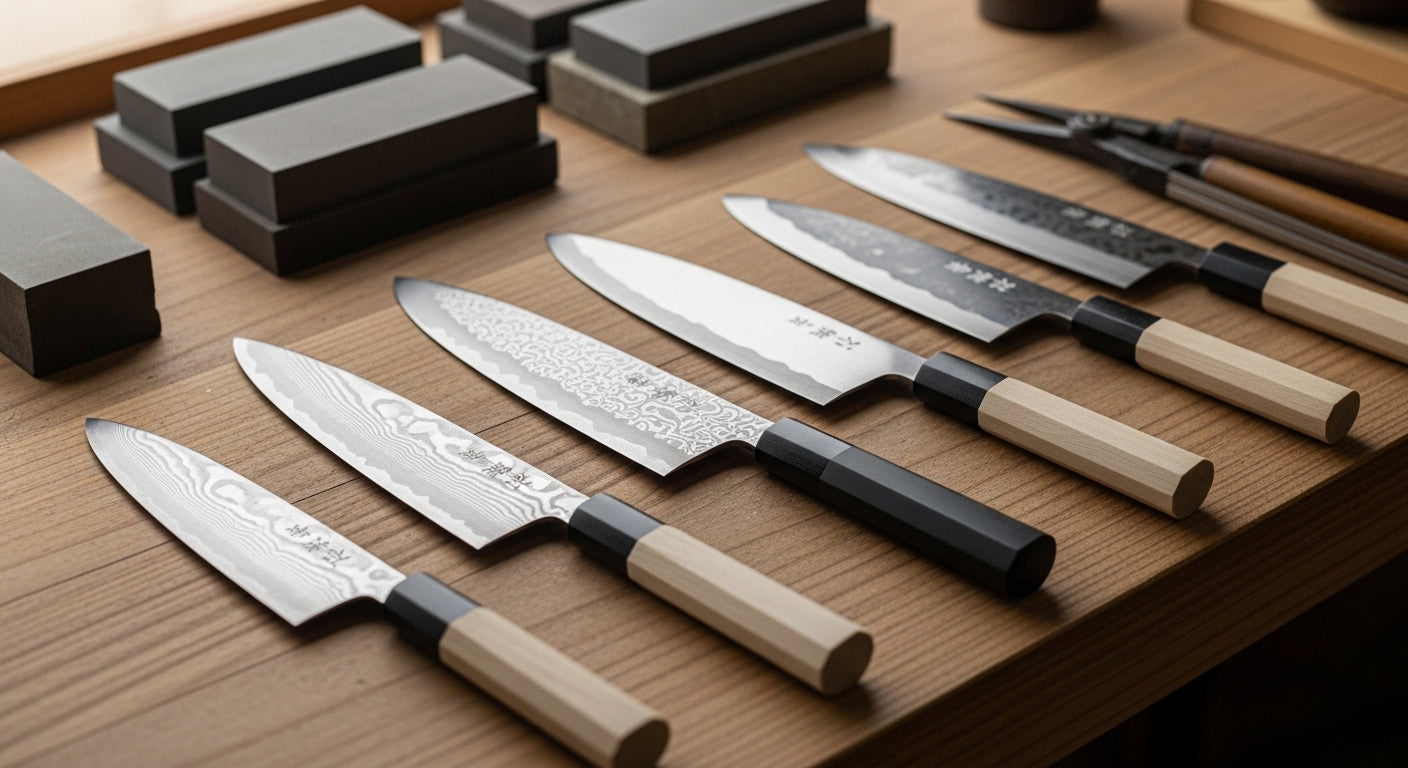
Japanese kitchen knives are not simply "knives made in Japan," but rather a system of specialized tools that have evolved to suit the processes of Japanese cuisine. Their key features include shapes designed for specific uses, a single-edged construction, and a culture of resharpening and continuing to use them.
- Designed specifically for different uses: Deba knives are for fish, yanagiba knives for sashimi, and usuba knives for vegetables; their roles are clearly defined.
- Single-edged structure: By having a sharp blade on only one side, the cut surface is clean and less likely to damage the cells of the food.
- Regeneration through sharpening: It's possible to use them for over 10 years by resharpening them with a whetstone, making them more like "tools to nurture" than "consumable items."
The texture on the tongue and the transparency of the cross-section when sashimi is sliced with a single cut are difficult to replicate with a double-edged all-purpose knife, and this is one of the reasons why Japanese knives are highly regarded worldwide.
Historical background: From sword culture to specialized cooking tools
The roots of Japanese kitchen knives lie in the techniques of Japanese swordsmiths and the history of culinary specialization from the Edo period onward. In Edo, which was rapidly urbanizing, the number of specialized professions for each role, such as fish chefs and vegetable preparers, increased, leading to a demand for the most suitable blade for each stage of the process.
- Deba knife: It has the thickness and weight to withstand being used to fillet fish and to cut through bones.
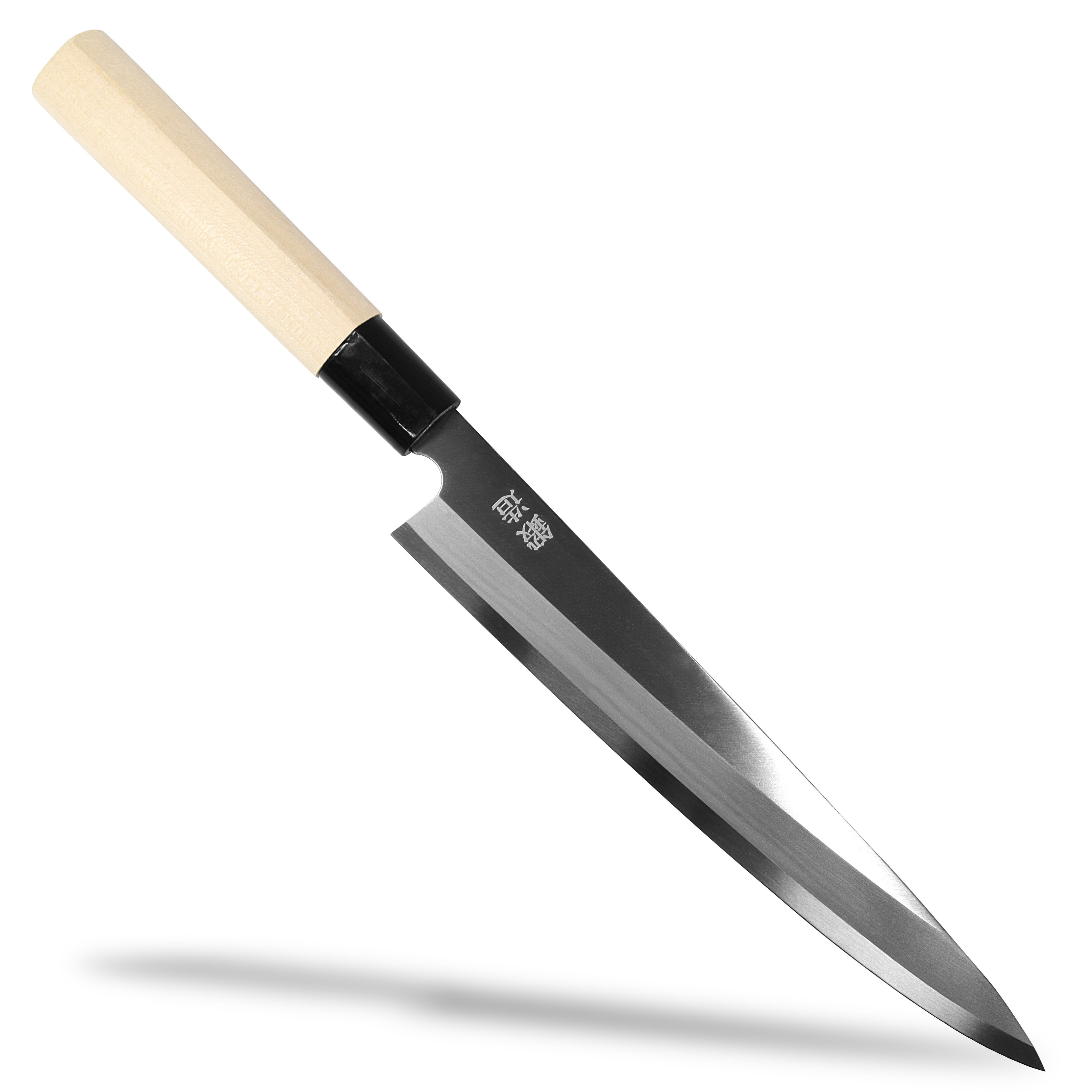
- Yanagiba: By slicing sashimi with a long, single stroke, the cut surface is not crushed, resulting in a balance between texture and appearance.
- Thin blade: A straight, single-edged blade is used for delicate tasks such as peeling vegetables thinly and decorative cutting.
The differences in shape are not a matter of "aesthetic preference," but rather a result of functionality—how efficiently and neatly the process can be carried out.
The three essential Japanese kitchen knife skills you should learn first.
From here, we will organize the three types of Japanese kitchen knives that you should definitely know as an introduction to them, based on their functions.
Deba knife: The main tool for filleting fish.
A deba knife is a knife optimized for filleting fish and removing the head. Its thick and heavy blade makes it easy to control while working against bone.
- Knives come in various sizes, such as the standard deba, small deba, and funayuki, depending on the size of the fish and intended use.
- It's not suited for chopping like an axe; the key is to use it with the image of "moving it along the bone."
If you frequently prepare small fish at home, starting with a small deba knife will make it easier to handle and help you become more proficient.
Yanagiba knife: The knife that determines the final result of sashimi.
The yanagiba knife is characterized by its long, slender blade, designed to slice sashimi in a single, smooth motion. By using this slicing technique, the cut surface is not crushed, resulting in a smoother texture and enhancing the beauty of the presentation.
- In the Kanto region, the takohiki (octopus slicing) knife is commonly used, while in the Kansai region, the yanagiba (sashimi knife) is more common, indicating that regional preferences for knife shapes vary.
- If the blade is too long compared to the length of the cutting board, it will be difficult to handle, so you need to choose one that suits your kitchen environment.
For those who frequently make sashimi or carpaccio at home, having just one yanagiba knife can dramatically change the impression of the finished dish.
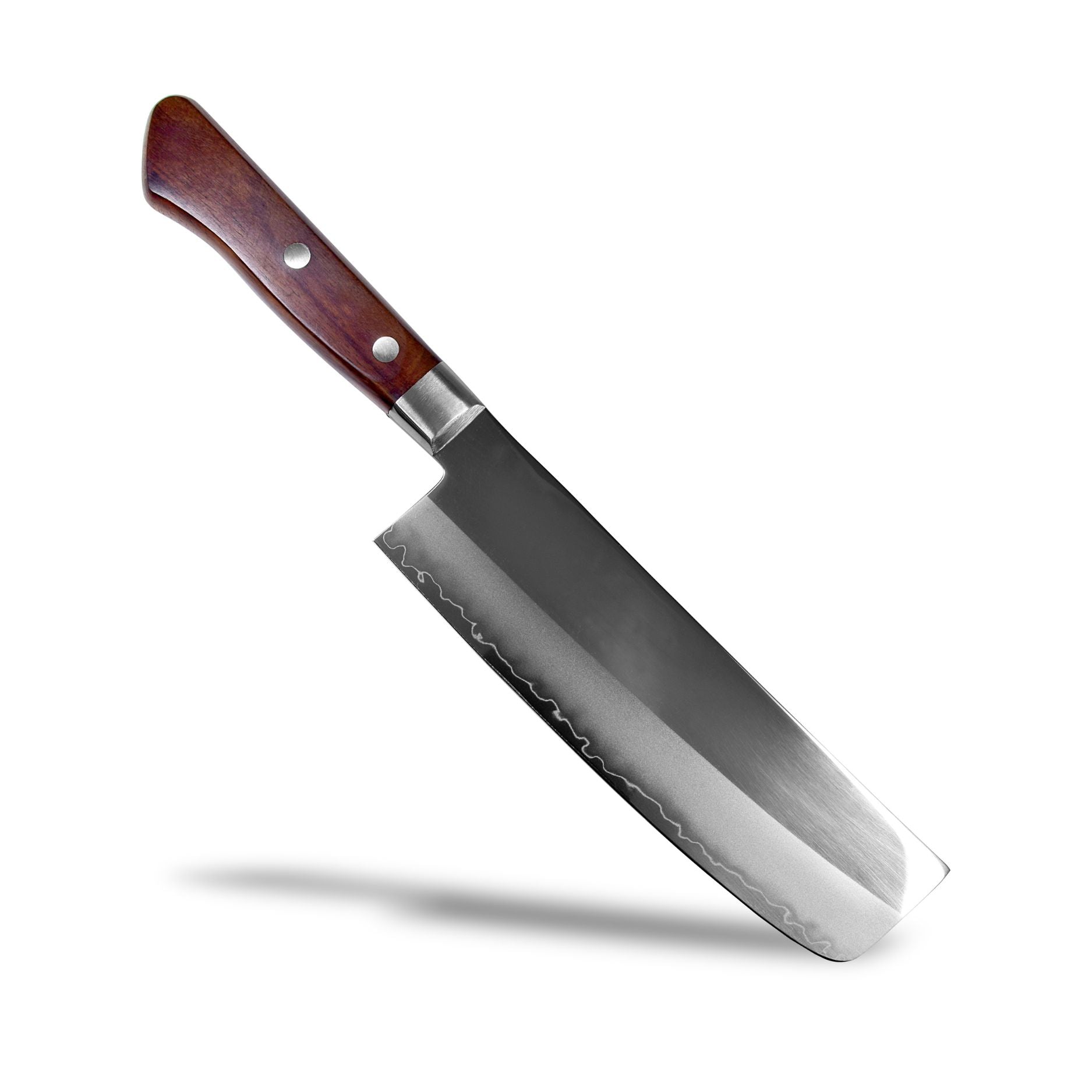
Thin-bladed knife: Improves precision in vegetable preparation.
A thin-bladed knife is a knife specifically designed for vegetable carving, such as peeling, chamfering, and fine chopping. Its straight blade and single-edged structure make it easy to cut straight and create cuts of uniform thickness.
- In the Kansai region, sickle-shaped thin blades are used, while in the Kanto region, Edo-style thin blades are used, meaning the blade shape differs depending on the region.
- If you don't need this level of expertise for home cooking, a double-edged vegetable knife is easier to handle and maintain.
In professional settings, the presence or absence of a thin blade directly impacts the speed and visual quality of the work, making it an essential tool.
Choosing steel: Don't choose based solely on sharpness.
Japanese kitchen knives are made from steels of several representative types, such as "white steel," "blue steel," "silver steel," and "powdered steel," each suited to a different user profile. The important thing is not to choose "the one that cuts the best," but rather to consider "whether it suits your maintenance style and intended use."
- White Steel: Easy to sharpen and produces a sharp edge, making it suitable for those who enjoy sharpening and those who like to take care of their knives themselves.
- Blue Steel: Offers excellent edge retention and performs well in high-frequency environments such as professional workplaces.
- Gin-san steel: Its rust-resistant and easy-to-handle properties make it well-balanced for home use to hobby use, and it allows you to experience the essence of a Japanese knife even among stainless steel knives.
- Powdered steel: While it offers high hardness and durability, it is more difficult to sharpen, making it more of a choice for advanced users and professionals.
Actual performance is not determined solely by the steel material; it is greatly influenced by the craftsman's work, including the precision of the heat treatment and the setting of the blade angle.
The essence of Japanese knives lies in the "sharpening culture."
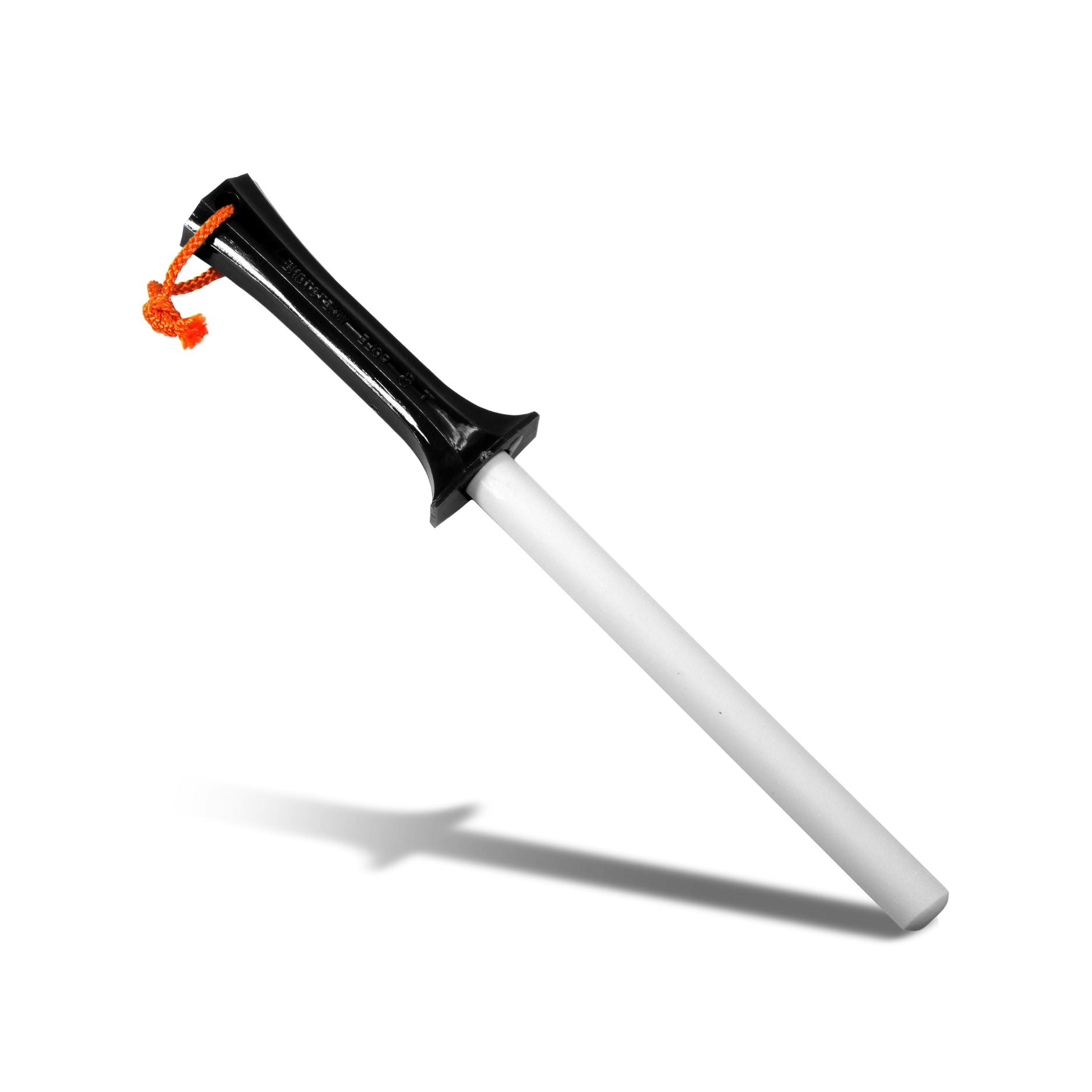
Sharpening is the most important aspect of bringing out the best performance in a Japanese kitchen knife. Especially with single-edged knives, the "back side is everything," and if the back bevel structure is not properly maintained, the original sharpness and straightness will be lost.
The basic structure of sharpening is as follows:
- Medium grit (around #1000): This process firmly shapes the cutting edge, bringing it closer to a state where it can actually cut.
- Back beveling with a finishing whetstone: Lightly pressing the back side against the whetstone to smooth it out and create a delicate finish on the blade edge is crucial for quality.
Maintaining a flat surface on the whetstone itself is also important; if the whetstone is concave, the blade will not make contact at the correct angle, and the shape of the single-edged blade will easily become distorted.
The "Japanese kitchen knife industry" as seen from production areas and statistics.
Japanese kitchen knives have not only cultural significance but also a major presence in the modern export industry. The total value of kitchen knives shipped nationwide is estimated to be around 20 billion yen, and Gifu Prefecture accounts for a remarkably large share of approximately 57% of that total.
The main producing regions have the following characteristics:
- Gifu Prefecture, Seki City: A region that carries on the tradition of sword making, yet is also strong in industrial mass production and export.
- Sakai City, Osaka: A culture of forged blades, based on a division of labor and skilled craftsmanship, is deeply rooted here, and high-value-added Japanese kitchen knives are highly regarded worldwide.
In these production areas, the process is divided into stages such as forging, sharpening, and handle attachment, meaning that the work of multiple craftsmen is connected on the back of a single knife.
The direction of the Japanese kitchen knife market from 2026 onwards
The future of the Japanese kitchen knife market is expected to see continued strong external demand, but shift from simple price competition to "value competition." This is likely due to continued inbound demand, expansion of professional use, and growth in related markets such as maintenance and sharpening services.
- The increasing demand from chefs and enthusiasts overseas will give producers and workshops with strong brand recognition and compelling stories a competitive advantage.
- Services such as sharpening and handle replacement, which are designed for long-term use, will contribute to both user satisfaction and the profitability of the production area.
For those choosing a Japanese kitchen knife, the perspectives of "where and by whom it was made" and "how to maintain it" will become increasingly important in the future.
Common questions and the first step
Here are some questions that people interested in Japanese kitchen knives inevitably encounter.
What should I choose as my first bottle?
If you frequently handle fish, a small deba knife is a good starting point, while a shorter yanagiba knife is better if you primarily enjoy sashimi. This will help you experience the true essence of Japanese knives.
Can stainless steel knives still retain the "essence of traditional Japanese knives"?
If you choose a Japanese kitchen knife made with materials like Gin-san steel, you can fully enjoy the characteristics of a Japanese kitchen knife while maintaining rust resistance and ease of use.
How long can it be used?
If you continue to sharpen them properly, it's not uncommon for them to last for more than 10 years, and it's more like "nurturing" them than "replacing" them.
Are expensive knives really that different?
The precision of the manufacturing process, the quality of the heat treatment, and the finishing touches of the sharpening are all factors that contribute to the sharpness and durability of the blade, so price differences tend to reflect differences in performance.
"Next reading" from this article
This main article has provided an overview of the overall picture and direction of Japanese kitchen knives. For those who want to choose or use a knife more specifically, you can proceed to the next sub-article to deepen your understanding step by step.
- Types and Selection of Japanese Kitchen Knives: Features of various types including Deba, Yanagiba, and Usuba, and recommended configurations based on lifestyle.
- The Complete Guide to Sharpening Japanese Kitchen Knives: From choosing a whetstone to the actual sharpening procedure and common mistakes, this guide explains everything in detail.
- Differences between different types of steel and recommendations: A guide to the properties of white steel, blue steel, silver steel, and powder steel, and the best buy options for different purposes.
Japanese kitchen knives are the culmination of Japanese food culture, craftsmanship, regional division of labor, and materials science. Choosing the right knife for you based on two criteria—"what you'll be cutting" and "how much enjoyment you're willing to put into maintaining it"—is the starting point for a good relationship with Japanese kitchen knives.