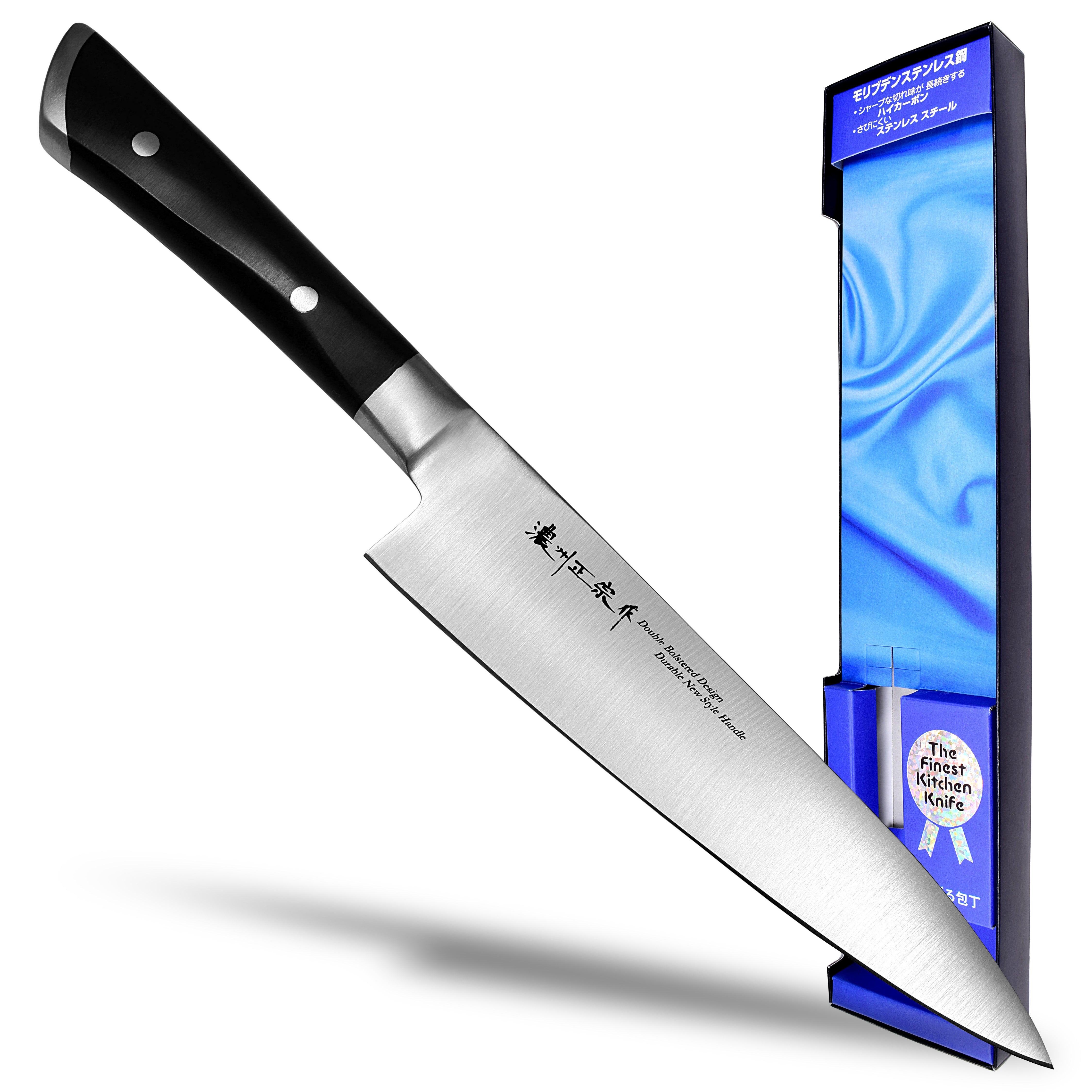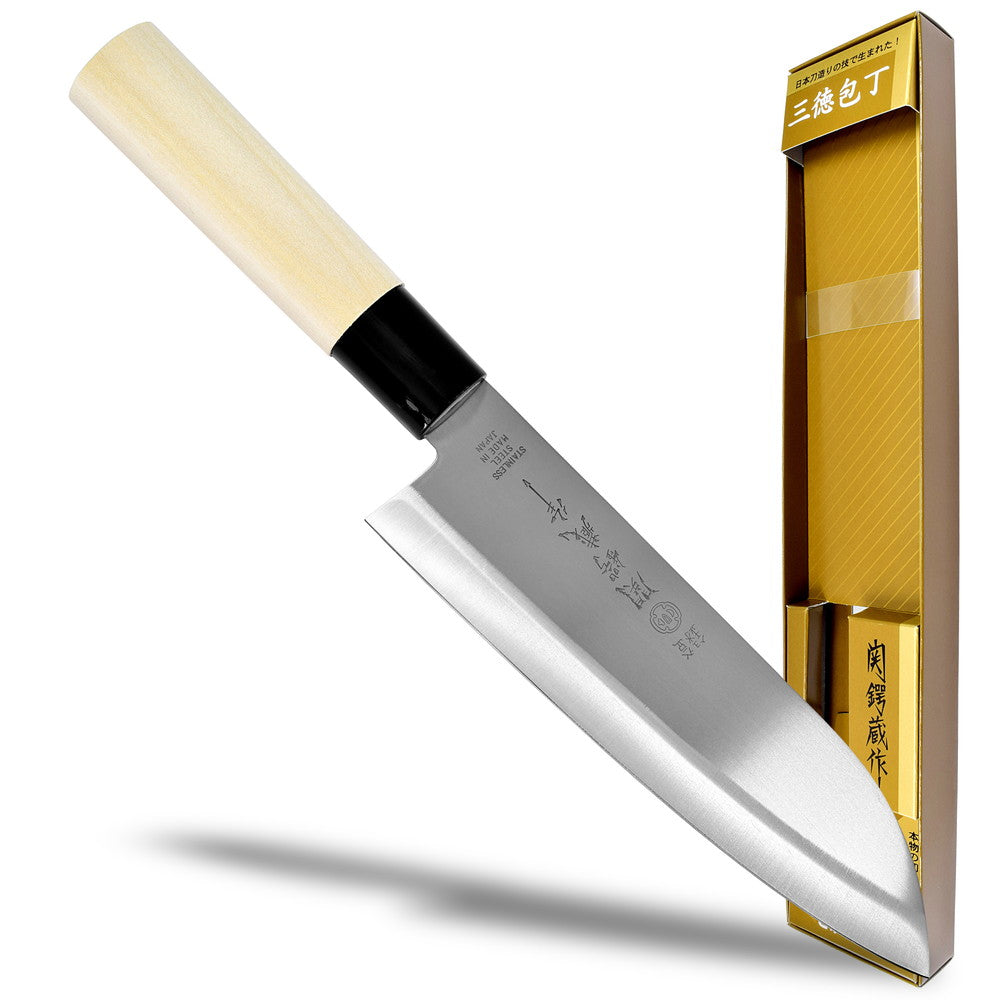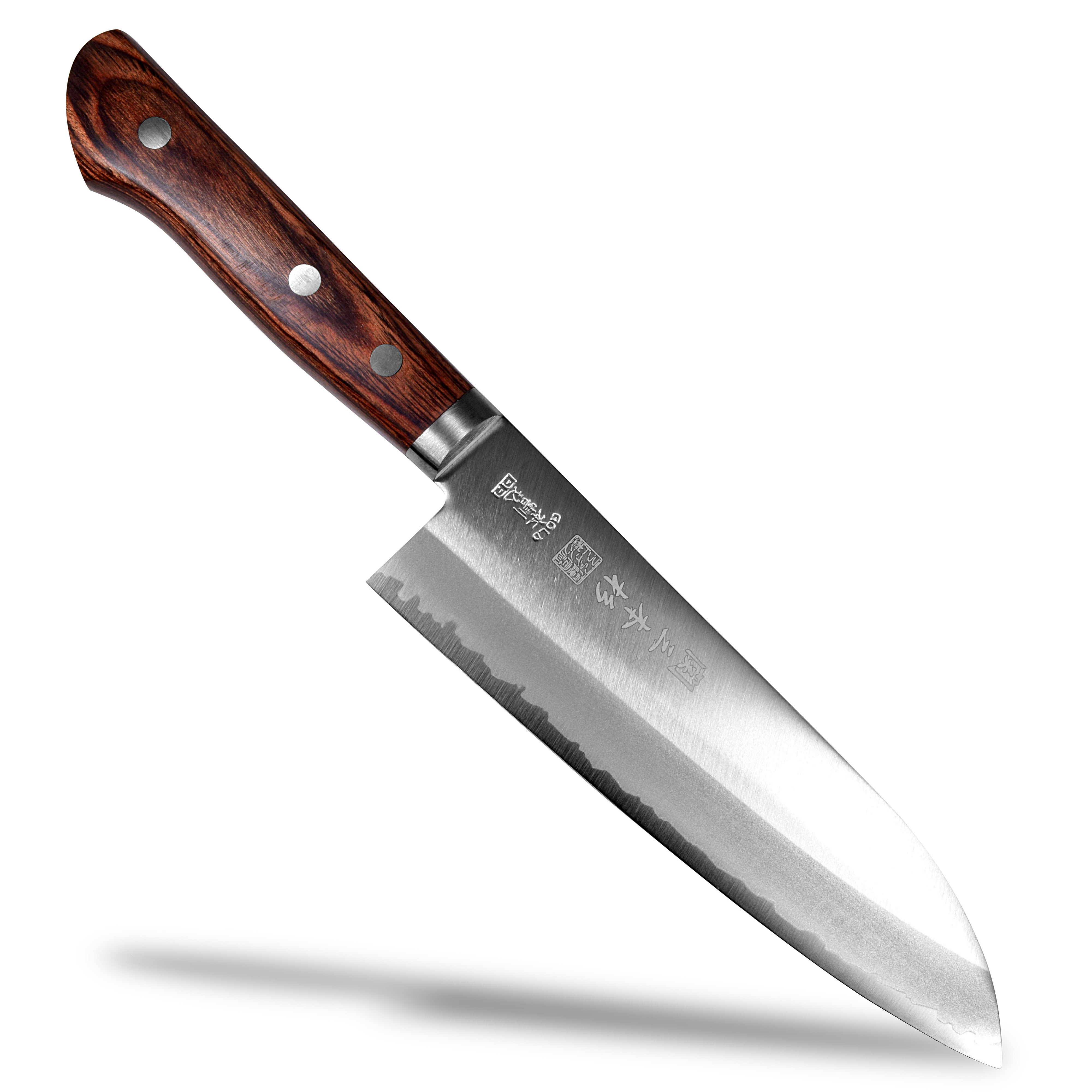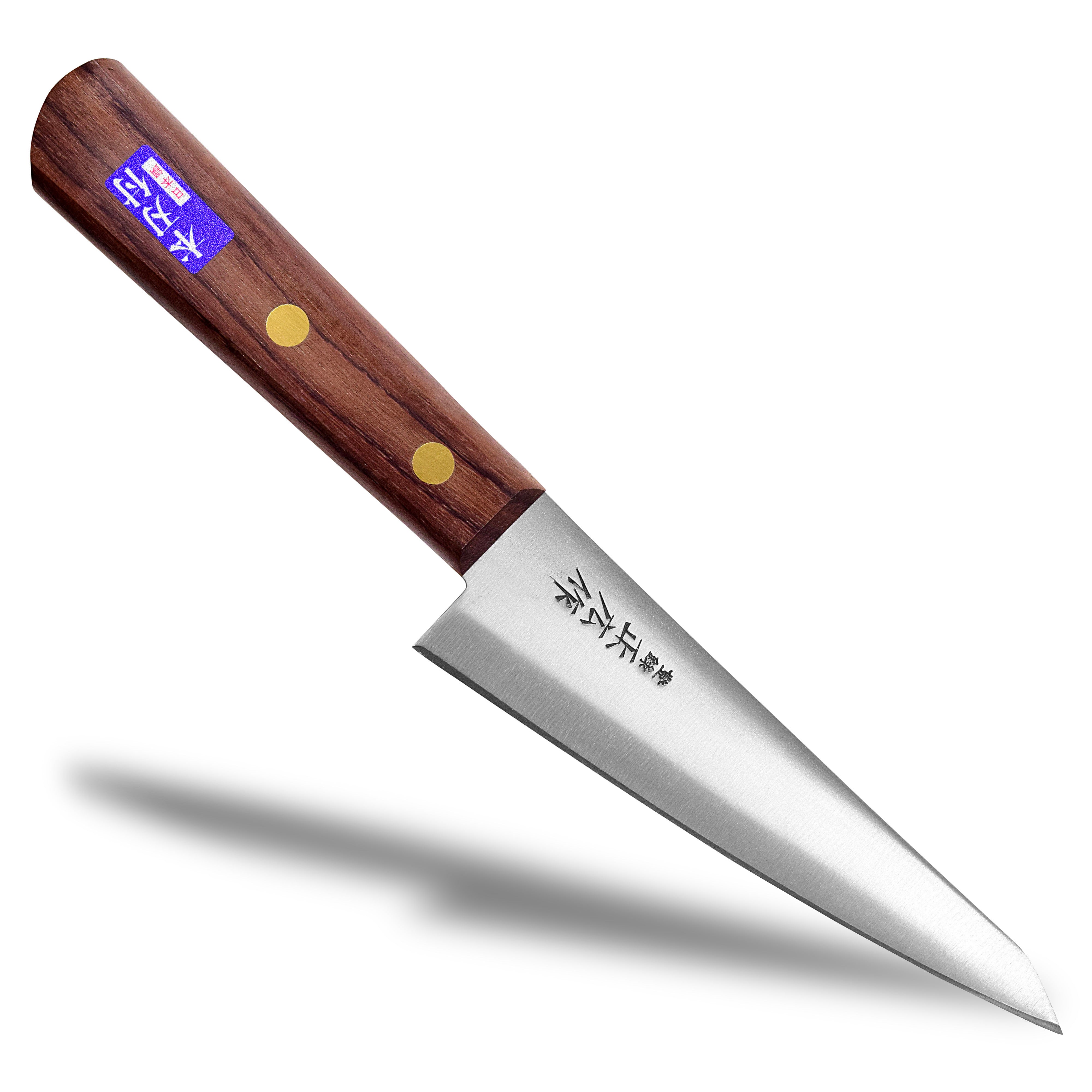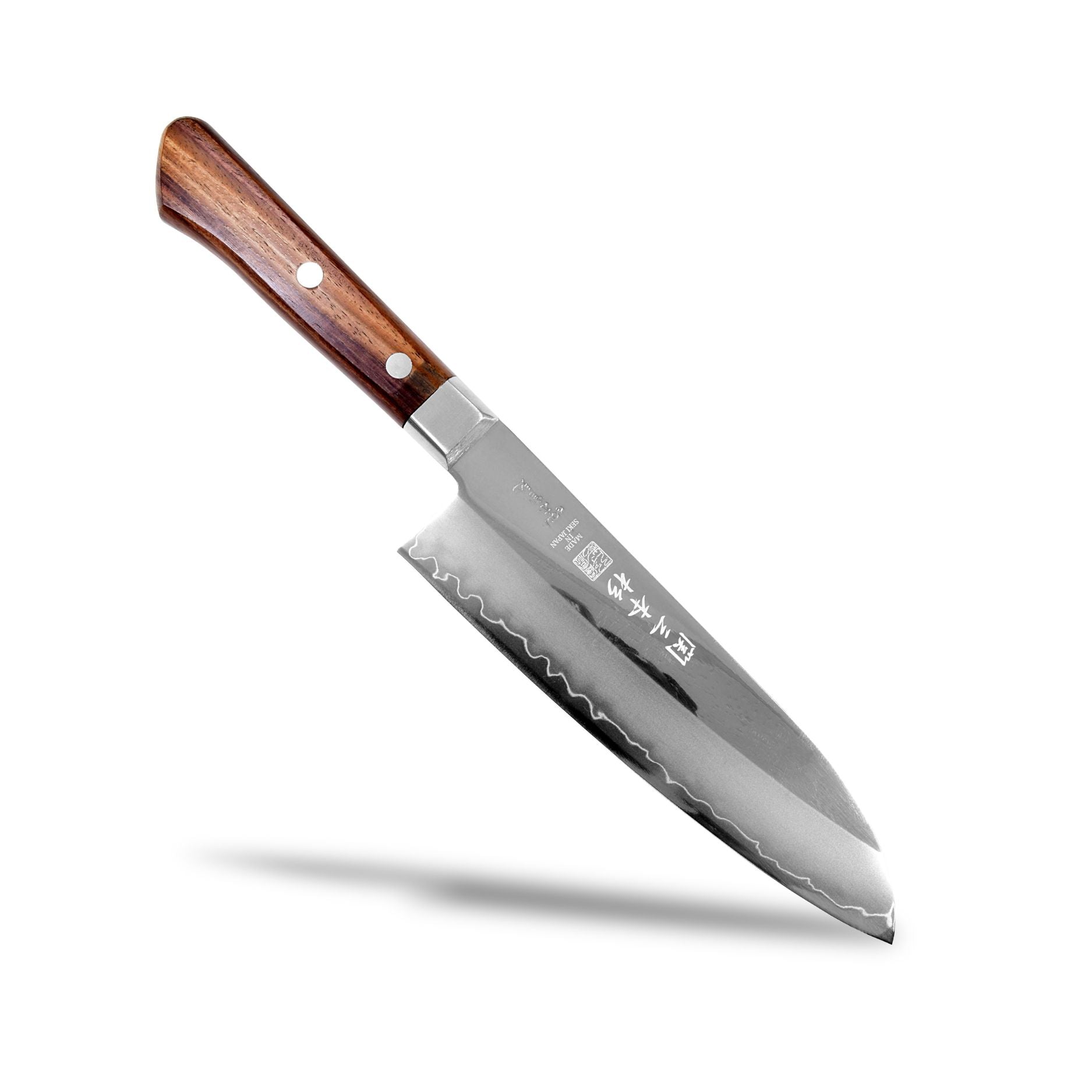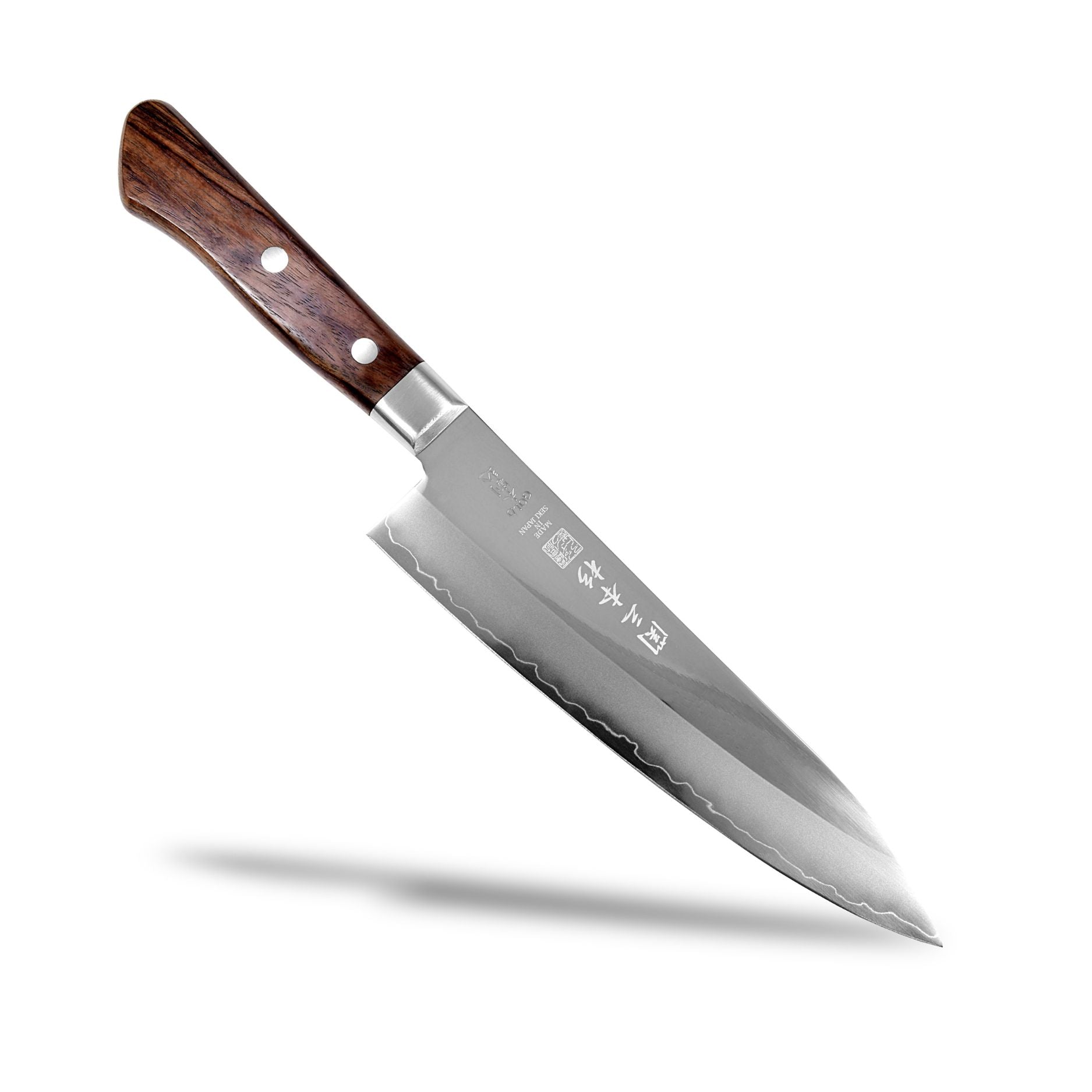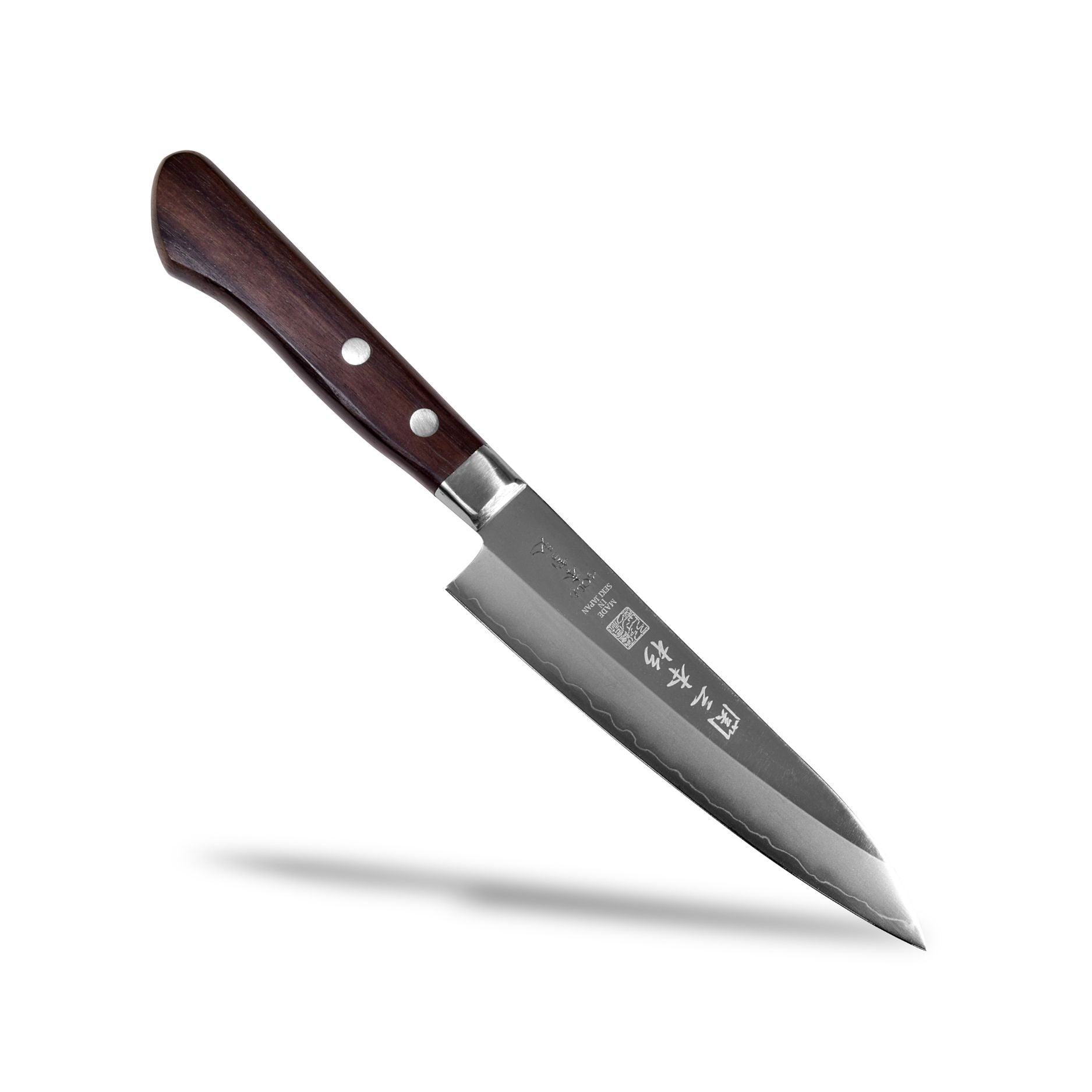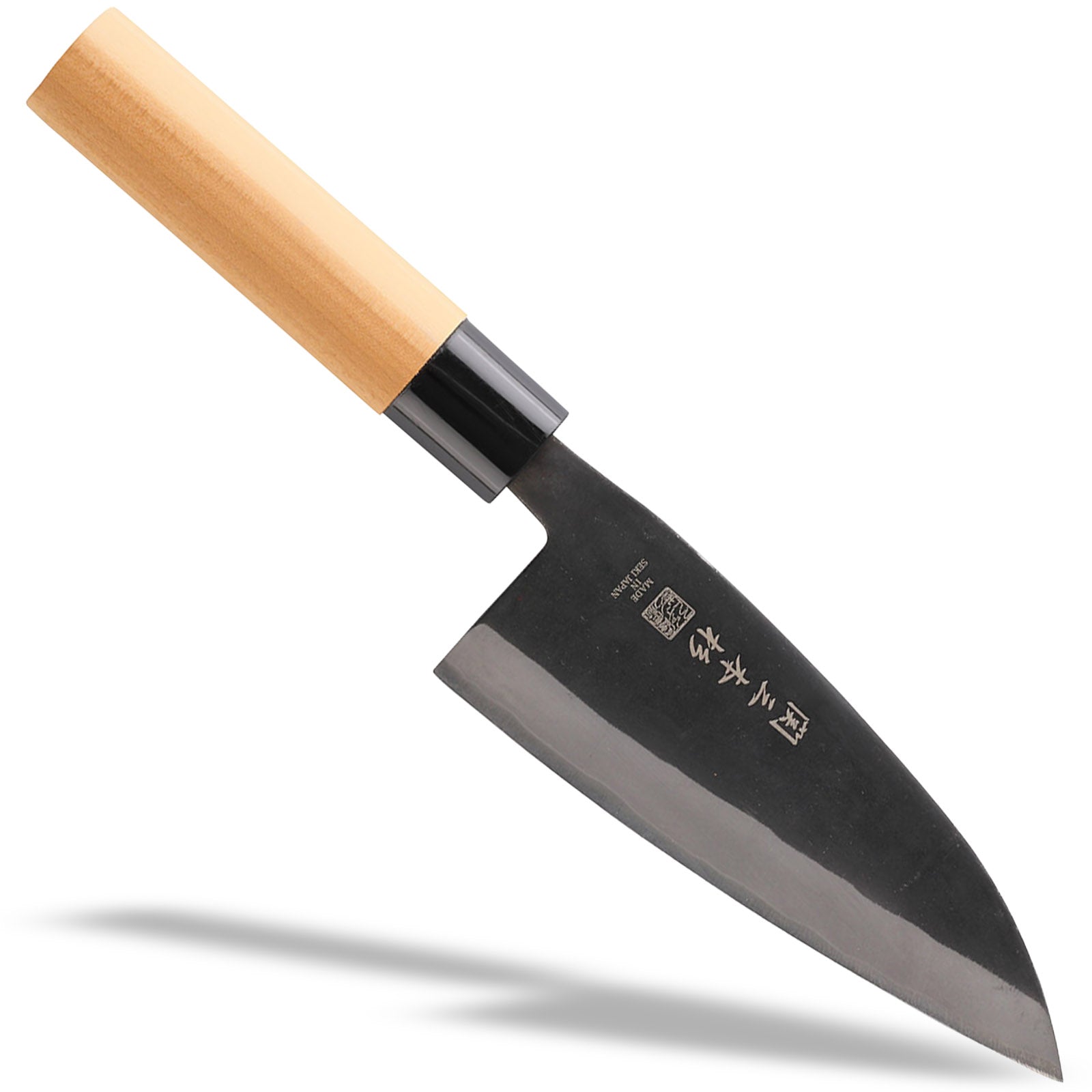

The steel materials and chef's knife blades that are loved by professionals on the job site: A clear explanation of the features that professionals should know.
For professional chef's knives, the key is "the selection of steel = finding the right balance between sharpness, edge retention, and ease of maintenance," and how to use different types of steel originating from traditional Japanese kitchen knives.
Key points of this article
- The standard steel materials used in Japanese kitchen knives (white paper, blue paper, silver, and stainless steel) are core elements that determine the performance of even professional chef's knives.
- When choosing steel for a professional chef's knife, you need to consider the trade-offs between "sharpness," "edge retention," "rust resistance," and "ease of sharpening."
- For jobs where tools are used all day long, high-end steel materials such as Aogami Super, VG10, and powdered high-speed steel offer a significant advantage in reducing the need for resharpening.
Conclusion of this article
For professional chef's knives, the most rational approach is to choose a steel material that has a proven track record in Japanese kitchen knives (such as Shirogami, Aogami, Gin-san, VG10, and powdered high-speed steel) that suits your specific needs.
Blue Steel, Blue Steel Super, and Powdered High-Speed Steel are chosen by professionals who prioritize sharpness and edge retention above all else.
White steel and silver-grade steel are suitable for chefs who want both ease of sharpening and sharpness.
Stainless steel (VG10, molybdenum, AUS) is ideal for sites where rust resistance and ease of maintenance are important.
The steel materials used in Japanese kitchen knives and the characteristics of chef's knives | How professionals should understand them
When professionals choose a chef's knife, the key is to consider "how to make the most of the characteristics of the steel," and to apply the knowledge gained from working with traditional Japanese kitchen knives directly to the design of a chef's knife.
Carbon steel (white paper, blue paper) and stainless steel (silver-san, VG10, etc.), commonly used in Japanese kitchen knives, are also applied to chef's knives, allowing for fine-tuning of the balance between sharpness, rust resistance, and ease of sharpening. In short, "steel material = the character of the knife," and for professional chef's knives, choosing the right steel directly impacts work efficiency.
Four performance axes that are important for professional use
- Sharpness of the blade (initial cutting performance)
- Blade retention (how long the sharpness lasts)
- Corrosion resistance (resistance to rust)
- Ease of sharpening (how quickly it can be resharpened on-site)
Advantages of using Japanese knife steel for chef's knives
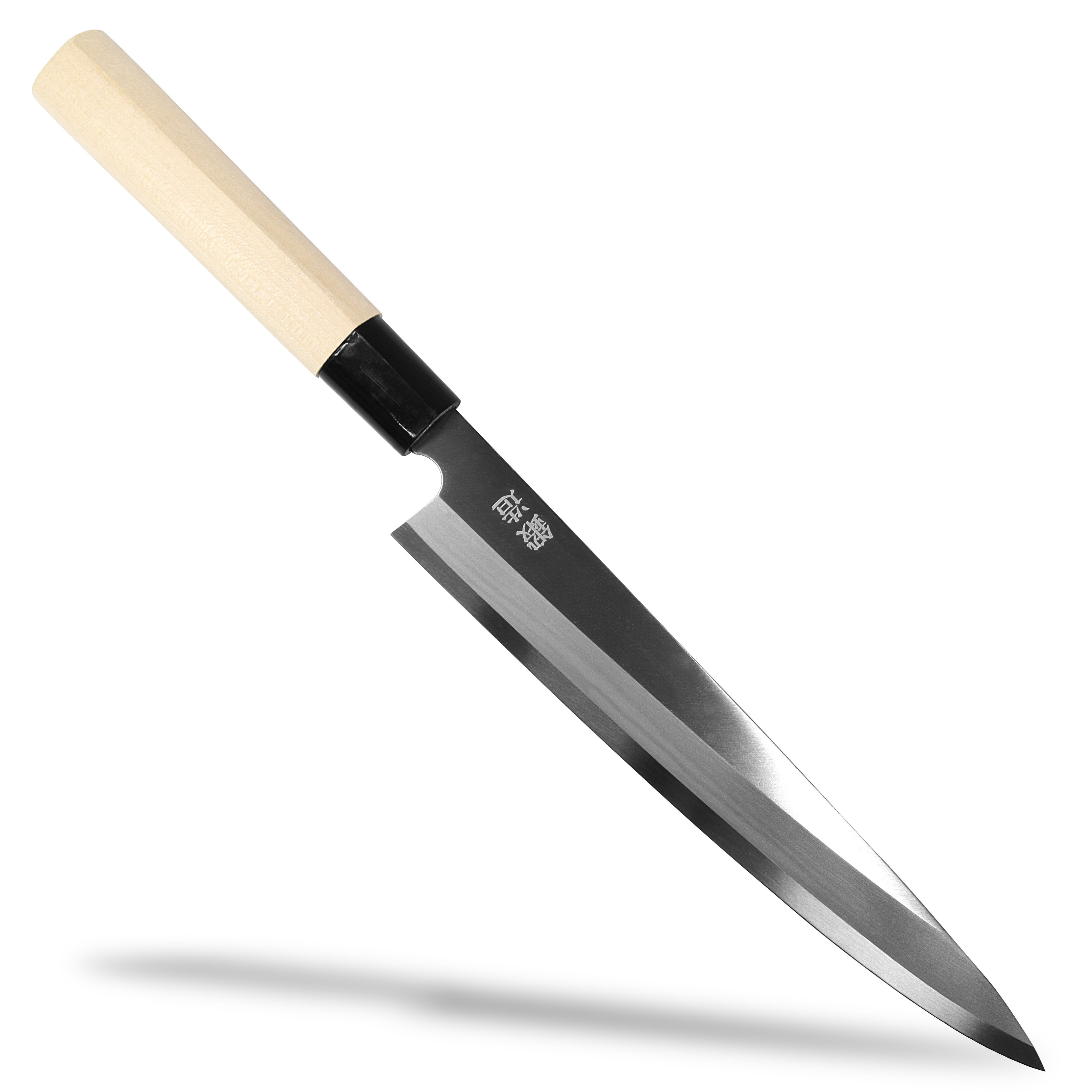
- Blue steel and white steel impart the sharp cutting edge that has been highly valued in yanagiba and deba knives to chef's knives as well.
- Gin-san steel and VG10 are highly regarded as materials that combine the sharpness of traditional Japanese steel with the ease of use of stainless steel.
For example, Japanese restaurants tend to use chef's knives made from Aogami steel, while French and Western restaurants tend to choose stainless steel chef's knives made from materials such as VG10 or powdered high-speed steel.
Characteristics of typical steel materials used in professional chef's knives
"White steel = emphasis on ease of sharpening," "Blue steel = emphasis on edge retention," "Stainless steel = emphasis on ease of maintenance," and "Powdered high-speed steel = extreme performance."
White steel (White 1, White 2, etc.)
- Features : Made of high-purity carbon steel, it offers excellent sharpness and ease of sharpening.
- Advantages : The "burr" when placed on the whetstone is easy to see, allowing for quick resharpening on site.
- Disadvantage : It rusts easily, so even for professional use, daily maintenance is essential.
Blue Steel (Blue Steel No. 2, Blue Steel Super, etc.)
- Features : Made from high-grade steel with added chromium and tungsten to white paper, resulting in excellent edge retention.
- Advantages : Among professional-grade materials, it is particularly known for its long-lasting sharpness and is highly regarded for its ability to maintain its sharpness even under heavy use.
- Disadvantages : It's slightly more difficult to sharpen than plain white steel, and the price is higher.
Silver-3 steel, stainless steel (molybdenum, AUS8, AUS10, etc.)
- Features : Made of stainless steel, it is rust-resistant and a popular material for Japanese kitchen knives.
- Advantages : It provides peace of mind even in workplaces with frequent water-related work, and is suitable for stores where maintenance time is limited.
- Disadvantages : Compared to carbon steel, it may be slightly more difficult to sharpen under the same conditions, and the blade may feel slightly duller.
VG10 powder high-speed steel (SG2, R2, etc.)
- Features : This high-end steel boasts extremely high hardness and edge retention, and is often used in chef's knives that are described as "lasting a lifetime."
- Benefits : The sharpness lasts incredibly long, significantly reducing the frequency of sharpening.
- Disadvantage : Due to its high hardness, sharpening can be difficult, sometimes requiring specialized whetstones and techniques.
Why do professionals insist on using steel? The unique advantages of working on-site.
The reason professionals are particular about the steel they use is because the amount of material they prepare each day and the frequency of resharpening are on a completely different scale than those of an average household.
Specific benefits at the site
- Even during busy lunch and dinner service, the sharpness of the blades doesn't easily diminish.
- Even on days with a large amount of preparation to do, the strain on your arms is reduced, and both speed and the finished product remain consistent.
- This reduces the frequency and time spent sending knives for sharpening, resulting in higher overall cost-effectiveness.
How businesses are chosen (examples)
- Japanese cuisine/sushi : White steel, blue steel, and silver steel (such as Gin-san) are the mainstream, with a carbon steel base and partial stainless steel construction.
- Western/French cuisine : Chef's knives made with high-end stainless steel such as VG10 and powdered high-speed steel are popular.
- Bistro/Casual : Stainless steel chef's knives that strike a good balance between price and performance, such as those made of molybdenum steel or Australian steel, are often chosen.
At our company, for our professional line, we recommend a configuration where you use Aogami Super or powdered high-speed steel models as your "main knife," and combine them with white steel or molybdenum steel models that prioritize ease of sharpening as "sub-knives or for preparation."
Selection, comparison, and practical points based on the characteristics of steel materials.
Choosing a professional chef's knife becomes easier if you organize it into "Steel characteristics × Your own style".
Key points for choosing a professional chef's knife based on steel type.
"If you're unsure, go for stainless steel; if you enjoy sharpening, go for carbon steel; and if you want ultimate performance, go for powdered high-speed steel."
| Steel category | Typical example | Suitable professionals | Main features |
|---|---|---|---|
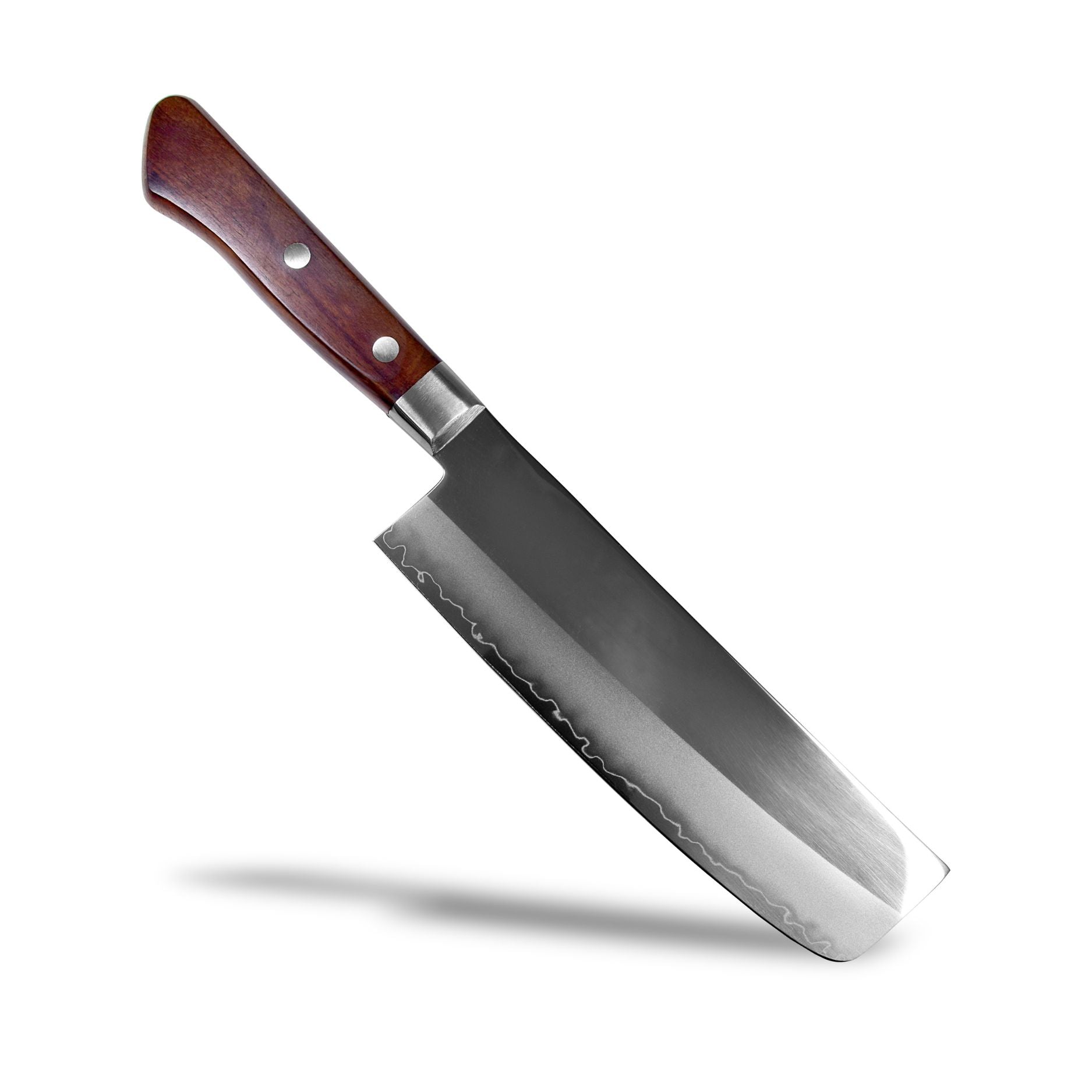
| carbon steel | White paper, blue paper, etc. | A Japanese cuisine chef accustomed to sharpening knives, a cook who prioritizes sharpness above all else. | It has a sharp edge and is easy to sharpen, but it rusts easily. Blue steel > White steel in terms of edge retention. |
| Stainless steel | Gin-san, Molybdenum, AUS8/10, etc. | A busy workplace where it's difficult to dedicate time to maintenance, a Western-style restaurant | It is rust-resistant and easy to handle. It is more difficult to sharpen than carbon steel, but daily maintenance is easy. |
| High-end models | VG10, powdered high-speed steel (SG2/R2), etc. | Chefs who use their tools heavily, professionals seeking a lifelong investment. | It boasts extremely high hardness and long-lasting sharpness. While difficult to sharpen and expensive, its overall performance is top-notch. |
The first thing a beginner chef should understand is to "understand the strengths and weaknesses of each type of steel and choose one that suits the kitchen environment, the amount of food being prepared, and their sharpening skill level."
What performance characteristics are required of a professional chef's knife? (Checkpoints from a practical perspective)
The performance required of a professional chef's knife is "stability that doesn't waver even when used all day" and "reproducibility that allows it to be used with the same feel even after sharpening."
Points to check
- Edge retention : Does the knife maintain its sharpness from lunch to dinner?
- Sharpening : The feel when the blade is placed on the whetstone, and the time it takes for the blade to become sharp.
- Food separation : Less stickiness when cutting sticky meat, fish, and vegetables.
- Corrosion resistance : Tough against foods containing salt and acid, and against water-related work.
For example, a 210mm chef's knife made with powdered high-speed steel SG2 is considered ideal for situations where "the frequency of sharpening needs to be reduced" due to its hardness and edge retention, and is introduced as a "main weapon" capable of handling everything from preparing large cuts of meat and fish to chopping large quantities of vegetables.
Maintenance and lifespan considerations vary depending on the type of steel.
It's important to extend the lifespan of easily rusting carbon steel with daily care, and to control the cutting edge of hard powder high-speed steel with the appropriate whetstone.
Carbon steel (white paper, blue paper)
- Some workplaces thoroughly wash and wipe down equipment immediately after use, and protect it with a light oil film.
- Although it requires frequent sharpening, the blade becomes sharp in a short time, making it easy to handle for professionals who are accustomed to sharpening.
High-end stainless steel (Silver 3, VG10, powdered high-speed steel)
- Its advantages include being resistant to daily water-related tasks and less susceptible to shortened lifespan due to rust.
- However, the harder the material, the more important it becomes to choose a coarse to medium grit whetstone and to control the sharpening angle.
Professional media outlets repeatedly emphasize the importance of using whetstones suited to the material and how understanding the steel ultimately extends the lifespan of the knife.
FAQ
Q1. What is the most popular steel material for professional chef's knives?
A1. It depends on the store and genre, but for professional use, steels that have excellent edge retention, such as Aogami steel, VG10, and powdered high-speed steel, are the mainstream.
Q2. Which is better suited for professionals, white paper or blue paper?
A2. If ease of sharpening is your priority, choose white steel; if long-lasting sharpness is your priority, choose blue steel. Blue steel is considered one of the highest quality steels for professional use.
Q3. Is a stainless steel chef's knife good enough for professionals?
A3. It's perfectly usable. Materials like molybdenum steel, Gin-san, and VG10 are rust-resistant and easy to handle on site, and are widely used by professionals.
Q4. Who would you recommend a chef's knife made of powdered high-speed steel to?
A4. Recommended for chefs who prepare large quantities of food and want to reduce sharpening time. It has extremely high hardness and maintains its sharpness for a long time.
Q5. Does the type of steel used affect the taste?
A5. Rather than the direct taste, the sharpness of the blade and the beauty of the cross-section affect the texture and appearance. The sharper the steel, the less the fibers are crushed during cutting.
Q6. What is the standard blade length for a professional chef's knife?
A6. 21cm to 24cm is standard. Even professional guides consider this length to offer an excellent balance of ease of use and work efficiency in the field.
Q7. Carbon steel rusts easily, so why do professionals choose it?
A7. The reason is sharpness and ease of sharpening. While daily maintenance is required, you get a very sharp edge and can quickly resharpen it.
Q8. If I were to buy a chef's knife that would last a lifetime, which type of steel should I choose?
A8. If you're experienced with sharpening, Aogami Super or powdered high-speed steel are good choices. If maintenance is a priority, VG10 or high-grade stainless steel are good options.
Q9. Does the sharpening method vary depending on the type of steel?
A9. The basic angle is the same, but the harder the steel, the more important it is to choose the right grit size and adjust the sharpening time. For powdered high-speed steel, it is recommended to use a suitable sharpening stone.
Q10. Are the steel materials used for professional chef's knives and home chef's knives different?
A10. While the same basic steel materials are used, professional-grade knives tend to use materials with higher hardness and longer cutting performance (such as Aogami, VG10, and powder high-speed steel).
summary
For professional chef's knives, the most rational approach is to choose from steel materials with a proven track record in Japanese kitchen knives (such as Shirogami, Aogami, Gin-san, VG10, and powdered high-speed steel) that best suit your work environment and style.
Blue steel and powdered high-speed steel have "long-lasting sharpness and high hardness," white steel and silver steel have "ease of sharpening and sharpness," and stainless steel has "rust resistance and ease of handling," each possessing different strengths.
By combining a chef's knife with a blade length of 21-24 cm with steel suited to the job, you can get a knife that you can use all day without stress, resulting in improved cooking quality and work efficiency at the same time.