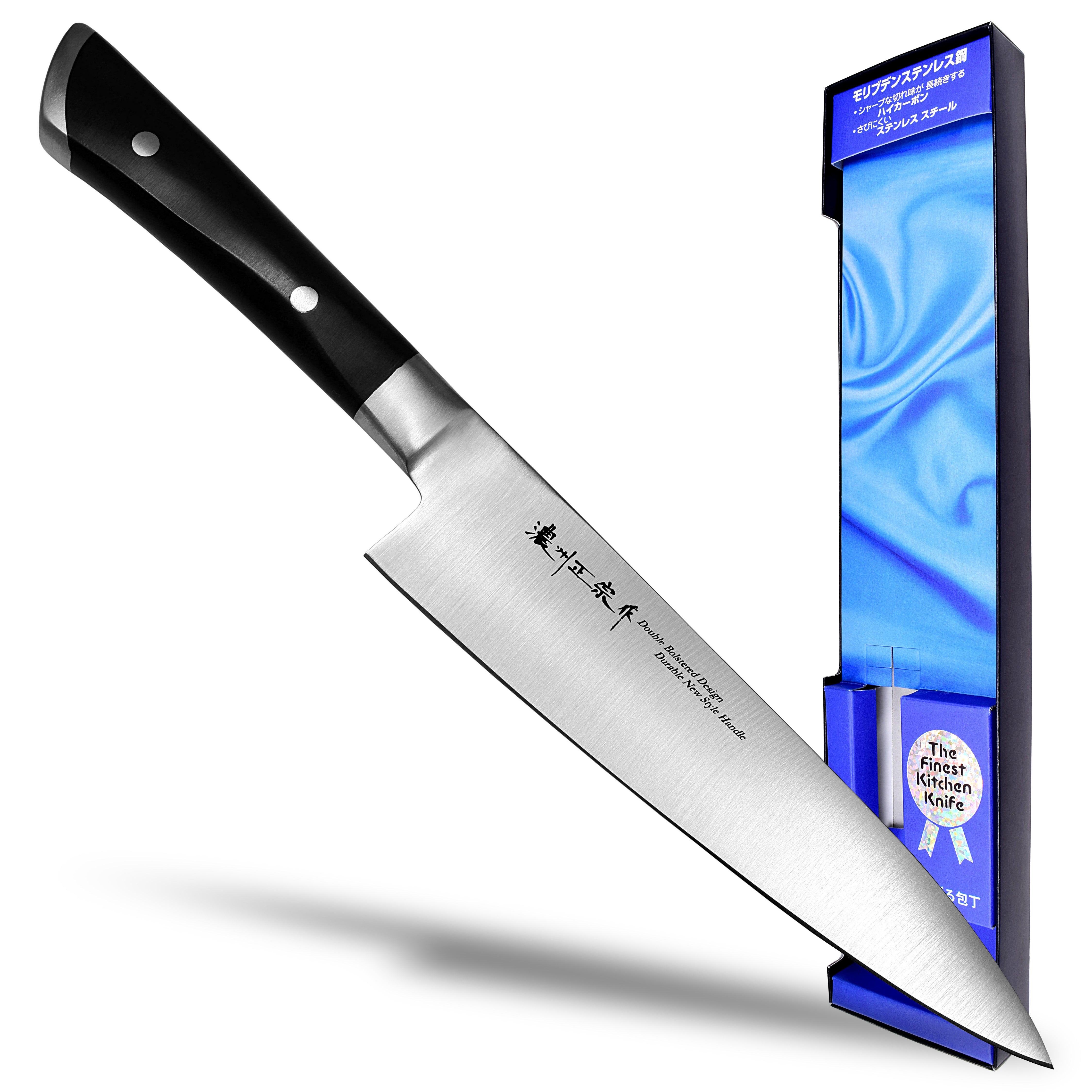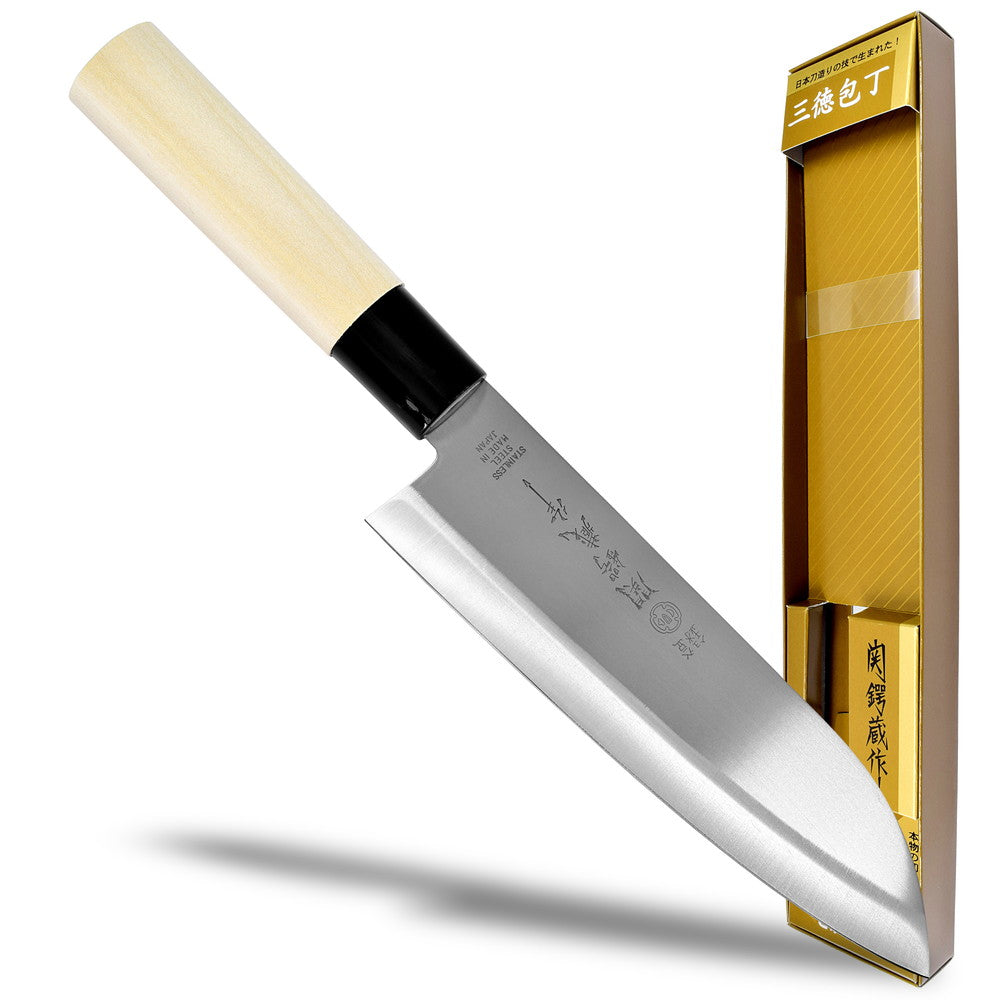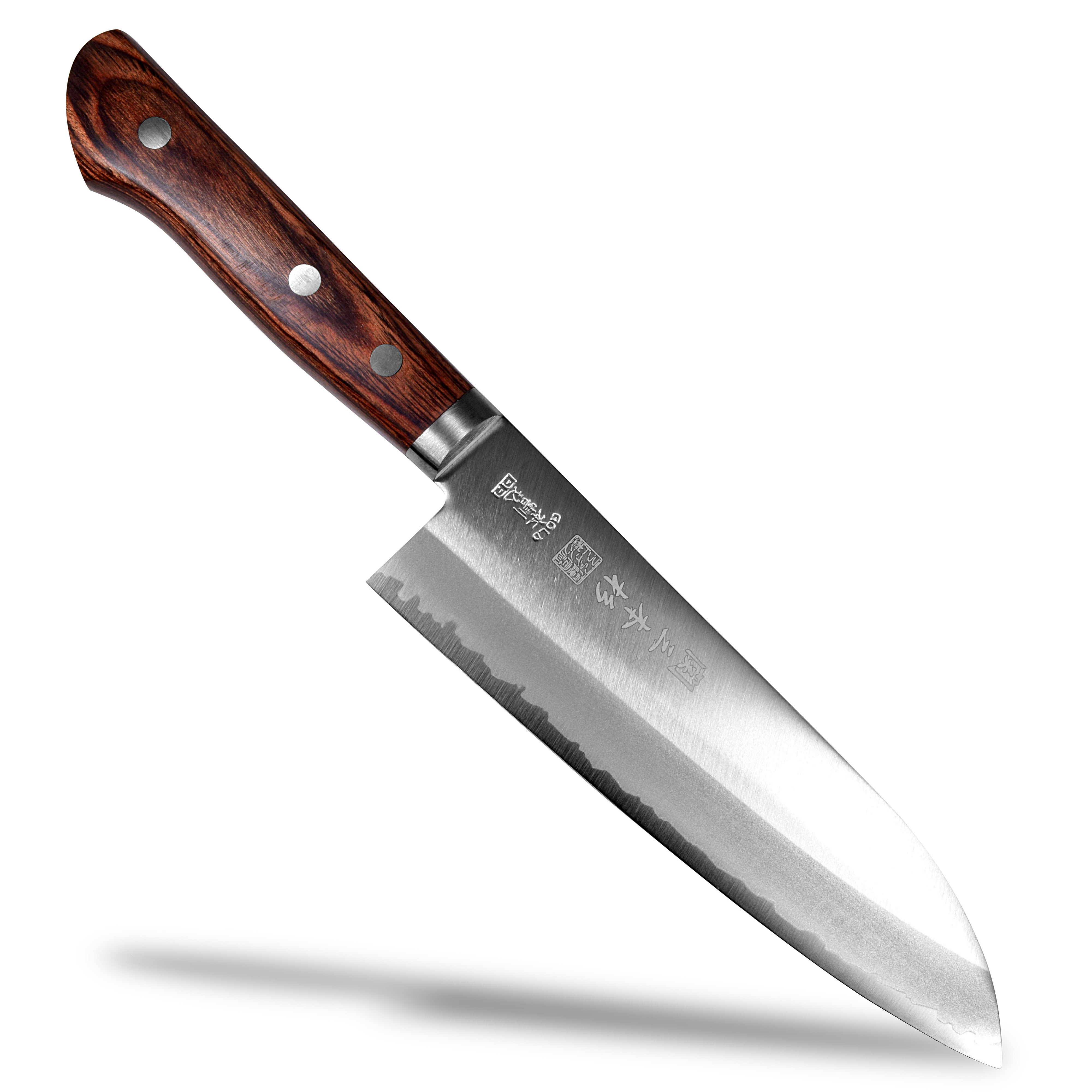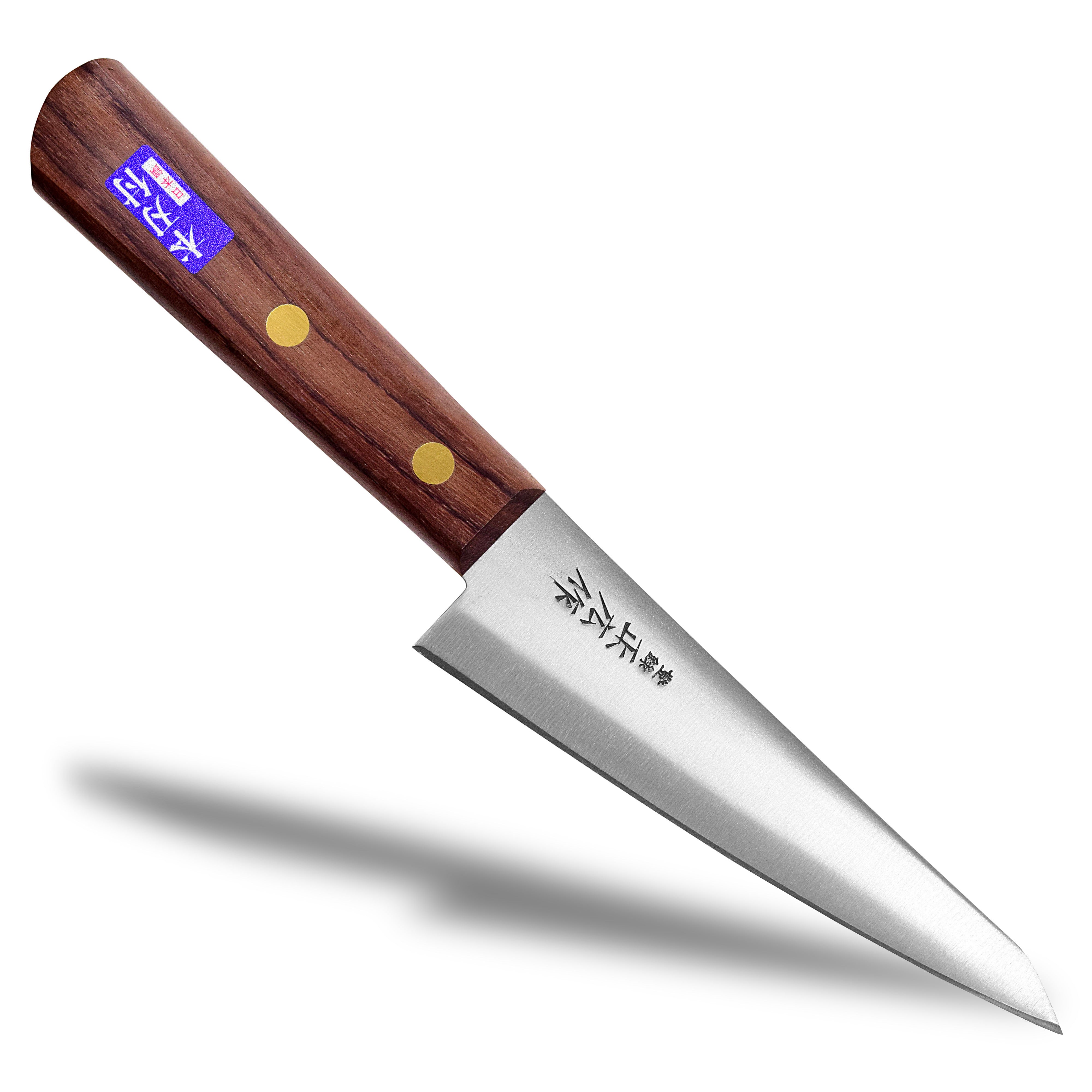


How to choose the right type of Japanese kitchen knife for your hand size and key points for selecting a chef's knife.
When choosing a Japanese chef's knife, a good guideline is to select one that is 18-21cm for home use, or 21-24cm for professionals or those who frequently use large ingredients.
Key points of this article
- The most important thing when choosing a chef's knife size is not the size of your hand, but rather its intended use, cooking level, and kitchen environment.
- For home use, a standard Japanese kitchen knife or chef's knife is 18-21cm, while professionals and serious cooks typically use knives around 21-24cm.
- By combining different types of Japanese kitchen knives and matching chef's knife sizes, you can efficiently prepare meat, fish, and vegetables.
Today's review: 3 key points
- For Japanese chef's knives, the basic size to choose is 18-21cm for home use and 21-24cm for professional chefs.
- Instead of being limited by hand size, determine the type and size based on the ingredients you frequently chop and your kitchen space.
- Combining a santoku knife with a petty knife, such as a set of "170mm santoku knife + 210mm chef's knife + 135mm petty knife," makes it less likely to lead to regrets.
Conclusion of this article
In conclusion, the ideal size for a Japanese chef's knife (gyuto) is determined by its intended use and cooking level, with a general guideline of "18-21cm for home use" and "21-24cm for professional use." In short, if you're unsure, a 21cm chef's knife offers the best balance and is a versatile size suitable for meat, fish, and vegetables.
- For a main kitchen knife at home, a chef's knife in the 180-210mm range is a standard choice.
- For cooking beginners or those with small hands, choosing a chef's knife around 18cm in length will make it easier to handle and less likely to cause frustration.
- For those who are experienced in cooking or who handle large cuts of meat or fish, a 21-24cm chef's knife will improve work efficiency.
- Rather than judging solely on hand size, you should consider a comprehensive approach that includes "ingredients you frequently chop," "cutting board size," and "storage space" when deciding on a cutting board size.
- When assembling a set of Japanese kitchen knives, a versatile combination would be a 170mm santoku knife, a 210mm chef's knife, and a 120-150mm petty knife.
How should you choose the right size chef's knife for each type of Japanese kitchen knife?
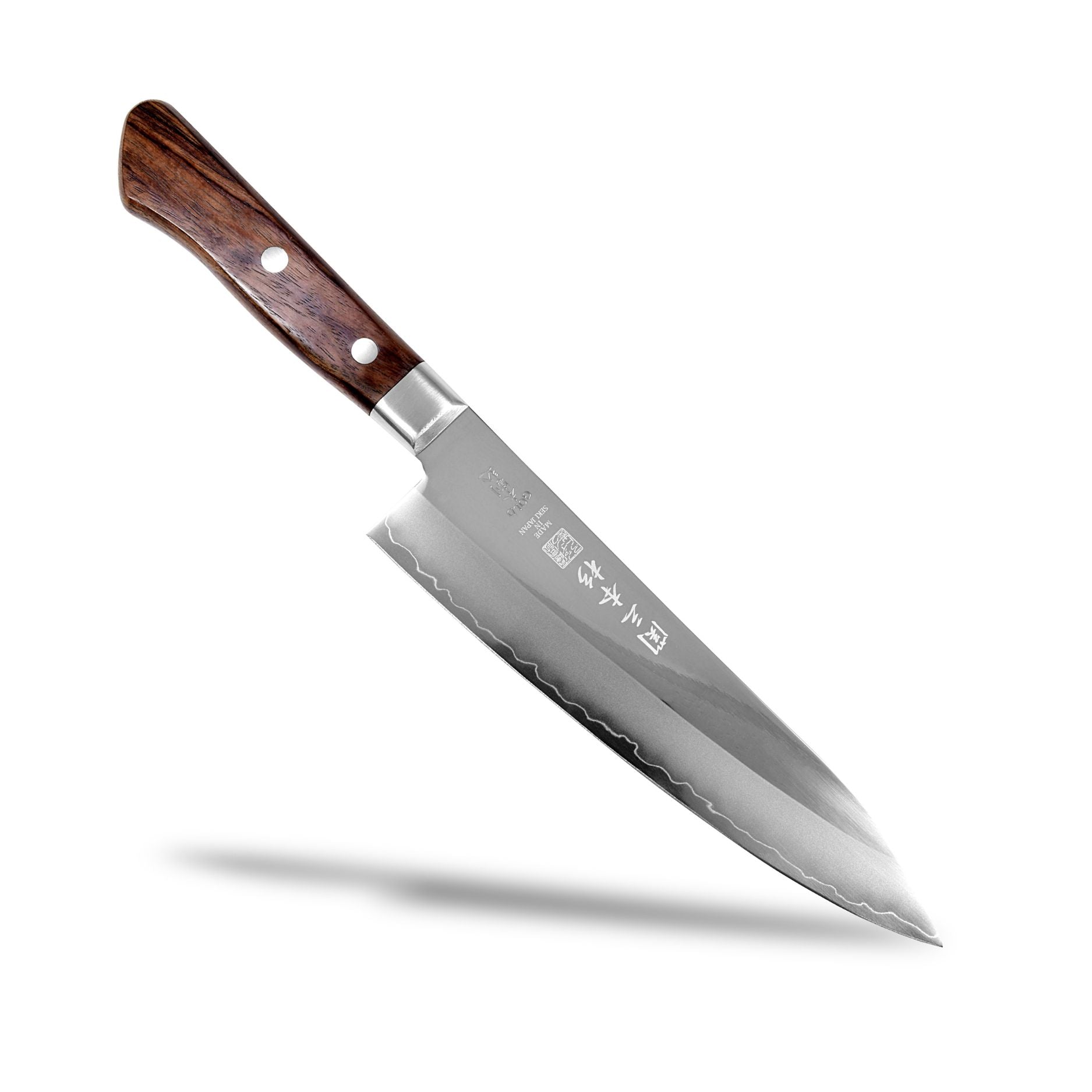
When considering the entire lineup of Japanese knives, it's reasonable to position the chef's knife as the main long knife, choosing one in the 18-24cm range to maintain balance with the santoku and petty knives. Most importantly, the chef's knife should have a blade that's one step longer than the other Japanese knives, so that it can handle the preparation of meat, large vegetables, and fish.
The three basic types of Japanese kitchen knives and the role of the chef's knife
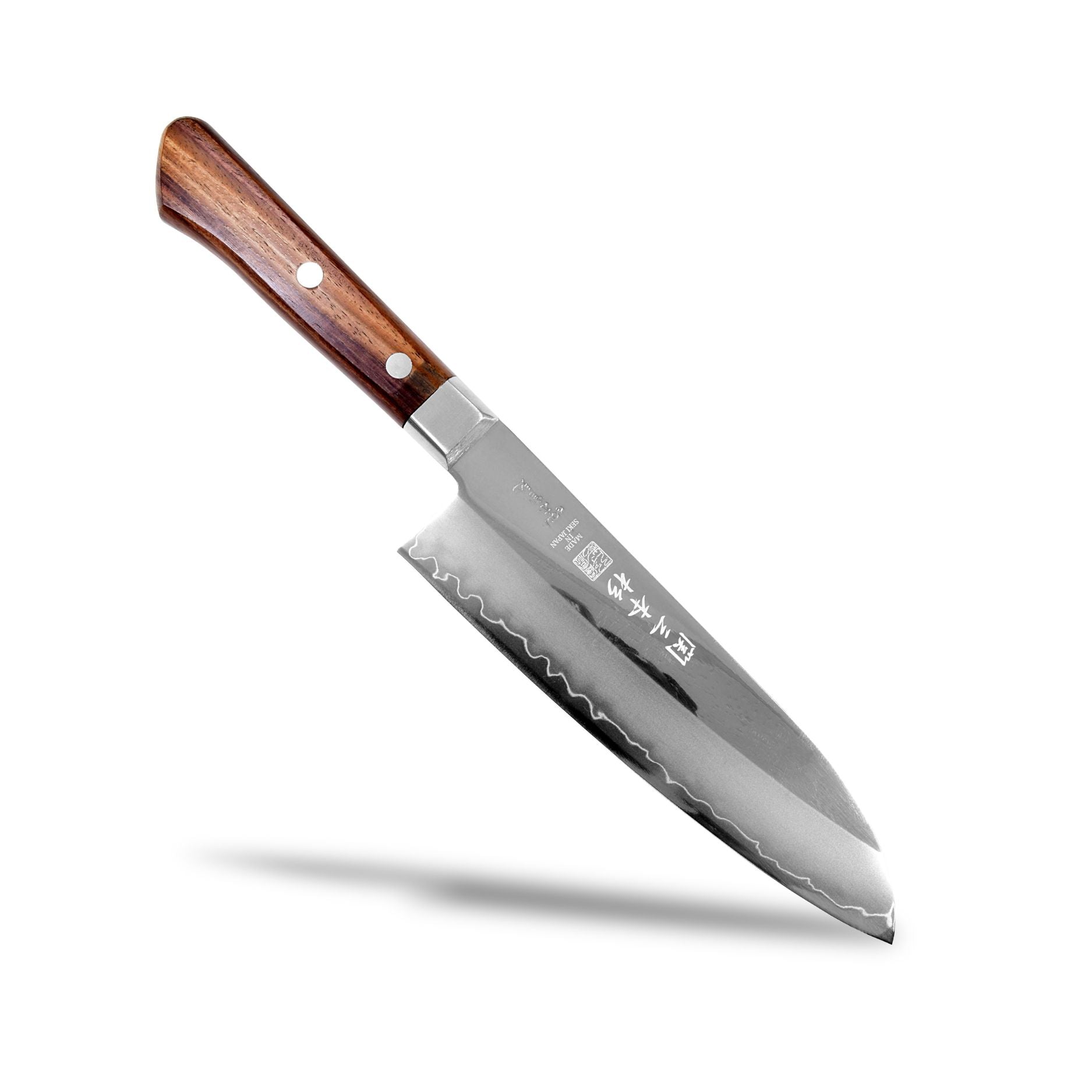
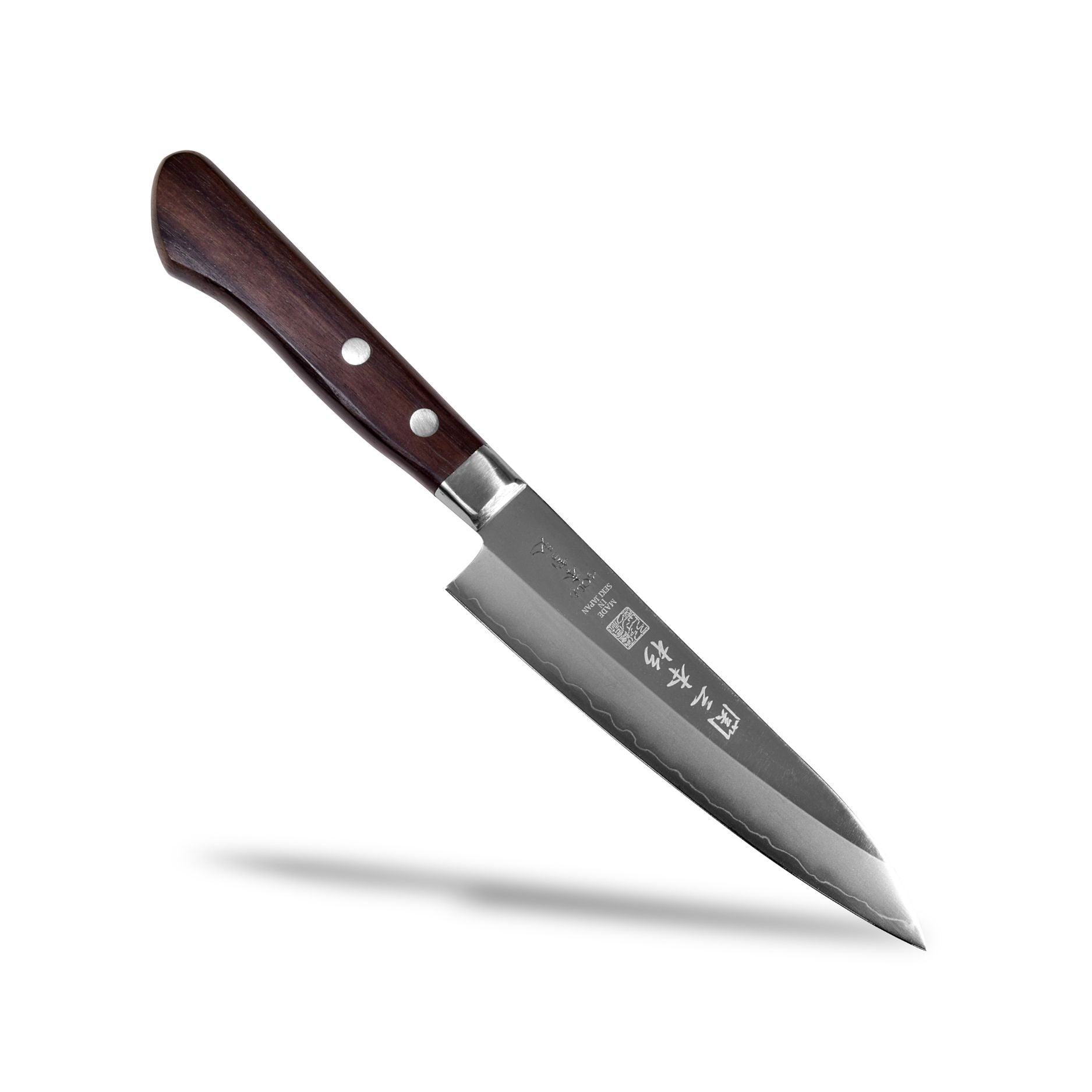
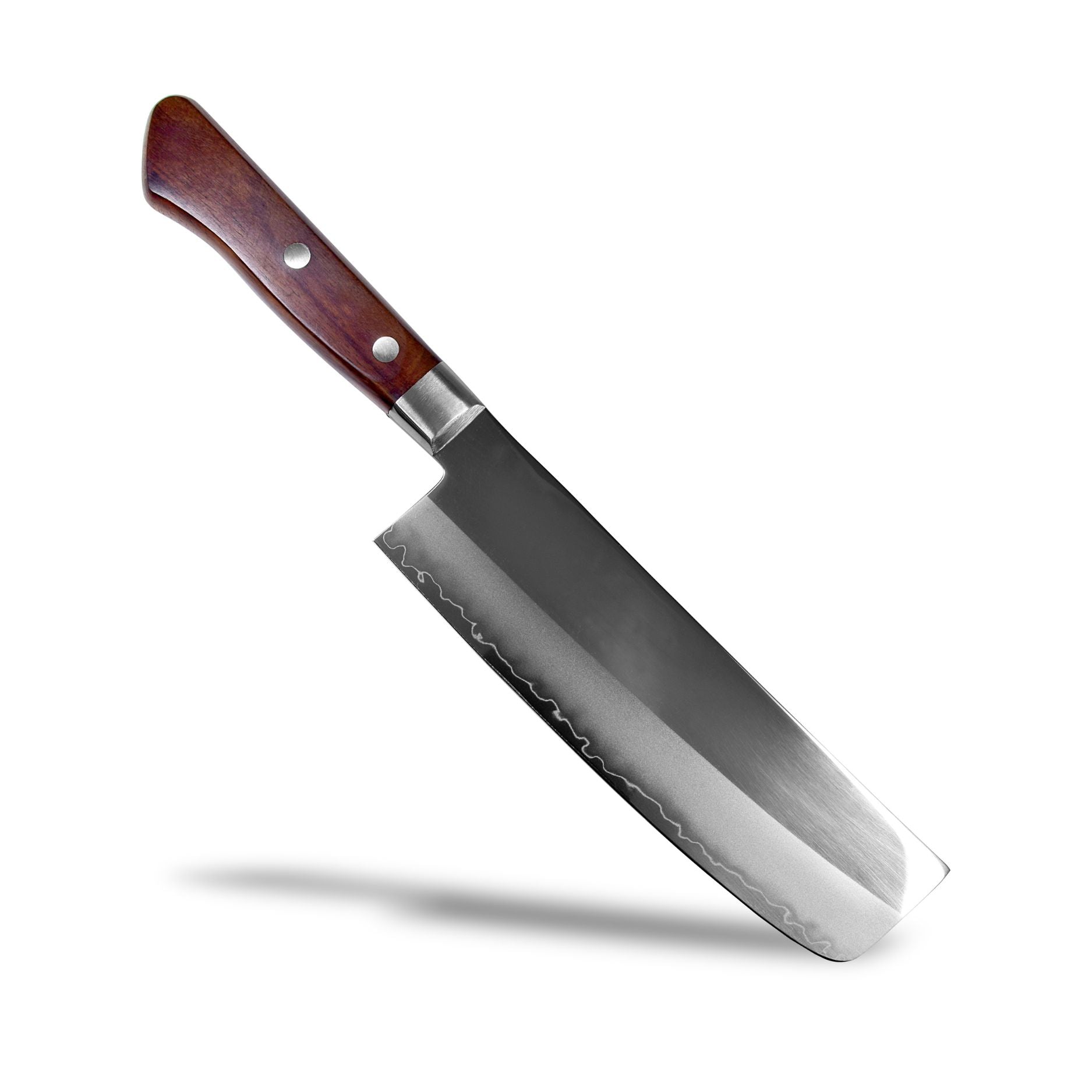
The three basic knives in a Japanese kitchen knife set for home use are the Santoku, Gyuto, and Petty. The Santoku is an all-rounder at 165-180mm, the Gyuto is 180-240mm and is used for slicing, taking advantage of its length, and the Petty is 120-150mm and is used for detailed work.
For example, if you assign specific roles to each knife—a 170mm santoku knife for everyday vegetables, a 210mm chef's knife for cutting blocks of meat or whole cabbages, and a 135mm petty knife for fruit and decorative cuts—you can significantly improve your work efficiency.
How to choose the right size chef's knife for home use without making mistakes
For home use, the conclusion is to "choose one chef's knife between 18 and 21 cm." 18 cm is suitable for beginners or those with small hands, while 21 cm is a good choice for intermediate or advanced cooks who cook daily and frequently handle meat and fish, offering a good balance of length and ease of use.
For example, if you live alone and have a compact kitchen, a 180mm chef's knife paired with a small cutting board would be ideal. However, if you live with a family and use a large cutting board, a 210mm chef's knife would be a better choice. This combination helps prevent mismatches with space requirements.
The Chef's Knife Sizes and Japanese Knife Compositions That Professionals and Serious Cooks Should Choose
For professionals and those who enjoy cooking seriously, the most important thing is to "choose a chef's knife that is long enough to match the amount of work and the size of the ingredients." In the kitchen, chef's knives of 210-240mm are commonly used, and there are many chefs who mainly use knives in the 270mm class.
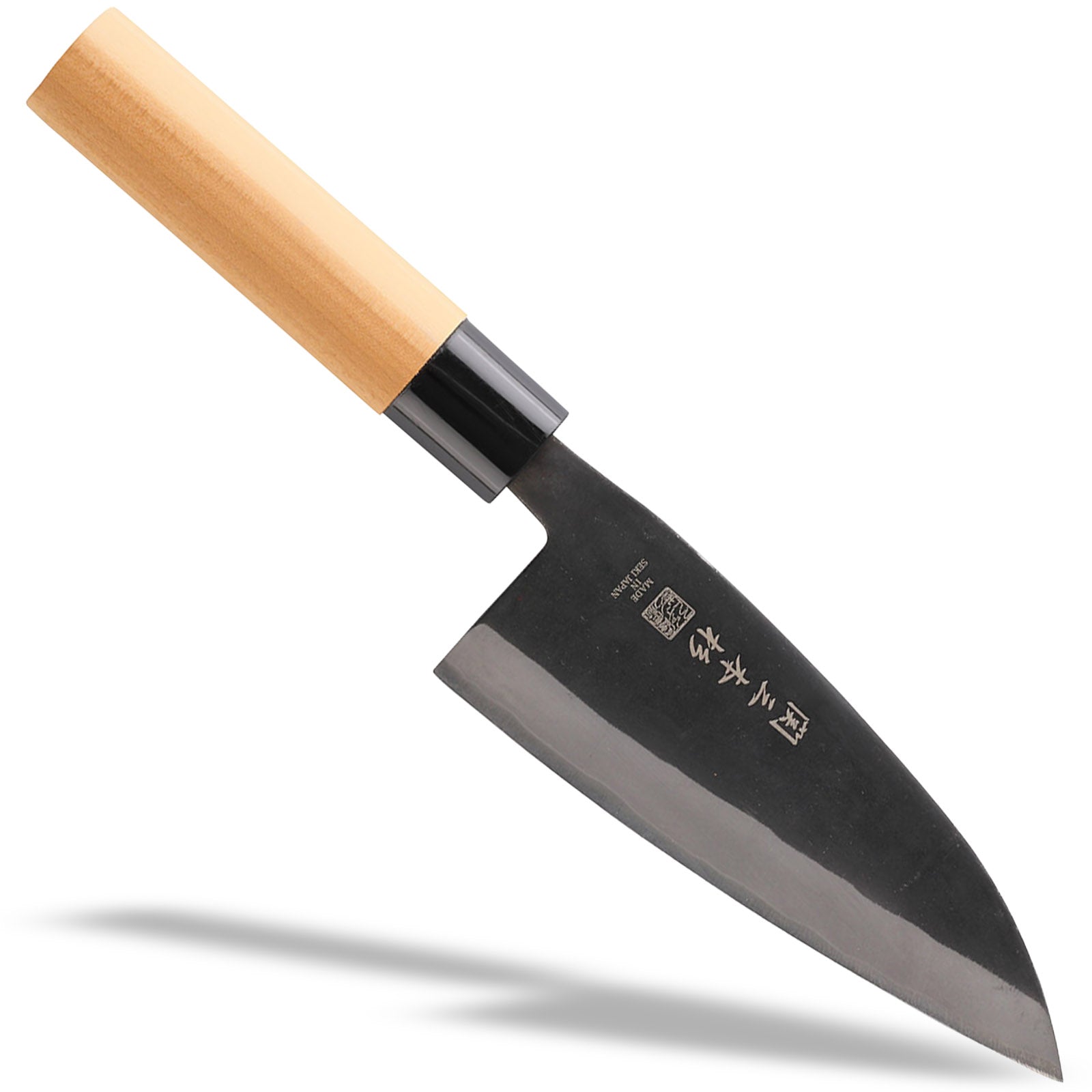
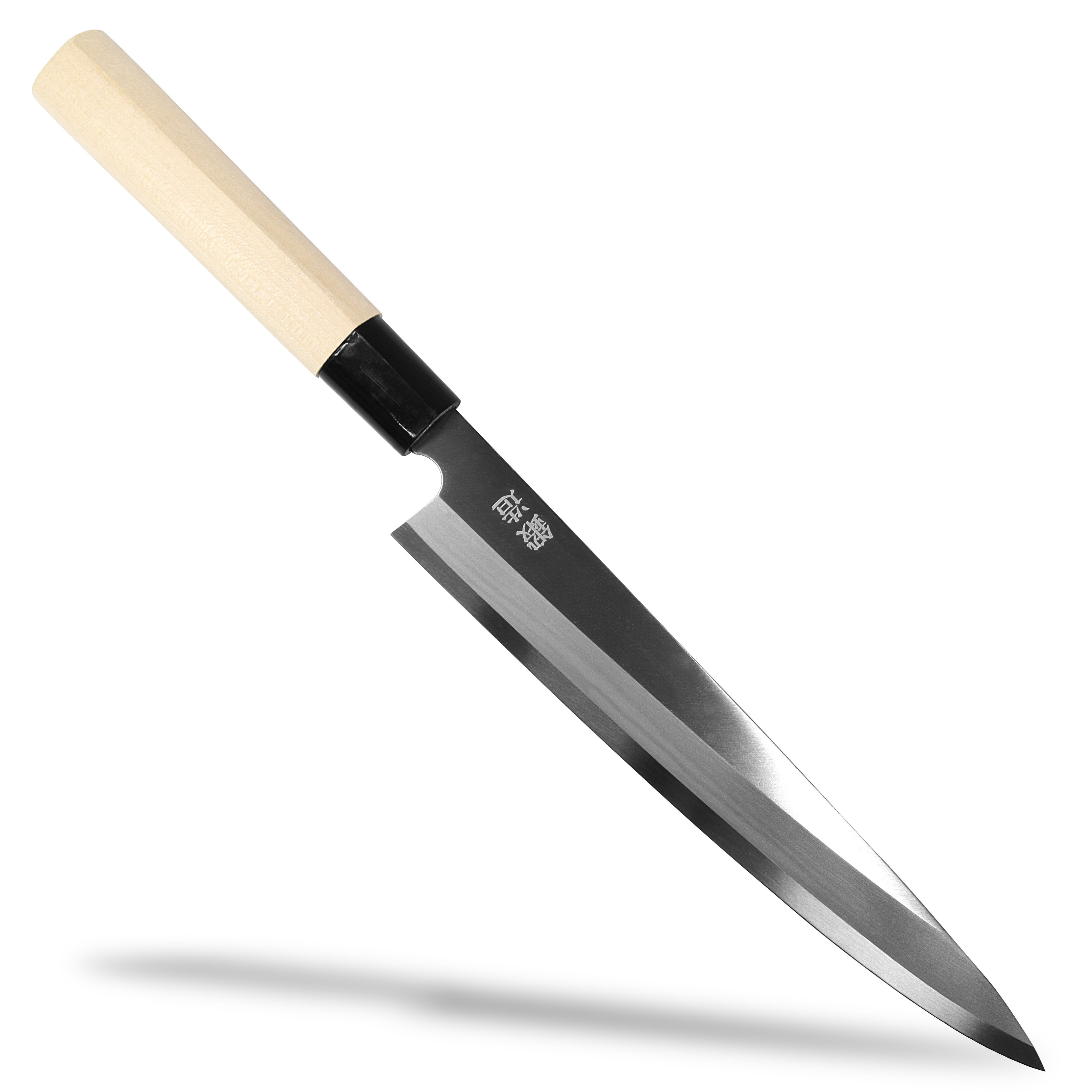
For example, if you use a 210mm chef's knife as your main knife, and combine it with a 270mm yanagiba knife for sashimi, a usuba knife for vegetables, and a petty knife for carving, you'll have a lineup comparable to that of a Japanese restaurant, and you'll avoid the regret of finding that "the blade is too short" when processing large fish or blocks of meat.
How does hand size affect the size of your chef's knife? How to choose the right one.
Hand size is only a guideline; the size of your chef's knife should be determined by the balance between how it feels in your hand and how you use it. If you have small hands or are not confident in your strength, aim for around 18cm, while if you have large hands or ample grip strength, aim for 21-24cm. It is important to check not only the blade but also the thickness and shape of the handle.
Experts reveal the truth about "hand size and knife size"
Experts such as master knife makers point out that "knife size should be determined by its intended use rather than the size of your hand." In reality, there are ideal ways to choose a knife, such as measuring the length and width of your hand, but in practice, people often don't measure that precisely and instead prioritize the ingredients they use, how often they use them, and their kitchen environment when choosing a size.
For example, even people with small hands can often use a 21cm chef's knife if they have ample cutting board and workspace and frequently handle large pieces of meat or fish. Conversely, even people with large hands may find an 18cm chef's knife safer to use in a small kitchen in a studio apartment.
Tips for people with small hands or beginners to avoid regretting buying a chef's knife-sized knife.
The first thing beginners should keep in mind is to "start with a shorter, lighter chef's knife." If you have small hands or are not used to using a knife, choosing a smaller chef's knife or small santoku knife with a blade length of 18cm or less will make it easier to control even with a weak grip, and will also reduce the risk of injury.
For example, even in rankings for users with small hands, small knives around 17cm are recommended, and there is a growing trend to choose an 18cm chef's knife as an "entry-level size" before stepping up to a 21cm class knife in the future.
Choosing the right size chef's knife for people with large hands or those aiming to be professionals.
Those with large hands or those aspiring to be professionals tend to get better results by "not being afraid of the length and using a chef's knife between 21 and 24 cm as their main tool." Chef's knives with blades of 21 cm or longer truly shine in situations where a pulling cut is effective, such as cutting a whole cabbage, a block of meat, or filleting a fish, allowing you to create a beautiful cross-section with fewer strokes than with a santoku knife.
For example, 210-240mm is standard for commercial use, and in situations where ingredients are larger, chef's knives in the 270mm class tend to be chosen. Many people say that "it may feel long at first, but you get used to it in a few weeks and your work efficiency improves."
Specific steps to take when you're unsure how to choose the right size chef's knife.
By checking three things in order—"the length of your current main knife," "the ingredients you frequently cut," and "your cooking level"—you can logically determine the size of your Japanese chef's knife (gyuto). If you're currently using a 16-18cm santoku knife, switching to a 21cm chef's knife (about 3cm longer) or if you're already proficient with a 20cm knife, upgrading to 24cm is a good approach. A "gradual size increase" is the quickest way to choose a knife you won't regret.
Step 1: Use the size of the knife you are currently using as a reference.
The most important thing is to know the size of the knife you are currently using and decide specifically "how much longer you want it to be."
For example, if someone currently using a 16-18cm santoku knife is introducing a chef's knife for the first time, choosing a 21cm knife will allow them to easily appreciate both the increased stroke length and ease of cutting. Conversely, if someone already accustomed to knives 20cm or longer chooses a chef's knife of the same length, they may feel that "there isn't as much of a difference as expected." In such cases, choosing a 24cm class knife will allow them to fully experience the characteristics of a chef's knife.
Step 2: Check the ingredients you chop and your kitchen environment.
To put it simply, when deciding on the size of a chef's knife, "If you cut a lot of meat and fish, choose a longer one; if you mainly cut vegetables or use a small cutting board, choose a shorter one."
For example, households that frequently handle large cuts of meat or large fish, or those who often prepare ingredients for BBQs, will find that choosing a 21-24cm chef's knife allows for easy, sweeping cuts and makes full use of the blade's edge. On the other hand, in small kitchens or limited cooking spaces, cutting boards tend to be smaller, so combining an 18cm chef's knife with a compact santoku knife offers a good balance of safety and maneuverability.
Step 3: Balance the overall types of Japanese knives.
Finally, and importantly, is the "overall balance of the Japanese kitchen knife lineup." If the santoku, gyuto, and petty knives are all the same length, their uses will overlap too much, making it pointless to switch knives. Therefore, it is necessary to properly differentiate the lengths.
For example, for home use, a configuration like "petty knife 120-135mm + santoku knife 170mm + chef's knife 210mm" would be suitable, while for professional use, a configuration like "petty knife 135mm + santoku knife 180mm + chef's knife 240mm" would clearly define the uses and ultimately prevent the regret of thinking, "I should have chosen this size."
FAQ
Q1. What is the best length (in cm) for a chef's knife (gyuto) for home use?
A1. For home use, 18-21cm is standard, and if you're unsure, choosing 21cm is a good option as it's well-balanced and suitable for meat, fish, and vegetables.
Q2. Which should I buy first, a chef's knife or a santoku knife?
A2. For everyday use, a 165-180mm santoku knife is the priority as your first knife, and then adding a 180-210mm chef's knife later will neatly divide the uses and make it easier to use.
Q3. What size chef's knife is suitable for people with small hands?
A3. For people with small hands or beginners, chef's knives or small santoku knives under 18cm are easier to handle and control, offering safety advantages.
Q4. What is the typical length (in cm) of a professional chef's knife?
A4. Professionals and those working in demanding environments often use knives between 210mm and 240mm in length, and when handling large ingredients, chef's knives in the 270mm class are frequently chosen.
Q5. How much is there a relationship between hand size and knife size?
A5. Hand size can be a helpful reference, but in reality, the intended use and cooking environment have a greater influence, so it's more practical to choose based on the size of the ingredients and cutting board.
Q6. I currently use a 16-18cm all-purpose knife. If I were to switch to a chef's knife, what length would be best?
A6. Switching to a 21cm chef's knife, which is about 3cm longer than your current one, is recommended because it allows you to feel more comfortable with the stroke and you can easily experience the difference in cutting ease.
Q7. Which combination of Japanese kitchen knives is the easiest to use?
A7. For home use, a combination of "petty knife 120-135mm + santoku knife 170mm + chef's knife 210mm" is recommended. For professional use, gradually changing the lengths, such as "petty knife 135mm + santoku knife 180mm + chef's knife 240mm," will improve work efficiency.
Q8. What are the disadvantages of a chef's knife being too long?
A8. In environments with small kitchens or cutting boards, it can be difficult to handle the knife, and you may find yourself struggling to control the blade. Therefore, if the workspace is cramped, it is safer to keep the blade to around 18-21 cm.
summary
For Japanese chef's knives, a good size to choose from is 18-21cm for home use, and 21-24cm for professionals or serious cooks to avoid making a mistake.
Rather than focusing on the size of your hands, prioritize the types of ingredients you frequently cut, your cooking level, and the size of your kitchen and cutting board. Choosing a knife that's slightly longer than the one you currently use will help you notice the difference more easily.
By gradually acquiring santoku, gyuto, and petty knives in different lengths, the role of each type of Japanese knife becomes clear, resulting in a kitchen environment where you won't regret your choice of gyuto size.