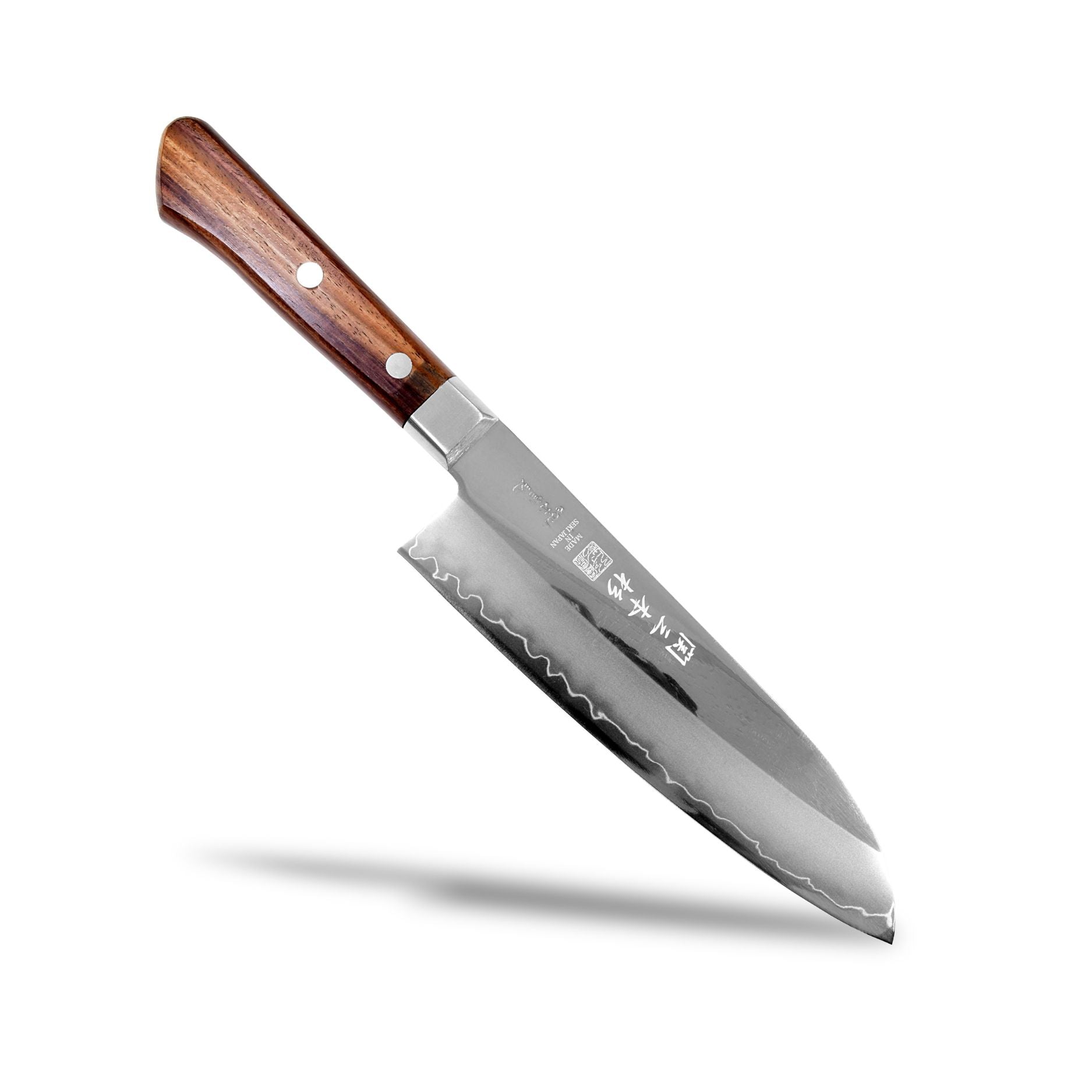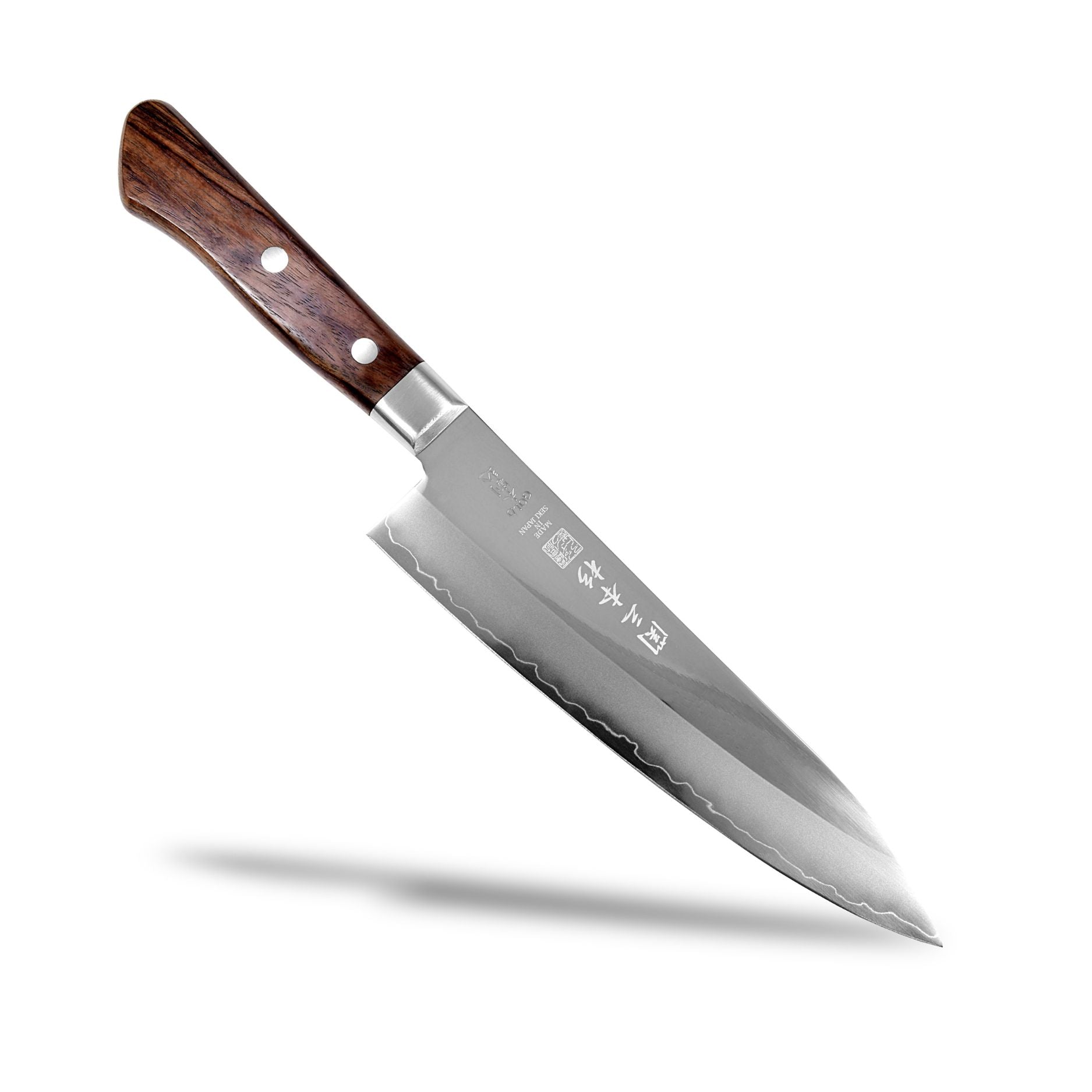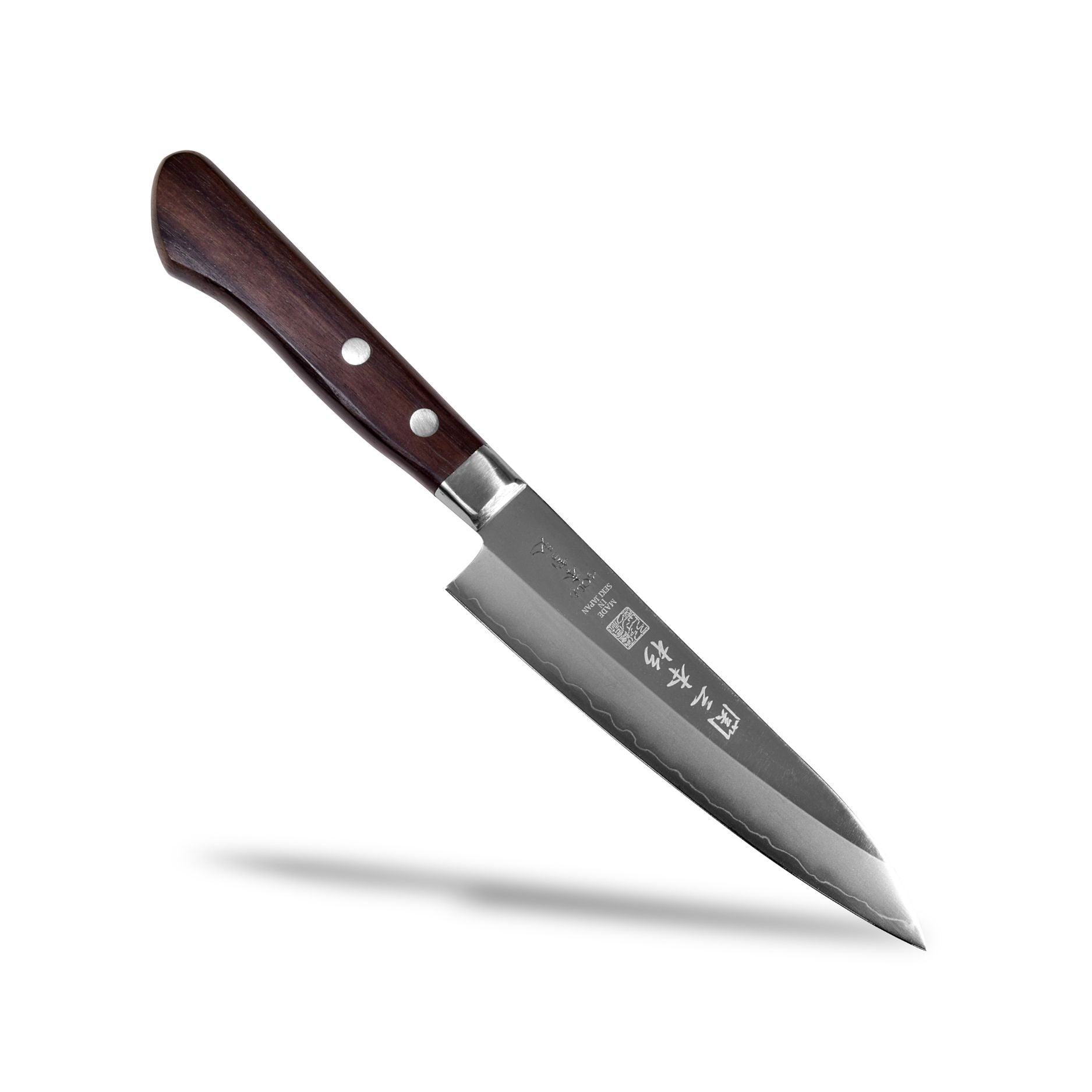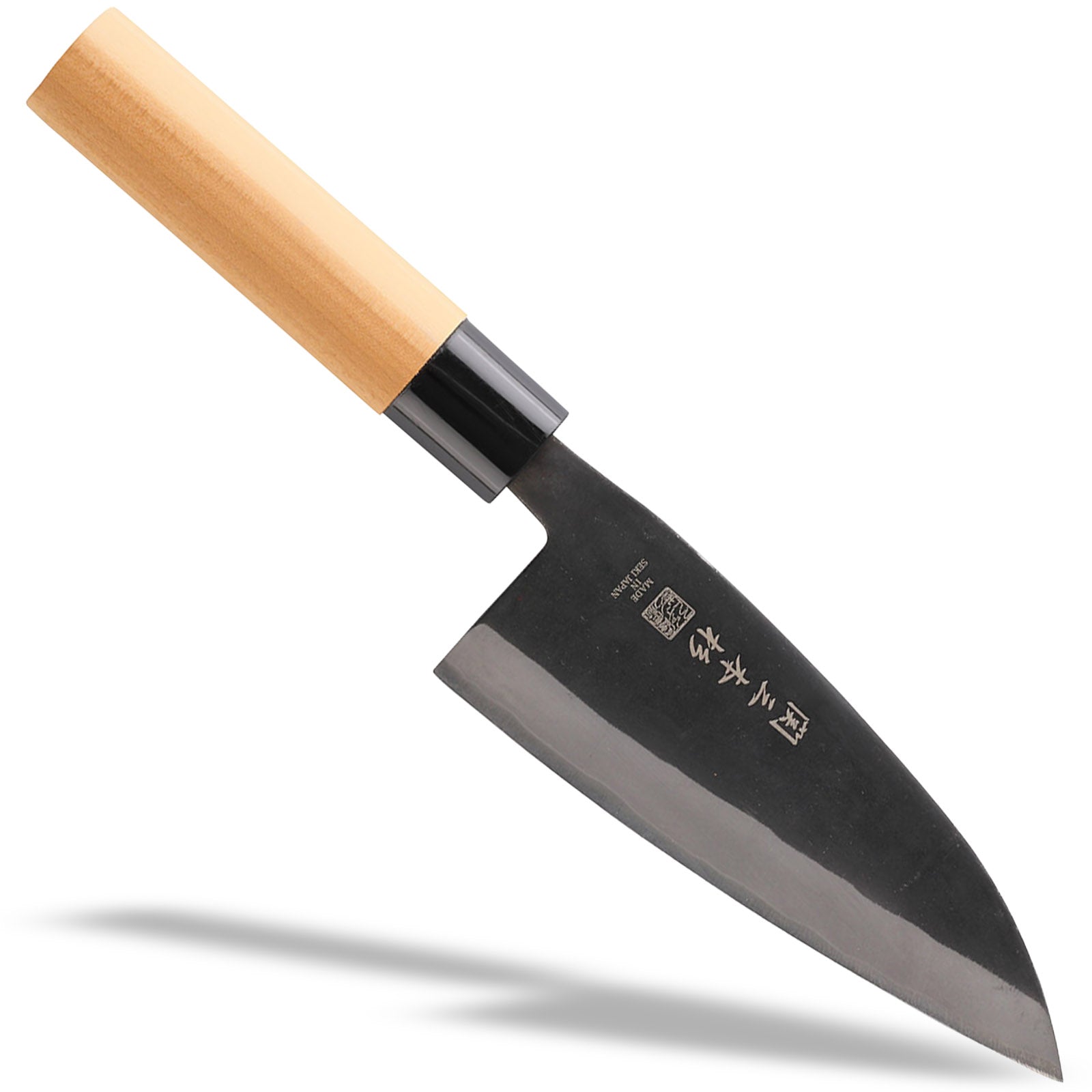

A Complete and Easy-to-Understand Explanation of Japanese Kitchen Knife Steel Materials: White Steel, Blue Steel, Stainless Steel... Which One Should You Choose?
Even if they're both labeled as "Japanese kitchen knives," the experience can vary greatly. Some might be described as "extremely sharp but rusts easily," while others might be described as "rust-resistant but less sharp than expected." Most of these differences actually stem from the type of steel used, rather than the shape.
This hub focuses on the four elements that determine the performance of Japanese kitchen knives: sharpness, sharpness retention, ease of sharpening, and rust resistance. It organizes the characteristics of white steel, blue steel, and stainless steel, explaining them so that you can find out which steel material suits your lifestyle.
Why does the properties of a material change so drastically depending on the type of steel used?
Japanese kitchen knives are tools with high hardness and extremely thin blades. Therefore, the type of material (steel) used directly affects the sharpness, sharpening feel, rust resistance, and lifespan.
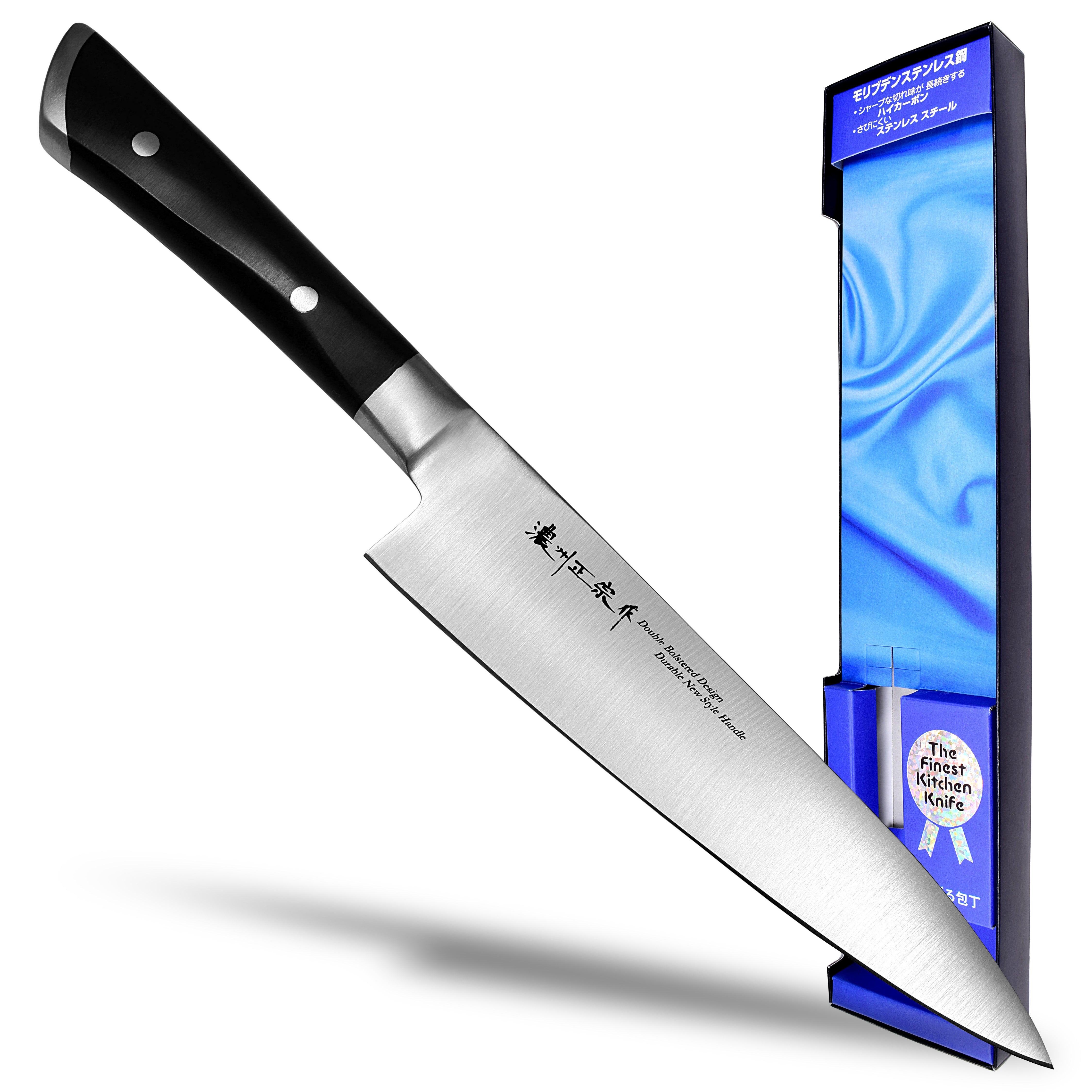
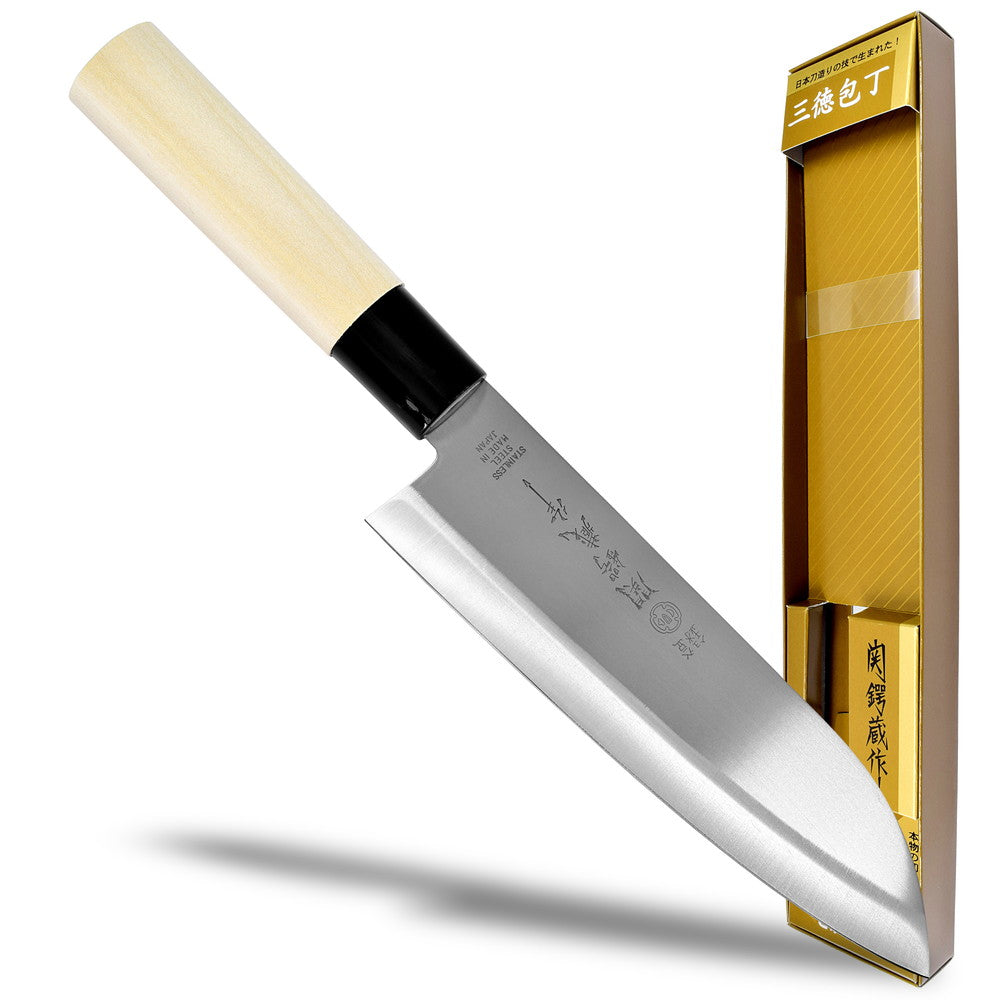
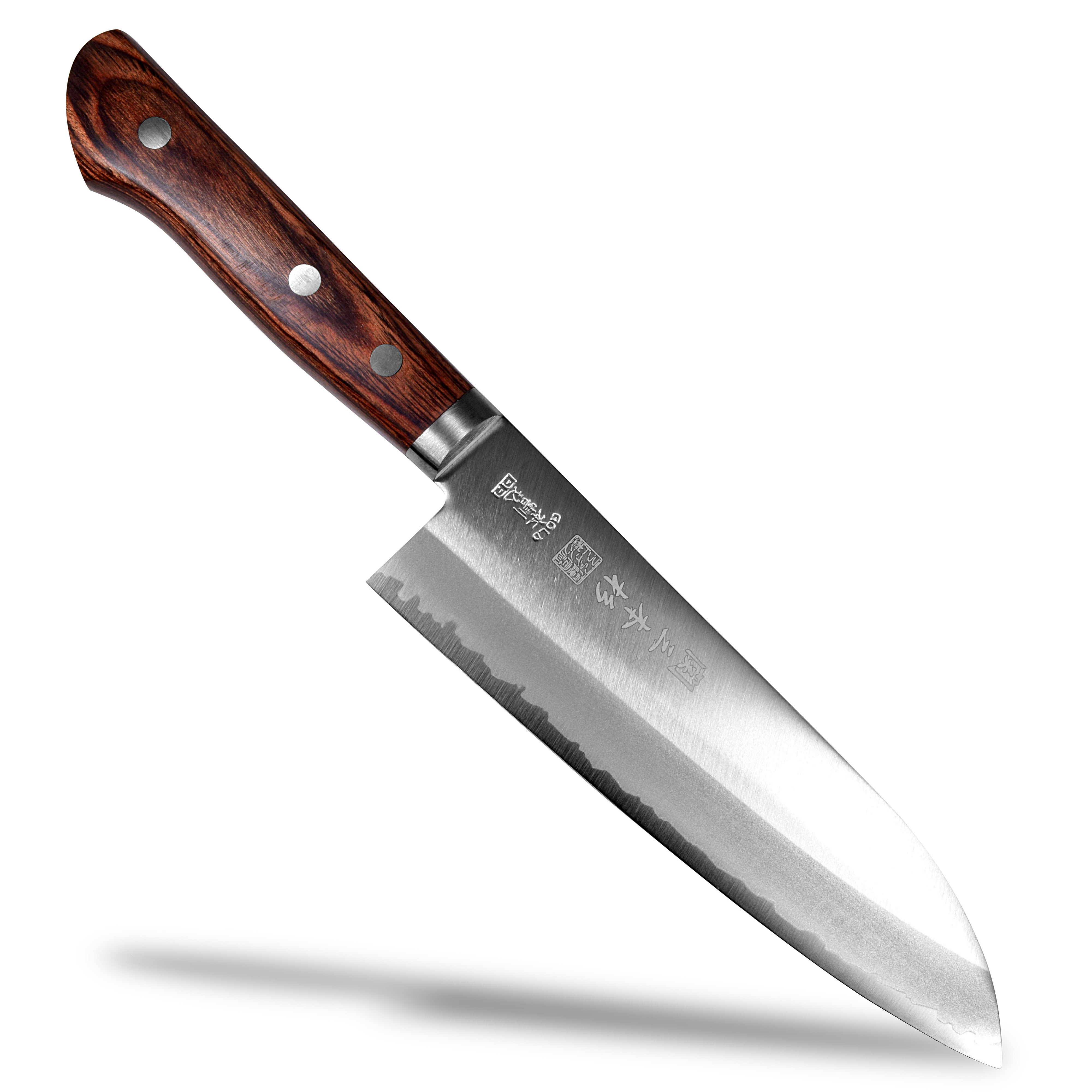
For example, even with the same santoku knife, one made with white steel is "easy to sharpen and quickly develops a sharp edge," while one made with stainless steel is "not quite as sharp, but easy to handle and stable."
It's important to note here that "high-grade steel" is not necessarily "all-purpose." Expensive carbon steel is more prone to rusting and often requires advanced sharpening techniques, so "good steel" is not necessarily "optimal for everyone."
First, there are two main types: carbon steel and stainless steel.
The types of steel commonly used in Japanese kitchen knives can be broadly divided into the following two groups.
① Carbon steel (white steel, blue steel, etc.)
- It can produce an extremely sharp cutting edge.
- It rusts easily (it discolors and rusts quickly if left unattended).
- Designed with resharpening in mind.
Carbon steel is a material strongly favored by professional Japanese chefs and those who want to enjoy the entire process, including sharpening.
② Stainless steel
- Rust-resistant and easy to maintain.
- The sharpness is slightly milder than that of carbon steel.
- A wide variety of products are available for home use and beginners.
While you might associate Japanese kitchen knives with carbon steel, many Japanese kitchen knives for home use are actually made of stainless steel.
Choosing the right steel for a Japanese kitchen knife becomes easier if you start by deciding between "carbon steel or stainless steel."
White Steel | The epitome of ease of sharpening and sharp cutting edge.
White Steel is a carbon steel that prioritizes "ease of sharpening and pure cutting performance" above all else.
Characteristics of white steel
- It has few impurities and is a very "straightforward" metal.
- The sharpening sensation when applied to the whetstone is easy to understand, and the blade quickly becomes sharp.
- If sharpened properly, it can achieve an incredibly sharp edge that seems to draw food in.
For professional Japanese chefs and advanced users who enjoy sharpening their knives, white steel is a very attractive material. The feeling that "even if the blade wears down, it can be quickly restored by sharpening" is a unique satisfaction that only white steel can provide.
People who are suited to white steel
- People who find the time spent sharpening "enjoyable" rather than "a chore"
- People who want to choose a kitchen knife with sharpness as their top priority.
- People who regularly prepare authentic Japanese cuisine
Points to note regarding white steel
- It rusts very easily, so it's essential to wipe off any moisture immediately after use.
- Leaving it wet or putting it in a dishwasher will cause it to discolor and rust very quickly.
This material requires maintenance, so it's completely unsuitable for people who want to "just wash it and leave it."
Aogami Steel | High-performance steel suitable for those who prioritize long-lasting sharpness.
Blue Steel is a carbon steel designed with an emphasis on "long-lasting sharpness." It's similar to White Steel, but with added elements like tungsten and chromium to make it more wear-resistant.
Characteristics of Aogami steel
- It contains tungsten and chromium, making it highly resistant to wear.
- It has good edge retention and the sharpness does not easily deteriorate even after prolonged use.
- The sharpness itself can be achieved at a very high level.
In places like restaurants, where knives are used continuously for long periods, the advantage of "reducing the frequency of sharpening" is enormous, and blue steel is increasingly in demand.
People who are suited to blue steel
- People who use it frequently (those who cook large meals every day, for business use, etc.)
- People who use Japanese knives in professional settings
- People who are willing to put in the effort to sharpen their knives, but want to minimize the number of times they do so.
Points to note regarding Aogami steel
- It is more difficult to sharpen than white steel, making it a bit challenging for beginners.
- Like all carbon steels, it is prone to rusting, and requires the same maintenance as white steel.
The key point is to understand this not as "a step above white steel," but as "an alternative option that prioritizes edge retention."
Stainless steel | If ease of use is your top priority, this is the only choice.
Stainless steel is a type of steel that prioritizes "resistance to rust" and "ease of maintenance."
Characteristics of stainless steel
- It's rust-resistant, and you don't have to frantically wipe it dry after it gets wet.
- Easy to maintain, perfect for home use.
- While not as sharp as carbon steel, it's perfectly adequate for practical use.
Representative stainless steel materials include the following:
- Gin-san: Highly regarded stainless steel for Japanese kitchen knives.
- VG10: A high-performance stainless steel used by many knife manufacturers.
- Molybdenum steel: A steel material that offers a good balance between rust resistance and workability.
People who are suited to stainless steel
- A beginner who is not yet accustomed to handling a kitchen knife.
- For families who don't want to be too careful with knives during their daily chores.
- People who lack confidence in sharpening, or who want to reduce the frequency of sharpening.
Some people have the impression that stainless steel is dull, but modern stainless steel is sharp enough that you'll rarely find yourself dissatisfied with it in home cooking.
Compare white paper, blue paper, and stainless steel at a glance.
The characteristics of each type of steel can be summarized in four key elements as follows:
| steel material | Sharpness | Longevity of sharpness | Ease of sharpening | Ease of maintenance |
|---|---|---|---|---|
| white paper steel | ◎ | △ | ◎ | △ |
| Aogami steel | ◎ | ◎ | △ | △ |
| stainless | ○ | ○ | ○ | ◎ |
As you can see from this, there is no absolute superiority between "blank paper" and "blue paper"; each simply has strengths in different areas.
When you're unsure which steel material to choose, thinking about "what do I value most?" can help you find the answer.
Common mistakes when choosing steel materials
There are several common points among people who fail when working with steel materials.
- I was drawn to professional-grade carbon steel and ended up buying it without considering the maintenance required.
- Choosing white or blue steel blades when you don't have the right environment for sharpening (whetstone, space, time)
- They mistakenly believe that "high-grade steel = best for me" and don't consider how well it fits their lifestyle.
Steel materials shouldn't be chosen solely based on the numbers in a specifications sheet; they should be chosen based on your lifestyle. No matter how high-performing a material is, if it doesn't suit your daily usage, it will only cause more stress.
Seki City's Cutlery and Steel Culture: The Concept of Differentiating Production Methods for Different Uses
In Seki City, Gifu Prefecture, one of Japan's largest cutlery production areas, the combination of steel material and intended use is clearly considered.
- Household stainless steel Japanese kitchen knives: A line that prioritizes ease of use in everyday life and rust resistance.
- Professional-grade white and blue steel knives: A line that prioritizes sharpness and durability for professional use.
The idea that "steel should be chosen according to the user" is shared at the production level, and as a result, many series with different steel materials for home use and professional use have been created by the same manufacturer.
Which steel should you choose? (Beginner, Home Use, Professional)
Let's reorganize the points discussed so far using the axis of "who will use it."
For beginners , stainless steel (such as Gin-san or VG10) is recommended. The priority is to have a reliable pen that you can use with peace of mind, as it lowers the barrier to maintenance.
For home use (frequent cooking) → Stainless steel or white steel. Stainless steel is generally fine, but if you're willing to sharpen the blade yourself, then trying white steel is also an option.
For professionals and serious users : White Steel or Blue Steel. This is the area where you choose based on your own work style, prioritizing the balance between sharpness and edge retention, and how well the blade takes to sharpening.
If you take a moment to calmly consider "Where do I stand?", the number of possible candidates should narrow down considerably.
Frequently Asked Questions: Answers to common questions about steel materials
Q. Which is "superior," the blank paper or the blue paper?
It's not a matter of superiority or inferiority, but rather a difference in intended use. White steel excels in ease of sharpening and quick initial cutting, while blue steel excels in edge retention and wear resistance.
Q. Is stainless steel really not as sharp?
No, modern stainless steel has a perfectly adequate sharpness. It's just that its "sharpness" is different from that of carbon steel.
Q. Does the type of steel used affect the lifespan of a kitchen knife?
With proper sharpening, any type of steel can last for over 10 years. The sharpening technique and frequency of use have a greater impact than the type of steel itself.
Q. Is it over once it rusts?
No, if the rust is light, it can be easily recovered by sharpening. The red rust on the surface can be scraped off, so it's more of a "sign that maintenance is needed" than a "final stage."
Choosing the right steel for a Japanese kitchen knife depends on the balance between "sharpness x maintenance x lifestyle." By considering your own lifestyle and selecting a steel that aligns with these three factors, you'll significantly reduce the chances of regretting your choice because it "just didn't quite suit you."