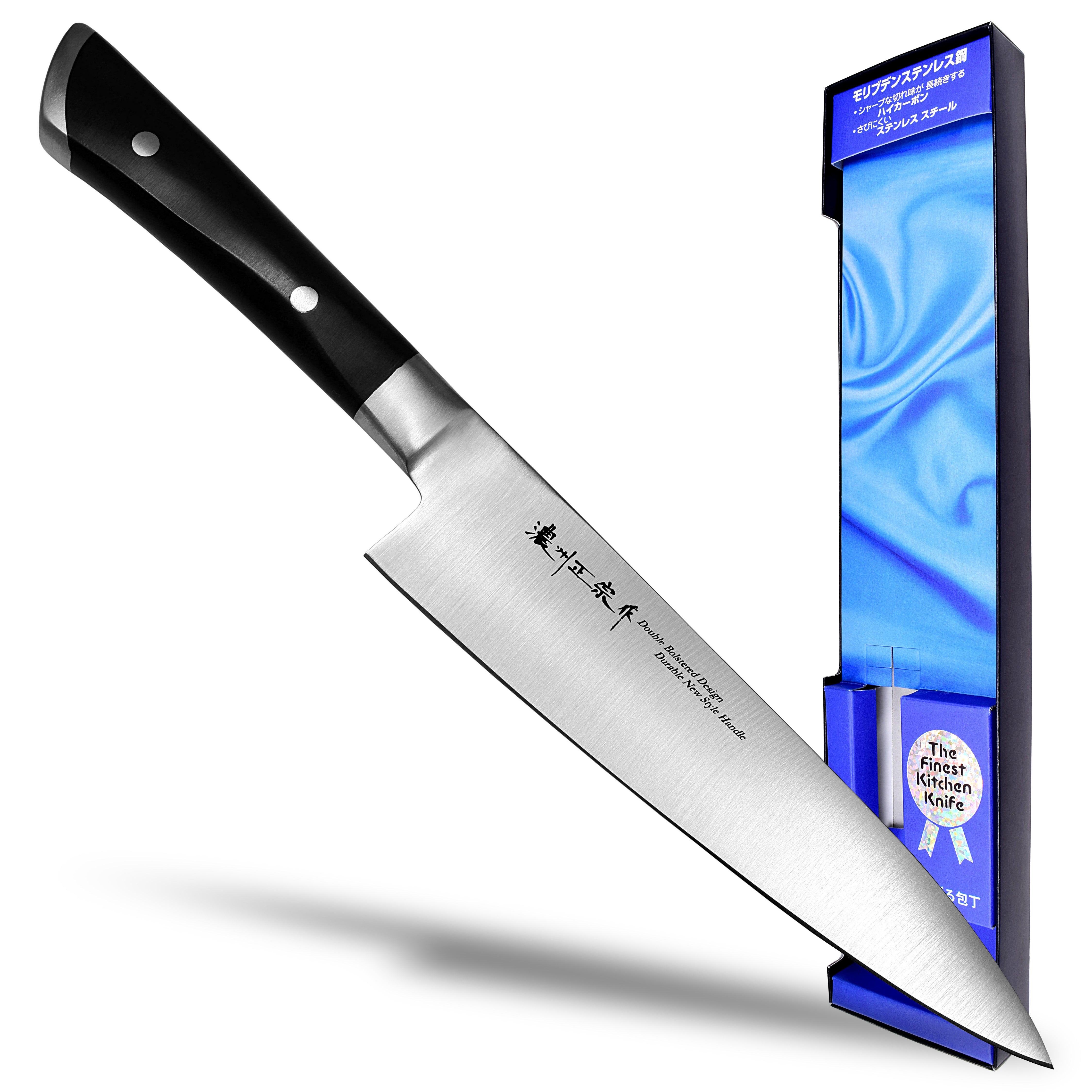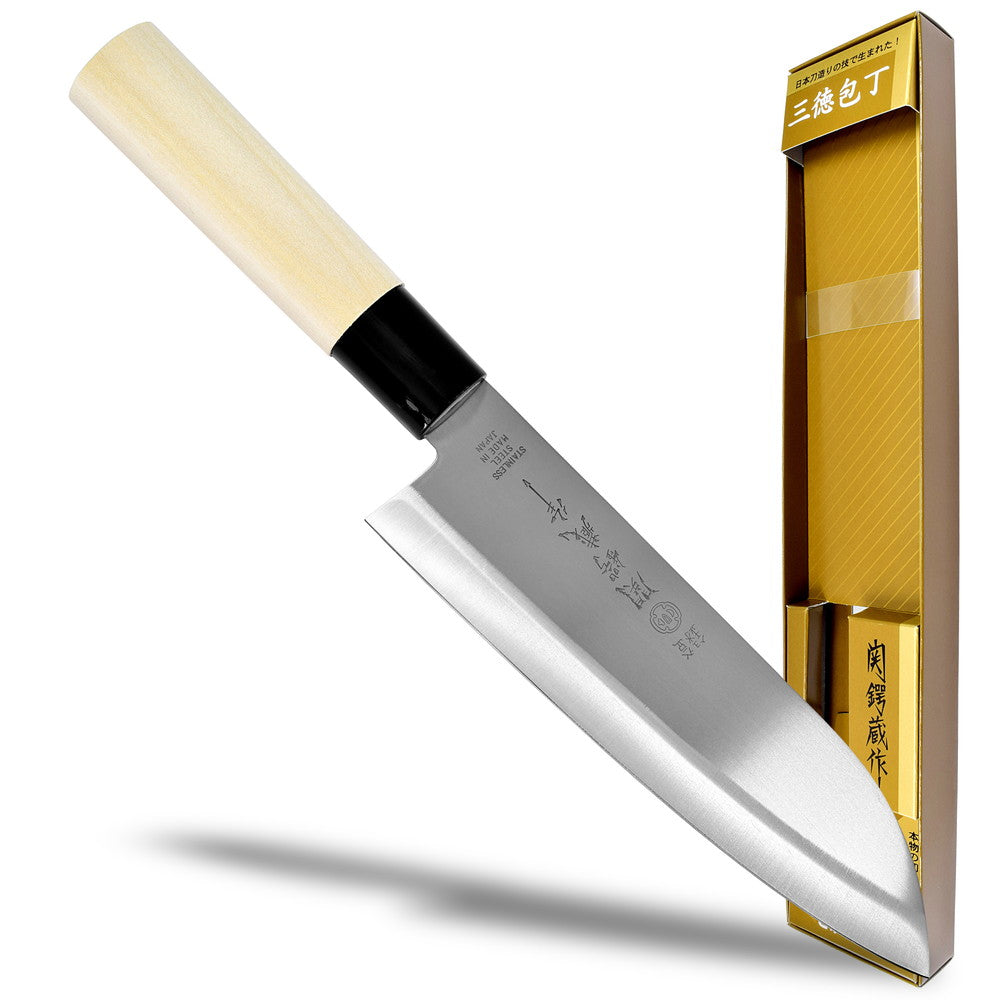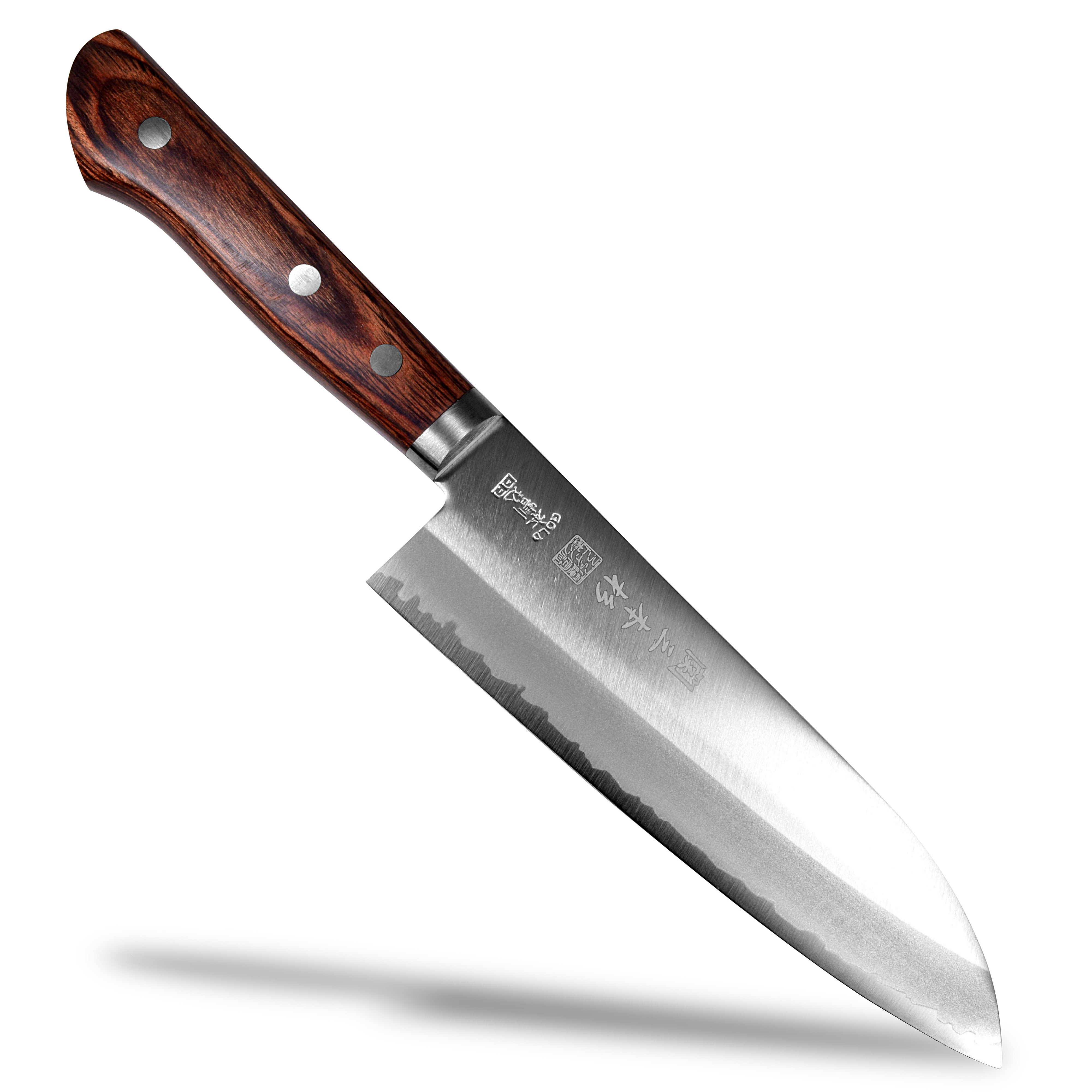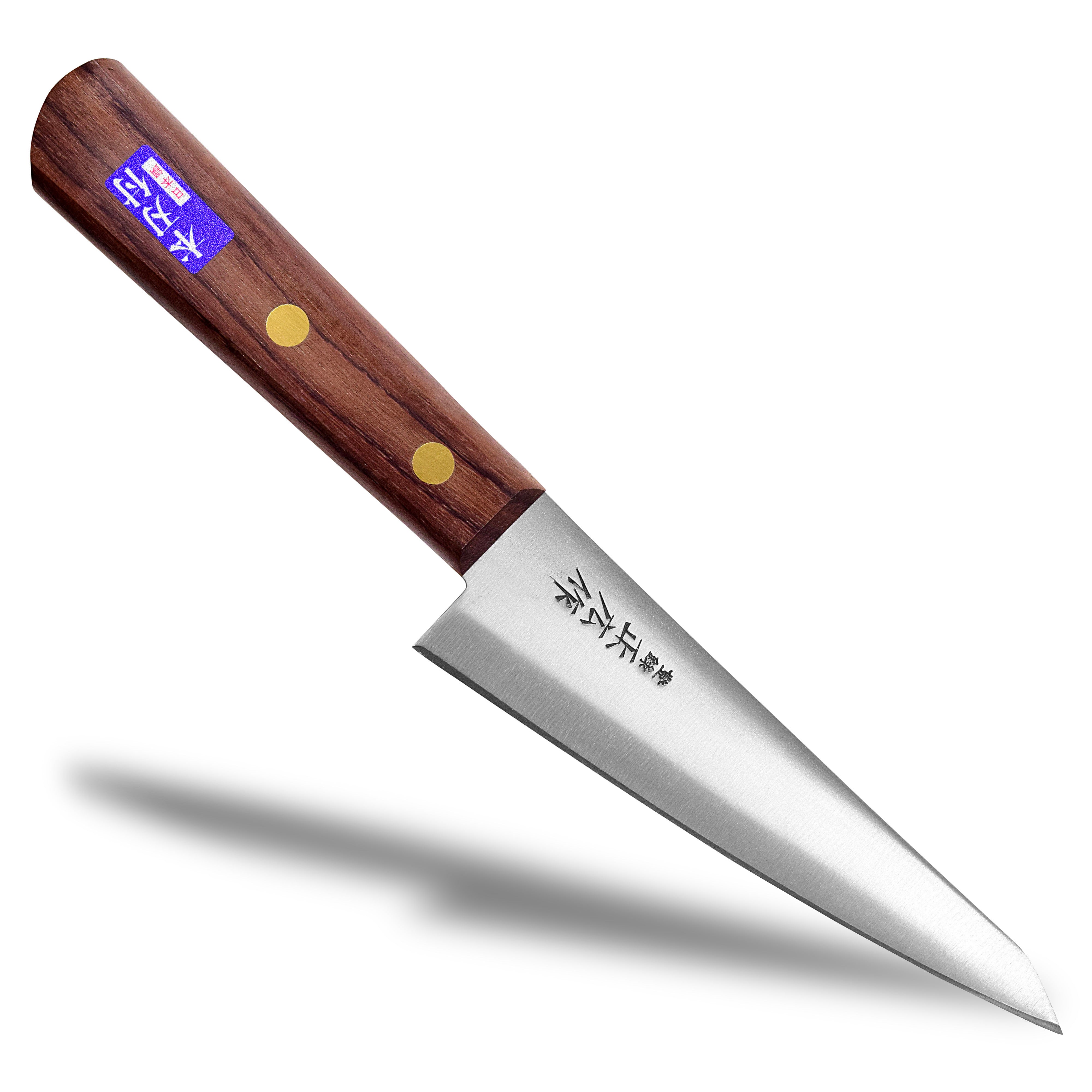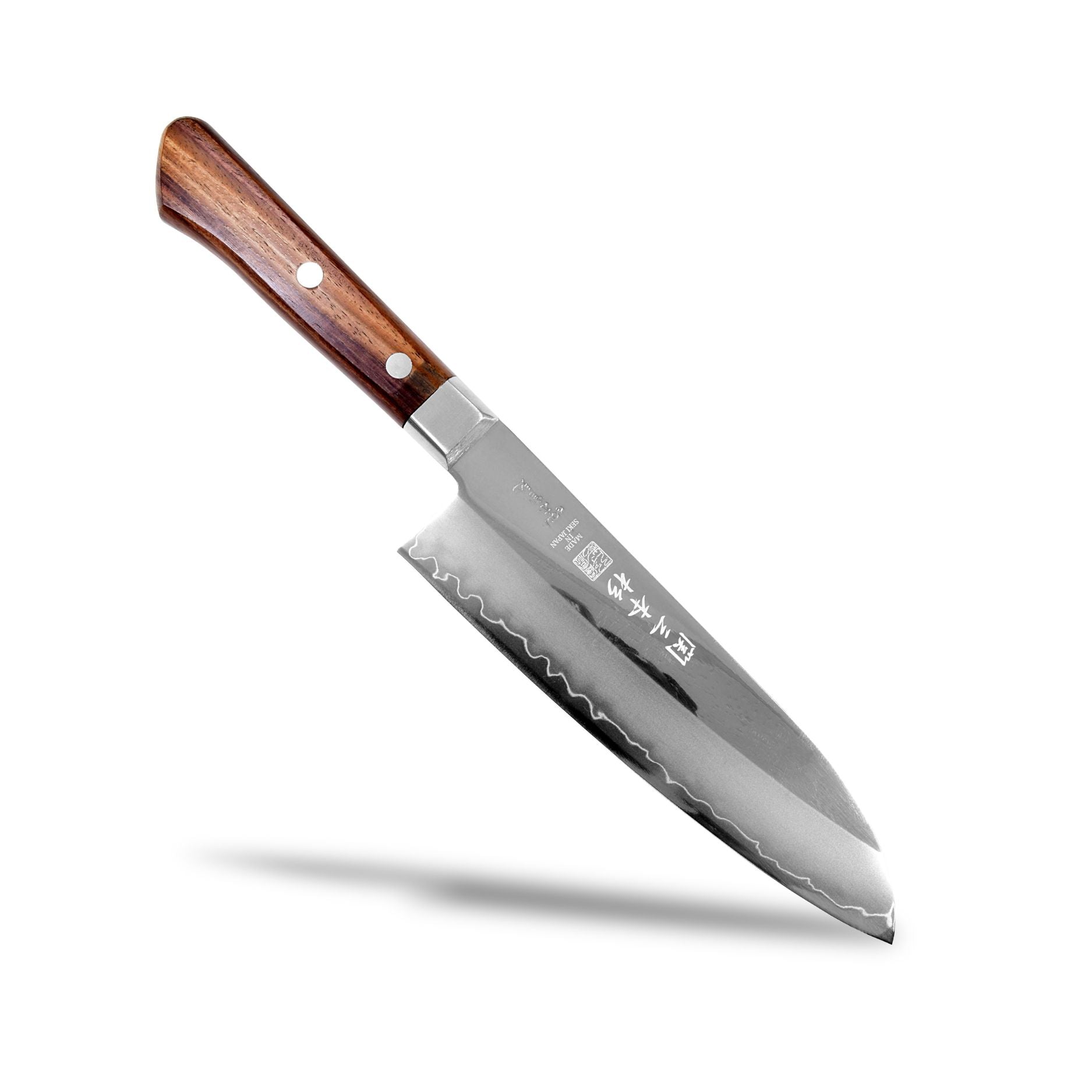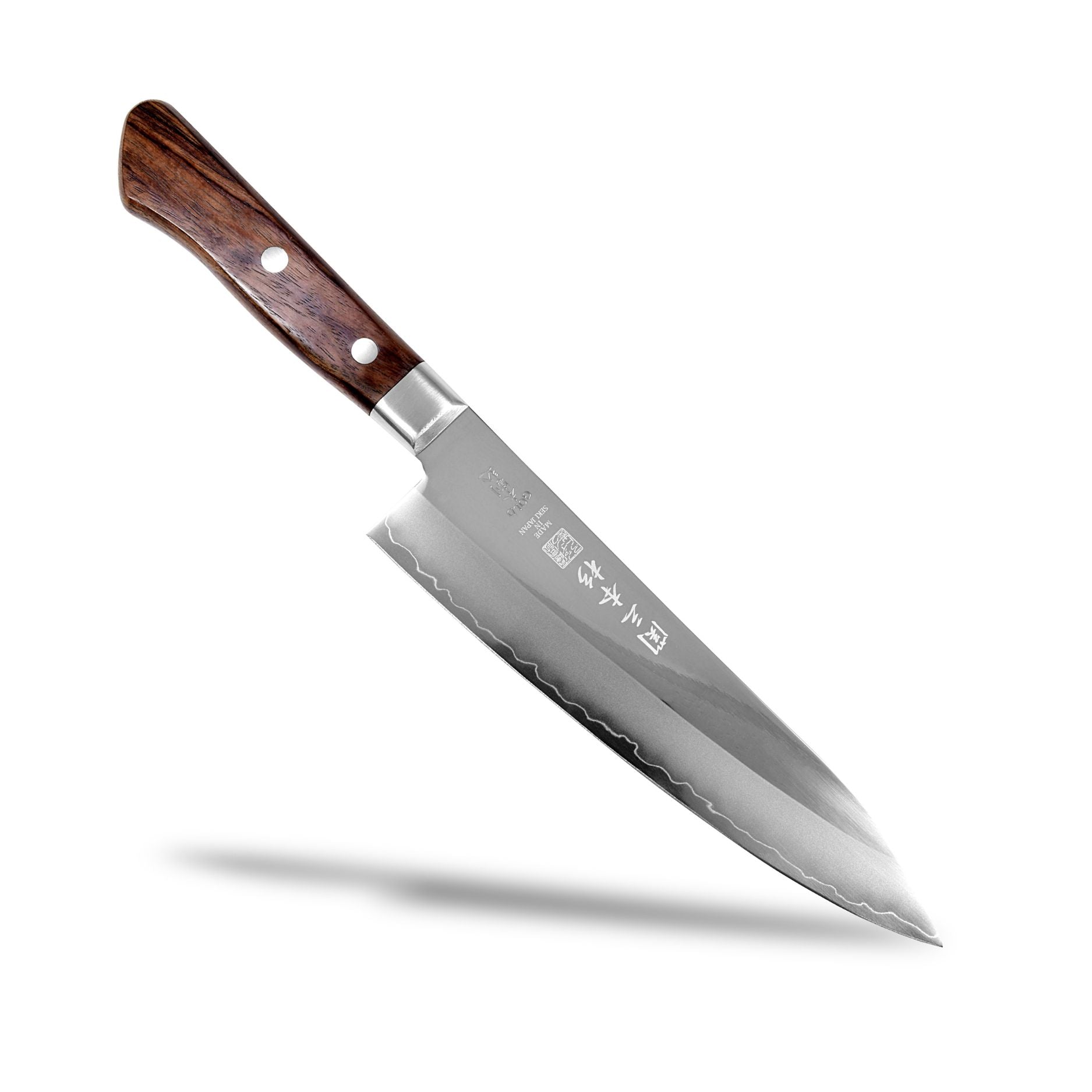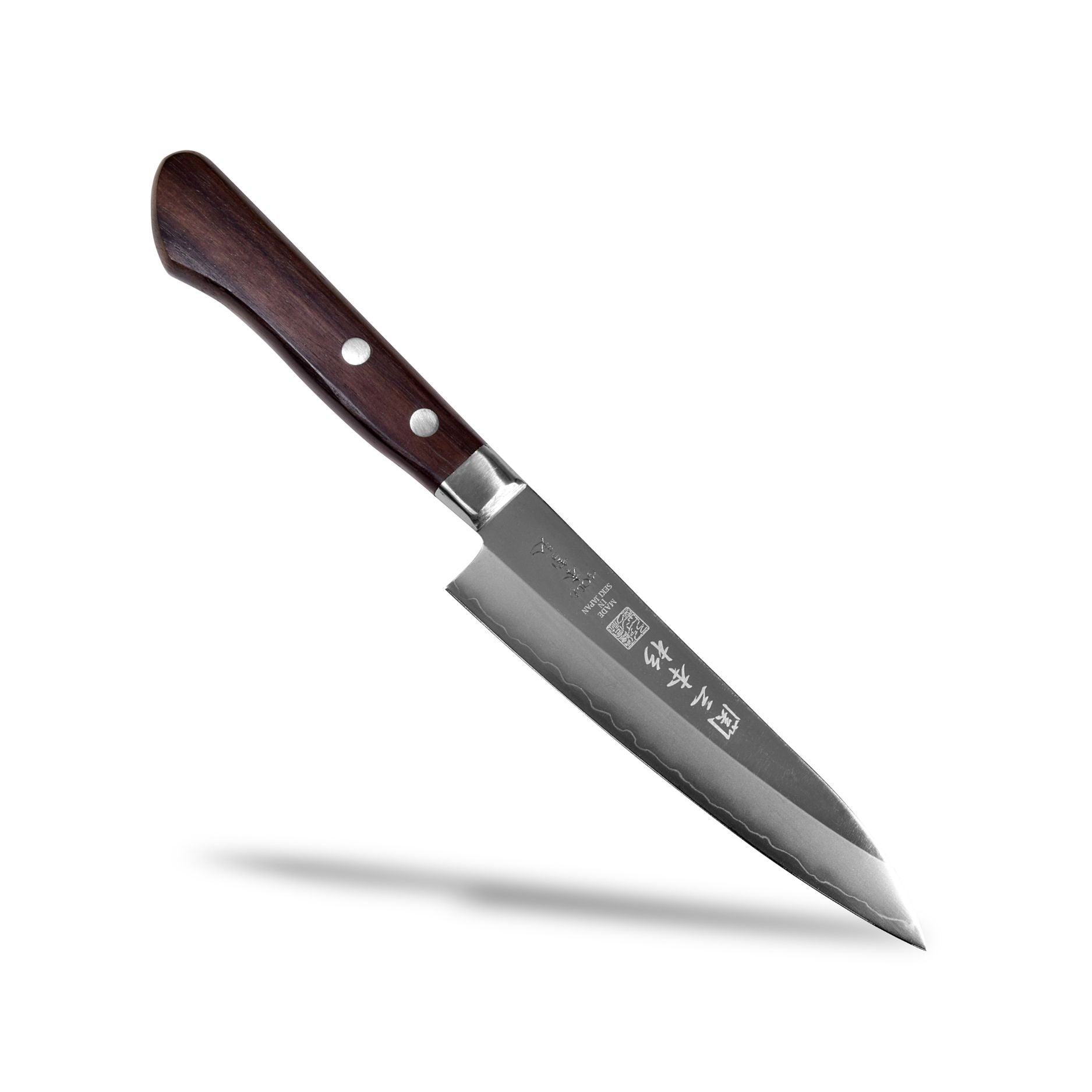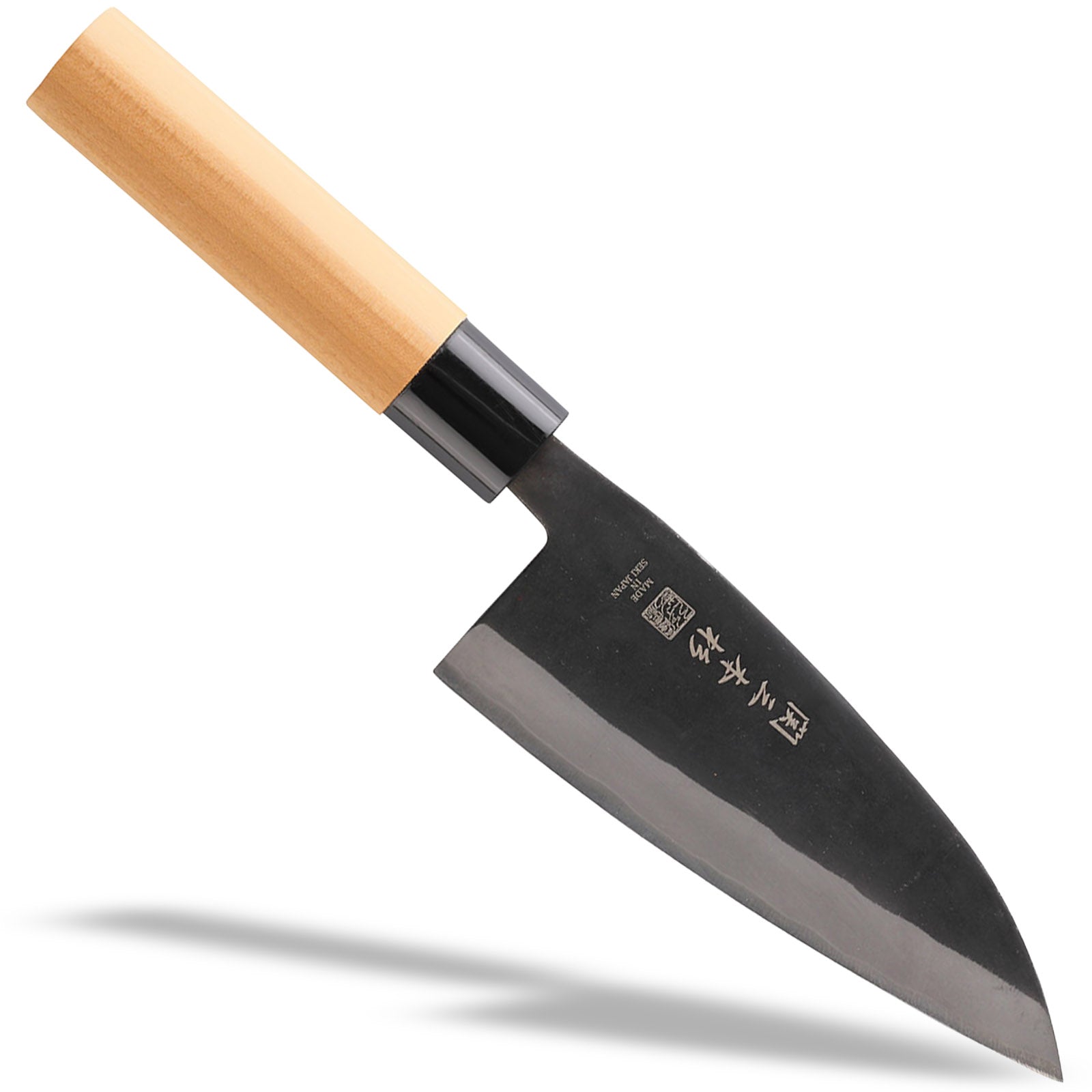

To avoid making a mistake when choosing your first knife, let's understand the different types of Japanese knives and the basics and characteristics of the Santoku knife.
Understanding the different types of Japanese kitchen knives and the basics and characteristics of the Santoku knife will allow you to cook safely and efficiently with your very first knife.
By understanding the typical types of Japanese kitchen knives and the basics and characteristics of the Santoku knife, even cooking beginners can choose their first knife without making a mistake.
Today's review: 3 key points
- I understand that Japanese kitchen knives are "specialized for specific uses," while Santoku knives are "all-purpose" knives for home use.
- For your first knife, aim for a santoku knife with a blade length of 16-18 cm and a budget of 5,000-15,000 yen.
- I add Japanese knives like deba and yanagiba to my collection when I want to seriously enjoy cooking fish dishes and sashimi.
Conclusion of this article
- In conclusion, the safest bet for your first knife is to choose a versatile santoku knife that incorporates the principles of traditional Japanese knife making.
- A Santoku knife is a versatile kitchen knife that can handle three uses: meat, fish, and vegetables.
- Japanese kitchen knives, such as deba, yanagiba, and usuba, are specialized for specific purposes and their single-edged construction provides superior sharpness and finish.
- Beginners should start with a double-edged santoku knife, and as they gain experience, it's efficient to add a deba or yanagiba knife as they progress.
- It's important to compare blade length, weight, material (stainless steel/steel), and ease of maintenance to choose a knife that suits your cooking style.
What are the different types of Japanese kitchen knives, and why is the "Santoku knife" the standard choice for your first knife?
In conclusion, to put it simply, a santoku knife is the best choice for your first knife due to its versatility and ease of use.
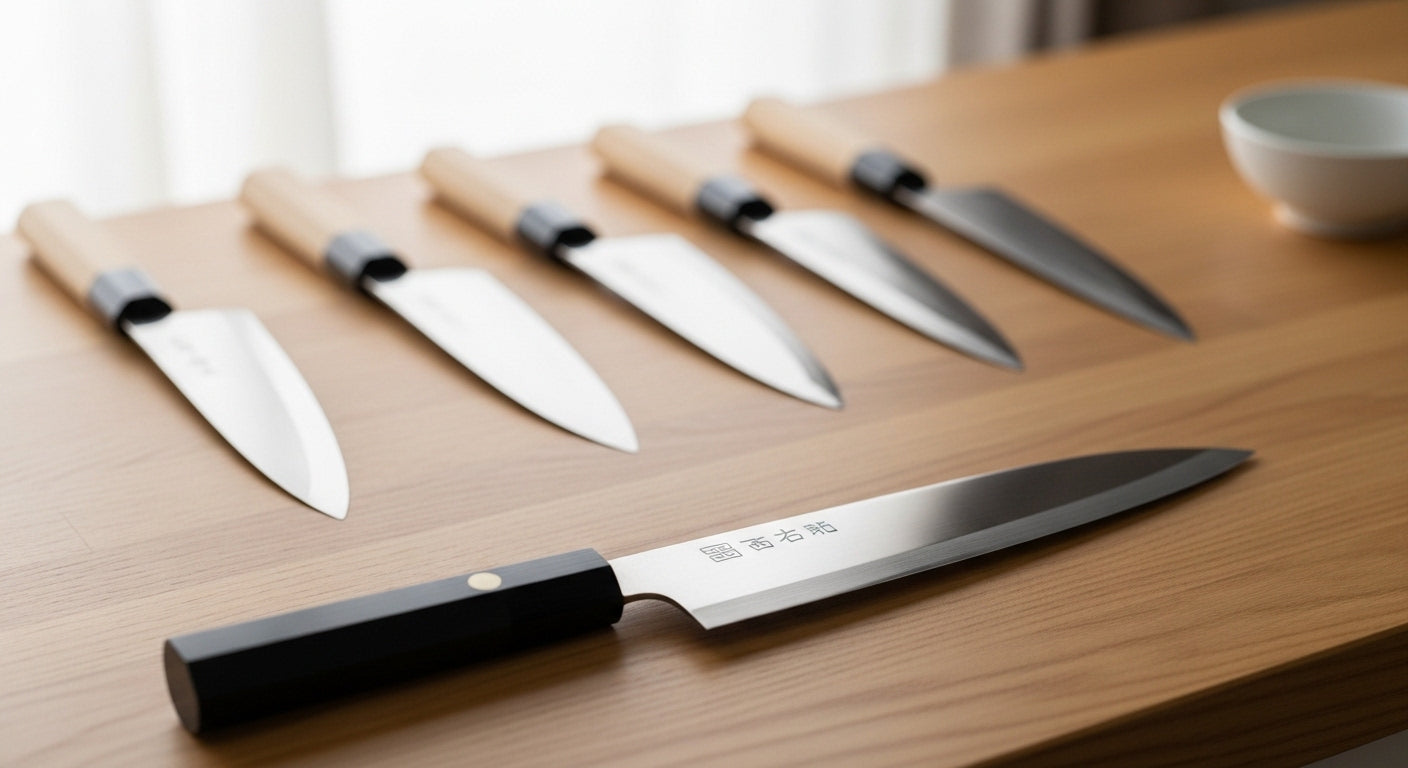
Japanese kitchen knives, such as deba knives, yanagiba knives, and usuba knives, are like specialized tools divided by their intended use, and are specifically designed for tasks like filleting fish, slicing sashimi, and beautifully cutting vegetables.
On the other hand, the santoku knife is a versatile kitchen knife that combines the best features of a vegetable knife and a chef's knife, and is the most common type of knife used in Japanese households.
Main types of Japanese kitchen knives
- Deba knife: A thick, heavy knife used for cutting off fish heads, filleting, and cutting through bones.
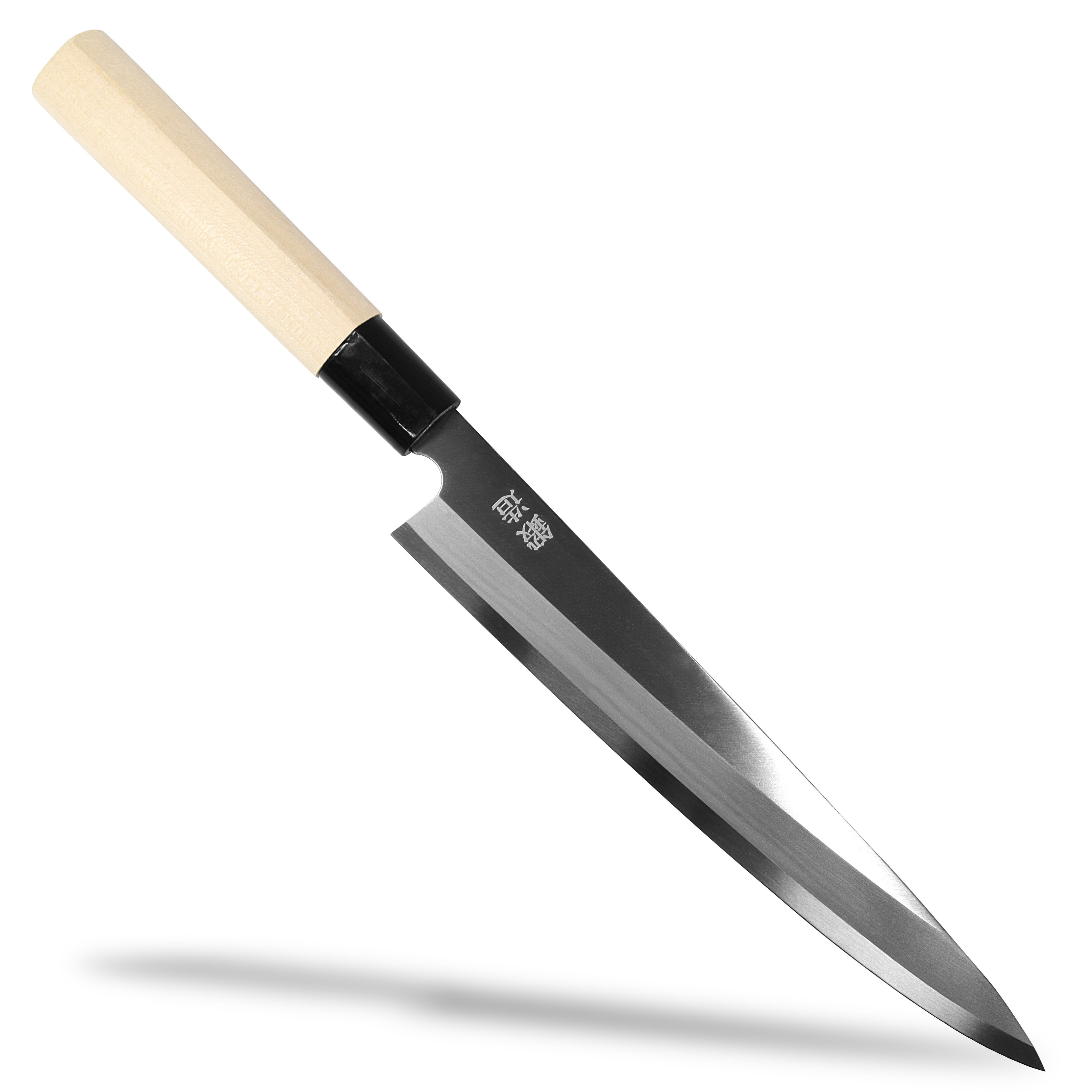
- Yanagiba knife (sashimi knife): A long, single-edged knife used to create smooth sashimi slices with a "pulling" motion.
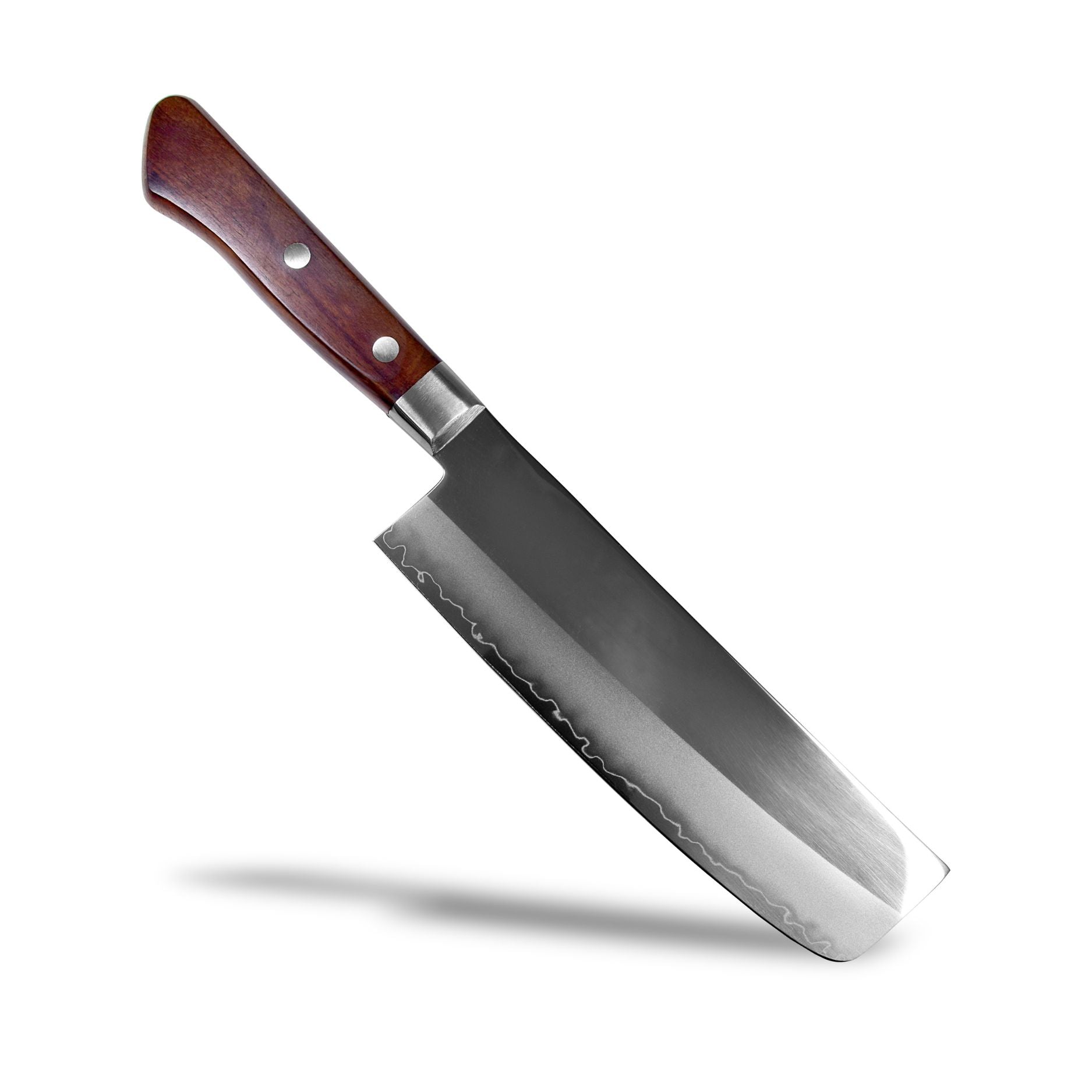
- Thin-bladed knife: A specialized knife for thinly and beautifully slicing vegetables, such as for katsuramuki (a type of peeling technique).
Why a Santoku knife is a good choice for your first knife.
- It possesses "three virtues," being able to handle a wide range of meat, fish, and vegetables with just one tool.
- With a blade length of around 16-18cm, it fits easily on a home cutting board and is highly maneuverable.
- Most knives are double-edged, making them easy to use for both right-handed and left-handed individuals, and their design allows for straight cuts.
As a concrete example, among our customers (a cutlery manufacturer/wholesaler), we often recommend a stainless steel santoku knife with a blade length of around 170mm to beginners in cooking or those starting a new life. Later, when the need arises to "prepare a whole fish," we suggest a deba or yanagiba knife.
What is a Santoku knife? Basic specifications, advantages, and disadvantages.
In conclusion, a santoku knife is a tool that can cover 90% of household chores, but is inferior to a dedicated Japanese knife for specialized tasks.
Basic specifications of a Santoku knife
- Blade length: Approximately 15-20 cm, with 16-18 cm being the most common for home use.
- Blade shape: The tip is slightly rounded, the straight section of the blade is long, and it excels at pushing cuts.
- Uses: For all basic everyday tasks such as cutting meat, slicing fish fillets, chopping and slicing vegetables.
Good points (advantages)
- Because it can handle three uses (meat, fish, and vegetables) with just one knife, you don't need to increase the number of knives you own.
- With its straight blade that minimizes cutting errors, it makes chopping and mincing vegetables more stable.
- Many of these tools have rounded tips, making them safer even for beginners.
Things I'm not good at (disadvantages)
- For professional meat cutting, such as "cutting through long-fibered meat in a single stroke," a chef's knife is inferior.
- For filleting a large fish whole into three pieces, a thick and heavy deba knife is ideal.
Within our company, our product development team builds our lineup based on the santoku knife as the "standard for home use," while proposing a combination of deba and yanagiba knives for professional use and specialty fish restaurants.
What are the differences between Japanese and Western (Santoku) knives? Basic information on structure, dominant hand, and intended use.
In short, "Japanese knives = single-edged and for specialized use," and "Western knives (including santoku knives) = double-edged and prioritize versatility."
Structural differences
- Japanese kitchen knives: They have a single-edged structure (the blade is on only one side), which makes the cross-section of food beautiful and is suitable for slicing.
- Western-style kitchen knives/Santoku knives: Many have a double-edged blade (sharpened on both sides), making them easy to cut straight and suitable for home use.
Impact on dominant hand
- Single-edged Japanese kitchen knives are available in right-handed and left-handed versions, and left-handed options may be limited in terms of price and choices.
- A double-edged santoku knife has the advantage of being easy to share even if family members have different dominant hands.
Usage Image
- Japanese kitchen knives: In sushi restaurants and traditional Japanese restaurants, different knives are used for different purposes, such as "yanagiba for sashimi," "deba for filleting fish," and "usuba for shaping vegetables."
- Santoku: Used in general households and restaurants, it handles a wide range of tasks, such as preparing vegetables and cutting meat.
The first thing beginners should understand is that "there's no need to buy a full set of highly specialized Japanese knives right away." As you cook on a daily basis, you'll figure out which tasks you want to focus on, and adding a deba or yanagiba knife when needed is the best step in balancing cost and practicality.
How to choose and the conditions for making the first purchase a success.
In conclusion, your first santoku knife should be chosen based on a balance between its specifications (blade length, weight, and material) and your budget.
Points beginners should consider when choosing a santoku knife.
In short, a standard specification for beginners is a knife with a blade length of 16-18 cm, made of stainless steel, and double-edged.
- Blade length: A blade length of around 16-18 cm is easy to handle, matching the size of a typical household cutting board.
- Weight: If it's too light, you'll need more strength; if it's too heavy, you'll get tired easily. Ideally, you should choose one that feels well-balanced when you actually hold it.
-
material:
- Stainless steel: Rust-resistant and easy to clean, making it ideal for beginners.
- Carbon steel (high-carbon steel): While it has a sharp cutting edge, it rusts easily and requires more frequent maintenance.
Furthermore, as an entry-level model for home use, we recommend a santoku knife priced at around 5,000 to 15,000 yen, as the blade material and finish quality are more than adequate in this price range.
Which type of Japanese kitchen knife is best suited for whom?
The most important thing is to choose a Japanese kitchen knife that suits your cooking style and frequency.
- Who is a deba knife suitable for? People who buy whole fish several times a week and want to remove the heads and fillet them themselves.
- Who is a yanagiba knife suitable for? Those who want to beautifully arrange sashimi or other prepared dishes, and who are particular about the appearance.
- Those who would benefit from a thin-bladed knife: Those who want to pursue the delicate techniques unique to Japanese cuisine, such as katsuramuki (thinly slicing vegetables) and intricate vegetable carving.
In practice, professional chefs often recommend a configuration of "santoku or gyuto + petty knife + deba + yanagiba," while for home use, it's common to start with "santoku + petty knife" and add a deba depending on how often you cook fish.
What is the difference between a santoku knife and other all-purpose knives (gyuto, bunka knife)?
In conclusion, the Santoku knife is "suitable for Japanese home kitchens," the Gyuto knife is "for meat-focused, professional use," and the Bunka knife falls somewhere in between.
| Types of knives | Blade length guideline | Main uses | Features | Suitable people |
|---|---|---|---|---|
| Santoku knife | Around 16-18cm | Meat, fish, and vegetables in general | A wide, straight blade, a versatile kitchen knife for home use. | Beginners to intermediate cooks who want to master all aspects of home cooking with just one product. |
| Gyuto | 18-24cm or more | Large chunks of meat / large ingredients | A Western-style kitchen knife with a long, slender blade, excellent for pulling cuts. | Homes that frequently serve meat dishes, professional kitchens |
| Bunka kitchen knife | Around 16-18cm | A versatile use similar to a santoku (a type of multi-purpose toy). | A versatile knife that is a hybrid of Japanese and Western-style knives. | People who prefer a knife with a similar usability to a santoku knife but with a slightly sharper shape. |
To answer the question "Which one should I choose?", I recommend a santoku knife for home use or as your first knife; a chef's knife if you mainly cook meat and also use it for camping and outdoor activities; and a bunka knife if you like a Japanese aesthetic and want a versatile all-purpose knife.
FAQ
Q1. What kind of knife is a Santoku knife?
A santoku knife is a versatile kitchen knife that can handle three uses: meat, fish, and vegetables. It typically has a blade length of around 16-18 cm.
Q2. What is the difference between a Japanese kitchen knife and a Santoku kitchen knife?
Japanese kitchen knives are often single-edged and specialized for professional use, while Santoku knives are typically double-edged and used as all-purpose kitchen knives for home use.
Q3. What kind of knife would you recommend for a beginner cook?
For beginner cooks, a stainless steel santoku knife with a blade length of 16-18 cm is highly recommended as it is rust-resistant and easy to handle.
Q4. Which should I choose: a santoku knife or a chef's knife?
For general home cooking, a santoku knife is suitable, but if you frequently handle large cuts of meat or want a more professional-level knife, a chef's knife is better.
Q5. Is a deba knife necessary for home use?
If you rarely prepare whole fish, it's not essential, and if you mainly use fillets, a santoku knife alone is sufficient.
Q6. How can I cut sashimi neatly?
If you prioritize the cross-section and texture of sashimi, adding a yanagiba knife and using it with a focus on a pulling motion will improve the final result.
Q7. What are some basic maintenance methods to make kitchen knives last longer?
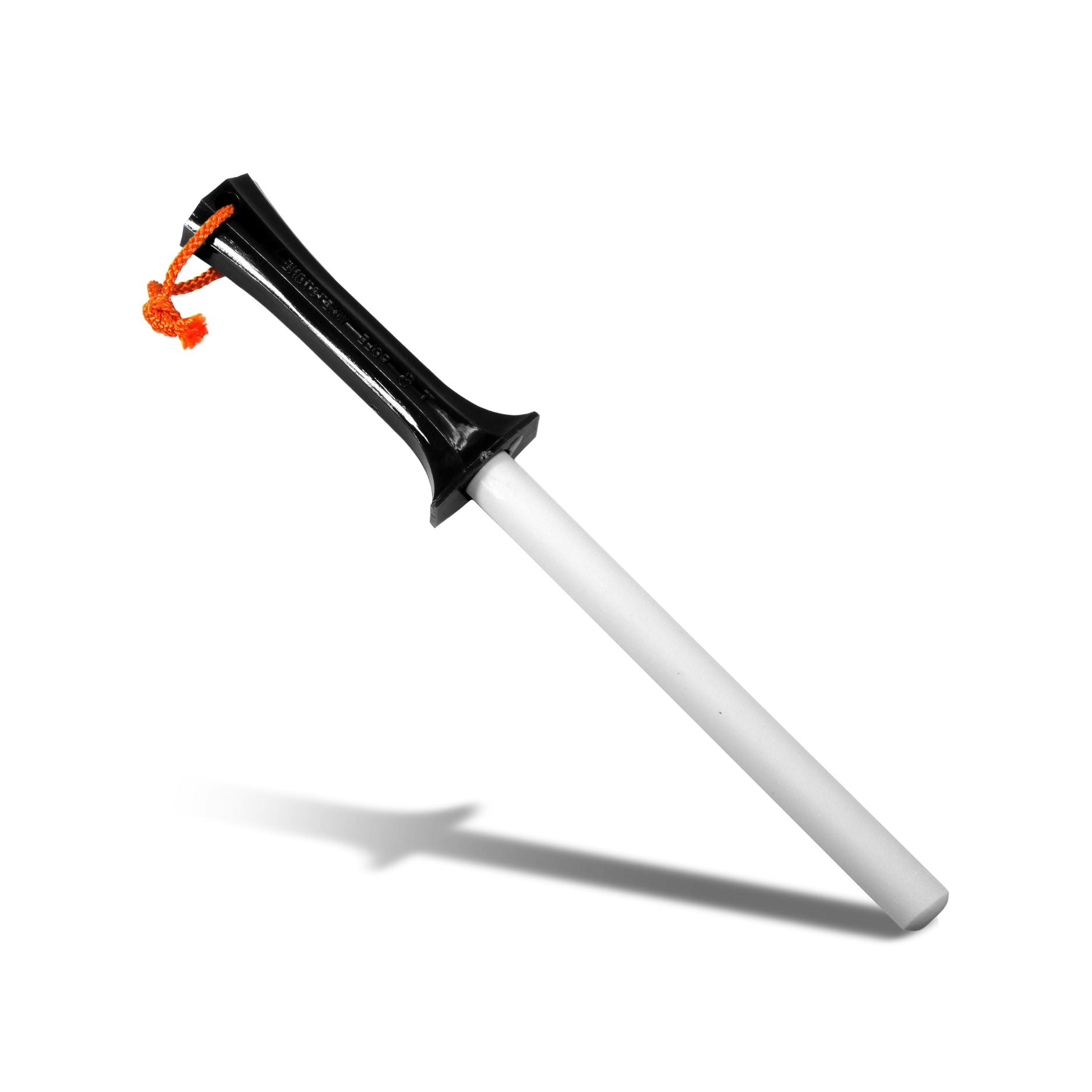
It is important to wash the blade by hand with a mild detergent immediately after use, wipe off any moisture, and let it dry, and to sharpen it regularly with a whetstone or sharpener.
Q8. Can left-handed people use a santoku knife?
A double-edged santoku knife can be used regardless of your dominant hand, making it suitable for left-handed people as well.
Q9. What is the approximate price range?
For home use, entry-level santoku knives often come in a price range of around 5,000 to 15,000 yen, offering a good balance of quality and cost.
Q10. Can I make authentic Japanese food using only a santoku knife?
For basic home cooking, a santoku knife is sufficient, but for beautifully arranging sashimi or handling large fish, adding a deba or yanagiba knife will make your cooking more professional.
summary
- In conclusion, the safest choice for your first knife is a versatile santoku knife that incorporates the principles of traditional Japanese knife making.
- Japanese kitchen knives, such as deba, yanagiba, and usuba, are specialized for specific purposes, and it's practical to add them to your collection as needed for tasks like filleting fish, slicing sashimi, or carving vegetables.
- Understanding the differences between santoku, gyuto, and bunka knives (blade length, shape, and suitable ingredients) and strategically choosing your first and subsequent knives to match your cooking style is key to selecting knives that you can use and be satisfied with for a long time.