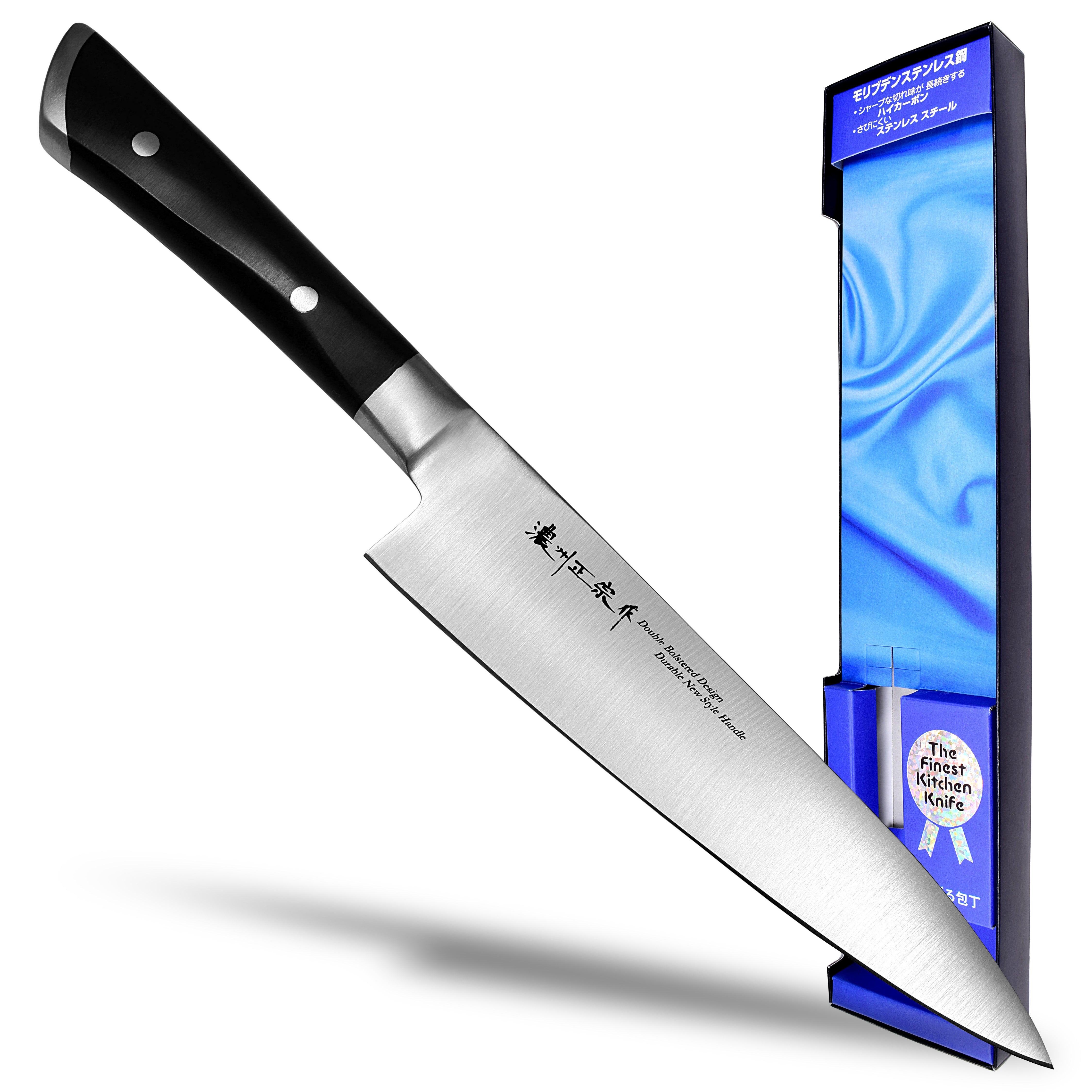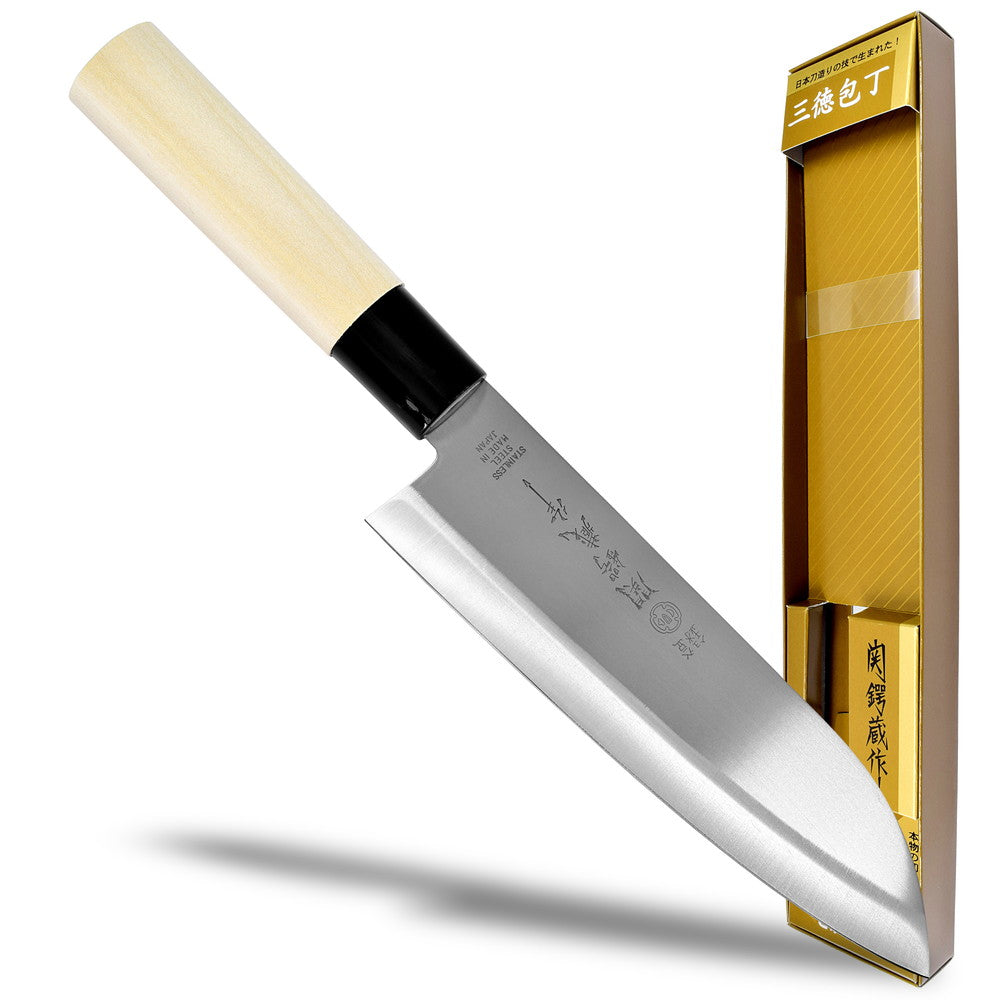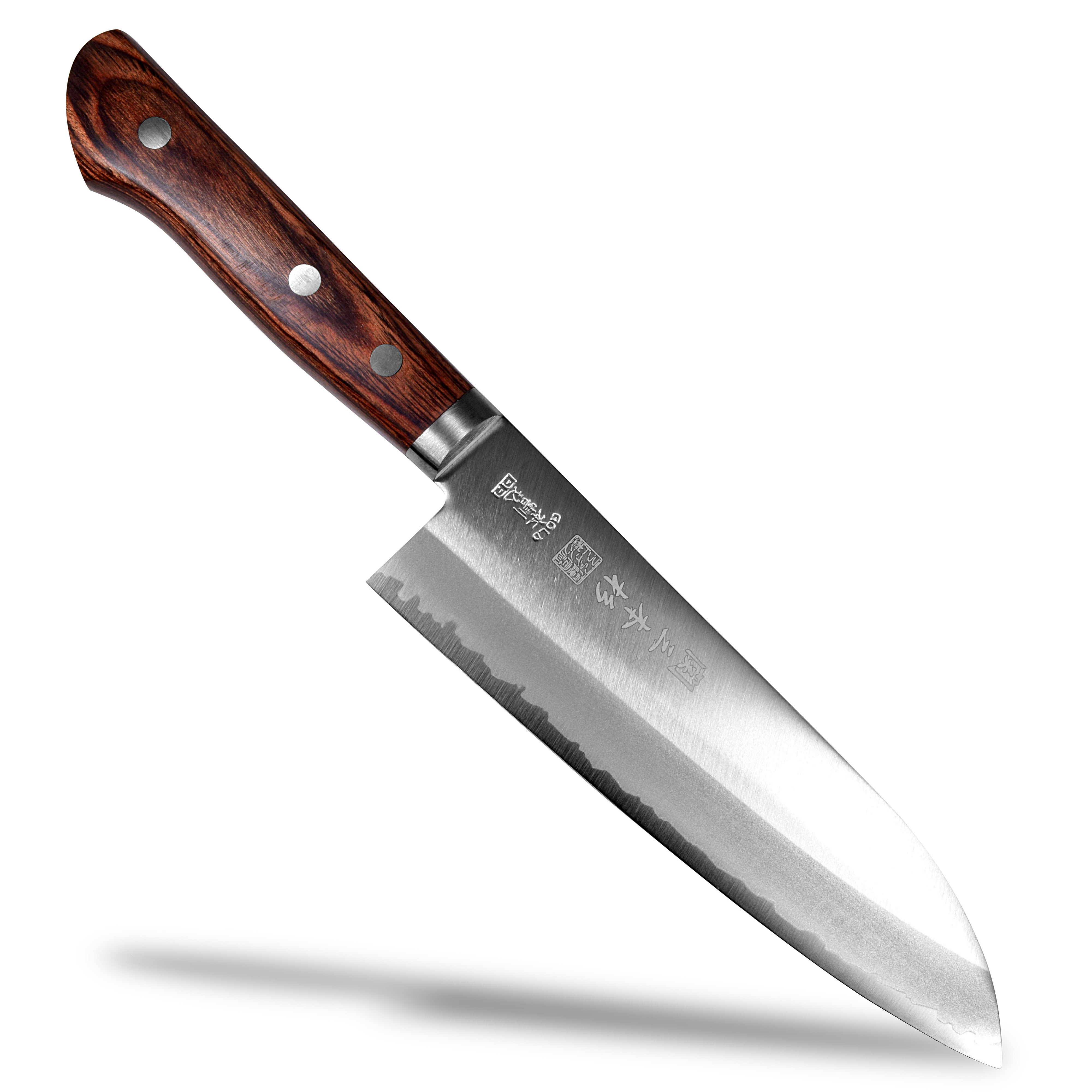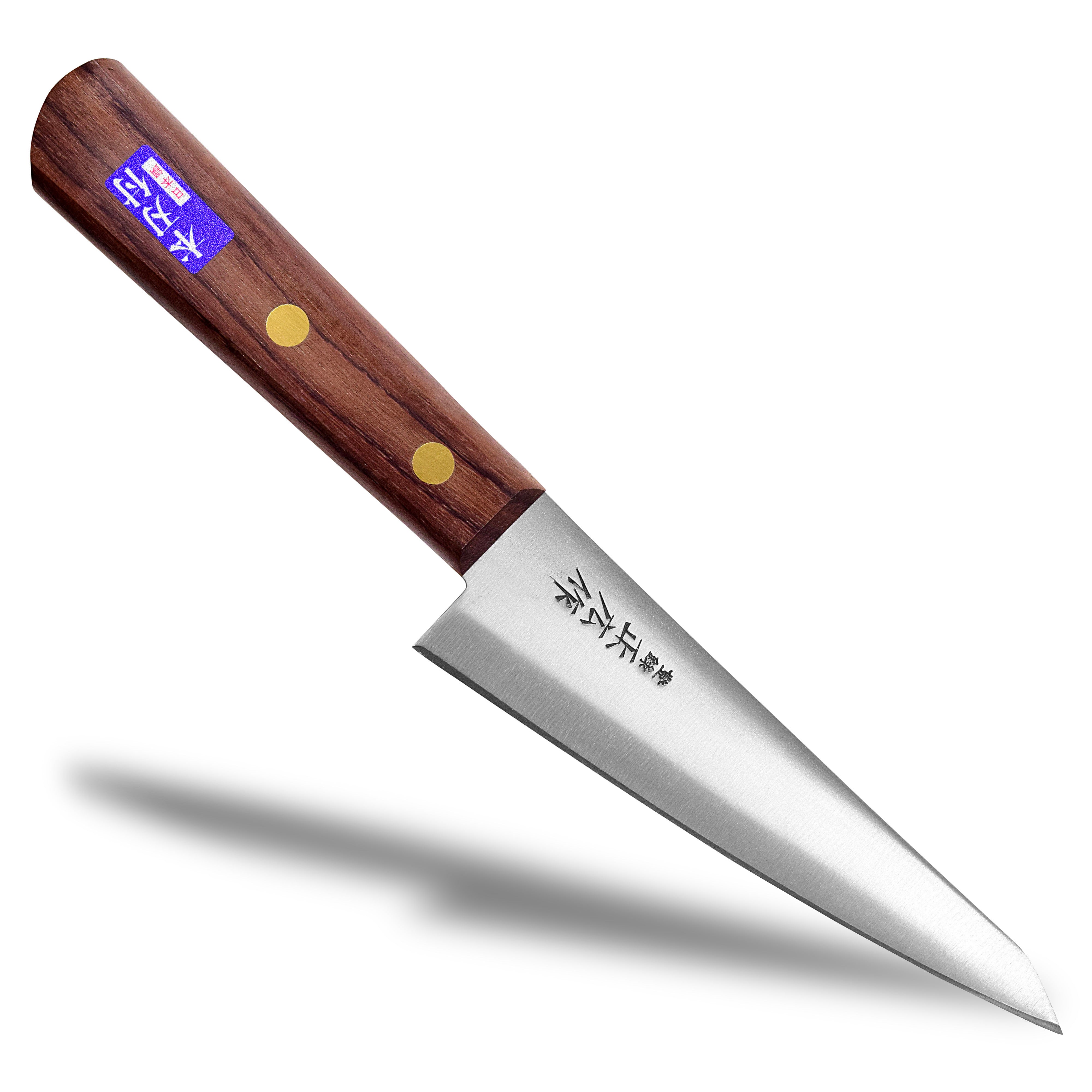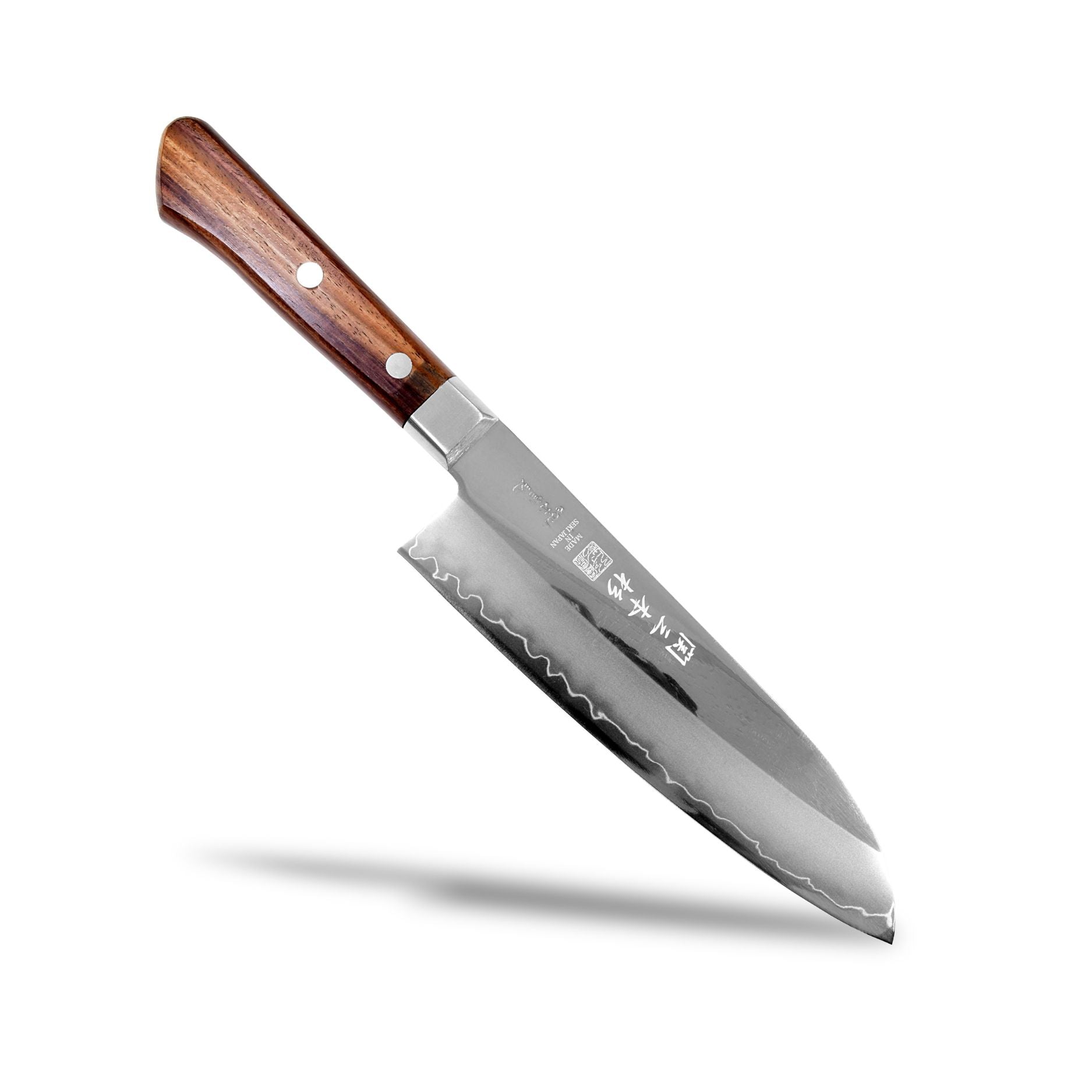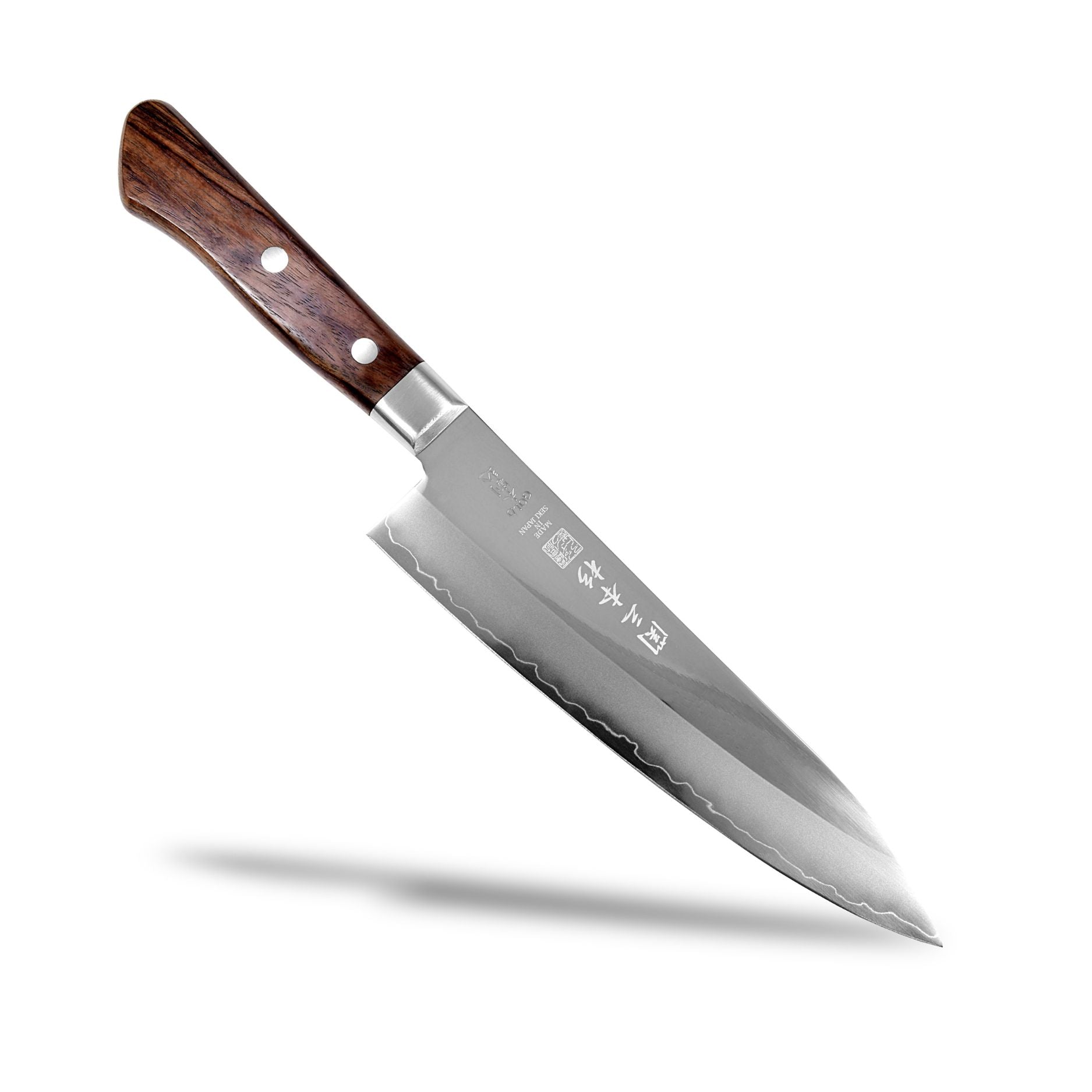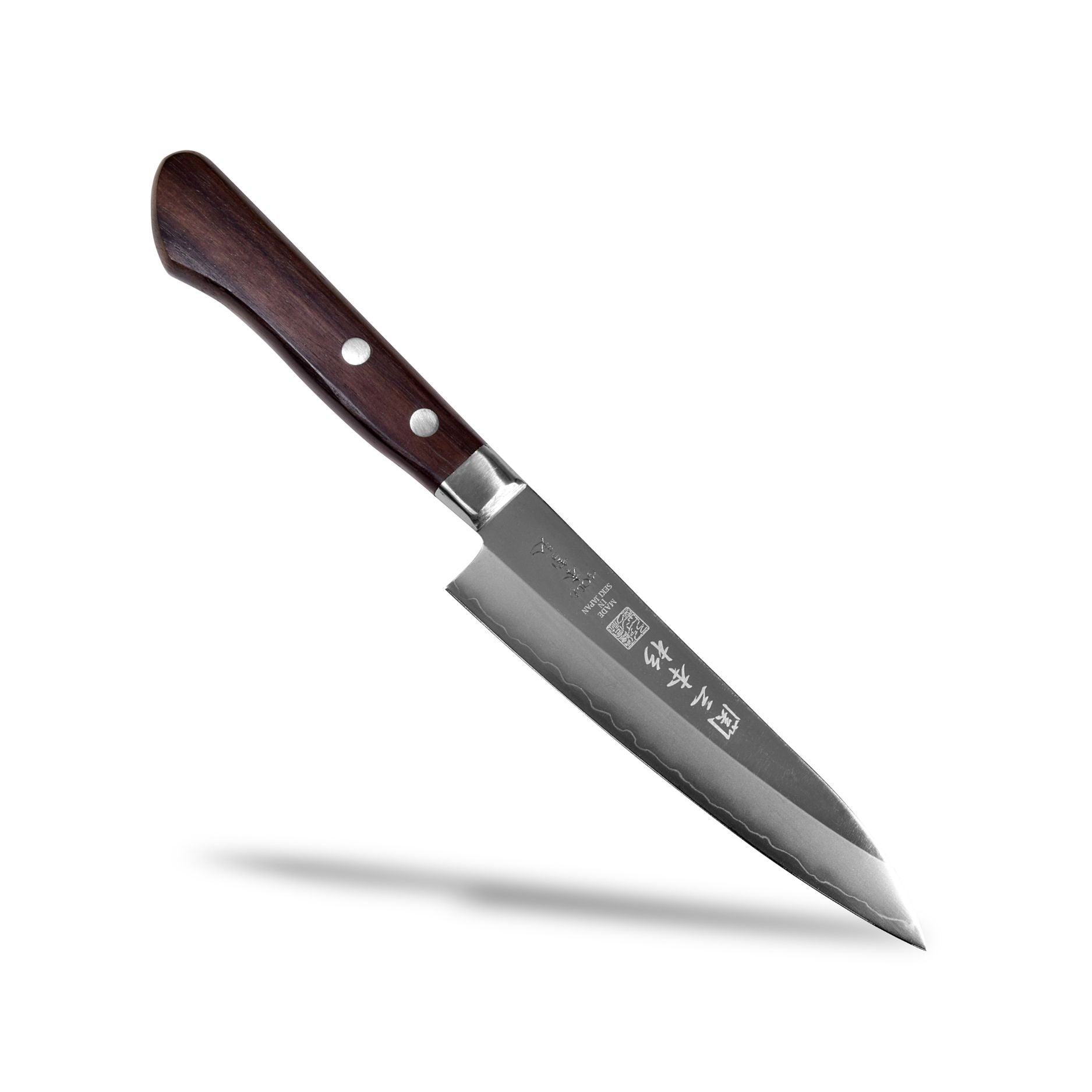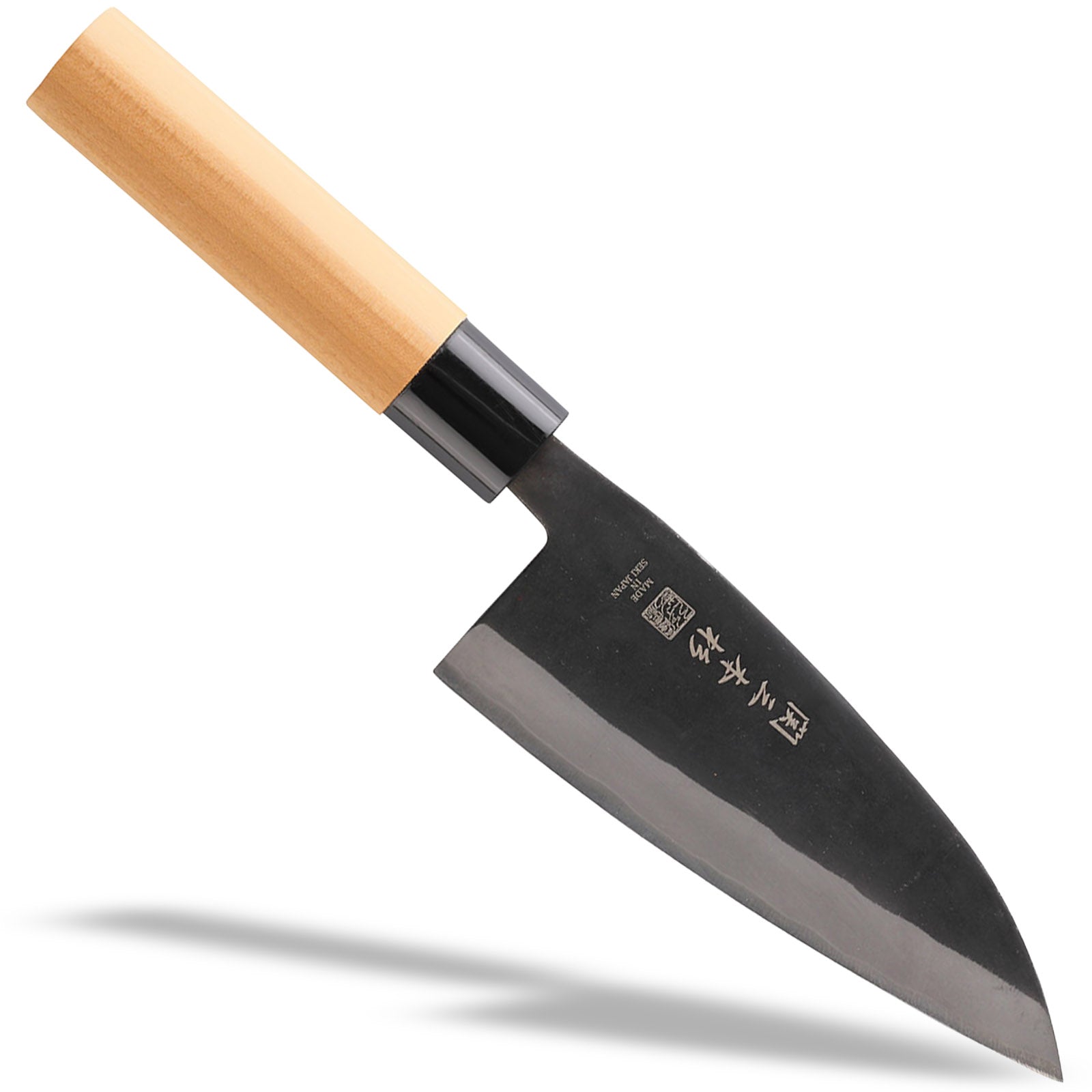

[Recommended Japanese Kitchen Knives as Gifts] How to Choose a Gift and a Summary of Reviews and Reputation
In conclusion, the safest way to give a Japanese kitchen knife as a gift is to "choose one that suits the recipient's cooking level and lifestyle, focusing on a santoku knife, and select one that comes in a gift-ready package (with engraving, a wooden box, and a brand story)."
[Key points of this article]
A Japanese kitchen knife makes a great gift; choosing a versatile type like a santoku knife or a set will please everyone from beginners to advanced cooks.
Most importantly, choose the steel type and shape to suit the recipient's cooking style, kitchen environment, and maintenance preferences.
Customer reviews and ratings indicate that "sharpness," "design," and "gift-like features such as name engraving and wooden boxes" are the factors influencing satisfaction. For gifts, the key is to balance "practicality with a sense of exclusivity."
Today's review: 3 key points
A Japanese kitchen knife makes a great gift; choosing a versatile type like a santoku knife or a set will please everyone from beginners to advanced cooks.
Most importantly, choose the steel type and shape to suit the recipient's cooking style, kitchen environment, and maintenance preferences.
Customer reviews and ratings indicate that "sharpness," "design," and "gift-like features such as name engraving and wooden boxes" are the factors influencing satisfaction. For gifts, the key is to balance "practicality with a sense of exclusivity."
Conclusion of this article
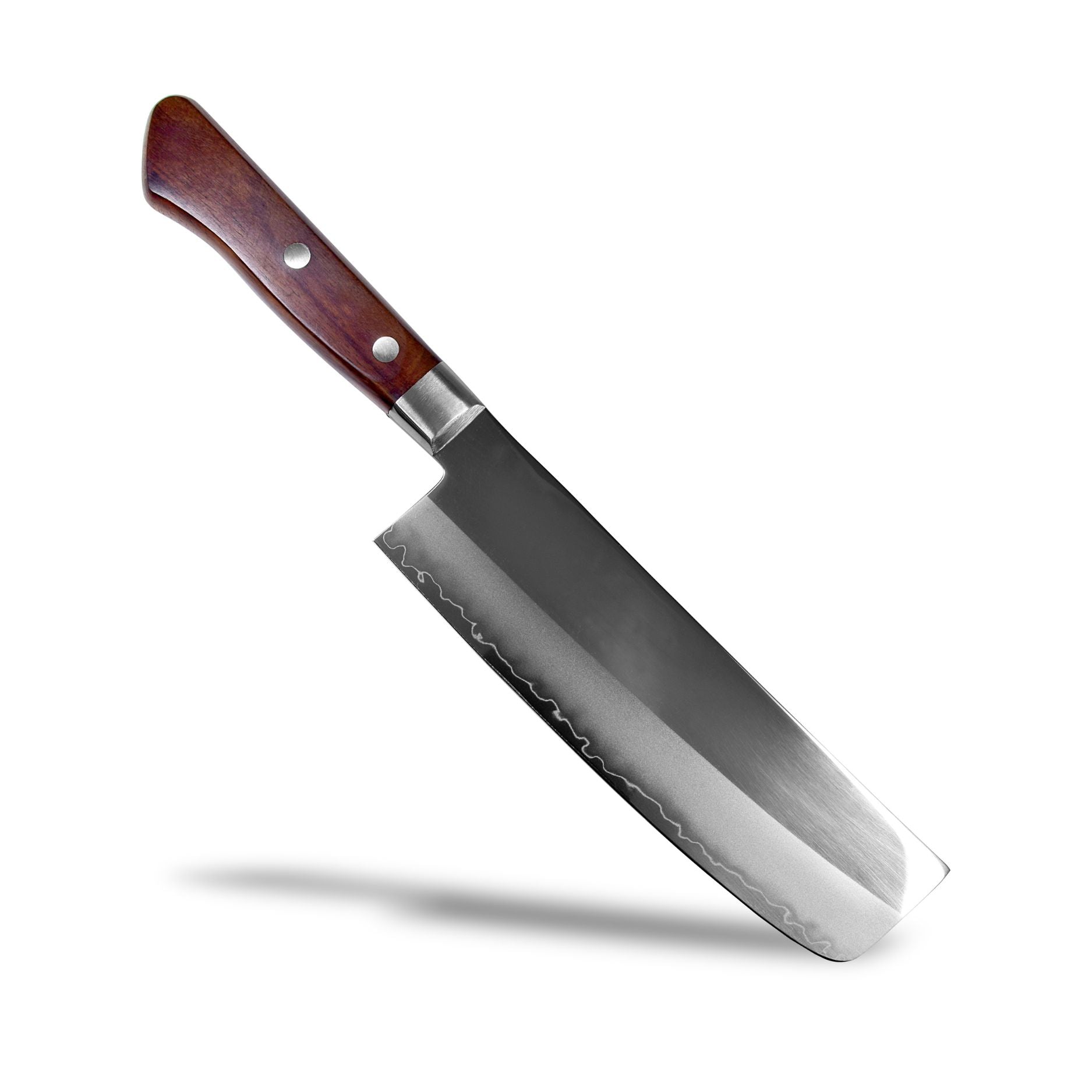
In conclusion, if you're looking to give a Japanese kitchen knife as a gift, the "18cm Santoku knife with rust-resistant steel and gift packaging (engraving and wooden box)" is the most recommended option.
Popular gift options include Damascus steel santoku knives, sets of branded Japanese knives, and high-end santoku knives that can be engraved with a name—models that combine both aesthetics and practicality.
Customer reviews for the knife gift set include positive comments such as, "It cuts really well and makes cooking more enjoyable," "It feels special because it has my name engraved on it," and "The wooden box gives it a luxurious feel."
The first thing beginners should keep in mind is to "choose a product that the recipient can use every day (almost a multi-purpose item), and prioritize ease of use and gift-giving qualities over price."
How to choose the best Japanese kitchen knife as a gift?
The basic strategy when choosing a Japanese kitchen knife as a gift is to consider it in terms of three factors: versatility of use, appearance, and gift-readiness.
In rankings of knives suitable as gifts, Kai Corporation's Seki Magoroku Damascus Santoku knife and sets from supervised brands ranked highly, chosen for reasons such as "can be used for any type of cooking," "looks luxurious," and "comes in a gift-ready box." Meanwhile, the gift pages of specialized manufacturers such as Jikko and Tojiro offer a wide range of options to create a sense of exclusivity, such as "name engraving," "message engraving," and "special wooden boxes," increasing satisfaction as a gift.
While there's a misconception that knives symbolize "cutting ties" when it comes to gifting knives, they are actually considered auspicious items that represent "cutting off misfortune" and "opening up good fortune," which is why they are actively chosen for occasions such as weddings, housewarmings, and Mother's Day.
The most important thing is to clearly define who you are giving the gift to and for what occasion, and then decide on the "shape, material, and gift specifications" that best suit those conditions.
How to choose based on the situation and the person you're interacting with
Which Japanese kitchen knife should I give as a wedding or housewarming gift?
In conclusion, the standard choice for wedding and housewarming gifts is a basic set of knives that supports daily cooking, such as a santoku knife or a set of two or three knives.
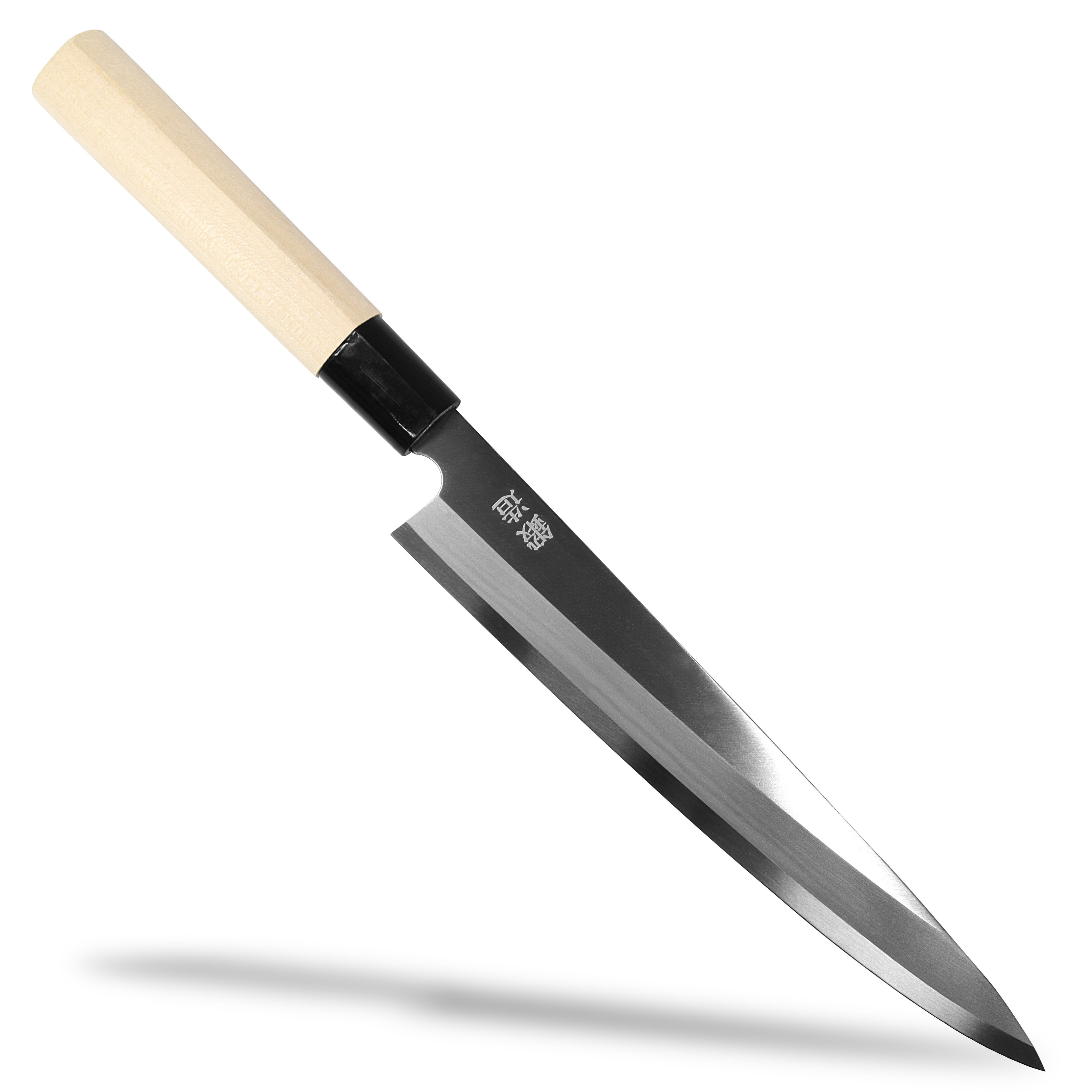
In the ranking of knives suitable as gifts, sets such as "a 5-piece set that greatly expands cooking variations," "a set of a sashimi knife and a deba knife," and "a 2-piece set of a santoku knife and a petty knife" are recommended as wedding gifts, and are highly rated for providing a complete kitchen setup at once. The gift article gives examples of combinations such as "a santoku knife if you only need one, or a sashimi knife and deba knife set if you often cook fish."
For a couple starting a new life together, a santoku knife and petty knife set is ideal. For a couple who loves fish, a sashimi knife and deba knife set is perfect. For a couple new to cooking, a santoku knife and a cooking utensil set would be great. By imagining the recipient's cooking style and deciding "how many knives to include in the set" and "how to combine the types of Japanese knives," you can create a highly practical gift.
What about gifts for parents or superiors?
In conclusion, for parents and elders, a Japanese kitchen knife gift that emphasizes "a sense of quality and the peace of mind of being able to use it for a long time" is suitable.
The gift page of a long-established cutlery shop features a lineup of "special gifts," including forged knives with a Mount Fuji design, high-end models using white steel No. 2, and santoku knives made of silver steel or Damascus steel, with prices mainly ranging from 20,000 yen to several tens of thousands of yen. In the Mother's Day gift feature of high-end santoku knives, customer reviews are highlighted, such as "I sent it to my mother who lives far away, and she was delighted with the personalized engraving," and "It's incredibly comfortable to use and I think she'll cherish it for a long time." The "presentation as a commemorative gift," including name engraving, message engraving, and a wooden box, is highly praised.
For a mother who has been cooking for many years, a high-quality santoku knife with her name engraved (such as a silver-plated or V-gold steel knife) is suitable. For a father who loves cooking, a single deba or yanagiba knife with his name engraved is appropriate. For a gift for both parents, a set of 2-3 Japanese knives in a wooden box is recommended. When giving Japanese knives as a gift, it's important to consider not only their performance but also the "story and memento" they represent.
What about friends or colleagues who love cooking?
In conclusion, for friends and colleagues who enjoy cooking, choosing a "highly designed Damascus steel santoku knife" or a "well-regarded brand of Japanese knife" is likely to please them.
The ranking article features top-ranked knives such as the Seki Magoroku Damascus Santoku knife and a 5-piece set supervised by a Japanese culinary master, with many reviews highlighting their "excellent sharpness," "comfortable grip," and "modern Japanese design." The gift guide mentions Japanese knives from "blade-producing regions" such as Seki City in Gifu Prefecture and Sanjo City in Niigata Prefecture, explaining that brand names like Seki Magoroku, Noshu Magoroku-saku, and Katsuhiro contribute to a sense of security and conversational appeal as gifts.
Even if the recipient already owns a kitchen knife, a higher-end branded Japanese knife or one with a sophisticated design is likely to be appreciated as an "upgrade item."
Key points to consider when choosing based on customer reviews and reputation.
What are the key points that are valued in customer reviews?
In conclusion, the four key points that are highly rated in customer reviews are "sharpness," "ease of use," "design and luxury," and "gift-like qualities such as name engraving and wooden boxes."
In the ranking of knives suitable as gifts, many reviews focused on usability, such as "it cuts into ingredients well," "it's sharp and makes cooking fun," "the grip fits comfortably in the hand," and "it's dishwasher safe and easy to handle," indicating that actual usability is a major factor in customer satisfaction. Furthermore, for sets in wooden boxes and Japanese knives from supervised brands, reviews highlighting the "experience as a gift" were prominent, such as "it feels luxurious when you open the box," "the Japanese modern design is uplifting," and "it comes with a recipe book so even beginners can use it."
Reviews on Jikko's Mother's Day gift page include comments such as, "I sent it to my mother who lives far away, and she was very happy with the personalized gift," and "It looks like she'll cherish it for a long time," showing that the combination of personalized engraving and a high-quality santoku knife makes for a memorable gift.
When reading reviews, beginners should keep these three points in mind: "the user's skill level," "the intended use," and "the impression it gives as a gift."
What are some suitable shapes, steel materials, and price ranges for gifts?
In conclusion, the ideal conditions for a gift knife are: "Shape = mainly a santoku (traditional Japanese knife)," "Material = rust-resistant stainless steel," and "Price range = around 5,000 to 20,000 yen."
Gift information websites feature "a set of two knives, a santoku knife and a petty knife" or "a set of two branded Japanese knives" as gifts around 5,000 yen, making them an easy price range to choose for wedding or housewarming gifts. On the other hand, specialty gift rankings feature high-end models in the 15,000 to 30,000 yen range, such as "white steel No. 2 recommended for chefs," "a single piece of Gin-san steel," and "rust-resistant handmade knives," with comments like "If you're unsure, go with white steel No. 2" or "If you want something a step above, go with Gin-san."
For beginners, the price range to keep in mind is three levels: casual gifts are 3,000 to 8,000 yen (stainless steel santoku knife set), formal gifts are 8,000 to 20,000 yen (branded Japanese knives with name engraving), and special gifts are 20,000 to 50,000 yen or more (high-grade steel, fully forged, with design). Choose according to your relationship with the recipient and the occasion.
What are the proper manners and messages to include when giving a knife as a gift?
"A kitchen knife gift is considered a lucky present, as long as you follow the proper etiquette."
In the etiquette guide for gifting kitchen knives, it is explained that while some people associate knives with "cutting ties," in Japan, they have a long history as auspicious items used to "cut off evil" and "ward off misfortune," making them suitable gifts for weddings and new beginnings. Therefore, if you are concerned, it is recommended to soften the straightforward impression by including a message card with the meaning of "warding off evil and opening up a new life," or by "adding a gift certificate or small item along with the knife."
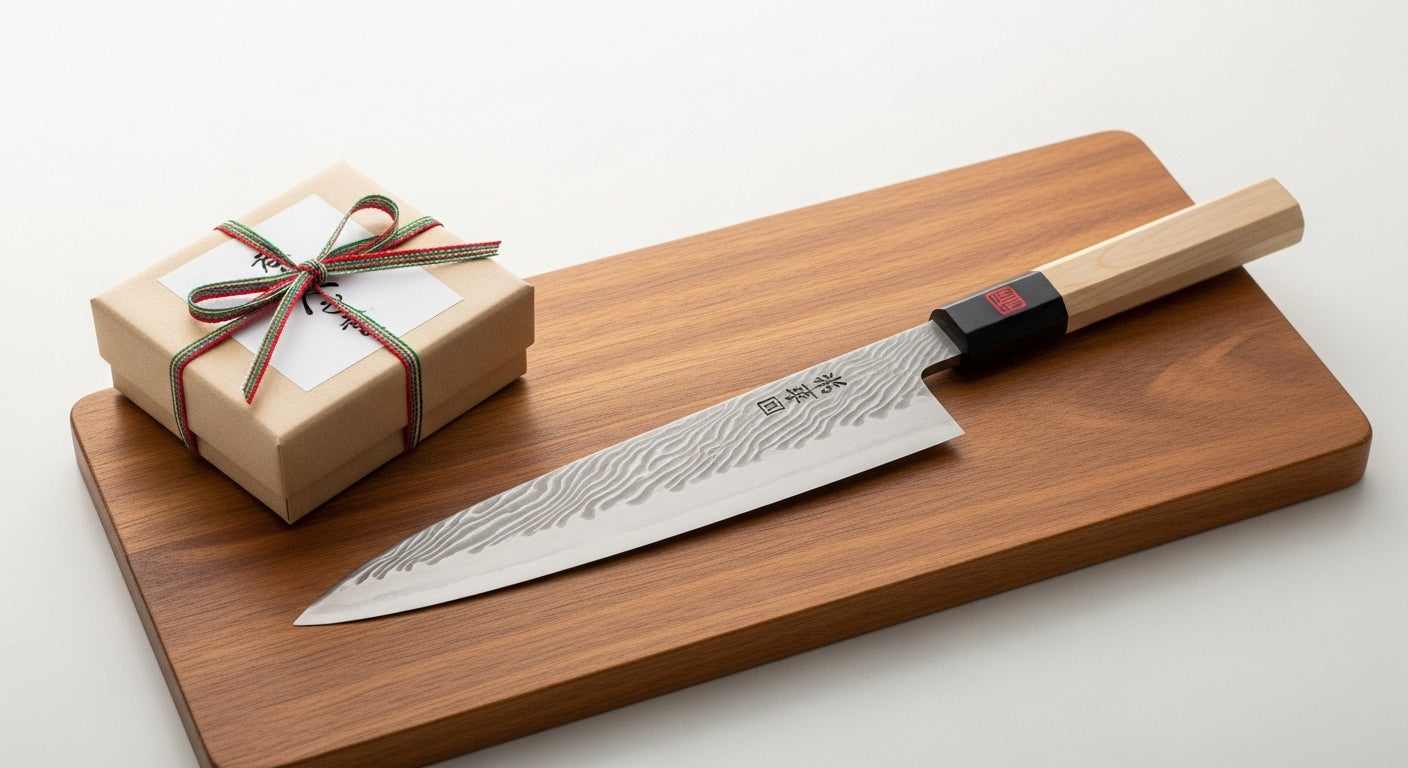
Gift guides from specialized manufacturers also showcase examples of engraving placement, fonts, and message inscriptions, suggesting that engraving "words of gratitude" or "words of celebration" transforms a practical item into a memorable keepsake that will last a long time. Most importantly, by adding words that convey the meaning and feelings behind the gift, the cutlery gift becomes not just "a tool," but "a tool plus a story."
FAQ
Q1. Is it considered bad luck to give a Japanese kitchen knife as a gift?
A1. No, they are often considered lucky charms that symbolize "cutting off misfortune" and "opening up the future," and are chosen as wedding gifts and housewarming gifts.
Q2. What type of Japanese kitchen knife would you recommend as a gift?
A2. The most versatile santoku knife is recommended as a first gift.
Q3. What would you choose as a gift for someone who is a beginner at cooking?
A3. A santoku knife made of rust-resistant stainless steel, or a santoku + petty knife set, is a good choice as it is easy to use and offers good value for money.
Q4. What if I'm giving this as a gift to an advanced cook?
A4. Choosing a Japanese kitchen knife made from high-grade steel such as White Steel No. 2, Silver Steel No. 3, or Hon-yaki, or a one-of-a-kind knife that can be engraved with your name, will give it a special feel.
Q5. Are there any good Japanese kitchen knives available for around 5,000 yen?
A5. Yes, there are many high-quality gifts suitable for home use, such as santoku knives and sets of two knives, all priced around 5,000 yen.
Q6. Should I have a name engraved on a kitchen knife when giving it as a gift?
A6. Personalization adds a special touch and is often well-received, receiving high praise in customer reviews, especially for Mother's Day gifts.
Q7. What are some things to keep in mind when buying a Japanese kitchen knife gift online?
A7. Be sure to check the shape, blade length, steel type, gift packaging, engraving options, and delivery time. It's also a good idea to check reviews to see how it performs in actual use and how it looks as a gift.
Q8. Which is better as a gift, a set or individual items?
A8. Sets are often more suitable for those starting a new life or serious hobbyists, while individual high-quality models are often better for casual gifts or commemorative items.
Q9. Which brand of Japanese kitchen knife is popular as a gift?
A9. Popular brands include regional brands such as Seki Magoroku, Noshu Magoroku-saku, and Katsuhiro, as well as gift lines from long-established cutlery shops.
Q10. How should I write a message to accompany a knife gift?
A10. It's good to add a short message that connects the auspiciousness of a kitchen knife with your feelings for the recipient, such as "I hope you enjoy cooking" or "I hope you can forge a new path in your life."
summary
A Japanese kitchen knife makes a great gift for everyone from beginners to advanced cooks, thanks to its versatile shape (primarily a santoku knife), rust-resistant and easy-to-handle steel, and the added gift elements of personalized engraving, a wooden box, and brand recognition.
Customer reviews and testimonials particularly emphasize "sharpness," "ease of use," "design and luxury," and "the special feeling of having a name engraved or a wooden box." A budget of 5,000 to 20,000 yen is a good guideline, and it's important to choose one that suits the recipient's cooking level and the occasion (wedding, Mother's Day, promotion, etc.).
In conclusion, the most important thing is to clearly define who you are giving the gift to, on what occasion, and with what intention, and then choose a knife (or set) that fits that story. This is what makes a Japanese kitchen knife gift "more than just a practical item."