
The way you dispose of them makes a huge difference! A thorough comparison of dangerous disposal methods and safe ways to dispose of kitchen knives.
When you want to replace your kitchen knives, one thing that often causes trouble is how to dispose of the old ones. Even if the sharpness has decreased, bladed tools are still dangerous. Disposing of them improperly could lead to accidents or other problems.
This article is for those who want to dispose of things safely but secretly wish they could just get rid of them quickly and neatly. We'll compare dangerous disposal methods with correct disposal methods and introduce time-saving techniques that you can implement in the shortest time possible.
Are you disposing of things in a dangerous way? Surprisingly, there are many examples of inappropriate disposal methods.
- Putting the body directly into a garbage bag without wrapping it in newspaper or cloth → This can lead to a bleeding accident.
- Packing things haphazardly into cardboard boxes and putting them out → Risk of injury to cleaning staff who are unaware of the contents.
- Disposing of it as "regular garbage" → Knives may violate waste sorting rules.
These are all examples of problems that actually occur in cleaning sites. By neglecting even small details, you end up taking on the risk of harming others.
Here's the correct way to dispose of it! The safest and easiest 3-step procedure.
- Wrap it in newspaper or old cloth , wrapping it multiple times so that the blade is not exposed.
- Secure it firmly with duct tape or string , making sure the packaging doesn't come undone inside.
- Clearly label it as "sharp object" and "dangerous" and put it in the non-burnable waste. <br>It's best to write it in large letters with a pen or put a sticker on it.
With just this simple step, you can reduce the risk of hurting someone to almost zero.
Does it vary by municipality? Points to check and how to find out
While the rule that "bladed items = non-burnable waste" is common in many municipalities, some areas have specific rules regarding bulky waste disposal or special disposal methods.
Let's check the following points:
- Is it okay to put it out on the non-burnable waste collection day?
- Differences in rules based on size and number
- Packing instructions (wrap in newspaper, secure with tape, clearly mark, etc.)
The quickest way to find out is to search for "[City Name] how to dispose of kitchen knives" .
Here's another option! A hassle-free "collection service" is another choice.
- Knife recycling at home improvement stores : Some stores offer free collection.
- Junk removal service : Can be disposed of together with other bulky waste.
- Donations and transfers : "Kitchens that are still usable" may be put to use by NPOs or at flea markets.
Besides the option of "throwing away the kitchen knife," there are surprisingly many other ways to "let go" of things.
Get rid of your old knives and start fresh! Here's a guide to choosing a new kitchen knife.
Once you part with your old kitchen knife, the next thing to welcome is a "new one."
Choosing a knife that suits your current needs will improve both the efficiency and enjoyment of your cooking.
Three recommended kitchen knives that are easy for beginners to use.
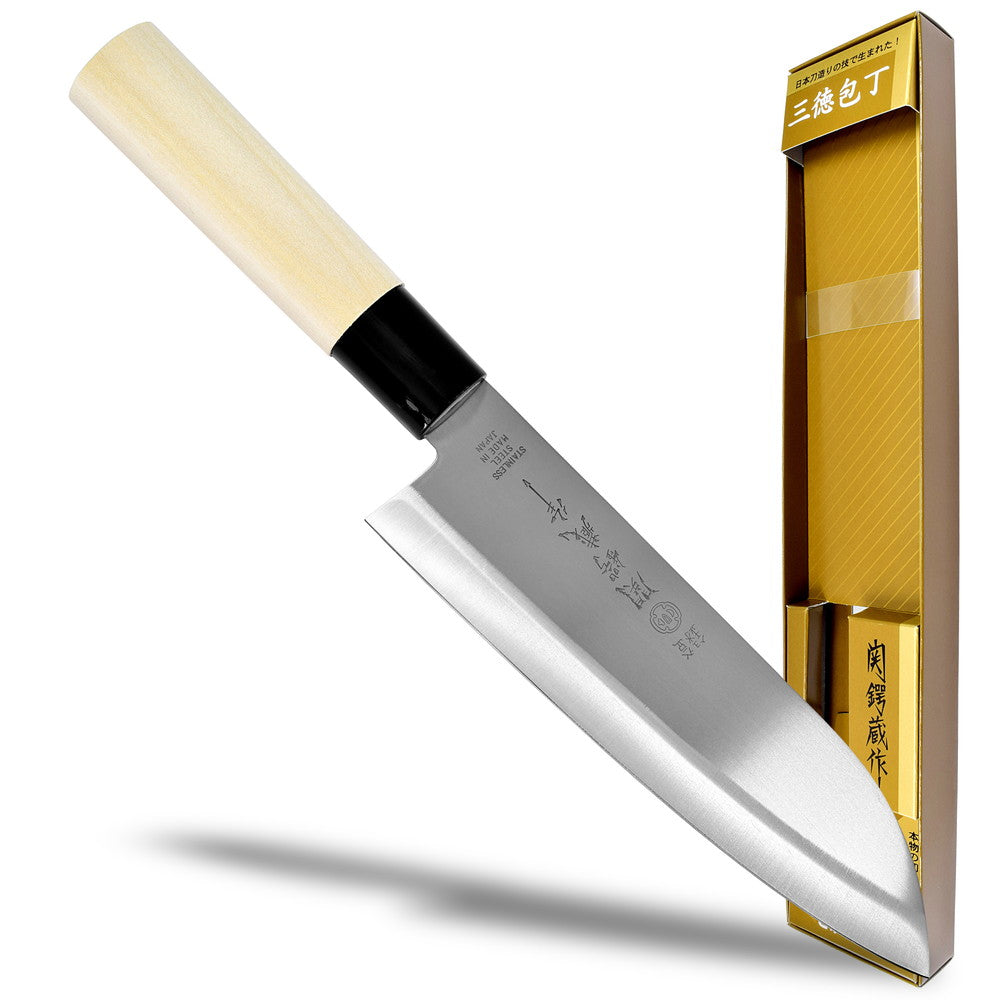
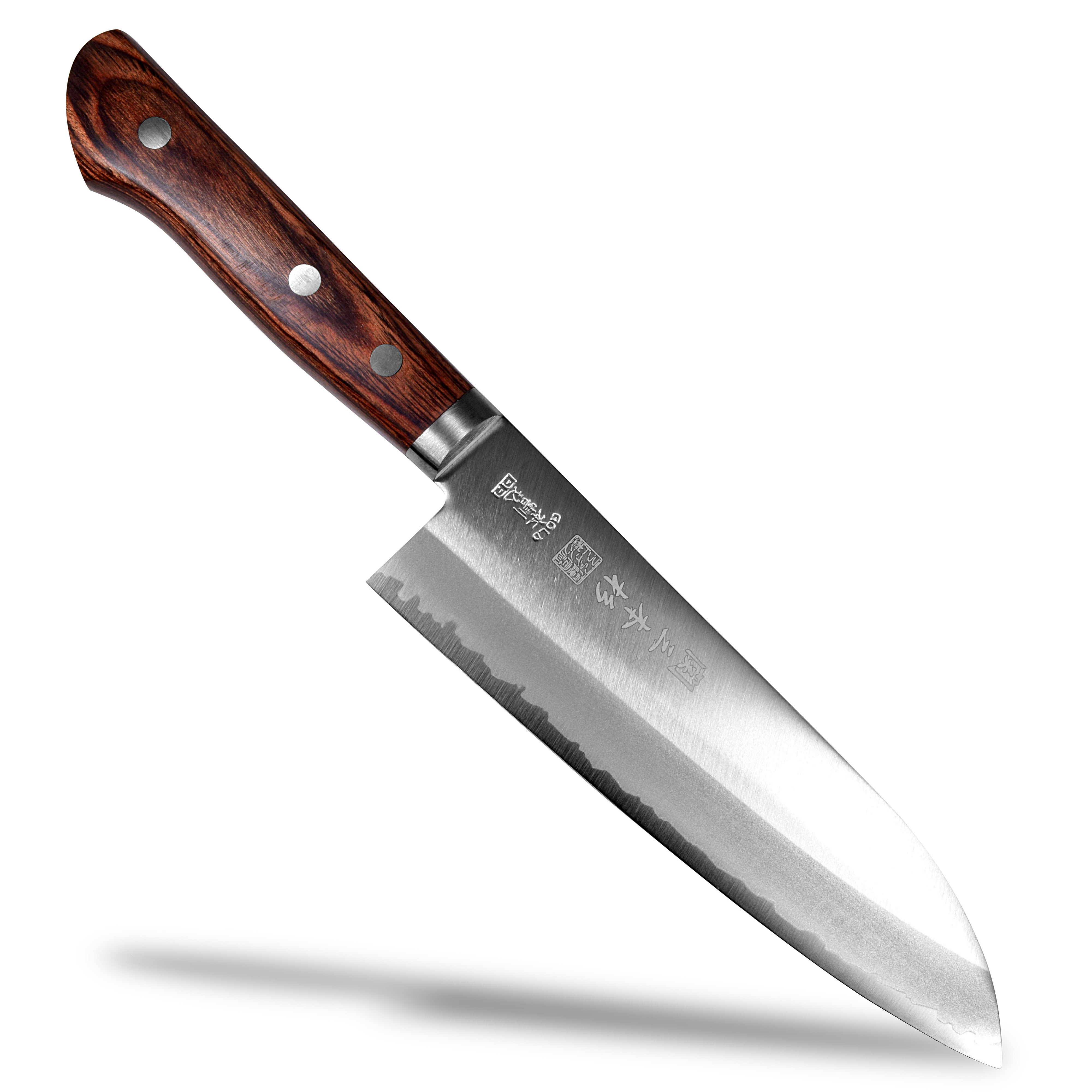
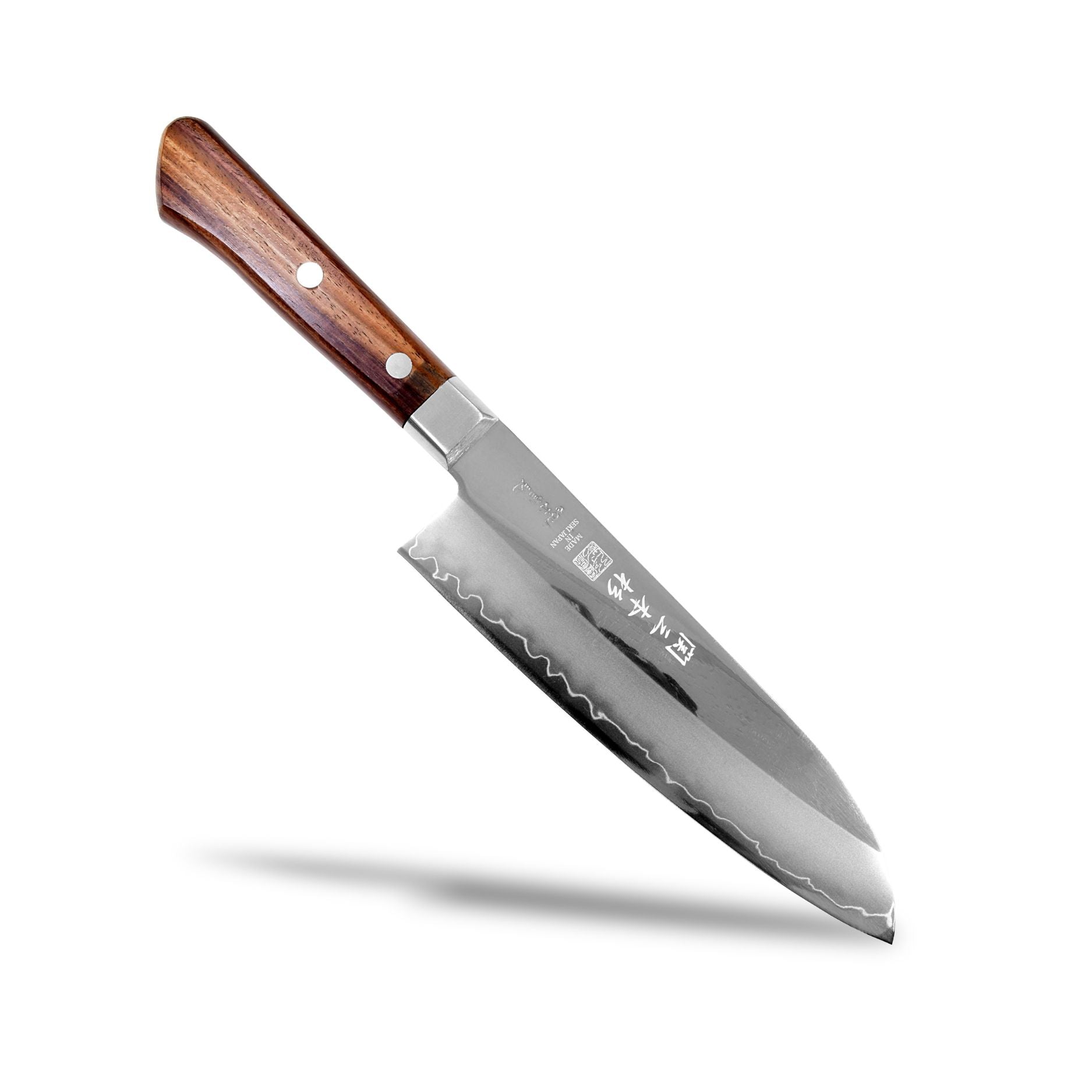
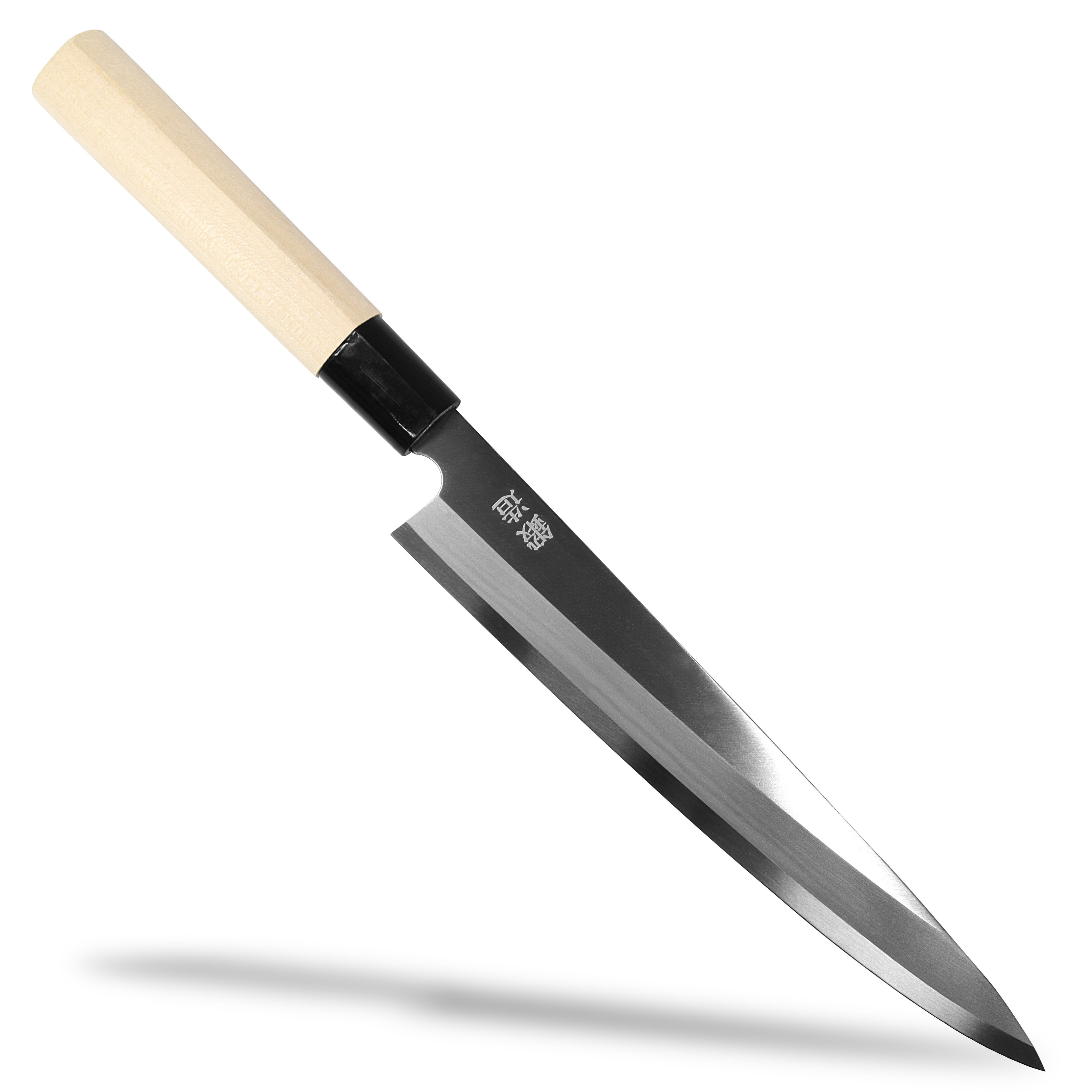
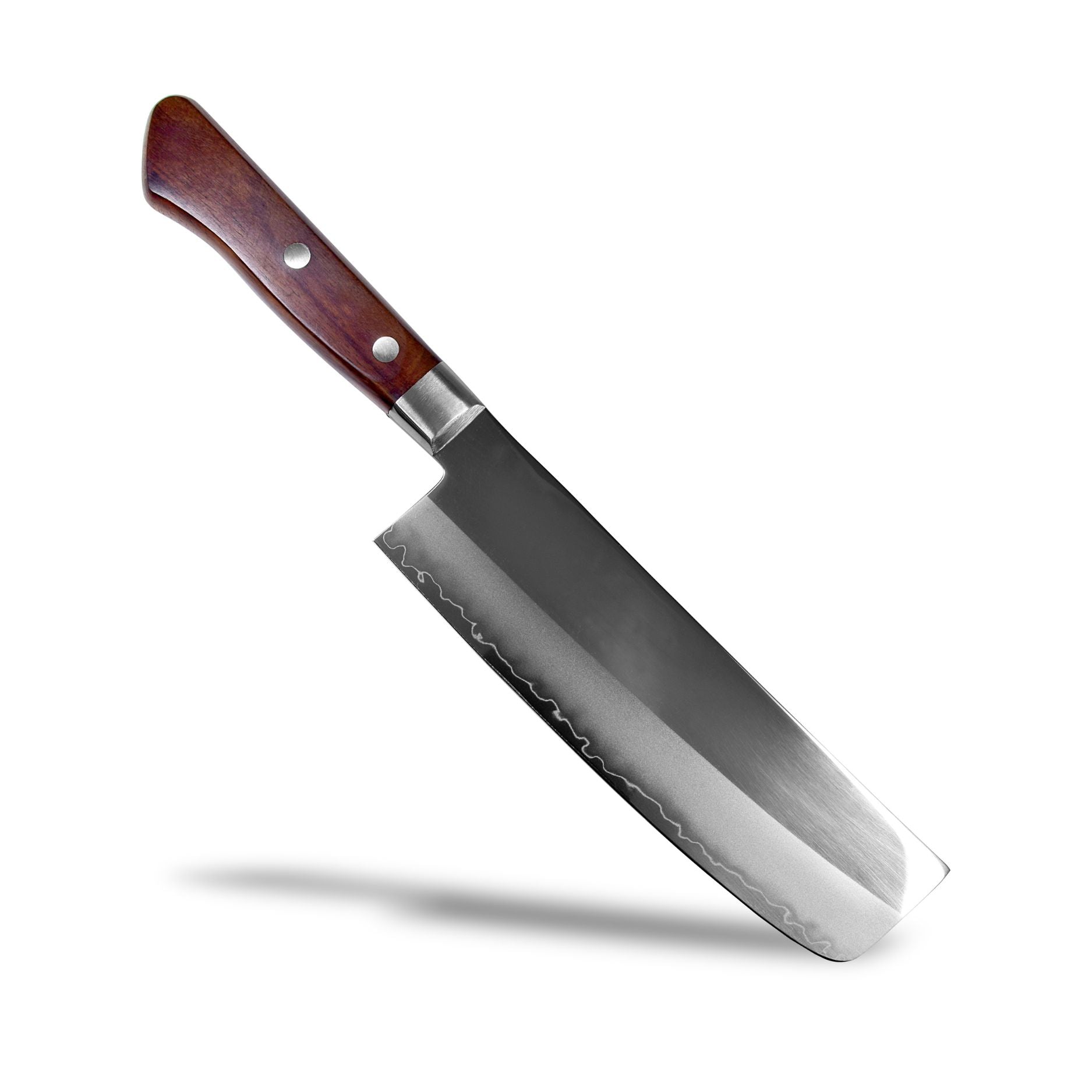
- Santoku knife (all-around type) : Suitable for meat, fish, and vegetables.
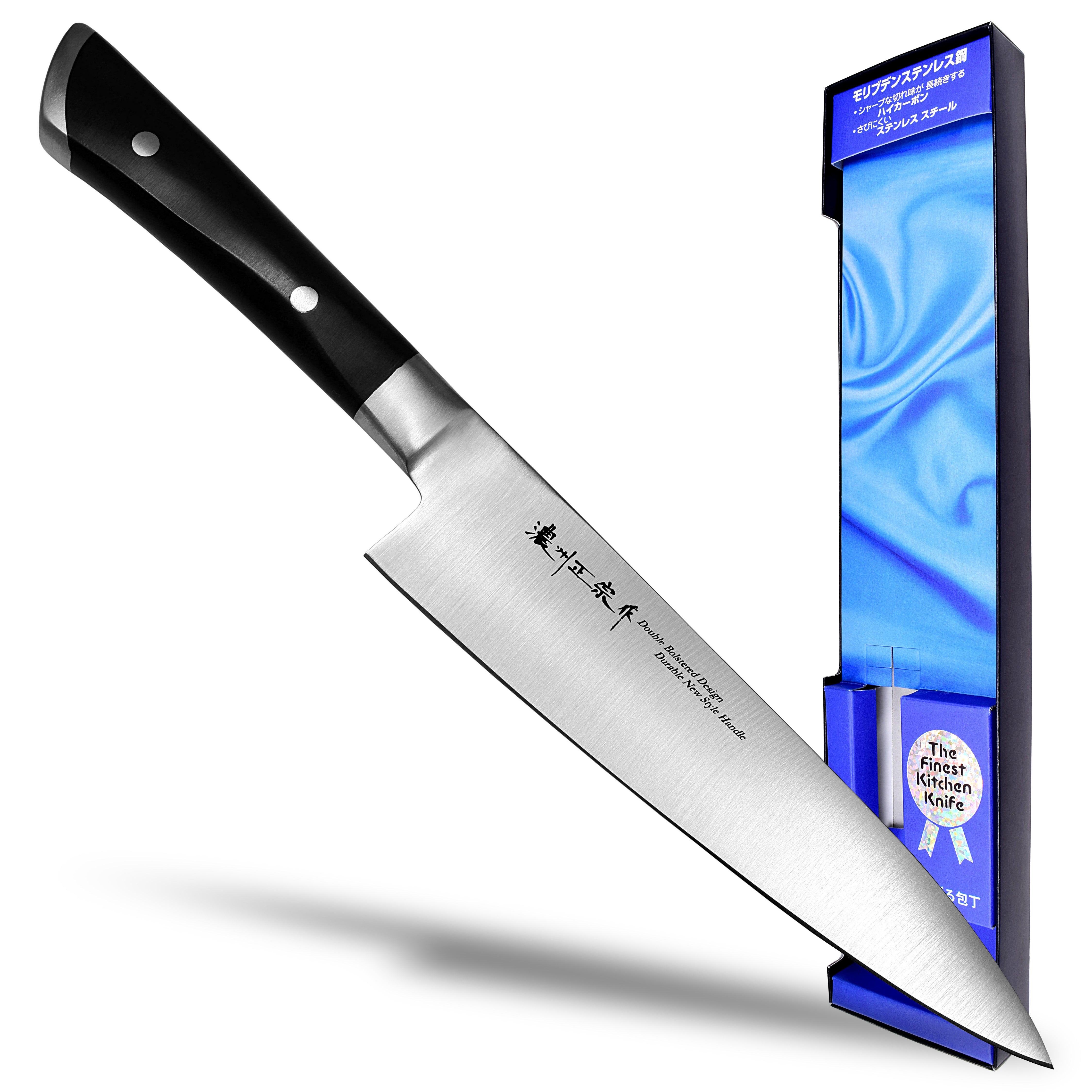
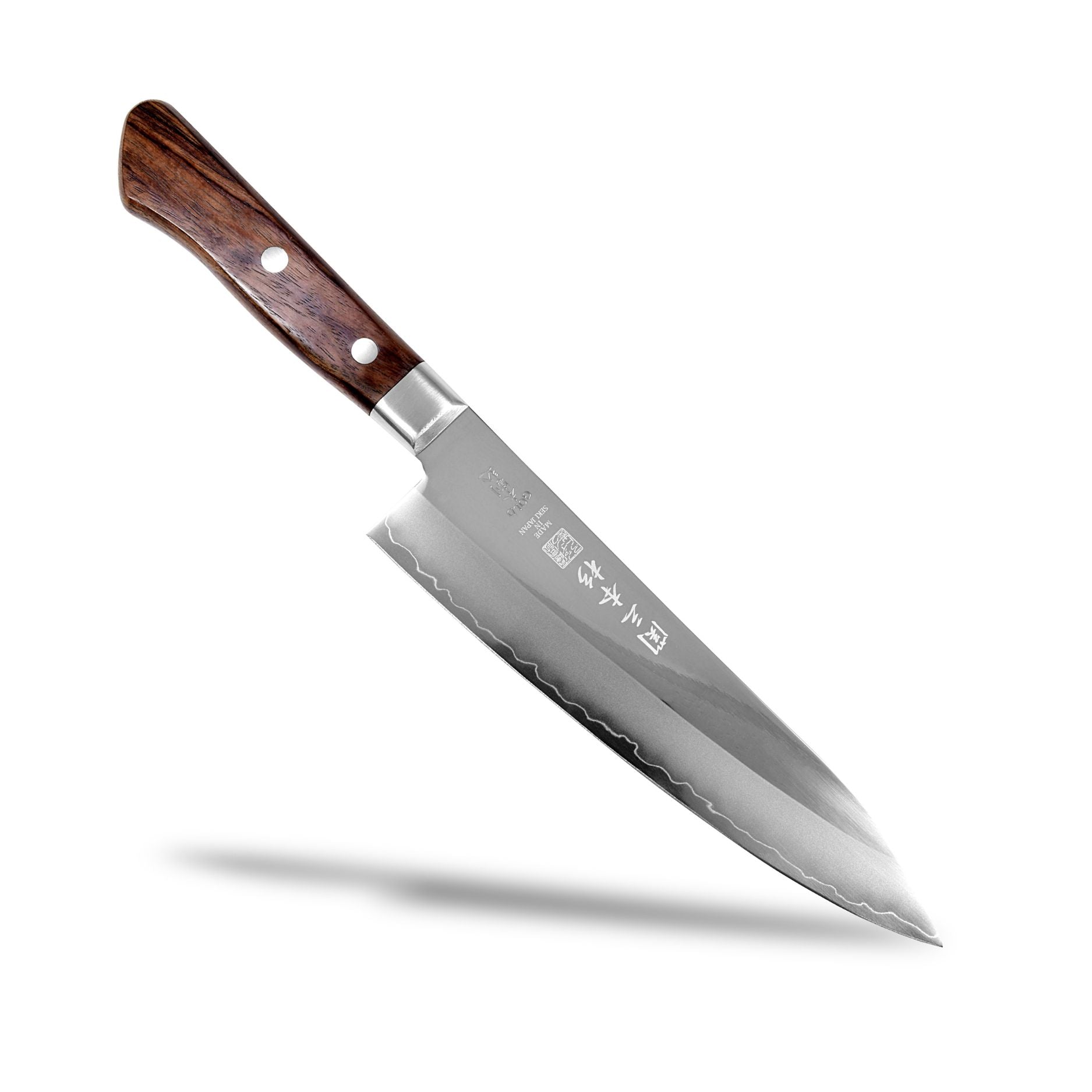
- Chef's knife (Western-style chef's knife) : For those who need to cut larger ingredients or prioritize sharpness.
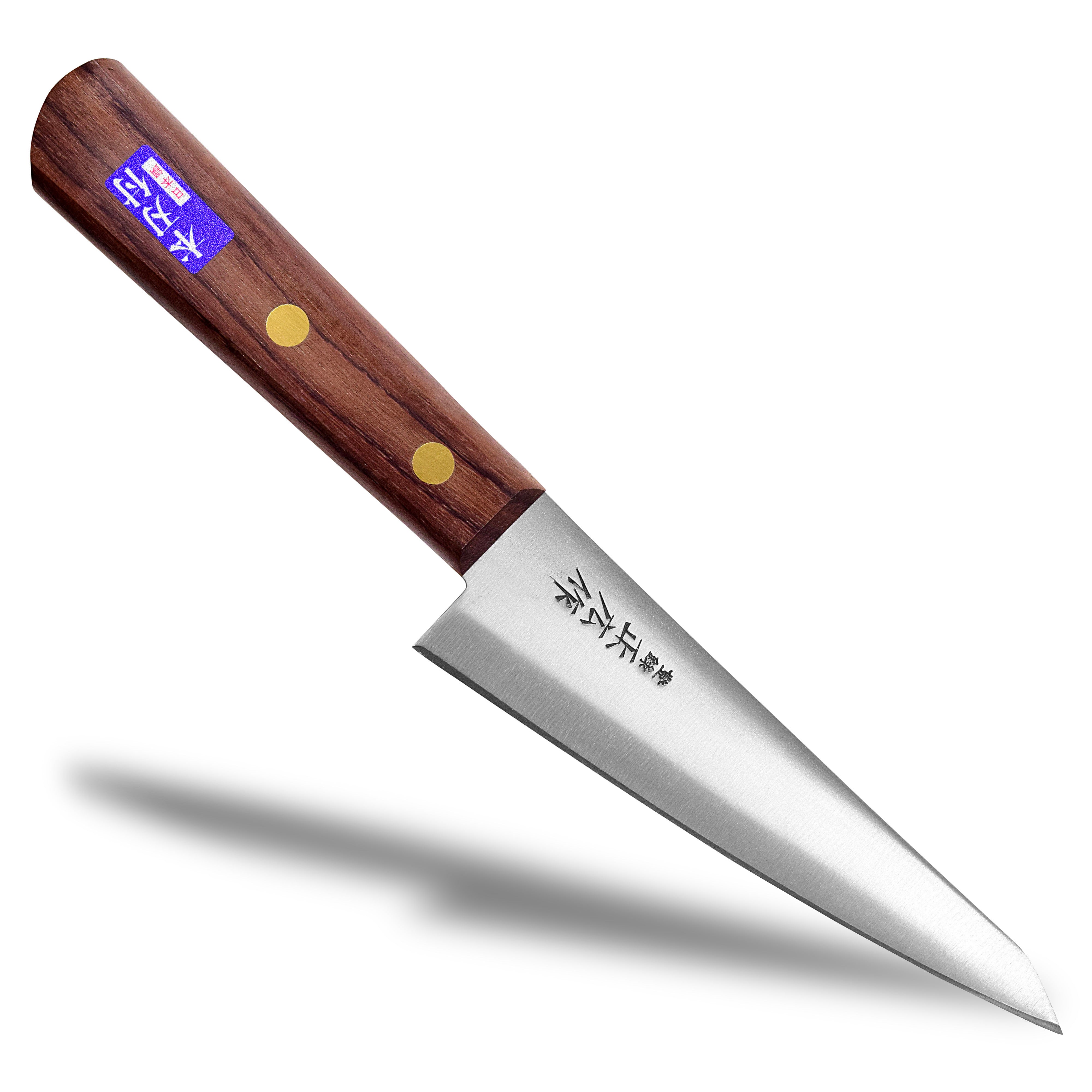
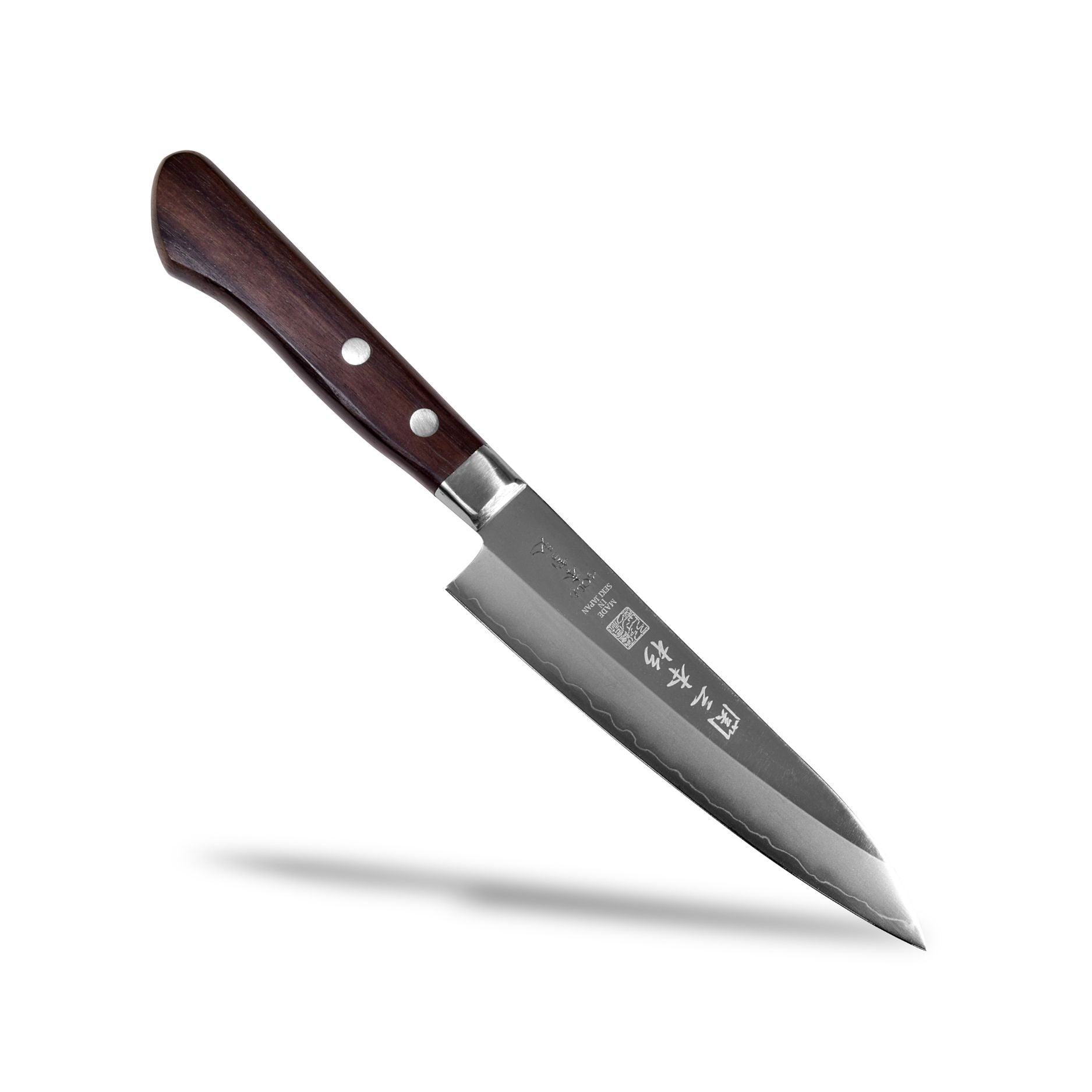
- Paring knife : Perfect for cutting side dishes and fruit due to its maneuverability.
View popular kitchen knives
summary
- Improper disposal can be dangerous and potentially illegal.
- Using newspaper and clearly marking it allows for safe and easy disposal.
- Don't forget to check this in conjunction with your local government's rules.
- "Discarding = a new beginning" - refresh yourself with a clear mind!