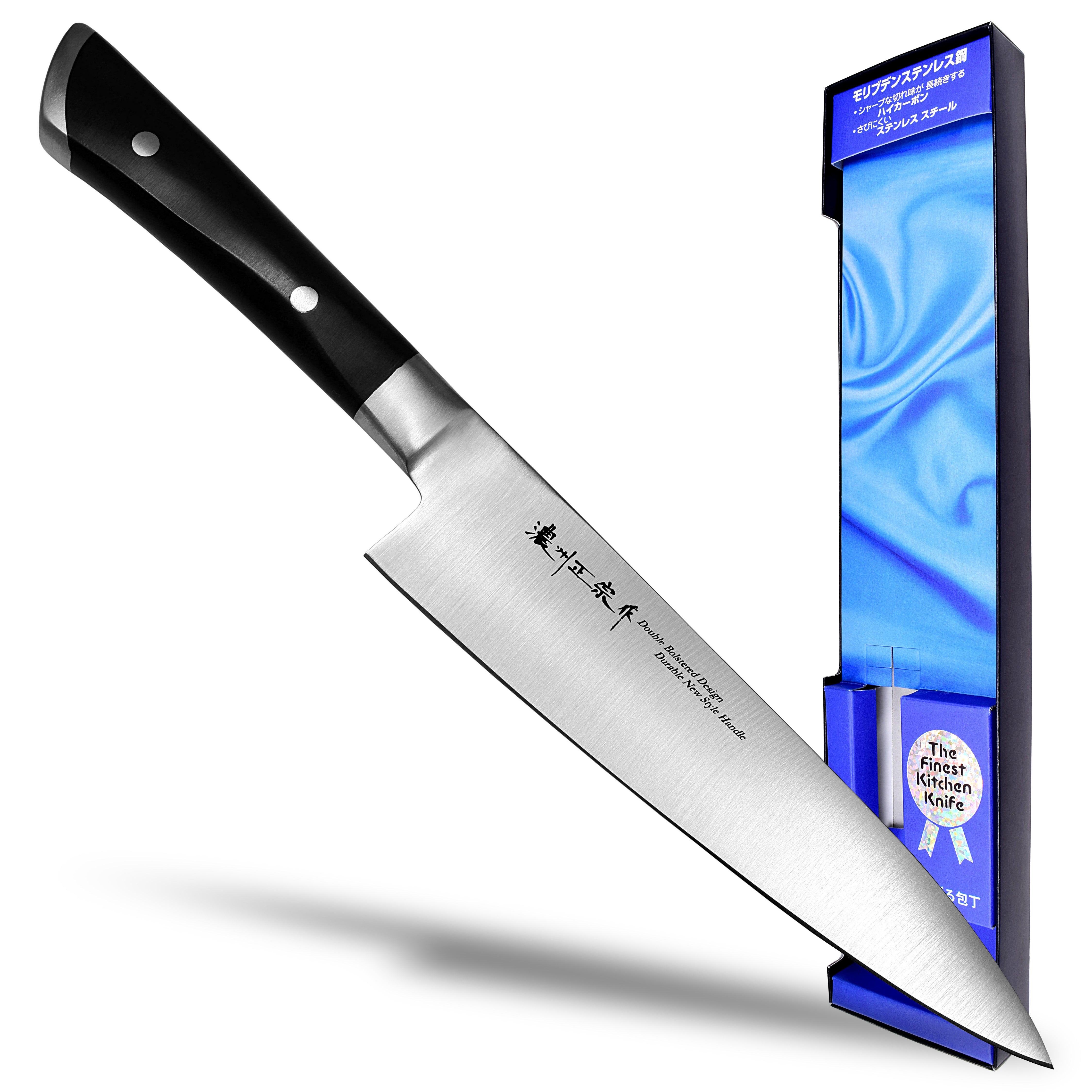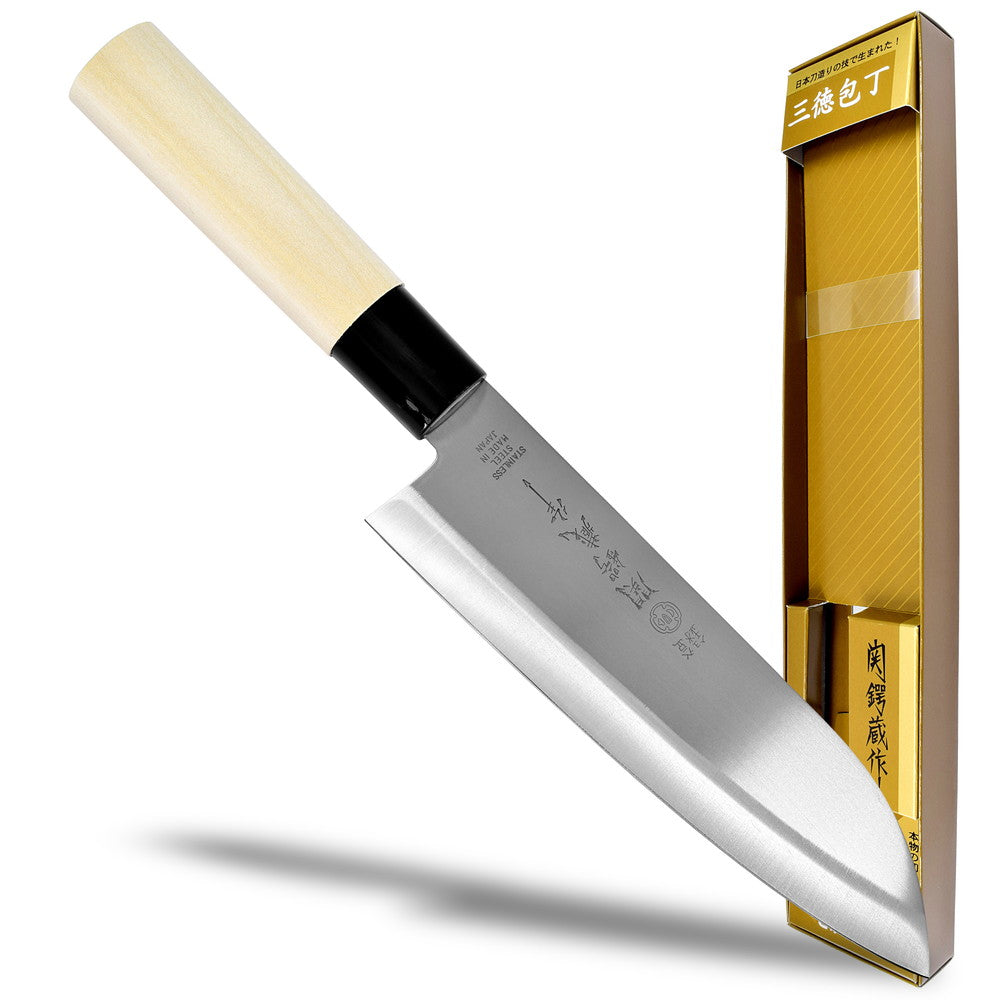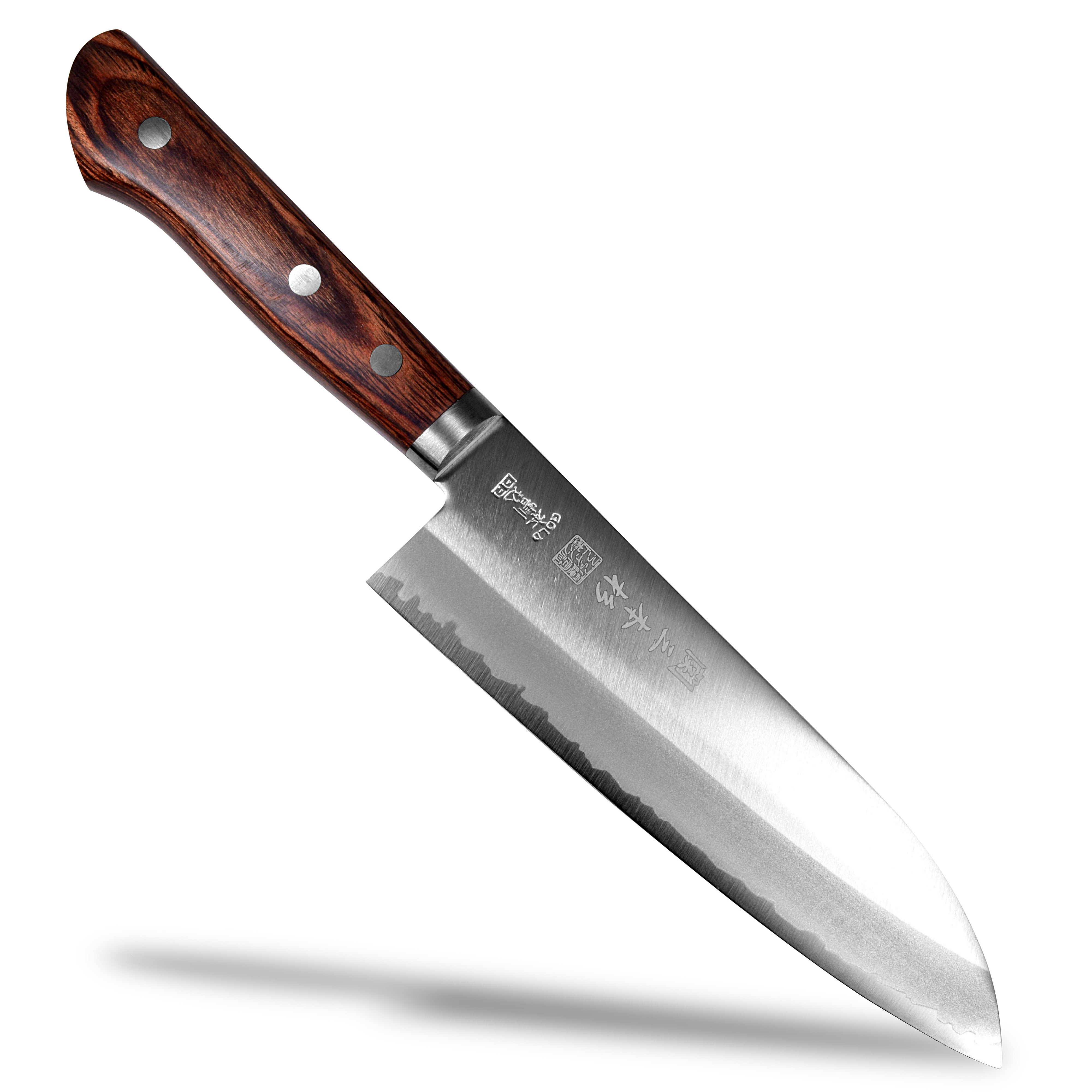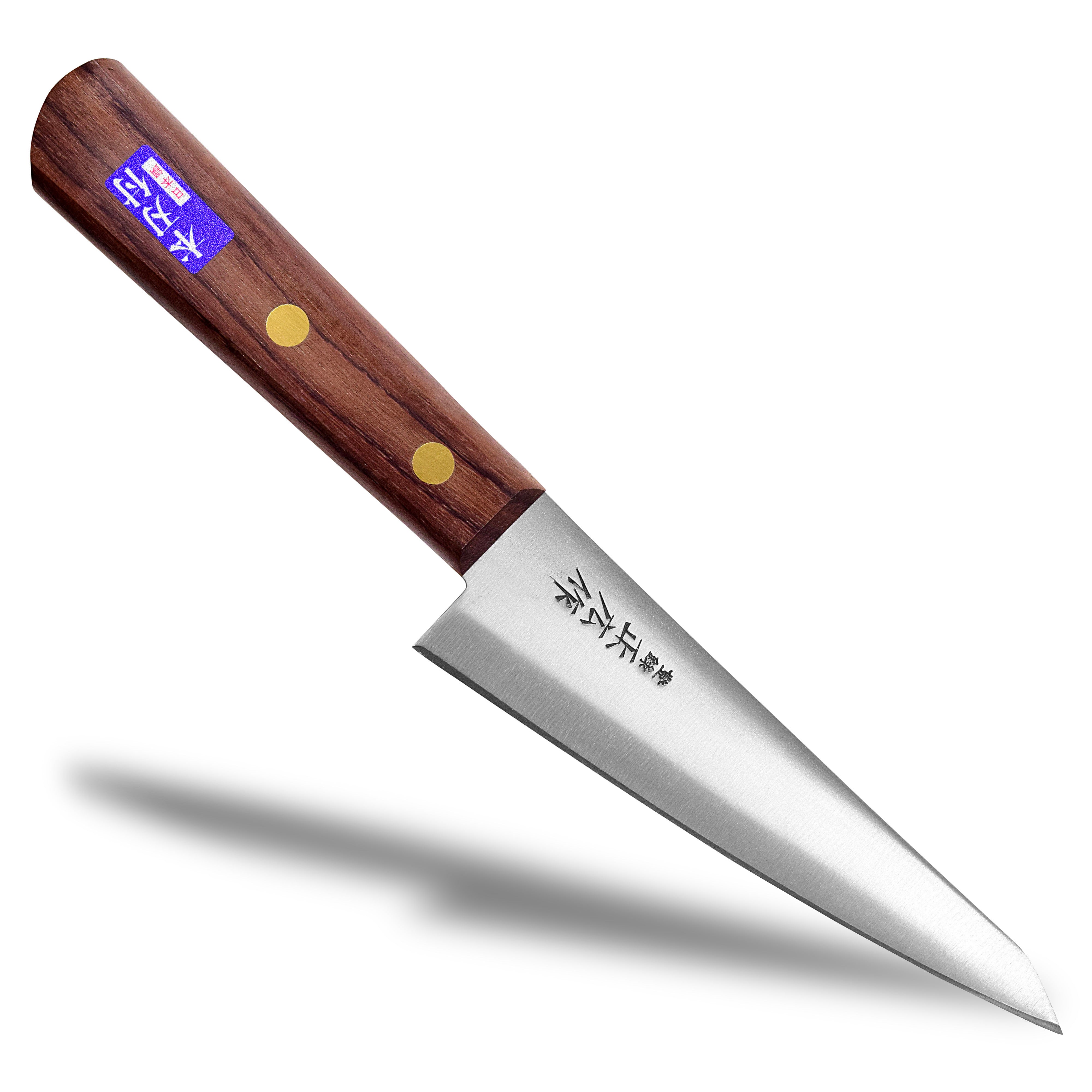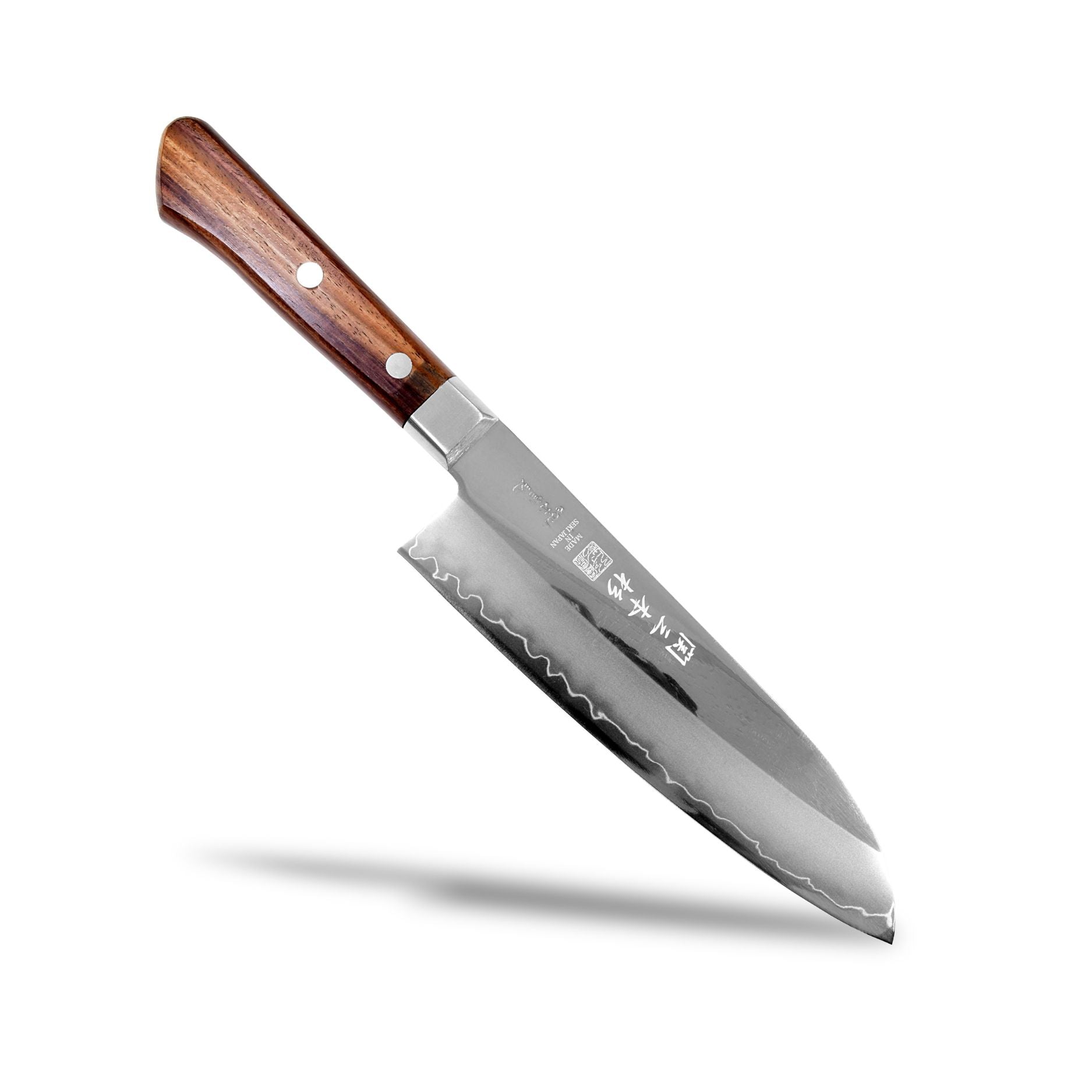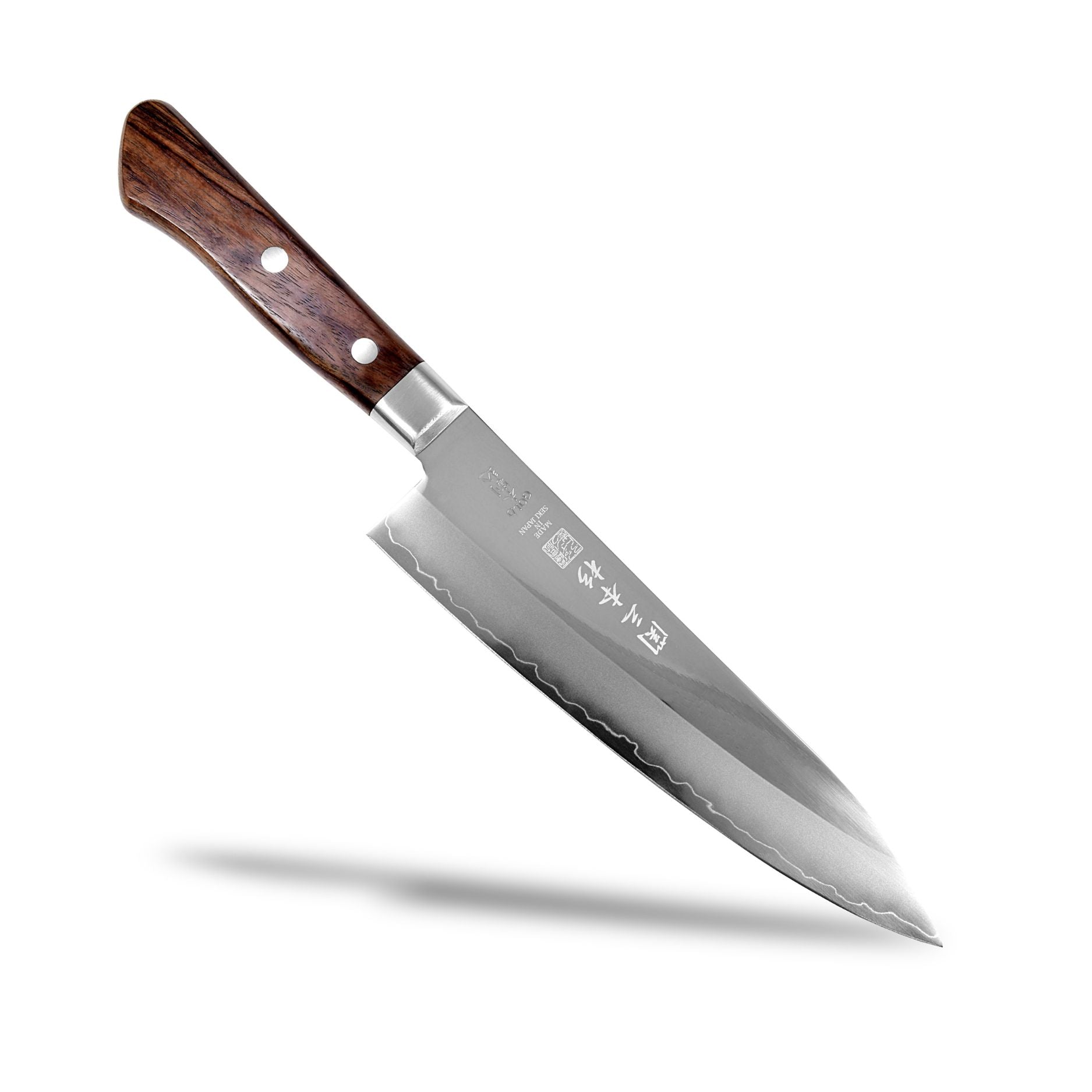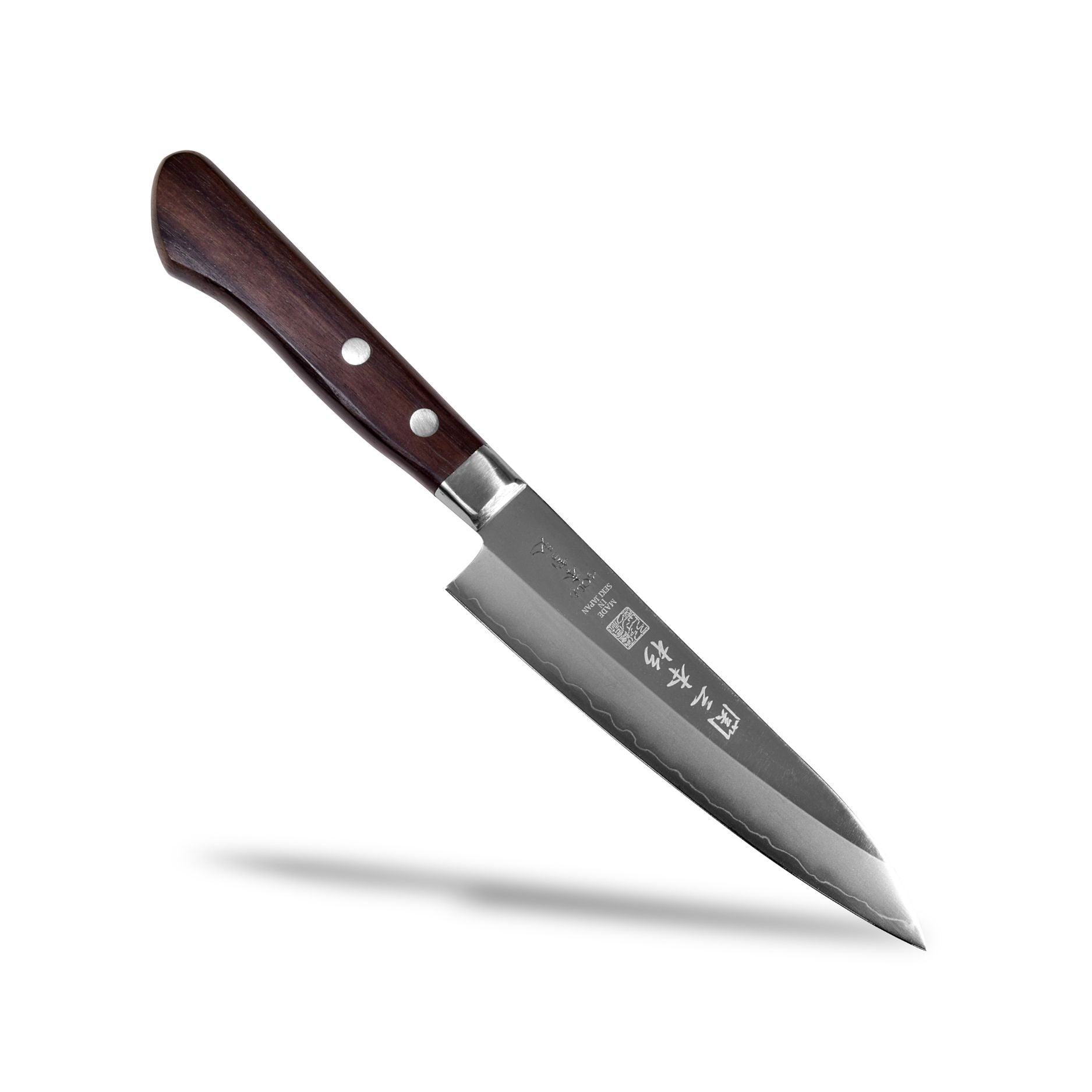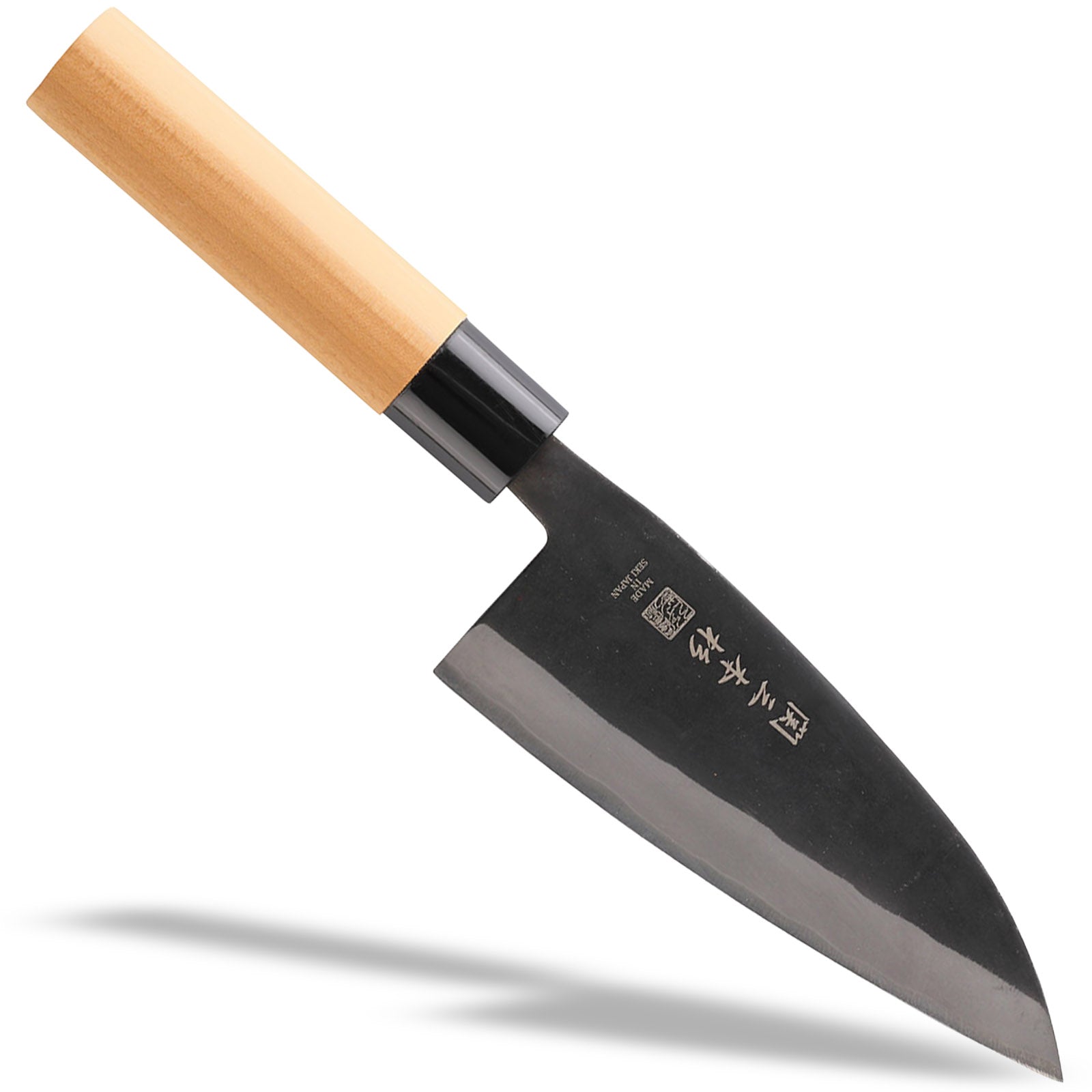

Have you ever felt like your kitchen knives have gotten dull lately? The truth is, with a little maintenance, you can dramatically restore their sharpness. And it's not difficult at all. This article will carefully explain how to sharpen your knives in as little as 3 minutes, even for beginners, starting with how to choose the right tools. First, let's look at the amazing benefits you can gain from sharpening your knives.
How much difference does sharpening a kitchen knife make? [Before and After of Sharpness]
Sharpening your knives dramatically reduces the stress of cooking.
A dull knife can significantly diminish the enjoyment of cooking, as it might slip through the skin of a tomato instead of breaking it, or crush hard ingredients.
However, with proper sharpening, you can easily restore the sharpness to like-new condition. In fact, many people have reported that just three minutes of sharpening made it possible to slice tomatoes cleanly again. Sharpening significantly improves both cooking efficiency and safety.
What beginners should know first! These are all the tools you need for sharpening knives.
The only basic tool you need is a double-sided whetstone.
There are three main types of whetstones: "coarse whetstones (for restoring sharpness)," "medium whetstones (for maintenance)," and "finishing whetstones (for making the blade even sharper)."
For beginners, a double-sided whetstone combining a coarse grit and a medium grit is recommended. Using both sides allows for sharpening tailored to the condition of the knife, and restores sharpness smoothly. There's no need to worry about choosing the right whetstone; this one stone is all you need for effective sharpening.
Click here to purchase double-sided whetstones ↓
Tabletop sharpening stone vs. pole-type sharpener: Which is better?
If you want to sharpen your knives properly, a stationary whetstone is the only option.
A stationary whetstone allows you to control the knife at the correct angle, resulting in a consistent and long-lasting sharpness. Because "once you learn how to use it, you can use it for a lifetime," a stationary whetstone is recommended if you want to sharpen your knives properly.
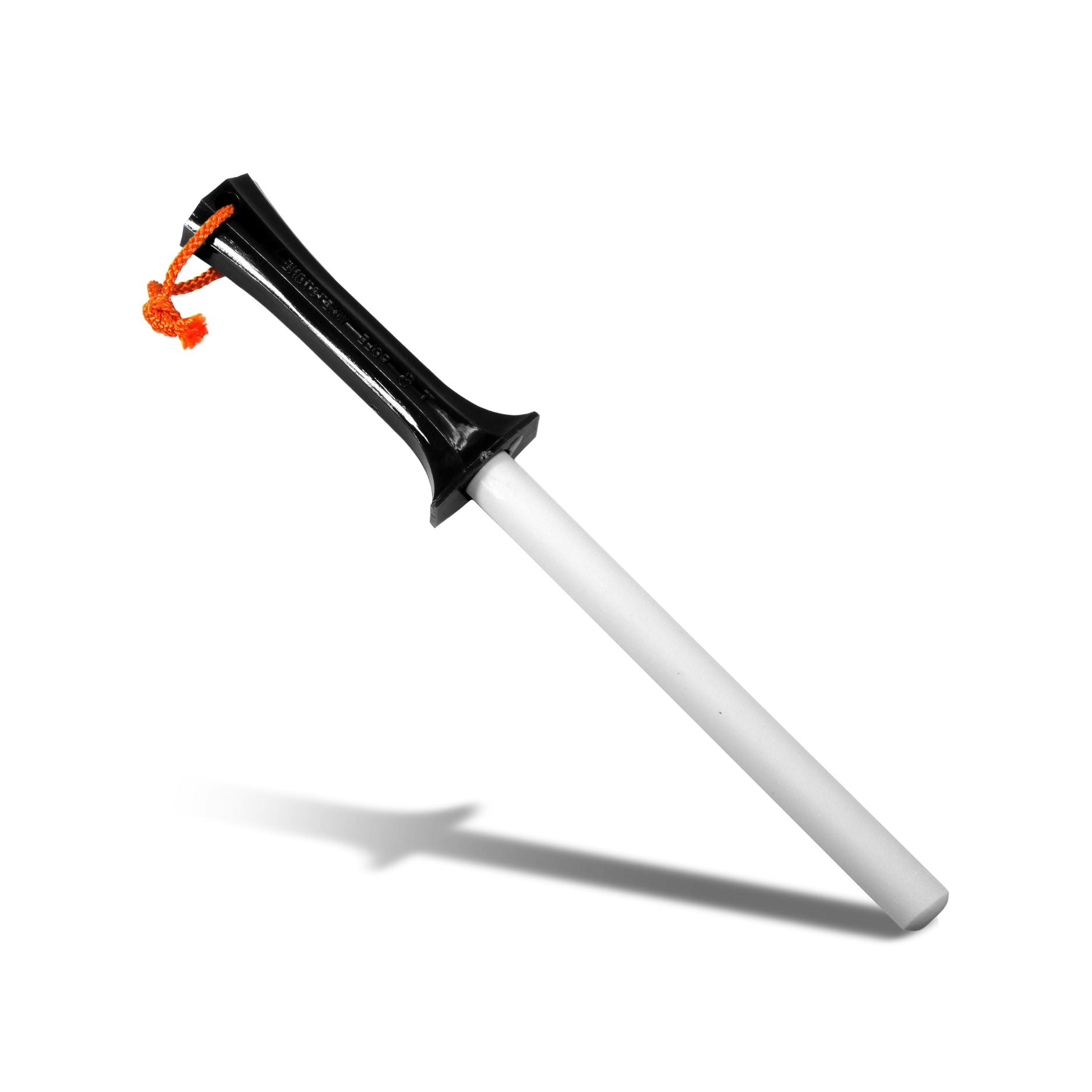
In contrast, a pole-type whetstone is convenient for simple daily maintenance. It can also be used to sharpen kitchen knives, making it a versatile tool to have.
Purchase Pole Sharpening Stones here ↓
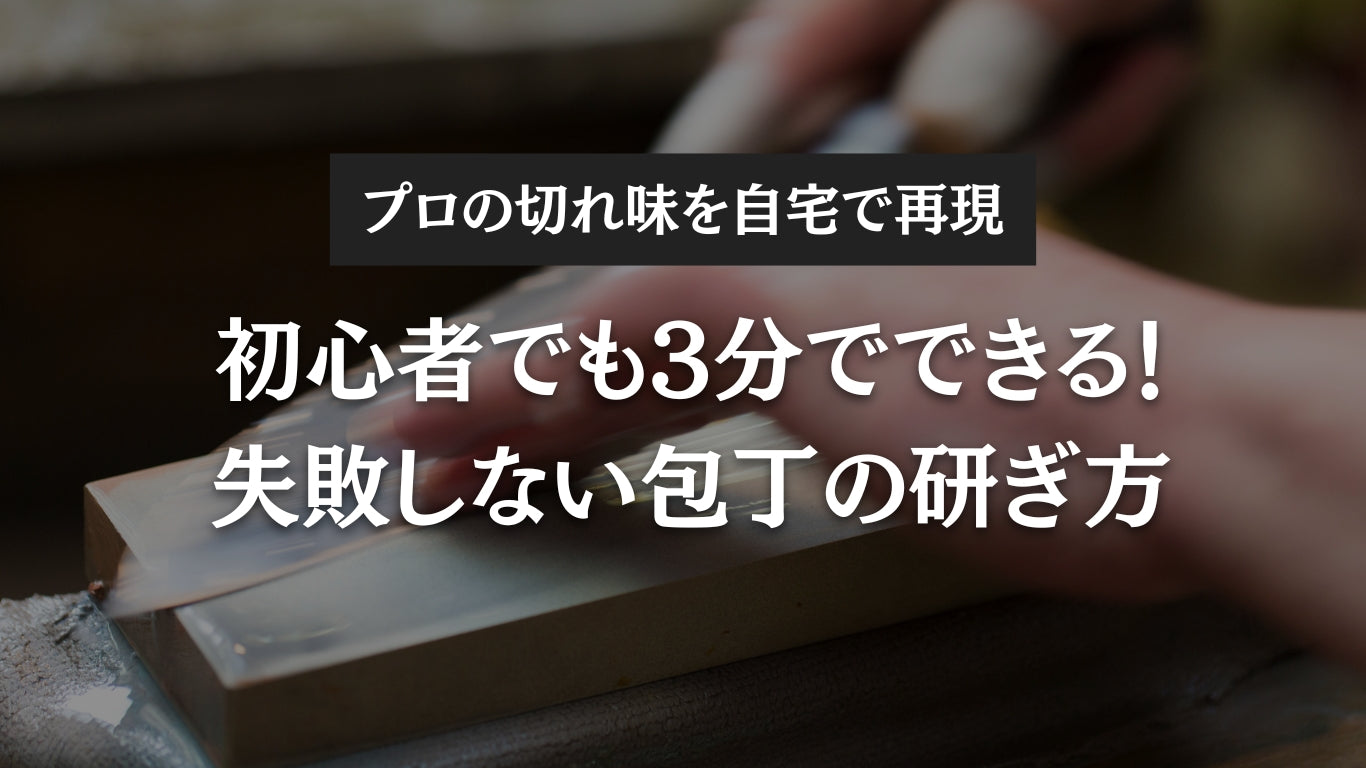
How to Sharpen a Knife in 3 Minutes! A Step-by-Step Guide to Avoiding Mistakes
The key is to follow the correct "angle," "force," and "number of repetitions."
First, soak the whetstone in water for 5-10 minutes before use. The angle at which you hold the knife against the whetstone should be approximately 15-20 degrees. Sharpen each side 10 times, and then do the same on the other side.
The key is to use just the weight of the knife plus a little extra, without applying too much pressure. Start sharpening from the base of the blade, not the tip, and make sure to sharpen the entire blade evenly to ensure a smooth finish. Finally, wipe the tip with a cloth and test the sharpness with a test cut.
For those still unsure about using a whetstone: Differences between whetstones and sharpeners, and how to choose the right one.
If convenience is your priority, use a sharpener; if you're serious about achieving a sharp edge, use a whetstone.
Sharpeners are certainly easy and convenient. However, in the long run, they have noticeable drawbacks, such as over-sharpening the blade or uneven sharpening angles.
Sharpening with a whetstone is often thought to be difficult, but if you follow the basic angle and number of strokes, even beginners can quickly master it. Following the steps in this article should naturally lower the barrier to entry for sharpening.
Tips for maintaining the sharpness of your kitchen knives and how often to perform maintenance.
Performing maintenance once or twice a month will extend the lifespan of your kitchen knives.
The blade of your knives will gradually wear down with daily cooking. Regularly sharpening them with a medium-grit whetstone will help maintain their sharpness.
Furthermore, proper daily handling is important, such as not forcing hard ingredients to cut, using a wooden cutting board, and wiping the knife immediately after use . By being mindful of using your knife gently, you can also reduce the frequency of sharpening.
Summary | Sharpening knives with a whetstone is surprisingly easy and satisfying.
Let's break the misconception that sharpening knives is difficult with this article.
By using a double-sided whetstone and following the basic angles and procedures, even beginners can restore sharpness in just a few minutes. This will drastically reduce cooking stress and surely deepen your appreciation for your knives.
Why not give your kitchen knife "professional-level sharpness" starting today?