
A Complete and Easy Guide to Sharpening Japanese Kitchen Knives | Even Beginners Can Achieve a Truly Sharp Knife
When you first buy a Japanese kitchen knife, you're amazed at how sharp it is, but after a few months, you might suddenly find yourself disappointed when it stops cutting through tomato skins or crushes leeks. Sharpening is what bridges that gap, but many people probably hesitate to try it themselves, thinking it's difficult or something only professionals can do.
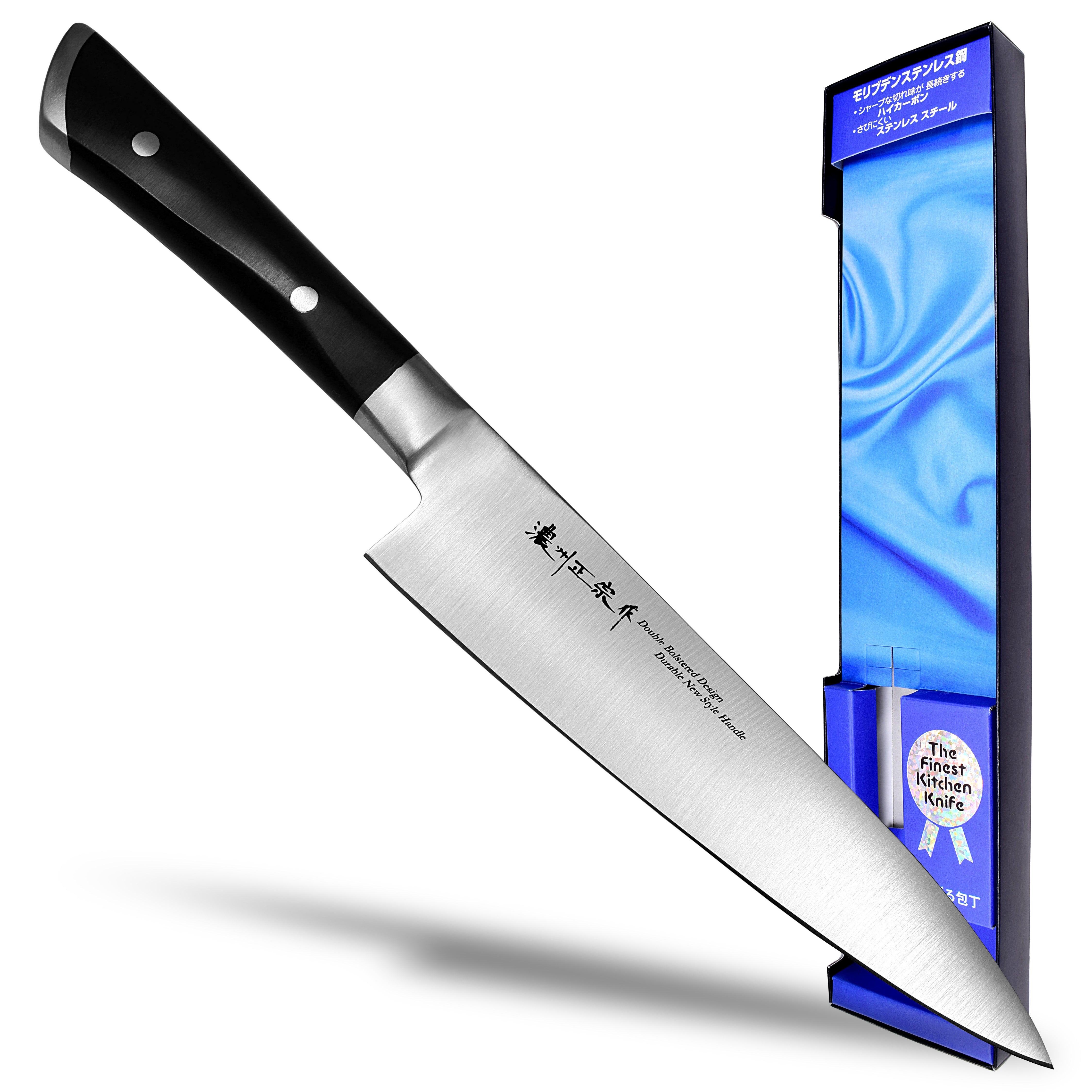
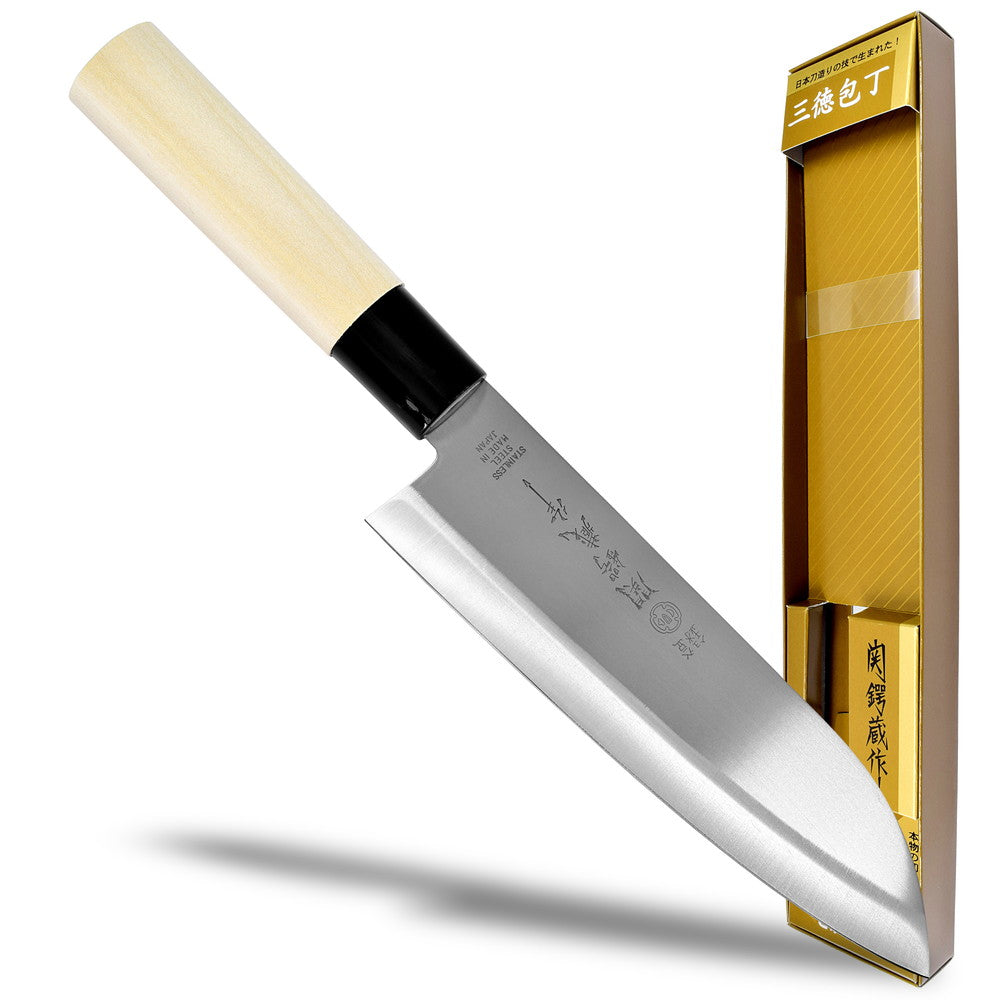
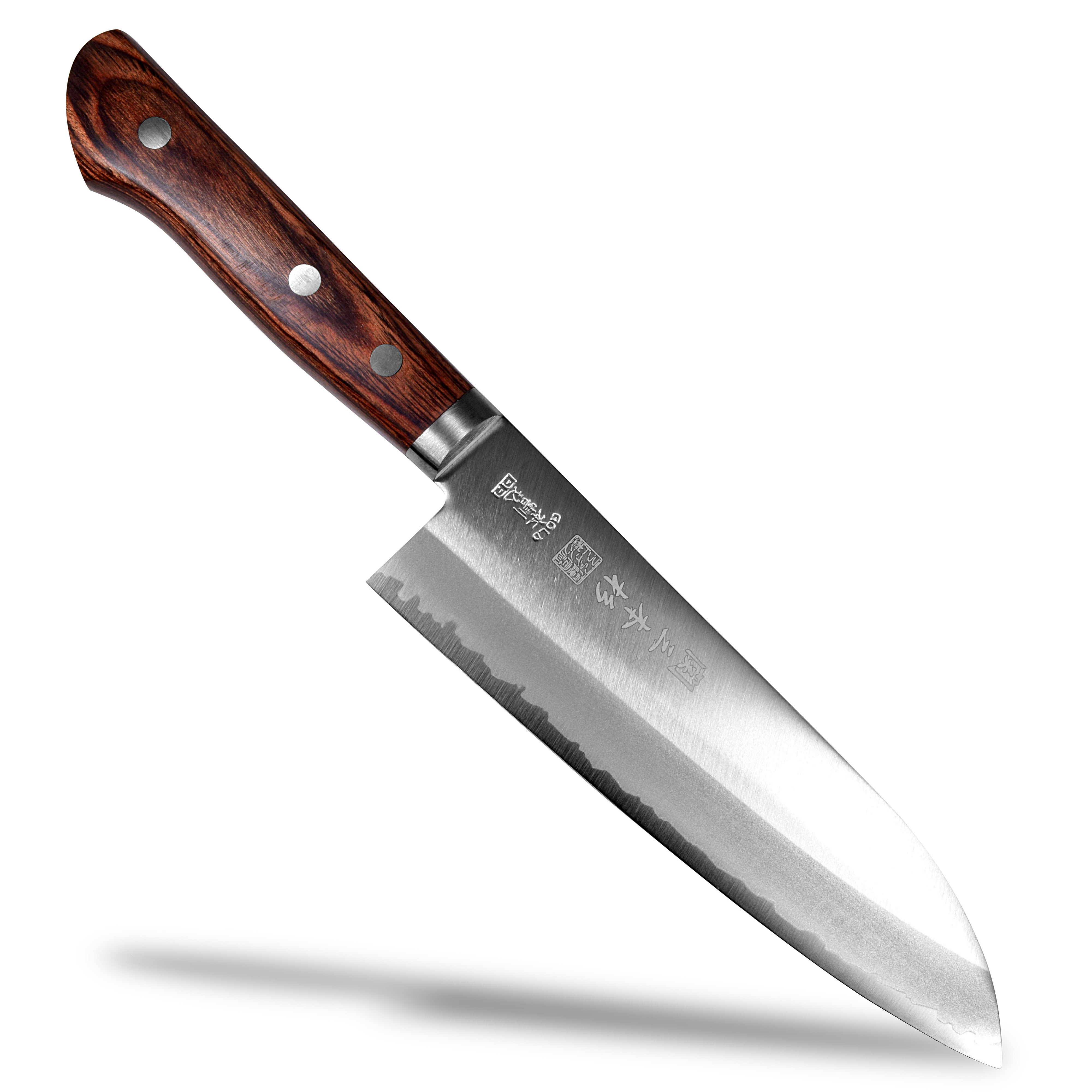
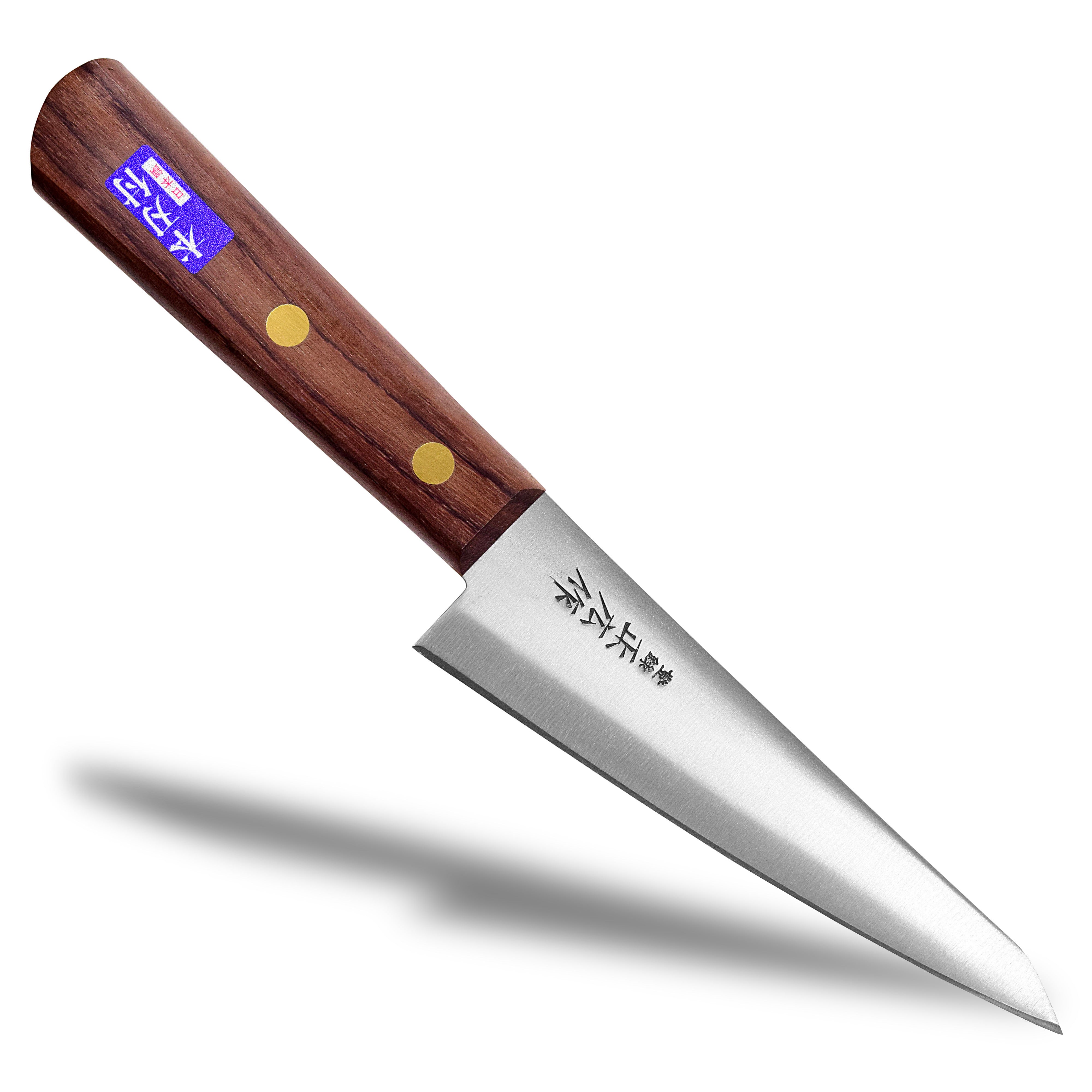
This knives hub focuses on "highly reproducible sharpening techniques that can be replicated at home," rather than technical jargon or the specific methods of skilled craftsmen. We'll cover everything from santoku, deba, yanagiba, nakiri, to petty knives in one go.
Why is sharpening a Japanese kitchen knife a "prerequisite"?
Japanese knives are not meant to be disposable, but rather designed to be "tools that are sharpened and nurtured." They are harder than Western knives and have thinner blades, making it easier to restore their sharpness through sharpening even if the blade becomes dull.
Even with the same knife, a properly sharpened blade will easily cut through a tomato skin with just a touch. Conversely, no matter how good a knife is, if it's sharpened incorrectly, it will lose its performance instantly. The main reason why knives become dull is not due to insufficient force or the type of whetstone, but because "the angle is inconsistent each time."
In other words, the essence of sharpening is not about brute force, but about "angle and stability."
Before sharpening, here's what you need to know: Structure and the basics of whetstones
Before you begin sharpening, there are some basic prerequisites you need to know. Understanding these will significantly impact how quickly you improve.
A basic understanding of the difference between double-edged and single-edged blades.
Kitchen knife blades can be broadly categorized into "double-edged" and "single-edged" types.
- Double-edged: The blade is symmetrically positioned on both sides (e.g., Santoku knife, Gyuto knife).
- Single-edged blades: The front and back sides have different functions (e.g., deba, yanagiba, usuba, etc.)
While Japanese kitchen knives are often associated with single-edged blades, many household Japanese knives (such as santoku, nakiri, and petty knives) are double-edged, and these are easier for beginners to handle. On the other hand, single-edged knives are designed so that the cutting edge is created on the front and the straightness is maintained on the back, and sharpening them requires specific techniques.
The biggest hurdle in sharpening Japanese kitchen knives lies in understanding this single-edged blade.
Sharpening stone grits and their roles: You don't need to have them all.
Sharpening stones have numbers (grit numbers) written on them, which indicate the "fineness of the grit."
| Number | role |
|---|---|
| #400-600 | Repair of large chips in the blade |
| #1000 | Basic sharpening (most important) |
| #3000 | Improved sharpness |
| #6000 or more | Finishing and polishing |
You don't need to buy everything at once; for beginners, a single #1000 grit whetstone is sufficient. #1000 is the grit that "creates the blade," so if you use a higher grit stone before this is done, you won't get the true sharpness you need.
Basic Sharpening Method for Santoku Knives (Double-Edged)
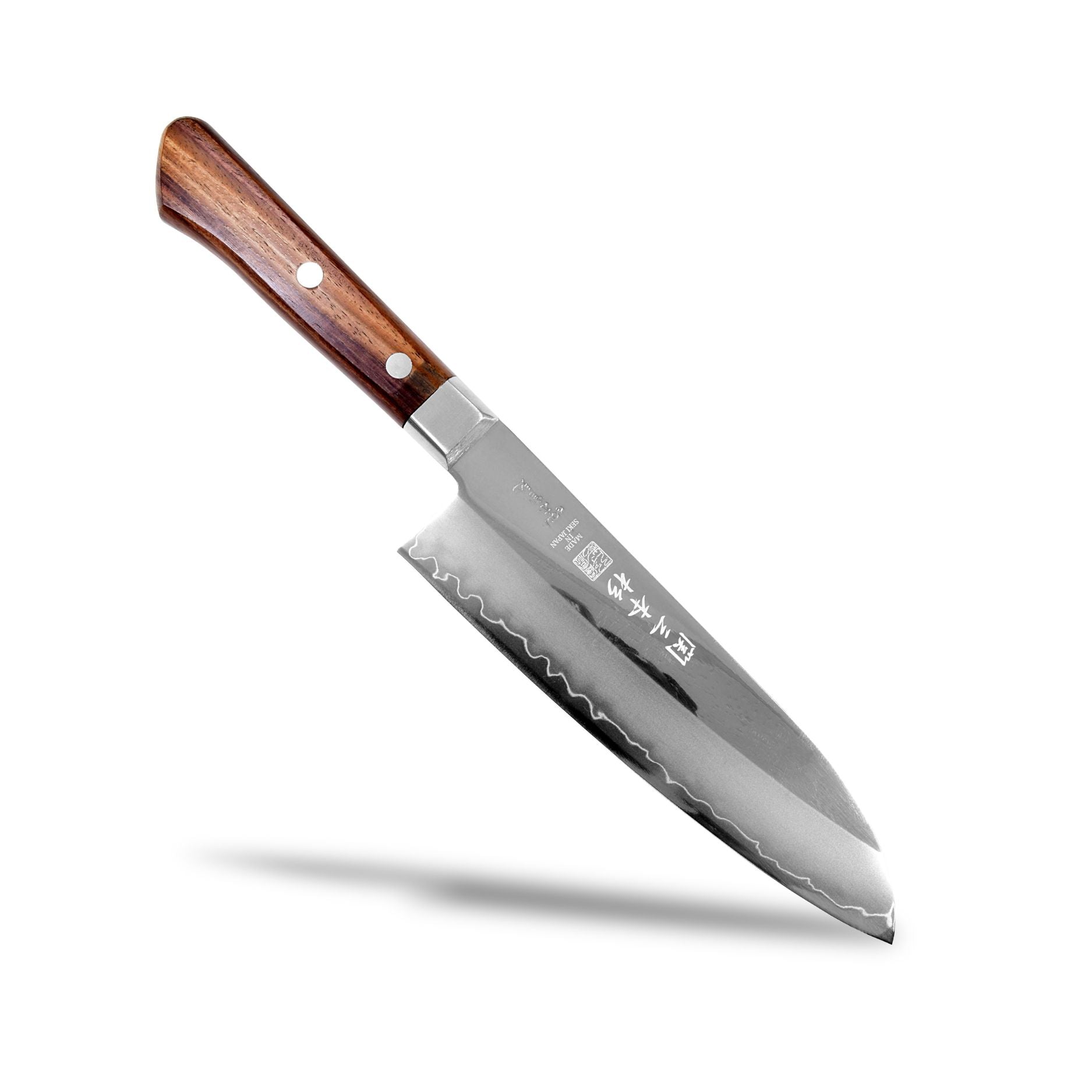
The first thing you should learn is how to sharpen the santoku knife, the staple knife used in most households. This skill can also be applied to other double-edged knives (chef's knife, vegetable knife, and paring knife), so focusing on this will allow you to improve efficiently.
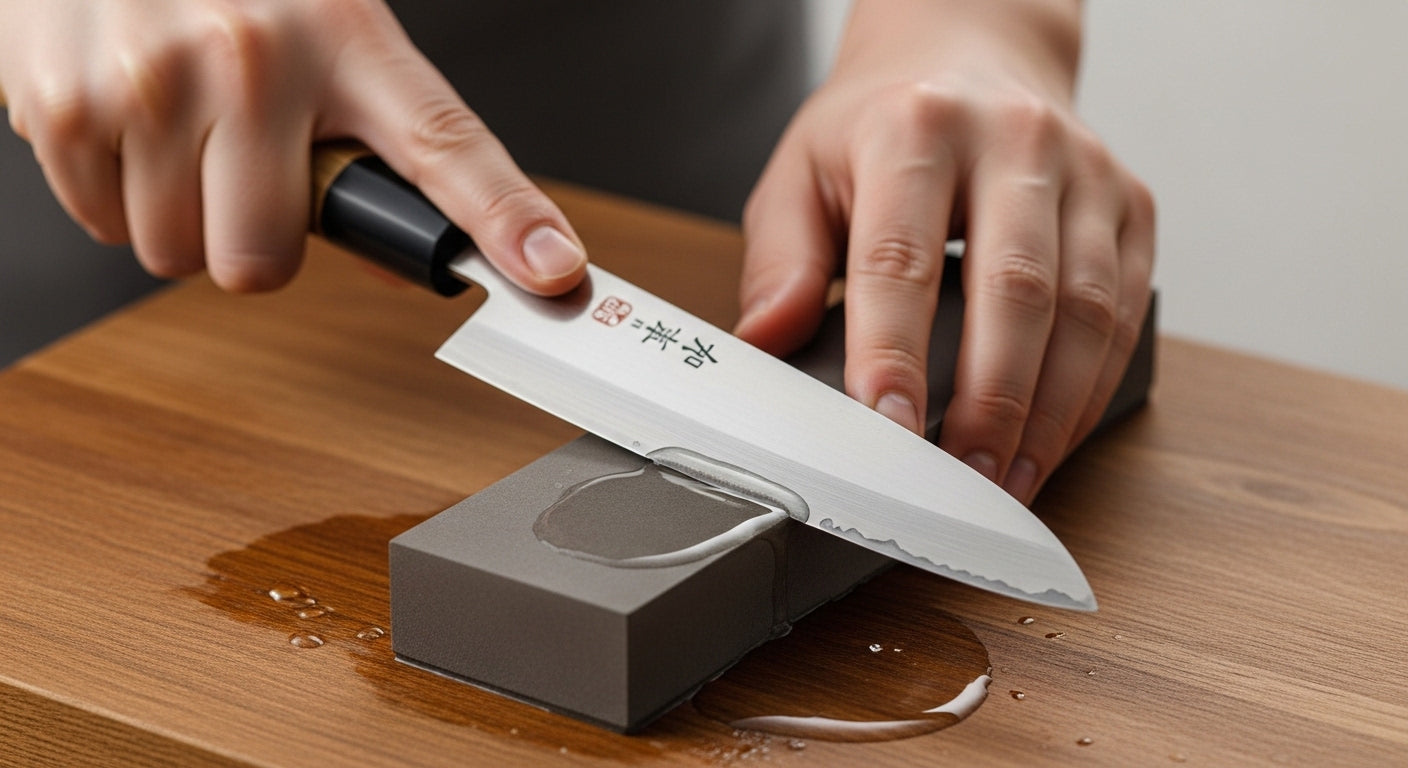
Step 1: Prepare the whetstone.
- Soak the whetstone in water for 10-15 minutes (if using a water-absorbing whetstone).
- Use a sharpening stand or a wet towel to secure it in a state where it "absolutely cannot move."
Sharpening with a slippery whetstone makes it difficult to maintain a stable angle, leading to more stress and mistakes than you might expect, so consider using a non-slip surface essential.
Step 2: Determine the angle (this is crucial)
For a santoku knife, the ideal angle is approximately 15 degrees. A good way to visualize this is to hold the knife at a height where you can fit one finger between the blade and the back of the knife.
What's important isn't "being exactly 15 degrees," but "maintaining that angle every time." If the angle wavers, the blade tip will become dull, and no matter how many times you use it, the sharpness will never return.
Step 3: Sharpen from the front to the back.
- Sharpening the front side (one side from your perspective): Move the blade back and forth in a consistent rhythm, ensuring that the entire blade, from the base to the tip, makes even contact with the whetstone.
- If burrs appear, turn to the other side: If you continue sharpening the front side, a thin, peeling edge called a "burr" will appear on the back side of the blade. Lightly check for this with your fingertip, then turn the blade over and gently smooth out the burr.
The purpose of the back side is simply to remove burrs, so it's important not to apply too much pressure.
Step 4: Check the sharpness.
To determine if the sharpening is complete, lightly lift a piece of copy paper and hold the blade against it. If it cuts smoothly without applying much force, it is in a usable condition.
A common mistake is getting greedy and continuing to sharpen the blade, thinking "it should be sharper," which can ruin the angle and actually make it less sharp.
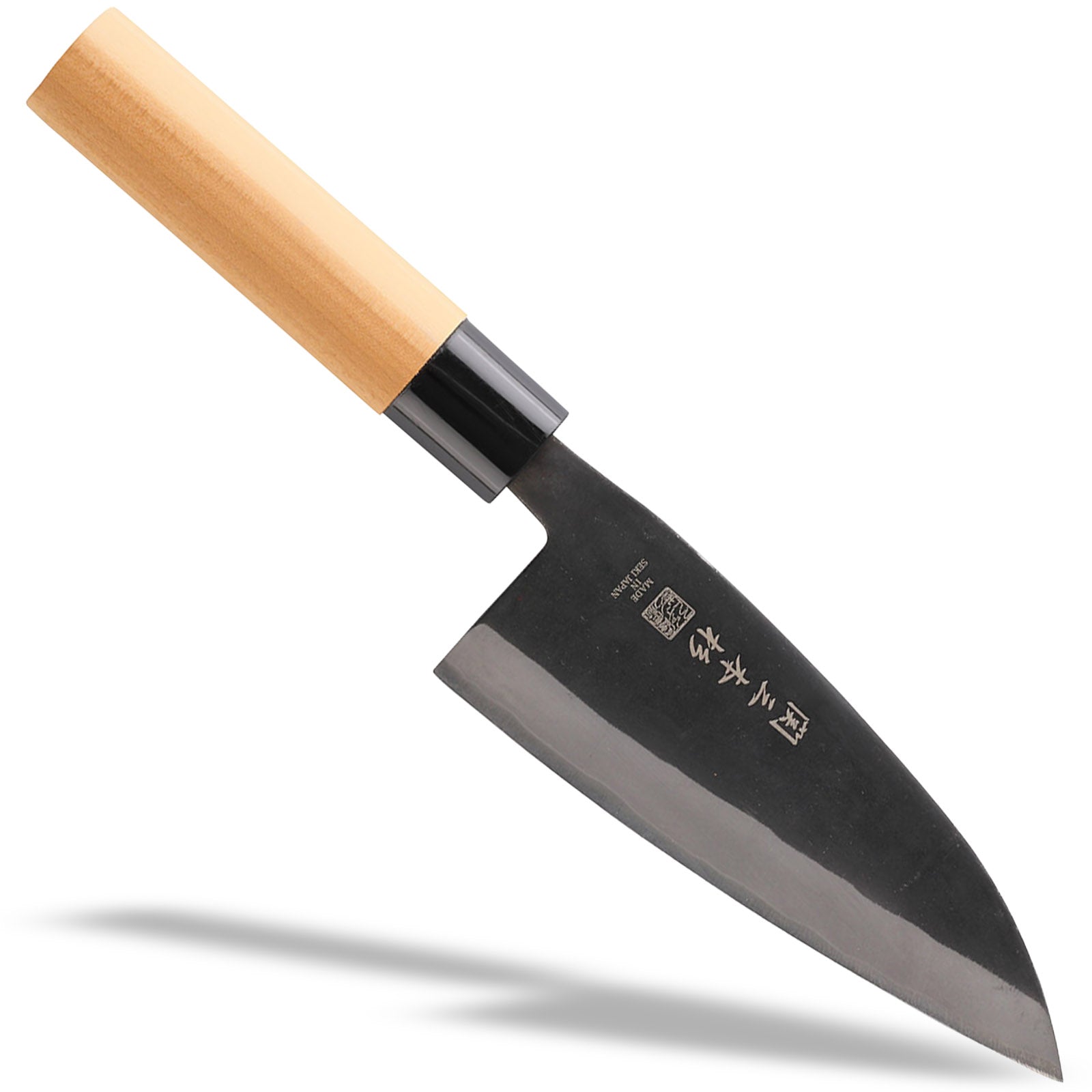
How to sharpen a deba knife (single-edged, thick blade)
Deba knives require a balance between "strength" and "sharpness," which is a slightly different approach than that of santoku knives.
Basic principles for sharpening a deba knife
Because a deba knife is used to cut the head and bones of fish, making the blade too thin will make it prone to chipping. Therefore, it requires a sharpening angle slightly larger than that of a santoku knife, with an emphasis on strength.
- Front side: Set the angle slightly larger to create a sharp blade.
- Back side: When sharpening the back, only lightly trace it; do not over-sharpen.
If you grind too much off the back of the blade, the lifespan of the knife will be shortened, and the unique structure known as the "back bevel" will be more likely to break down.
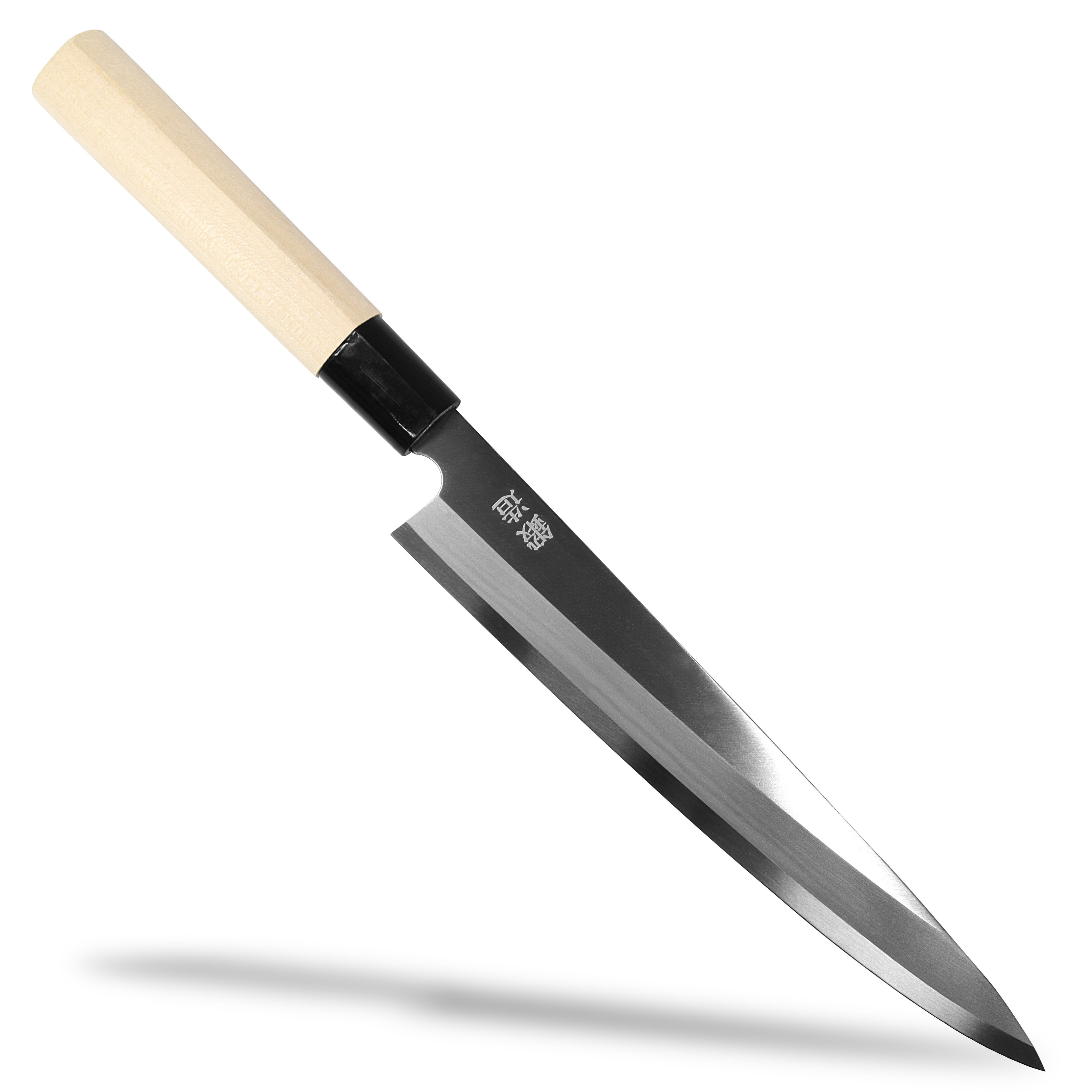
How to sharpen a yanagiba knife (sashimi knife)
The most important thing when sharpening a yanagiba knife is to "maintain a beautiful blade line." If you round the tip of the blade, it will crush the flesh when you slice sashimi, and the beauty of the cross-section will be lost.
Key points for sharpening a yanagiba knife
- Avoid dividing the blade length too much, and apply the longest possible section to the whetstone in one continuous motion.
- On the front side, move the blade smoothly from the base to the tip so that it makes even contact across the entire surface.
- Back beveling is essential, and it's important to maintain the flatness of the back surface and the straightness of the cutting edge.
One mistake to be especially careful of is "sharpening only the tip of the blade." Doing this will result in a so-called "rounded blade," which will cause the sashimi slices to snag and the flesh to fall apart.
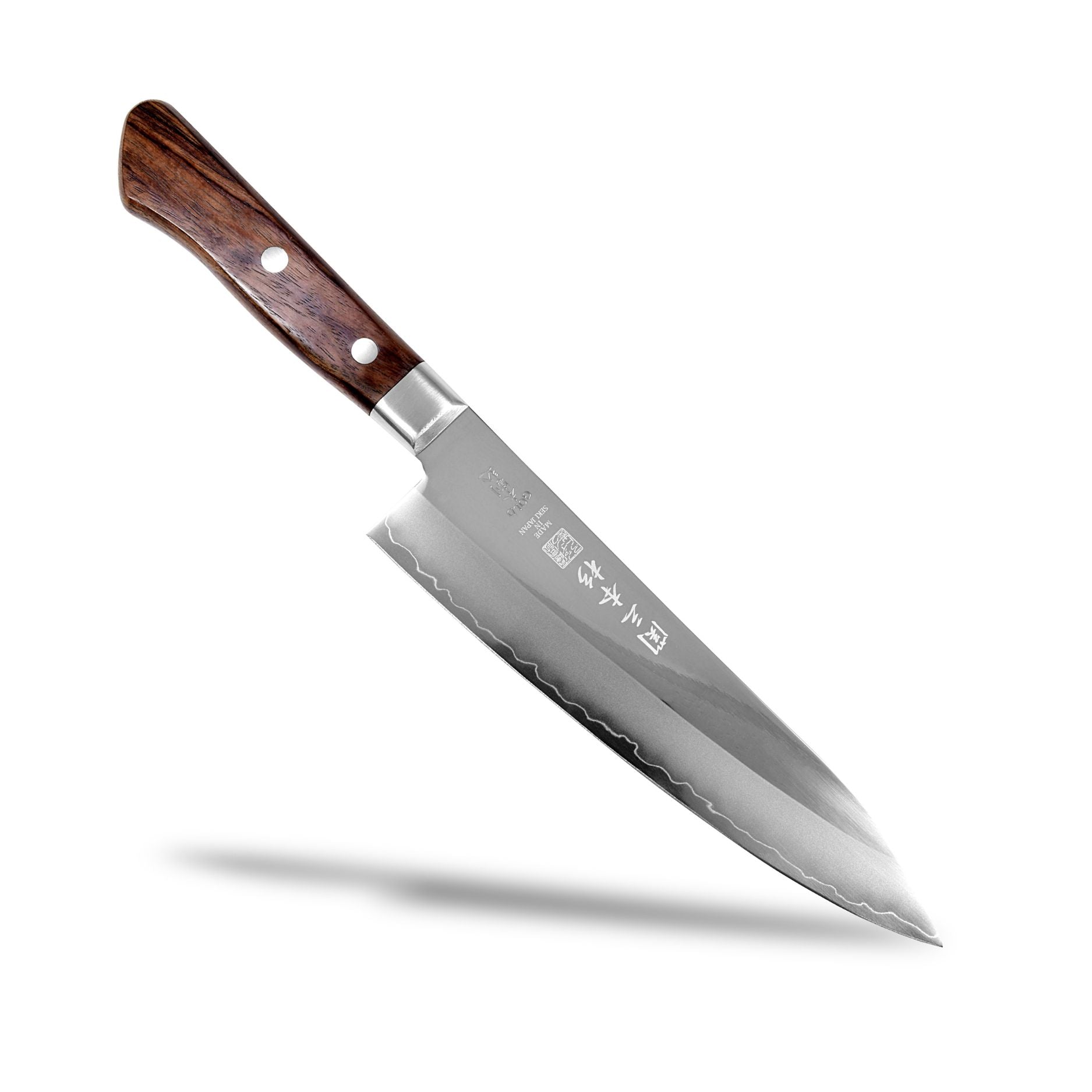
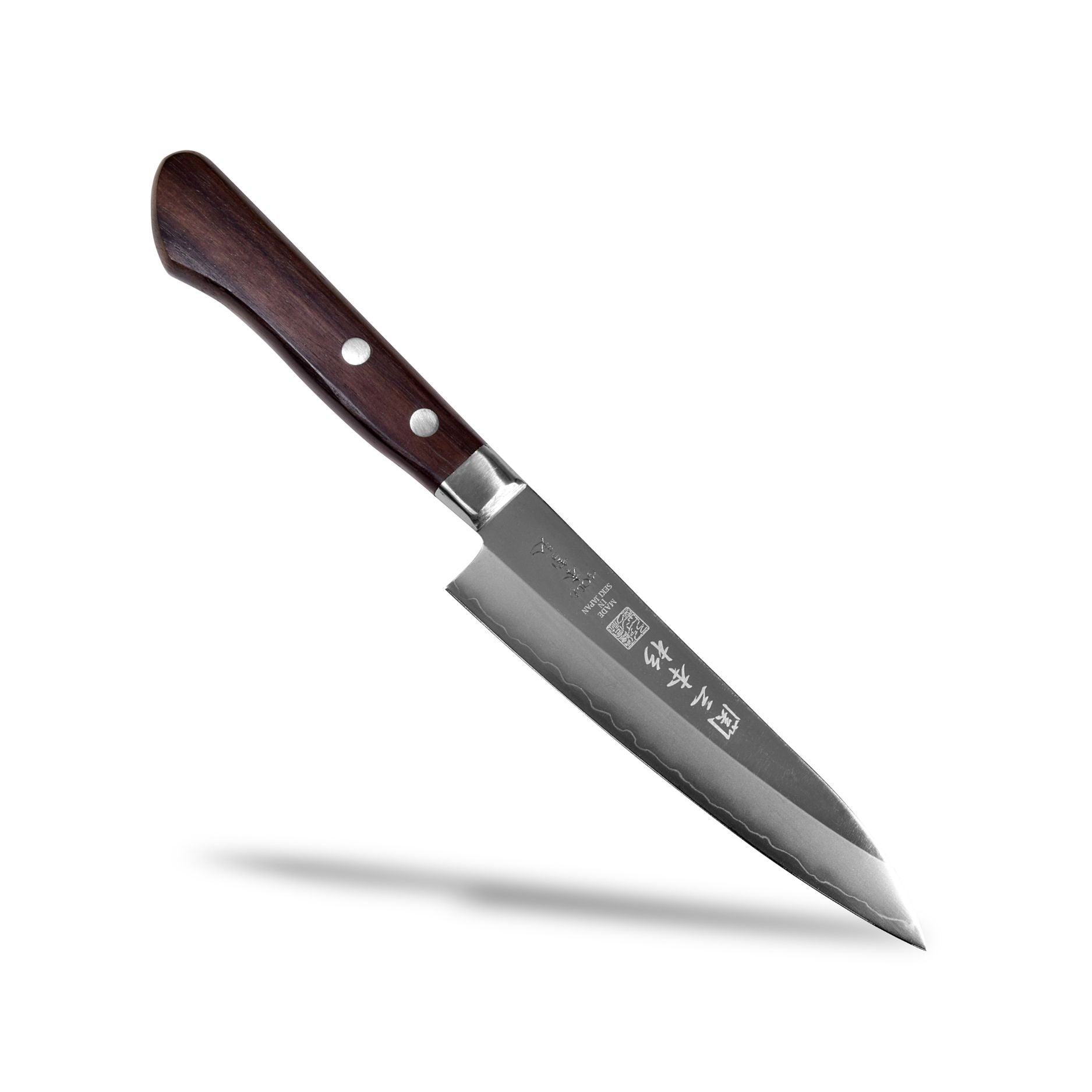
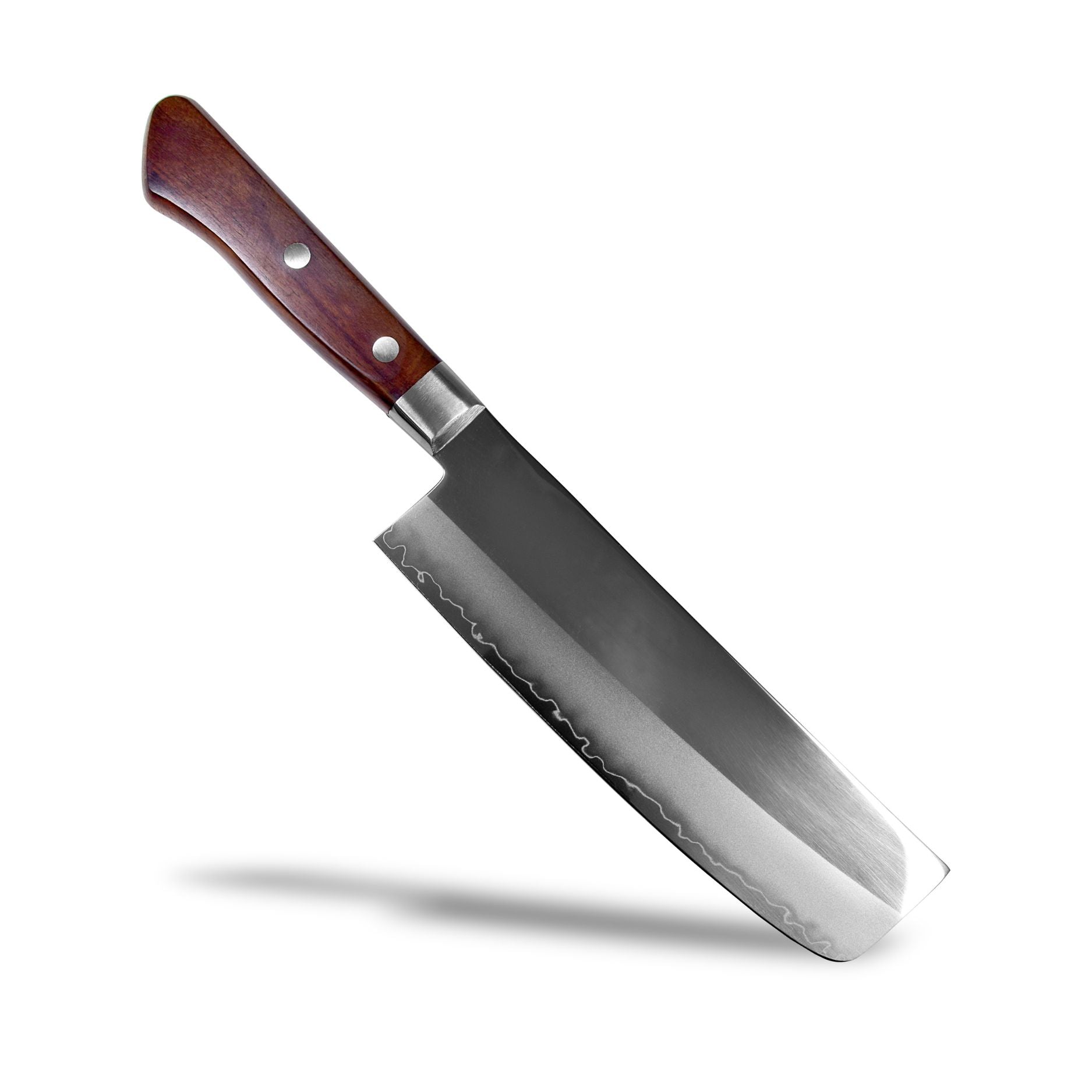
Sharpening a vegetable knife or petty knife: Applying the same techniques as for a santoku knife is sufficient.
Vegetable knives and paring knives are double-edged knives that are structurally similar to santoku knives. Therefore, the basic approach is the same as for a santoku knife.
- For a vegetable knife: Since the blade is straight, be mindful of making sure the blade makes contact with the cutting board in a straight line when applying it to the whetstone.
- Petty knife: Sharpen the blade by gradually shifting your position, following the curve of the blade edge.
In all cases, the key is to prioritize angle and stability, and not to try to sharpen everything perfectly.
How often should I sharpen them?
The frequency of sharpening depends on "how often you use it" and "how much you care about sharpness." The following guidelines can help you understand it better:
| Frequency of use | Recommended sharpening frequency |
|---|---|
| Use every day | About once a month |
| several times a week | Once every 2-3 months |
| sometimes | About once every six months |
However, these numbers are merely guidelines, and the basic rule is to "sharpen when you feel the blade is getting dull." If you take out the whetstone when you notice any roughness from tomato skins or onion fibers, the sharpening will be lighter and the blade will last longer.
Sharpening and Regional Culture: Why do "Seki" and "Sakai" come up so often?
When discussing knife sharpening, two place names that frequently come up are Seki City in Gifu Prefecture and Sakai City in Osaka Prefecture. This is because the culture of Japanese knife making and sharpening is deeply intertwined in these areas.
In Seki City, Gifu Prefecture, a wide range of knives, from household to professional use, are designed and distributed with the premise that they will be sharpened and reused. Sharpening knives is a relatively well-established practice even within households, and whetstones and sharpening services are readily available.
Meanwhile, in the cutlery culture of Sakai City, Osaka Prefecture, blacksmiths, sharpeners, and wholesalers work in separate roles, and the sharpening process itself has been established as a specialized skill. For yanagiba and usuba knives used in professional settings, the quality of the sharpening greatly affects its value, making the existence of sharpeners extremely important.
Learning how to sharpen Japanese kitchen knives is also a way to learn about a part of Japanese industrial culture.
Frequently Asked Questions: Points that people often get confused about when sharpening knives
Finally, let me briefly summarize some common questions regarding sharpening Japanese kitchen knives.
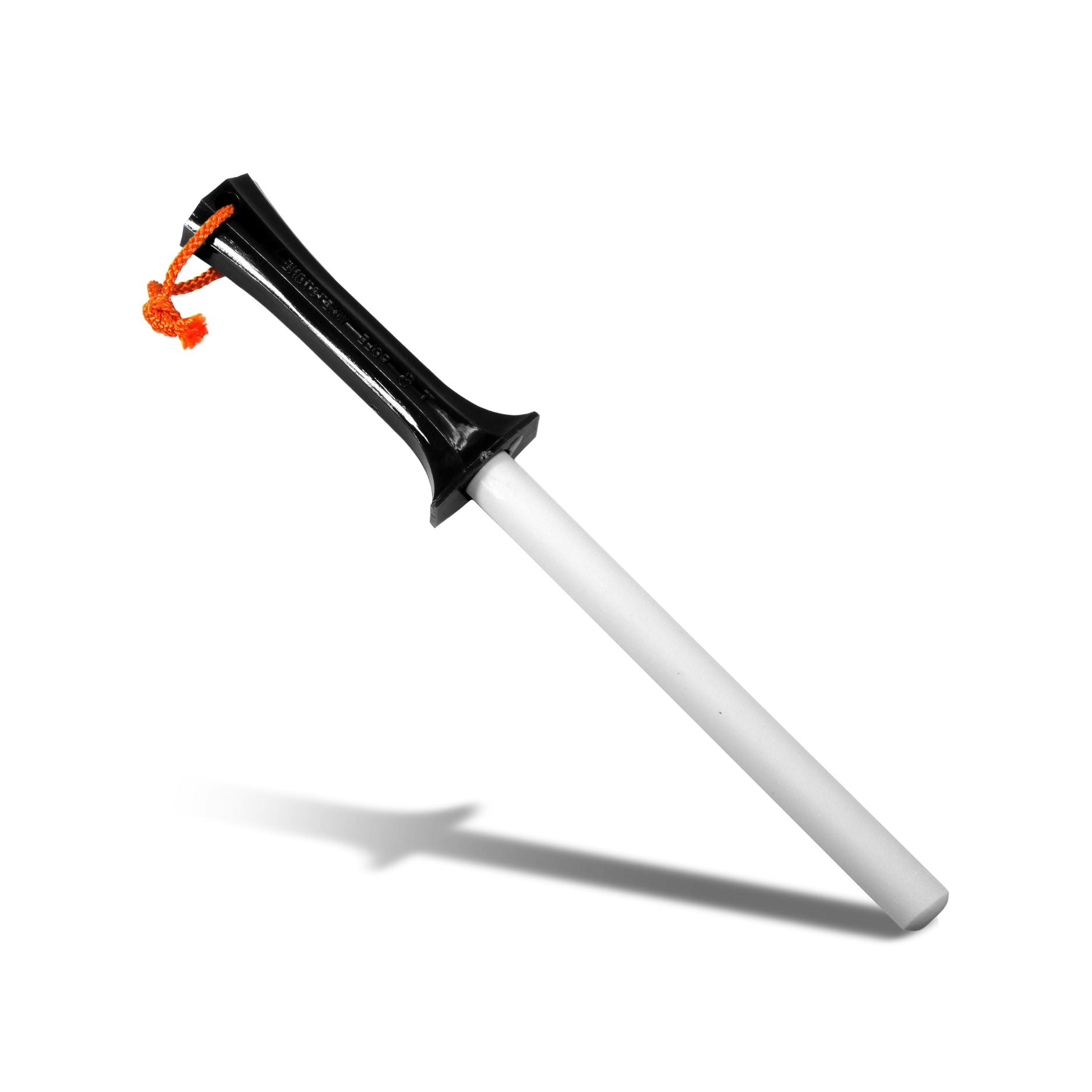
Q. Is it okay to use a sharpener?
As a temporary fix, it's acceptable. However, since it won't reshape the blade angle evenly or maintain the single-edged back structure, please consider it a different matter from restoring the blade's original sharpness.
Q. Do stainless steel knives need to be sharpened?
Yes, you can. Even stainless steel blades will definitely become sharper if you sharpen them, so it's not true that you don't need to sharpen them just because they're stainless steel.
Q. I think I messed up sharpening... what should I do?
If you calmly resharpen the blade with a #1000 grit whetstone, as if you were "re-shaping" it, it can usually be recovered. By fixing the angle and making sure to apply firm pressure to the whetstone all the way to the tip of the blade, the correct edge will gradually return.
Q. How often should I take my knives to a professional (sharpener)?
As a general guideline, once a year is sufficient. The idea is to do the daily maintenance yourself and have a professional finish done at key milestones.
The value of a Japanese kitchen knife lies not in its initial sharpness, but in its structure that allows you to restore its sharpness through your own hands. If you calmly sharpen it according to the proper procedure, your Japanese kitchen knife will surely reward you.