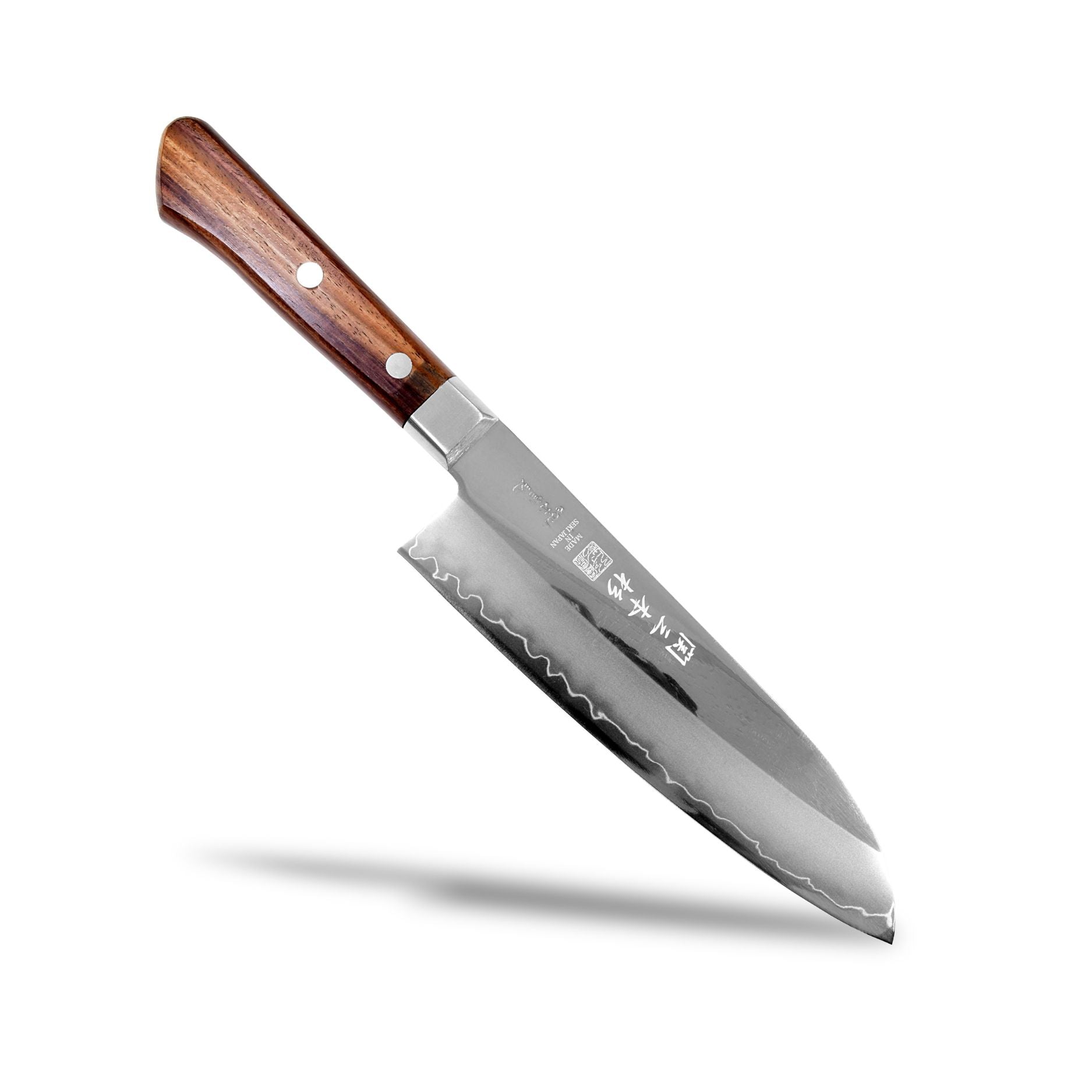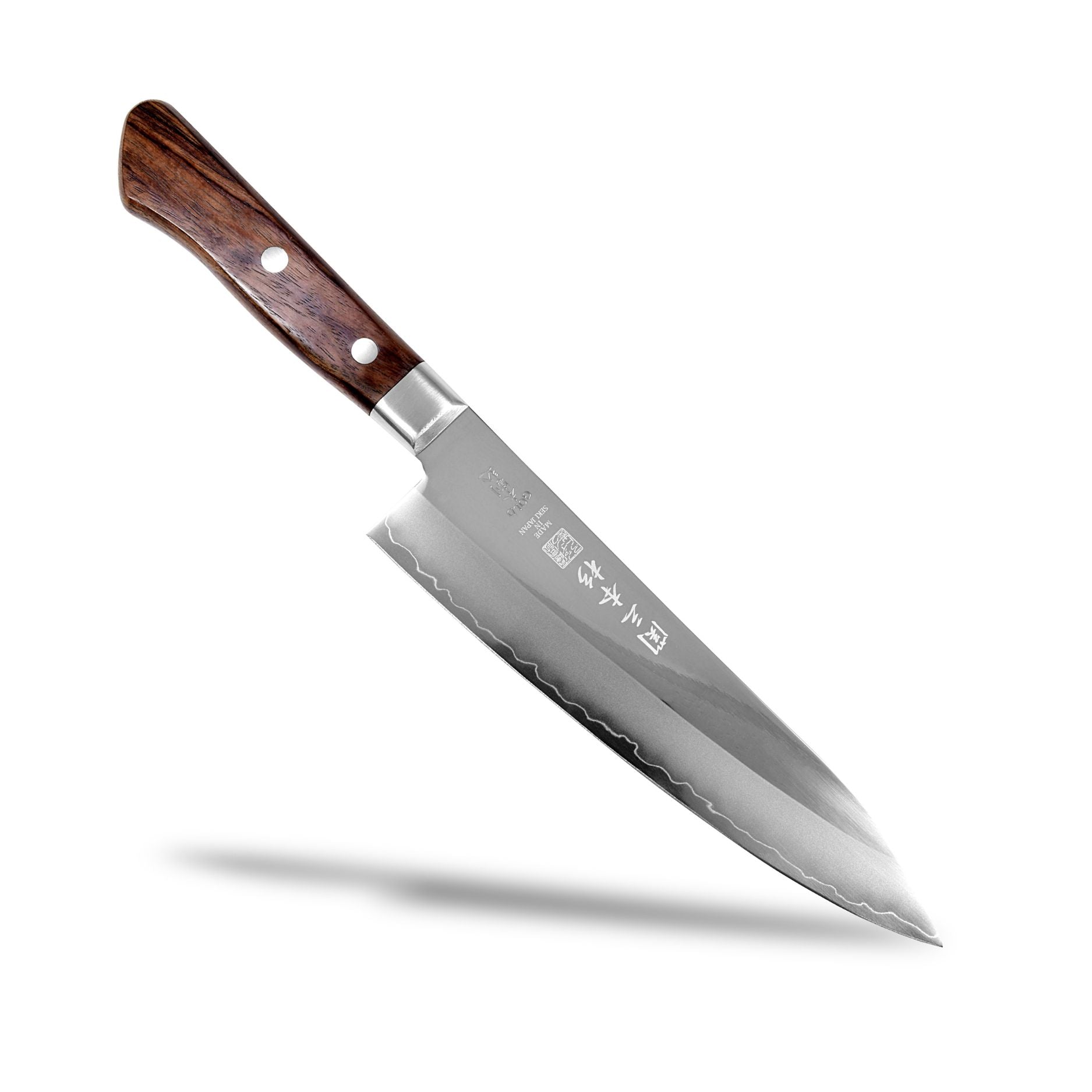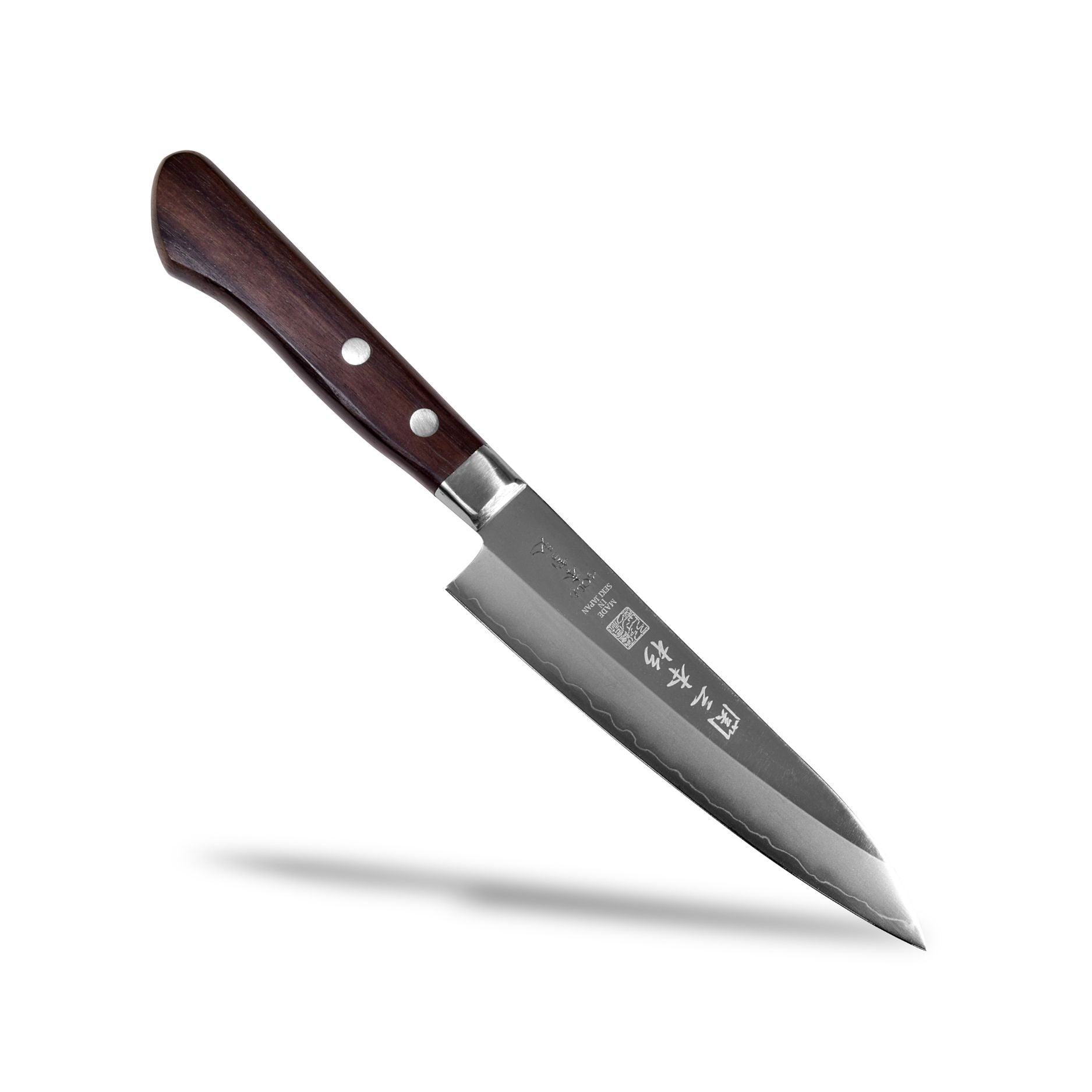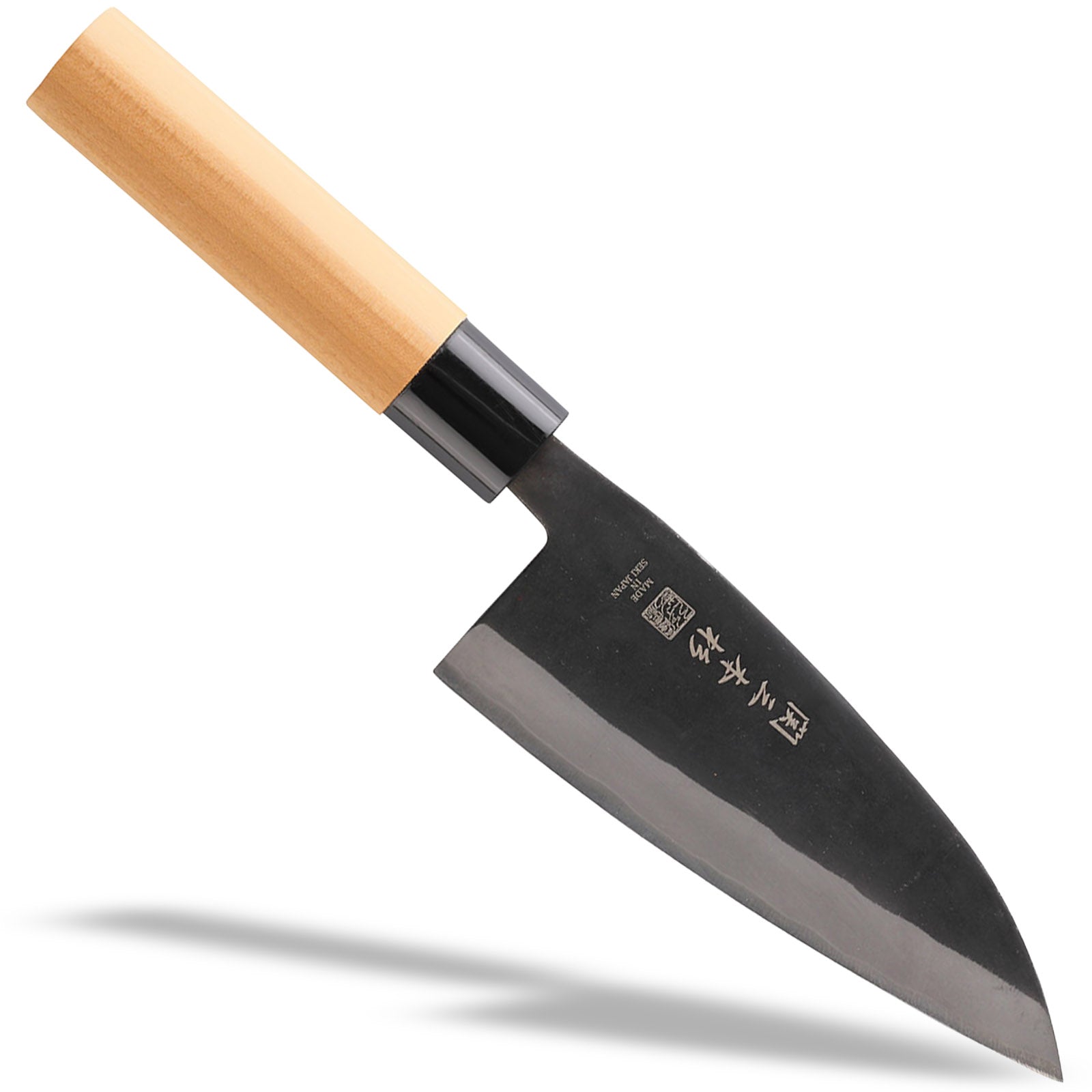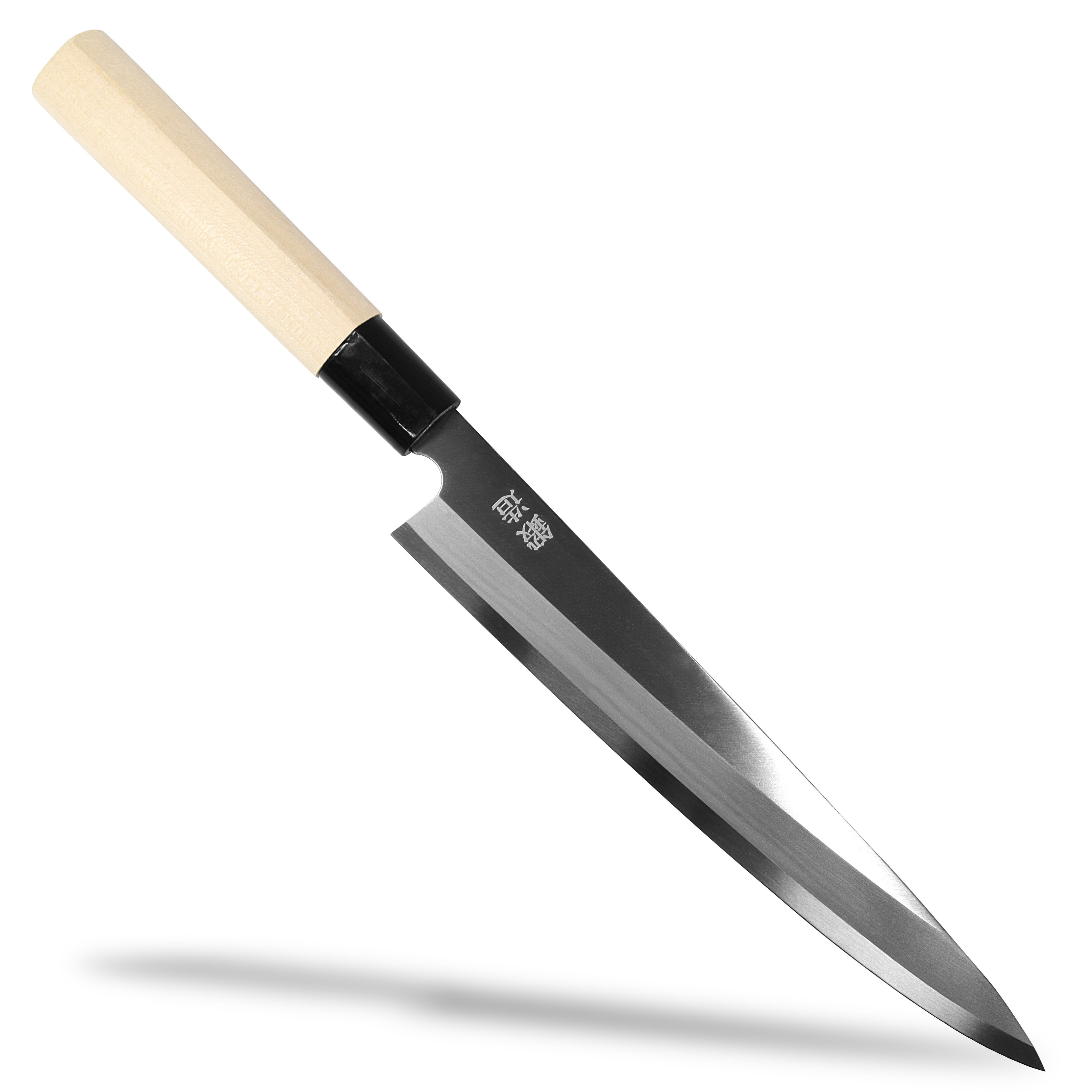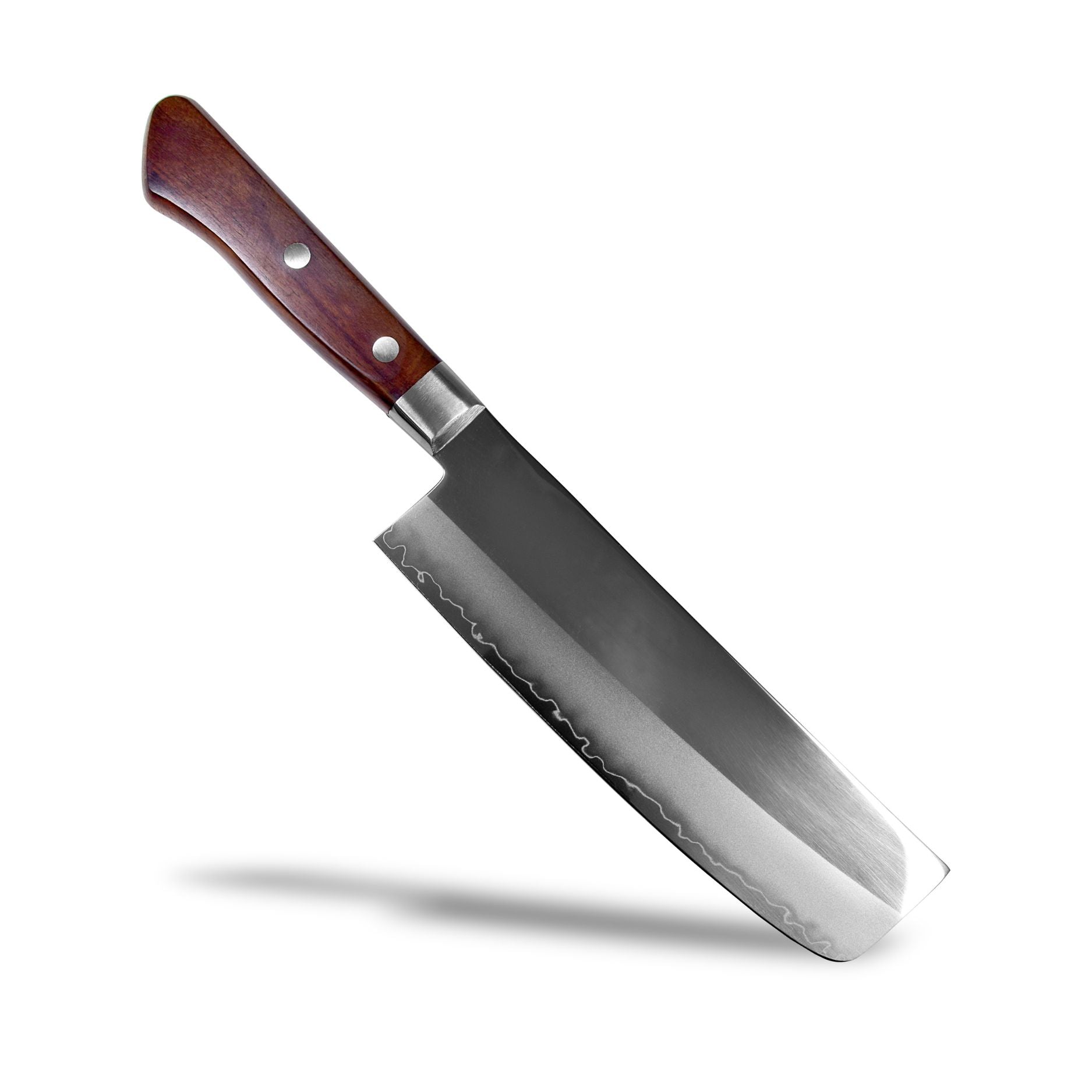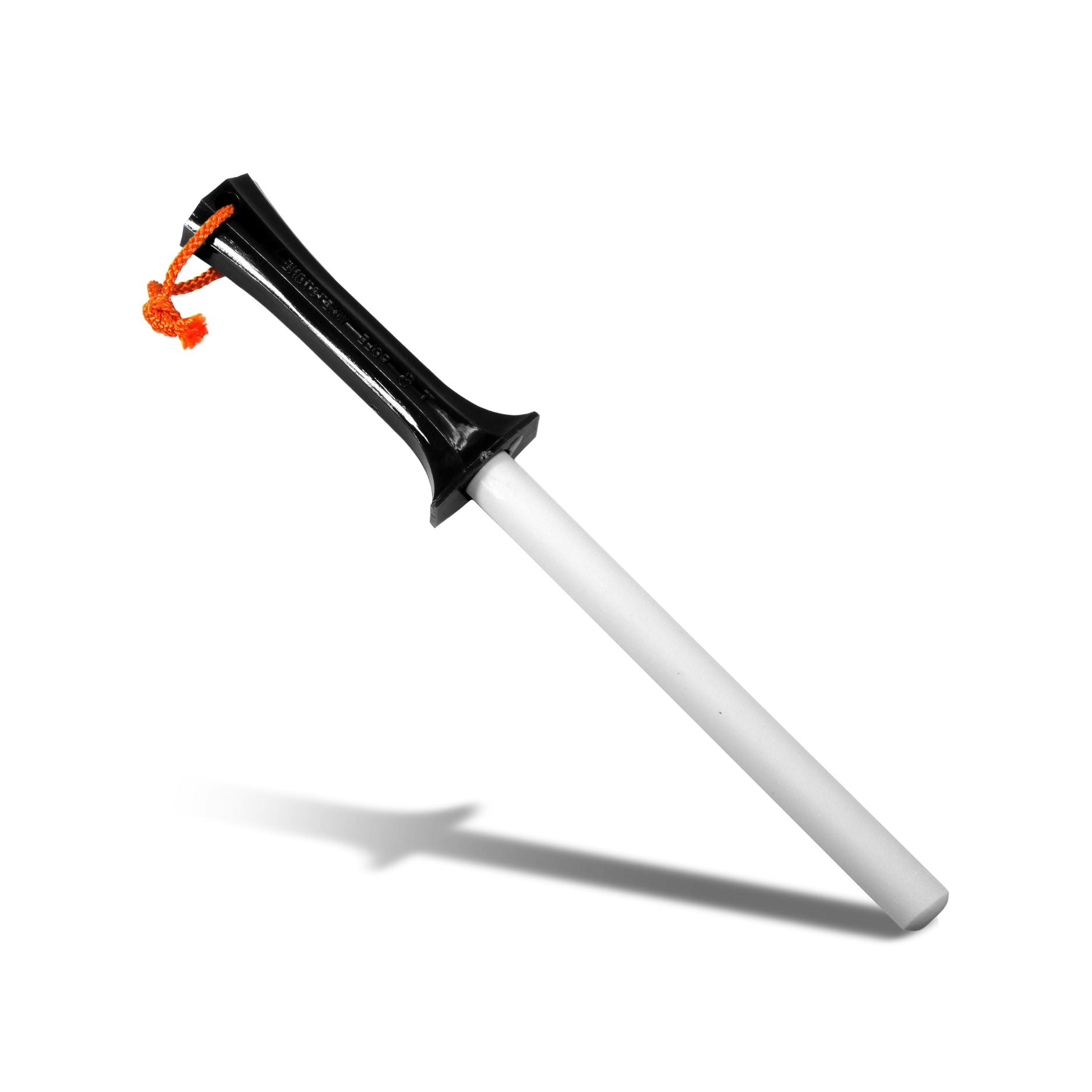

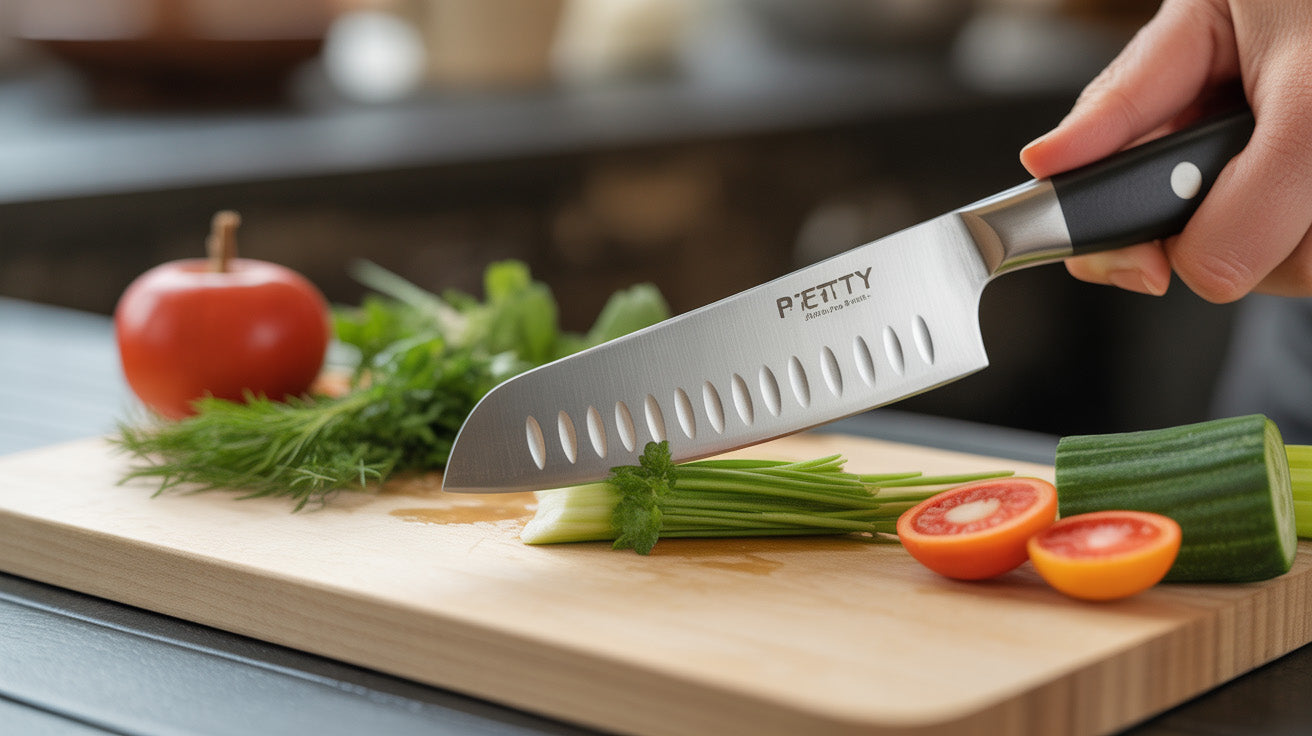
How to Sharpen a Japanese Kitchen Knife for Smooth Decorative Cutting: Petty Knife (Small) - Usage/Instructions
In conclusion, by mastering the correct sharpening technique and the specific uses of a small knife, you can perform detailed tasks such as peeling and decorative cutting with a paring knife with surprising ease.
In short, the key to making the most of a Japanese-style petty knife is to "sharpen it carefully at an angle of 10 to 15 degrees and use it with your fingertips."
Key points of this article
Today's review: 3 key points
- The basic principle of sharpening Japanese kitchen knives, even petty knives, is to "maintain a consistent angle and sharpen while being mindful of the secondary bevel."
- A small paring knife is ideal for detailed tasks that are difficult to do with a standard santoku knife, such as peeling, decorative cutting, and cutting small ingredients.
- The most important thing is to understand the steps involved—choosing the right whetstone, the correct sharpening angle, and how to hold and move the whetstone—and to develop the habit of regular maintenance.
Conclusion of this article
- In short, when sharpening a Japanese kitchen knife, even a petty knife, you're less likely to make a mistake if you follow this procedure: "Maintain an angle of 10 to 15 degrees, and use a coarse whetstone, then a medium whetstone, and finally a finishing whetstone to refine the secondary bevel."
- The unique advantage of a small paring knife is that it's specialized for detailed work such as peeling, decorative cutting, and cutting small ingredients.
- The three basic things that beginners should focus on first are: "leveling the whetstone," "maintaining a consistent sharpening angle," and "checking for burrs."
- A combination of a general-purpose knife for everyday use and a petty knife for delicate tasks is the most practical setup for home use.
What are the basics of sharpening a Japanese-style petty knife?
In conclusion, understanding the "sharpening angle" and "handling the secondary bevel" is crucial for keeping a Japanese-style petty knife in good cutting condition.
As justification, even specialty shops like Sakai Ichimonji Mitsuhide recommend sharpening petty knives by holding them against the whetstone at an angle of around 10 to 15 degrees, starting with a small double bevel (secondary bevel). Specifically, by using a coarse whetstone to remove the double bevel, then using a medium whetstone to sharpen the edge and refine the tip, and finally using a finishing whetstone to lightly remove the secondary bevel, you can achieve an edge that balances sharpness and durability.
In short, sharpening a petty knife is a miniature version of professional sharpening; it's like applying the same principles as sharpening a santoku or chef's knife to a shorter blade in a more compact way.
Things to prepare before sharpening a paring knife
In conclusion, the first things a beginner should prepare are a "flattened whetstone" and "a clear image of the blade angle."
For sharpening, a medium grit (around 1000) is a good starting point. If there are chips in the blade, use a coarse grit (220-400), and for finishing, have a grit of around 3000-6000. This setup is sufficient for home use. The ideal angle is 10-15 degrees, and specialists explain that it's easier to recreate by imagining the height of two coins placed under the blade.
Additionally, wetting the surface of the whetstone with water to prevent it from drying out during sharpening is important for creating an even sharpening surface.
Key points for sharpening with a focus on the secondary bevel (double bevel).
In short, the key to sharpening a petty knife is to "use the secondary bevel as a reference point, erase it, and then re-sharpen it."
The secondary bevel (or double bevel) is a thin, white line-like portion that forms at the edge of the blade. If this portion remains thick, it becomes difficult to achieve a sharp edge. Therefore, the first step is to use a coarse whetstone to flatten and remove this double bevel. After that, the blade is sharpened slightly with a medium whetstone and the secondary bevel is lightly removed, creating a thin double bevel again. This process allows for a balance between sharpness and durability.
The key to creating a sharp, characteristic Japanese knife edge is to sharpen the back side as flat as possible and continue sharpening until a burr appears on the opposite side.
How to Sharpen a Japanese Kitchen Knife: Common Mistakes Beginners Make and How to Avoid Them
The most important thing is to avoid "angle deviation," "insufficient flatness of the grinding wheel," and "inadequate checking of the burr."
If the angle is not consistent, the blade edge will become wavy or the blade will become thicker than necessary. Therefore, it is recommended to divide the blade length on the whetstone into about three sections and move it back and forth at the same angle. Also, if you neglect to flatten the whetstone, the short edge of the petty knife will only make contact in certain areas, resulting in uneven sharpness.
Finally, at the end of sharpening, lightly touch the blade with your fingertips or fingernails to check that the burr has been completely removed, and if necessary, gently stroke it to finish and achieve a uniform edge.
How can you use a small paring knife to create beautiful decorative cuts?
In conclusion, to make the most of the unique uses of a small paring knife, it's important to change your grip and movement depending on the situation.
The reasoning is that because paring knives have shorter blades and narrower blades, they offer better visibility of the handle, making them safer and more delicate to use than santoku knives for detailed tasks such as peeling and decorative cutting. Specifically, a normal grip is recommended for peeling apples and potatoes, while a pencil grip or a grip supported by the fingertips is recommended for decorative cutting of cucumbers and carrots.
In short, a paring knife is an extension of your hand, and by being mindful of how to use it in ways that its small size can be advantageous, you can significantly improve the appearance of your dishes and the efficiency of your work.
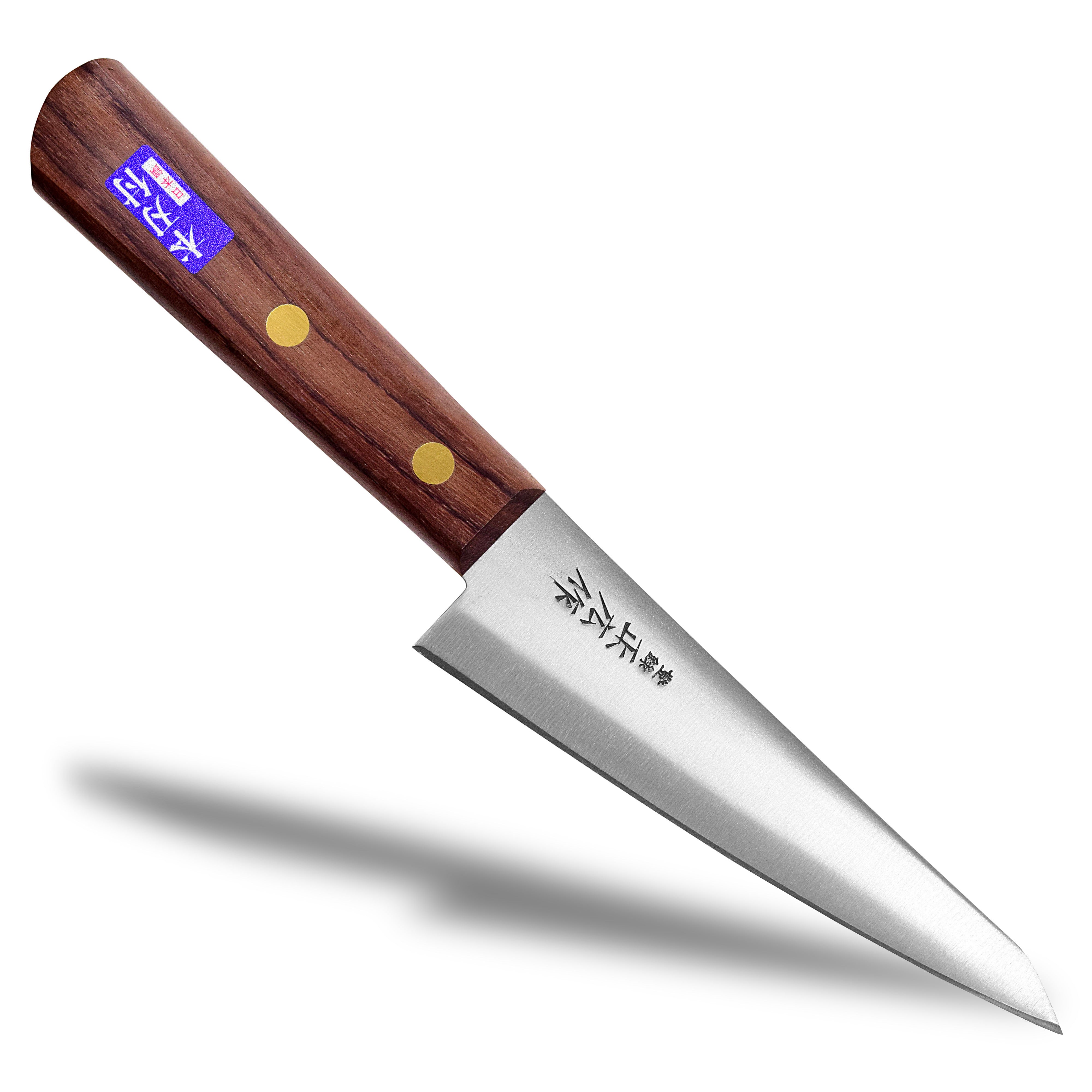
A paring knife is ideal for tasks such as peeling, preparing ingredients, and decorative cutting.
In conclusion, a paring knife truly shines when used for small, precise, and close-up tasks.
For example, when peeling apples and citrus fruits, removing potato sprouts, or corering garlic, the short blade and thin tip make it easier to control and safer than using a general-purpose knife. It's also ideal for decorative cutting to enhance the presentation of dishes, such as finely chopping green onions and chives, making accordion cuts on cucumbers, or creating flower-shaped decorations on carrots and radishes.
In the world of Japanese cuisine, the paring knife is described as an "extension of the hand," and is used for shaping leaves and hollowing out small vegetables.
Basic grip and handling techniques for a small paring knife
In short, the key is to use two different grips: a standard knife grip and a pencil grip.
When cutting small ingredients, firmly grip the handle with all fingers except your index finger, and rest your index finger on the back of the blade to minimize blade wobble and smoothly insert the blade into the desired position. For even more delicate tasks such as decorative cutting, hold the knife handle like a pencil and use your wrist and fingertips to finely adjust the angle to create flower shapes or animal shapes.
In particular, single-edged paring knives are suitable for those who want to improve the perfection of decorative carvings, as they allow you to make cuts at the desired angle by utilizing the direction of the blade.
Tips for combining sharpening techniques and usage
The most important thing is to "separate roles from maintenance."
For example, it's recommended to assign specific roles to your knives, such as using a santoku knife for main cutting and a petty knife for peeling and decorative cutting, and to create a cycle of regularly sharpening the petty knife to keep it sharp and safe at all times. As for sharpening, since petty knives have shorter blades, the sharpening time is also short, so even a light sharpening once a week or a 10-15 minute maintenance when the sharpness has decreased is sufficient.
Our company also believes that by focusing on the "Santoku + Petty" combination, and keeping the Petty knife in consistently sharp condition, the enjoyment and safety of everyday cooking will be greatly enhanced.
FAQ
Q1. What is a good sharpening angle for a paring knife? A1. In conclusion, sharpening a paring knife at an angle of about 10 to 15 degrees to the whetstone will give you a good balance between sharpness that utilizes the secondary bevel and durability.
Q2. What grit whetstone should I use to sharpen a petty knife? A2. Generally, use a coarse whetstone (220-400 grit) if there are chips in the blade, a medium whetstone (around 1000 grit) for regular sharpening, and a whetstone of around 3000-6000 grit for finishing.
Q3. Can I sharpen a small petty knife using the same method as a santoku knife? A3. The basic process is the same, but because the blade is shorter, it will be easier to sharpen if you make smaller strokes on the whetstone and are conscious of keeping the angle consistent.
Q4. Is it okay to sharpen a petty knife with just a sharpener? A4. A simple sharpener will restore the sharpness, but sharpening with a whetstone will give you more freedom in shaping the bevel and the main blade.
Q5. In what situations is a paring knife more suitable than a santoku knife? A5. It is easier to handle than a santoku knife in situations where you want to have precise control over the knife, such as peeling, removing sprouts, decorative cutting, and cutting small fruits and vegetables.
Q6. What are the key points for holding a paring knife when making decorative cuts? A6. Holding the handle like a pencil and making fine adjustments to the angle with your wrist and fingertips will make it easier to make delicate decorative cuts such as flower shapes and animal motifs.
Q7. Which is better suited for decorative cutting, a single-edged or double-edged paring knife? A7. A single-edged knife is easier to control, and in decorative cutting for Japanese cuisine, it allows you to cut smoothly in the intended direction, making it more suitable for delicate expressions.
Q8. Why does the blade of my paring knife chip so easily? A8. In many cases, this is because the blade is sharpened at too steep an angle, making it too thin, or because it's being used to cut hard cutting boards or frozen foods. Reviewing the angle and intended use is effective.
Q9. How often should I sharpen my petty knife? A9. If you use it every day, sharpen it with a medium-grit whetstone once every 1-2 weeks. If you don't use it often, sharpening it whenever you feel the sharpness has decreased is sufficient.
Q10. Are there any precautions to take when maintaining a whetstone? A10. You can maintain a smooth sharpening surface by regularly flattening the whetstone with a whetstone flattening stone or specialized tools, and by moistening it with water before use.
summary
- The basic method for sharpening Japanese kitchen knives, even petty knives, is to "maintain an angle of 10 to 15 degrees and use a coarse whetstone, then a medium whetstone, and finally a finishing whetstone, using the secondary bevel as the reference point."
- One of the unique uses of a small paring knife is that it can be specialized for detailed tasks that are difficult to do with a general-purpose knife, such as peeling, decorative cutting, and cutting small ingredients, which can improve overall kitchen efficiency.
- In conclusion, the quickest way to master decorative cutting is to position the santoku knife as your main tool and the petty knife as a tool for detailed work, while regularly sharpening the petty knife and using it as an extension of your hand.