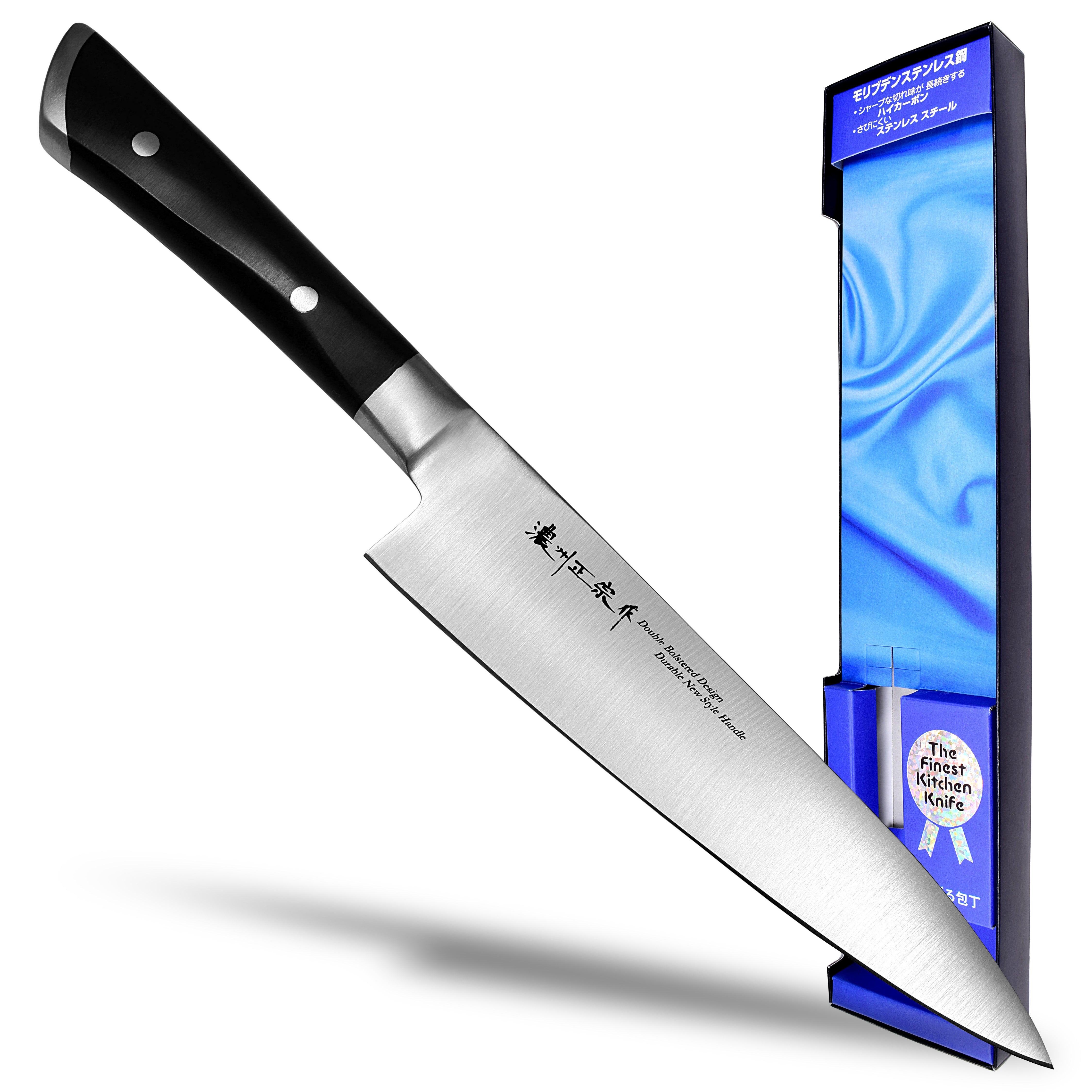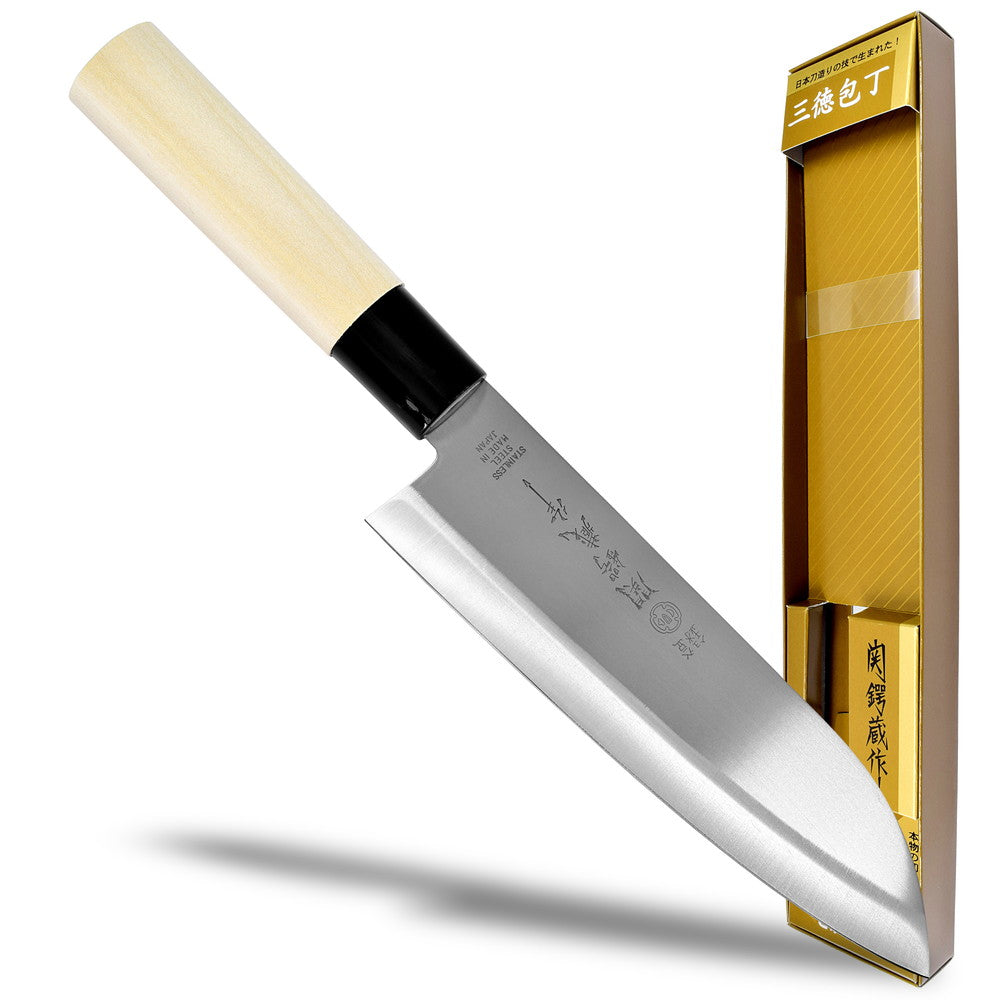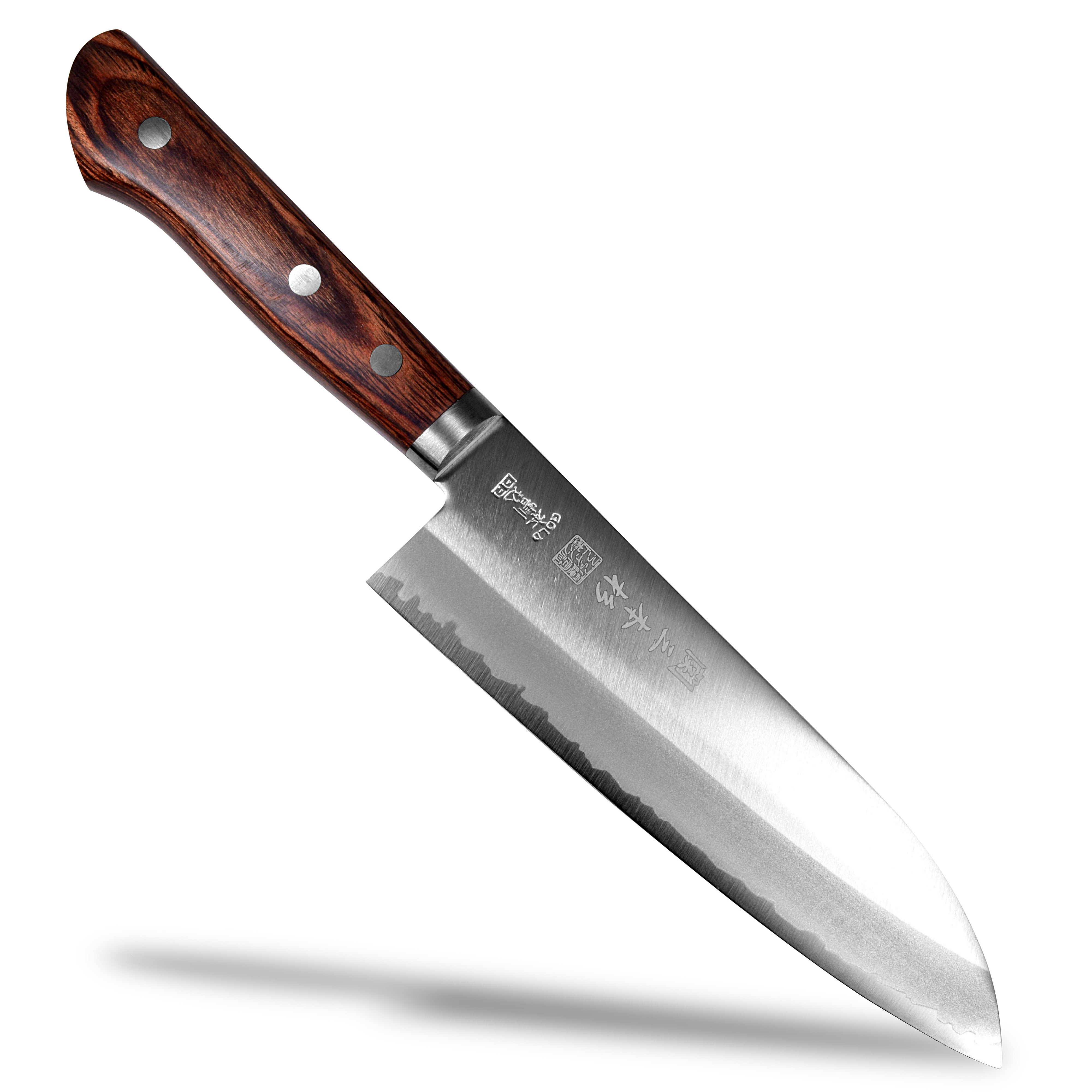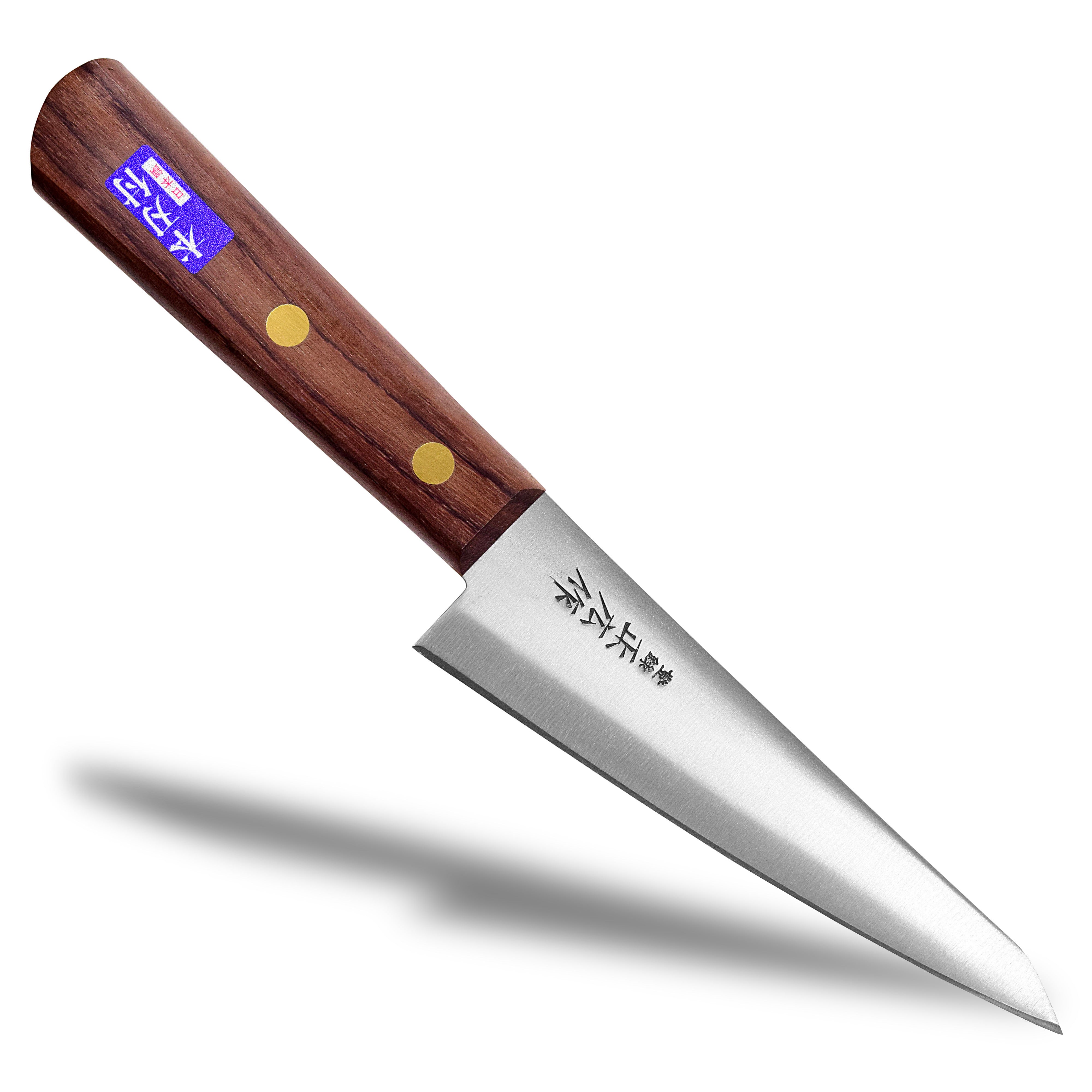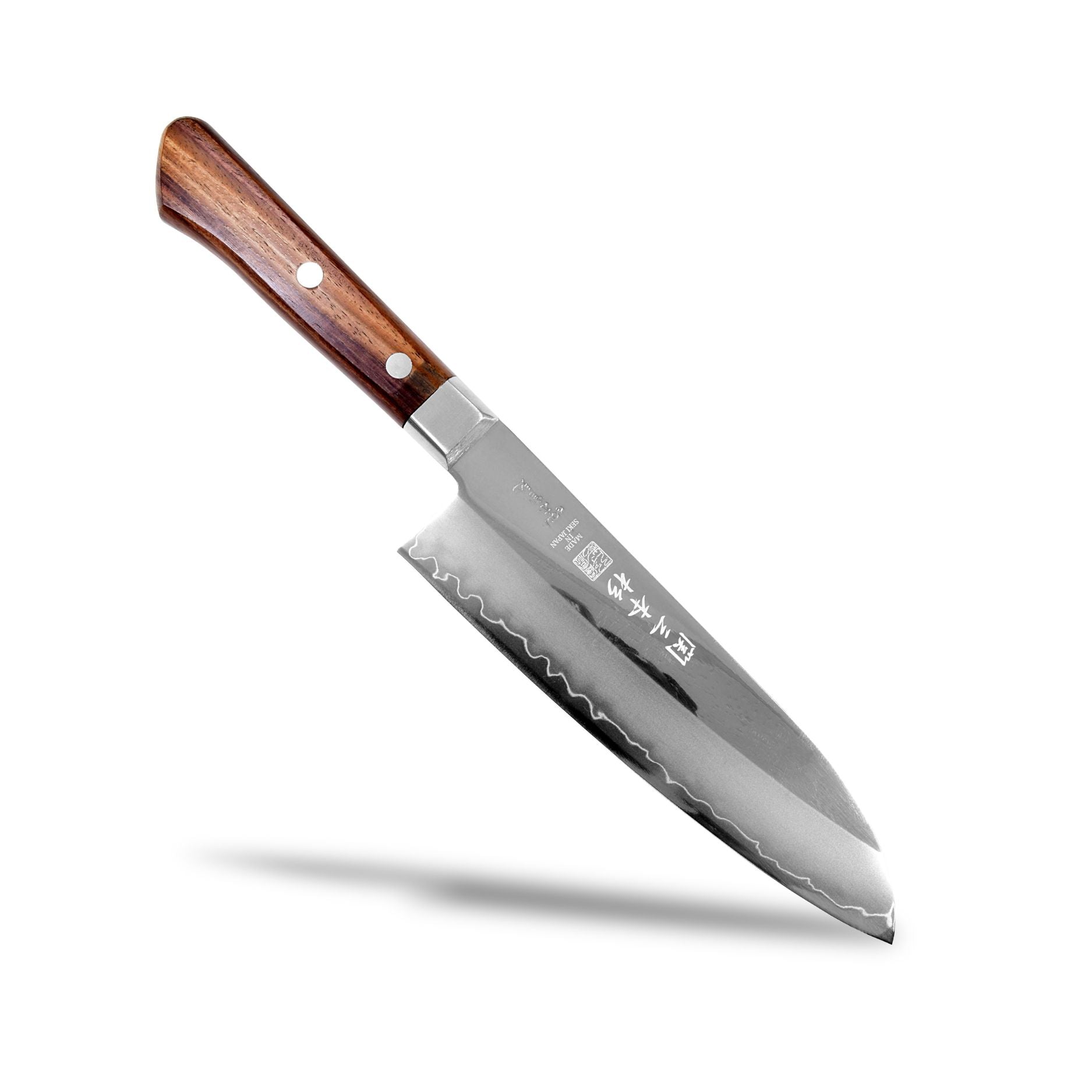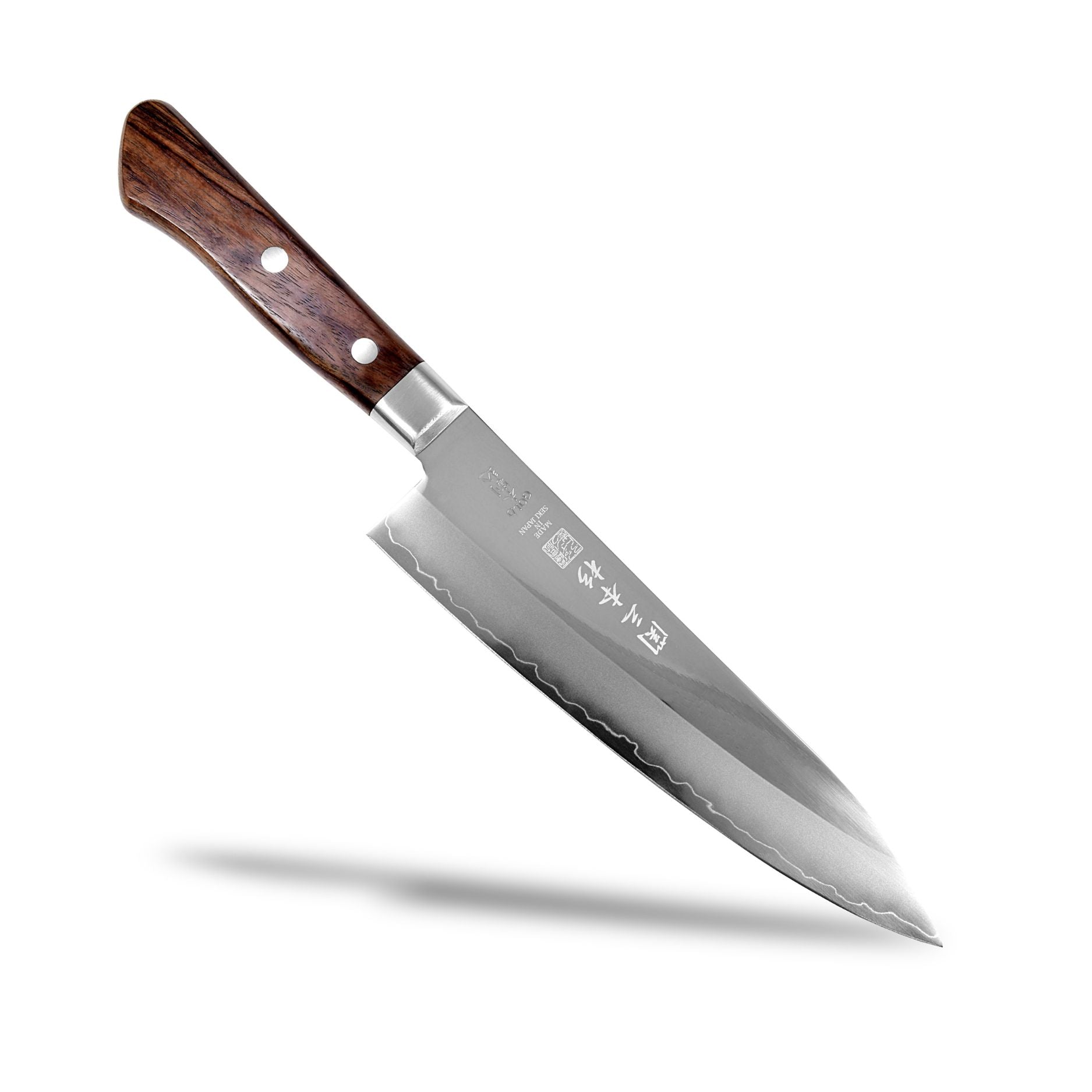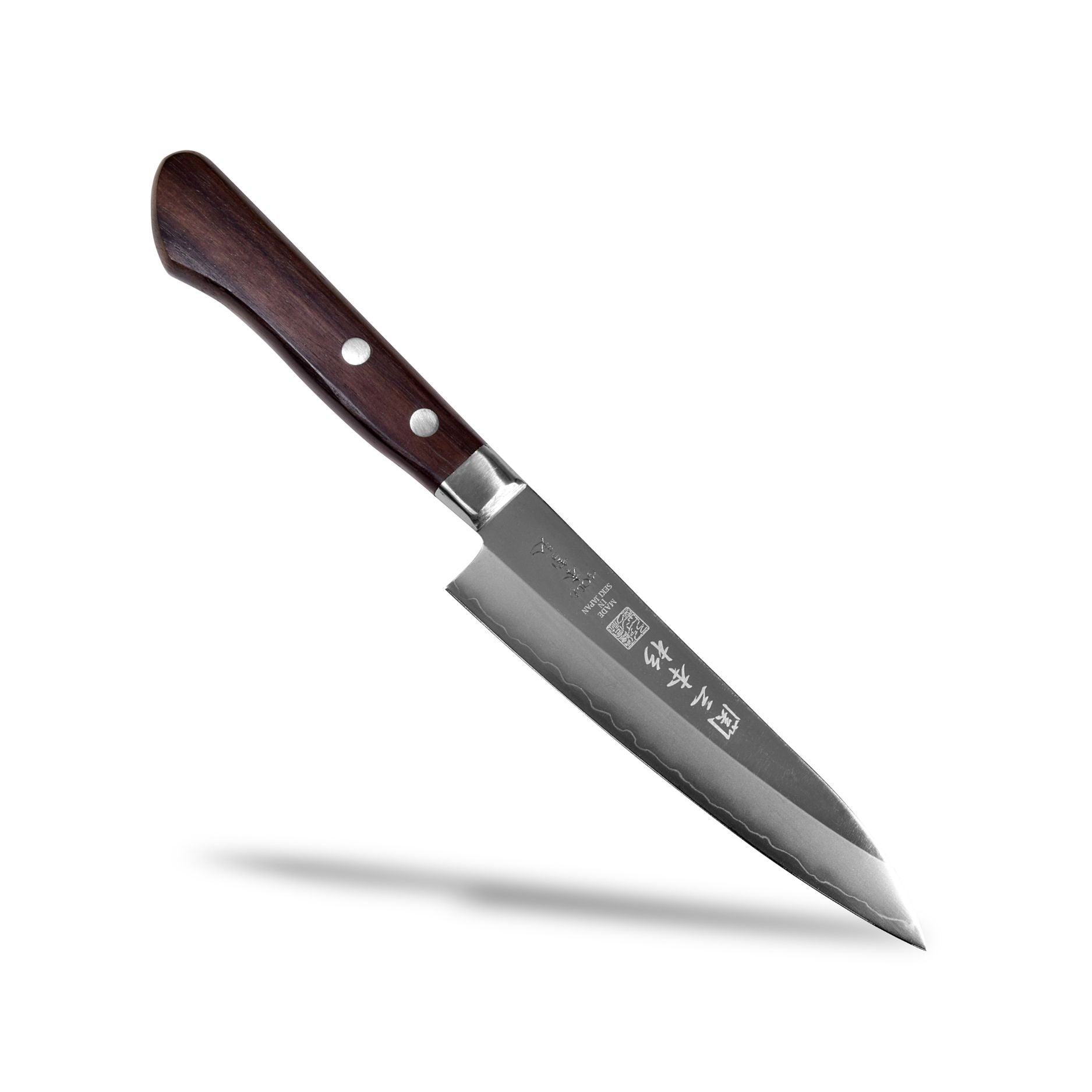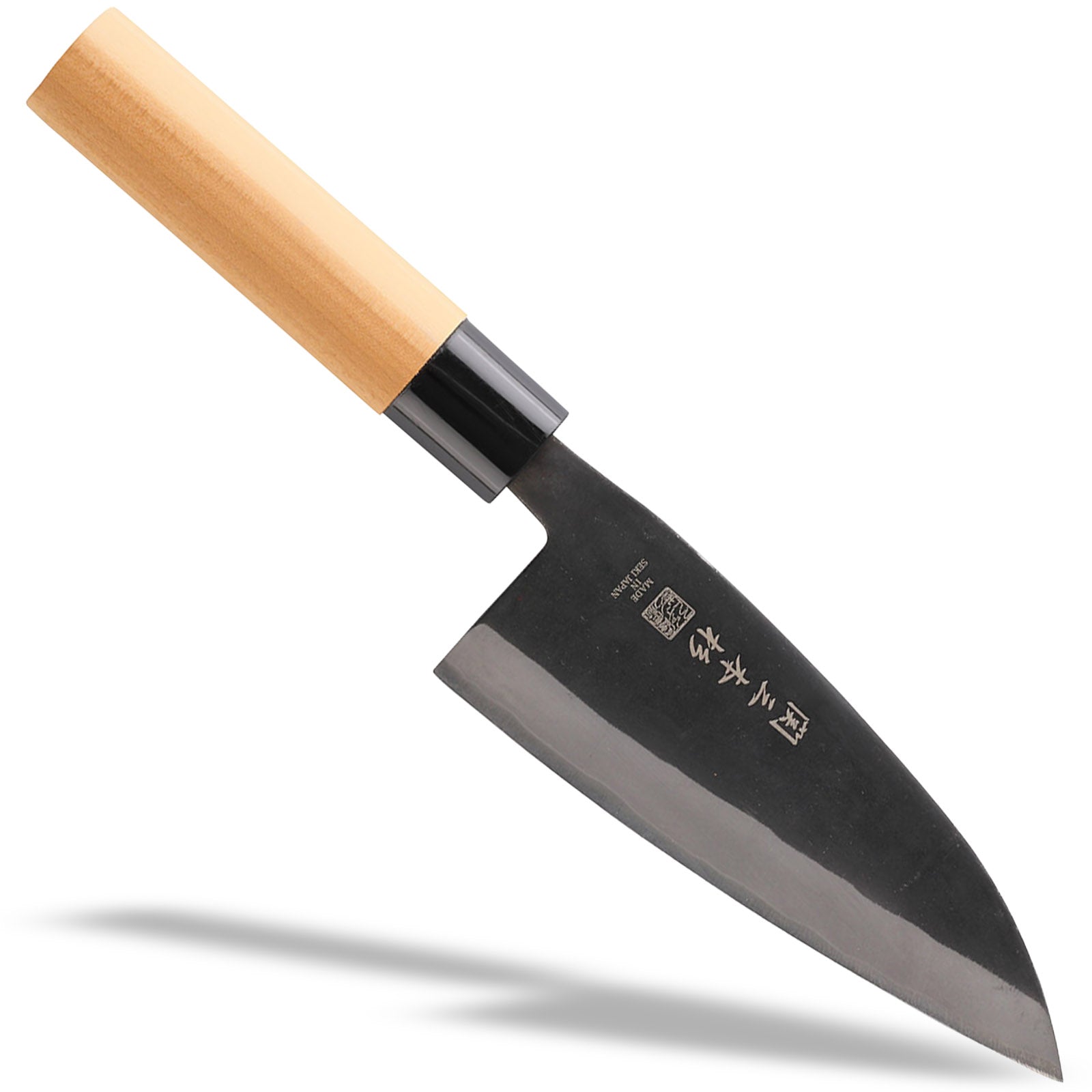

Recommended Japanese kitchen knives that make carrying two knives convenient: Petty knife and secondary knife. Benefits.
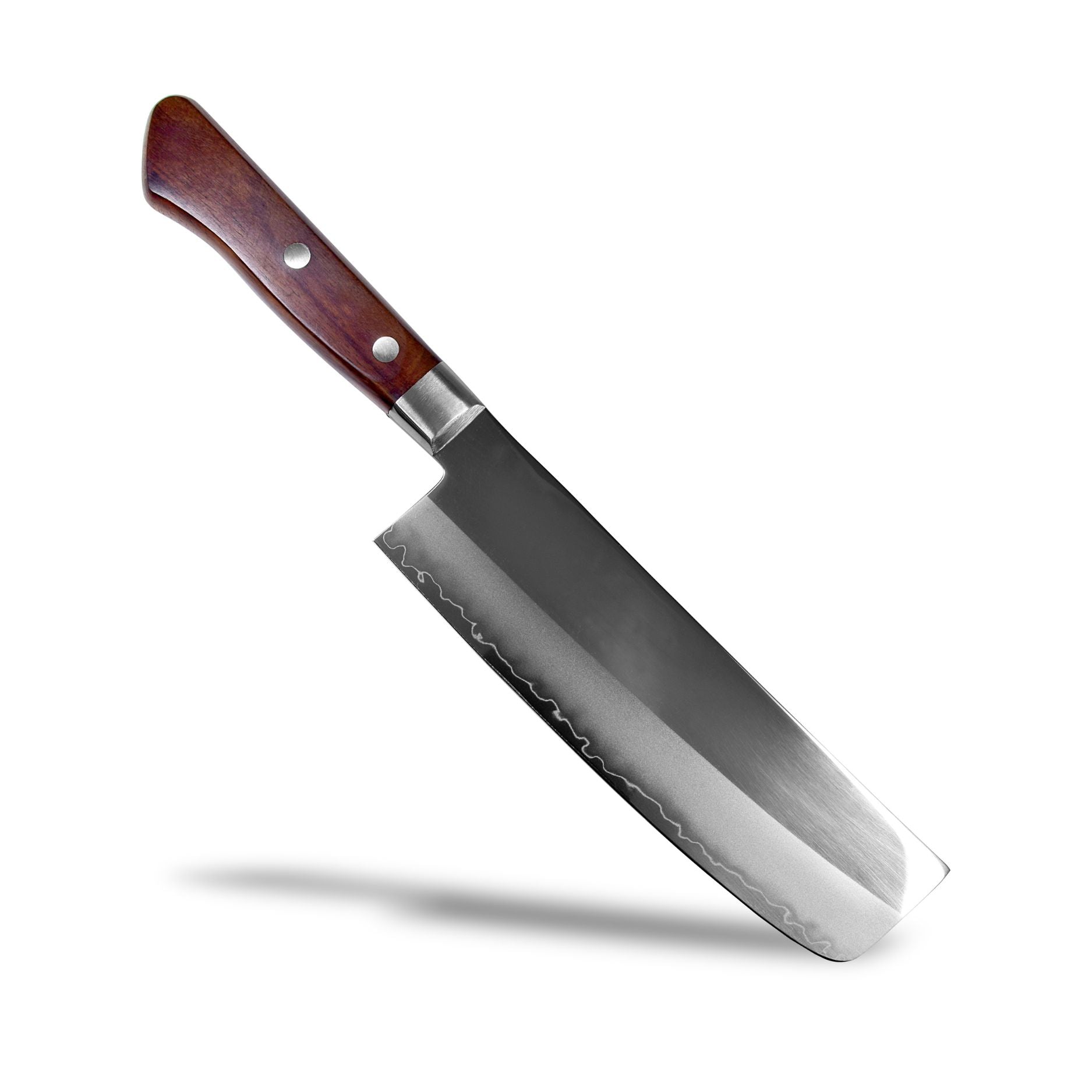
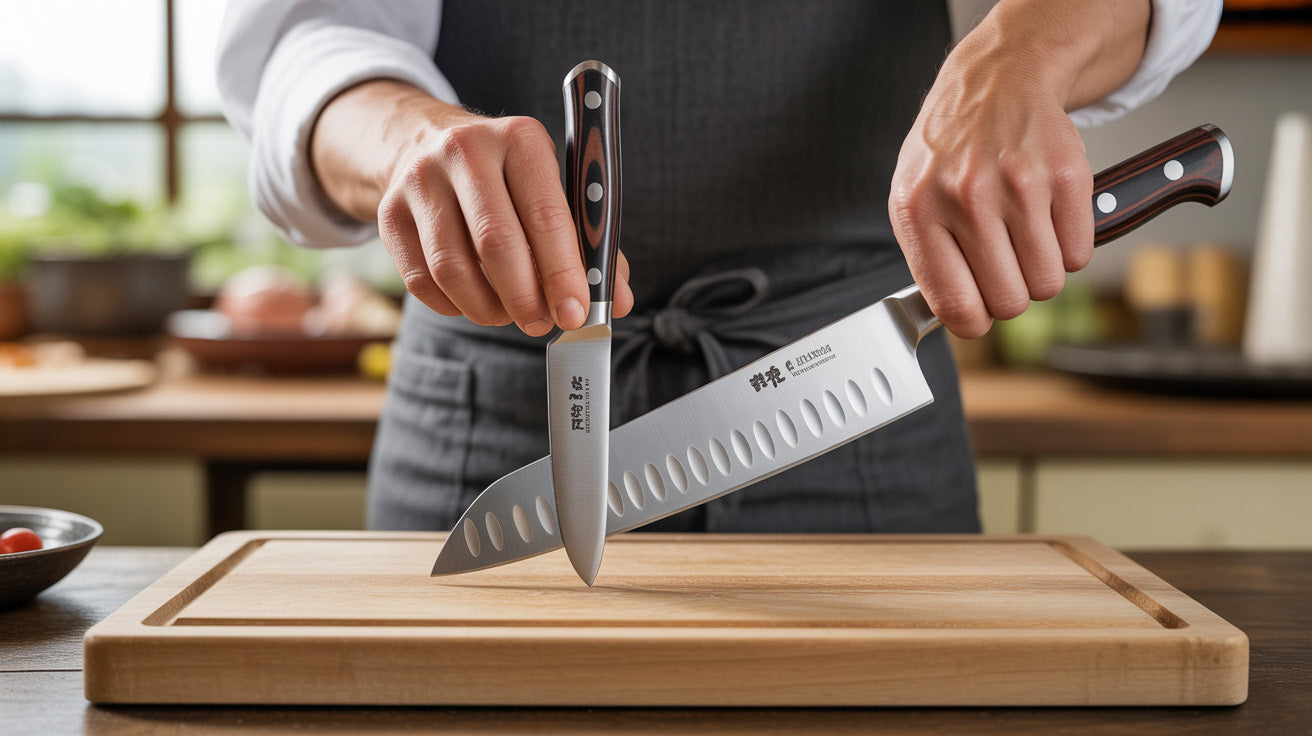
In conclusion, if you want to use Japanese kitchen knives comfortably, the most practical approach is to have two knives: a santoku or chef's knife as your main knife and a paring knife as a secondary knife. This allows you to efficiently divide the work between detailed tasks and larger cuts.
In short, a paring knife is a great secondary knife that significantly reduces the overall stress of kitchen work thanks to its small size and ease of handling.
Key points of this article
Today's review: 3 key points
- A paring knife is a small, lightweight, and maneuverable secondary knife, ideal for peeling fruit, decorative cutting, and preparing small vegetables and meats.
- For a recommended Japanese kitchen knife setup, using a santoku or gyuto as the main knife and a petty knife as a secondary knife will greatly improve work efficiency and safety.
- Most importantly, choose a paring knife that suits your kitchen environment, based on factors such as blade length (9-15cm), grip comfort, and ease of maintenance.
Conclusion of this article
- In short, the best way to use Japanese kitchen knives is to have "a main knife plus a paring knife." Having a paring knife as a secondary knife makes peeling, decorative cutting, and cutting small ingredients significantly easier.
- The advantages of a petty knife as a secondary kitchen knife are its ease of use for detailed work, its maneuverability, and its portability, making it popular with a wide range of cooks, from beginners to advanced users.
- The first thing beginners should understand is that the basic setup should consist of a santoku or chef's knife as the main tool and a paring knife with a blade length of 120-135mm as a secondary tool.
- When choosing a paring knife, compare its intended use (whether you mainly use it for fruit or for preparation), blade length, design and grip comfort, and price range to find one that suits your cooking style and avoid making a mistake.
Why is a paring knife suitable as a secondary kitchen knife?
In conclusion, the reason why a petty knife is recommended as a secondary knife is that it is "small yet versatile" and "doesn't overlap in function with a santoku or chef's knife."
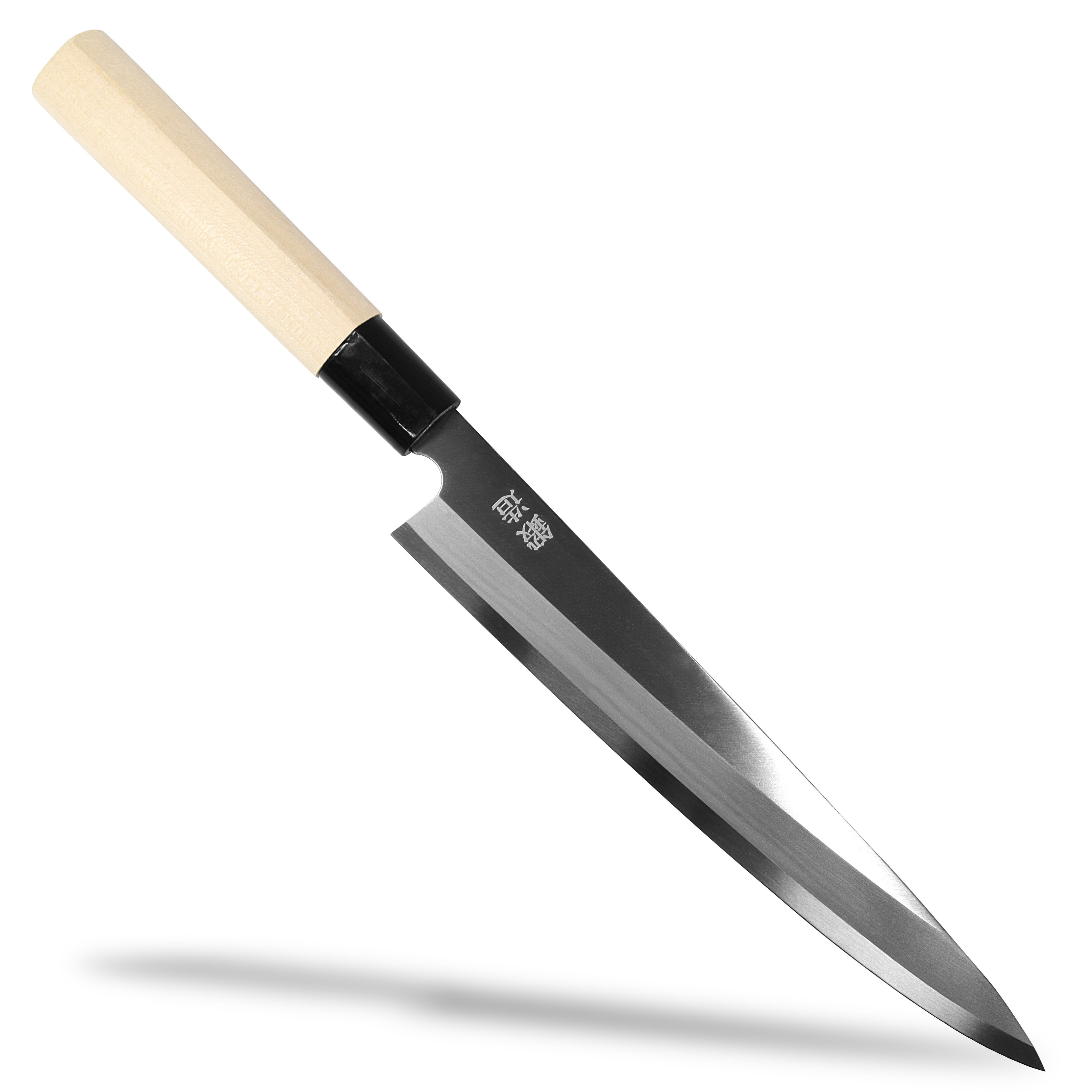
A petty knife is a small kitchen knife with a blade length of about 9 to 15 cm, and it excels at detailed work that a santoku knife would be too small for, such as peeling fruit, decorative cutting of vegetables, and preparing small pieces of meat and fish. Specifically, Tojiro and Jikko cutlery clearly state in their descriptions that the petty knife is "a secondary knife to a santoku or chef's knife" and "recommended as a second knife."
In short, the biggest advantage of choosing a paring knife as your secondary knife is that you can easily switch between using the larger one for main dishes and the smaller one for paring.
Why a paring knife is an excellent secondary knife
In conclusion, a paring knife has two major advantages: it's easy to use for detailed work and it's easy to carry, making it ideal as a secondary kitchen knife.
Its short blade and maneuverability make it ideal for tasks requiring delicate movements, such as removing potato sprouts, peeling apples and citrus fruits, cutting fruit, and decorative carving of vegetables and fruits. Furthermore, its small size and light weight make it highly portable for camping and outdoor activities, and it's appreciated for not taking up much storage space in the kitchen.
For these reasons, many manufacturers and specialty stores recommend the paring knife as a very convenient secondary knife to have.
Recommended combinations of Japanese kitchen knives and paring knives
In short, a simple two-bottle setup of "one main bottle + one petit bottle" is the most well-balanced combination for home use.
For example, if you use a 165-180mm santoku knife as your main knife and combine it with a 120-135mm paring knife as a secondary knife, you can easily handle everything from shredding cabbage to cutting fruit. Even in households where a chef's knife is the main tool, adding a paring knife provides peace of mind by eliminating the need to swing a large knife around on the cutting board, which is especially beneficial for people with small hands or beginners.
Brands like Jikko and Tojiro (Tsubame-Sanjo) also recommend a petty knife as part of a set with their main knife, making this a standard configuration for Japanese knife users.
Basic Guide to Choosing the Right Paring Knife Size
The most important things to consider when choosing a knife are "blade length" and "ease of grip."
Generally, petty knives have blades that are 9-15cm long, but Tojiro recommends 130-135mm as a "well-balanced option for a first knife." For smaller kitchens or single-person households, around 120mm is suitable, while 130-150mm is a more practical size if you plan to cook for a family or handle simple meat and fish preparations.
Additionally, there are models like the NAGOMI series that feature rounded handles that fit comfortably in the hand and a focus on design, so choosing one based on how it feels the moment you grip it is key to using your secondary kitchen knife for a long time.
What are the advantages of using a paring knife as a secondary kitchen knife?
In conclusion, the advantages of using a paring knife as a secondary knife can be summarized into three points: "comfort in detailed work," "improved safety," and "improved workflow."
Having a petty knife makes everyday cooking easier, as you can quickly chop small amounts of ingredients, wash them, and put them away without having to take out a large santoku or chef's knife. Furthermore, its reduced weight and length make it easy to handle, even for people with small hands or less strength, and it is also appreciated as a knife that is less intimidating to use.
In short, a paring knife is a versatile kitchen tool that enhances both work efficiency and provides peace of mind.
The advantages of using it as a secondary knife for everyday use
In conclusion, the main advantage for everyday use is that "there are many situations where a petty knife will suffice."
For example, when you only need to cut a small amount, such as a single tomato, a cucumber, an apple, or sausages and cheese, a paring knife is overwhelmingly easier to prepare and clean up. It's also easy to handle even on a small cutting board, and many people say they use a paring knife more often than a santoku knife in kitchens with limited sink space.
Through this accumulation of experiences, many reviews mention that the petty knife, which was supposed to be a secondary knife, "before I knew it, it had become the knife I use most often," indicating that a significant number of users feel it has value beyond just being a secondary knife.
Safety and psychological benefits
In short, the biggest advantage of a paring knife is that "it's not scary because it's small."
Because of its short blade and light weight, it's a safer option for those unfamiliar with using knives or when cooking with children, as it allows them to handle tasks more safely than a large knife. Furthermore, for women with smaller hands or seniors, using a petty knife for detailed work is less strenuous on the wrists and fingers than using a heavy knife for extended periods, resulting in less fatigue.
Because of its safety features and low psychological barrier, a paring knife is a recommended secondary knife for beginners who are "not good with" or "afraid of" using knives.
The overall benefits of carrying two items
The most important thing is "improving efficiency by using different tools for different purposes."
Using a santoku or chef's knife to chop cabbage and meat while simultaneously using a paring knife to prepare herbs and fruits, and switching to a freshly sharpened knife as needed, helps maintain a consistent cooking rhythm. In Tsuki Torajiro's column, having two or more knives and being able to "switch to a freshly sharpened knife whenever you like" is highlighted as a major advantage, and the value of having a backup knife lies in the consistent sharpness it provides.
From our company's perspective, we believe that a two-tool system—a main tool plus a backup tool—is more satisfying overall in terms of blade wear distribution, work efficiency, and safety, rather than relying solely on one main tool.
FAQ
Q1. What blade length is recommended for a secondary kitchen knife? A1. In conclusion, a 120-135mm petty knife is well-balanced for a secondary kitchen knife and is recommended as a first knife.
Q2. Is it okay to use only a paring knife as my main knife? A2. It's possible if you live alone or mainly use small ingredients, but it will take a long time to cut a whole cabbage or a large piece of meat, so it's more practical to use it in conjunction with a santoku or chef's knife.
Q3. Which is better as a secondary knife, a petty knife or a small santoku knife? A3. If you prioritize detailed work, a petty knife is recommended. If you want a small knife that is more versatile than a main knife, a small santoku knife is recommended. Both are also recommended as second knife options by brands like Jikko.
Q4. What are the advantages and disadvantages of a paring knife? A4. The advantages are its suitability for detailed work and portability, while the disadvantage is that it is unsuitable for cutting large ingredients and should be used in conjunction with a main kitchen knife.
Q5. If I were to choose a secondary knife to my Japanese kitchen knife, which would be better, a Western-style petty knife or a Japanese-style petty knife? A5. Western-style petty knives are double-edged and easy to handle, while Japanese-style petty knives (single-edged) produce clean cuts and are suitable for decorative cutting and delicate work in Japanese cuisine. It's best to choose based on your intended use and preference.
Q6. What price range is a reasonable starting point for considering a paring knife? A6. For entry-level stainless steel models, you can start at around 4,000 yen, while for full-fledged models from Japanese brands, aim for around 10,000 yen. This will help you choose a quality knife that will last a long time.
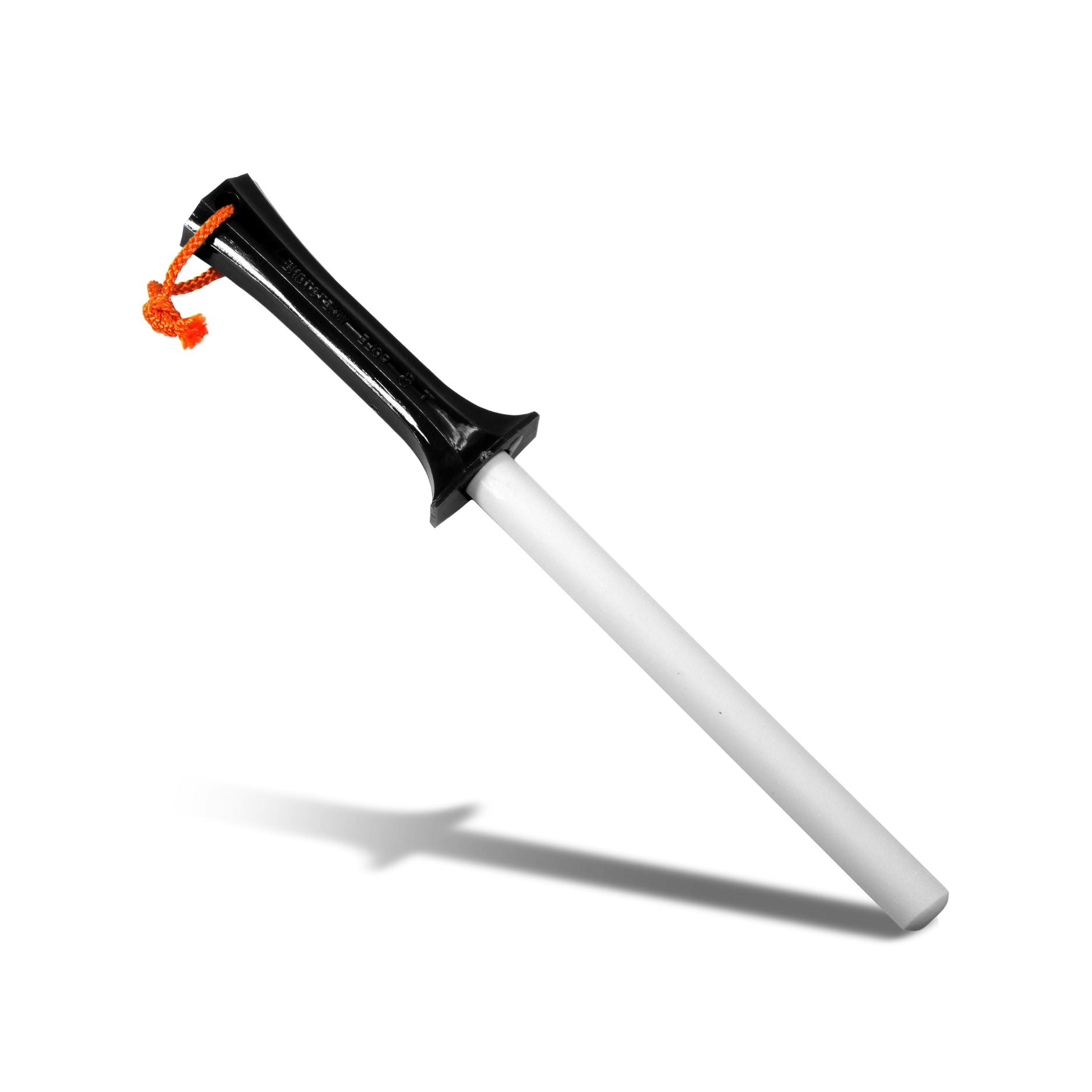
Q7. How often should I sharpen my secondary kitchen knife, the paring knife? A7. If you use it every day, sharpen it once every 1-2 weeks. If you don't use it often, it's sufficient to use a medium-grit whetstone when you notice a decrease in sharpness.
Q8. Are paring knives suitable for people with small hands or beginner cooks? A8. Because they have a short blade and are lightweight, they are easy to handle for people who are not comfortable with heavy knives or for beginners, and are recommended as a "knife that isn't scary."
Q9. Can a paring knife be used as a secondary knife for outdoor activities? A9. It's small, easy to carry, and convenient for cutting fruit and simple cooking, so it's suitable as a secondary knife for camping and BBQs.
Q10. When choosing a second knife, should I prioritize a paring knife or a tool like a bone tweezers? A10. Considering versatility, it's more efficient to first acquire a paring knife as your second knife, and then add specialized tools like bone tweezers as needed.
summary
- For a recommended setup of Japanese kitchen knives, having two knives—a santoku or gyuto as the main knife and a petty knife as a secondary knife—offers an excellent balance of work efficiency, safety, and ease of use.
- A petty knife is a versatile secondary kitchen knife that is easy to use for detailed work, and is highly maneuverable and portable. If you choose a model with a blade length of 120 to 135 mm, it will be useful for a wide range of household tasks.
- In conclusion, having a paring knife as a secondary knife in addition to your main knife is the quickest way to make everyday cooking easier and reduce stress in the kitchen.