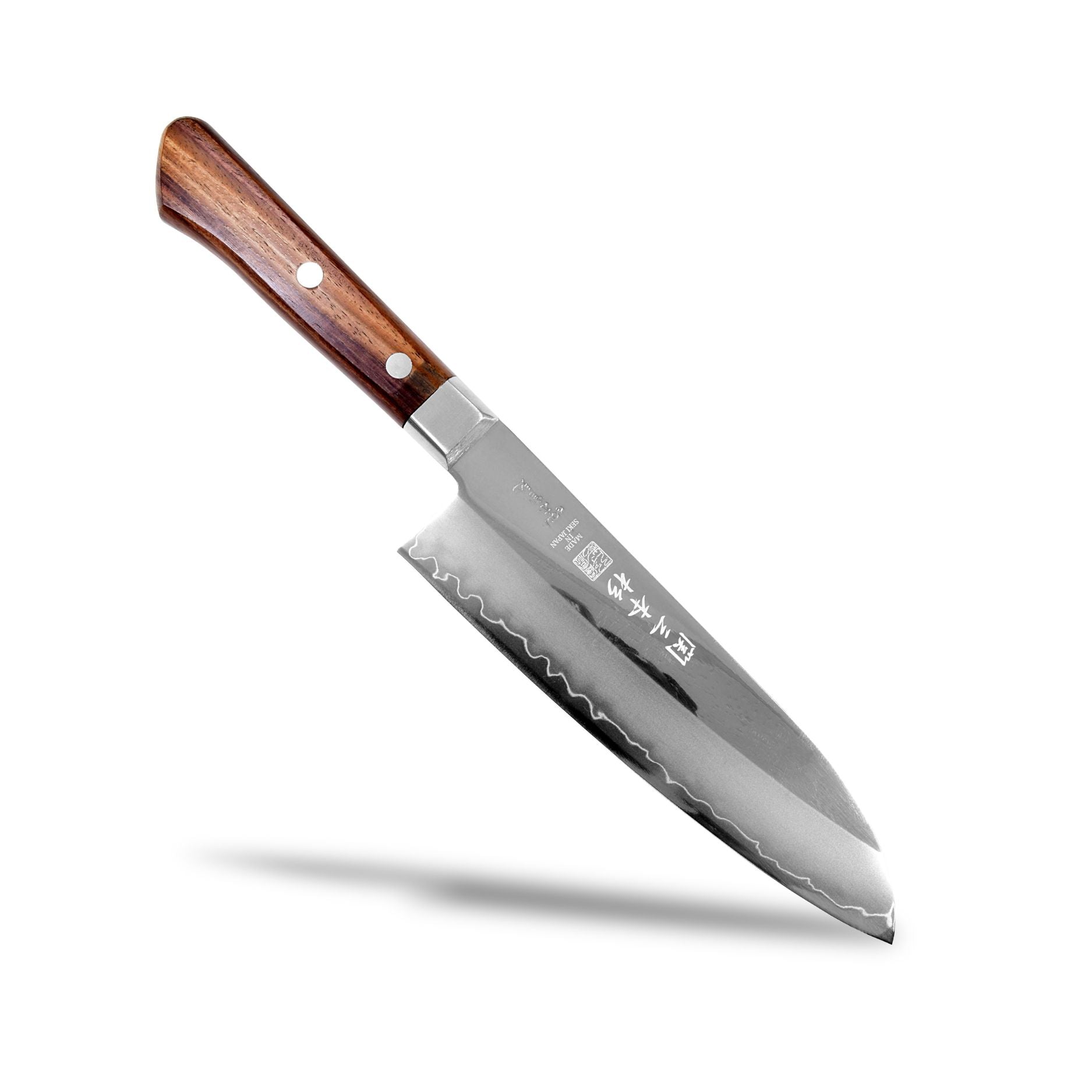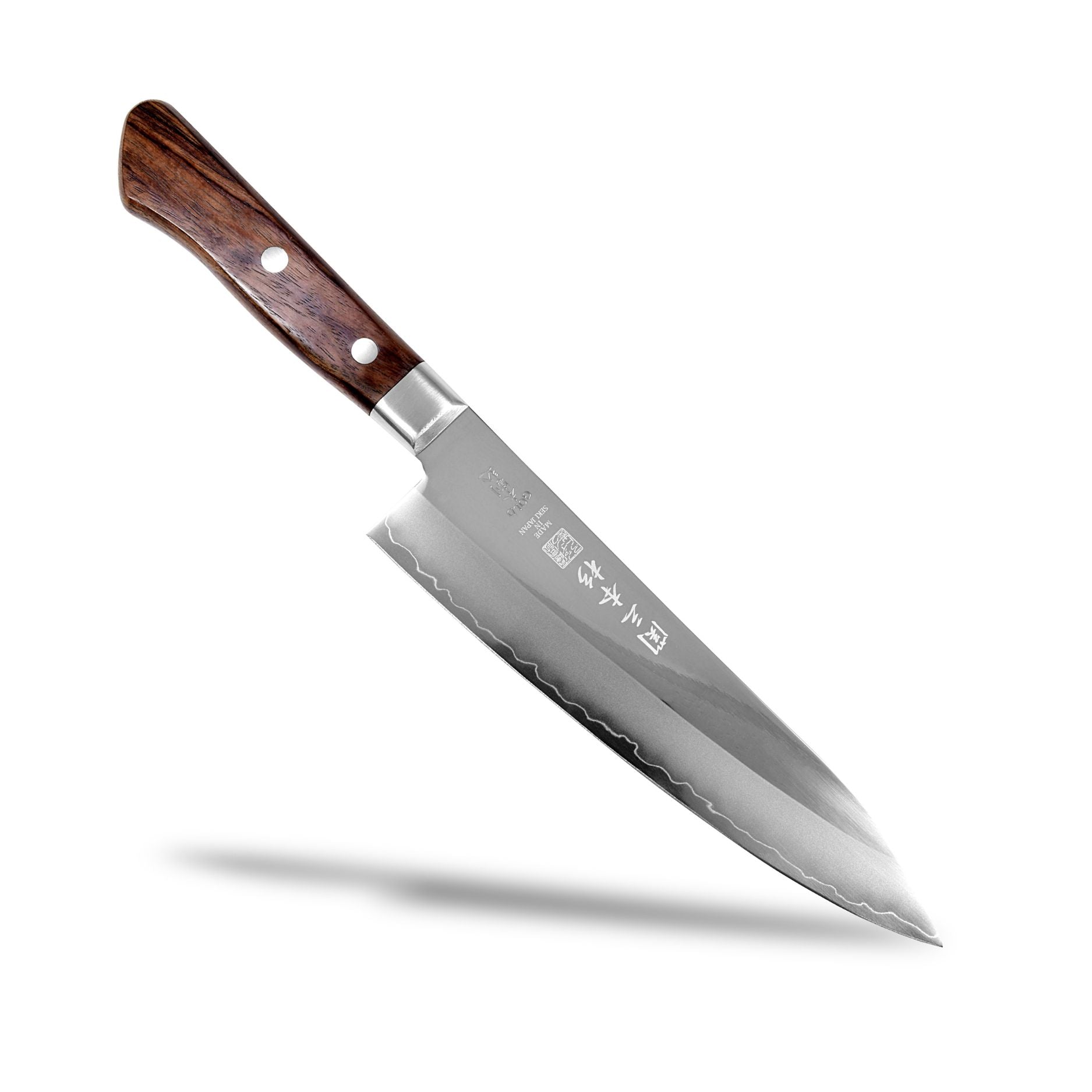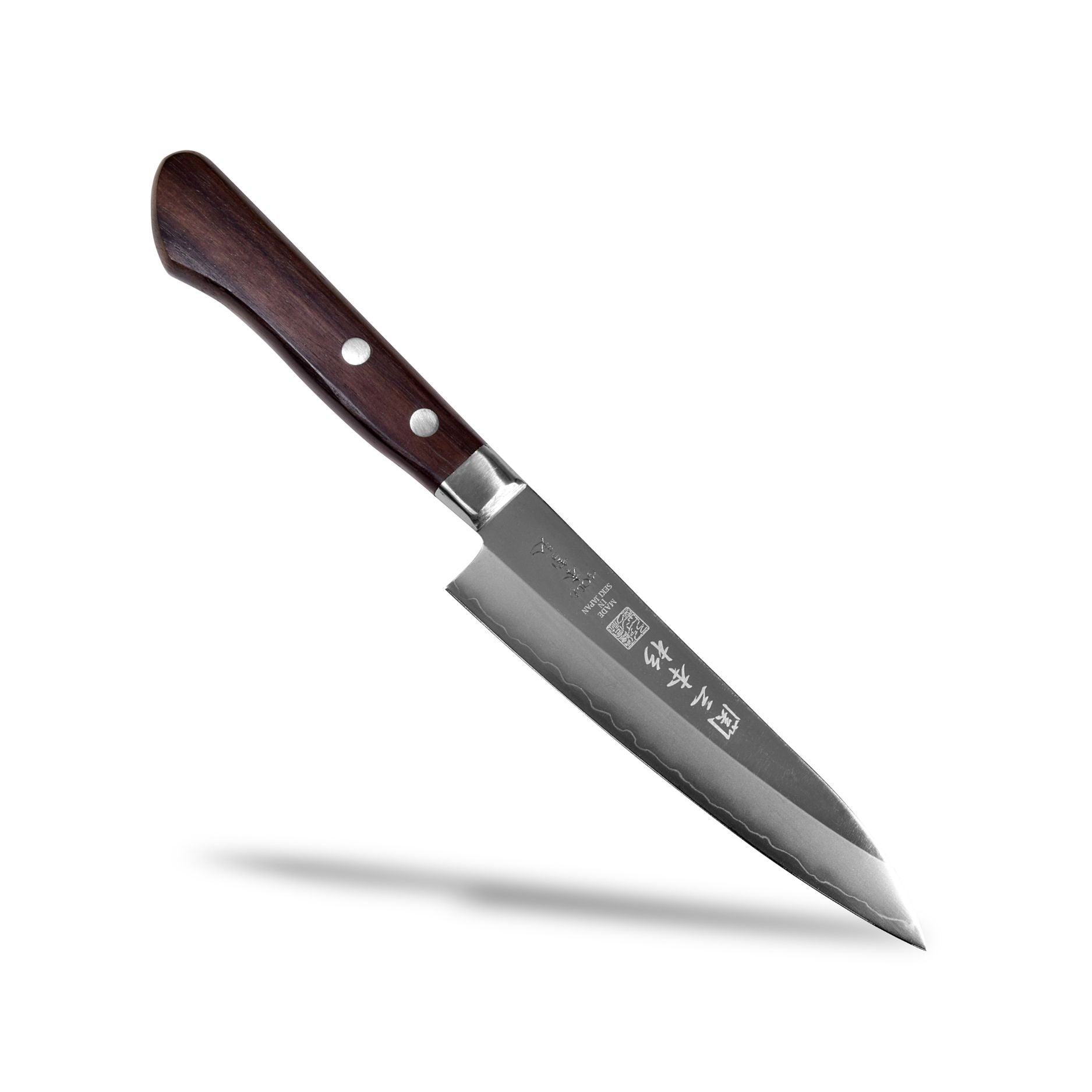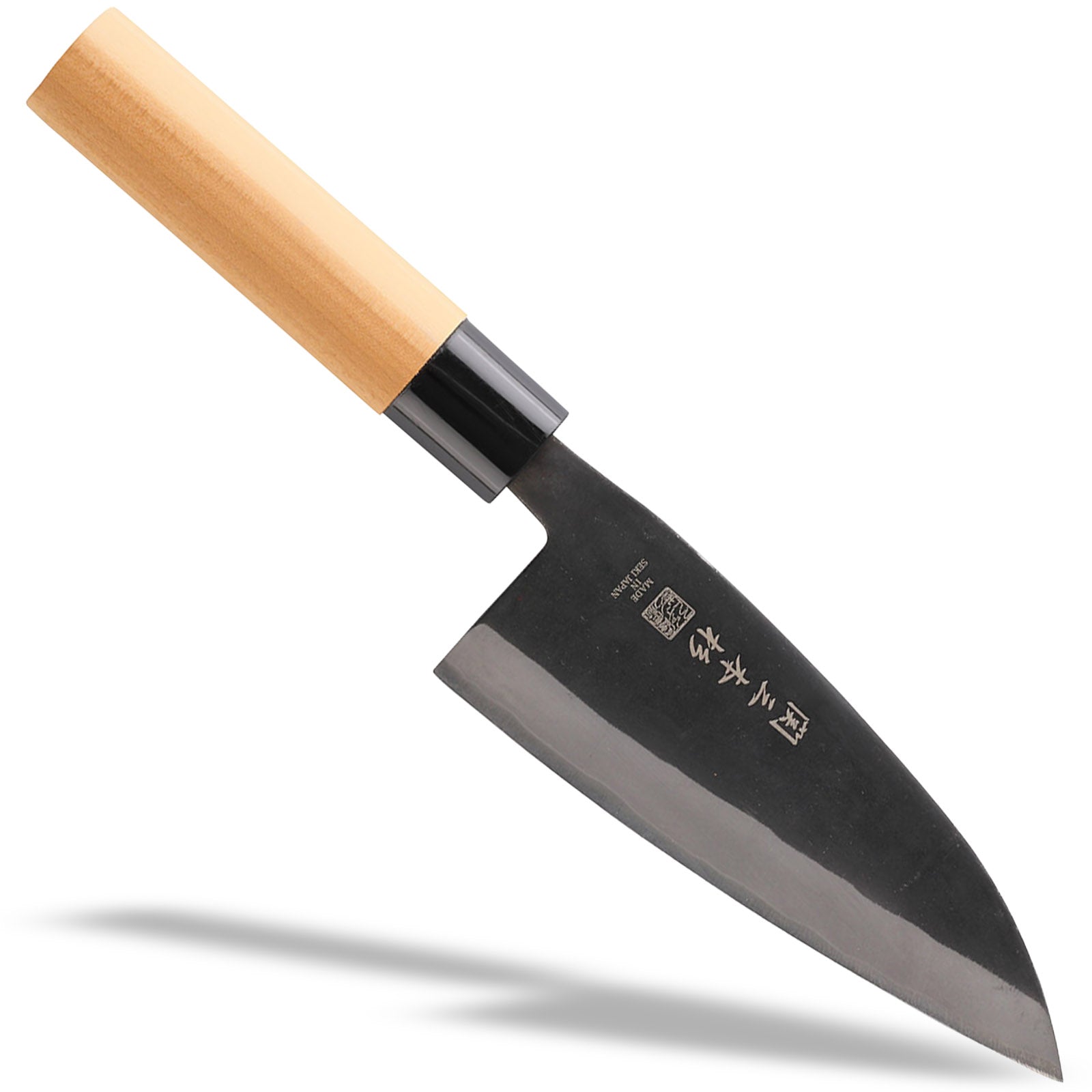

Types of Japanese knives and the characteristics of paring knives for neatly cutting fruit
In conclusion, if you want to cut fruit neatly, choosing a petty knife (a type of Japanese kitchen knife) for fruit cutting is superior to a fruit knife in terms of sharpness, versatility, and the beauty of the finished product. In short, a petty knife for fruit cutting is just right—more than a fruit knife, but less than a main kitchen knife.
Key points of this article
- A petty knife, as a type of Japanese kitchen knife, is a small knife specifically designed for peeling, decorative cutting, and intricate work on fruits and small vegetables.
- The difference between a paring knife and a fruit knife lies in the "sharpness of the blade and its versatility." A paring knife can be used not only for fruit but also for preparing small pieces of meat and fish.
- The most important points to consider when choosing a paring knife for fruit are the blade length (generally 120-135mm), an easy-to-grip handle, and a rust-resistant material.
Conclusion of this article
- In short, if you're choosing a Japanese knife for fruit preparation, a petty knife with a blade length of around 12-13 cm is the most well-balanced and easiest to handle.
- A paring knife has a sharper, slightly longer blade than a fruit knife, making it a small, all-purpose knife capable of peeling fruit, decorative cutting, and preparing small pieces of meat and fish.
- The first thing beginners should understand is that "a fruit knife" doesn't just mean "a knife with a short blade." Sharpness and control are crucial, and a fruit knife is designed to meet those requirements.
- Considering the different types of Japanese knives and the characteristics of paring knives, a two-knife setup consisting of a santoku knife and a paring knife for fruit is the most efficient way to cut fruit at home.
Petty knives as a type of Japanese kitchen knife and their characteristics for fruit making
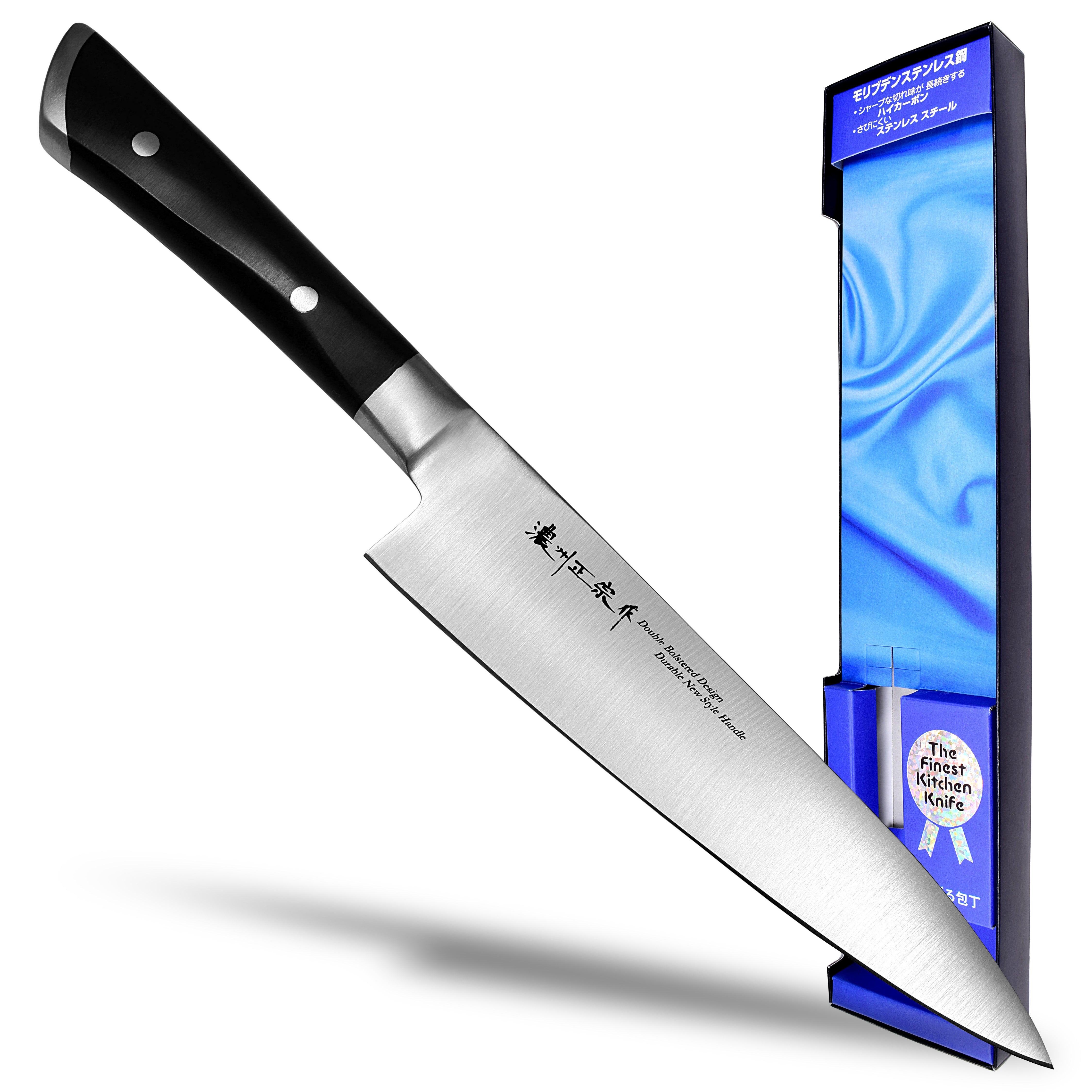
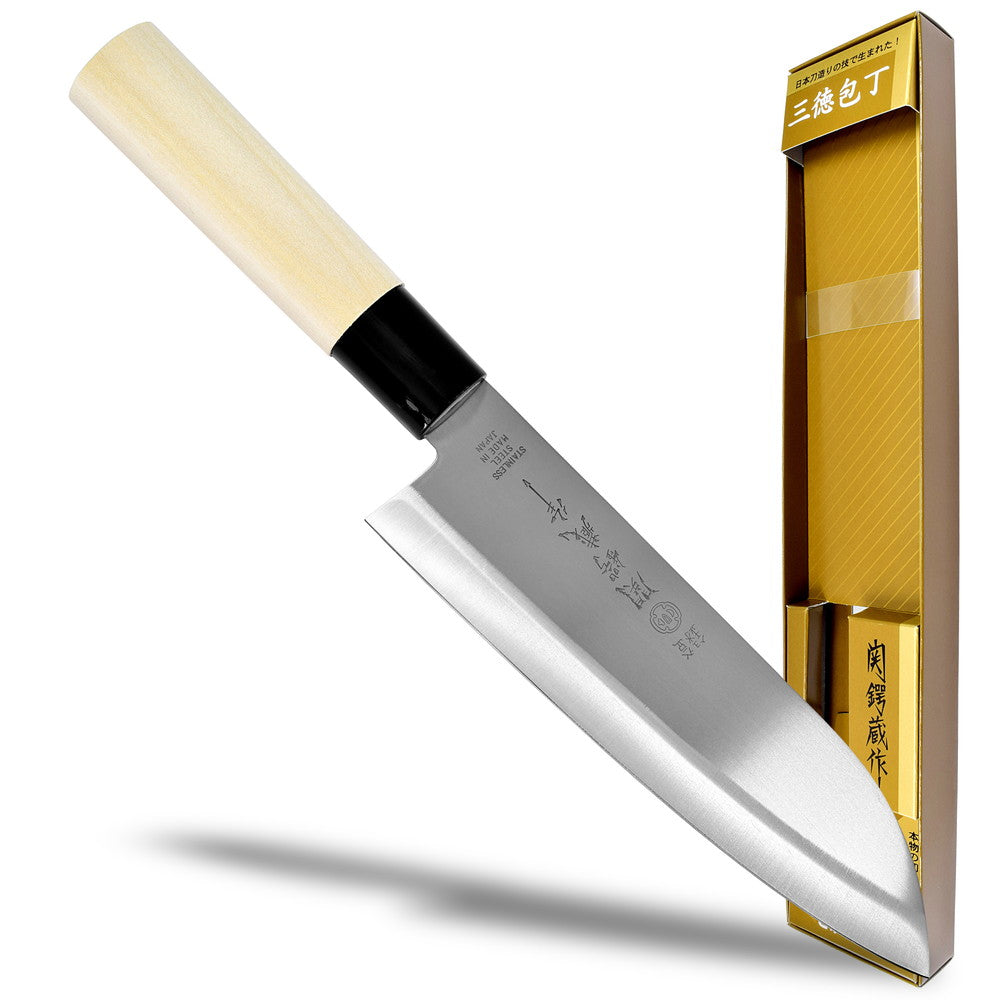
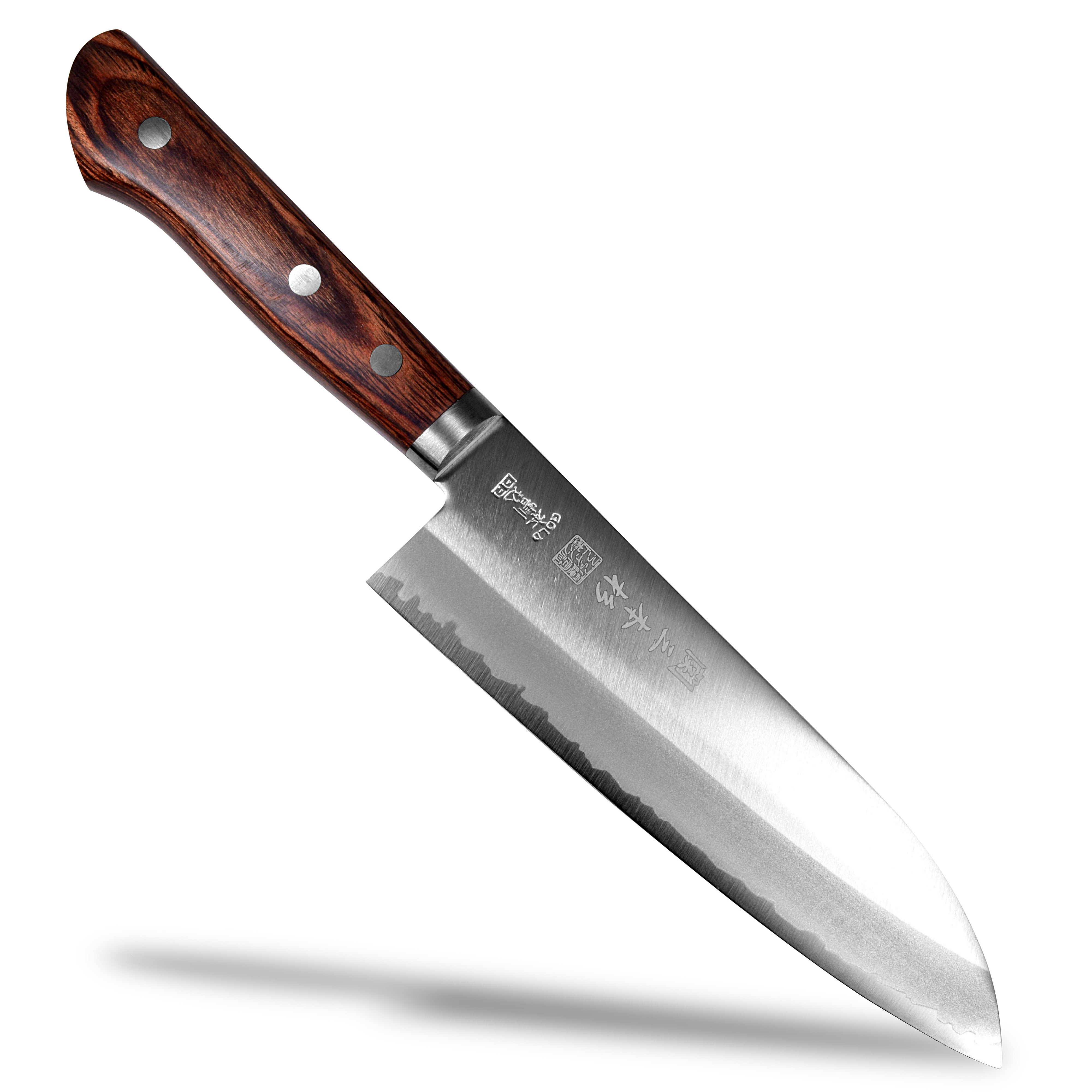
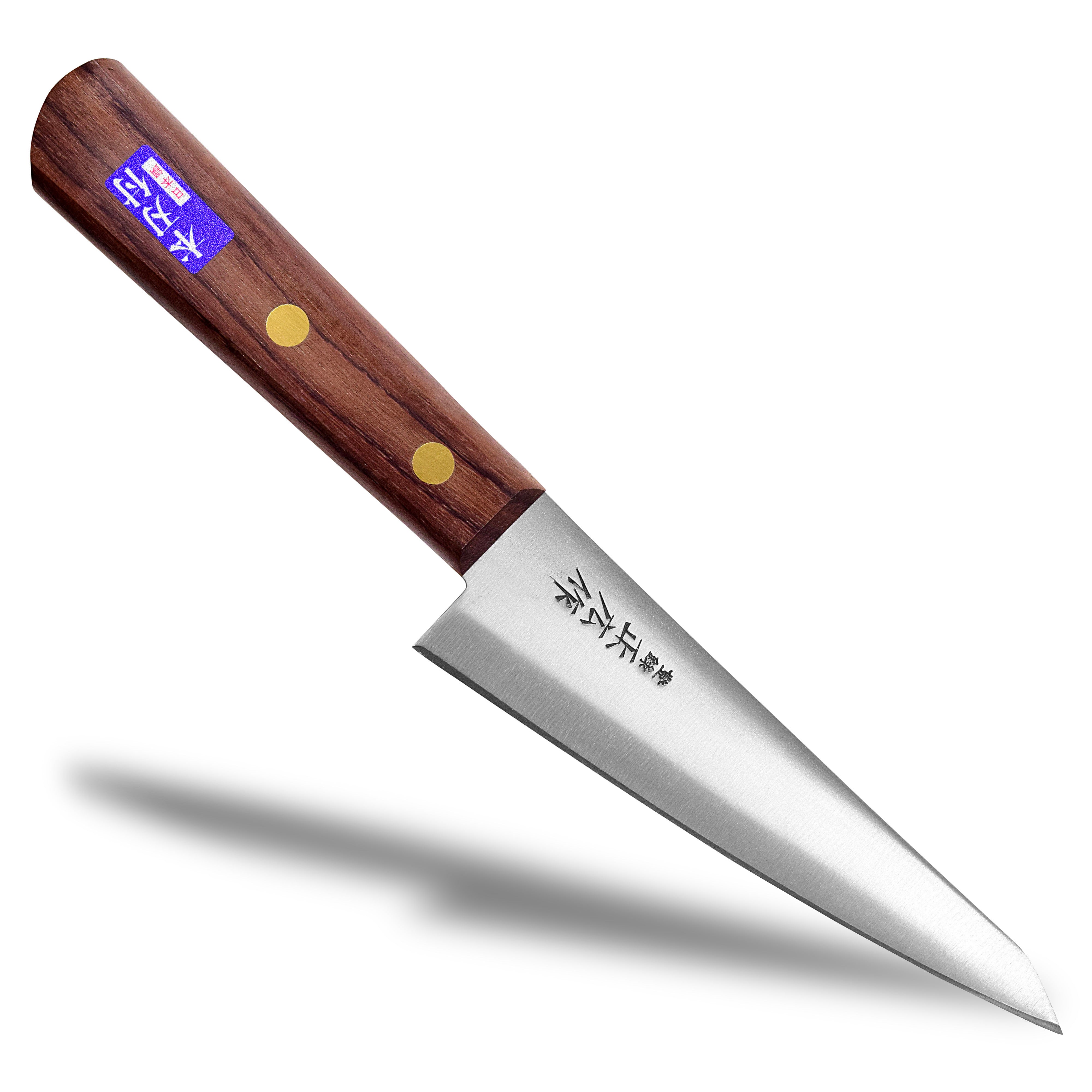
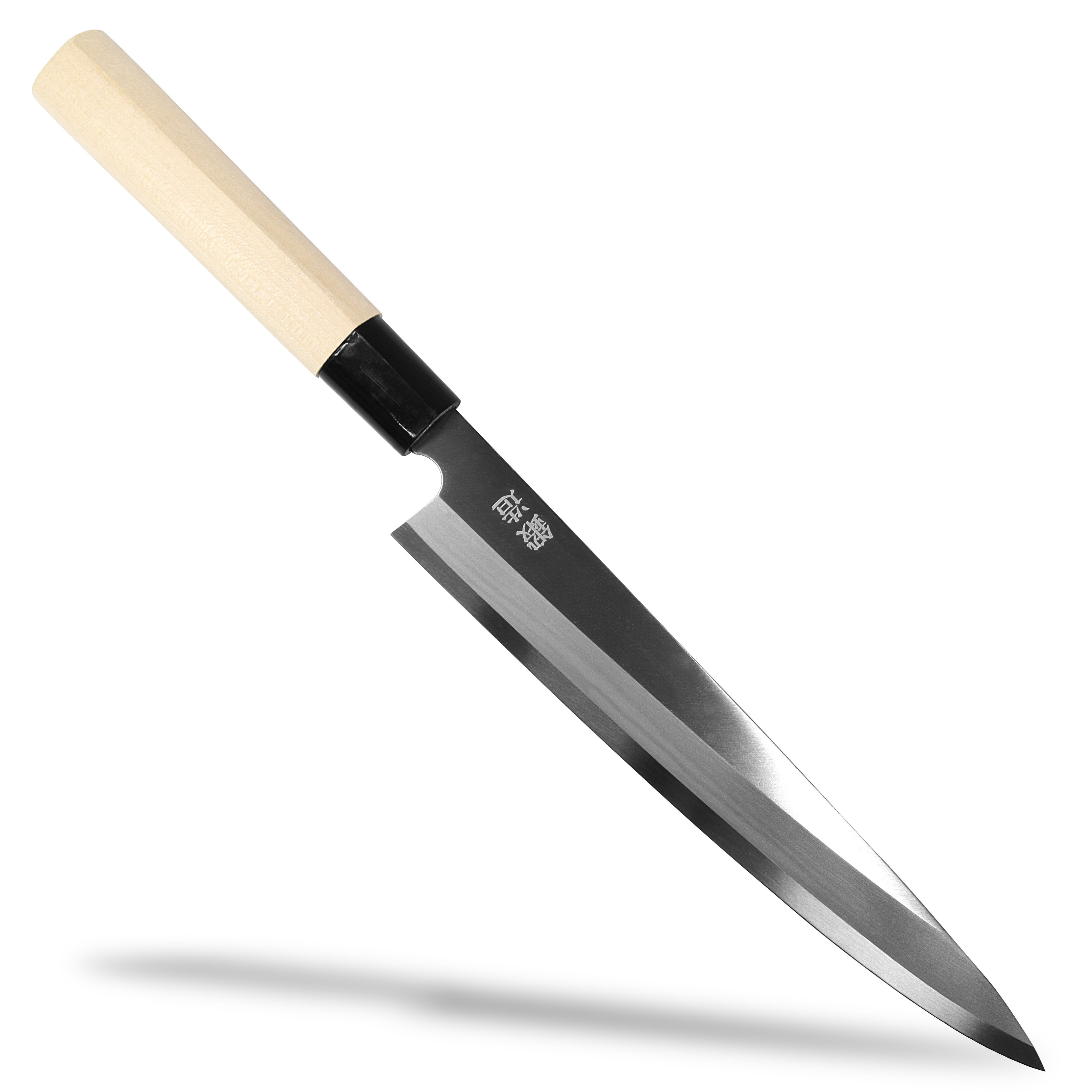
In conclusion, the petty knife, as a type of Japanese kitchen knife, is a small knife specialized for "fruits, small vegetables, and detailed work," possessing a shape and size ideal for fruit cutting. Companies like Jikko Cutlery define the petty knife as "a slender knife with a blade length of 12-15 cm, suitable for peeling fruits and vegetables, decorative cutting, and cutting small parts," and highlight its usefulness in fruit and Japanese confectionery sculpting. For example, when peeling the skin of delicate fruits such as yuzu, apples, and kiwis thinly and evenly, the petty knife's thin blade and pointed tip allow for safer and more delicate control than a santoku knife. In short, "if you want to make fruit look beautiful, the first step is to choose a petty knife from among Japanese kitchen knives."
The shape of a paring knife and its characteristics for fruit.
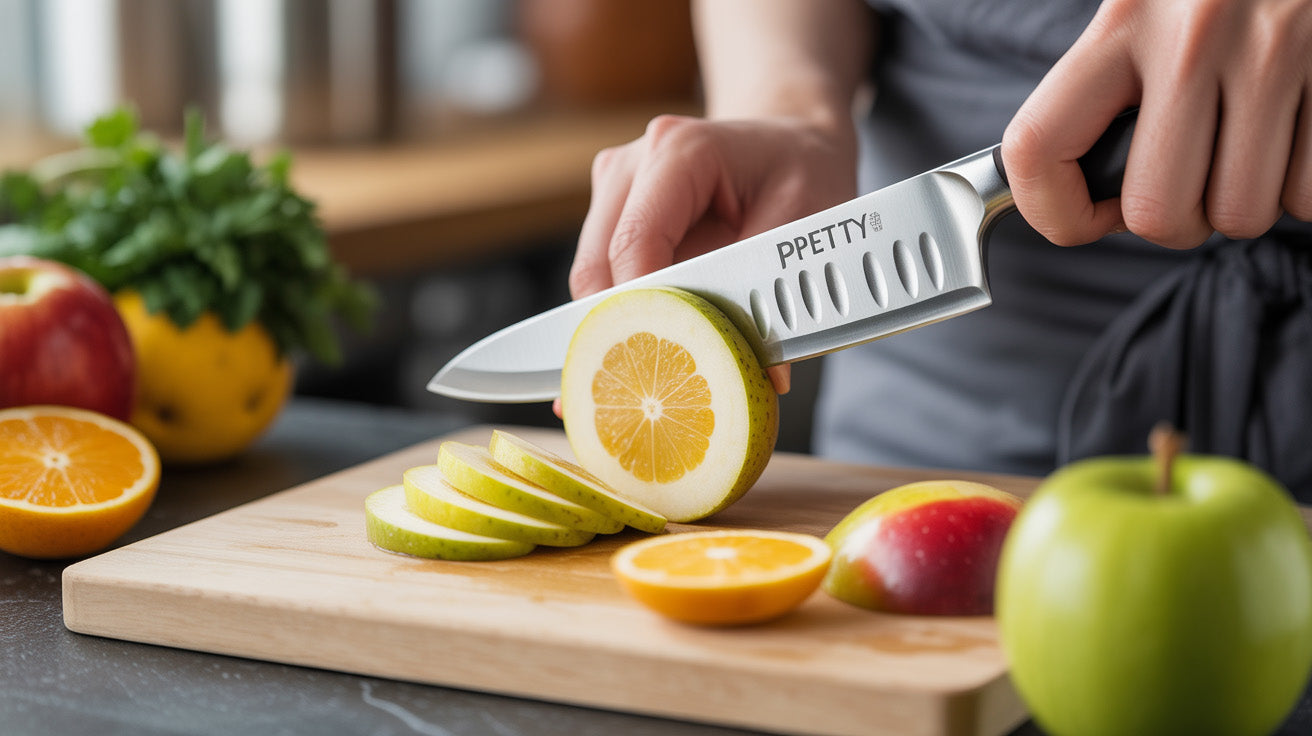
In conclusion, paring knives are suitable for fruit because of three key morphological features: a slender blade, a sharp point, and a short blade length. Paring knives generally have a blade length of 12-15 cm, and their narrow blade width and sharp point make them excellent for tasks such as removing the stem from fruit or carefully cutting along the boundary between the peel and the flesh. Many models also have thin blades, making them less likely to crush soft fruits like oranges and kiwis, and allowing for clean cuts with minimal juice leakage. In Japanese cuisine and confectionery, paring knives are used for delicate tasks such as decorative cutting of yuzu peel and intricate work with nerikiri (a type of Japanese confectionery).
What is the position of a paring knife among Japanese kitchen knives?
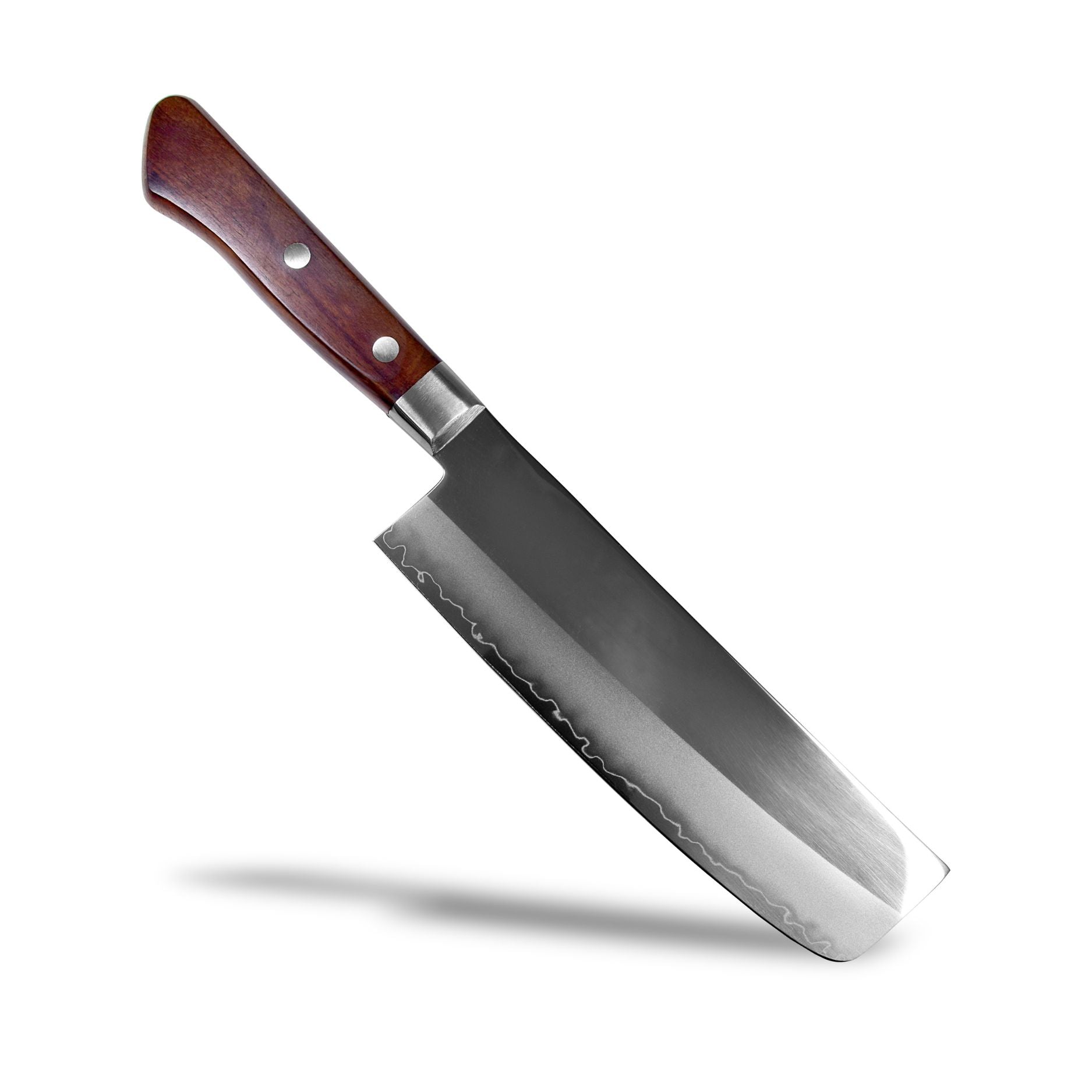
In short, the petty knife is the versatile tool that supports the santoku and gyuto among the different types of Japanese knives. Looking at a list of knife types, gyuto and santoku are the main cutting tools, and deba and yanagiba are specialized for fish and sashimi, while the petty knife is in charge of detailed work such as cutting fruit, small vegetables, and herbs. In fruit shops and restaurants, petty knives are often used frequently alongside large knives such as gyuto for shaping fruit, decorative cutting, and dessert plating. The first thing beginners should understand is that the best way to use different types of Japanese knives is to "not try to do everything with just one santoku, but to add a petty knife for fruit."
The advantages of using it specifically for fruit, and its versatility that goes beyond just being "dedicated."
Most importantly, it has so many uses that it's worth the investment even if you only use it for fruit. A paring knife is useful not only for cutting fruits like apples, citrus fruits, kiwis, and strawberries, but also for general preparation of small ingredients such as removing sprouts from potatoes, pitting avocados, and cutting cherry tomatoes. In other words, even if you buy it as a "paring knife for fruit," you'll find yourself using it more and more in your daily preparations, and it often ends up becoming one of the knives you use most often in your kitchen. Because its blade is sharper than a fruit knife and can also be used for preparing small pieces of meat and fish, having one can significantly improve the overall efficiency of your cooking.
How can you best utilize the different types of Japanese kitchen knives and the characteristics of a paring knife?
In conclusion, the key to making the most of a fruit paring knife lies in "understanding the difference between it and a fruit knife" and "narrowing down the size and material." Various manufacturers and specialized media define a paring knife as "a small kitchen knife with a sharper blade and wider range of uses than a fruit knife," and recommend choosing the blade length, material, and blade type (double-edged/single-edged) according to your intended use. Specifically, for home use, 120-130mm is recommended for mainly fruit, while 130-150mm is recommended if you want to handle fruit, vegetables, and even a little meat and fish. In short, "a paring knife around 130mm is the most practical choice for those who want to neatly cut fruit and also use it for other detailed tasks."
Understand the difference between a fruit knife and a regular knife before making your choice.
In conclusion, the key differences between a fruit knife and a paring knife are "blade sharpness" and "versatility." Fruit knives typically have blades around 10cm long and are designed for safe use at the table, with a blade sharp enough to cut fruits and sweets. On the other hand, paring knives have blades of 12-15cm, possessing a sharpness comparable to a santoku or chef's knife, and are generally designed to cut small pieces of meat and fish. Therefore, if you simply "need to peel," a fruit knife will suffice, but if you "want to maintain a beautiful cross-section," "want to do decorative cutting," or "want to use it for other food preparation," choosing a paring knife will likely lead to greater long-term satisfaction.
Recommended sizes and blade lengths for fruit paring knives
In short, a blade length of around 130mm is a safe size for your first home-use paring knife. Beginner guides recommend a blade length of around 130mm as a first home-use paring knife, as it offers a good balance of maneuverability and versatility. If you mainly do fine decorative cutting or cut small fruits, a blade length of around 80-120mm is recommended, while if you plan to use it for fruit, vegetable preparation, or cutting ingredients for lunch boxes, a blade length of 135-150mm is suggested. Men generally use 135-150mm, while women or those with smaller hands may prefer 135mm or less. Advanced users may also have the style of owning multiple knives for different purposes, such as an 80mm knife specifically for peeling potatoes.
How to combine materials (steel) with your lifestyle
The most important thing is to decide beforehand whether you prioritize "rust resistance" or "sharpness and ease of sharpening." Fruits, especially citrus fruits, are highly acidic, and if the blade is left unattended, it is prone to rust and discoloration, so many specialty stores recommend stainless steel paring knives. On the other hand, for those who prioritize sharpness and are particular about sharpening, paring knives made of carbon steel or Damascus steel are also an option, and they make a difference in the beauty of the fruit's cross-section and the ease of cutting. For busy households, "rust-resistant stainless steel + 130mm" is a good choice, while for cooking enthusiasts, "steel material that prioritizes sharpness + preferred length" is more practical. It's best to choose the material based on your lifestyle and willingness to maintain it.
FAQ
If I were to choose a paring knife for fruit, what blade length would be ideal?
For home use, a length of around 12-13 cm is the most well-balanced and convenient for both peeling and cutting.
What is the biggest difference between a paring knife and a fruit knife?
A paring knife is a small kitchen knife with a sharp blade that can cut meat and fish, while a fruit knife is designed for table use and prioritizes safety. There are differences in versatility and sharpness between the two.
Do fruit paring knives need to be sharpened in the same way as santoku knives?
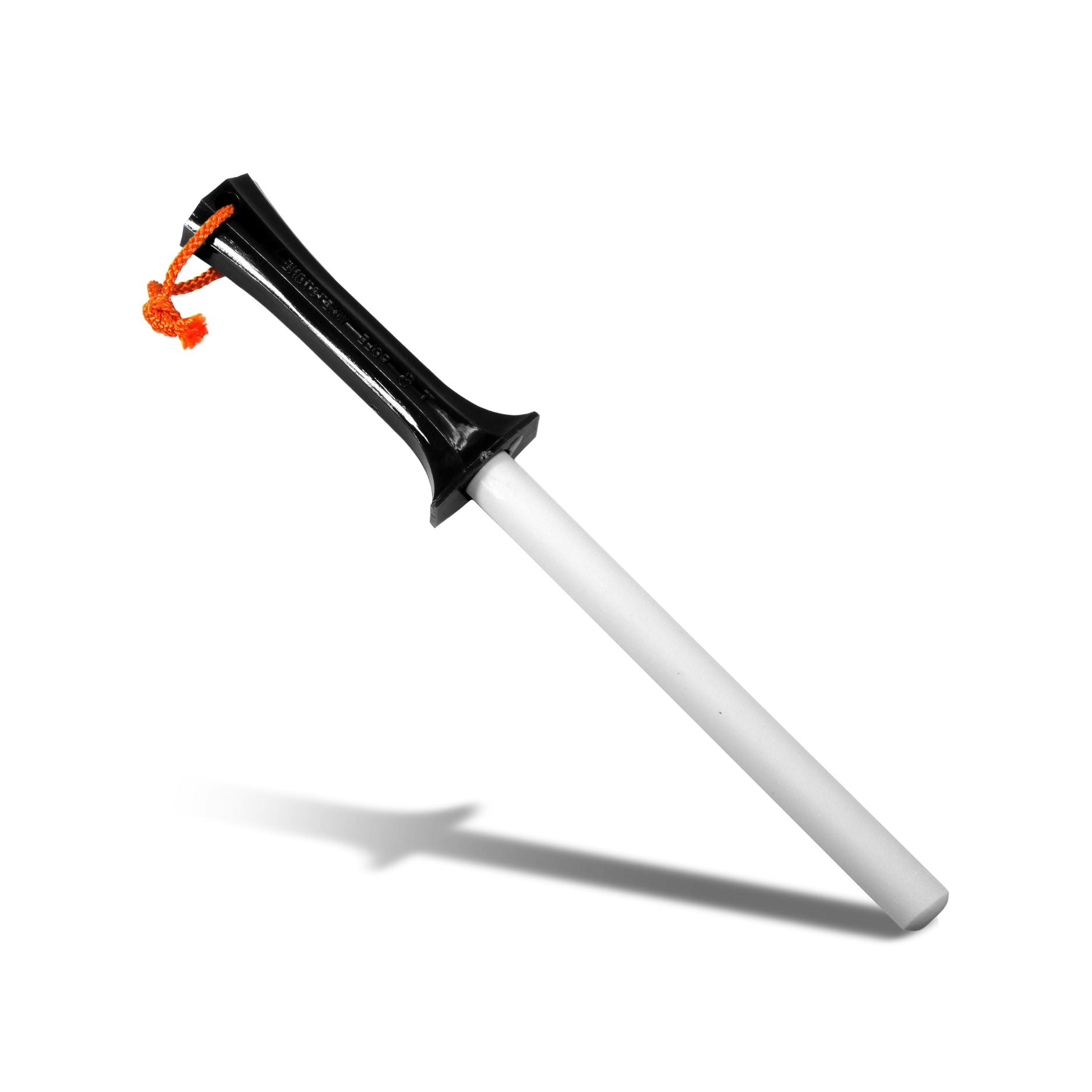
Yes, since it's the same knife, it needs regular sharpening, and maintaining it with a medium grit (around 1000 grit) will keep the fruit slices looking nice.
Among the different types of Japanese kitchen knives, which is more suitable for cutting fruit: a Western-style petty knife or a Japanese-style petty knife?
Double-edged Western-style petty knives are easy to handle, while single-edged Japanese-style petty knives are better suited for sharper, more delicate cuts. Therefore, if you prioritize fruit carving, a Japanese-style petty knife is suitable, but if you prioritize versatility, a Western-style petty knife is better.
If you're only going to use it for fruit, wouldn't an inexpensive fruit knife suffice?
While a regular paring knife is sufficient for everyday peeling, if you want to create clean cuts, decorative slicing, or handle small pieces of meat and fish, a paring knife will provide greater long-term satisfaction.
Are there any precautions to take when cutting fruit with a paring knife?
Because the blade is sharp, it can be slippery if you cut while holding it in your hand, so it's safer to use a cutting board or press a cloth over the wet skin.
In what situations is a fruit knife useful?
It's perfect for all kinds of detailed food preparation, such as peeling apples and citrus fruits, cutting kiwis and strawberries, decorative cutting of yuzu peel, and cutting cherry tomatoes and small vegetables.
For fruit, should I choose stainless steel or carbon steel?
If you frequently handle acidic fruits like citrus, a stainless steel knife is rust-resistant; if sharpness is your top priority, a steel petty knife is more suitable. The most practical approach is to choose based on the time you can dedicate to maintenance.
What is the best set of Japanese kitchen knives to acquire first?
Generally, a santoku knife as the main knife and a paring knife (for fruits and small ingredients) as a secondary knife is recommended in terms of versatility and cost-effectiveness.
What is a reasonable price range for a paring knife for fruit?
For entry-level stainless steel glasses, you can expect to pay around 3,000 to 5,000 yen, while for more advanced models from domestic brands, aim for around 8,000 to 15,000 yen.
summary
- Among the various types of Japanese kitchen knives, the petty knife is the top choice for fruit preparation. Its slender, sharp blade and short blade length allow for beautifully peeling and decorative cutting of fruit.
- The difference between a paring knife and a fruit knife lies in the sharpness of the blade and its versatility. A paring knife is a small, all-purpose knife that can handle not only fruit but also small vegetables, meat, and fish preparation, increasing overall kitchen efficiency.
- In conclusion, the most efficient way to achieve clean fruit cuts while also making daily food preparation more convenient is to use a santoku or chef's knife as your main tool and a paring knife with a blade length of around 12-13 cm as a secondary tool for fruit.