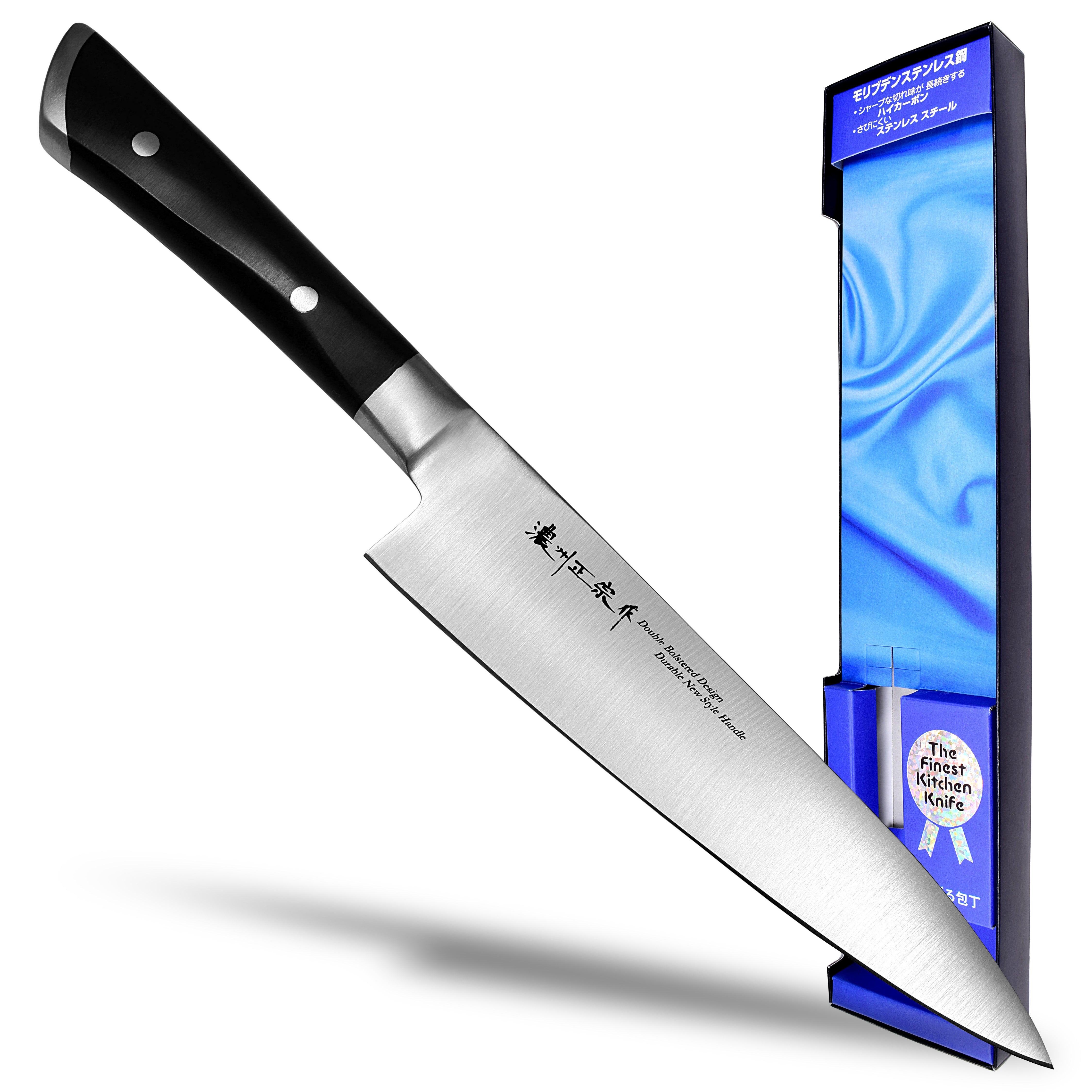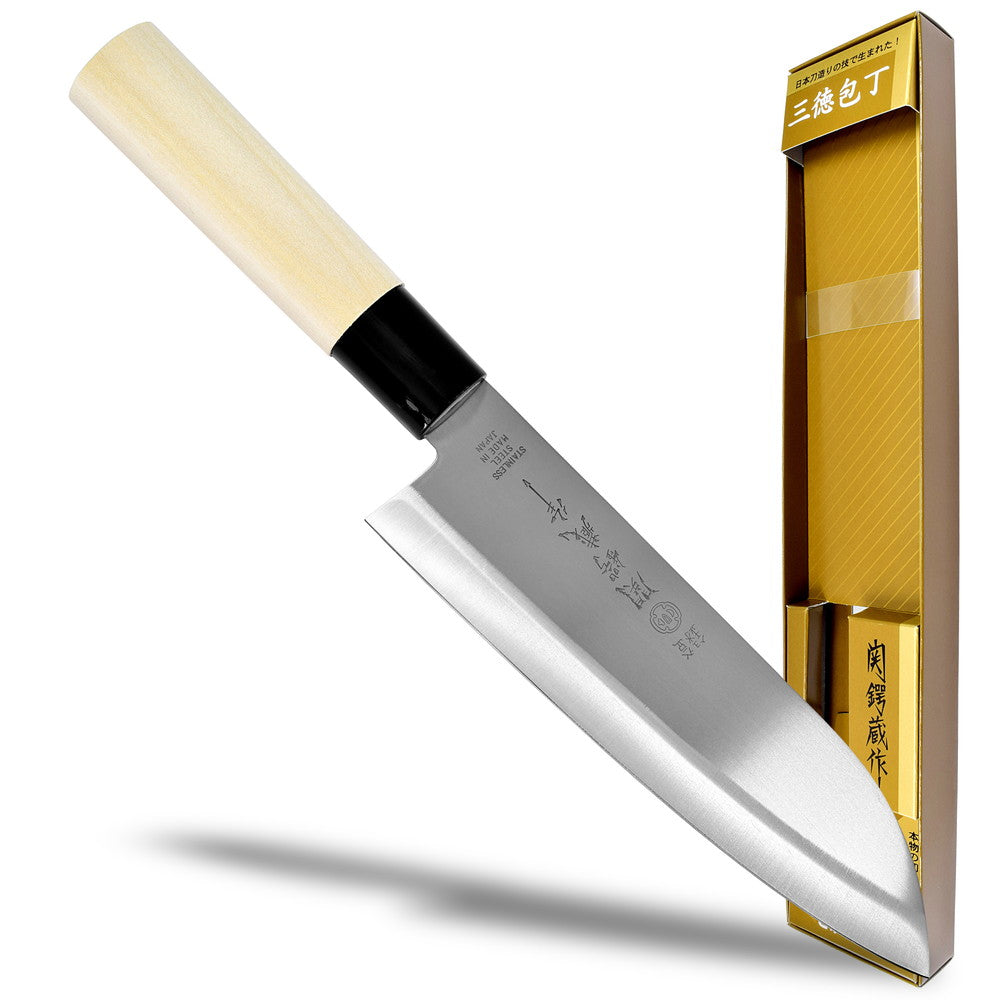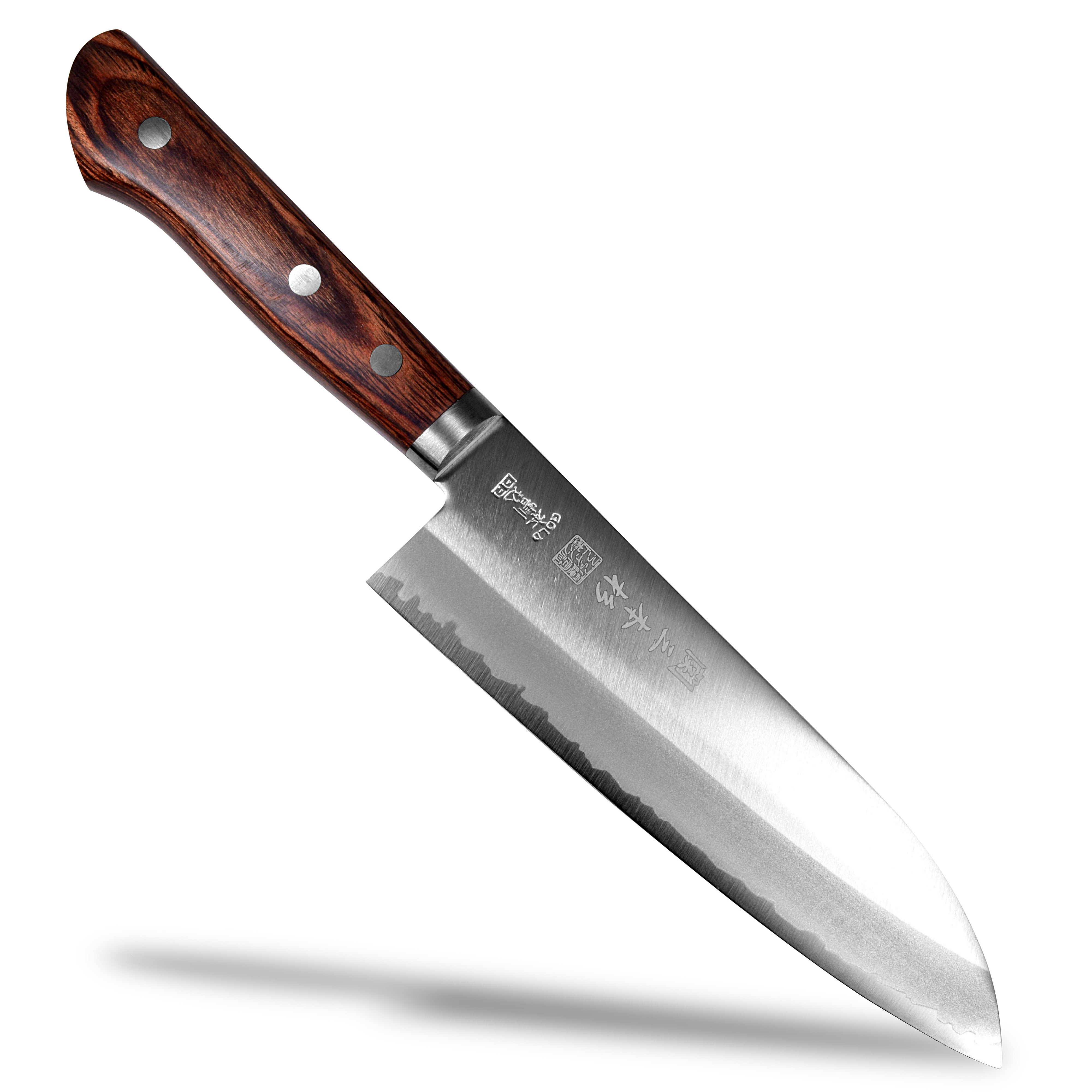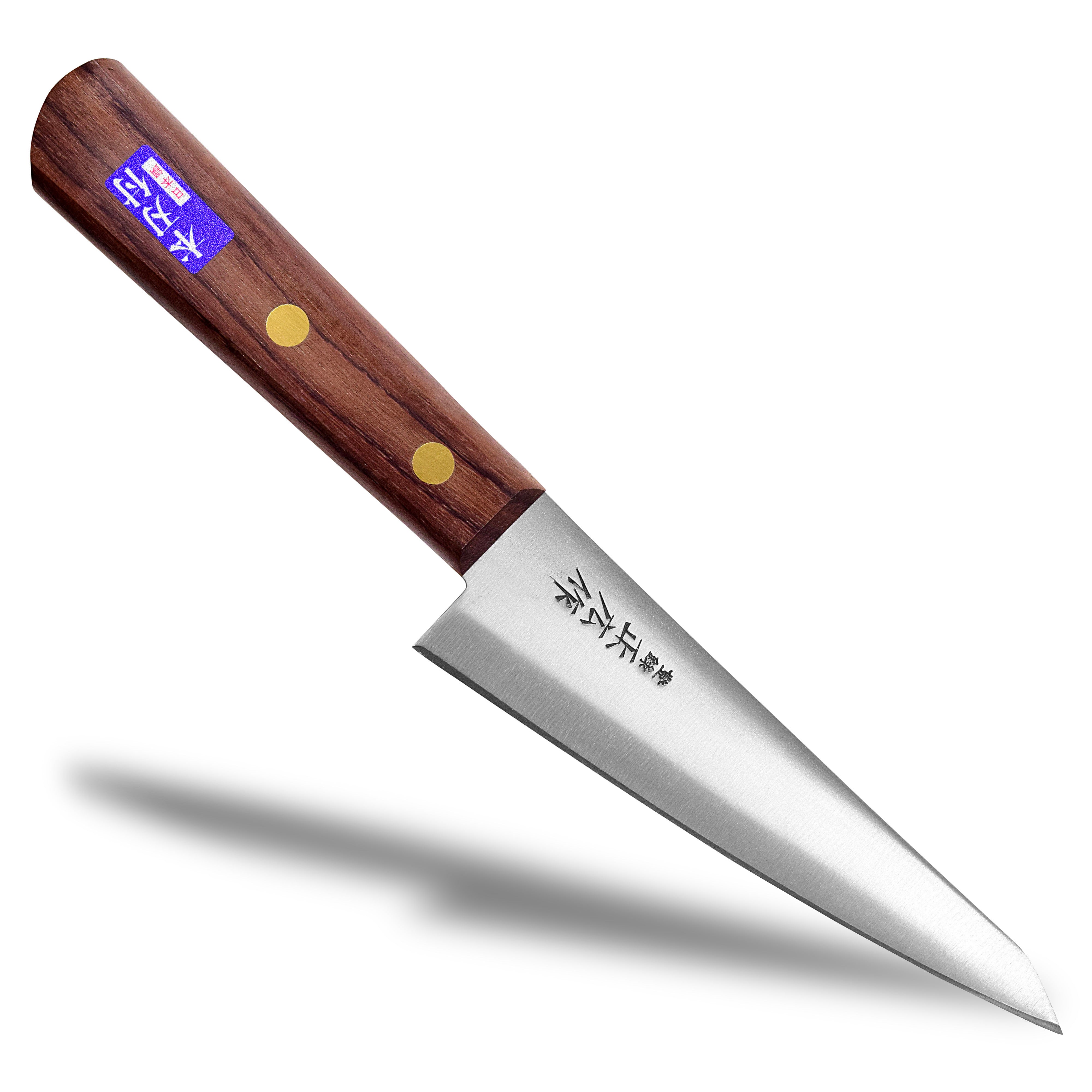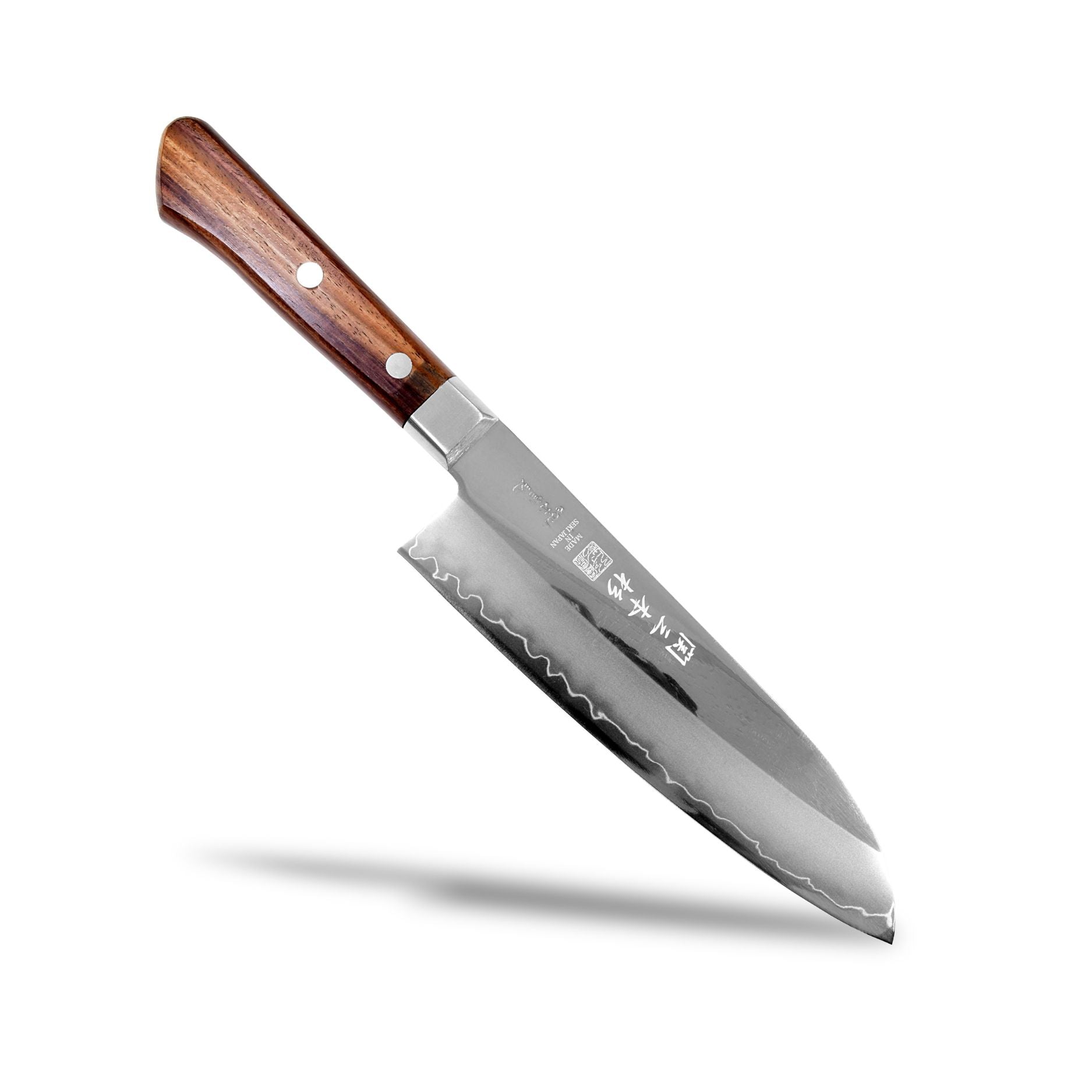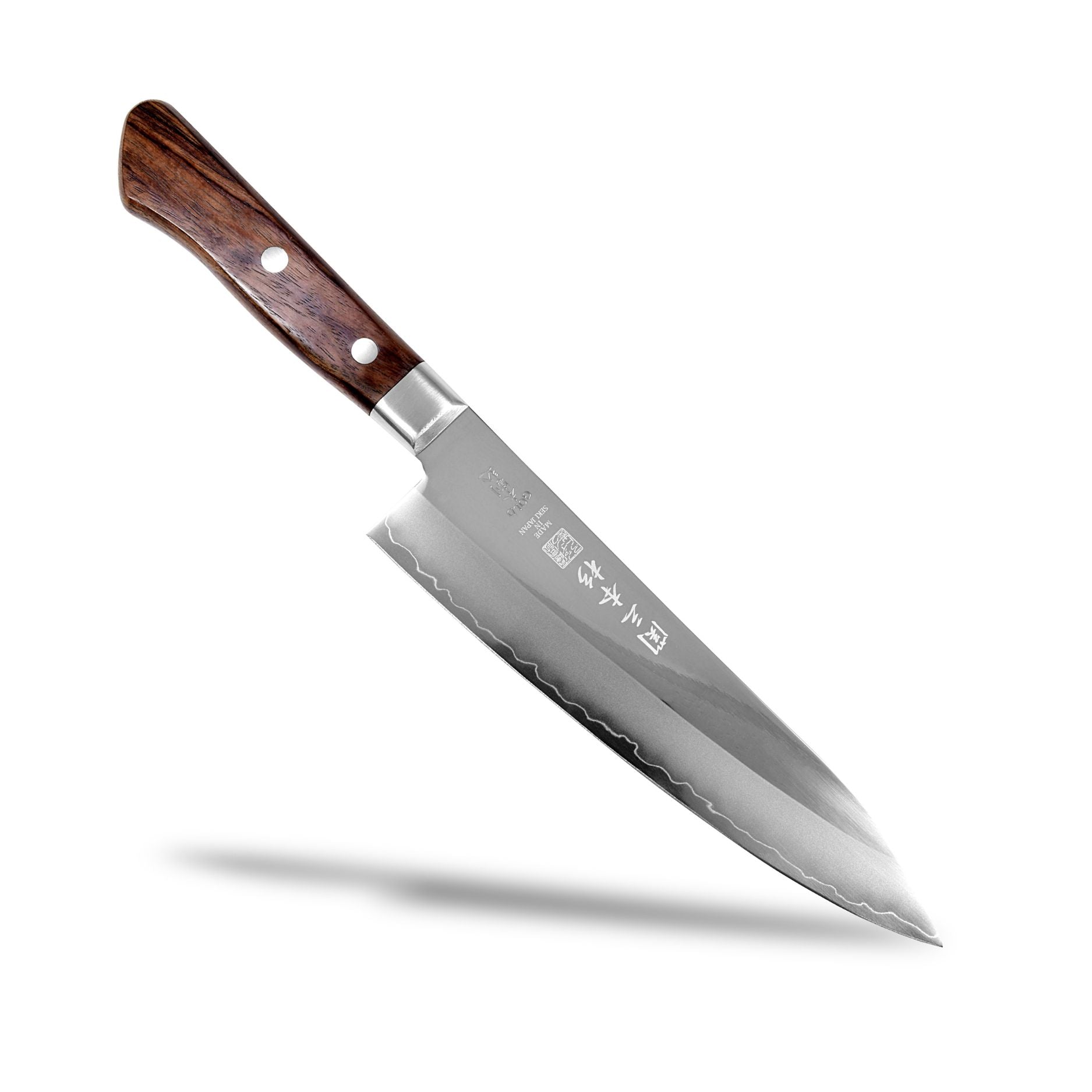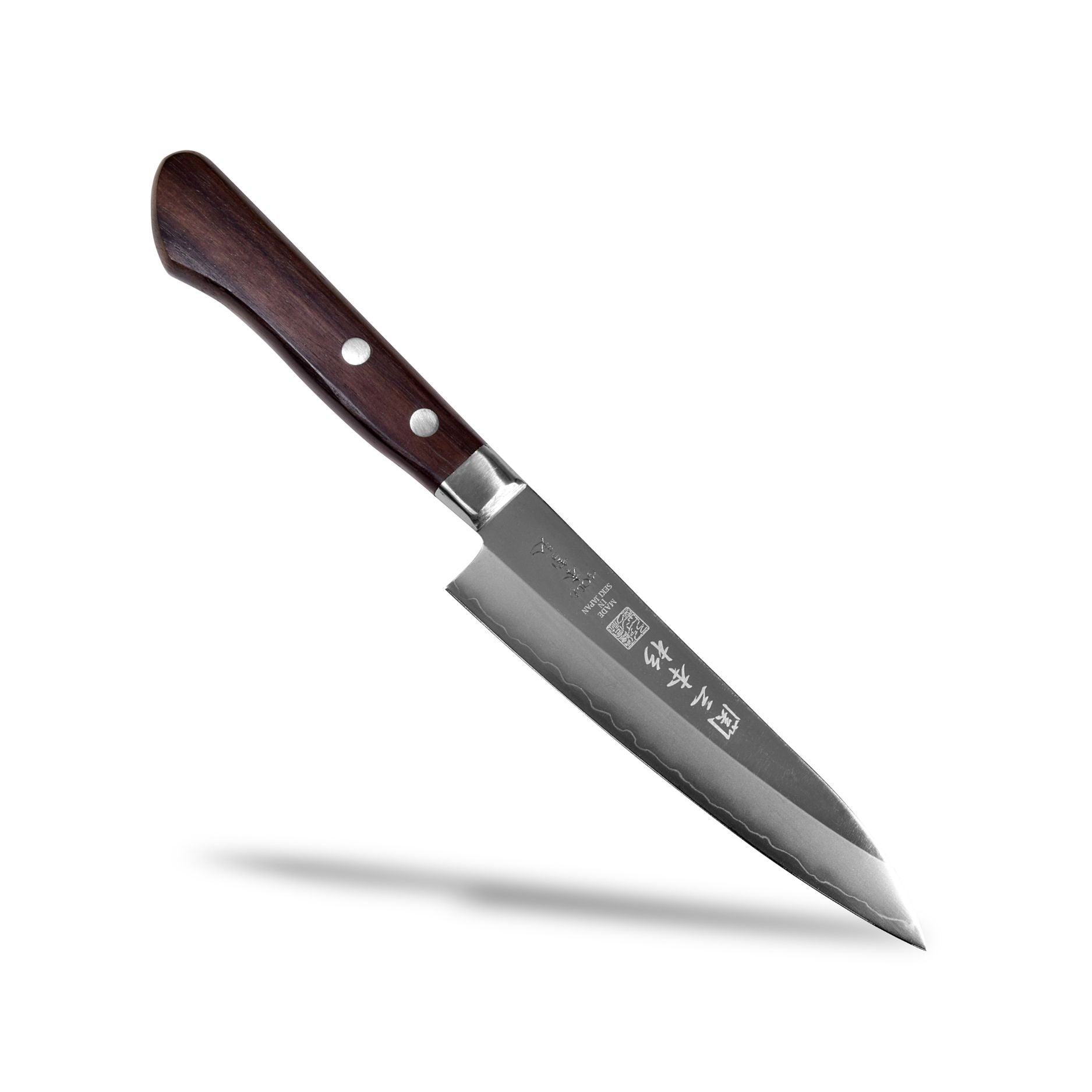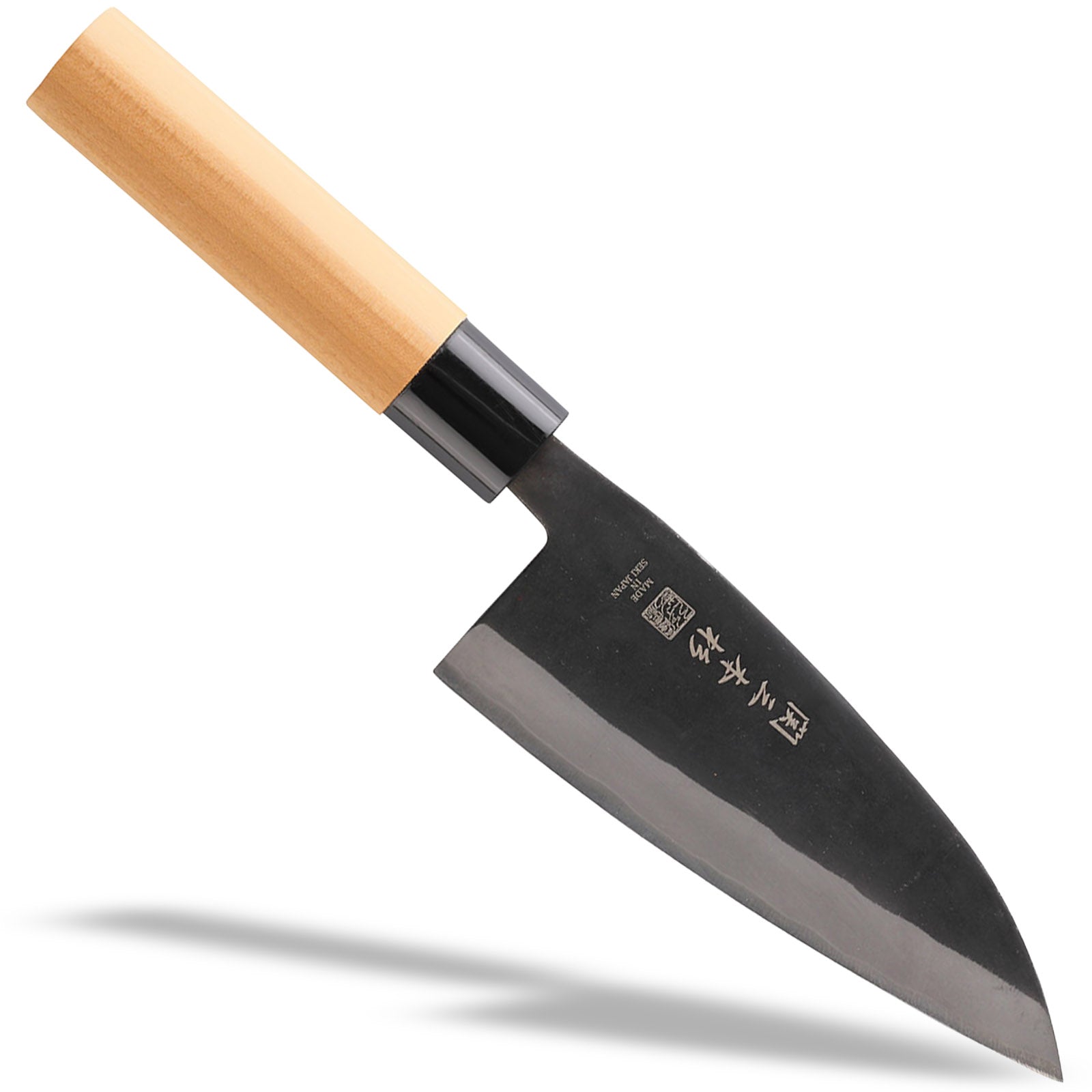

A beginner's guide to choosing the right Japanese kitchen knife steel and paring knife to avoid mistakes.
In conclusion, the most important thing when choosing your first paring knife is to "understand the characteristics of the steel and choose one that suits your maintenance style." In short, stainless steel is a safe choice for beginners as it is rust-resistant, and if you prioritize sharpness, you should consider stepping up to carbon steel.
Key points of this article
- Japanese kitchen knives are broadly classified into stainless steel and carbon steel, and stainless steel is easier for beginners to handle as it is less prone to rust.
- A petty knife is a small kitchen knife with a blade length of 120-150mm, ideal for cutting fruits and small ingredients. The choice of steel is key to its sharpness and durability.
- For beginners choosing a knife, the most important thing is to compare them based on three factors: "steel type x blade length x price range," and then narrow down your choices based on how much time you can dedicate to maintenance.
Conclusion of this article
- For beginners choosing a paring knife, the first priority is deciding whether to use stainless steel or carbon steel.
- If rust resistance is your priority, molybdenum vanadium steel or VG10 are good choices, while if sharpness is your priority, white steel or blue steel are good options.
- For your first paring knife, choosing one in the range of "around 130mm, stainless steel, and priced between 3,000 and 8,000 yen" is a safe bet.
- Understanding the steel materials used for Japanese kitchen knives and how to choose a paring knife will greatly improve the efficiency of home cooking with a "santoku + paring" two-knife system.
What are the different types of steel used in Japanese kitchen knives, and what are the basics for choosing a paring knife?
In conclusion, the first thing beginners should understand when choosing a petty knife is the difference in steel. The steel used in Japanese kitchen knives is broadly divided into stainless steel and carbon steel, and each has different characteristics in terms of sharpness, rust resistance, and ease of sharpening. In cutlery-producing regions such as Seki City, many manufacturers recommend stainless steel to beginners because it is rust-resistant and easy to maintain. In short, understanding the different types of steel is the shortest route to finding the petty knife that suits you.
Characteristics of stainless steel materials and why they are suitable for beginners
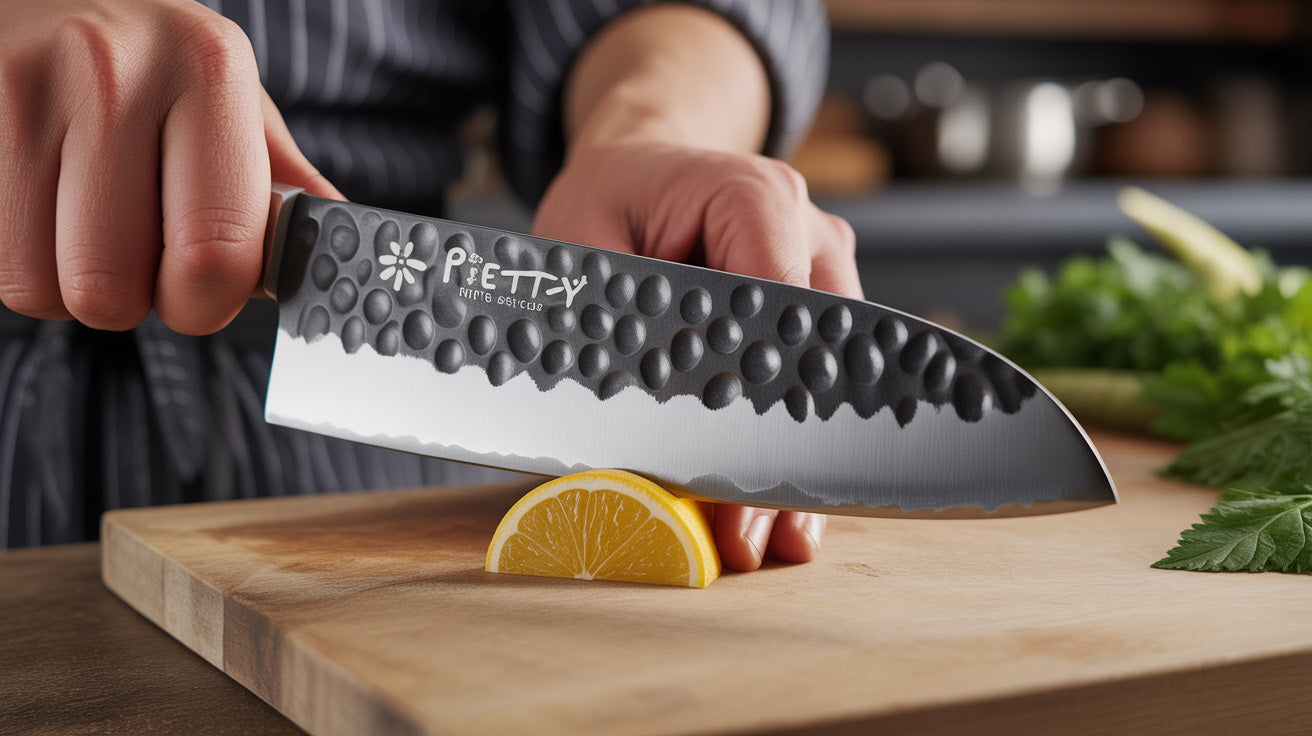
In conclusion, stainless steel is the easiest material to handle for a first paring knife. Representative materials include molybdenum vanadium steel, VG10 (VG10), and AUS-8, all of which have a high chromium content and are resistant to rust. The ease of maintenance, which only requires wiping off moisture after use, is why they are popular in busy households. Among them, VG10 is a material that is widely used from home use to professional use, due to its excellent balance of sharpness and durability. Even in situations where you can't wash it immediately after cutting fruit, stainless steel has a low risk of discoloration and corrosion, so even beginners can use it with peace of mind. For example, when cutting apples or citrus fruits one after another, being able to concentrate on the work without worrying about discoloration from acid is a big advantage.
The appeal and points to note about carbon steel.
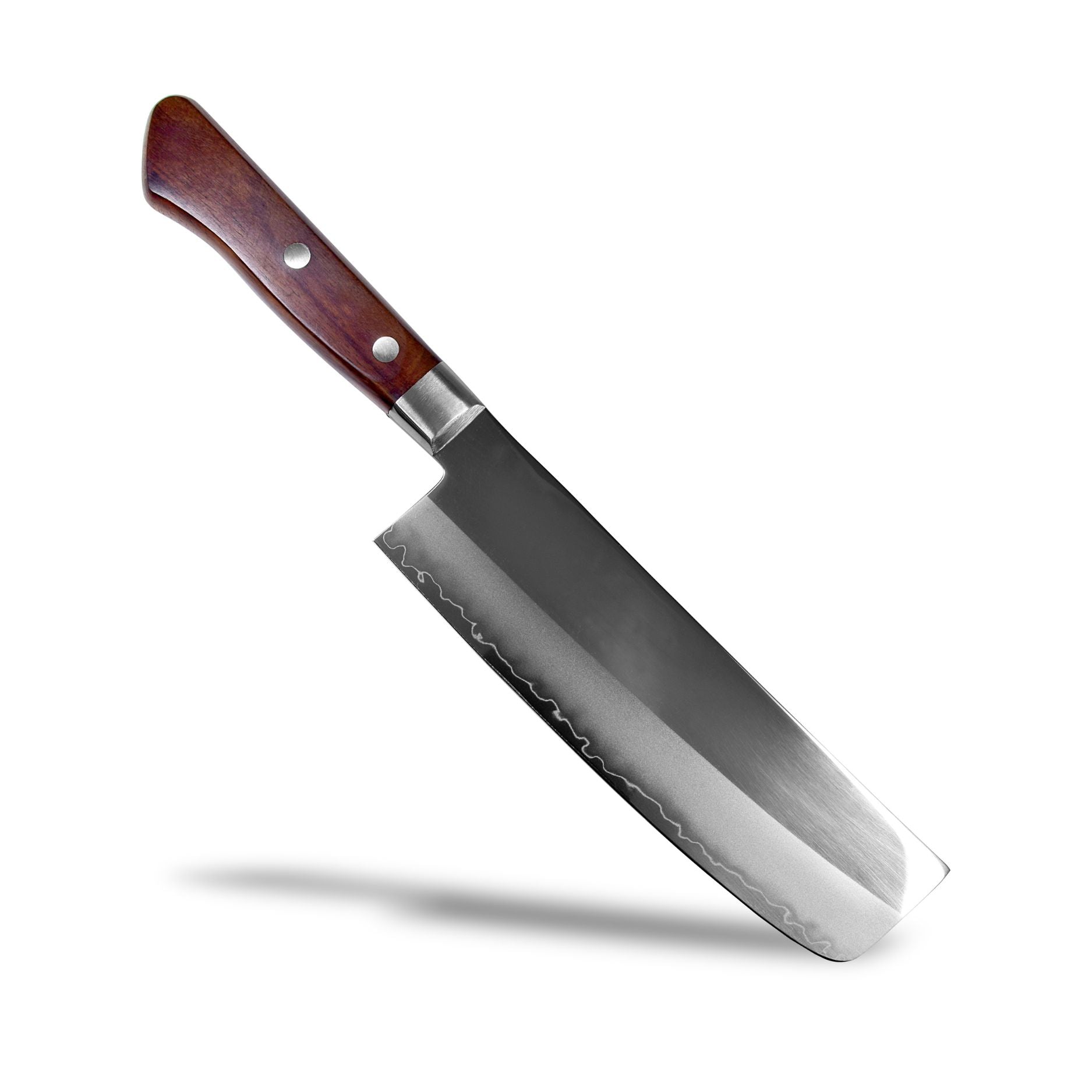
In short, carbon steel surpasses stainless steel in terms of sharpness and ease of sharpening, but it is a type of steel that requires rust prevention. White steel (White Steel No. 2) has few impurities and is easy to sharpen, so it recovers its sharpness quickly and is suitable for sharpening practice. Blue steel contains chromium and tungsten, and is highly wear-resistant and has a reputation for long-lasting sharpness. However, carbon steel is susceptible to moisture and acid, and rust can occur even if citrus fruits are left on it for just a few minutes after cutting, so it is essential to wash it immediately after use and wipe off any moisture. For those who enjoy daily maintenance, it is a very attractive option in terms of sharpness. In fact, it is not uncommon for cooking enthusiasts to choose carbon steel as their second petty knife and be surprised by the difference in sharpness and feel when sharpening.
Points to check besides steel materials
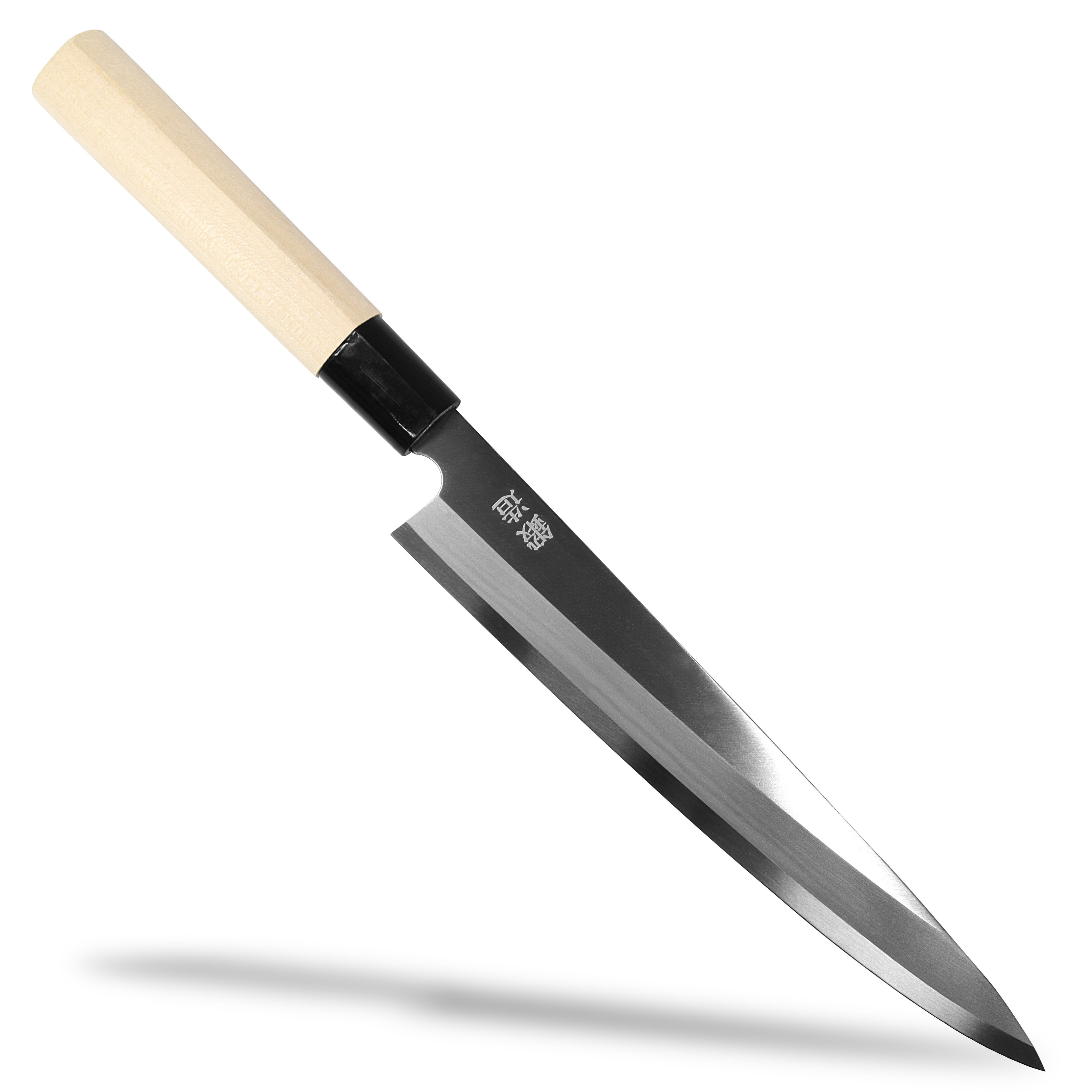
Most importantly, in addition to the steel material, the blade length, handle shape, and weight also influence the choice of knife. For fruit, a blade length of 120-130mm is a good guideline, while 130-150mm is suitable if you also handle vegetables and small pieces of meat. Handles are divided into Japanese-style magnolia wood handles and Western-style one-piece handles, and since grip comfort is a factor, it's ideal to try them out in the store if possible. The lighter the knife, the less strain it puts on your wrist, making it less tiring even during long periods of decorative cutting or peeling. Beginners can easily find the right knife for them by comparing them based on these three points: steel material, blade length, and handle grip comfort.
How to choose a beginner's paring knife based on the type of steel, and what is a reasonable budget?
In conclusion, the price range of petty knives varies greatly depending on the type of steel, so it's most efficient to decide on your budget and intended use first before narrowing down your choices. Stainless steel knives are easier to mass-produce and therefore more affordable for beginners, while carbon steel and Damascus steel knives tend to be more expensive due to the more handcrafted work involved. For beginners, the first thing to keep in mind is that aiming for a stainless steel knife in the 3,000 to 8,000 yen range for your first knife will help you avoid making a major mistake in terms of quality and price balance.
Recommended steel materials and how to choose them based on budget
In conclusion, the best steel material depends on your budget. The 3,000-5,000 yen range offers a good selection of molybdenum vanadium steel petty knives, providing sufficient sharpness for everyday use. The 5,000-10,000 yen range expands the options to include high-quality stainless steels such as VG10 and AUS-10, offering a significant improvement in sharpness retention. Above 10,000 yen, you can choose from high-end models with Damascus steel and traditionally forged finishes, suitable for those who prioritize both aesthetics and sharpness. For your first petty knife, the most satisfying choice is to start with a good quality knife in the 5,000-8,000 yen range. At this price point, you can expect durability that allows you to use it for several years with repeated sharpening.
The advantages of choosing from cutlery production areas in Seki City
In short, Seki City in Gifu Prefecture is one of Japan's leading cutlery production areas, boasting a history of approximately 800 years, and is a city that produces many knives with an excellent balance of quality and price. Manufacturers in Seki City are particularly well-regarded for their stainless steel processing technology, and even beginner-friendly petty knives achieve a finish close to the sharpness demanded by professionals. Using online shops that ship directly from the production area is also a major advantage, as it makes it easier to obtain a high-quality knife while keeping distribution costs down. At KIKUMATSU, we also offer consultations on how to choose the right petty knife for your needs, focusing on those manufactured in Seki City, and discussing the appropriate steel type and intended use.
How to choose your first guitar as a beginner
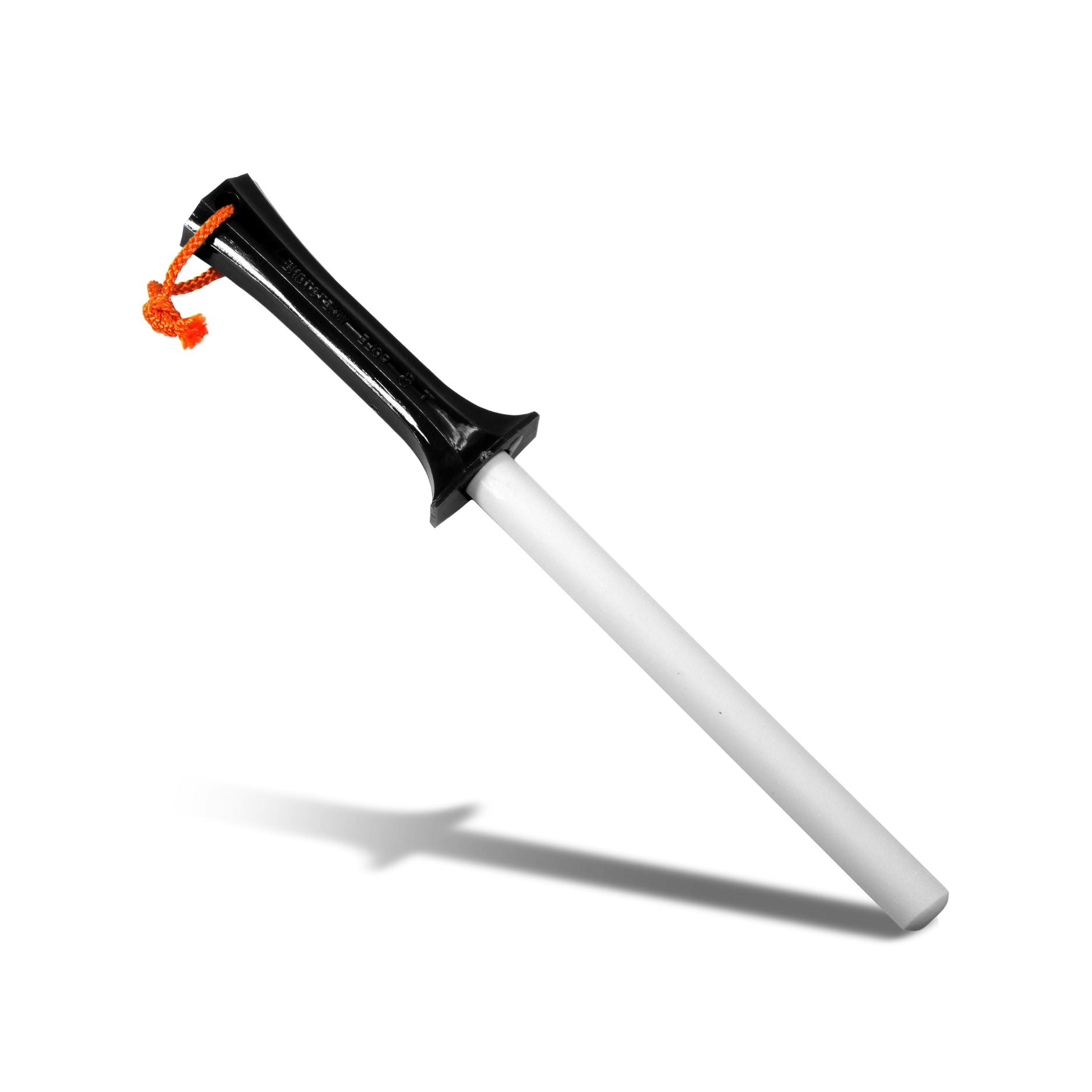
The most important thing is to base your decision on "what you cut most often." If you mainly peel fruit or make decorative cuts, a stainless steel paring knife with a blade length of 120-130mm is sufficient. If you also want to use it for cutting vegetables or preparing side dishes for lunchboxes, a slightly larger knife of 135-150mm will broaden its versatility. If you're unsure, using "130mm, stainless steel, around 5,000 yen" as a guideline will help even beginners find a knife they're happy with. After purchase, regular maintenance with a 1000-grit whetstone will help maintain the steel's original sharpness for a long time. It's also fun to start with an affordable knife to experience the differences in steel, and then step up to carbon steel or Damascus steel once you've gained experience.
FAQ
What steel material is best recommended for beginners when it comes to petty knives?
Stainless steel materials such as molybdenum vanadium steel or VG10 are recommended. They are rust-resistant and easy to clean, making them safe to use even for first-time users.
Are carbon steel paring knives difficult for beginners to use?
There shouldn't be any problems if you make a habit of washing and wiping it immediately after use. However, rust is likely to occur if you leave it unattended after cutting highly acidic foods, so regular maintenance is essential.
For my first paring knife, what blade length is best?
A length of around 130mm offers an excellent balance of maneuverability and versatility, making it a safe choice for your first pair of skis.
What's a reasonable budget for a paring knife?
For beginners, stainless steel knives cost between 3,000 and 5,000 yen, while those prioritizing quality should be priced between 5,000 and 10,000 yen. If you plan to use it for a long time, models costing over 5,000 yen offer better value for money due to their longer-lasting sharpness.
What is the difference between VG10 and molybdenum vanadium steel?
VG10 is a high-grade stainless steel with high hardness and long-lasting sharpness. Molybdenum vanadium steel is a general-purpose steel that is slightly softer and easier to sharpen, making it suitable for beginners.
Is a Damascus steel paring knife necessary for beginners?
While not essential, this steel offers a beautiful ripple pattern combined with the practicality of a stainless steel core. If your budget allows, it's worth considering.
How often should I sharpen my paring knife?
If you use it daily, a light maintenance with a 1000-grit whetstone once every one to two weeks is sufficient. If you don't use it often, sharpen it when you notice a decrease in sharpness.
Please tell me the order of rust resistance for Japanese kitchen knife steel materials.
Stainless steel (such as VG10 and molybdenum vanadium steel) is the most rust-resistant, followed by powder high-speed steel, and finally carbon steel (white paper steel and blue paper steel).
Which should I buy first: a paring knife or a santoku knife?
If you don't yet have a main knife, it's recommended to prioritize a santoku knife first, and then add a paring knife. If you already have a santoku knife, adding a paring knife will greatly improve the efficiency of detailed work.
What are the advantages of choosing a kitchen knife from Seki City?
Seki City is one of Japan's leading cutlery production areas, and is particularly skilled in stainless steel processing. Its greatest advantage is that it offers many high-quality products at relatively affordable prices, making it easy for beginners to find a cost-effective knife.
summary
- Japanese kitchen knives are broadly classified into stainless steel and carbon steel. For beginners, stainless steel (such as molybdenum vanadium steel or VG10) is recommended because it is rust-resistant and easy to maintain.
- When choosing a petty knife, compare them based on three factors: steel type, blade length, and price range. If you're unsure, using "130mm, stainless steel, and around 5,000 yen" as a benchmark will help you avoid making a mistake.
- In conclusion, understanding the steel used in Japanese kitchen knives, choosing a petty knife, and establishing a two-knife system with a santoku knife is the shortest route for beginners to create a comfortable cooking environment.