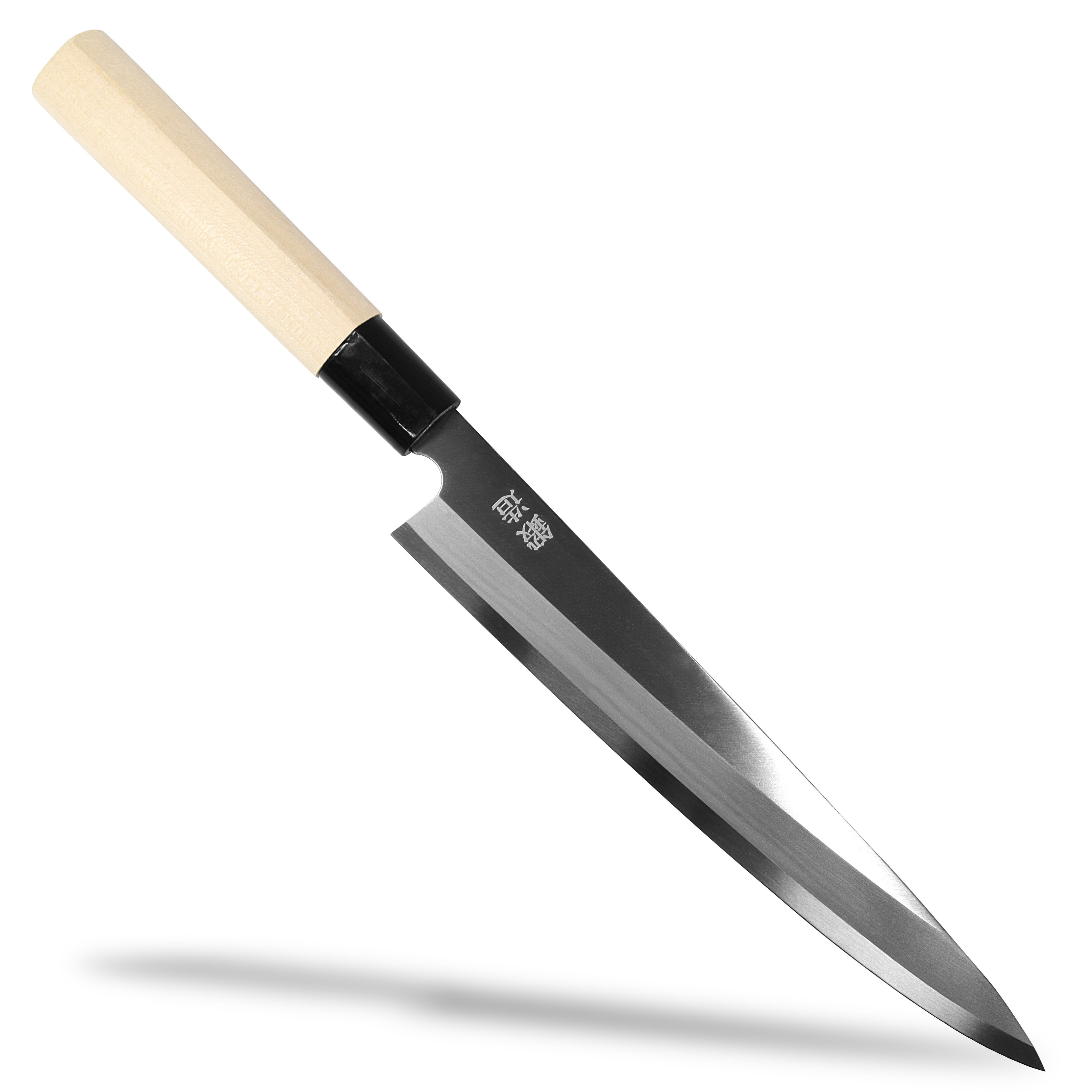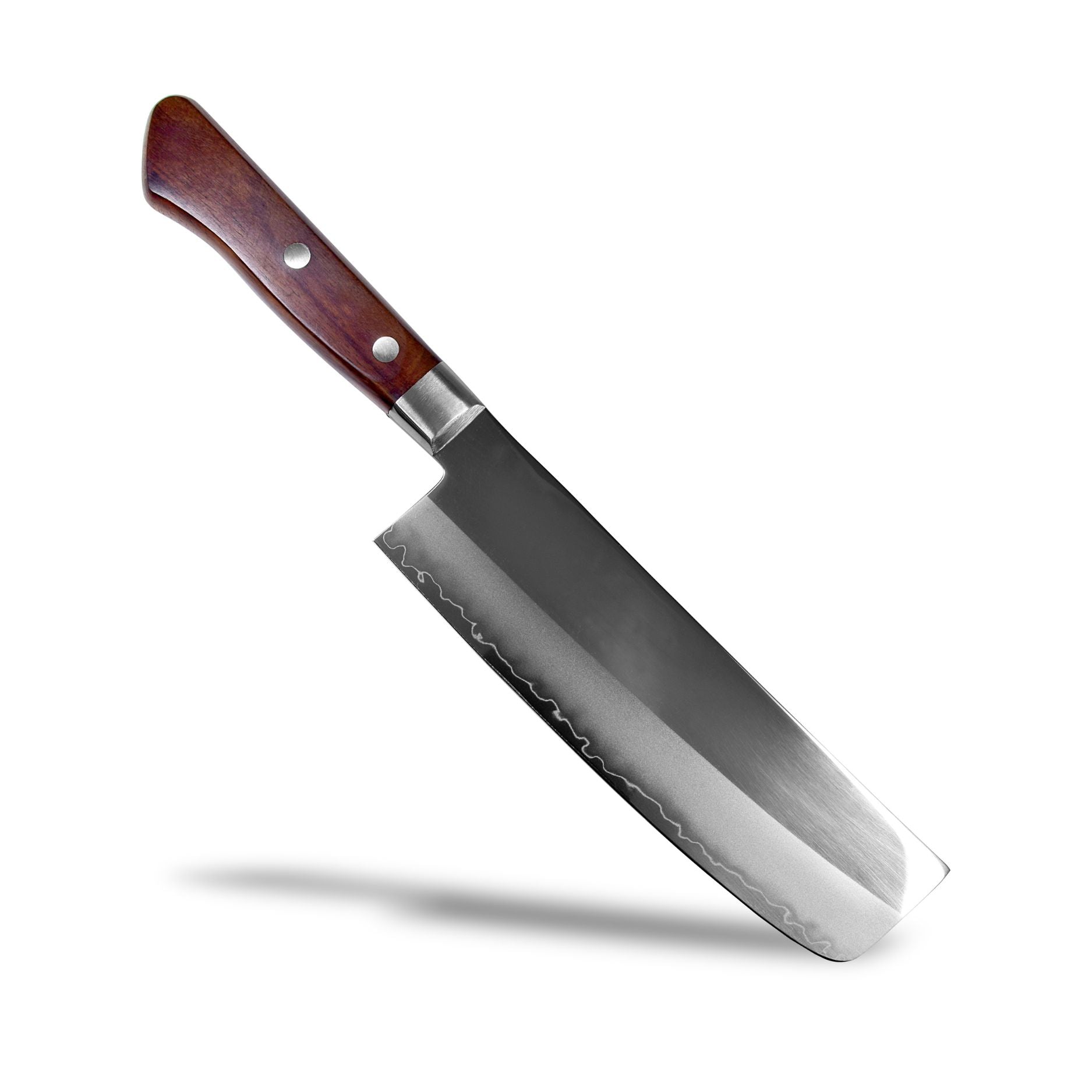

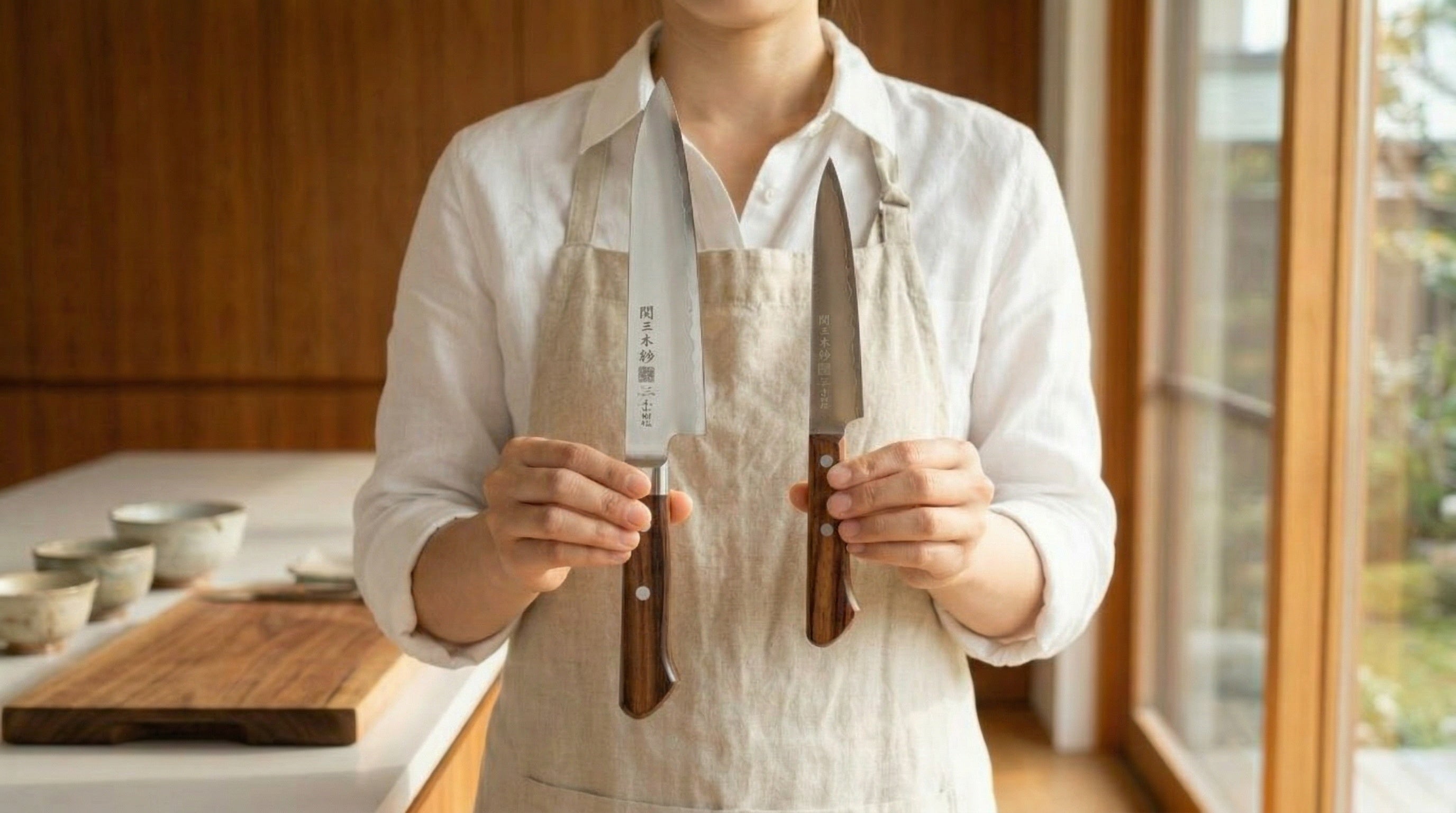
Before getting two knives, you should know the difference between a recommended Japanese paring knife and a main knife.
In conclusion, if you're going to own two Japanese knives, the best way to avoid mistakes is to choose them based on their respective roles: "main = santoku or gyuto" and "secondary = petty knife," understanding the differences in size and the tasks they excel at. In short, remember that "use the main knife for large ingredients and the petty knife for detailed work," and your everyday cooking will become significantly smoother.
Key points of this article
- Main knives (santoku and gyuto) are the "stars" that can handle large vegetables, meat, and fish in a versatile way, while petty knives are the "niche players" that handle fruits and small ingredients.
- The recommended configuration for Japanese kitchen knives is a combination of a santoku or chef's knife and a paring knife, which offers the best balance of work efficiency, safety, and ease of use.
- Most importantly, you should decide on the blade length and number of your main knife and paring knife based on your cooking style (quantity, ingredients, and kitchen size).
Conclusion of this article
- In short, the recommended setup for home use of Japanese kitchen knives is to have two knives: a main knife (santoku 165-180mm or gyuto 180-210mm) and a paring knife (petty knife 120-150mm).
- The main knife is used for larger ingredients such as shredding cabbage and slicing meat, while the paring knife is used for smaller, more detailed tasks such as cutting fruit, herbs, and decorative cuts.
- The first thing beginners should consider is not just whether the knife is "big or small," but also comparing its blade length, weight, and intended use to choose a main knife and paring knife that suit their kitchen.
- Understanding the difference between a recommended Japanese paring knife and a main knife will make it easier to gradually upgrade your skills, such as "starting with a santoku knife and a paring knife" and then "adding a chef's knife or specialized knife once you're more comfortable."
What are the differences between a recommended Japanese paring knife and a main kitchen knife?

In conclusion, the difference between a main knife and a paring knife can be summarized in three points: blade length, weight, and the type of task they are best suited for. Main knives (santoku and gyuto) have blades of around 165-210mm, are heavier, and are all-purpose knives designed to efficiently cut large ingredients such as cabbage, onions, meat, and fish. On the other hand, paring knives have blades of around 120-150mm, are slender and lightweight, and are secondary knives suitable for tasks that require fine movements, such as peeling small vegetables and fruits, decorative cutting, and chopping herbs. To put it simply, the difference is easier to understand if you think of it this way: "Main knives are for handling large quantities and sizes," and "Paring knives are for maneuverability and delicate work."
The role and characteristics of main kitchen knives (santoku and gyuto).
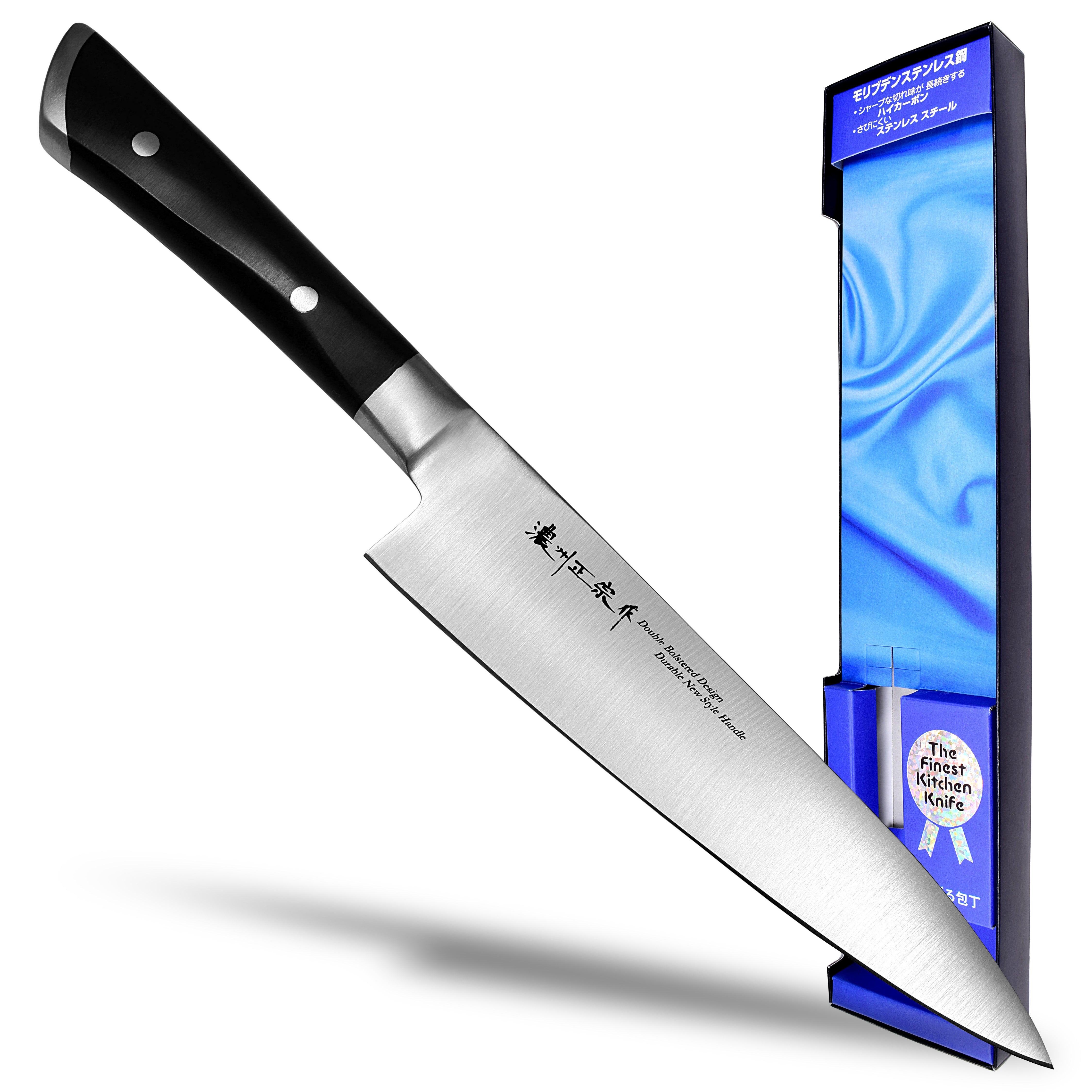
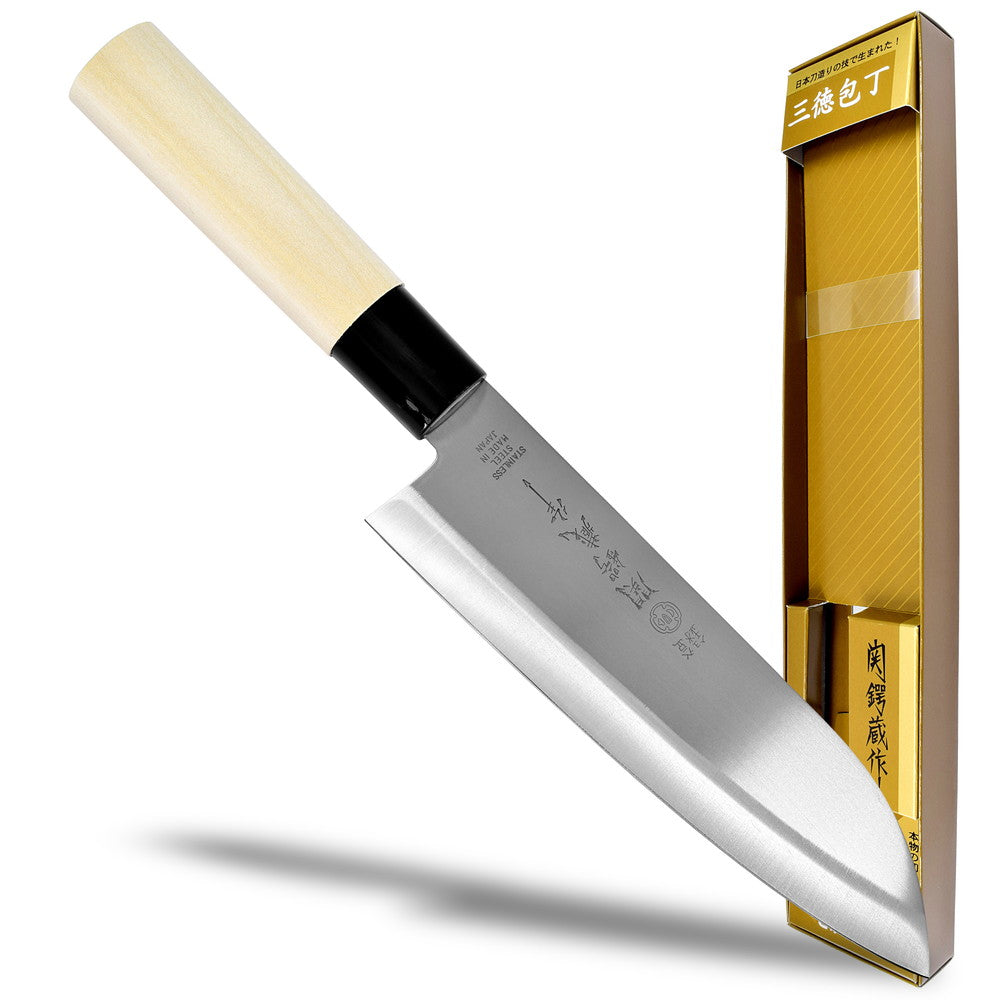
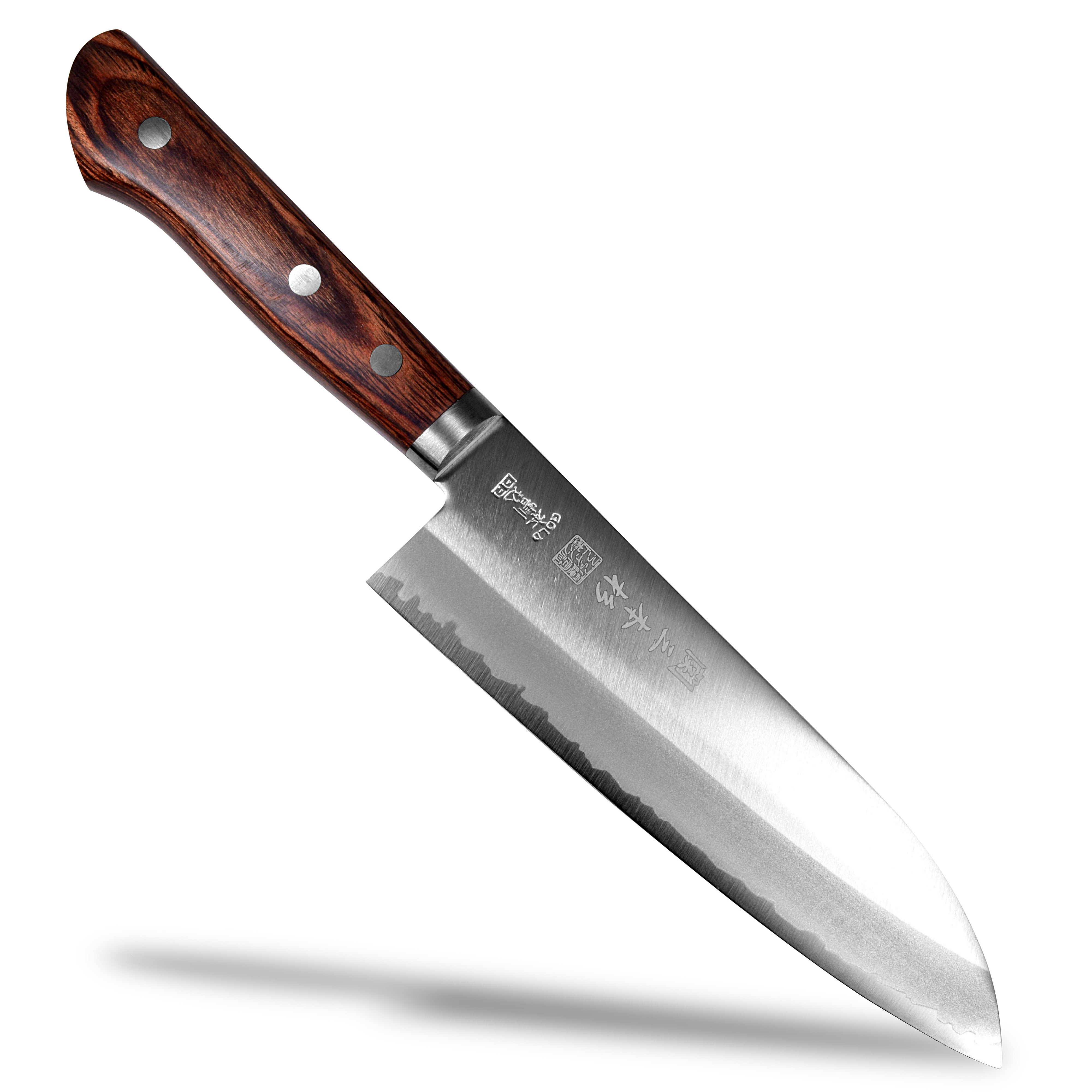
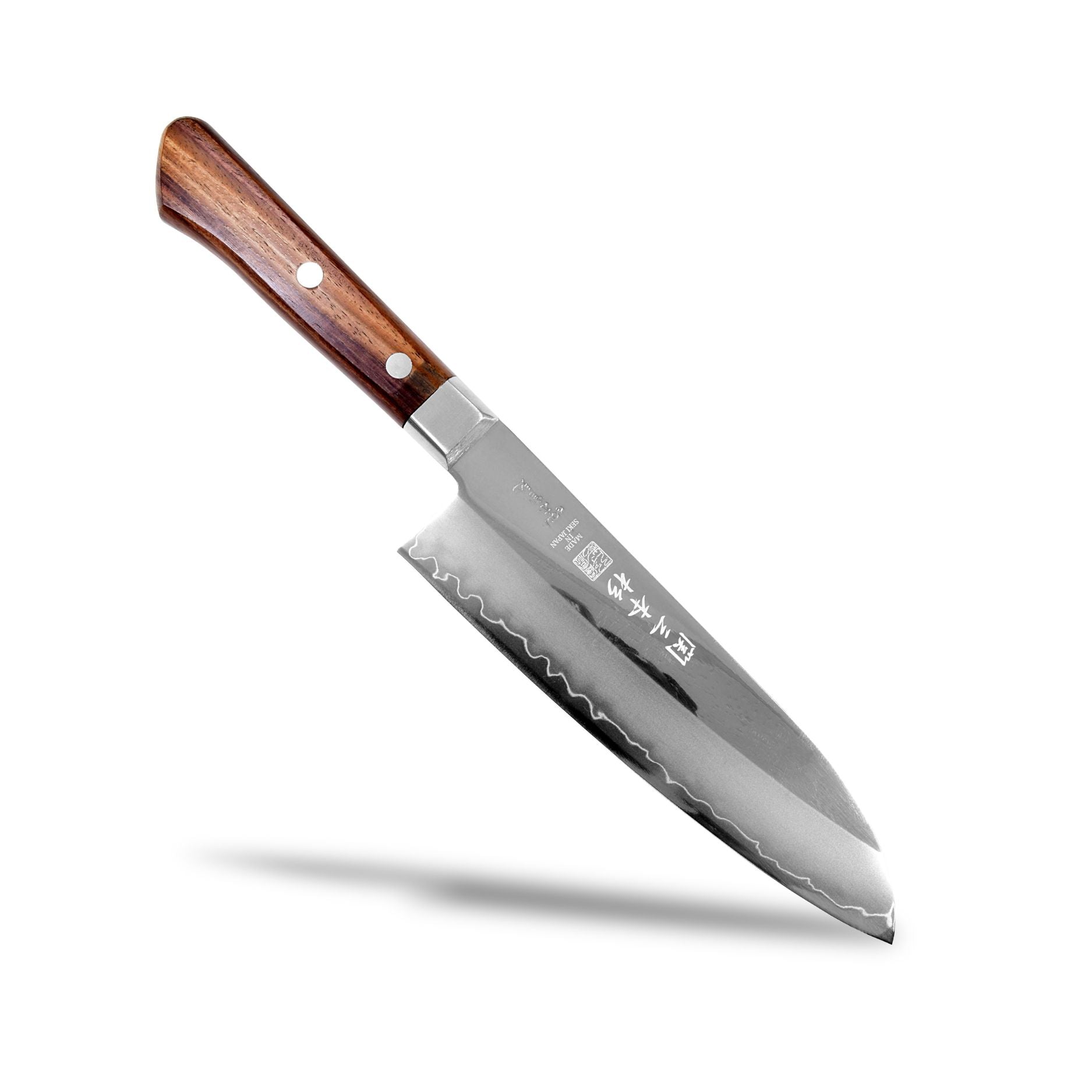
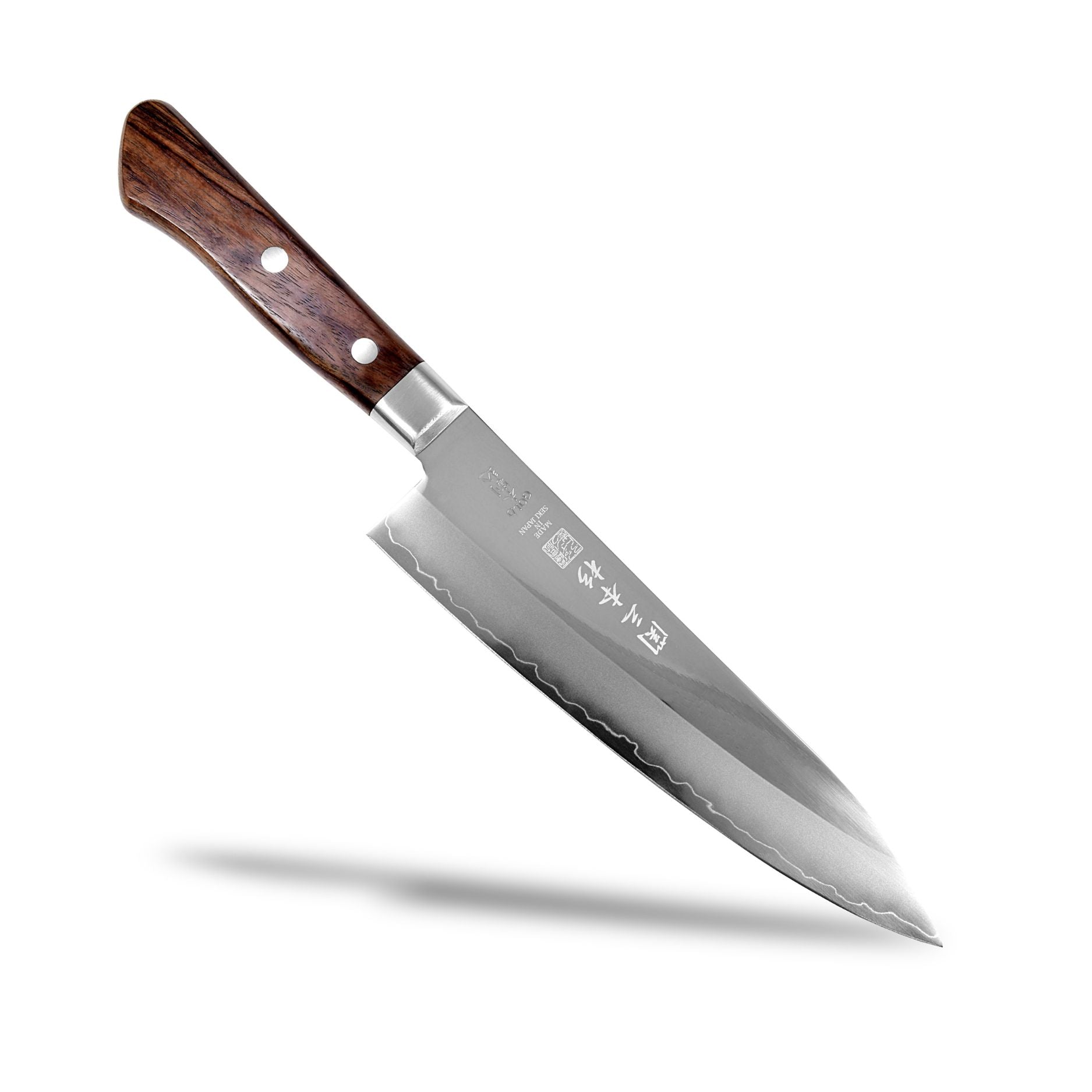
In conclusion, a main kitchen knife is one that can "cover as wide a range of tasks as possible with just one knife." The Santoku is a versatile knife that can be used for both Japanese and Western cooking. With a blade length of 165-180mm and a relatively straight blade, it is said to be able to handle all the basic household tasks, from chopping vegetables to cutting meat and fish. The Gyuto has a longer blade and a larger curve than the Santoku, making it suitable for slicing meat, roasting, and Western-style cutting. Many people say that once they get used to it, they find it easier to handle than the Santoku. If you have a large family and prefer to buy ingredients in bulk and prepare them all at once, it is recommended to have a slightly longer main kitchen knife.
The role and characteristics of a paring knife (a small, all-purpose secondary knife)
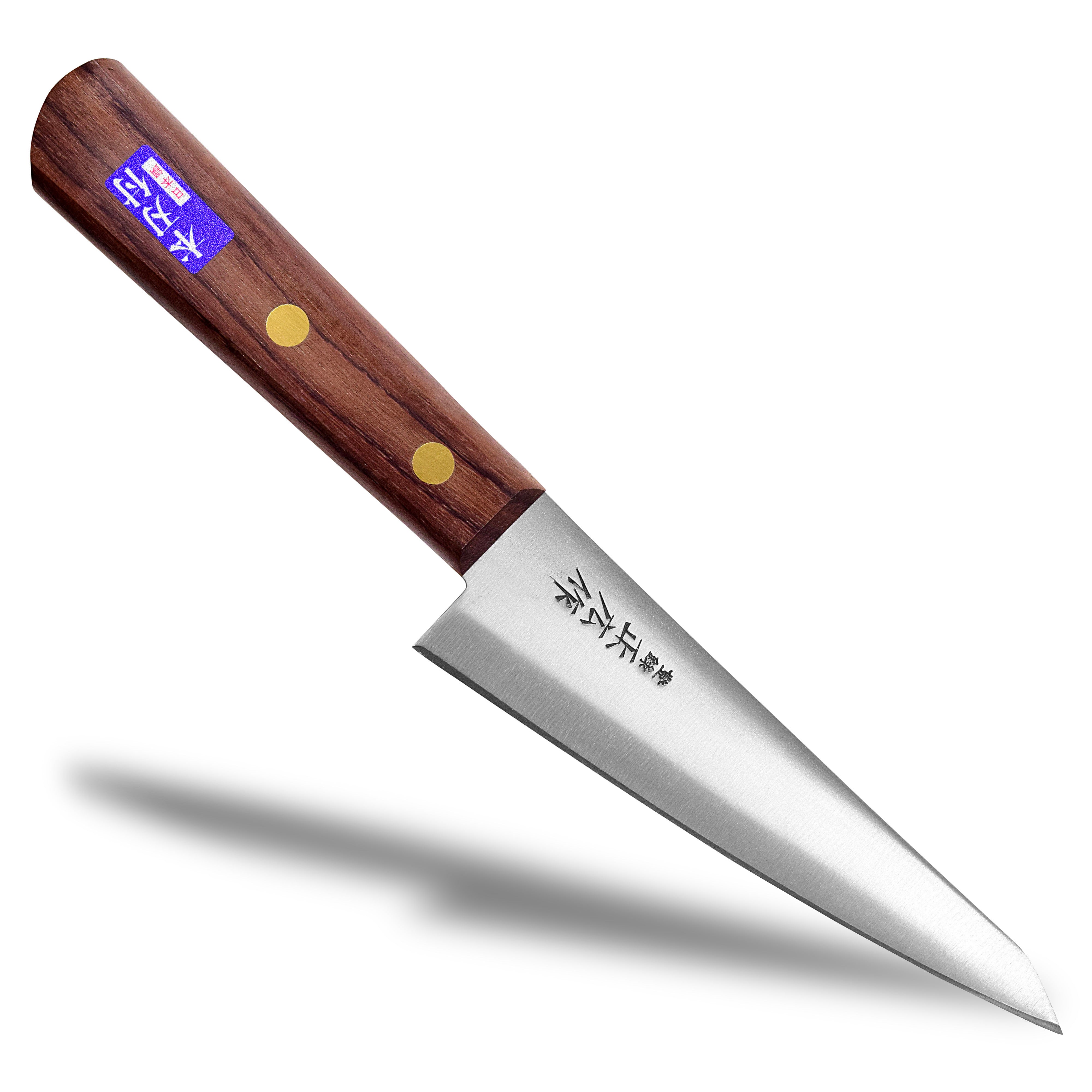
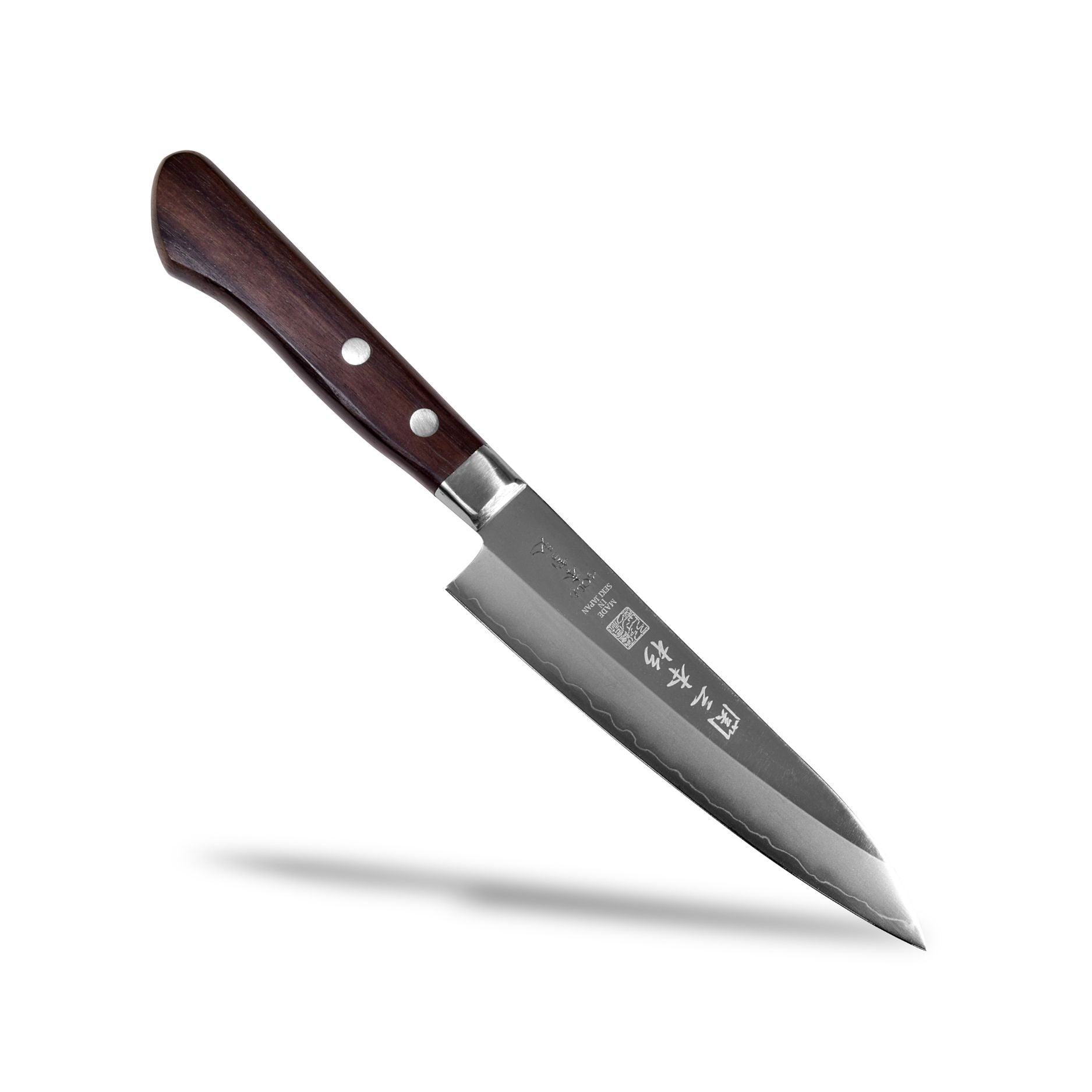
In short, a petty knife is a "small but versatile secondary knife." It's essentially a smaller version of a chef's knife, with a blade length of 120-150mm, a narrow blade width, and a pointed tip. This makes it ideal for detailed tasks such as peeling potatoes, removing sprouts, cutting fruit, and decorative vegetable carving. Because the short blade doesn't obstruct your view, it's easy to control the blade precisely, even during delicate operations like carving and decorative cutting. Many manufacturers recommend it as a handy secondary knife to have on hand.
The concept of "main knife + petty knife" as a recommended configuration for Japanese kitchen knives.

The most important thing is to "consider your main knife and paring knife as a set." Guides from Tsubame-Sanjo and Tojiro also position the santoku and gyuto as the main knives and the paring knife as the secondary knife, and recommend a style of dividing tasks, using the main knife for shredding cabbage and slicing meat, and the paring knife for fruits and herbs. In fact, it is said that just having a santoku and a paring knife will cover most cooking situations at home, and many shops introduce it by saying, "Start with these two." One of the benefits of owning two knives is that you can break the habit of "always overusing the same knife" by understanding the difference between the recommended paring knife and the main knife in Japanese knives.
How to choose between a Japanese paring knife and a main kitchen knife, considering the differences between them?

In conclusion, the key points to consider when choosing a knife are "what and how much you cut," "the size of your kitchen," and "the size of your hands." Various guides recommend using a santoku knife of 165-180mm or a chef's knife of 180-210mm as a base, and a paring knife of 120-150mm, while adjusting the length according to the amount you cook, the size of the ingredients, and the user's physique. For example, for someone living alone with a compact kitchen, a 165mm santoku knife and a 120mm paring knife would be practical, while for a large family with a large cutting board, a 210mm chef's knife and a 135mm paring knife would be a more realistic combination. In short, the trick is to choose a large knife based on kitchen size and family size, and a small knife based on the amount of work you're doing.
Which main kitchen knife is recommended for whom?
In conclusion, the santoku knife is the "go-to choice if you're unsure," while the gyuto knife is "for those who are more experienced in cooking." The santoku knife, with a blade length of 165-180mm, is considered the standard size for home cooking and is introduced as a versatile knife that can handle a wide range of dishes, even in households that mainly cook vegetables or Japanese food. Gyuto knives with blade lengths of 180-210mm are popular and are strong for cutting large pieces of meat, large fish, and Western-style dishes, and are recommended for "those who want to try various dishes" and "those who are used to using knives." For those with small hands or small kitchens, a shorter santoku knife is a practical choice, while those with large kitchens and who cook large quantities might prefer a slightly longer gyuto knife as their main knife.
What criteria should I use when choosing a paring knife?

In short, it's recommended to choose based on three conditions: blade length, grip comfort, and intended use. Many specialty stores recommend a blade length of 120-135mm for a first paring knife, explaining that this length is versatile enough for a wide range of tasks, from fruit to small vegetables and chopping spices. Some websites suggest around 120mm if you mainly use it for fruit and spices, and 135-150mm if you also plan to use it for trimming vegetables or cutting ingredients for bento boxes. The thickness and shape of the handle are also important; choosing a rounded grip or a wooden handle that fits comfortably in your hand can significantly improve safety and reduce fatigue.
Recommended two-gun setup and how to progress
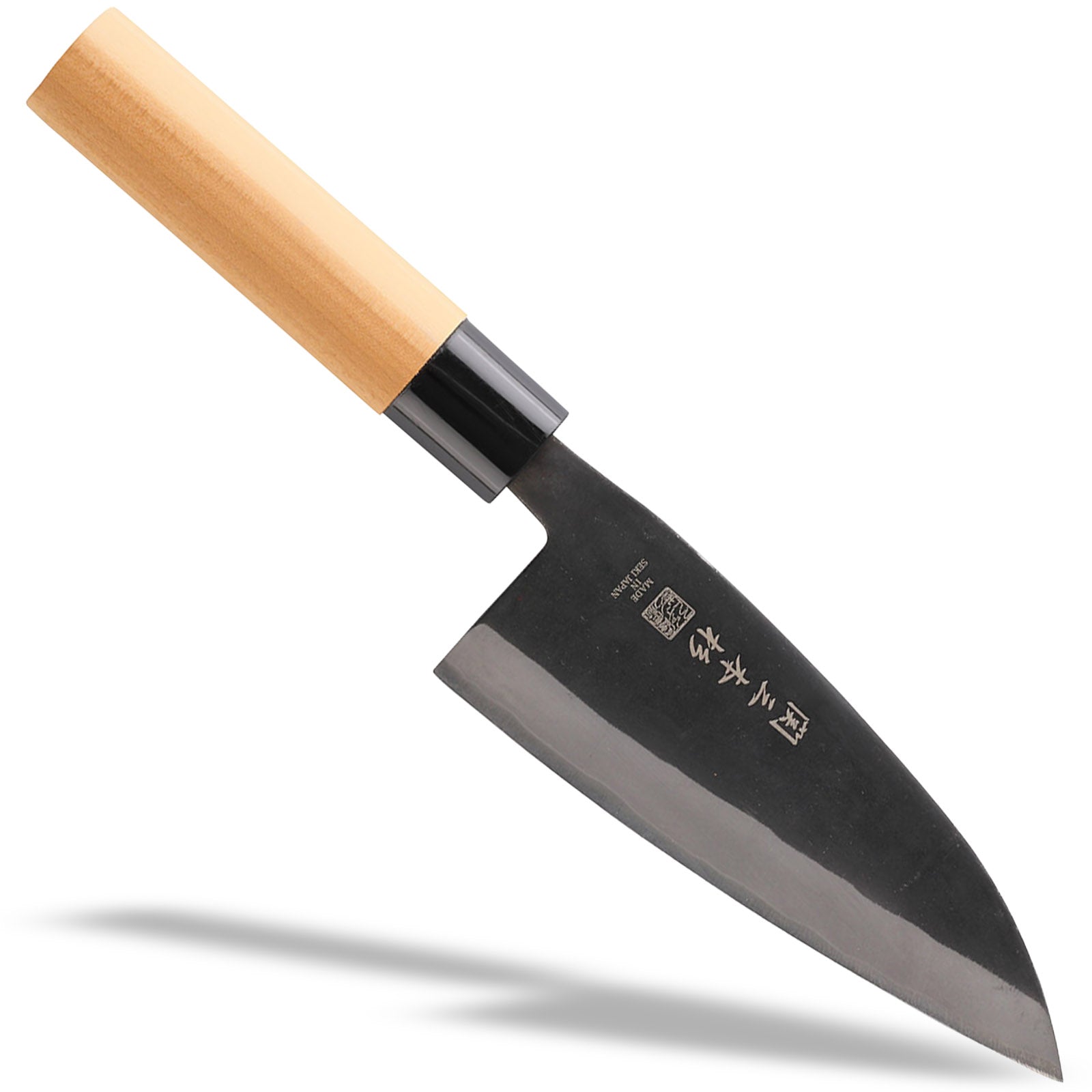
The most important thing is to have a "gradual approach to acquiring your knives." Many buying guides recommend starting with a two-knife set for home use: a main knife (santoku or gyuto) and a petty knife. Then, as needed, you can add specialized knives such as deba, yanagiba, or nakiri. For example, if you cook a lot of vegetables, you might start with a santoku and petty knife, then add a nakiri, and if you start handling fish more often, you can consider a deba and yanagiba. Understanding the difference between a recommended petty knife and a main knife will clarify "what tasks should be handled by the main knife and what tasks should be handled by the petty or specialized knives," preventing you from accumulating unnecessary knives.
FAQ
Should I buy a main kitchen knife or a paring knife first?
In conclusion, the most common and safest order to acquire knives is to start with one main knife, such as a santoku or chef's knife, and then add a paring knife as a secondary knife.
Which would you recommend as your main kitchen knife: a santoku or a chef's knife?
If you want an all-purpose knife mainly for vegetables, a Santoku knife is suitable. If you want to slice a lot of meat or Western dishes, a Gyuto knife is better. If you're unsure, starting with a Santoku knife is a safe bet.
Is it okay to use only a paring knife as my main kitchen knife?
It's possible if you live alone or mainly use small amounts of ingredients, but it takes time to cut a whole head of cabbage or large pieces of meat or fish, so it's more practical to use it in conjunction with a main knife like a santoku.
What is the difference in standard blade length between a main kitchen knife and a paring knife?
Santoku knives are typically 165-180mm long, chef's knives are 180-210mm long, and paring knives are standard at 120-150mm, making them suitable for small ingredients.
What are the advantages and disadvantages of a paring knife?
The advantages are its ease of use for detailed work and its maneuverability, while the disadvantages are its unsuitability for cutting large ingredients and the fact that it should be used in conjunction with a main knife.
If I were buying a second knife, which would you recommend: a paring knife or a small santoku knife?
If you prioritize detailed work, a petty knife is suitable, while if you want a small knife that's versatile enough to handle main dishes, a small santoku knife is a better choice. It's best to choose one that suits your cooking style.
What is the minimum number of Japanese kitchen knives that should be kept in a household?
Generally, a santoku or chef's knife plus a paring knife is sufficient for most dishes, and if you plan to cook more fish dishes, it is recommended to add a deba and yanagiba knife.
What is the best combination of a main knife and a paring knife for someone with small hands?
A 165mm santoku knife plus a 120-130mm paring knife is easy to handle, allowing you to maintain work efficiency while minimizing the burden of weight and length.
Should I use the same material (steel) for my main kitchen knife and paring knife?
While not essential, using stainless steel for both tools makes maintenance easier, and using steel for both makes it easier to share the same sharpening feel.
What are the actual advantages of carrying two devices?
This method allows you to handle large ingredients and detailed tasks simultaneously, and also distributes the stress on the blade, offering advantages in both cooking speed and knife lifespan.
summary
- For a recommended Japanese kitchen knife setup, having two knives—a main knife (santoku 165-180mm or gyuto 180-210mm) and a paring knife (120-150mm)—offers an excellent balance of versatility, efficiency, and cost-effectiveness.
- Main knives are the main players, handling large vegetables, meat, and fish, while paring knives are the agile players, handling detailed tasks such as cutting fruit, herbs, and decorative cuts. Their sizes and strengths are clearly different.
- In conclusion, the shortest route to successfully owning two knives—a Japanese-style paring knife and a main knife—by first deciding on your main knife based on your cooking style and kitchen environment, and then adding a paring knife as a secondary knife, is to "first decide on your main knife based on your cooking style and kitchen environment, and then add a paring knife as a secondary knife."