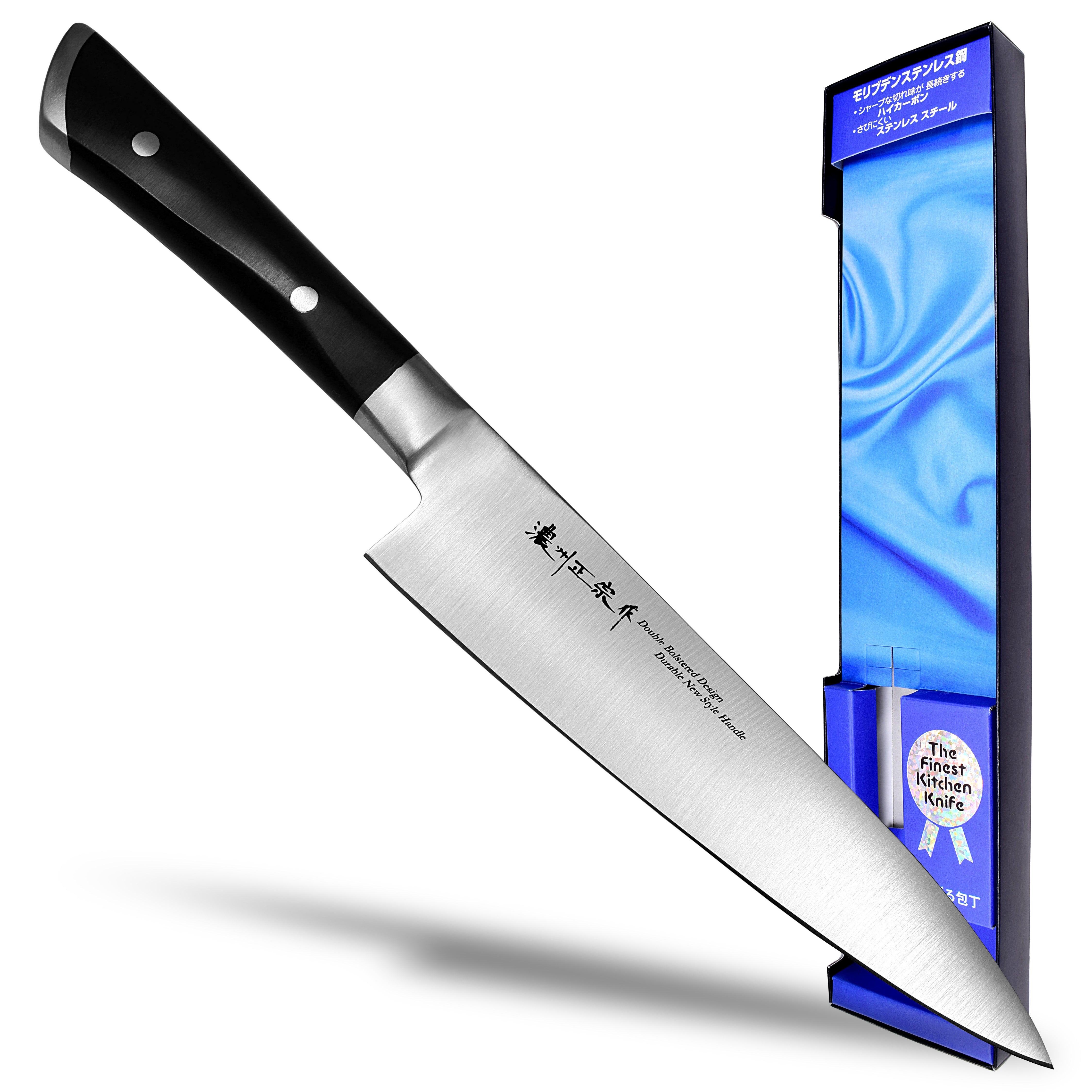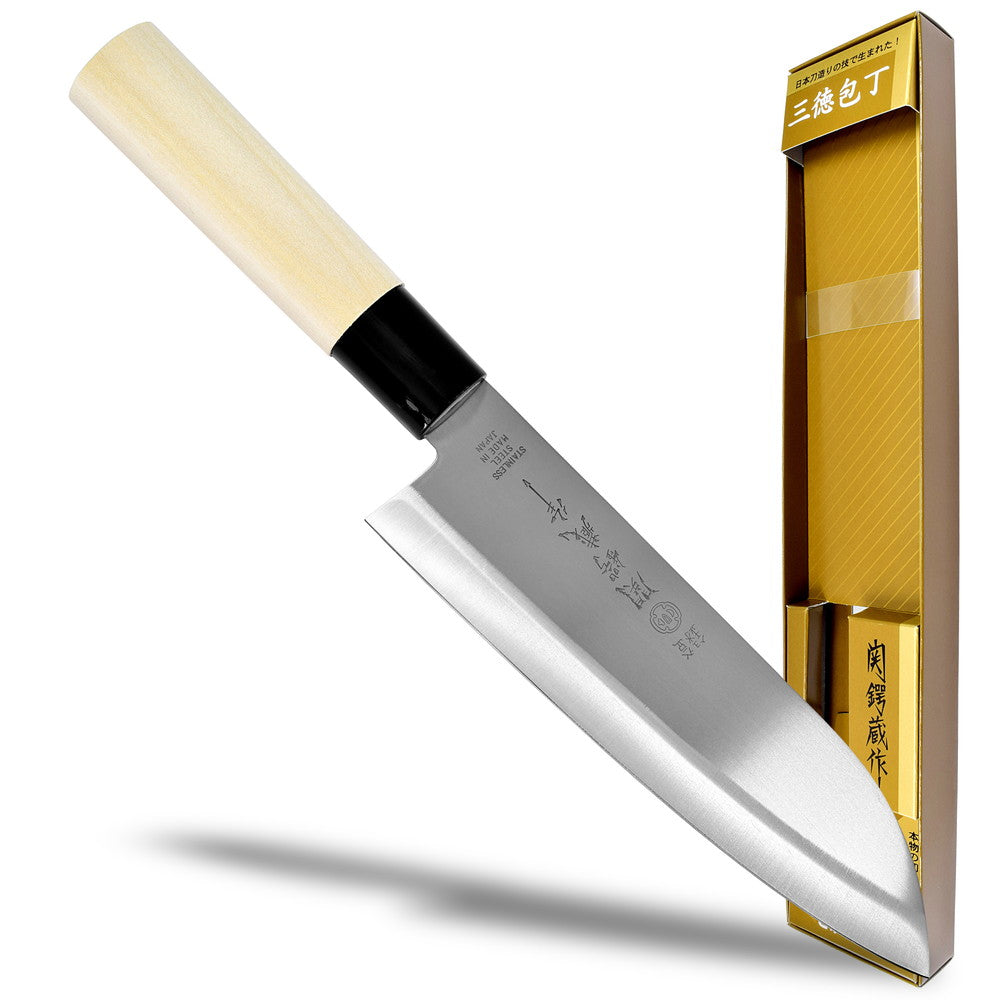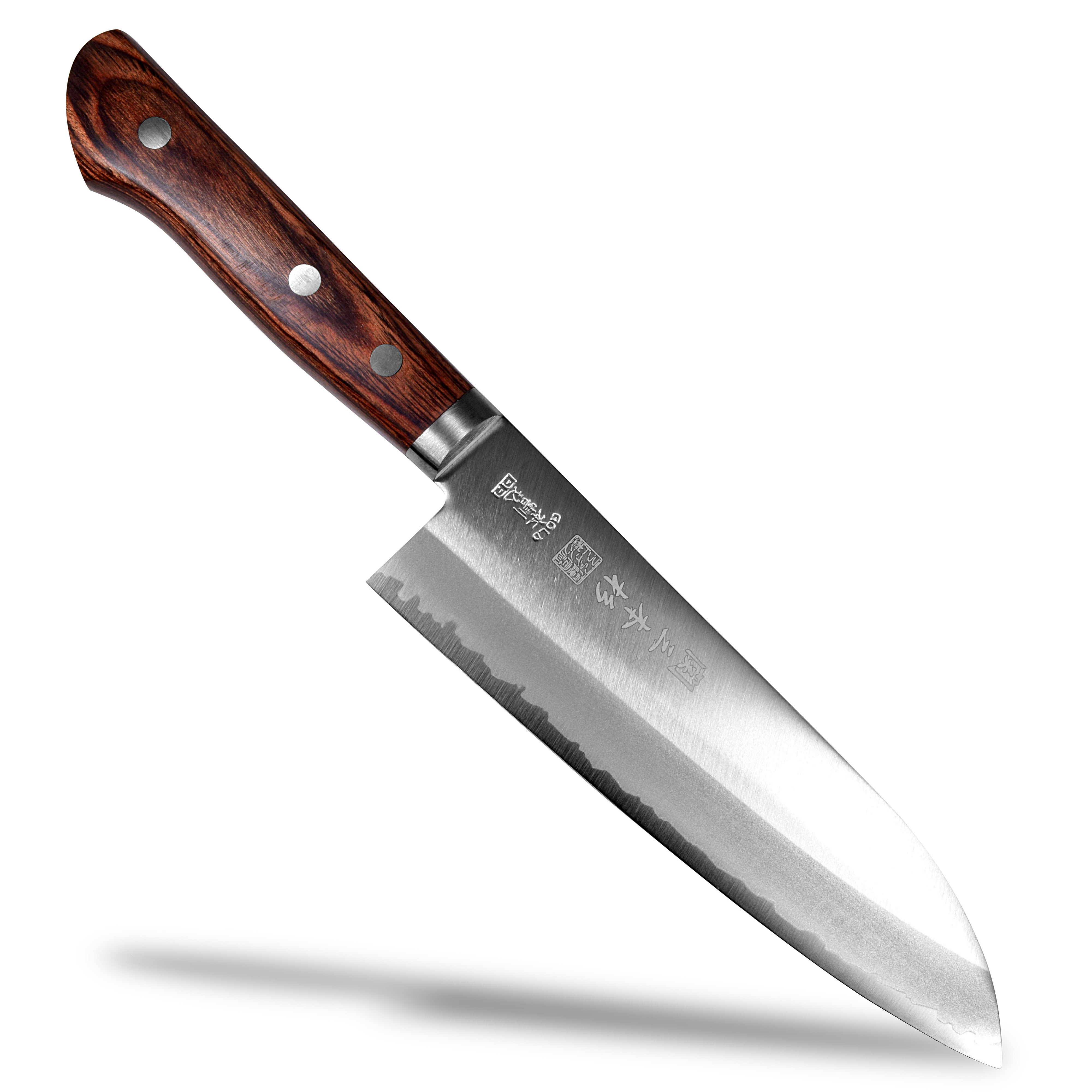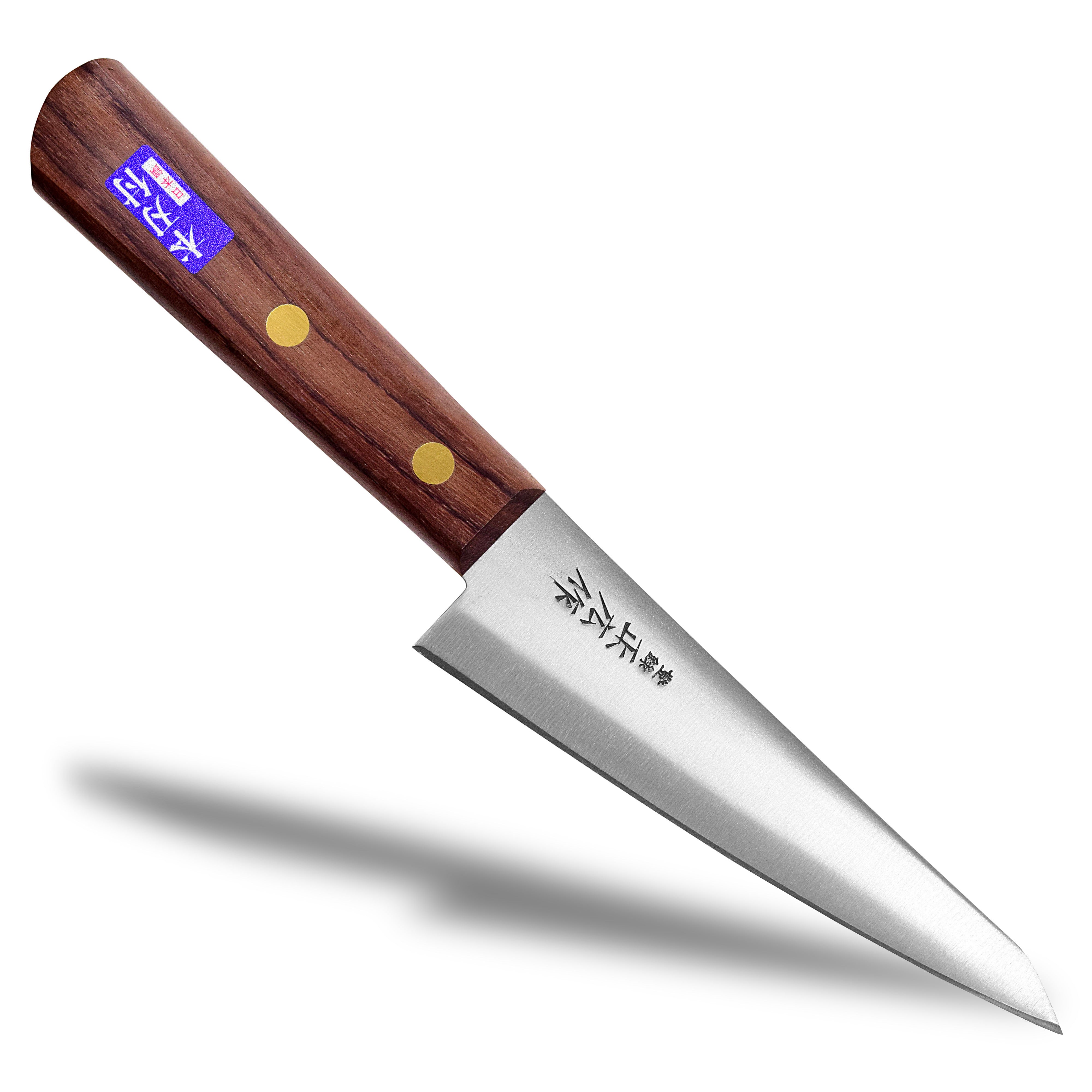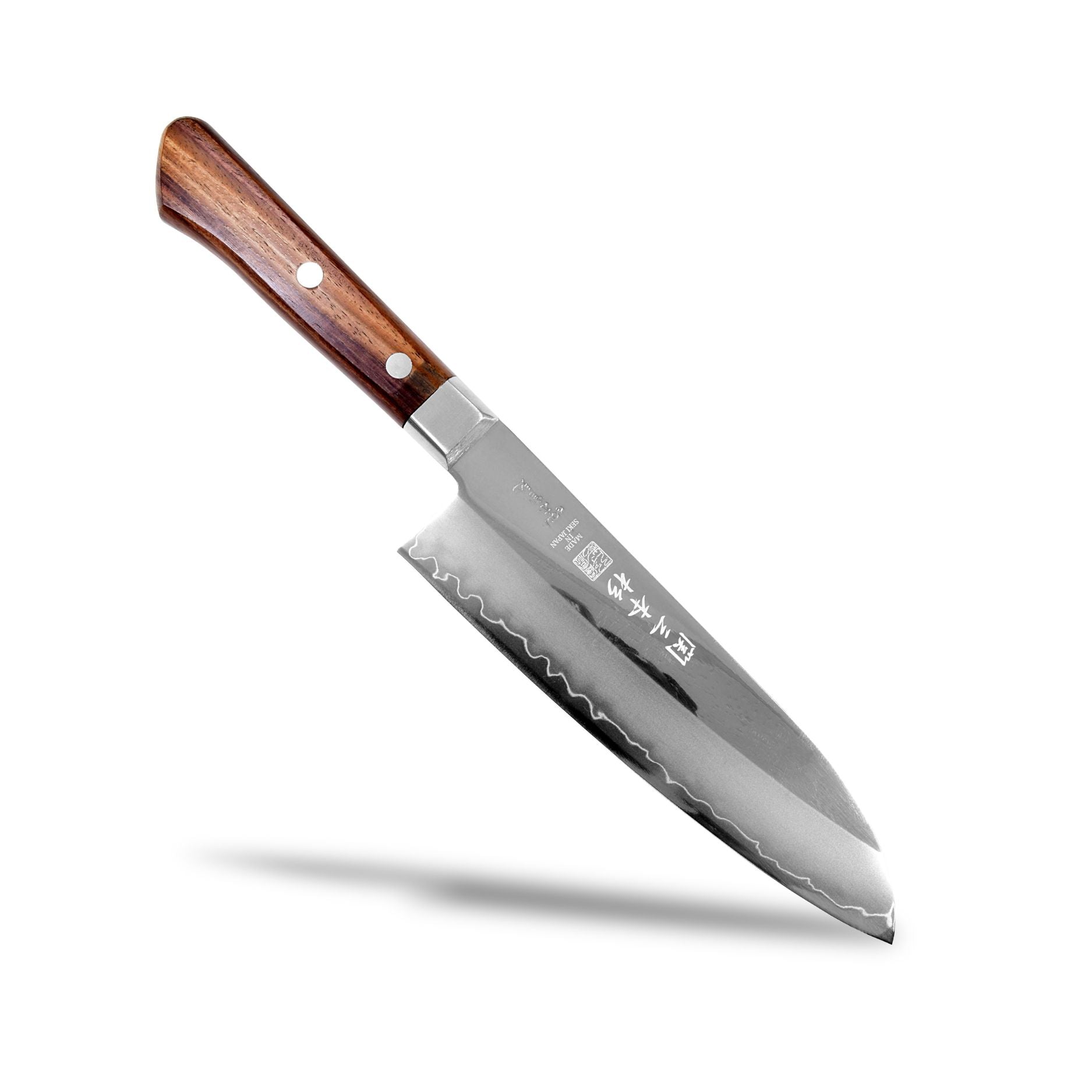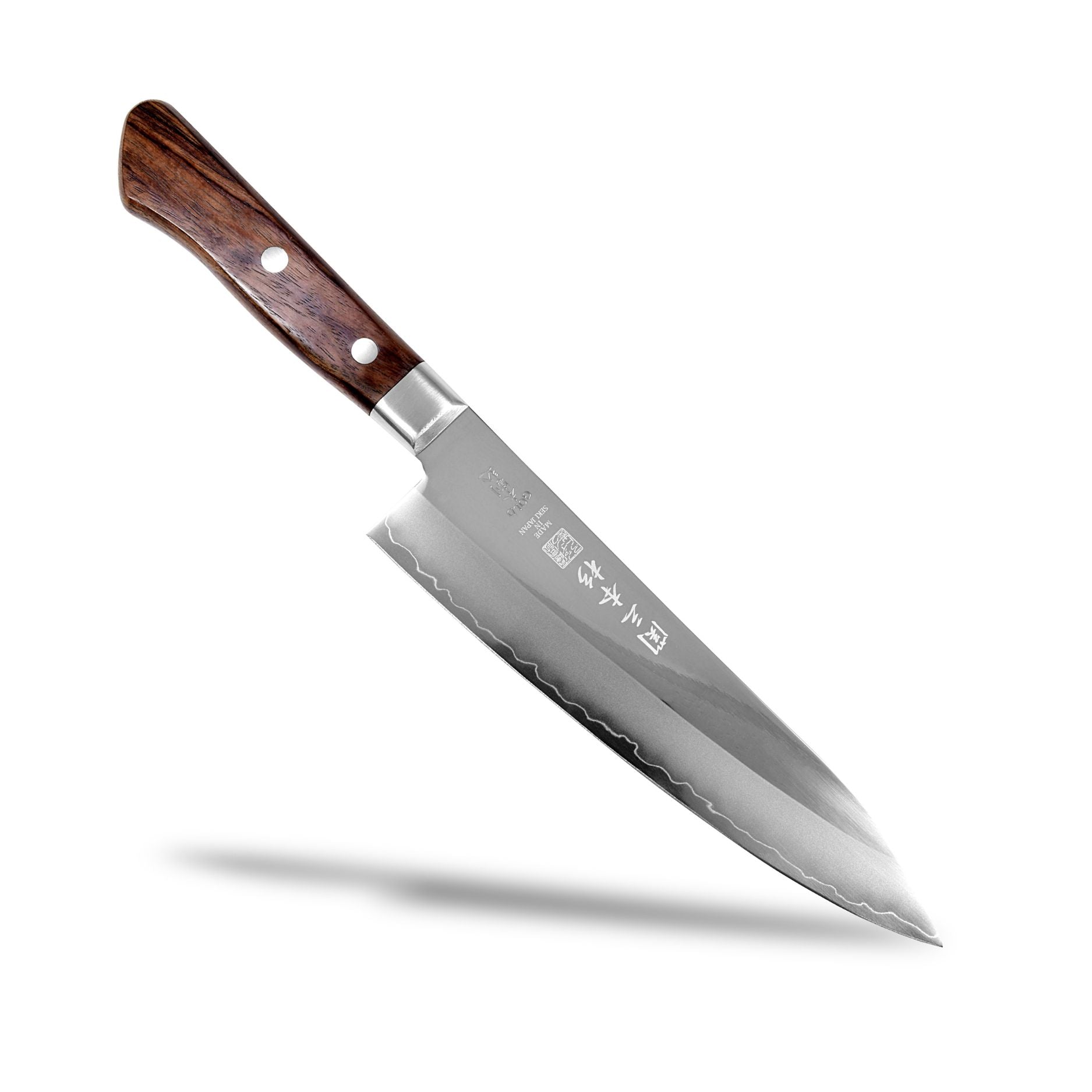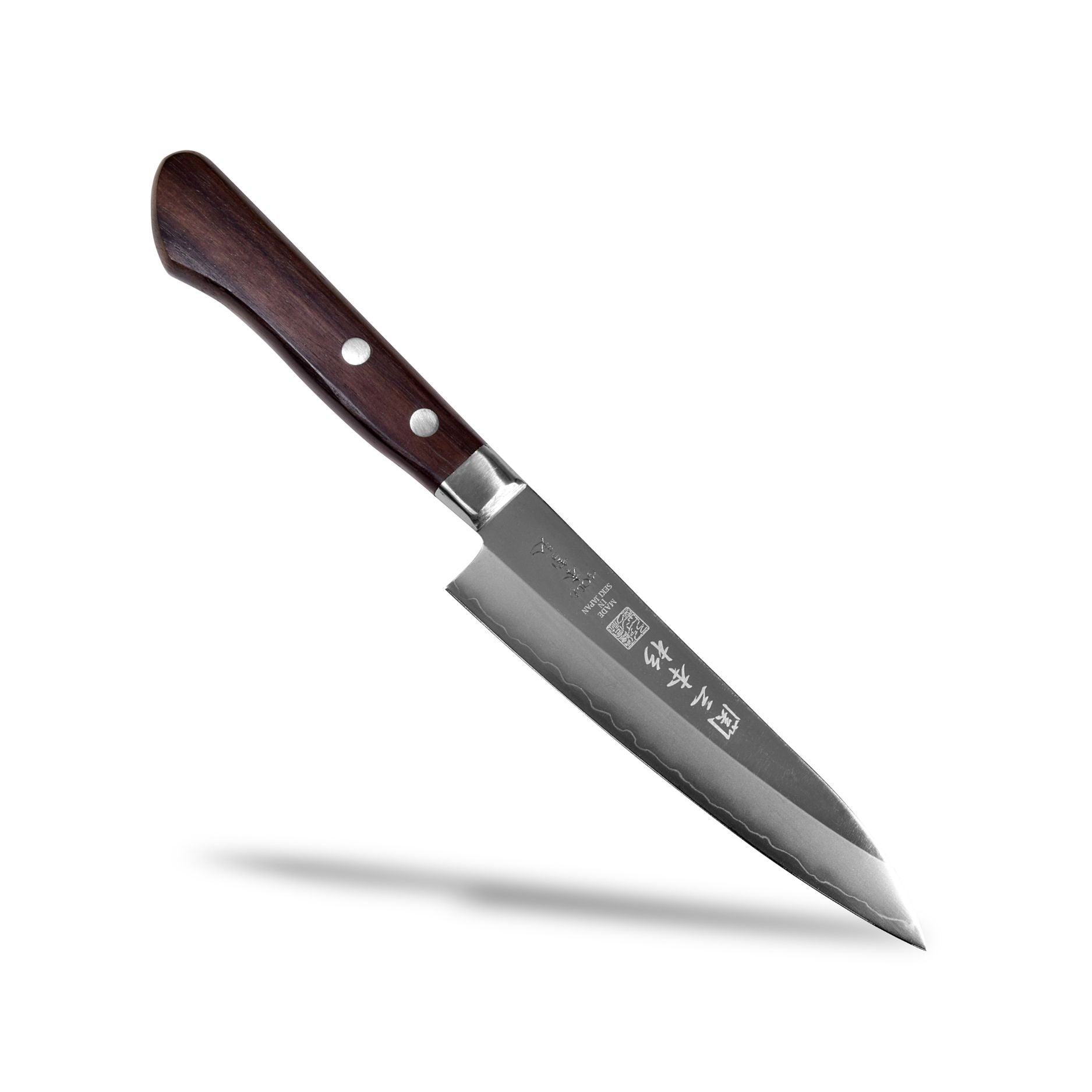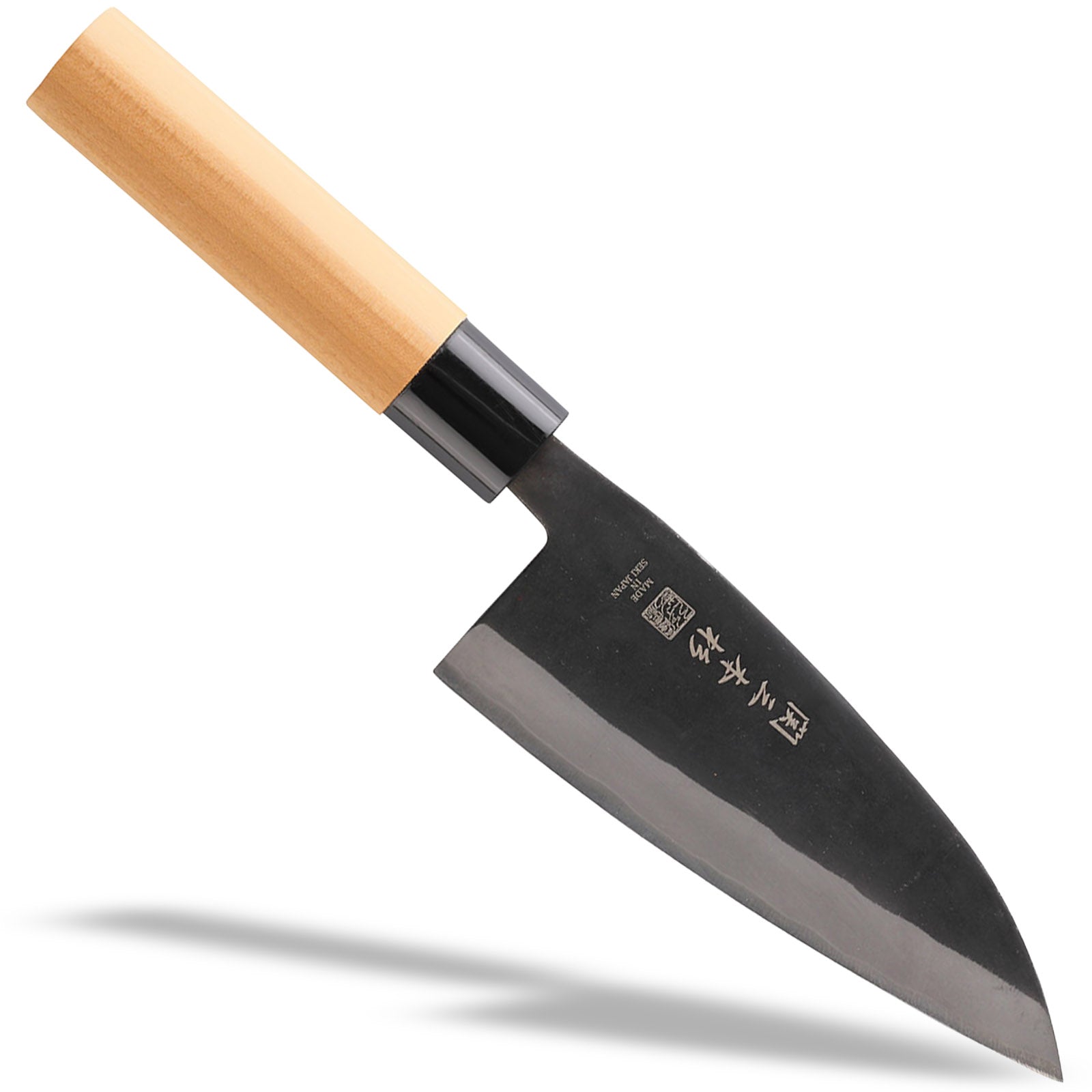

Japanese knives perfect for your first time filleting fish: Types of Deba knives, fish, usage/procedures
In conclusion, if you want to fillet a fish neatly, the safest and least likely to fail method is to choose a deba knife from among the various types of Japanese knives, and to understand the basic size, usage, and procedure. In short, a 150-180mm deba knife + the standard procedure for filleting a fish is the quickest way for beginners to get started with filleting fish.
Key points of this article / Today's review: 3 essential points
- A deba knife has a structure that is "thick at the base of the blade and sharp at the tip," and is a representative type of Japanese knife used for cutting off the heads of fish, cutting through bones, and filleting fish.
- For home use, a 150-180mm deba knife is easy to handle and can be used for a wide range of fish, from horse mackerel and sardines to fillets of sea bream and yellowtail.
- The most important thing is to understand the procedure of "scales → head → internal organs → filleting" and which part of the blade to use to cut what (the base of the blade for bones, the tip for flesh).
Conclusion of this article
- In short, a deba knife is a Japanese knife with a thick, heavy blade base and a single-edged structure, specifically designed for filleting fish into three pieces while simultaneously cutting through the head and bones.
- If you're a beginner preparing fish, choose a deba knife with a blade length of around 150mm and follow the basic steps of scaling, cutting off the head, removing the innards, and then filleting the fish into three pieces from the back and belly sides to minimize the chances of failure.
- The key points to understand about the different types of Japanese knives and how to use a deba knife on fish are: "Use the base of the blade to cut straight through the bones and the tip of the blade to cut along the bones" and "Choose a blade length that is close to the length of the fish."
- While you can fillet a fish with just a santoku knife, switching to a deba knife makes it easier to remove the head and bones, preventing the flesh from falling apart and allowing you to fillet it into three neat pieces.
Types of Japanese kitchen knives | What kind of knife is a deba knife? Its relationship to fish preparation.
In conclusion, the deba knife is a type of Japanese knife specifically designed for preparing fish and chicken, specializing in cutting bones and filleting. It has thickness and weight at the base of the blade, allowing it to firmly cut through the head and backbone, while the tip is made sharp and thin, making it easy to cleanly separate the flesh along the bone.
In the main lineup of Japanese kitchen knives, it is clearly stated that "deba knife = used for filleting and chopping fish," making it the first knife you should consider when starting out with fish preparation at home. In short, a deba knife is "a knife designed with the assumption of filleting fish into three pieces."
Shape and structural characteristics of a deba knife
In conclusion, the three main characteristics of a deba knife are its thick blade base, weight, and single-edged design. The thick spine (back side) and overall weight make it easy to apply force to fish heads and bones, allowing you to cut with the weight of the blade rather than pushing it down.
Furthermore, many deba knives have a single-edged structure (only one side is sharpened at an angle, and the other side is almost flat), which is advantageous because when you cut along the bone, the flesh naturally moves to one side, reducing the risk of the flesh splitting while filleting. Due to these structural differences, it is said that cutting off the head and bones of a fish is easier and safer than with a santoku knife.
Types of deba knives (standard deba, filleting deba, etc.)
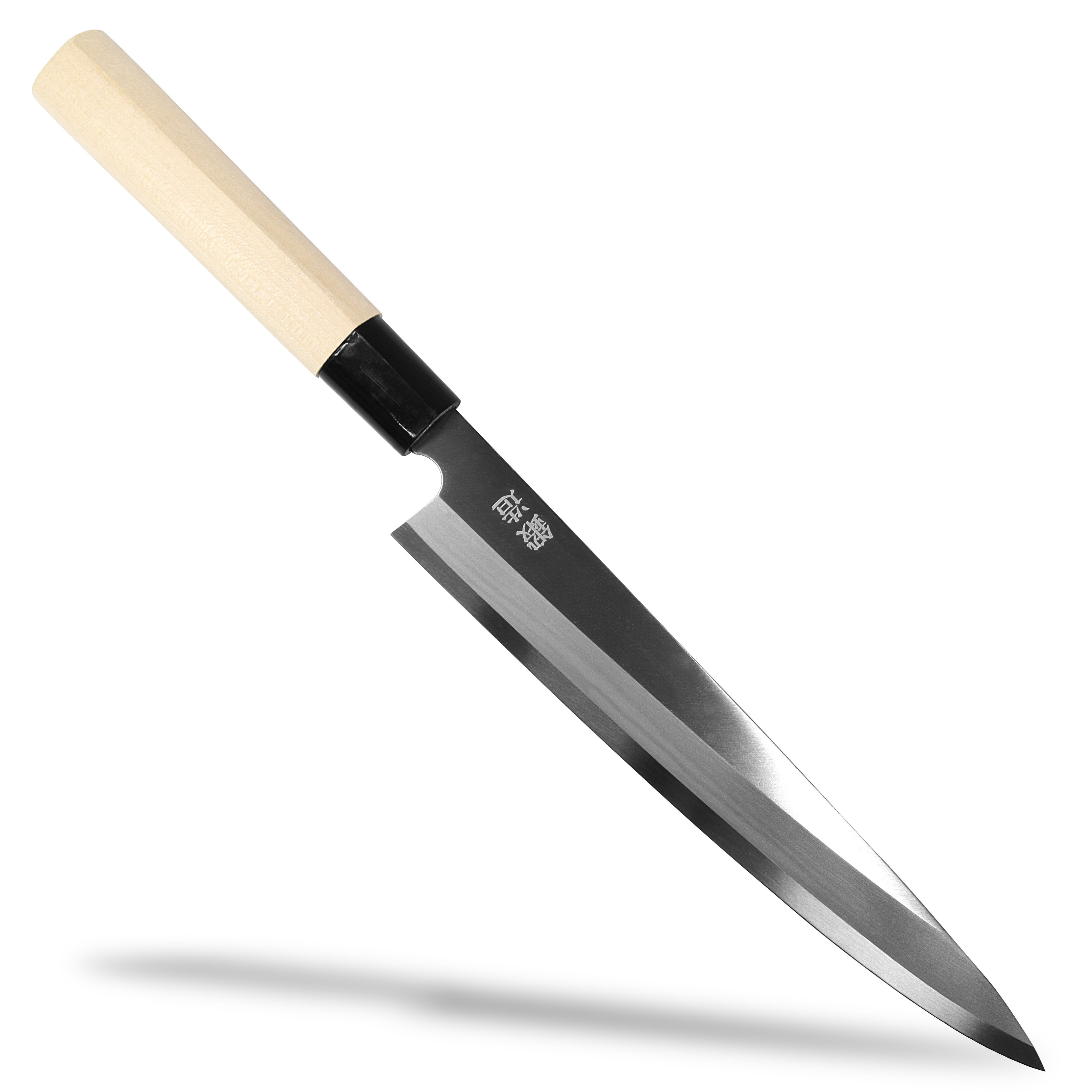
In short, there are variations of deba knives, such as "standard deba," "minoro deba," and "yanagi deba."
A standard deba knife has a thick, heavy blade base and is a versatile type that can handle a wide range of tasks, from rough work such as cutting off fish heads, slicing through bones, and chopping, to filleting.
The deba knife for filleting fish has a slightly narrower width and a thin spine, making it unsuitable for cutting bones. However, it has characteristics somewhere between a deba and a yanagiba knife, and is recommended for those who want to handle everything from filleting to sashimi with a single knife.
Yanagi deba knives are even thinner and more slender, and are used for specialized purposes such as skinning pufferfish. There are many variations depending on the type of fish and intended use.
Recommended Deba knife size for beginners
The most important thing is to choose a knife with a blade length that matches the size of the fish you frequently prepare.
According to guides from specialty stores, 120-180mm is the standard range for home use, and around 150mm is considered an easy-to-handle size with fewer mistakes, especially for beginners. The basic principle of choosing a knife is to match the length of the fish's "vertical width" (from back to belly) with the blade length of the deba knife, so that when you cut the fish at an angle of about 45 degrees, it will be easier to make a clean hit on the bone.
If you're just starting out and haven't yet determined the size of the fish you're preparing, choosing a 150-180mm deba knife will make it easier to handle a wide range of fish, from small ones like horse mackerel and sardines to medium-sized ones.
Types of Japanese kitchen knives | How to use a deba knife on fish and the procedure (basic steps for filleting)

In conclusion, the basic procedure for filleting a fish into three pieces is to move the deba knife in the following order: remove the scales → cut off the head → open the belly and remove the innards → separate the flesh from the back and belly.
As justification, explanations of how to prepare fish generally describe the same process for all fish species, stating that the standard method for filleting involves making an incision along the dorsal fin and separating the flesh from the back side to the belly side along the backbone.
With a deba knife, you can cut the head and bones with the base of the blade, and then separate the flesh by gliding the tip to the middle of the blade. This way, you can protect the blade and prevent the flesh from falling apart. In short, the key to using a deba knife is to "cut the bone straight with the base of the blade and cut the flesh along the bone with the tip of the blade."
STEP 1-4: Preparation (scale removal, head and innards)
In conclusion, the first thing beginners should learn is to "prepare carefully." The main steps are as follows:
- Removing scales: Scrape off the scales from the entire fish using a scale remover or the back of a knife, then rinse under running water.
- Removing the head: Place the fish with its head to the left, and lay the deba knife slightly flat behind the pectoral and pelvic fins, cutting until you hit the backbone. Make a similar cut on the other side, then use the base of the blade to stab through the backbone and cut off the head.
- Opening the belly: Make a shallow cut from the belly side to the anus and open it up, then scoop out the internal organs with a spoon or similar tool. The key is not to cut too deeply, as damaging the internal organs will leave an odor in the flesh.
- Wash the bloodline: Rinse the bloodline along the backbone thoroughly under running water, then pat dry with kitchen paper.
STEP 5-7: Procedure for filleting the fish from back to belly.
In short, the idea is to "cut shallowly from the back, then gradually deeper, and finish from the belly." The typical procedure for filleting a fish into three pieces is as follows:
- To open the back: Place the fish with its back facing you, and make several shallow cuts along the dorsal fin, sliding the tip of the knife over the backbone.
- Splitting from the back: Go back and forth along the same line several times, gradually inserting the blade deeper until you reach near the backbone.
- Splitting from the belly: Turn the fish over and make an incision along the backbone from the belly side, then separate the flesh from the bone, connecting it to the incision on the back side.
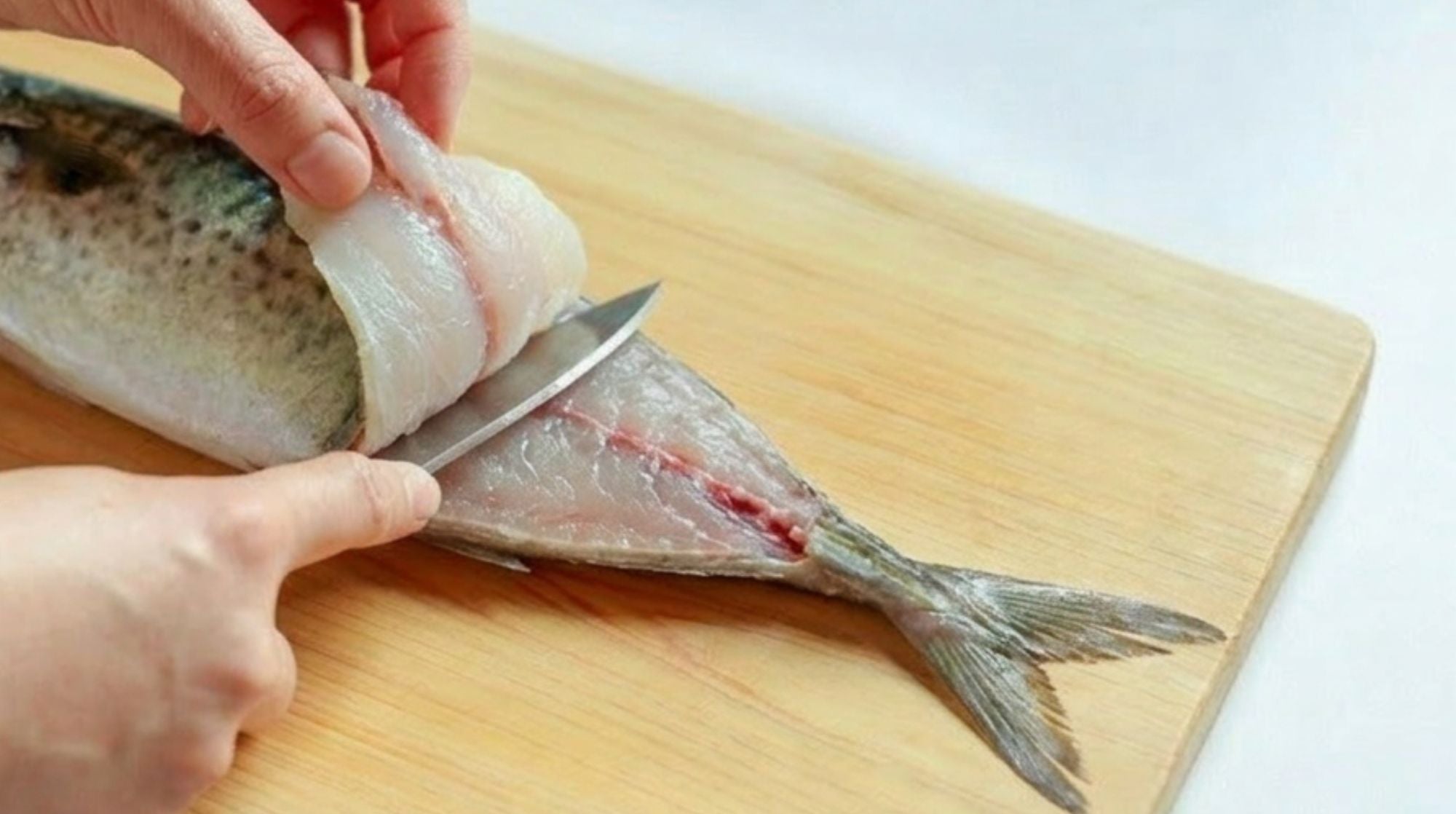
- To separate one half of the fish: Insert the blade outwards at the base of the tail and separate the flesh by tracing along the thick central bone.
Repeat the same process on the other side to complete the three-piece filleting process.
Key points for safely handling a deba knife
The most important thing is to have the mindset of "letting the knife do the work." Because a deba knife is heavy, you don't need to use excessive force; if you use its weight and apply it perpendicular to the bone, you can cut through the head and bone relatively easily.
When cutting bone or head, use the base of the blade, grip the handle firmly, and always keep your other hand outside the direction of the blade's movement to help prevent injuries.
Furthermore, when separating the flesh with the tip of the blade, it is recommended to "not try to cut in one go, but to make several shallow movements," as this will allow you to remove the flesh cleanly along the bone. Since a deba knife is single-edged, left-handed people should choose a left-handed version or consider a double-edged filleting knife for easier handling.
FAQ
Q1. What is the biggest difference between a deba knife and a santoku knife?
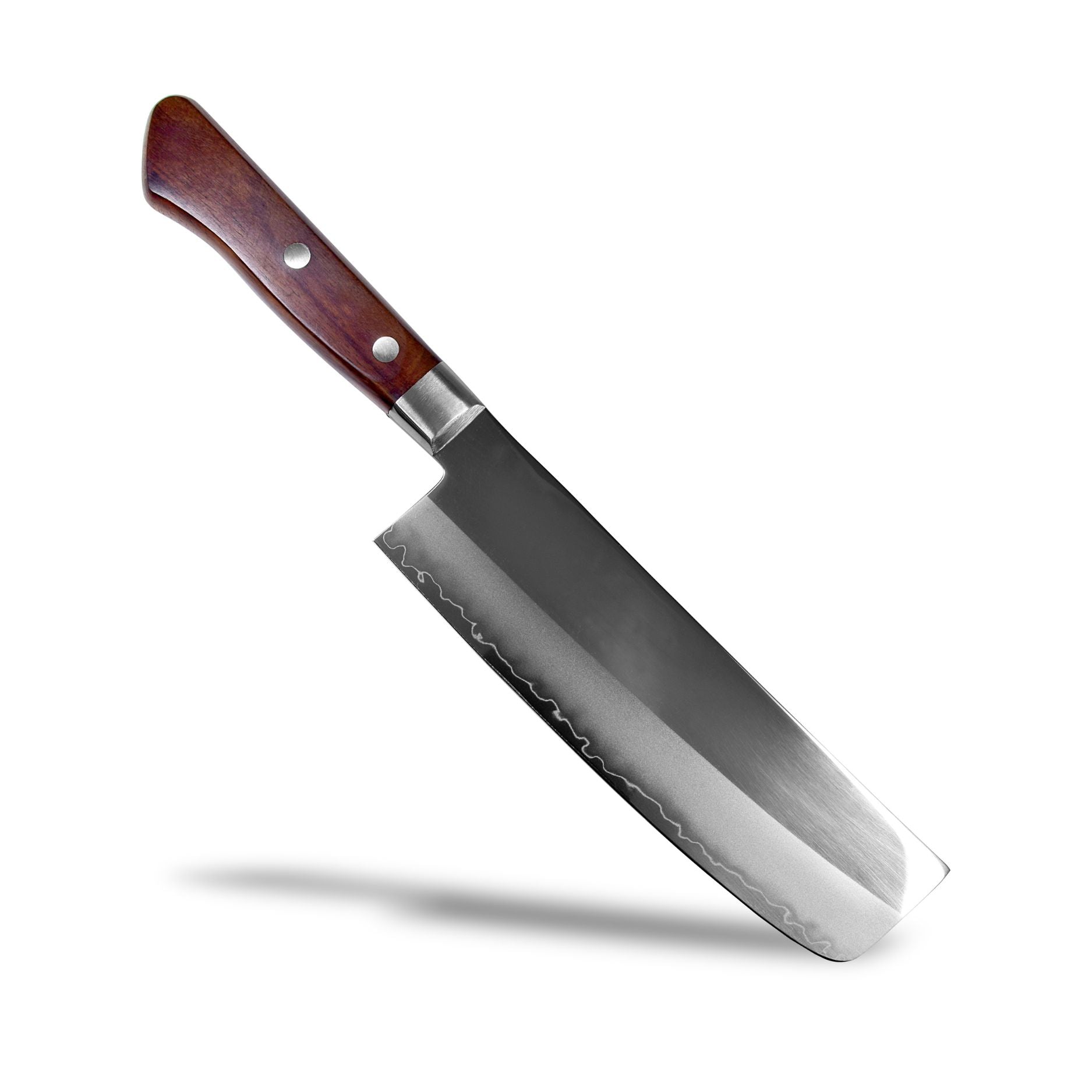
A1. A deba knife is a thick, heavy, single-edged knife suitable for cutting fish heads and bones, while a santoku knife is a thinner, double-edged knife that is a versatile all-purpose knife for cutting vegetables, meat, and fish.
Q2. What blade length (in cm) is recommended for a deba knife for beginners?
A2. For home use and if you haven't decided on the type of fish, around 150mm is good, but generally, the range of 120-180mm is easy to use, and for beginners, 15-18cm is recommended.
Q3. Is it possible to fillet a fish into three pieces without a deba knife?
A3. While it is possible to use a santoku knife, the blade is more likely to get damaged when cutting the head and bones, so using a deba knife is safer and results in a better finish with less flesh falling apart.
Q4. What is the most important point when choosing a deba knife?
A4. The basic rule is to choose a blade length that is close to the length of the fish you frequently fillet. A blade length that matches the size of the fish makes it easier to cut into the bone at the appropriate angle.
Q5. What types of deba knives are there?
A5. In addition to the standard deba knife, there are also filleting deba knives and yanagi deba knives. The former is used for both filleting and sashimi preparation, while the latter is used for skinning pufferfish, etc.
Q6. When filleting a fish, which part of the deba knife should I use to cut through the bones?
A6. Use the thick, strong part of the blade near the base to cut through the bones and head, and use the tip of the blade to separate the flesh from the bone. This will help you fillet the fish cleanly without damaging the blade.
Q7. Is the sharpening method for a deba knife different from that of a regular knife?
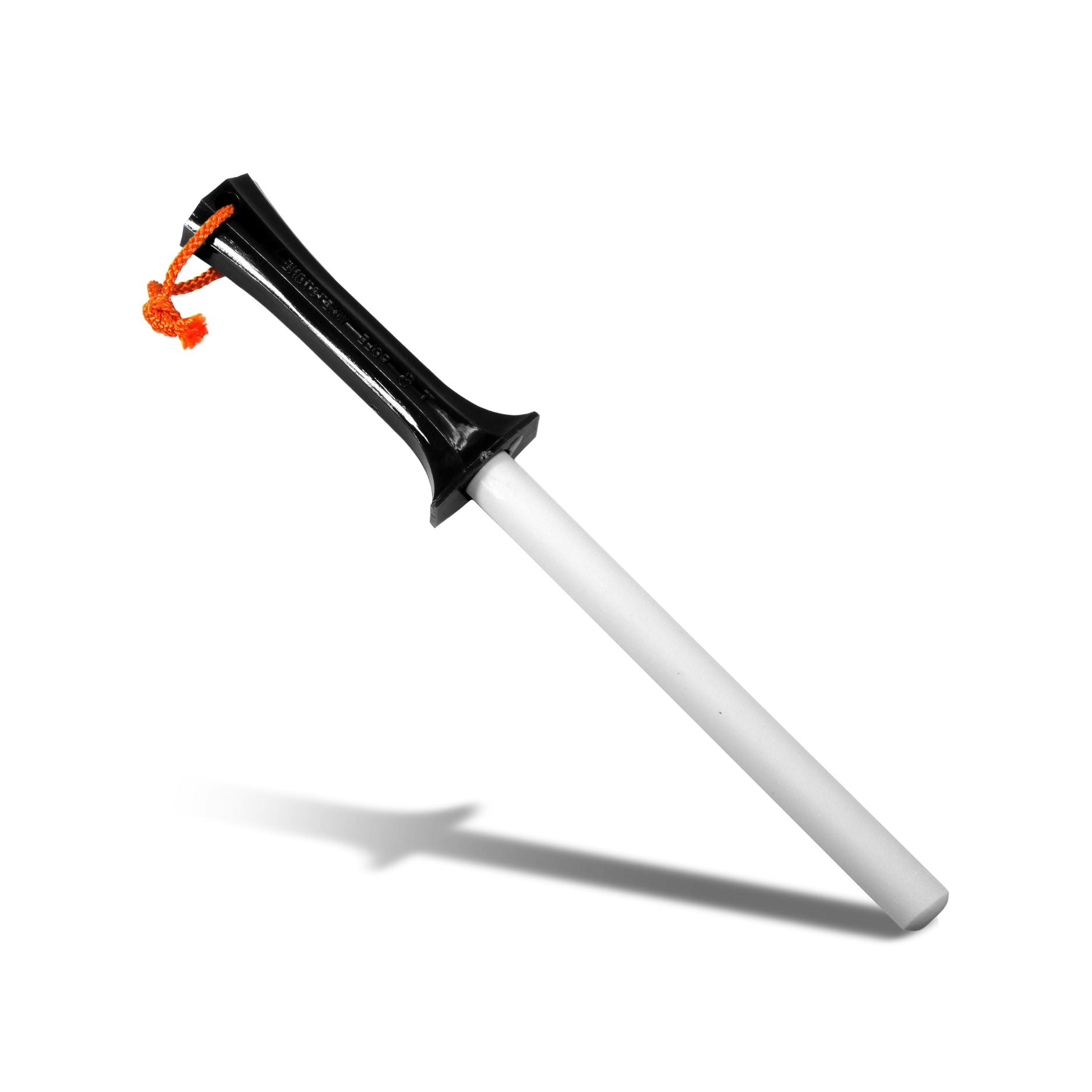
A7. Because of its single-edged structure, the front side needs to be sharpened thoroughly, and the back side needs to be lightly sharpened to create a smooth "back bevel." If you are not used to this, it is a good idea to consult a specialist.
Q8. Can a deba knife be used for anything other than fish?
A8. It can be used for preparing bone-in chicken, but it's best to avoid using it to cut hard frozen foods by pounding them, as this can cause the blade to chip.
Q9. For a first deba knife, which is better: a steel or stainless steel one?
A9. If you prioritize rust resistance and ease of maintenance, stainless steel is suitable, but if you prioritize sharpness and ease of sharpening, carbon steel is better. The most practical choice is based on how often you use it and how much time you have for maintenance.
Q10. When filleting a fish, a lot of the flesh remains attached to the bone. What is the reason for this?
A10. Often, people cut too deeply when trying to separate the flesh from the bone in one go. Making several shallow cuts along the dorsal fin will make it easier to cut along the bone.
summary
- Among the various types of Japanese kitchen knives, the deba knife has a thick, heavy single-edged blade and is ideal for filleting fish, as it is a specialized knife for removing the head, cutting through bones, and filleting the flesh.
- For home use and beginners, a 150-180mm deba knife is recommended. By following the basic steps of scaling, cutting off the head, removing the innards, and separating the flesh from the back and belly, you will be able to consistently and cleanly fillet a fish into three pieces.
- In conclusion, the most reliable way to successfully learn how to fillet a fish is to "prepare a deba knife that matches the size of the fish you frequently fillet, and master the basics of using the base of the blade for bones and the tip for flesh."