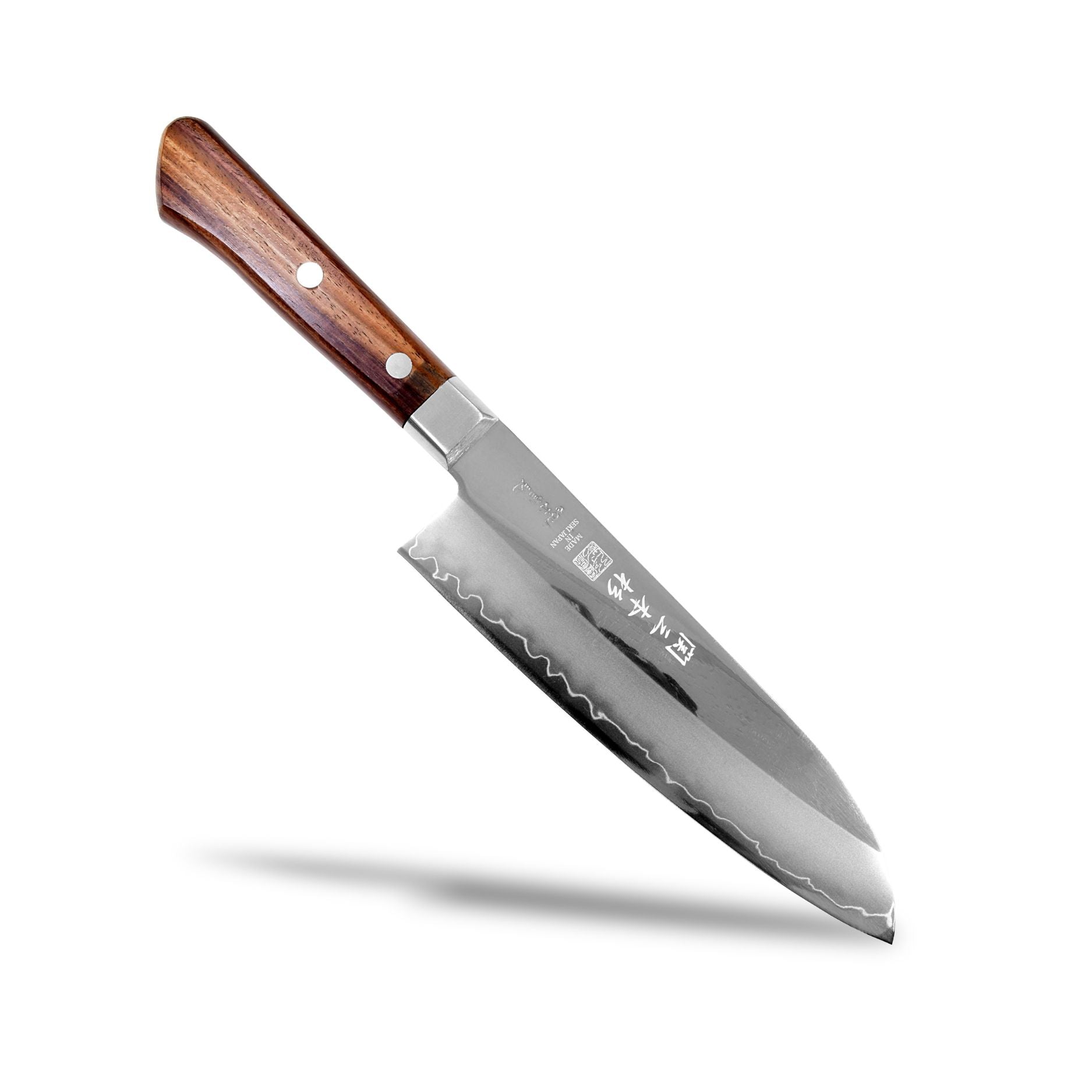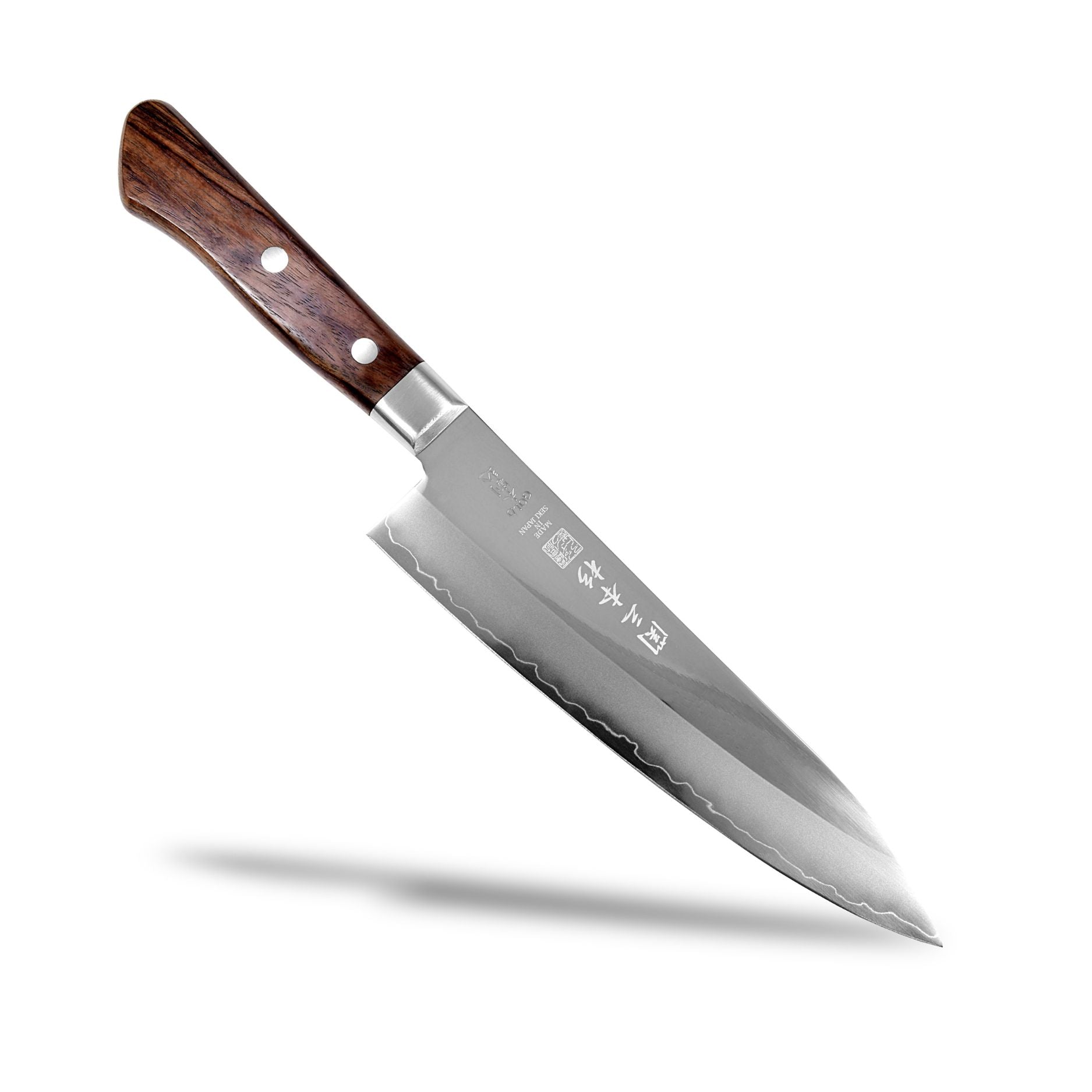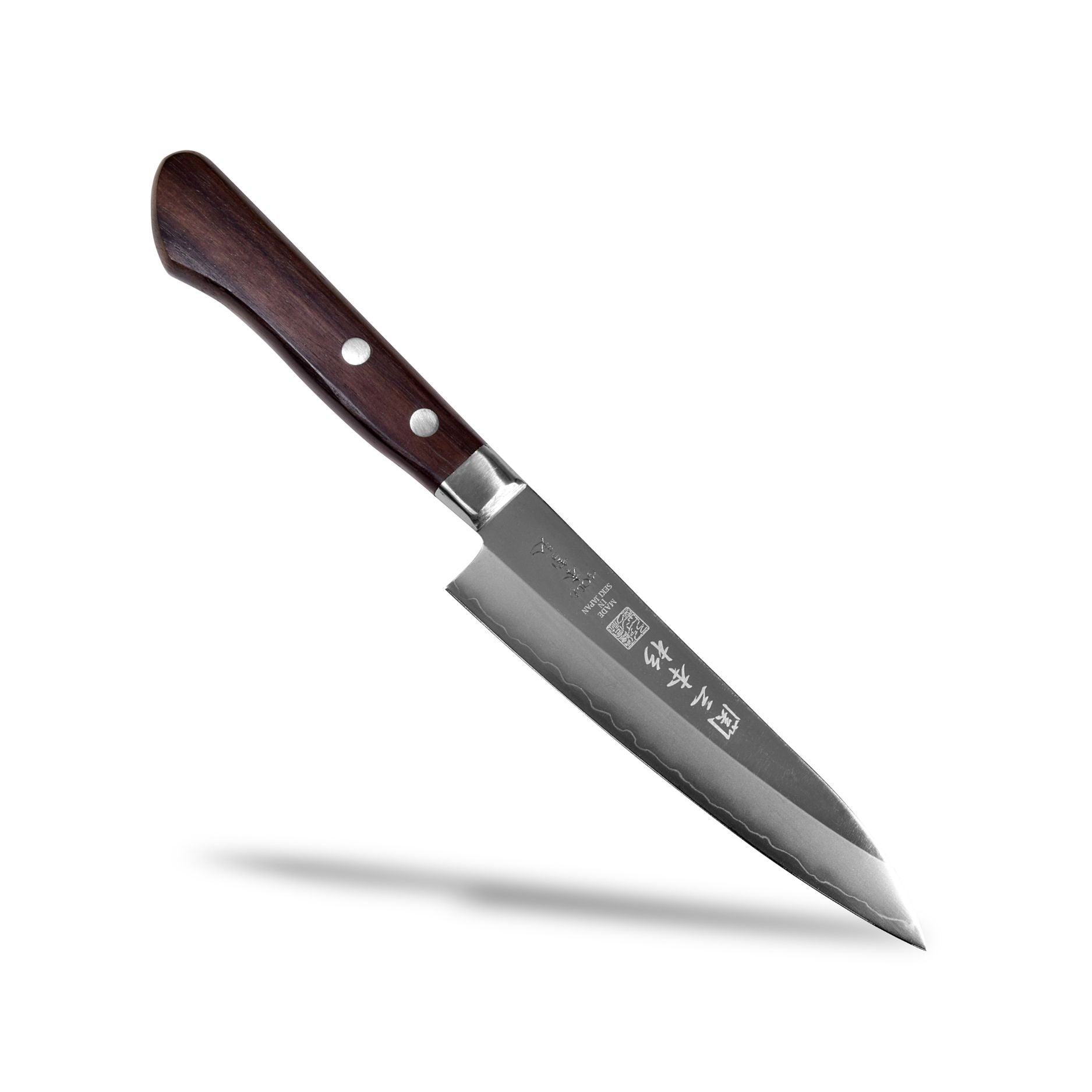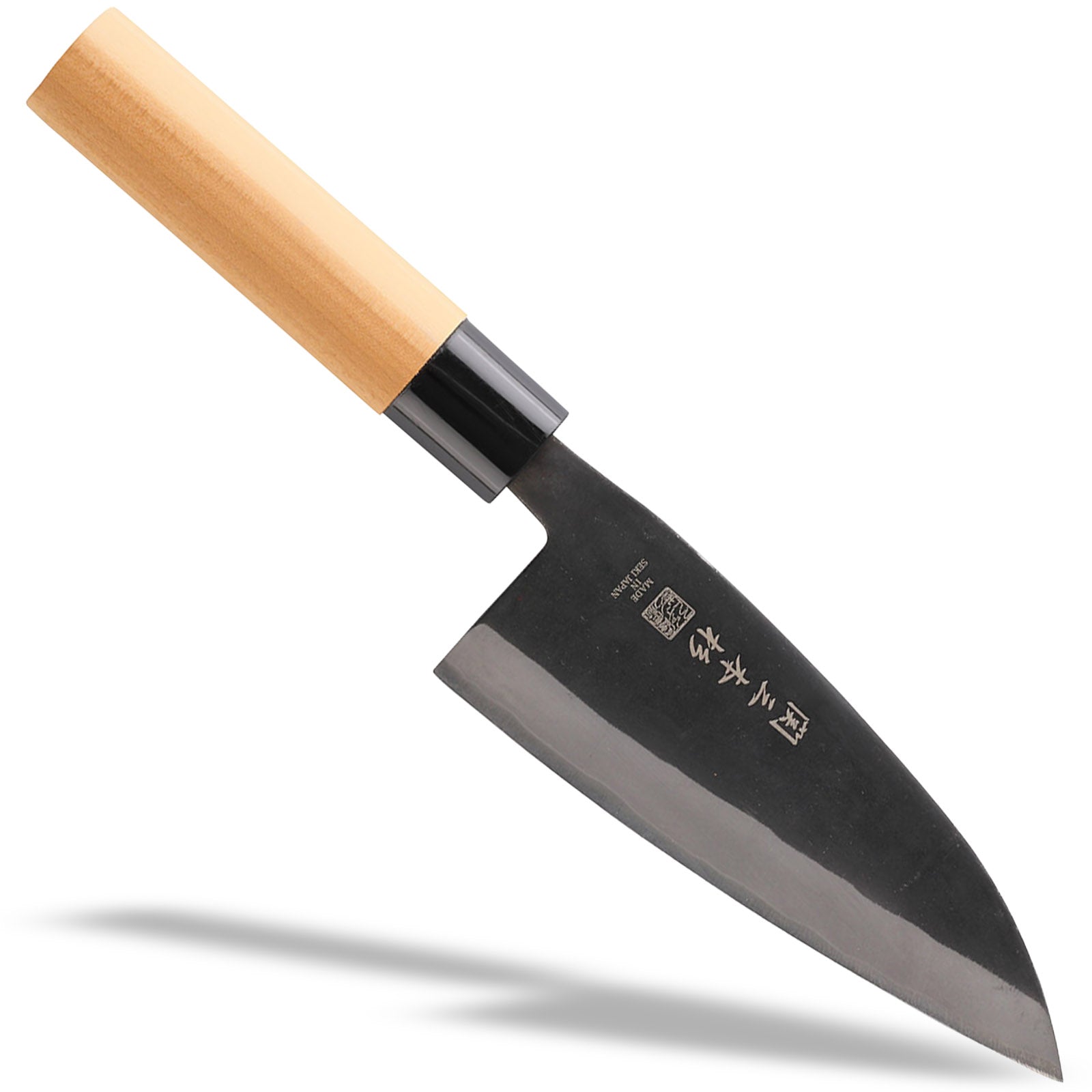

How to Sharpen a Japanese Kitchen Knife to Transform Your Daily Cooking | What are the Characteristics of a Vegetable Knife Suitable for Home Cooking?
A nakiri knife is a Japanese knife specifically designed for vegetables, and with proper sharpening and maintenance, it can significantly improve the speed and quality of your home cooking preparation.
Key points of this article
- A nakiri knife is a Japanese knife specifically designed for vegetables, featuring a straight, wide blade, and is specialized for julienning, mincing, and slicing vegetables in a julienne style for home cooking.
- The basics of sharpening are to sharpen both sides evenly at a 45-degree angle to the whetstone, with the blade angle being about the width of two 10-yen coins, and finally remove any burrs and let it dry thoroughly.
- In home cooking, simply sharpening your vegetable knife about once a month can restore the sharpness of carrots and cabbage, and even improve their texture and appearance.
Today's review: 3 key points
- A nakiri knife is a type of Japanese knife specifically designed for vegetables, and is recommended for efficiently cutting large quantities of vegetables in home cooking.
- The basic sharpening method involves holding the blade at a 45-degree angle to the whetstone, sharpening both sides evenly at a blade angle of 10-15 degrees, and then removing any burrs and allowing it to dry.
- Sharpening your knives when you feel they've lost their sharpness will make slicing cabbage or peeling daikon radish incredibly smooth.
Conclusion of this article
A nakiri knife is a Japanese kitchen knife with a straight, wide blade that allows you to cut vegetables straight, making it ideal as the "vegetable specialist" for efficient vegetable cutting in home cooking. In short, "a nakiri knife that is regularly sharpened with a whetstone is a tool that brings home-cooked vegetable dishes closer to the look and texture of a professional."
- The key to sharpening is to hold the blade at a 45-degree angle to the whetstone, hold the blade edge at a 10-15 degree angle, sharpen it with a medium-grit whetstone, sharpen the other side in the same way, remove any burrs, and then let it dry thoroughly.
- For home cooking, sharpening the knife about once a month will maintain the sharpness of vegetables like carrots, radishes, and cabbage, allowing them to cut without crushing the fibers, resulting in better flavor absorption and even cooking.
- By assigning specific roles to different types of Japanese knives—"nakiri" for vegetables and "santoku/gyuto" for meat and fish—and mastering the sharpening techniques for each, you can extend the lifespan of your knives while improving the quality of your home cooking.
Sharpening may sound difficult, but a vegetable knife has a wide blade that is easy to apply stably to a whetstone, making it a good choice for beginners who are using a whetstone for the first time.
From the basics of sharpening Japanese knives to the characteristics of vegetable knives suitable for home cooking
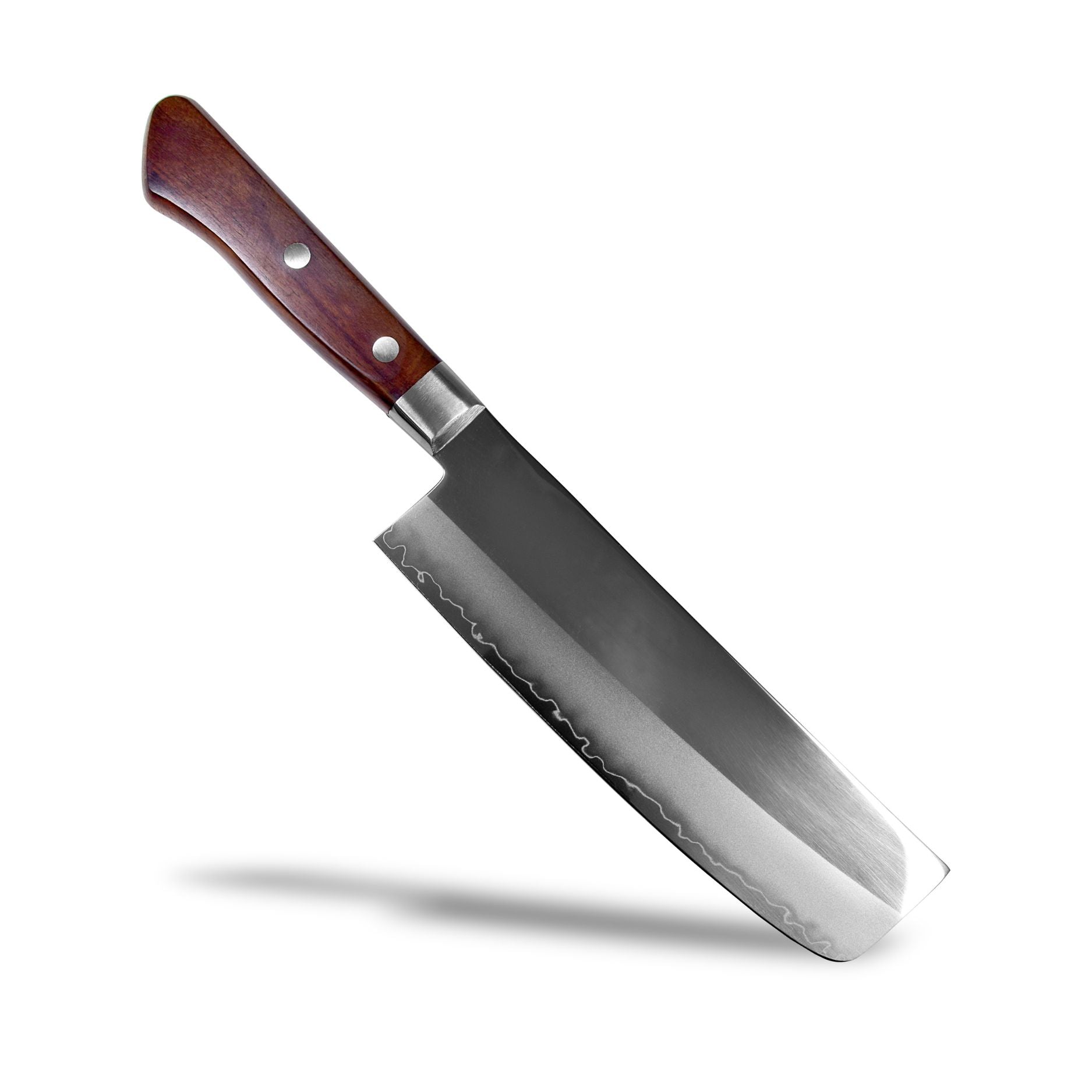
Understanding how to sharpen Japanese knives reveals why the nakiri knife is most effective as the "vegetable specialist" in home cooking. The nakiri knife's greatest feature for home cooking is its straight blade and wide blade width, which allows the sharpened blade to cut straight into vegetables without crushing the fibers, resulting in a clean cut.
The shape of a vegetable knife and why it's considered "suitable for home cooking"
A nakiri knife is characterized by its blade, which is nearly parallel to the cutting board, has a square-shaped tip, and is wide. This shape allows you to stably support and cut large vegetables such as cabbage and radish in a straight line, making it easy to create uniform thicknesses for julienned or thin slices and ensuring even cooking.
For example, a straight blade distributes pressure evenly, which has been shown to have scientific advantages, such as preventing vegetables from falling apart and keeping them crisp in salads and other dishes. The wide blade not only provides a sense of stability, but can also be used as a spatula to scoop chopped vegetables directly from the cutting board to a frying pan or pot, shortening the cooking time at home.
Many vegetable knives have double-edged blades and are considered "easy-to-sharpen Japanese knives" for home use.
The first thing beginners should understand is that most vegetable knives are double-edged and can be sharpened in the same way as Western-style knives.
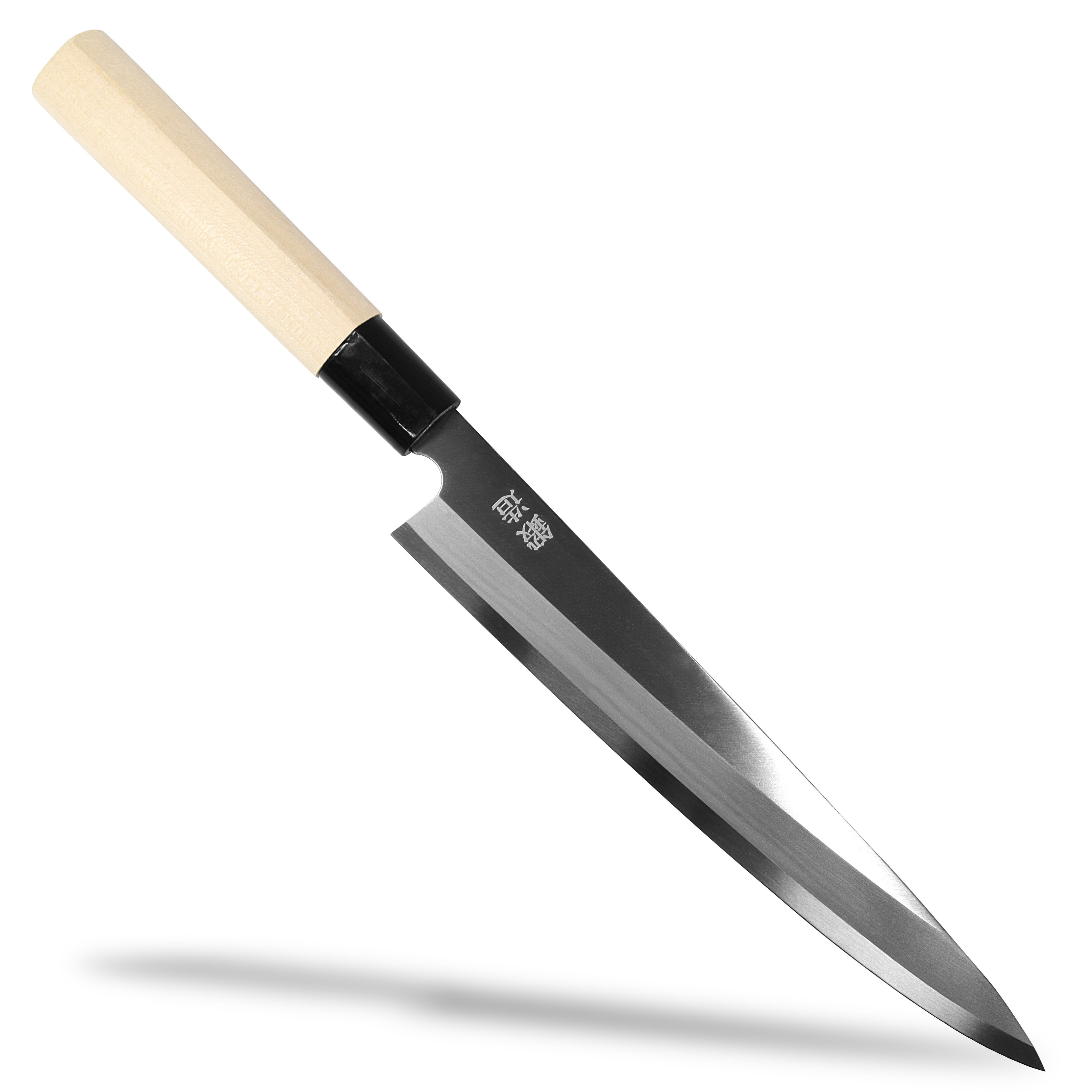
Double-edged knives have the advantage of being able to create a well-balanced blade by sharpening both sides of the blade at the same angle, and by holding the knife at an angle of about 10 to 15 degrees to the whetstone and sharpening both sides evenly. In contrast, single-edged knives such as deba knives and yanagiba knives require practice in handling the reverse side, so nakiri knives are easier to learn to sharpen at home.
One of the features of a vegetable knife is that it's easy to see the improvement in your sharpening skills. If you compare cutting the same vegetable before and after sharpening, you can clearly see the difference in how the blade cuts and the smoothness of the cut surface, so you can immediately experience the "meaning of sharpening it yourself."
How a sharpened vegetable knife can change home cooking
The most important thing is the realization that "a freshly sharpened vegetable knife can change the very quality of home cooking."
For example, with a dull knife, the fibers of carrots and onions are crushed, resulting in a jagged cross-section and making them more prone to leaking moisture. However, with a freshly sharpened vegetable knife, the julienne cuts are uniform, and stir-fries cook evenly, retaining a crisp texture.
Furthermore, the straight, sharp blade makes it easier to peel daikon radish thinly and in long strips, allowing you to create garnishes for sashimi and decorative cuts that look more professional. In simmered dishes, vegetables cut without crushing the fibers absorb flavors more easily, allowing you to aim for a higher-quality result even with the same recipe.
Basic steps for sharpening Japanese kitchen knives at home and maintenance of vegetable knives
The basic method for sharpening a vegetable knife at home involves a three-step process using a medium-grit whetstone, and performing this about once a month is sufficient to maintain a good edge. By learning the steps of "holding the knife at a 45-degree angle to the whetstone, raising the blade 10-15 degrees and moving it back and forth to remove burrs and allow it to dry thoroughly," you can maintain the knife at home without having to send it to a sharpening service.
Step 1: Prepare the whetstone and hold the knife (at a 45-degree angle, blade angle 10-15 degrees).
The first key point in sharpening is to thoroughly immerse the whetstone in water and make sure the medium-grit stone is flat.
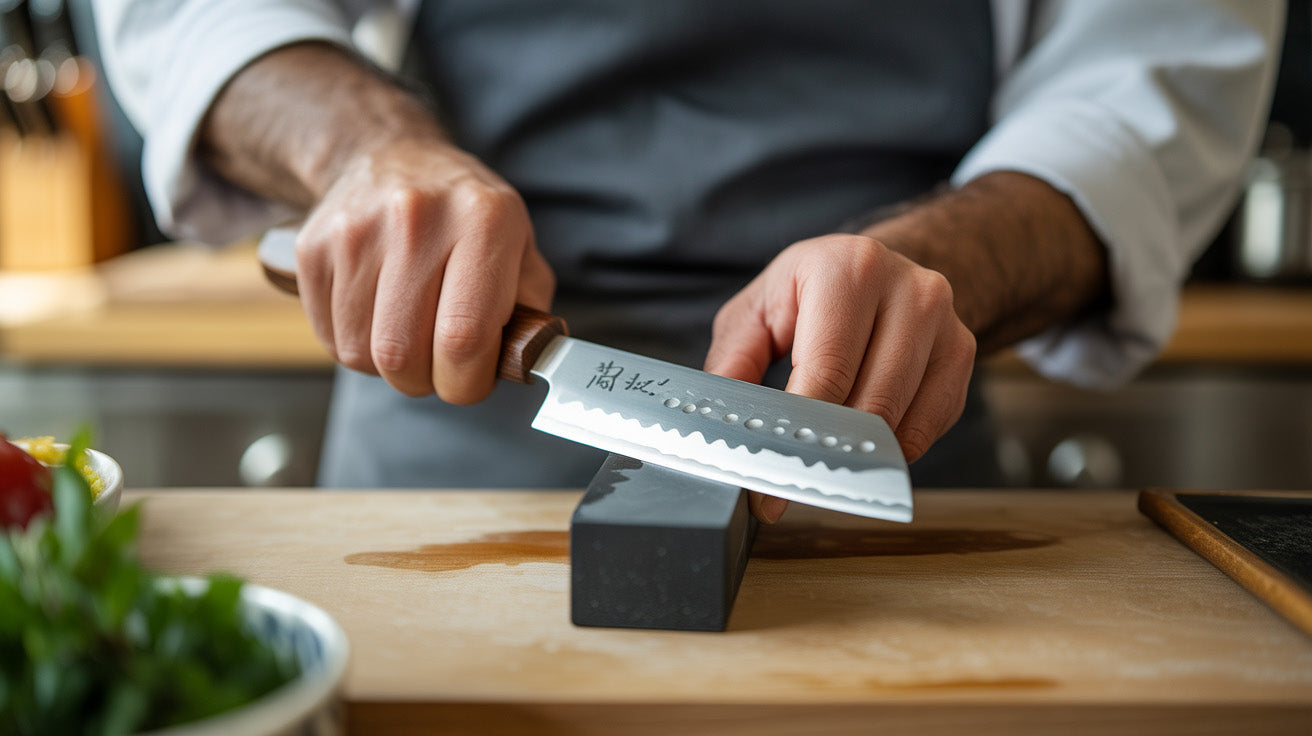
Next, hold the vegetable knife at a 45-degree angle to the whetstone, and angle it so that the tip of the blade is about the width of two 10-yen coins (approximately 10-15 degrees) away from the whetstone. Hold the handle with your right hand, place the fingers of your left hand on the blade, and sharpen it in several sections from the base to the tip of the blade, moving your fingers as you go. This is the basic style for sharpening a double-edged vegetable knife.
Placing a damp cloth or rubber mat under the whetstone will prevent it from shifting during sharpening, making it safer.
Step 2: Sharpen each side in 3-5 sections.
The next step is to sharpen while being mindful of "applying pressure when pushing and releasing pressure when releasing."
Since you can only sharpen the part of the knife that you are supporting with your fingers, divide the blade into 3 to 5 sections: the base, the middle, and the tip. Sharpen each section 10 to 20 times, returning the blade back and forth until a small burr appears.
Once a burr appears on one side, switch to the other side and sharpen it at the same angle and in the same block division. By creating a well-balanced blade on both sides, you'll achieve a straight cut that cuts through vegetables without veering to the left or right.
The key points of each step are summarized in the table below.
| Step | Things to do | point |
|---|---|---|
| preparation | Soak the whetstone in water to stabilize it. | Submerge in water for 5-10 minutes until no more bubbles appear. |
| Stance | 45-degree angle, blade angle 10-15 degrees | Imagine a gap the size of two 10-yen coins. |
| sharpening | Divided into 3-5 blocks, round trip | Apply force when pushing, and release when pulling. |
| Inside out | If burrs appear, turn to the other side. | Evenly at the same angle and the same number of times |
| Finishing | Deburring → Cleaning → Drying | Don't leave it as is after sharpening. |
Step 3: Deburring, cleaning, and drying complete the "full set" of sharpening.
The first thing beginners should remember is "don't just leave your knives unattended after sharpening."
Once both sides have been sharpened, lightly rub the blade edge on a whetstone or newspaper to remove any burrs, rinse off the sharpening slurry with running water, wipe off the moisture thoroughly, and then let it dry.
If you neglect deburring and drying, tiny metal fragments will remain, causing vegetables to snag or leading to rust. Therefore, it is important to remember that sharpening process involves a series of steps: sharpening, deburring, washing, and drying. Carbon steel vegetable knives, in particular, are prone to rusting, so applying a thin layer of cooking oil after drying will provide extra protection.
FAQ
Q1. Is a vegetable knife really necessary for home cooking?
A1. While not strictly essential, for households that chop large quantities of vegetables, it offers significant benefits compared to a three-pronged knife, as it allows for faster and neater julienning and chopping, reducing the workload.
Q2. Is the sharpening method for a vegetable knife different from that of other Japanese knives?
A2. Since most vegetable knives are double-edged, the sharpening method is basically the same as for household santoku knives: hold the knife at a 45-degree angle to the whetstone and sharpen both sides evenly at a blade angle of 10-15 degrees.
Q3. How often should I sharpen my vegetable knife?
A3. If you use it daily for home cooking, sharpening it about once a month is a good guideline. A good indicator is when newspaper or tomatoes start to get stuck in the blade.
Q4. What grit size whetstone should I use?
A4. For normal maintenance, a medium-grit whetstone (1000-2000 grit) is sufficient. Only use a coarse whetstone if there are significant chips or nicks in the blade, and finish by using a finishing whetstone to maintain sharpness for longer.
Q5. Can I sharpen a vegetable knife without a whetstone?
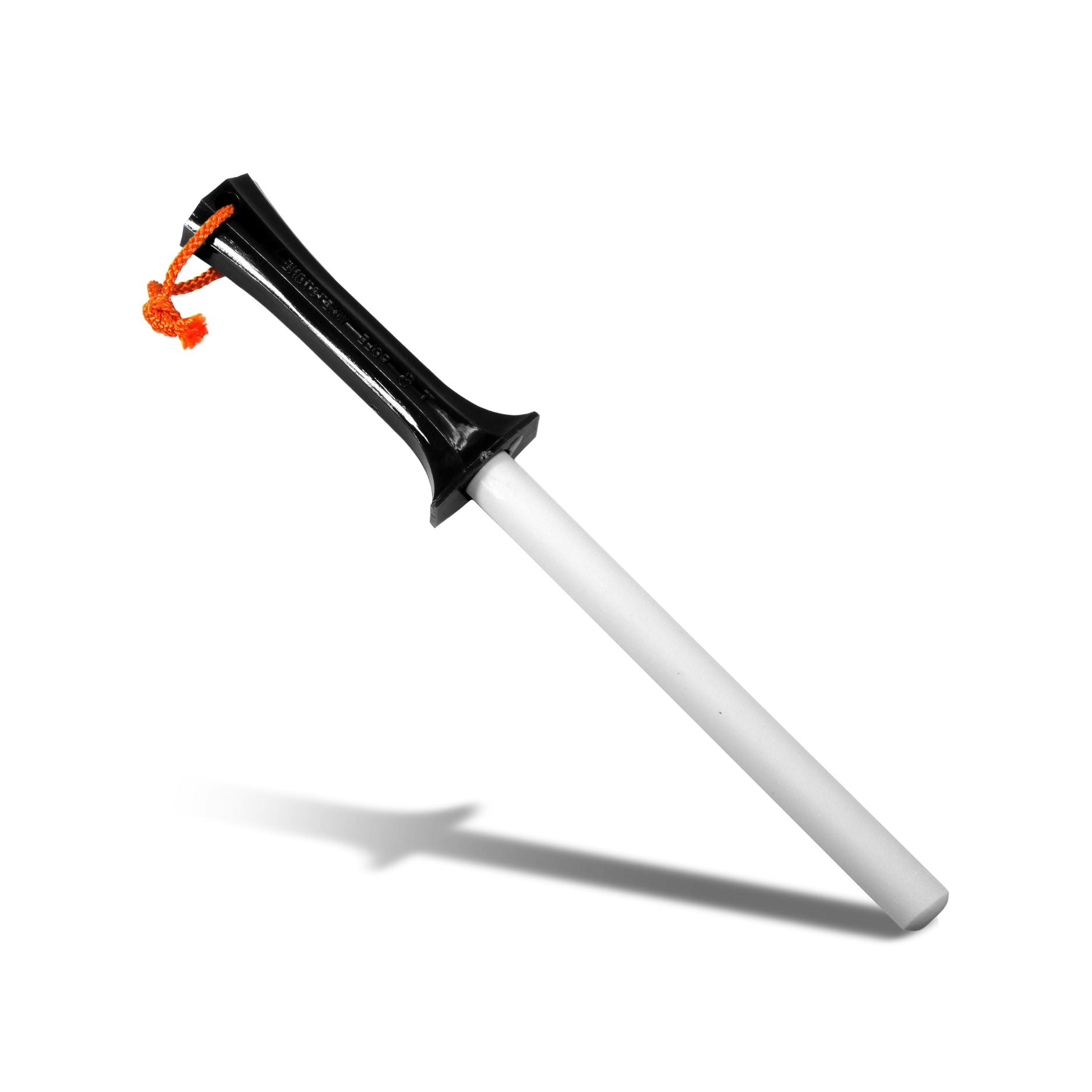
A5. While a simple sharpener can restore some sharpness, sharpening with a whetstone will ultimately allow you to use your knife longer, especially considering the need to adjust the blade angle and ensure long-term edge retention.
Q6. Does using a vegetable knife to cut meat or fish affect how the knife is sharpened?
A6. Frequently cutting meat, fish, and especially bone-in ingredients increases the risk of chipping the blade, requiring sharpening from a coarse whetstone. Therefore, it is best to use a vegetable knife exclusively for vegetables to reduce the amount of sharpening required.
Q7. Are there single-edged vegetable knives? How does the sharpening method differ?
A7. Some vegetable knives are single-edged, and in that case, you will need to use a special sharpening technique for single-edged knives, such as sharpening the front side mainly and lightly touching the back side to keep it flat. You should always check whether it is double-edged or single-edged when purchasing.
Q8. Is a vegetable knife suitable for a beginner to practice sharpening for the first time?
A8. Nakiri knives have a wide blade that makes them easy to apply stably to a whetstone, so if it's a double-edged type, it's an excellent knife for beginners to practice sharpening.
summary
A nakiri knife is a Japanese knife specifically designed for vegetables, featuring a straight, wide blade that makes vegetable preparation in home cooking much easier, such as julienning, mincing, and thinly slicing vegetables.
The basic sharpening method involves holding the blade at a 45-degree angle to the whetstone, sharpening both sides in 3 to 5 sections at a blade angle of 10 to 15 degrees, and finally removing any burrs, cleaning, and drying.
By sharpening your vegetable knife about once a month and consistently using it specifically for vegetables, you can maximize its features and enjoy stress-free daily cooking. Making it a habit to "try cutting vegetables immediately after sharpening" will allow you to feel the effects of sharpening each time, and your motivation for maintenance will naturally continue.