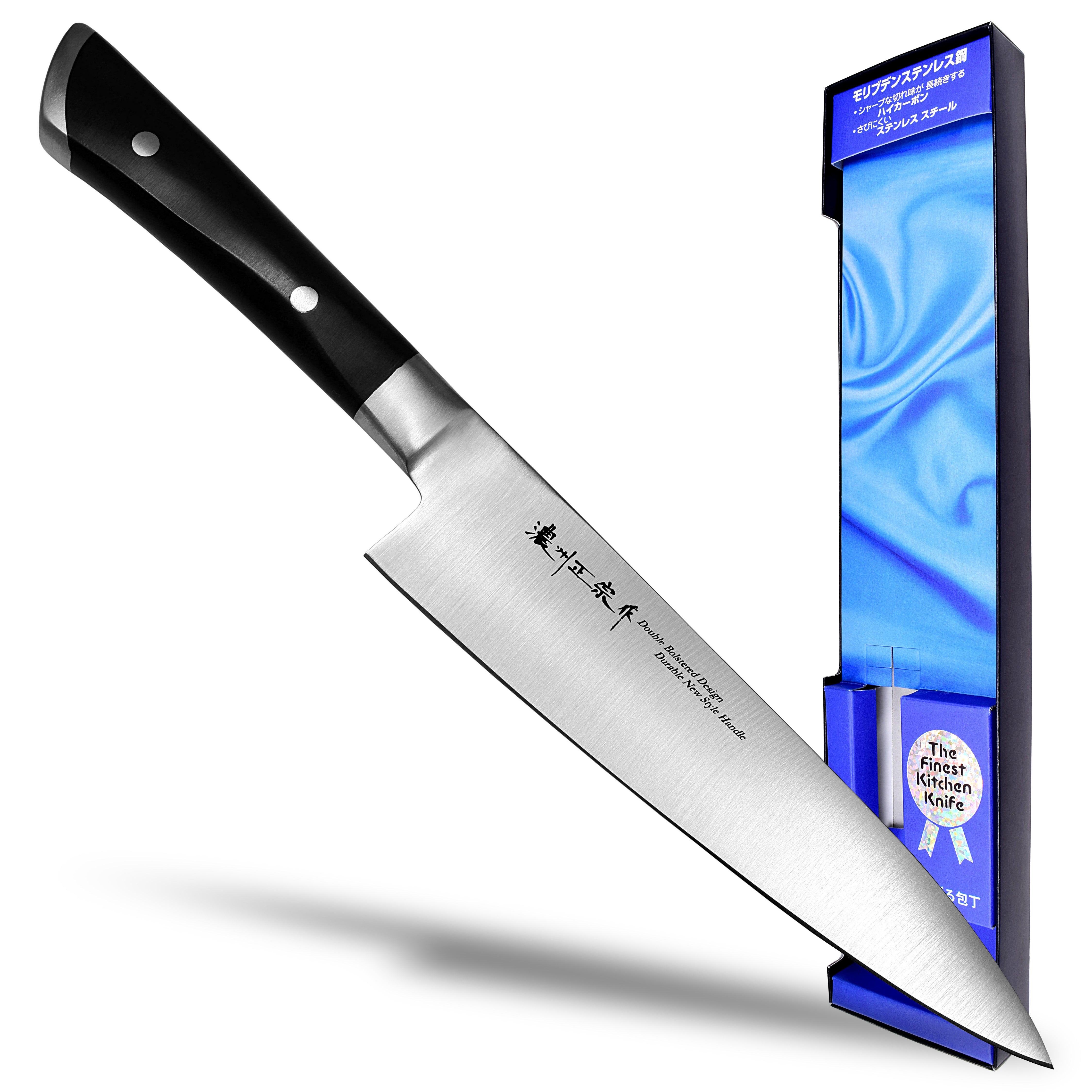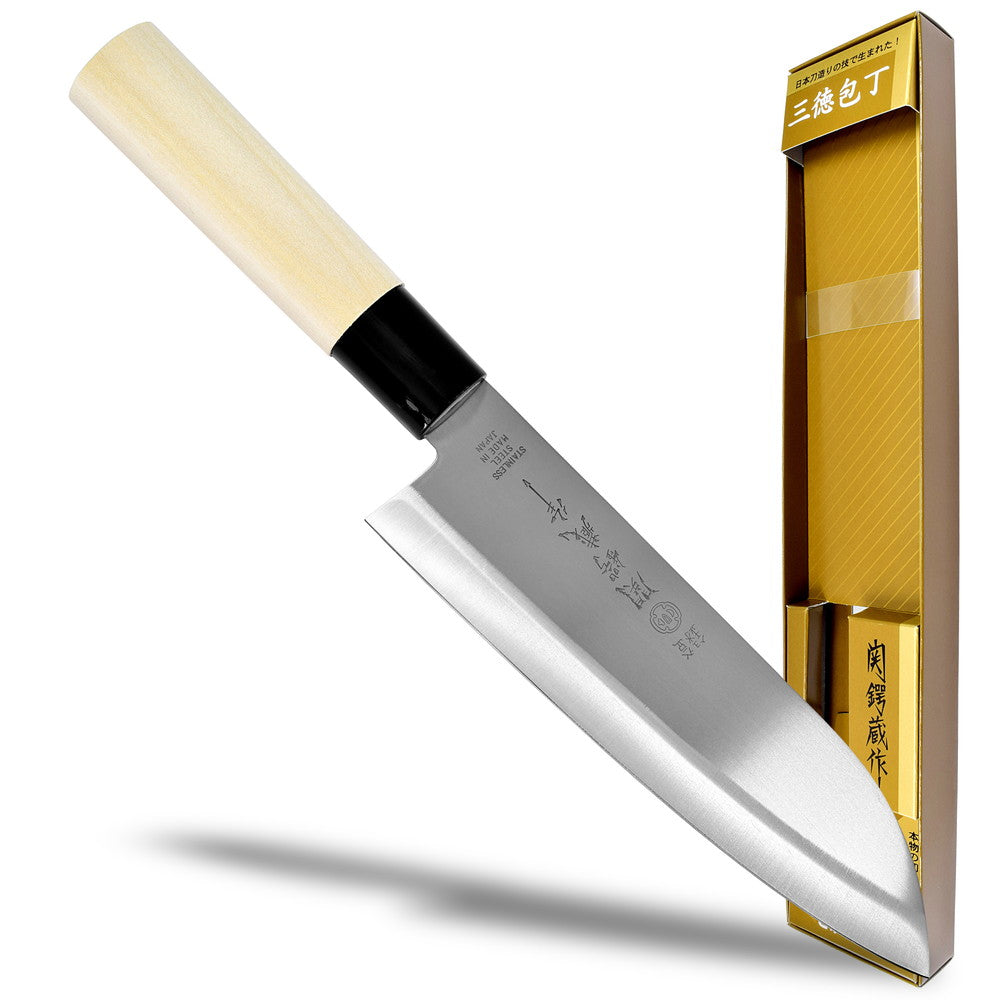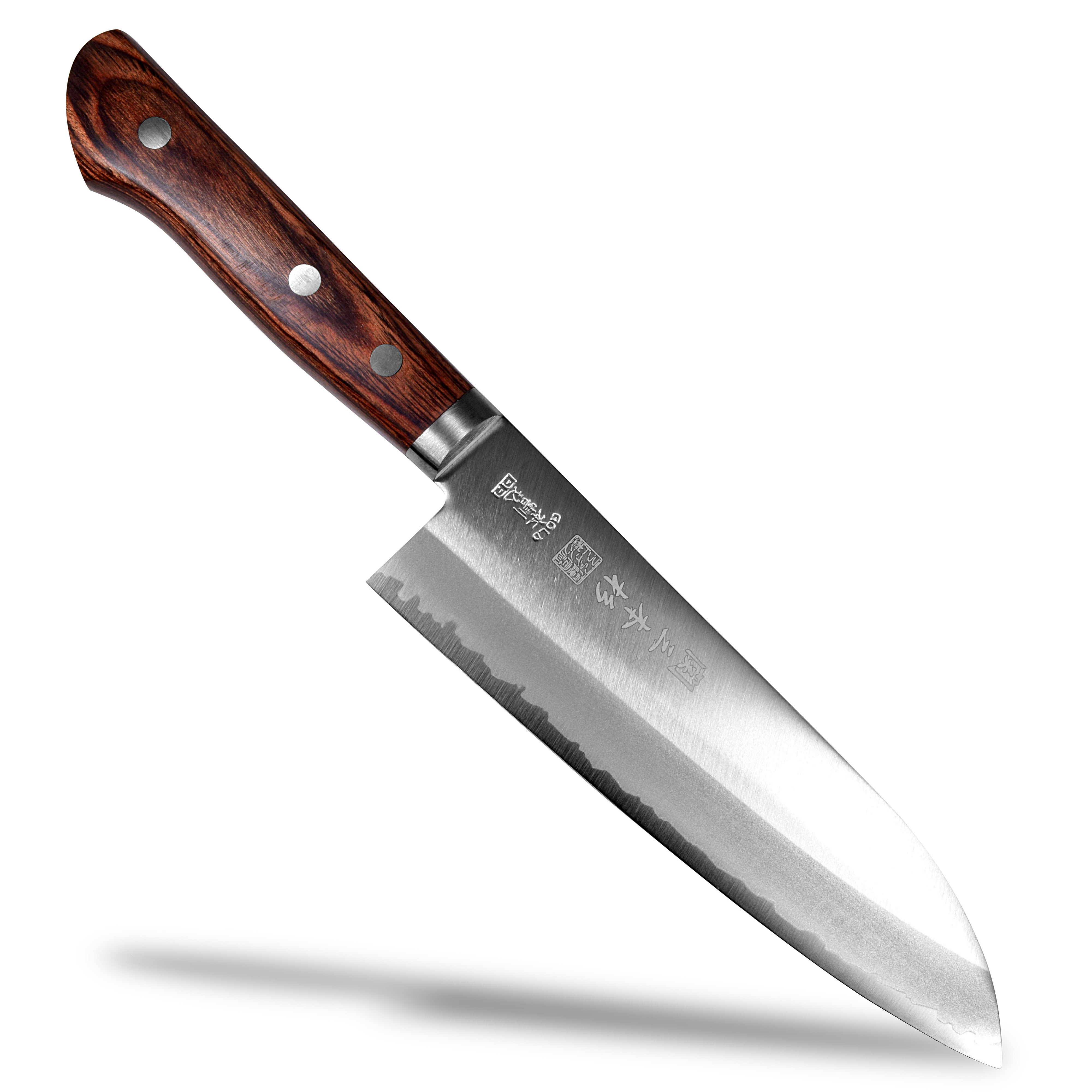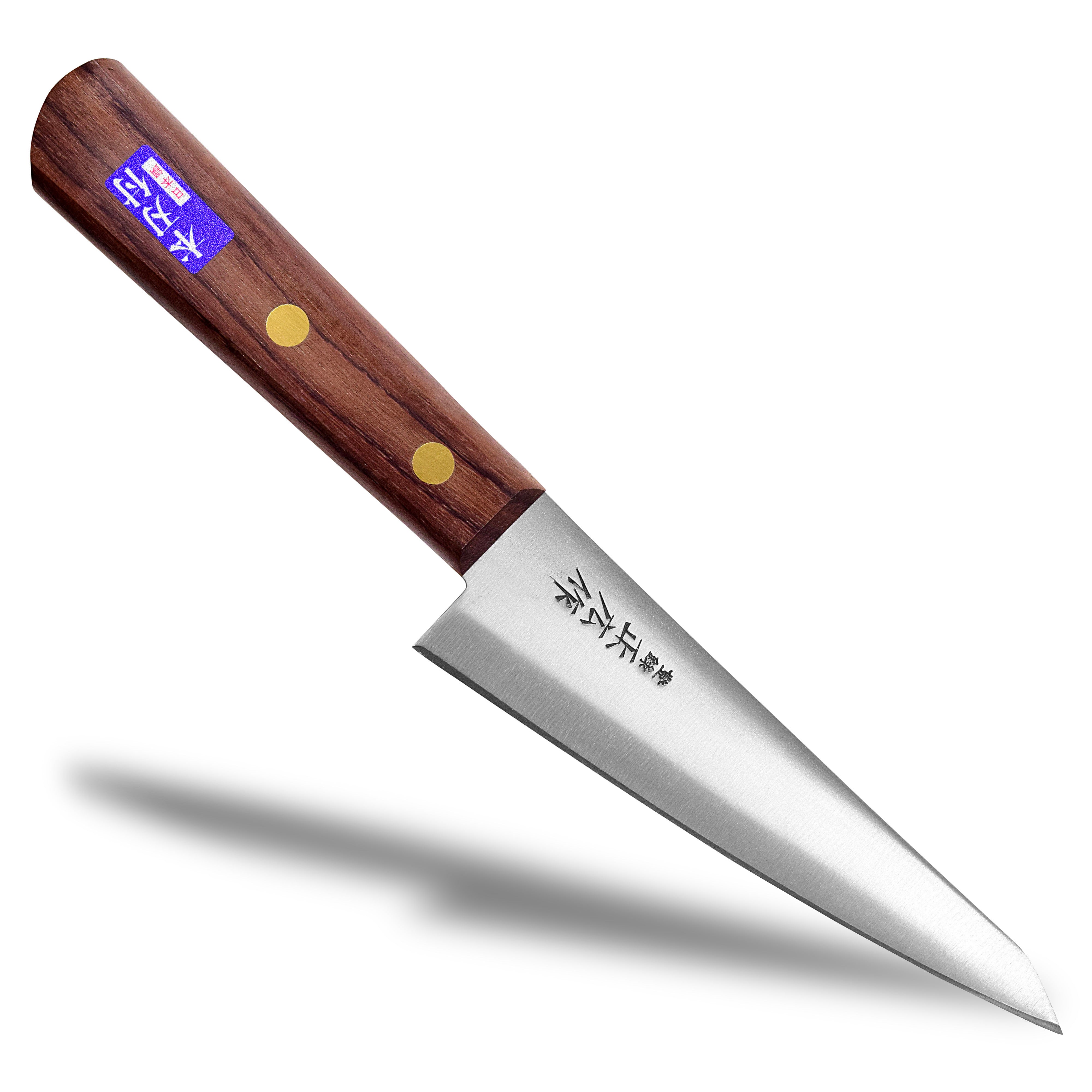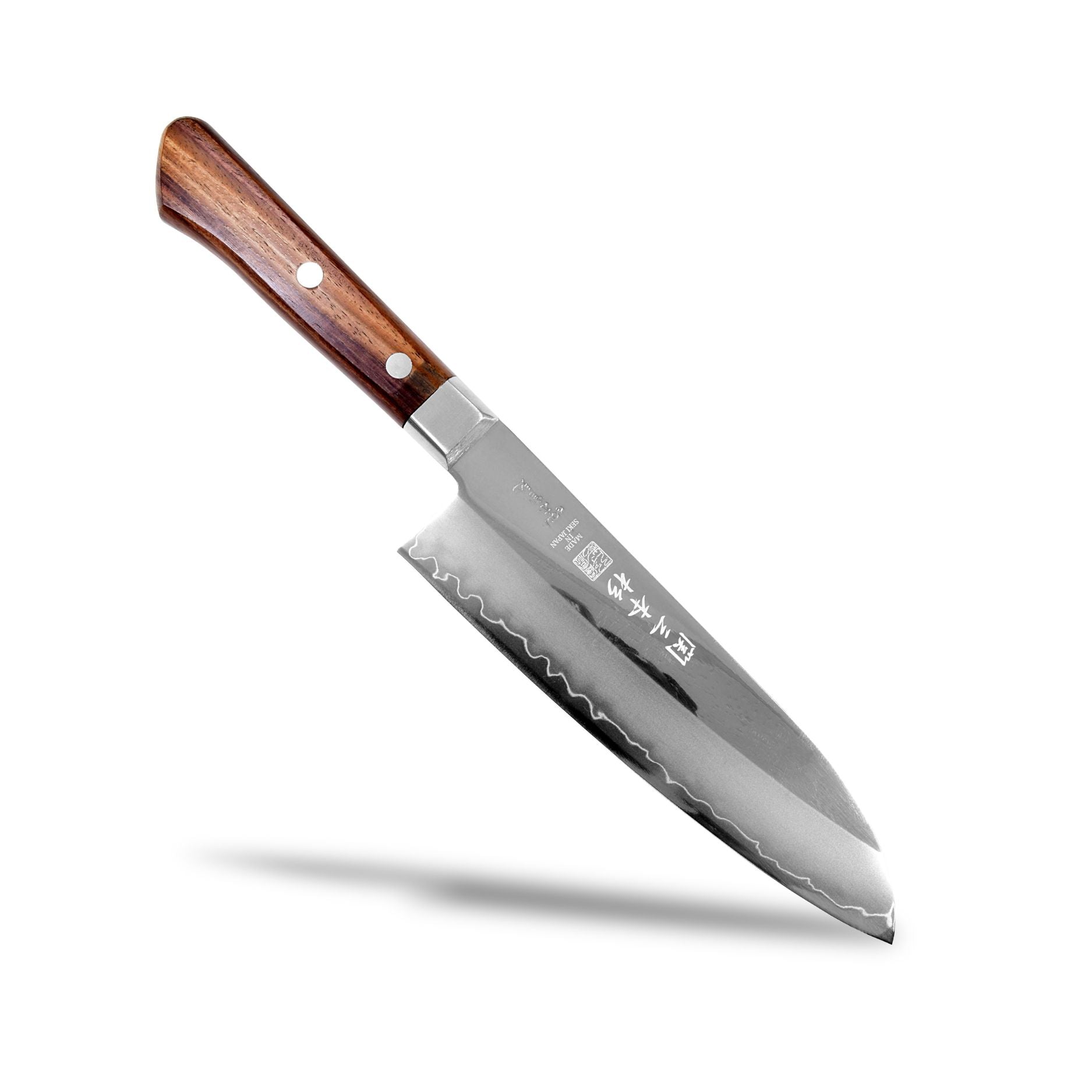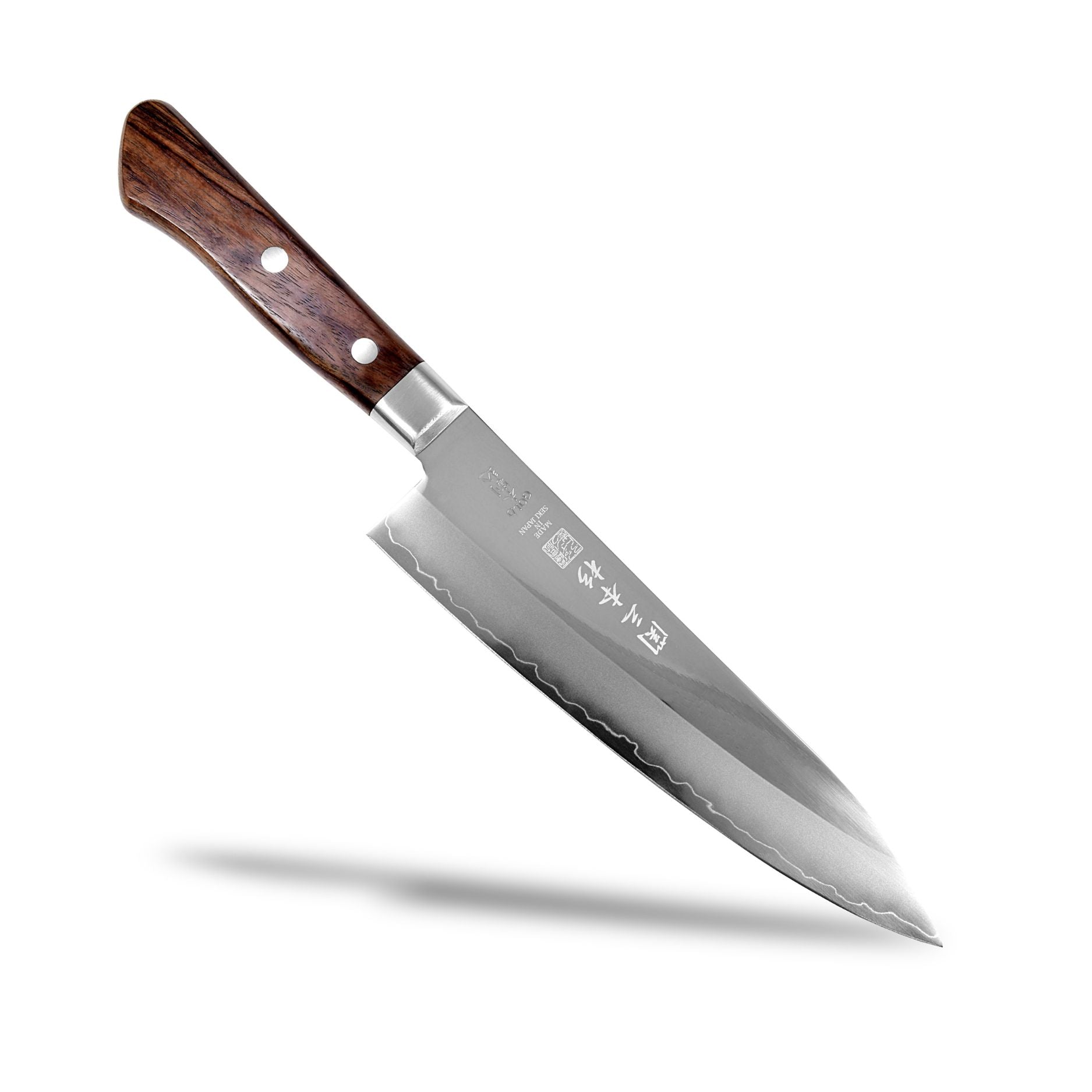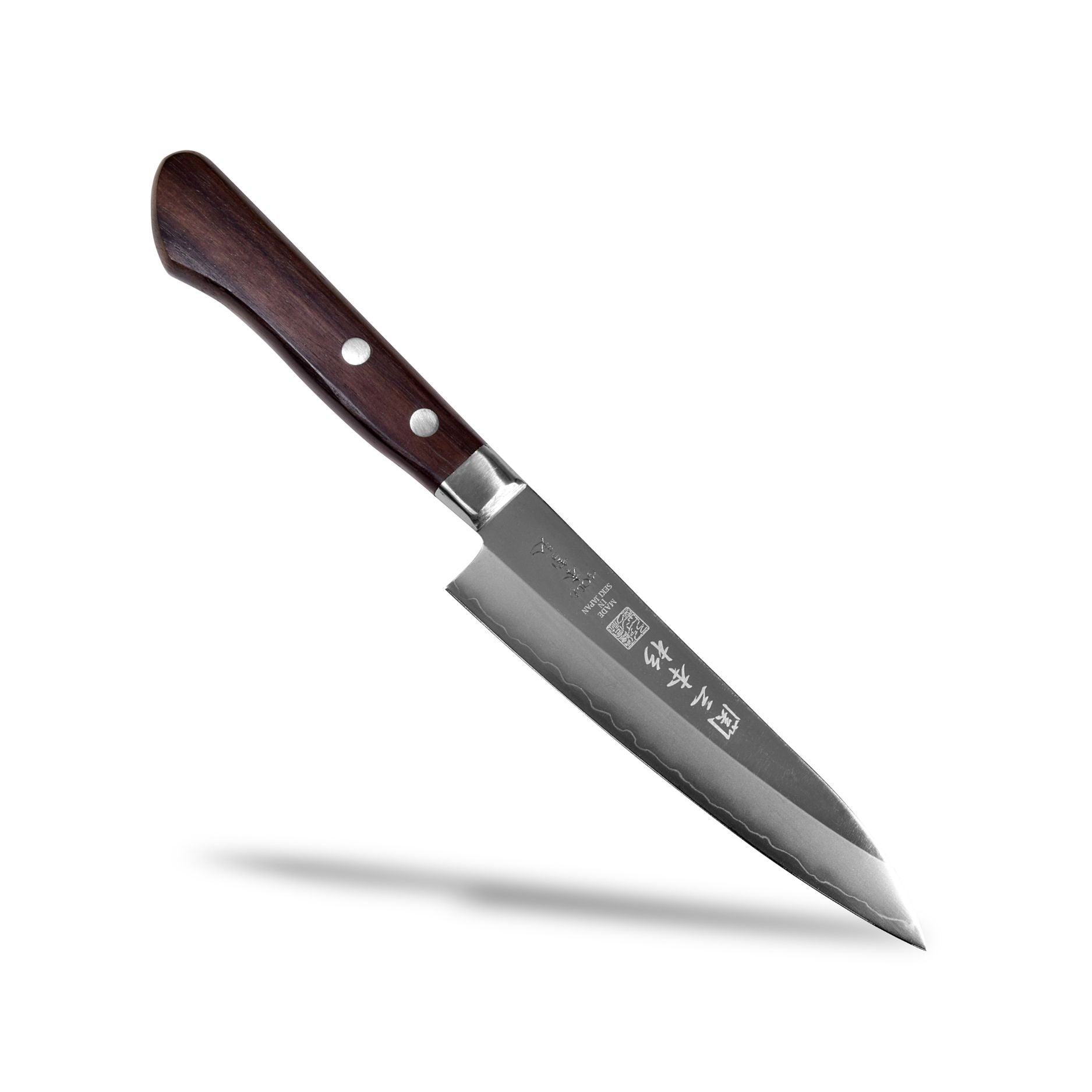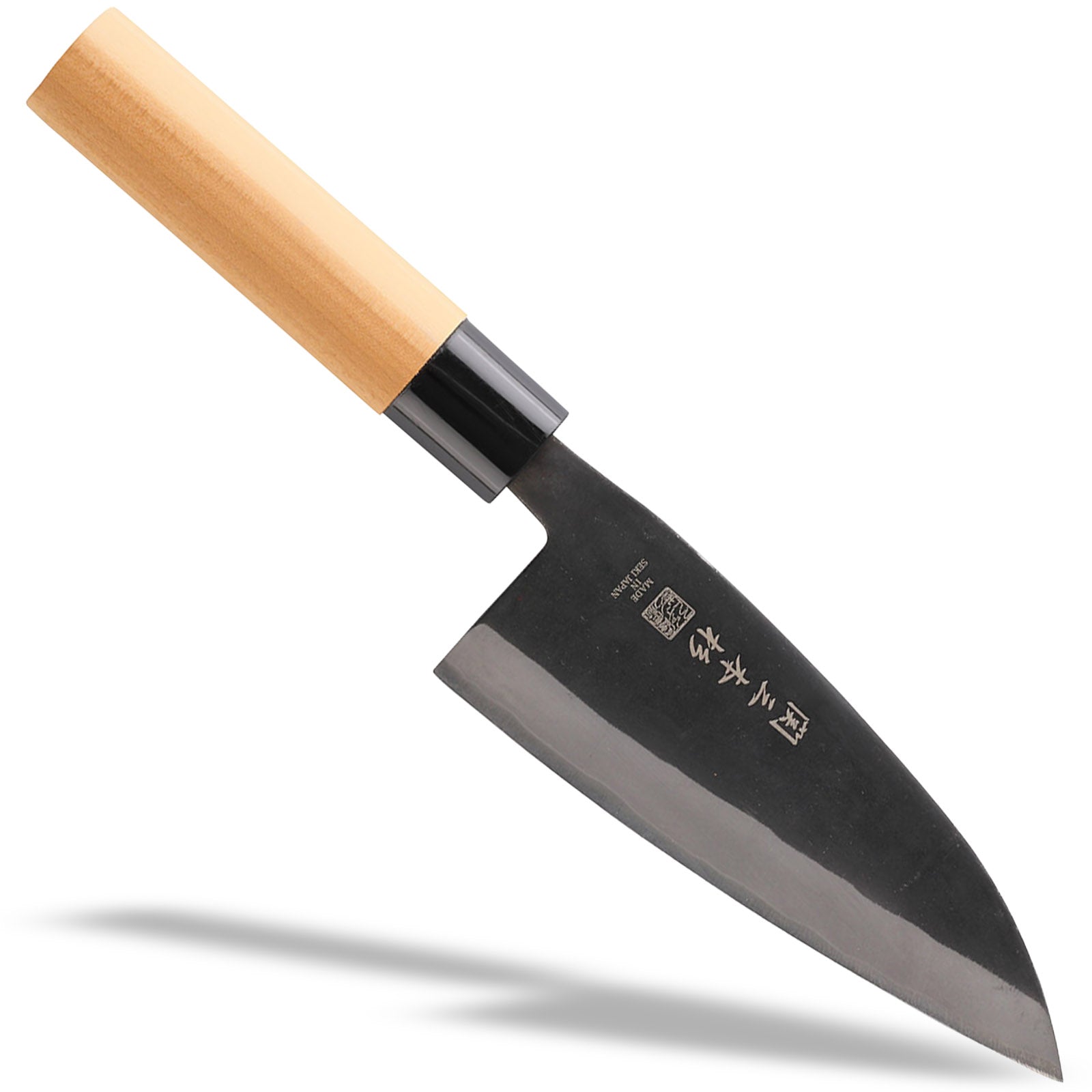

How to choose the right steel and size for a Japanese kitchen knife that will last you a long time.
By understanding the characteristics of the steel used and the size of the vegetable knife, you can choose the perfect Japanese kitchen knife for your kitchen. This article will explain how to choose between steel and stainless steel, and how to determine the appropriate length for your vegetable knife.
Key points of this article
- The choice of steel depends on whether you prioritize "sharpness and ease of sharpening" or "rust resistance."
- The typical size for a vegetable knife is 165-180mm, which is the most manageable length for home use.
- It's practical to choose a knife based on the size of your hands, your cooking space, and how often you cook, by combining different types of steel and sizes.
Conclusion of this article
When choosing a Japanese kitchen knife, decide whether you want a steel-based knife that prioritizes sharpness or a stainless steel knife that prioritizes ease of maintenance. For a vegetable knife, choosing one that is between 165 and 180 mm in length will help you avoid making a mistake.
- Regarding steel materials, carbon steels such as white steel and blue steel are easy to sharpen and maintain their sharpness for a long time, while stainless steels such as molybdenum vanadium steel are rust-resistant and easy to handle.
- For a typical home kitchen, a 165mm vegetable knife is a good size, but if you have a large kitchen or frequently handle large vegetables, a 180mm knife is a good guideline to reduce stress during everyday use.
- The first thing beginners should focus on is clearly defining "how they will use it" and "how much time they can dedicate to maintenance" before narrowing down the steel type and size.
We tend to think of steel type and size separately, but in reality, combining these two factors will help you find "the perfect knife for your kitchen."
How should you choose the steel for a Japanese kitchen knife? Basic principles and considerations regarding steel.
The most important factor in choosing the steel for a Japanese kitchen knife is finding the right balance between "sharpness and durability" and "rust resistance and maintenance." Hardness, wear resistance, and rust resistance vary greatly depending on the steel, directly impacting daily usability and lifespan.
For example, choosing carbon steel such as white or blue steel will result in a sharp blade that is easy to sharpen, but frequent wiping and rust prevention are essential. On the other hand, stainless steel blades such as molybdenum vanadium steel are slightly less sharp, but they are rust-resistant and a convenient option for home use.
Characteristics of carbon steel (white paper/blue paper), which is common in Japanese kitchen knives.
Carbon steels such as white paper and blue paper are "steels for craftsmen who prioritize sharpness and ease of sharpening."
White Steel No. 1 and No. 2 are known for easily developing sharp edges, and White Steel No. 2 is considered a standard steel widely used in professional kitchen knives. Blue Steel No. 1 and No. 2 are alloy steels containing tungsten and chromium, and are characterized by their long-lasting sharpness (the property of the blade remaining sharp for a long time).
However, these steels are prone to rust and are susceptible to moisture and acid, so they require care such as washing and wiping immediately after use, and in some cases applying a thin layer of oil. On the other hand, the more you care for them, the more they conform to your hand, and you can feel the joy of "nurturing" them, which is one of the unique charms of carbon steel.
Characteristics of stainless steel and molybdenum vanadium steel for cutlery.
Stainless steel blades, such as molybdenum vanadium steel, are "steel materials that combine ease of use in the home with durability."
Molybdenum helps maintain hardness even at high temperatures, and vanadium enhances toughness after tempering, resulting in improved wear resistance and toughness. This makes it easy to achieve a balance between manageable sharpness and ease of sharpening at a hardness of around HRC56, and it is also relatively resistant to rust.
While its sharpness is slightly inferior to pure steel (white paper or blue paper), it is widely used in Japanese and Western kitchen knives for home use, making it a practical choice for households where frequent maintenance is difficult.
Below is a summary of the differences between carbon steel and stainless steel for cutlery.
| Comparison items | Carbon steel (white paper and blue paper) | Stainless steel for blades (molybdenum vanadium, etc.) |
|---|---|---|
| sharpness | Extremely sharp | Somewhat mild (sufficiently practical) |
| Blade retention | The blue paper type is particularly excellent. | standard |
| Ease of sharpening | Easy to sharpen (the whetstone adheres well) | It may feel slightly hard. |
| Strength to rust | Delicate (requires frequent maintenance) | Strong (safe for everyday water-related tasks) |
| Suitable people | For those who enjoy maintenance and those who prioritize sharpness above all else. | Ease of use is a priority, especially for beginners. |
Key points for beginners when choosing steel materials
The first thing beginners should keep in mind is choosing steel based on "how often you need to sharpen it" and "how much effort you can put into preventing rust."
For example, if you enjoy sharpening your knives yourself several times a week and like to maintain them, then choosing white or blue steel blades is worthwhile. On the other hand, if you only want to have your knives professionally sharpened a few times a year, and you're not confident in wiping them down immediately after use, then stainless steel blades such as molybdenum vanadium steel are a safer choice.
We at our company also recommend starting with a stainless steel knife as your first knife, and then adding a carbon steel Japanese knife as your second or subsequent knife. If you master the basics of sharpening with a stainless steel knife first, you will be able to handle carbon steel knives more smoothly when you move on to them.
How to choose the right size vegetable knife? Practical guide to selecting the right one.
For home use, a practical guideline for the size of a vegetable knife is to start with 165-180mm and then make minor adjustments based on the size of your kitchen and the size of your hands.
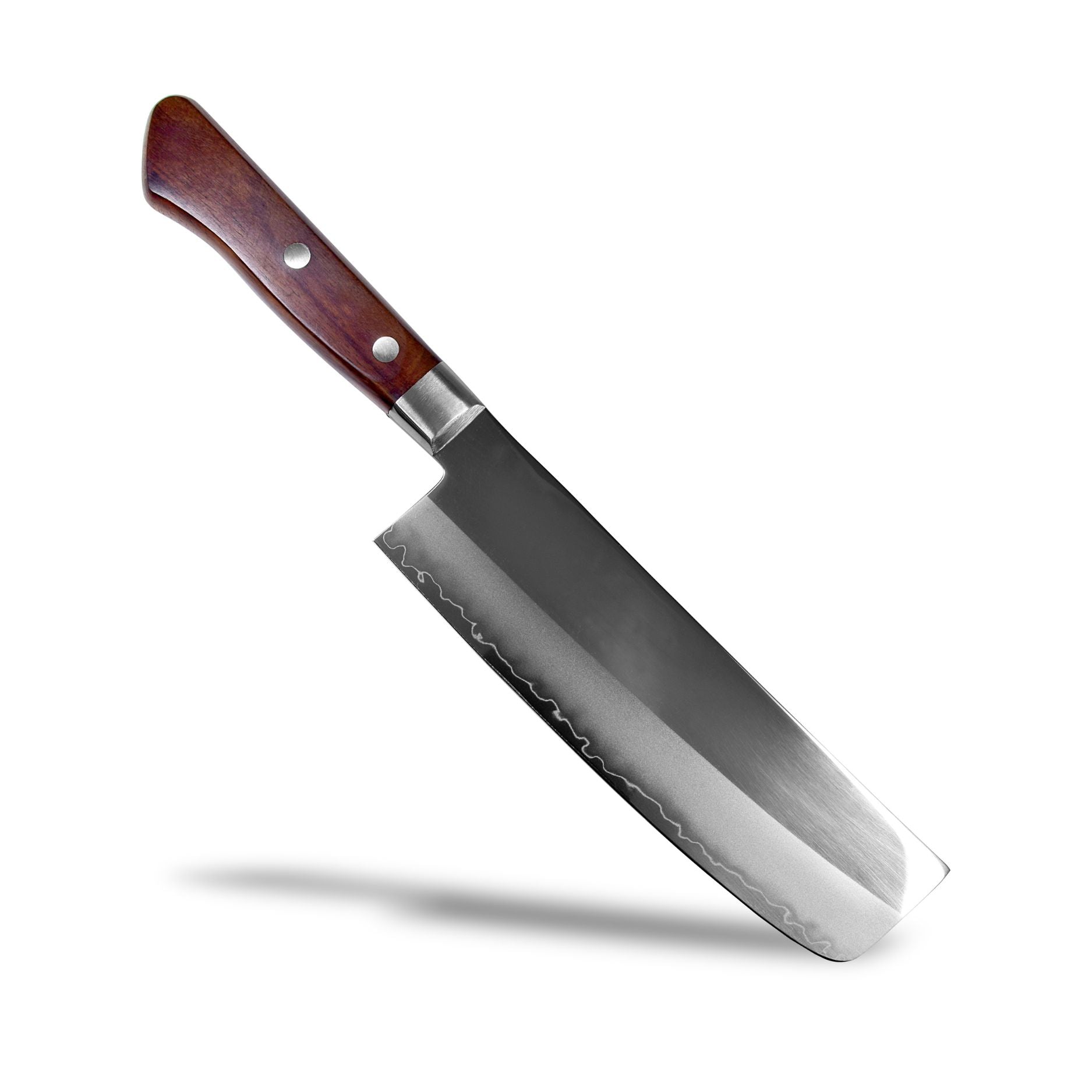
A nakiri knife is a knife specifically designed for vegetables. It features a square blade and a long contact distance between the blade and the cutting board, making it ideal for julienning and chopping. Household nakiri knives typically range from 165 to 180mm in length, similar to a santoku knife, making them easy to use in many households. For small kitchens in single-person households, around 150mm is suitable, while those with a large cutting board and ample cooking space should opt for 180mm or longer. Choosing a knife that suits your needs is key to avoiding mistakes.
Typical length and usability of vegetable knives
For home use, a vegetable knife of either 165mm or 180mm is almost always a safe bet.
A blade length of 165-180mm is equivalent to the standard blade length of a santoku knife, making it suitable for everything from large vegetables like daikon radish, Chinese cabbage, and cabbage to chopping herbs and spices. The straight blade tip and long contact distance with the cutting board make it easy to maintain a rhythmic julienne or mince cut, making it especially suitable for households that handle a lot of vegetables.
What's the difference between 165mm and 180mm?
The 165mm size offers ease of handling, while the 180mm size offers high work efficiency.
The 165mm knife, with its shorter blade, is lighter and easier to maneuver, making it a convenient length for single-person households or those with smaller cutting boards and sinks. On the other hand, the 180mm knife, with its longer blade, makes it easier to prepare large vegetables and large quantities of ingredients in one go, making it suitable for larger kitchens or large families.
For those with small hands or who are unfamiliar with using knives, starting with a 165mm knife and then considering adding a 180mm knife as you become more comfortable is a reasonable approach. If you're unsure, using the width of your cutting board at home and the length of your palm as a guide will help you get a better idea of how it will feel to use.
Specific examples of how to choose based on the combination of steel material and size.
The most important thing is to consider the combination of steel type and size based on your own cooking style.
For example, in a household that cooks at home every day and focuses on vegetables, if you also want to enjoy the process of maintaining your knives, choosing a 165-180mm vegetable knife made of carbon steel such as White Steel No. 2 or Blue Steel No. 2 will give you both a sharp edge and ease of sharpening.
On the other hand, if you mainly cook on weekends and don't want to worry too much about rust or stains, choosing a 165mm vegetable knife made of stainless steel such as molybdenum vanadium will make it lighter, easier to handle, and require less maintenance.
Our company recommends a set that offers high long-term satisfaction, consisting of a 165mm stainless steel vegetable knife for everyday use plus a longer, more specialized steel vegetable knife or other Japanese kitchen knife. Below, we have summarized our recommended combinations based on different cooking styles.
| Cooking style | Recommended steel materials | Recommended size | point |
|---|---|---|---|
| I want to cook my own meals every day, focusing on vegetables, and enjoy the process of tending to them. | White paper No. 2/Blue paper No. 2 | 165-180mm | Combining sharp cutting edge with the enjoyment of sharpening. |
| I want to use it mainly on weekends and easily. | Molybdenum vanadium steel | 165mm | Lightweight, rust-resistant, and easy to maintain. |
| Large families and frequent large-scale cooking | Stainless steel or blue steel | 180mm | I chose a longer length to prioritize work efficiency. |
| Living alone / Compact kitchen | Stainless steel | 150-165mm | A shorter length is safer as it prioritizes maneuverability. |
FAQ
Q1. What is the standard size of a vegetable knife?
A1. The standard length for a household vegetable knife is 165-180mm, and many manufacturers offer their products within this range.
Q2. What size vegetable knife would you recommend for someone living alone?
A2. For those living alone or in a small kitchen, a 150-165mm vegetable knife is a practical choice as it is easy to handle.
Q3. Which is more suitable for Japanese kitchen knives, steel or stainless steel?
A3. If you prioritize sharpness and ease of sharpening, steel is suitable; if you prioritize rust resistance and ease of handling, stainless steel blades are more appropriate.
Q4. What are the disadvantages of carbon steel (white paper steel and blue paper steel)?
A4. The biggest drawback of carbon steel is that it is susceptible to rust, and it rusts easily if moisture management after use and regular maintenance are neglected.
Q5. Is it okay to choose the same size for a vegetable knife and a santoku knife?
A5. Basically, for home use, 165-180mm is a good guideline for both, and you can choose the length of the vegetable knife in the same way you would a santoku knife.
Q6. Are there any sizes of vegetable knives that people with small hands should avoid?
A6. For people with small hands, vegetable knives longer than 180mm can be burdensome due to their weight and length, so choosing one that is 165mm or shorter will make it easier to handle.
Q7. Is it a good idea to choose a vegetable knife as your first knife?
A7. If you cook a lot of vegetable dishes, it's reasonable to choose a 165-180mm vegetable knife as your first knife; it will be just as useful as, or even more useful than, a santoku knife.
Q8. What do "sun" and "shaku" mean in the size notation for kitchen knives?
A8. The length of a kitchen knife is indicated by the blade length, with 1 shaku being approximately 300 mm, 1 sun approximately 30 mm, and 1 bu approximately 15 mm, so 5 sun 5 bu would be approximately 165 mm.
Q9. How much does the price vary depending on the type of steel used?
A9. High-grade steels such as white steel and blue steel, as well as cobalt alloy steel, tend to be more expensive than general stainless steel cutlery, but the difference lies in their sharpness and durability.
summary
For Japanese kitchen knives, the basic rule is to choose carbon steel such as white steel or blue steel if you prioritize sharpness and ease of sharpening, or stainless steel or molybdenum vanadium steel if you prioritize ease of maintenance.
For home use, a vegetable knife with a length of 165-180mm is the easiest to handle. For single-person households or small kitchens, 165mm is a good size, while for larger kitchens or large-scale cooking, 180mm is a good guideline to minimize mistakes.
The most important thing is to choose a knife that you can use for a long time, based on how often you cook, the time you can dedicate to maintenance, and your kitchen environment, by combining the steel type and the size of the vegetable knife. First, take a look around your current kitchen and start by reflecting on "what kinds of vegetables you cut and how often."