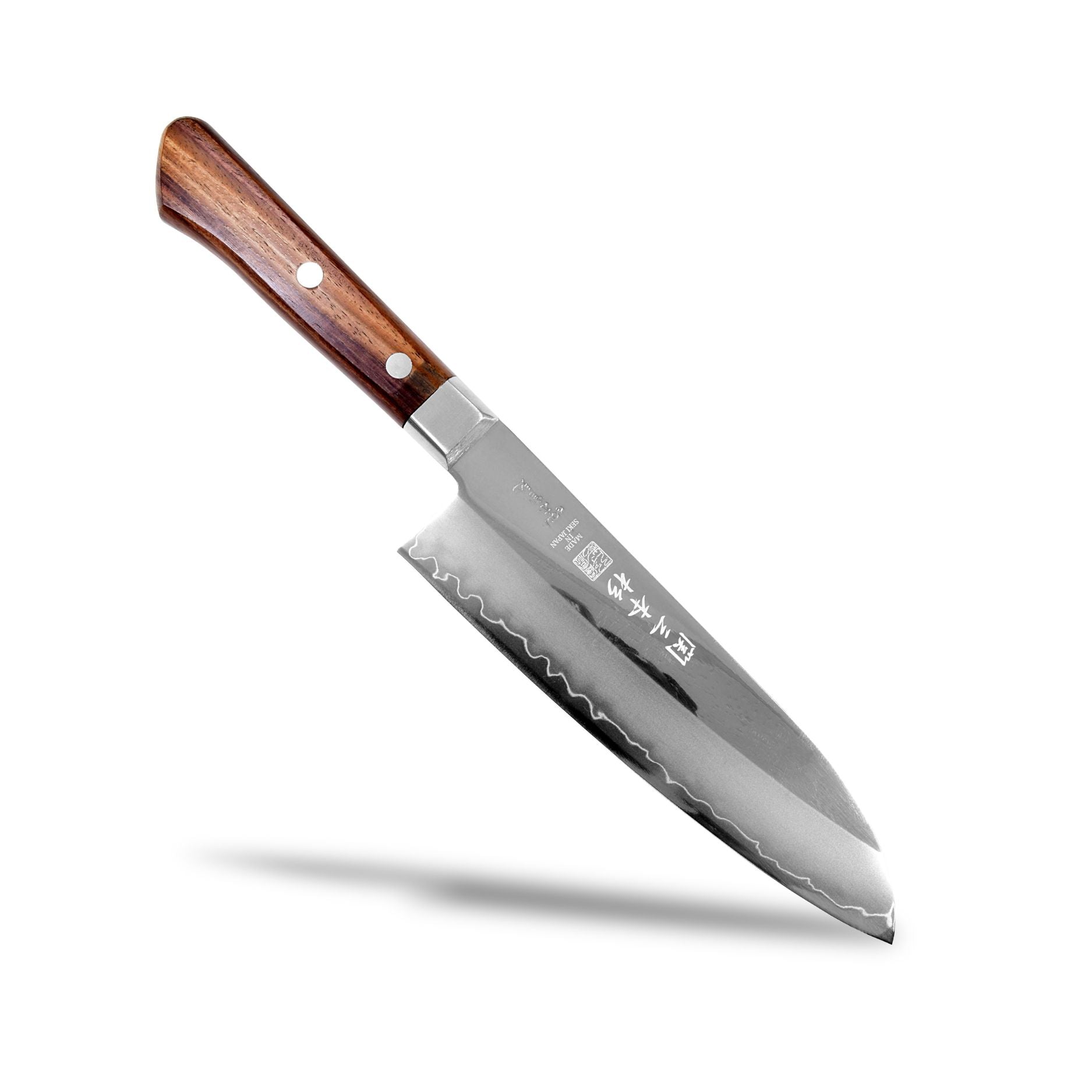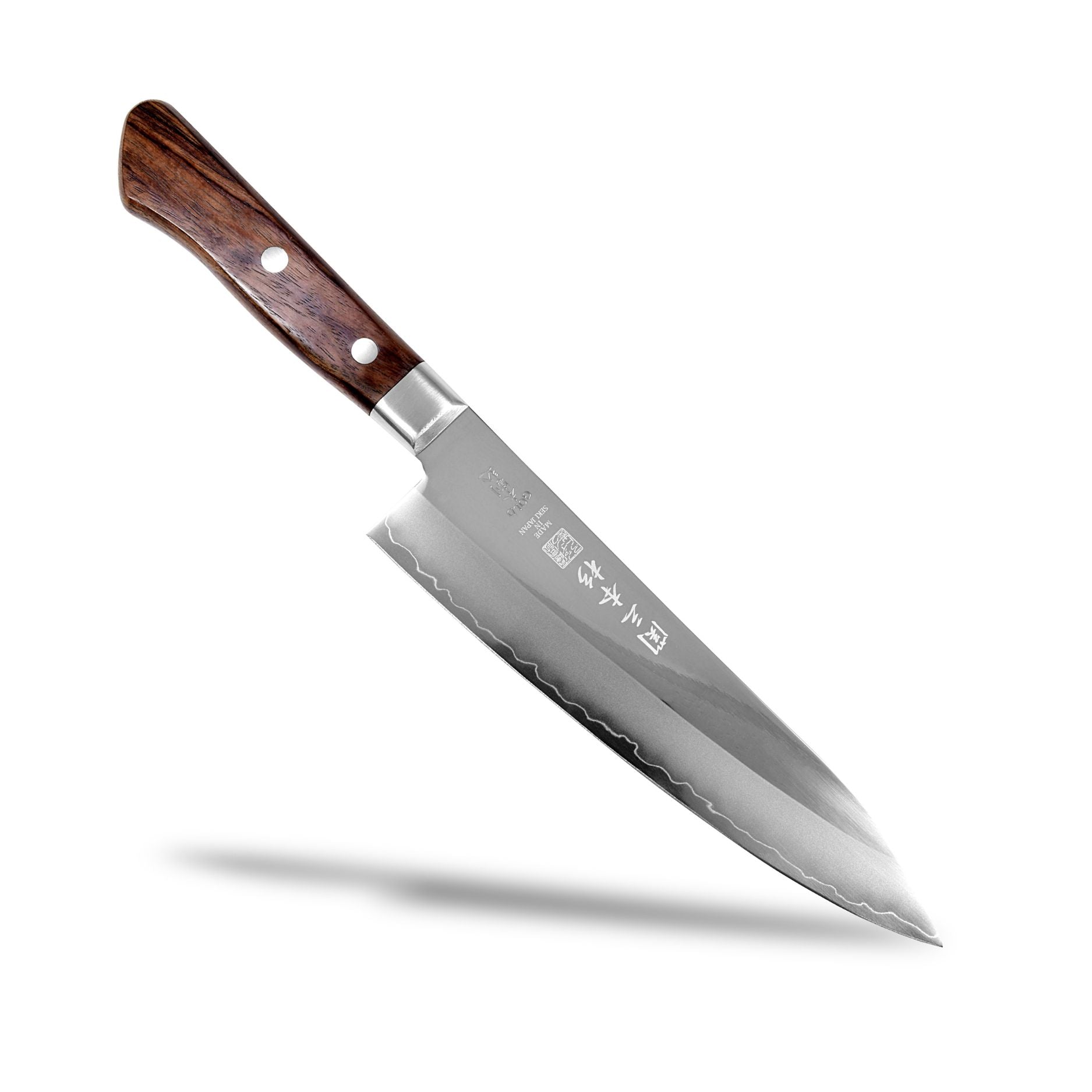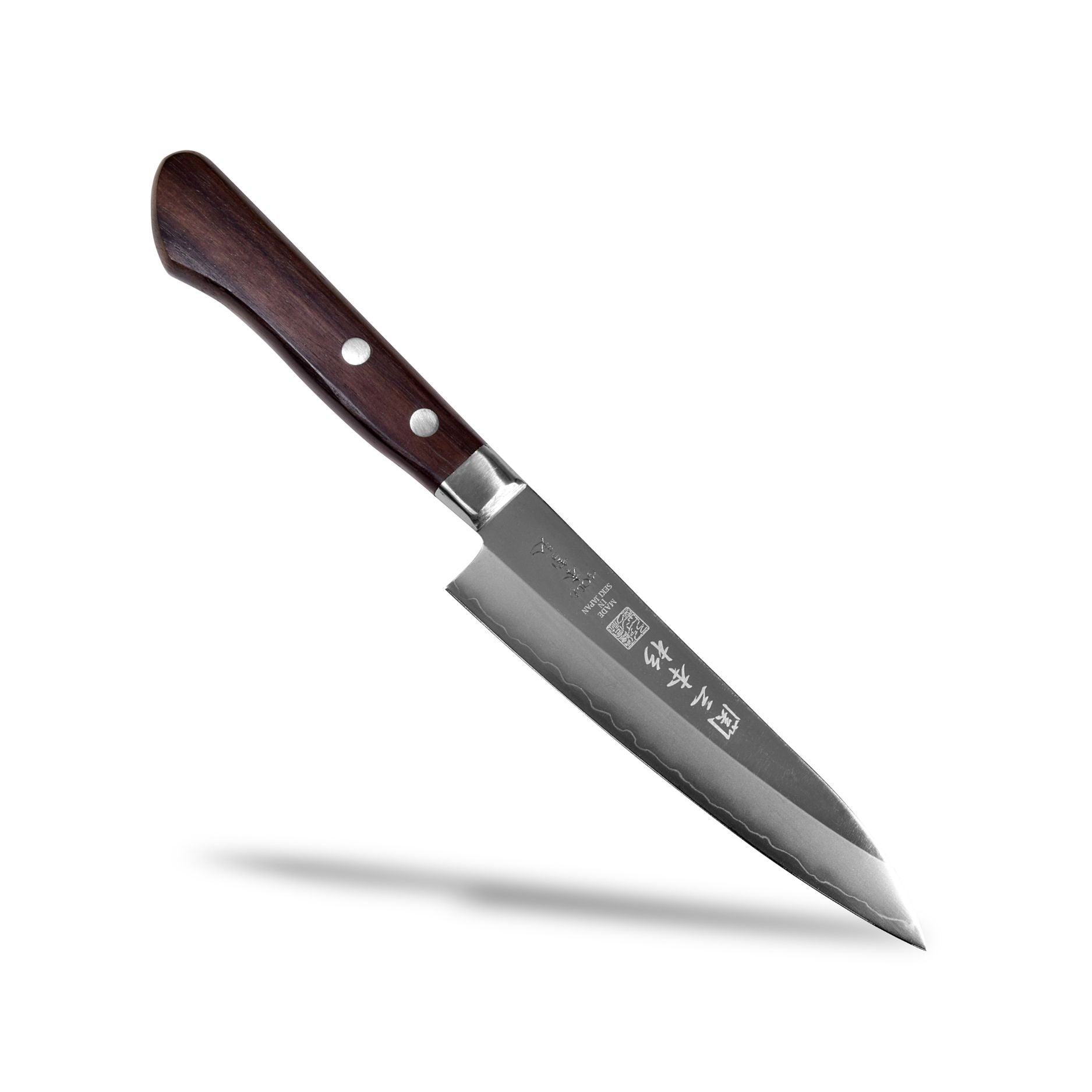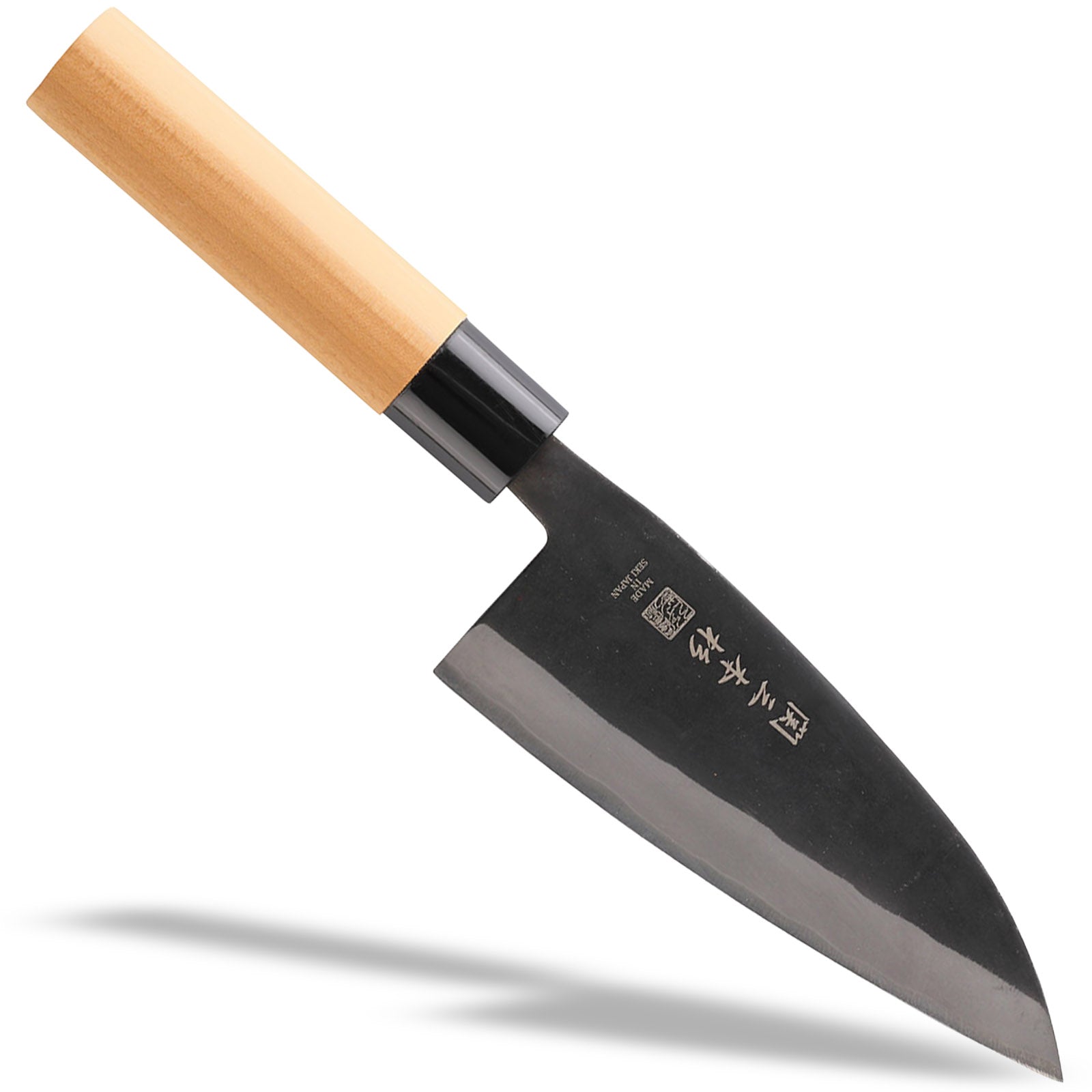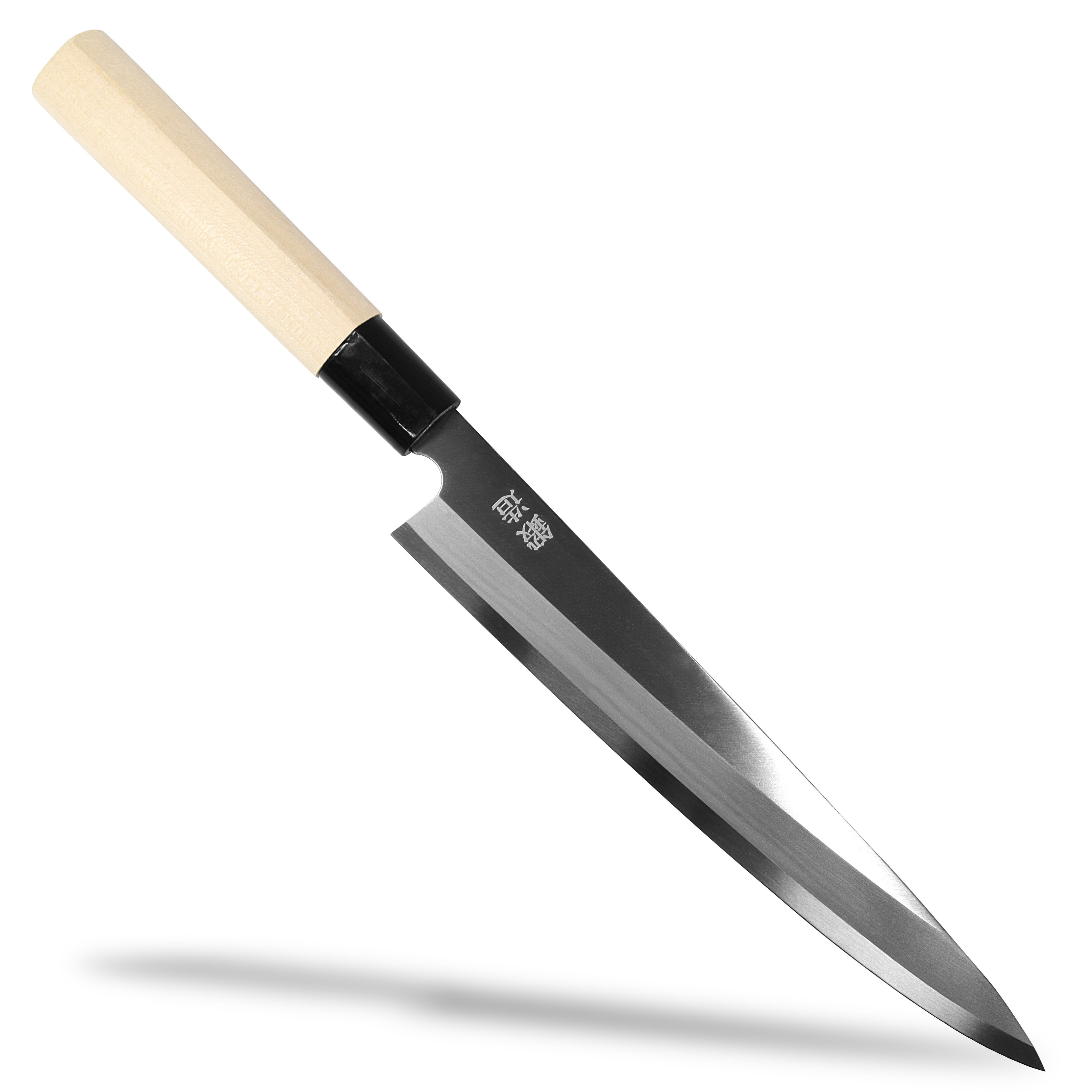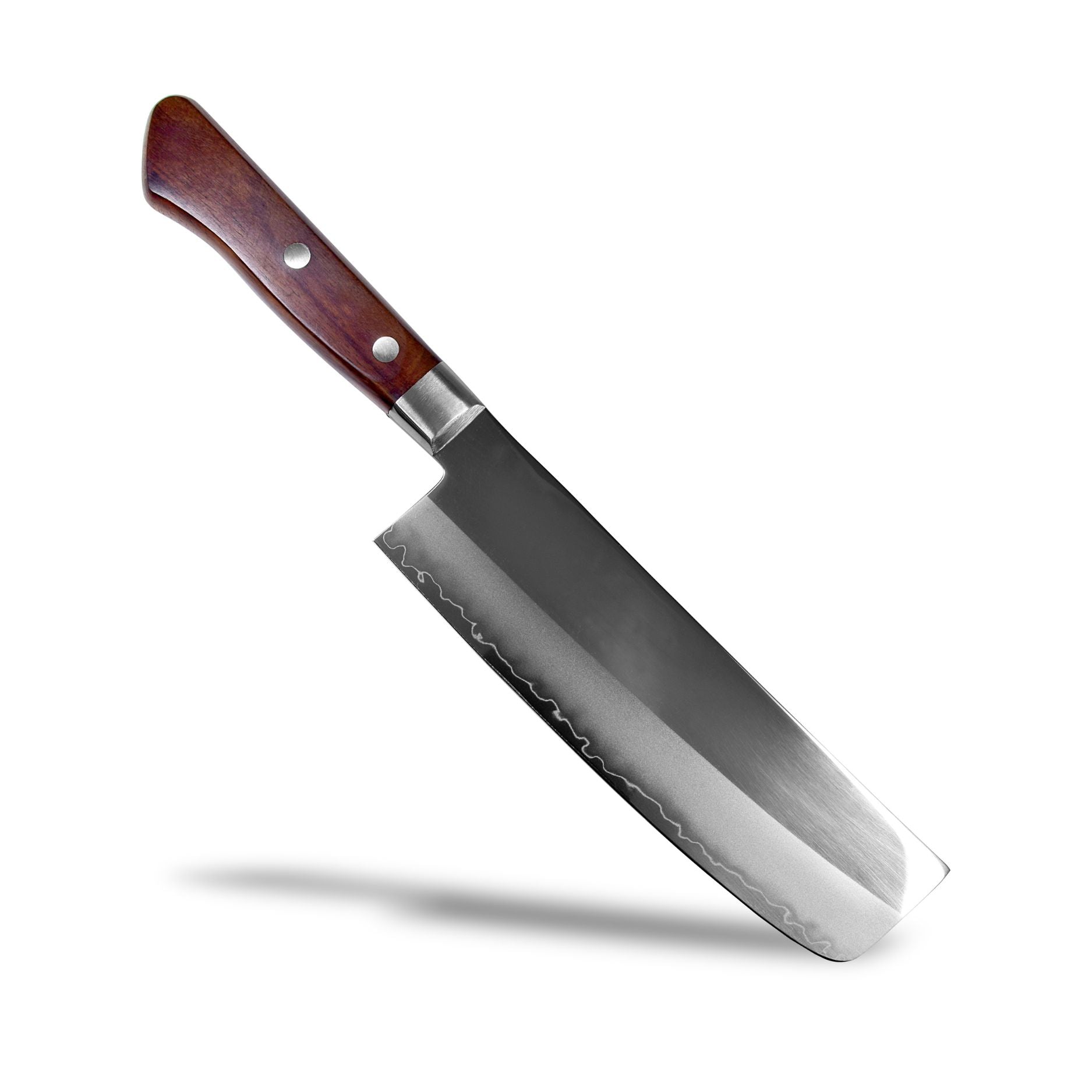

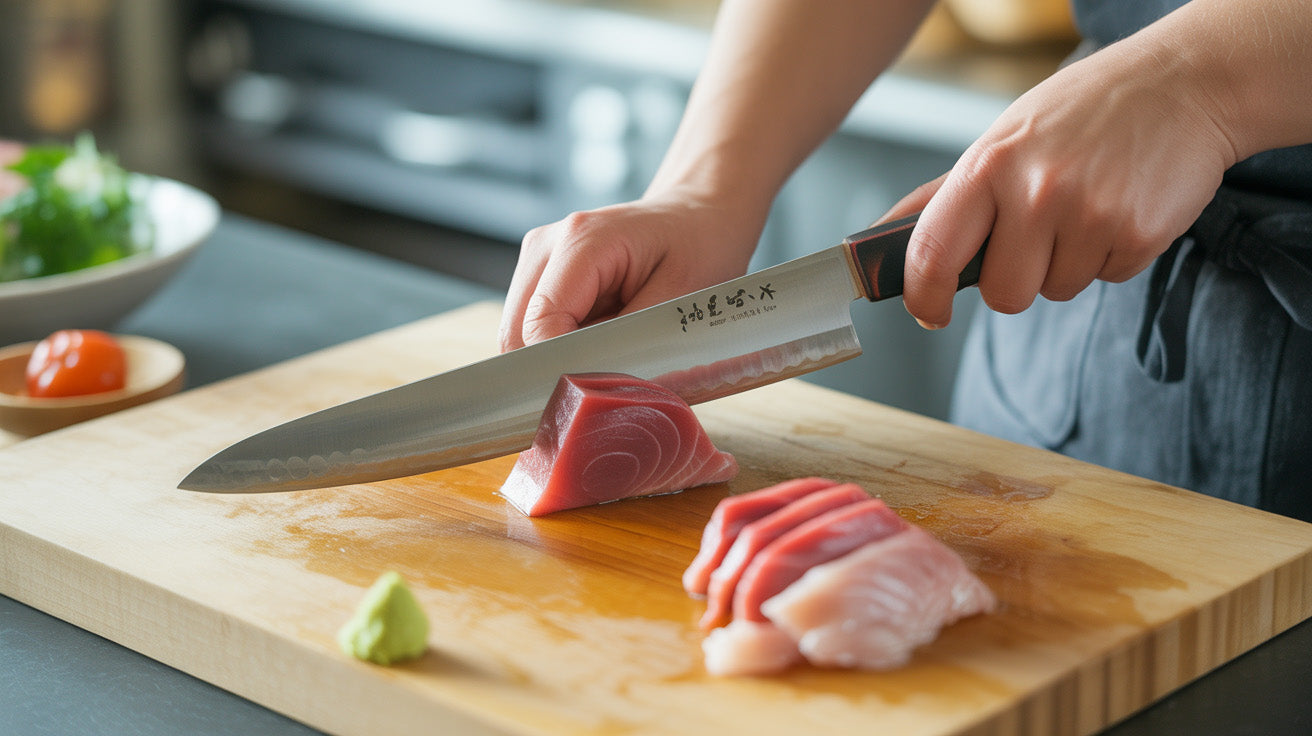
Choosing a Japanese kitchen knife that will last you a long time: Steel type, vegetable knife, size, and how to choose.
In conclusion, the first step in choosing a vegetable knife that you can use for a long time is to decide whether you prioritize sharpness or ease of use in terms of the steel material, and whether 16-18cm is the standard size for home use. Choosing a steel material that matches your maintenance style and a size that suits your kitchen and the vegetables you cut will help you avoid making a mistake.
[Key points of this article]
Today's review: 3 key points
- The typical size for a vegetable knife is a blade length of 165-180mm, which is the most convenient length for most households.
- Steel materials are divided into "white steel, blue steel, etc." and "stainless steel, molybdenum steel," and the basic principle is to choose based on the balance between sharpness and rust resistance.
- Most importantly, you should choose the perfect knife for you by combining "steel type x size" based on how often you cook, the time you can dedicate to maintenance, and the size of your kitchen.
Conclusion of this article
Conclusion of this article
- When choosing a Japanese kitchen knife, the basics of selecting a size and type of knife are: "Is the steel a hard steel or stainless steel?" and "The size should be determined based on the size of your hand and the cutting board, with 16-18cm being the most common sizes."
- Carbon steels such as white steel and blue steel excel in sharpness and ease of sharpening, while stainless steel and molybdenum steel excel in rust resistance and ease of handling.
- For home use, the standard size for a vegetable knife is 165-180mm, but if you're unsure, choosing one around 16cm will allow you to comfortably handle a wide variety of vegetable preparation tasks.
- The first thing beginners should keep in mind is to think in terms of steps: "The first knife should be a stainless steel one, 16-18cm long," and "Add a steel vegetable knife as a second one for special occasions."
How to choose the steel for a Japanese kitchen knife? What material is suitable for a vegetable knife?
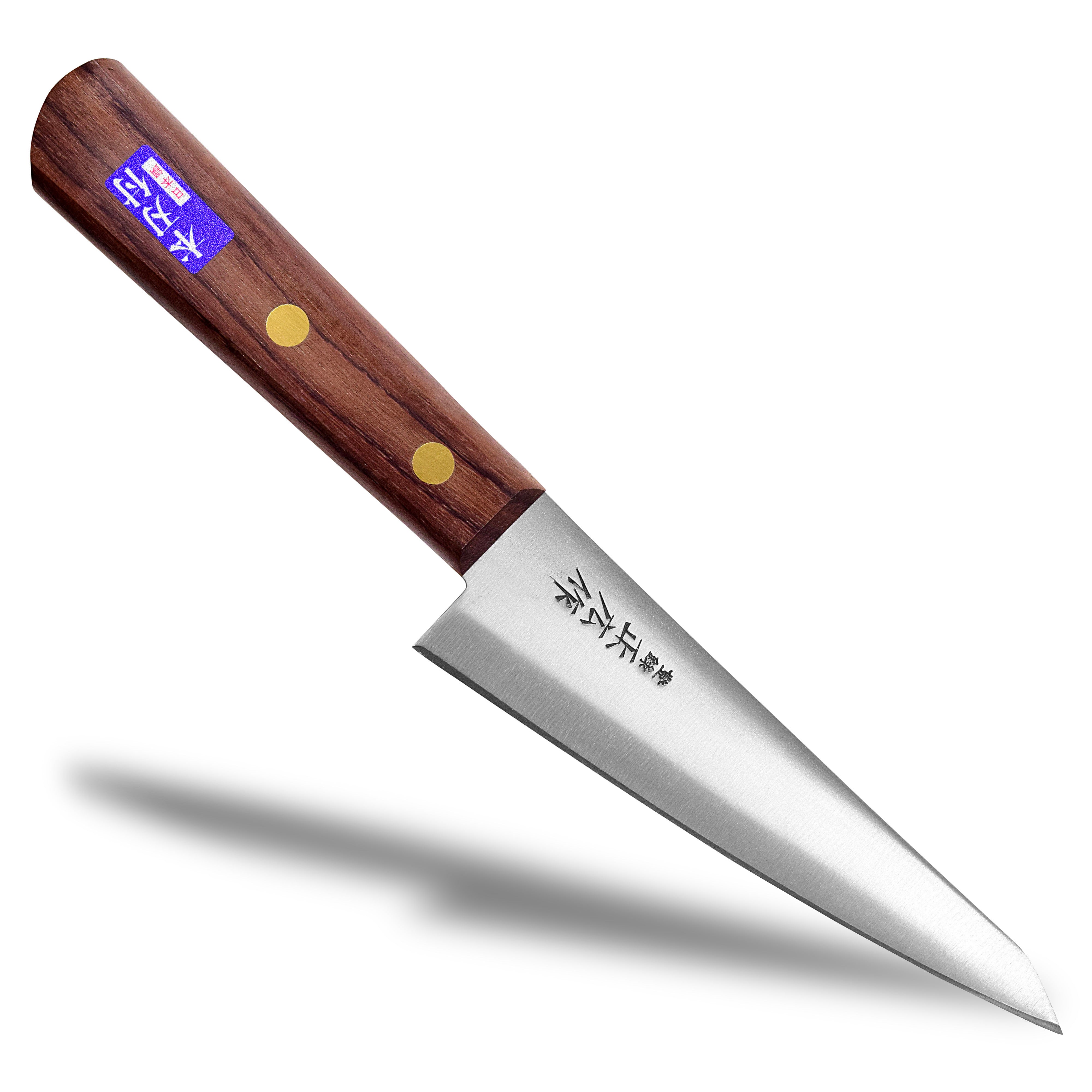
In conclusion, the choice of steel for a vegetable knife comes down to balancing "sharpness and ease of sharpening" with "rust resistance and ease of handling." Carbon steels such as white steel and blue steel excel in sharpness and ease of sharpening, and can cut vegetables cleanly without crushing the fibers, but they are susceptible to moisture and acid and rust easily. Stainless steel and molybdenum vanadium steel are not as sharp as carbon steel, but they are rust-resistant and easy to maintain, making them a practical choice for home use. The basic rule is, "If you enjoy daily maintenance, choose carbon steel; if you want something easy to use, choose stainless steel."
Characteristics of steel materials such as white paper and blue paper.
In conclusion, steel-based knives are suitable for those who prioritize sharpness and ease of sharpening. White Steel No. 2 and White Steel No. 1 are high-grade carbon steels widely used in Japanese kitchen knives. With proper heat treatment, they easily develop a sharp edge and are easy to resharpen. Blue Steel No. 1 and No. 2 are alloy steels that add chromium and tungsten to the white steel, enhancing wear resistance and long-lasting sharpness, making them suitable for those who prioritize sustained sharpness. However, both are susceptible to rust, and if moisture or dirt is left on them after use, red rust and black rust are likely to appear, so it is essential to wash and wipe them dry immediately.
Characteristics of stainless steel and molybdenum steel materials
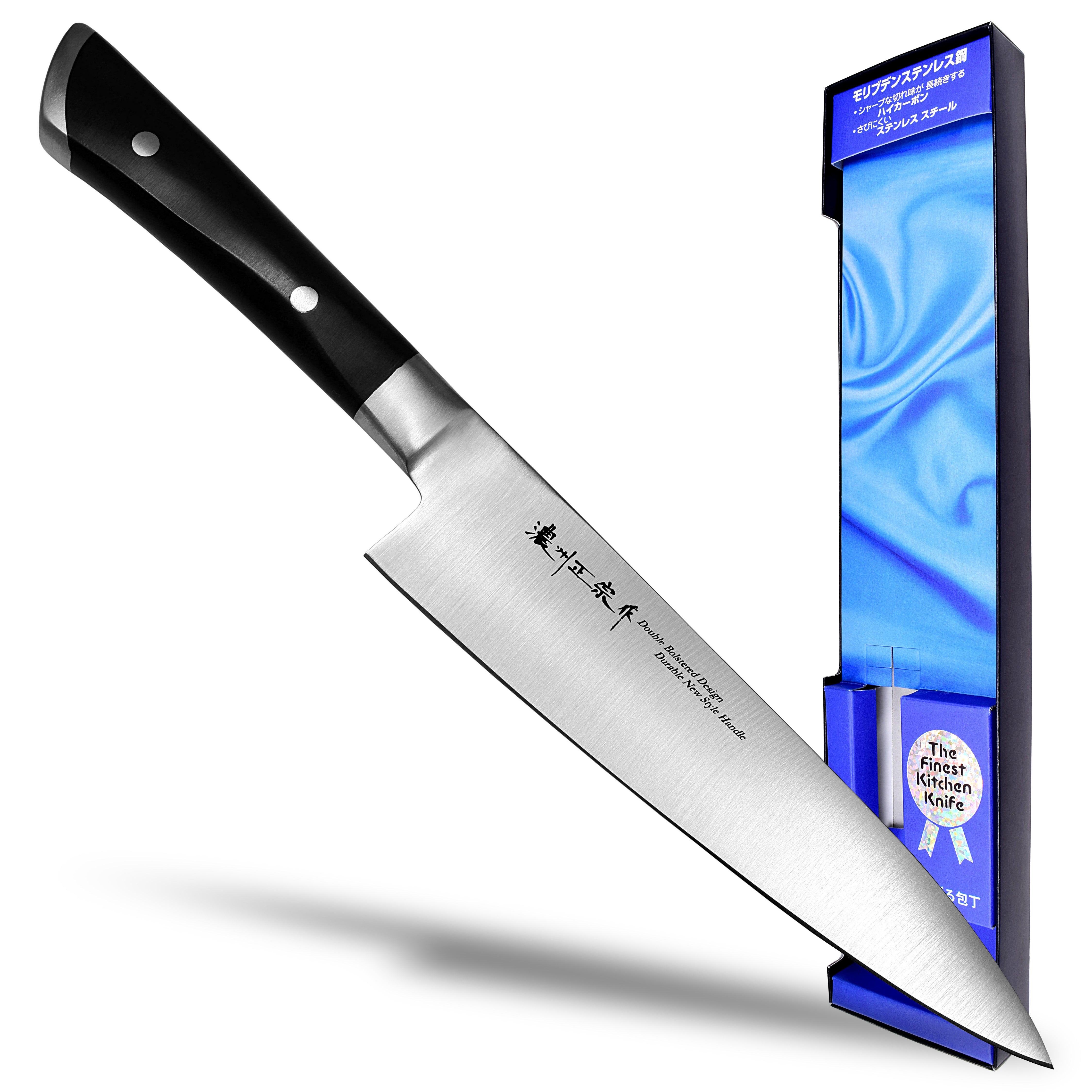
The appeal of stainless steel and molybdenum-based knives lies in their "balance of ease of use and durability." Stainless steel blades such as molybdenum vanadium steel have a good balance of hardness, toughness, and wear resistance, and are said to have just the right sharpness and ease of sharpening for home use. Due to the addition of chromium and other elements, they are resistant to rust, and the risk of leaving them out in the sink for a long time is lower than with regular steel, making them a safe choice for busy households and beginners. Many vegetable knives use molybdenum steel or V-gold stainless steel, and are said to be "easy to handle even for those trying Japanese knives for the first time."
Key points for beginners to understand when choosing steel materials
The most important thing is to choose the steel based on your own maintenance style and frequency of use. If you have a habit of sharpening your knife with a whetstone several times a week and wiping off moisture thoroughly after each use, you can maximize the benefits of sharp cutting edge and ease of sharpening by choosing a steel vegetable knife such as white steel or blue steel. On the other hand, if your lifestyle involves sharpening only a few times a year or you can't always wash your knife immediately after eating, choosing a stainless steel or molybdenum-based vegetable knife will allow you to use it for a long time without worrying about rust. In conclusion, we recommend starting with a stainless steel knife and then upgrading to a steel knife as your second knife.
What are the basics of choosing a Japanese kitchen knife, including the type of steel used and the size of the vegetable knife?
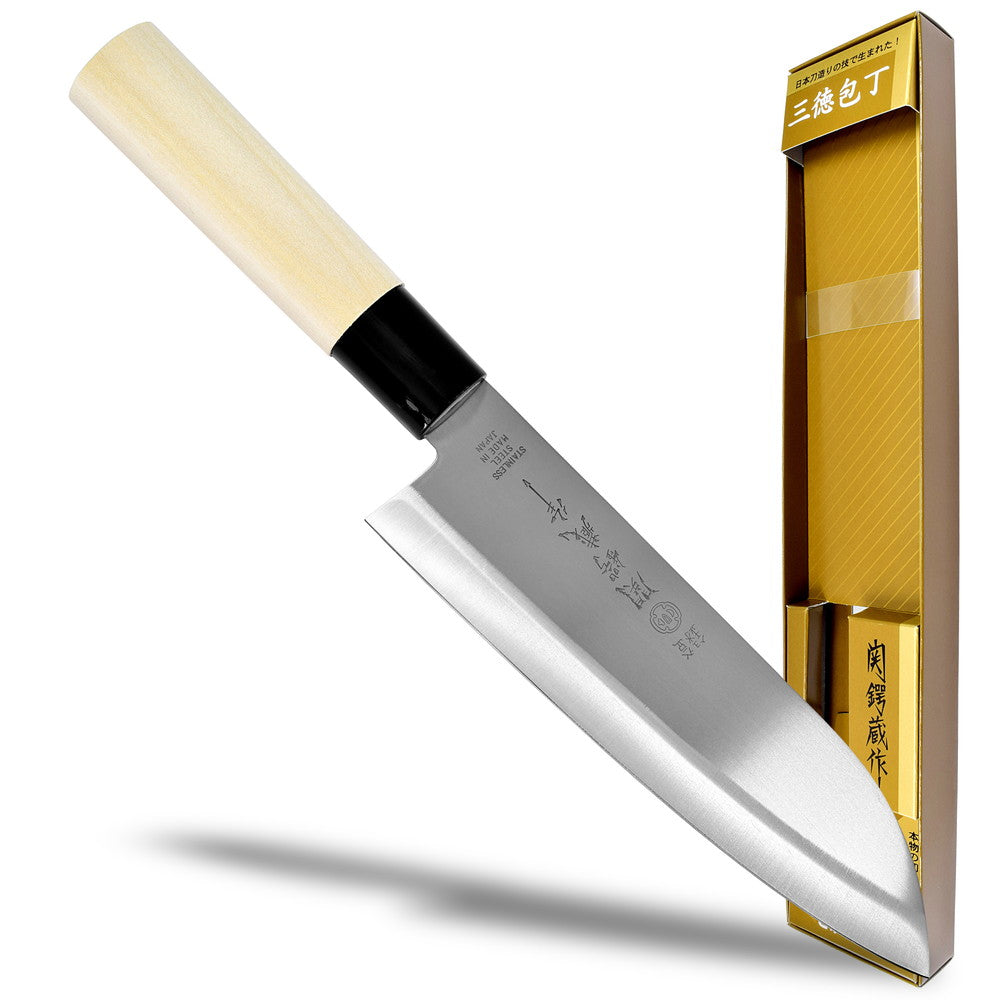
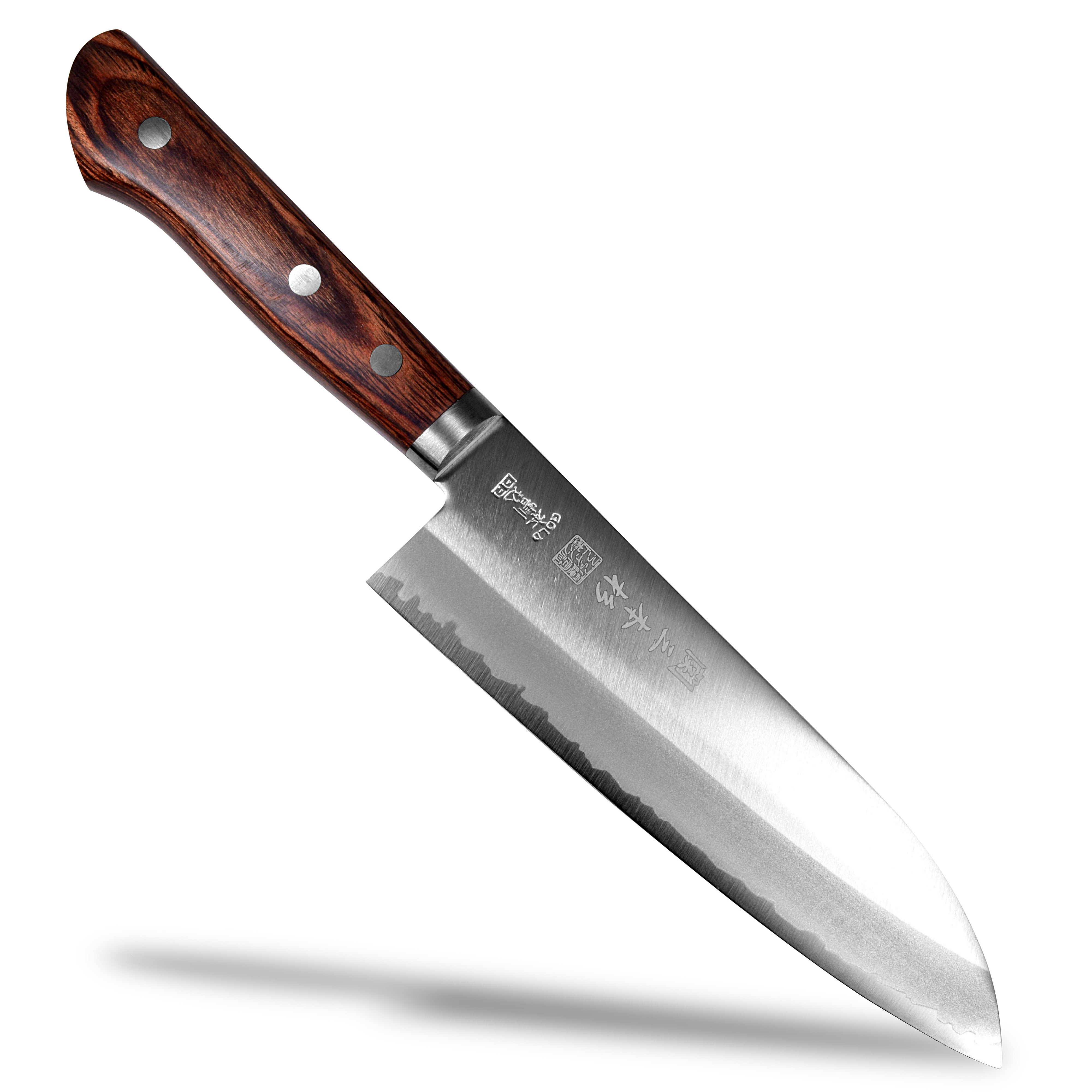
In conclusion, the basic rule for choosing the size of a vegetable knife is to "use 165-180mm as a baseline for home use, and then fine-tune it based on the size of your hand, cutting board, and the vegetables you're cutting." The typical size for a vegetable knife is 165-180mm, and like a general-purpose knife (santoku), it is considered the most manageable length for home cutting boards and kitchen spaces. It is often said that "a blade length of around 16cm is suitable for home use" or "if you're unsure, use 16cm as a guideline," clearly establishing its position as a standard size. A realistic approach is to "choose 16-17cm if you're unsure, or 18cm or more if you have a large kitchen or frequently cut large vegetables."
The difference between 165mm and 180mm and how to choose between them.
In conclusion, the advantage of a 165mm knife is its maneuverability, while the advantage of a 180mm knife is its high work efficiency. The 165mm class is about the same length as a santoku knife, making it easy to handle even for single people or on small cutting boards, and is considered a user-friendly size for people with small hands or those unfamiliar with knives. The 180mm class, with its longer blade, allows for a wider cutting width at once, making it suitable for those who want to efficiently process large vegetables, such as shredding whole cabbages or roughly chopping Chinese cabbage. A simple and practical way to decide is to choose 165mm if you have small hands, or 180mm if you have average to large hands and frequently use large quantities of vegetables.
The relationship between suitable size for home use and kitchen environment
"The size of your cutting board and sink are the limiting factors when choosing a knife size." For home use, a santoku knife is recommended to be 165-180mm long, and the same range is considered standard for nakiri knives. Be careful, as knives that are too large will hang off the cutting board and become difficult to handle. For a compact cutting board for one person (around 30cm), up to 165mm fits well, and for a typical cutting board of around 45cm, up to 180mm is a comfortable and stress-free range. Considering your kitchen's cooking space and storage (knife stand or drawer), choosing a length that is easy to take out and put away on a daily basis is the quickest way to end up with a knife that you use often.
Specific selection methods combining steel material and size
The most important thing is to create a pattern of "steel type x size" based on your cooking style. For households that chop a lot of vegetables every day and enjoy taking care of their knives, a vegetable knife with a "steel type such as White Steel No. 2 or Blue Steel No. 2 x 180mm blade length" will provide a good balance of sharpness and work efficiency. On the other hand, for those who mainly cook on weekends and don't use many knives, a vegetable knife with a "molybdenum stainless steel x 165mm blade length" is a practical combination that is light, easy to handle, and rust-resistant. Our company suggests that a medium- to long-term goal is to have two knives: "a stainless steel vegetable knife of 16-17cm for everyday use + a steel vegetable knife of 18cm for special occasions."
FAQ
Q1. What is a standard size for a vegetable knife for home use?
A1. The standard blade length for home use is 165-180mm, and many manufacturers offer this range as their home-use size.
Q2. If I'm unsure which size of vegetable knife to choose, what length (in cm) should I select?
A2. If you're unsure, around 16cm is a safe bet, as it's a length that balances well with the size of most household cutting boards and kitchens.
Q3. Which type of steel would you recommend for a first vegetable knife?
A3. If rust resistance and ease of handling are your priorities, stainless steel or molybdenum steel is popular, while if ease of sharpening and sharpness are your priorities, carbon steel such as White Steel No. 2 is a good choice.
Q4. Which is better suited for a vegetable knife, white paper or blue paper?
A4. White steel is easy to sharpen and has a good balance, while blue steel excels in maintaining its sharpness, so it's easier to start with white steel when you're not used to sharpening.
Q5. I'm worried about rust if I use a steel vegetable knife. Is that a problem?
A5. There's no problem if you make the habit of washing and wiping it down immediately after use, but it's prone to rusting if left wet, so regular care is necessary.
Q6. Can I get sufficient sharpness with a stainless steel vegetable knife?
A6. Stainless steel used for cutlery, such as molybdenum or VG-Gold, offers sufficient sharpness and durability for home use and is considered particularly easy for beginners to handle.
Q7. What size vegetable knife is suitable for someone with small hands?
A7. For people with small hands or those unfamiliar with using knives, a vegetable knife of about 150-165mm is easier to handle and less tiring to use.
Q8. Can a single vegetable knife be used as a substitute for a santoku knife?
A8. It can be used as a substitute for vegetables, but it is not suitable for meat or fish, especially those with bones, so it is more practical to use it in conjunction with a santoku or deba knife.
Q9. What is considered to be the most convenient length for kitchen knives for home use?
A9. A santoku knife is generally considered easy to use if it is between 165 and 180 mm long. Choosing a vegetable knife in the same range will help match the size of your hand and your kitchen environment.
Q10. What is the ideal weight for a vegetable knife to be easy to handle?
A10. Most standard vegetable knives weigh around 150g, but for beginners, lighter models weighing around 120-160g are generally considered easier to handle.
summary
- When choosing a Japanese kitchen knife, specifically a vegetable knife, the key points are to first decide whether the steel is steel-based or stainless steel, and whether a size of 16-18cm is the standard for home use.
- Steel types such as white paper and blue paper excel in sharpness and ease of sharpening, while stainless steel and molybdenum types are superior in rust resistance and ease of handling. It's practical to choose based on your own maintenance style.
- In conclusion, the shortest route to acquiring a long-lasting knife while also experiencing the joy of Japanese knives is to "start with a stainless steel 16-18cm vegetable knife to establish everyday use, and then add a steel vegetable knife of your preferred size as your second knife."