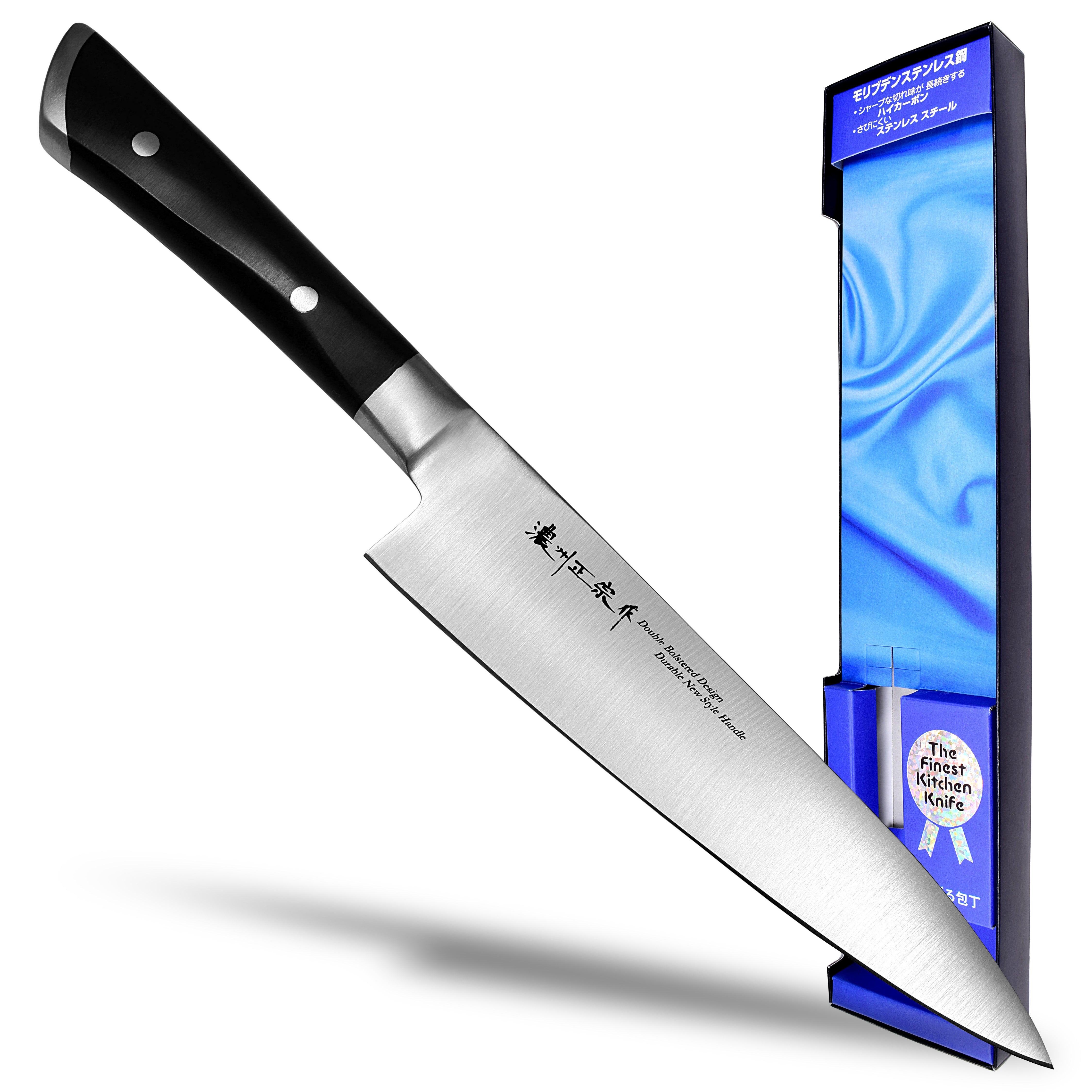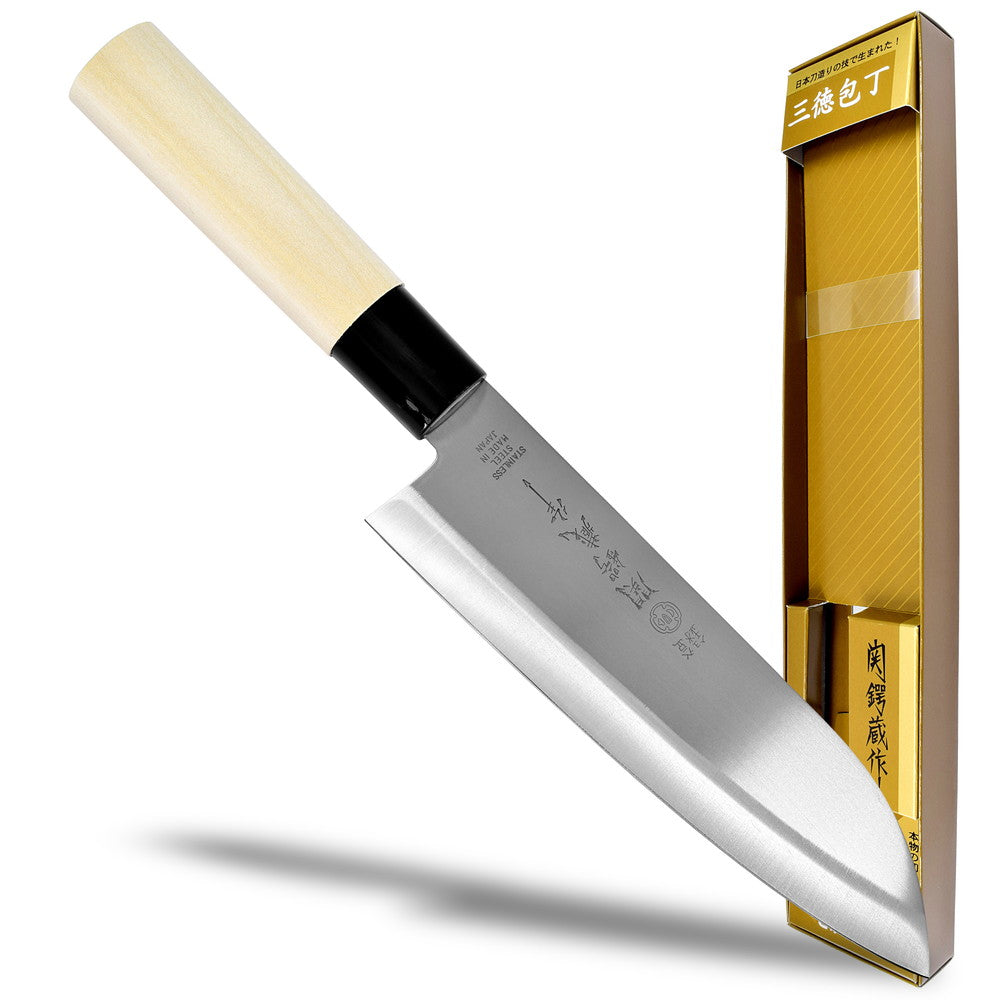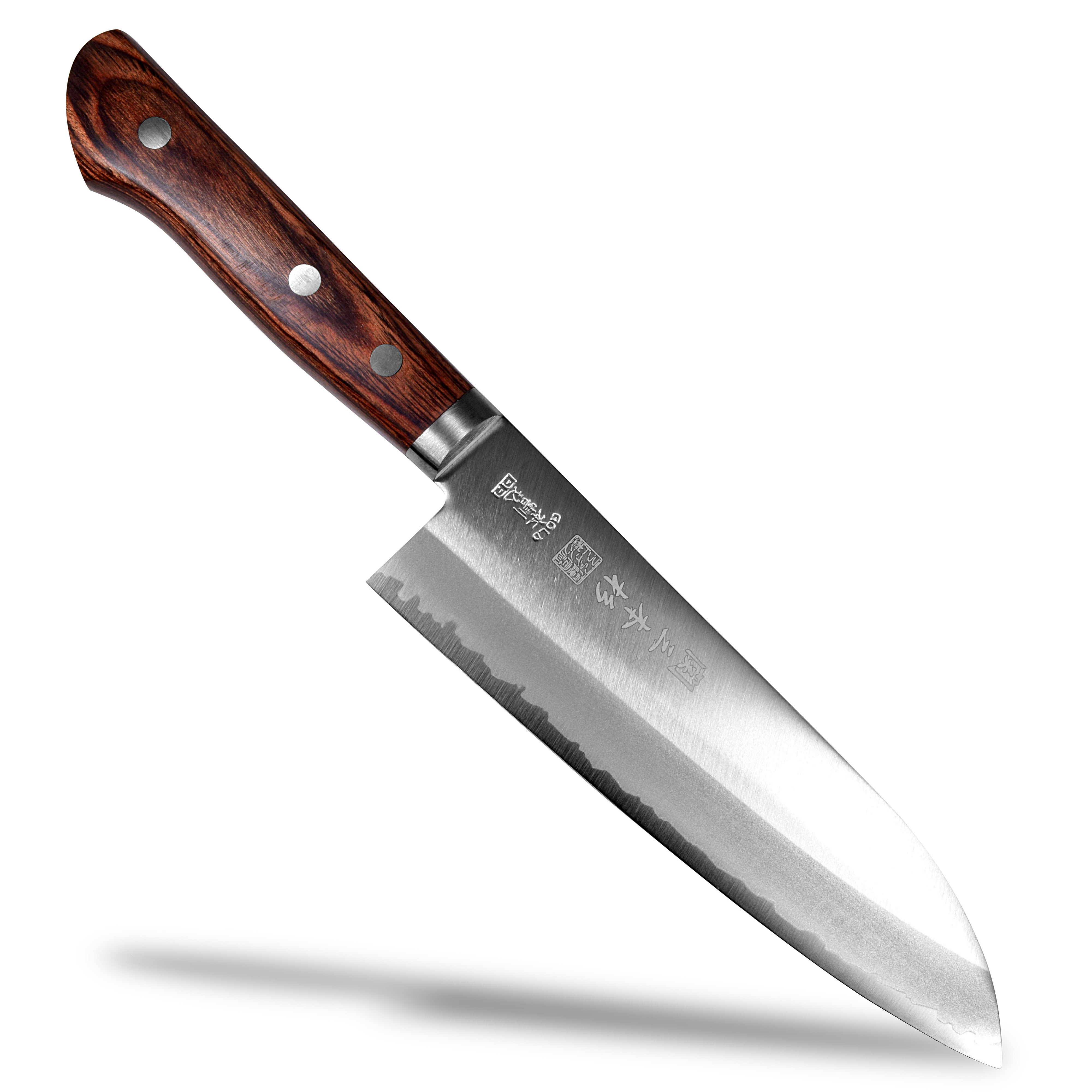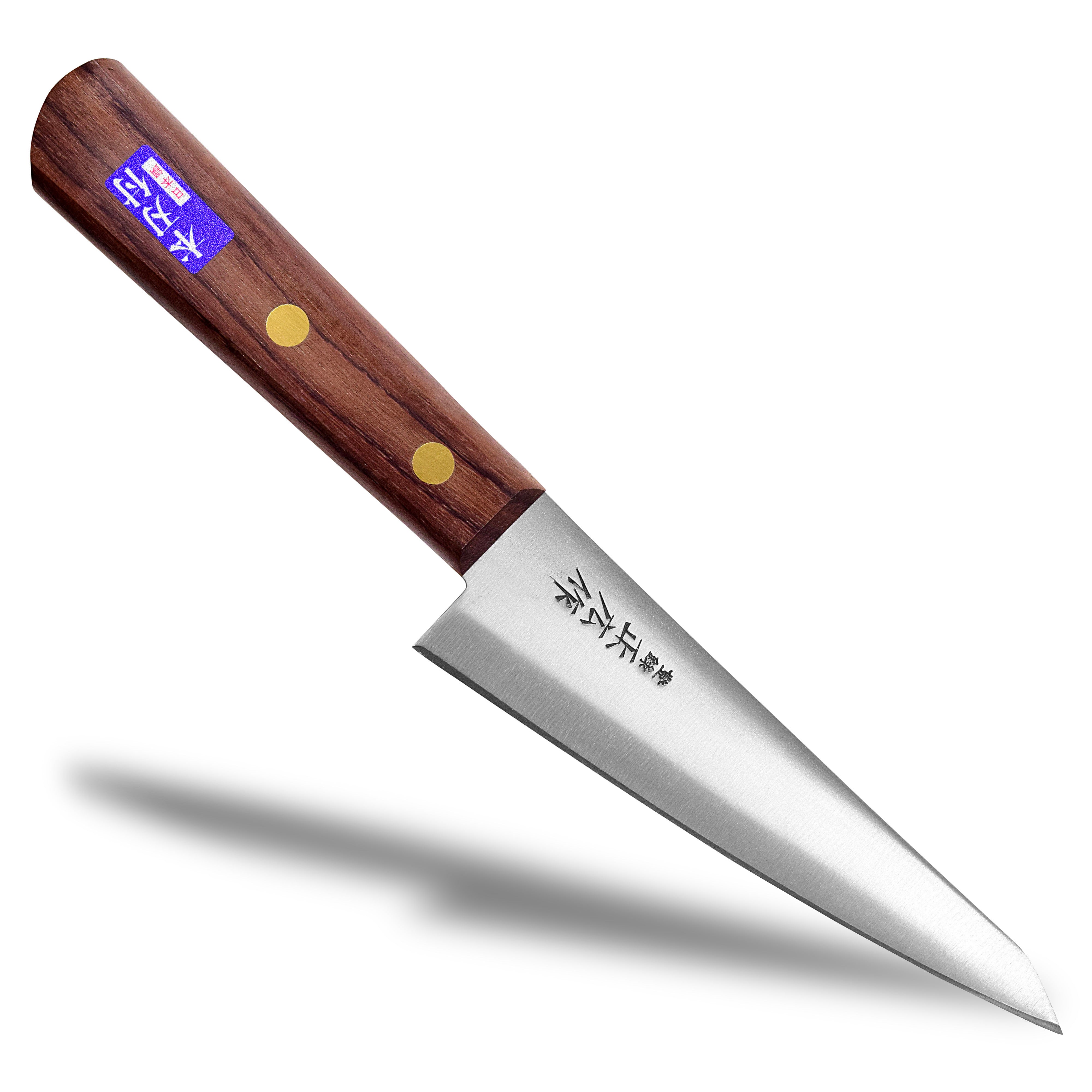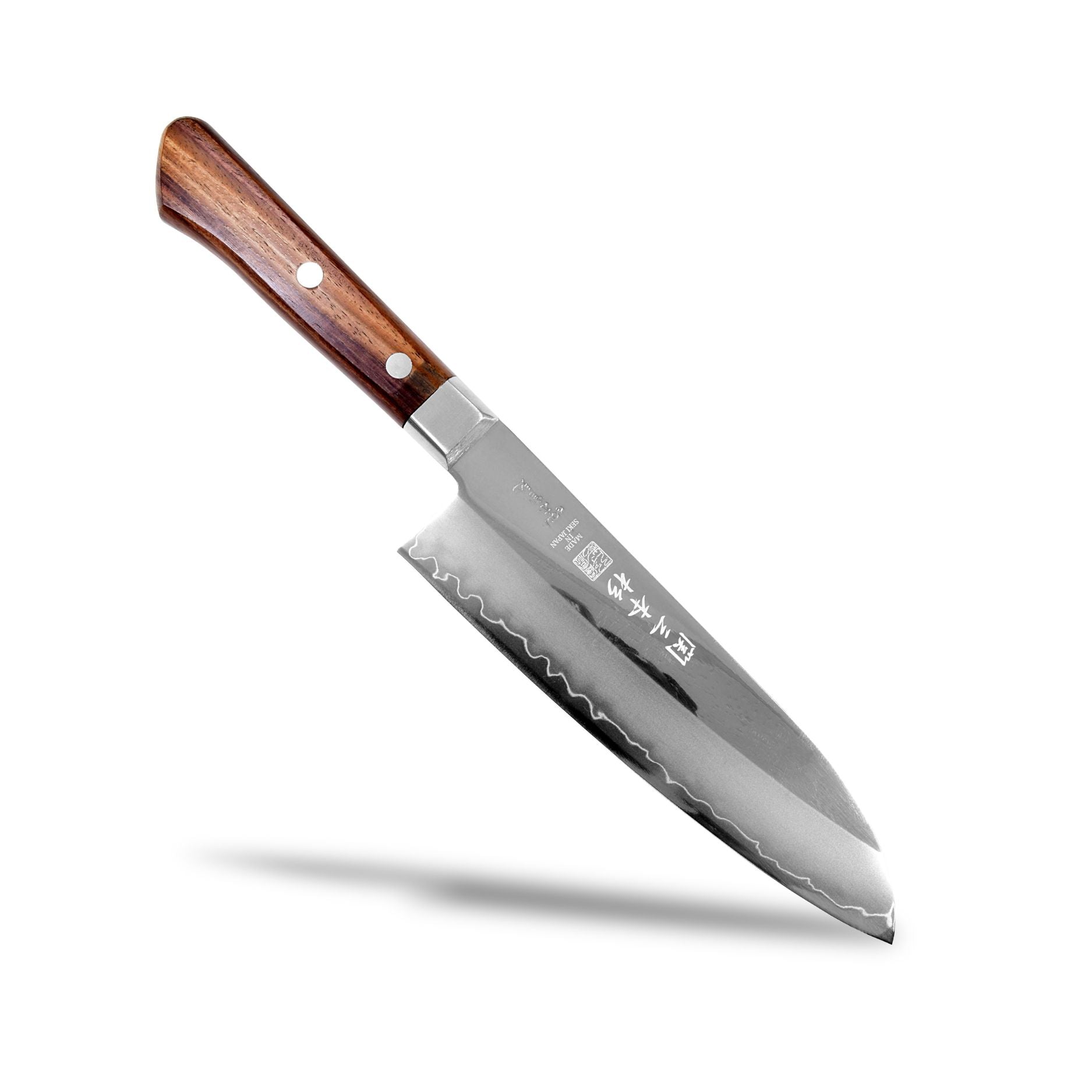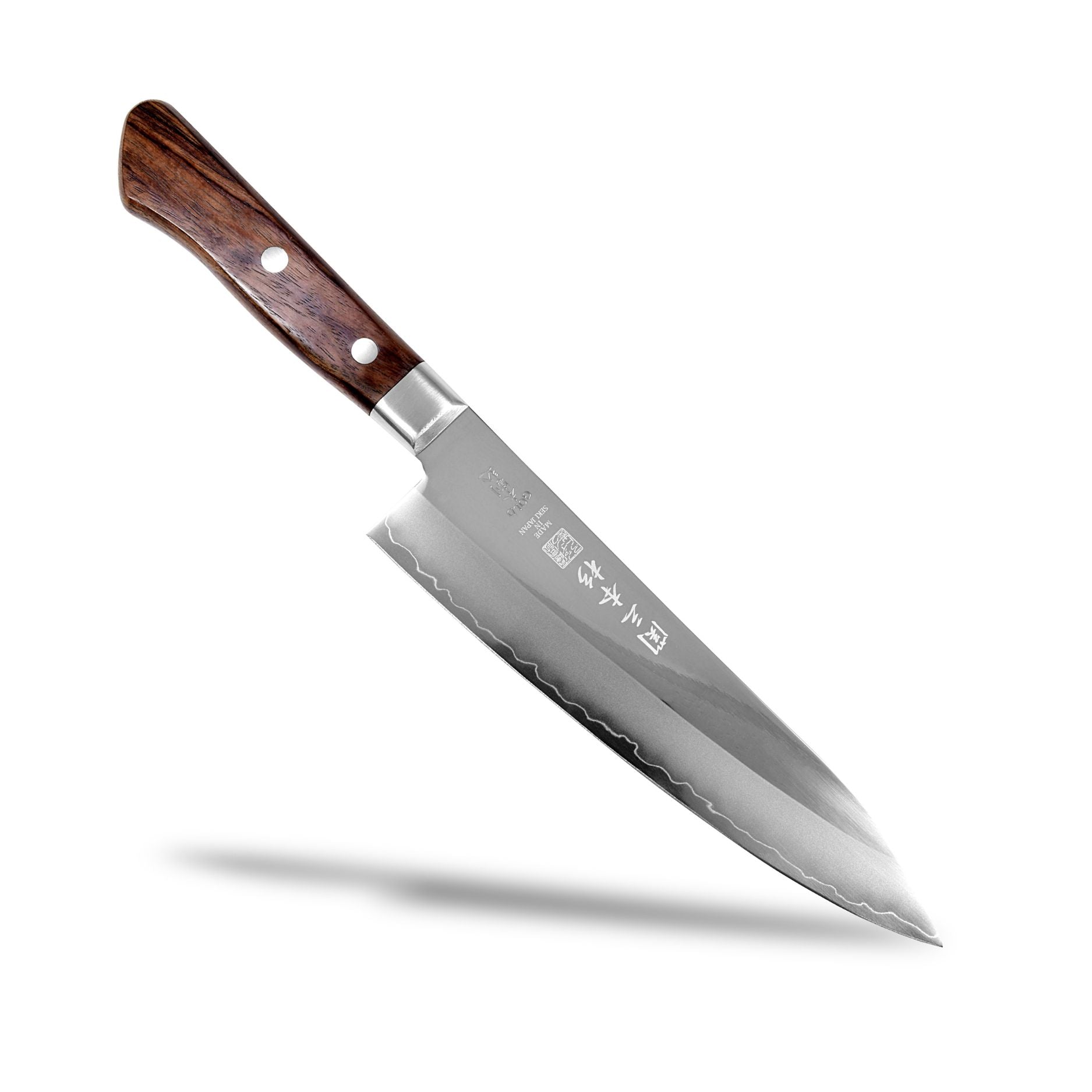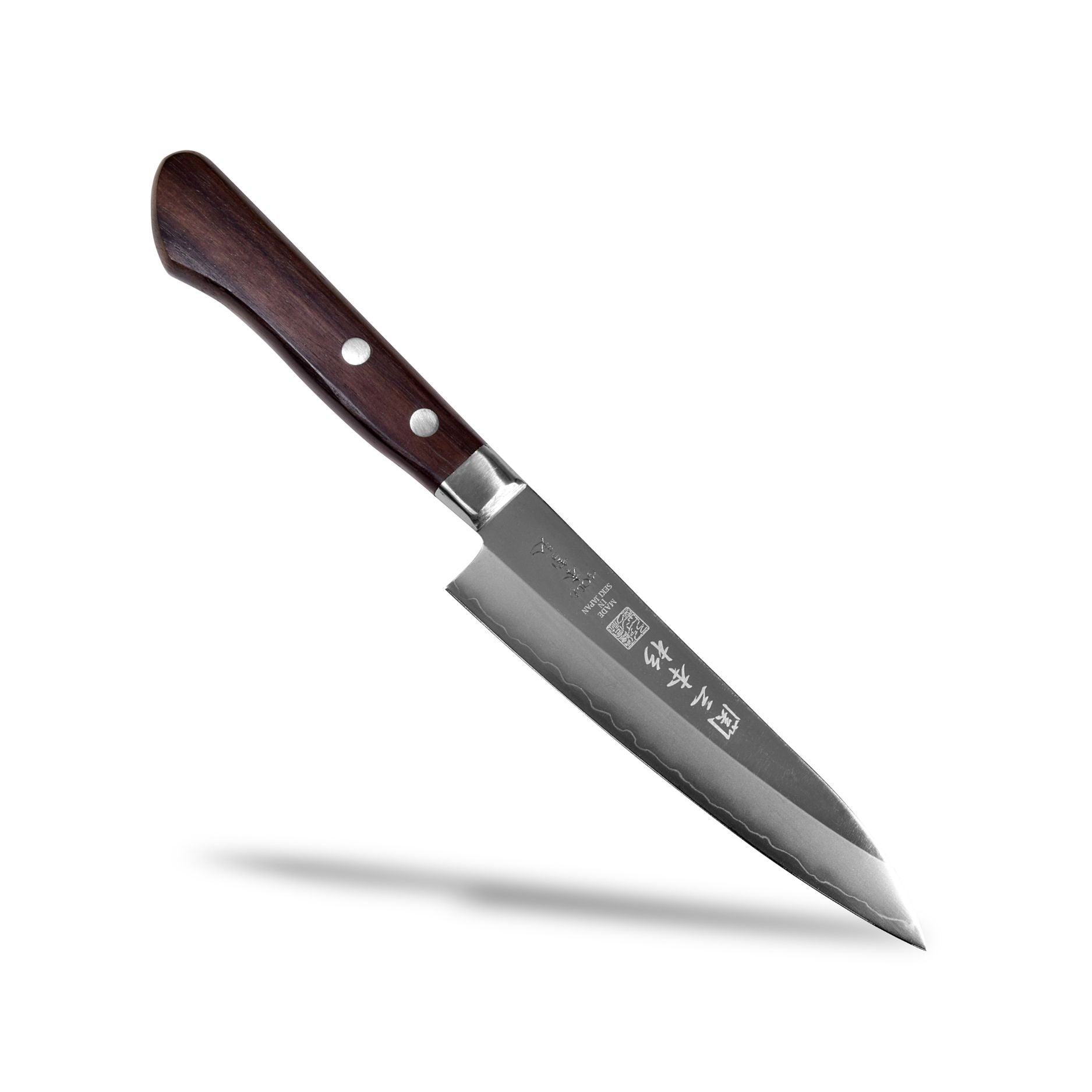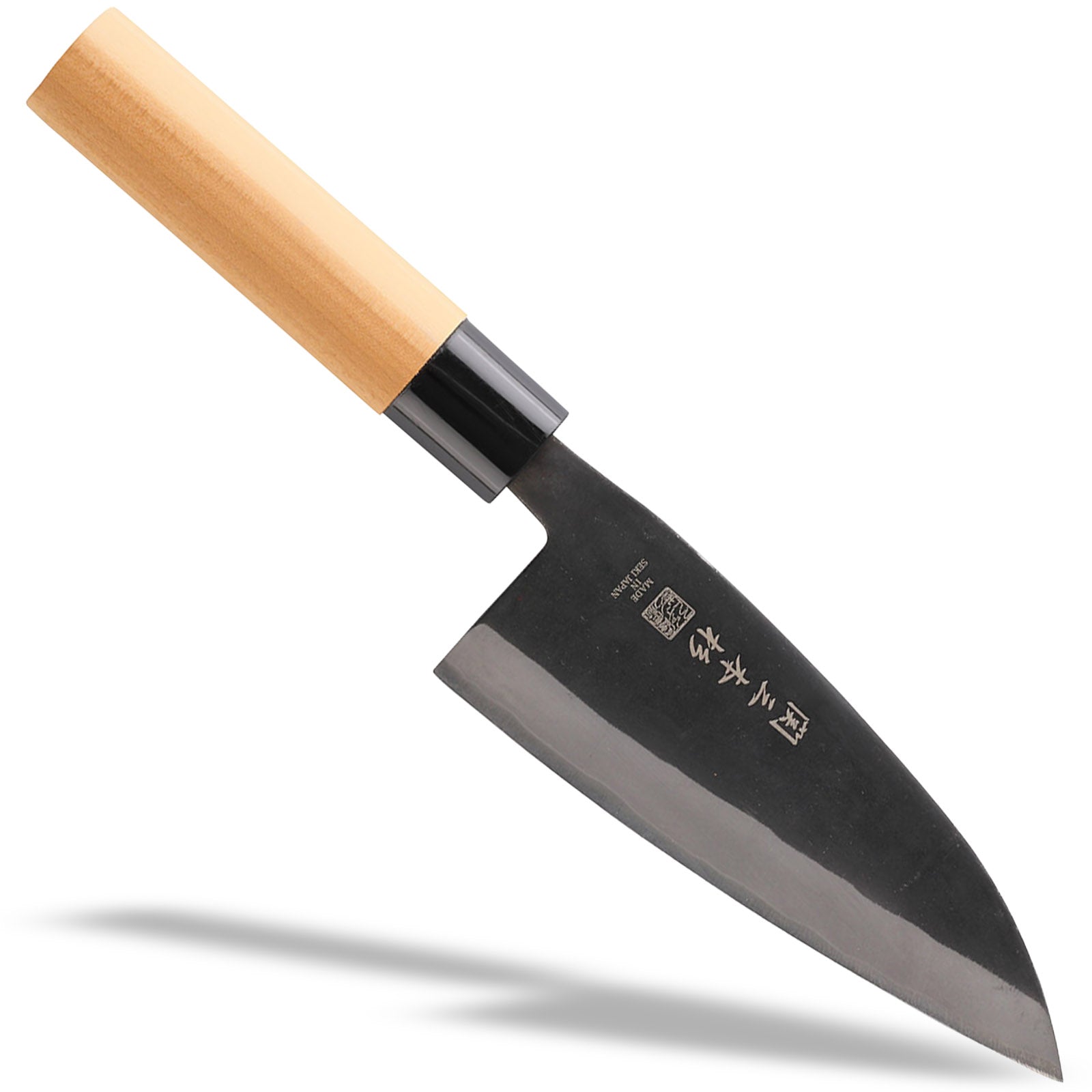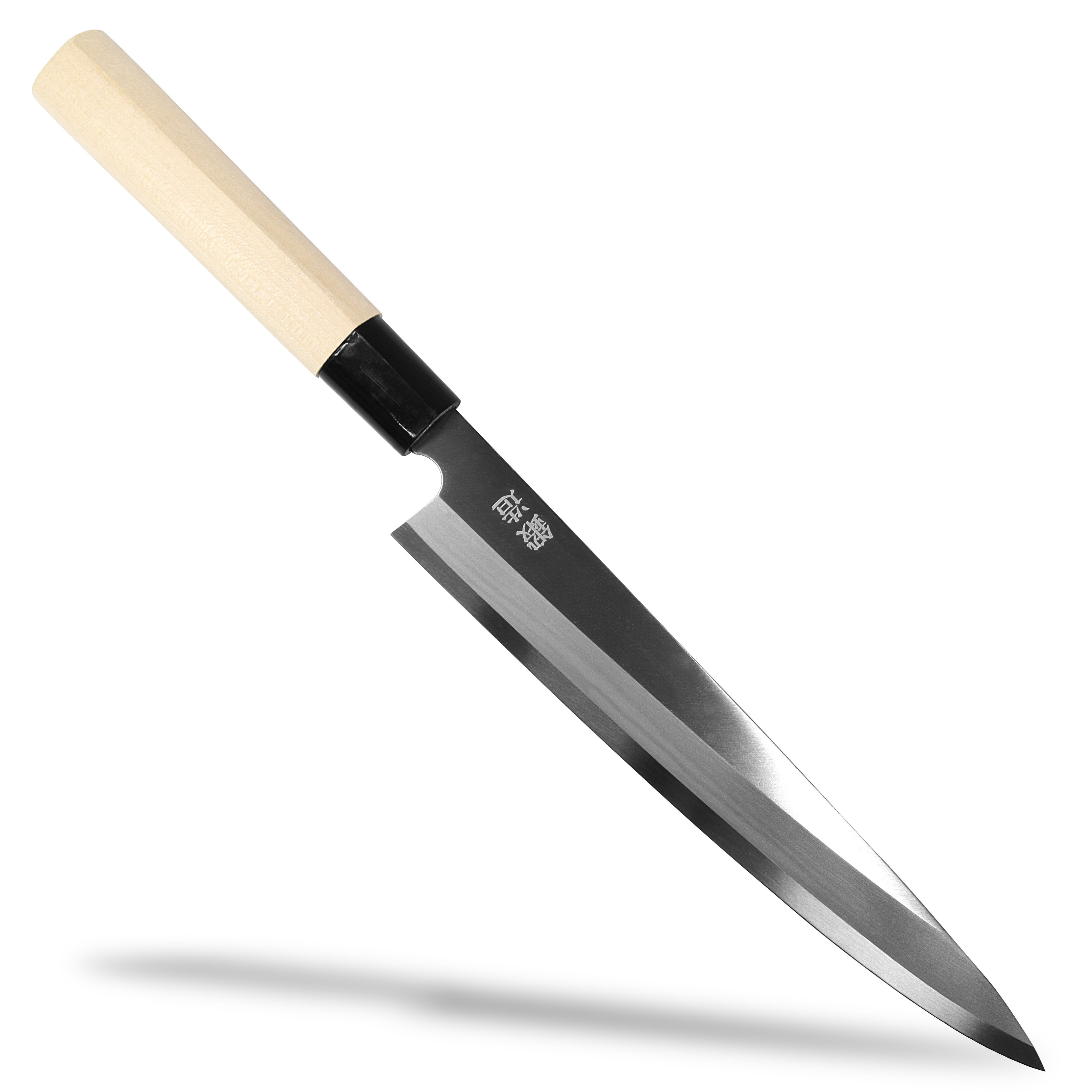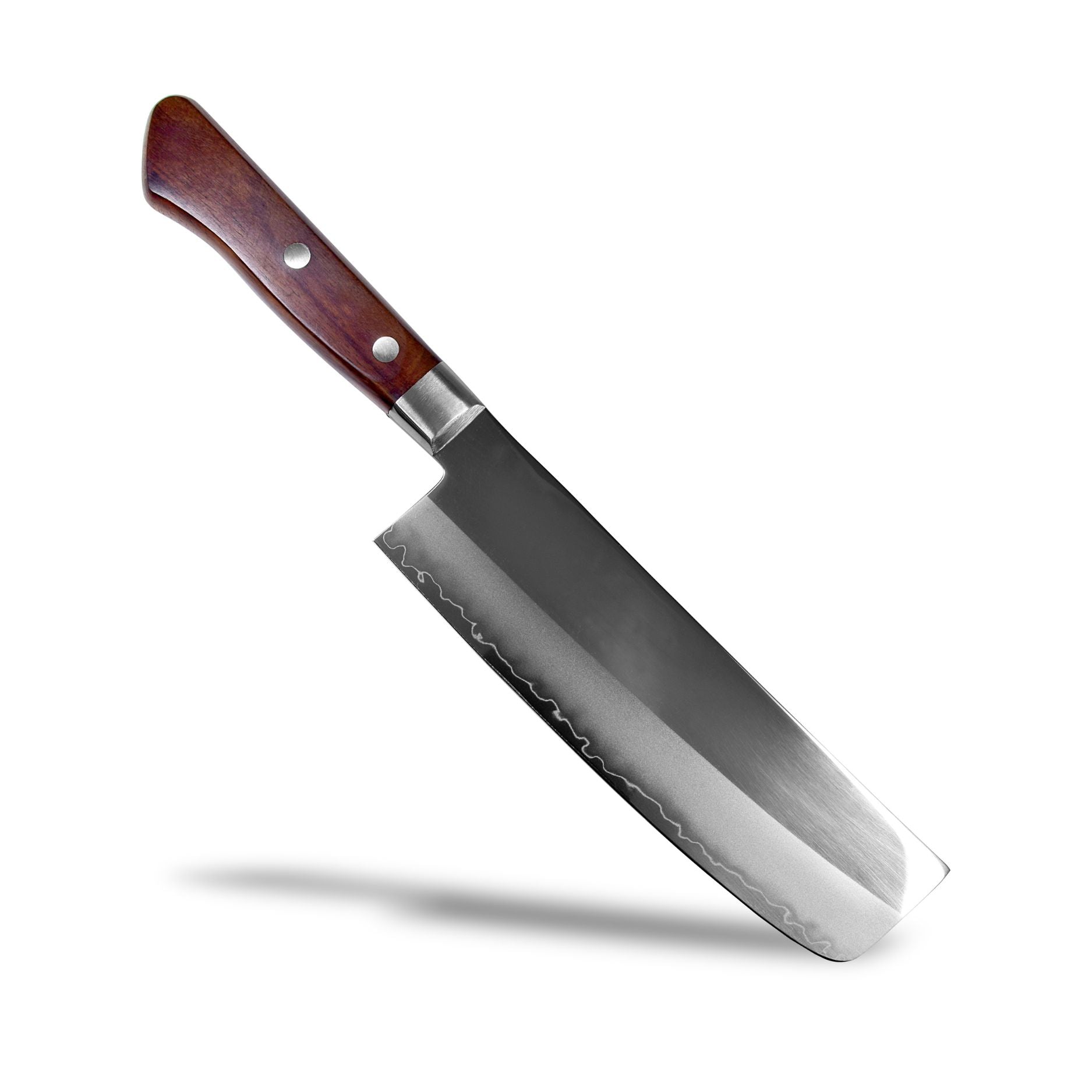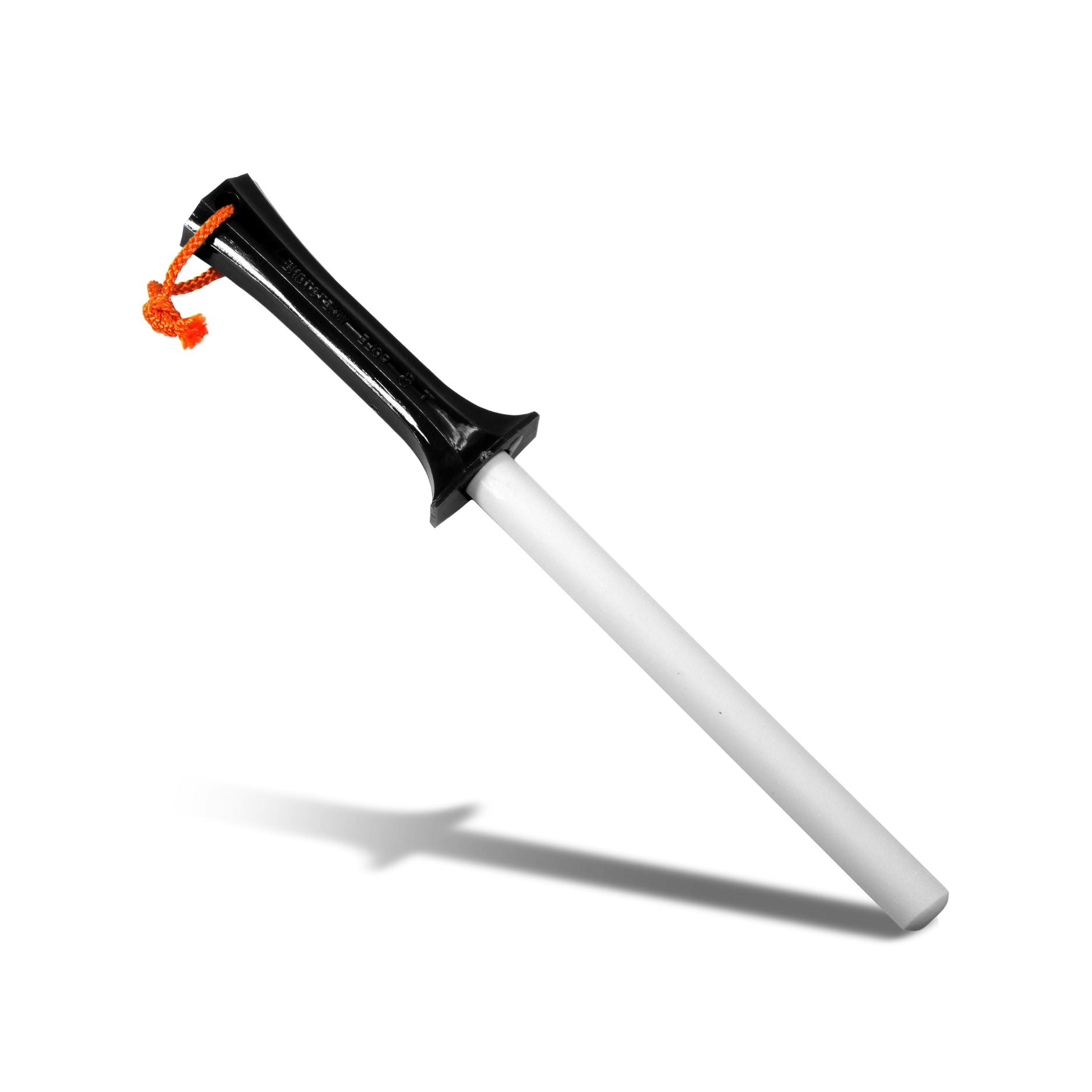


How to Sharpen a Japanese Kitchen Knife for Smooth Decorative Cutting: Petty Knife (Small) - Usage and Procedure
In conclusion, a small paring knife is a knife whose maneuverability truly shines when sharpened correctly. Mastering the basic sharpening techniques for double-edged blades, along with the proper grip and usage for decorative cutting, will make carving fruits and vegetables significantly easier. The foundation of sharpening a Japanese paring knife, specifically a small one, lies in "carefully sharpening at an angle of around 15 degrees and using the blade from the base to the tip appropriately."
[Key points of this article]
Today's review: 3 key points
- Petty knives are often small Western-style kitchen knives, and it's important to sharpen both sides of the blade at an angle of around 10 to 15 degrees, ensuring a balanced edge on both sides.
- For decorative cutting and intricate carving, consistently using the base of the blade to hold down the material and the tip to make the cut will result in beautifully crafted shapes such as plum blossoms, twisted plum blossoms, and lotus root flowers.
- The most important things are these three basics: "Don't force it if it's not cutting properly," "Even with small knives, decide on the angle and number of strokes before sharpening," and "Keep your fingers in a fixed position when making decorative cuts."
Conclusion of this article
Conclusion of this article
- To sharpen a paring knife, sharpen both edges to an even angle of around 10-15 degrees, and then lightly create a secondary bevel at the end. This will give you the sharpness and control you need for detailed work.
- The basics of using a small petty knife are to "support it with the base of the blade and make small, precise movements with the tip" and "concentrate on using the top 2-3 cm of the blade for decorative cuts."
- The first thing beginners should remember is to follow this simple rule: "Soak the whetstone in water → Sharpen 10 times at a consistent angle → Check for a burr and sharpen the other side the same number of times."
- Learning how to sharpen a Japanese kitchen knife, especially a small paring knife, will allow you to easily and smoothly perform tasks such as decorative fruit carving, vegetable shaping, stem removal, and bud removal without stress.
How to Sharpen a Japanese Kitchen Knife: How to Approach Sharpening a Small Petty Knife? (Basic Sharpening Techniques)
In conclusion, the basic method for sharpening a small paring knife is to "sharpen both edges evenly at a 10-15 degree angle, and then add a light secondary bevel (double bevel) at the end." Western-style knives like paring knives do not have a fixed cutting edge like Japanese knives, so it is recommended to determine the sharpening angle yourself, adjust the blade thickness, and then sharpen in the order of coarse → medium → finishing stone before adding the secondary bevel. The guideline for the angle is 10-15 degrees (a gap about the width of two coins), and sharpening with the image of creating a sharpened surface about 3 mm wide from the tip of the blade is said to easily create a practical edge that is sharp but not too thin. The trick to sharpening a paring knife is to "sharpen it thinly, and then make the edge just a little bit sharper at the end."
Sharpening angle and whetstone grit for a double-edged paring knife
In conclusion, the starting point for sharpening a petty knife is "10-15 degrees x medium grit (around 1000 grit)". For those unfamiliar with sharpening, it is recommended to sharpen with the blade at a shallow angle of 10-15 degrees, creating a uniform sharpened surface about 3mm wide from the tip of the blade. If there are no chips, a medium grit (around 1000 grit) whetstone is sufficient, and it is common to only add a step of removing the secondary bevel with a coarse whetstone if there are chips or the blade is very thick. If you have a finishing whetstone, lightly remove the secondary bevel at the end and check that a thin white line (secondary bevel) is evenly present at the tip of the blade to balance sharpness and durability.
Sharpening Steps (How-To using a paring knife as an example)
The process involves four steps: "Dip → Determine the angle → Drill both sides the same number of times → Make a small bevel." A typical procedure is as follows:
- Soak the whetstone in water for 5-10 minutes.
- Hold the paring knife in your dominant hand and hold the blade against the whetstone at a 10-15 degree angle (a gap the size of two coins is a good guideline).
- Divide the blade into 3 to 5 sections: from the base to the middle to the tip, and sharpen each section by moving it back and forth 10 times (do not rinse off the sharpening slurry).
- Sharpen the back side the same number of times, tilting the blade slightly, and check for any burrs (snagging) with your finger.
- Using a finishing or medium-grit whetstone, lightly sharpen the blade, creating a small bevel. The process is complete when a thin white line appears along the entire edge of the blade.
By following this process, you can consistently achieve sufficient sharpness for decorative cutting.
Common mistakes beginners should avoid when sharpening petty knives.
The most important thing is to avoid "sharpening at too steep an angle and over-sharpening the back side." If you sharpen a paring knife at an angle of 30 degrees or more, only the edge will become thick, emphasizing the double bevel and making it difficult to achieve sharpness, often resulting in a state where "it doesn't cut very well despite being sharpened." Also, if you continue to sharpen the back side with the same force and number of strokes as the front side, even if it is double-edged, it will become more rounded than necessary, increasing the risk of the blade veering off course when making decorative cuts where you want it to go straight. The first things beginners should remember are "sharpen the front side thoroughly and focus on removing the burr on the back side" and "keep the angle low."
How to sharpen a Japanese kitchen knife, specifically a small paring knife (for decorative cutting)? What are the steps and procedures?
In conclusion, the key to using a small petty knife for decorative cutting is to "hold down with the base of the blade and draw with the tip." For techniques like twisting plum blossoms on carrots, decorating lotus root flowers, and shiitake mushrooms, where you use the tip of the knife to make small V-shaped or diagonal cuts, the thin, sharp tip of a petty knife is extremely useful. A freshly sharpened petty knife allows you to smoothly make shallow cuts of 2-3 mm and diagonal cuts of around 30 degrees, making it easier to create a three-dimensional effect in your decorations. The trick to making the most of the petty knife's maneuverability is to think of "decorative cutting as being confined to the 2 cm of the tip."
Basic grip and support techniques (controlling a small kitchen knife)
In conclusion, the most stable way to hold a petty knife is with a pinch grip at the base of the blade and lightly support the handle. Even with a small knife, pinching the area near the blade-handle boundary with your thumb and index finger, and lightly gripping the handle with your remaining fingers, makes it easier to precisely control the direction of the blade. When decorative cutting, it is recommended to firmly form a cat's paw shape with the fingertips of the hand holding the food, lightly press down on the side of the food with the base of the blade, and move only the tip of the blade in small up-and-down and back-and-forth movements. Holding a small knife like a pencil makes it difficult to apply force and can easily slip, so maintaining the basic knife grip and making small movements is the safest approach.
Typical examples of decorative carving and when to use a paring knife.
The basic pattern for decorative carving is "slicing into rounds → making grooves → cutting in a V-shape," and this is where the tip of a petty knife comes in handy. For example, for a plum blossom-shaped carrot, the procedure involves slicing it into 5-7mm rounds, making star-shaped grooves, rounding the five tips, making vertical cuts about one-third of the way through between the petals, and then tilting it 30 degrees from the center and cutting it diagonally. When making the thin V-shape, using the tip of a petty knife (2-3cm) makes the work easier than with a thicker santoku knife. For decorative carving of lotus root flowers and shiitake mushrooms, a petty knife is advantageous because it allows for repeated cutting of 1-2mm wide V-shapes between the holes and on the surface of the cap.
Precautions for safely performing decorative cuts with a small paring knife.
The most important thing is to "fix the movement of the blade with the fingers on the opposite side." When making cuts in the petals, it is recommended to firmly support the food with your fingertips and always insert the blade at a constant angle (around 30 degrees) toward the side of your fingers. Because paring knives have short blades, it is easy to gain momentum, so it is important to be mindful of "shifting the direction of the knife's movement from your fingers" to prevent the tip of the blade from flying out towards the opposite finger when it passes through the food. Also, since a freshly sharpened blade can dig into the skin with even a little force, when decorative cutting, it is important for safety to not just look at your hands, but to constantly check the position of the blade tip and your fingers while working.
FAQ
Q1. What is a good guideline for the sharpening angle of a paring knife?
A1. For a double-edged petty knife, a sharpening angle of around 10-15 degrees is a good guideline. Maintaining a gap of about two coins while sharpening will result in a uniform sharpening width of about 3 mm.
Q2. Can a petty knife be sharpened using only a medium-grit whetstone?
A2. If there are no chips in the blade, a medium grit whetstone (around 1000 grit) is usually sufficient, and it is common practice to add a coarse grit whetstone only if you are concerned about chipping or blade thickness.
Q3. Should the back of a paring knife be sharpened the same way as the front?
A3. Even with a double-edged blade, it is considered best to slightly reduce the angle of the back side and sharpen it lightly the same number of times as the front side, "until the burr is removed."
Q4. What precautions should I take when making decorative cuts with a freshly sharpened paring knife?
A4. Because it cuts very sharply, it is safer to avoid placing your fingers in the direction of the blade's movement and to use only the tip of the blade (2-3 cm) to make small cuts.
Q5. What is the ideal size (in cm) of a paring knife for decorative carving?
A5. A small petty knife with a blade length of about 120-135mm is a convenient length for decorative cutting of fruits, carrots, lotus root, and other vegetables.
Q6. Besides fruit, in what other situations is a paring knife useful?
A6. This small, all-purpose knife is convenient for all kinds of detailed preparation tasks, such as removing stems and sprouts, cutting small vegetables, trimming chicken meat, and finely chopping parsley.
Q7. Why is a "secondary bevel" added when sharpening a paring knife?
A7. Adding a secondary bevel (double-edged blade) prevents the blade tip from becoming too thin, resulting in a good balance between sharpness and resistance to chipping, making it a practical blade even in a small size.
Q8. Is it always necessary to soak a whetstone in water before using it?
A8. Many whetstones are recommended to be soaked in water for 5 to 10 minutes. Allowing them to absorb water properly stabilizes the sharpening feel and is gentler on both the blade and the whetstone.
Q9. Which is better suited for decorative cutting, a petty knife or a santoku knife?
A9. For decorative cuts that involve many small V-shapes or shallow cuts, a petty knife with a thin, short blade is considered more maneuverable and easier to shape.
Q10. Is it okay to sharpen a paring knife using only a sharpener?
A10. While a simple sharpener can temporarily restore sharpness, it's difficult to adjust the angle of the double-edged blade or create a secondary bevel, so it's ideal to use it in conjunction with sharpening on a whetstone.
summary
- The key to sharpening a small Japanese kitchen knife, such as a petty knife, is to follow the simple basics of sharpening: "sharpen both edges evenly at an angle of 10 to 15 degrees, and finally lightly create a secondary bevel."
- For decorative cutting and intricate carving, you can safely create beautiful shapes by stabilizing the food with the base of the blade and making small V-shaped or diagonal cuts using the tip of the blade (2-3 cm).
- In conclusion, mastering the correct sharpening technique using a whetstone and controlling the blade edge of a small petty knife is the shortest route to smoothly carving fruits and vegetables and enjoying a long relationship with small Japanese knives.