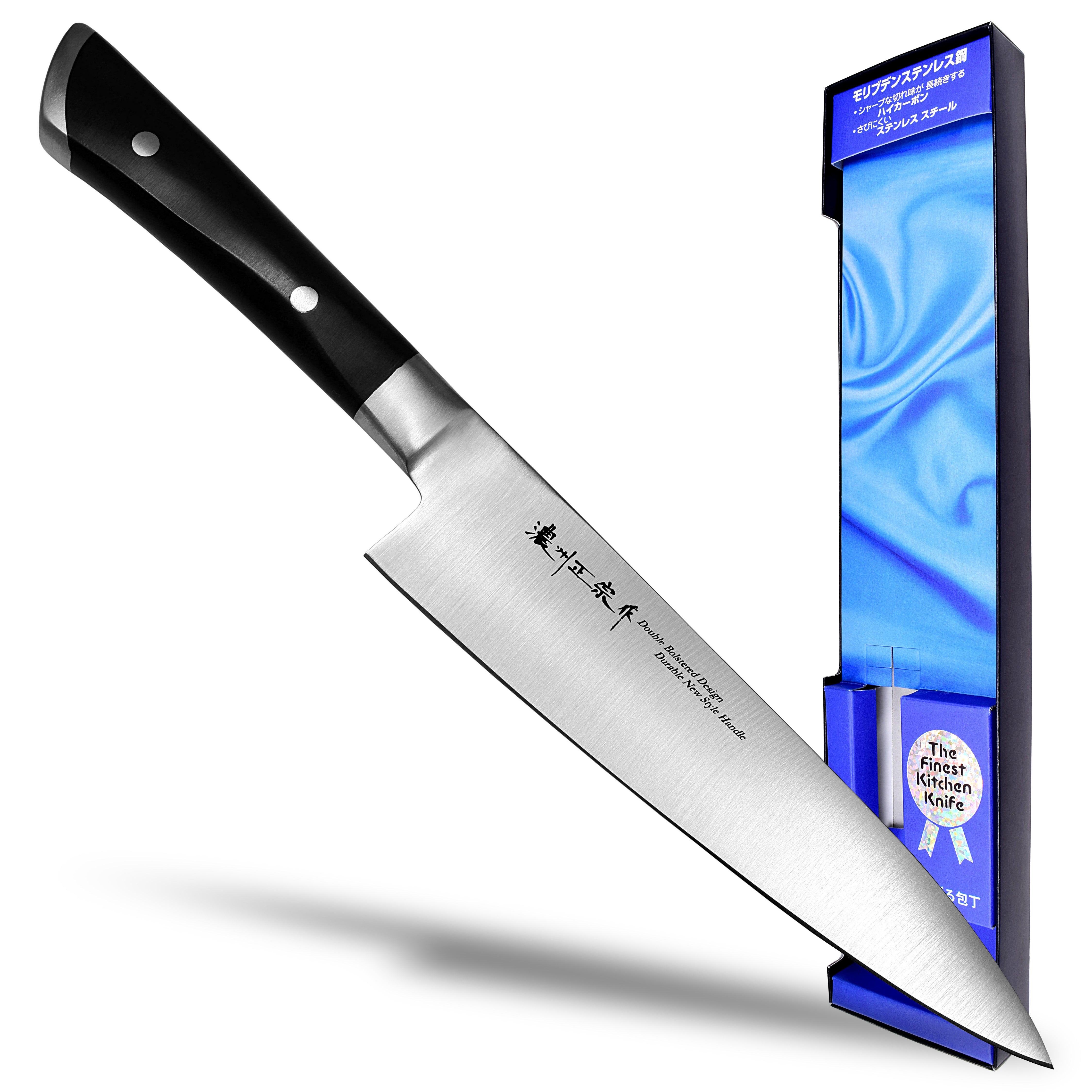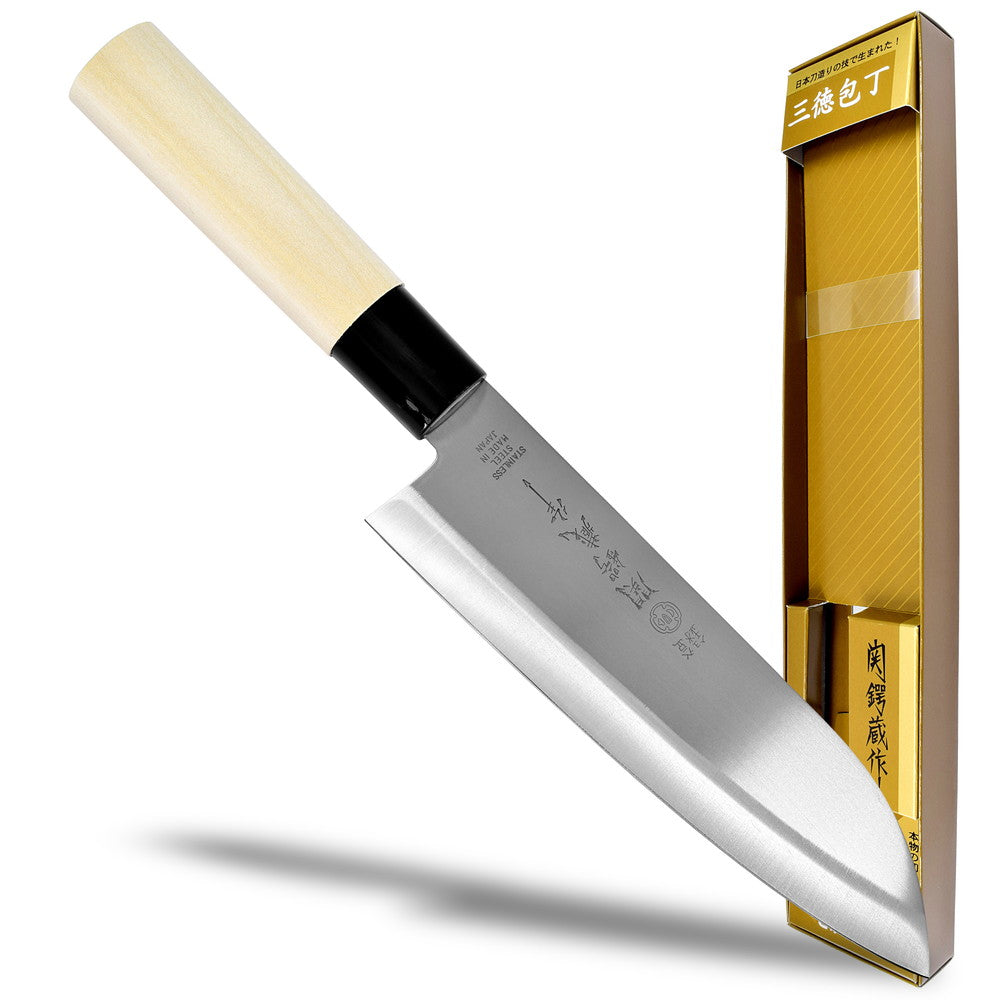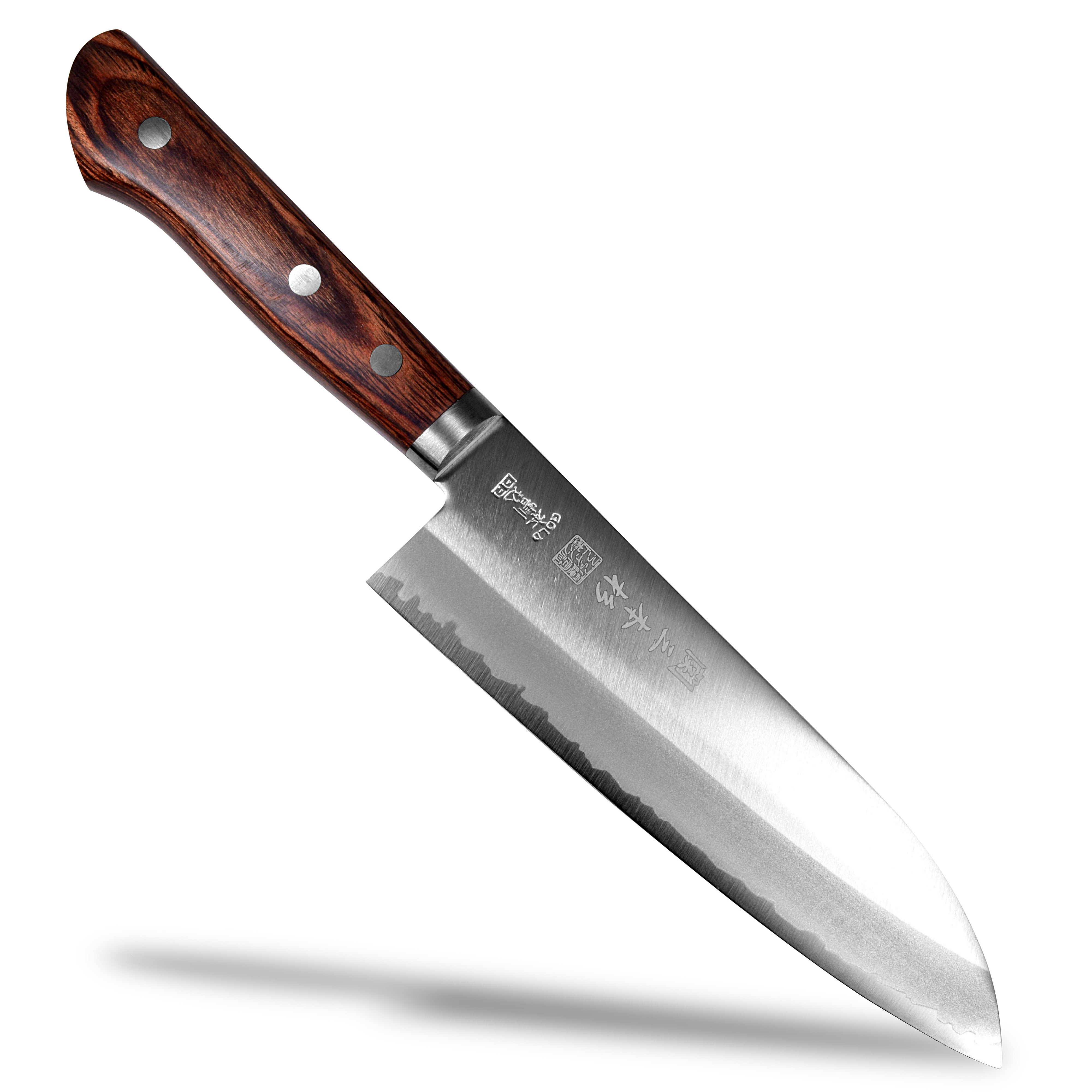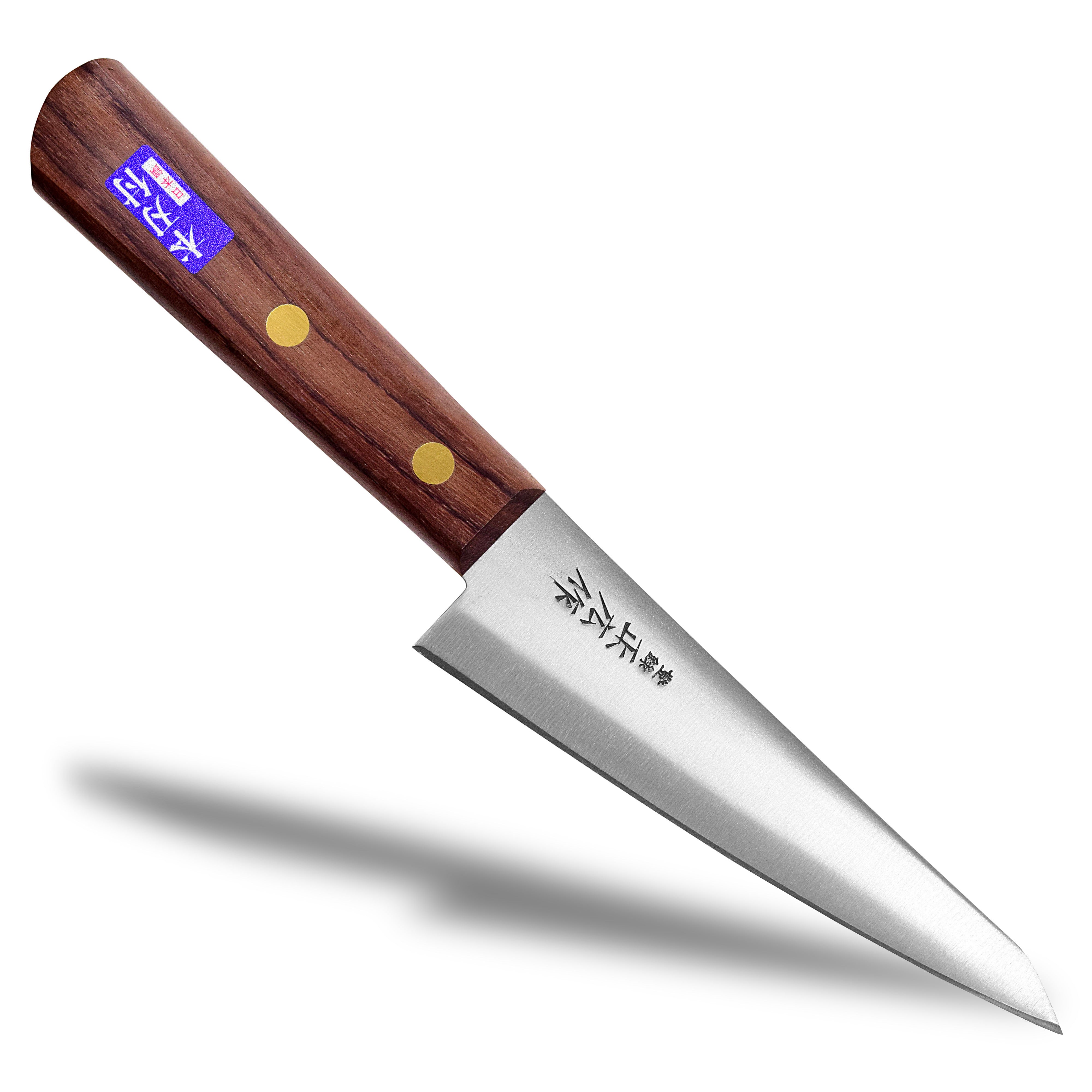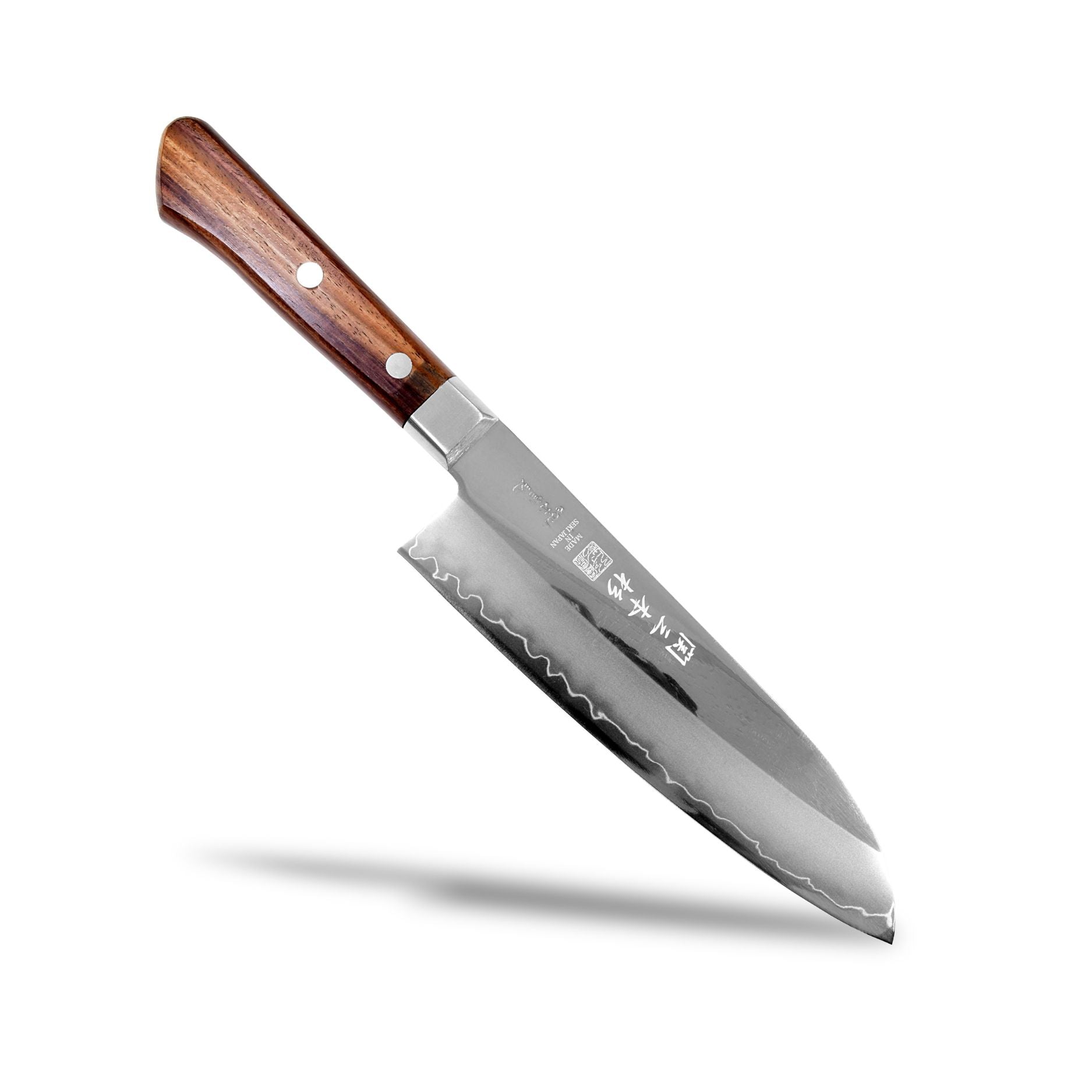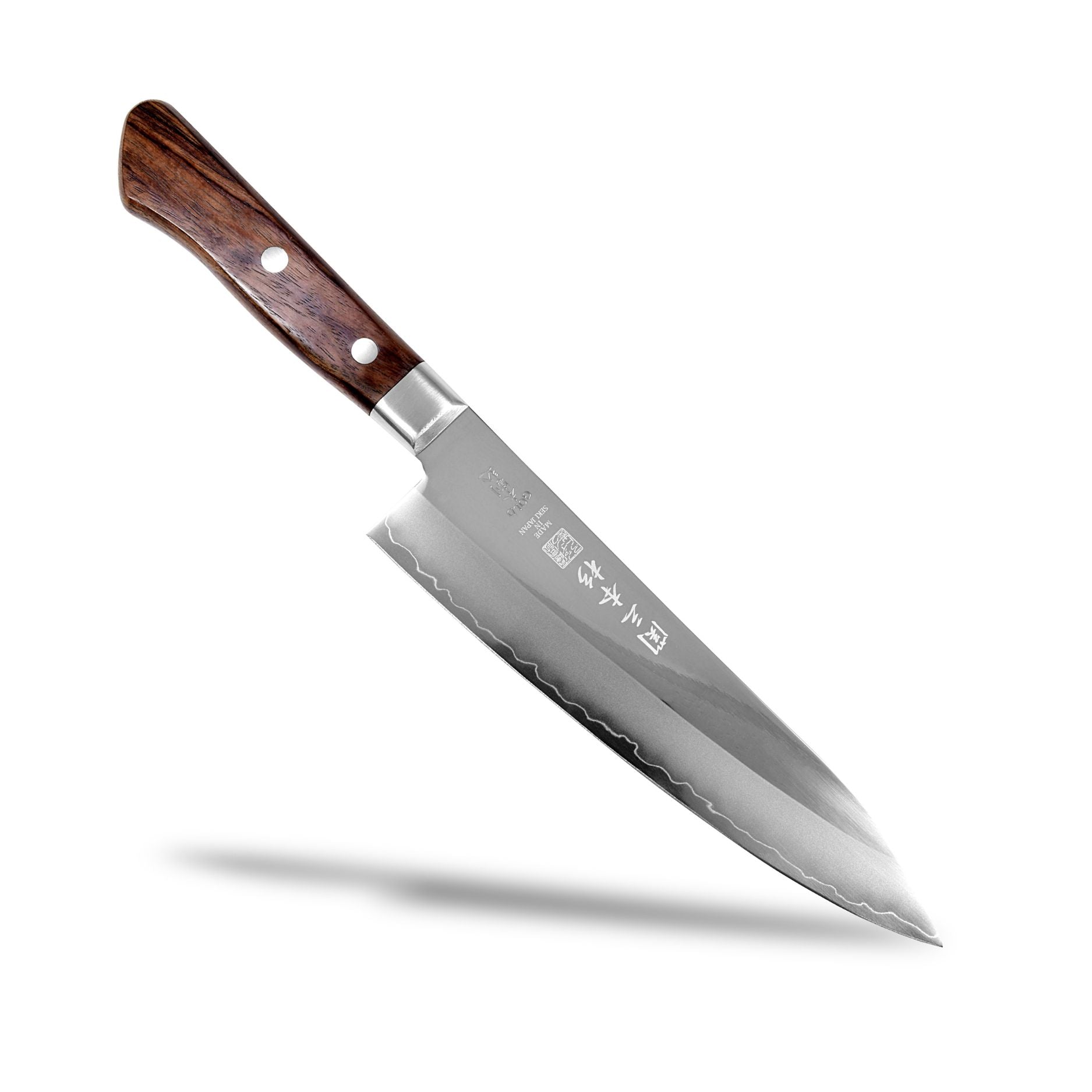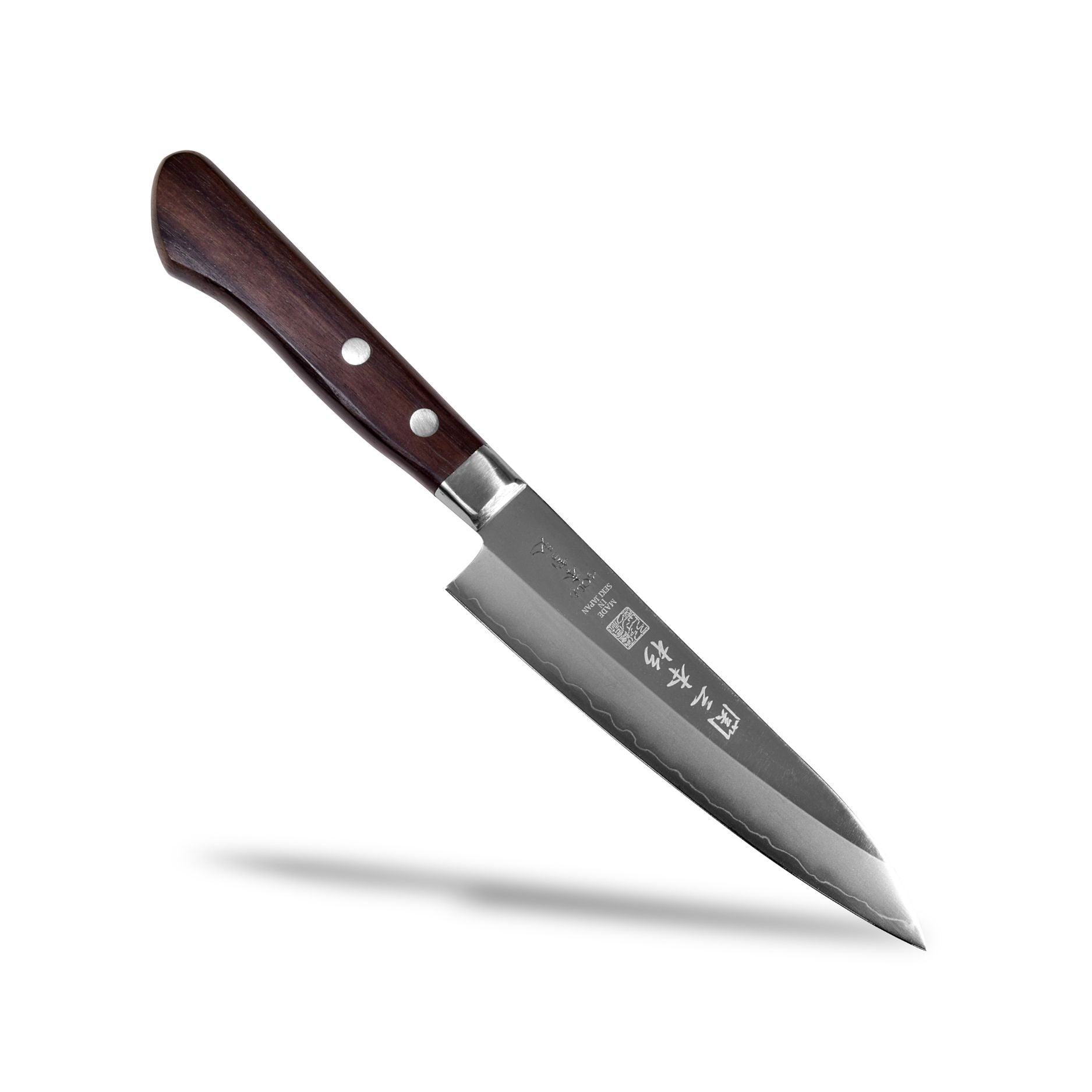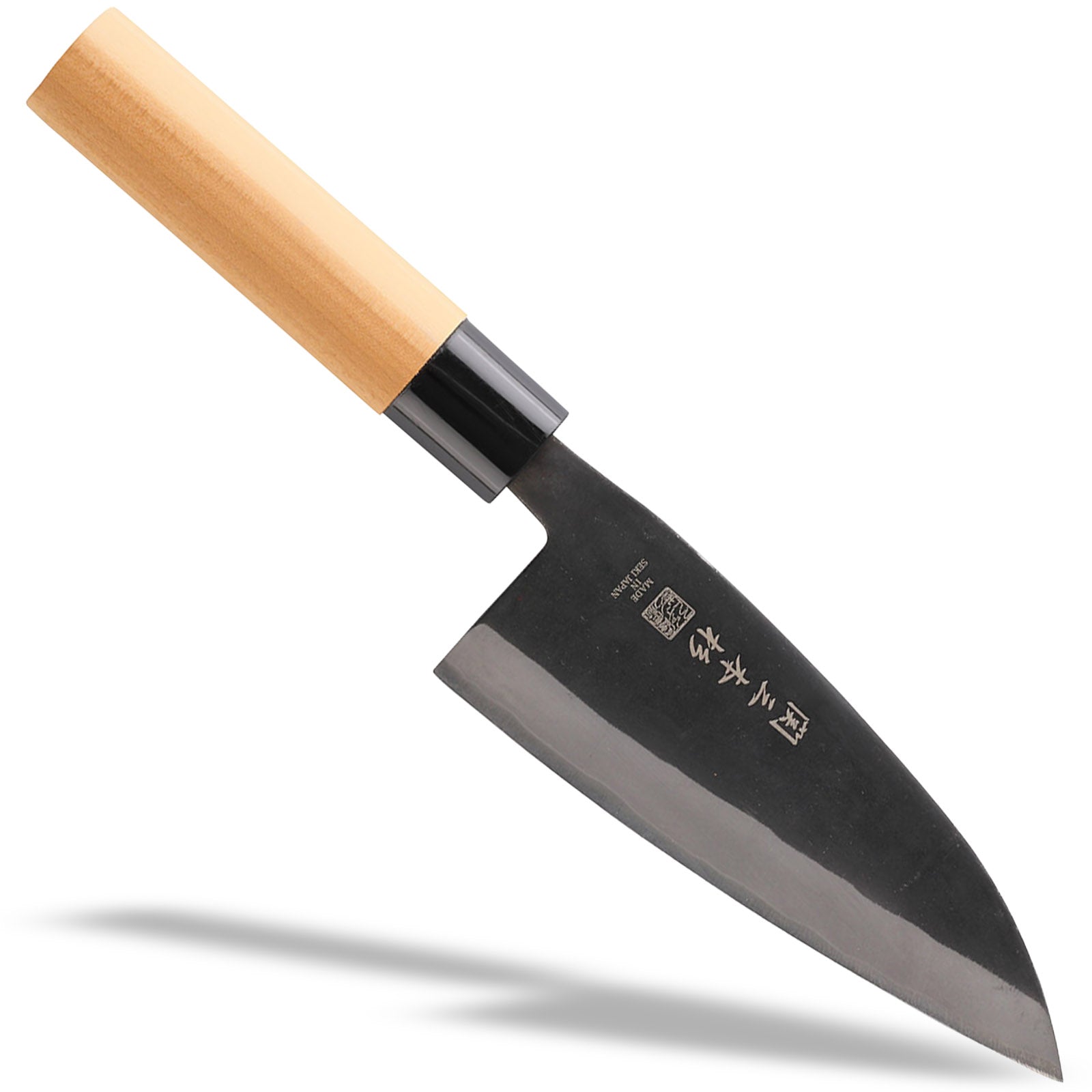

Choosing a Japanese kitchen knife that will last you a long time: Steel type, vegetable knife, size, and how to choose.
In conclusion, when choosing a Japanese kitchen knife, the steel should be selected based on "sharpness and ease of maintenance," and the size of the vegetable knife should be chosen based on "the user and kitchen environment." For home use, rust resistance and ease of handling are key factors, while for cooking enthusiasts and professionals, long-lasting sharpness and ease of sharpening are important, allowing you to choose a knife that will last almost a lifetime.
[Key points of this article]
Today's review: 3 key points
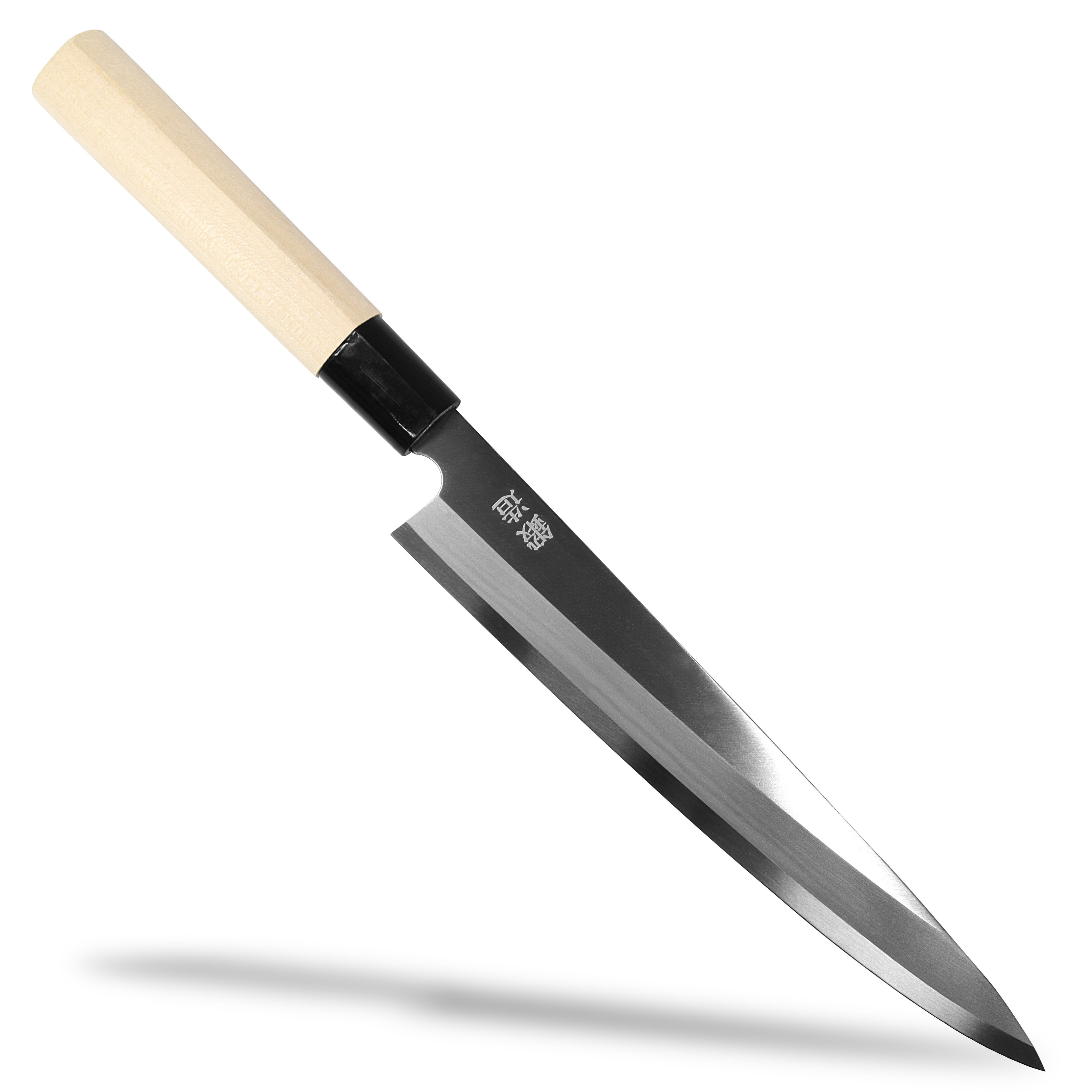
The steel used for Japanese kitchen knives comes in three main types: carbon steel, stainless steel, and hybrid (clad) steel.
The typical length of a vegetable knife is 165-180mm, and this range can be considered the standard size for home use.
The best combination of steel and size will vary depending on "who does the cooking and how much" and "the size of the kitchen."
Conclusion of this article
Conclusion of this article
In conclusion, for your first knife, a stainless steel or laminated steel vegetable knife around 165mm in length is the safest choice and least likely to disappoint.
If you cook frequently and prioritize sharpness above all else, you should choose a carbon steel knife such as Aogami or Shirogami, with a 180mm vegetable knife blade, prioritizing long-lasting sharpness and work efficiency.
In short, the basic rule is "stainless steel + 165mm if rust resistance is the priority" and "carbon steel + 180mm if sharpness is the priority."
Most importantly, you need to consider whether the characteristics of the steel (susceptibility to rust, edge retention, ease of sharpening) and the size of the vegetable knife suit your needs.
The first thing beginners should understand is the "characteristics of each type of steel" and the "difference between 165mm and 180mm vegetable knives" before comparing products.
What kind of steel is used for Japanese kitchen knives? Carbon steel or stainless steel, which should you choose?
Choosing the right steel for a Japanese kitchen knife boils down to finding the right balance between sharpness, edge retention, rust resistance, and ease of maintenance. In short, carbon steel is suitable for those who can perform meticulous maintenance, while stainless steel or laminated steel is a more practical choice for home use where ease of handling is a priority. To summarize, it's helpful to remember that "carbon steel = performance-focused, stainless steel = ease of handling-focused, and laminated steel = best of both worlds."
Characteristics of carbon steel (high-carbon steel) Japanese kitchen knives and who they are suitable for
Carbon steel is a type of steel that contains a high amount of carbon, and is known for its excellent sharpness and edge retention, as exemplified by Yasugi steel such as Shirogami and Aogami. Aogami has higher wear resistance and longer-lasting edge retention than Shirogami due to the addition of alloying elements, making it suitable for large-scale cooking and long-term work. On the other hand, carbon steel is prone to rusting, requires thorough maintenance such as wiping off moisture and drying after use, and hard types like Aogami Super are difficult to sharpen, making them more suitable for intermediate to advanced users who are familiar with handling knives.
The reason why stainless steel Japanese kitchen knives are "popular for home use"
Stainless steel, with its high chromium content, boasts excellent rust resistance and ease of maintenance as its greatest strengths. High-grade stainless steel knives offer sharpness comparable to carbon steel, and are considered more than sufficient for home use. Furthermore, the number of dishwasher-safe all-stainless steel knives is increasing, making them suitable for shared kitchens and busy dual-income households. In short, it's a steel material for those who prioritize ease of use over sharpness.
The option of using laminated steel (hybrid structure)
The laminated construction is a three-layered knife structure where carbon steel or high-grade stainless steel is used as the core material responsible for sharpness, and both sides are made of rust-resistant stainless steel. This structure allows the blade tip to have the sharpness of carbon steel, while the sides are rust-resistant with stainless steel, reducing the burden of daily maintenance. For beginners, the first thing to keep in mind is that "a single-piece carbon steel knife is for those who are confident in their maintenance skills, while a laminated knife is somewhere in between," making it a well-balanced choice for a first knife.
Choosing the Right Size for a Vegetable Knife: What's the Difference Between 165mm and 180mm?
The most frequently asked question when choosing the size of a vegetable knife is, "Which is better, 165mm or 180mm?" In conclusion, for a typical household, 165-180mm is the best range. If your kitchen is small or you have small hands, 165mm is recommended, while if you cut a lot of vegetables or enjoy cooking, choose closer to 180mm. In short, a simple guideline is, "If in doubt, go with 165mm; if you cook often, go with 180mm."
Common lengths and standards for household vegetable knives
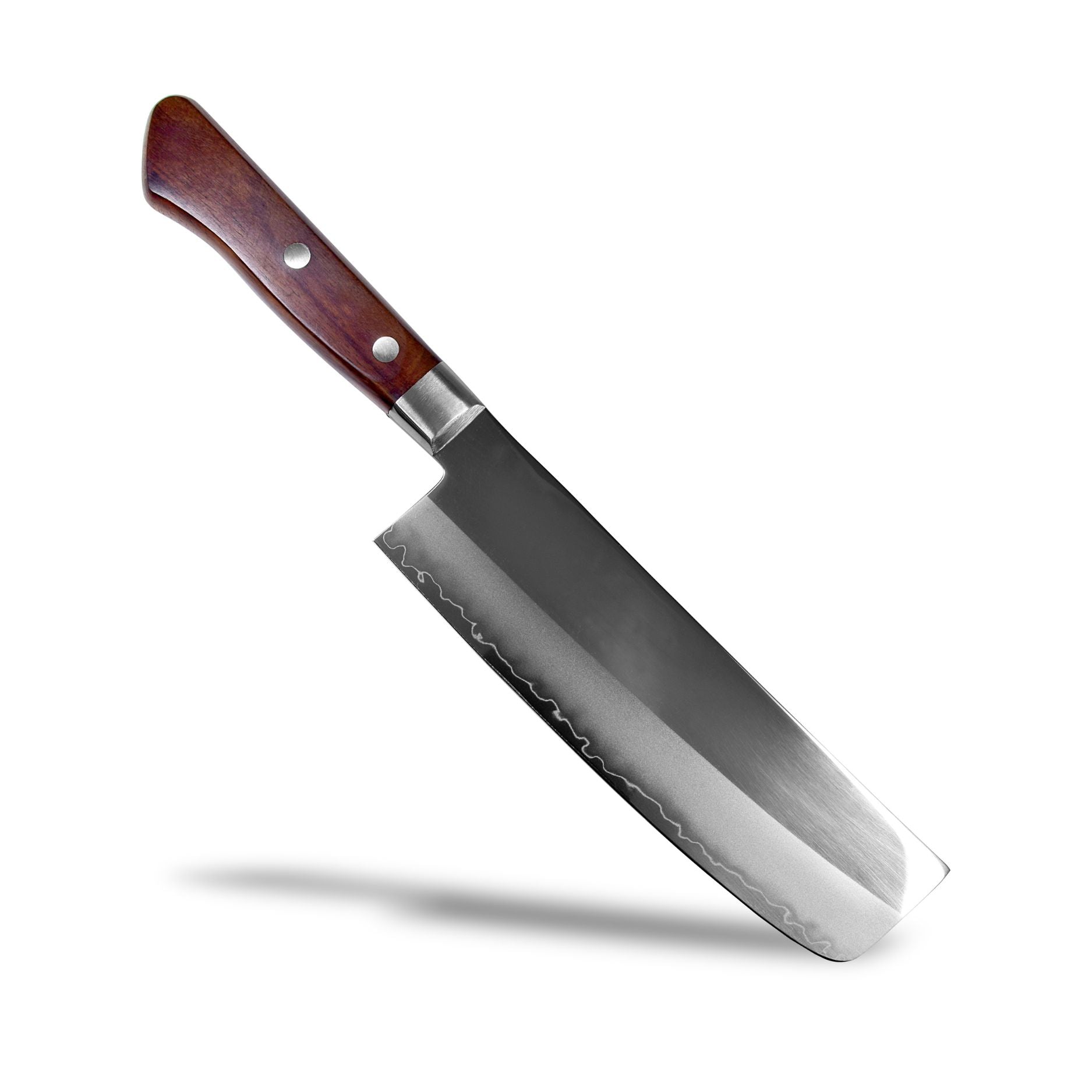
The typical size for a vegetable knife is a blade length of 165-180mm, which, like the santoku knife (a multi-purpose knife), is considered "the most convenient length for use on a home cutting board." While some people living alone or with very compact kitchens may choose a shorter size of around 150mm, 165mm is the standard size for versatility. Conversely, for large families or households that chop large quantities of vegetables at once for meal prep, a 180mm vegetable knife allows for more cutting board space and improved work efficiency.
Kitchens and people for whom a 165mm vegetable knife is suitable.
A 165mm vegetable knife is a good match for standard-sized cutting boards and typical sinks, making it the most recommended length for households introducing a vegetable knife for the first time. It's easy to handle even for people with small hands or those who are not comfortable with knives, and its moderate weight makes it less tiring to use during daily cooking. In short, it's a "universal length that's hard to go wrong with," and it's a convenient size for switching from a santoku knife or as a secondary knife.
Advantages and points to note when choosing a 180mm vegetable knife
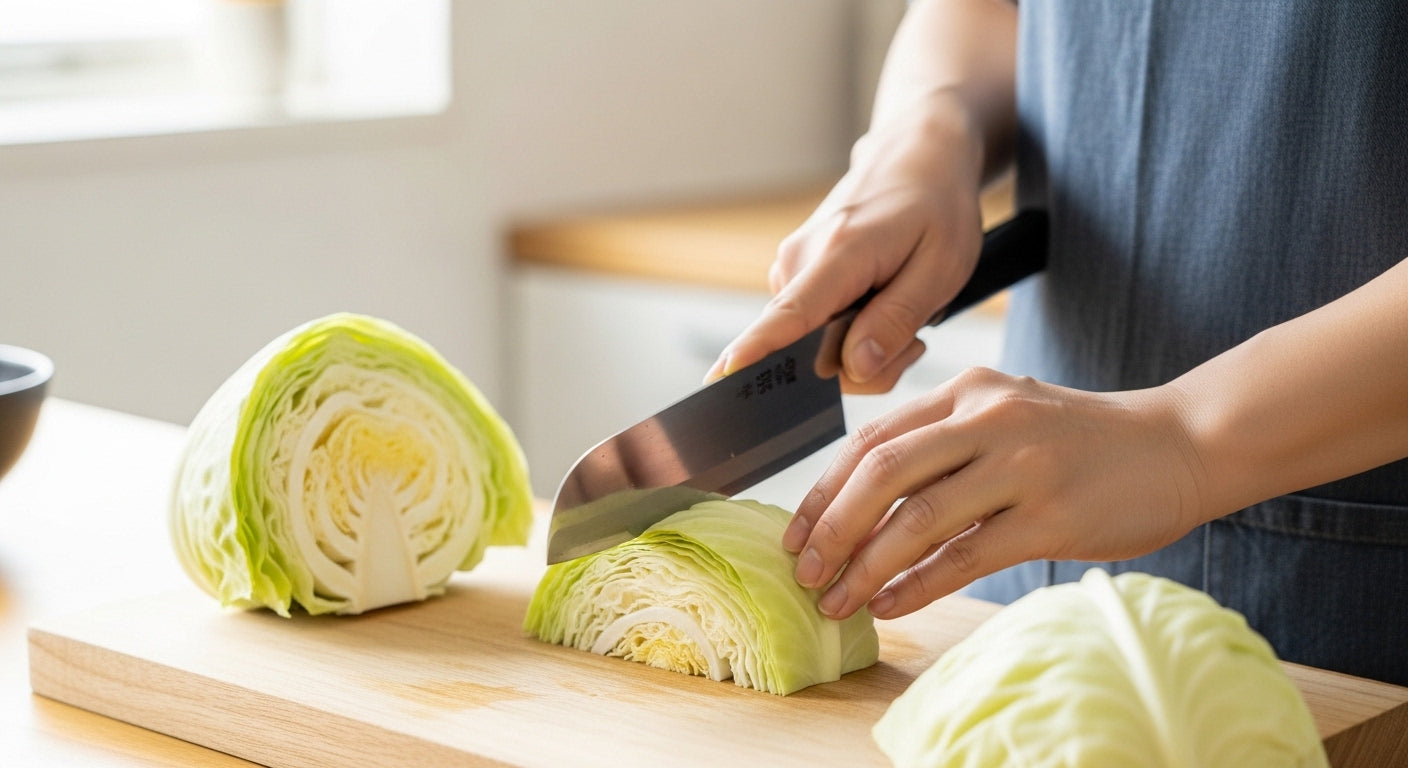
A 180mm vegetable knife truly shines when cutting large vegetables and fruits such as cabbage, Chinese cabbage, and watermelon, as its large blade allows you to cut through them in one go, shortening the work time. Additionally, the longer blade allows you to handle a wider range of ingredients at once, and the strokes for julienning and mincing are more stable. On the other hand, it can feel cumbersome in small kitchens or with small cutting boards, so it's important to check the balance between the knife and the size of your cutting board and storage space beforehand.
The relationship between steel material and size | What is the best combination?
In short, the key point regarding the relationship between steel type and size is that "the weight, balance, and ease of maintenance change, so even with the same length, the feel of use will differ." In conclusion, a practical approach is to consider that a 165mm blade made of slightly heavier carbon steel will have sufficient volume, while a 180mm blade made of lightweight stainless steel will be easy to handle. Most importantly, "consider the characteristics of the steel type and the blade length together, in relation to your own hand and kitchen."
Recommended steel types and vegetable knife sizes based on cooking frequency
If you cook infrequently (a few times a month to once a week), a 165mm stainless steel vegetable knife is a practical choice, prioritizing lightness and ease of handling. For those who cook at home several times a week or more, choosing a 180mm knife made of laminated steel or high-grade stainless steel offers a good balance of sharpness and ease of maintenance. For cooking enthusiasts or those aspiring to be professionals who handle large quantities of ingredients daily, a 180mm vegetable knife made of carbon steel such as Aogami or Shirogami is a suitable choice, as it offers superior long-lasting sharpness at the expense of frequent sharpening.
Compatibility based on hand size and kitchen size
For those with small hands or weak grip strength, a lightweight stainless steel or thin-bladed laminated steel knife with a 165mm blade is easier to handle and provides greater confidence in knife control. Conversely, those with larger, stronger hands may find a slightly heavier carbon steel knife with a 180mm blade less tiring to use, and its smooth cutting action makes for stress-free work. For compact apartment kitchens, a 165mm blade is recommended, while for larger system kitchens or commercial spaces, a 180mm blade length will help maintain balance with the cutting board and sink.
Three steps to choosing a watch you'll keep for a long time.
The most efficient way to choose a knife that you'll use for a long time is to narrow down your options based on three factors: ① how often you cook and your willingness to maintain it, ② your kitchen environment and hand size, and ③ your budget and level of preference. For example, if you "cook at home every day and enjoy sharpening it," a carbon steel knife with a 180mm handle might be suitable, while if you "cook a few times a week and want something easy to maintain," a stainless steel or laminated knife with a 165mm handle might be better. The combination will depend on your specific needs. Finally, when choosing a specific product, check the place of origin (e.g., knives from Seki City), the manufacturer, and the shape of the handle, and use whether it actually feels comfortable in your hand as a criterion to avoid making a mistake.
FAQ
Q1. Which is better for Japanese kitchen knives: carbon steel or stainless steel?
A1. If maintenance is a priority, carbon steel is suitable; if ease of use is a priority, stainless steel is suitable. Carbon steel has good sharpness and edge retention, while stainless steel is rust-resistant and suitable for beginners.
Q2. Which length of vegetable knife should I choose, 165mm or 180mm?
A2. For a typical household, 165-180mm is a good guideline, and if you're unsure, 165mm is a safe bet. If you cook frequently or cut large quantities of vegetables, choosing 180mm will improve efficiency.
Q3. What type of steel should a beginner choose for their first Japanese kitchen knife?
A3. Stainless steel or laminated steel blades are suitable for beginners. They are rust-resistant, easy to maintain, and provide sufficient sharpness for home use.
Q4. What is the difference between blue paper and white paper?
A4. Blue steel is made from steel with added alloying elements compared to white steel, resulting in superior durability and edge retention. White steel is easy to sharpen and is suitable for those who want to sharpen their blades frequently to achieve the best possible edge.
Q5. What is the difference between a nakiri knife and a santoku knife?
A5. A nakiri knife has a nearly straight blade and is specialized for julienning and chopping vegetables. A santoku knife is a versatile knife that can handle meat, fish, and vegetables well, and has a slightly pointed blade.
Q6. For home use, which should I buy first: a vegetable knife or a santoku knife?
A6. For your first knife, a santoku knife is a safe bet, while a nakiri knife is suitable as a second knife for households that frequently cook vegetables. If you do a lot of vegetable preparation, having both a santoku and a nakiri knife will increase efficiency.
Q7. What price range should I expect to pay for a vegetable knife?
A7. Typical household vegetable knives range from a few thousand yen to around 10,000 yen. High-end carbon steel models and branded knives can cost over 20,000 yen, with prices varying depending on the steel and finish.
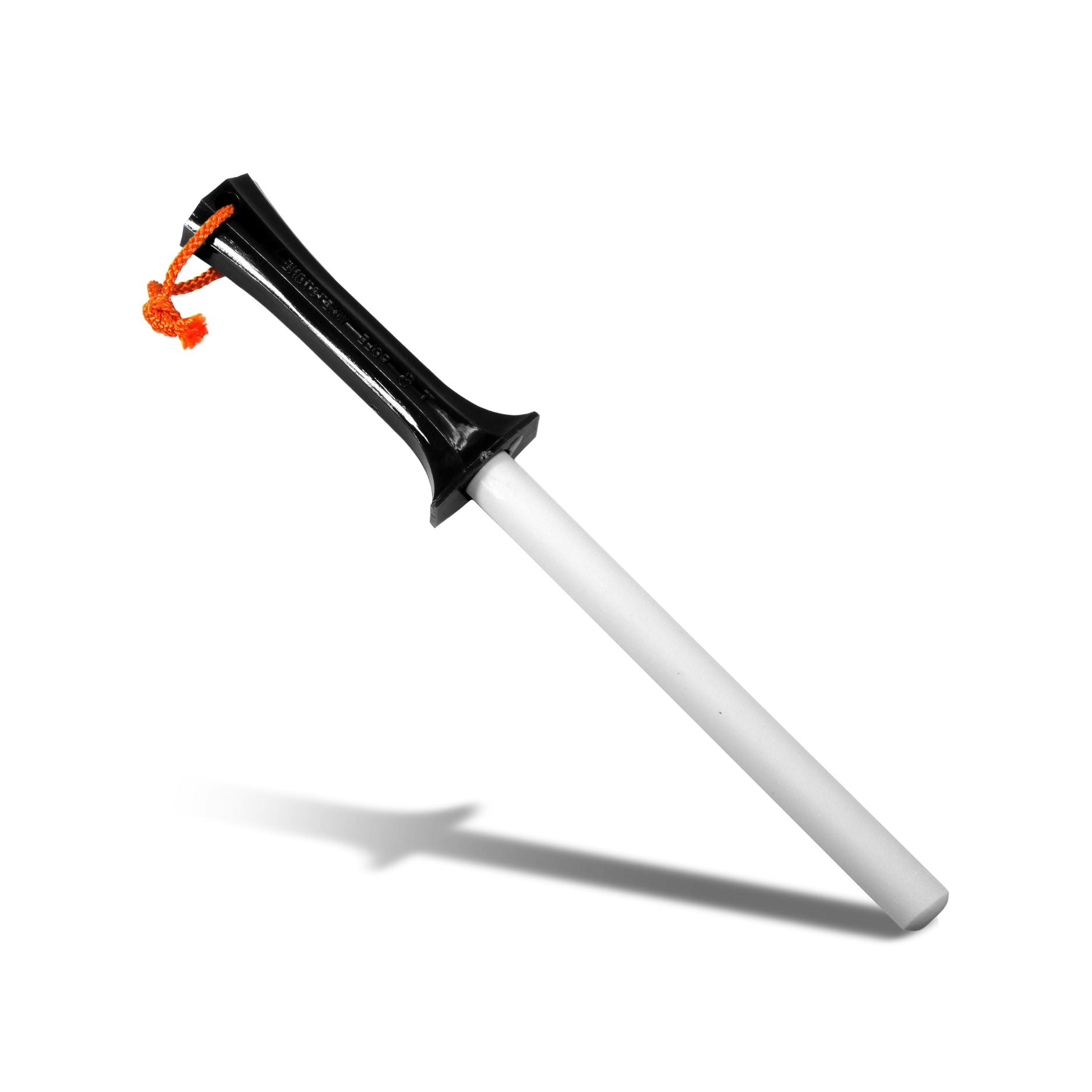
Q8. What are some points to pay particular attention to when maintaining a vegetable knife?
A8. For carbon steel knives, it is important to wash them immediately after use, wipe off any moisture, and allow them to dry completely. Even with stainless steel knives, to prevent chipping, you should avoid prying at hard foods or forcing the knife to cut frozen foods.
Q9. What are the requirements for a Japanese kitchen knife that is easy for people with small hands to handle?
A9. Models with a blade length of around 165mm and made of lightweight stainless steel, or with a slender handle, are easy to handle. Heavy carbon steel knives with long blades can be tiring to use, so it's best to keep the length to a maximum of 180mm.
Q10. Why are knives from "Seki" popular in the region known for producing Japanese kitchen knives?
A10. Seki City in Gifu Prefecture has a history of cutlery making spanning over 700 years and is known for its high-quality kitchen knives that inherit the techniques of Japanese sword making. Their sharpness and superior finish have earned them widespread support from professionals to home cooks.
summary
When choosing a Japanese kitchen knife, it's important to understand the characteristics of different steel materials, such as carbon steel (white steel, blue steel, etc.), stainless steel, and laminated steel, and select one that suits your own maintenance style.
The typical length of a vegetable knife is 165-180mm. 165mm is suitable for the average household, while 180mm is better if you cook frequently and handle a lot of vegetables.
Ultimately, by clarifying factors such as "how often you cook," "your kitchen environment," and "the size of your hands," and then deciding on the combination of steel and size, you'll be more likely to find a knife that you can use for a long time.