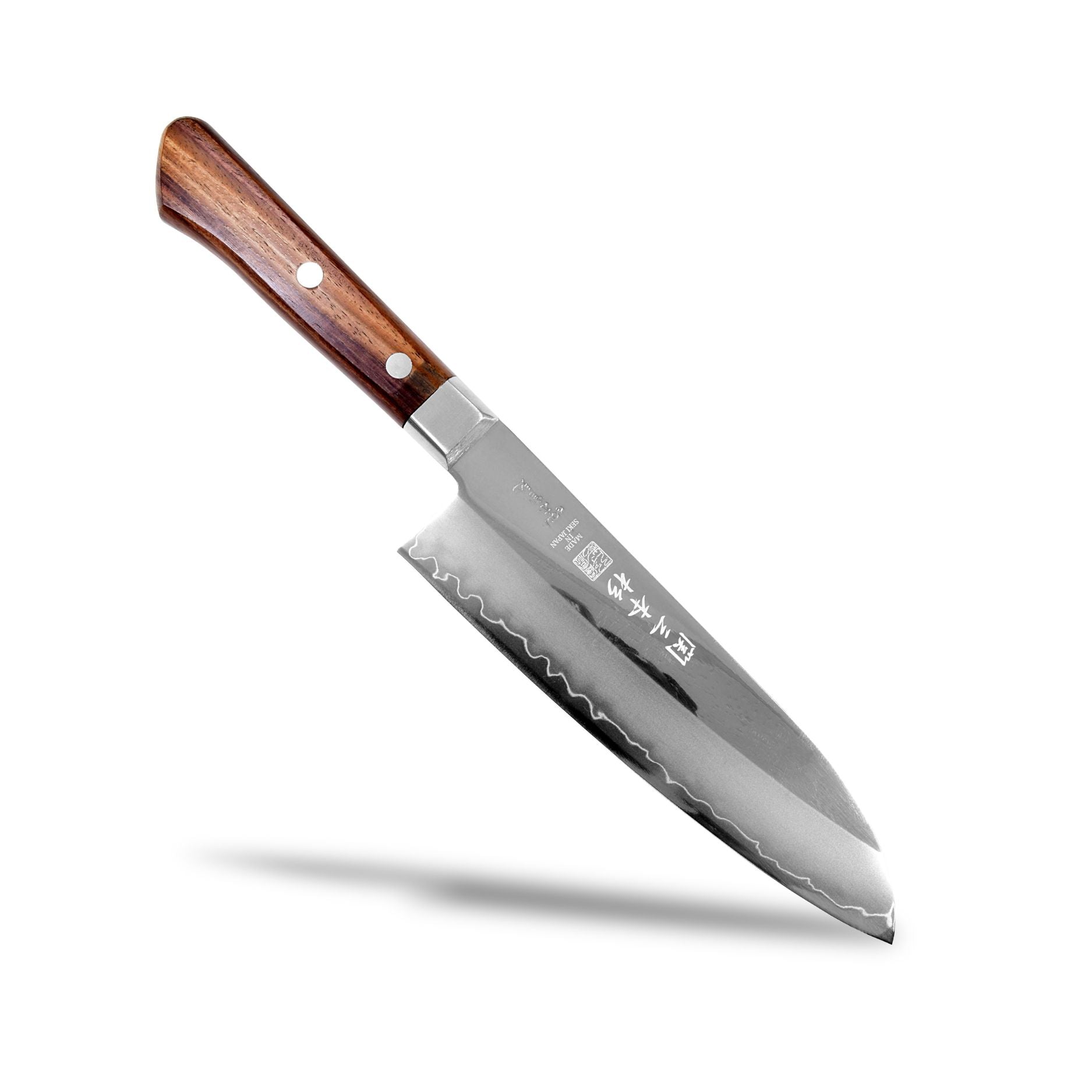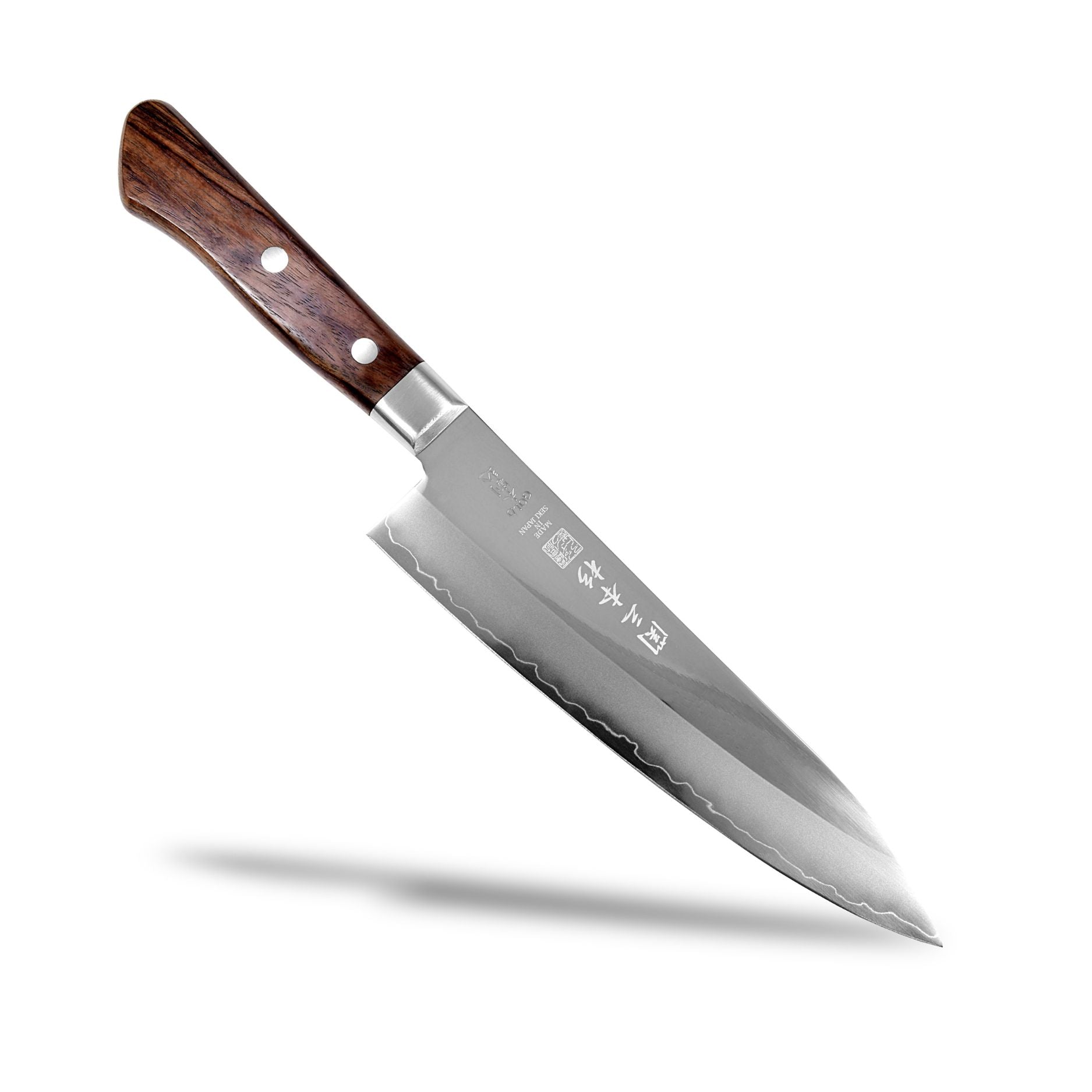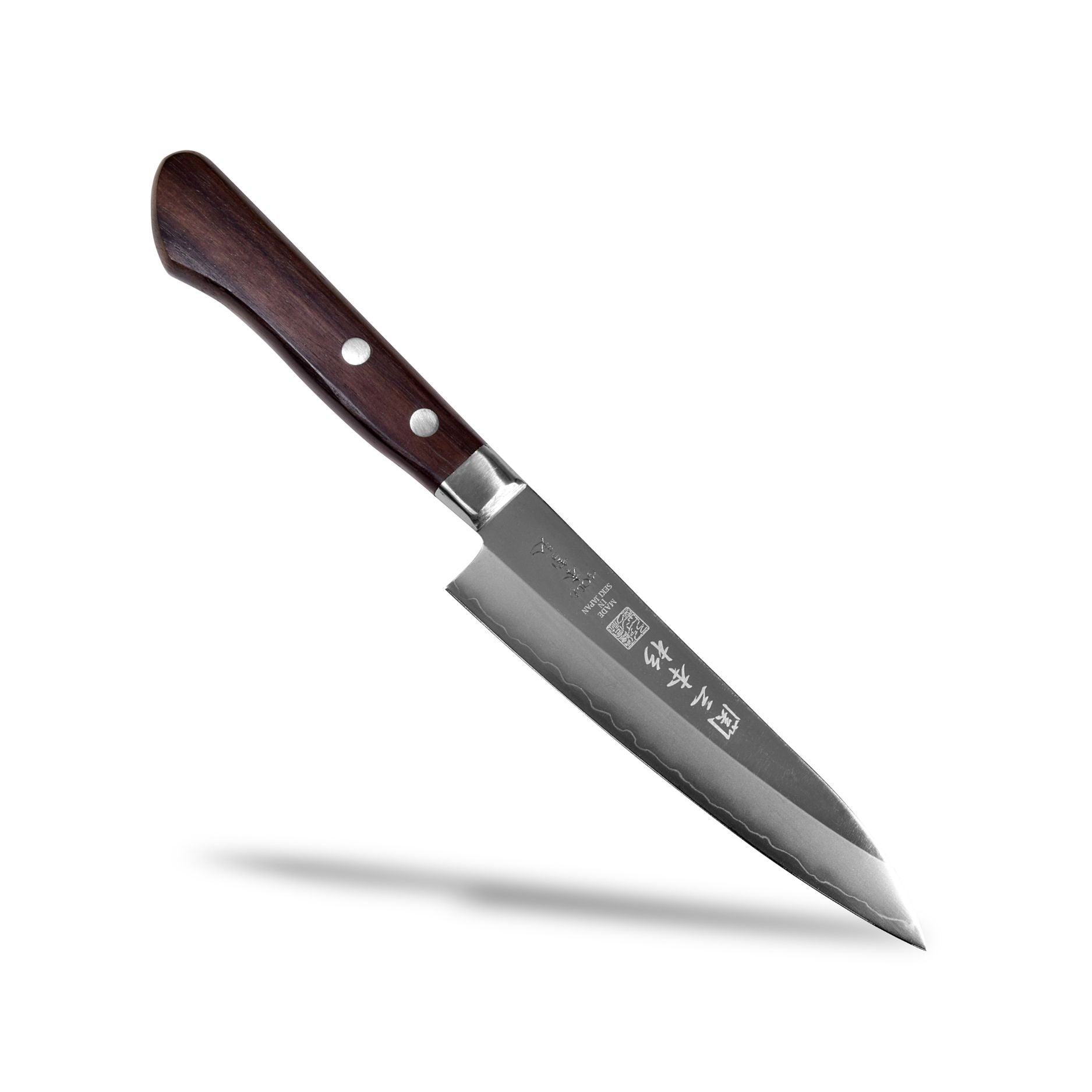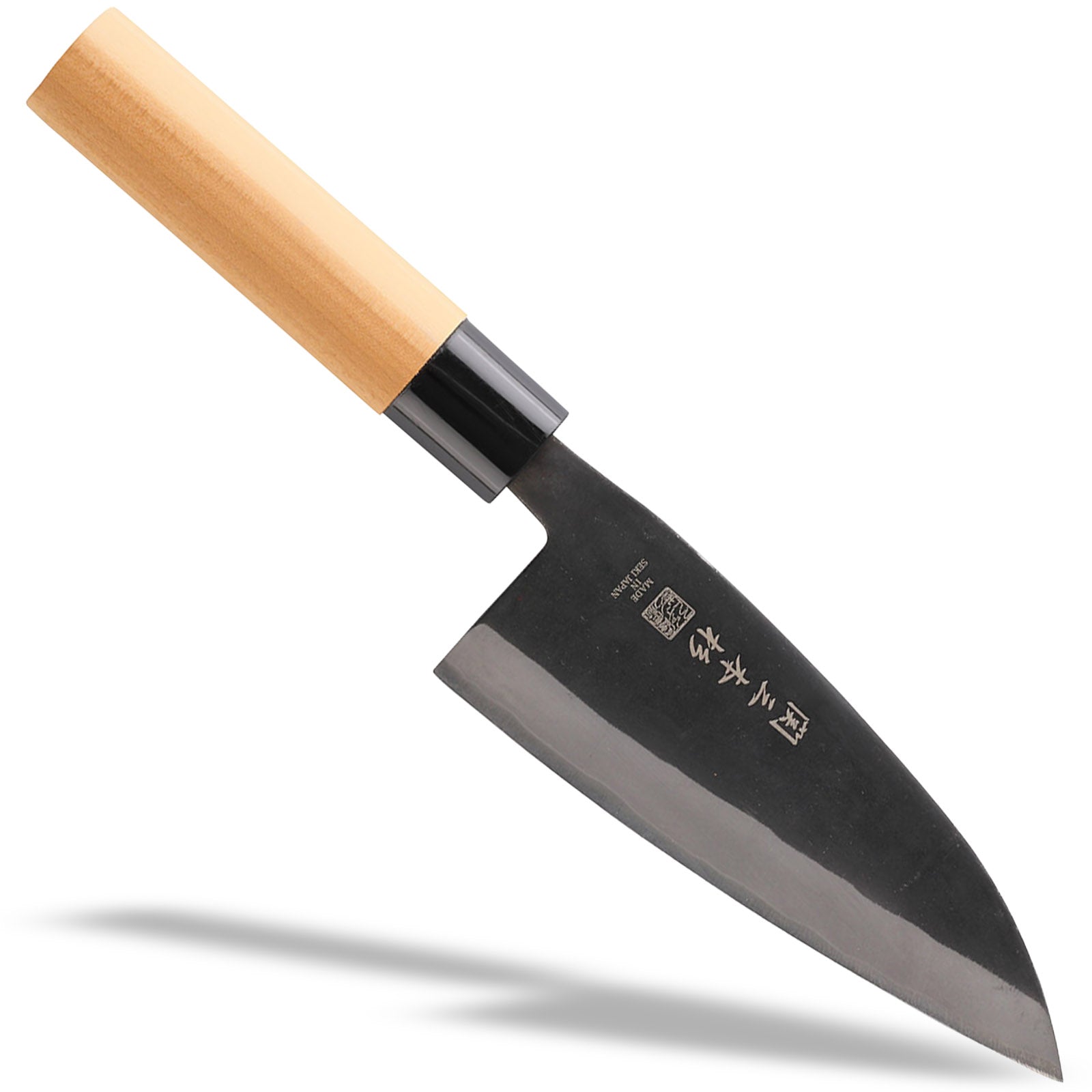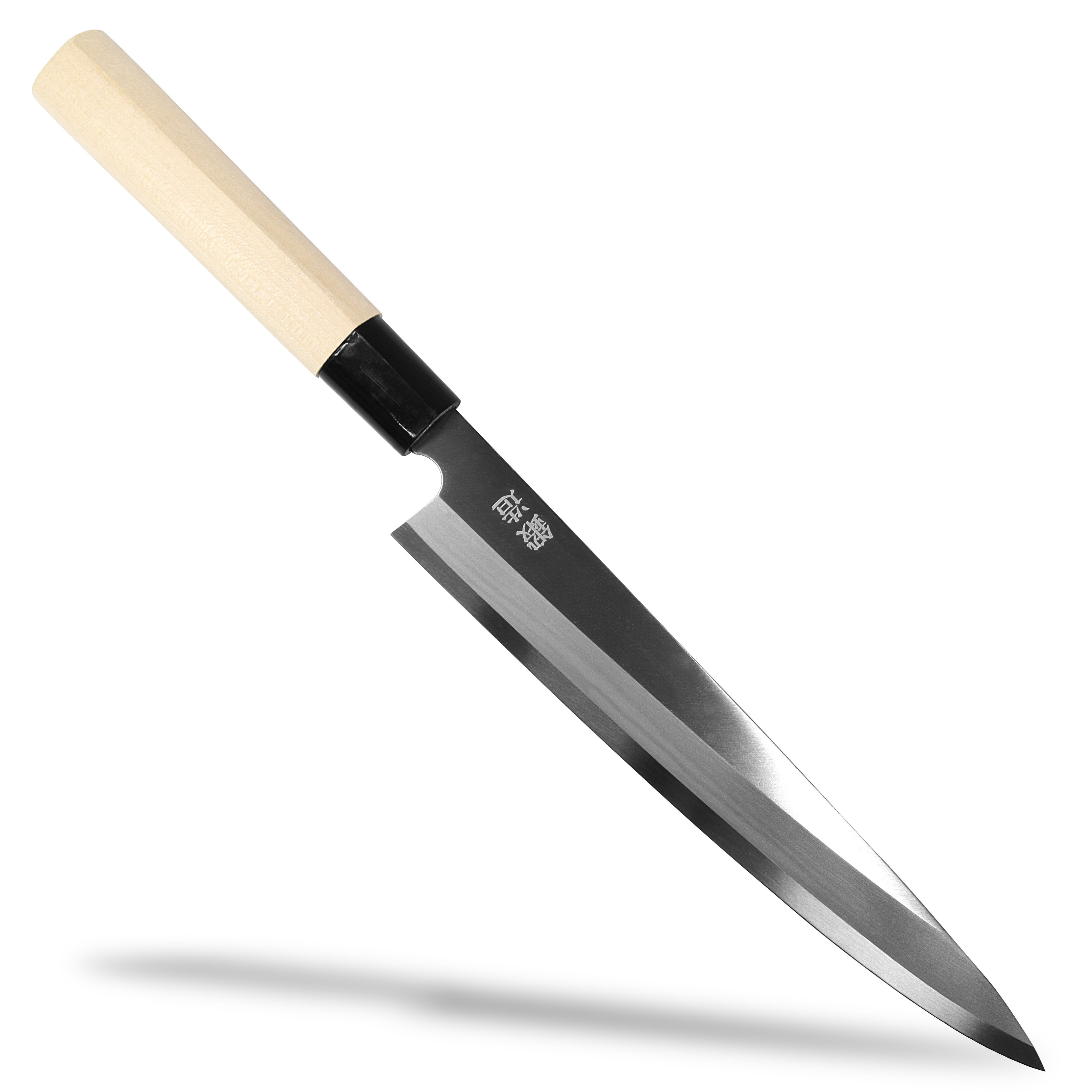


How to Sharpen a Japanese Kitchen Knife for Smooth Decorative Cutting: Petty Knife (Small) - Usage and Procedure
To put it simply, a petty knife is a "small, maneuverable kitchen knife," and if you master the basic sharpening and gripping techniques, the precision of decorative cutting and detailed food preparation will improve dramatically. We recommend using a petty knife with a blade length of around 9-15 cm, sharpening it regularly at the appropriate angle, and using it for different tasks such as peeling fruits and vegetables, decorative cutting, and chopping herbs. This is the "traditional way to make the most of a Japanese kitchen knife."
[Key points of this article]
Today's review: 3 key points
A petty knife is a small Japanese kitchen knife with a blade length of about 9 to 15 cm, making it ideal for precise cutting and decorative slicing.
The key to sharpening is to "maintain a consistent angle and sharpen evenly from the base to the tip of the blade," which ensures both sharpness and safety.
The basic way to use it is to hold it with a "pinch grip" (pinching the base of the blade), and to divide the tasks between it and a santoku knife, such as decorative cutting, peeling, and processing small ingredients.
Conclusion of this article
In conclusion, a petty knife is a small, slender knife with a blade length of 9-15 cm and a pointed tip, and it's worth owning one to improve the precision of decorative cutting and detailed work.
The most important point when sharpening is to maintain a consistent angle, about the width of a single chopstick, and sharpen evenly from the base to the tip of the blade.
In short, think of the santoku knife as your main knife and the paring knife as your small, agile knife, and you should actively use them interchangeably in situations such as peeling fruit, removing buds, and decorative cutting.
The first thing beginners should focus on is learning the standard size of a paring knife (approximately 130-150mm) and the basic grip and sharpening techniques.
What is a Japanese-style petty knife? What kind of small knife is it, and what is it suited for?
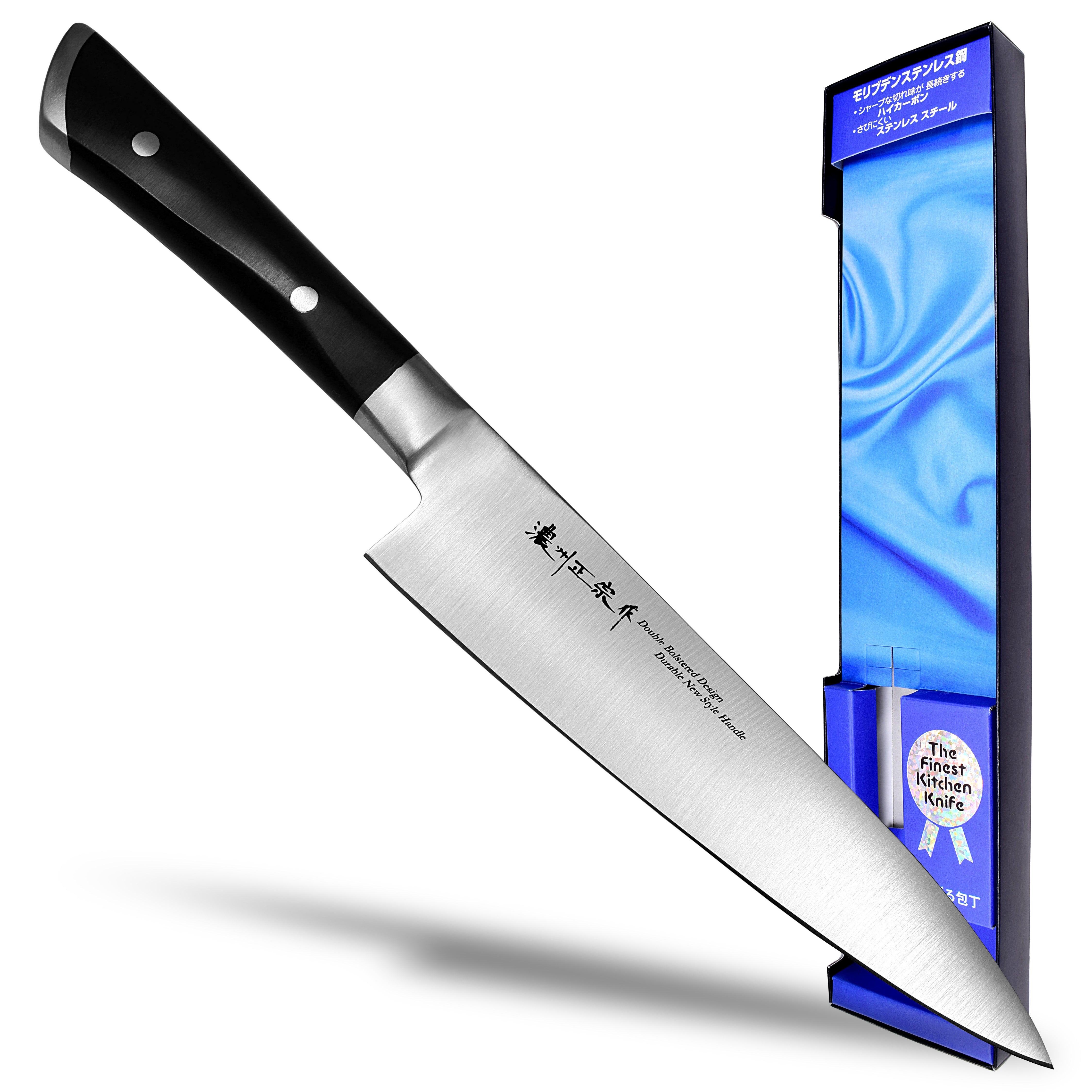
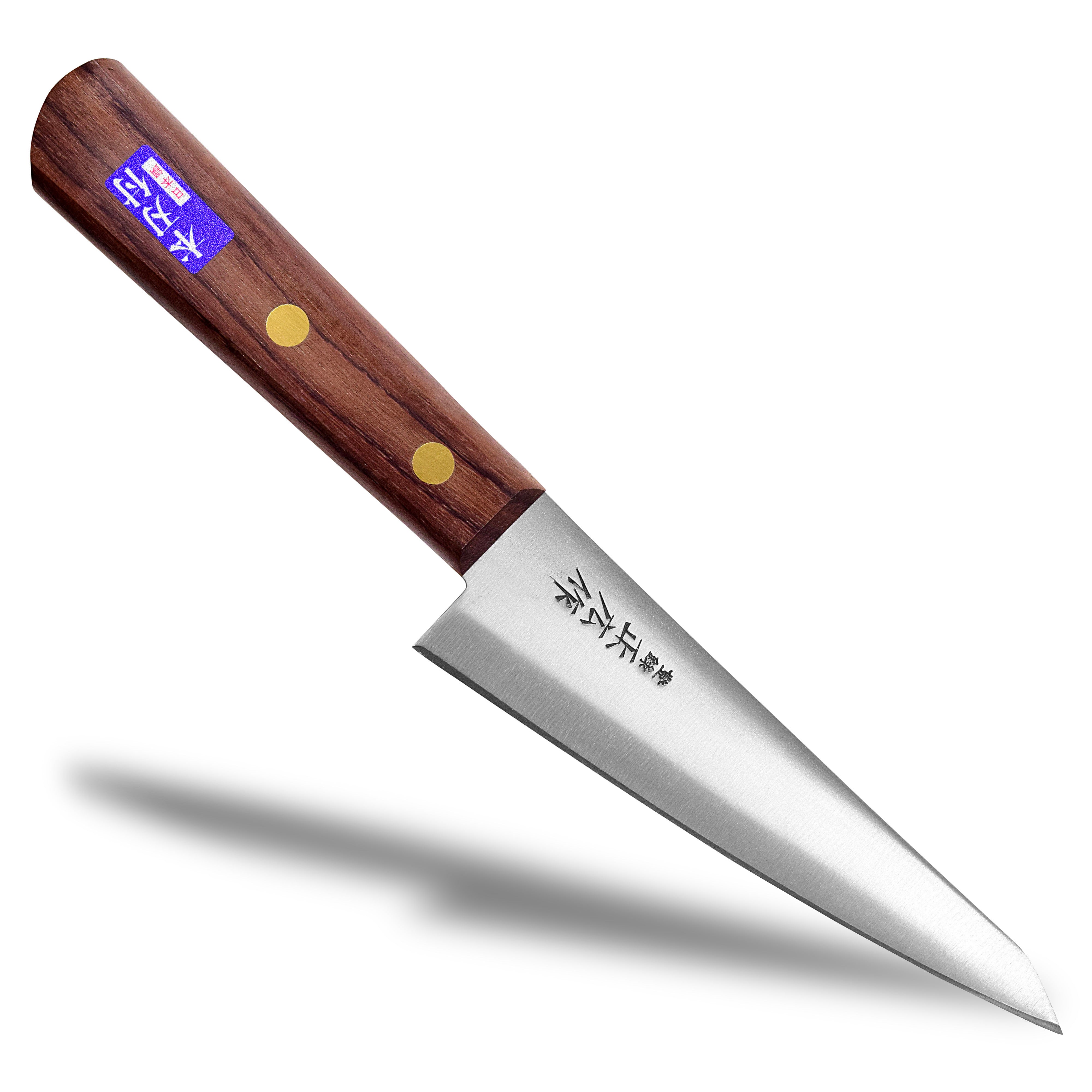
In conclusion, a petty knife is a versatile, small kitchen knife that complements a santoku knife or chef's knife. It typically has a blade length of 9-15cm (mostly 120-150mm) and features a slender blade with a slightly pointed tip. It's ideal for peeling fruit, preparing vegetables, removing potato sprouts, decorative cutting, and cutting in tight spaces, making it an essential tool for both home and professional kitchens.
Basic size and shape of a paring knife
The conclusion regarding the size of a paring knife is that for beginners, a blade length of around 130-150mm offers the best balance. Around 120mm is ideal for maneuverability, while around 150mm is long enough to be used as a small main knife. Both are designed to be slightly shorter than a santoku knife (165-180mm). The blade is slender, and the tip is pointed like a chef's knife, making it easy to make fine cuts and decorative cuts, and allowing for stable work not only on a cutting board but also while holding food in your hand.
Specific situations where a paring knife comes in handy
In short, a paring knife is the perfect tool for all those tasks that are a little scary or difficult to do with a larger knife. It truly shines when working with small ingredients or when you need to hold the knife while working, such as peeling apples and citrus fruits, cutting small tomatoes and cucumbers, removing potato sprouts, pitting avocados, and finely chopping green onions and chives for garnishes. It's also well-suited for decorative cutting of leaves and vegetables, commonly seen in Japanese cuisine, and for the intricate garnishes of bento boxes, making it especially recommended for those who want to elevate the appearance of their dishes.
Differences between a Santoku knife and a fruit knife
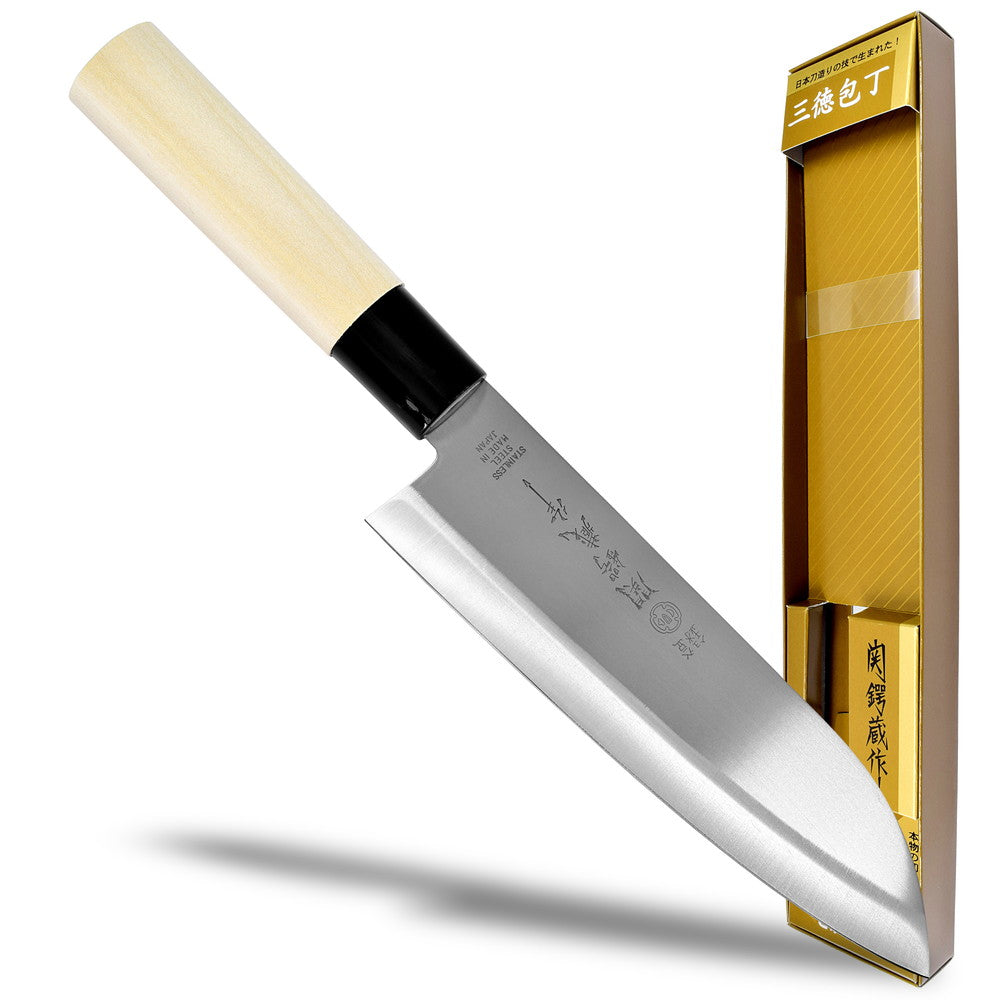
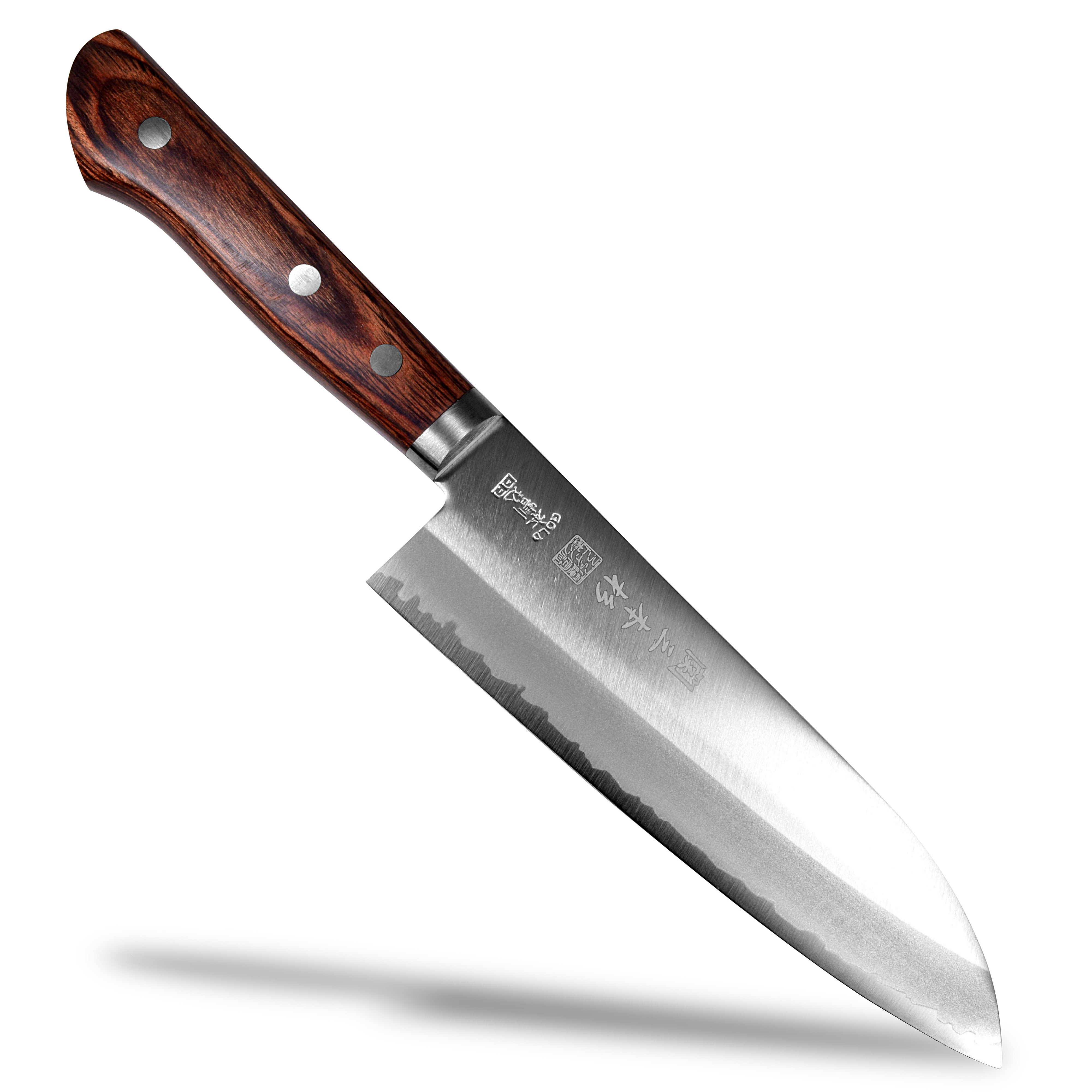
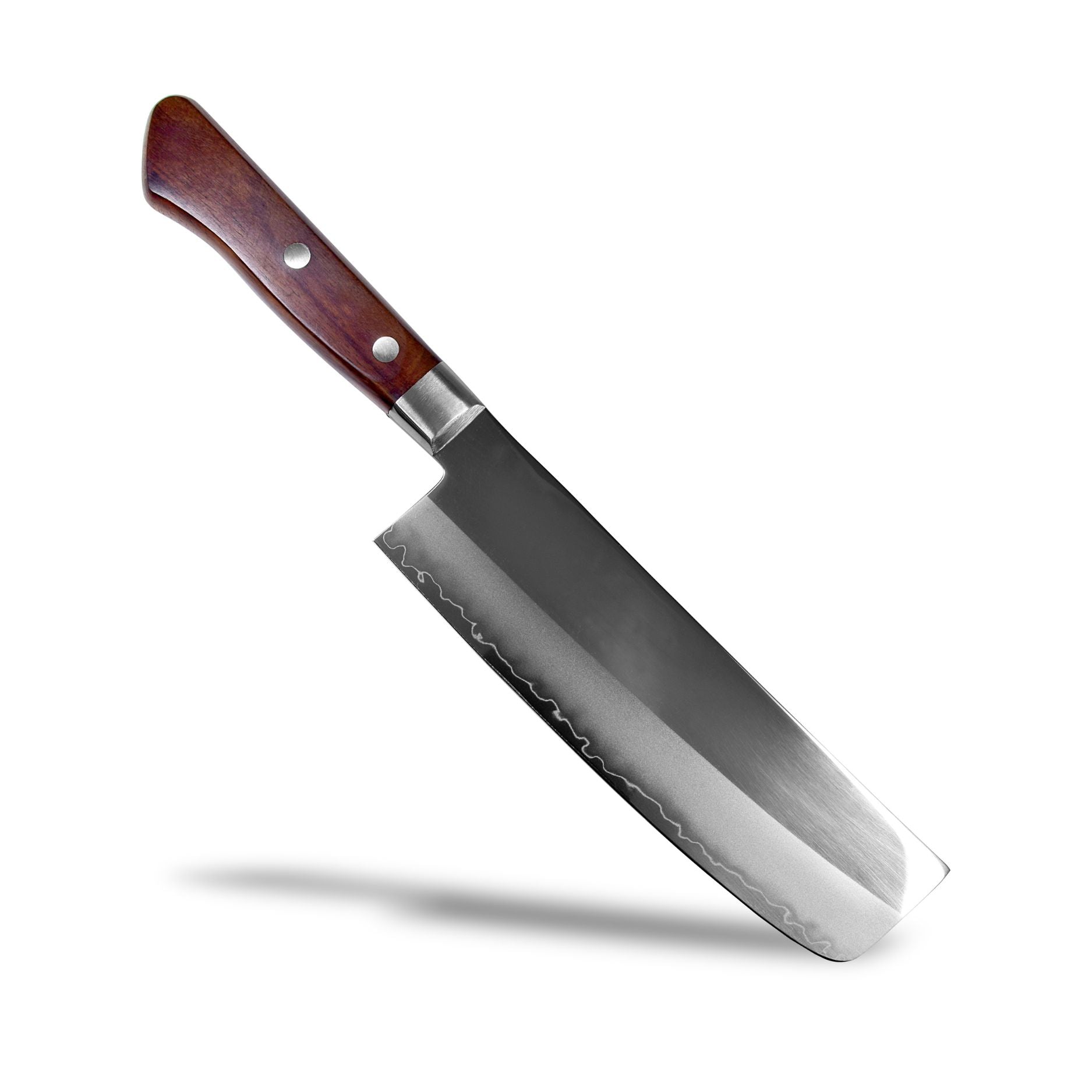
In conclusion, a petty knife is not simply a "smaller version" of a santoku knife, nor is it a fruit knife; it's a type of Japanese knife specifically designed for small, agile tasks. A santoku knife is an all-rounder for meat, fish, and vegetables, but its blade length of 165-180mm is somewhat large, making it difficult to handle small ingredients or in confined spaces. While fruit knives are often dedicated to fruit, a petty knife is versatile enough to handle everything from peeling fruit to preparing vegetables and even simple cuts of meat and fish, making it a great "small main knife."
How to sharpen a small kitchen knife? Sharpening procedure to maintain the sharpness of a paring knife.
In short, the basics of sharpening a petty knife are two things: "maintain a consistent angle" and "sharpen evenly from the base to the tip of the blade." No matter how sharp a Japanese kitchen knife is, the blade will inevitably wear down, so it is very important to maintain both sharpness and safety through regular sharpening. Here, we will explain the basic method of sharpening a petty knife using a whetstone in 6 to 8 steps so that even beginners will not get lost.
Points to check before starting sharpening
Before starting to sharpen, first visually check the condition of the blade (chips, rounding, rust) to determine how much sharpening is needed. Petty knives have thin blades and are used for delicate tasks such as decorative cutting, so if there are deep chips, you need to adjust your approach according to the condition, starting with a coarse whetstone as well as a medium whetstone. In short, carefully performing the preparation steps of "checking the condition → selecting the necessary whetstone → assuming a safe posture" greatly affects the final result.
Six steps to sharpening a small kitchen knife using a whetstone.
The basics of sharpening with a whetstone are to "maintain the same angle and sharpen both sides with the same number of strokes and the same force." The general procedure is as follows: ① soak the whetstone in water, ② raise the blade to an angle about the width of a chopstick, ③ sharpen evenly from the base to the tip with a medium-grit whetstone, ④ sharpen the other side the same number of strokes, ⑤ sharpen until the burrs are removed, and ⑥ lightly finish with a finishing whetstone. Petty knives, in particular, tend to have smaller movements due to their shorter blades, so it is important to be mindful of "firmly pressing the blade against the whetstone from the heel to the tip" to avoid the tip becoming dull.
Simple sharpening methods and how to choose the right sharpener for your needs.
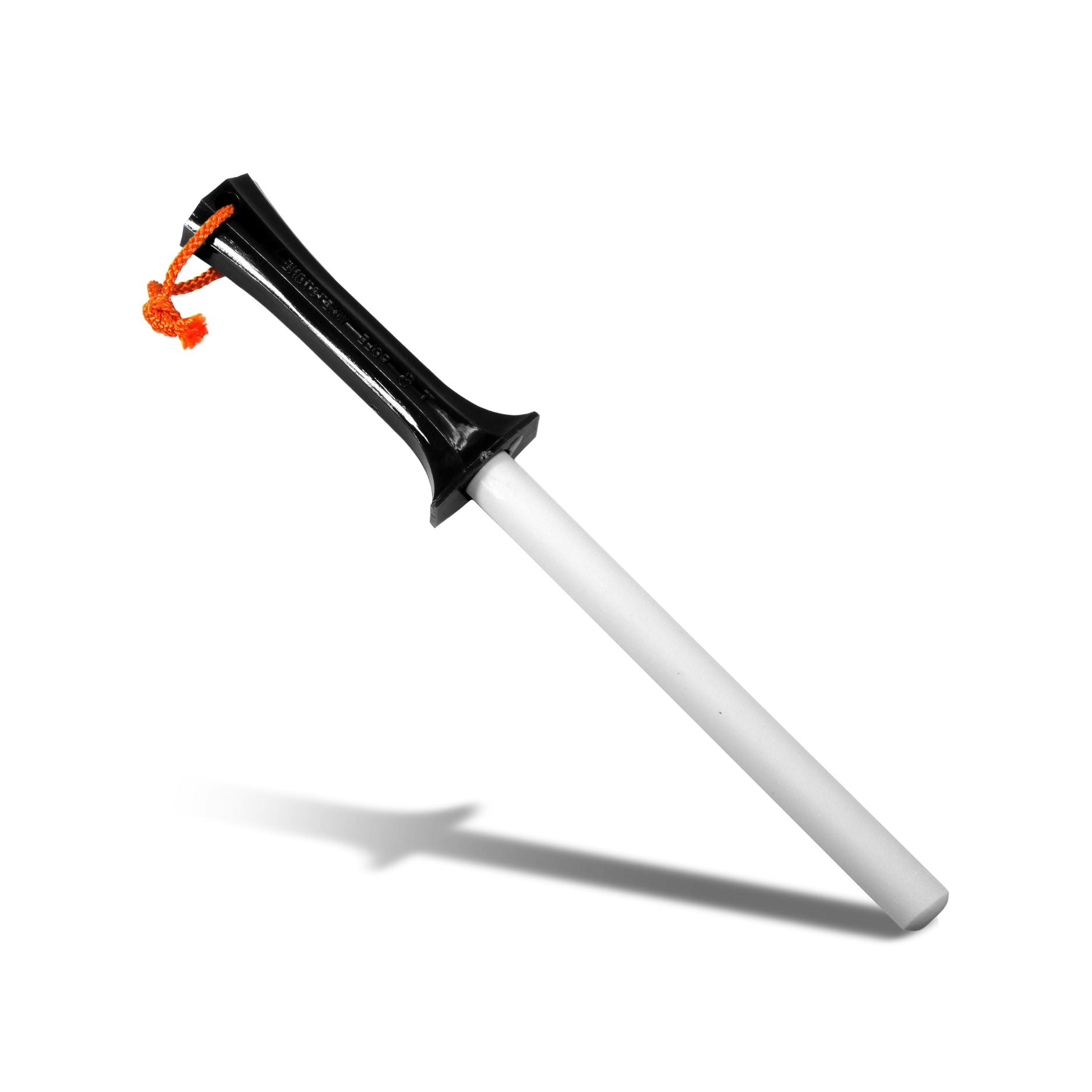
In short, it's easiest to think of sharpeners as being for "daily maintenance" and whetstones as being for "restoring sharpness completely." Many commercially available sharpeners allow you to perform rough sharpening to finishing simply by inserting the blade into the numbered grooves and pulling it towards you about 10 times, making them very convenient for busy households. However, they have limitations when it comes to fine-tuning the blade angle or achieving a truly sharp edge, so combining sharpening with a whetstone once every few months will help maintain the original performance of your petty knife for a longer period.
How to use a paring knife for smooth decorative carving and practical techniques
In conclusion, three things are important for smooth decorative cutting: "holding it with a pinch grip," "being mindful of using the base and tip of the blade," and "deciding on the division of roles between the petty knife and a santoku knife." While petty knives are maneuverable, if you grip them or apply the blade incorrectly, you may end up applying too much force and splitting the food. Therefore, mastering the basic form is the quickest way to improve. Here, we will introduce "tips for using" that focus on decorative cutting and detailed work, categorized by specific situations.
The basic grip, the "pinch grip," stabilizes fine movements.
The key to handling a paring knife stably is to "not just grip the handle, but pinch the base of the blade with your thumb and index finger." This pinch grip involves lightly pinching the area near the base of the blade with your thumb and index finger, and wrapping the remaining fingers around the handle. This brings the knife's center of gravity closer to your hand, making it easier to control even with fine movements without using excessive force. In situations where delicate angle adjustments are needed at the tip of the blade, such as decorative cutting or thin peeling, this grip enhances both sharpness and safety.
Tips for using a paring knife to make the most of its maneuverability when making decorative cuts and peeling.
The most important thing in decorative cutting is to "focus on pulling the blade rather than pushing it through." When making decorative cuts on apples or accordion cuts on cucumbers, if you skillfully use the tip of the paring knife and move it with light pressure in a swift, pulling motion, the food will not split and the cut surface will be smooth. On the other hand, if you use a thick blade or move it with too much force, the apple will split or you won't get a clean cut, so "a thin, sharp blade × a light touch" that allows for quick and precise movements is the quickest way to improve your decorative cutting skills.
Using it in conjunction with a santoku knife improves work efficiency.
In short, a santoku knife is for "handling large quantities," while a paring knife is for "finishing the details." For example, tasks like roughly chopping cabbage, cutting meat into large pieces, or filleting fish can be done with a santoku knife or chef's knife, and then using a paring knife for subsequent tasks like removing sprouts, trimming tendons, decorative cuts, and delicate cuts for plating will improve both overall work efficiency and the final result. Paring knives and santoku knives are not "competitors" but "complementaries," so having a clear understanding of how to use them appropriately is key to boosting the overall performance of your kitchen.
FAQ
Q1. What is the standard blade length of a paring knife?
A1. The standard blade length is approximately 130-150mm, and models around 9-15cm are common as small kitchen knives.
Q2. What is a paring knife used for?
A2. It is used for detailed work and processing of small ingredients, such as peeling fruit, cutting small vegetables, decorative cutting, and removing sprouts.
Q3. What is the difference between a paring knife and a fruit knife?
A3. A fruit knife is a small knife specifically designed for fruit, while a paring knife is a versatile small knife that can be used for preparing fruits and vegetables, as well as for simple cooking.
Q4. What are the key points for sharpening a small kitchen knife?
A4. It is important to maintain a consistent angle, about the width of a single chopstick, and to sharpen the blade evenly from the base to the tip by applying pressure to the whetstone.
Q5. Should I sharpen my knives with a sharpener or a whetstone?
A5. For daily maintenance, a sharpener is most efficient, while for restoring sharpness and adjusting the blade angle, a whetstone is the best choice.
Q6. What kind of paring knife is best suited for decorative cutting?
A6. A paring knife with a thin blade and a finely pointed tip is suitable for decorative cutting, as it makes it easier to make incisions and prevents food from splitting.
Q7. What are the key points for a beginner when choosing their first paring knife?
A7. A blade length of around 130-150mm, with an easy-to-grip handle and made of rust-resistant steel (stainless steel), will make it easier to handle.
Q8. Can a paring knife be used as a main kitchen knife?
A8. For those living alone or in small kitchens, a paring knife can be used as a small main knife. However, for large-scale cooking, it is more efficient to use it in conjunction with a santoku or chef's knife.
Q9. Are smaller knives safer?
A9. Small knives offer good visibility and maneuverability, but the sharper the blade, the more dangerous they become if used incorrectly. Proper grip and sharpening ensure better control and safety.
Q10. What are the reasons for choosing a petty knife from Seki?
A10. Seki City has a history of cutlery making spanning over 700 years and is highly regarded as a producer of high-quality kitchen knives that have inherited the techniques of Japanese sword making. Its sharpness and excellent finish have made it popular with both professionals and home cooks.
summary
A petty knife is a small Japanese kitchen knife with a blade length of about 9 to 15 cm, specializing in decorative cutting, detailed food preparation, and handling small ingredients—a truly versatile tool.
The most important aspect of sharpening is to "maintain a consistent angle and sharpen evenly from the base to the tip of the blade" while using a whetstone or sharpener. Regular sharpening is essential for maintaining sharpness and safety.
By clearly defining the roles of the santoku knife and the paring knife—using the santoku for quantity and the paring knife for finishing—decorative cutting becomes smoother, both at home and in professional settings, and the overall quality of the dish improves.