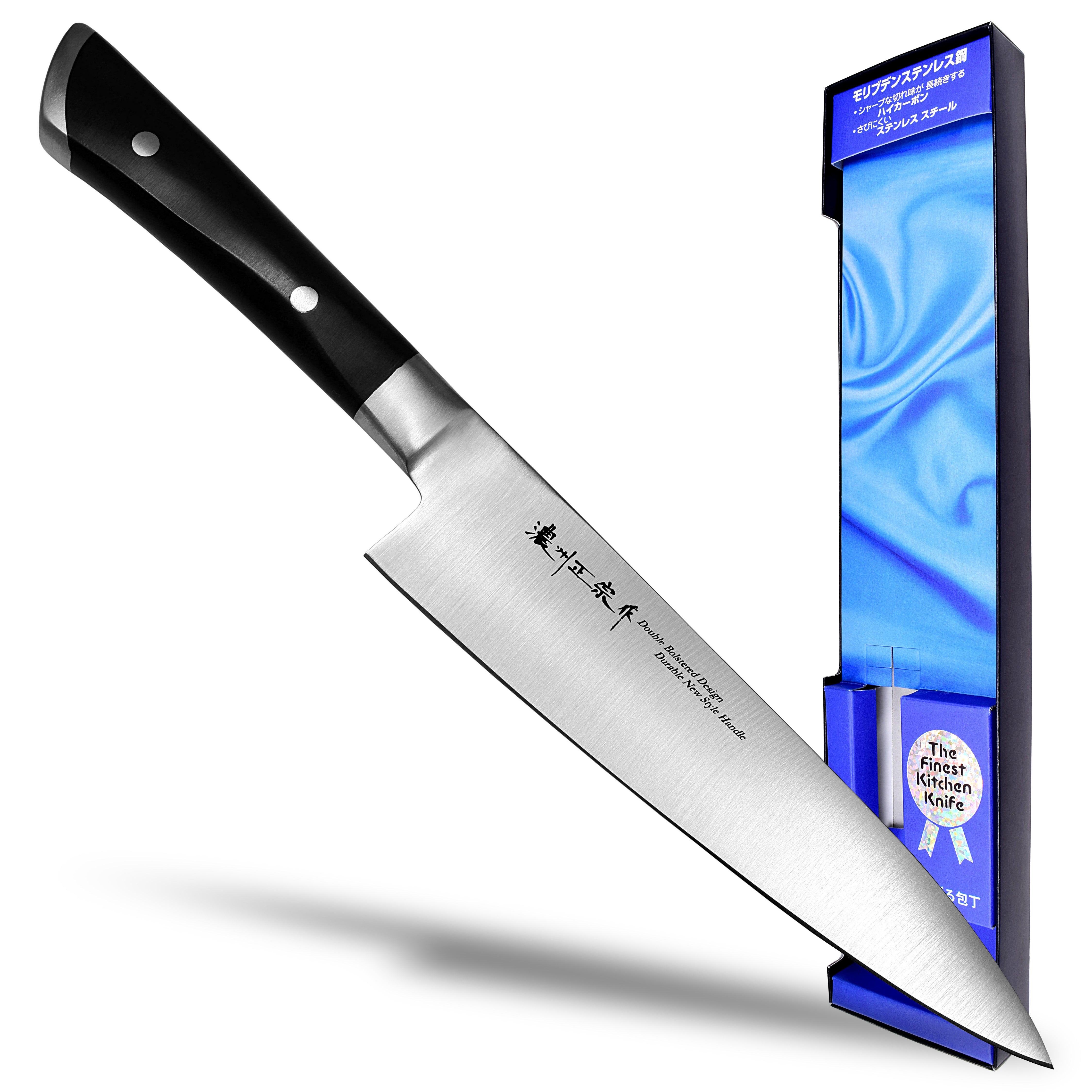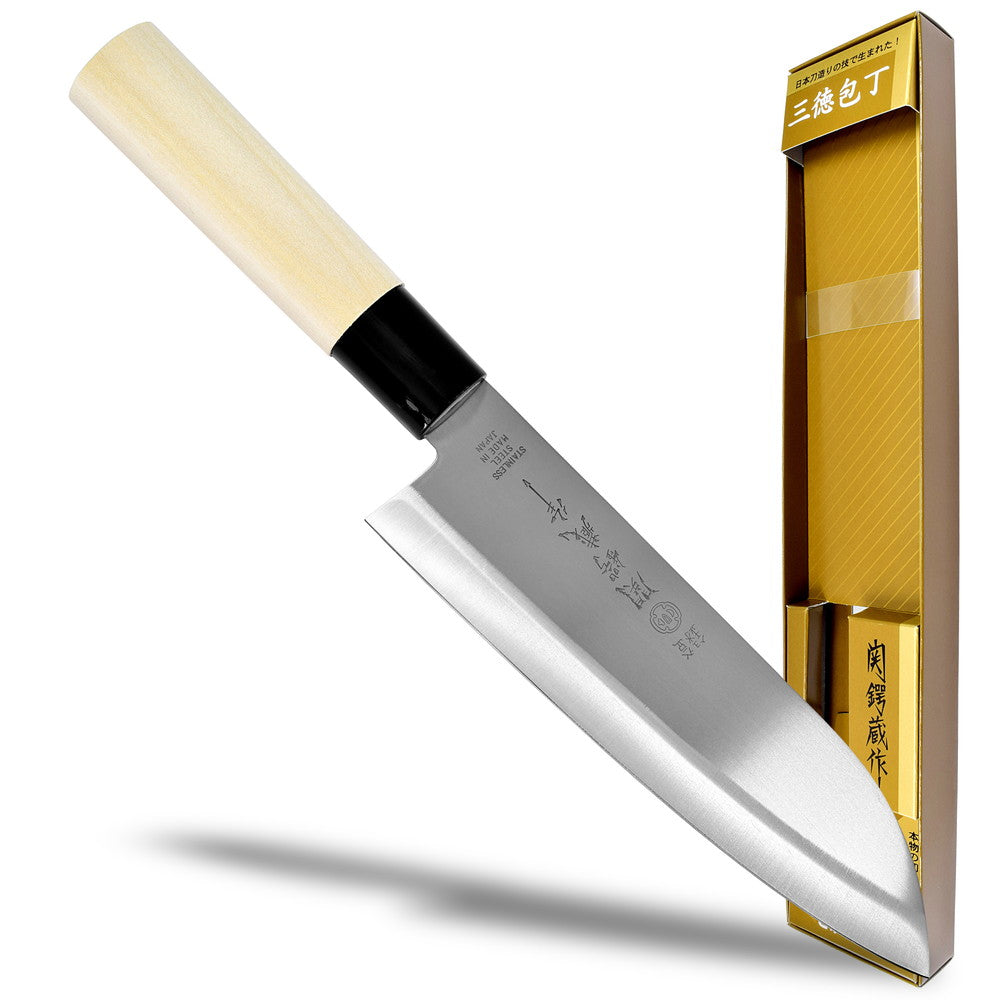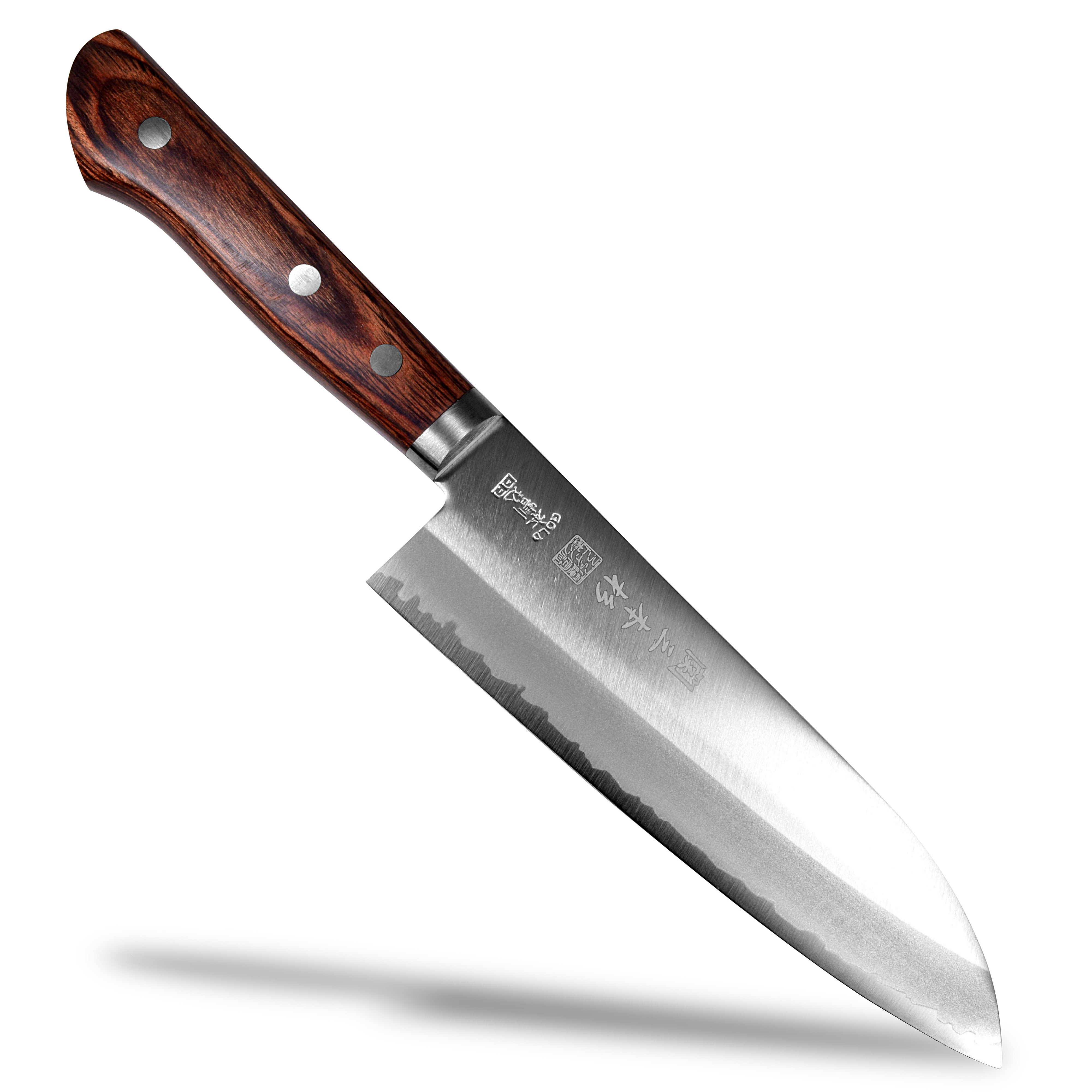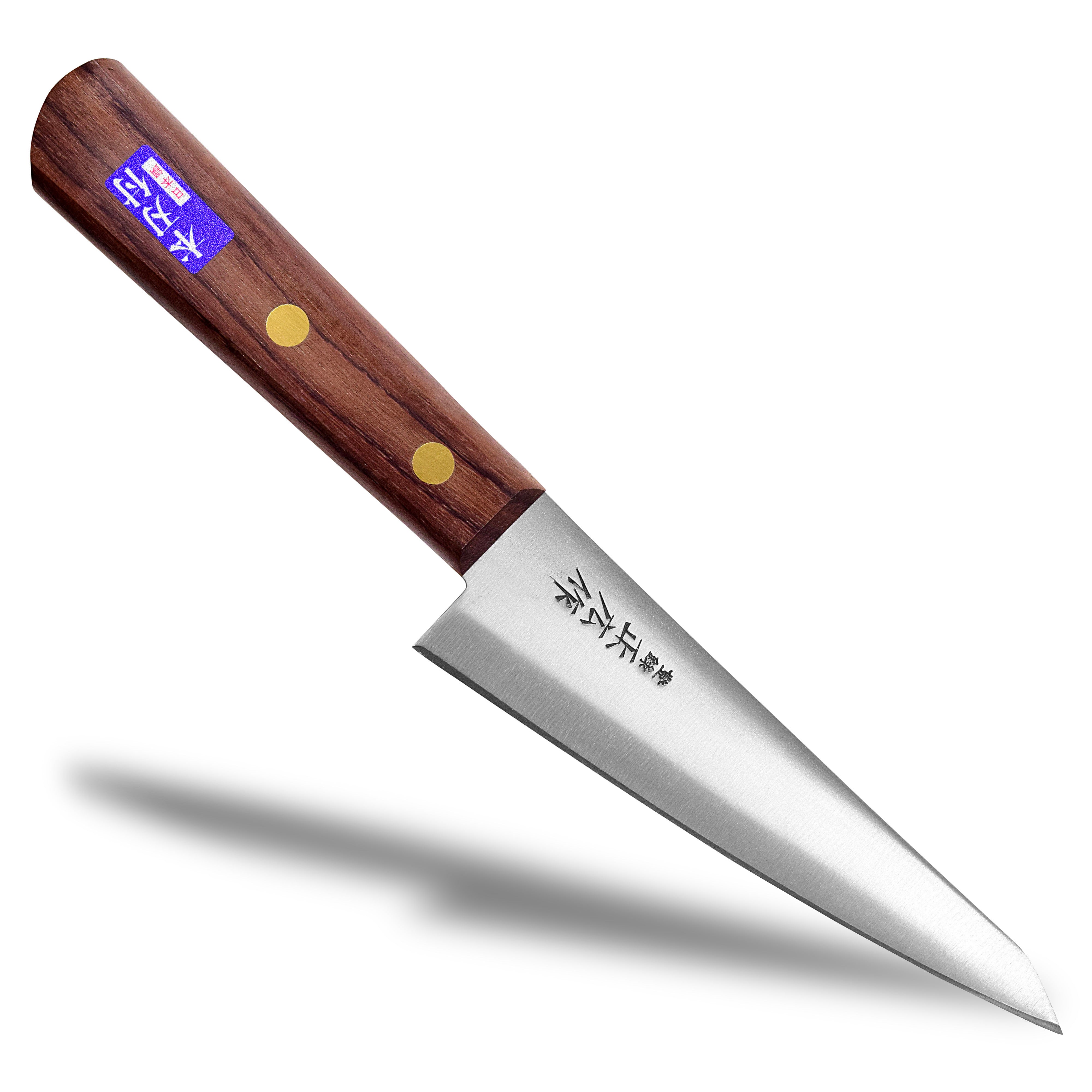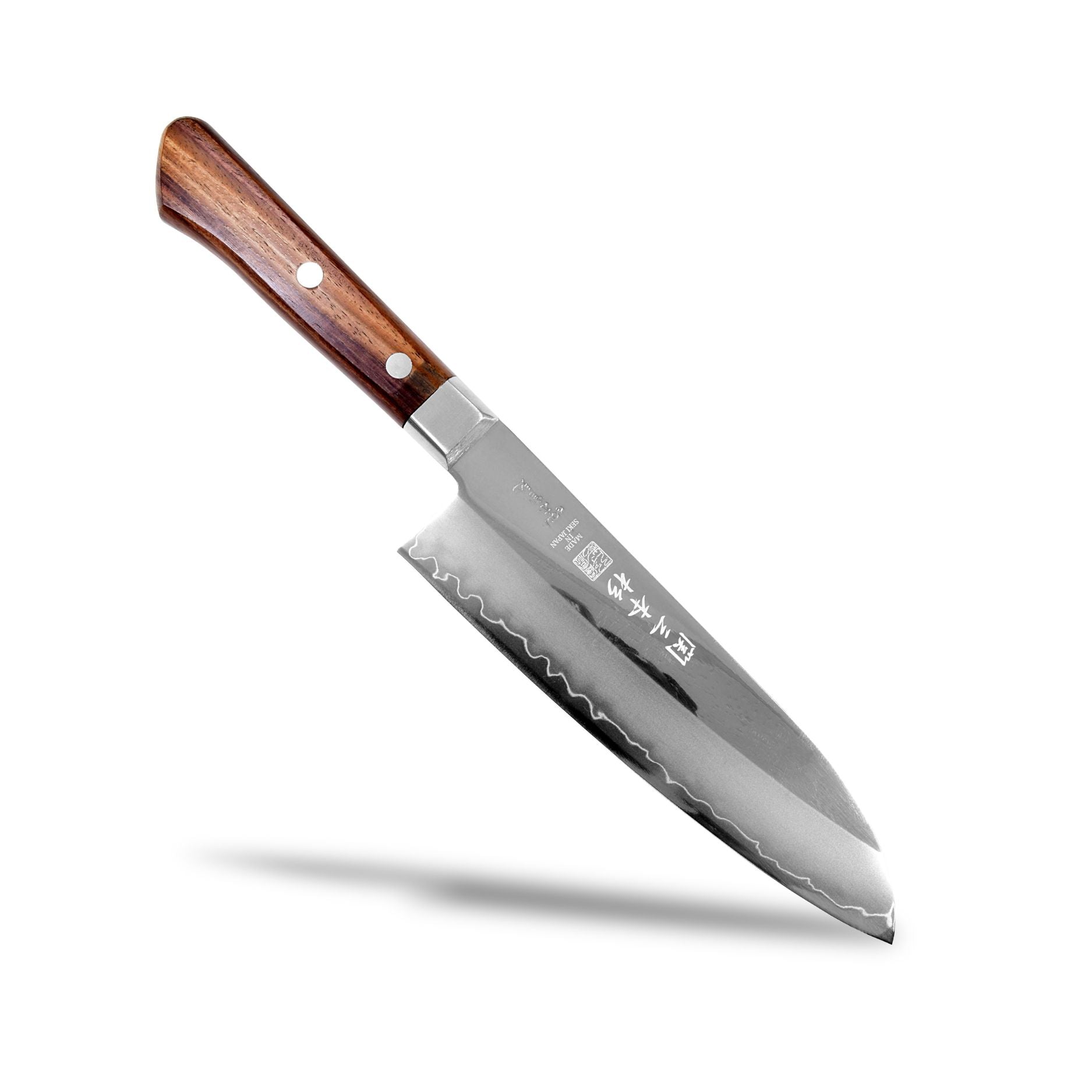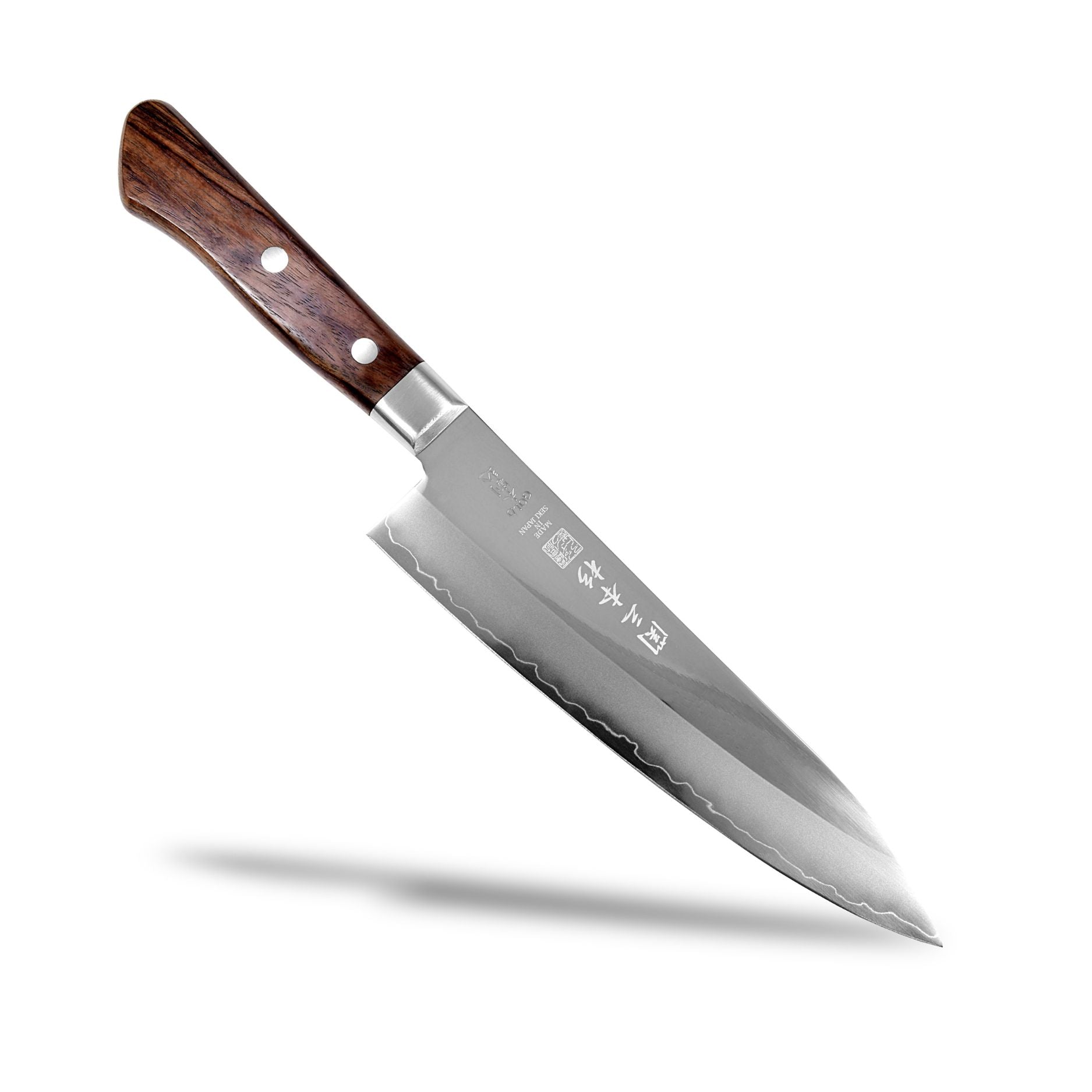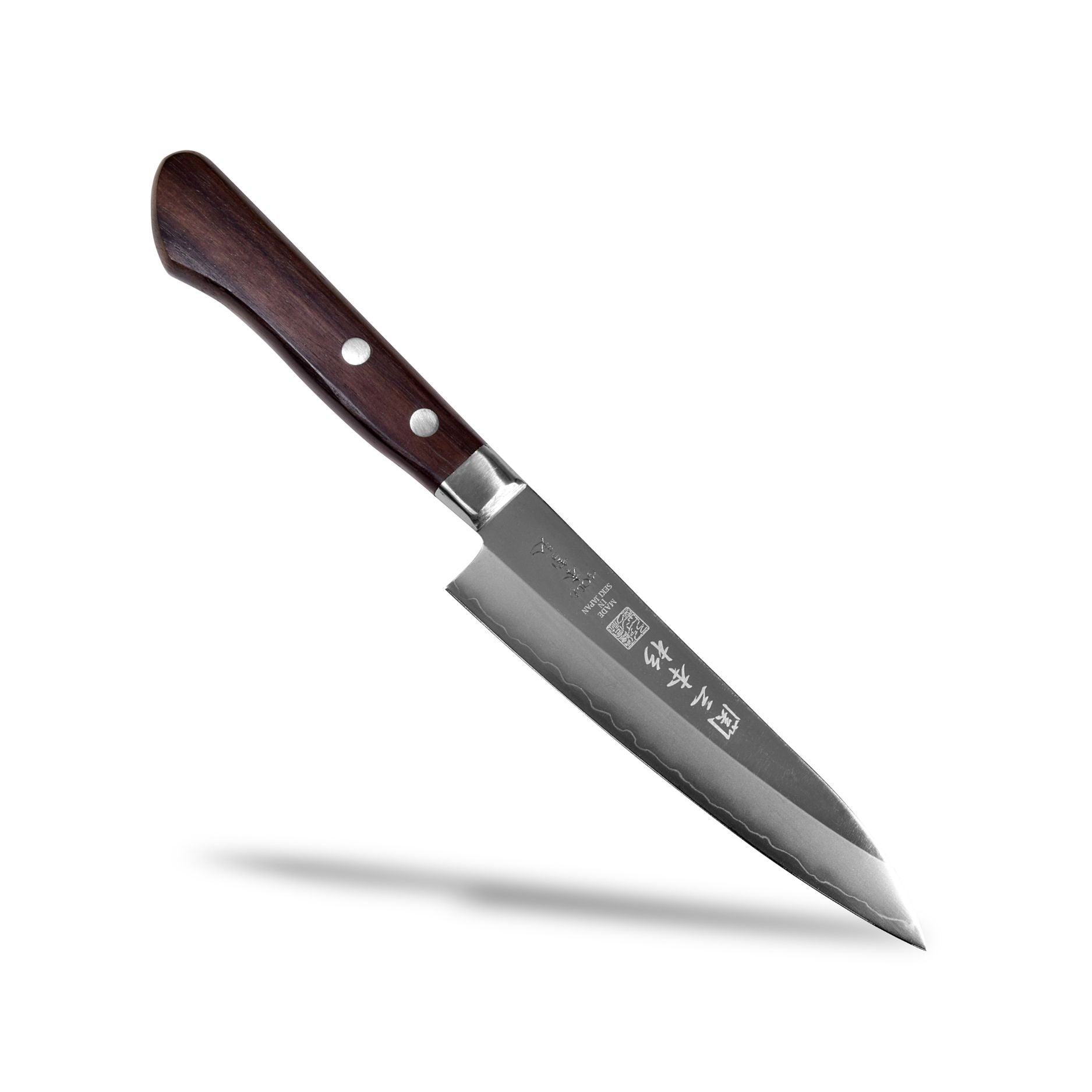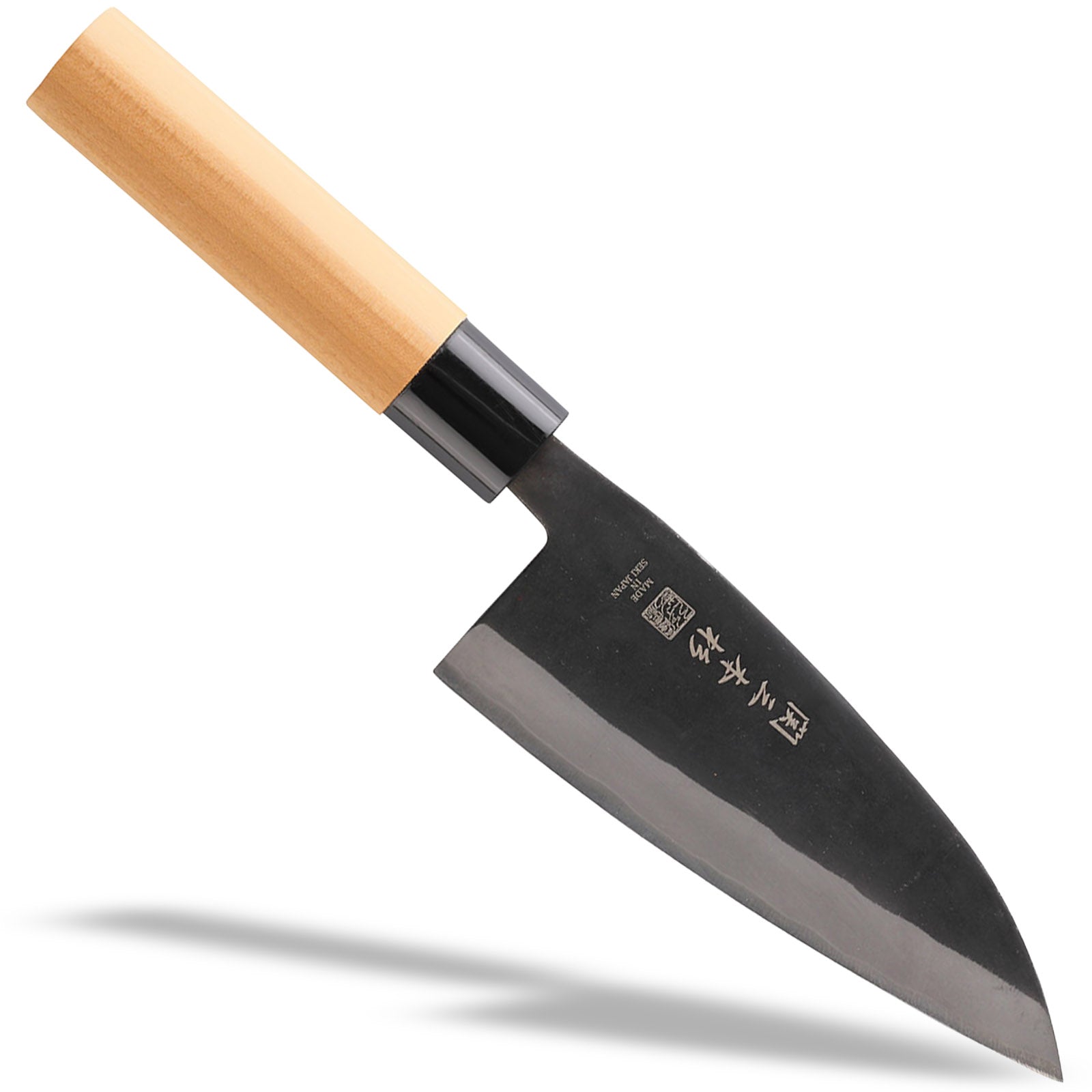

Japanese knives for beautifully cutting fruit: Types, Petty knives, Fruits, Features
To put it simply, if you're choosing a paring knife for fruit, the best approach is to narrow your selection down to "a small Japanese knife that excels in maneuverability and sharpness." A paring knife is a small knife with a blade length of about 9-15 cm, and it has a wider range of uses than a fruit knife. It can handle everything from cutting fruit and decorative carving to preparing small vegetables, acting as a versatile "secondary main knife for fruit."
[Key points of this article]
Today's review: 3 key points
Among the various types of Japanese kitchen knives, the most suitable for fruit is the small, maneuverable petty knife, which is more versatile than a dedicated fruit knife.
For fruit peeling and decorative cutting, choosing a small paring knife with a blade length of approximately 80-120mm and a thin, sharp blade will result in significantly cleaner peels and decorative cuts.
To make fruit cutting look beautiful, the most important things are to understand three things: the type of knife (petty knife), the blade length, and how to hold and use it.
Conclusion of this article
In conclusion, among Japanese kitchen knives, the petty knife is the best choice for cutting fruit, as it offers superior sharpness and versatility compared to a regular fruit knife.
In short, "a small fruit knife is best for fruit only, while a paring knife is better if you plan to use it for fruit, vegetables, or decorative cuts."
If your priority is cutting fruit, choose a small paring knife with a blade length of around 80-120mm to safely peel and cut even small fruits.
To categorize the different types of Japanese knives, it's best to assign specific roles: the santoku and gyuto are for cutting large quantities of food, while the petty knife is for finishing fruits and small ingredients.
Types of Japanese kitchen knives and paring knives | Which knife is best suited for fruit?
In conclusion, the best Japanese knife for fruit is the "petty knife," while santoku knives and chef's knives tend to be a bit too large for peeling and decorative cutting of fruit. In short, the basic division of labor is "santoku for handling large quantities, petty for detailed fruit work." Here, we will summarize the representative types of Japanese knives and why petty knives are suitable for fruit.
Main types and roles of Japanese kitchen knives
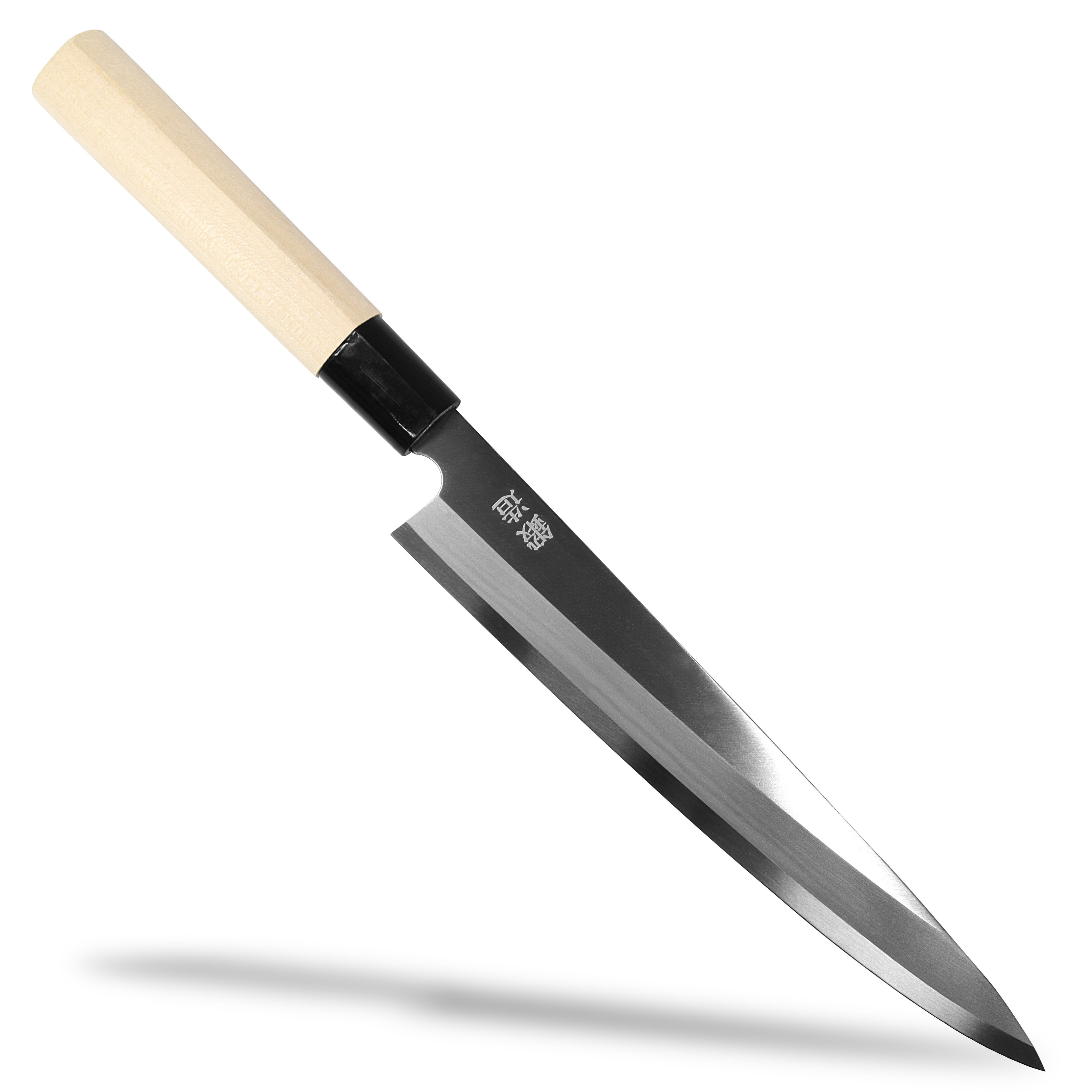
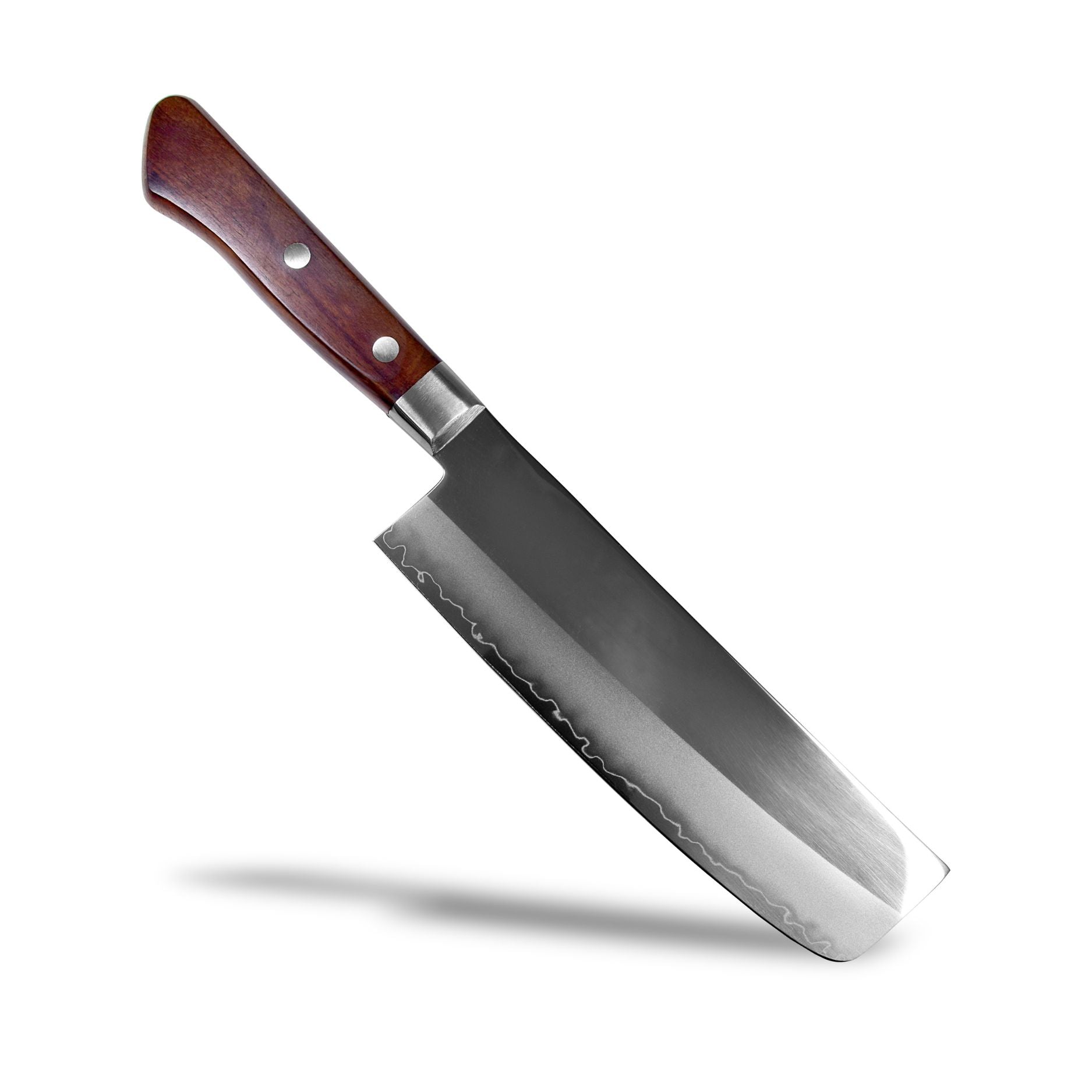
Japanese kitchen knives come in various types depending on their intended use, including santoku knives, gyuto knives, deba knives, yanagiba knives, nakiri knives, and petty knives. The santoku knife is versatile for meat, fish, and vegetables; the gyuto knife is for cutting meat and large chunks of meat; the nakiri knife is specialized for chopping vegetables; and the deba and yanagiba knives are used for filleting fish and preparing sashimi. The petty knife is the smallest of these, positioned as a small knife specialized for detailed work such as cutting small ingredients, fruits, and decorative cuts.
What kind of knife is a paring knife? Basic specifications and features
A petty knife, derived from the French word "petit" (small), is a small, maneuverable kitchen knife. Typically 9-15 cm long, it features a sharp, pointed tip similar to a chef's knife, and a slender, lightweight blade. This design makes it ideal for delicate tasks such as peeling fruits and small vegetables, decorative cutting, core removal, and bud removal. It's widely used both as a secondary knife in homes and in professional kitchens.
What's the difference between this and a fruit knife? Which one should I choose?
In conclusion, a fruit knife is a "small knife specifically for fruit," while a paring knife is a "small, all-purpose knife that can be used for fruit and a little extra." Fruit knives are even smaller, with blades around 7-10 cm long, making them light and easy to handle, but their sharpness and intended use are often limited to fruits and sweets. Paring knives are slightly longer, at 9-15 cm, and have sharper blades, making them suitable not only for fruit but also for small vegetables and simple cuts of meat and fish, and are often chosen as a "substitute for a fruit knife + a secondary knife."
How to choose a paring knife for fruit? How to determine the type and size of Japanese kitchen knives.
The key to choosing a fruit paring knife is to focus on a small size with a blade length of around 80-120mm and a thin, sharp blade. In short, a good guideline is to choose a smaller knife if you mainly use it for fruit, and a slightly longer one if you plan to use it for small ingredients in general. Here, we will explain in detail how to choose a fruit paring knife from the perspectives of blade length, blade thickness, and steel type.
Guideline for blade length suitable for cutting fruit
For specialized fruit cutting and peeling, a paring knife with a blade length of around 80-120mm is considered easy to handle. This length makes it easy to safely peel kiwis, persimmons, apples, and citrus fruits while holding them in your hand, and its compact size makes it easy to work with on a dessert plate. On the other hand, a 120-150mm class knife is recommended as a "small all-purpose knife" that can handle not only fruit but also small vegetables and simple cuts of meat and fish.
The impact of blade thickness and shape on the finished product
The most important thing about a paring knife for fruit is that "the blade is thin and the tip is fine and pointed." A thin blade penetrates the food easily, making it easier to cut even ripe fruit with a clean cut without crushing it, and the sharpness of the tip improves the precision of decorative cuts, core removal, and fine cuts. A thick, stubby blade is strong for hard foods, but it creates a lot of resistance when working with fruit and can easily break it, so "choosing a thin, fine blade for fruit is essential."
Steel materials and the essence of Japanese knives | Should you be particular about them even for fruit knives?
If you prioritize the sharpness and beautiful finish characteristic of Japanese knives, it's worth paying attention to the steel material even for a fruit-cutting petty knife. Stainless steel is rust-resistant and easy to maintain, making it resistant to fruit acids and very easy to use for home use. On the other hand, carbon steel and hybrid steels are suitable for those who want a sharper edge and longer-lasting edge. The most important thing is to choose a steel material that suits your daily maintenance and frequency of use. For fruit-cutting, rust-resistant stainless steel is a good choice, while professionals and advanced users may prefer a petty knife made of high-hardness steel to pursue a "snapping" edge.
How to use a paring knife to make fruit cuts look beautiful
In conclusion, to make fruit cuts look beautiful, it's important to consider three things together: "use a paring knife," "change how you hold the blade," and "pay attention to the presentation." In short, with a paring knife, a combination of pulling cuts and decorative cutting techniques, you can make homemade desserts look like they came from a specialty shop. Here, we'll introduce how to make the most of a fruit paring knife through specific fruit and cutting examples.
Tips for peeling and cutting apples and citrus fruits
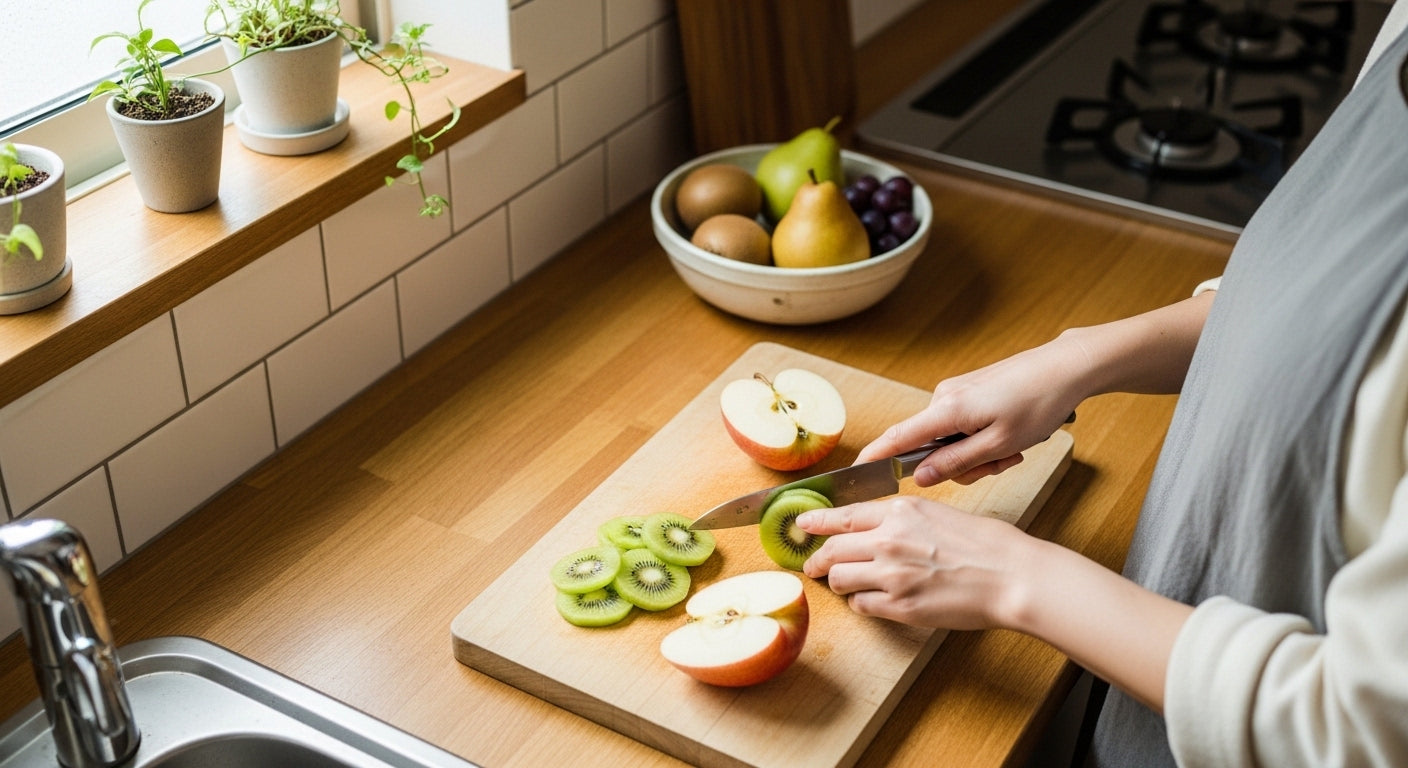
When peeling apples and citrus fruits, the key is to utilize the tip and maneuverability of the paring knife to avoid peeling off too much of the flesh. Hold the fruit in one hand, lightly pinch-grip the paring knife with the other, and peel thinly by "pulling" the blade lightly against the fruit. This will result in a smooth and beautiful cross-section. Ripe citrus fruits and peaches, in particular, are easily crushed if you push them, so "thin blade x pulling cut" is the way to bring out the true value of a fruit paring knife.
Examples of fruit carvings that look great with decorative cuts
For decorative cutting, the fine tip of a paring knife is particularly effective. For example, heart-shaped cuts on strawberries, zigzag cuts on kiwis, rabbit-shaped cuts on apples, and hollowed-out persimmons to resemble bowls are all typical examples where the maneuverability of a paring knife is essential, as they require delicate curves and cuts. These decorative cuts look especially impressive in children's lunchboxes, home parties, and celebratory dessert plates, and the ability to create "big surprises with just a little effort" enhances the enjoyment of using a fruit-cutting paring knife.
Using it in conjunction with a santoku knife will improve work efficiency.
Even when cutting fruit, using both a santoku knife and a paring knife can improve both efficiency and the final result. In short, "use the santoku knife for large cuts and thick slices, and the paring knife for detailed work while holding the fruit in your hand." For example, you can roughly cut a large melon or watermelon with a santoku knife, and then use the paring knife for bite-sized pieces and for detailed work at the boundary between the rind and flesh. This makes it easier to achieve both safety and a beautiful presentation.
FAQ
Q1. Which is better for cutting fruit: a paring knife or a fruit knife?
A1. If versatility is your priority, a paring knife is suitable; if you're using it specifically for fruit, a fruit knife is better. The advantage of a paring knife is that it can be used for small ingredients other than fruit.
Q2. What blade length is recommended for a paring knife used for fruit?
A2. If you're mainly using fruit, a smaller size of around 80-120mm is recommended. This makes it easier to peel and decorate even small fruits.
Q3. What type of Japanese kitchen knife is a petty knife classified under?
A3. A petty knife is a type of small, maneuverable "small all-purpose knife," and is classified as a secondary knife among Japanese kitchen knives.
Q4. What is the difference between a paring knife and a fruit knife?
A4. The difference is that a fruit knife is specifically for fruit and is even smaller, while a paring knife is about 9-15 cm long and can be used not only for fruit but also for cutting vegetables and small pieces of meat and fish.
Q5. What blade shape is best suited for a fruit paring knife?
A5. A thin, narrow, straight blade with a sharply pointed tip is suitable for peeling fruit and making decorative cuts.
Q6. When choosing a paring knife for fruit, what should be prioritized in terms of steel type?
A6. For home use, stainless steel is suitable because it is rust-resistant, while high-hardness steel is suitable if sharpness is a priority. Since it will be exposed to the acidity of fruit frequently, ease of maintenance is also important.
Q7. Is it better to use a paring knife exclusively for fruit?
A7. It's not absolutely necessary to have a dedicated bottle, but designating one for fruit will help prevent odor transfer and ensure hygiene.
Q8. What causes fruit cuts to not look neat?
A8. This is often caused by a thick blade, dullness, or pushing while cutting. Using a thin petty knife and focusing on pulling while cutting will help improve the situation.
Q9. If I live alone, is a paring knife enough?
A9. If you have a small kitchen or mainly do simple cooking, you can use a paring knife as your main knife. However, if you are dealing with large ingredients, it is safer to use it in conjunction with a santoku knife.
Q10. Is it okay to use ceramic for fruit utensils?
A10. Ceramic petty knives are suitable for fruits because they do not emit a metallic taste and cause minimal discoloration of food. However, they are not suitable for hard foods, so it is necessary to use them appropriately depending on the situation.
summary
The best type of Japanese knife for cutting fruit is the petty knife. It has a wider range of uses than a fruit knife and is a versatile "small all-purpose knife" that combines maneuverability and sharpness.
When choosing a paring knife for fruit, look for a smaller size with a blade length of around 80-120mm and a thin, sharp blade. For home use, choosing a stainless steel material that is rust-resistant will make it easier to handle.
By assigning roles to the santoku knife (for cutting large ingredients and quantities) and the paring knife (for fruits, smaller ingredients, and finishing decorative cuts), you can achieve beautiful fruit cuts and make your daily cooking smoother.