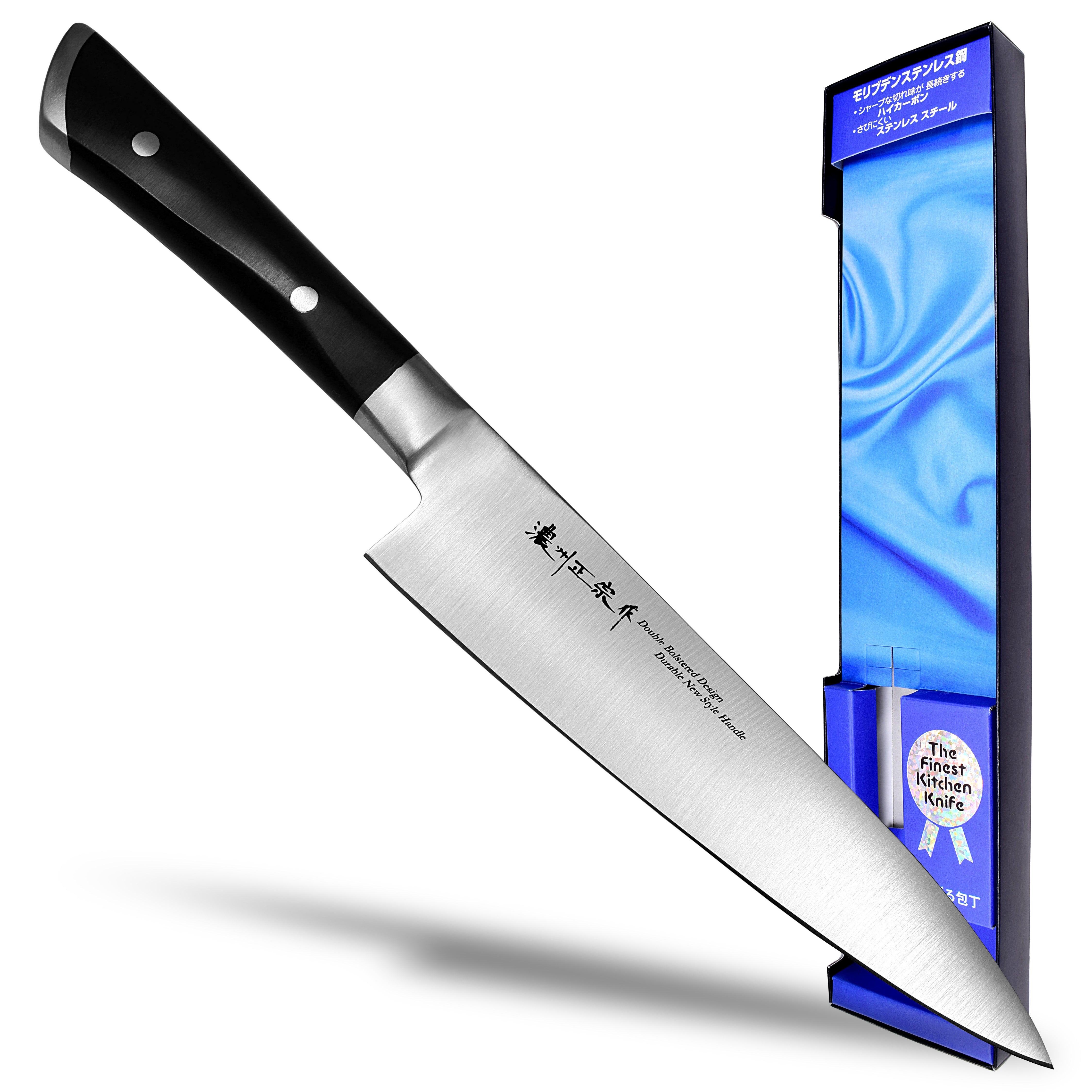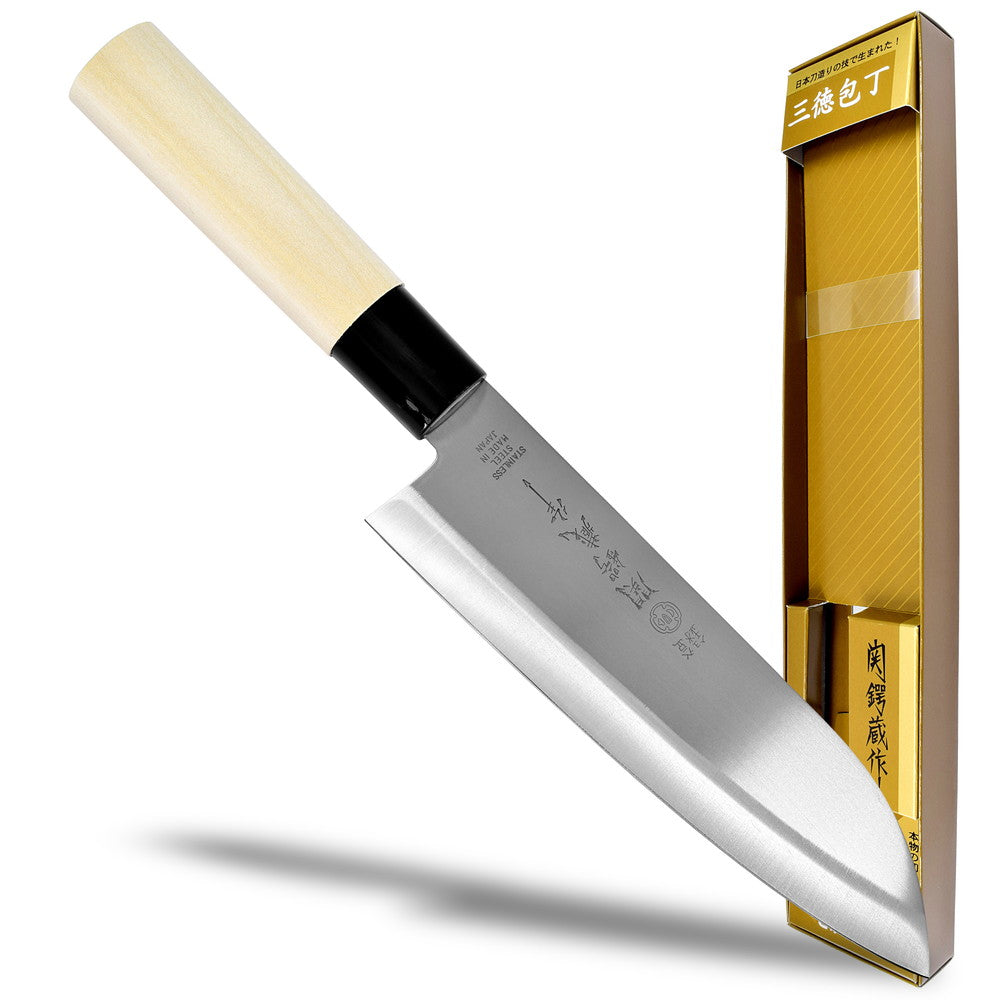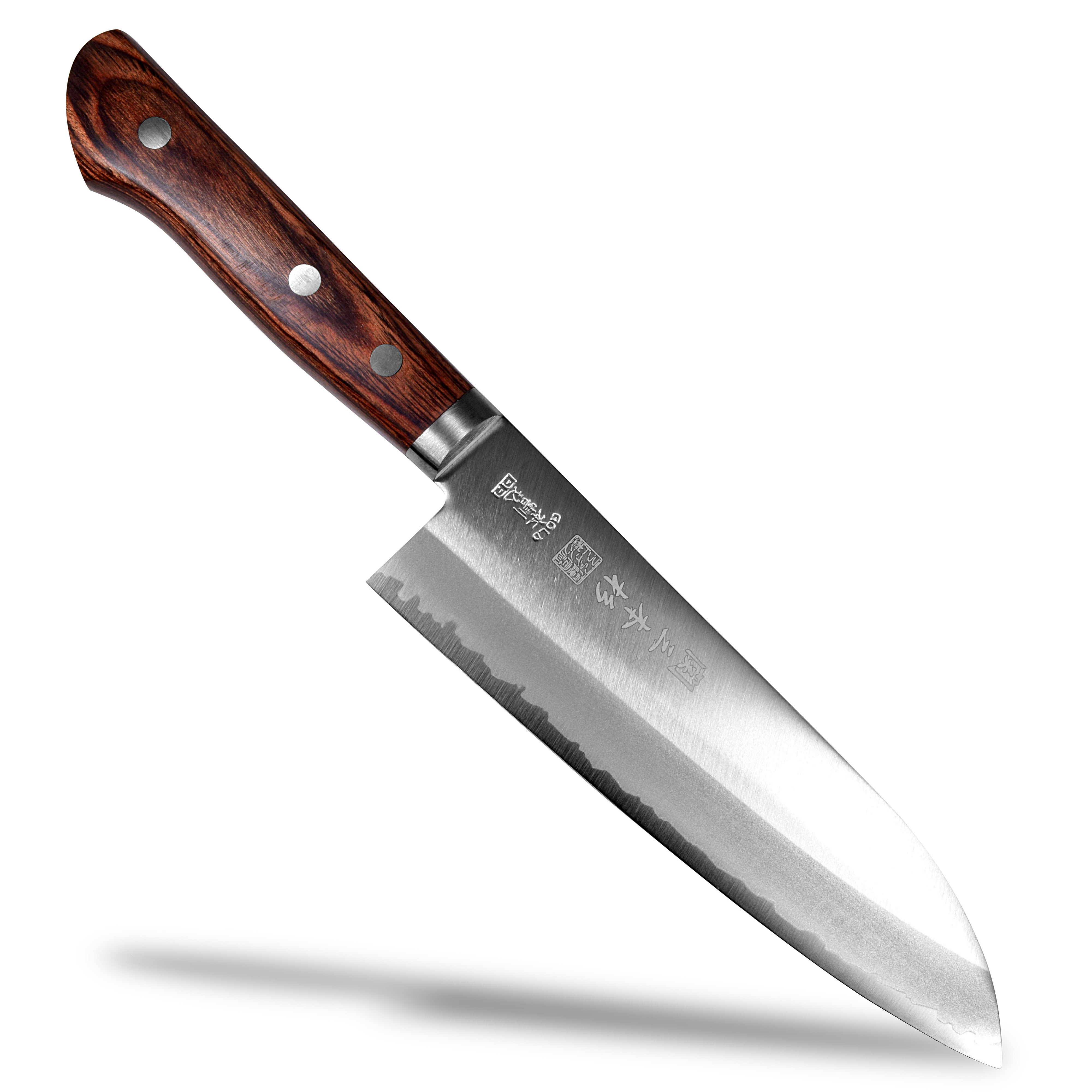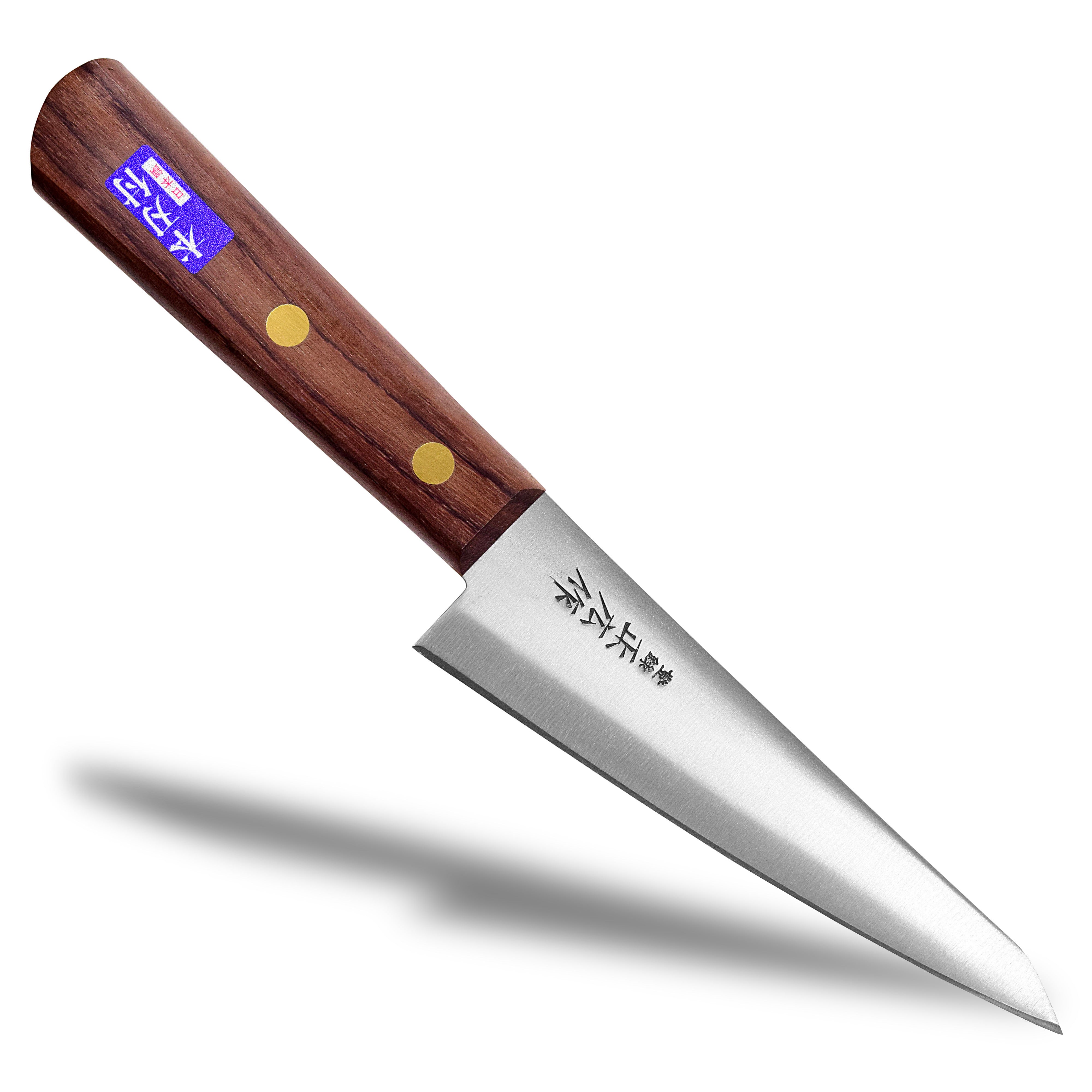

Choosing a Petty Knife for Beginners: Focusing on the Steel Material of Japanese Kitchen Knives
A guide to choosing the right Japanese kitchen knife, including its steel and petty knife, for beginners to avoid mistakes.
In conclusion, for your first petty knife, choosing one with a blade length of 130-150mm, made of stainless steel, and double-edged will make it rust-resistant, easy to handle, and a long-lasting secondary knife.
[Key points of this article]
- This article explains the basics of petty knives and the differences between steel materials (stainless steel, carbon steel, and composite materials) that beginners should understand first.
- This article explains, with specific examples, the ideal size, steel type, and blade sharpening combination for a "first petty knife."
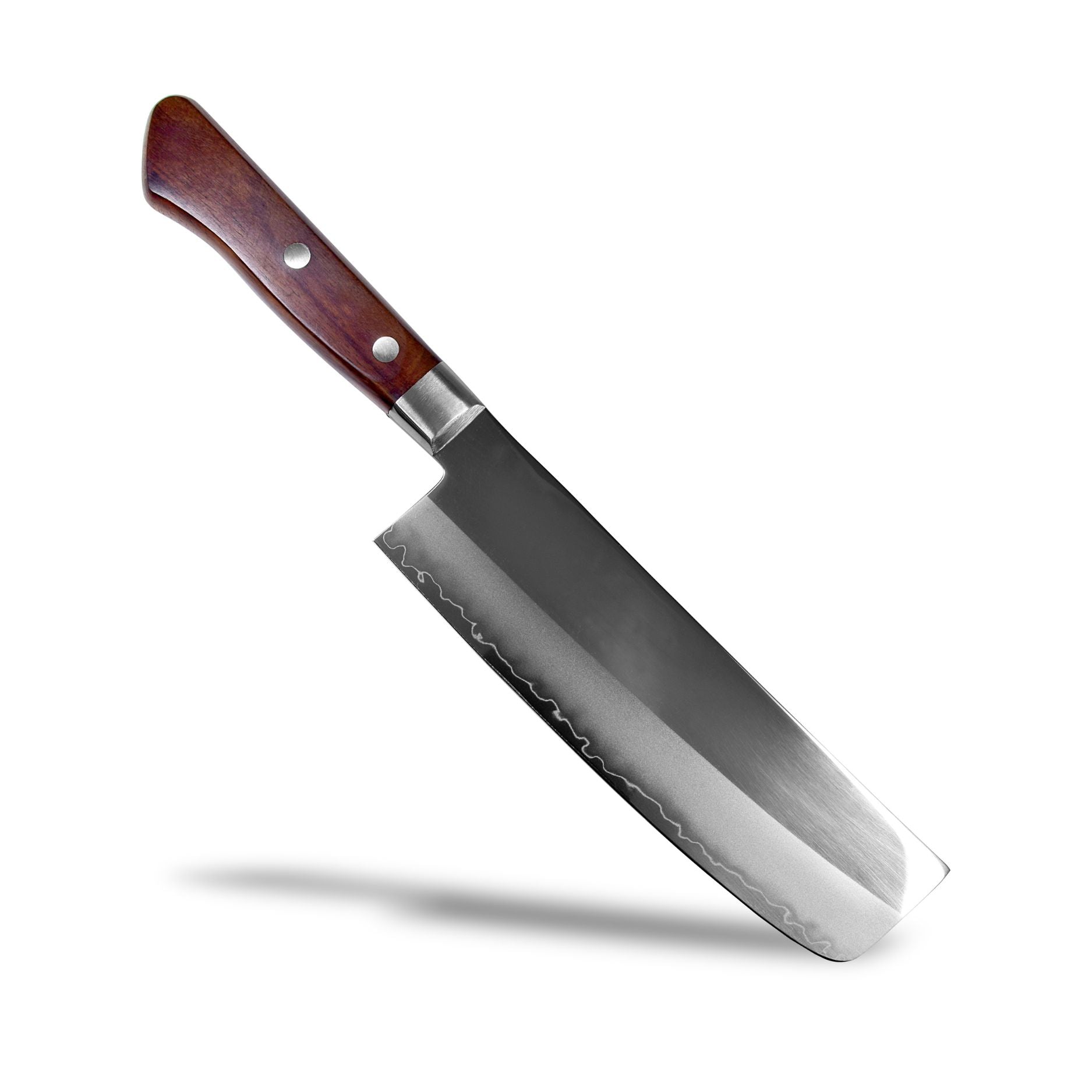
- Assuming you're using two or three knives in your collection, such as a santoku or nakiri, this guide will show you the steps to choosing a Japanese petty knife without making a mistake.
Today's review: 3 key points
Beginners should start with a petty knife made of stainless steel, which is rust-resistant and easy to maintain.
In short, if you choose a paring knife with a blade length of 130-150mm, you can handle a wide range of tasks, from fruit to small pieces of meat and fish.
In conclusion, using a two-knife system consisting of a "santoku or nakiri (general-purpose knife) + stainless steel paring knife" makes it easier for beginners to handle and improves overall kitchen efficiency.
Conclusion of this article
- In conclusion, the best choice for a beginner's paring knife is a model with stainless steel construction, a blade length of 130-150mm, and a double-edged blade.
- In short, if you prioritize rust resistance, stainless steel is the choice, but if you prioritize sharpness and don't mind maintenance, then carbon steel is the way to go.
- The most important thing is whether the characteristics of the steel (sharpness, susceptibility to rust, ease of sharpening) match your own maintenance habits.
- The first thing beginners should understand is that stainless steel high-hardness materials such as VG10 and molybdenum steel offer a good balance of sharpness and ease of maintenance.
- To smoothly enter the world of Japanese kitchen knives, it's best to start by acquiring a santoku or nakiri knife according to your preference, and then a petty knife made of stainless steel. This will help you avoid making mistakes.
What are the basics of choosing a Japanese kitchen knife, including steel types and petty knives, for beginners?
In short, the first step in choosing a petty knife for beginners is to decide "what you will use it for" and "how much maintenance you are willing to do," and then select the steel and size that suits those needs.
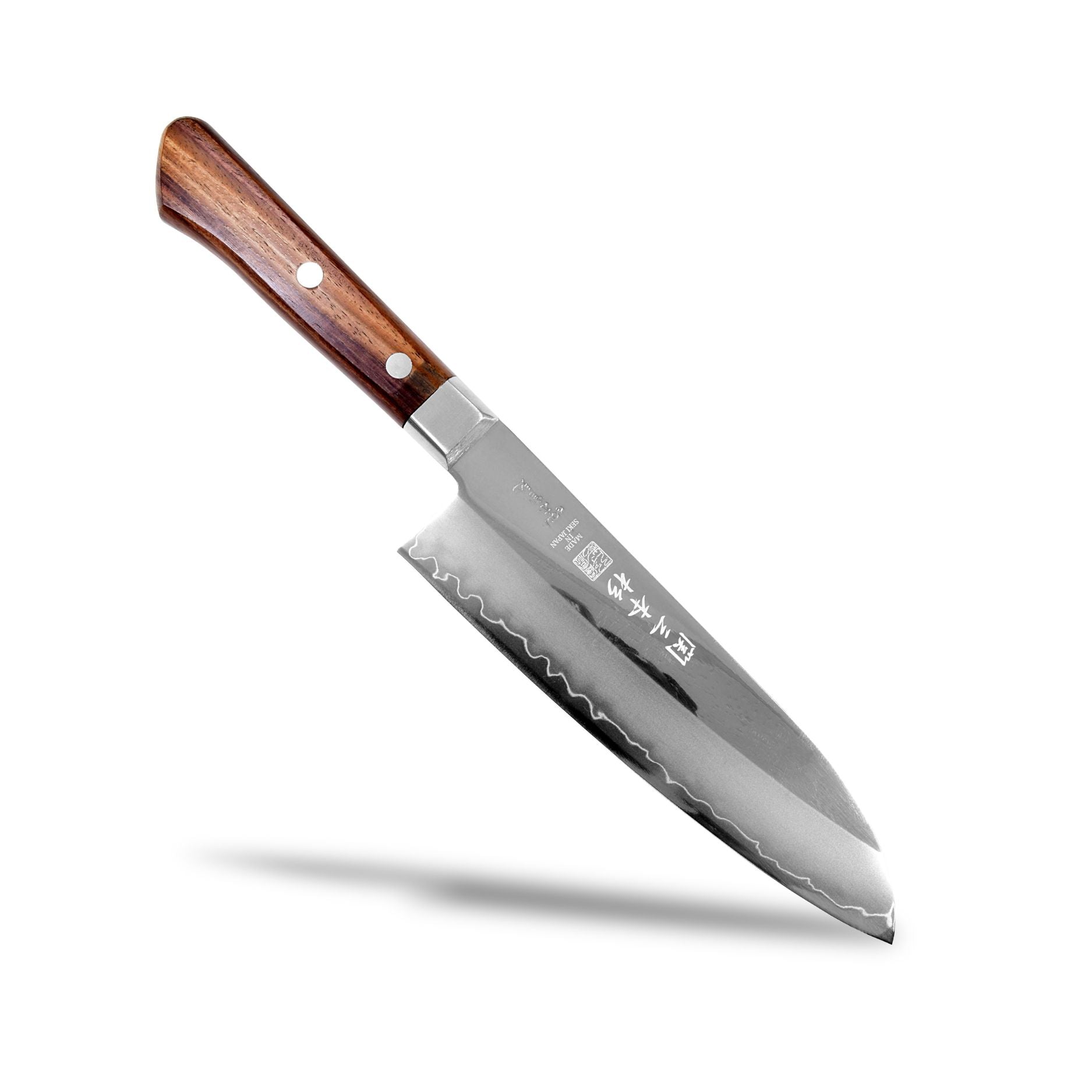
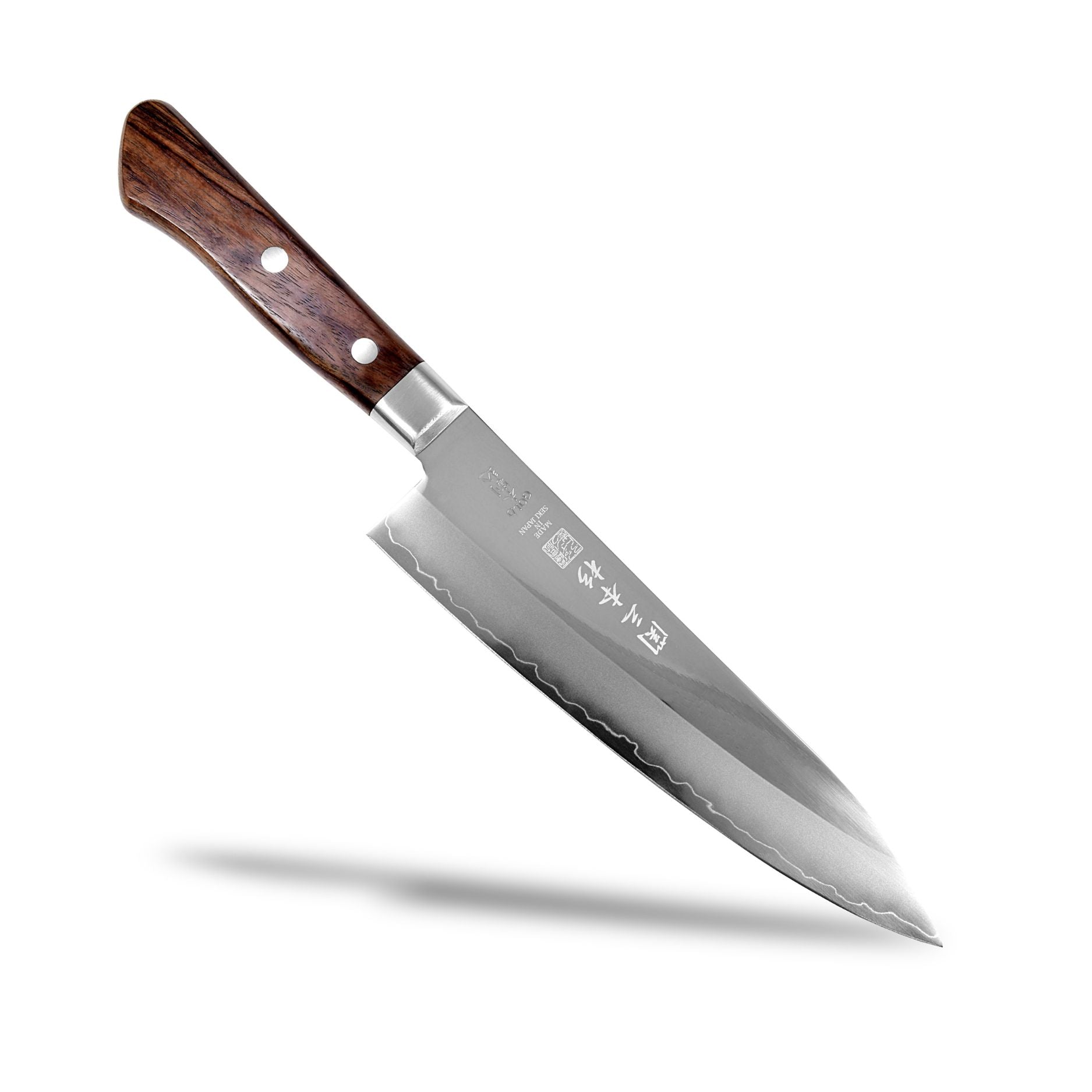
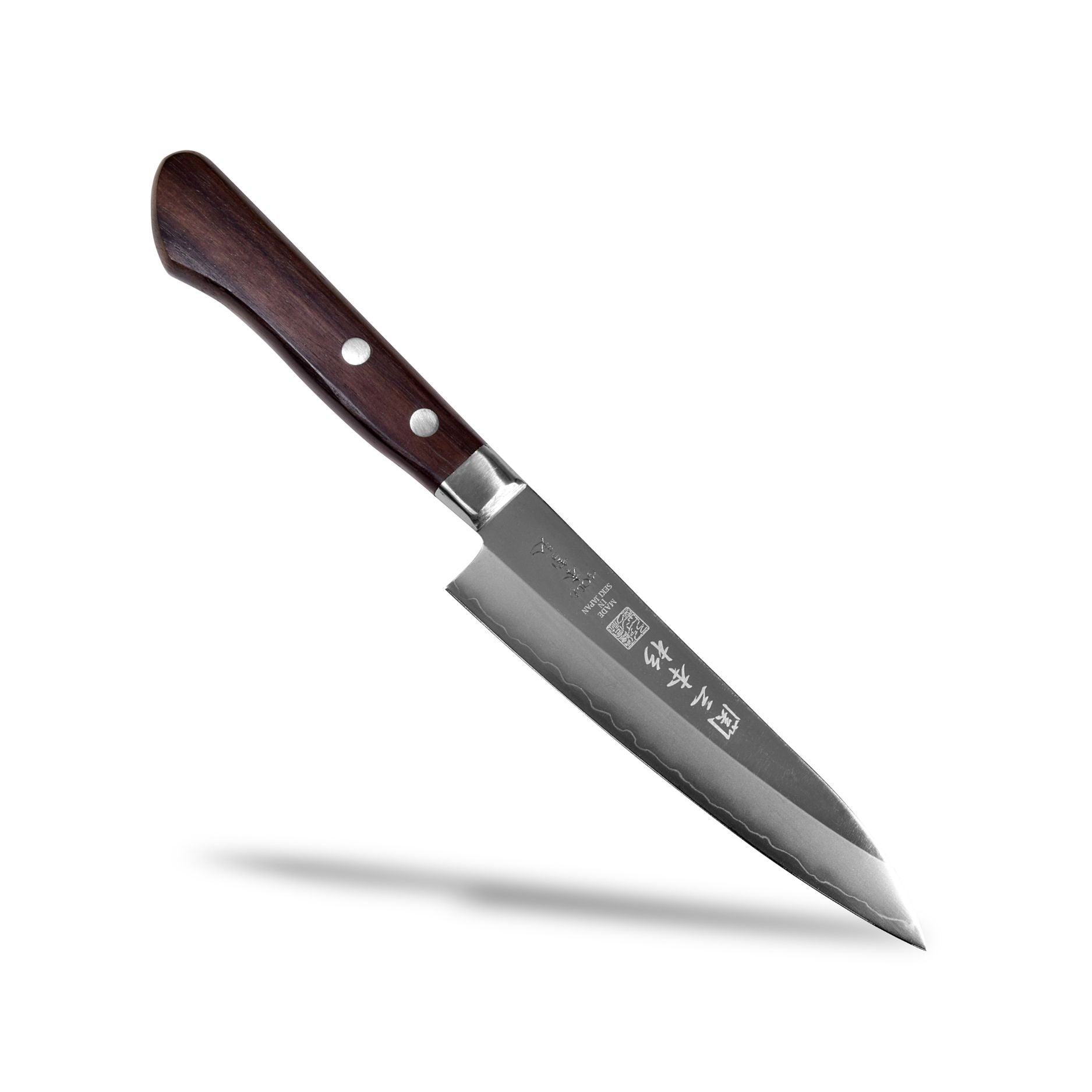
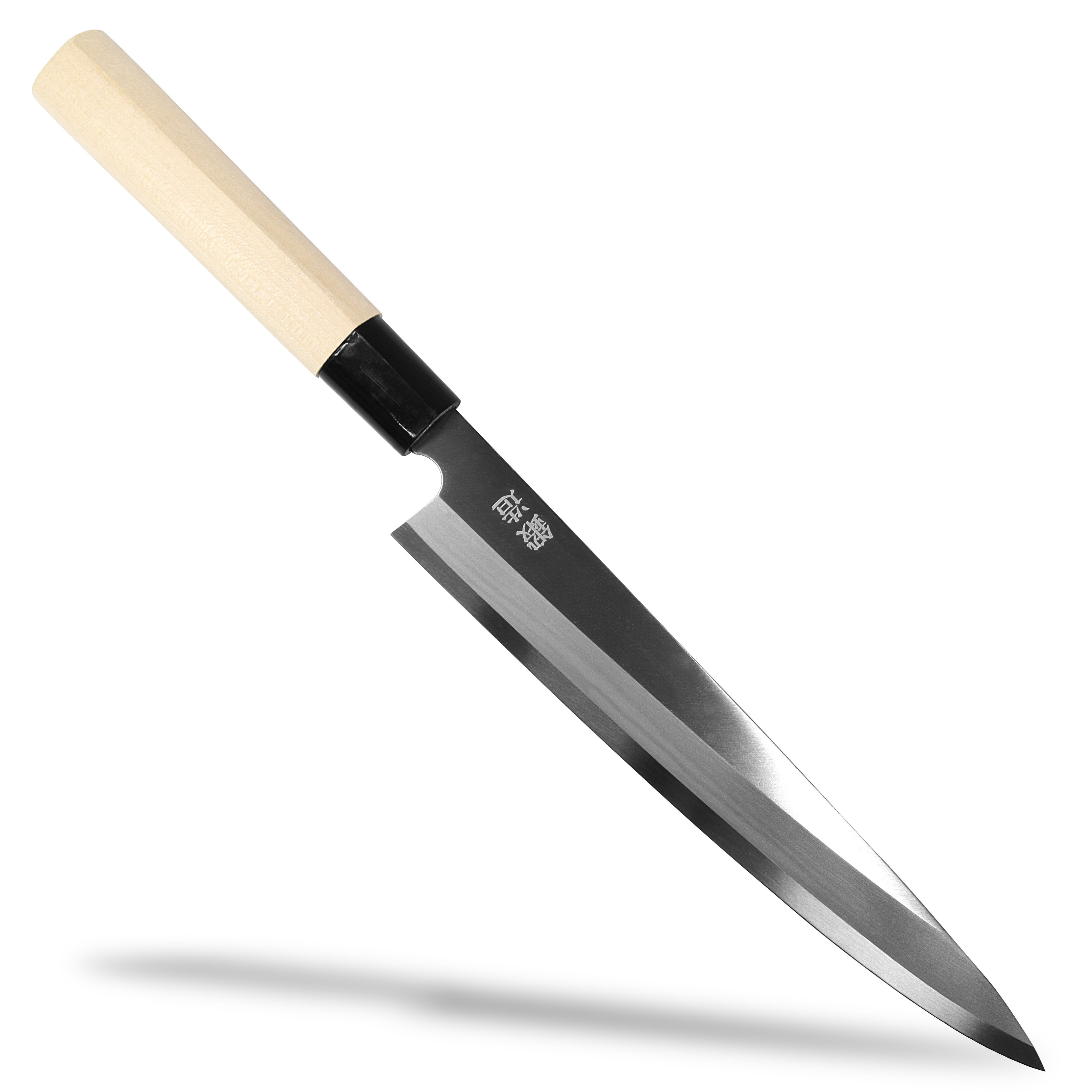
A petty knife is a small kitchen knife with a blade length of about 9 to 15 cm, and is a secondary knife specifically designed for "detailed work" such as peeling fruit, decorative cutting, and cutting small vegetables and herbs.
While its small size is appealing, this tool is also prone to problems if the wrong steel material is chosen, such as "it rusts quickly and becomes too scary to use" or "its sharpness deteriorates, causing stress."
Steel refers to the type of metal used for blades, and is mainly classified into "steel," "stainless steel," and "composite materials (steel + stainless steel)."
While steel is sharp and easy to sharpen, it rusts easily, and proper moisture management after use is crucial.
Stainless steel is rust-resistant and suitable for everyday use, and if you choose high-hardness materials such as VG10 or molybdenum steel, you can expect the sharpness to last a long time.
What type of steel should a beginner understand first?
In conclusion, for your first petty knife, it's safest to choose stainless steel as your first option.
Stainless steel contains chromium and is resistant to rust, making it easy to handle even in busy households where you can't wipe things down immediately after use. It is widely recommended as an entry-level material.
In particular, steels such as VG10, Ginshi 3, and molybdenum steel are often used in petty knives because they offer excellent hardness and wear resistance, as well as a good balance between sharpness and ease of sharpening.
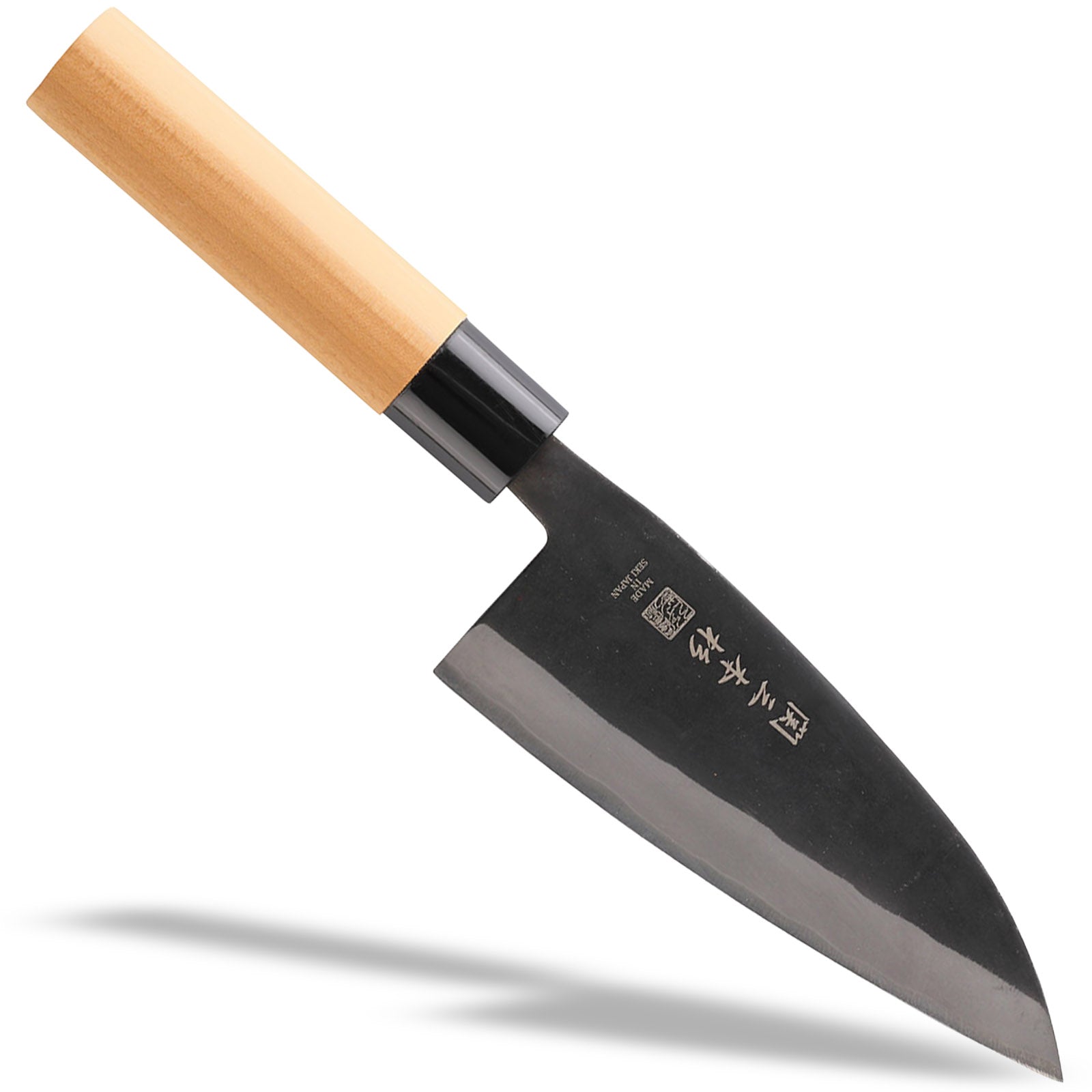
On the other hand, steel materials such as white steel and blue steel offer extremely sharp cutting performance and are easy to sharpen, but they are susceptible to moisture and acid, requiring proper maintenance.
Composite materials (clad knives) are attracting attention as a material that combines the sharpness of steel with the rust resistance of stainless steel, using steel as the core material and sandwiching it on both sides with stainless steel.
The first thing beginners should keep in mind is that their choice of tool depends on whether or not they can frequently sharpen and wipe it down.
What changes depending on the type of steel? Sharpness, rust resistance, and ease of sharpening.
In short, the four things that vary depending on the type of steel are "sharpness," "how long the sharpness lasts," "susceptibility to rust," and "ease of sharpening."
Because steel has a high carbon content and high hardness, it is easy to achieve a very sharp edge and is relatively easy to resharpen, but it is prone to rusting and discoloration.
Stainless steel is more rust-resistant and easier to maintain than carbon steel, but in some cases, it may be necessary to choose a slightly more expensive, high-hardness material to achieve the same level of sharpness and durability.
Composite materials (such as stainless steel inlays) use steel or high-hardness stainless steel as the core material, and are covered with stainless steel around it. They are popular with both professionals and home users.
For example, a petty knife made with a VG10 core and stainless steel cladding offers both long-lasting sharpness and rust resistance, making it popular with a wide range of users, from beginners to advanced.
The most important thing is to decide how you want to handle maintenance, including whether you'll sharpen it yourself or leave it to a shop, before choosing the type of steel.
The concept of steel suitable for a first petty knife.
In conclusion, for your first petty knife, a "solid stainless steel" or "stainless steel clad knife (with a core made of high-hardness steel such as VG10)" is recommended.
Stainless steel is relatively inexpensive, rust-resistant, and easy to handle, making it suitable for beginners who "want to try just one piece first."
While stainless steel-clad knives are slightly more expensive, they are recommended for those who want a long-lasting "companion" that offers both sharpness and ease of maintenance.
On the other hand, petty knives made of pure steel, such as white or blue steel, can be very satisfying for those who "wipe them thoroughly after each use" and "enjoy the sharpening process," but they can be quite challenging for busy beginners.
For example, if you have a habit of sharpening your knives with a whetstone every weekend, or if you want to seriously learn how to use Japanese knives in the future, you might consider starting with a steel petty knife.
The first thing beginners should focus on is calmly assessing whether they can truly dedicate time to maintenance within their current lifestyle.
Japanese kitchen knives, steel types, petty knives: A beginner's guide to choosing the right one
What blade length and size are recommended for beginners?
In conclusion, for beginners choosing their first petty knife, a blade length of "130-150mm" offers the best balance.
This length allows you to handle a wide range of tasks, from peeling fruit to preparing small pieces of meat and fish, and finely chopping vegetables, making it a versatile secondary knife that you'll find yourself using often.
Short petty knives under 120mm are suitable for more detailed work, but they may be a little lacking if you want to do everything with just one tool.
For example, a 135mm paring knife is the perfect size for peeling apples and citrus fruits, cutting herbs like green onions and chives, and removing the sinews from chicken breast.
On the other hand, a slightly longer 150mm petty knife can be used like a small chef's knife, making it possible to use it almost as a main knife, even though it's considered a secondary knife.
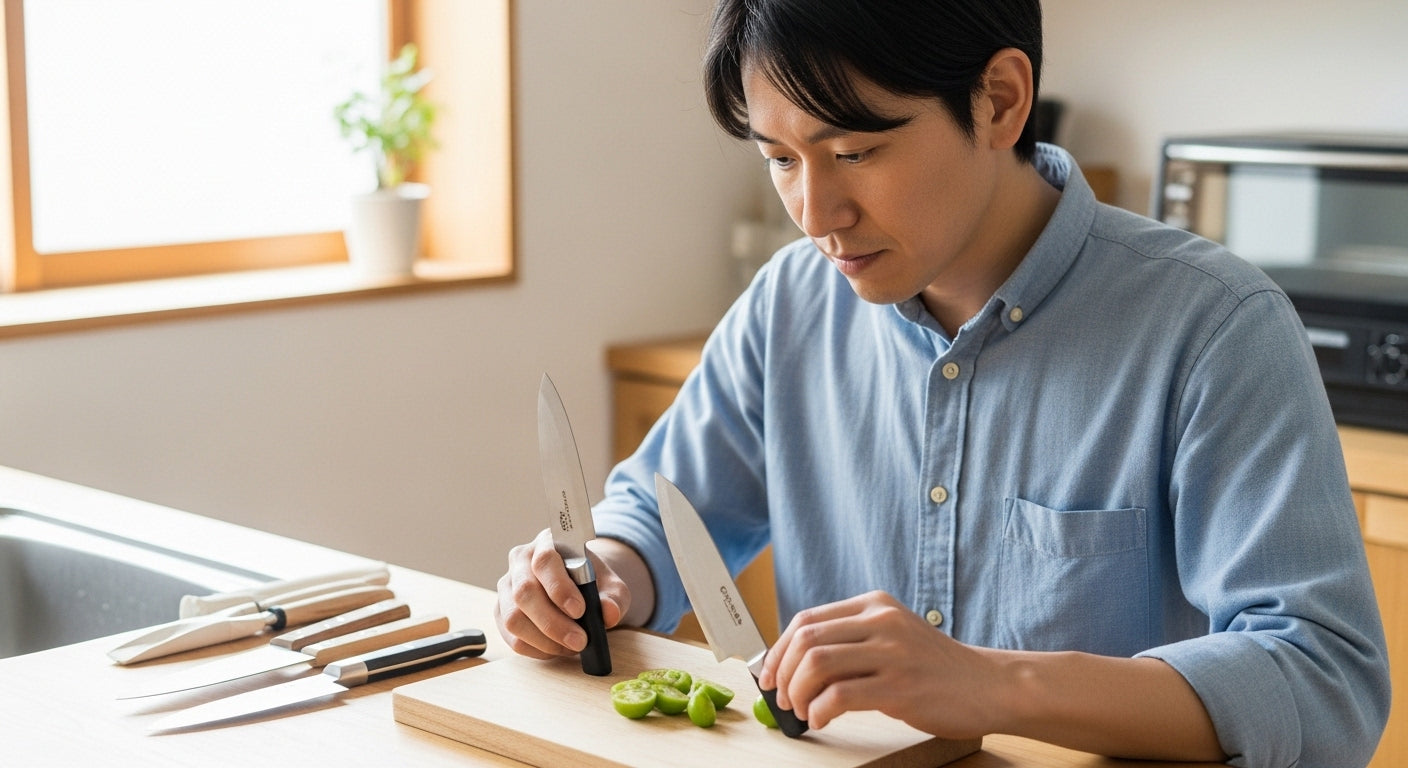
The first thing beginners should keep in mind is to choose a length that feels comfortable when you actually hold it, while keeping in mind the size of your own hand and the size of the ingredients you frequently handle.
What are some specific ways for beginners to choose steel materials?
In short, the safest way for beginners to choose steel is to start with stainless steel, and then, if you want something a little more sophisticated, choose high-hardness stainless steel.
Among stainless steels, molybdenum steel offers a good balance of price and performance and is widely used in household paring knives.
Furthermore, if you prioritize sharpness and durability, it is recommended to consider high-hardness stainless steel materials such as VG10, Ginshi No. 3, and Cobalt Special.
On the other hand, carbon steels such as Japanese steel, white steel, and blue steel are suitable for people who have the habit of sharpening their knives after each use or who prioritize sharpness above all else.
Blue steel is superior in sharpness and durability, and tends to be more expensive than Japanese steel or white steel, so it is often chosen as a second or third knife for those who are serious about quality.
The most important thing is to match your own stance on "how much rust you can tolerate" and "whether you can enjoy sharpening as a hobby" with the type of steel you're using.
How do you choose a combination of santoku and nakiri knives?
In conclusion, if you already own a santoku or nakiri knife, choosing a petty knife made from a different type of steel than your main knife will make the distinction between their uses clearer and expand your enjoyment of using them.
For example, if your main santoku knife is made of stainless steel, you could either make your petty knife stainless steel as well to match the maintenance requirements, or you could deliberately choose a steel petty knife to differentiate it as a "knife that prioritizes sharpness."
Conversely, if you own a Japanese-style santoku knife made of high-carbon steel, it's also a good idea to use a stainless steel petty knife as a "casual, everyday secondary knife" to differentiate their roles.
In terms of price range, for a first paring knife, aiming for around 3,000 to 10,000 yen is a realistic range—not too cheap, not too expensive.
In this zone, you'll find many models with a good balance of sharpness, steel quality, and design, making it easier to find a knife that you can use for a long time.
The first thing a beginner should understand is to decide "how many knives they want to use in their entire kitchen," then consider the roles of the santoku and nakiri knives, and finally choose the steel and size of the petty knife.
FAQ
Q1. What type of steel would you recommend for a beginner's petty knife?
A1. Stainless steel materials are rust-resistant and easy to maintain, making them suitable for beginners. High-hardness stainless steels such as VG10 and molybdenum steel are particularly easy to handle.
Q2. Can a steel petty knife be used by a beginner?
A2. It can be used, but it rusts easily and requires meticulous maintenance, so it's best suited for people who enjoy sharpening and polishing, and it's a bit of a challenge for busy beginners.
Q3. What is the ideal blade length for a paring knife?
A3. For beginners, 130-150mm is considered a good size, offering a balanced range from fruit to small pieces of meat and fish.
Q4. What is the difference in sharpness between stainless steel and carbon steel?
A4. Steel has the advantage of being sharper and easier to sharpen, while stainless steel has the advantage of being rust-resistant and easy to handle in everyday use. Choose the one that suits your purpose.
Q5. Is a paring knife made with a laminated blade suitable for beginners?
A5. The laminated construction, which uses steel or high-hardness stainless steel as the core material and sandwiches it with stainless steel on the outside, achieves both sharpness and rust resistance, making it suitable for beginners.
Q6. Is it acceptable to carry only one paring knife?
A6. If you live alone or mainly do simple cooking, a single paring knife is sufficient, but if you often cook meat or large vegetables, it's more practical to use it in conjunction with a santoku or chef's knife.
Q7. What price range should I expect for a paring knife?
A7. For first-time buyers, a price range of around 3,000 to 10,000 yen is a good guideline. Within this range, the quality of the steel and finish is stable, making it easier to choose a model that will last a long time.
Q8. What are the minimum necessary steps for maintaining a paring knife?
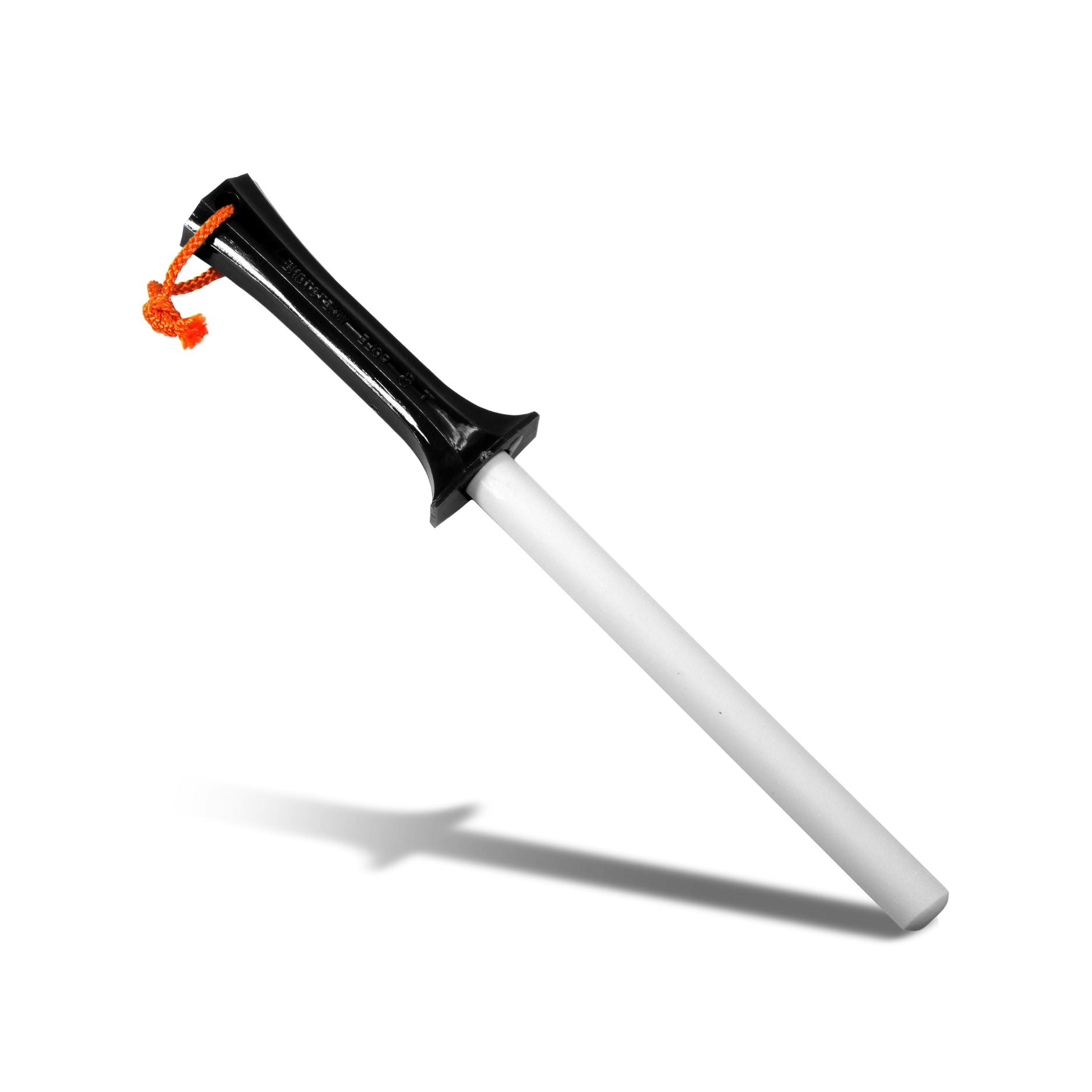
A8. Washing with a neutral detergent immediately after use, wiping off any moisture, and letting it dry, as well as lightly sharpening it occasionally even if it's stainless steel, are fundamental for maintaining sharpness and preventing rust.
Q9. Is there a difference between a Japanese-style paring knife and a Western-style paring knife?
A9. While there are differences in blade shape and handle style, most are double-edged and serve the same purpose, so you can choose based on your preferred grip and design.
Q10. I already own a stainless steel santoku knife, but what type of steel is best for a petty knife?
A10. If you want to maintain the same level of performance, we recommend adding a stainless steel petty knife. If you prioritize sharpness and want a different character, we recommend adding a laminated petty knife with a steel core.
summary
- In conclusion, for your first petty knife, choosing a model with stainless steel construction, a blade length of 130-150mm, and a double-edged blade will result in a knife that is rust-resistant and easy to handle.
- While carbon steel offers superior sharpness and ease of sharpening, it rusts easily. Stainless steel, on the other hand, is rust-resistant and suitable for everyday use. Therefore, it's important to choose the type of steel that best suits your maintenance habits.
- By combining a "santoku or nakiri knife with a stainless steel petty knife," even beginners can easily enter the world of Japanese knives while simultaneously improving overall kitchen efficiency and the quality of their cooking.