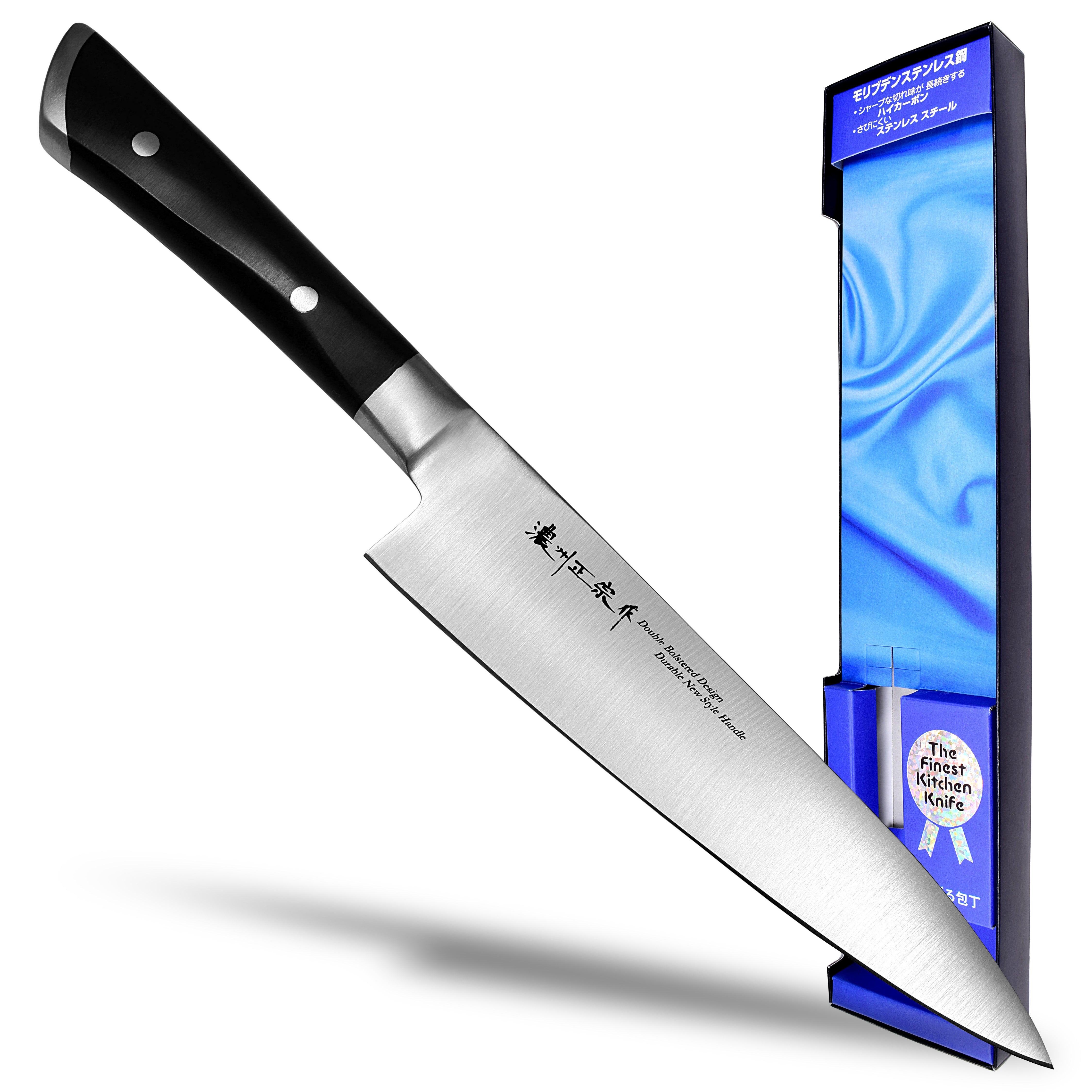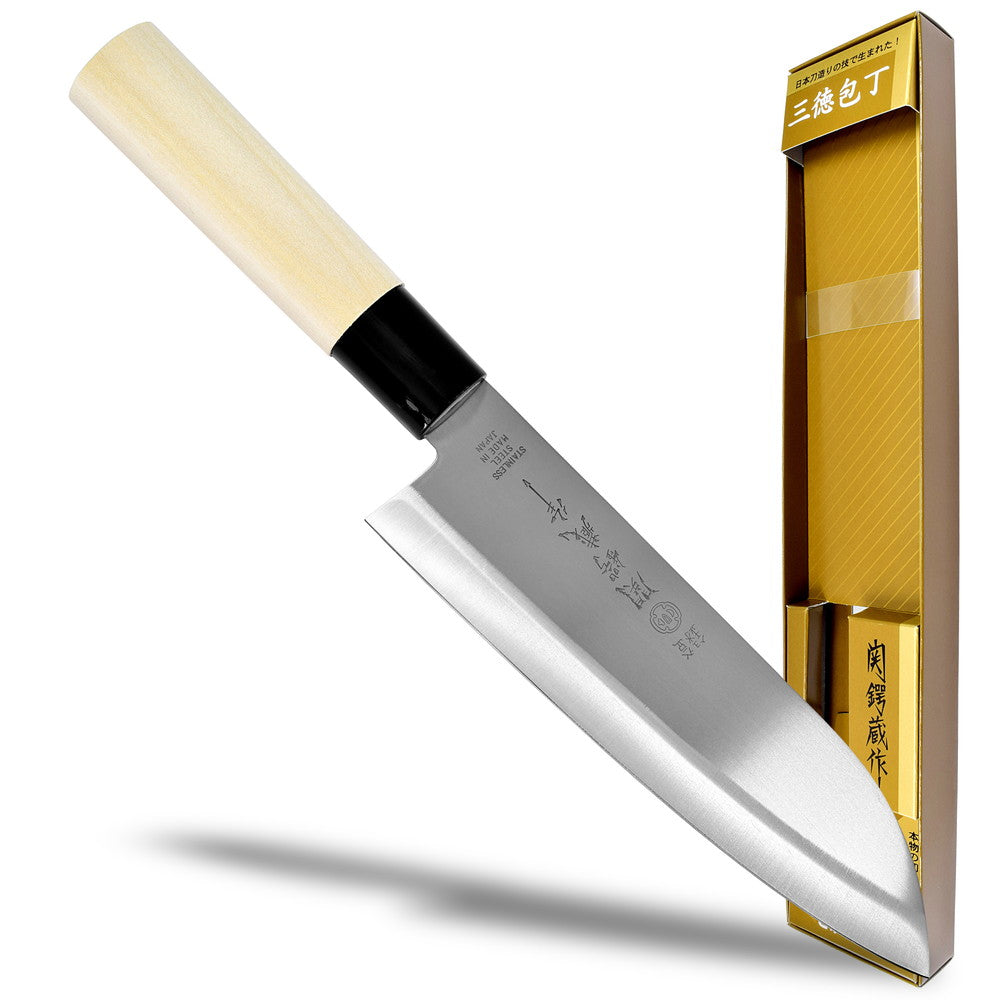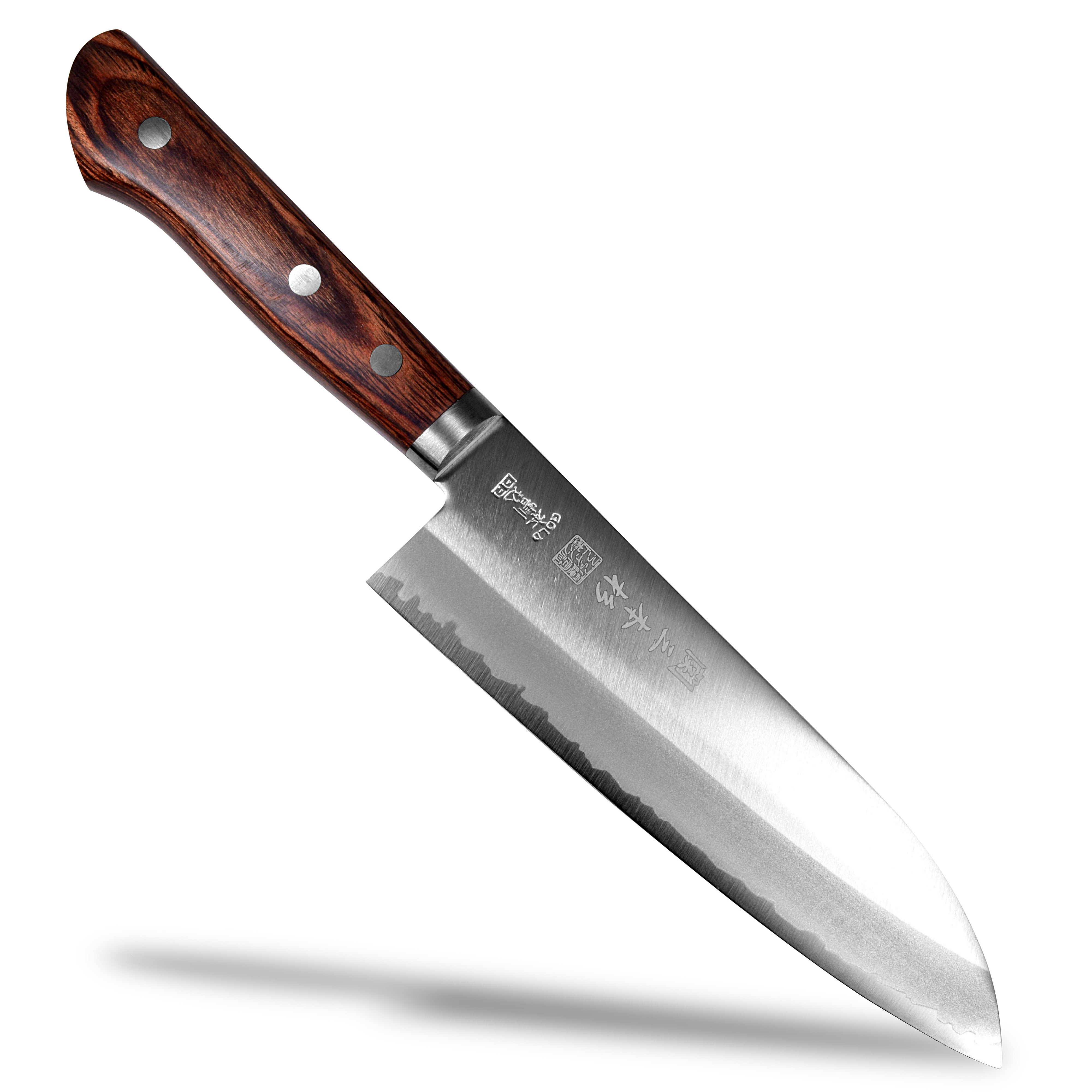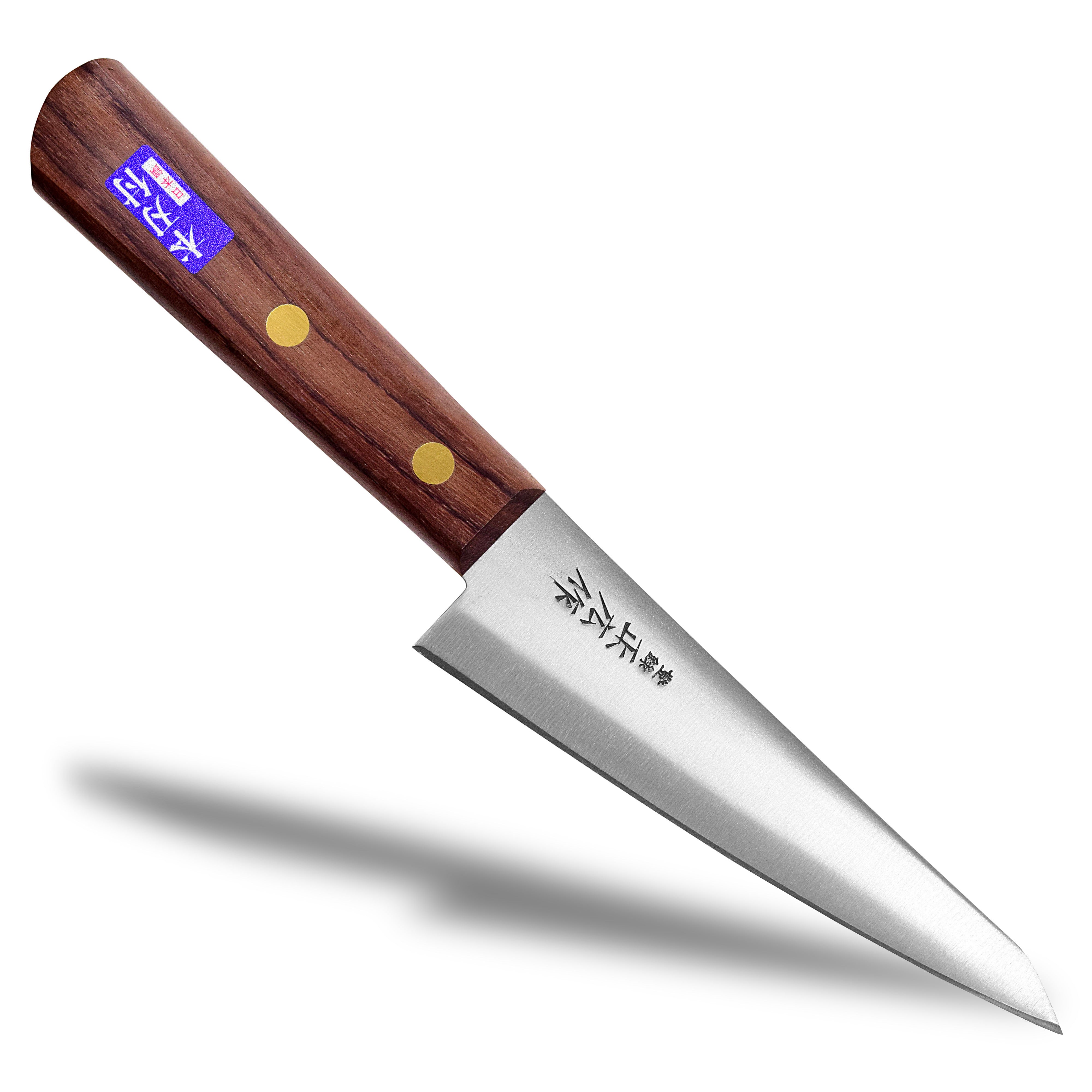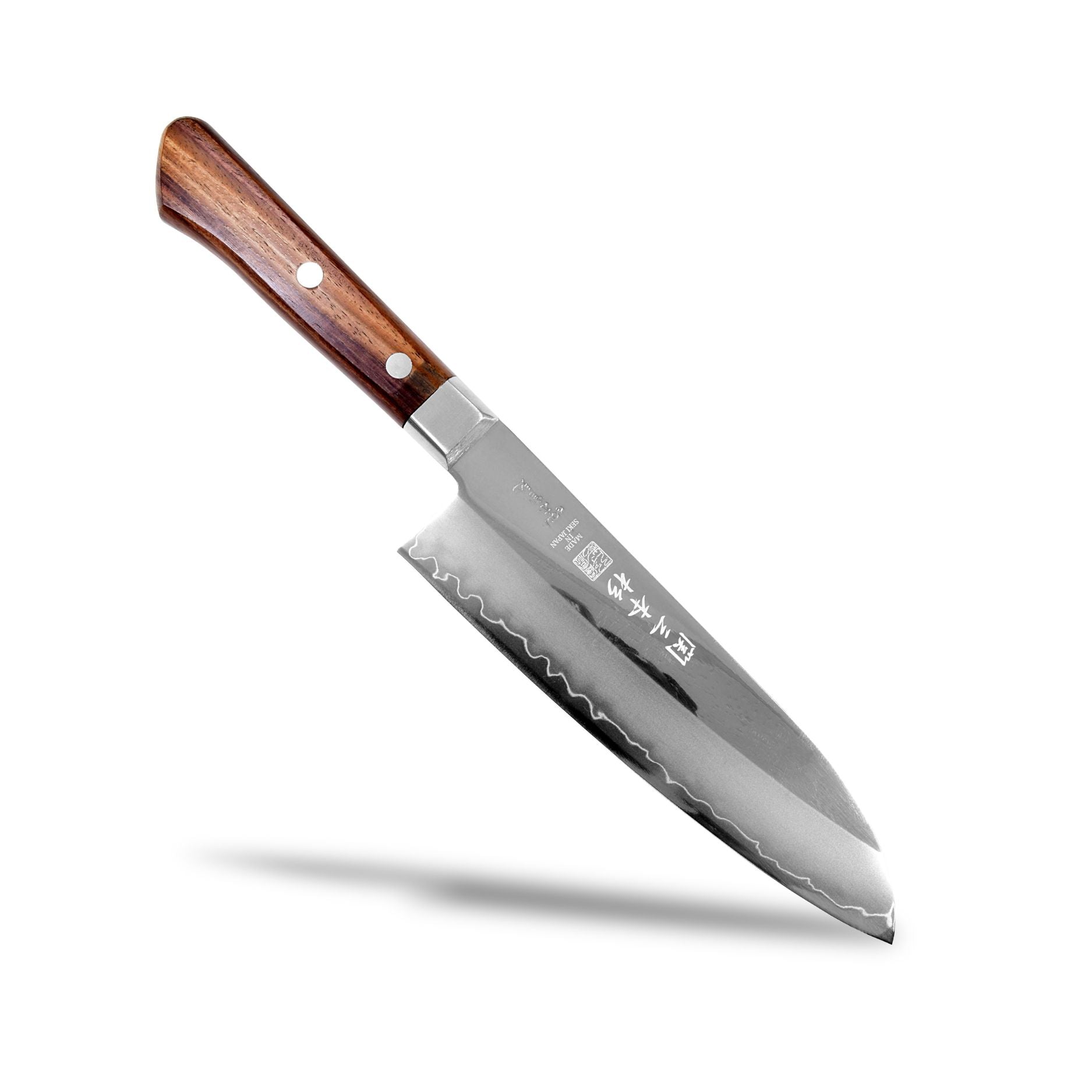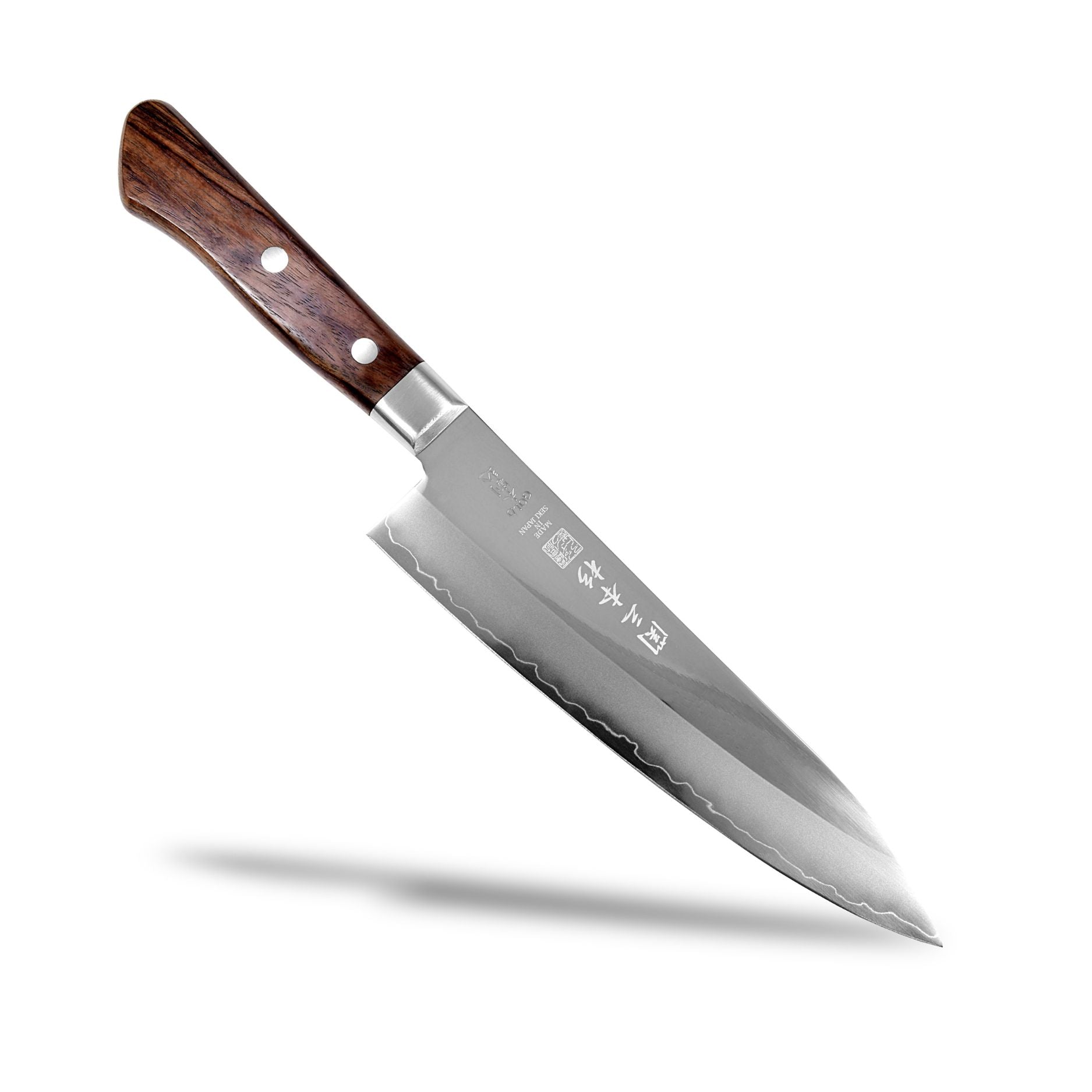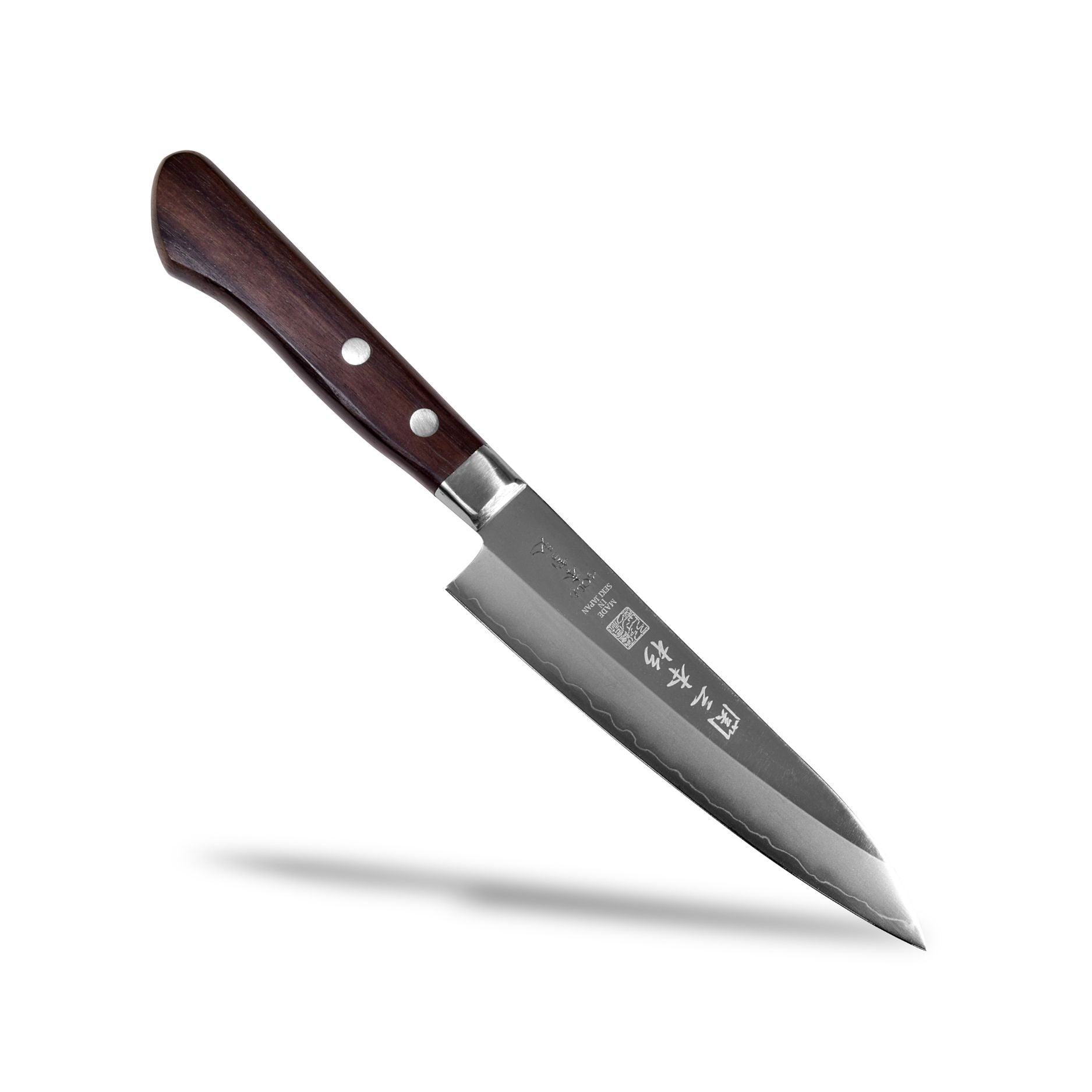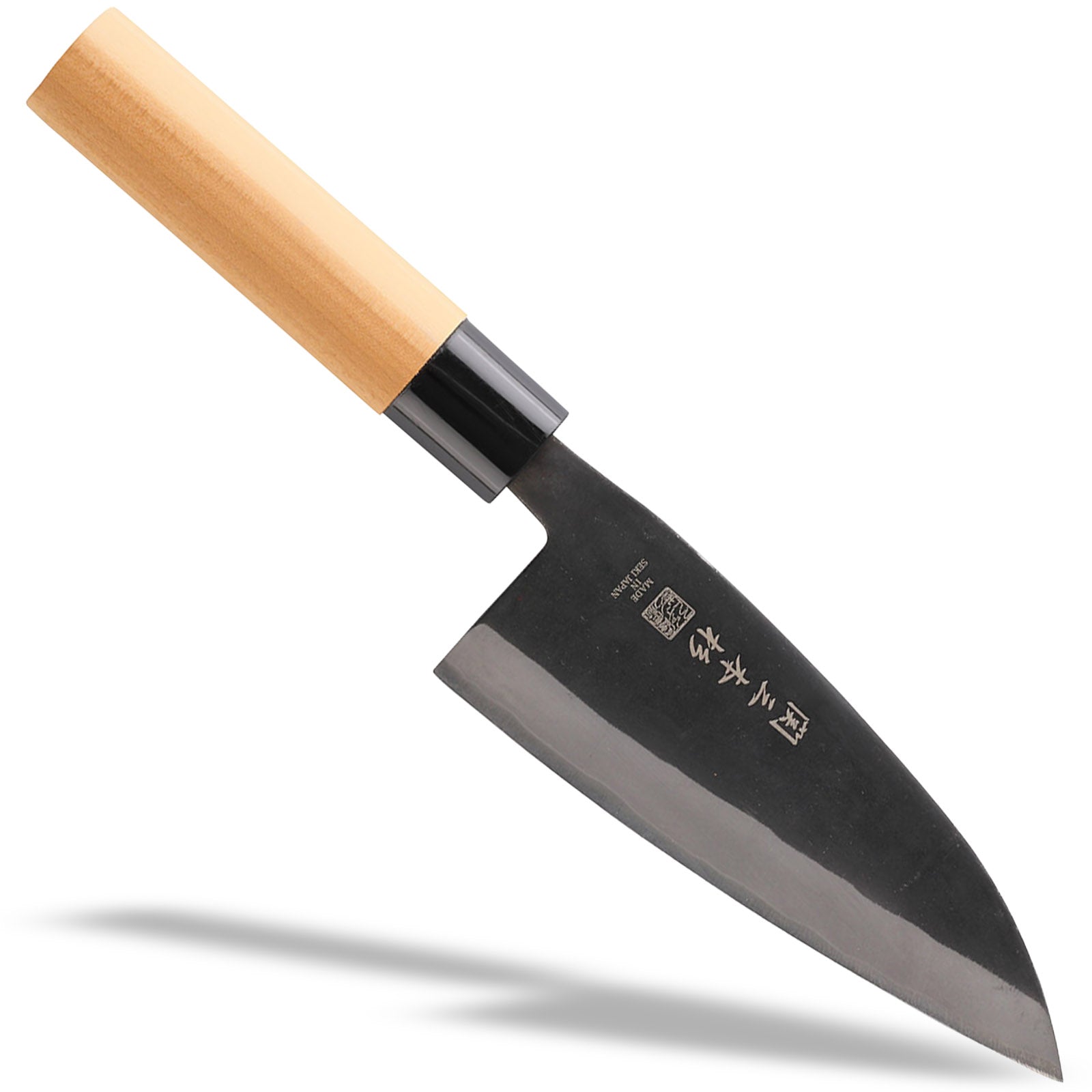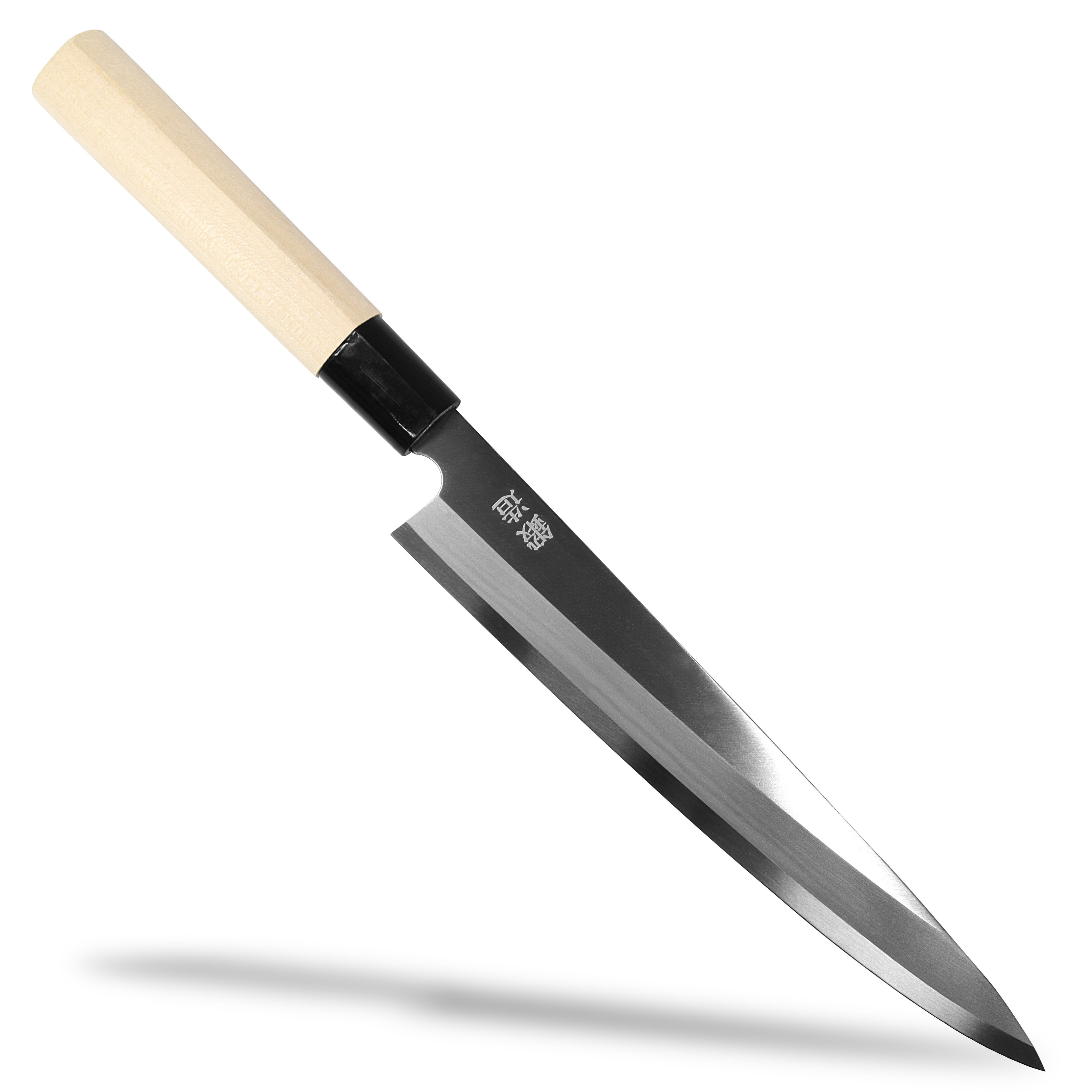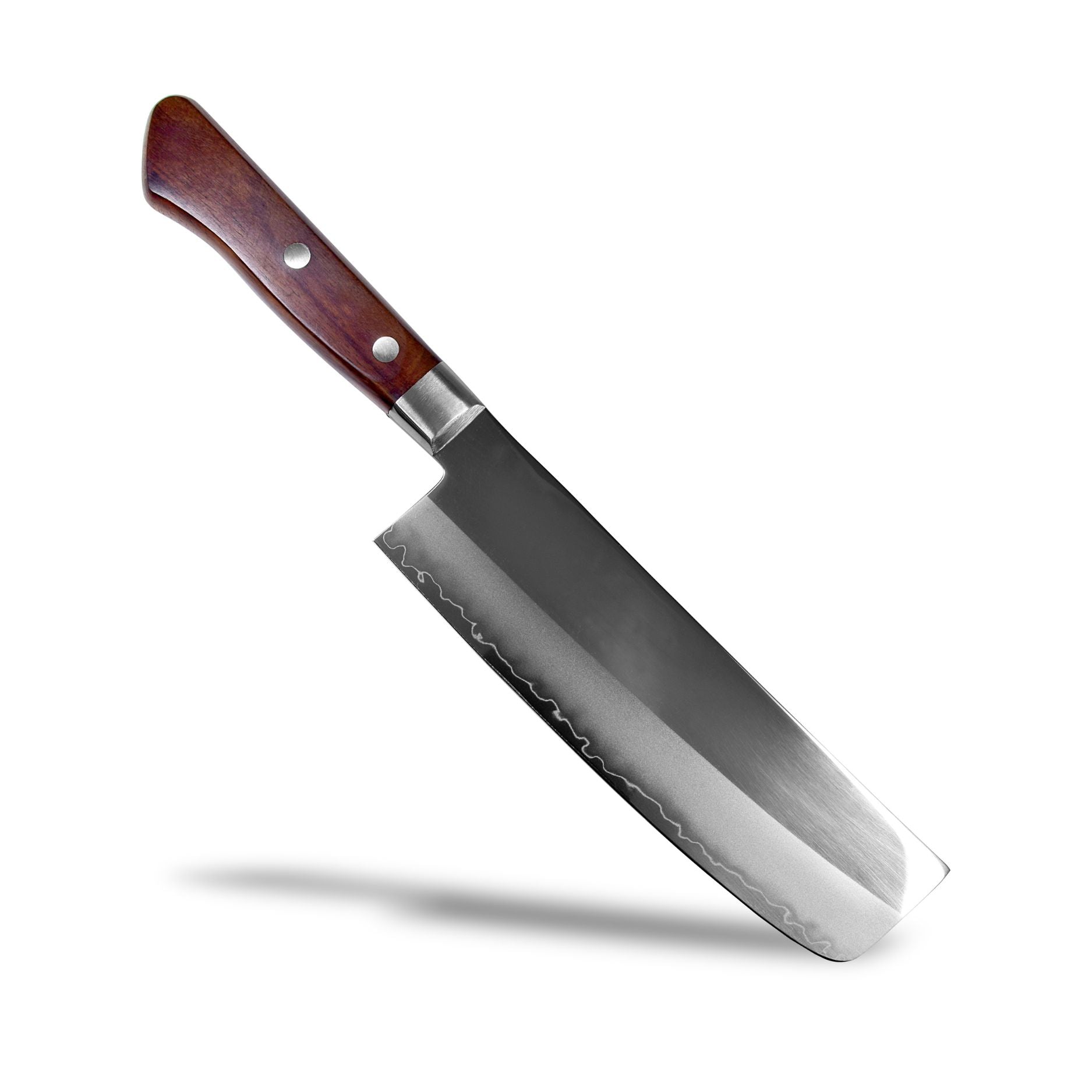

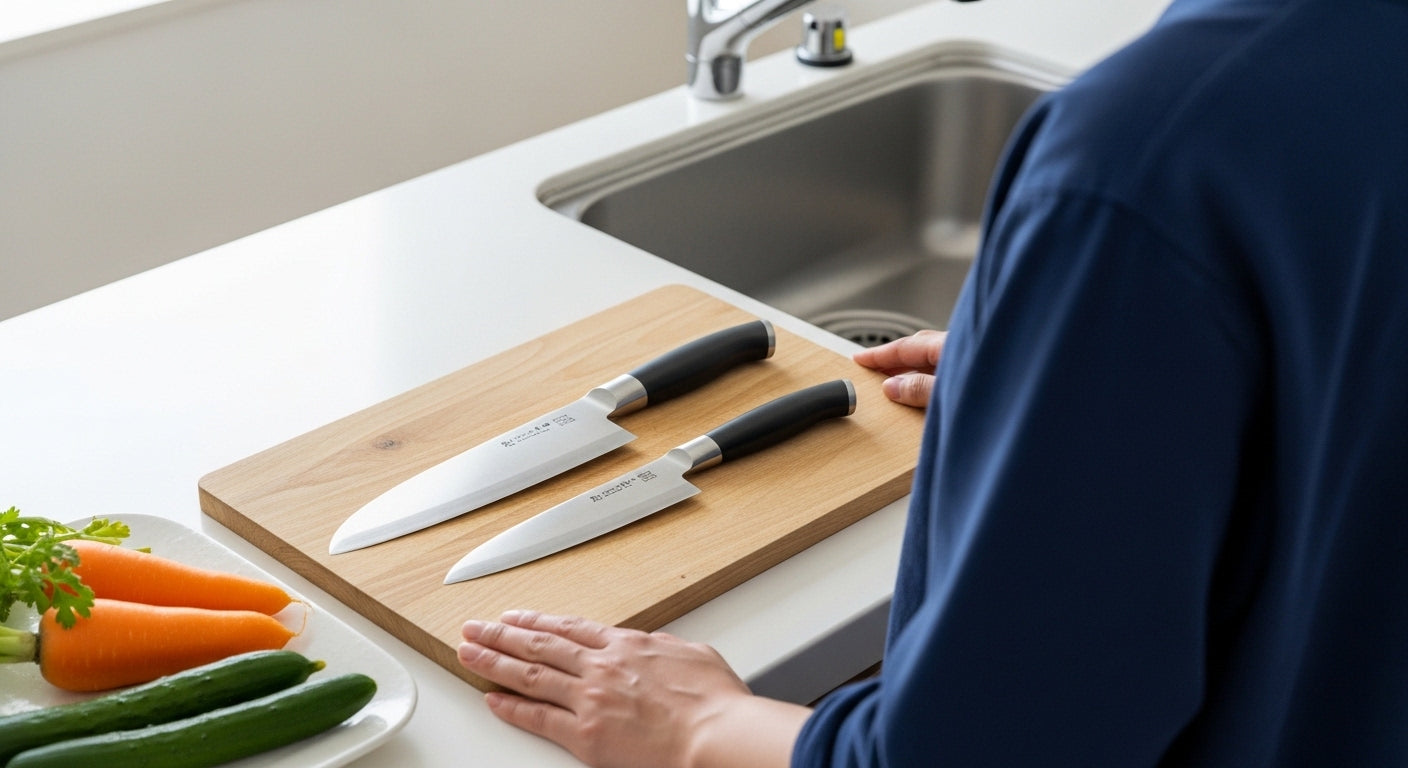
Before getting two knives, you should know the differences between a Japanese paring knife and a main knife.
To put it simply, main Japanese knives (primarily santoku and gyuto) and petty knives are completely different in terms of the size of ingredients they are best suited for and the types of work they are best suited for. Understanding these differences before choosing a second knife is the surest way to avoid making a mistake. In short, "main knives are for handling large ingredients and quantities, while petty knives are for handling small ingredients and detailed work." Based on this division of roles, we recommend choosing a combination that suits your cooking style.
[Key points of this article]
Today's review: 3 key points
The basic roles of Japanese kitchen knives are divided: the main knives are the santoku and gyuto, and the secondary knife is the petty knife, with each knife clearly suited to handling different sizes of food.
A paring knife is a small kitchen knife with a blade length of about 9-15 cm, and is recommended for "detailed work" such as cutting small vegetables and fruits, and decorative cutting.
Before deciding to carry two knives, the most efficient approach is to identify the tasks that are difficult to perform with your current main knife and then choose a paring knife that compensates for those weaknesses.
Conclusion of this article
In conclusion, I recommend starting with a main knife such as a santoku knife, and adding a paring knife as your second knife will greatly expand your cooking versatility and efficiency.
In short, a "main knife = large, all-purpose, paring knife = small, maneuverable" is the general rule, and you should choose the right knife depending on the size of the ingredients and the task.
For those with small hands or in a small kitchen, using a paring knife as a "light main dish" is an option, but it's not suitable for large ingredients.
Before deciding to carry two knives, it's important to organize the ingredients you frequently use and the tasks you struggle with, and then choose whether a paring knife or another main knife will fill that gap.
What are some recommended Japanese kitchen knives? How should I understand the difference between a main knife and a paring knife?
In conclusion, the basic order in which to recommend Japanese knives is "first the main knife (mainly the santoku) → then the petty knife." Main knives such as the santoku and gyuto are "responsible for handling large quantities" of meat, fish, and vegetables, while petty knives are "small knives entrusted with detailed work" such as cutting small vegetables and fruits, and decorative cuts. Here, we will organize the main types of Japanese knives and where the petty knife fits in among them.
The world of Japanese kitchen knives includes various types such as santoku, gyuto, deba, yanagiba, nakiri, and petty knives, each suited to a different purpose. Each knife excels at handling specific ingredients and tasks, and it's common practice in professional kitchens to use multiple knives depending on the situation. However, for home cooks, it can be difficult to know "what to buy first." This article focuses on the main knives (santoku and gyuto) and petty knives that are most commonly used in home kitchens, and provides a detailed explanation of their roles, differences, and how to choose the right one for you.
The role and characteristics of main kitchen knives (primarily santoku and gyuto knives)
The conclusion regarding your main kitchen knife is that it's "the first knife you should choose, as it will handle 90% of your daily cooking." A santoku knife has a blade length of around 16-18 cm and is considered a standard main knife for home kitchens, as it is a versatile knife that can handle meat, fish, and vegetables in a balanced way. A chef's knife is slightly longer and thinner, and is a serious main knife suited for slicing meat and processing large ingredients; it is often chosen by Japanese restaurants and cooking enthusiasts.
As its name suggests, the Santoku knife can handle a wide range of tasks, from chopping vegetables and lightly preparing fish to slicing meat. It can cover almost all everyday cooking needs, such as shredding cabbage, mincing onions, and cutting chicken, making it an ideal first knife for families looking to build their knife collection. A blade length of 16-18cm is compatible with most standard cutting boards and is also easy to store.
The role and characteristics of a paring knife
In short, a petty knife is a "small, maneuverable secondary knife" that complements the detailed work that a main knife struggles with. Its small size (around 9-15cm) and light weight, along with its sharp, pointed tip, make it ideal for tasks like removing potato sprouts, peeling fruit, cutting small vegetables, and decorative cuts. Especially in Japanese cuisine, where decorative cuts and delicate preparation are common, a petty knife can cover situations where a single main knife wouldn't suffice.
The term "petty knife" comes from the French word "petit" (small), and as the name suggests, its greatest feature is its small size and ease of handling. Because the blade is slender and pointed, it offers stability when working with it in your hand, such as peeling apples, removing avocado pits, or hulling strawberries. Furthermore, the petty knife's maneuverability is a great advantage when you want to achieve a beautiful finish, such as when decorating bento boxes or making fine cuts for plating.
Reasons why I recommend carrying two
The reason I recommend owning two knives is that it improves both work efficiency and the lifespan of your knives. If you do all your work with just one main knife, the blade will wear down faster and you'll tend to sharpen it more often. However, by using a petty knife for detailed work, the burden on your santoku and chef's knives is reduced, and as a result, the time between sharpenings will be longer. Also, by making it a habit to use the santoku for large cuts and the petty knife for smaller shaping, you'll reduce rework and ensure consistent plating, which will lead to an overall improvement in the quality of your cooking.
The advantages of owning two knives aren't just about efficiency. Switching knives depending on the ingredients also offers maintenance benefits, as it helps maintain the sharpness of each knife for longer. The blade of a santoku knife is prone to damage from repeated fine prying and thin peeling, so by using a petty knife for those tasks, you can help maintain the santoku's original sharpness for longer. Owning two knives isn't a luxury; it's a rational choice that allows you to use each knife for its optimal purpose, ensuring both can be used for a long time.
Which should you buy first? Recommended paring knives and how to use your main kitchen knife.
To put it simply, the best first knife to buy is a main knife like a santoku knife, and it's more practical to add a paring knife only after you feel you need more for detailed work. However, for those living alone or in small kitchens, using a paring knife as a "lightweight main knife" is also an option, and the best order varies slightly depending on your lifestyle. Here, we'll organize the best ways to buy and use main knives and paring knives based on their intended use, kitchen environment, and cooking style.
Which should beginners start with? Why we recommend prioritizing the main knife.
The first thing beginners should understand is that "you can do almost all basic cooking with just one main knife." A santoku knife can handle most ingredients such as meat, fish, and vegetables, and its blade length of around 16cm is easy to match with a home cutting board, so many manufacturers recommend it as "the first knife you should buy." While a paring knife is convenient, it is not suitable for large or hard ingredients, and if you choose it as your first knife, you may encounter situations where it is not suitable. Therefore, choosing in the order of "main knife → paring knife" is ultimately the less likely to result in a bad choice.
If a beginner chooses a paring knife as their first knife, they'll often find it clearly insufficient when they need to chop a large amount of cabbage or cut large pieces of chicken thigh, and end up buying a main knife later. If you have a main knife from the start, you'll naturally experience situations where a paring knife would be more convenient, and you'll naturally know when to buy a second one. The basic principle of choosing knives efficiently is to buy one when you need it.
Cases where a paring knife is sufficient, and cases where it is not.
In short, if you live alone and mainly use small ingredients in a small kitchen, you can manage with just a paring knife. However, if you're going to be handling large vegetables, meat, and fish, a main kitchen knife is essential. Paring knives are compact and lightweight, making them very convenient for quick cooking or simple home cooking. However, they are clearly insufficient for shredding cabbage, processing large pieces of meat or fish, or handling hard ingredients like pumpkins. Therefore, whether a paring knife is sufficient depends on your usual menu and the size of the ingredients you'll be using.
A single paring knife is mainly suitable for light tasks such as slicing bread, slicing small tomatoes and cucumbers, peeling fruit, and finely chopping herbs. On the other hand, for tasks like cutting large pieces of cabbage, finely chopping whole onions, or cutting chicken or pork blocks, the short blade of a paring knife simply won't be able to handle the weight of the ingredients. The deciding factor for whether you can complete a dish with just a paring knife is ultimately "the size of the ingredients you use most often."
Examples of using different types of knives: How do the tasks change depending on whether you use a main or petty knife?
Let's consider a specific example: making curry. The main knife (santoku or gyuto) is responsible for cutting onions, carrots, potatoes, and meat into large pieces, while the paring knife takes over for tasks like removing potato sprouts, trimming carrots, and mincing garlic and ginger, making the process much smoother. By entrusting the decorative cuts of tomatoes and cucumbers for salads, and the fruit for garnishes, to the paring knife, the presentation of the dish improves, and the main knife can concentrate on "handling the quantity."
This "curry example" is a typical scenario where you can easily see the benefits of using two knives. If you only use a santoku knife, you don't have to switch knives every time you remove potato sprouts or chop herbs, but you tend to use too much force and end up with a rough finish when trying to handle small parts with a large blade. Just by adding a paring knife, a natural flow of "use the santoku for large ingredients and the paring knife for finishing touches" is created, improving both the overall quality of the dish and the rhythm of your work.
FAQ
Q1. What is the biggest difference between a main Japanese kitchen knife and a paring knife?
A1. In conclusion, the main knife is for handling large ingredients and quantities, while the paring knife is a small knife for handling small ingredients and detailed work.
Q2. Which Japanese kitchen knife should I buy first: a main knife or a paring knife?
A2. Generally, it's recommended to buy a main knife, such as a santoku knife, first. This is because most home cooking can be done with just one main knife.
Q3. Can I complete the entire cooking process using only a paring knife?
A3. It's possible if you live alone and mainly use small ingredients, but if you're handling large vegetables, meat, or fish, you'll need a main kitchen knife.
Q4. What is the standard blade length for a paring knife?
A4. Typical paring knives have blades that are about 9-15 cm long, and for home use, 12-15 cm is a popular choice.
Q5. What are the key points to consider when deciding whether to use a santoku knife or a paring knife?
A5. In conclusion, the basic rule is to separate them by the size of the ingredients; use a santoku knife for larger items and a petty knife for smaller items or for detailed work.
Q6. Is a paring knife a good recommendation for my second knife?
A6. If you already have a main kitchen knife, adding a paring knife as a second knife is highly recommended. It makes detailed work easier and distributes the wear and tear on your knives.
Q7. Which is better for people with small hands, a main or a petit glass?
A7. For people with small hands, a lightweight, compact paring knife is easy to handle. However, it's reassuring to have a main knife for larger ingredients as well.
Q8. Should I use the same type of steel for my main kitchen knife and paring knife?
A8. While not mandatory, using knives from the same series and made of the same steel will result in similar sharpness and sharpening feel, making them easier to handle.
Q9. Can a paring knife be used as a substitute for a fruit knife?
A9. Yes, a paring knife is also suitable for peeling and cutting fruit and can be used as a substitute for a fruit knife.
Q10. How do Japanese restaurants differentiate between main courses and petit courses?
A10. In Japanese restaurants, in addition to deba and yanagiba knives, chef's knives and petty knives are also used, with petty knives being used for fine decorative cuts and preparing small ingredients.
summary
The recommended setup for Japanese kitchen knives is to carry two knives: a main knife (santoku or gyuto) and a paring knife. The main knife is used for larger ingredients and cutting larger quantities, while the paring knife is used for smaller ingredients and detailed work.
A good starting point is to get a main knife, and then add a paring knife later when you find peeling difficult or when your hands get tired from detailed work. This is a recommended route that minimizes the risk of failure.
When choosing a combination that suits you, the most important thing is to consider the size of the ingredients you usually handle, the size of your kitchen, and the size of your hands, and then determine the right balance between your main knife and paring knife to suit those conditions.