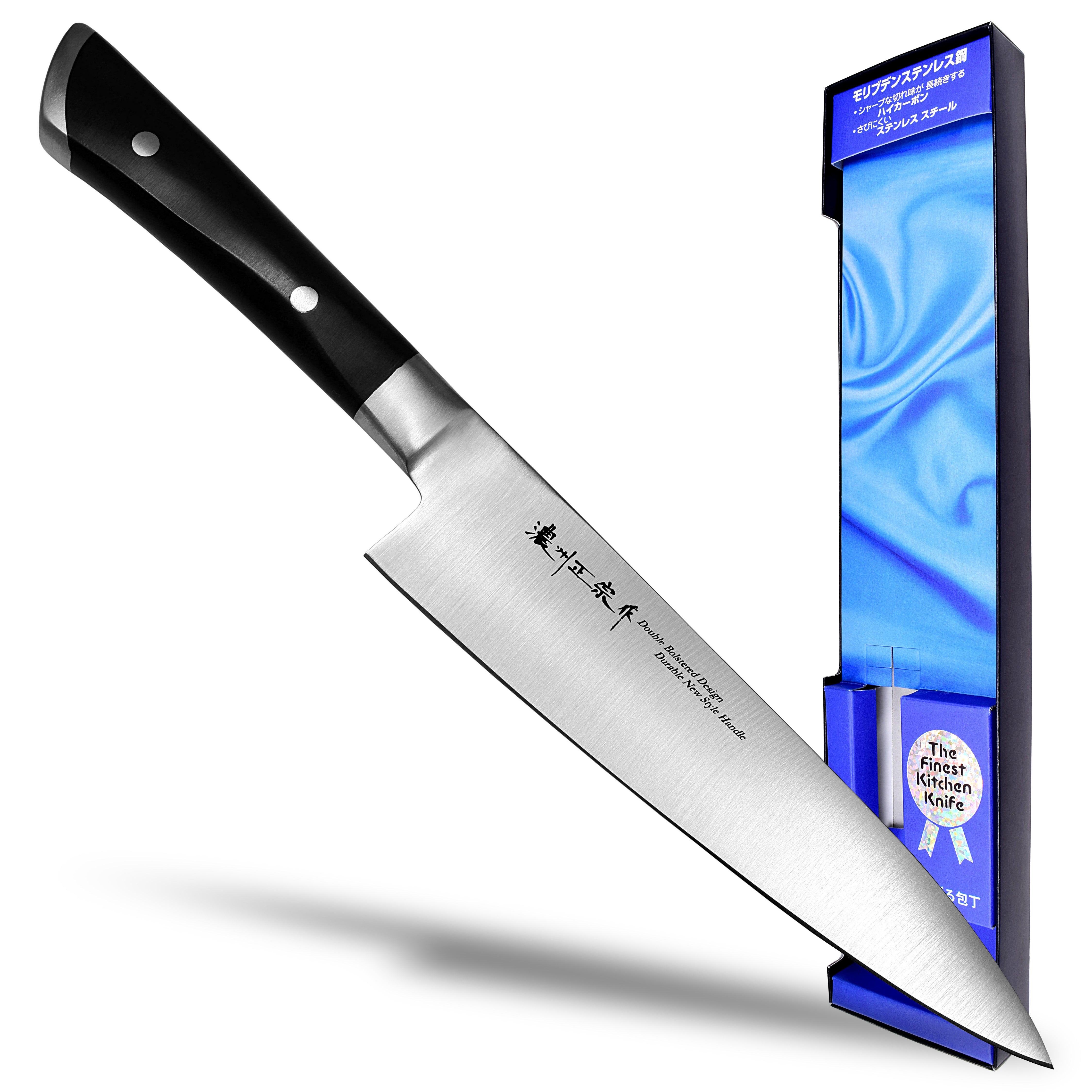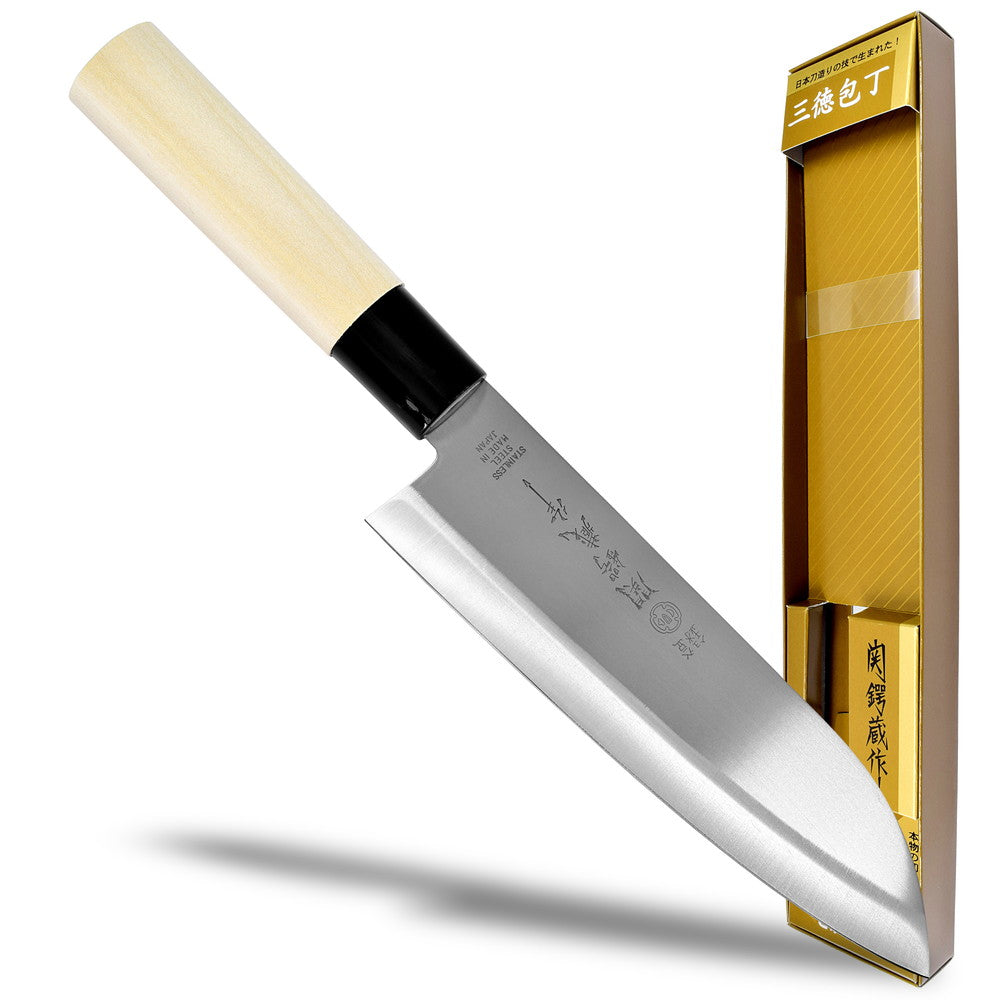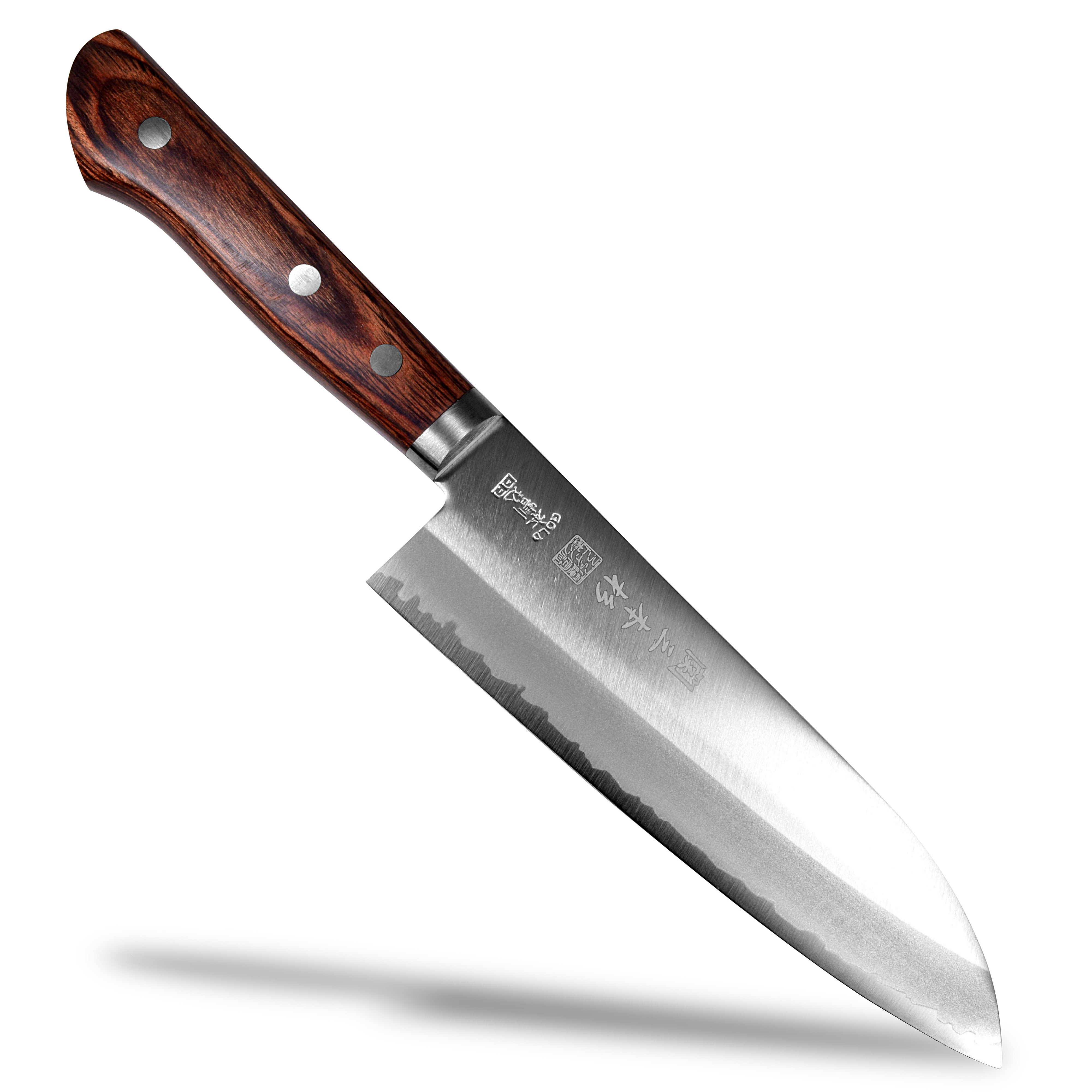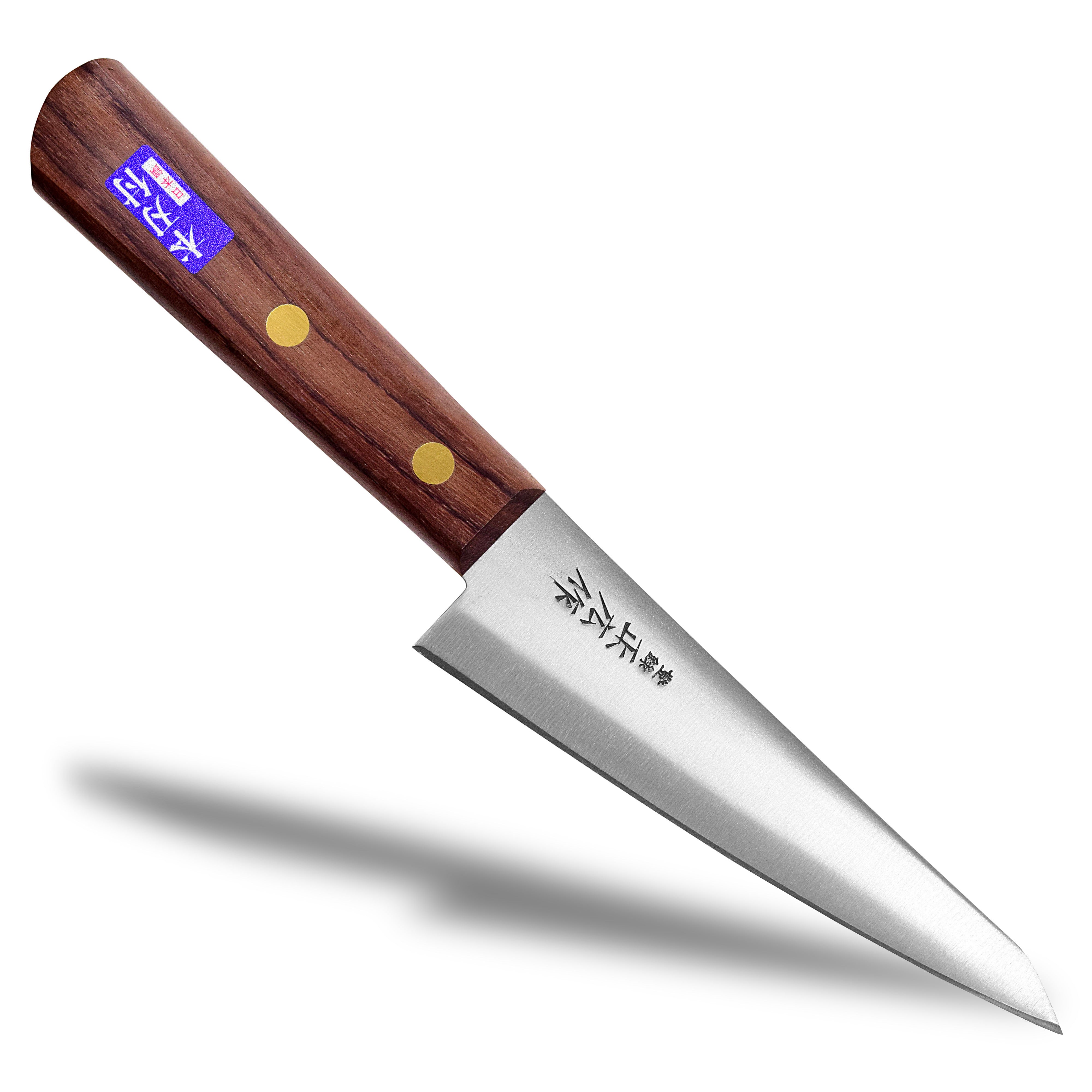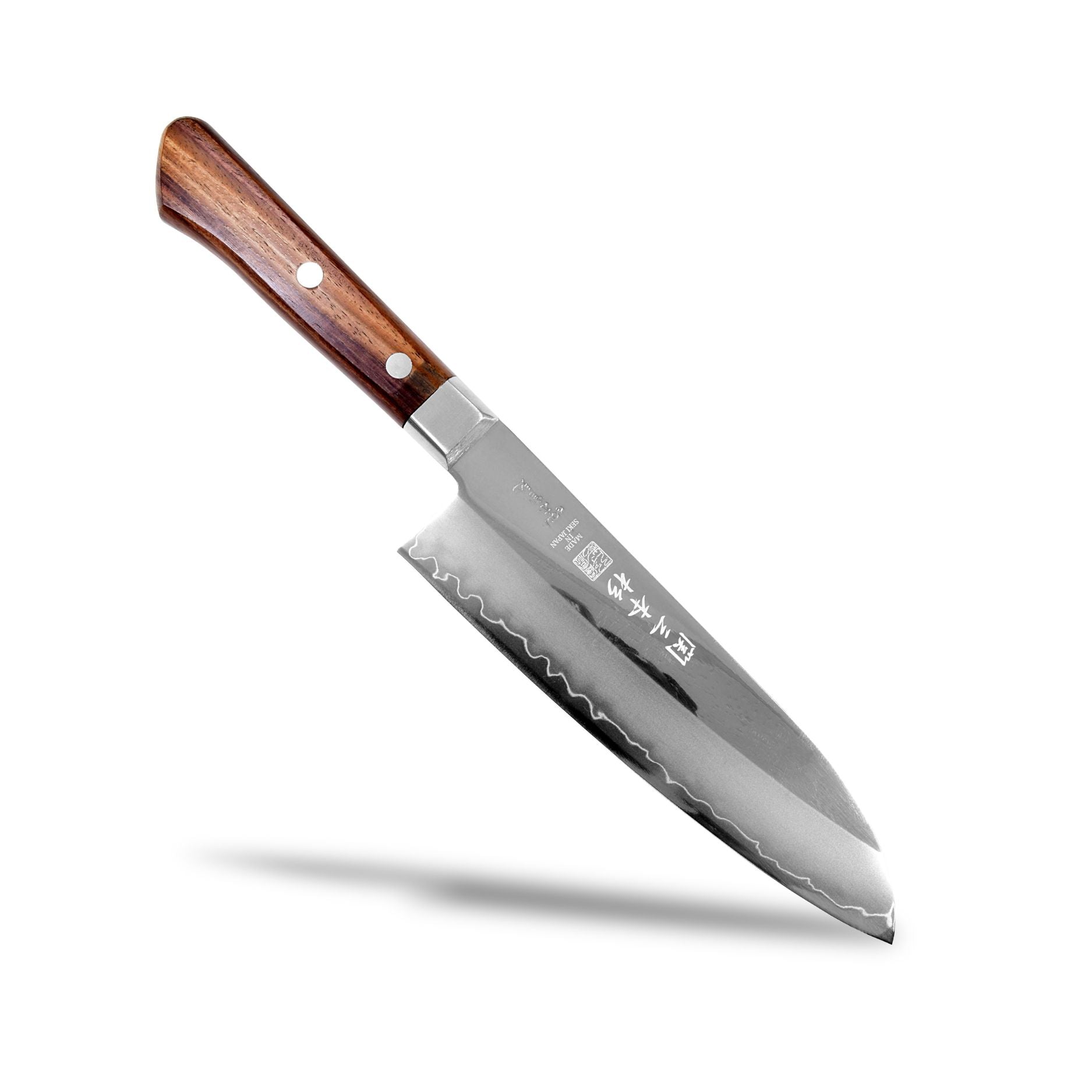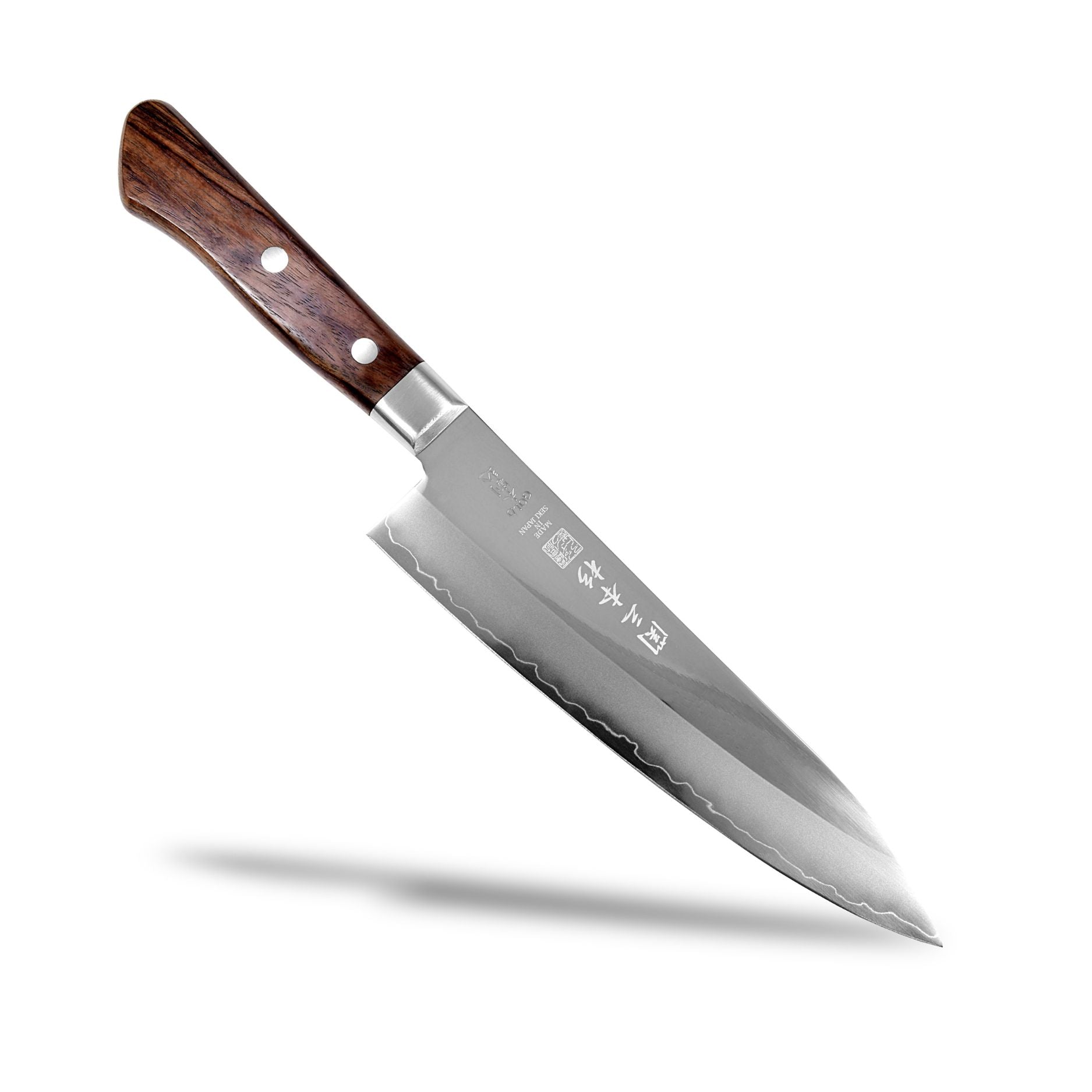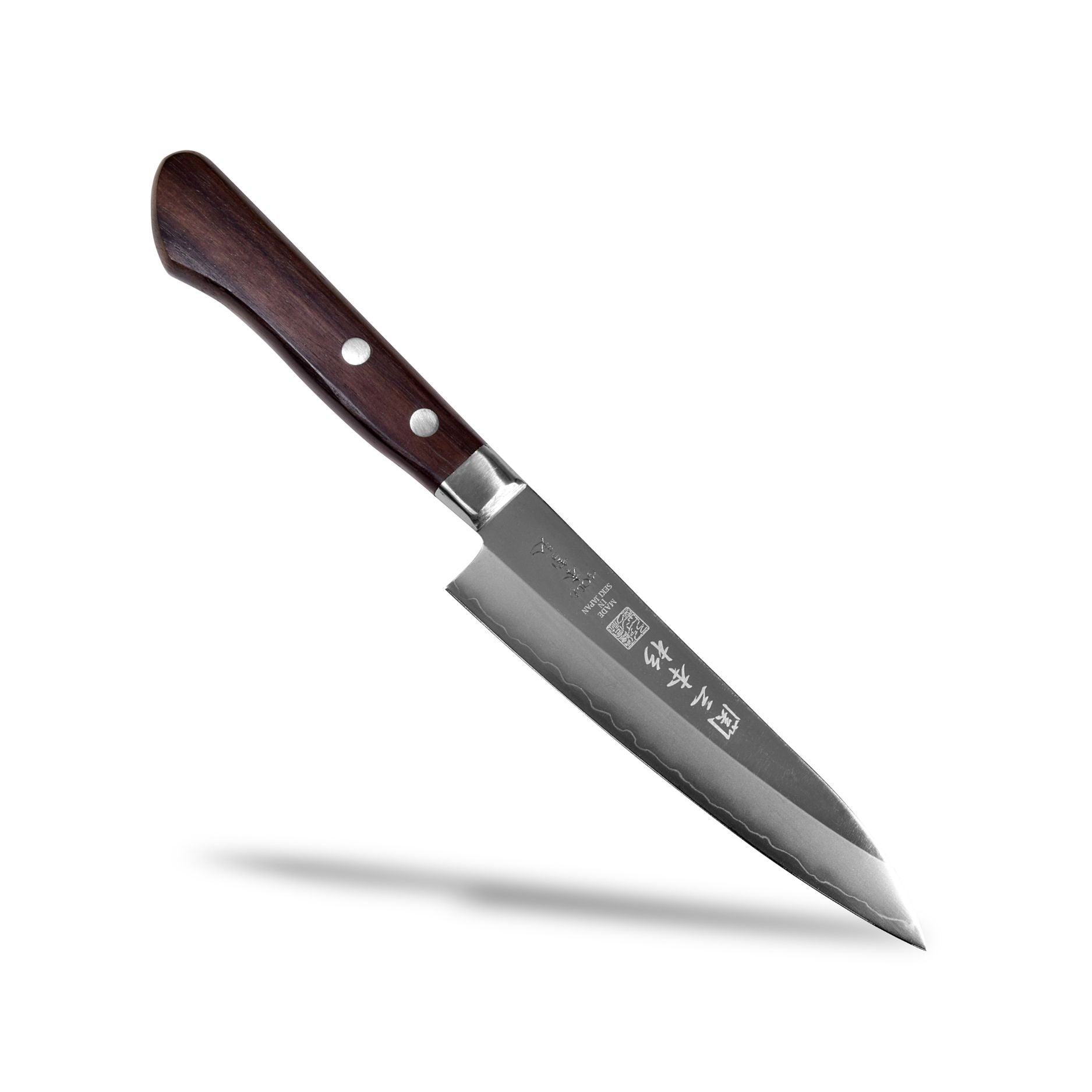

From the types of Japanese knives to filleting fish with a deba knife.
Japanese knives ideal for your first attempt at filleting fish: Types, Deba knives, suitable fish, and how to use them.
In conclusion, if you're filleting a fish for the first time, using a "deba knife" (around 15-18cm), which has a thick and heavy blade, will make it easier to safely and reliably cut through the head and bones.
[Key points of this article]
- This article summarizes the features and advantages of the deba knife, a type of Japanese kitchen knife specifically designed for filleting fish.
- This guide explains the basic steps for filleting a fish using a deba knife, making it easy even for beginners.
- This guide introduces safe techniques for filleting fish, including how to choose the right size, how to hold it, and how to apply pressure, making it perfect for those new to filleting.
Today's review: 3 key points
A deba knife is a type of Japanese kitchen knife with a thick blade and weight that makes it easy to cut through the heads and bones of fish, making it ideal for filleting fish into three pieces.
In short, the process of preparing a fish involves four steps in order: removing the scales, cutting off the head, removing the innards, and filleting it into three pieces.
In conclusion, beginners should choose a deba knife of about 15-18 cm and practice with medium-sized fish such as horse mackerel and mackerel; this is a safe and easy way to improve.
Conclusion of this article
- In conclusion, for beginners who want to learn how to properly prepare fish, the shortest route is to master the basics of filleting using a 15-18cm deba knife.
- In short, the deba knife is a type of Japanese knife specifically designed for filleting fish, combining the power to cut through bones with the control needed to neatly separate the flesh.
- The most important things to keep in mind when using it are the size (15-18cm), how to hold it (firmly grip the handle), and the direction of the blade (along the backbone).
- The first thing beginners should understand is that "while you can grate with a santoku knife, a deba knife is safer and less prone to mistakes due to its weight and thickness."
- If you're taking your first step into the world of Japanese kitchen knives, a practical and long-lasting setup would be a combination of a santoku knife and a deba knife, dividing the tasks between everyday cooking and fish dishes.
What are the basics of using and handling Japanese kitchen knives, including different types, deba knives, and how to use them for different types of fish?
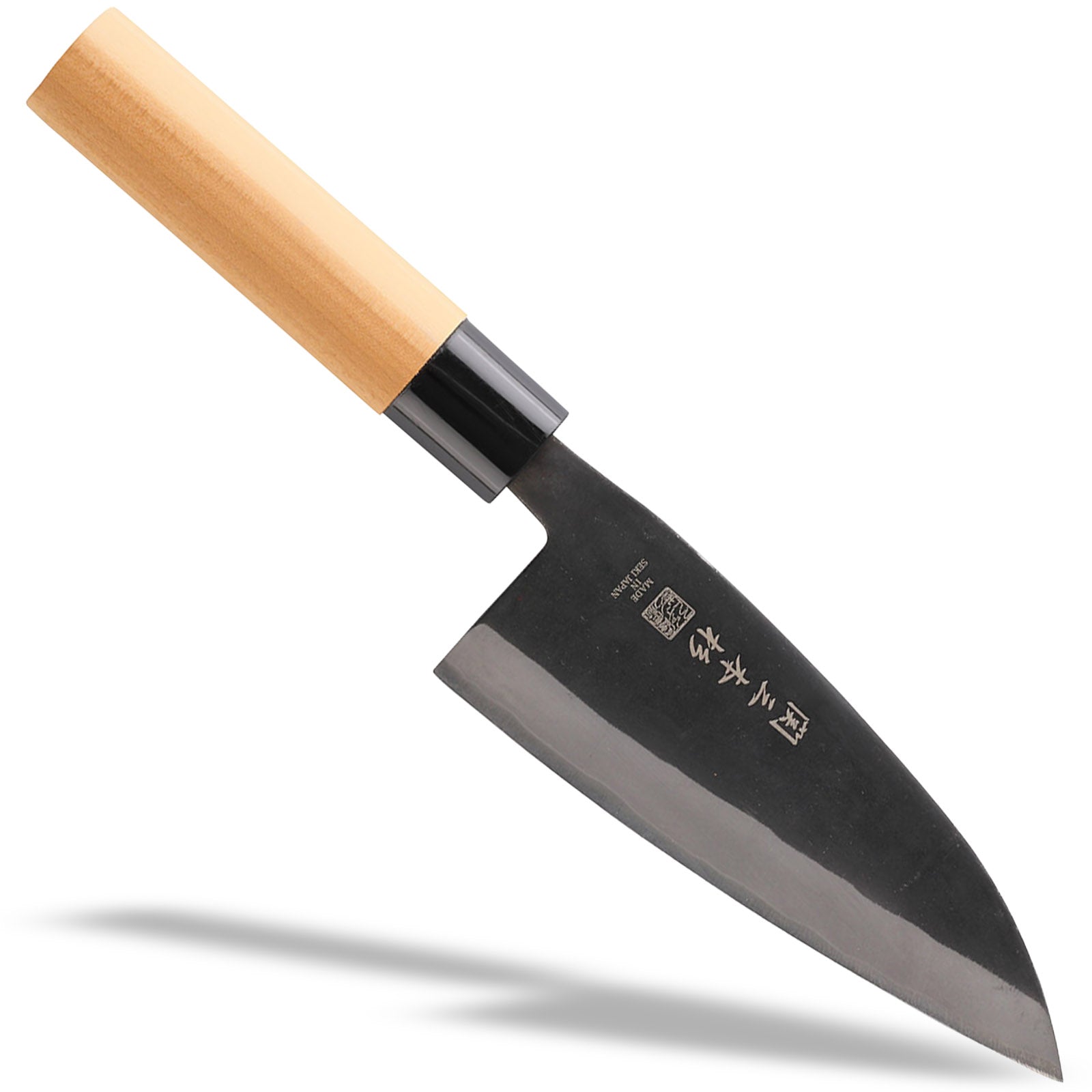
In short, a deba knife is a Japanese knife "born for filleting fish," and its greatest feature is that it can perform actions such as cutting off the fish's head, cutting through the bones, and filleting the flesh with just one knife.
Deba knives have a thick, heavy blade that tapers gently towards the tip. The blade length is typically around 10-20 cm, with 15-18 cm being the most common for home use.
This weight makes it easier to cut through bones using the knife's own weight without applying much force, and the single-edged structure allows the flesh to separate easily, making it easier to fillet fish into three pieces cleanly.
Among the different types of Japanese kitchen knives, in addition to the deba knife, there are also other knives used for filleting fish, such as the sashimi deba, ko-deba, and small knives for cutting horse mackerel.
A deba knife is a long, slender type specifically designed for filleting fish into three pieces, while a small deba knife is a suitable size for filleting small fish such as horse mackerel and sardines. You can choose the appropriate knife depending on the type and size of the fish.
The first thing beginners should keep in mind is to choose a versatile, standard deba knife of 15-18 cm as their first knife, and practice filleting medium-sized fish such as horse mackerel, mackerel, and sea bream.
What type of Japanese kitchen knife is a deba knife?
In conclusion, the deba knife is a Japanese knife specifically designed for filleting fish.
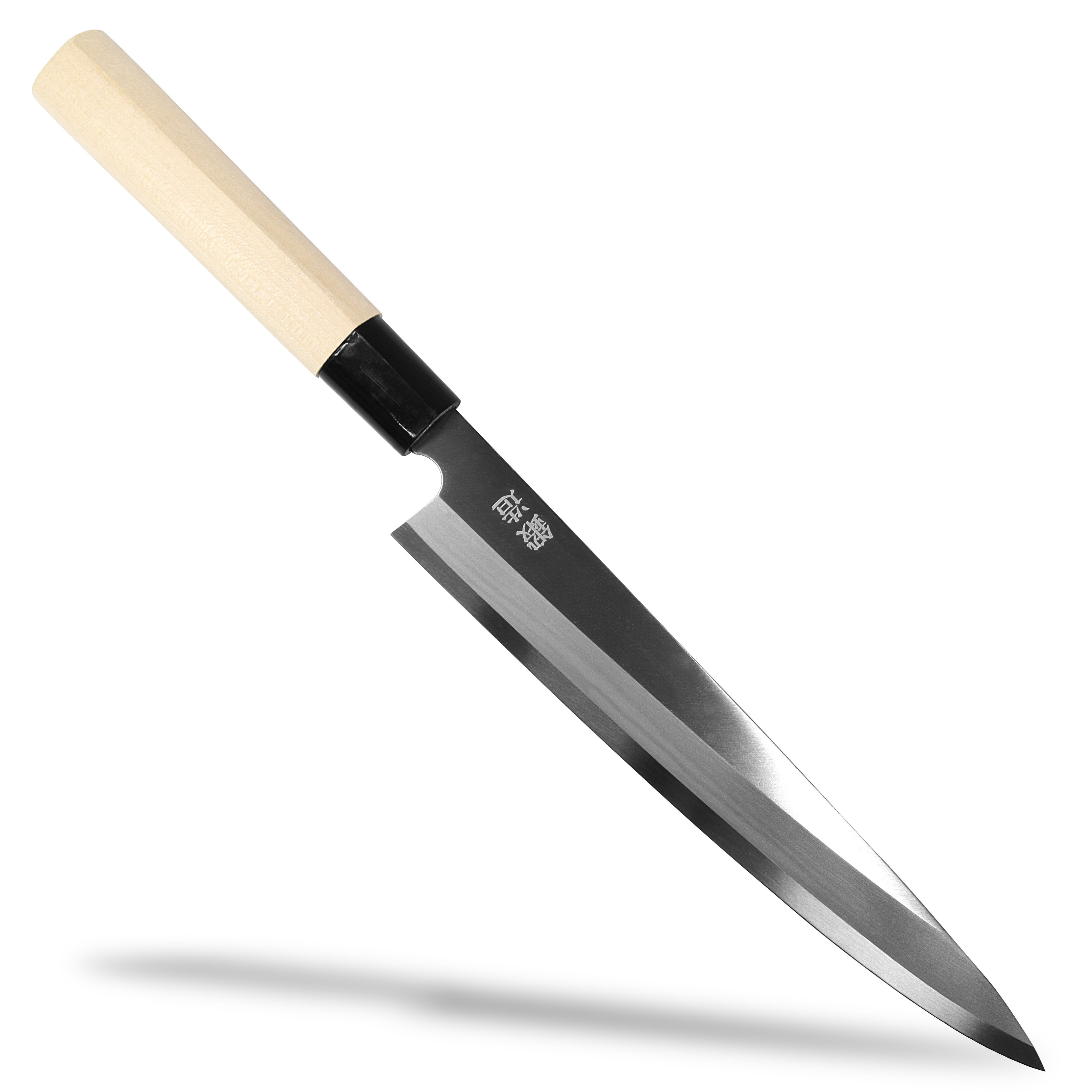
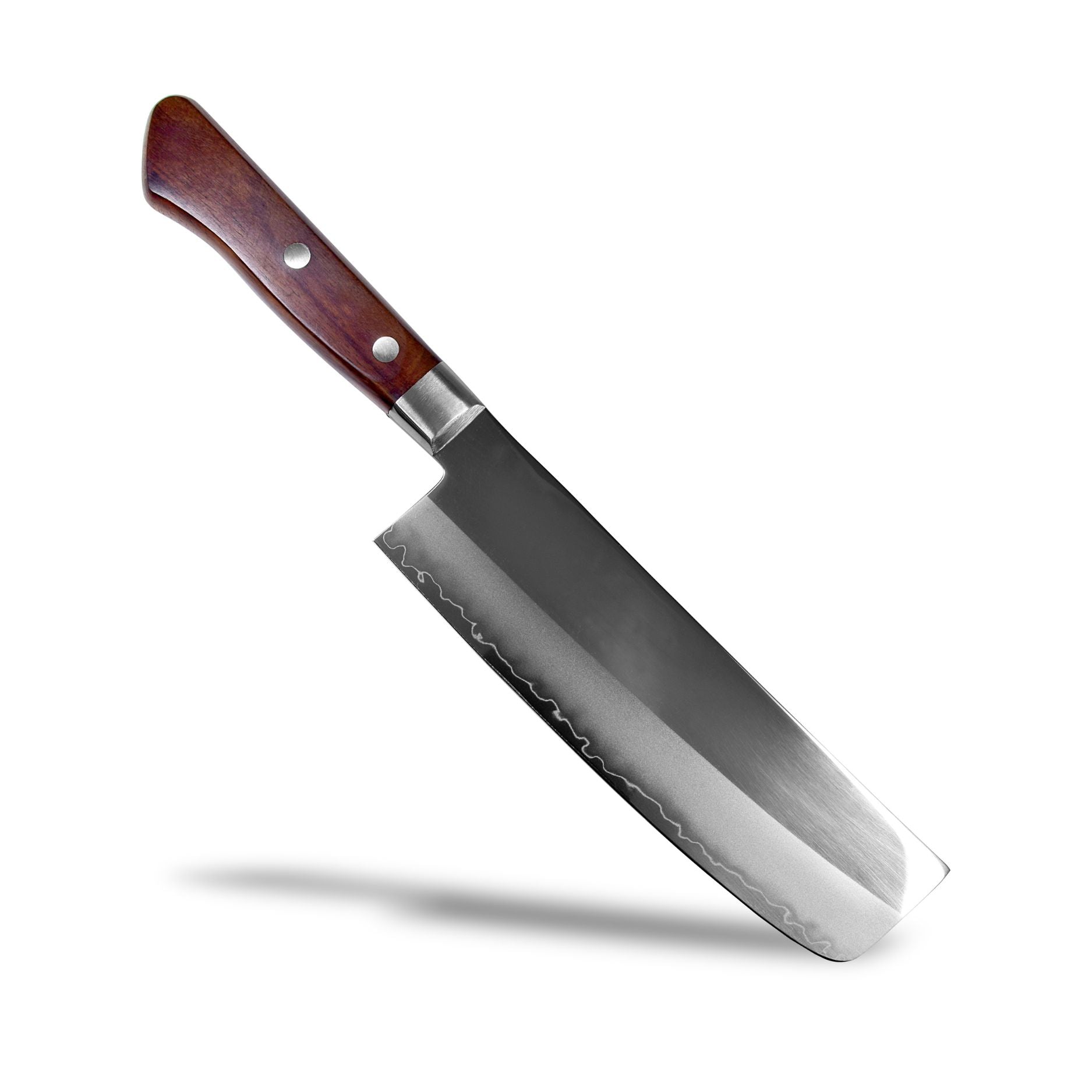
Japanese kitchen knives come in various types, each specialized for a specific purpose, such as the yanagiba knife for slicing sashimi, the deba knife for filleting fish, and the nakiri knife for cutting vegetables. Among these, the deba knife plays the "power role" of cutting fish heads and bones.
Deba knives are typically single-edged, and for right-handed users, the left side is flat and the right side is sharpened at an angle. This shape allows the blade to easily follow the bones of the fish, making it easier to cut while leaving larger pieces of flesh intact.
Types of deba knives include the standard deba (aji-deba), sashimi-deba, salmon-cutting deba, and small deba, and they are used differently depending on the size of the fish and the intended use.
For example, a small deba knife (blade length 135mm or less) is suitable for small fish such as horse mackerel and sardines, while a filleting deba knife is suitable for filleting fish with a high body, such as sea bream and yellowtail.
The first thing beginners should keep in mind is to choose a deba knife length that matches the size of fish they typically prepare.
Why is a deba knife suitable for cutting fish?
In short, the reason is that a deba knife allows you to safely and cleanly cut through fish bones and heads thanks to its thickness, weight, and single-edged blade.
While it is possible to fillet fish with a santoku knife, its thin and light blade makes it difficult to cut through the head or thick bones, and it has the drawback of being prone to chipping and swaying of the hand.
In contrast, the deba knife has a thick, heavy blade, making it easy to cut by simply placing the blade on the bone and applying your body weight, thus eliminating the need to apply excessive force. This makes it considered safer even for beginners.
Furthermore, the single-edged structure makes it easier to guide the blade along the bone, offering the advantage of separating the meat while leaving a large portion intact.
Specifically, by simply moving the tip of the blade along the backbone, the flesh will separate cleanly, resulting in a beautiful finish when preparing sashimi or grilled fish.
The most important point is that "the more you handle fish, the more you can reduce the risk of failure and stress by using a deba knife."
What kind of fish and what size should a beginner start with?
In conclusion, for your first attempt at filleting, we recommend medium-sized whole fish such as horse mackerel, mackerel, or grunt around 20cm in length.
Fish that are too small have thin flesh and are easily damaged by even slight mistakes, making them surprisingly difficult for beginners to handle.
On the other hand, handling very large fish (such as yellowtail or large sea bream) can be difficult due to the need to control the knife and apply the right amount of pressure, so it's safer to try them after you've gained some experience.
The basic rule for choosing a deba knife is to base it on the size of fish commonly handled in a home kitchen.
For example, if you mainly handle medium-sized or smaller fish such as horse mackerel, mackerel, and sardines, a 15cm knife is a good balance. If you also want to handle slightly larger fish such as sea bream and sea bass, an 18cm knife would be more suitable.
The first thing beginners should keep in mind is to choose a rod length that can be handled comfortably, taking into account both the size of the fish they frequently buy and the size of their own hands.
How to use and practice Japanese kitchen knives, including different types, deba knives, and their techniques for different types of fish?
Basic procedure for filleting fish with a deba knife (three-piece filleting)
In conclusion, the process of filleting a fish into three pieces is as follows: ① Remove the scales → ② Cut off the head → ③ Open the belly and remove the innards → ④ Separate the flesh from the back and belly.
Basic procedure using a deba knife (e.g., horse mackerel, mackerel, etc.)
- Removing scales : Lightly wash the entire fish, then use a scale remover or the back of a knife to scrape the scales from head to tail.
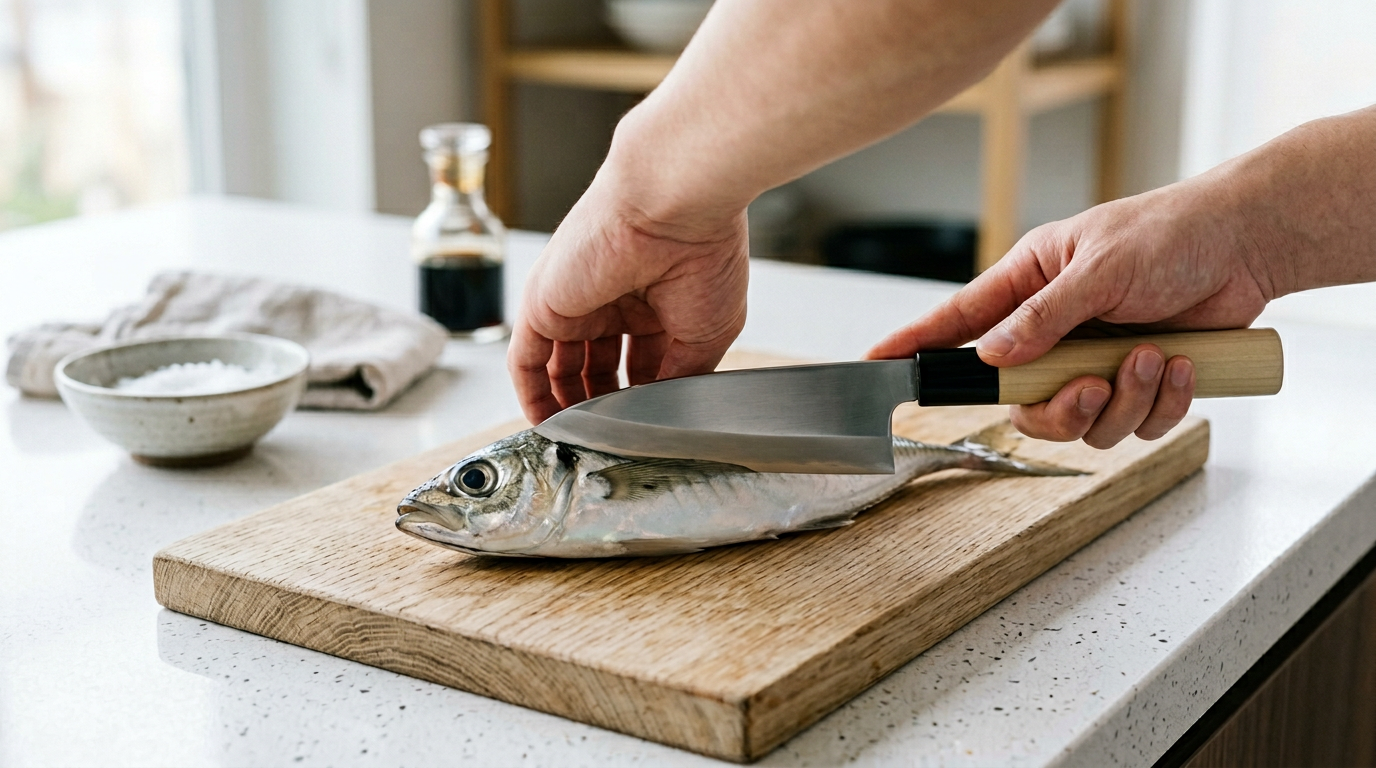
- Removing the head : Place the fish with its head to the left and its belly facing you. Cut diagonally from behind the pectoral and pelvic fins until you reach the backbone. Flip it over and cut from the same position to remove the head.
- Opening the abdomen : Make shallow cuts from the anus towards the head, opening the abdomen without damaging the internal organs, remove the internal organs, and wash away the blood.
- To separate the flesh from the back : Place the blade along the backbone, following the dorsal fin, and move the blade shallowly several times, gradually separating the flesh along the bone.
- Separating the flesh from the belly side : Insert the blade along the backbone from the belly side and cut all the way to the tail to remove the first piece of flesh.
- Similarly, make cuts on the back and then the belly on the other side, and remove the other piece of meat.
The first thing beginners should understand is, "Don't try to cut deeply in one go; instead, make several shallow strokes to locate the bone."
What are some tips on how to hold and apply pressure with a deba knife?
In short, the key to using a deba knife is to "firmly grip the handle and use the weight of the blade to cut."
To grip the handle, pinch the base with your thumb and index finger, and firmly wrap your remaining fingers around the handle. The key is not to push down with your thumb on the back of the knife, but rather to use the weight of the blade to bring it into the bone.
When cutting off a head or cutting through thick bones, place the tip of the blade on the bone, and press down from directly above, applying a little of your shoulder and body weight. This will prevent the blade from slipping and allow you to work safely.
When peeling the flesh, keep the blade at a slight angle rather than at an angle, and move it lightly back and forth, as if "following" the backbone.
At this time, it is important to firmly hold the fish with your other hand and be careful not to let your fingers extend in the direction of the blade's movement.
The most important thing is to master the unique way of using a deba knife: not by "overpowering" the knife, but by letting the "weight and angle of the blade" do the work.
Safety tips and common mistakes for beginners
In conclusion, for beginners to use a deba knife safely, it is important to focus on three things: "non-slip grip," "finger position," and "blade direction."
First, lightly wipe off any moisture from the cutting board and the fish before you start, and if necessary, place a damp cloth under the cutting board to prevent it from slipping.
Always keep your fingers out of the direction of the blade's movement, and be especially careful when removing the head, making sure that the hand holding the fish does not come into line with the blade's extension.
Common mistakes include the following:
- The blade penetrates deeply in one go, piercing the backbone and severely damaging the flesh.
- The blade was held too far and got caught on the bone, and then it slipped when pushed too hard.
- If you start filleting without properly removing the scales and internal organs, it will develop a fishy smell and the flesh will fall apart.
The first thing beginners should keep in mind is to "take your time, follow the steps carefully, and make small, precise movements with the blade each time."
FAQ
Q1. What kind of knife is a deba knife?
A1. A deba knife is a type of Japanese kitchen knife with a thick, heavy blade, specifically designed for cutting the heads and bones of fish and filleting them into three pieces.
Q2. Can I fillet a fish with a santoku knife?
A2. While you can also grate with a santoku knife, the blade is thin and requires more force to cut through bone, so a deba knife is considered safer and less prone to mistakes.
Q3. What size deba knife is suitable for beginners?
A3. For preparing medium-sized fish such as horse mackerel, mackerel, and sea bream at home, a deba knife with a blade length of around 15-18 cm is a convenient size to handle.
Q4. What are the basic steps for filleting a fish with a deba knife?
A4. The basic steps are: remove the scales, cut off the head, open the belly and remove the innards, and separate the flesh from the back and belly along the backbone.
Q5. Which is better for a deba knife, a single-edged or double-edged one?
A5. Traditionally, single-edged knives are the mainstream, as they are easier to follow along the bone and release the flesh easily. However, more and more beginners are choosing the easier-to-handle double-edged type.
Q6. What can a deba knife be used for besides fish?
A6. While it can be used for cutting small pieces of meat with bones, it is recommended to use it primarily for fish to avoid damaging the blade.
Q7. What precautions should a beginner take when using a deba knife?
A7. It is important to prevent the cutting board and the fish from slipping, to keep your fingers away from the direction of the blade's movement, and to move the blade in small increments rather than cutting deeply all at once.
Q8. Is it difficult to maintain a deba knife?
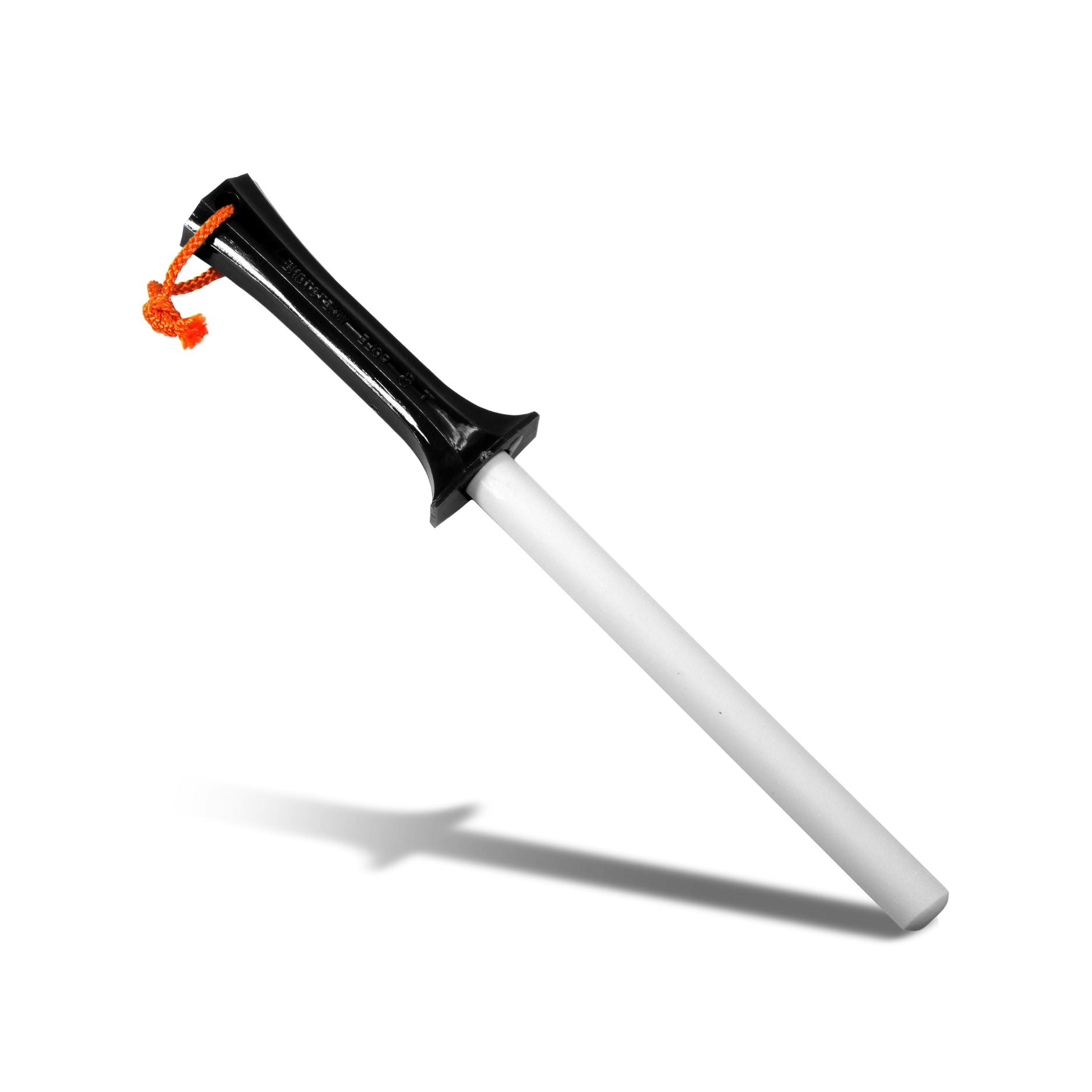
A8. Steel knives are prone to rusting, so they need to be washed immediately after use, dried, and sharpened regularly with a whetstone. Stainless steel deba knives are a bit easier to handle.
Q9. What other types of Japanese knives are there that are "for fish"?
A9. There are various types of knives, including a deba knife for filleting fish, a small deba knife, an ajikiri knife, and a yanagiba knife for slicing sashimi. These are used in conjunction with the deba knife depending on the size of the fish and the intended use.
Q10. Which fish should a beginner start with when practicing filleting?
A10. Medium-sized whole fish such as horse mackerel and mackerel are suitable, as they are less likely to fall apart than fish that are too small or too large, and the procedure is easier to remember.
summary
- In conclusion, for your first attempt at filleting a fish, the safest and least likely to result in failure is to use a "deba knife" (around 15-18 cm), a type of Japanese knife specifically designed for fish.
- The deba knife, with its thick, heavy blade and single-edged construction, makes it easy to cut through the heads and bones of fish, and allows for cleanly separating the flesh along the backbone, thus playing the role of filleting fish among the various types of Japanese knives.
- By mastering the basic steps of "removing scales → cutting off the head → removing the innards → filleting into three pieces" and learning how to use the fish without applying too much force, you can confidently expand your repertoire of fish dishes at home.