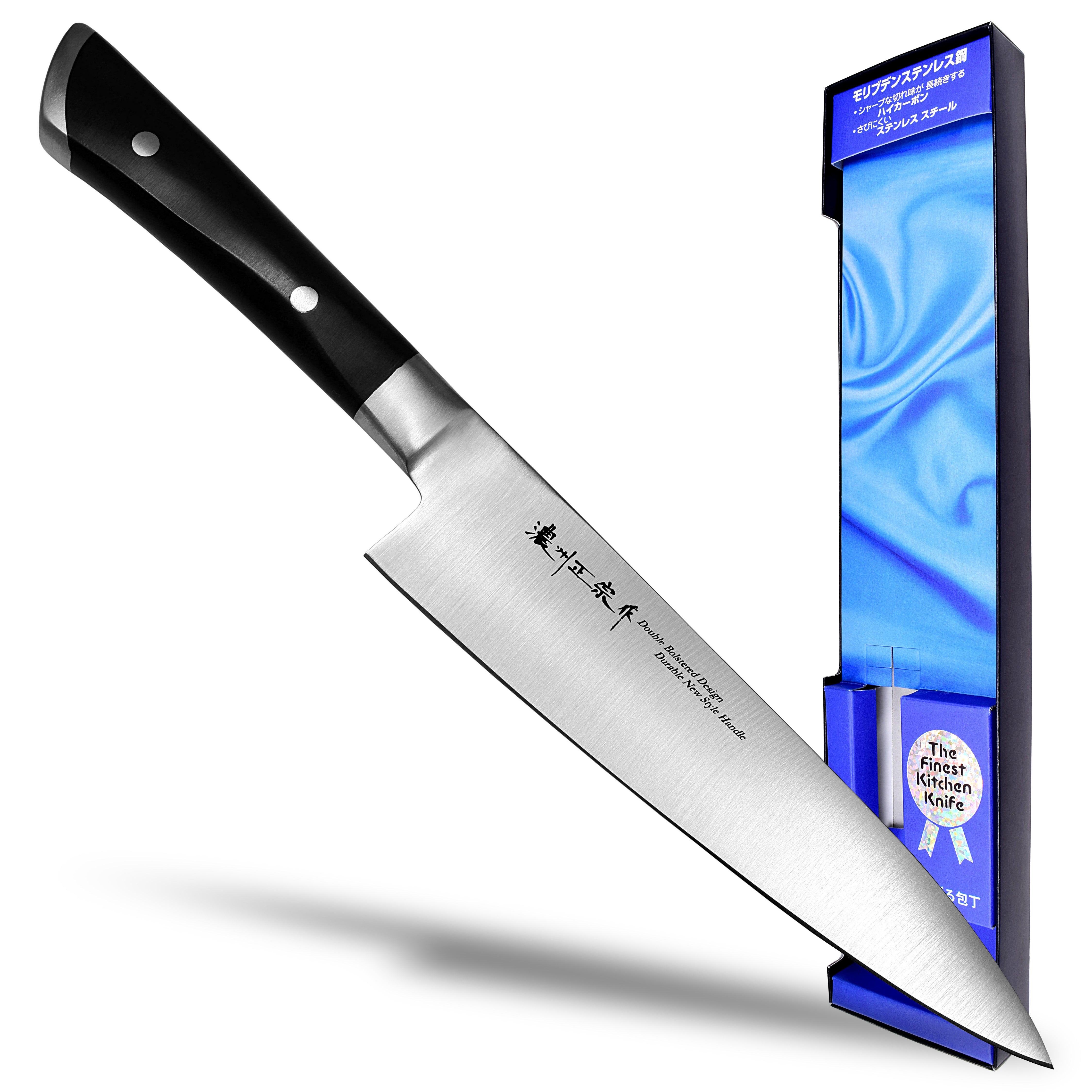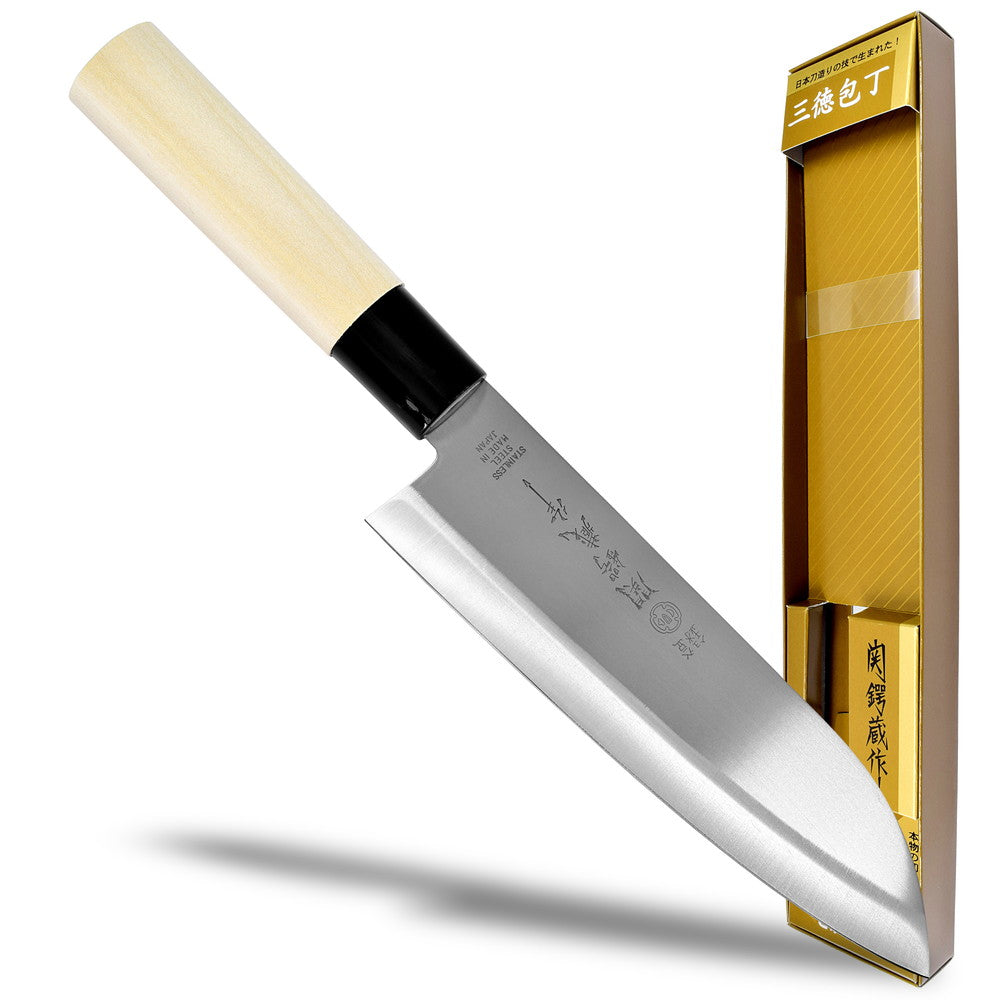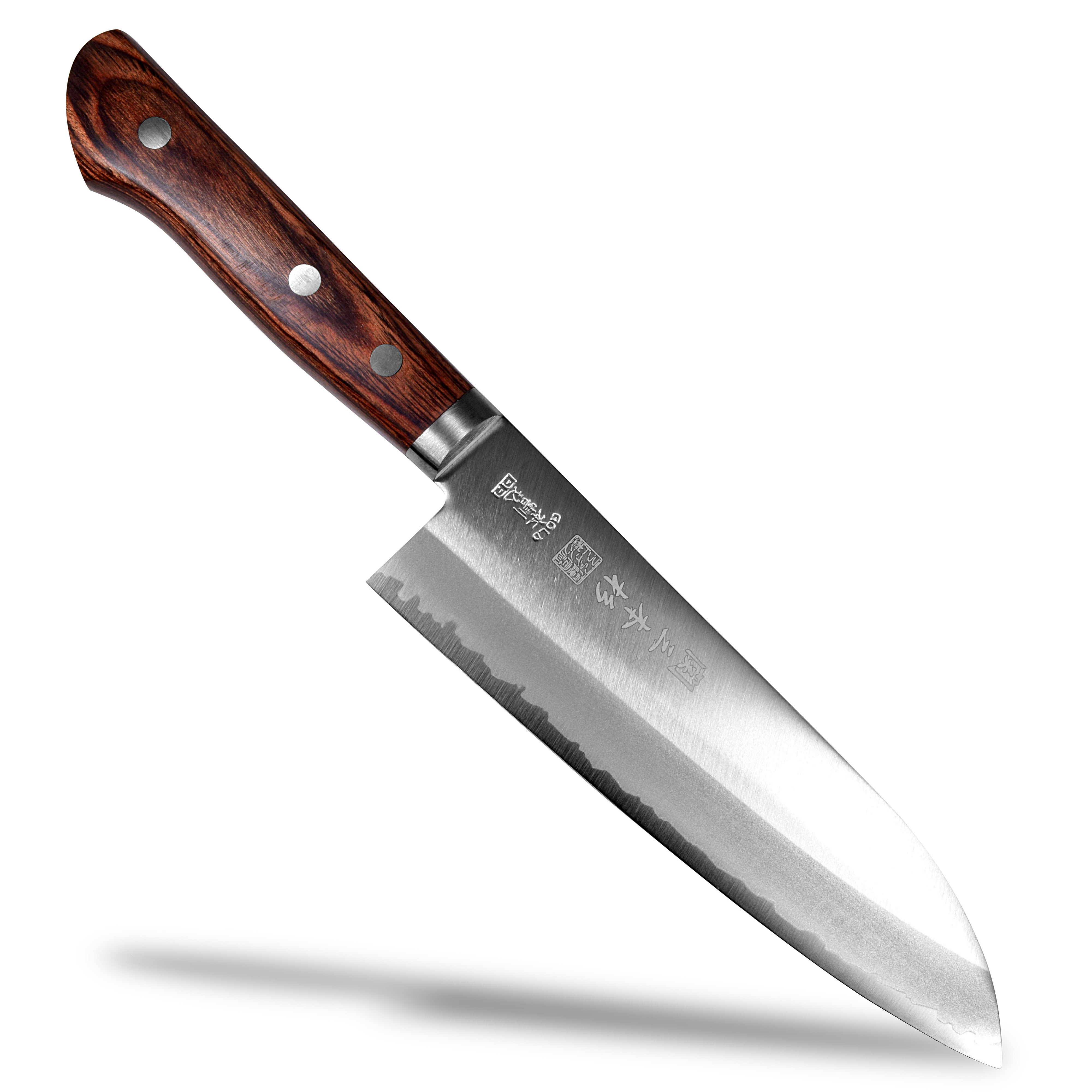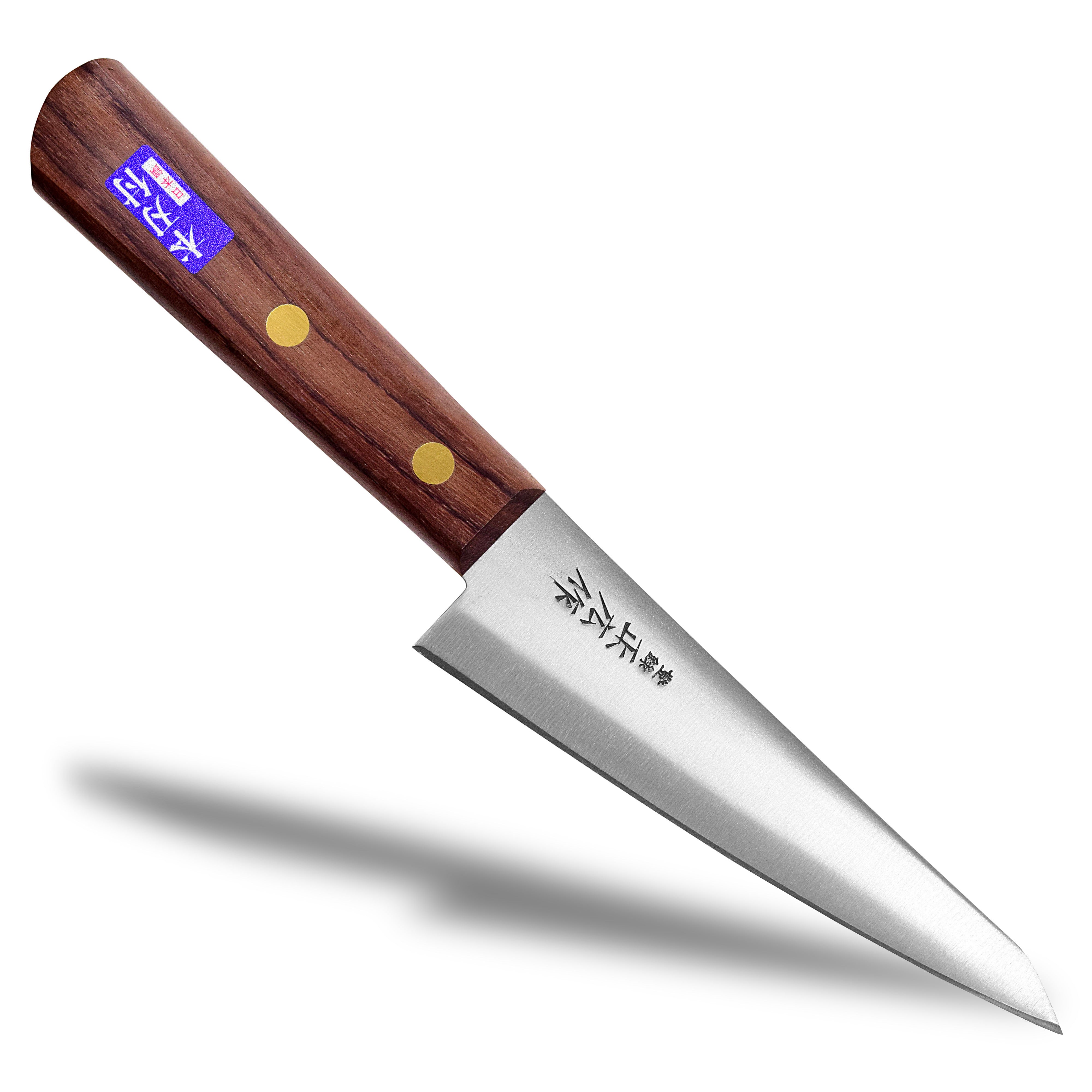

How to Sharpen a Japanese Kitchen Knife to Prevent Injuries: Deba Knife - Beginner's Guide and Precautions
To put it simply, for beginners to use a deba knife safely, it's crucial to first understand "how to sharpen a single-edged knife" and "precautions when filleting fish," and to avoid applying excessive force when the knife is dull. In short, "a sharp deba knife + the correct way to hold and apply it" are the essential conditions for injury prevention and skillful fish filleting. We, as a Japanese knife specialty store, will guide you through the basic sharpening procedure and common mistakes beginners make.
[Key points of this article]
Today's review: 3 key points
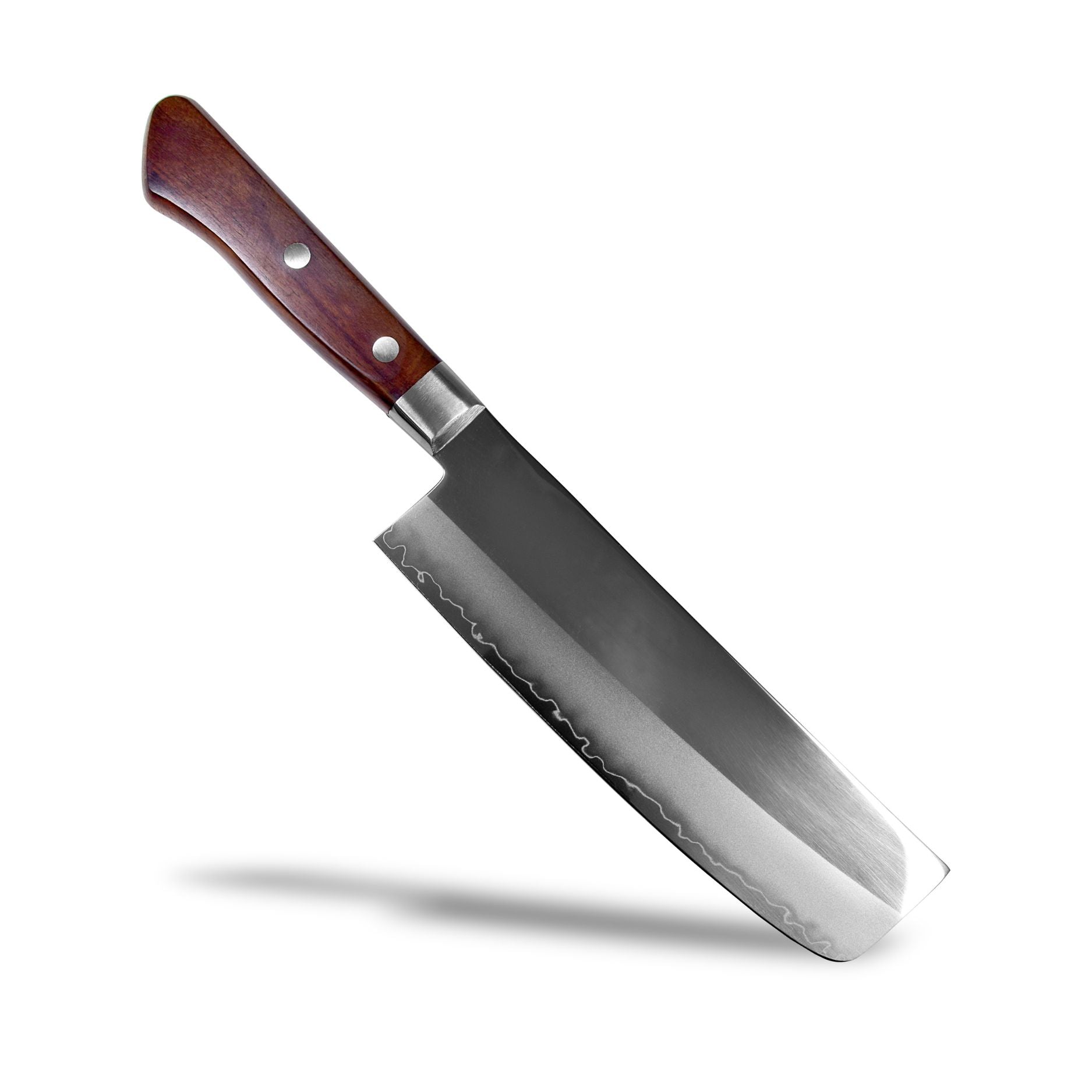
Because deba knives have a single-edged structure and are thick, the sharpening method requires different considerations compared to santoku knives.
For beginners in particular, a dull deba knife is dangerous; using it with excessive force can lead to injuries or chipping of the blade.
The key to sharpening is to "sharpen firmly on the front and lightly on the back," and the basic rule for using the blade is to "move it back and forth without striking it."
Conclusion of this article
In conclusion, the sharper a deba knife is, the safer it is, and beginners should learn the basic sharpening techniques and precautions as soon as possible.
In short, the basic sharpening method for a deba knife is to "sharpen the front of the single-edged blade thoroughly at a 15-20 degree angle, and lightly sharpen the back to remove any burrs."
The most important points to prevent injury are to avoid forcefully chopping with a dull blade and to move the blade only in a back-and-forth direction when cutting fish bones or the cutting board.
The first thing beginners should understand is that a deba knife is a tool specifically for filleting fish, and should not be used for frozen foods or prying open hard bones.
What is a Japanese deba knife? Features and points to note for beginners.
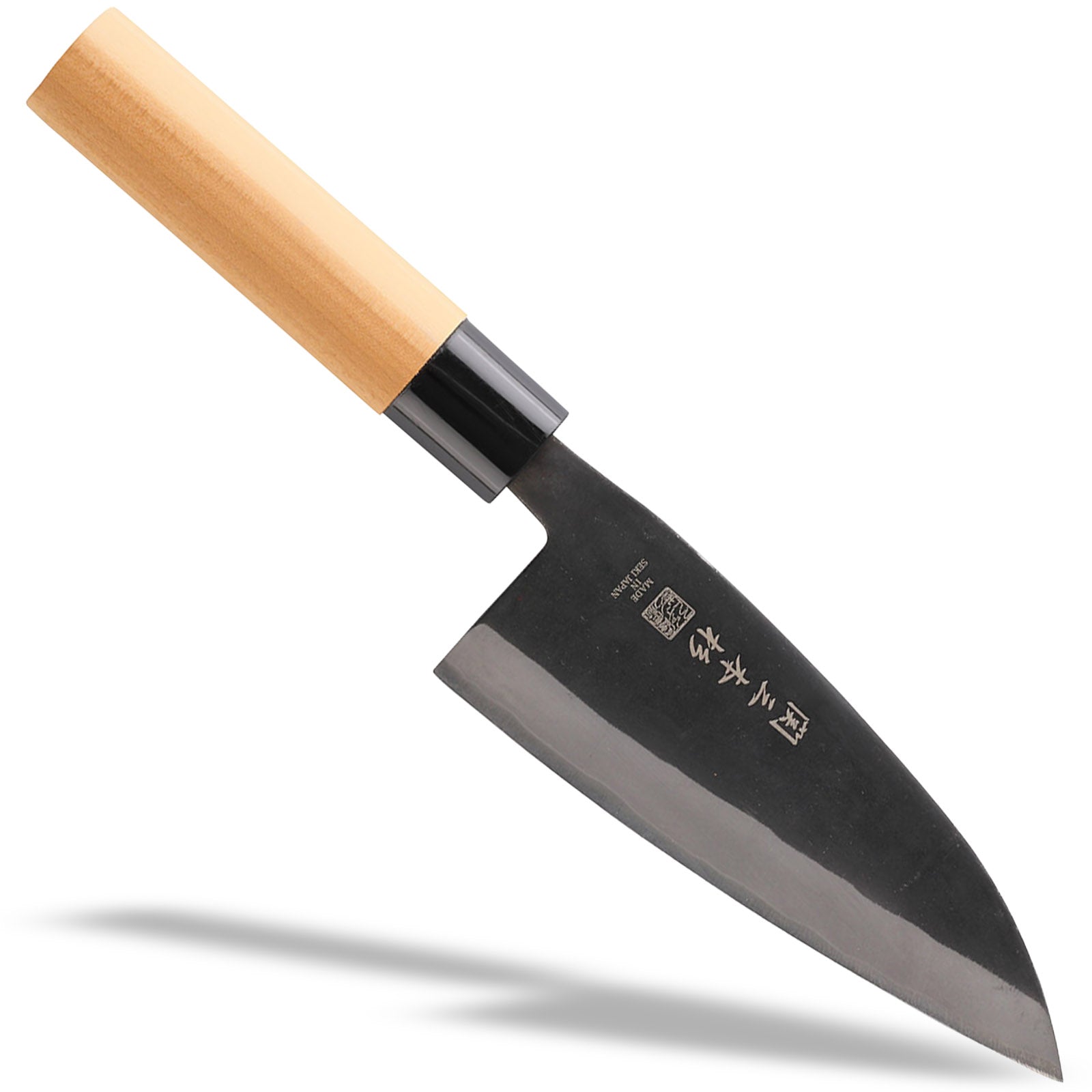
In conclusion, a deba knife is a thick, heavy, single-edged Japanese knife made specifically for filleting fish, and its design philosophy differs significantly from that of a santoku knife. In short, it's a specialized tool for "cutting off the head, cutting through the bones, and filleting fish into three pieces," and as such, it's a knife that can easily lead to injury if sharpened or handled incorrectly. Here, we'll summarize the basic specifications of a deba knife and the points that beginners should pay particular attention to.
Structure and function of a deba knife
Most deba knives are single-edged, with the blade sharpened on only one side, leaving the opposite side almost flat (ura-suki). The blade is made thick and heavy, designed to allow for safe and precise cutting when removing fish heads or cutting through bones, utilizing its weight. Typical blade lengths range from 120 to 210 mm, with 150 to 165 mm being considered easy to handle for home use, while professionals use blades of 180 mm or more for larger fish.
What are some common situations where beginners are likely to injure themselves using a deba knife?
The first thing beginners should be careful about is "using a dull deba knife and forcing it to work." Trying to chop through a fish's head or bones by twisting the blade sideways or forcing it when it's stuck in the bone can easily lead to chipping of the blade or slipping of your hand, resulting in injury. Furthermore, it has been pointed out that if the knife is dull, you will need to apply force and move it back and forth many times, which increases the risk of a serious accident if it accidentally hits your finger.
Basic posture for safely using a deba knife
In short, the key to safely using a deba knife is to "maintain its sharpness" and "limit the knife's movement to a back-and-forth direction." It is recommended to firmly secure the fish on the cutting board, and if it is slippery, place a cloth or something similar underneath to stabilize it. Instead of dropping the blade perpendicular to the cutting board, it is recommended to apply it at a slight angle and cut through the head and bones with a back-and-forth pulling motion. Since moisture on the knife and fish makes them slippery, wiping your hands and the handle frequently while working is also a safety measure that beginners should keep in mind.
How to sharpen a deba knife? Basic single-edged sharpening techniques that beginners should know.
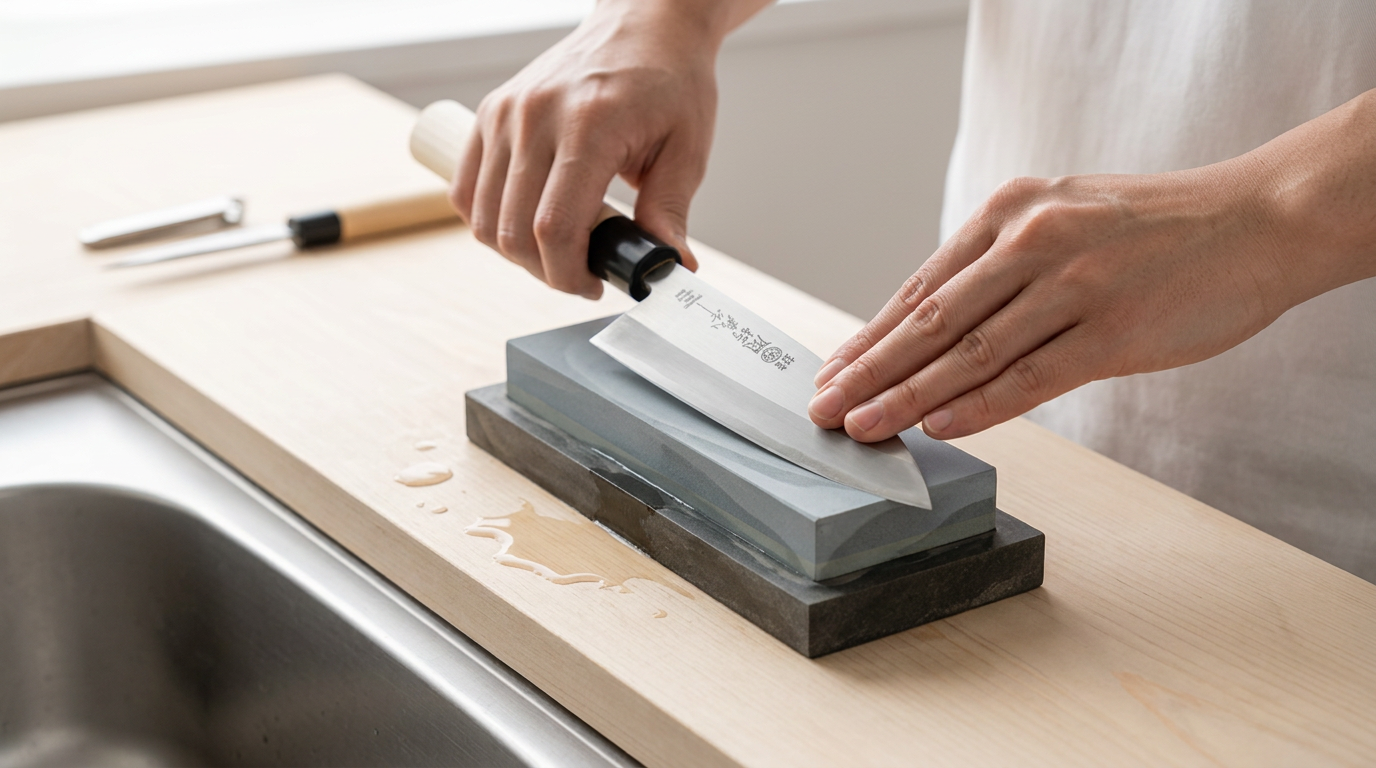
In short, the basic principle of sharpening a deba knife is to "firmly sharpen the front side of the single-edged blade at an angle of about 15 to 20 degrees, and lightly sharpen the back side just enough to remove any burrs." In a nutshell, the key is to think of it as "70% front, 30% back." If you sharpen too hard on the back side, just like you would with a double-edged santoku knife, you risk damaging the shape of the single-edged blade. Here, we'll outline the procedure and points to keep in mind for sharpening a deba knife using a whetstone in 6 to 8 steps, especially for beginners.
Before sharpening, check the "condition of the blade" and the type of whetstone you should use.
Before starting to sharpen, first check the blade for rounding, chipping, and rust to decide which whetstone to start with. Generally, if there are large chips or the shape is distorted, start with a coarse whetstone (#220 to #400), for daily maintenance use a medium whetstone (#800 to #1000), and for finishing, use a fine whetstone (#3000 or higher). Deba knives, in particular, often have a two-layer structure of steel and base metal, and since the hard steel part and the soft base metal part wear down at different rates, being aware of this structure while sharpening is considered the key to not distorting the shape.
6 Steps to Sharpening a Deba Knife for Beginners
The basic steps for sharpening a knife with a whetstone are: 1) Soak the whetstone in water; 2) Place the deba knife at an angle of about 45 degrees, making sure the bevel of one edge is in close contact with the whetstone; 3) Place your fingers on the bevel of the blade and sharpen from the tip towards the handle; 4) Once the entire surface is sharpened evenly, lightly press the back side flat to remove any burrs; 5) If necessary, use a medium whetstone followed by a finishing whetstone; 6) Check the sharpness and any remaining burrs on newspaper or similar material. At this time, only the part where your fingers are placed will be sharpened properly, so the first thing beginners should remember is to shift the position of their fingers from the tip, middle, and base and sharpen each part the same number of times.
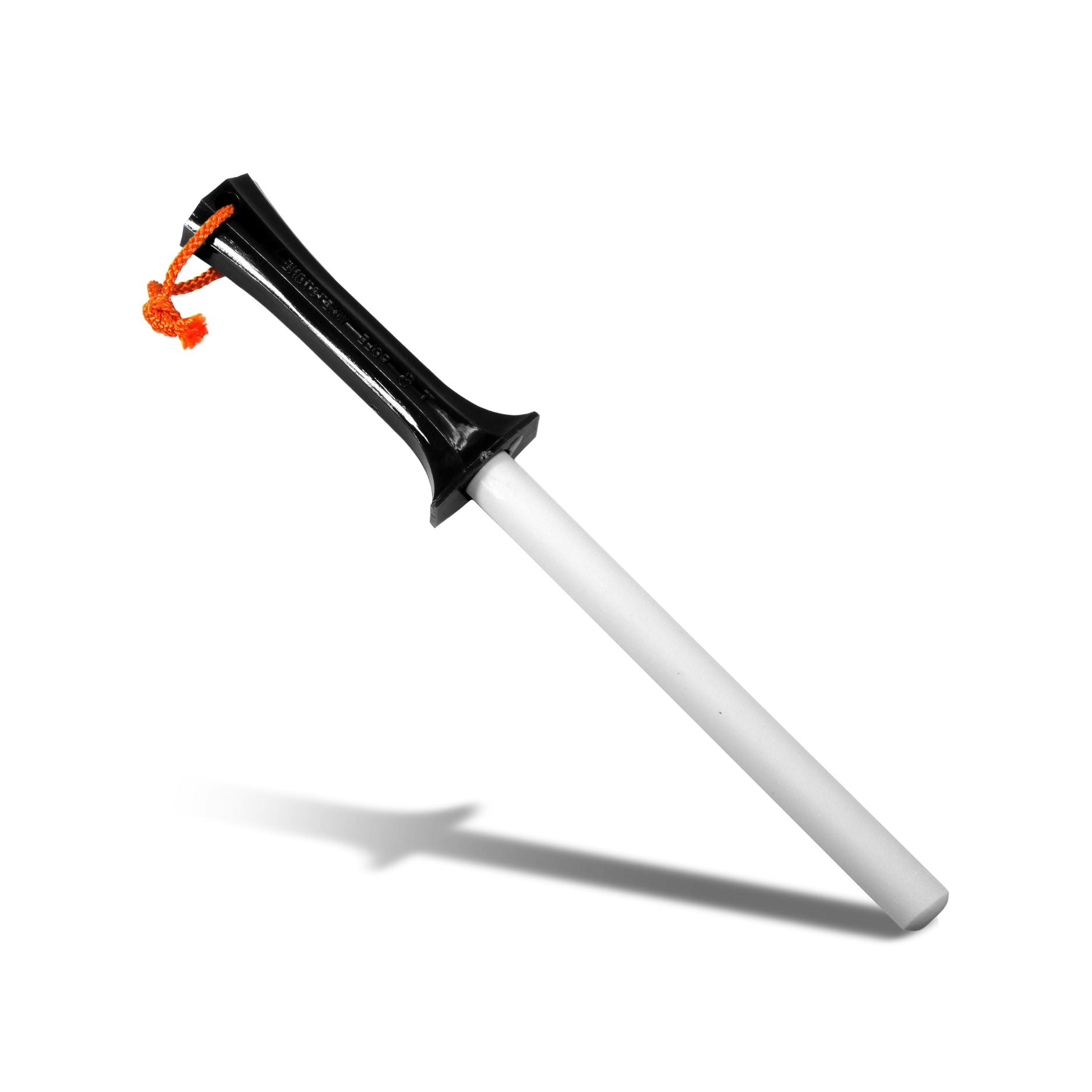
Can I use a sharpener? How should I use it compared to sharpening with a whetstone?
In short, because deba knives have a unique single-edged shape, it's best to avoid relying solely on simple sharpeners designed for double-edged knives. Even when using a dedicated sharpener for single-edged knives, it's best to consider it "only for light, daily maintenance," and ideally, perform proper sharpening with a whetstone when you want to properly adjust the blade angle or repair large chips. While it may seem like a lot of work for beginners, regular whetstone sharpening should be considered an investment not only in maintaining sharpness but also in preserving the knife's shape for a long time.
How to prevent injuries when using a deba knife? Usage tips and precautions for beginners.
In conclusion, the best way to avoid injury when using a deba knife is to "keep it sharp and use it according to its intended purpose." Professional knife shops warn that continuing to use a knife without sharpening it because "it's too sharp and scary" can actually lead to more forceful handling, and if the blade turns sideways, it can result in a serious accident. Here, we will explain the specific steps involved in filleting fish, focusing on points that beginners should pay particular attention to.
Safe ways to cut off a fish's head and bones.
When cutting off a fish's head, the basic technique is to "firmly press the knife against the cutting board and use its weight to pull it through." By placing the blade near the gills and slowly pulling it from the tip to the base along the cutting board, you can firmly grip the bone and cut steadily. Conversely, swinging the knife down from above or twisting it from side to side while it's embedded in the bone can easily cause the blade to chip or your hand to shake, so beginners in particular should be mindful of avoiding these movements.
Common mistakes when filleting fish and how to avoid them
Two common mistakes beginners make when filleting a fish are "inserting the blade too deeply" and "shaving off too much flesh away from the bone." When inserting the blade along the spine from the base of the tail, it is recommended to use the tip to about half of the blade of the deba knife, using the spine as a guide, and moving the blade with light pressure. Also, when opening the belly side, cutting too deeply into the internal organs can damage the gallbladder, causing bitterness and an unpleasant odor, so the most important point is to be "shallow and careful."
Things you should absolutely never do when using a deba knife
In short, any use other than its intended purpose is a no-no. Forcibly breaking frozen food, twisting it hard while it's stuck on a fish bone, or prying open the hard shells of crustaceans can cause chipping or breakage, even with a thick and strong deba knife. Also, habits such as using it directly in the sink as a cutting board, scrubbing it vigorously with a metal scouring pad, or leaving it wet after washing without wiping off the water increase the risk of rust and chipping, so it's best to remember to avoid these actions from the beginning.
FAQ
Q1. Is the sharpening method for a deba knife the same as for a santoku knife?
A1. In conclusion, since deba knives are basically single-edged, the sharpening method differs from that of santoku knives, which are double-edged. The basic method is to sharpen the front side firmly at a 15-20 degree angle, and lightly sharpen the back side just to remove burrs.
Q2. How often should a deba knife be sharpened?
A2. If you fillet fish a few times a week, sharpening your knives once every one to two months is a good guideline. Professionals who use their knives frequently sharpen them lightly almost every day to maintain their sharpness.
Q3. Is it okay for a beginner to use a deba knife?
A3. As long as you understand the correct sharpening and usage techniques, and the precautions to take, even beginners will have no problem. In fact, using a dedicated deba knife for filleting fish is safer and more efficient.
Q4. Isn't a deba knife that's too sharp dangerous?
A4. The conclusion is the opposite; a dull knife is more dangerous. A dull knife requires more force, and if the blade slips, it can easily lead to serious injury.
Q5. Is it okay to cut things other than fish with a deba knife?
A5. While primarily intended for fish, some professionals use it to prepare bone-in meat and other tough ingredients. However, it should be avoided for prying open excessively hard items such as frozen foods or shellfish.
Q6. Is it okay to sharpen a deba knife using only a sharpener?
A6. A dedicated sharpener designed for single-edged blades can be used for light maintenance, but for basic blade angle adjustment and shape correction, whetstone sharpening is recommended.
Q7. What size deba knife is recommended for beginners?
A7. For handling fish like horse mackerel, mackerel, and sea bream at home, a size of around 150-165mm is easy to manage. If you're mainly handling larger fish, consider sizes of 180mm or more.
Q8. What causes a deba knife to chip so easily?
A8. The main causes are forcing the blade to cut hard ingredients that are not intended for it, prying it sideways, and using it forcefully when it is not sharp enough. This can be prevented with proper sharpening and using the blade appropriately for different purposes.
Q9. What precautions should be taken when storing a deba knife?
A9. After use, wash with a neutral detergent, wipe off any moisture, and let it dry before storing it in a knife block or sheath. Leaving it wet can cause rust and chipping of the blade.
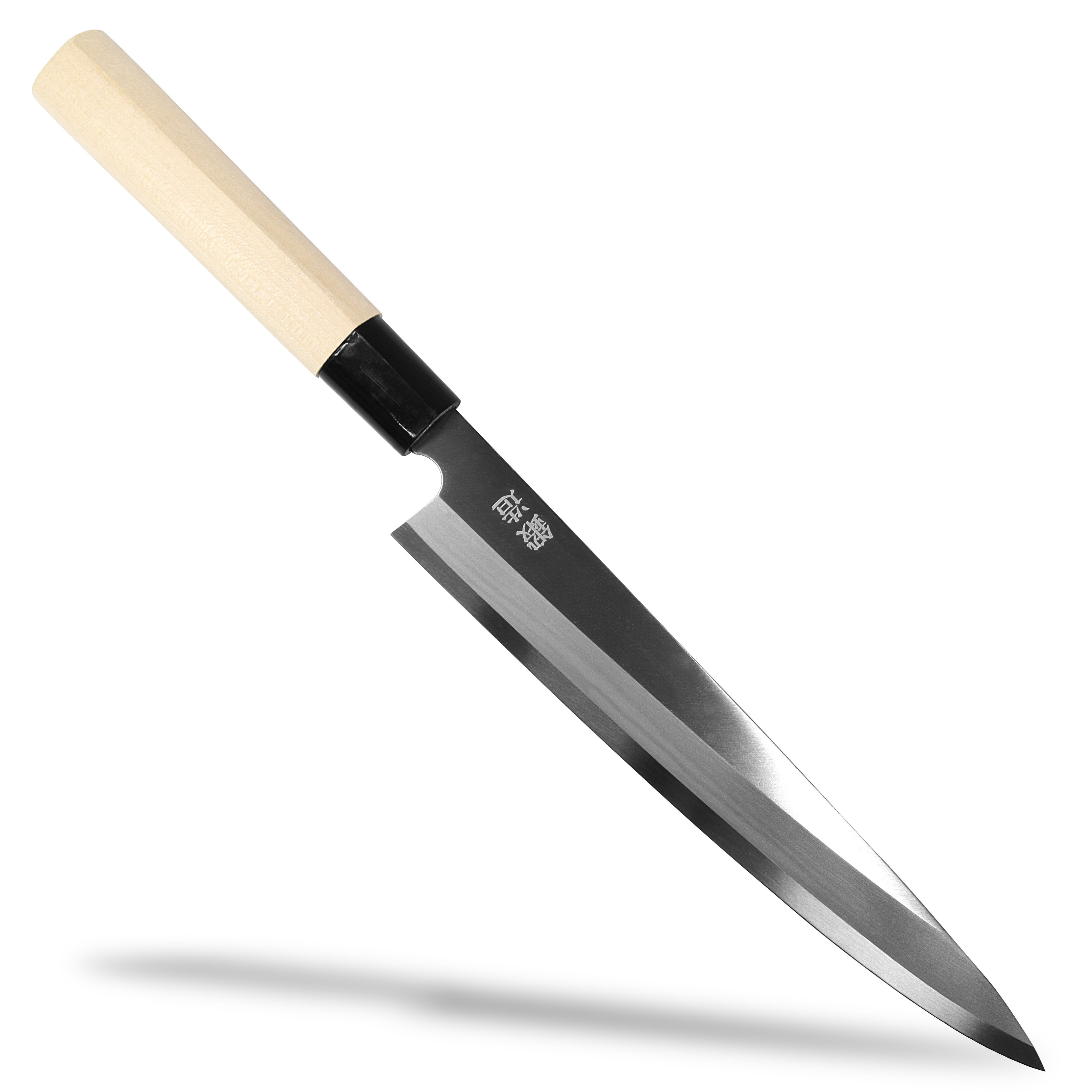
Q10. What is the difference between a deba knife and a yanagiba knife?
A10. A deba is a thick, heavy knife used for filleting fish, while a yanagiba is a long, thin knife used for slicing sashimi. In Japanese cuisine, the basic division of labor is to fillet the fish with a deba and then slice it with a yanagiba.
summary
A deba knife is a thick, heavy, single-edged Japanese knife used for filleting fish, and beginners can safely and comfortably make their debut with a deba knife by learning the proper sharpening and usage techniques.
The basic sharpening technique is to sharpen the front side firmly at a 15-20 degree angle, and lightly touch the back side just to remove burrs. Forcing a dull blade to use it is the biggest cause of injury and chipping.
When cutting off the head of a fish, slicing through the bones, or filleting it into three pieces, it's crucial to utilize the weight of the deba knife and the back-and-forth pulling motion, and to adhere to the rule of not using it on hard ingredients that are not intended for this purpose. This is the most important point for using a deba knife safely and for a long time.