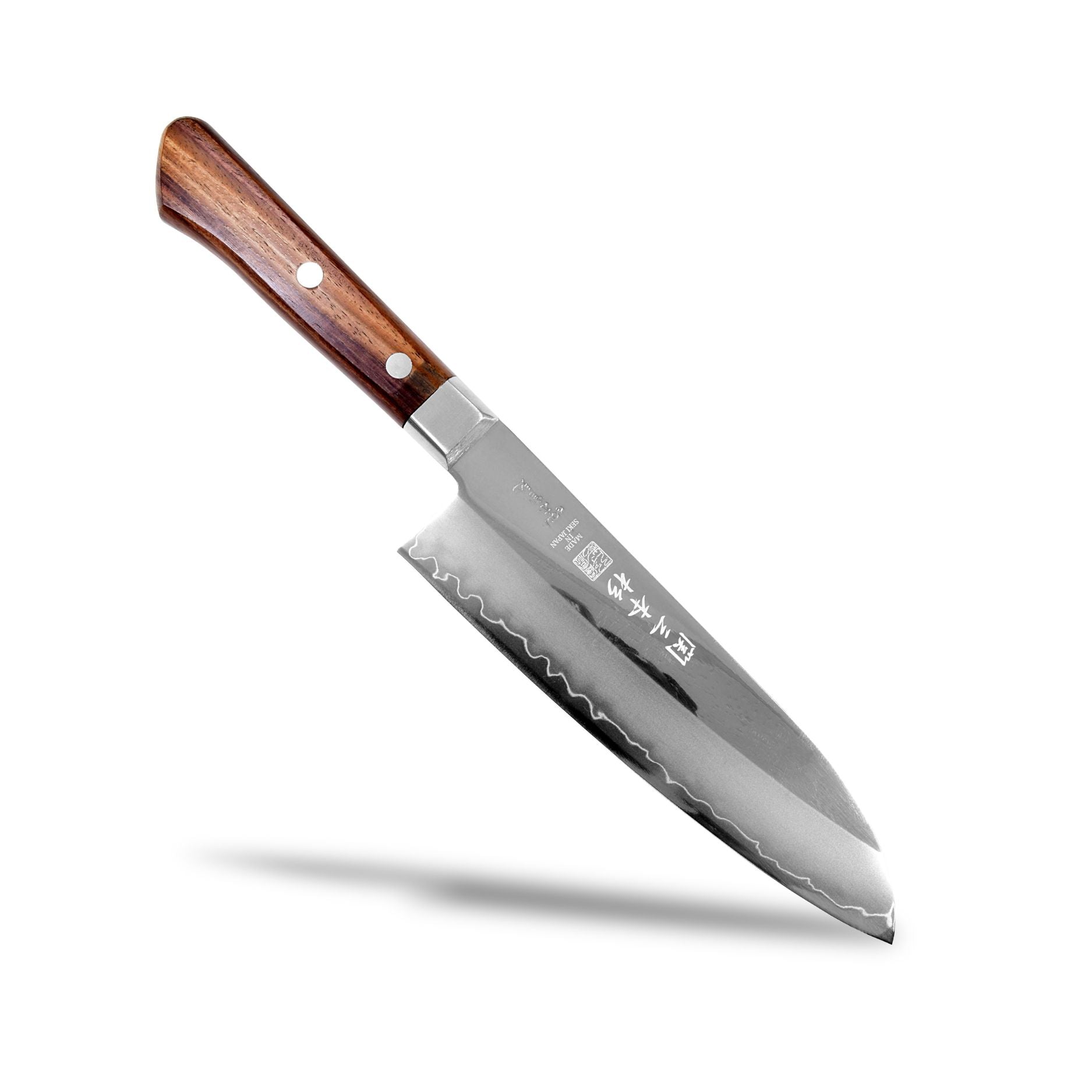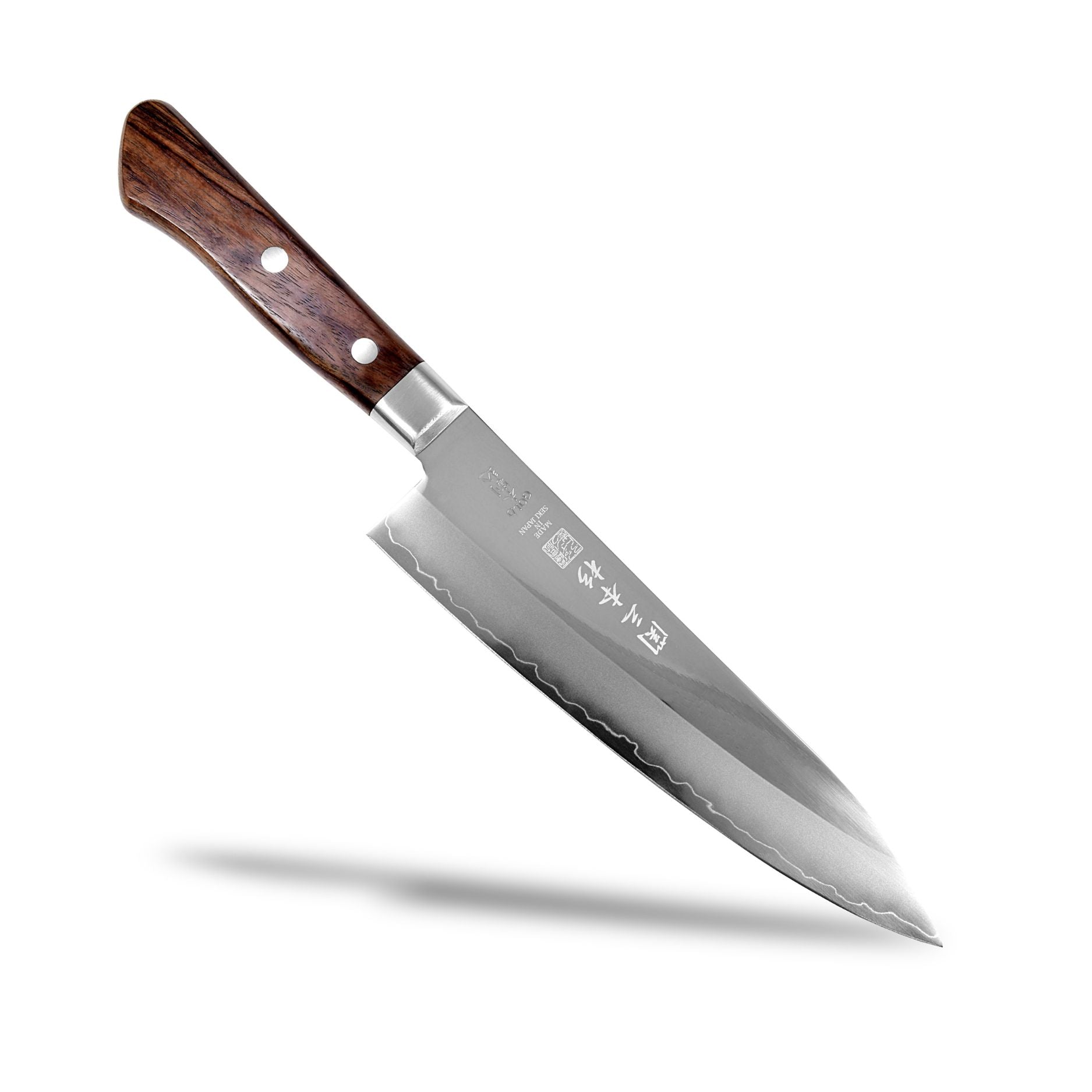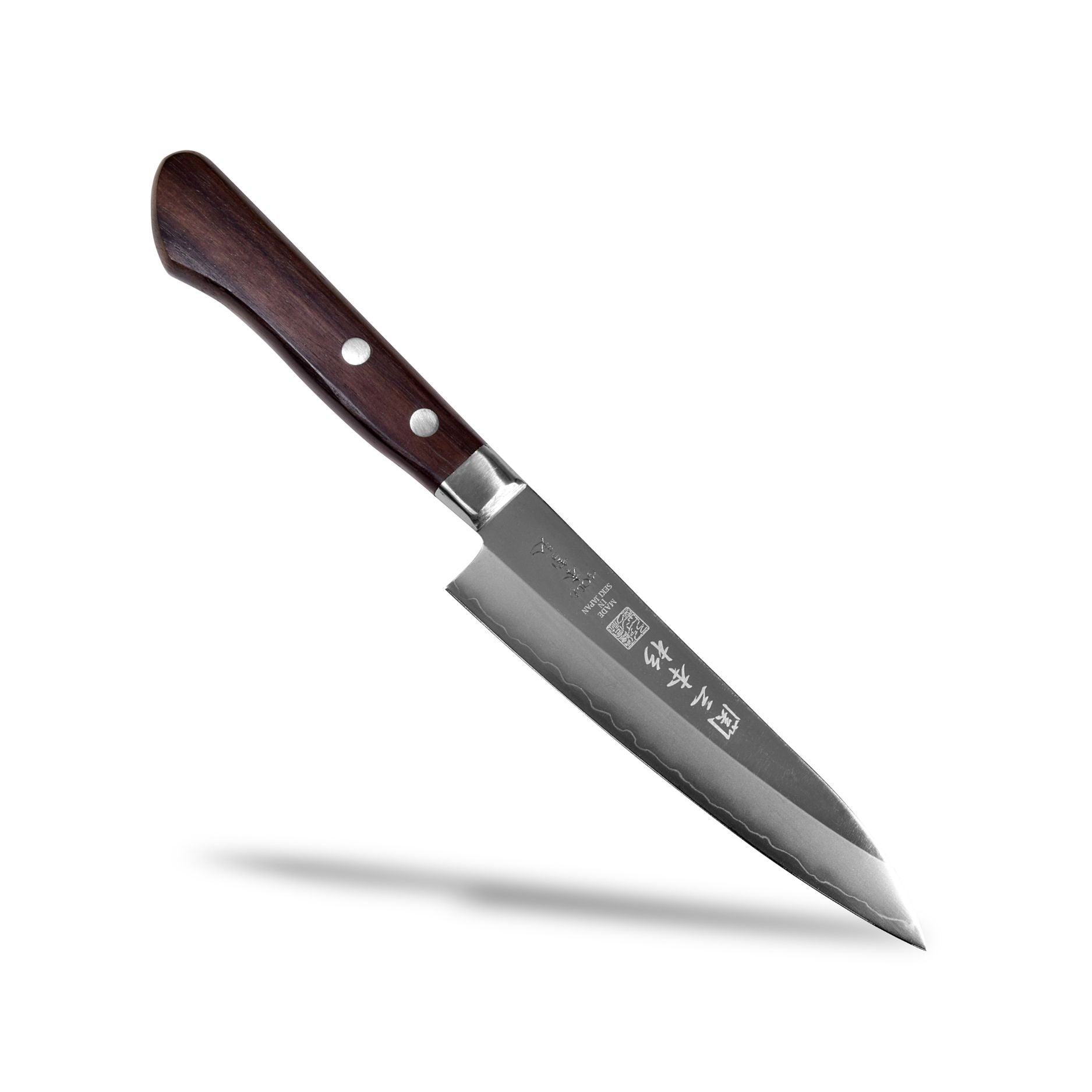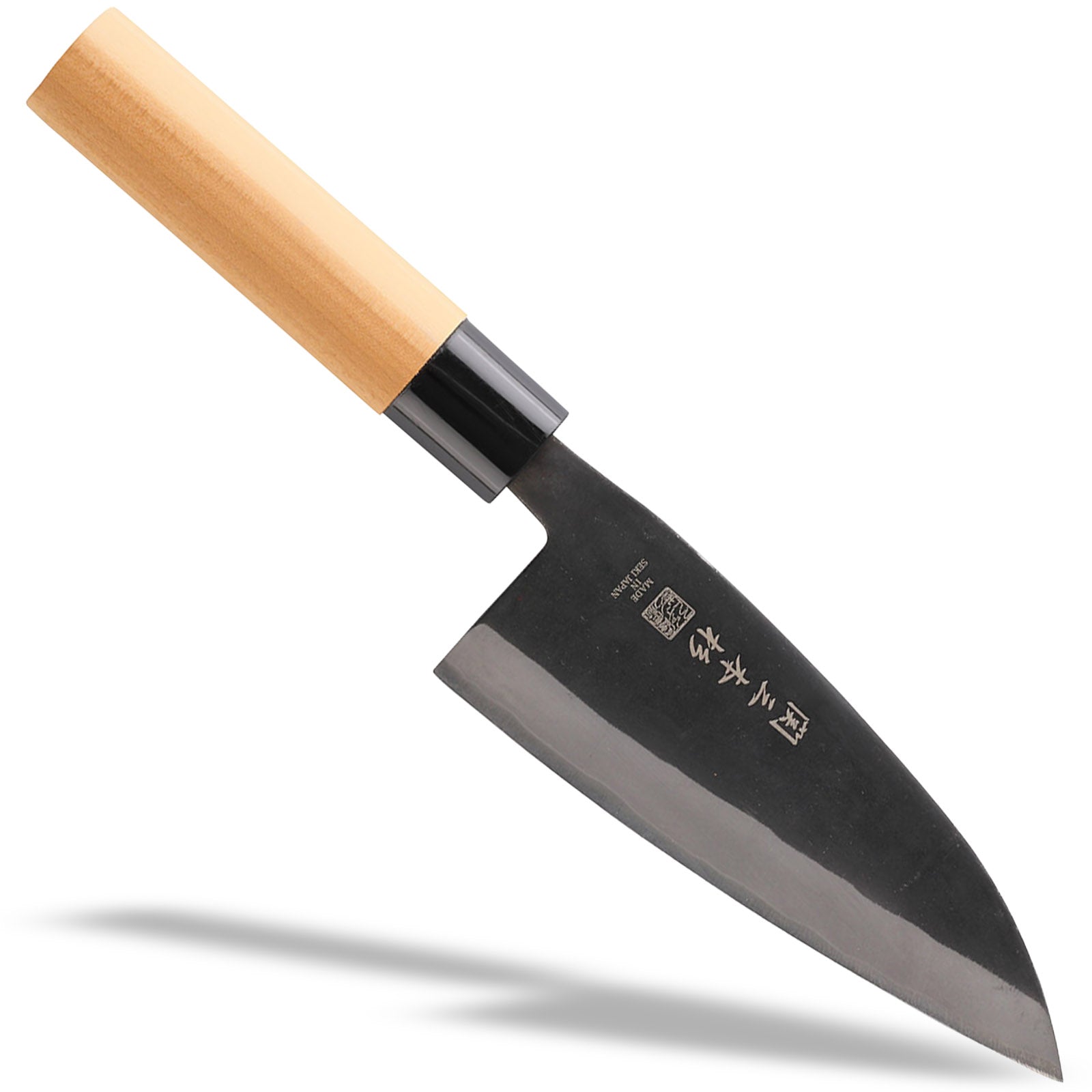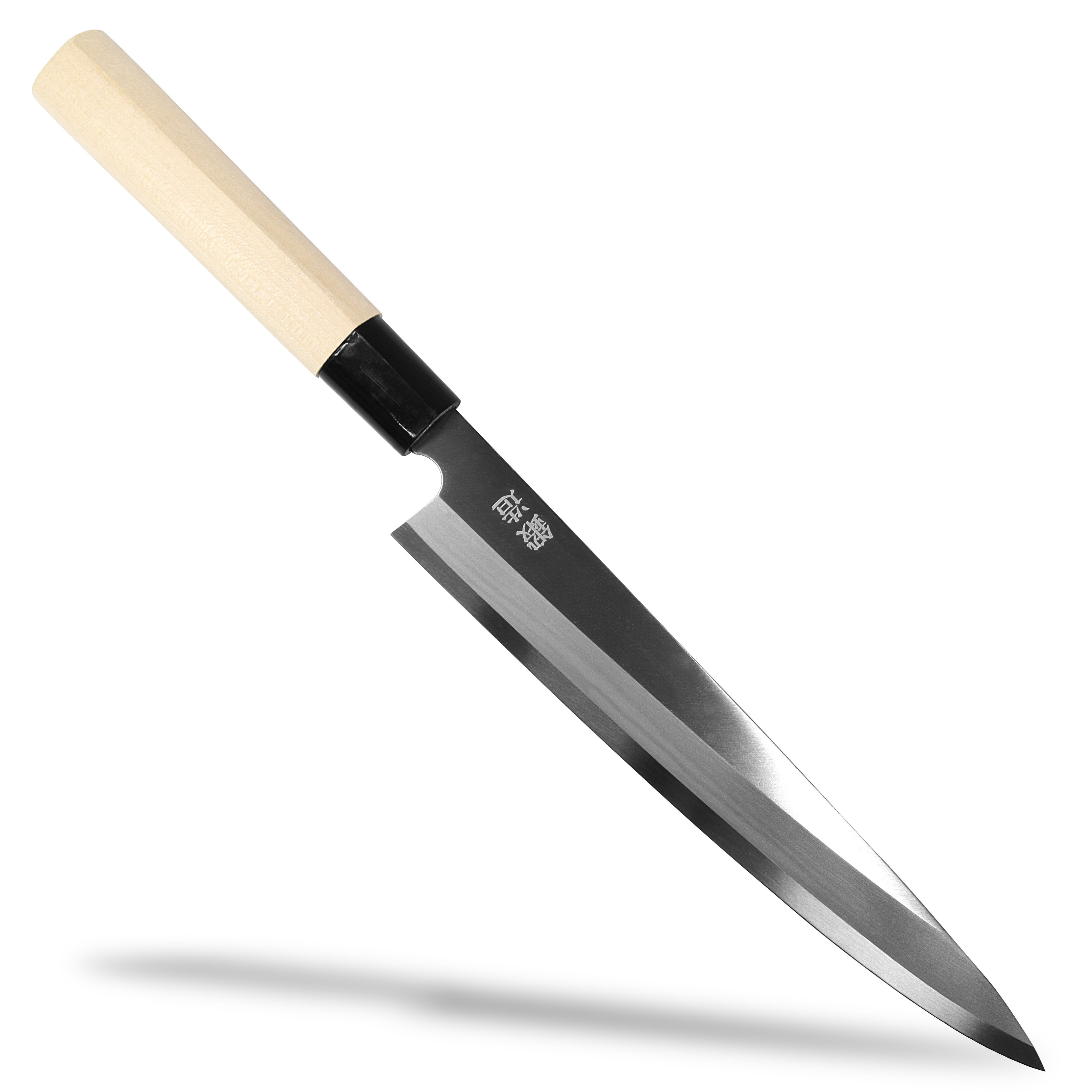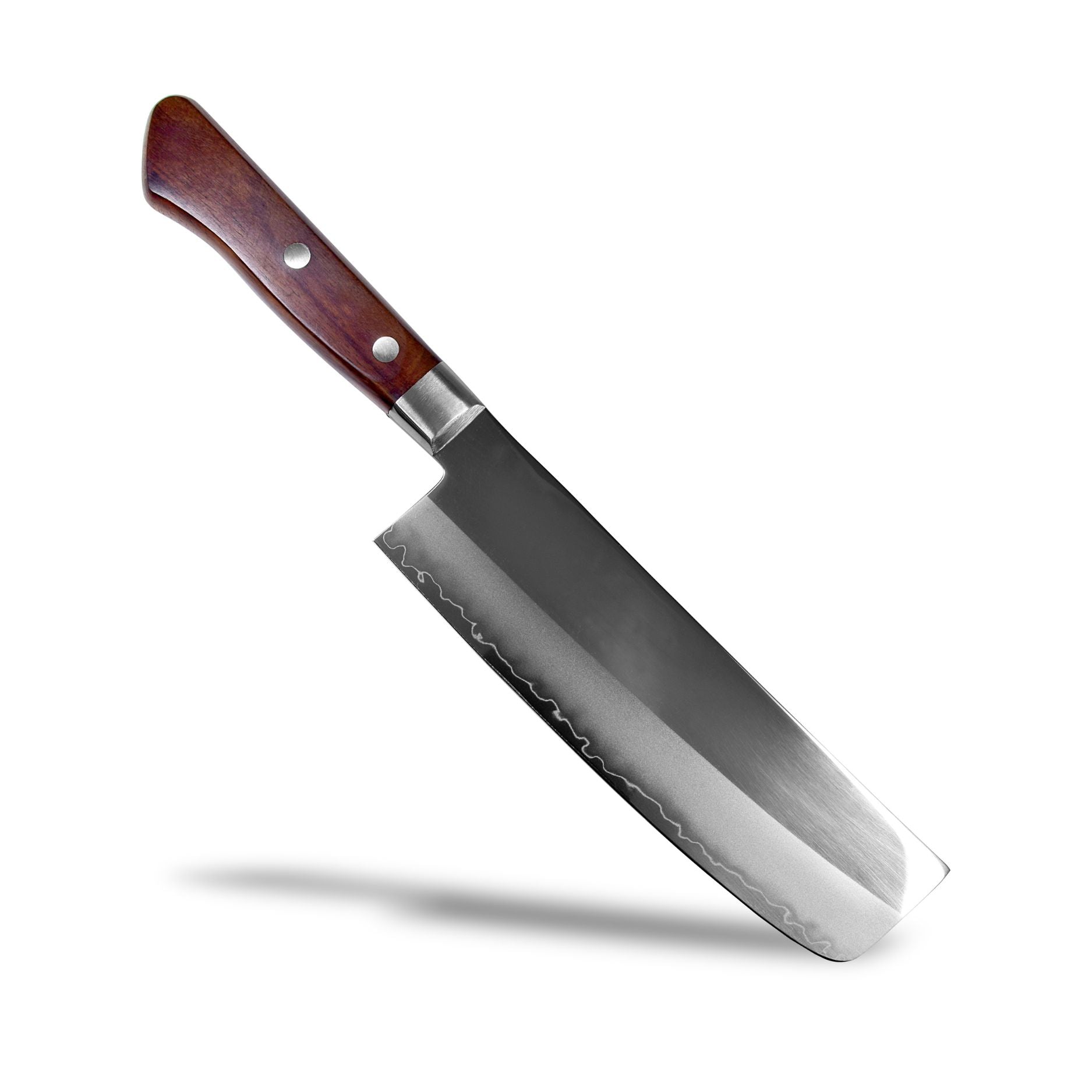

Professional Deba Knives: A Consideration of the Steel Materials Used in Japanese Kitchen Knives
Discover the reasons why Japanese kitchen knives, steel materials, deba knives, and professional-grade cutlery continue to be chosen by professionals.
In conclusion, the main steel materials used for professional deba knives are primarily "White Steel No. 2" and "Blue Steel No. 2." White Steel is chosen for its ease of sharpening and sharp edge, while Blue Steel is chosen for its long-lasting sharpness and toughness, depending on the situation.
[Key points of this article]
- This article summarizes the differences and advantages of "white steel" and "blue steel," which are important steels used in professional-grade deba knives among the various types of steel used in Japanese kitchen knives.
- This article explains the essential features (steel type, forging method, and size) of professional deba knives favored by professionals in the field, serving as a guide for choosing the right one.
- This guide introduces recommended uses and selection tips for different types of steel, aimed at professional users and home users considering higher-end models.
Today's review: 3 key points
The standard steels for professional deba knives are "White Steel No. 2" and "Blue Steel No. 2." White Steel is easy to sharpen, while Blue Steel is known for its long-lasting sharpness.
In short, "white steel is suitable for those who want to create their own best blade even if it means sharpening frequently," while "blue steel is suitable for those who want to reduce the number of sharpenings and withstand long preparation times."
In conclusion, for professional use, forged White Steel No. 2 and Blue Steel No. 2 deba knives offer an excellent balance of cost and performance, making them a popular choice for a lifetime investment.
Conclusion of this article
- In conclusion, for professional deba knives, both White Steel No. 2 is chosen as a standard steel because it is "easy to sharpen and has a sharp edge," while Blue Steel No. 2 is chosen because it "maintains its sharpness for a long time and is resistant to chipping."
- In short, in a workplace where fish are being prepared all day long, the balance between "ease of sharpening" and "longevity of sharpness" is paramount, and in that respect, White Steel No. 2 and Blue Steel No. 2 are materials that meet the demands of professionals.
- The most important thing is to decide whether to use a white steel or blue steel blade based on your own work environment (amount of fish prepared, frequency of sharpening, types of fish handled).
- The first thing beginners should understand is that "a higher price doesn't necessarily mean blue paper is superior; both white and blue paper have their own unique advantages."
- If you're looking for a professional-grade knife, it's crucial to have a forged deba knife made of either white steel #2 or blue steel #2, along with a reliable sharpening and maintenance environment.
What are the basics of Japanese kitchen knives, steel materials, deba knives, professional-grade knives, and Merit?
In short, the choice of steel for a professional deba knife is determined not only by "how sharp it is" but also by "how consistently and for how long it maintains its sharpness."
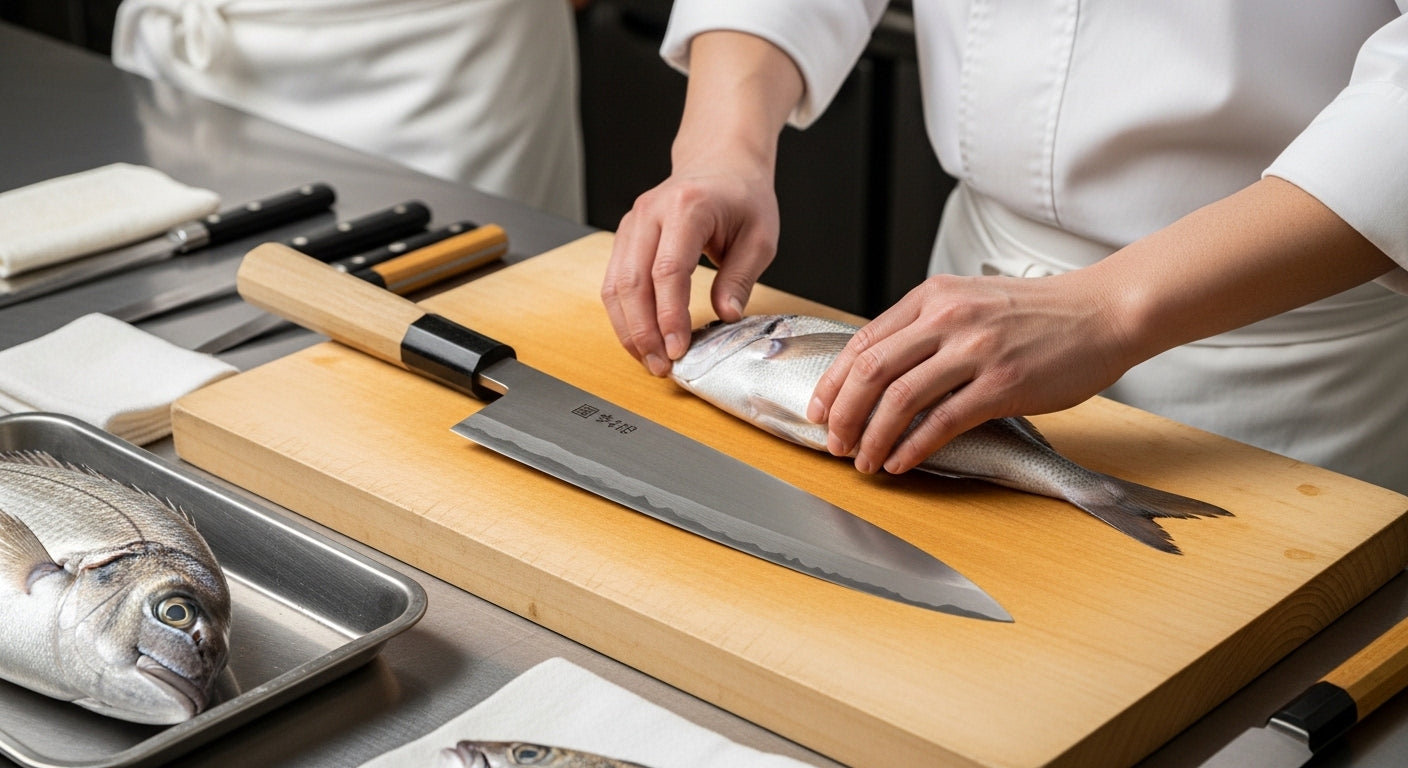
Because a deba knife is used to cut off the head of a fish and fillet it into three pieces while pressing it against the backbone and central bone, the blade is subjected to heavy stress, making it prone to chipping and wear.
Therefore, in the professional world, along with sharp cutting edge, the steel's properties such as "resistance to chipping," "ease of sharpening," and "longevity of sharpness" are the most important factors influencing the performance of a deba knife.
Representative steel materials used in Japanese kitchen knives include Hitachi Metals' Yasugi Steel series, which includes white steel, blue steel, and silver steel.
Among these, "White Steel No. 2" and "Blue Steel No. 2" are frequently cited by many specialty shops as suitable steels for deba knives, with each having a clearly defined role and recommended uses.
The first thing beginners should understand is that "White Steel No. 2 = standard for ease of sharpening and sharp cutting edge" and "Blue Steel No. 2 = balanced type with long-lasting sharpness and toughness."
Why professionals choose high-carbon steel for their deba knives
In conclusion, the main reason professionals choose carbon steel for their deba knives is that "it's easy to achieve a sharp edge, and you can create your preferred blade shape through sharpening."
According to guides from specialty knife shops, fish is a delicate ingredient, so a sharp, high-carbon steel is suitable for a deba knife, and White Steel No. 2 and Blue Steel No. 2 are recommended as professional-grade steels.
While steel is more prone to rusting than stainless steel, it has excellent compatibility with whetstones and is a material that is easy to sharpen, making it a firm favorite among chefs.
In professional settings, sharpening knives with a whetstone before and after each day of business is a given, so the ease of use of steel, which can be restored through sharpening and transformed through sharpening, is a major advantage.
For fishmongers and Japanese restaurants that prepare fish all day long, a dull blade directly leads to a decrease in preparation speed, so choosing a steel that is easy to sharpen is important from a productivity standpoint.
The most important thing is to understand that for professionals, knives are not consumables, but rather "partners" that are used and sharpened regularly.
Professional-grade benefits of White Paper No. 2 steel
In short, White Steel No. 2 is a standard steel material that is easy to sharpen and combines a sharp cutting edge with moderate toughness.
According to the description of Yasugi steel, White Steel No. 2 is described as the most commonly used steel for professional kitchen knives, and is said to have a good balance of hardness, sharpness, and ease of sharpening.
Especially for knives like deba knives, which are prone to chipping or breaking when they hit bone, the ease of sharpening White Steel No. 2, which allows for quick repair of chips through sharpening, is a major advantage.
For filleting fish and removing the heads, a deba knife requires frequent sharpening, so "a steel that is easy to sharpen and resistant to chipping, such as White Steel No. 2, is considered the most practical."
Furthermore, it is said that white steel contains fewer impurities, making it easier to achieve a razor-sharp cutting edge, and is suitable for thin slicing and delicate cutting work.
The first thing beginners should understand is that "White Steel No. 2 is a well-balanced steel that is often chosen as the first rod for both professional and beginner players."
Professional-grade advantages of Aogami No. 2 steel
In conclusion, Aogami No. 2 is a professional-grade steel that combines the sharpness of Shirogami with long-lasting sharpness and toughness, and truly shines in demanding work environments.
Blue Steel is described as an alloy steel made by adding chromium and tungsten to White Steel No. 2, resulting in a material with enhanced wear resistance and long-lasting sharpness.
Aogami No. 2 steel has a good balance of hardness and toughness (resilience), and is considered suitable for professional work environments where preparation takes a long time, as it is a steel that "maintains its sharpness for a long time and is resistant to chipping."
Even in explanations from specialty cutlery shops, it is said that "Aogami No. 2 steel is ideal for deba knives, where durability is required due to the nature of the work," and it is used by craftsmen who continue to prepare fish all day long.
However, since blue steel is harder than white steel, it has the disadvantage of taking longer to sharpen, making it a material best suited for professionals who prioritize long-lasting sharpness over sharpening time.
The most important point is that the professional advantage of Aogami No. 2 steel is that "while sharpening becomes more difficult, the number of sharpening sessions can be reduced."
How to Choose a Japanese Kitchen Knife: Steel, Deba Knife, Professional Use, and Benefits
How should I choose the steel for a professional deba knife?
In conclusion, the most rational way to choose the steel material for a professional deba knife is to consider the frequency of sharpening and the quantity and hardness of the fish being handled.
For example, in workplaces where many fish are handled daily and there isn't enough time to sharpen knives multiple times during business hours, choosing a steel material that "maintains its sharpness for a long time, like Aogami No. 2," can reduce the frequency of sharpening and the stress during work.
On the other hand, for craftsmen who want to meticulously sharpen their knives and adjust the blade to their liking, the ease of sharpening "White Steel No. 2" is a major advantage.
It's important to choose the right steel for your intended use, keeping in mind the differences in characteristics: White Steel No. 2 is "easy to sharpen and allows you to adjust the sharpness to your liking," while Blue Steel No. 2 is "a hard steel that maintains its sharpness for a long time."
Furthermore, it is said that the choice between "the razor-sharpness and ease of sharpening of white steel" and "the tough characteristics of blue steel" is a matter of preference and intended use, and that white is not necessarily superior to blue.
The first thing a beginner should understand is to decide whether to use white steel or blue steel based on their own sharpening skills and the amount of material they prepare.
What are the key forging and structural requirements for a professional-grade deba knife?
In short, for professional deba knives, the quality of the forging and the blade structure are just as important as the quality of the steel.
Many professional-grade deba knives use Yasugi steel (white or blue) as the core material, and are constructed with a three-layer structure formed by forge-welding and forging together with soft iron or base metal.
Forging creates a denser metal structure, increasing its toughness and strength. This makes it less prone to chipping or breakage, even under the harsh conditions of continuous contact with bone, as is typical for deba knives.
Some professional-grade deba knives forged from Aogami No. 2 steel are described as achieving both lasting sharpness and toughness through "the toughness of Aogami No. 2 steel and the durability of forging."
Furthermore, the requirements for professional-grade tools include "durability due to forging," "steel with a sharp cutting edge," and "appropriate thickness and weight," suggesting that not only the name of the steel but also the manufacturing method should be considered.
The most important thing is not just to look at the names "blue paper" or "white paper," but to see how the steel is forged and finished.
How can you utilize the benefits of professional-grade steel materials in a home setting?
In conclusion, professional-grade deba knives made with high-quality steel (White Steel No. 2 and Blue Steel No. 2) offer significant advantages for home cooks who frequently prepare fish and are willing to take the time to sharpen them.
A deba knife made of Aogami No. 2 steel is a practical choice for those who want to fillet a large quantity of fish at once on their days off, or for fishing enthusiasts who want to properly process large catches at home, as it reduces the frequency of sharpening.
A deba knife made with White Steel No. 2 is suitable for advanced home users who want to enjoy the time spent sharpening it with a whetstone and pursue their preferred blade finish.
However, since all of them are made of carbon steel, which is prone to rusting, it is essential to wash them immediately after use, wipe off any moisture, and let them dry.
Regarding sharpening, regular maintenance using a whetstone is essential, so for those who want to minimize maintenance, a deba knife made of professional-grade stainless steel such as Gin-san stainless steel is recommended.
The first thing beginners need to understand is whether they can accept the premise that "using professional-grade steel materials at home means that maintenance will also be more professional-level."
FAQ
Q1. What type of steel is recommended for professional deba knives?
A1. White Steel No. 2 and Blue Steel No. 2 are standard choices. White Steel No. 2 excels in ease of sharpening and sharpness, while Blue Steel No. 2 offers an excellent balance of sharpness retention and toughness.
Q2. What is the difference between white steel and blue steel?
A2. White steel is a high-purity, easy-to-sharpen steel, while blue steel is an alloy steel made by adding chromium and tungsten to white steel to improve wear resistance and long-lasting sharpness.
Q3. Which is more suitable for a deba knife, white steel or blue steel?
A3. If you prioritize ease of sharpening and repair, choose White Steel No. 2. If you prioritize long-lasting sharpness and resistance to chipping, choose Blue Steel No. 2.
Q4. Is a deba knife made with Aogami No. 2 steel suitable for home use?
A4. It is suitable, but because it is hard and prone to rusting, it is best suited for people who can wipe and sharpen it frequently, making it ideal for fishing enthusiasts and serious home users.
Q5. What are the advantages of using blank paper No. 2?
A5. White Steel No. 2 offers an excellent balance of sharpness and ease of sharpening, and its advantage lies in the fact that it is easy to repair even knives prone to chipping, such as deba knives.
Q6. Is stainless steel chosen for professional deba knives?
A6. While carbon steel is the mainstream choice due to its sharpness and ease of sharpening, high-grade stainless steel such as Gin-san stainless steel is also chosen by some professionals for its rust resistance and practicality.
Q7. What are the key points to consider when choosing a professional-grade deba knife?
A7. When choosing a knife, I prioritize four points: the type of steel (white paper or blue paper), whether it's forged or not, the size (the size of the fish being handled), ease of sharpening, and maintenance environment.
Q8. Is it true that white paper and blue paper are better steels if they are more expensive?
A8. While there is a price difference, the sharpness and ease of sharpening of white steel and the long-lasting sharpness and toughness of blue steel are matters of preference, and it is not necessarily true that white is inferior to blue.
Q9. What kind of whetstone is suitable for a deba knife?
A9. It is common practice to use a medium-grit whetstone (around #1000) for daily sharpening, and to combine it with a coarse-grit or finishing whetstone as needed. Steel is said to be compatible with whetstones.
Q10. What are some tips for making a professional-grade deba knife last longer?
A10. It is important to wash and wipe the knife immediately after use, not to force it when cutting bone, and to sharpen it regularly with a whetstone at the appropriate angle.
summary
- In conclusion, for professional-grade deba knives, "White Steel No. 2" and "Blue Steel No. 2" are the two best steels. White Steel offers ease of sharpening and a sharp edge, while Blue Steel offers the advantages of sustained sharpness and toughness, making it ideal for professionals.
- In professional kitchens, the choice between white or blue steel blades depends on the amount of food being prepared and the sharpening style. Furthermore, the forging quality and blade structure are also considered when selecting a deba knife as a "reliable partner that can be used all day long."
- Even in households with a serious interest in kitchens, choosing a deba knife made of white steel #2 or blue steel #2 and performing proper maintenance will allow you to enjoy the same level of sharpness and ease of fish preparation as a professional for a long time.