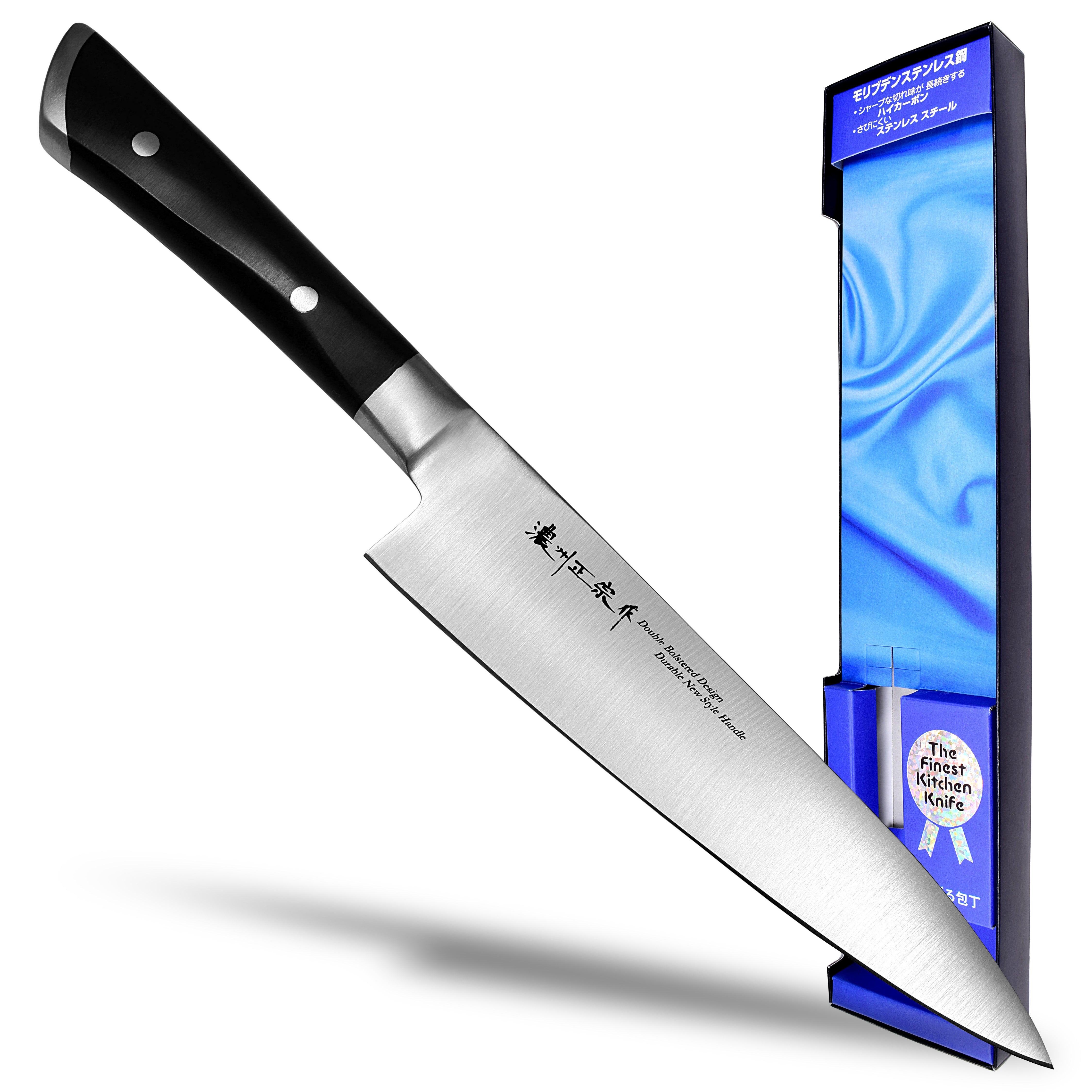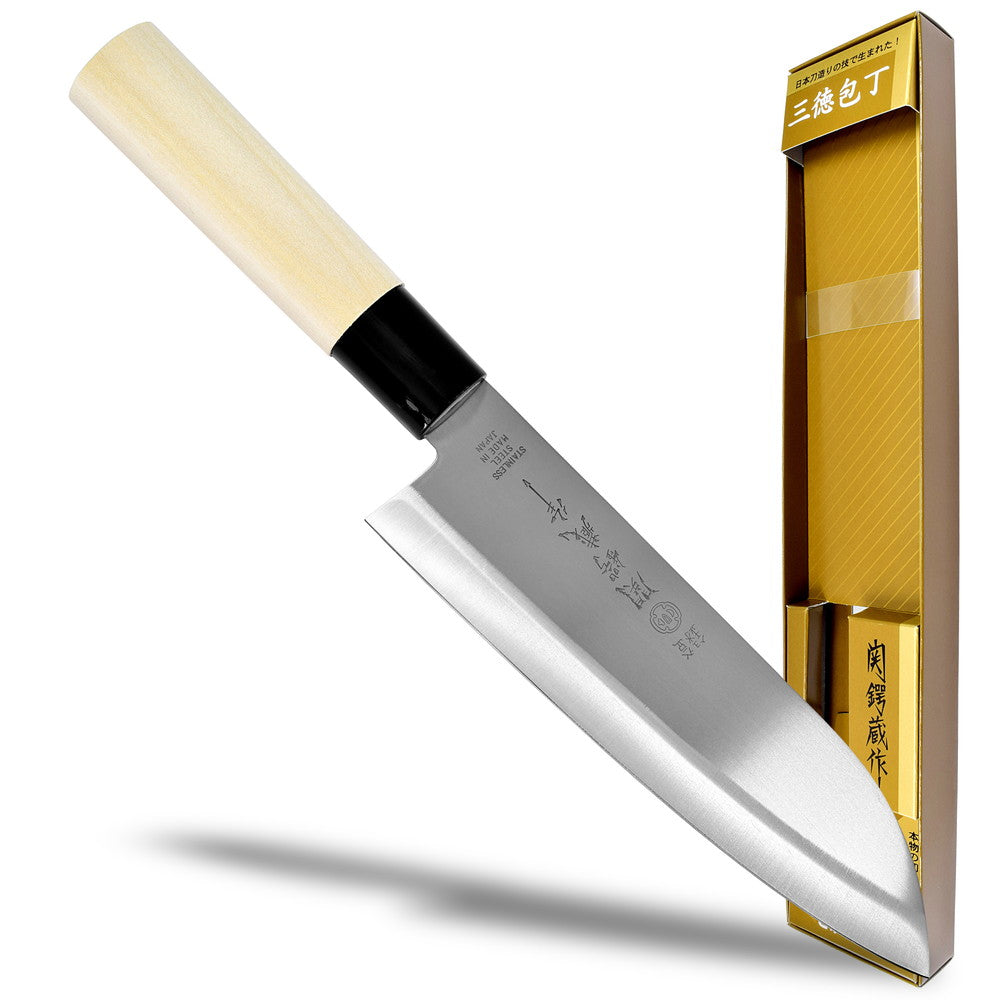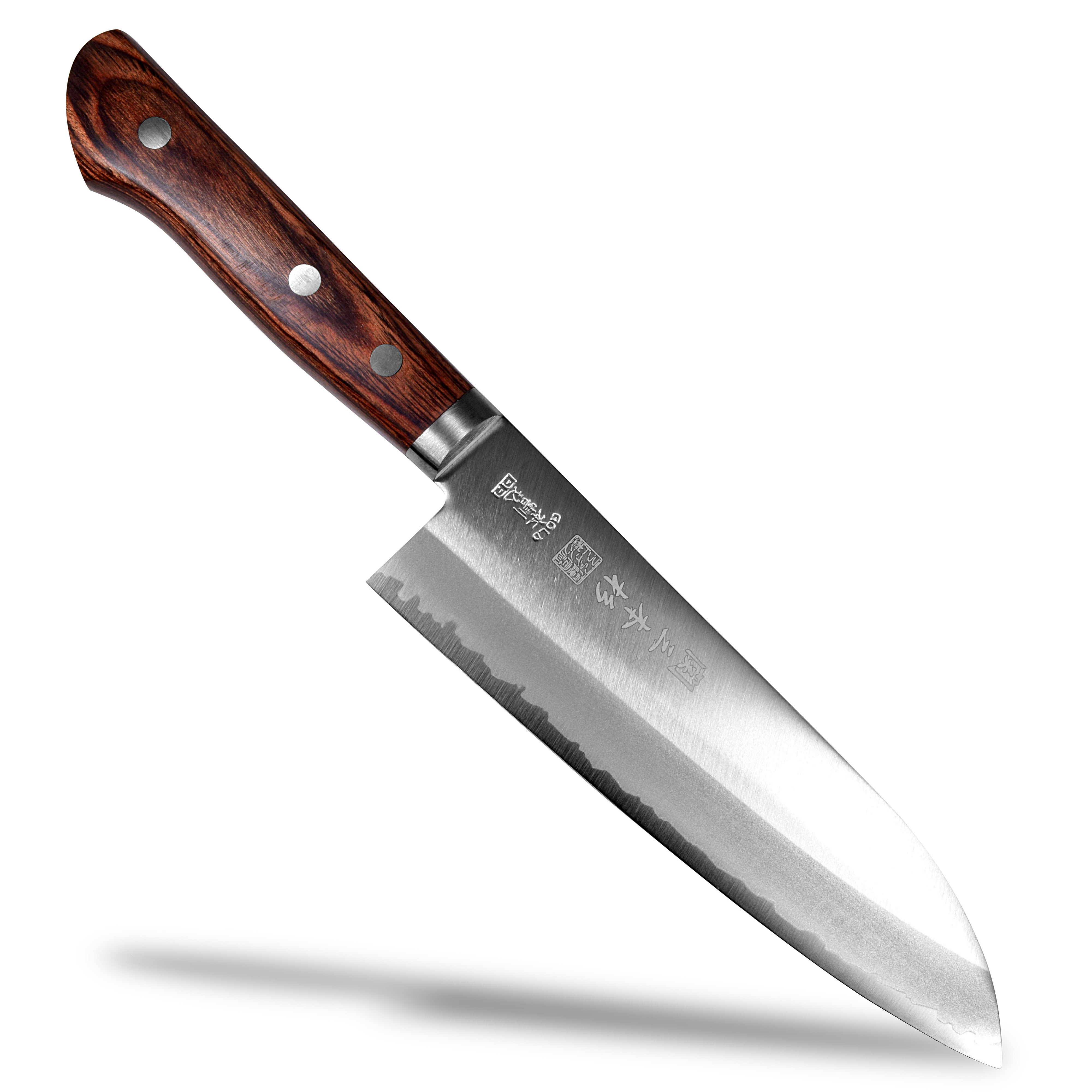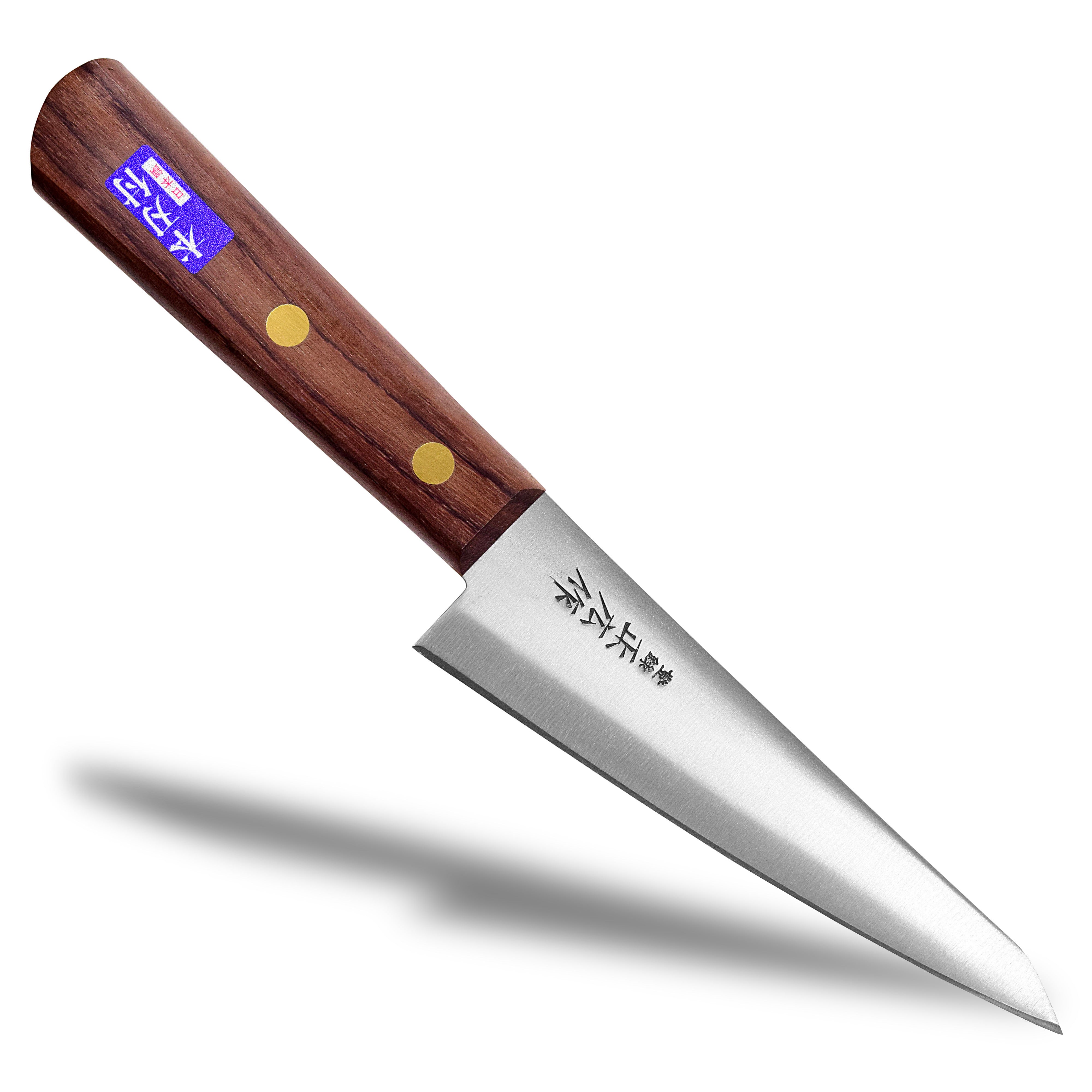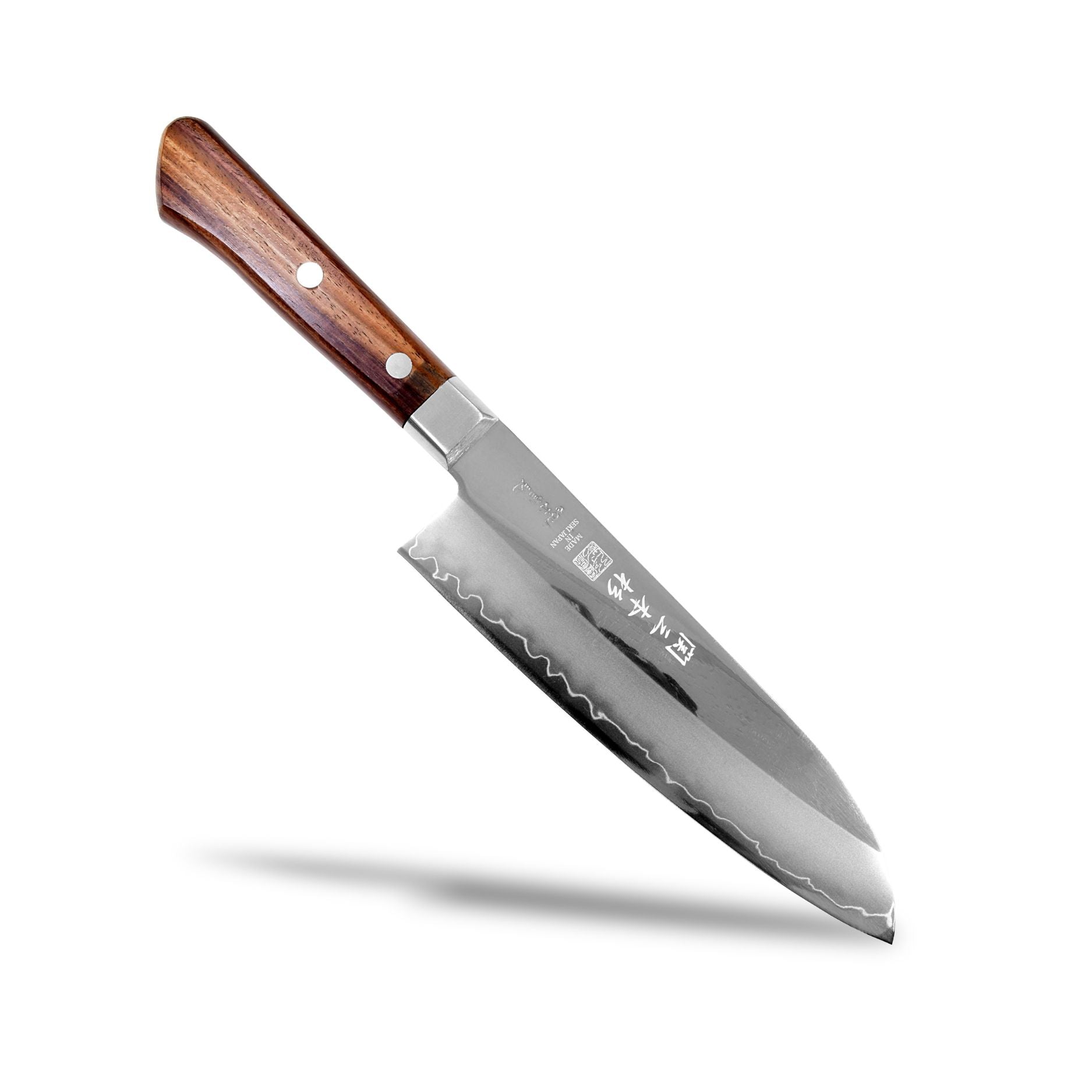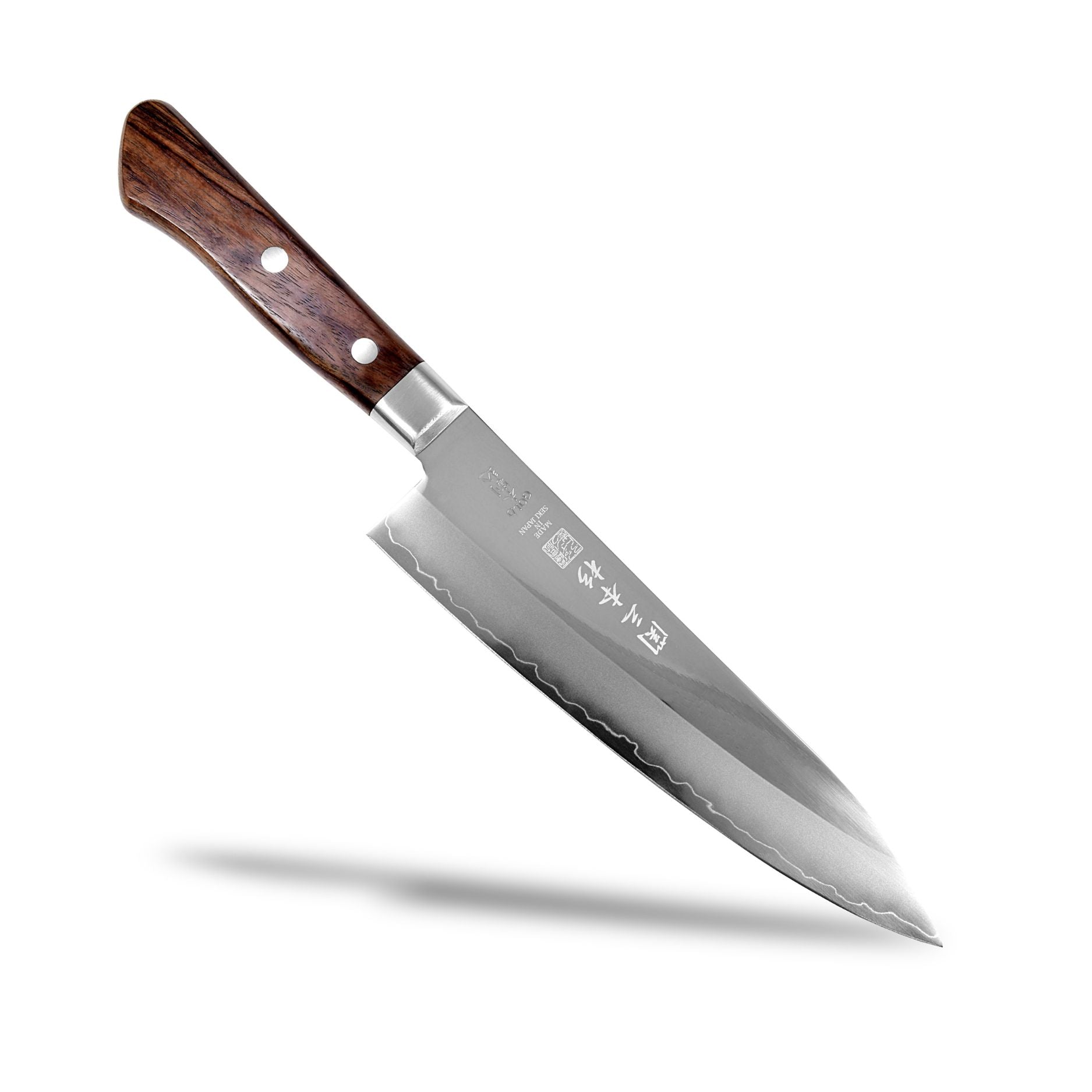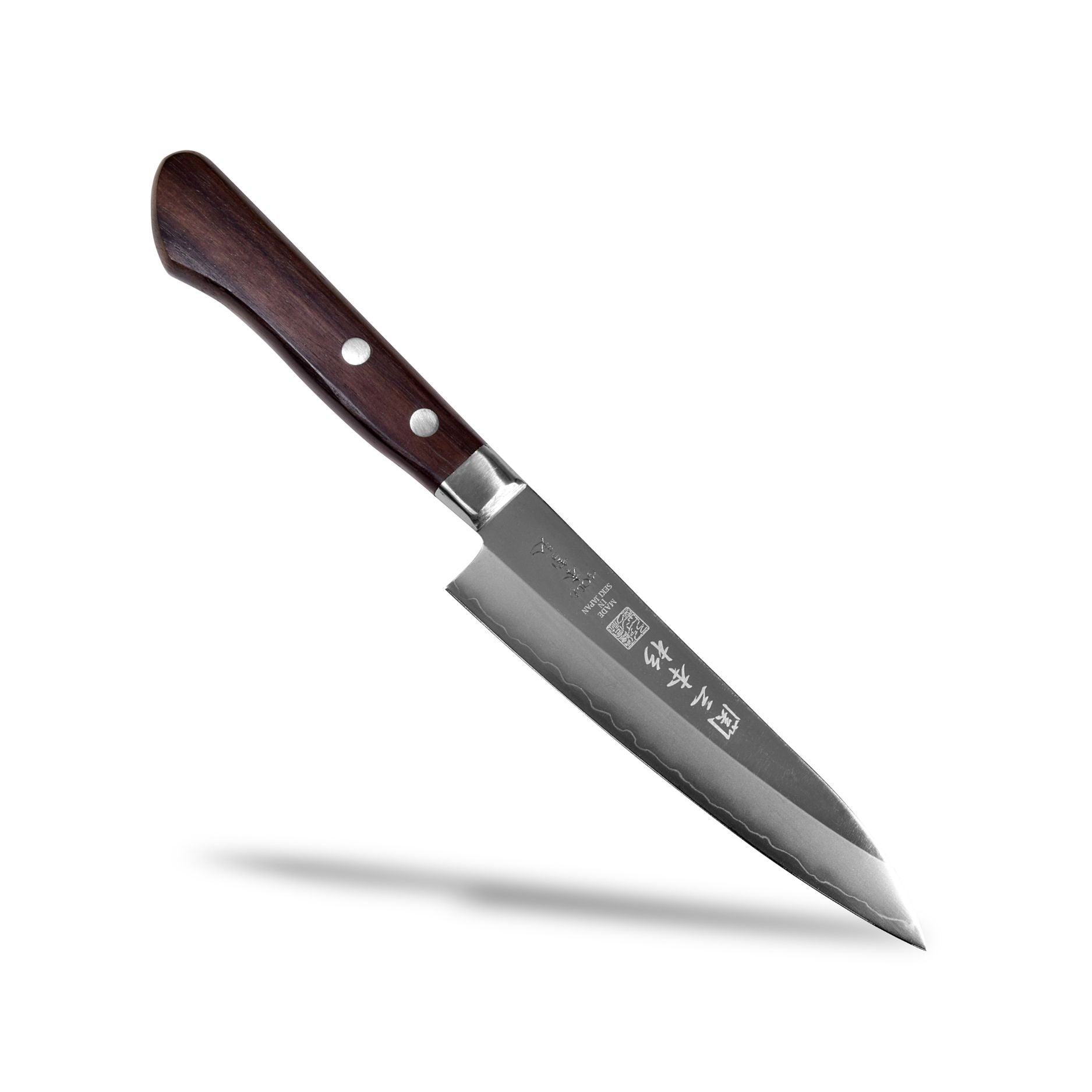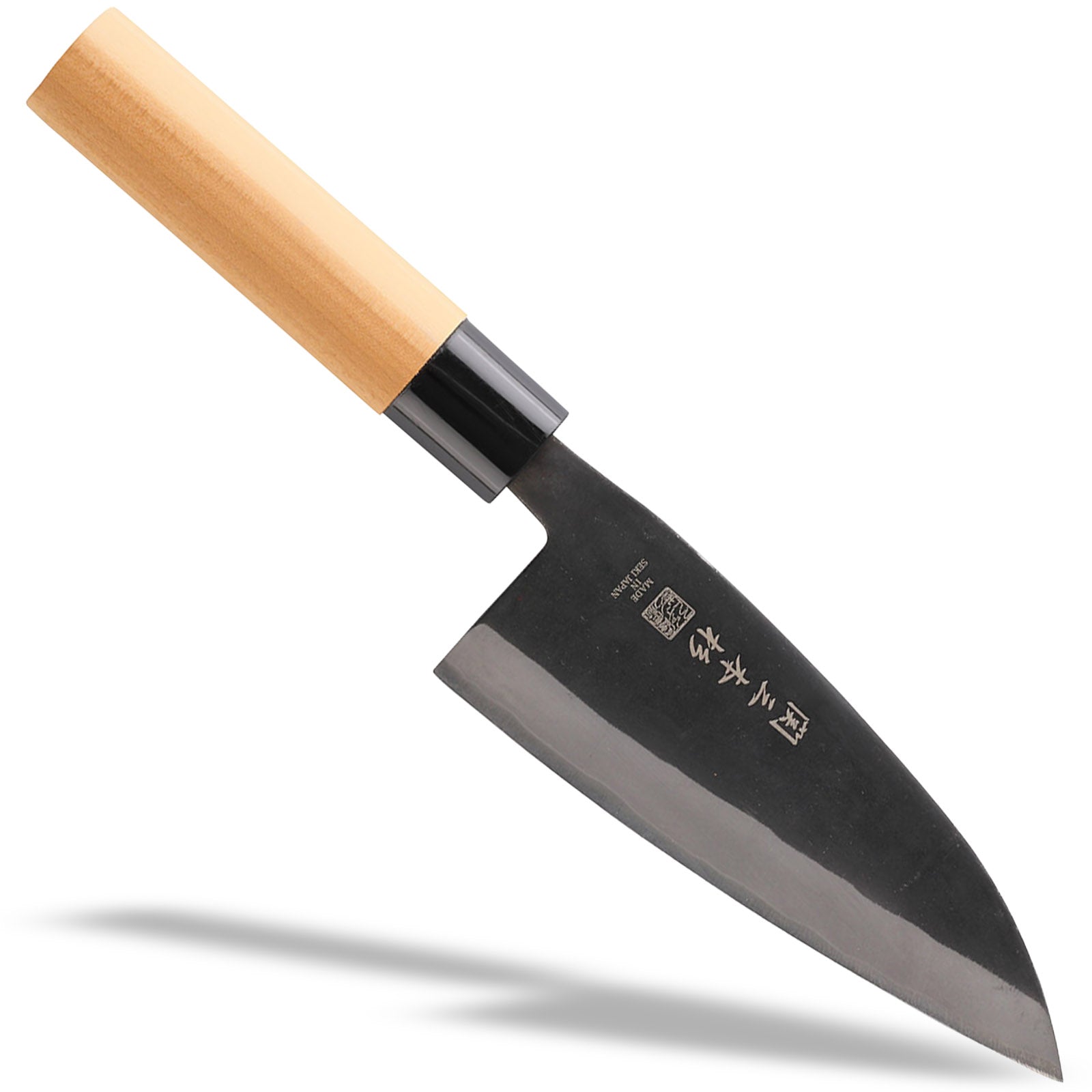

Understanding the difference between a deba knife and a sashimi knife among the different types of Japanese kitchen knives.
A comprehensive guide to Japanese knives, including their types, deba knives, sashimi knives, and their differences, to broaden your fish cooking repertoire.
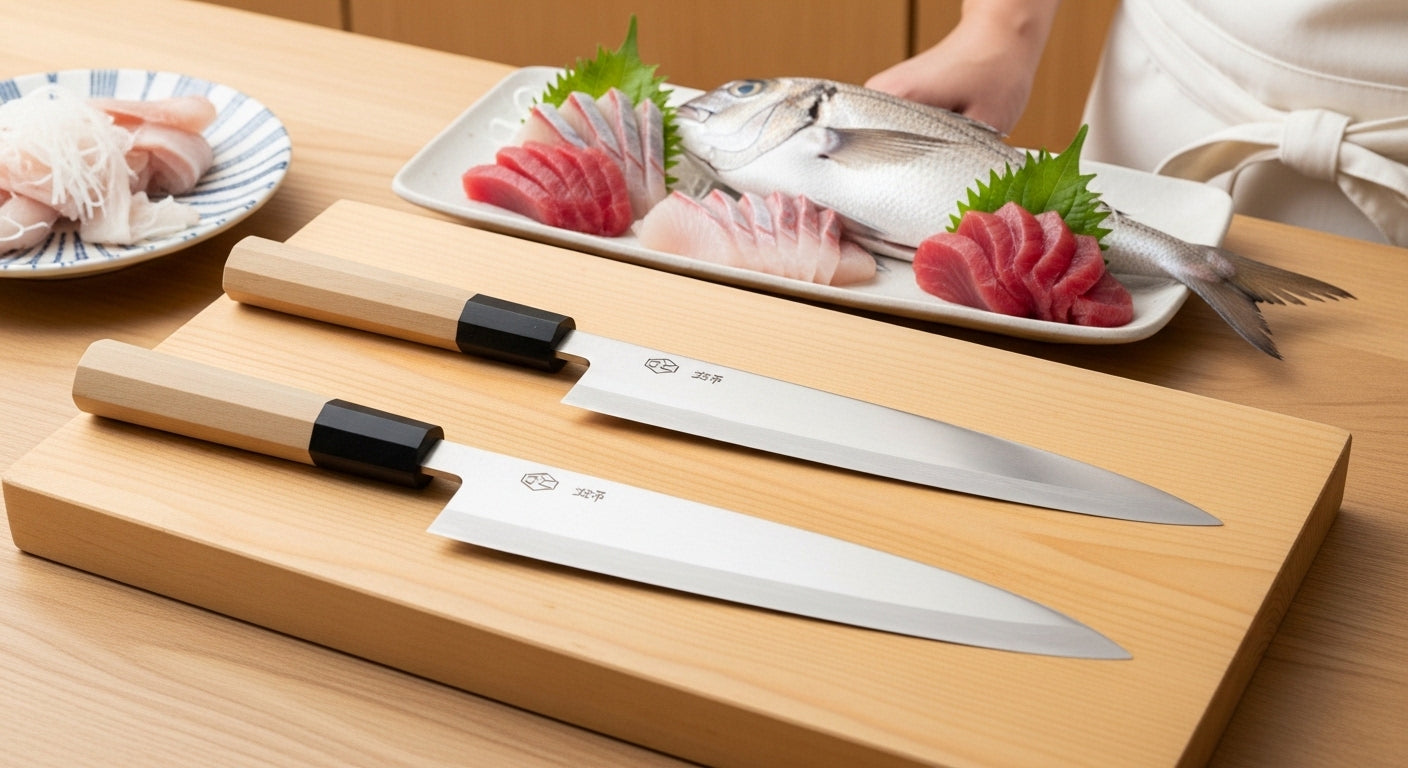
In conclusion, a deba knife is "a knife used to fillet whole fish and cut through the bones and head," while a sashimi knife (yanagiba knife) is "a knife used to finish filleted fish into sashimi with a single swift cut." To truly enjoy fish dishes, it is most logical to use these two knives, each with its own specific role.
[Key points of this article]
- This article summarizes the differences in role, shape, and strengths of two representative types of Japanese kitchen knives: the "deba knife" and the "sashimi knife (yanagiba knife)".
- This article explains the recommended uses of deba and sashimi knives, both used in home kitchens and professional settings, with specific examples of fish dishes.
- For those buying their first set of Japanese kitchen knives, we offer suggestions on how to decide "which one to start with" and "how to choose your second knife."
Today's review: 3 key points
A deba knife has a thick, heavy blade for cutting fish heads and bones, while a sashimi knife (yanagiba) has a long, slender blade for slicing sashimi in a single, sweeping motion.
In short, a deba knife is best for filleting whole fish, and a yanagiba knife is best for beautifully slicing sashimi with sharp edges. Both are representative types of Japanese kitchen knives.
In conclusion, for families who frequently buy whole fish, or for those aspiring to be professionals, having both a deba knife and a sashimi knife will dramatically improve the quality and efficiency of your fish dishes.
Conclusion of this article
- In conclusion, a deba knife is a knife used for "filleting" fish, while a sashimi knife (yanagiba knife) is a knife used for "slicing" the filleted fish into sashimi; their uses are clearly defined.
- In short, a deba knife is a thick, heavy, single-edged knife designed to safely cut bones and heads, while a sashimi knife is a long, slender, single-edged knife shaped to smoothly slice sashimi in a single stroke.
- The most important thing is to decide on a priority order based on how often you handle whole fish and how particular you are about your sashimi, such as "use the deba knife first" or "use the yanagiba knife second."
- The first thing beginners should understand is that neither a deba knife nor a sashimi knife is a one-size-fits-all tool, and that using them for different purposes is essential for consistently good results in fish dishes.
- If you're looking to build a serious collection of Japanese kitchen knives, a "santoku + deba + sashimi knife" set is the ideal three-knife configuration for home use, including for preparing fish dishes.
What are the basics of Japanese kitchen knives, including different types, deba knives, and sashimi knives?
In short, the three most representative Japanese kitchen knives are "deba" (for grating), "usuba" (for vegetables), and "yanagiba" (for sashimi).
Three types of Japanese knives—deba knife, usuba knife, and yanagiba knife—are introduced as the main knives used by chefs in Japanese cuisine, and it is widely known that they each play a specific role: "filleting fish," "vegetables," and "sashimi," respectively.
Of these, the "deba knife" and the "sashimi knife (yanagiba knife)" are used for fish dishes, and the basic principle is to use them differently depending on whether you are filleting the whole fish or slicing it into sashimi.
Deba knives are clearly classified as "for filleting fish," and yanagiba knives are classified as "for slicing sashimi," and are treated as separate categories.
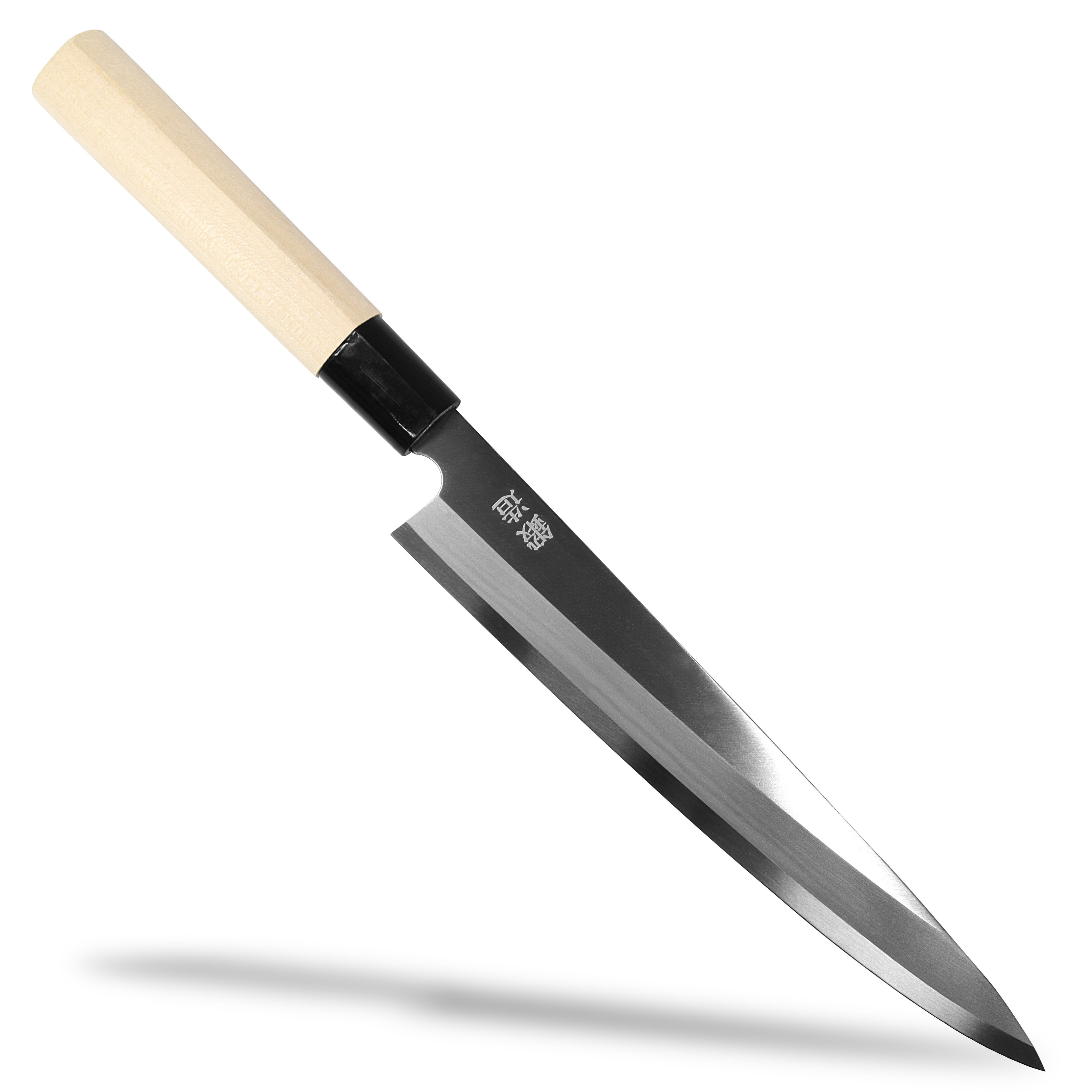
As its name suggests, the yanagiba knife is characterized by its long, slender blade resembling a willow leaf, and is designed to smoothly slice sashimi from a block of fish in a single, sweeping motion.
The first thing beginners should understand is that "the process of cutting fish is a continuous flow, but the knives used are divided into those for 'filleting (deba)' and those for 'plating (sashimi)'."
What type of Japanese kitchen knife is a deba knife?
In conclusion, a deba knife is a Japanese knife specifically designed for filleting whole fish, and is a specialized blade for tasks such as removing the head, filleting, and cutting through bones.
A deba knife is a single-edged knife with a thick, heavy blade, described as "a knife used for cutting off the heads of fish or filleting them into three pieces," and is said to be a knife capable of cutting through hard bones.
It is also described as a knife necessary for all aspects of preparing whole fish, such as scaling, removing the head, and processing the bones.
The shape features are as follows:
- The base of the blade is thick and heavy.
- Single-edged design makes it easy to follow the contours of the bone.
- Blade length is approximately 120-210mm (150-180mm is standard for home use).
The most important thing to understand is that "a deba knife is not a knife for thinly slicing fish, but rather a 'power knife' for safely handling fish bones and heads."
What type of Japanese knife is a sashimi knife (yanagiba knife)?
In short, a sashimi knife, or yanagiba knife, is a Japanese knife used to slice sashimi from a block of fish. Its long blade allows for a single, sweeping cut, resulting in a beautifully shaped cross-section.
The characteristics of a yanagiba knife include its "thin, long blade," "creating a clean cut with a single swift stroke," and being "a knife designed for slicing sashimi beautifully and deliciously."
Blades typically range from 210 to 300 mm in length. By utilizing the long blade and simply pulling it towards you, you can slice the sashimi without crushing the fibers, resulting in sashimi with a smooth texture.
Yanagiba knives are introduced not only as a knife for sashimi, but also as a "specialized knife for pulling cuts" that can be used for thinly slicing roast beef and ham.
In some regions, a takohiki knife, which has a rounded, nearly rectangular tip, is used as a sashimi knife instead of a yanagiba knife, but currently, yanagiba knives are considered to be the most common.
The first thing beginners should understand is the difference in usage: "A yanagiba knife is not for 'pushing through' but for 'pulling through'."
Differences in shape and function between a deba knife and a sashimi knife
In conclusion, both deba knives and sashimi knives are single-edged Japanese knives, but they are specialized for their respective roles, with the deba being thick and short, and the yanagiba being thin and long.
The difference between a deba knife and a sashimi knife is that deba knives are designed to "cut through bones with their thickness and weight," while sashimi knives are designed to "cut with a single, sweeping motion using their long, thin blade."
Although both have a single-edged structure, the deba knife is optimized for cutting through hard bones by utilizing the thickness and weight near the base of the blade, while the sashimi knife is specialized for smoothly slicing without damaging the fibers of the flesh by finishing the blade thinly and sharply.
It is recommended to use different knives for different purposes, such as "a deba knife for filleting whole fish" and "a yanagiba knife for slicing sashimi."
In short, the roles are divided as follows: "Prepare the ingredients with the deba knife, and finish the dish with the yanagiba knife."
The first thing beginners should understand is that "it's safer and produces better results in the long run to use different knives for different purposes rather than trying to do everything with just one."
Japanese kitchen knives: Types, Deba knives, Sashimi knives - How should I choose between them?
Which should you get first at home: a deba knife or a sashimi knife?
In conclusion, if you're buying your first Japanese fish knife for home use, the most practical approach is to prioritize based on whether or not you frequently buy whole fish.
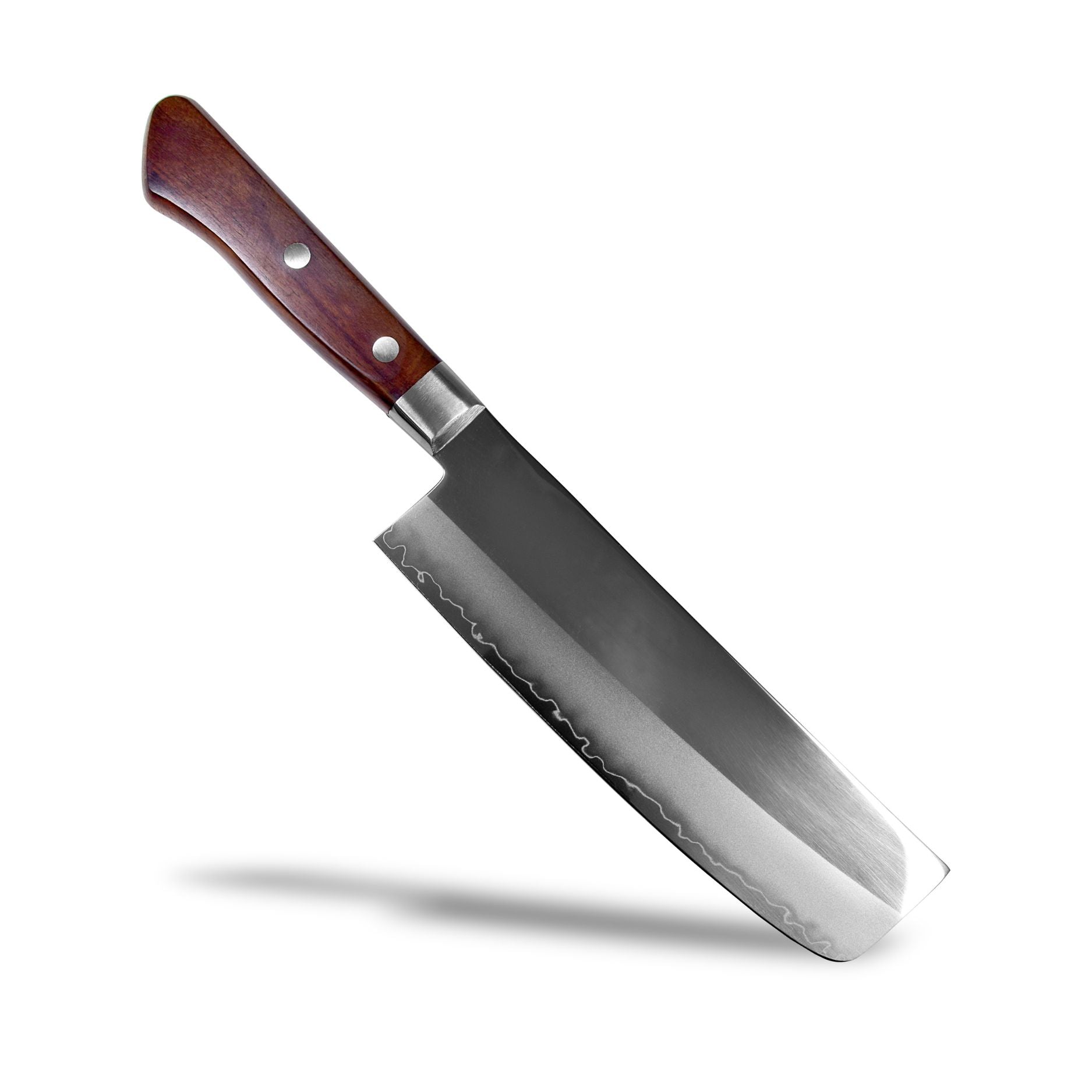
When acquiring a set of Japanese kitchen knives for home use, it is recommended to start with a versatile knife such as a santoku or gyuto, and then add a deba or yanagiba once you start handling whole fish.
If you find yourself preparing whole fish more often than you prepare sashimi, acquiring a deba knife (a type of Japanese fish filleting knife) beforehand will allow for safer and more efficient preparation.
On the other hand, if you often buy only the blocks of sashimi and arrange them yourself, then it's more worthwhile to acquire a sashimi knife (yanagiba) before a deba knife.
Having a yanagiba knife allows you to slice commercially available fish fillets to your desired thickness for sashimi, which can significantly change the texture and appearance of the same fish.
The most important thing is to decide the priority of your deba knife and sashimi knife based on whether you buy whole fish or fillets more often.
What are some specific examples of when to use a deba knife and a sashimi knife?
In short, if you break down the process of preparing fish and draw lines like "use a deba knife from here to here" and "use a yanagiba knife from here on," it becomes easier to understand which knife to use.
For example, the process for preparing sashimi of sea bream or yellowtail is as follows:
- Removing scales from a whole fish → Use a deba knife (its thickness and weight make it easy to scrape off scales).
- Cut off the head, remove the innards, and fillet the fish into three pieces → Use a deba knife (to cut through the bone and separate the flesh along the backbone)
- Remove the skin from the filleted fish and prepare it for sashimi → Use a deba or yanagiba knife (a deba knife is also acceptable once you're used to it).
- Cut the sashimi from the block into bite-sized pieces → Use a yanagiba knife (to smooth the cut surface with long, sweeping cuts)
It is said that "it is easier to prepare sashimi using a deba knife, and using a sashimi knife results in more beautiful and delicious slices," emphasizing the advantages of using both a deba knife and a sashimi knife.
The first thing beginners should understand is that "deba knives are used in the first half of the process, and yanagiba knives are used in the second half."
How does having both a deba knife and a sashimi knife change your fish cooking?
In conclusion, owning both a deba knife and a sashimi knife will not only expand your repertoire of fish dishes, but will also significantly improve the "beauty of the finished product," "texture," and "stress-free preparation."
Having a deba knife allows you to safely prepare whole fish (such as sea bream, horse mackerel, mackerel, and sardines) at home, which you might have avoided before, expanding your cooking options to include salt-grilled, simmered, fried, and carpaccio dishes.
Furthermore, using a sashimi knife (yanagiba knife) to slice the fish results in smoother cuts, improving the texture and appearance, bringing it closer to the quality of sashimi served in restaurants.
Yanagiba knives can be used not only for sashimi but also for thinly slicing roast beef and ham, making them a versatile tool for both fish and slicing at home.
On the other hand, if you have limitations on the number of knives you can own or storage space, you can choose a knife that is a hybrid of a deba knife and a sashimi knife, such as a "mioroshi deba," which can be used for both filleting and slicing with a single knife.
The most important thing is to decide "how far you want to go with fish cooking at home" and then consider how many deba and yanagiba knives you should acquire according to that level.
FAQ
Q1. What is the biggest difference between a deba knife and a sashimi knife?
A1. A deba knife has a thick, heavy blade and is used to cut the heads and bones of fish, while a sashimi knife (yanagiba) has a long, slender blade and is used to thinly slice sashimi in a single stroke.
Q2. Can you make sashimi using only a deba knife?
A2. It is possible to make it, but a thick blade tends to result in a rough cut surface. Using a yanagiba knife will produce a smoother and more beautiful sashimi.
Q3. Can I fillet a fish with just a sashimi knife (yanagiba knife)?
A3. Yanagiba knives have thin blades and are unsuitable for cutting through bone. For tasks like cutting the head and backbone, it is safer and less likely to chip the blade to use a deba knife.
Q4. Which should I get first at home: a deba knife or a sashimi knife?
A4. If you frequently buy whole fish, prioritize getting a deba knife. If you often buy blocks of sashimi, you'll be more satisfied if you get a sashimi knife (yanagiba) first.
Q5. Are sashimi knives and yanagiba knives the same thing?
A5. Generally, the yanagiba knife is used as a sashimi knife, and most sashimi knives in Japan are of the yanagiba type.
Q6. What is the standard blade length for a yanagiba knife?
A6. For professional use, 210-300mm is common, while for home use, around 210-240mm is a standard size that is easy to handle.
Q7. What is the standard blade length for a deba knife?
A7. Deba knives are typically around 120-210mm in length, but for home use, medium-sized deba knives of around 150-180mm are often chosen.
Q8. Is it impossible to cook fish without both a deba knife and a yanagiba knife?
A8. While you can handle fish with just a santoku knife, having a deba and yanagiba knife will greatly improve safety and the quality of your dishes, and expand the range of fish you can prepare.
Q9. Can a yanagiba knife be used for anything other than sashimi?
A9. It can be used for all kinds of slicing where a long blade is used to make a single, sweeping cut, such as thinly slicing roast beef or ham.
Q10. If you could only choose one knife, a deba knife or a sashimi knife, which would you choose?
A10. If you want to prepare a whole fish, choose a deba knife; if you want to neatly slice sashimi that you buy already in block form, choose a sashimi knife; this will suit your needs.
summary
- In conclusion, a deba knife is a knife used to safely fillet whole fish and remove bones and heads, while a sashimi knife (yanagiba knife) is a knife used to finish filleted fish into sashimi with a single swift cut. There is a clear difference in their roles.
- Both are single-edged Japanese knives, but the deba has a thick, heavy blade designed to cut through bone, while the yanagiba has a long, slender blade designed for smooth slicing. If you want to truly enjoy cooking fish, it's most efficient to use both knives for different purposes.
- Depending on how often you prepare whole fish and your level of commitment to sashimi, you can decide whether to start with a deba knife or a yanagiba knife. Ultimately, aiming for a set of "santoku + deba + sashimi knife" will allow you to create a near-professional fish cooking environment at home.