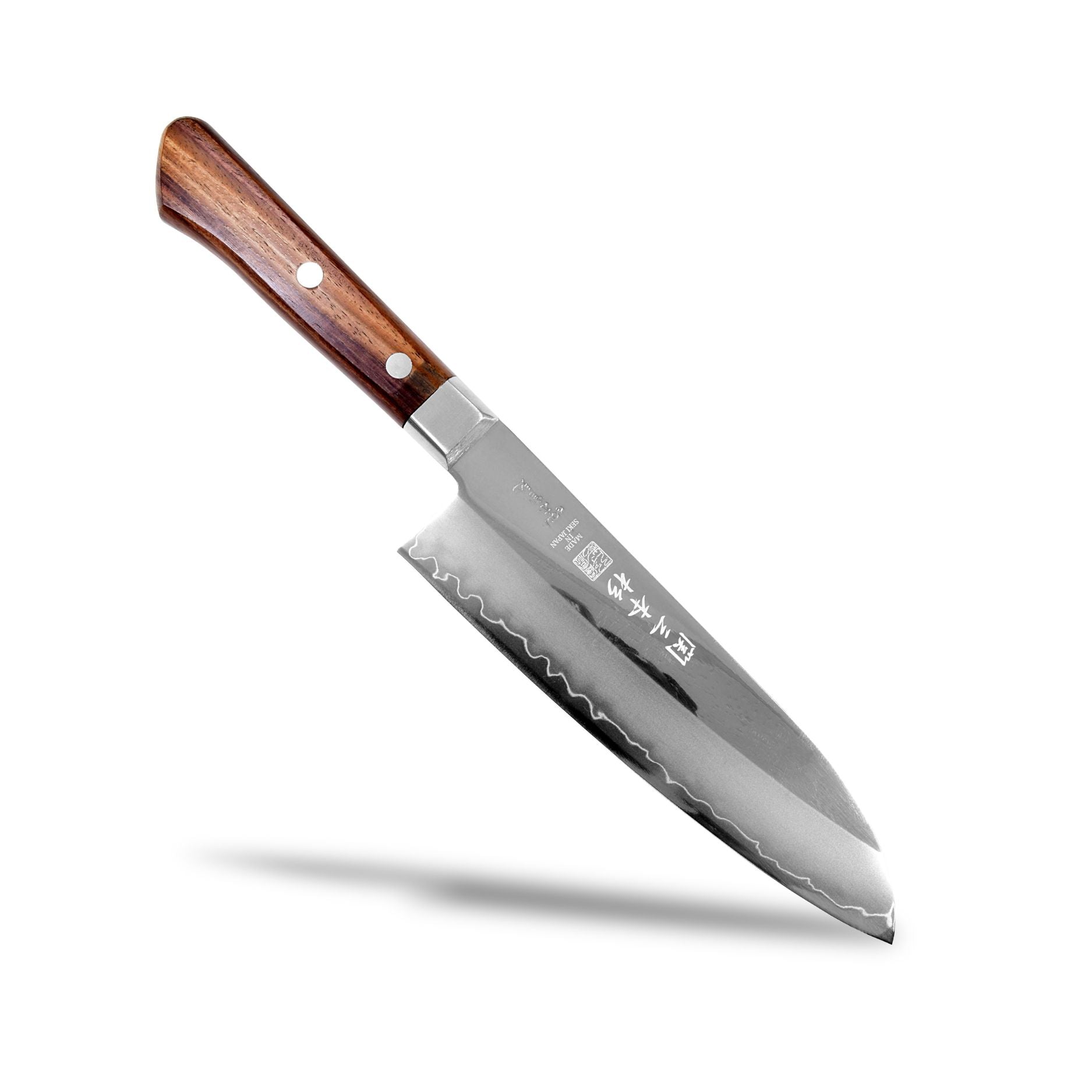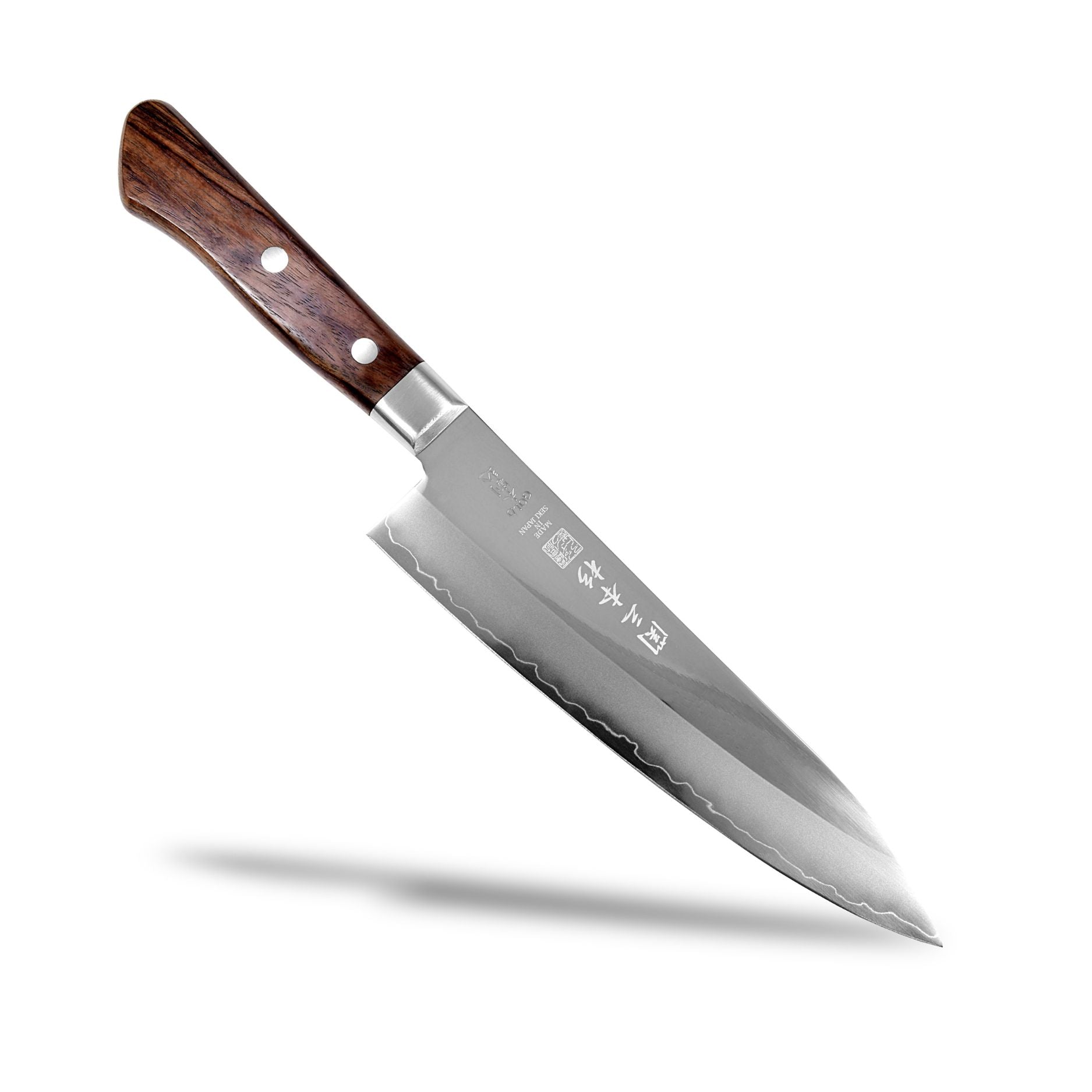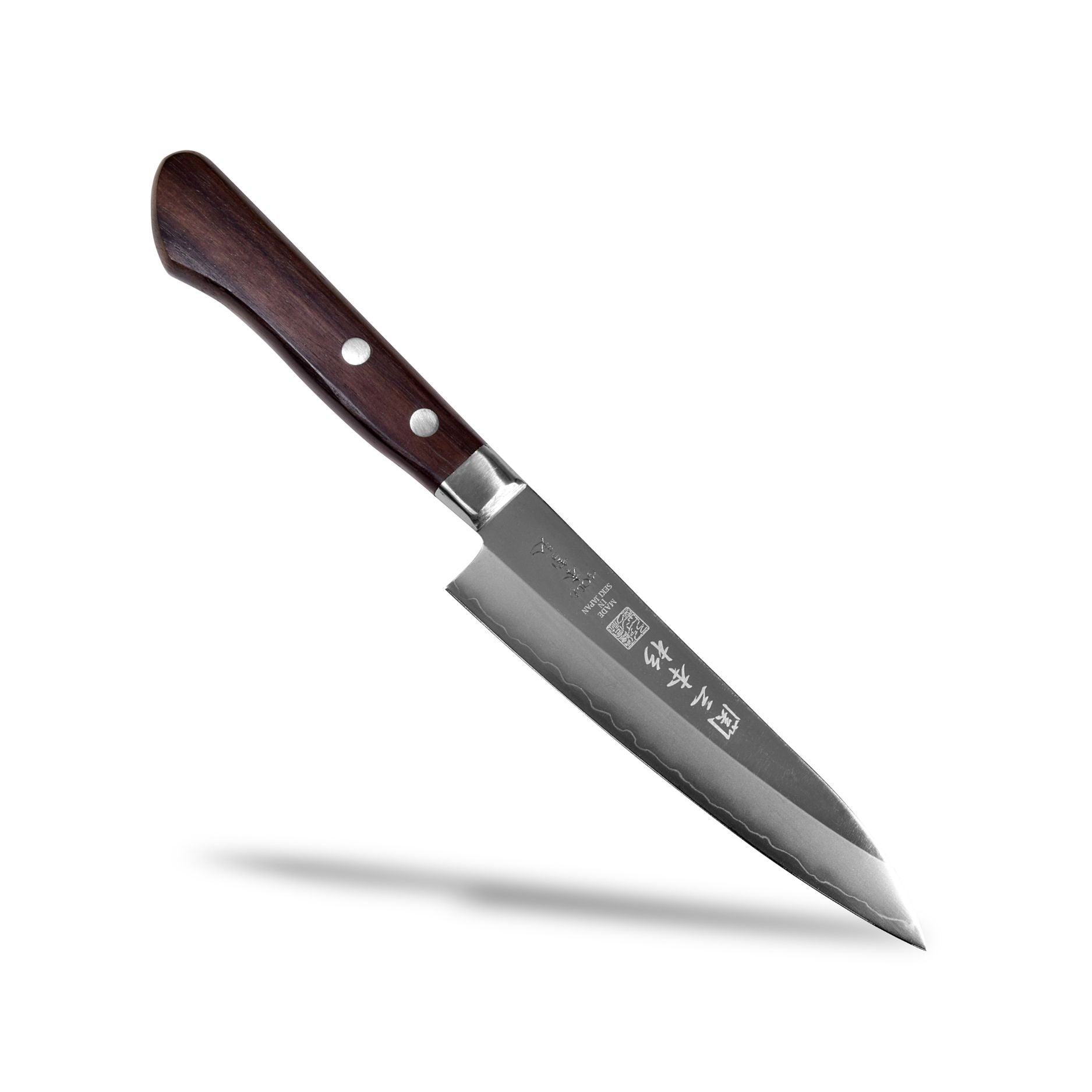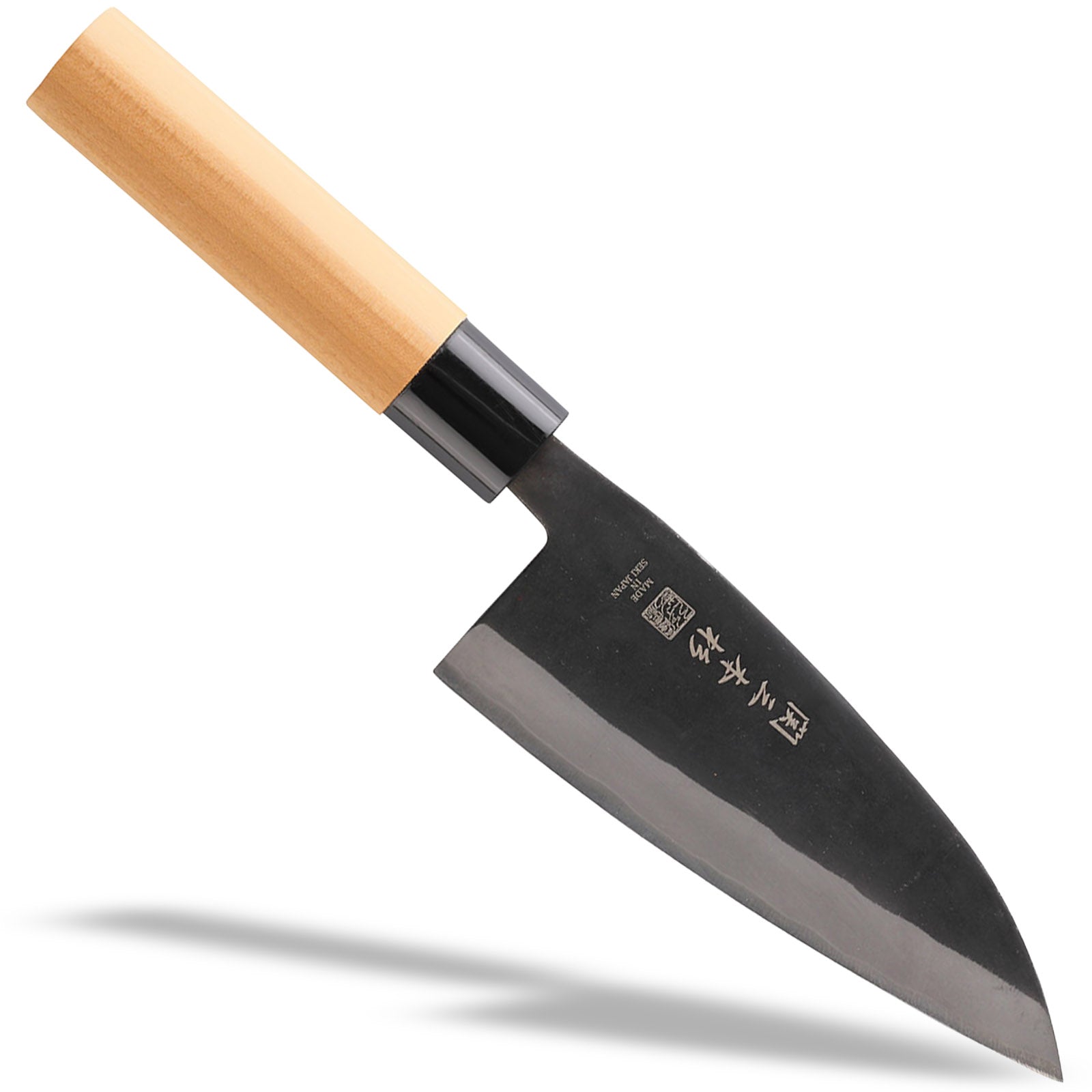

An Introduction to Sashimi Knives: Starting with How to Sharpen a Japanese Knife
Japanese knives for beautiful slicing: Sharpening techniques, sashimi knives, sashimi preparation, usage, and procedures.
In conclusion, the quickest way to slice beautiful sashimi with a sashimi knife (yanagiba knife) is to master both "the correct way to sharpen a single-edged blade (cutting edge and back edge)" and "a single, sweeping cut using the entire length of the blade."
[Key points of this article]
- This article summarizes the basic sharpening techniques for Japanese knives, especially sashimi knives (yanagiba knives), and the unique points to consider when using a single-edged knife.
- This guide explains typical sashimi slicing techniques such as flat slicing and slicing, as well as how to use and hold a yanagiba knife, for beginners.
- This guide introduces the easy-to-follow steps for beginners to learn how to use a sashimi knife at home, using just 2-3 whetstones and 1 sashimi knife.
Today's review: 3 key points
The basic method for sharpening a sashimi knife is to "sharpen the cutting edge thoroughly → press the back → remove the burr," and the sharpening technique for single-edged knives is important.
In short, the correct way to slice sashimi is to "smoothly pull the blade from the base to the tip towards you in one swift motion," and pushing to cut is not recommended.
In conclusion, with just one whetstone and a sashimi knife that you've learned how to sharpen, you can significantly improve the texture and appearance of your sashimi at home.
Conclusion of this article
- In conclusion: To achieve a beautiful and delicious sashimi dish, it's essential to sharpen a sashimi knife (yanagiba knife) correctly using the proper single-edged sharpening technique, and to slice the sashimi with a single "pulling" motion.
- In short, the quality of sashimi depends 70% on sharpening and 30% on cutting; neither one alone is sufficient.
- The most important things are to sharpen the entire cutting edge evenly to eliminate the double bevel and to lightly press the back of the blade so as not to disturb the "back bevel" on the reverse side.
- The first thing beginners should understand is that the ideal sharpening process involves three stages: using a medium grit whetstone (around #1000), and ideally combining it with a coarse grit whetstone and a finishing whetstone.
- When slicing sashimi, whether using the flat-cut or thin-cut method, the key is to insert the blade perpendicular to the grain (suji) of the fish and pull it towards you using the entire length of the blade.
What are the basics of using and procedures for Japanese knives, including sharpening, sashimi knives, and preparing sashimi?
In short, the basics of learning to use a sashimi knife consist of two main things: "learning to properly sharpen a single-edged knife" and "learning to slice sashimi using a pulling motion."
According to explanations from specialty knife shops, the important things when sharpening a yanagiba knife (sashimi knife) are to "apply the cutting edge firmly to the whetstone and sharpen the entire surface evenly" and to "lightly sharpen the back side to remove any burrs."
When it comes to slicing sashimi, techniques such as "pulling the blade towards you in one swift motion from the base to the tip" and "cutting in the direction that cuts across the muscle fibers" are widely shared.
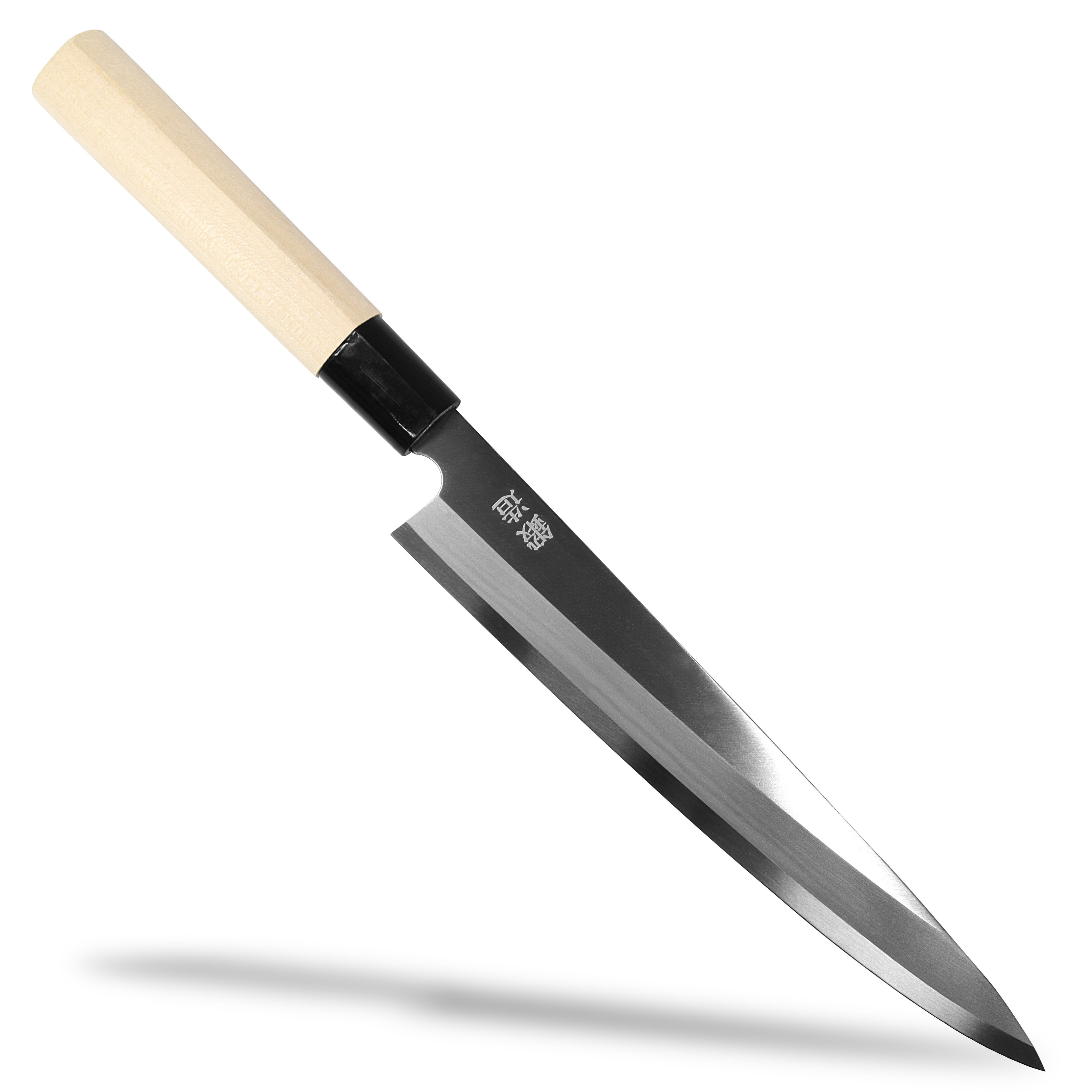
Most sashimi knives have a single-edged structure, with a large cutting edge on one side and a shallow hollow (back-curve) on the other side, giving them a unique shape.
Thanks to this underside beveling, the sashimi separates more easily when sliced, making it easier to lift the sashimi from the cutting board and keeping the cross-section smooth.
The first thing beginners should understand is the premise that "sashimi knives are sharpened and used differently from regular double-edged knives."
The complete guide to sharpening a sashimi knife
In conclusion, the basic method for sharpening a sashimi knife is to "shape it with a coarse whetstone → create the edge with a medium whetstone → sharpen the blade with a finishing whetstone → bevel the back and remove the burr."
It is recommended to use three types of whetstones—coarse, medium, and finishing—and sharpen the cutting edge in several sections, varying the number of strokes for each section (tip, middle, and base).
The basic process involves using a coarse whetstone to remove the double-edged edge, thinning the entire cutting edge, then sharpening it properly with a medium whetstone, and finally refining the sharpness with a finishing whetstone.
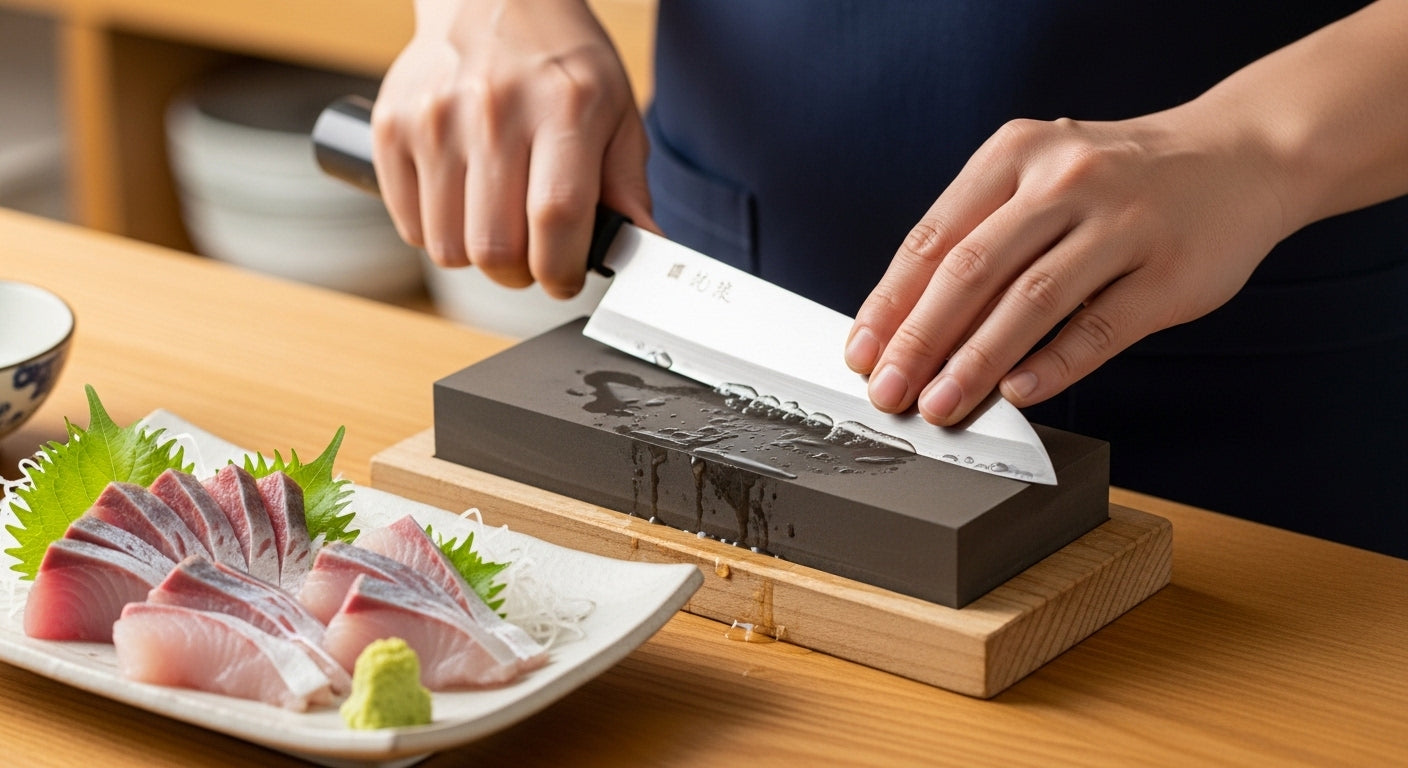
Regarding the sharpening of single-edged knives in general, it is suggested that the blade be held at an angle of about 45 degrees to the whetstone, and the tip of the blade be lifted by the thickness of two 10-yen coins. The key is to apply force when pushing and lightly when releasing.
Finally, perform a "back-sharpening" step, where you lightly sharpen the back side of the blade by placing it flat against a whetstone, and then lightly rub it with newspaper or something similar to remove any fine burrs. This completes the sharpness and smooth cutting action.
In short, the basic principle of sharpening a sashimi knife is to "sharpen one side thoroughly and lightly the other."
How to sharpen a sashimi knife
In conclusion, for beginners, a two-stage process using a medium-grit stone and a finishing stone is sufficient for practical sharpening.
Typical procedure (Medium grit #1000 → Finishing grit #6000-8000)
- Soak the whetstone in water : Let it absorb water for a few minutes to 10 minutes.
- Sharpening the cutting edge (medium grit) : Place the knife at an angle to the whetstone and find the angle at which the entire cutting edge makes contact with the whetstone. Divide the blade into tip, middle, and base. Sharpen the tip and base about 10 times, and the middle about 5 times, applying pressure as you sharpen. Repeat until a burr appears on the entire cutting edge.
- Lightly sharpen the back (medium grit) : Place the back of the knife flat against the whetstone and lightly slide it a few times to flatten the burr on the back.
- Sharpening the cutting edge with a finishing whetstone : Sharpen by lightly stroking the blade at the same angle to refine the edge.
- Sharpening the back and removing burrs with newspaper : Lightly sharpen the back of the blade again, and gently rub the tip of the blade from side to side on a piece of newspaper to remove any small burrs.
The first thing beginners should keep in mind is to "sharpen while visually checking that the entire cutting edge is making even contact with the whetstone."
The advantages of a sashimi knife after mastering the sharpening techniques for Japanese knives.
In short, a properly sharpened sashimi knife can "cut without crushing the flesh," which greatly enhances the taste and appearance of the sashimi.
"To cut sashimi deliciously, the correct way is to place the base of the knife blade against the fish and cut it in one smooth motion while pulling it towards you," and it is recommended to minimize the number of times you touch the flesh.
This is because a sharply honed blade does not crush the fibers of the meat, keeping the cross-section smooth, which improves the texture and mouthfeel.
Furthermore, using a long sashimi knife allows you to cut using the entire length of the blade, without applying much force, relying only on its own weight and pulling motion, which helps prevent the fish from falling apart or dragging.
On the other hand, if the blade isn't sharpened properly, it can crush the flesh or create jagged edges on the surface, resulting in a loss of both appearance and taste.
The first thing beginners should understand is the obvious fact that "the condition for using a sashimi knife effectively is that it must be well-sharpened."
How to sharpen a Japanese kitchen knife, how to use a sashimi knife, and how to prepare sashimi – what are the proper techniques and procedures?
Basic sashimi slicing technique using a sashimi knife
In conclusion, the basics of sashimi are "hirazukuri" and "sogizukuri," and the common points for both are "cutting perpendicular to the grain" and "cutting in a single swift motion."
Hirazukuri (a basic cutting method that can be used for tuna and white fish in general)
- Place the sliced fish so that its "eyes (grooves)" move from the upper right to the lower left.
- Starting from the right edge, insert the knife in a direction that cuts across the muscle fibers.
- Place the base of the blade against the target, and using the entire length of the blade, pull it smoothly towards you to cut it off in one swift motion.
Sogi-zukuri (thinly sliced white fish, suitable for carpaccio)
- Place the fillet skin-side down, with the thinner side of the flesh facing you.
- Starting from the left edge, lay the knife flat and pull it towards you, thinly slicing the meat as if passing it under your left hand.
- Because it has a wide cross-section and allows flavors to blend easily, it is suitable for white fish and marinated dishes.
The three things beginners should remember first are: "Don't push," "Don't jiggle," and "Pull in one go."
Tips on how to hold and move a sashimi knife
In short, the key to using a sashimi knife is to move it with the image of "keeping your elbow close to your body, without changing the angle of your elbow, and pulling it towards you using your shoulder as a pivot point."
The basics of slicing sashimi include "keeping your elbows close to your body and maintaining the same elbow angle, and smoothly pulling the blade towards you" and "being mindful of using the entire length of the blade."
Because yanagiba knives have long blades and are difficult to hold steadily, it is sometimes recommended to hold them with your index finger resting on the back of the blade to control them, and it is important not to grip them too tightly.
Furthermore, when slicing sashimi, it is important to cut the blade perpendicular to the "grain (membranes)" of the fish to sever the fibers and improve the texture.
Once you've finished cutting a slice, gently tilt the knife to the right to separate it from the meat and move it towards the serving plate. This reduces the number of times you touch the meat with your hands and speeds up the plating process.
The most important thing is finding the right balance: smooth knife movements and minimal hand movements.
Steps to learn how to sharpen and use a knife together.
In conclusion, the most practical way to learn how to use a sashimi knife for beginners is to follow these three steps: ① Gather whetstones → ② Standardize your sharpening technique into a single procedure → ③ Begin by practicing flat cutting.
Step 1: Gather the tools
- Bring one medium-grit whetstone (around #1000), and if you have extra space, add a finishing whetstone (#6000-8000).
- One sashimi knife (yanagiba knife) (around 210-240mm is easy to handle for home use).
Step 2: Master the basic sharpening techniques.
- I established my own routine: "divide the cutting edge into three sections and sharpen them in order," and "bevel the back of the blade and remove the burr with newspaper."
- Initially, even just using a medium-grit whetstone is fine; the goal is to get a feel for "the sensation of creating a burr" and "the sensation of removing it on the back of the whetstone."
Step 3: Start practicing with flat-cut sashimi.
- Practice the "single-stroke cutting" technique for flat-cut fish using easy-to-handle fillets such as tuna and salmon.
- Once you get the hang of it, you can try slicing white fish and get used to cutting with the blade held at an angle.
The first thing beginners should understand is that it's worth investing in improving their sharpening and cutting skills before buying expensive knives.
FAQ
Q1. What is the basic way to sharpen a sashimi knife (yanagiba knife)?
A1. The basic method is to sharpen the entire blade by pressing it firmly against the whetstone, lightly sharpen the back side to remove the burr, and finally remove any remaining fine burrs with newspaper.
Q2. What grit sizes of whetstones should I have?
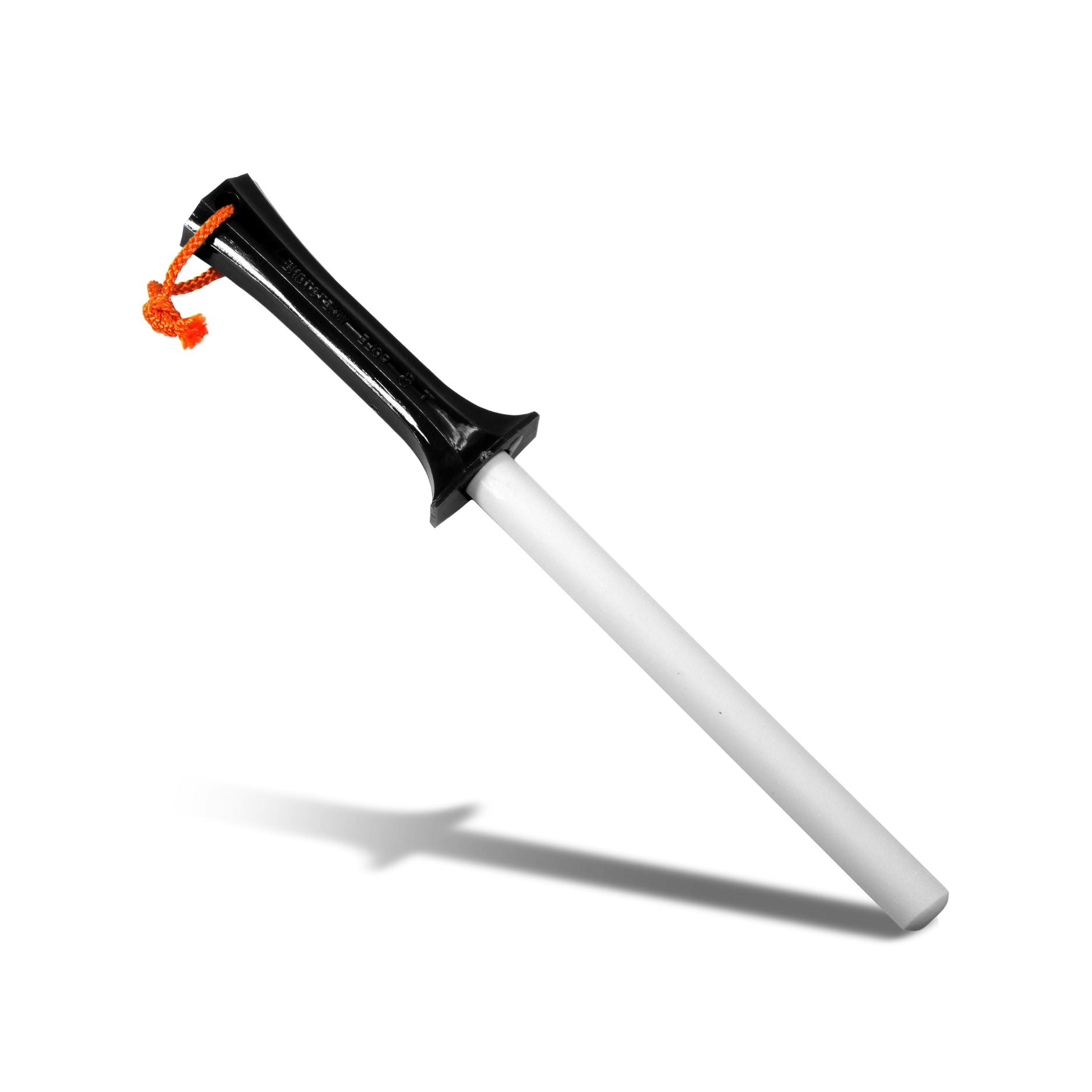
A2. You can sharpen with just one medium-grit whetstone (around #1000), but using a 2-3 whetstone setup including a coarse whetstone and a finishing whetstone will allow you to handle everything from shaping to sharpening and finishing.
Q3. Are sashimi knives double-edged or single-edged?
A3. A typical yanagiba knife is single-edged, with a large cutting edge on the front and a hollowed-out back, which is the secret to its excellent ability to separate the fish and its sharp cutting edge.
Q4. What is the correct sharpening angle for a single-edged knife?
A4. Place the blade at approximately a 45-degree angle to the whetstone, and lift the blade tip to an angle roughly the thickness of two 10-yen coins.
Q5. Why is sashimi sliced using the "pulling" technique?
A5. Pushing the blade makes it easy to crush the flesh, while using a pulling motion and utilizing the entire length of the blade allows you to create a smooth cross-section without crushing the fibers.
Q6. What is the difference between flat-cut and slant-cut?
A6. Hirazukuri is the basic method of sashimi, where the fish is cut straight across with a thick layer of flesh. Sogizukuri is a method of slicing the fish thinly and broadly with the knife held at an angle, and is suitable for white fish and carpaccio.
Q7. Is a sashimi knife necessary for home use?
A7. For families who frequently buy sashimi in blocks, having a sashimi knife makes the cuts cleaner and improves the texture, resulting in higher satisfaction.
Q8. Can you cut roast beef with a yanagiba knife?
A8. It is described as being suitable for thinly slicing roast beef and ham because its long blade allows for a single, sweeping cut.
Q9. Can even a beginner sharpen a sashimi knife?
A9. It is possible if you follow the basic procedure, and there are many sharpening guides and videos available that explain the process in detail for beginners.
Q10. How should I check the sharpness of a knife after sharpening it?
A10. A practical way to check is to actually slice the sashimi to see if the cross-section of the flesh is smooth and if the blade can be cut through in one pass without catching.
summary
- In conclusion, the shortest route to beautiful sashimi is to master both the "sharpening technique specifically for single-edged blades (cutting edge + back bevel)" and the "single-stroke cutting technique using the entire blade."
- It is important to sharpen the entire cutting edge of the yanagiba knife evenly using a medium-grit and a finishing whetstone, carefully remove the burr on the back, and then practice flat cutting and slicing using a "pulling, not pushing" motion.
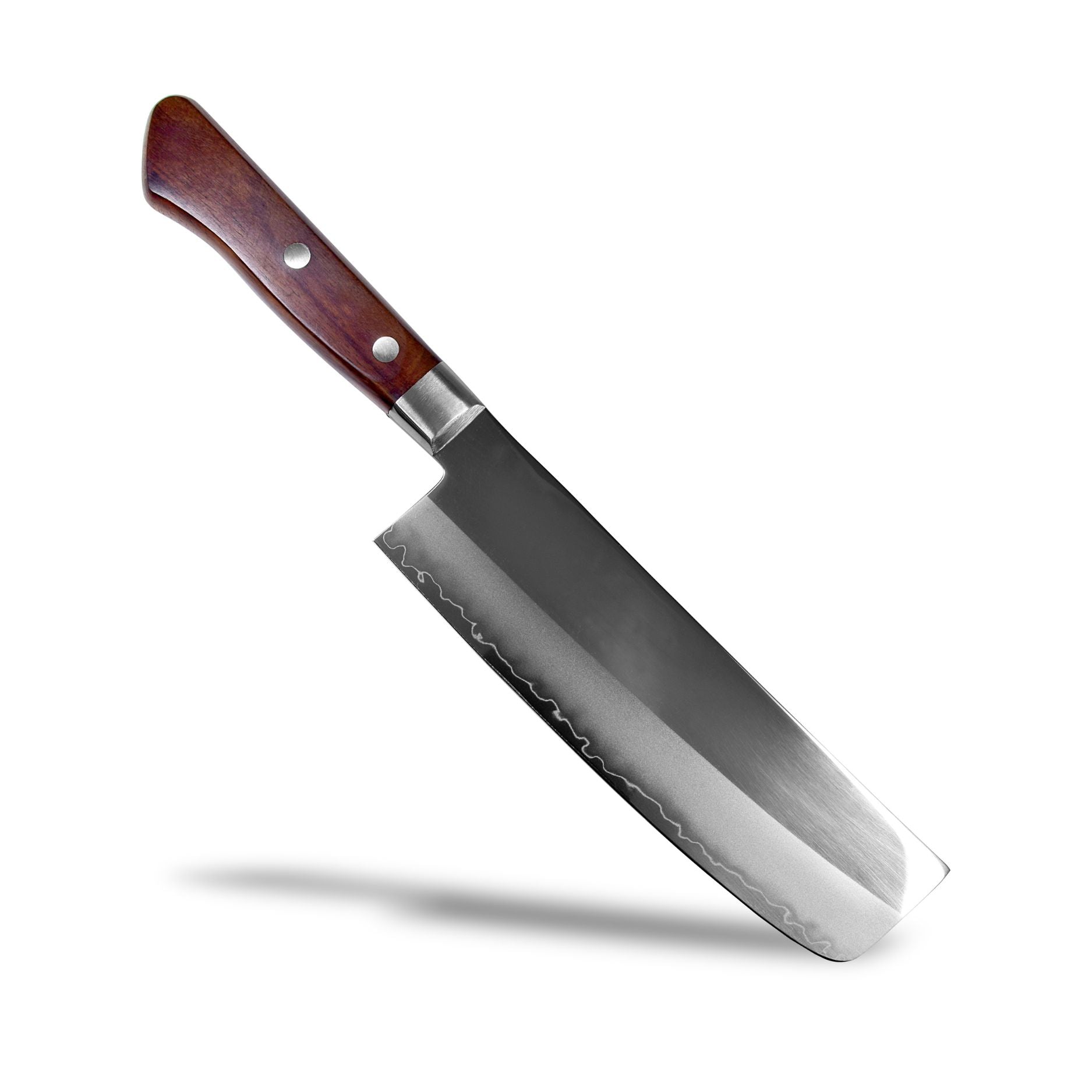
- While you can make sashimi with a santoku knife, simply using a well-sharpened sashimi knife and slicing it with a pulling motion will allow you to enjoy sashimi at home with a texture and appearance close to that of a professional.