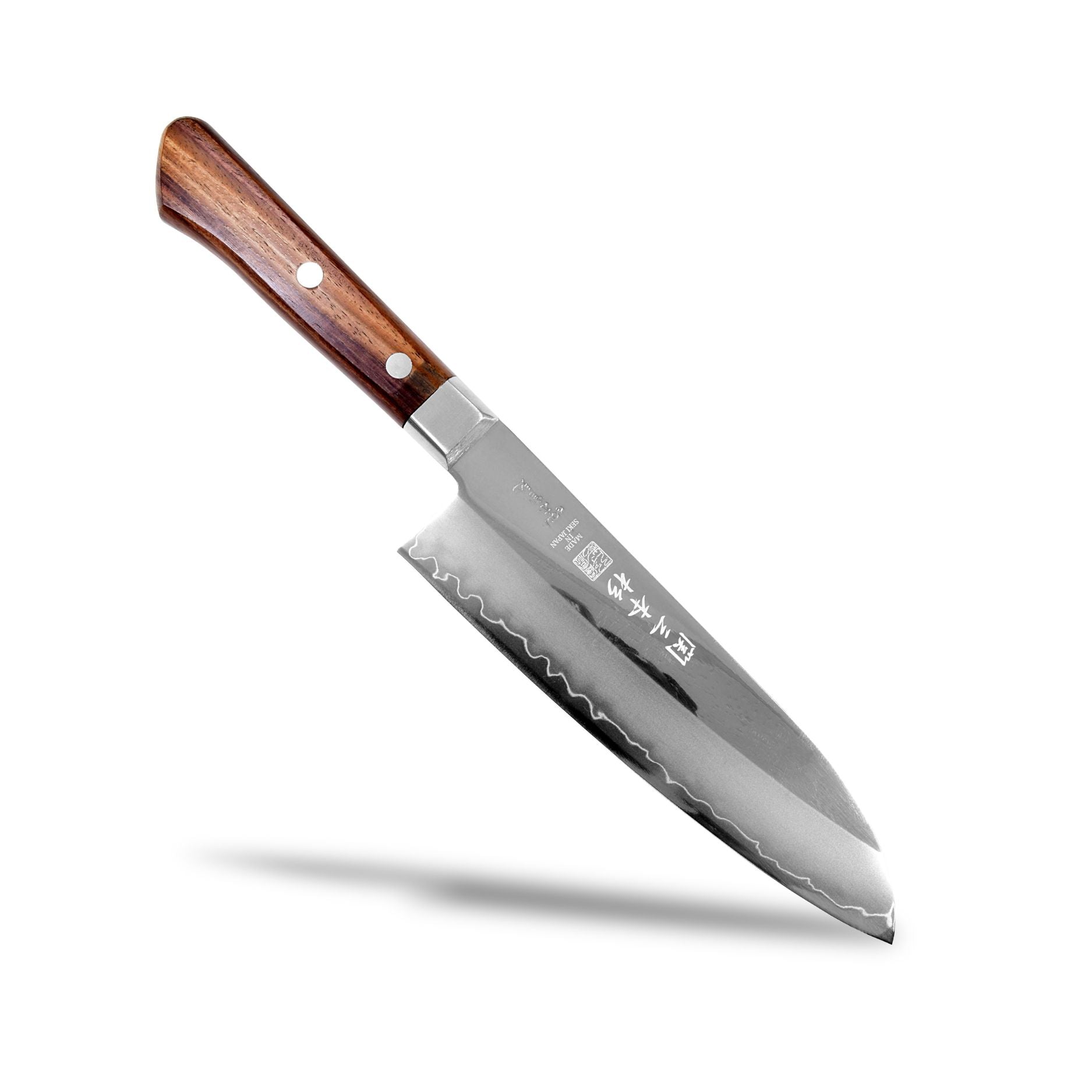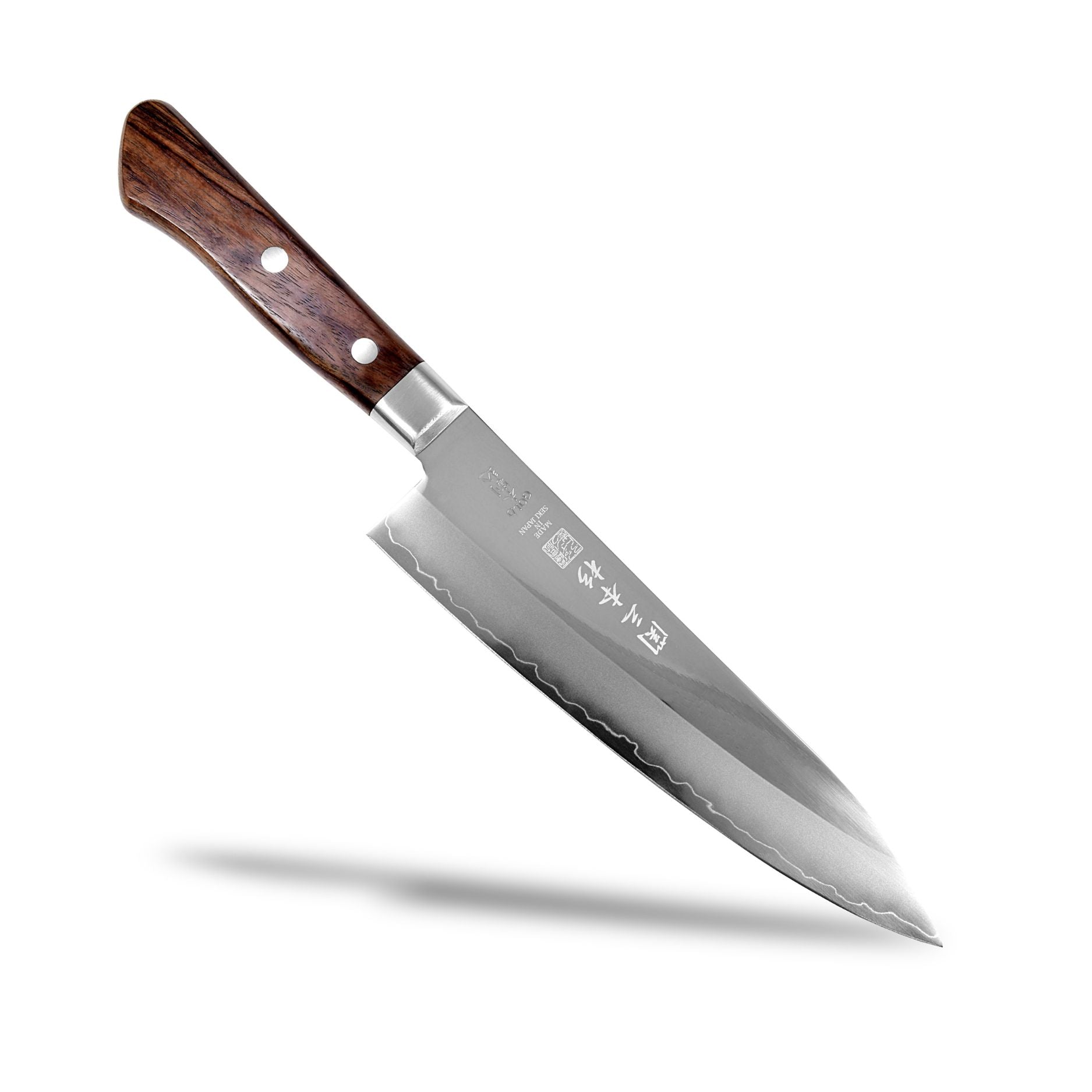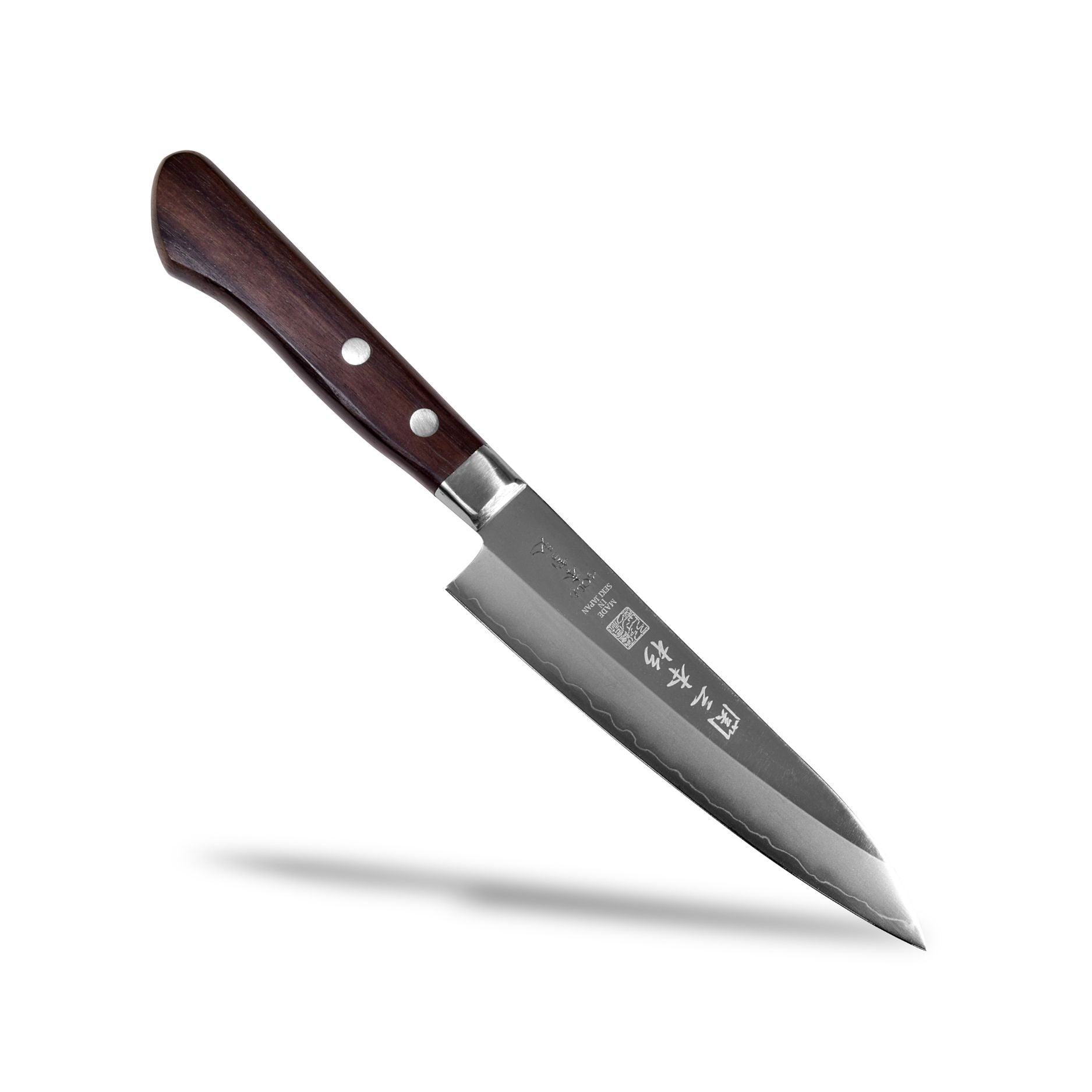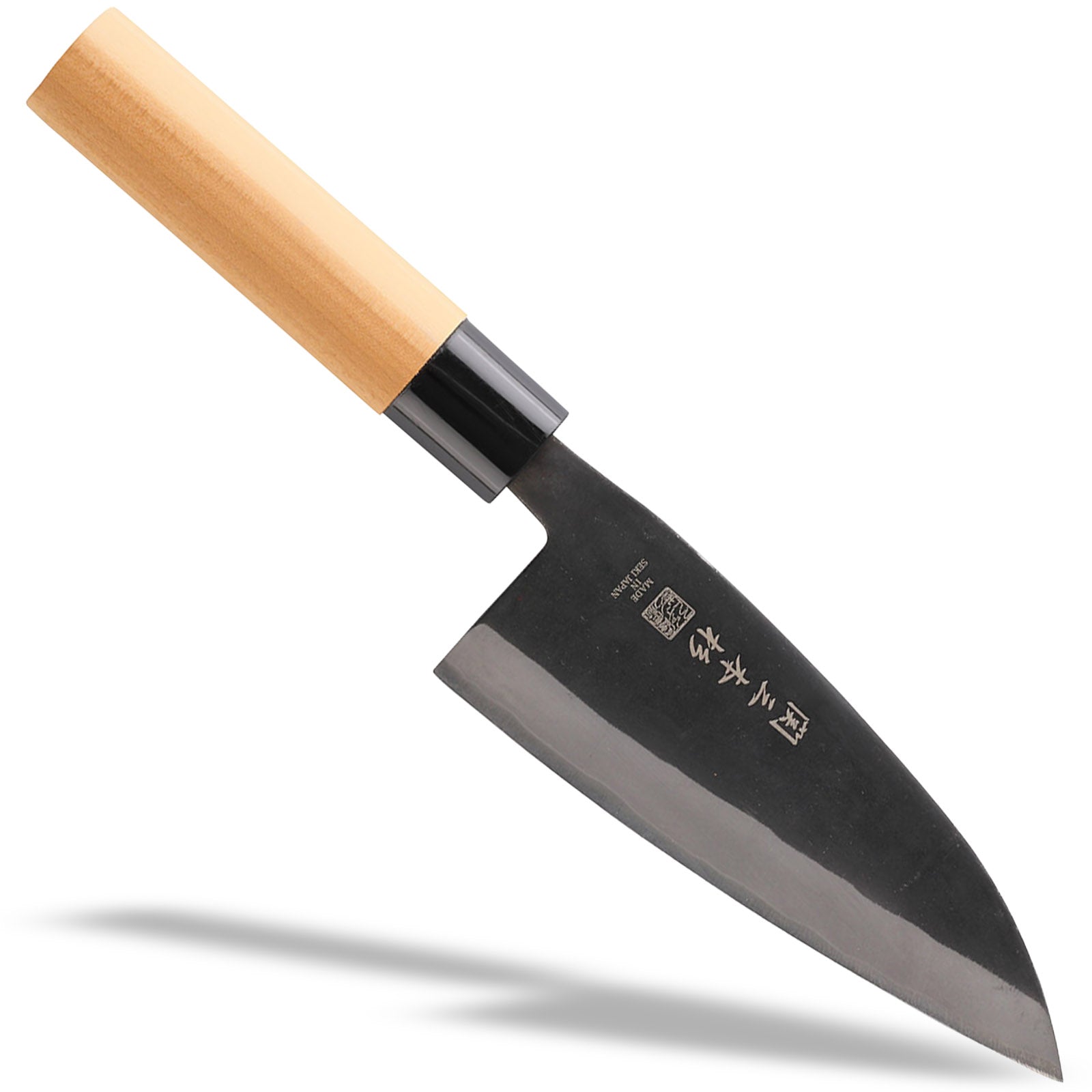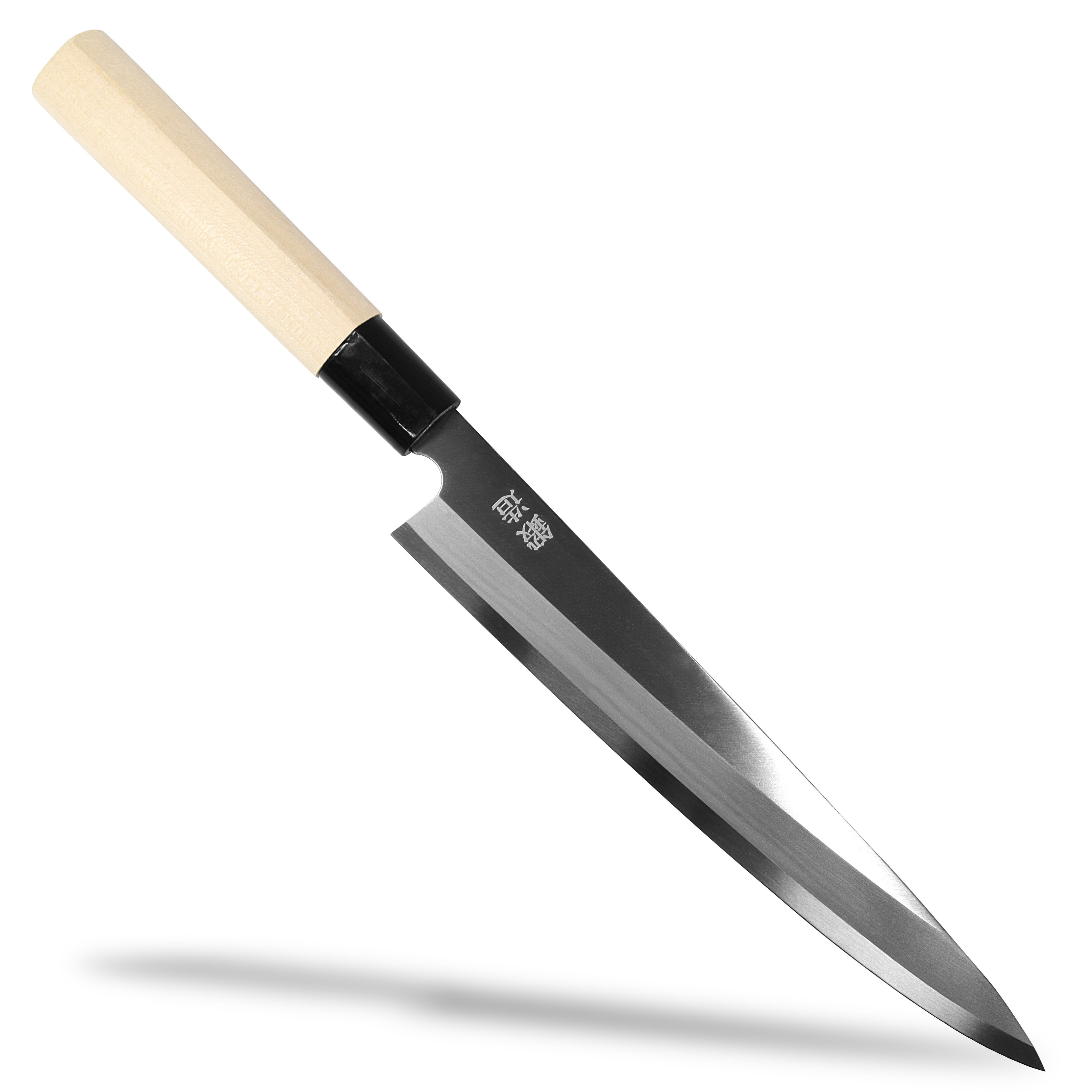

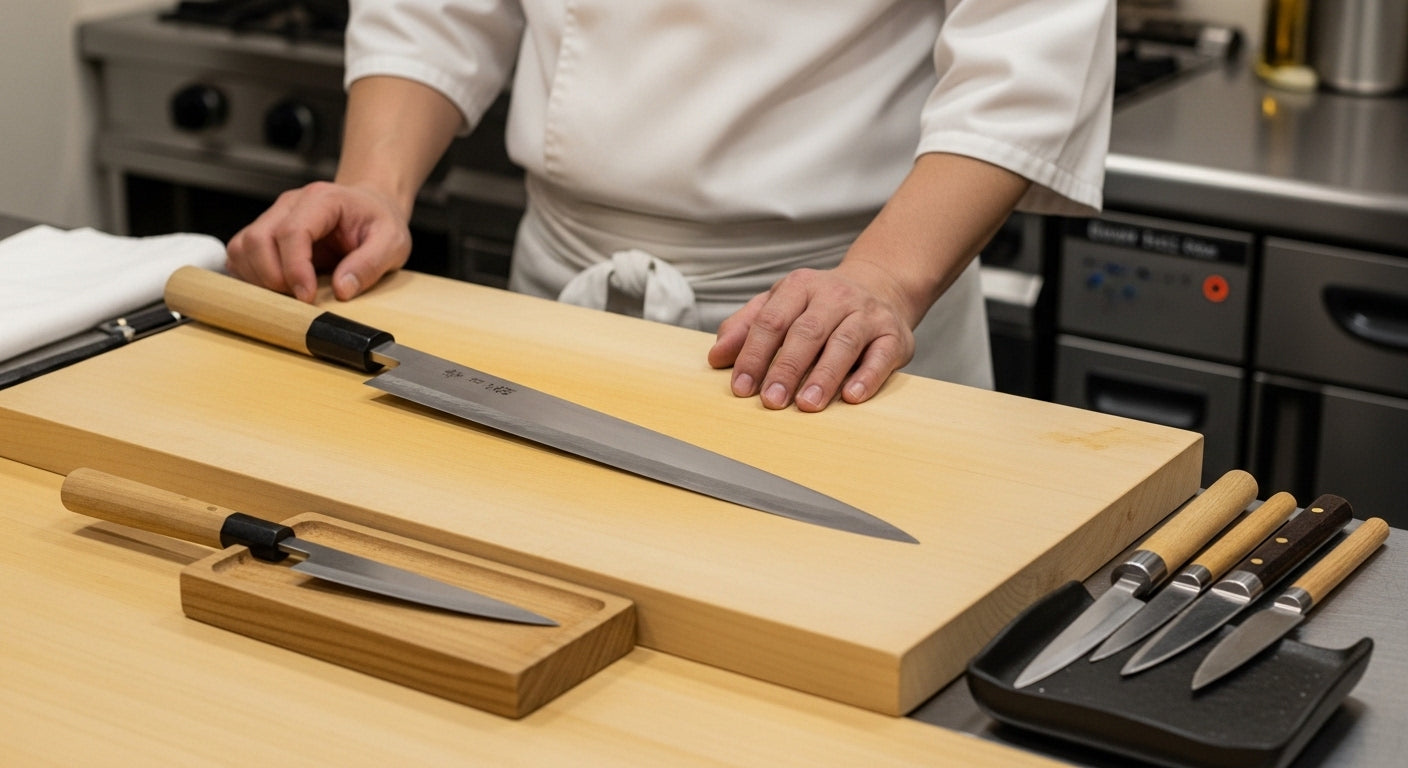
Choosing the right steel for a Japanese kitchen knife: Considering a professional-grade sashimi knife.
If you prioritize the finished product, you should know about Japanese knives, steel types, sashimi knives, professional use, and benefits.
In conclusion, the steel used for professional sashimi knives (yanagiba) is based on two main types: "white steel" and "blue steel" and "high-grade stainless steel such as Gin-san and VG10." The most practical way to remember this is to choose white steel if you prioritize ease of sharpening and sharpness, blue steel if you prioritize long-lasting sharpness and toughness, and Gin-san or VG10 if you prioritize rust resistance and balance.
[Key points of this article]
- This article explains the basics of Japanese knife steel (such as Shirogami, Aogami, Gin-san, and VG10) and why they are suitable for sashimi knives.
- This comparison examines the advantages and disadvantages of different types of steel commonly used in professional sashimi knives, focusing on "sharpness, edge retention, rust resistance, and ease of sharpening."
- To help aspiring professional home users determine "which steel to start with," we present specific criteria for selection.
Today's review: 3 key points
White steel is a staple for professional sashimi knives, known for its "easy sharpening and sharp cutting edge," while blue steel is a standard choice for its "long-lasting sharpness and resistance to chipping."
In short, Gin-san is "stainless steel with sharpness and ease of sharpening similar to carbon steel," while VG10 is "high-end stainless steel with excellent edge retention and corrosion resistance."
In conclusion, for professional-oriented users who plan to sharpen their knives regularly, white steel or blue steel blades are strong contenders. For professional users in the field or at home who want to minimize the risk of rust, silver steel or VG10 steel sashimi knives are good choices.
Conclusion of this article
- In conclusion, the main steel materials used for professional sashimi knives are "White Steel No. 2, Blue Steel No. 2, Gin-san, and VG10." White Steel is easy to sharpen, Blue Steel is long-lasting, Gin-san is easy-to-sharpen stainless steel, and VG10 is stainless steel that prioritizes edge retention.
- In short, the basic principle is: "If ease of sharpening is your priority, choose white steel; if you want to reduce the number of sharpenings due to the large amount of material used, choose blue steel; and if you want a balance between rust resistance and sharpness, choose silver steel or VG10."
- The most important thing is to first decide whether to use carbon steel or stainless steel based on your own work environment (amount of material to prepare, water environment, and time available for sharpening).
- The first thing beginners should understand is that "there is no hierarchy between white paper and blue paper; the difference lies in the characteristics of the cutting edge and the ease of maintenance."
- For home users with professional-level aspirations, a yanagiba knife made of Gin-san or VG10 steel is a practical option that combines rust resistance with superior sharpness.
What are the basics of Japanese kitchen knives, steel materials, sashimi knives, professional-grade knives, and merits?
In short, the steel used for professional sashimi knives can be broadly categorized into "carbon steel (white paper steel, blue paper steel)" or "high-grade stainless steel (silver-3, VG10, etc.)", each with a different balance of sharpness, edge retention, rust resistance, and ease of sharpening.
Carbon steels such as white steel and blue steel are known for their "extremely sharp cutting edge and ease of sharpening, but are prone to rusting," and are widely used by professionals as the steel for sashimi knives and yanagiba knives.
On the other hand, stainless steels such as Gin-san and VG10 are increasingly being used as materials for high-end knives, both professional and home use, as they are "high-grade stainless steels that achieve sharp cutting performance while maintaining rust resistance."
If we categorize the characteristics of each type of steel along three axes—sharpness, rust resistance, and ease of sharpening—we find that stainless steel has excellent rust resistance, fair sharpness, and fair ease of sharpening; white steel has excellent sharpness, excellent ease of sharpening, and fair rust resistance; and blue steel has good sharpness, good edge retention, and fair rust resistance.
It is said that "Aogami Super and similar steels are among the best for their ability to maintain their edge even under heavy use in professional settings, reducing the frequency of resharpening," and among stainless steels, Gin-san and VG10 are highly favored by professionals.
The first thing beginners should understand is that "every type of steel has its pros and cons, and you should choose not only based on 'sharpness' but also on 'ease of handling in the field'."
The advantages of professional sashimi knives using white steel (white steel No. 2).
In conclusion, the advantage of a sashimi knife made from White Steel No. 2 is that it is "easy to sharpen and can produce an extremely sharp edge."
White steel is said to have few impurities and is described as a material that can produce a razor-sharp edge, making it suitable for knives used to slice thinly or delicate sashimi.
The description states that "White Steel No. 2 knives are recommended for their ease of sharpening and ability to achieve a sharp edge," and that they are suitable for professionals who want to sharpen their knives frequently to maintain the best possible edge.
White steel is rated as having "excellent sharpness, moderate rust resistance, and excellent ease of sharpening," and is positioned as "suitable for those who prioritize sharpness and want to sharpen their knives themselves."
In professional kitchens, sharpening knives with whetstones is a daily habit, so white steel, which "returns to its original shape quickly after sharpening" and "is easy to reshape," is a very easy material to work with as steel for yanagiba knives.
In short, "White Steel No. 2 = a sharp blade for professionals who use it regularly and sharpen it regularly."
Professional-grade advantages of Aogami steel (Aogami No. 2)
In short, the advantage of Aogami No. 2 steel is that it is a professional-grade steel that combines the sharpness of Shirogami steel with long-lasting sharpness and toughness.
It is said that "if you want a knife that stays sharp for a long time and requires less sharpening, the Aogami No. 2 knife is recommended." It is described as an alloy steel made by adding chromium and tungsten to white steel, and is said to have high wear resistance and long-lasting sharpness.
It is described as suitable for professional use, with features such as "the blade tip is less prone to wear and tear, making it easy to maintain sharpness even during long preparation times" and "a good balance of hardness and toughness, making it resistant to chipping."
Aogami steel is categorized as having "excellent sharpness, moderate rust resistance, and excellent sharpening capabilities," and it is explained that "professional chefs are all using Aogami yanagiba knives because the sharpness does not diminish easily even when cutting large quantities of sashimi."
However, it is noted that because of its higher hardness, it is more difficult to sharpen than white paper, and that "sharpening requires a little more time and skill."
The most important point is that "in workplaces where maintaining sharpness during preparation is prioritized over the number of times sharpening is needed, Aogami No. 2 steel is advantageous."
Professional-grade stainless steels such as Gin-san and VG10 offer advantages.
In conclusion, high-grade stainless steels such as Gin-san (Silver Paper No. 3) and VG10 are "professional-grade stainless steels that combine rust resistance with sharpness approaching that of carbon steel."
The description states that "Ginshi No. 3 is made of stainless steel from Hitachi Metals, offering a sharpness close to that of carbon steel while being rust-resistant," and that "it possesses sharpness, ease of sharpening, ease of handling, and reasonable durability, meeting a wide range of needs from home use to professional use."
VG10 is described as "a high-end stainless steel that combines high wear resistance and corrosion resistance, and is widely used in professional and high-end knives." It is explained that its excellent edge retention makes it a material that easily maintains its sharpness even in environments where knives are used frequently.
When comparing Gin-san and VG10, it is said that "Gin-san is superior in ease of sharpening, while VG10 is superior in edge retention," and "both are favored by professionals and home users alike."
While stainless steel tends to be slightly more difficult to sharpen than carbon steel, it is also emphasized that "its resistance to rust and ease of maintenance make it widely used by everyone from professional chefs to home cooks."
In short, "Gin-san = high-grade stainless steel that is easy to sharpen" and "VG10 = high-grade stainless steel that prioritizes edge retention."
How to Choose a Japanese Kitchen Knife: Steel, Sashimi Knife, Professional Use, and Benefits
How should I choose the steel material for a professional-grade sashimi knife?
In conclusion, the most rational way to choose the steel material for a professional sashimi knife is to consider "sharpening frequency," "preparation volume," and "water environment."
The instructions categorize the blades by purpose, stating, "For easy sharpening and achieving a sharp edge, choose White Steel No. 2," and "For long-lasting sharpness and reduced sharpening frequency, choose Blue Steel No. 2." It is explained that choosing the right blade for your sharpening style is important.
While stating that "steel is extremely hard and has excellent sharpness, making it ideal for yanagiba knives used to neatly prepare sashimi," it also mentions that "stainless steel is rust-resistant and easy to maintain," suggesting that stainless steel yanagiba knives can be an option depending on the work environment.
In workplaces with harsh water environments where there is little time to wipe surfaces frequently during work, stainless steel-based Gin-san VG10 is superior in terms of rust resistance.
On the other hand, in places like sushi restaurants and Japanese restaurants where sharpening and wiping are deeply ingrained as part of the culture, white and blue steel yanagiba knives are still the mainstream choice.
The first thing a beginner should focus on is making their own judgment about "how much commitment they are willing to put into sharpening and maintenance" when choosing steel materials.
How do professional-grade carbon steel and stainless steel compare?
In short, the strengths of carbon steel (white paper and blue paper) are its sharpness and ease of sharpening, while stainless steel (silver-3 and VG10) are its rust resistance and edge retention.
A typical comparison image (assuming a yanagiba knife) is shown below.
- White Steel #2 : Excellent sharpness, good edge retention, poor rust resistance, excellent sharpening ability.
- Blue Steel #2 : Sharpness: Good, Edge retention: Excellent, Rust resistance: Poor, Ease of sharpening: Good (slightly more difficult than white steel).
- Gin-san : Sharpness: Excellent (high standard for stainless steel), Edge retention: Excellent, Rust resistance: Excellent, Ease of sharpening: Excellent
- VG10 : Sharpness ◯ to ◎, Edge retention ◎, Rust resistance ◎, Ease of sharpening △ (somewhat hard and difficult to sharpen)
It is summarized that "Gin-san is a stainless steel with sharpness and ease of sharpening similar to carbon steel," and "VG10 is a high-end material with excellent edge retention and corrosion resistance."
"Aogami Super and VG10 steels retain their edge well even under heavy use in professional settings, reducing the frequency of resharpening," emphasizing their superior long-lasting sharpness.
The most important thing is to understand that "carbon steel = best cutting performance with sharpening in mind" and "stainless steel = rust-resistant and well-balanced overall."
Which steel material should professional-minded home users choose?
In conclusion, for home users with professional-level aspirations, a realistic starting point would be a yanagiba knife made of "Gin-san or VG10" or a yanagiba knife made of "Shirogami No. 2".
Gin-san is praised for its "sharpness, ease of sharpening, ease of handling, and reasonable durability, meeting a wide range of needs from home use to professional use as an everyday stainless steel knife." Its appeal lies in its sharpness, which is close to that of carbon steel despite being a stainless steel.
VG10 is a popular high-end material favored by craftsmen and chefs for its excellent edge retention and corrosion resistance, but its hardness means that sharpening it requires a certain level of skill and effort.
On the other hand, the Shirogami No. 2 yanagiba knife is suitable for users who want to enjoy sharpening their knives and are particular about the way they cut sashimi, thanks to its balance of "sharp cutting edge" and "ease of sharpening."
While Aogami No. 2 steel is appealing to professionals seeking longer-lasting sharpness, its susceptibility to rust and the difficulty of sharpening make it a higher hurdle for a first knife compared to Shirogami, Gin-san, or VG10.
The first thing beginners should keep in mind is to "choose a steel that you can handle for your first knife, and then step up to higher-quality materials like Aogami or Hon-yaki with your second knife and beyond."
FAQ
Q1. What type of steel is standard for professional sashimi knives?
A1. White Steel No. 2 and Blue Steel No. 2 are standard carbon steel blades. White Steel is chosen if ease of sharpening is a priority, while Blue Steel is chosen if long-lasting sharpness and toughness are important.
Q2. What is the difference between white steel and blue steel?
A2. White steel is a high-purity, easy-to-sharpen steel, while blue steel is an alloy steel made by adding chromium and tungsten to white steel to improve wear resistance and long-lasting sharpness.
Q3. Is Aogami No. 2 steel suitable for sashimi knives?
A3. Blue steel yanagiba knives are widely used in professional kitchens where large quantities of sashimi are cut, due to their excellent sharpness retention and toughness.
Q4. What are the advantages of Gin-san (Ginshi No. 3)?
A4. Gin-san is a stainless steel that is resistant to rust, yet possesses sharpness and ease of sharpening similar to carbon steel, making it a highly regarded steel material for both everyday use and professional applications.
Q5. Is VG10 steel also used for sashimi knives?
A5. VG10 is a high-grade stainless steel with excellent edge retention and corrosion resistance, and is used in professional and high-end sashimi knives, making it suitable for use in high-frequency environments.
Q6. Which is better for professional use, carbon steel or stainless steel?
A6. If you can dedicate time to sharpening and rust prevention, carbon steel is suitable. If rust resistance and ease of maintenance are important in your work environment, stainless steel such as Gin-san or VG10 is more appropriate.
Q7. Which type of steel is suitable for home users with professional-level aspirations?
A7. Yanagiba knives made with Gin-san or VG10 steel offer both rust resistance and superior sharpness, making them a professional-grade option that's also easy to use at home.
Q8. Does the sharpening method for a sashimi knife vary depending on the type of steel used?
A8. The basic sharpening method is the same, but for hard steels like Aogami or VG10, you will need to be more careful about the choice of whetstone and the sharpening time.
Q9. Is it always true that a knife made from high-grade steel is necessarily a good knife?
A9. Experts point out that the quality of the heat treatment, forging, and finishing, not just the material name, greatly affects the sharpness of the blade, so the steel name does not equal performance.
Q10. Should I choose Aogami Super or Hon-yaki for my first sword?
A10. While it offers very high performance, it rusts easily and requires precise sharpening, so it's better suited as a step up from a white steel, silver-3, or VG10 blade, rather than as a first blade.
summary
- In conclusion, for professional sashimi knives, knowing the following steel types will make it easier to choose the right one for your needs and the specific situation: "White Steel No. 2 (easy to sharpen and very sharp)", "Blue Steel No. 2 (long-lasting sharpness and toughness)", "Gin-san (high-grade stainless steel that is easy to sharpen)", and "VG10 (high-grade stainless steel that prioritizes edge retention)".
- Carbon steel offers superior sharpness and ease of sharpening, but it is prone to rusting. Stainless steel, on the other hand, is rust-resistant and offers a better overall balance. Therefore, it is important to choose based on your sharpening skills and maintenance environment.
- For home users with a professional-level inclination, starting with a yanagiba knife made of Gin-san or VG10 steel, or a yanagiba knife made of Shirogami No. 2 steel, and then gradually moving up to Aogami or Hon-yaki steel allows them to easily enjoy the depth of Japanese knife steel and sashimi knives.