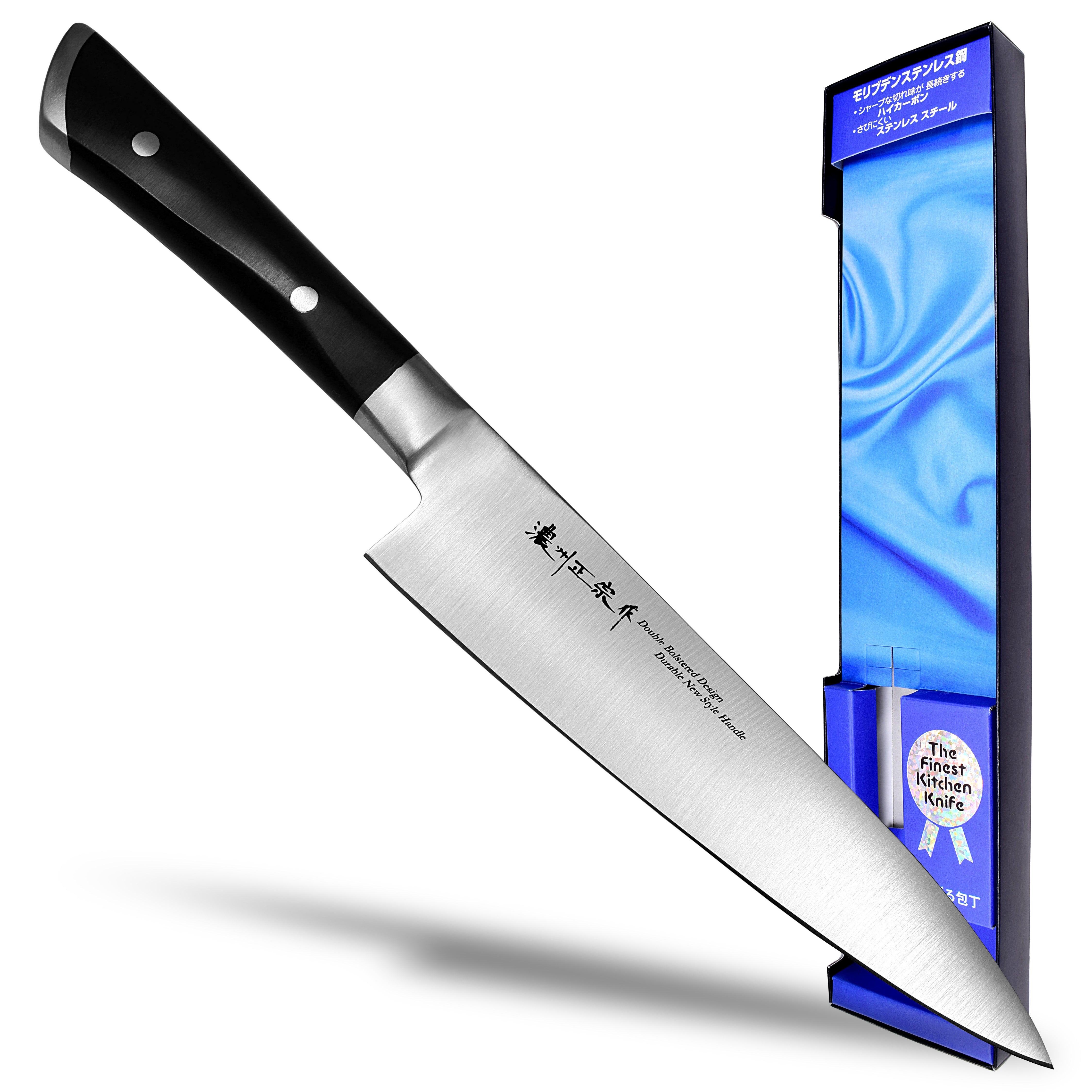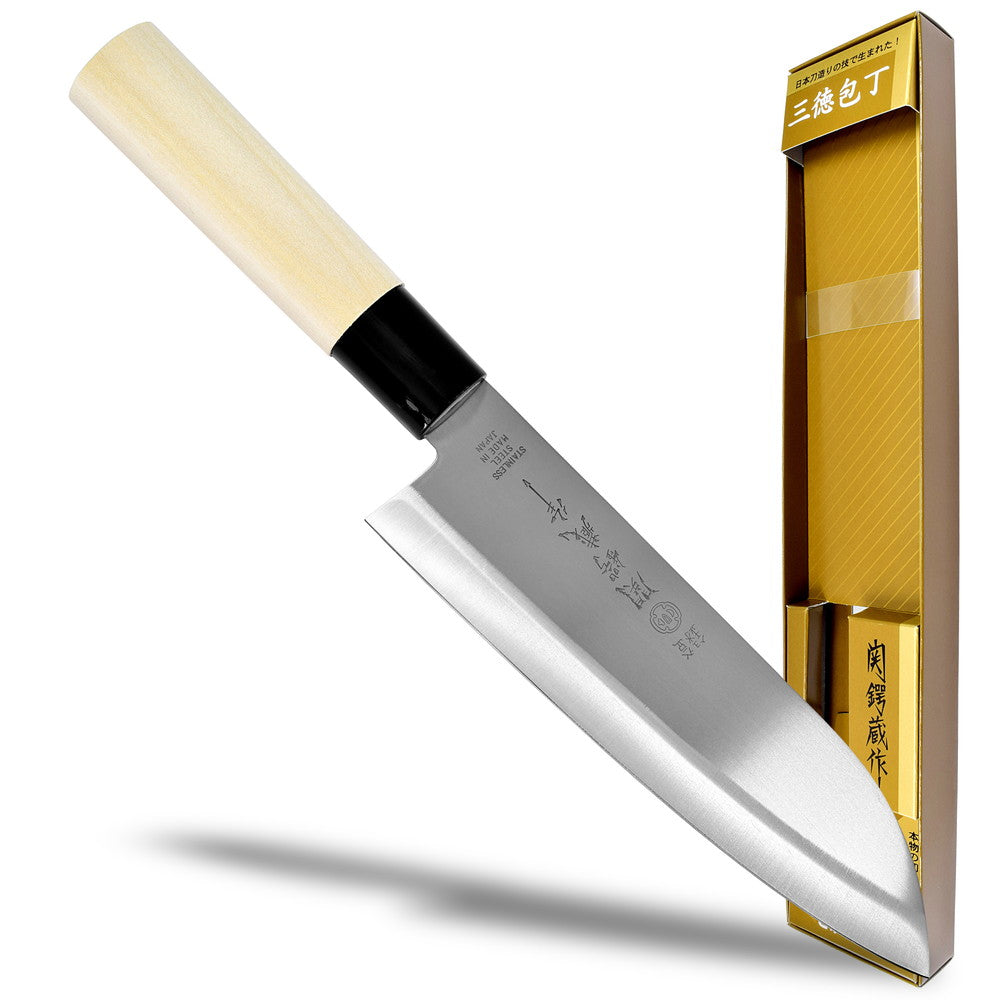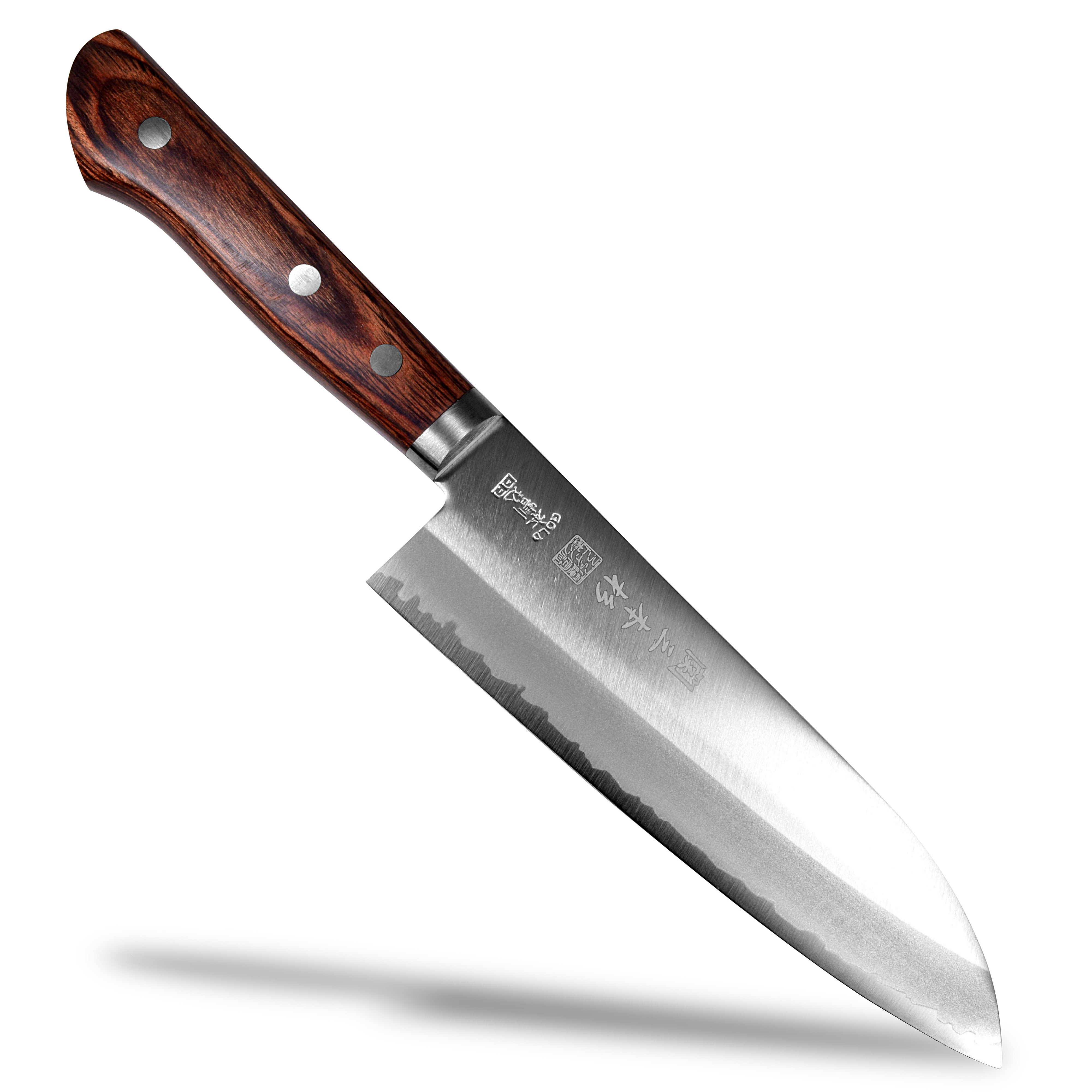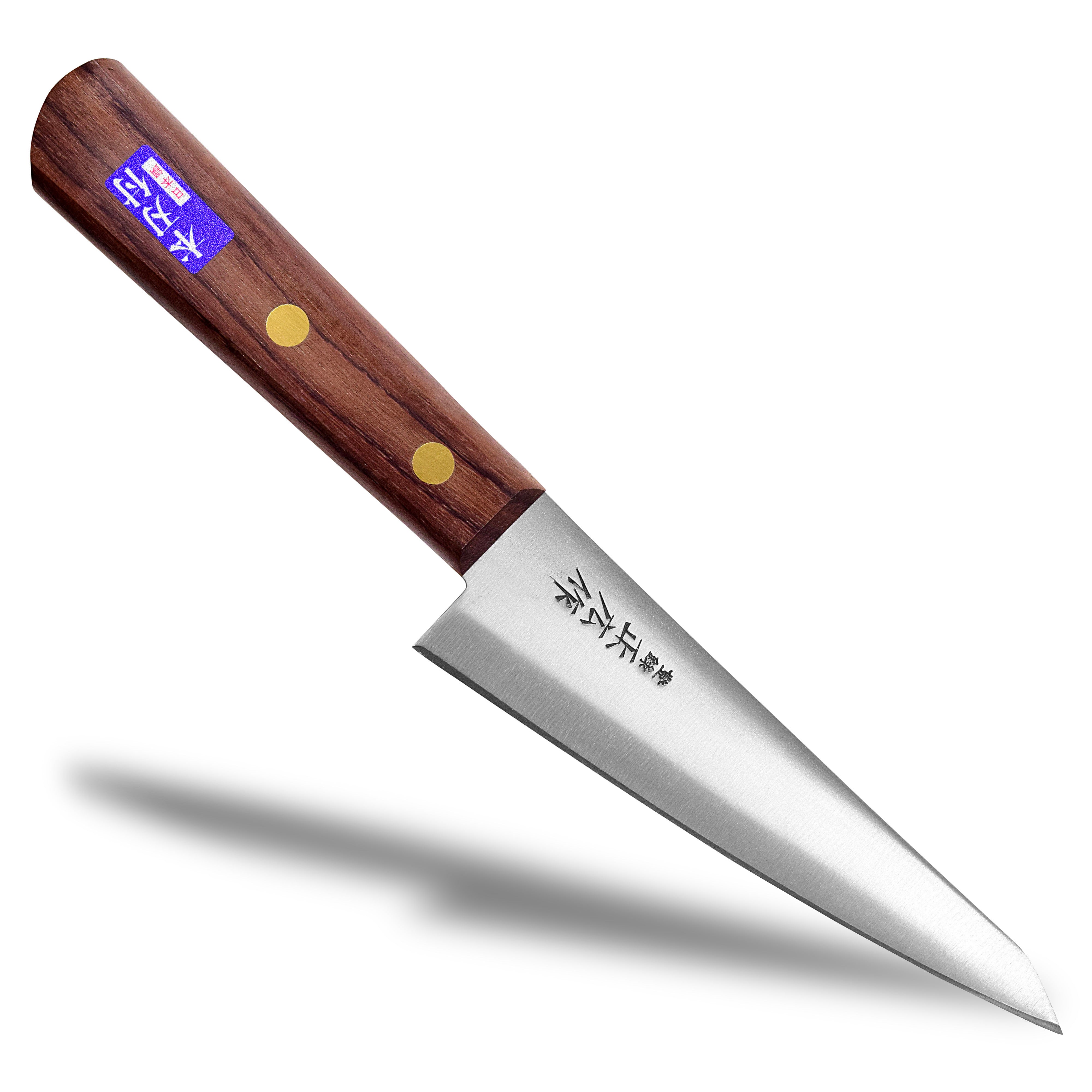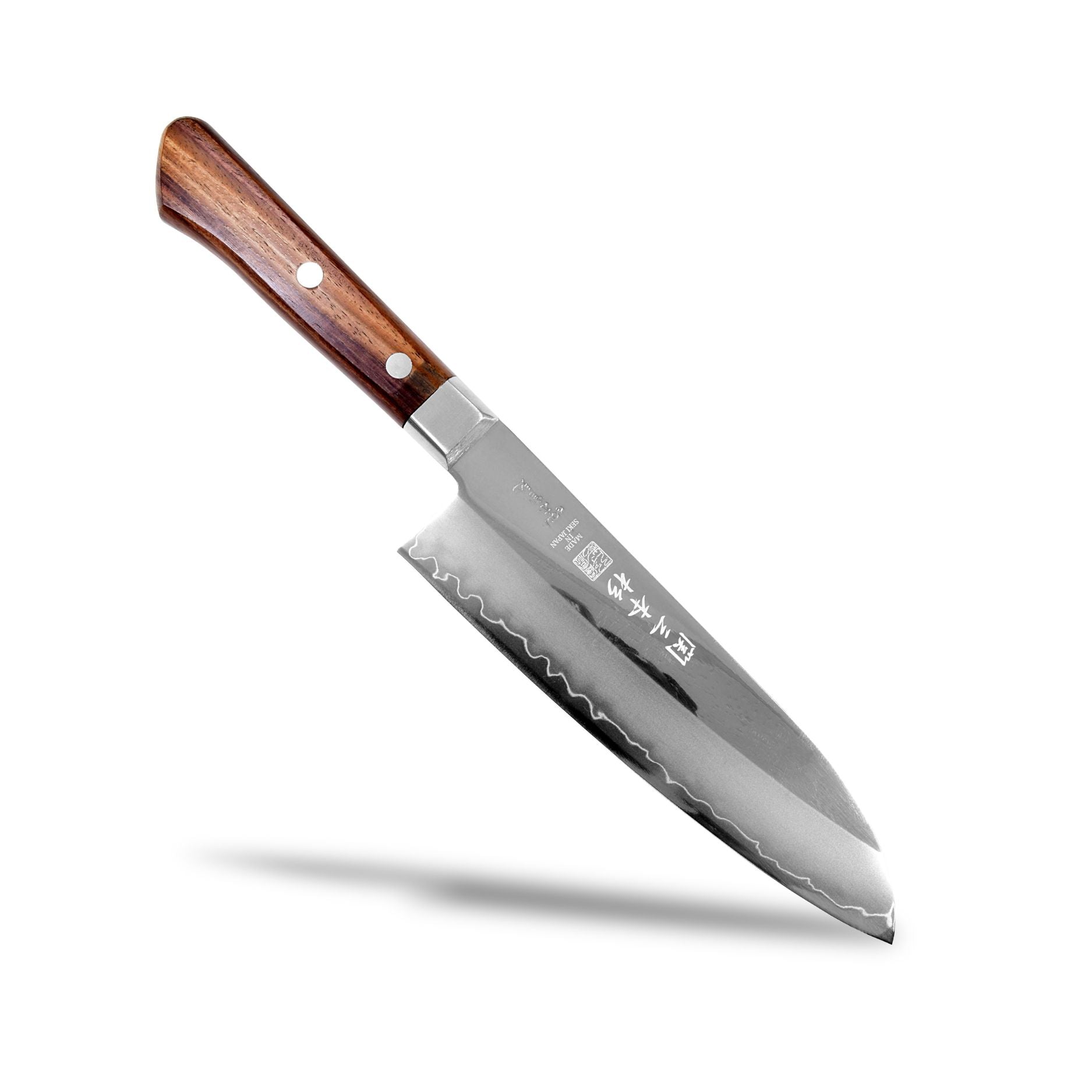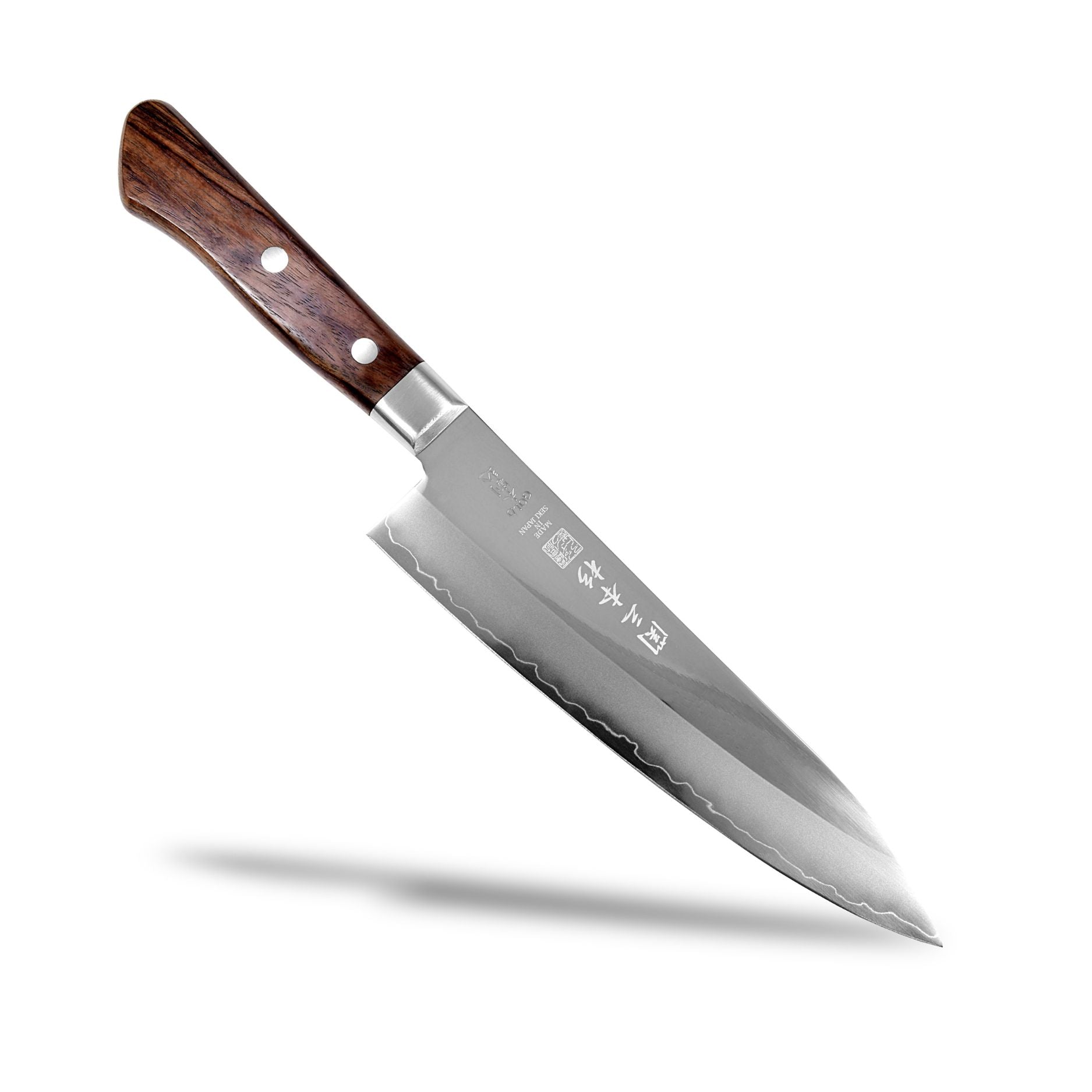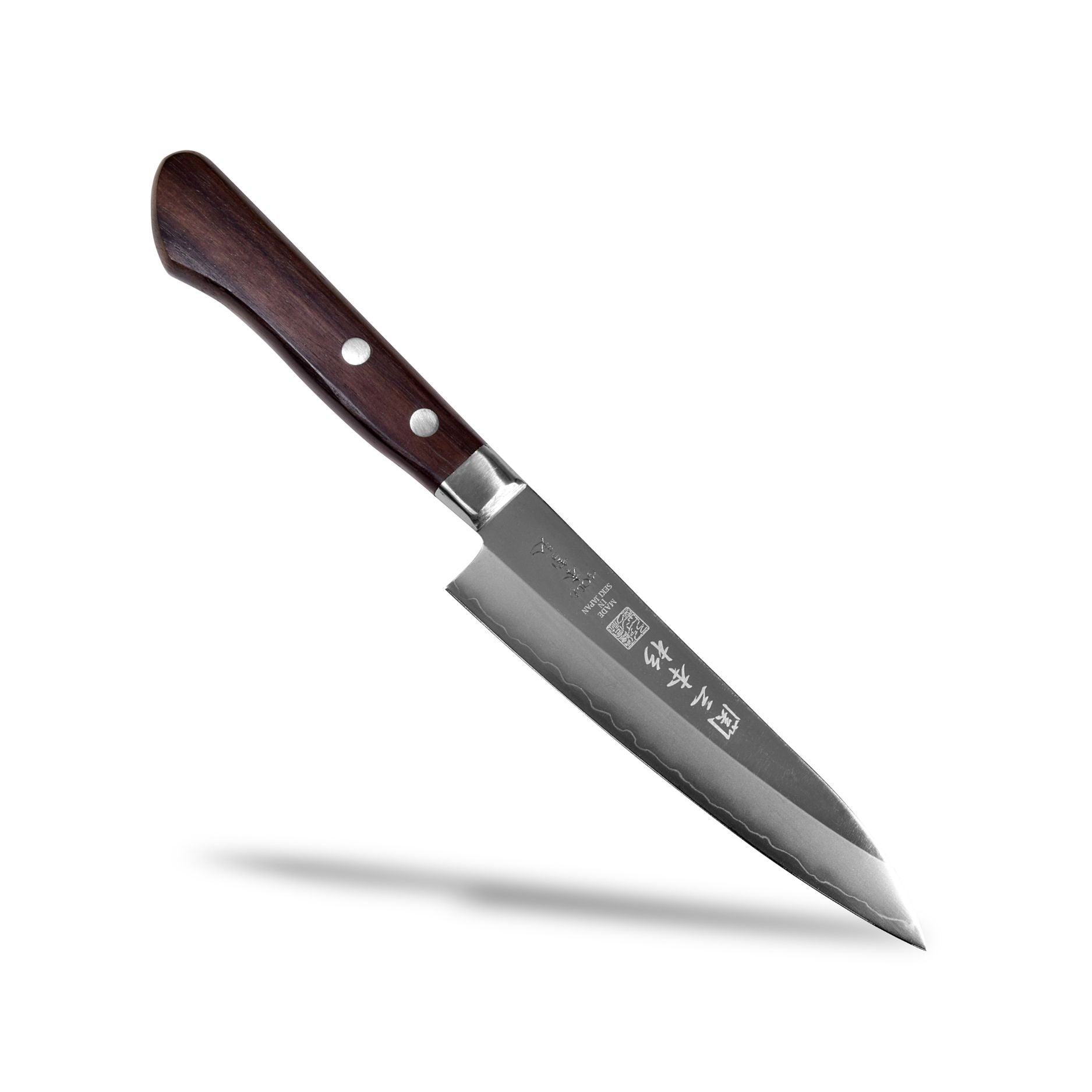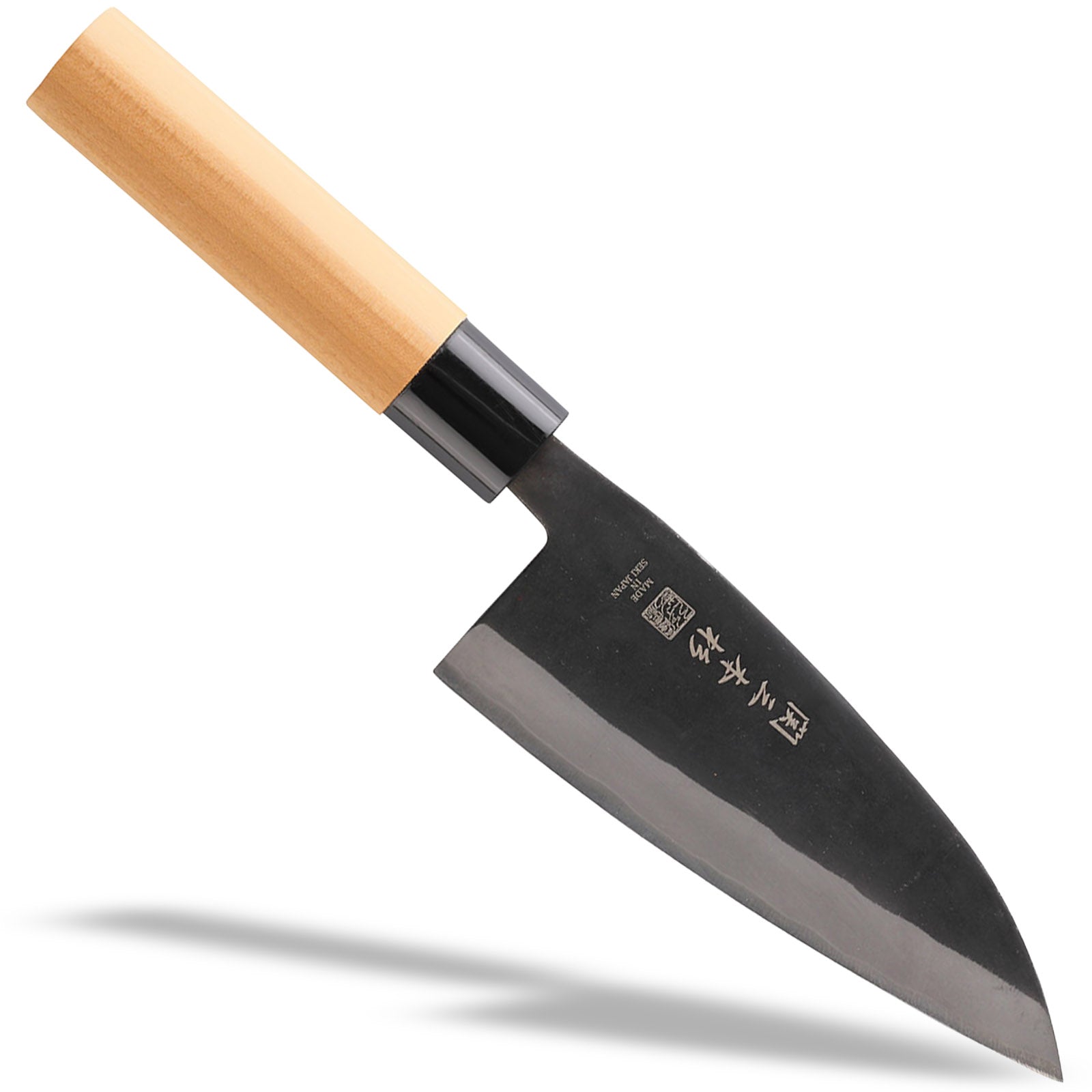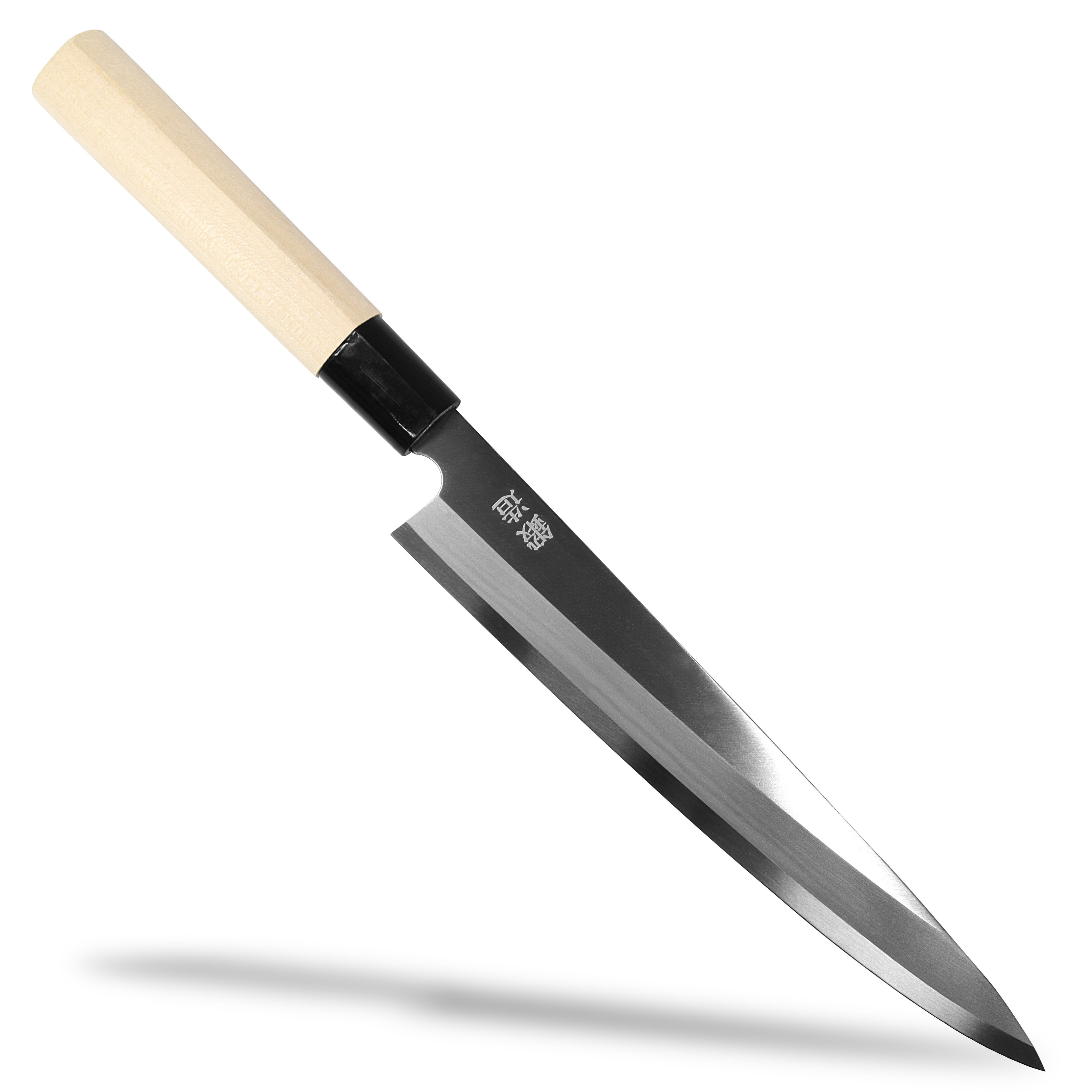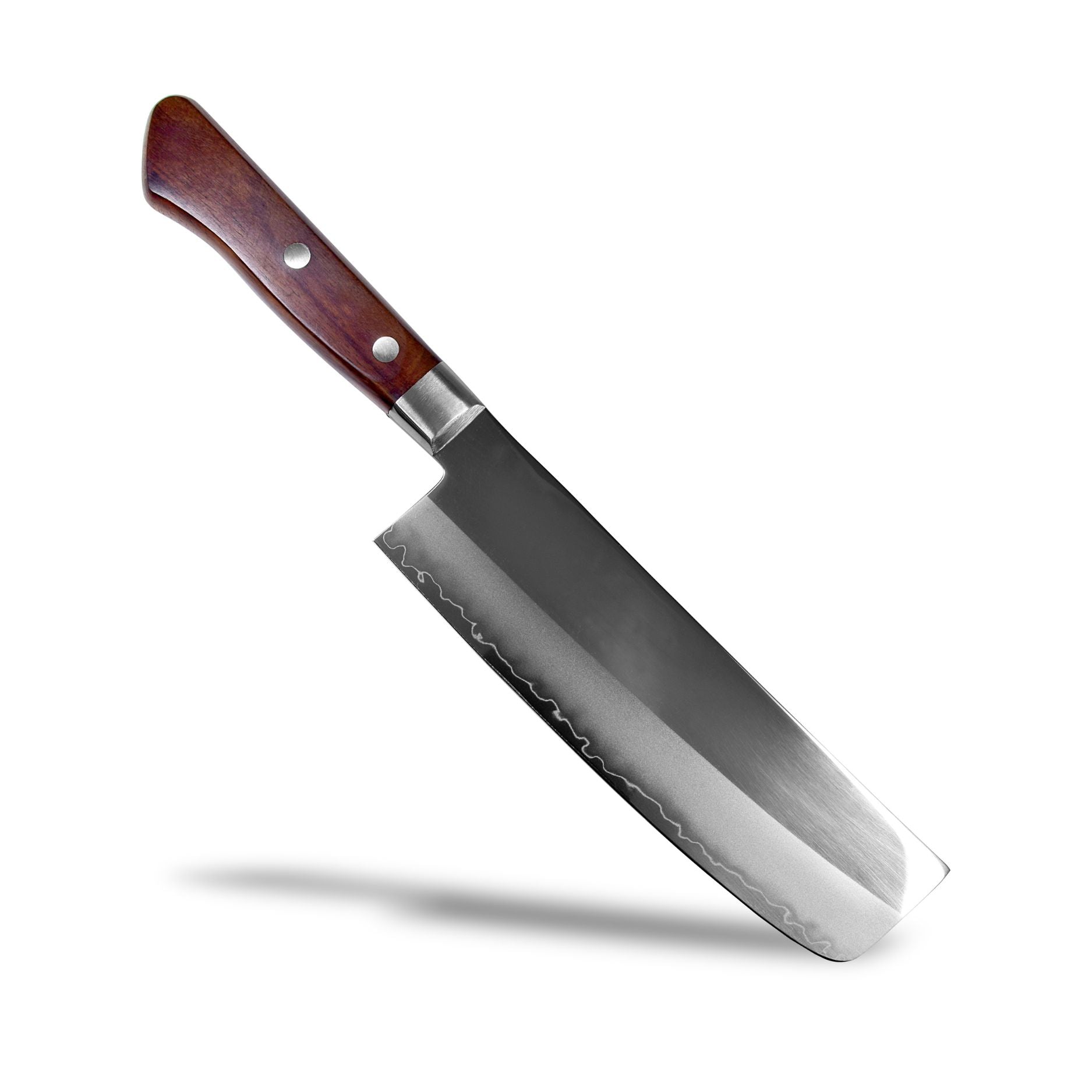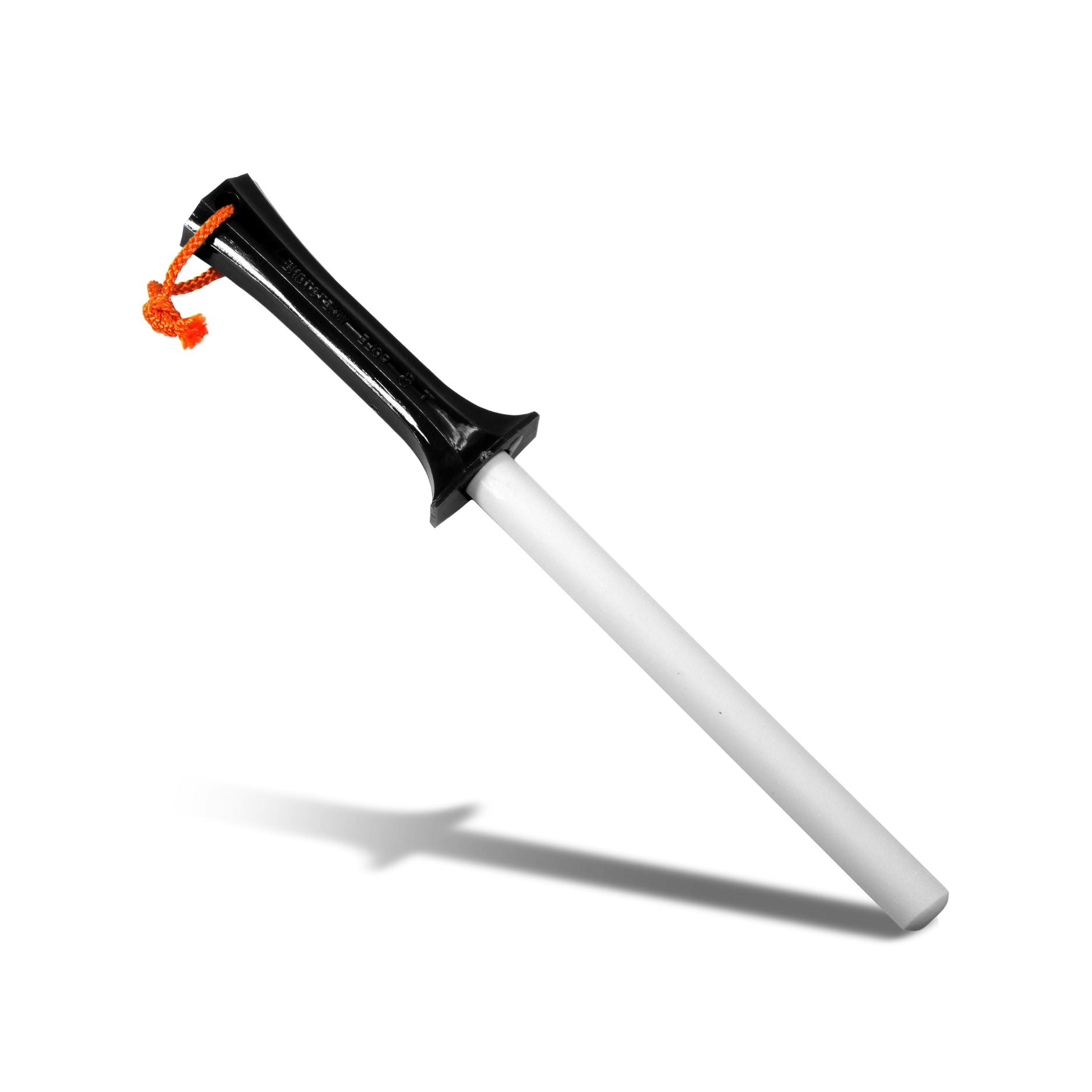

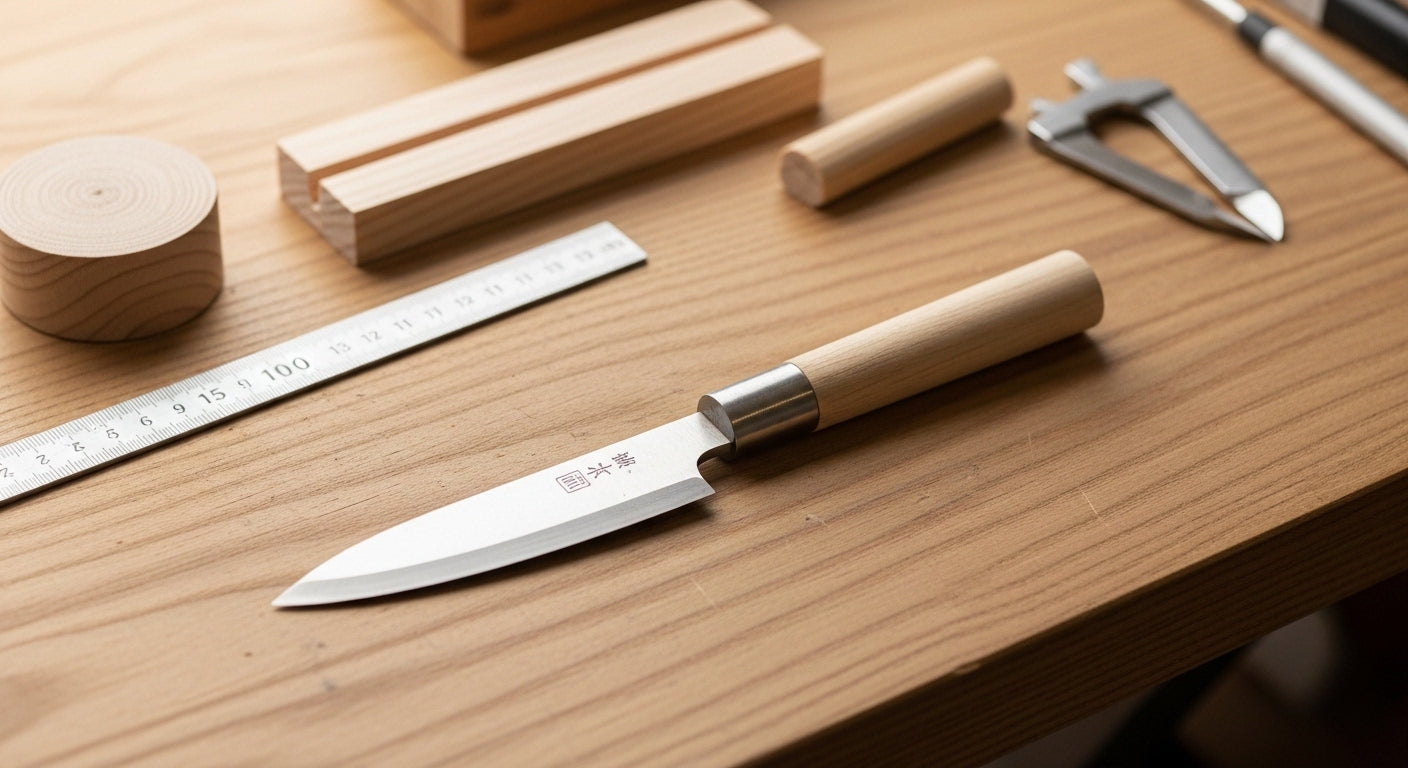
Understanding the role of a tool knife from the steel used in Japanese kitchen knives
Japanese kitchen knives, steel types, tools, knives, uses, and types to choose from depending on the work situation.
In conclusion, while both "blade steels" such as white paper and blue paper used in Japanese kitchen knives and "tool steels" used in utility knives (utility knives, etc.) are steels with high hardness and toughness, their design philosophies differ greatly, including heat treatment and shape, due to their different roles: Japanese kitchen knives have "sharp blades for cleanly cutting food," while tool knives have "tough blades for roughly cutting paper, resin, boards, etc."
[Key points of this article]
- This explains the differences between white steel, blue steel, and stainless steel, which are commonly used in Japanese kitchen knives, and tool steels (SK, SKS, SKD, etc.) that are commonly used in utility knives.
- This article explains how to choose the right knife for your intended use, based on the characteristics of the steel used in Japanese kitchen knives (sharpness and ease of sharpening) and the characteristics of the steel used in tool knives (durability and toughness).
- This article offers concrete suggestions on how to use "Japanese knives," "utility knives," and "cutter knives" appropriately in everyday kitchen and work environments.
Today's review: 3 key points
The steel used for Japanese kitchen knives is mainly Yasugi steel such as White Steel No. 2 and Blue Steel No. 2, or stainless steel, and they are designed with an emphasis on sharpness and ease of sharpening.
In short, the steel used in tool knives is often tool steel (such as SK, SKS, and SKH) that prioritizes "resistance to breakage and wear resistance," and is characterized by its toughness, capable of cutting not only paper but also carpet and plastic boards.
In conclusion, using Japanese knives for food and tool knives for cardboard, resin, and boards will give you the best results in terms of both safety and finish.
Conclusion of this article
- In conclusion: Japanese kitchen knives use carbon steel or stainless steel that has been optimized for sharpness and ease of sharpening when used for food preparation, while tool knives use tool steel that has been enhanced for durability and toughness when used for paper, resin, and boards. It is important to choose the right knife for the intended use.
- In short, Japanese kitchen steels such as Shirogami and Aogami are "carbon steel for kitchen knives," while tool steels such as SK, SKS, and SKH are "carbon steel and alloy steel for industrial blades and knives."
- Most importantly, use a Japanese-style knife for food ingredients and a utility knife for cardboard or plastic materials to avoid chipping the blade and pose hygiene risks.
- The first thing beginners should understand is the distinction between using a kitchen knife for crafting and using a utility knife to cut food.
- In homes and shops, simply clearly separating "Japanese kitchen knives" from "tool knives for general work" can significantly improve the lifespan and safety of your blades.
What are the basics of Japanese kitchen knives, steel materials, tools, knives, uses, and types?
In short, the steel used for Japanese kitchen knives and the steel used for tool knives are both "steel," but the priorities for the performance required are different.
Representative steel materials used for Japanese kitchen knives include Hitachi Metals' Yasugi Steel brand, such as Shirogami, Aogami, and Ginshi steel.
White Steel is a carbon steel with a carbon content of approximately 0.8-1.35%. It is said that because it contains few impurities and has "high hardness, sharpness, and compatibility with whetstones," White Steel No. 2 is often used for professional kitchen knives.
Blue steel is a low-alloy steel based on white steel, with chromium and tungsten added to enhance wear resistance and long-lasting sharpness.
On the other hand, the steel materials commonly used for tool knives and industrial blades include "carbon steel (SK)", "alloy tool steel (SKS/SKD)", and "high-speed tool steel (SKH)", with tool steels whose hardness and wear resistance have been enhanced through heat treatment being the mainstream.
The first thing beginners should understand is the general distinction between "Japanese kitchen knives" and "tool knives," where Japanese kitchen knives are made from "Yasugi steel" and "tool knives" are made from "SK series" or other tool steels.
Characteristics of Japanese kitchen knife steel materials (white paper steel, blue paper steel, stainless steel)
In conclusion, the steel used for Japanese kitchen knives can be broadly divided into "carbon steel (such as white steel and blue steel)" and "stainless steel (such as silver steel, molybdenum, and VG series)."
White steel is divided into White Steel No. 1 to No. 3 based on the difference in carbon content, and White Steel No. 2, in particular, is said to be frequently used in professional kitchen knives due to its "hardness, sharpness, and compatibility with whetstones."
Blue steel is a low-alloy steel made by adding chromium and tungsten to white steel. It is said to have "excellent sharpness and long edge retention due to its high hardness" and "toughness that makes it resistant to chipping," and that the sharpness lasts for a long time even in large-scale cooking environments.
In the stainless steel category, representative materials include silver paper steel such as Ginshi No. 3 and molybdenum vanadium steel, which are described as "rust-resistant and easy to handle" and "combining sharpness and ease of sharpening with that of carbon steel."
In explanations of knife materials, it is stated that "steel excels in sharpness and ease of sharpening but rusts easily, while stainless steel is rust-resistant and easy to handle."
In short, the characteristic of Japanese kitchen knife steel is that it strikes a balance between sharpness and ease of sharpening.
Characteristics of steel materials used in tool knives and their applications
In short, the top priority for the steel used in tool knives and utility knives is that it is "resistant to breakage and wear."
Common materials used for industrial cutting tools include "carbon steel (SK)," "alloy tool steel (SKS/SKD)," and "high-speed tool steel (SKH)." These are hardened through heat treatment to improve wear resistance before use.
Tool steel is defined as "steel used in tools such as drills and molds, with an emphasis on break resistance, sharpness, and edge retention."
Utility knives are described as being "more durable than snap-off cutter knives, with thicker blades and a sturdier body," and "suitable for rough applications such as cutting carpets and plastic materials, and cutting out windows in boards," emphasizing their toughness.
Some models feature durable fiberglass-reinforced nylon handles and robust blades that reduce the frequency of blade replacement.
The first thing beginners should understand is that "the steel used in tool knives is designed to withstand rougher use than that used in kitchen knives."
How can you distinguish between the steel used in Japanese kitchen knives and the steel used in tool knives?
In conclusion, the characteristics of steel materials differ greatly depending on whether it is for food or non-food applications, and whether it is for continuous cutting or a single, high-stakes job.
Yasugi steel (white paper, blue paper, silver paper, etc.) used for Japanese kitchen knives is designed as a "cutlery steel," making it easy to achieve stable sharpness even with thin blades, and is intended to be maintained with a whetstone.
The steel used in tool knives and industrial blades (such as SK, SKS, and SKH) is heat-treated as "tool steel" with the assumption that it will be used in environments where thick blades are used to continuously cut paper, nonwoven fabrics, films, resins, and other materials.
The description focuses on toughness, stating that "tool steel is a type of steel used in tools such as drills and molds, and is mostly made of carbon steel," and that it is "less prone to breakage, has good cutting performance, and holds its edge well."
In short, the basic difference is that "Japanese kitchen knife steel is best when sharpened to a thin edge," while "tool steel is designed to have a thicker blade that lasts longer."
How do you choose between different types of Japanese kitchen knives, steel materials, tools, and their intended uses?
How can knowledge of Japanese kitchen knife steel be useful when choosing a tool knife?
In conclusion, having knowledge of the steel used in Japanese kitchen knives allows you to choose a tool knife with a good balance of hardness, toughness, and rust resistance.
The description states that "Hagane is a type of carbon steel mainly used for Japanese kitchen knives, containing 0.6% or more carbon, and is a steel material for blades and tools." White Steel No. 2 is introduced as a versatile type that "can be used for everything from deba knives to yanagiba knives, and is a safe bet if you're unsure which to choose."
Looking at tool knives from this perspective, it becomes easier to understand why tool steel is chosen for their blades—a material that balances durability and toughness—because "if the blade is too hard, it will chip easily" and "if it's too soft, it will wear down quickly."
The description of the utility knife states that "the blade is thicker and the body is sturdier than a snap-off cutter knife" and "it can cut not only paper but also carpet and plastic materials," making it suitable for tasks that traditional Japanese knives are not good at.
Just as "the choice of ingredients changes the dish," "the workability of a tool knife also changes depending on the steel and blade shape," so the "eye for materials" cultivated with Japanese kitchen knives can be directly applied to choosing tool knives.
The first thing beginners should understand is the common structure: "Hard and thin = cuts well but is weak," and "Thick and tough = tough but makes a heavy cut."
What are the different types of tool knives based on their intended use?
In short, tool knives include "utility knives," "cutter knives," and "pocket knives," and their blade thickness and steel type are tuned according to their intended use.
In addition to kitchen knives, pocket knives and utility knives are also introduced, and it is explained that the shape and steel material of each are selected to suit their respective uses, such as "everyday unpacking," "outdoors," and "crafts."
Utility knives are described as being "more durable than snap-off blade utility knives and suitable for rough cutting tasks such as cutting carpets, plastic materials, and window frames in boards," indicating that they are tools designed for materials harder than paper.
On the other hand, regular utility knives (snap-off blade type) are primarily used for cutting paper and thin boards, and because the blade is thin and can be broken off and reused, they use relatively thin carbon steel and are strongly considered consumable items.
Regarding pocket knives and folding knives, it is mentioned that "outdoor and general-purpose knives use steel that is resistant to breakage and has good edge retention," and it is explained that tool steel is often used, similar to drills and molds.
The most important thing to remember is that "tool knives also differ in blade thickness and steel material depending on their intended use, so don't confuse knives for paper, boards, and outdoor use."
What are the key points for safely and comfortably using both traditional Japanese kitchen knives and modern utility knives?
In conclusion, strictly adhering to the division of labor—using Japanese knives for food and utility knives for non-food items—is the most rational approach in terms of both safety and blade lifespan.
Knives used for food preparation are designed with hygiene, rust resistance, and ease of sharpening in mind, and the blade finish and surface treatment are carried out with the understanding that they will come into contact with food.
On the other hand, tool knives are used to cut cardboard, vinyl, resin panels, boards, etc., and therefore a lot of dust and resin fragments adhere to the blade, so they are intended for use in environments that are "unsuitable for cutting food."
It is said that "hardness, toughness, and wear resistance vary greatly depending on the material and heat treatment," and that carbon steel (SK) and tool steel are the most commonly used materials for industrial cutting tools.
Therefore, using a Japanese kitchen knife to cut cardboard, for example, is a "misuse" that increases the risk of chipping, rusting, and hygiene problems. It is wise to always assign that task to a dedicated tool knife.
The first thing beginners should understand is that they should "choose a 'specialized tool' for each purpose."
FAQ
Q1. Are Japanese kitchen knives and utility knives made of different types of steel?
A1. Japanese kitchen knives often use blade steels such as white paper, blue paper, and silver paper, while tool knives often use tool steels such as SK, SKS, and SKH.
Q2. Are white steel and blue steel also used in tool knives?
A2. It is primarily designed as a steel material for bladed tools such as Japanese kitchen knives; carbon steel SK or tool steel are more common for tool knives.
Q3. Is it okay to cut food with a utility knife?
A3. While the steel itself can cut, it is not intended for this purpose and is not recommended from a hygiene and surface treatment standpoint. You should use a knife specifically designed for food preparation.
Q4. Is it okay to cut cardboard or plastic with a Japanese kitchen knife?
A4. Cutting cardboard and plastic with a utility knife is safer because it can cause chipping and rusting of the blade, and puts a lot of stress on the blade material.
Q5. What are the characteristics of the steel used in utility knives?
A5. These cutters are thicker and more durable than snap-off blade cutters, and use steel materials that prioritize toughness and wear resistance so they can handle rough applications such as carpets and resin boards.
Q6. What steel materials are recommended for Japanese kitchen knives?
A6. Yasugi steel, such as White Steel No. 2 and Blue Steel No. 2, is a standard choice, and White Steel No. 2 is widely used in professional kitchen knives as a versatile type with a good balance of sharpness and ease of sharpening.
Q7. What types of tool knives are there?
A7. There are various types of knives, such as utility knives, folding pocket knives, and the blade thickness and steel material vary depending on the intended use, such as paper, plastic, board, or outdoor activities.
Q8. What is the difference between cutlery steel and tool steel?
A8. Both are made of steel, but cutlery steel is designed with an emphasis on sharpness and ease of sharpening in thin blades, while tool steel is designed with an emphasis on durability and wear resistance in thick blades.
Q9. How should I acquire Japanese kitchen knives and utility knives for home use?
A9. It is recommended to have white steel or stainless steel Japanese knives in the kitchen and a utility knife in the work area, and to use them completely separately for food and non-food items.
Q10. Can you tell the difference between a kitchen knife and a tool by looking at the steel material?
A10. It is possible to some extent, but ultimately you will need to make a decision based on the shape (blade thickness, blade length, handle) and the manufacturer's description of its intended use.
summary
- In conclusion, the steel used in Japanese kitchen knives (such as Shirogami, Aogami, and Ginshi) is "steel for cutting food cleanly," while the steel used in tool knives (such as SK, SKS, and SKH) is "tool steel for toughly cutting paper, resin, and boards," and each is optimized for its respective purpose.
- Japanese kitchen knives prioritize sharpness and ease of sharpening, while tool knives prioritize durability and toughness. Therefore, using Japanese kitchen knives for food and tool knives for cardboard and plastics is the most rational approach in terms of both safety and blade lifespan.
- Based on your knowledge of Japanese knife steel (such as White Steel No. 2, Blue Steel No. 2, and stainless steel), choosing knives with an awareness of both "thin and sharp blades" and "thick and tough blades" will make it easier to find the "perfect one" for both the kitchen and the work site.