
Precautions when using tools and knives other than traditional Japanese kitchen knives.
Japanese kitchen knives, types, tools, non-cooking uses, and precautions to prevent injuries and problems.
In conclusion, for tasks other than cooking, you should use a utility knife (such as a cutter knife or utility knife) instead of a traditional Japanese kitchen knife. However, even then, you must strictly adhere to four points: "don't extend the blade too far, don't point it at yourself, firmly secure the object you are working on, and follow the rules for storage and transport." Failure to do so can lead to serious injury or legal trouble.
[Key points of this article]
- This article outlines the roles of different types of Japanese kitchen knives and explains "uses that should absolutely never be used for anything other than cooking."
- This article explains the basic safe operation of tool knives used for DIY and unpacking (how to extend the blade, how to apply force, and how to secure it), as well as common accident patterns.
- This article summarizes important points regarding storage, transport, and legal compliance for safely using different types of knives for cooking and general work.
Today's review: 3 key points
Japanese kitchen knives are strictly for food preparation; cutting cardboard, wood, and plastic should be left to utility knives.
In short, the three principles of safety when using a tool knife are: "Don't extend the blade too far, don't point it at yourself or others, and keep the object fixed."
In conclusion, when using knives for purposes other than cooking, it is essential to "separate tools by purpose" and to always be aware of "legal rules regarding carrying knives (such as the prohibition of carrying knives longer than 6 cm)."
Conclusion of this article
- In conclusion: For tasks other than cooking, use a utility knife instead of a traditional Japanese kitchen knife, and by following these four points—not extending the blade too far, the direction, securing it properly, and storing it—you can prevent injuries and problems.
- In short, the basic principle of safety and hygiene is to separate the uses of knives: "Kitchen knives for food, and tools/knives for everything else."
- The most important thing is to avoid applying too much force when doing DIY or unpacking, and to avoid forcing cuts while holding the material with one hand.
- The first thing beginners should understand is that extending the blade of a utility knife too far or leaning it against a ruler while cutting is a typical way to cut your finger the moment it slips.
- From a legal standpoint, carrying a blade longer than 6 cm without a legitimate reason is punishable, and even a utility knife could cause trouble during a police stop depending on the circumstances.
What are the basics of Japanese kitchen knives, including types, tools, and non-cooking aspects, as well as important points to keep in mind?
In short, "respecting the role of each type of Japanese kitchen knife" and "using utility knives correctly" are the two essential elements of safe knife use.
It is explained that "recognizing the importance of the role of each knife allows you to select the appropriate tool for your job and reduce the possibility of accidents," and that misuse is a major cause of accidents.
The article warns about the importance of both choosing and using tools, stating that "new blades or well-sharpened blades can cut cleanly with just a light touch" and "cutting in an awkward position while holding the material with one hand can cause the blade to move in an unexpected direction."
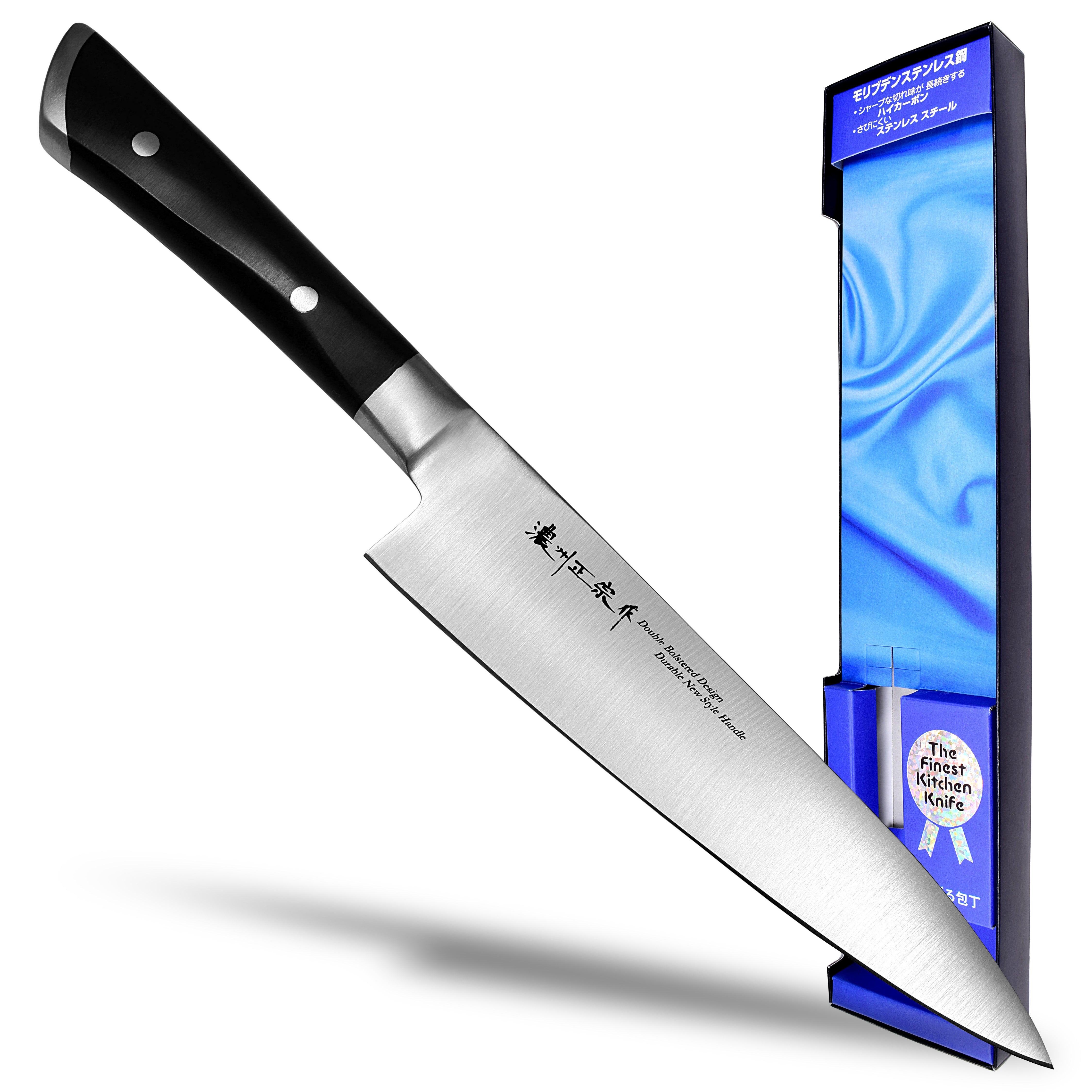
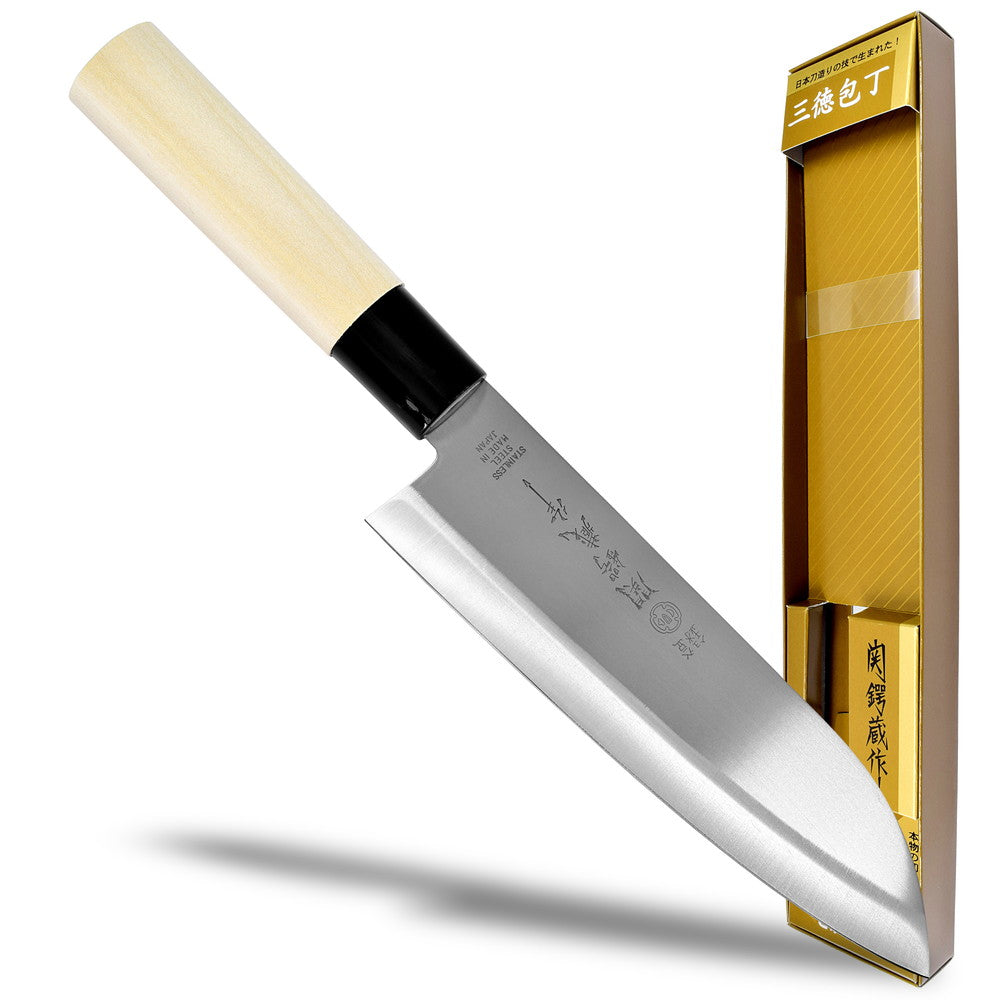
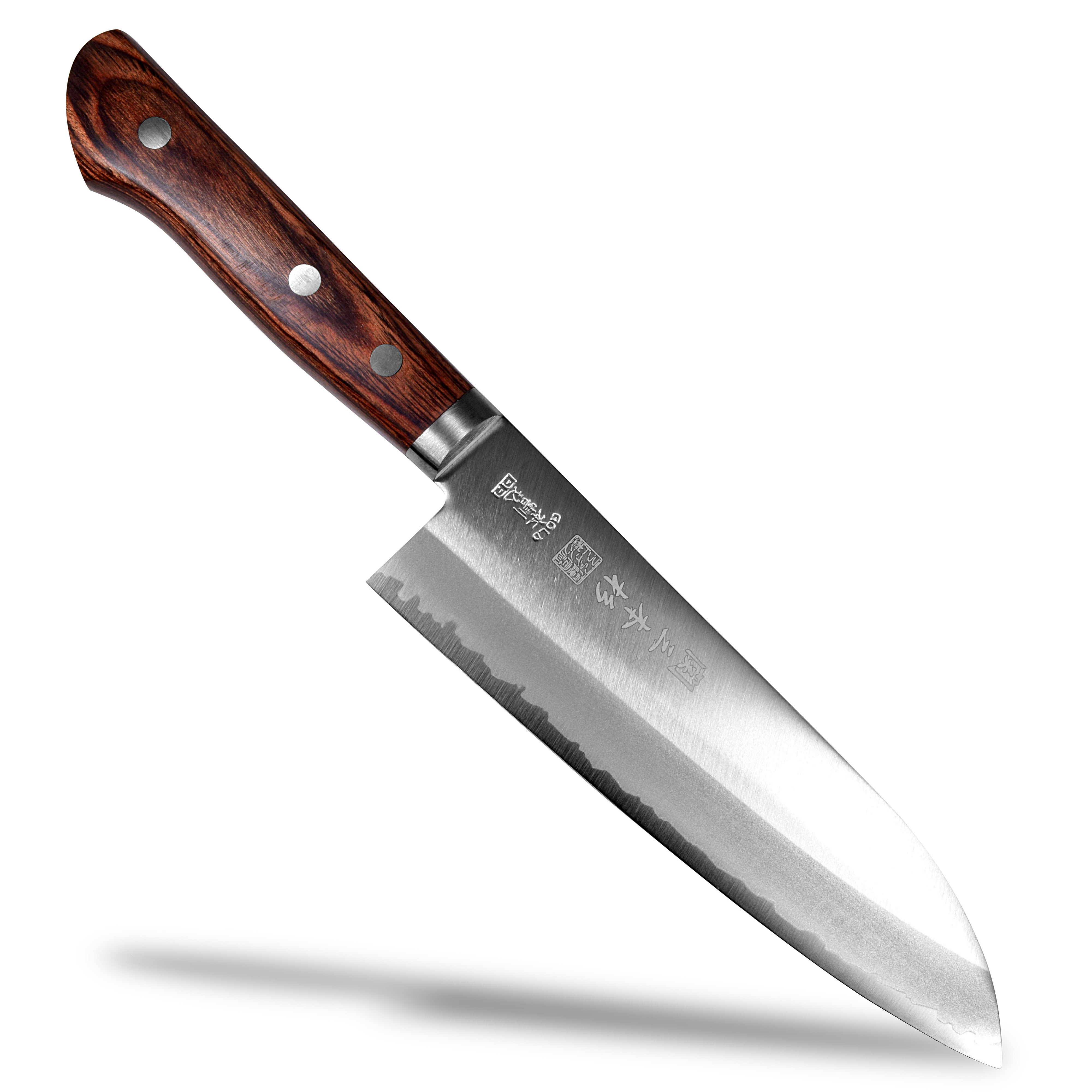
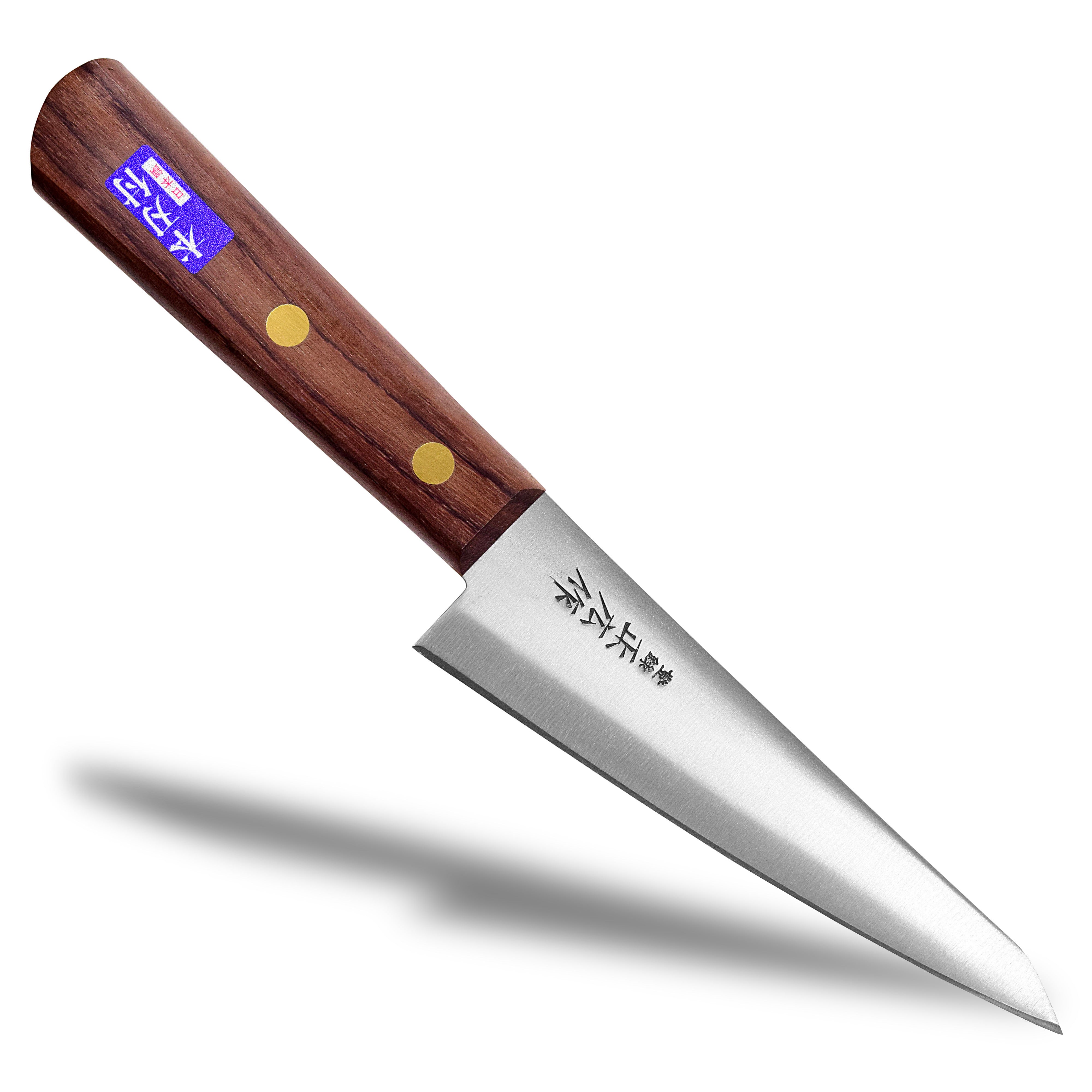
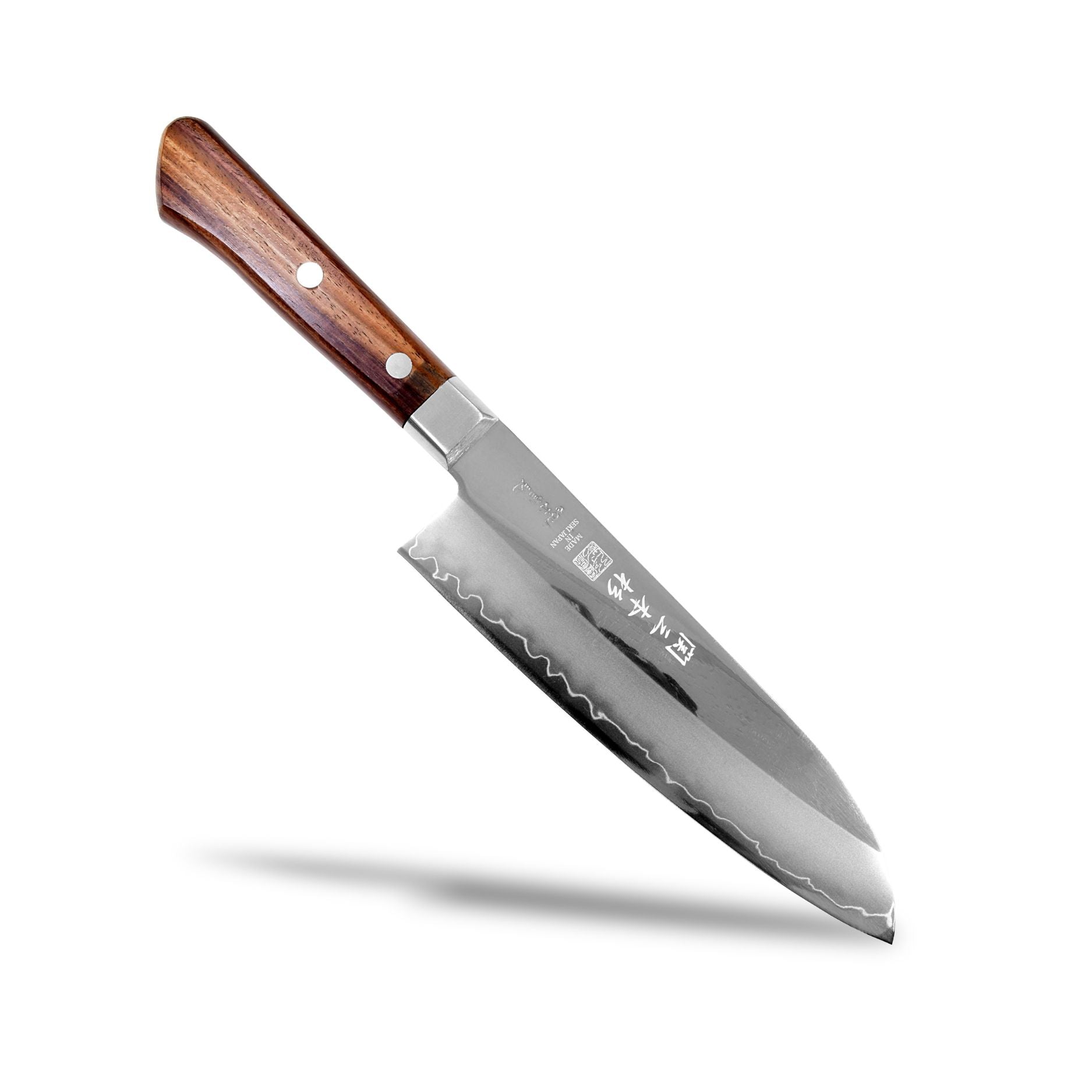
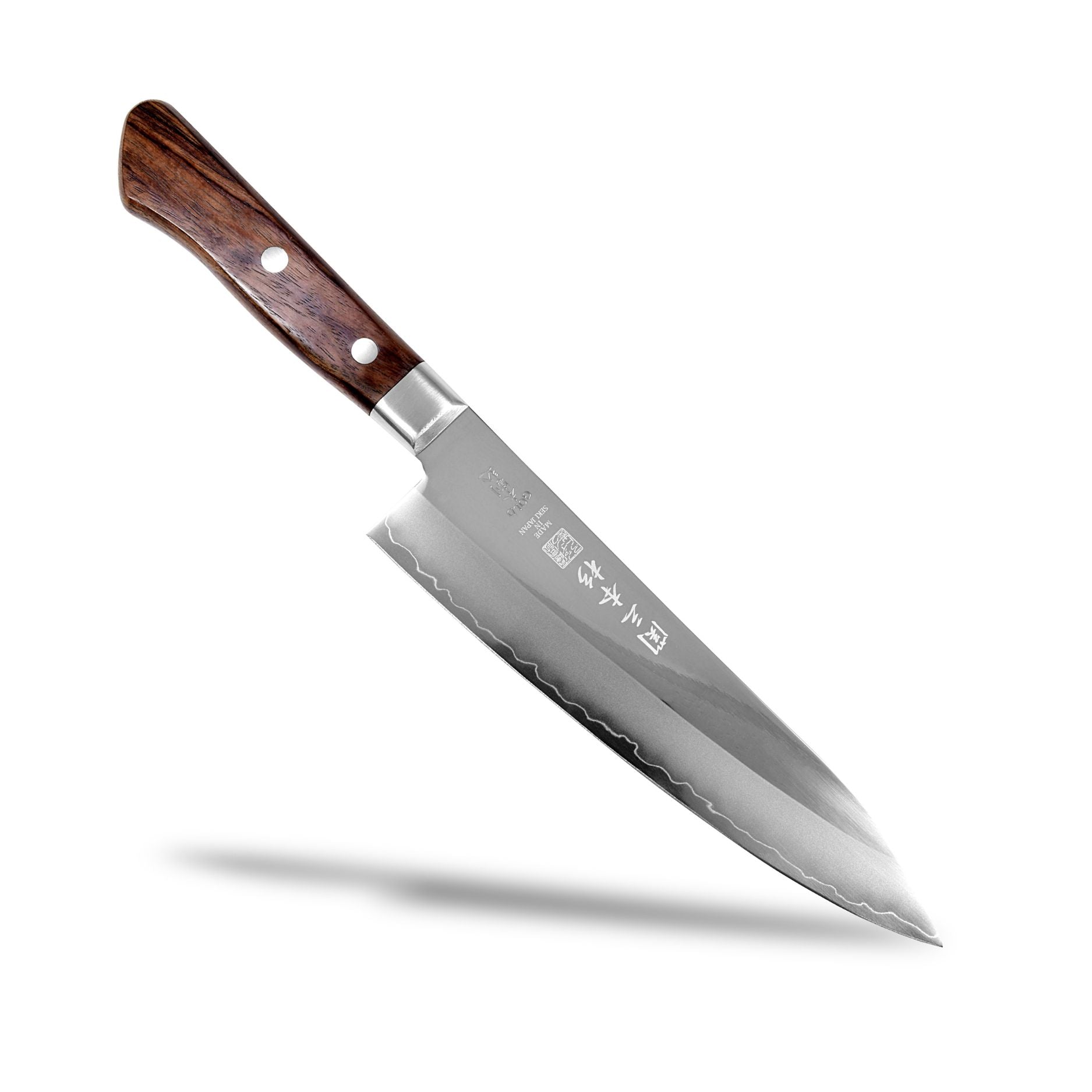
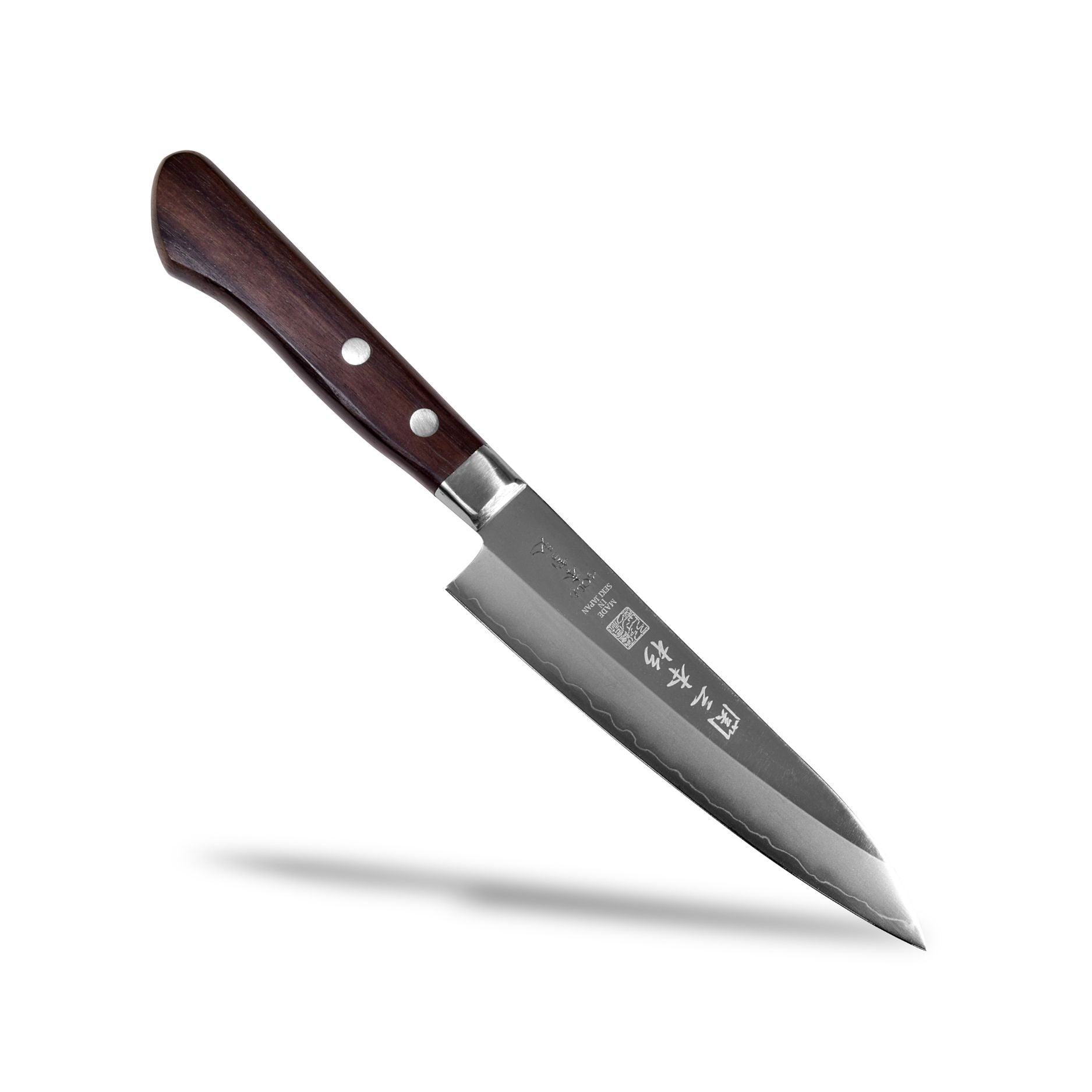
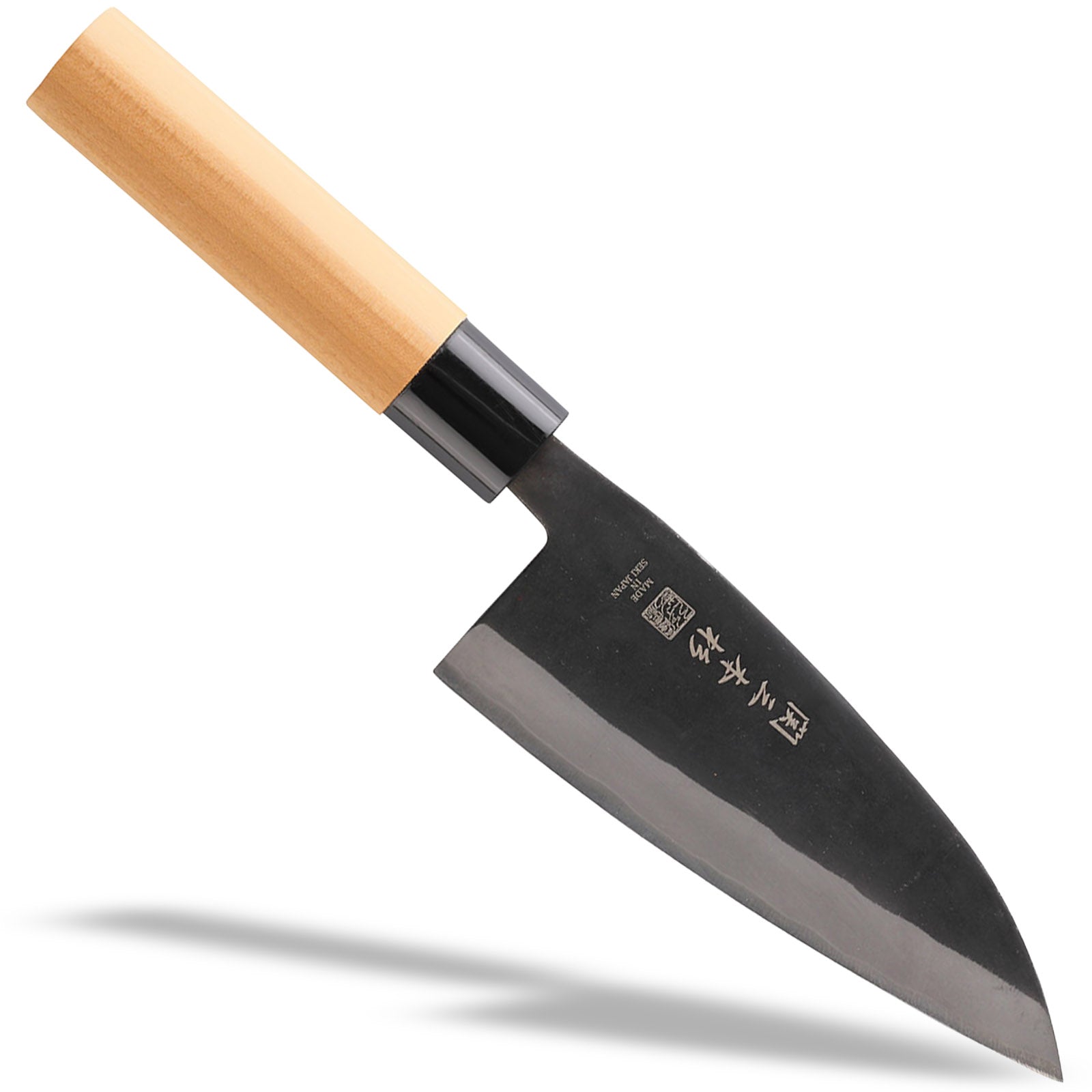
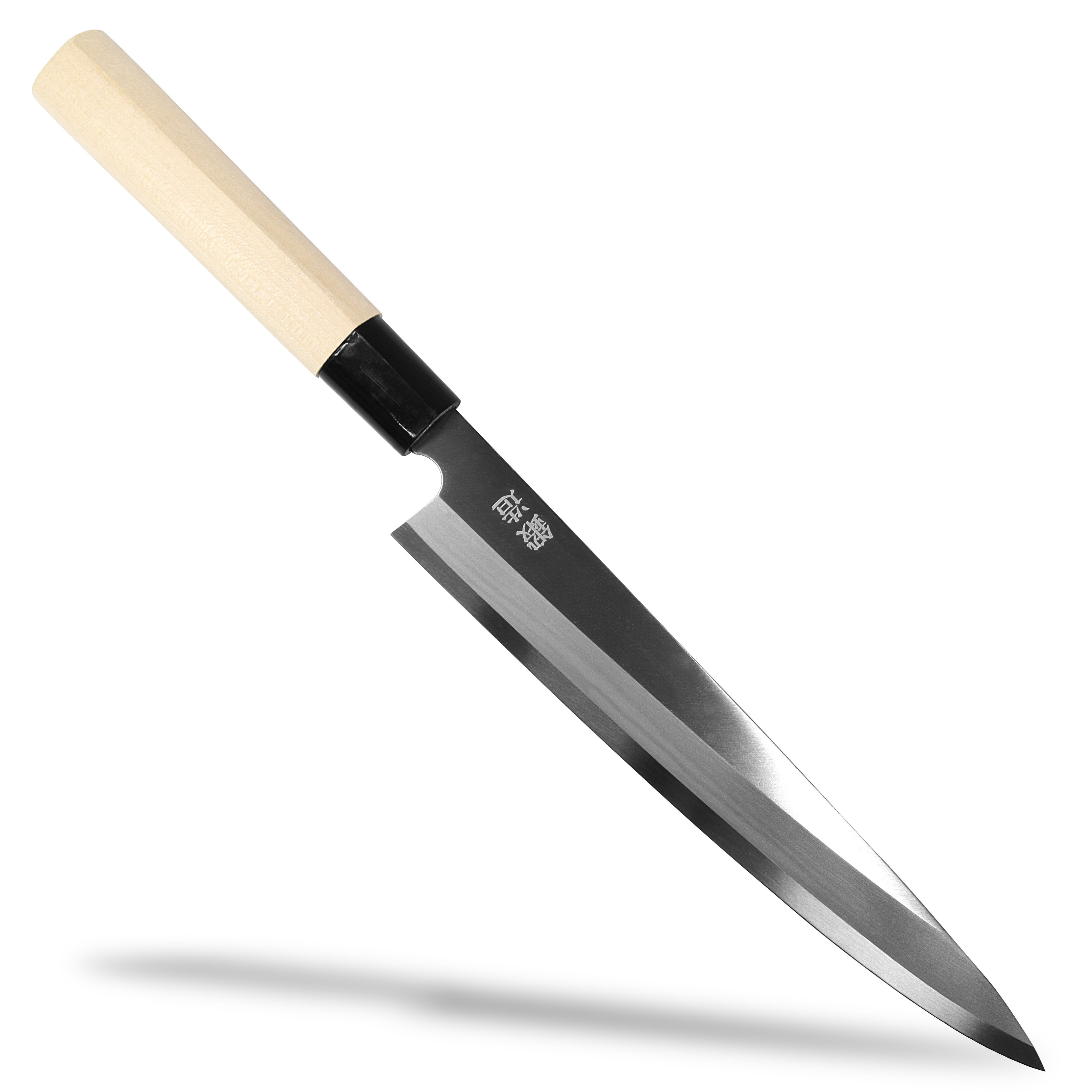
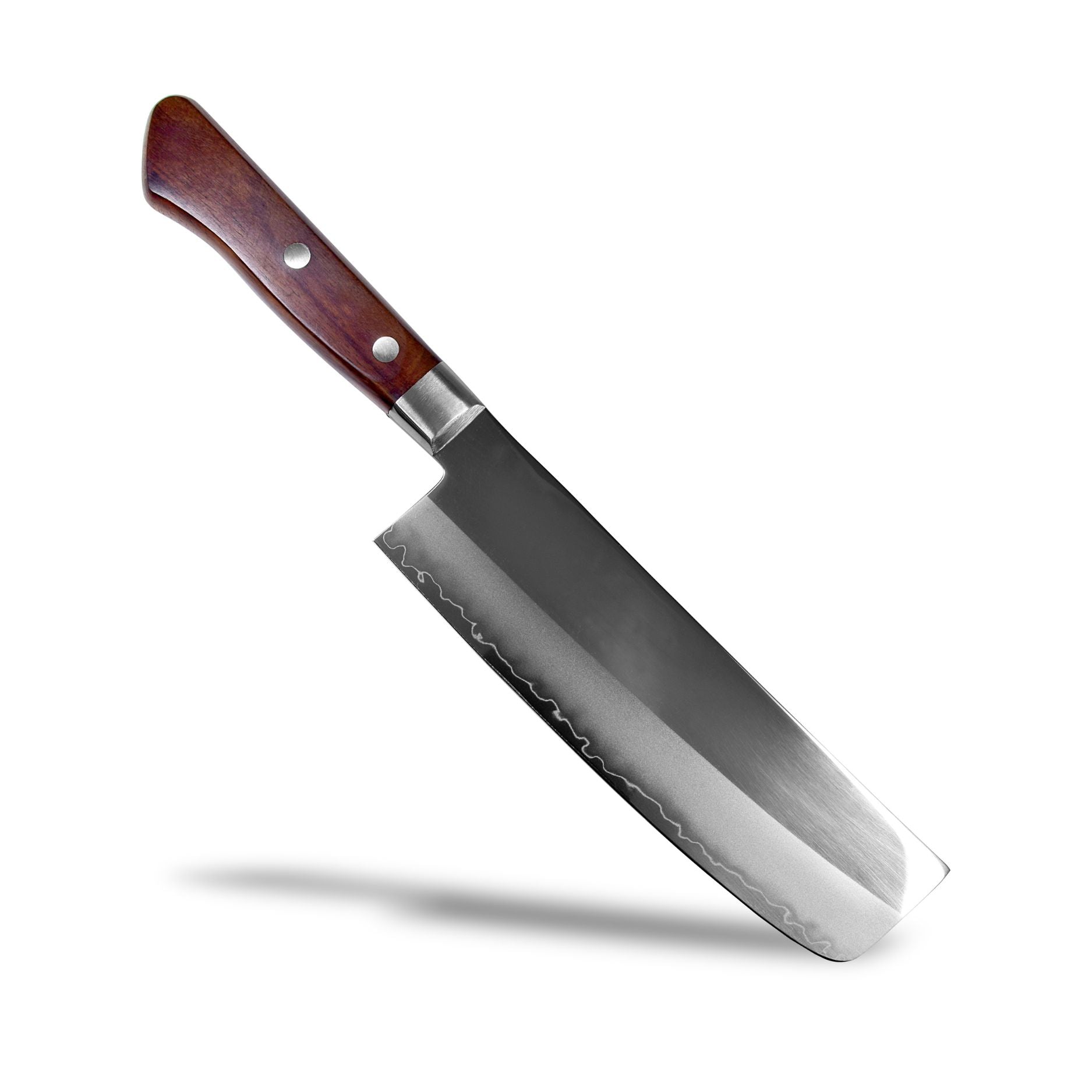
Japanese kitchen knives, such as the santoku knife, chef's knife, deba knife, yanagiba knife, and usuba knife, are all specialized tools for "cutting food," and their blade shapes, steel materials, and heat treatments are all designed specifically for food preparation.
On the other hand, utility knives (such as cutter knives and utility knives) are tools for cutting non-food items such as paper, film, plastic sheets, and carpets, and their blade thickness and holder structure are designed to withstand the "load during operation."
The first thing beginners should understand is the distinction between using a kitchen knife for DIY projects and using a tool knife for cooking.
Japanese kitchen knives are, after all, "specialized tools" for cooking.
In conclusion, all types of Japanese kitchen knives (such as santoku, deba, and yanagiba) are designed specifically for cooking and should not be used to cut cardboard, wood, or plastic.
It is explained that "by recognizing the importance of the role of each knife, you can choose the right tool for the job and reduce the possibility of accidents," and even using a chef's knife on glass or stone should be avoided due to the risk of damaging the blade.
Cutting on a hard cutting board (such as glass or stone) can quickly dull the blade and increase the risk of slipping, so wooden or plastic cutting boards are recommended.
In short, kitchen knives are not well-suited for cutting, prying, or kneading hard materials. Using them for crafting with cardboard or wood can not only cause chipping or breakage of the blade, but also increase the risk of them slipping unexpectedly and cutting your hand.
It has been pointed out that "cutting fruit with a folding knife can cause juice to accumulate in the hinge, making it unsanitary," emphasizing that kitchen knives are more suitable for cooking.
In short, "Japanese kitchen knives are precision tools for cooking" and should not be used for any other purpose.
Types of tool knives and their main uses other than cooking
In short, the most common types of utility knives are the "snap-off blade cutter knife" and the "utility knife," both of which are tools designed for cutting cardboard, film, and plastic sheets.
Utility knives are described as being "more durable than snap-off blade cutters and can be used for cutting carpets and plastic materials, as well as cutting windows in boards," and are positioned as tools that are useful on construction sites, interior design sites, and DIY sites.
Cutting processes in paper, nonwoven fabric, and film manufacturing utilize tool steels such as carbon steel SK and alloy tool steel SKS, and it is explained that "hard, wear-resistant cutting materials" are required.
On the other hand, typical examples cited include "extending the blade too far can cause it to bend or break, making it uncontrollable and leading to injury" and "the blade digging into a ruler and riding up onto the ruler, cutting the hand holding it down."
Many mistakes include "pressing too hard" and "cutting while holding the material with one hand," so it is important to stabilize the blade with both hands and maintain a safe posture.
The most important thing is to understand that "tool knives are tougher than kitchen knives, but they are just as dangerous if used incorrectly."
What are the risks of using the same tool for both cooking and tools?
In conclusion, using a kitchen knife and a utility knife for the same purpose is not recommended for three reasons: hygiene, blade damage, and legal risks.
In terms of hygiene, it is strongly recommended to "wash and dry immediately after use" and "not leave them in the sink," and food-related knives must always be kept clean.
On the other hand, tool knives are prone to accumulating cardboard dust, paint, adhesive, and dirt, and even if these are completely removed, it is not recommended to allow them to come into contact with food.
From the perspective of blade damage, contact with hard materials, floors, or concrete can easily cause the blade tip to chip or become dull, and doing the same with a kitchen knife will increase the frequency of sharpening or replacement.
Regarding legal risks, it is explained that "carrying a bladed weapon with a blade length exceeding 6 cm without a legitimate reason is punishable," meaning that kitchen knives and utility knives may also be subject to the Firearms and Swords Control Law and the Minor Offenses Law depending on the circumstances.
The first thing beginners should understand is to "decide where and what to use each knife for, and only carry it around for that purpose."
How to put into practice the different types of Japanese kitchen knives, their use as tools, and precautions beyond cooking?
What are the basic rules for using knives outside of cooking?
In conclusion, the four basic rules for using a tool knife outside of cooking are as follows:
- Do not point the blade at yourself or others.
- Securely fix the object to be cut.
- Don't extend the blade too far.
- Do not apply excessive force.
The basic rules include: "Pay attention to the direction of the blade and do not point it at yourself or others," "Hold the object you are cutting firmly to prevent it from slipping," and "Applying excessive force can cause the knife to slip and lead to an accident."
It is said that "new blades and well-sharpened saws can cut cleanly with just a light touch" and "if you hold the material with one hand while cutting, the blade will move in an unexpected direction," so it is recommended to work with both hands to maintain a stable posture.
Specific criteria are provided, such as "If there are two or more break lines, the blade is extended too far" and "If the blade is extended too far, it will bend or break, making it uncontrollable and potentially causing injury."
In short, the key to safety is to "use a sharp blade with less force and keep the blade slightly extended."
What are some things you should NOT do when using a tool knife for DIY projects?
In short, the three biggest no-nos when it comes to tool-knife accidents in DIY are "pushing too hard, working with one hand, and using a ruler incorrectly."
Actions such as "pressing too hard" and "cutting while holding the material with one hand" are considered dangerous, and warnings have been issued that "the blade may move in an unexpected direction, potentially causing anything from minor cuts to severe lacerations."
A typical example cited is "an accident where, while cutting along a ruler, the blade gets stuck in the ruler, rides up onto the ruler, and cuts the hand holding it down."
Furthermore, structural risks have been pointed out, such as the fact that "with notch-type (slide-type) utility knives, if the blade catches on something, it can be pulled out or pushed in, potentially leading to accidents where the blade breaks and flies off."
Because force is applied to both the hand holding down the ruler to prevent it from slipping and the hand pressing the cutter, injuries are likely to occur, and countermeasures such as introducing rulers with safety guards have been proposed.
The most important thing is to "avoid trying to cut it all at once with brute force, and instead cut it gently in several stages."
Steps for safely separating cooking and tool use
In conclusion, for safe use at home or in a store, it is recommended to follow these three steps: ① separate knives by purpose, ② separate storage locations, and ③ establish rules for carrying them.
Step 1: Separate knives by their intended use.
- Kitchen knives (such as deba, yanagiba, and santoku) should be used exclusively for food and should never be used on paper, cardboard, or plastic.
- For DIY and unpacking, use a utility knife or cutter knife, but conversely, do not use them on food.
Step 2: Separate storage spaces
- Store kitchen knives in a knife block, magnetic strip, or dedicated sheath, and do not leave them in the sink.
- Keep your tools and knives stored in a toolbox or work drawer and avoid bringing them into the kitchen.
Step 3: Decide on the rules for carrying it.
- When taking knives out for work or DIY projects, put them in a case or tool belt and clearly indicate your destination and purpose.
- Under the Firearms and Swords Control Law and the Minor Offenses Law, carrying a bladed weapon with a blade longer than 6 cm without a legitimate reason is punishable, so caution is necessary when carrying kitchen knives or large knives.
Keeping knives clean, dry, and stored in a safe place is said to be directly related to accident prevention and extending the lifespan of the blade.
The first thing beginners should understand is to "visualize and categorize their knives by location and purpose."
FAQ
Q1. Is it okay to use a Japanese kitchen knife for DIY projects or cutting cardboard?
A1. This should be absolutely avoided because it poses a high risk of chipping and hygiene problems, and if the blade slips on a hard material, it can lead to serious injury.
Q2. Is it dangerous to cut food with a utility knife?
A2. Tool knives are intended for non-food use and may have dirt or metal particles attached to them, so they are not recommended for hygiene reasons.
Q3. How far should the blade of a utility knife be extended when using it?
A3. If there are two or more creases, it means the blade is extended too far, causing it to bend or break and become uncontrollable. Therefore, keep it to the minimum necessary length.
Q4. What precautions should I take when using a ruler to cut paper with a cutter?
A4. Since many accidents occur when the blade gets stuck in the ruler and rolls up, causing cuts, it is important to use a ruler with a safety guard and not press too hard.
Q5. What are some common and dangerous ways that DIY beginners use tool knives?
A5. Typical causes include applying too much pressure, holding the material with one hand while cutting, and working in a slippery position, which can cause the blade to move in an unexpected direction.
Q6. What are the basics for preventing knife accidents at home?
A6. Securely fix the object you are cutting, do not point the blade at people, wash and dry the knife immediately after use, and store it in a safe place such as a knife block or sheath.
Q7. What are the legal considerations when carrying a knife?
A7. Carrying a bladed weapon with a blade length exceeding 6 cm without a legitimate reason is subject to the Firearms and Swords Control Law and the Minor Offenses Law, and even a utility knife can be problematic depending on the circumstances.
Q8. How should I store cooking knives and tool knives separately?
A8. It is safer to store kitchen knives in a knife block or magnetic strip, and tool knives in a toolbox, physically separating them from the surrounding space.
Q9. What are the common points in knife maintenance?
A9. The basics are to keep the blade sharp, wash and dry it immediately after use, and store it in a case or holder that can protect the blade.
Q10. Is it okay to carry a knife when traveling or going out?
A10. A legitimate reason is required, and unnecessary carrying should be avoided. Failure to explain during a police stop can lead to trouble.
summary
- In conclusion, traditional Japanese kitchen knives (such as santoku, deba, and yanagiba) are strictly for cooking purposes only. For tasks involving cardboard or plastic sheets, it is essential to use utility knives (cutter knives, utility knives) and completely separate their uses as a fundamental principle of safety and hygiene.
- When using a utility knife for purposes other than cooking, it is essential to be mindful of the basics: "don't extend the blade too far," "don't point it at yourself or others," "firmly hold the object in place," and "don't apply excessive force," as well as the laws regarding carrying bladed weapons (regulations on carrying bladed weapons longer than 6 cm).
- By clearly separating kitchen and work-related knives from their storage locations and using them as "dedicated tools" for each purpose, you can reduce injuries, chipped blades, hygiene issues, and legal troubles, allowing you to enjoy both cooking and DIY with peace of mind.