
Recommended Japanese kitchen knives and outdoor tool knives that pair well with them
Japanese kitchen knives perfect for camping enthusiasts: Recommended tools, knives, outdoor equipment, and features.
In conclusion, for those who want to enjoy cooking while camping, the safest and most comfortable approach is to assign specific roles to two types of knives: a Japanese kitchen knife (a small santoku or petty knife) that can be used just like a kitchen knife, and an outdoor knife (a sheath knife or utility knife) for tasks such as bonfires, chopping firewood, and handling ropes and cardboard.
[Key points of this article]
- A guide to Japanese kitchen knives that are easy to use for camping cooking (recommended types and sizes) and the roles of outdoor tool knives.
- This article explains the features and key points for choosing outdoor tool knives, including sheath knives, folding knives, and multi-tools.
- This article summarizes important safety precautions to keep in mind regarding how to carry kitchen knives and other bladed tools to campsites, including their relationship to the Swords and Firearms Control Law.
Today's review: 3 key points
If cooking is your main focus while camping, bringing a small Japanese kitchen knife (such as a santoku or petty knife in the 180mm class) and cooking with the same technique you would use at home will help prevent mistakes.
In short, a sturdy sheath knife is suitable for splitting firewood and bushcraft, while a utility knife is better for unpacking and detailed work; a Japanese kitchen knife should not be used as a substitute.
In conclusion, the minimum requirements for safely enjoying camping are to "carry kitchen knives and outdoor knives in a sheath or case" and "respect the Swords and Firearms Control Law and not carry blades longer than 6 cm without a legitimate reason."
Conclusion of this article
- In conclusion, the basic setup for knives when camping is "one Japanese kitchen knife for cooking + one outdoor knife for campfires and crafting." Separating tools for different types of cutting is safer and more comfortable.
- In short, it's easier to understand the difference in use if you think of Japanese kitchen knives as being for food preparation only, and tool knives as being for non-food items such as firewood, rope, and cardboard.
- Most importantly, you should choose a knife based on your camping style (whether you focus on cooking or campfires and bushcraft), considering factors like blade length, thickness, and whether it's foldable.
- For beginners, the first thing to keep in mind is that if your main focus is cooking, prioritize a thin-bladed cooking knife or a small santoku knife; if your main focus is campfires, prioritize a thick-bladed sheath knife.
- When carrying kitchen knives and other bladed weapons to a campsite, be sure to keep in mind that you must "cover the blade with a sheath or case" and "not exceed the scope of legitimate reasons as defined by the Firearms and Swords Control Law."
What are the basics of Japanese kitchen knives, recommended tools, tools, knives, and outdoor equipment?
In short, "Japanese kitchen knives and outdoor knives in camping serve the same purpose as bringing a kitchen and workspace outdoors."
For beginners, a versatile knife is recommended for cooking; for campfires, a knife with a long, thin blade is recommended; and for campfires, a sturdy sheath knife is recommended.
The book introduces "knives suitable for cooking," including folding knives with thin blades that are ideal for cooking, and kitchen knives that can be used with a feel similar to a household kitchen knife. The basic principle for cooking knives is that they should have thin, straight blades.
On the other hand, explanations of outdoor knives mention three types: sheath knives, folding knives, and multi-tool knives. Each type has many differences in blade strength, sharpness, shape, thickness, and versatility, so it is important to choose the type that suits your camping style and purpose.
The model, equipped with a "sturdy blade and resin handle that can withstand heavy use such as bushcraft," is described as being suitable for campfires and splitting firewood.
The first thing beginners should keep in mind is the general rule: "Use a thin blade for food, and a thick blade for firewood and rope."
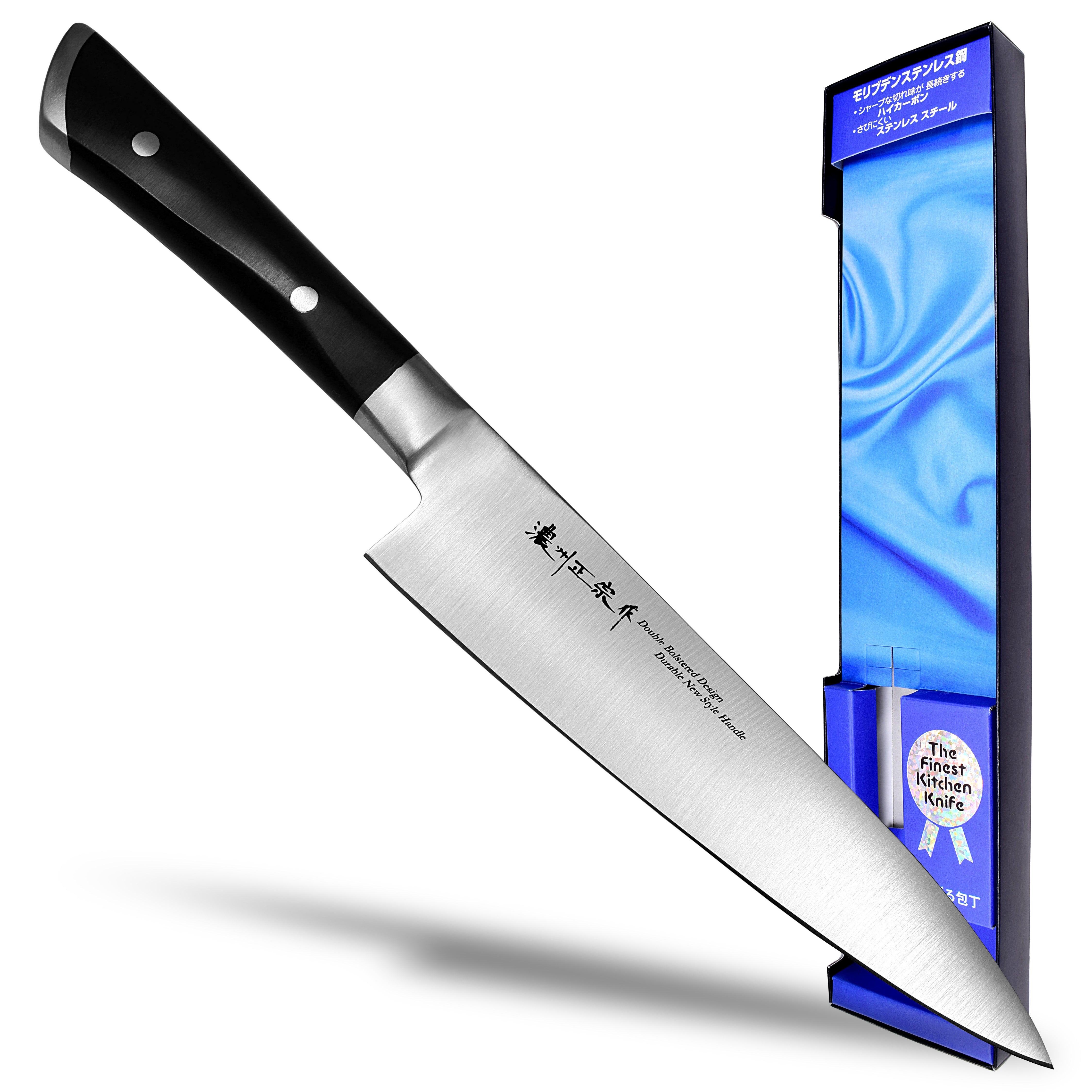
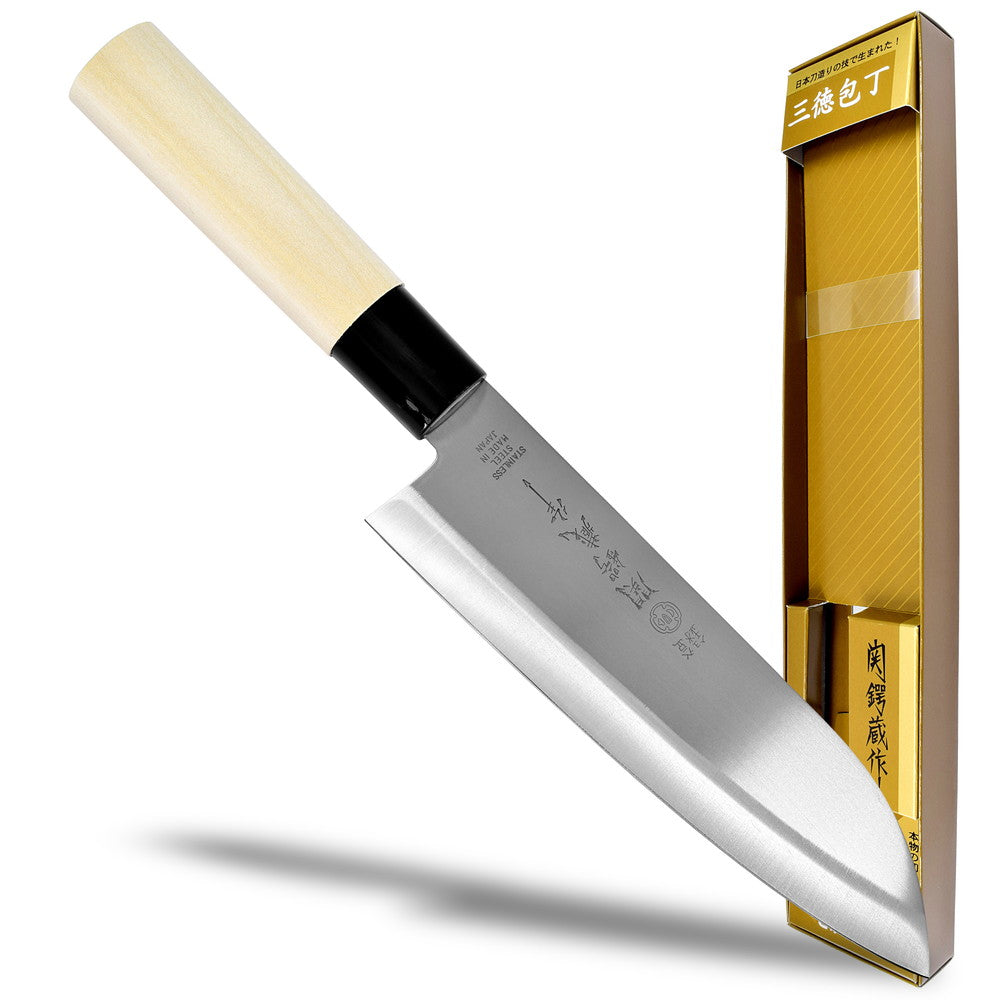
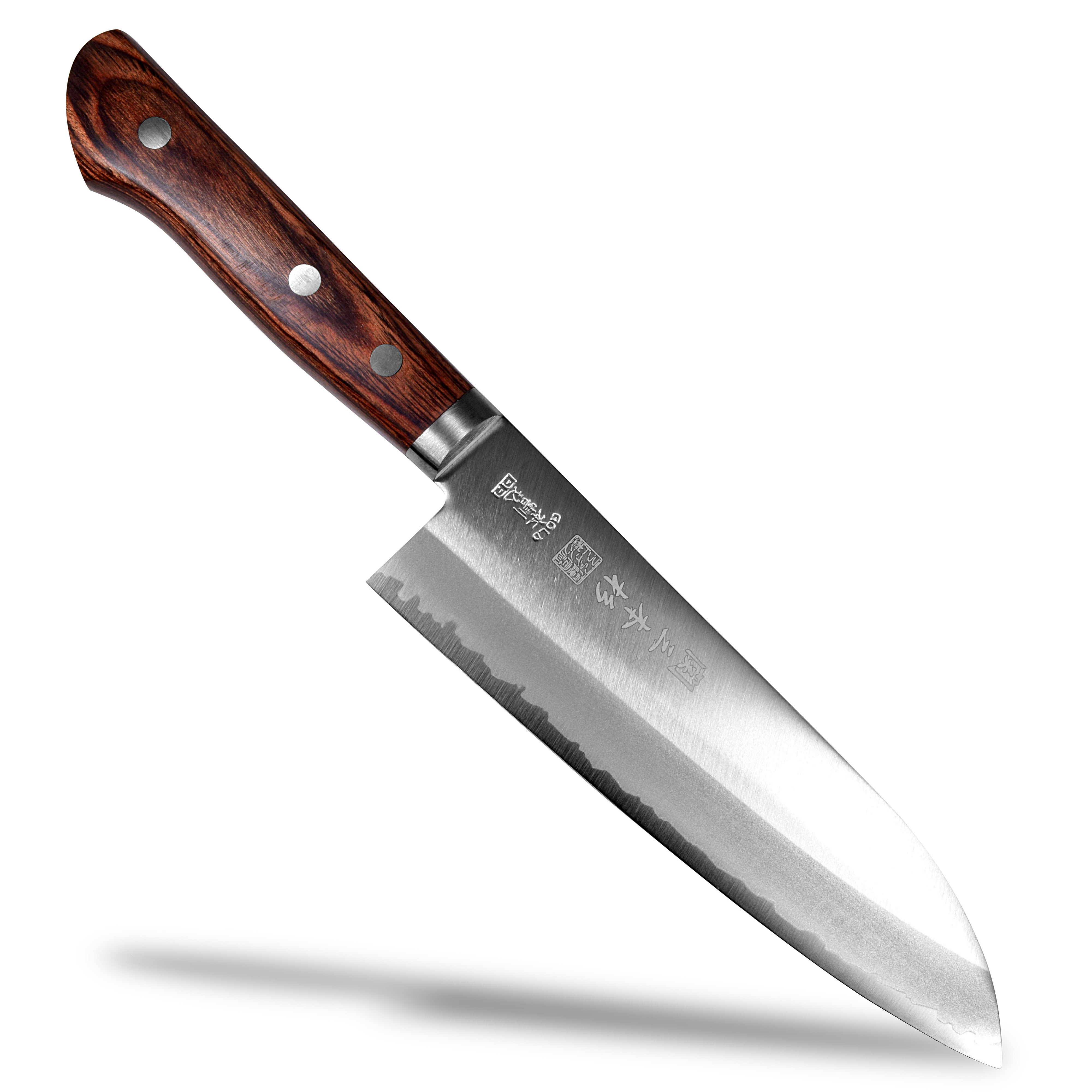
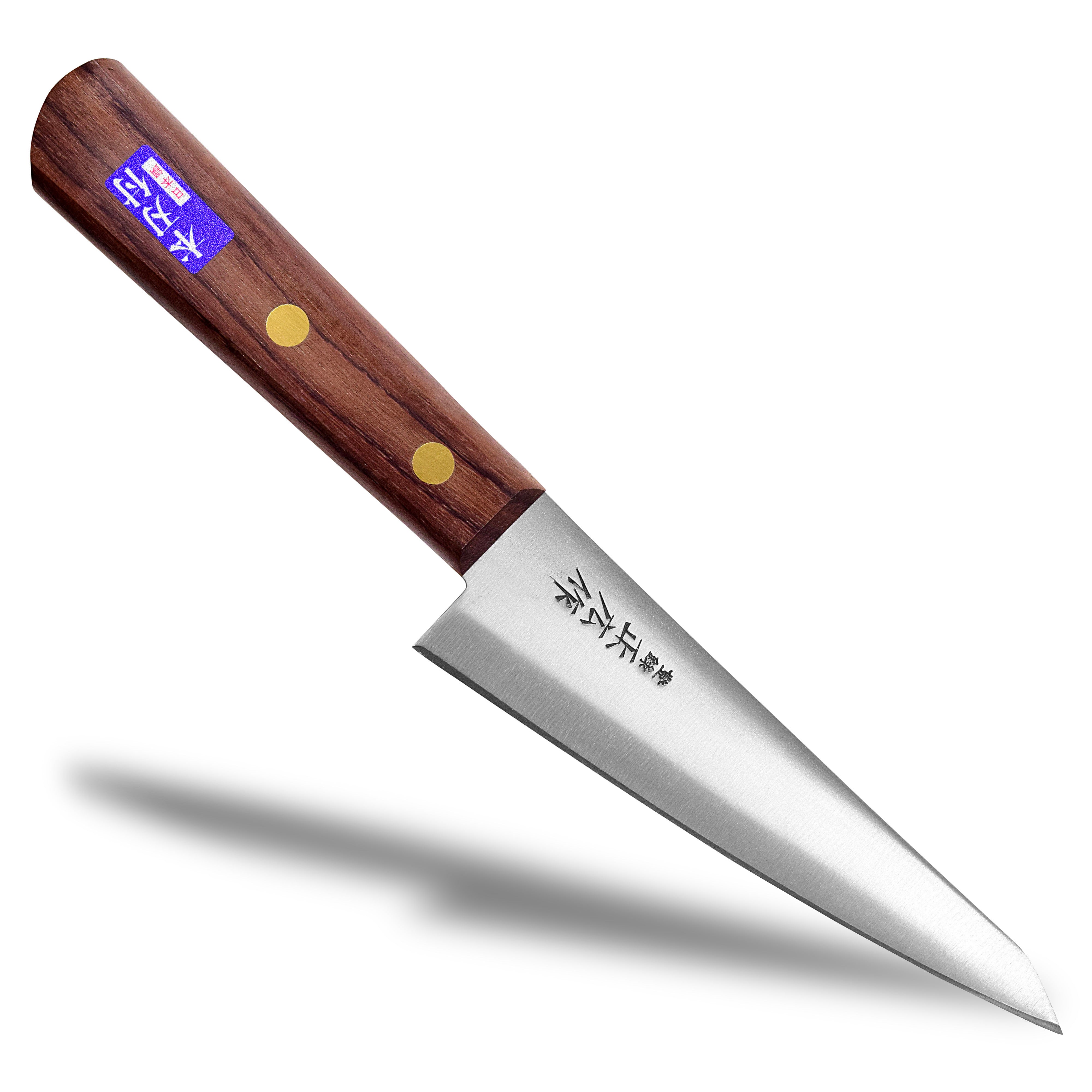
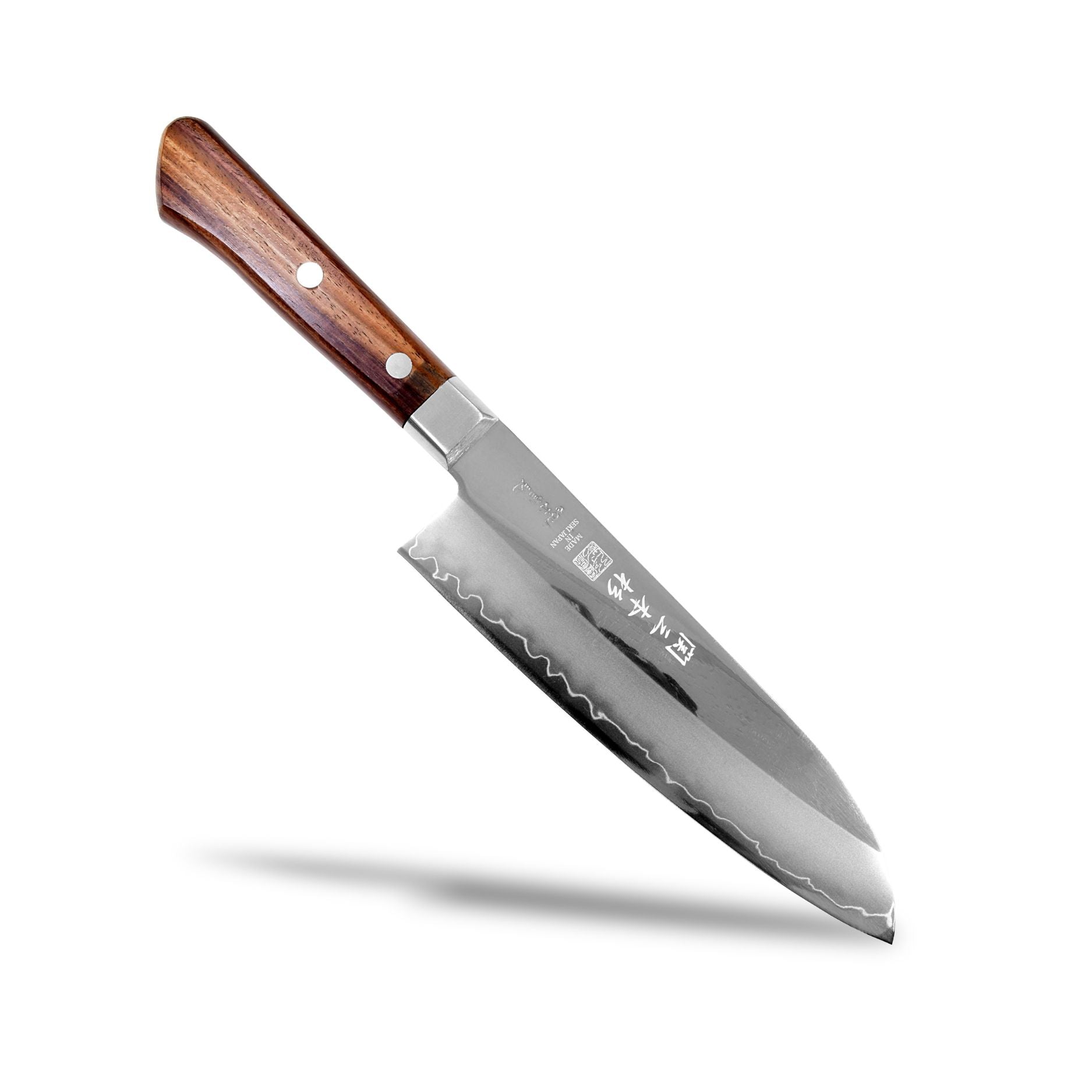
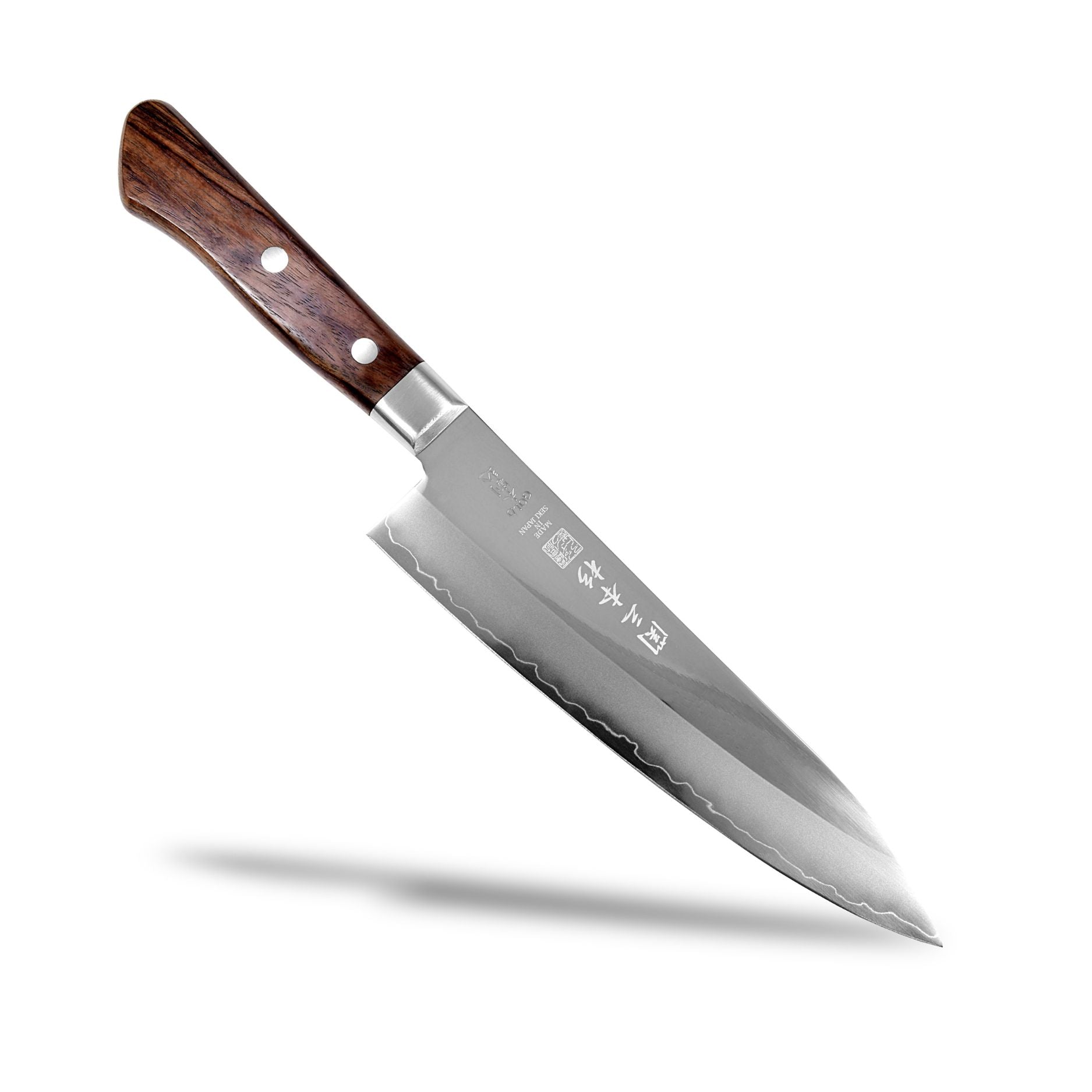
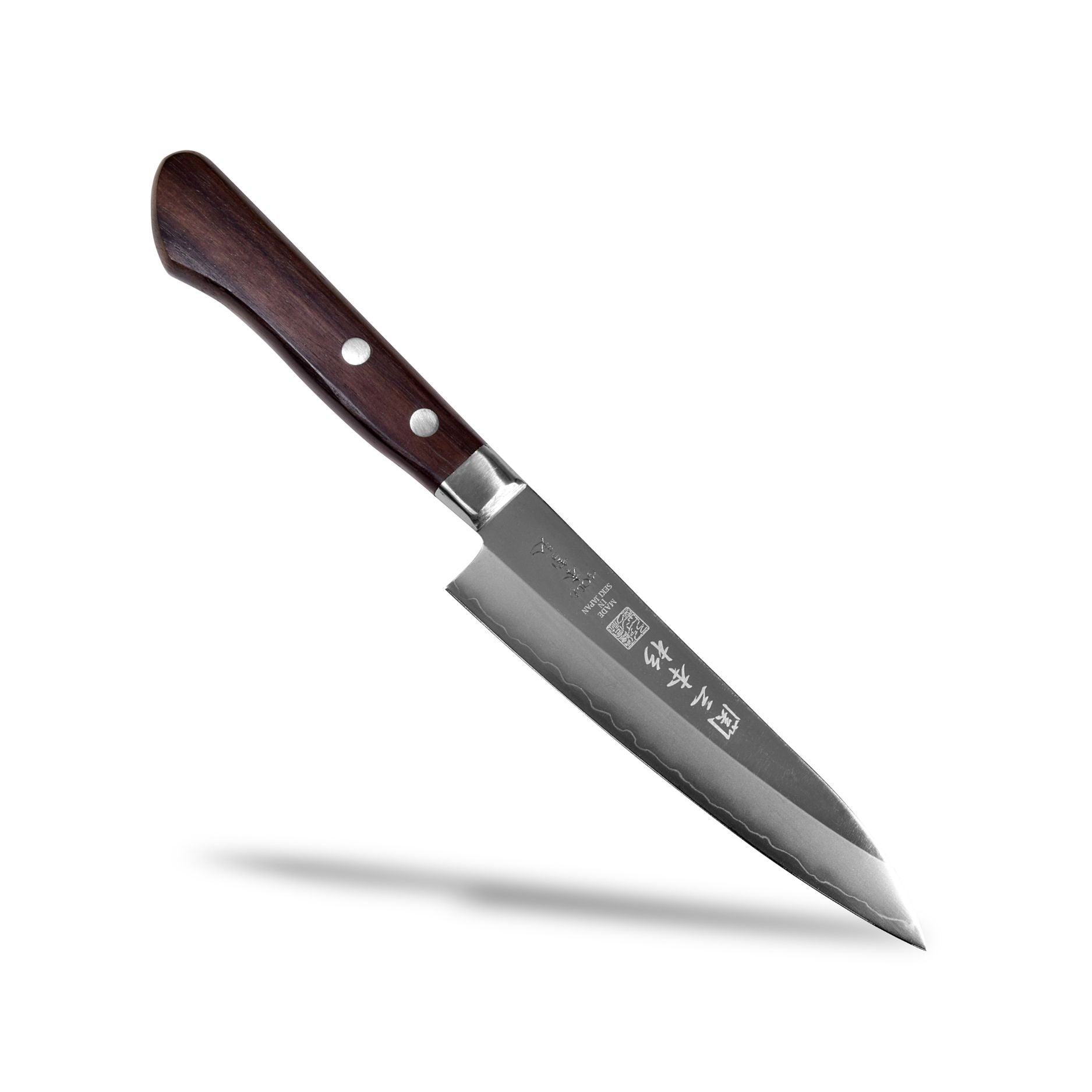
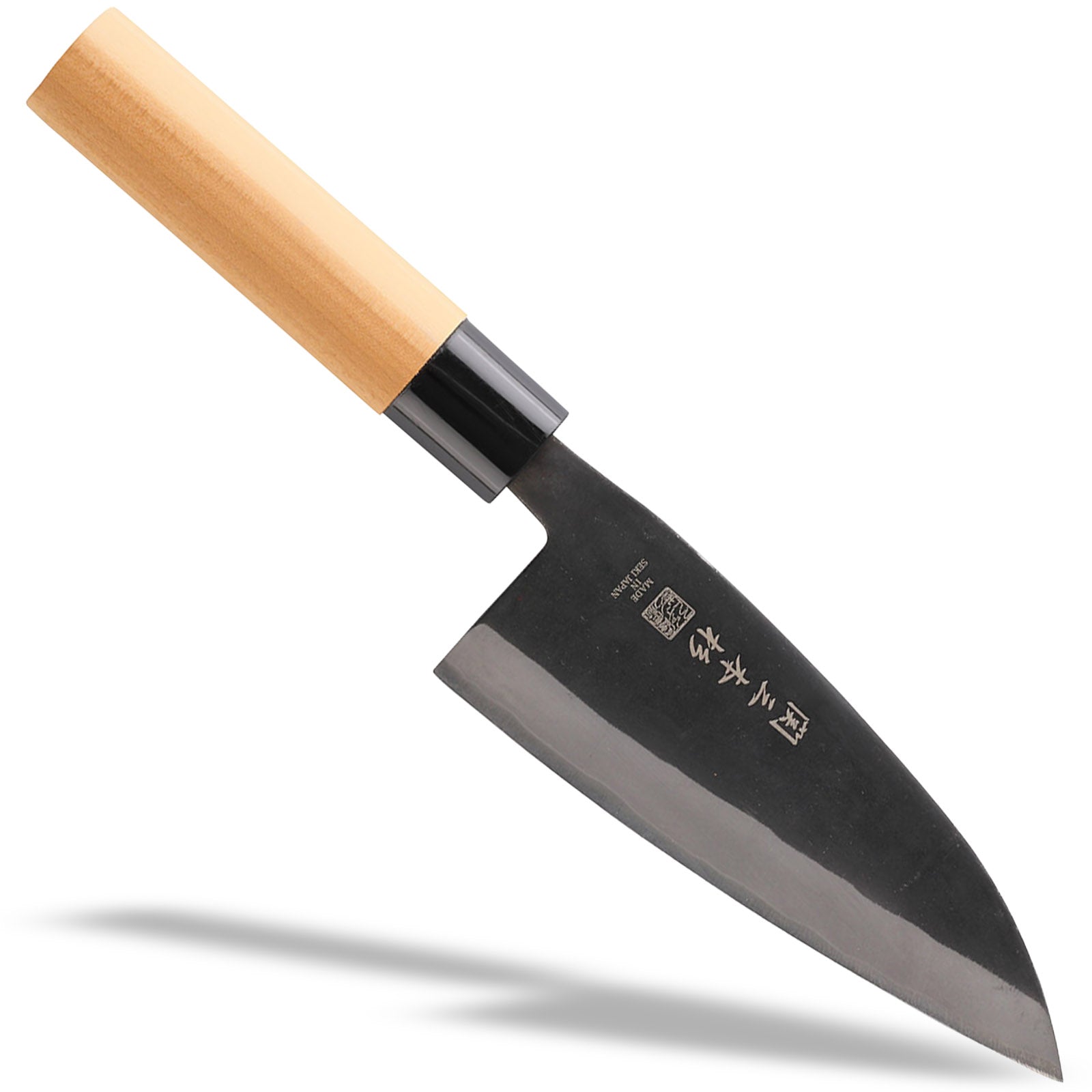
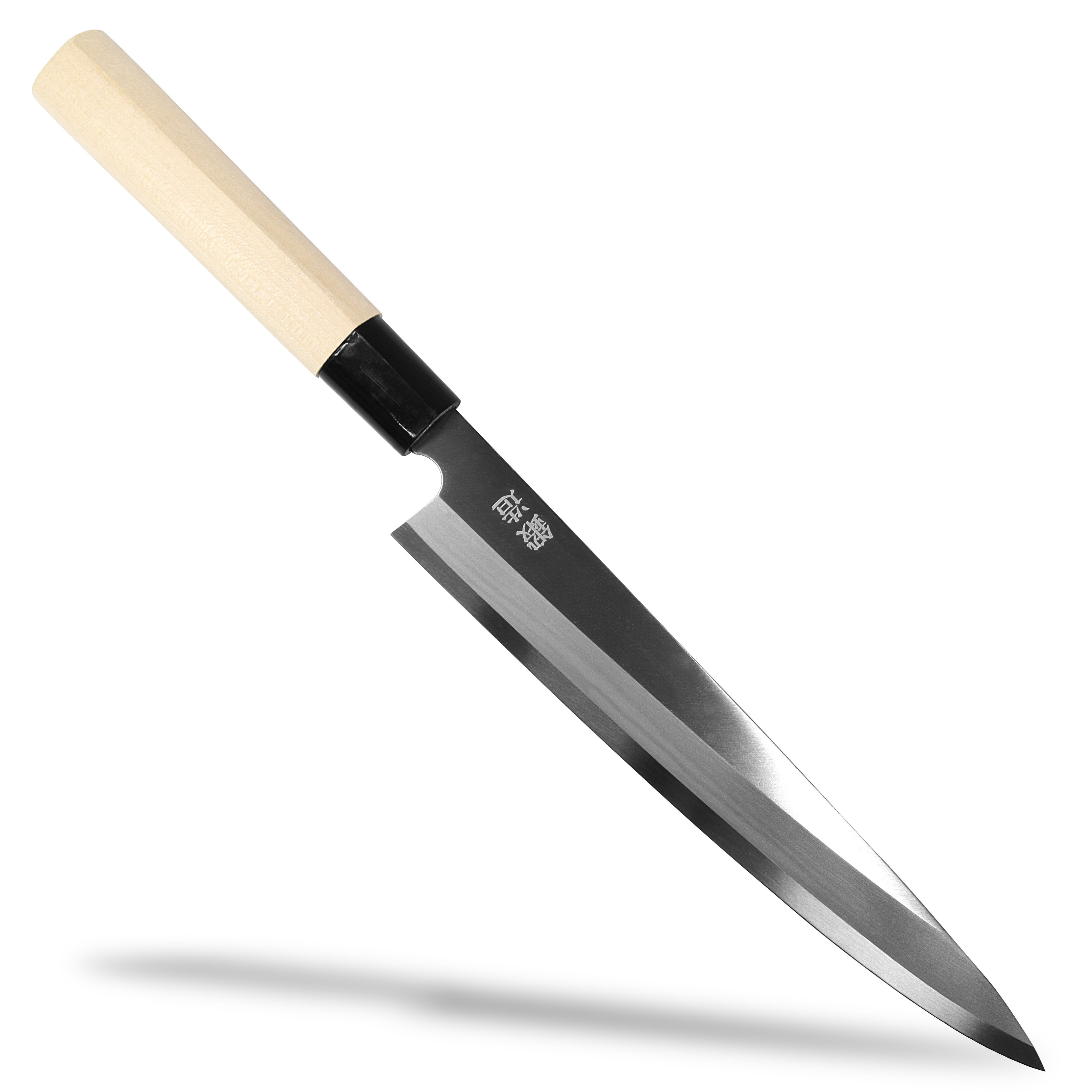
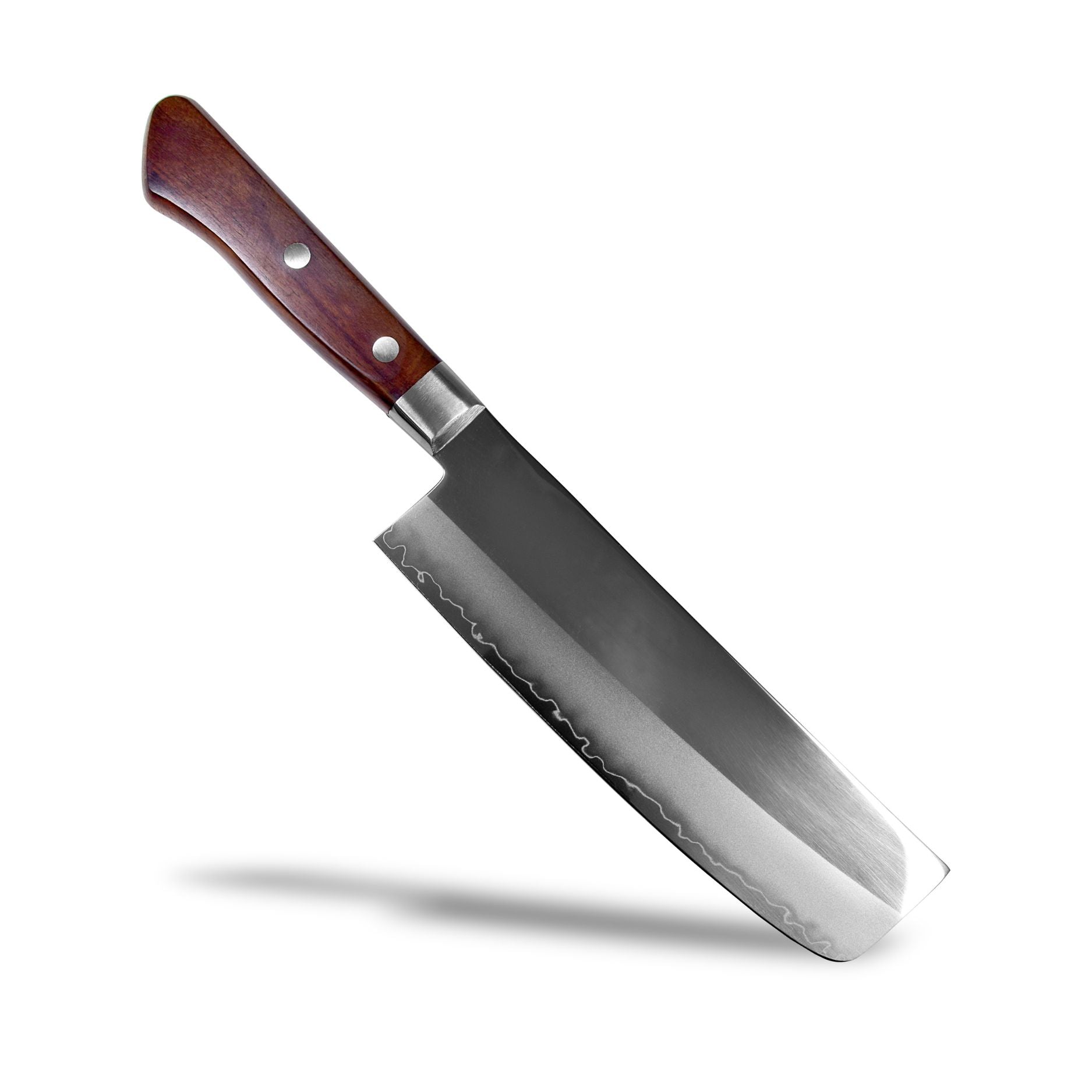
Recommended types of Japanese kitchen knives that are easy to take camping.
In conclusion, the most practical Japanese kitchen knives to bring camping are a "180mm-long santoku knife" or a "small paring knife," both of which are recommended by many outdoor media outlets.
"If you prioritize cooking, a cooking knife is easy to use," "A santoku knife can handle all kinds of cooking, and if portability is your priority, a small paring knife is also an option," indicating that ease of use similar to that of a home kitchen is emphasized.
The article features outdoor cooking knives and sheathed cooking knives with blades around 15cm long, and praises them for being "easy to use, just like a regular kitchen knife."
When using a kitchen knife while camping or traveling, it is recommended to "cover the blade by placing it in a sheath (wooden or leather)" and "package it securely with newspaper or similar material to prevent immediate use."
While it is prohibited to carry a knife longer than 6 cm without a legitimate reason, it explains that legitimate reasons include "when purchasing a knife, when a chef travels between work and home, and for use during camping."
In short, the best way to choose a kitchen knife for camping is to "safely bring a Japanese kitchen knife of a size similar to that used in home kitchens, complete with a sheath."
Features of outdoor tool knives
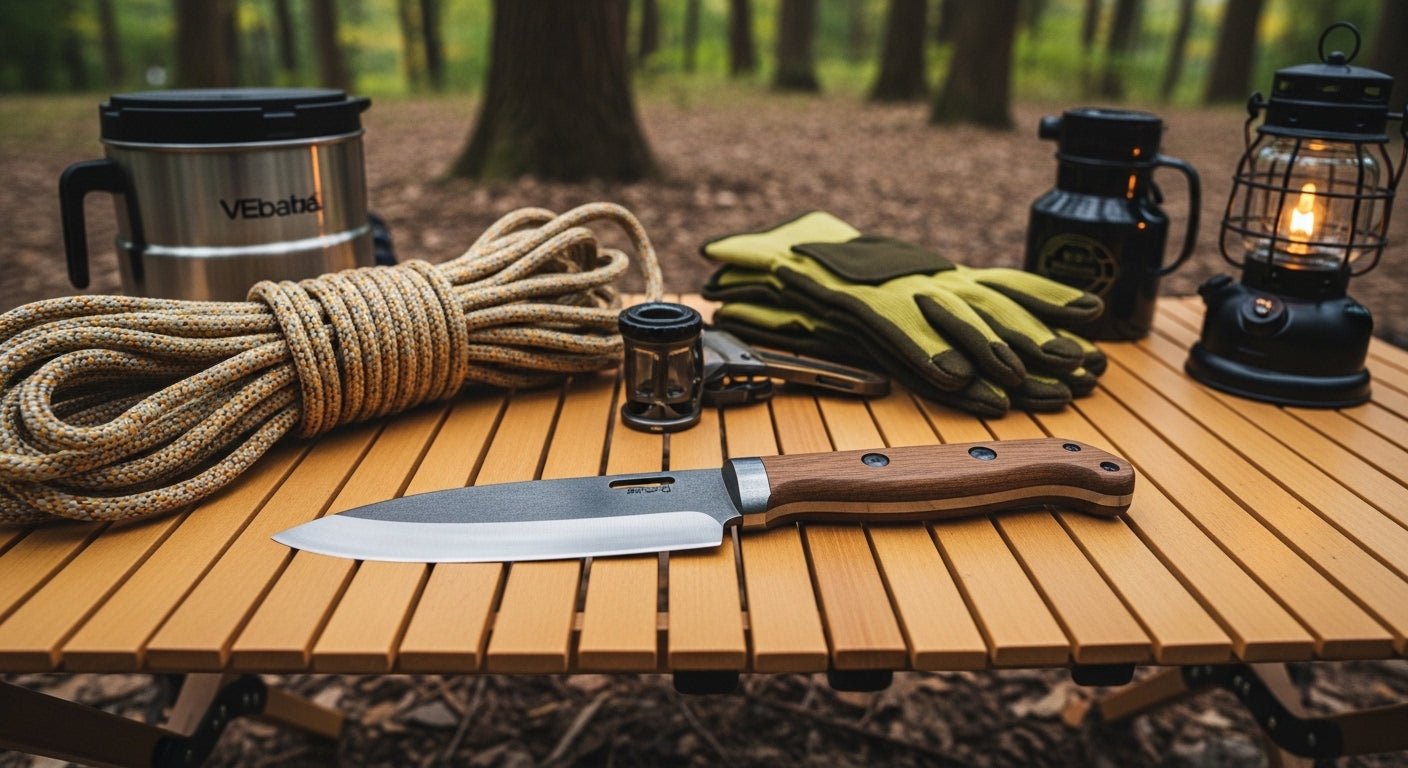
In short, outdoor tool knives are characterized by "sheath knives = sturdy," "folding knives = portable," and "multi-tools = multi-functional."
Outdoor knives can be categorized into the following three types:
- Sheath knife : This type of knife has a blade that is housed in a sheath, with the handle and blade integrated into a straight piece. It is less portable but very sturdy.
- Folding knives : They are foldable and highly portable, but due to their construction, they are not as strong as sheath knives.
- Multi-tool knife : In addition to a knife, it has multiple functions such as a can opener and screwdriver.
For beginners, a versatile knife is recommended; for cooking, a long, thin blade is ideal; and for campfires, a sturdy sheath knife is recommended. A sheath knife with a thickness of around 3mm is considered suitable for splitting firewood and batoning.
Folding knives from brands like Opinel and Victorinox feature straight blades that are suitable for "opening packages and simple cooking," and are often recommended as "a good choice for your first knife."
The most important thing is to "not try to do everything with one tool, but to choose one that strikes a balance between strength and portability."
How should we define the roles of Japanese kitchen knives and outdoor knives?
In conclusion, the most rational approach from both a hygiene and safety standpoint is to define "Japanese kitchen knives = for cooking only" and "outdoor knives = for firewood, rope, cardboard, and crafting only."
Outdoor knives are positioned as "tools for communicating with nature," and their strengths lie in their blades and resin handles that can withstand the rigors of camping and bushcraft use.
The knives are categorized by purpose, such as "a cooking knife or small kitchen knife is easy to use if you prioritize cooking" and "a heavy-duty sheath knife is best if you prioritize campfires," with the understanding that you shouldn't confuse their uses.
Kitchen knives are designed for cutting food, and it is important to be aware that cutting or prying hard materials such as wood, bone, stone, or metal can cause chipping or breakage of the blade.
In short, the division of labor—where a Japanese kitchen knife handles kitchen tasks and an outdoor knife handles campfire tasks—ultimately extends the lifespan of the tools.
Japanese kitchen knives: Recommended, tool knives, outdoor knives, and how to choose based on their features.
What kind of Japanese kitchen knife should I choose for camping cooking?
In conclusion, for camping cooking, the most practical options are a santoku knife around 180mm in length or a paring knife around 120-150mm in length.
It is explained that "if you prioritize cooking, a cooking knife is easy to use, while a santoku knife can handle all kinds of cooking," and "if you prioritize portability, a small paring knife is an option."
Cooking knives with blades around 15cm in length are suitable for preparing meat, vegetables, and fish, and many come with sheaths or cases for easy portability, making them popular for camping.
Regarding safe transport methods, it is recommended to "put the blade in a sheath and cover it" and "pack it tightly with newspaper or similar material to prevent immediate use during transport." It is also explained that "using the knife while camping or away from home" is a legitimate reason for transport.
In short, the key is to "choose a knife that is a size similar to what you use at home, and that comes with a sheath or case so you can safely take it with you."
Which tool knife is best suited for outdoor use?
In short, the best tool knife for you will depend on whether your camping style is more focused on cooking or more on campfires and bushcraft.
The following are our recommendations based on their intended use.
- Beginner-friendly : A sheath knife with excellent price and versatility (such as the Morakniv Companion Heavy Duty)
- Suitable for cooking : A sheath knife with a thin blade similar to a kitchen knife (such as the Uniflame Outdoor Cooking Knife).
- Campfire - Intermediate level : Heavy-duty sheath knife with a thick blade that can withstand batoning (such as Morakniv Garberg)
The guide explains that when choosing an outdoor knife, "sheath knives are suitable for heavy use," "folding knives are lightweight and suitable for mountaineering and light camping," and "multi-tool knives are convenient to have as a secondary tool." It emphasizes that "it is important to choose a type that suits your camping style and purpose."
The most important thing is to decide beforehand whether you want to split firewood or just do some light crafting or unpacking.
How can I safely carry a Japanese kitchen knife and an outdoor knife?
In conclusion, it is necessary to thoroughly carry firearms in accordance with the Swords and Firearms Control Law, by covering the blade with a sheath or case.
The article summarizes the Swords and Firearms Control Law by stating that "carrying a knife longer than 6 cm without a legitimate reason is prohibited," but explains that purchasing a knife, a chef's commute, or using it at a campsite could be considered legitimate reasons.
Regarding how to carry a knife when camping, it is recommended to "store the bladed weapon in a case or sheath and carry it in a way that makes it difficult to take out immediately."
The specific way to carry it is as follows:
- Kitchen knives: Secure them with a wooden or leather sheath and a band, and then pack them further to prevent them from moving around inside the bag.
- Outdoor knife: Store it in the included sheath and keep it inside your backpack while on the move (do not attach it to your waist belt or the outside of your backpack).
- Do not leave your knife exposed while on the move (keep it in a state where it cannot be used instantly).
The first thing beginners should keep in mind is to "not take out or show the blade until you arrive at the campsite."
FAQ
Q1. What type of Japanese kitchen knife would you recommend taking camping?
A1. A santoku knife around 180mm in length, or a small paring knife, is considered suitable for general cooking and offers a good balance of portability.
Q2. If I only have a Japanese kitchen knife for camping, do I not need an outdoor knife?
A2. It is not suitable for tasks such as splitting firewood or cutting rope, as it can cause chipping or breakage of the blade. For such tasks, you should leave it to an outdoor knife.
Q3. What kind of tool knife is suitable for making a campfire or splitting firewood?
A3. A sturdy, thick-bladed sheath knife is recommended as a model that can withstand batoning, and for beginners, the Morakniv Heavy Duty series is a good choice.
Q4. Which outdoor knife is best suited for camping trips where cooking is the main focus?
A4. Thin, straight-bladed cooking knives and folding knives like Opinel are recommended as suitable for tasks ranging from opening packages to simple cooking.
Q5. Is it okay to use a Japanese kitchen knife and an outdoor knife for the same purpose?
A5. From a hygiene and blade damage perspective, it is recommended to use a Japanese kitchen knife for food preparation and an outdoor knife for firewood and rope preparation.
Q6. Is it a violation of the Swords and Firearms Control Law to carry kitchen knives or other bladed weapons to a campsite?
A6. While it is permitted if there is a legitimate reason, such as using it for camping, you should avoid carrying a blade longer than 6 cm openly.
Q7. What is the safest way to carry kitchen knives and other bladed tools?
A7. It is recommended to store the weapon in a sheath or scabbard, pack it securely with newspaper or similar material, and transport it in a way that prevents it from being easily removed during transit.
Q8. What outdoor knife should a beginner buy first?
A8. Sheath knives like Morakniv, which are highly versatile and reasonably priced, are recommended as entry-level camping knives.
Q9. Are there any camping knives that can also be used for mountain climbing?
A9. This lightweight and highly portable folding knife is described as being easy to use for both mountaineering and camping.
Q10. What are some safety tips for using a knife while camping?
A10. It is important not to point the blade at yourself or others, to firmly hold the target, not to apply excessive force, and to always put the knife back in its sheath when not in use.
summary
- In conclusion, the most practical setup for camping enthusiasts is a two-knife system: a small Japanese kitchen knife (or cooking knife) for cooking and an outdoor knife (with sheath/folding) for splitting firewood and crafting, clearly separating food and non-food items.
- Japanese kitchen knives support the quality of cooking with the same feel as at home, while outdoor knives are optimized for on-site tasks such as campfires, ropes, and cardboard, with blade thickness and structure tailored to each specific role.
- When taking kitchen knives and other bladed weapons camping, be sure to cover the blades with sheaths or scabbards and carry them safely in accordance with the rules of the Swords and Firearms Control Law, such as "justifiable reason" and "carrying bladed weapons longer than 6 cm." This will allow you to enjoy the outdoors and cooking with peace of mind.