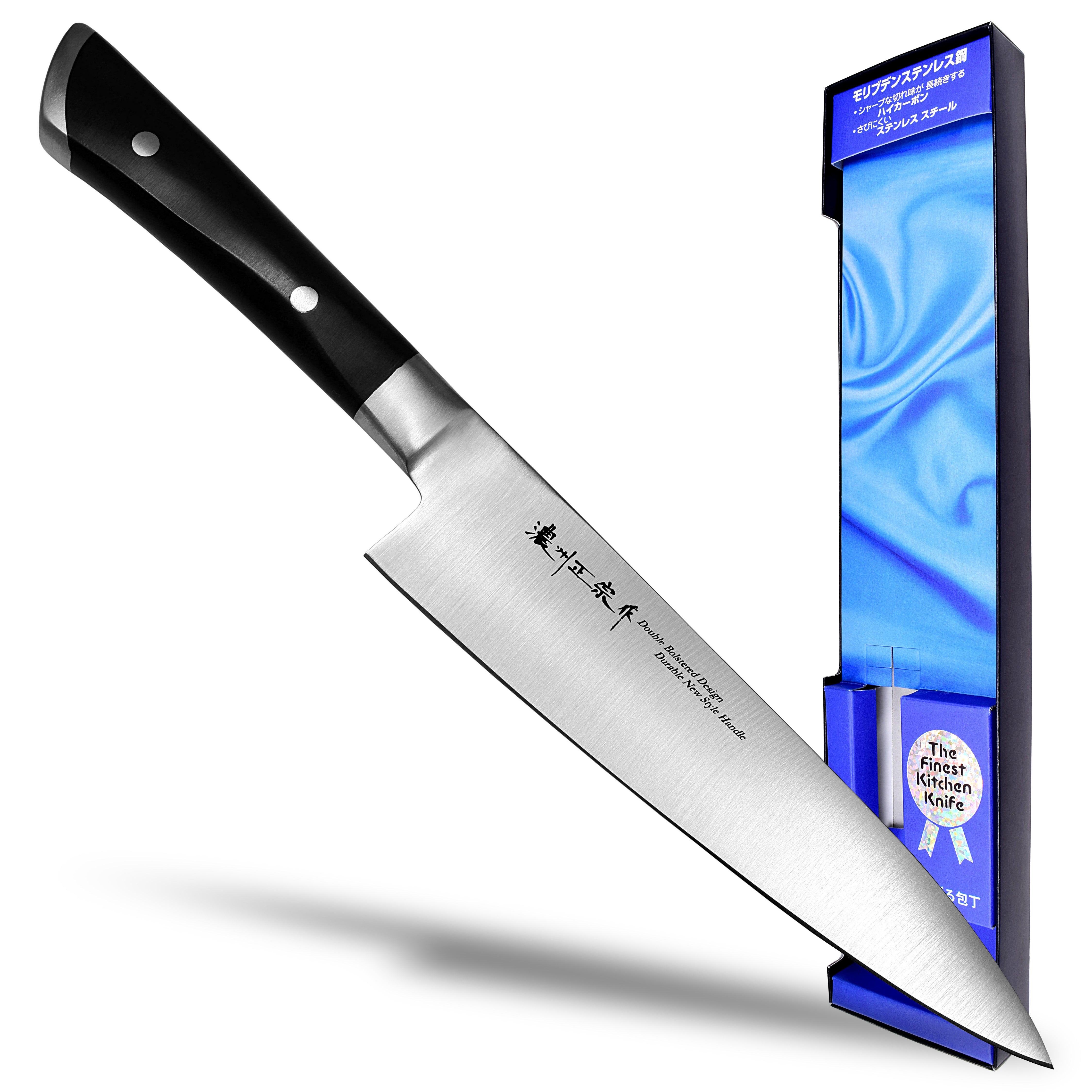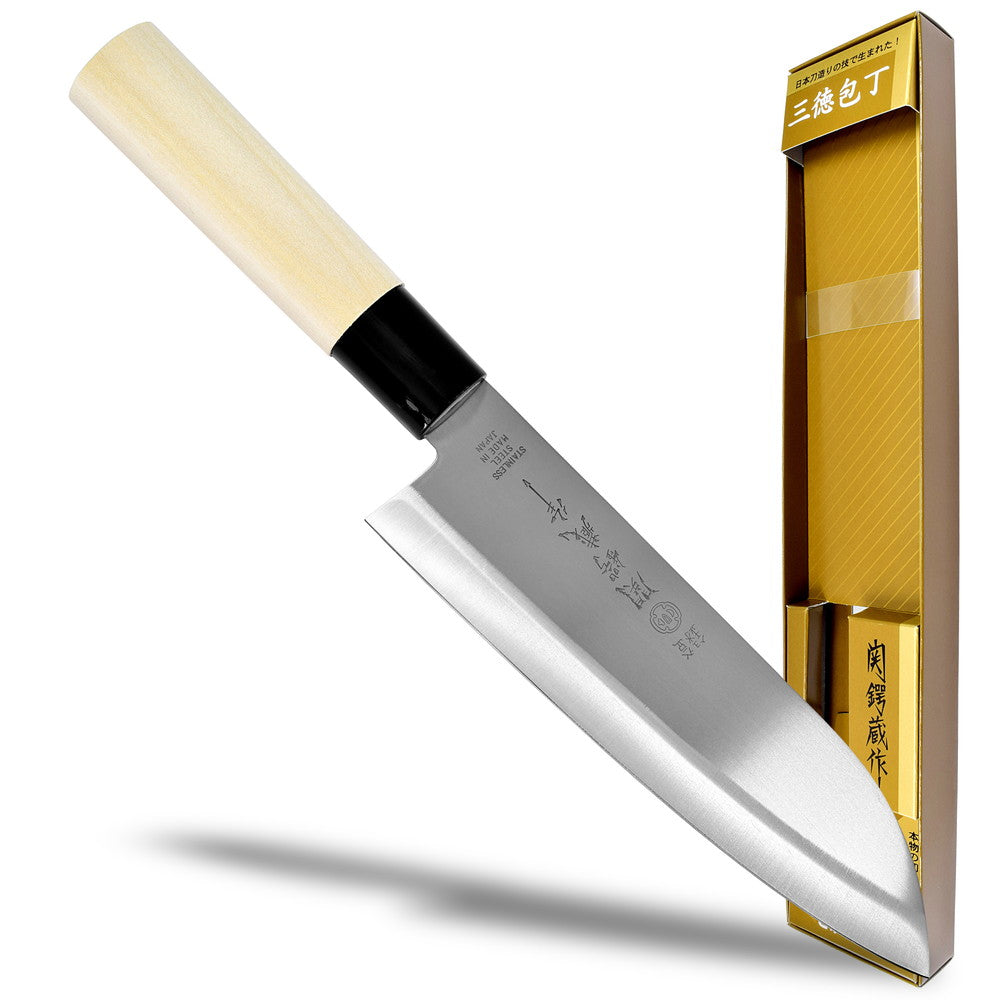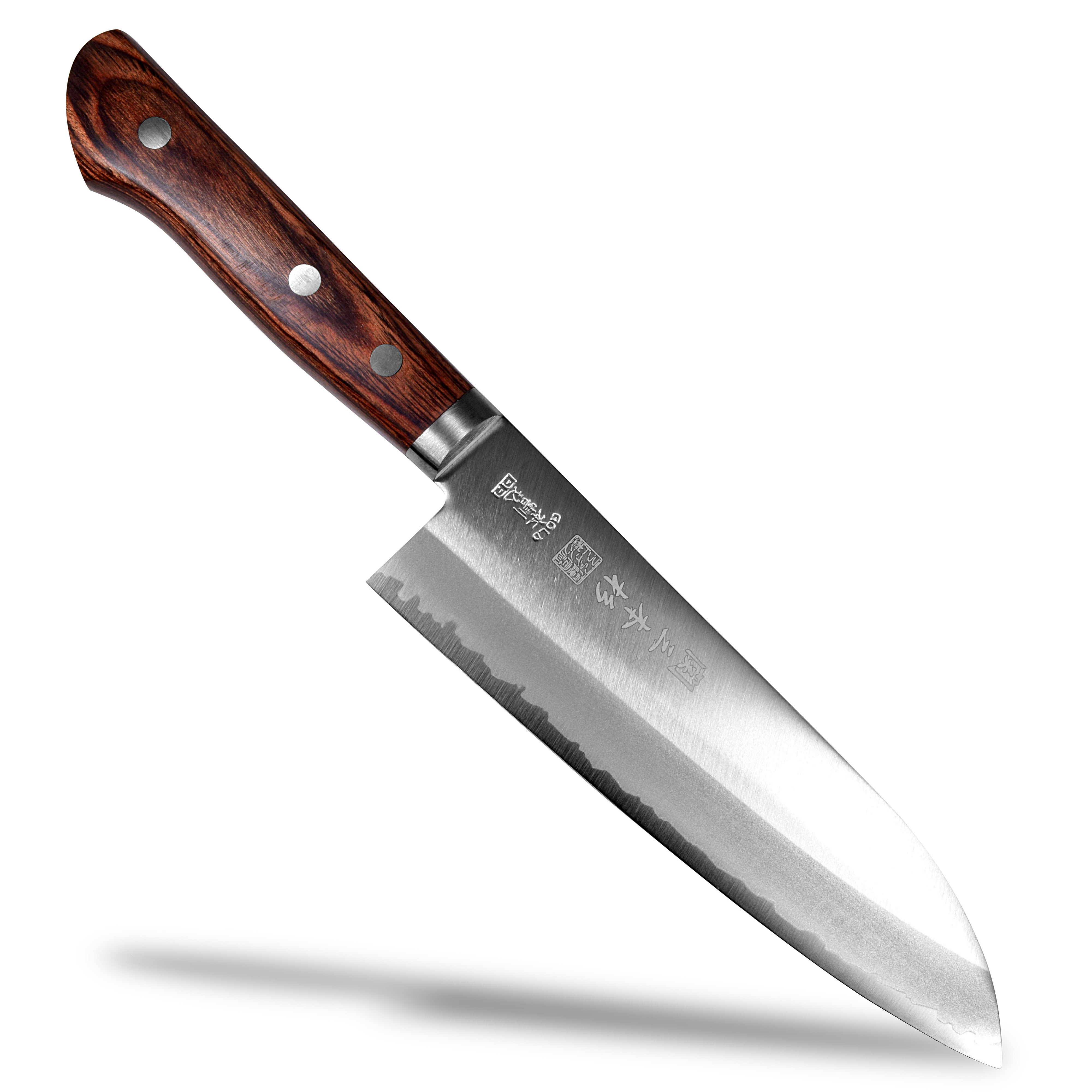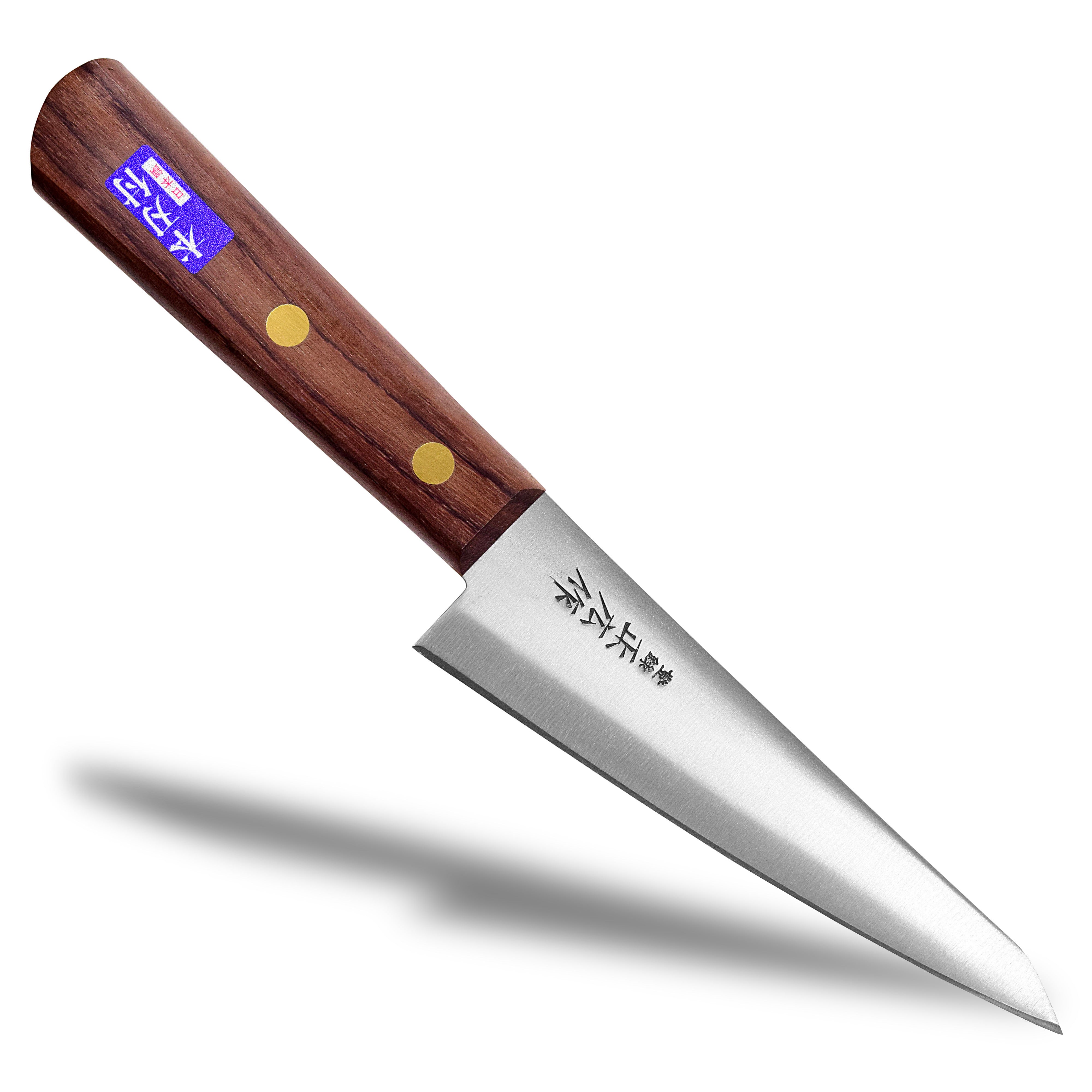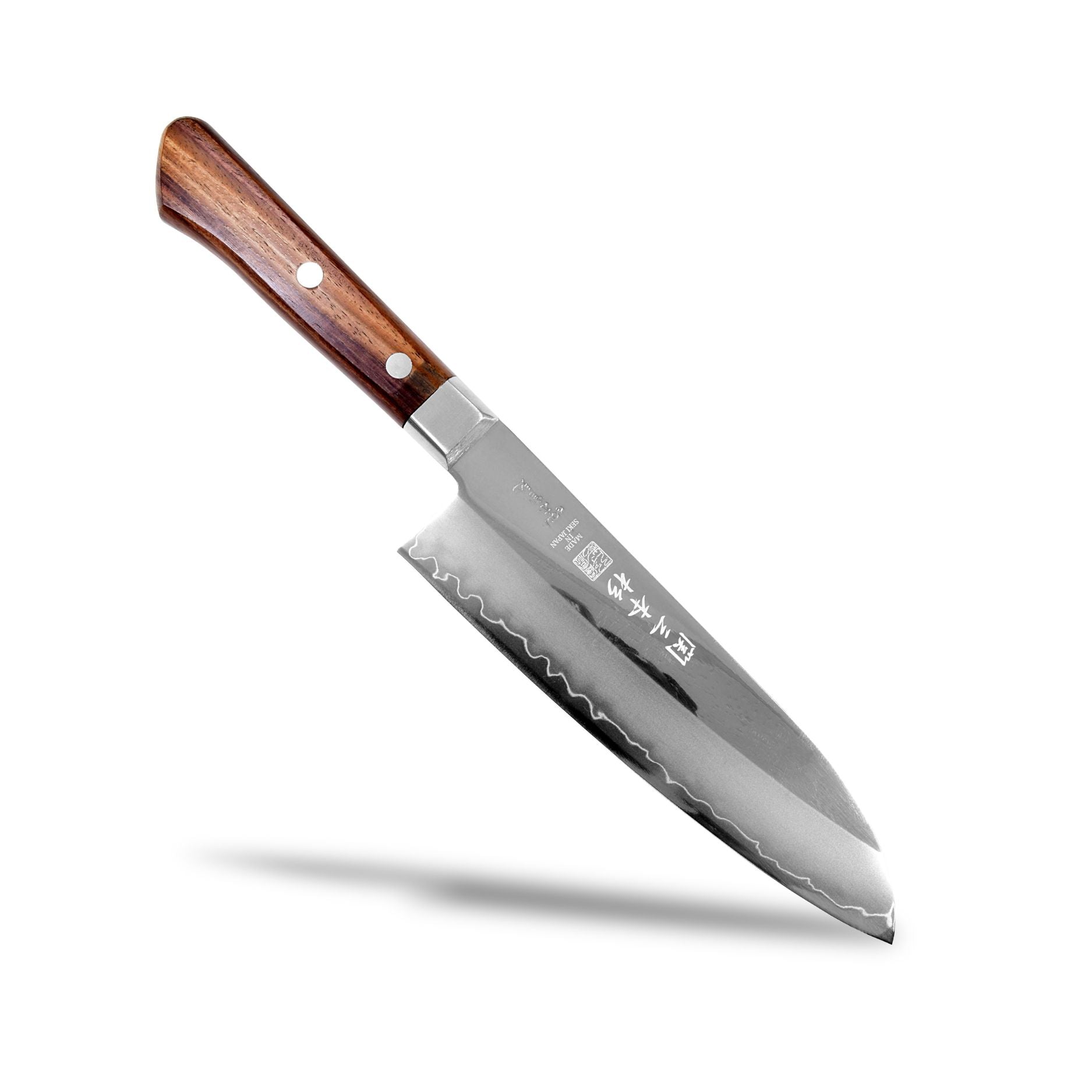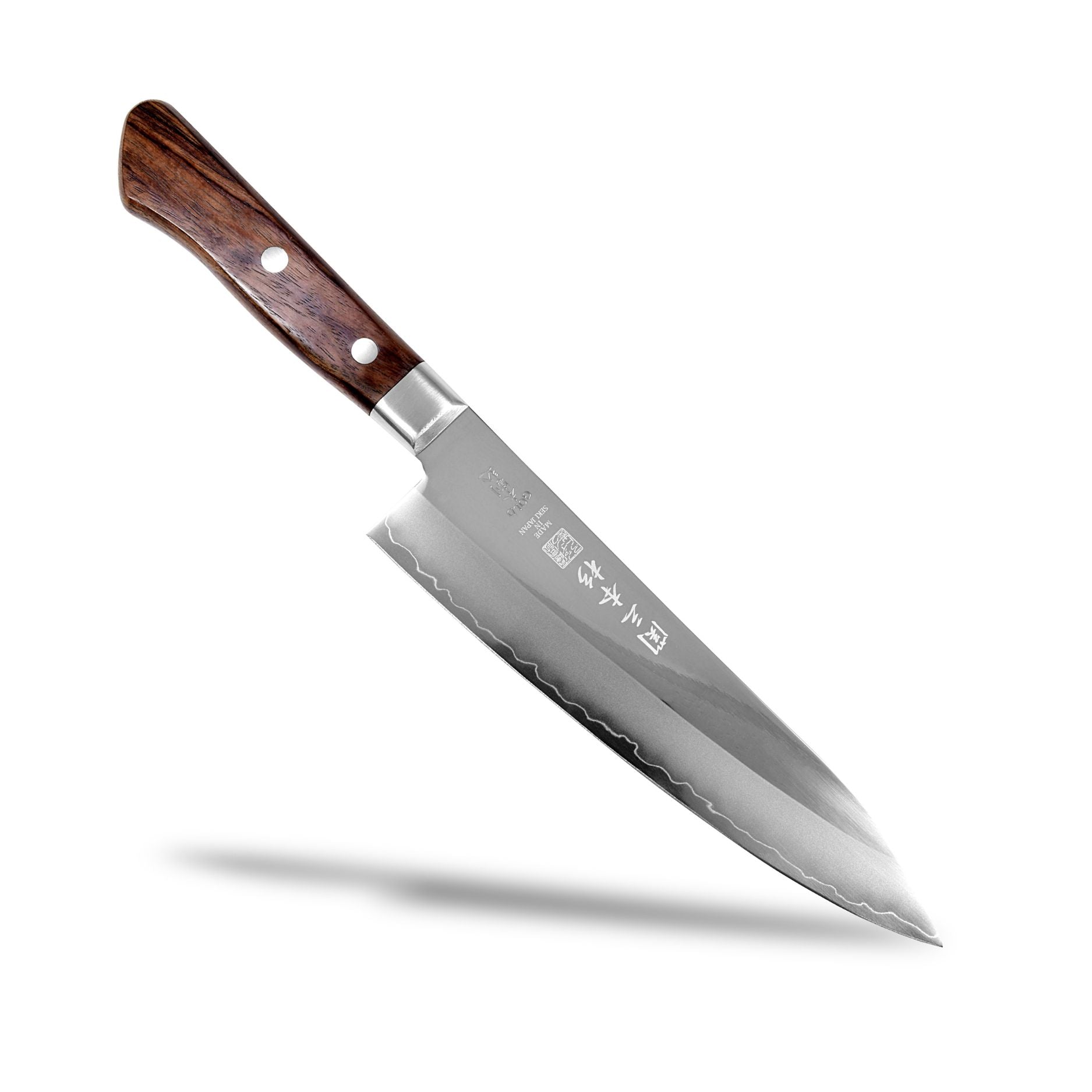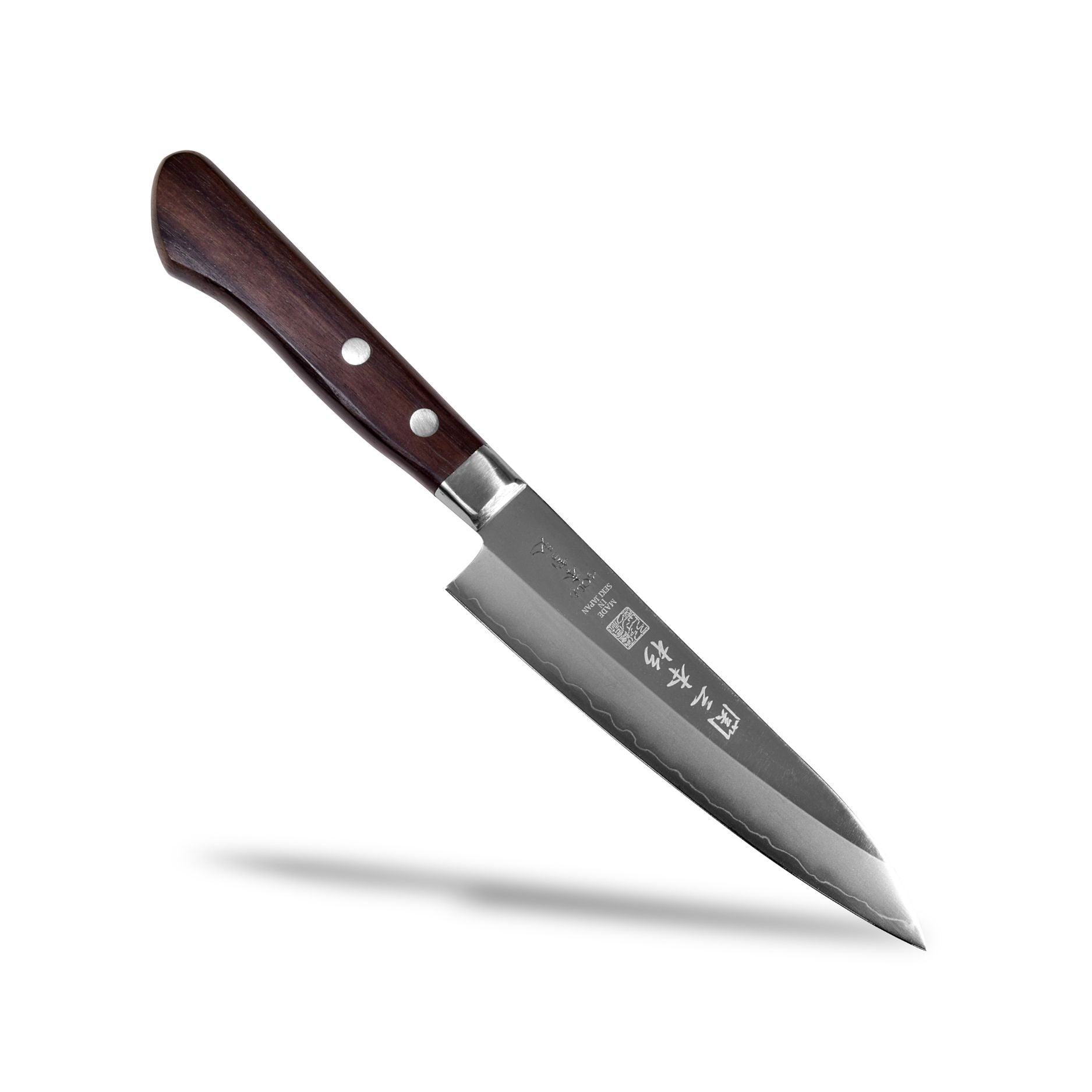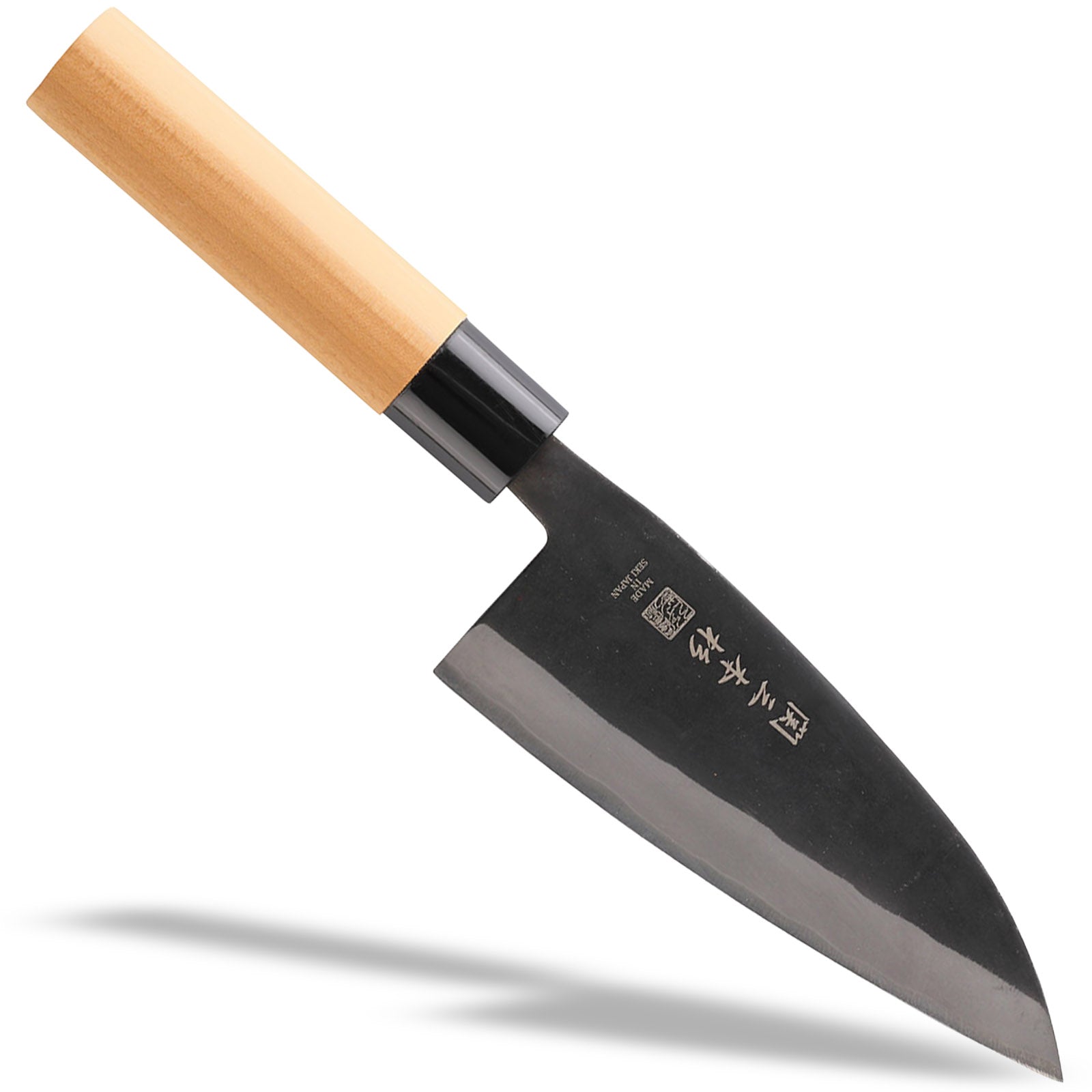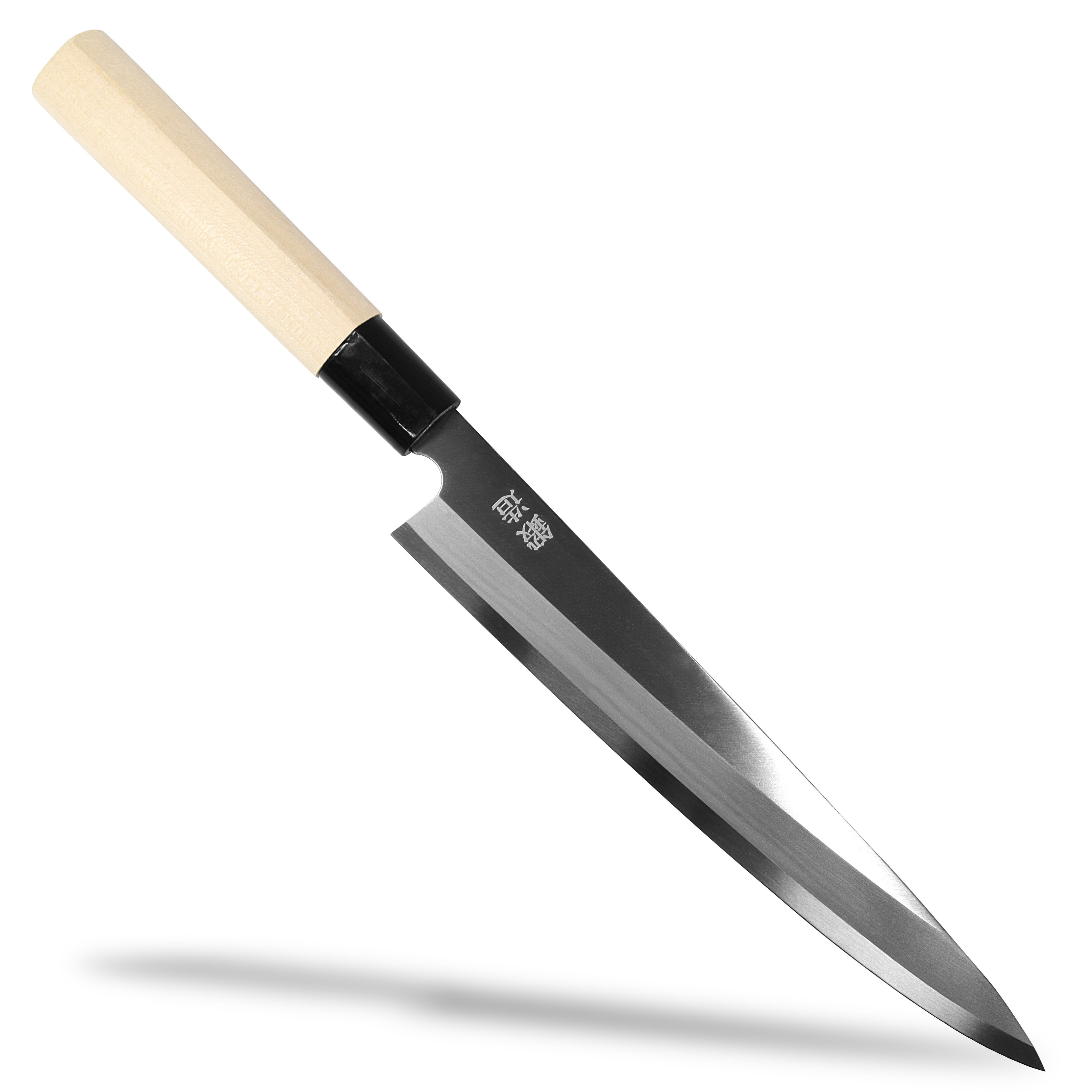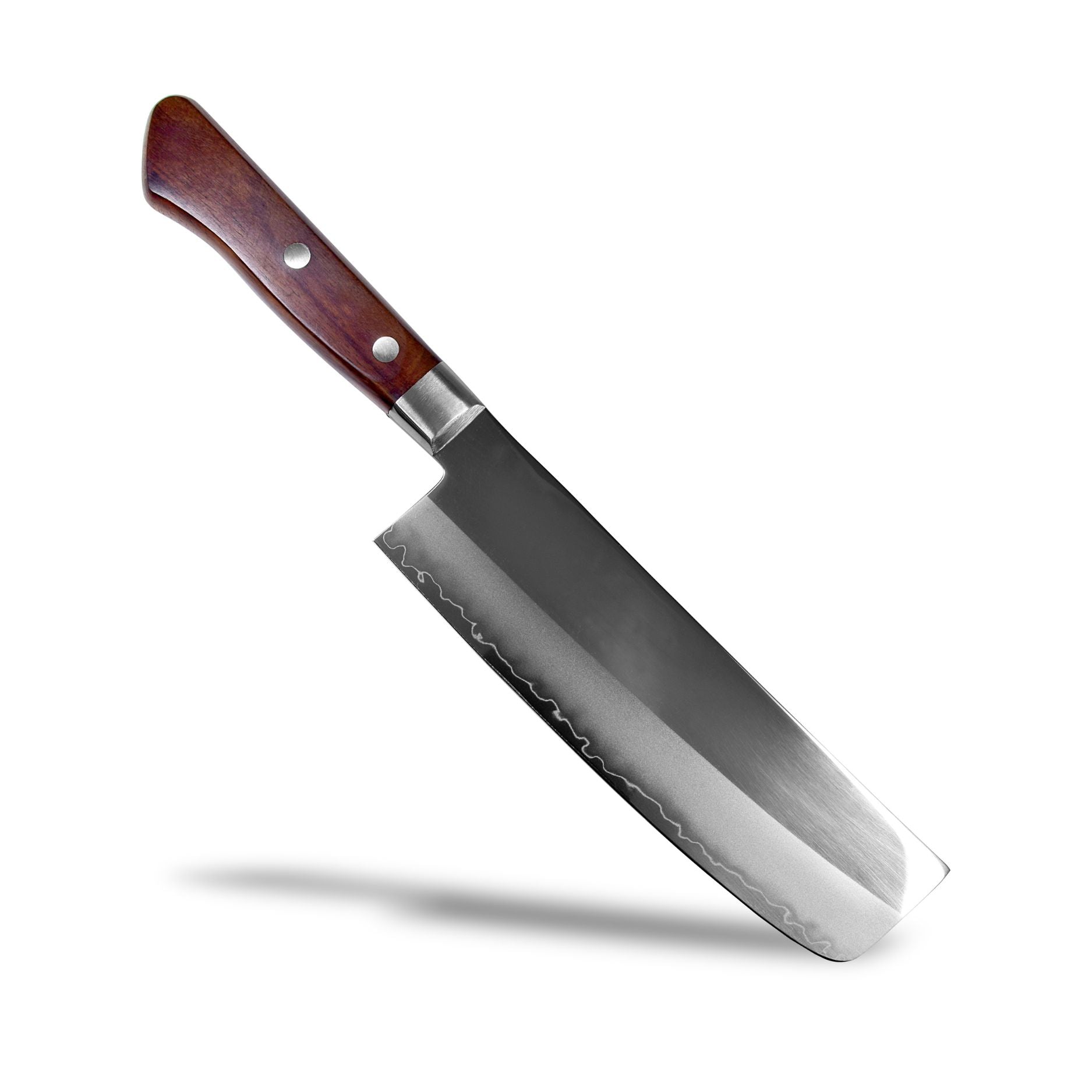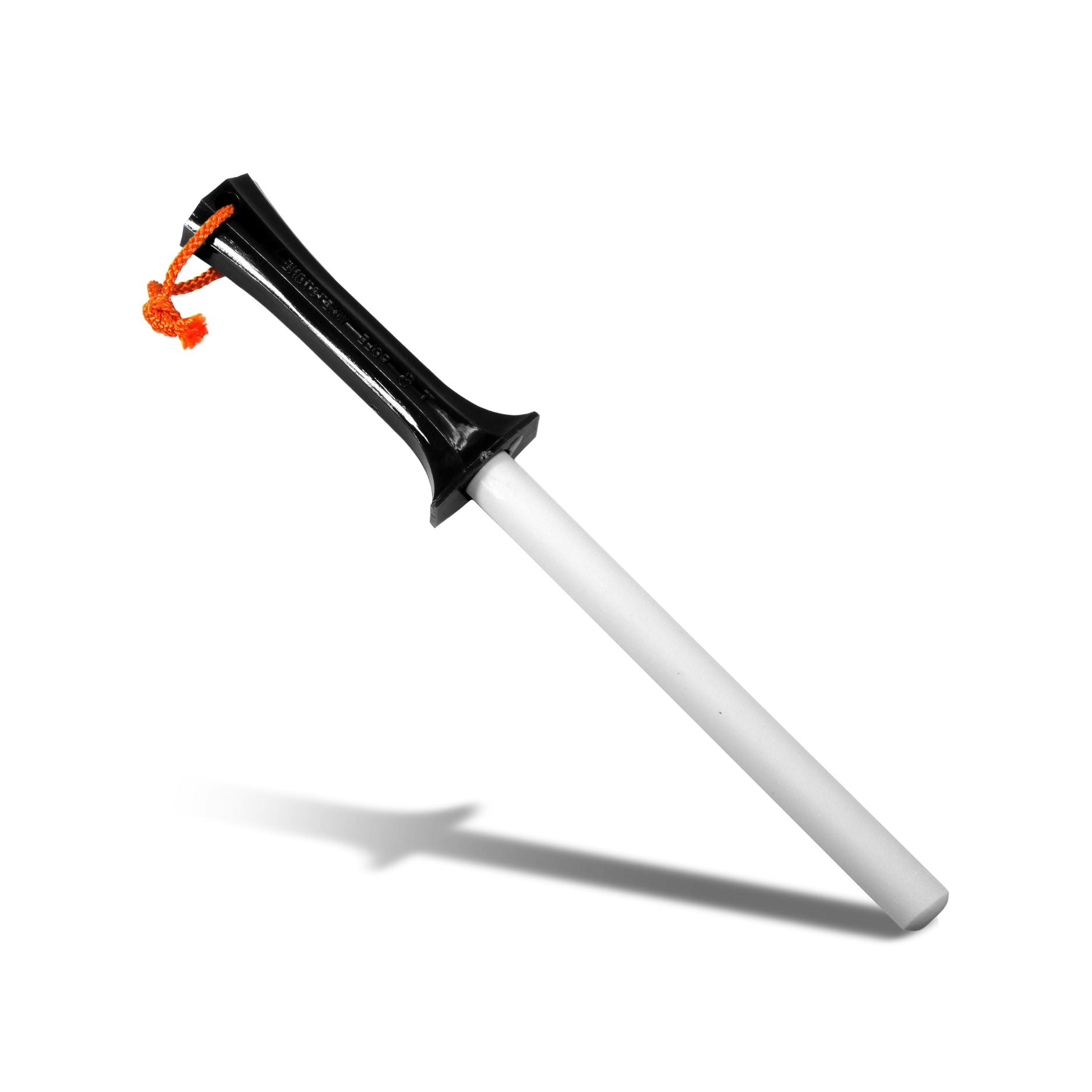

[How to Sharpen a Japanese Kitchen Knife] The Benefits of Using a Tool Knife in conjunction with a Japanese Kitchen Knife: Achieving Both Work Efficiency and Sharpness
The key to sharpening a Japanese kitchen knife is to follow these three points: prepare the whetstone, maintain a consistent angle, and sharpen the entire blade evenly. Furthermore, using a work knife in conjunction with the whetstone will prevent damage to the Japanese kitchen knife during DIY projects or on-site work, increasing both efficiency and safety.
In short, by using the correct sharpening technique to maintain the sharpness of a Japanese kitchen knife, and by using a different tool knife for rougher tasks, you can make both cooking and other tasks more comfortable.
[Key points of this article]
- Sharpening a Japanese kitchen knife can be mastered even by beginners if you understand the proper way to choose a whetstone, the correct angle, and the right amount of pressure.
- A major advantage of a utility knife is that it can replace tasks that would damage a kitchen knife, such as working with cardboard, string, or doing DIY projects.
- By using both traditional Japanese kitchen knives and utility knives, you can manage the "sharpness for cooking" and the "durability for general work" separately, increasing the lifespan and safety of your blades.
Today's review: 3 key points
- To sharpen a Japanese kitchen knife, soak the whetstone in water and then sharpen the entire blade evenly at a consistent angle. Beginners are less likely to make mistakes if they start with a medium-grit whetstone.
- These work tools and knives are thick and durable, designed for safely cutting insulation and materials in electrician's work, DIY projects, and other applications.
- Choosing an easy-to-sharpen knife and using different blades for different purposes is the quickest way to improve work efficiency, whether at home or on the job site.
Conclusion of this article
In conclusion, the most important thing is to use Japanese knives properly with a whetstone and leave rough work to tool knives.
By following the correct whetstone grit, angle, and stroke technique, even beginners can achieve near-professional sharpness when sharpening Japanese knives.
Work tools and knives have thick, durable blades and are designed with shapes and materials that allow for safe handling of electrical wires, wood, boards, and other materials.
In short, if you want to improve work efficiency while preserving the sharpness of your Japanese kitchen knife, the best solution is to use a dual-wielding approach: a Japanese kitchen knife for cooking and a utility knife for general tasks. The first thing beginners should understand is the idea of "not trying to do everything with one knife, but separating blades for different purposes."
What changes once you master the basics of sharpening Japanese kitchen knives?
What this shows is that simply mastering the correct way to sharpen a Japanese kitchen knife can dramatically improve your daily cooking speed and results. Japanese kitchen knives (single-edged) have a larger surface area to sharpen than Western kitchen knives, and if sharpened incorrectly, the blade's shape will be ruined, resulting in a loss of sharpness and even causing food to split.
The most important thing is to thoroughly immerse the whetstone in water and sharpen it carefully while maintaining a consistent blade angle until a burr (edge) appears on the edge. For example, sharpening instructions from knife specialty stores and cutlery manufacturers often describe using a medium grit (#800-1000) as the base, and then using coarse grit (#100-200) or finishing grit (#3000-5000) as needed.
A practical approach would be to aim for a level where you can sharpen it yourself at home, and then have it professionally sharpened a few times a year. This will allow you to maintain the blade's shape and use it for a long time. Furthermore, using a utility knife for tasks that easily damage the blade, such as dismantling cardboard or DIY projects, will help maintain the original sharpness of your Japanese kitchen knife.
Learning how to sharpen knives has more to do than simply "restoring sharpness." By learning how to use a whetstone, you deepen your understanding of the structure and materials of your blades, and develop an intuition for things like "what kind of ingredients this knife is suitable for" and "what angle suits my style." The joy of being able to maintain your own cooking tools enriches your daily cooking.
Japanese kitchen knife sharpening techniques and tools for work: Points to maximize the benefits.
What are the basic steps for sharpening a Japanese kitchen knife?
In conclusion, the process of sharpening a Japanese kitchen knife can be easily understood by dividing it into four steps: "preparation → sharpening the front → sharpening the back → finishing."
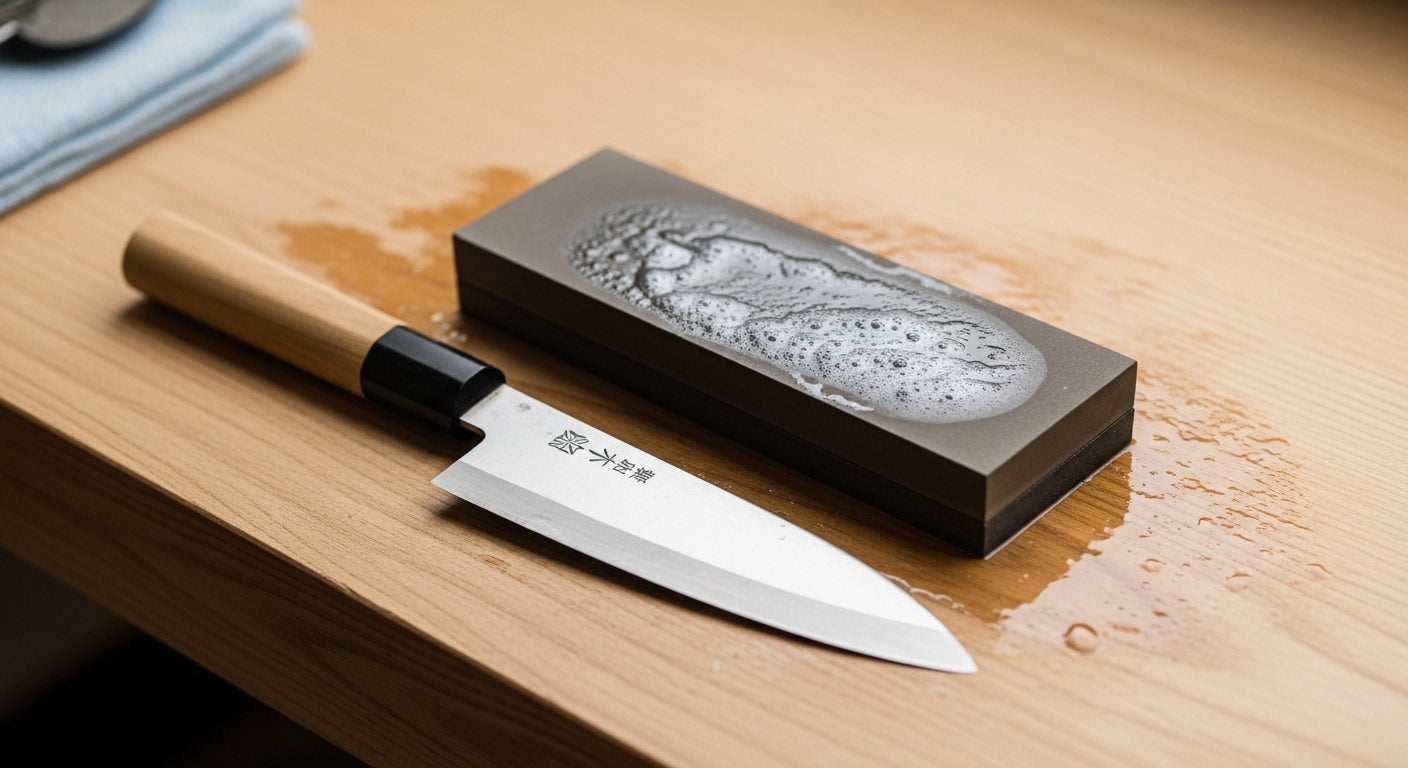
First, soak the whetstone in water for 5-10 minutes. Starting with a medium grit whetstone is recommended for beginners. Next, maintain a blade angle of approximately 15-20 degrees and sharpen the blade in sections: the base, middle, and tip. Sharpen the surface about 10 times, and if burrs appear, sharpen the back side with fewer strokes to smooth it out. Finally, create a secondary bevel with a finishing whetstone and lightly remove any burrs with newspaper or similar material to stabilize the sharpness.
Beginners often stumble over "applying too much pressure" and "inconsistent angles." The video tutorial also emphasizes moving the whetstone in a vertical motion, holding the sharpening point with two or three fingers, and sharpening the entire blade evenly.
The key to these four steps lies in "carefulness" and "consistency." Sharpening with brute force won't improve the sharpness. Rather, maintaining the same angle with light pressure is the shortest path to a beautifully finished blade. At first, it's helpful to use aids such as angle guides, and as you get used to it, you'll be able to maintain the angle by feel. The more you sharpen, the more your sense of how the knife changes will develop, and you'll be able to feel your improvement.
Why is there a significant advantage to using a work knife in conjunction with other tools?
In short, a work knife is a "bladed tool that prioritizes safety and durability over sharpness," and you can confidently entrust dangerous tasks to a Japanese kitchen knife.
Electrician's knives and utility knives have thicker blades than typical utility knives and are intentionally designed to be less sharp, making them less likely to damage the core wires or underlying materials. Furthermore, practical knives equipped with finger guards on the handles provide a non-slip grip, reducing fatigue during prolonged use.
By introducing a tool knife, you can separate "high-risk tasks for chipping the blade," such as deburring cardboard, PP bands, vinyl, plasterboard, and wood, and protect your Japanese kitchen knife for kitchen use only. As a result, the frequency of sharpening decreases, and it becomes easier to maintain the ideal blade shape achieved by a professional sharpener, which is a major advantage.
Imagine some real-life scenarios. Unpacking cardboard boxes after moving, opening packages of materials purchased from a home improvement store, cutting rope for gardening—you might be surprised how many people reach for their kitchen knife each time. But each time, the delicately sharpened blade is gradually damaged. By simply keeping a utility knife handy, you can fundamentally prevent this kind of "wasteful use of kitchen knives."
How do you choose a knife that's easy to sharpen, and what are the key points to look for in a review?
The most important thing is to check the material, thickness, and shape of the blade and determine beforehand whether you can sharpen it yourself.
Regarding blade materials , carbon steel offers excellent sharpness but is prone to rust, while stainless steel is rust-resistant but can be difficult to sharpen. Both have their advantages and disadvantages, so it's best to choose based on how often you use the knife and your experience with maintenance.
Regarding blade thickness and shape , thicker blades offer greater durability and are suitable for rough work, while thinner blades prioritize sharpness and are better suited for delicate cuts. If your main use is DIY or electrical work, a thicker blade is a safer choice.
Regarding the grip , using a non-slip material such as TPE rubber makes it easier to handle even with wet hands or gloves, increasing safety.
For DIY projects, there's a wide variety of practical knives available, from short-bladed models for detailed work to chisel-type knives that can be used for adjusting gaps in boards or as a substitute for a chisel. Comparison articles rank knives based on criteria such as "sharpness-focused models," "durability-focused models," and "cost-effective models," making it easier to choose the right one for your needs.
If you're buying a tool knife for the first time, it's a good idea to start with a standard model from a reliable Japanese brand that you can find at a home improvement store, rather than focusing on something too expensive. By using it, you'll clarify your own criteria for "ease of use," such as blade length and grip thickness, and you'll be able to choose your next knife more wisely.
How to Sharpen Japanese Kitchen Knives and How to Choose Between Different Tool Knives Q&A
Q1. How often should I sharpen my Japanese kitchen knife?
A1. For households that use the knife several times a week, a good guideline is to sharpen it with a medium-grit whetstone every 2-4 weeks. It's time to sharpen it when the cut surface becomes bruised or when tomatoes start to get crushed.
Q2. Are there different sharpening methods for Japanese and Western knives?
A2. Japanese knives are often single-edged and have a large surface area to sharpen, so the difference lies in the fact that the entire cutting edge is sharpened in close contact with the whetstone, and the back beveling process is performed carefully.
Q3. What grit size should I start with when buying whetstones?
A3. For beginners, it's practical to start with a medium-grit whetstone (#800-1000), add a coarse whetstone if the blade chips frequently, and then add a finishing whetstone as you pursue sharper cutting performance.
Q4. What are the specific advantages of using a tool knife?
A4. The thick blade, with its deliberately reduced sharpness, is less likely to damage electrical wires and boards, offering a significant advantage in simultaneously improving safety and work efficiency.
Q5. What is the difference between a work knife and a utility knife?
A5. A good way to choose between them is to think of work knives as having thick, sturdy blades and bodies suitable for rough work, while utility knives have thin blades and are suitable for light work.
Q6. What are the key points to consider when choosing a knife that is easy to sharpen?
A6. It's easiest to handle if you choose carbon steel or stainless steel, which has a blade that isn't too thick, has a simple straight edge shape, and is easy to sharpen with a standard whetstone.
Q7. Is it wrong to use a Japanese kitchen knife as a tool?
A7. To prevent chipping, bending, or even complete breakage of the blade, it is safer to use a utility knife for opening cardboard boxes and DIY projects, and reserve Japanese kitchen knives for food preparation only.
Q8. When is the right time to have my sharpening done by a professional?
A8. When you can no longer cut straight even after sharpening it yourself, or when you feel the blade has become distorted, that's a good indicator that you should send it to a professional. Ideally, you should do this once or twice a year.
summary
Considering these conditions, the shortest route to achieving both sharpness and work efficiency is to "master the art of sharpening Japanese kitchen knives" and "use them in conjunction with general-purpose work knives."
With Japanese kitchen knives, even beginners can achieve consistent sharpness if they follow the basics of preparing the whetstone, maintaining a consistent angle, and deburring. Work knives, on the other hand, have a thick blade and a safety design, making them ideal for tasks that can easily damage the blade, such as electrical work, DIY projects, and demolition.
The most important criterion for making a decision is to clearly distinguish between the roles of Japanese knives ("Japanese knives for cooking") and utility knives ("tool knives for general tasks"), and choose the one that is best suited to each purpose.
Blades are not "all-purpose tools that can do everything," but rather "specialized tools that are used for different purposes." Simply having this mindset will extend the lifespan of your blades and make your daily work safer and more comfortable. Master the art of sharpening Japanese knives and try incorporating the "two-sword style" of effectively using utility knives into your daily routine.