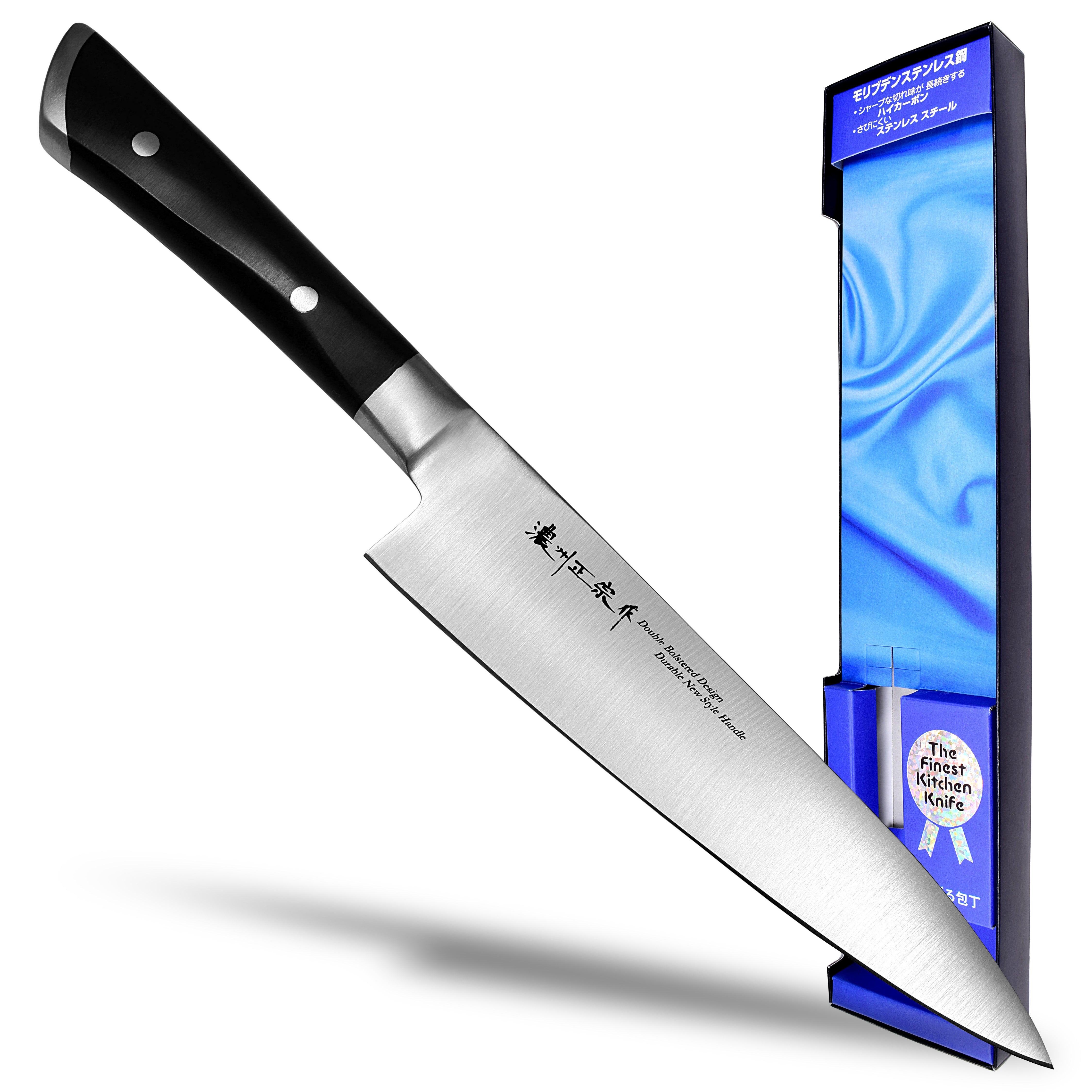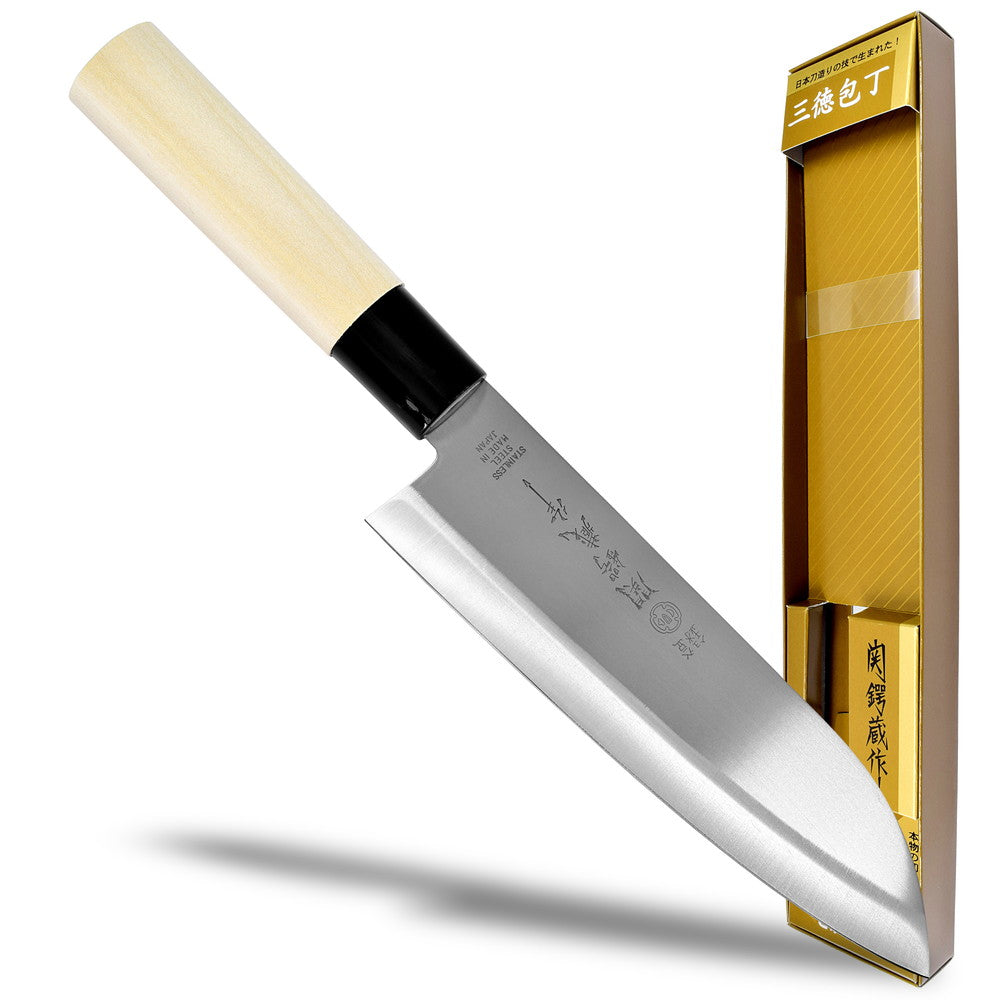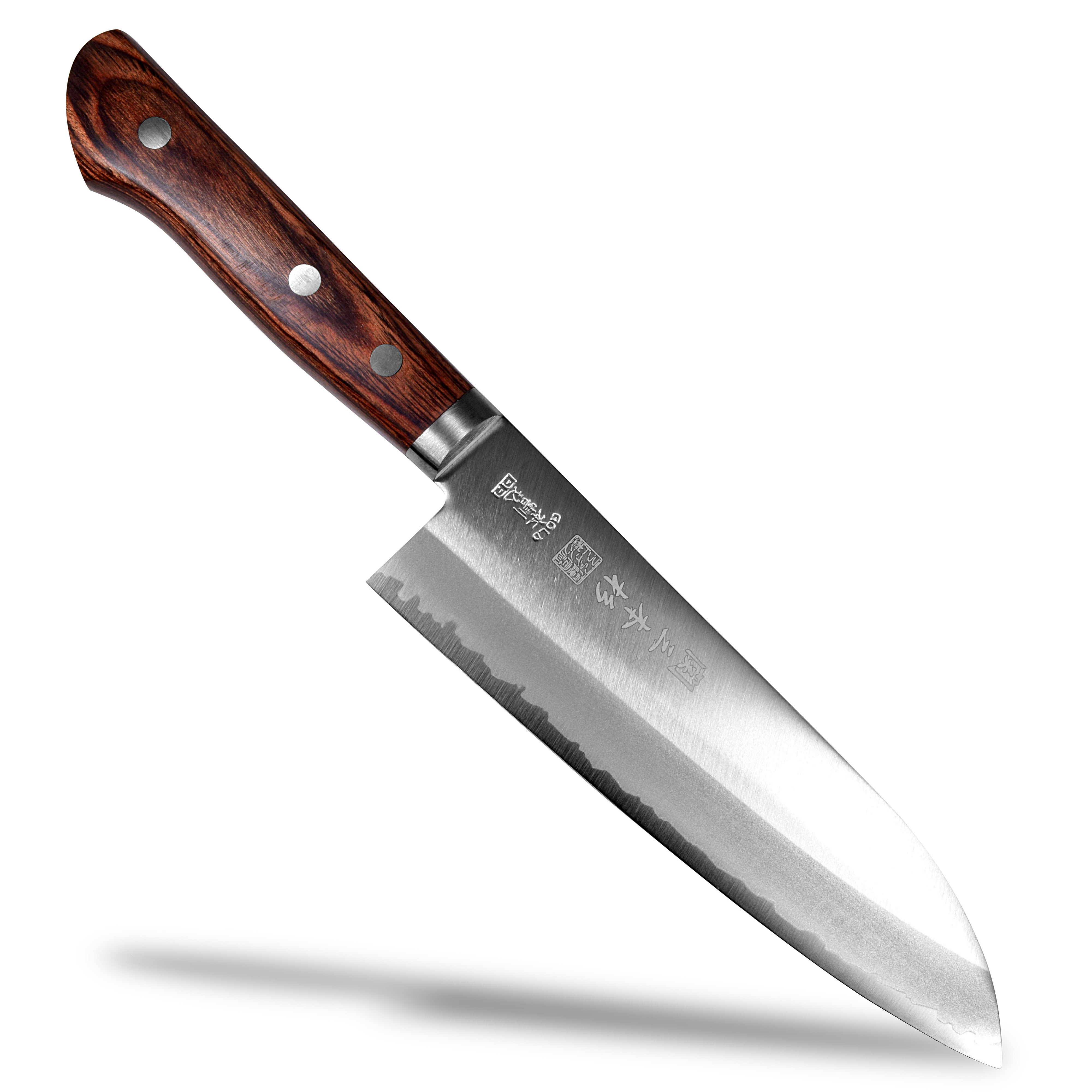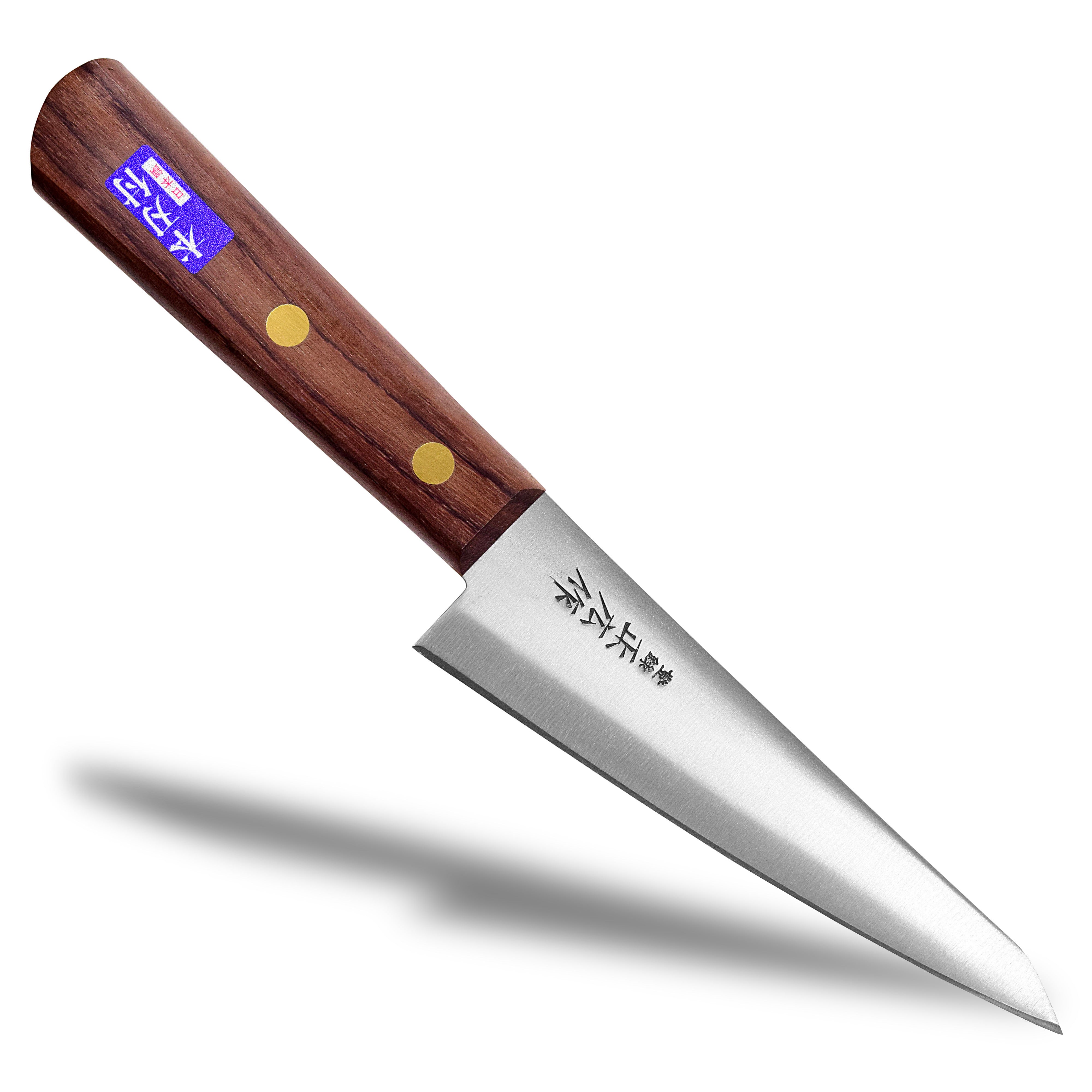

[Recommended Sharpening Stones for Japanese Kitchen Knives] Choosing and Using Sharpening Stones to Maximize the Benefits of Sharpening
Sharpening Japanese kitchen knives regularly at home using one or two recommended whetstones is more cost-effective than buying new ones, and offers significant advantages in terms of sharpness, safety, and the final result of your food. In short, the benefits of sharpening Japanese kitchen knives with recommended whetstones are that it's an investment that extends the lifespan of your knives while simultaneously improving the quality of your cooking and reducing the stress of the process.
The conclusion regarding the benefits of sharpening Japanese knives with whetstones, which is more cost-effective than replacing them, boils down to this: "By regularly sharpening your knives with a whetstone, you can reduce the frequency of replacing them and maintain their sharpness and safety for a longer period."
[Key points of this article]
Even the finest Japanese kitchen knives will inevitably wear down at the blade, so they are tools that require sharpening with a whetstone.
By having your knives resharpened regularly, you can maintain consistently sharp blades with minimal stress, while keeping the total cost lower than buying replacements.
The most cost-effective maintenance strategy for Japanese knives is to have one or two whetstones recommended for Japanese knives and make it a habit to sharpen them once a month.
Today's review: 3 key points
The advantages of using a recommended whetstone for sharpening Japanese kitchen knives are significant from three perspectives: cost-effectiveness, safety, and the quality of cooking.
Sharpening with a whetstone results in a more even blade shape and longer-lasting sharpness compared to using a sharpener.
Professionals recommend sharpening your knives once or twice a month, and the more you use whetstones, the lower your repair and replacement costs will be.
Conclusion of this article
In conclusion, the benefits of regularly sharpening Japanese kitchen knives with a whetstone are threefold: reduced replacement costs, consistent sharpness, and reduced risk of injury.
The more you invest in a whetstone and the time you spend sharpening, the longer, safer, and more enjoyable your Japanese kitchen knife will last.
To maximize the benefits of sharpening Japanese knives, it's important to use a medium-grit whetstone and to utilize both home sharpening and professional sharpening services as needed.
What are the benefits of using recommended whetstones for sharpening Japanese kitchen knives?
In short, the greatest advantage of Japanese knives and whetstones is that "the blade wears down, but it can be restored again and again by sharpening." Knife manufacturers and blacksmiths recommend using their knives with the understanding that even the sharpest knives will inevitably wear down at the edge, and that sharpening them once or twice a month will maintain good sharpness. In other words, if you make it a habit to sharpen your knives with a whetstone, you can use your Japanese knives for decades or more, which will ultimately be more cost-effective than buying new ones.
Benefit ① You can significantly reduce replacement costs.
The most obvious benefit is "reduced expenses." For example, instead of buying a new Japanese kitchen knife costing 10,000 yen every few years, if you have it sharpened once a month or use a blacksmith's sharpening service, the annual maintenance cost will only be a few thousand to 10,000 yen, which is said to be cheaper overall than having it "remade" at a high cost when the blade deteriorates. Switching to sharpening at home means that the ongoing running costs are kept down to the initial investment of whetstones, so those who think "the effort of sharpening > the cost of replacement" actually find it to be a big advantage.
Benefit ②: The sharpness becomes more consistent, and the finished dish changes.
It is said that "a dull knife robs you of the joy of cooking." A properly sharpened knife glides smoothly through the skin, resulting in a clean cut. This allows you to cut delicate ingredients like tomatoes and sashimi without crushing them, improving both the appearance and texture. Conversely, continuing to use a dull Japanese knife can lead to a habit of forcing the knife through, crushing the fibers and causing moisture to be released, negatively impacting the overall quality of the dish.
Benefit ③ Reduced risk of injury and reduced work stress
Many professionals say that "safety is the most important thing," and point out that dull knives increase the risk of injury. If the knife is not sharp, you have to apply extra force to cut, which can cause food to slip on the cutting board or the knife to slide sideways, leading to accidents such as cutting your fingertips. On the other hand, Japanese knives sharpened with a whetstone can cut with less force, which not only shortens working time but also reduces strain on the wrists and fingertips, greatly reducing the stress of daily cooking.
What kind of whetstone is recommended for Japanese kitchen knives?
In short, the basic whetstone configuration recommended for Japanese knives is "a medium-grit whetstone plus a coarse and fine whetstone as needed." Whetstones are broadly classified into coarse, medium, and fine whetstones, each with different grinding power and fineness of finish. By combining them according to the condition of the Japanese knife and the purpose, you can maximize the benefits of sharpening. Here, we will organize which type of whetstone is suitable for which type of Japanese knife user.
Medium whetstone: The main stone for daily sharpening.
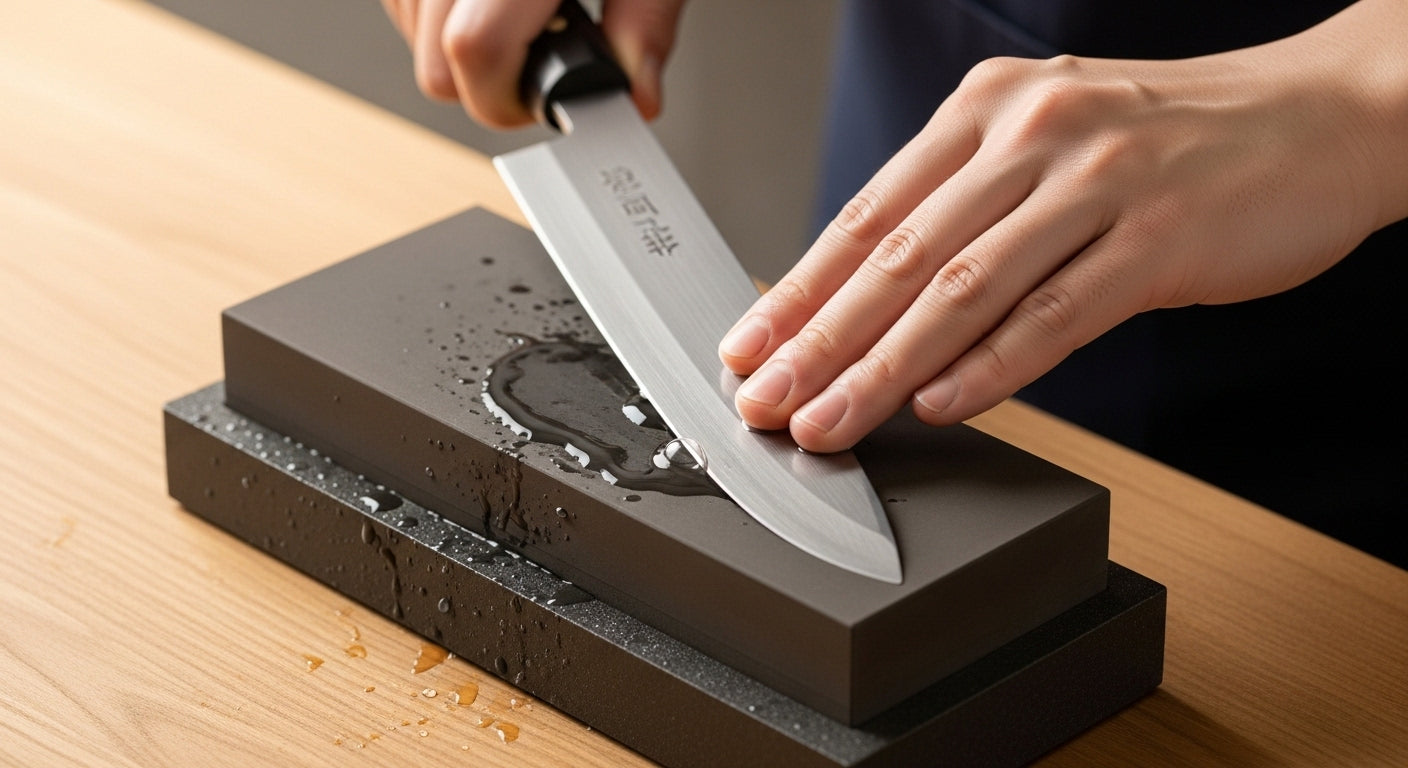
In conclusion, the best whetstone for Japanese kitchen knives is a medium-grit whetstone. Medium-grit whetstones (approximately #800 to #1200) play a role in restoring dullness, and many knife manufacturers also recommend them as the first whetstone you should have. Even just lightly sharpening with a medium-grit whetstone once or twice a month can bring your knives close to their original sharpness, so if you plan to use your Japanese kitchen knives for a long time at home, a medium-grit whetstone is an essential item.
Finishing whetstone: Enhances the benefits of sharpness and durability.
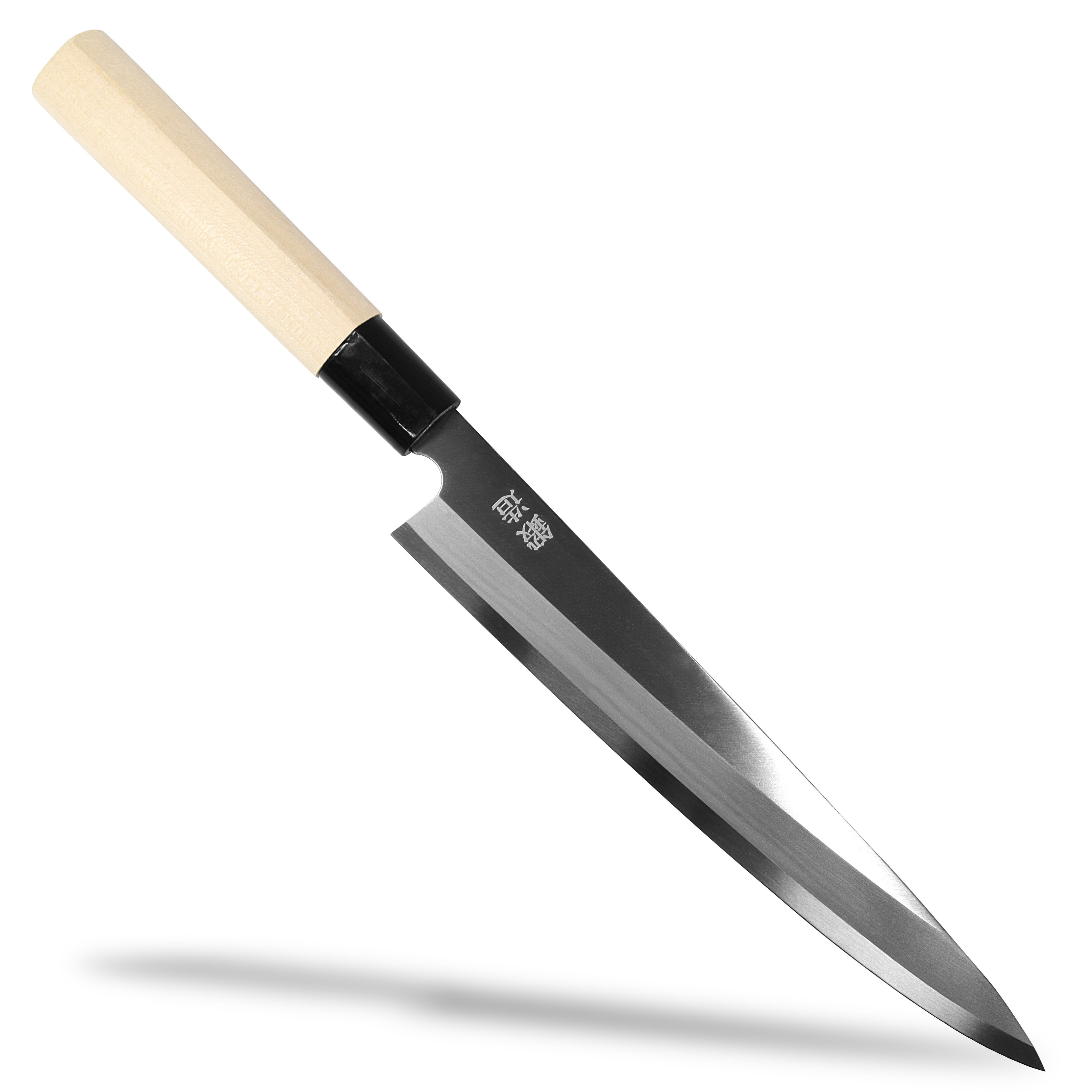
A finishing whetstone is useful when you want to further enhance the benefits of sharpening. A finishing whetstone (#3000 or higher) makes the edge, which has been sharpened with a medium-grit stone, even smoother, and enhances the beauty of the cut surface and the duration of sharpness for Japanese knives that require a delicate cut, such as a yanagiba knife for sashimi. For those who seek the feeling of a "smooth pull cut" that is difficult to obtain with a sharpener, or for those who enjoy sashimi, thinly sliced food, and katsura-muki (thinly peeled vegetables), a finishing whetstone is a tool that is well worth the investment.
Coarse whetstones and diamond whetstones: Time-saving and corrective power when problems occur.
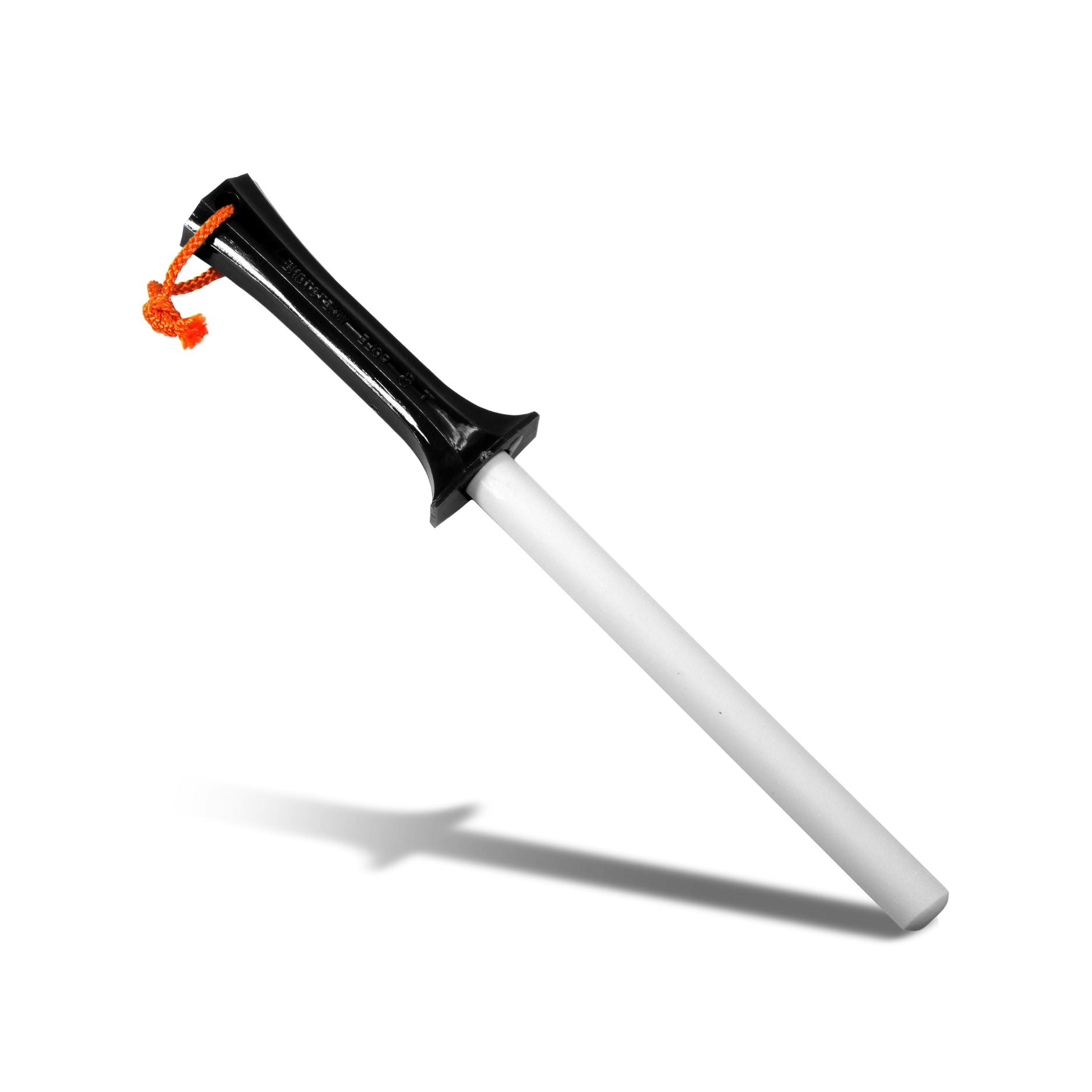
Coarse whetstones and diamond whetstones are "emergency problem-solving tools." Coarse whetstones (#80 to #400) are suitable for shaping Japanese knives with significant chipping or knives that haven't been sharpened for a long time. While they can quickly remove material from the steel, overuse in daily maintenance carries the risk of excessive blade wear. Diamond whetstones have extremely high grinding power and flatness, allowing for efficient sharpening even of hard steel Japanese knives, but require careful maintenance and handling. Having either of these on hand as a way to reset the situation when "medium whetstones alone are insufficient" can reduce the frequency of sending knives in for repair or remaking.
For Japanese kitchen knives, is it better to sharpen them at home or have them professionally sharpened?
In conclusion, the best way to maximize the benefits of sharpening Japanese knives is to use a hybrid approach: daily sharpening at home with a whetstone, and professional sharpening for special occasions or when problems arise. Home sharpening keeps running costs down, while professional sharpening services excel at blade shape correction and advanced finishing. By utilizing the strengths of each, you can achieve a good balance between cost and quality. Here, we will summarize the specific advantages of both.
Advantages of sharpening with a whetstone at home
The advantage of sharpening at home is the "freedom to maintain your knives at your own pace, whenever you want." If you have one or two whetstones at home, you can improve the performance immediately by sharpening your knives for 10 to 20 minutes whenever you feel they have lost their sharpness, without the hassle of delivery or taking them to a sharpening shop. Furthermore, as you become more familiar with whetstones, you will acquire sharpening skills and be able to maintain multiple Japanese knives at once, which is a great advantage for a lifestyle of "using knives for the whole family for a long time."
Benefits of using a professional sharpening service
If you're not confident in your sharpening skills or your blade is severely chipped, the benefits of professional sharpening become apparent. Sharpening services offered by blacksmiths and knife manufacturers are priced according to the condition of the blade; minor sharpening can cost a few hundred to a thousand yen, while more extensive chipping or rusting can cost several thousand yen, and in some cases, they will reshape not only the tip but the entire blade. Having your knife professionally sharpened once, and then performing subsequent maintenance at home with a whetstone, will provide long-term benefits in terms of both cost and finish.
The difference in advantages between whetstones and sharpeners
The most straightforward comparison points are "ease of use" and "quality of finish." While sharpeners can quickly and easily restore sharpness, it is said that it is difficult to precisely control the shape of the blade, and the edge tends to become dull over time. On the other hand, whetstones require a certain amount of time and skill to use, but they can resharpen the entire blade at the correct angle, extending the lifespan of the blade and ensuring that the sharpness lasts longer. Therefore, from the perspective of "using a Japanese kitchen knife for a long time," whetstones are considered to have significant advantages.
FAQ
Q1. What is the biggest advantage of sharpening a Japanese kitchen knife with a whetstone?
A1. The biggest advantage is that you can restore the sharpness of your knives without having to buy new ones, thus reducing long-term costs.
Q2. How often should I sharpen my knives to get the benefits out of it?
A2. Sharpening your knives with a whetstone once or twice a month will help maintain a consistently good edge and make it easier to avoid major repairs that would require remaking the entire blade.
Q3. What grit size whetstone is recommended for Japanese kitchen knives?
A3. For daily sharpening, a medium-grit whetstone (#800 to #1200) is the basic choice, and adding a finishing whetstone (#3000 or higher) as needed will help maintain the sharpness.
Q4. How should I choose between sharpening at home and having my knives sharpened by a professional?
A4. For daily maintenance, use a whetstone at home, but if there are major chips or deformations in the blade, it is recommended to have it professionally sharpened.
Q5. What are the advantages of using a whetstone compared to a sharpener?
A5. Sharpening a whetstone allows you to resharpen the entire blade at the correct angle, which has a greater advantage over a sharpener in that it helps maintain sharpness and extends the lifespan of the knife.
Q6. Does sharpening with a whetstone really reduce injuries?
A6. A sharp knife requires less force to cut, reducing the need to forcefully push through and lowering the risk of injury in slippery conditions.
Q7. Is it really better to have high-quality Japanese kitchen knives sharpened?
A7. The more expensive a Japanese kitchen knife is, the better the steel used, and by repeatedly sharpening it with a whetstone, you can get more value out of it in the long run than by buying a new one.
Q8. Does the maintenance of the whetstone also relate to the benefits?
A8. Maintaining a flat surface on the whetstone improves sharpening accuracy and prevents the knife from deteriorating, which ultimately reduces the frequency of repairs and replacements.
Q9. Wouldn't it be more cost-effective to have a professional do it each time rather than buying a whetstone?
A9. For Japanese knives that are used frequently, it is often more cost-effective to purchase a whetstone and sharpen them at home in addition to using a knife.
summary
The advantages of using a recommended whetstone for sharpening Japanese kitchen knives are that it extends the lifespan of the knife, reduces replacement costs, and ensures consistent sharpness and safety.
By using a medium-grit whetstone as the main component, and combining it with finishing whetstones, coarse whetstones, and diamond whetstones as needed, you can complete everything from routine maintenance to troubleshooting at home.
By skillfully using both home sharpening and professional sharpening, you can extend the lifespan of your Japanese knives by decades, while simultaneously experiencing benefits in both the quality of your cooking and the time saved.