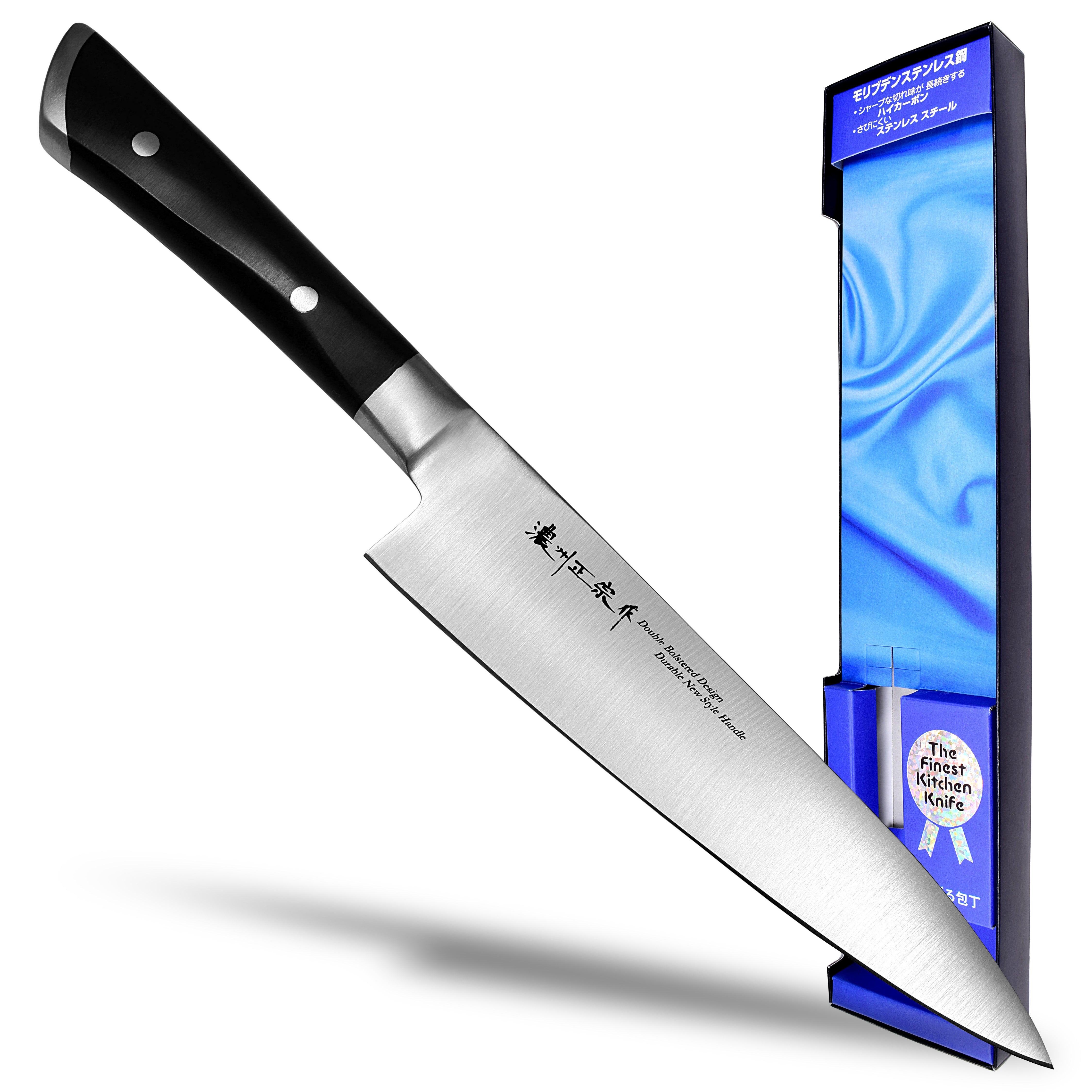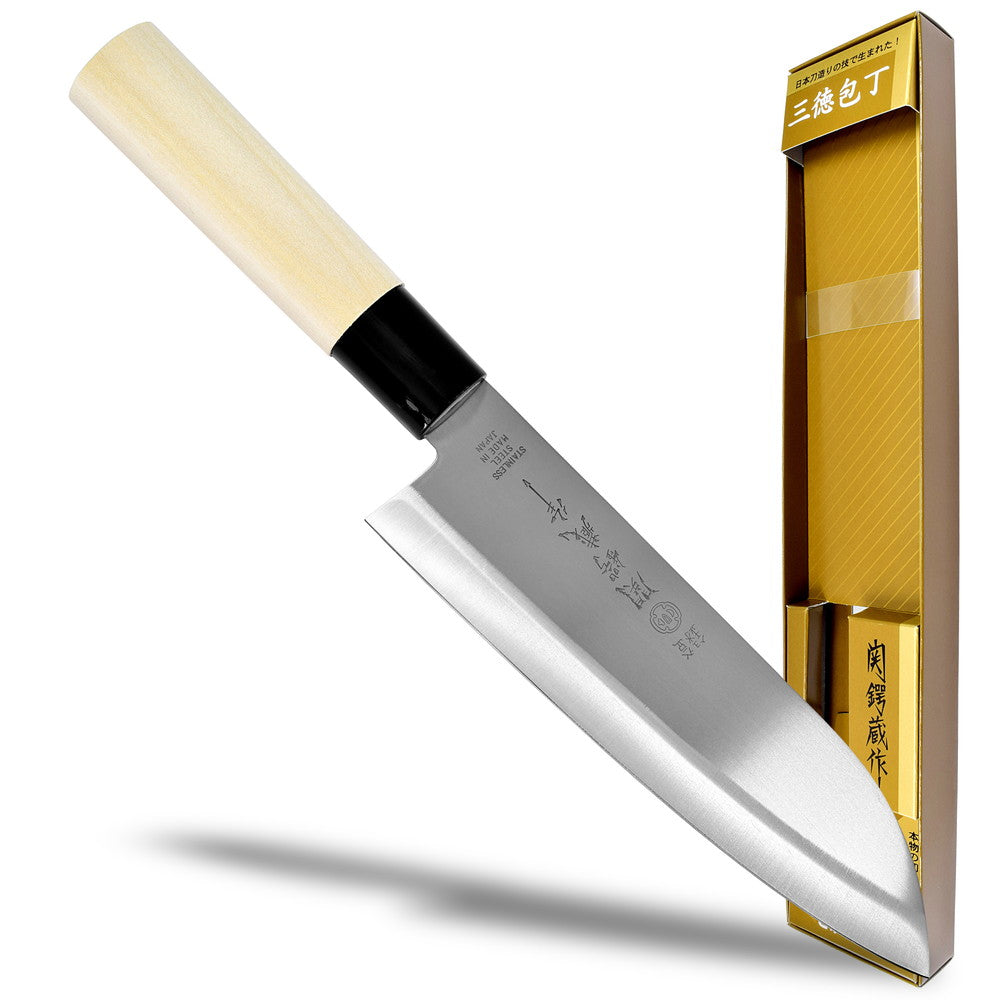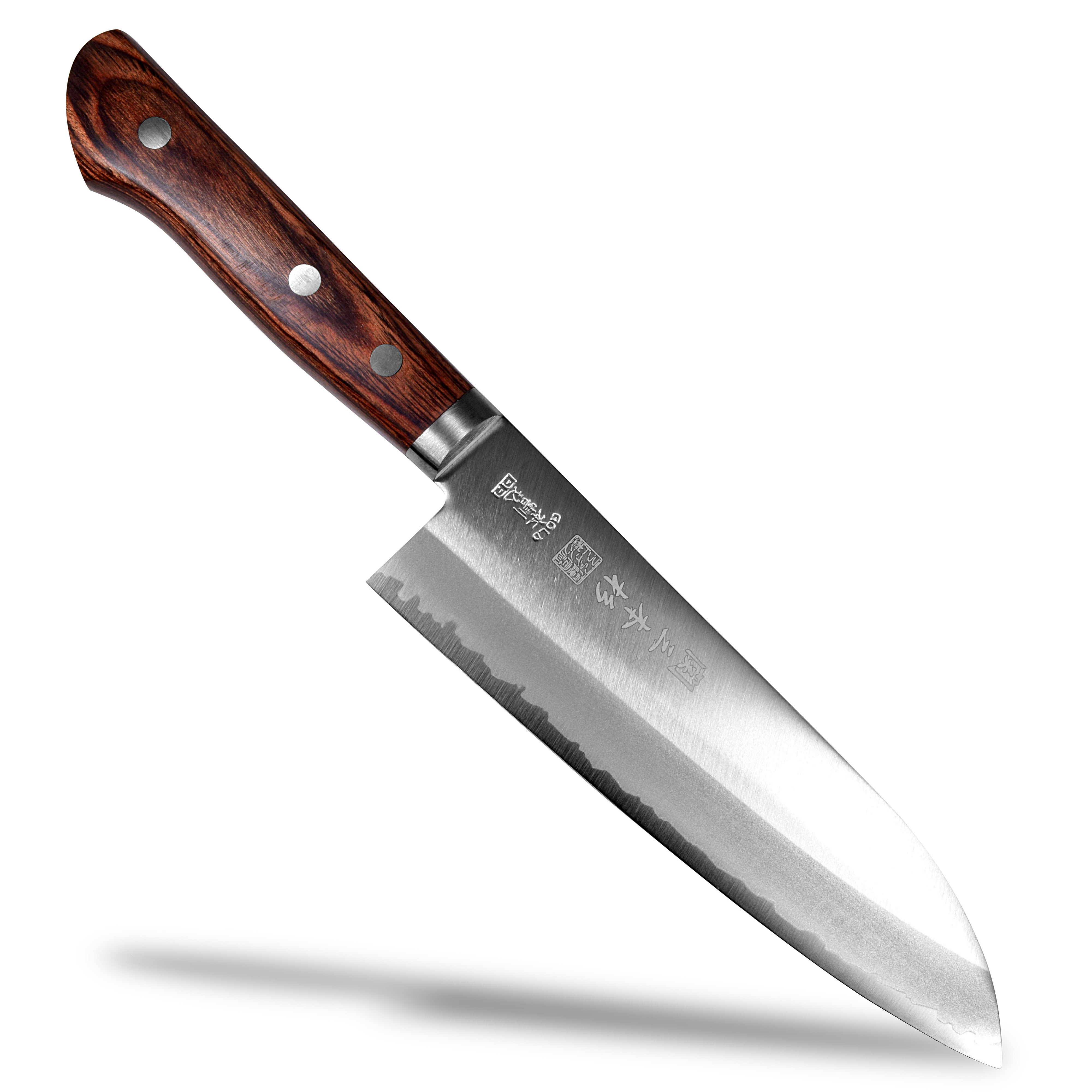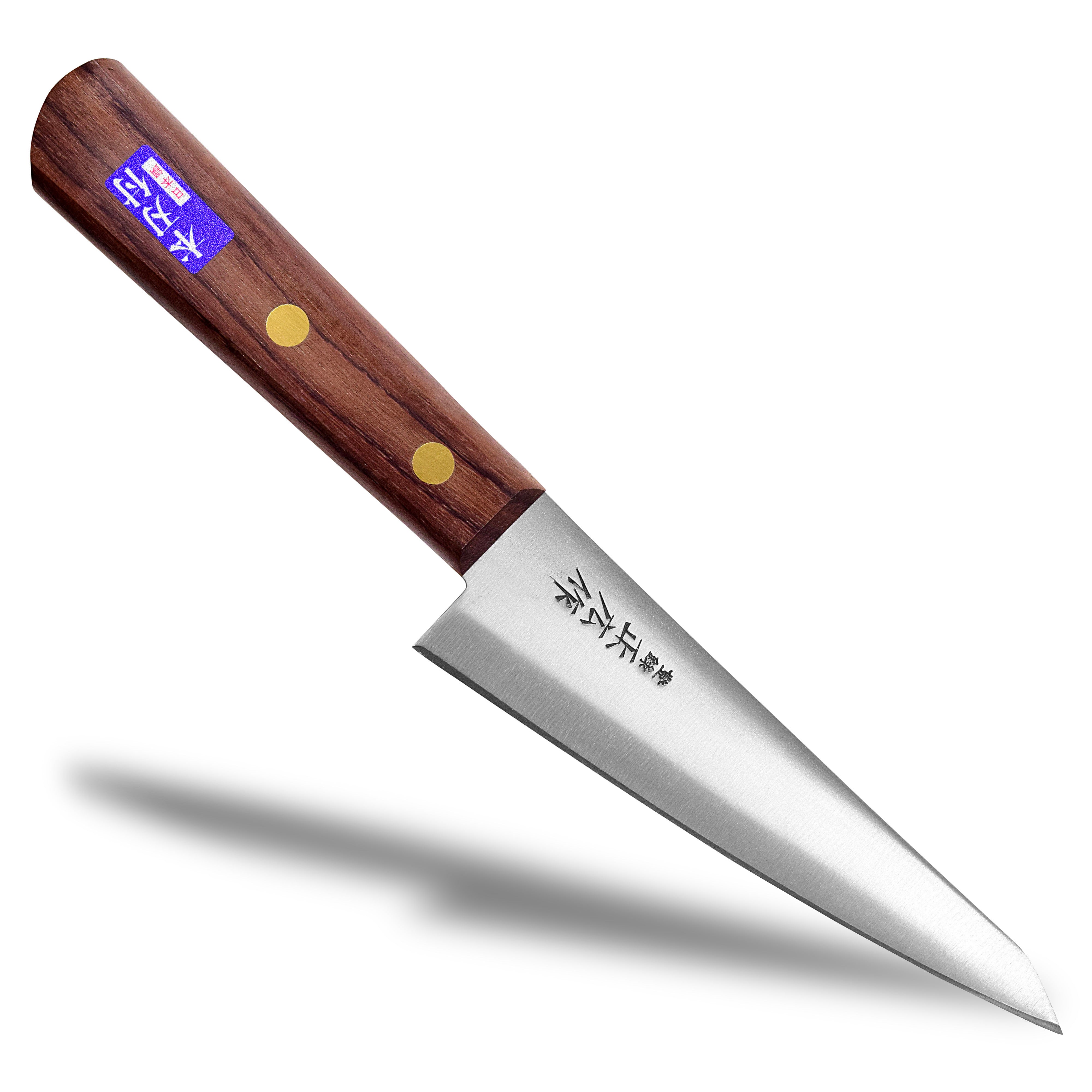

[Japanese Kitchen Knives: Focusing on Sharpness] Choosing the Best One | Comparing Effects and Benefits Based on Materials and Blade Shape
The conclusion regarding the effectiveness and benefits of a Japanese kitchen knife, especially one that prioritizes sharpness, boils down to one point: "By choosing a sharp, steel-based Japanese kitchen knife and sharpening it properly, the cross-section of ingredients becomes more beautiful, and the taste, texture, and even work efficiency improve significantly." In short, a Japanese kitchen knife that prioritizes sharpness is a "cooking tool that enhances the appearance and deliciousness of dishes."
The conclusion regarding recommended Japanese knives that make a difference in the cross-section of ingredients, emphasizing sharpness and effectiveness, is that by choosing a knife made of a hard material such as steel and equipped with the appropriate blade angle and thickness, the shine, taste, and work efficiency of the cross-section will visibly change.
[Key points of this article]
The sharpness of a knife is determined by a combination of factors: the hardness of the material, the angle of the blade, the thinness of the blade, and the precision of the sharpening. Japanese knives have an advantage in this respect.
Using a Japanese knife that prioritizes sharpness results in a glossy finish on the cut surface, which helps retain moisture, aroma, and nutrients, thus improving the overall quality of the dish.
A combination of a steel-based Japanese kitchen knife and regular sharpening with a whetstone is the most effective and noticeable way to achieve superior sharpness.
Today's review: 3 key points
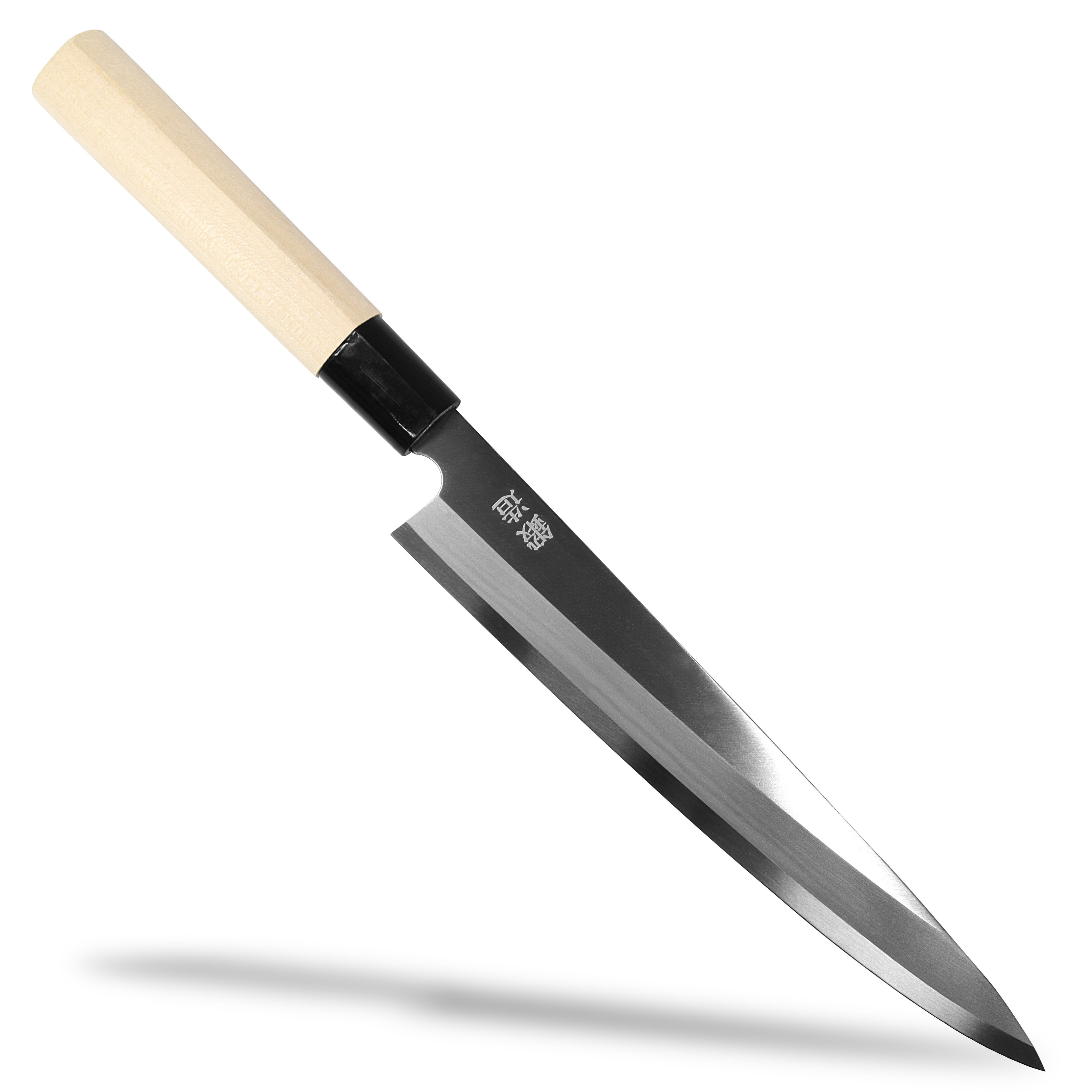
A sharp Japanese kitchen knife, with its single-edged structure and sharp blade angle, glides smoothly through food, leaving a smooth cut.
If you prioritize sharpness when choosing a knife, it's recommended to compare Japanese knives based on the following criteria: "steel material," "thin blade," and "ease of sharpening."
A sharp Japanese kitchen knife not only improves the taste, texture, and appearance of the food, but also reduces preparation time and the risk of injury.
Conclusion of this article
In conclusion, if you prioritize sharpness when choosing a Japanese kitchen knife, the best option is one that meets the following three conditions: "a steel-based Japanese kitchen knife + a thin, sharp blade + the ability to sharpen it yourself."
A Japanese knife that produces a glossy cross-section is considered to have a good cutting edge, and it even affects how the flavor and aroma develop.
When choosing a Japanese kitchen knife, it's important to consider the balance between the appropriate shape (yanagiba, nakiri, santoku, etc.), the material, and the ease of sharpening to maximize its effectiveness and benefits.
What are the benefits and advantages of a Japanese kitchen knife that prioritizes sharpness?
In conclusion, a sharp Japanese knife is a tool that greatly enhances the ability to "preserve the taste, aroma, and appearance of ingredients by cutting them without crushing their cells." Because Japanese knives are single-edged and have a sharp blade angle, they are easier to cut into ingredients with the same force than Western knives, and it is said that they tend to produce a glossy, flat cut surface. In other words, choosing a Japanese knife that prioritizes sharpness can be said to be "the starting point for cooking that brings out the potential of ingredients."
The difference in sharpness is clearly reflected in the feel and results when actually cooking. The sensation of the blade gliding smoothly through ingredients changes the very enjoyment of cooking and influences your motivation for daily cooking. Many cooking enthusiasts feel that once they use a sharp knife, they can't go back to a dull one, and this is due to the accumulation of such experiences. The reason why Japanese knives have been chosen by professional chefs for so many years lies precisely in this "high quality of cooking experience that sharpness brings."
The effect of making the cross-section of food shiny.
"The shine of the cross-section is a mirror of the sharpness of the knife." When a knife is used to cut food, the cells are cleanly cut, resulting in a smooth surface that reflects light well and has a glossy appearance. Conversely, if you cut food by crushing it with a dull knife, the cross-section becomes rough, and moisture and impurities seep out, negatively affecting not only the appearance but also the shelf life and taste.
The beauty of the cross-section directly impacts the overall quality of the dish. For example, when arranging sashimi, a glossy cut surface reflects light, making it look vibrant and appetizing. On the other hand, if the cross-section is rough, even using the same ingredients and seasonings, the visual impression will be significantly inferior. Even in home cooking, simply being mindful of the sharpness of the knife can bring you closer to a "professional-looking finish," thanks to the beauty of the cross-section that a sharp knife produces.
Effects that change the taste, aroma, and nutritional value
The most important aspect is the ability to control the flavor created by the cutting process. When sashimi or vegetables are cut with a sharp Japanese knife, less cell damage occurs, resulting in less dripping, bitterness, and astringency, making it easier to appreciate the natural sweetness and aroma of the ingredients. Furthermore, because the cut surface is not rough, the surface area in contact with air is reduced, slowing down oxidation and drying, which is said to extend the time during which the food can be enjoyed.
For example, when slicing cucumbers thinly, using a sharp knife releases a fresh, green aroma and prevents excess moisture from being released from the cut surface. With a dull knife, the cells are crushed, causing the aromatic compounds to volatilize more easily, resulting in a watery texture and an intensified grassy taste. These differences accumulate in all aspects of everyday cooking, such as preparing salads, marinades, and stews, and manifest as differences in the overall taste of the dish. From a nutritional standpoint, it has also been pointed out that less damage to cells reduces enzyme damage and minimizes the loss of vitamins.
Benefits include increased work efficiency and safety.
Japanese knives, which prioritize sharpness, are beneficial not only for taste but also for "work efficiency and safety." The sharper the knife, the easier it is to cut through food, eliminating the need to forcefully push and reducing strain on the wrist and fingers. As the saying goes, "the duller the knife, the more likely you are to get injured," poor sharpness creates unnecessary force and wobble, which can lead to accidents such as slipping fingers and cutting oneself. Therefore, Japanese knives that prioritize sharpness are considered to have advantages in terms of safety as well.
The improvement in work efficiency is especially noticeable when processing large quantities of ingredients. For example, when mincing 10 onions, a sharp knife will cut through them smoothly, reducing hand fatigue and making it easier to maintain consistent cuts. Shorter cooking times are a significant advantage, even in busy daily life. Smooth knife movements help regulate your work rhythm and make it easier to maintain concentration throughout the cooking process.
How to choose a Japanese kitchen knife based on sharpness?
In conclusion, when choosing a Japanese kitchen knife with sharpness as the primary consideration, the quickest way to go is to compare it based on three points: "material," "blade structure," and "intended use." The best choice depends on the type of knife you want to use and how you want to cut it, such as steel versus high-grade stainless steel, single-edged versus double-edged blades, and santoku, nakiri, or yanagiba. Here, we'll summarize the key points to keep in mind, focusing on sharpness.
By material: Steel vs. Stainless Steel
The basic idea is "steel for the best sharpness, stainless steel for ease of use." Steel is a material made by adding carbon to iron, and while it has high hardness and excellent sharpness and durability, it rusts easily and requires frequent wiping off of moisture and sharpening. Stainless steel is slightly less sharp than steel, but it is rust-resistant and easy to maintain, so it is chosen as a material for Japanese kitchen knives for home use when you want a balance between sharpness and ease of use.
Within steel, there are several types such as "white steel," "blue steel," and "blue steel super," each with different sharpness, toughness, and ease of sharpening due to differences in carbon content and additives. White steel is easy to sharpen and produces a clear, sharp edge, making it suitable for beginners, while blue steel is favored by professionals for its superior durability and long-lasting sharpness. On the other hand, high-hardness stainless steels such as "VG-10" and "ZDP-189" combine the ease of use of stainless steel with sharpness approaching that of steel, and are attracting attention as high-performance materials that are easy to use at home.
Blade structure: How does the sharpness differ between single-edged and double-edged blades?
A general guideline is, "Choose a single-edged knife if you prioritize sharpness, and a double-edged knife if you prioritize ease of use." Single-edged Japanese knives have only one side sharpened, allowing for a sharper blade angle, resulting in superior sharpness that makes it easier to cut through food and produces a beautiful cross-section. On the other hand, double-edged knives have a good balance between the left and right sides, making them easy to use for home cooking and easier to handle. When combined with stainless steel materials, they are said to maintain consistent sharpness for everyday use.
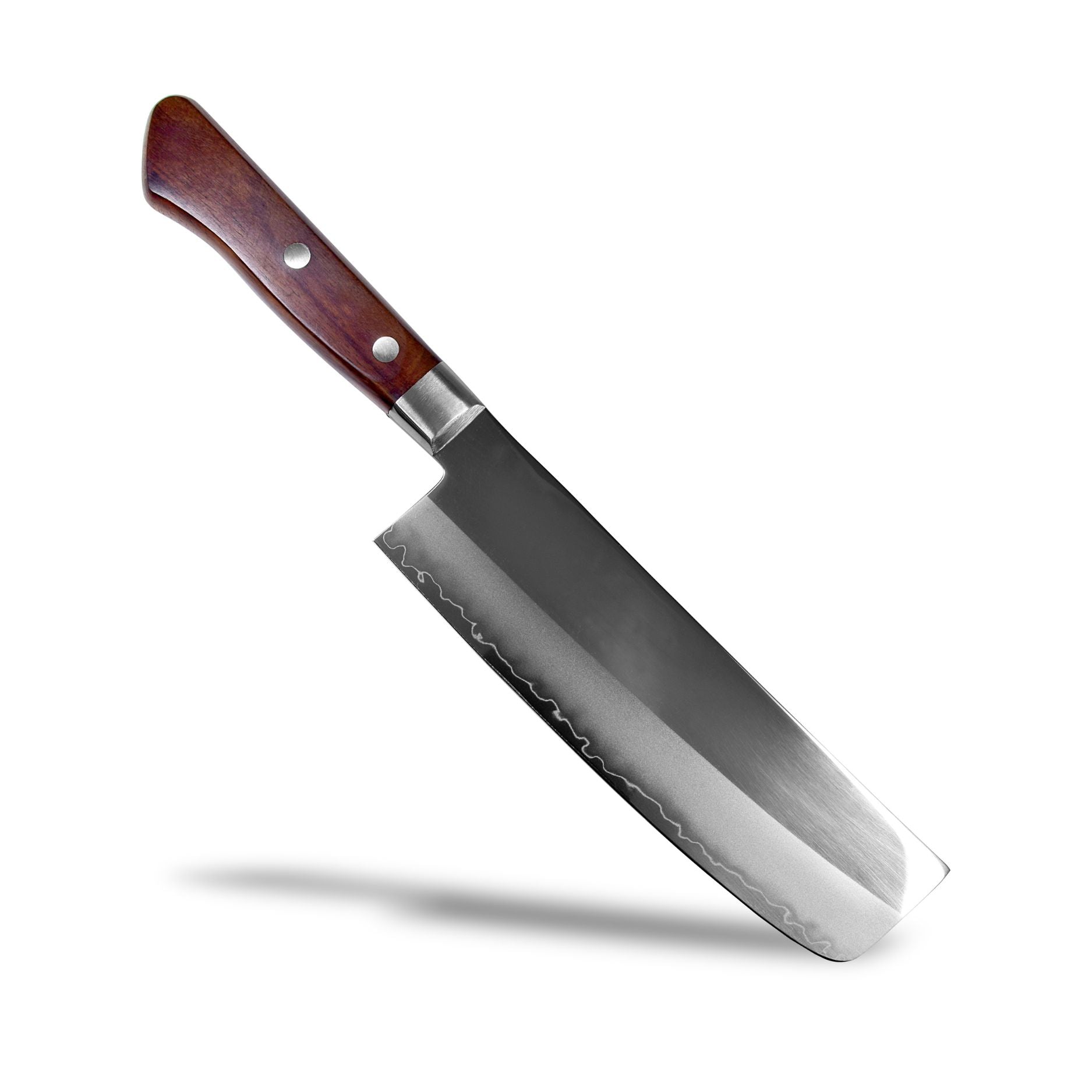
Single-edged knives come in right-handed and left-handed versions, and require practice to get used to. However, once you're proficient, you'll be able to perform advanced techniques such as sashimi, thin slicing, and katsura-muki (thinly peeling vegetables) more beautifully. Double-edged santoku knives can be used equally well by both right-handed and left-handed people, and their versatility in handling vegetables, meat, and fish with a single knife is a major advantage. When choosing between the two based on sharpness, it's helpful to consider two factors: "what you cut most often on a daily basis" and "how advanced your sharpening skills are."
By shape: Choose the knife that suits your purpose, such as a santoku, nakiri, or yanagiba.
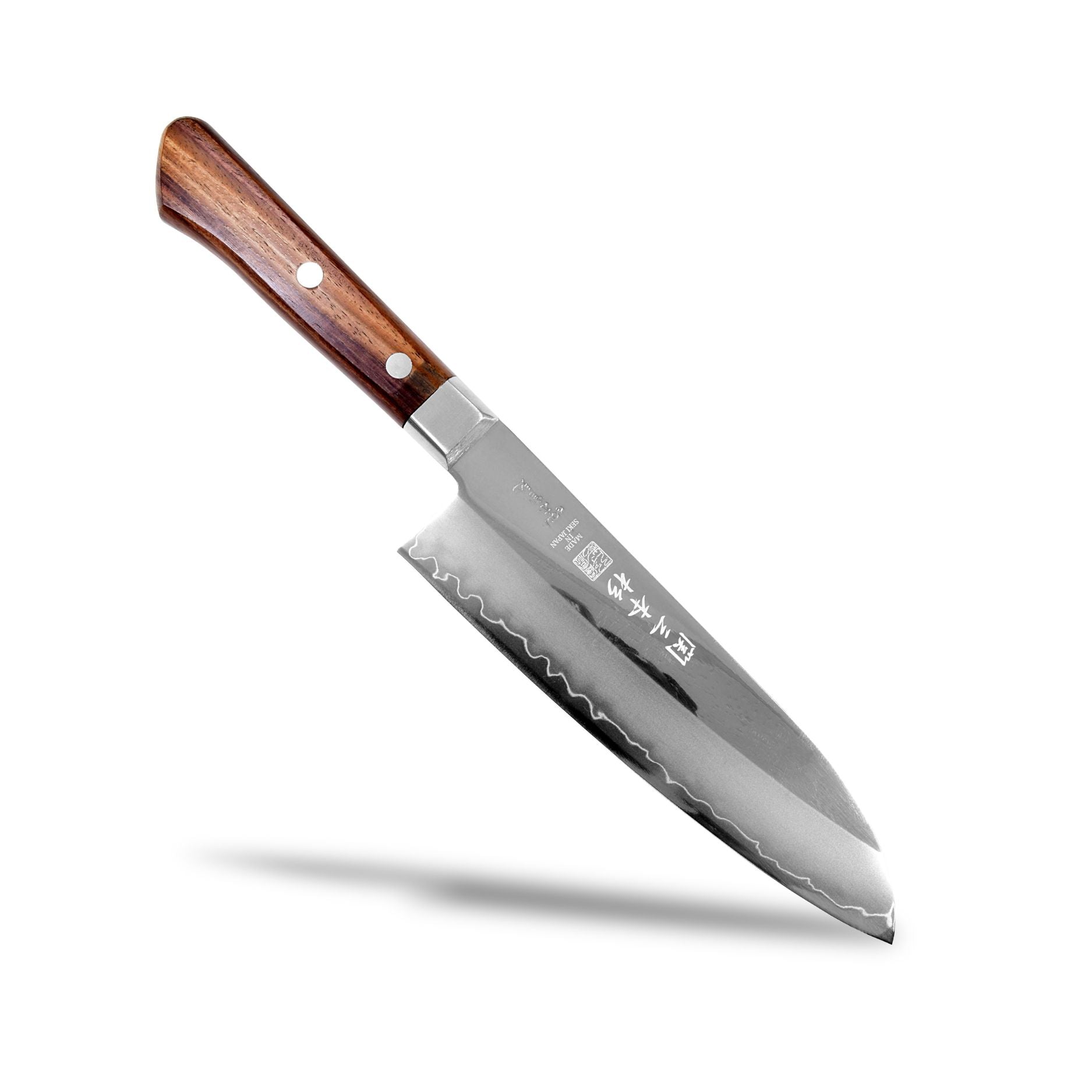
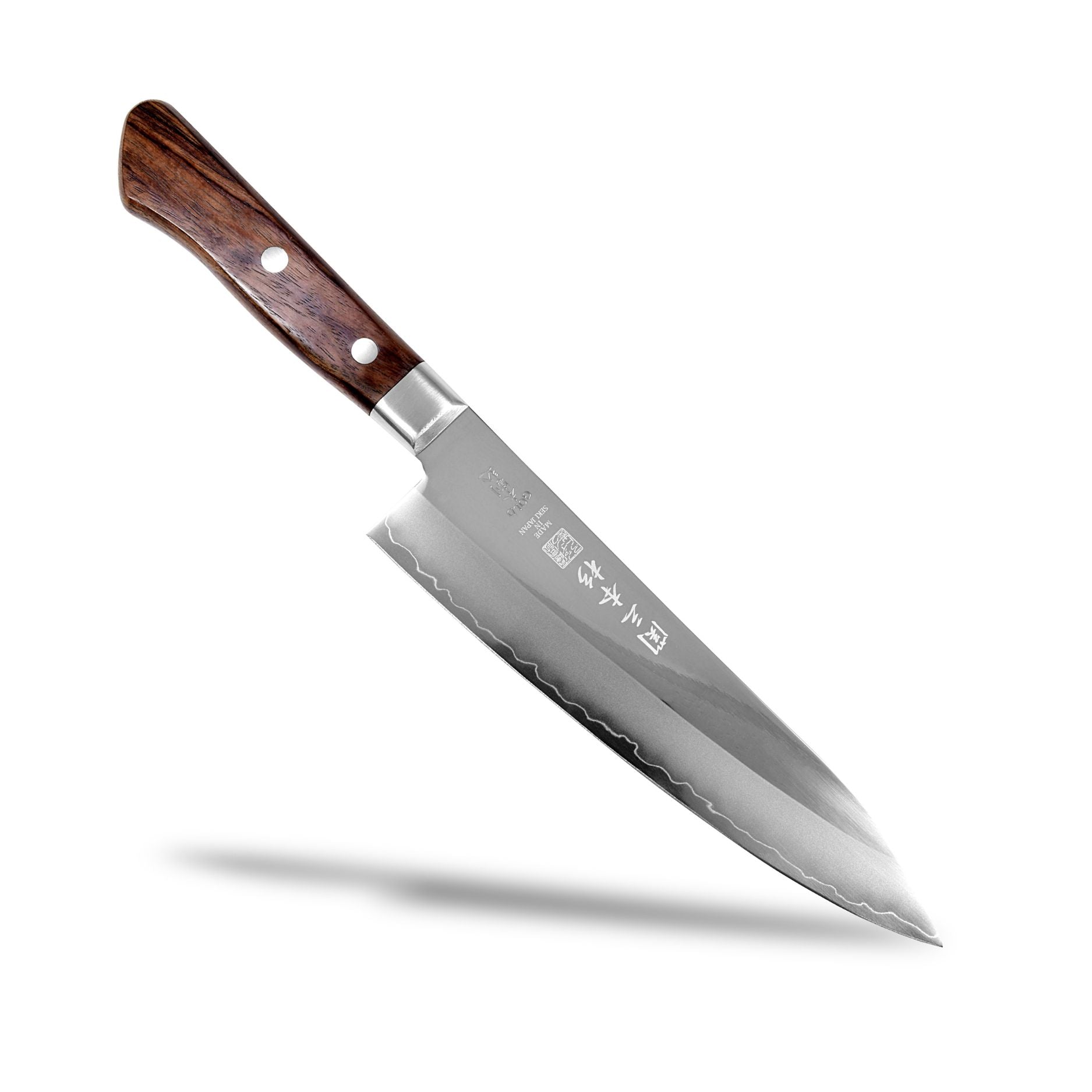
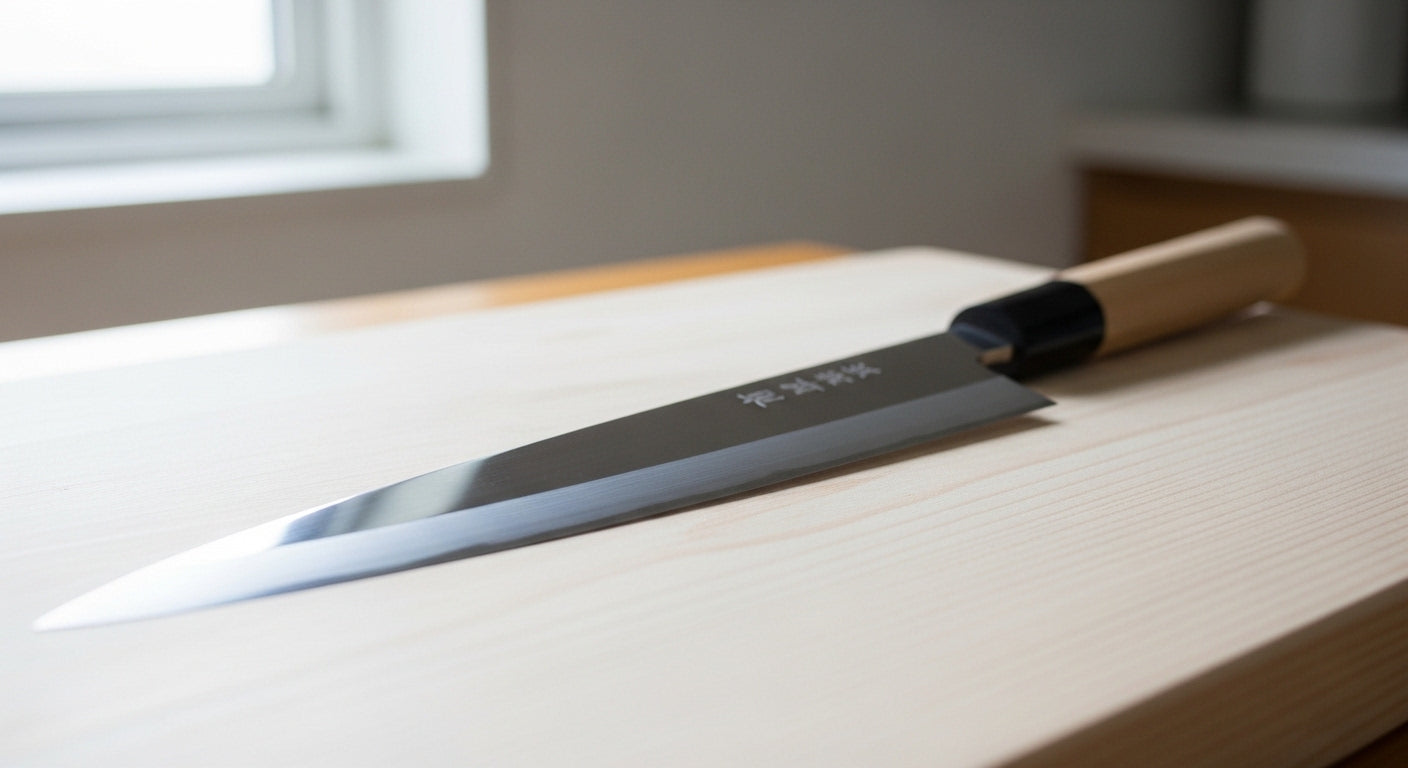
The first thing beginners should consider is choosing a knife shape that suits their cooking style. A santoku knife is a versatile knife that can handle meat, fish, and vegetables all in one, with a good balance of blade thickness and length, making it a strong contender if you're looking for a "sharp knife" for home use. If you mainly cook vegetables, a nakiri knife with a straight blade is good for creating flat slices and julienne cuts, while a slender yanagiba knife is highly regarded for its shape that allows you to cut through the flesh in one stroke without crushing it, especially if you prioritize sashimi.
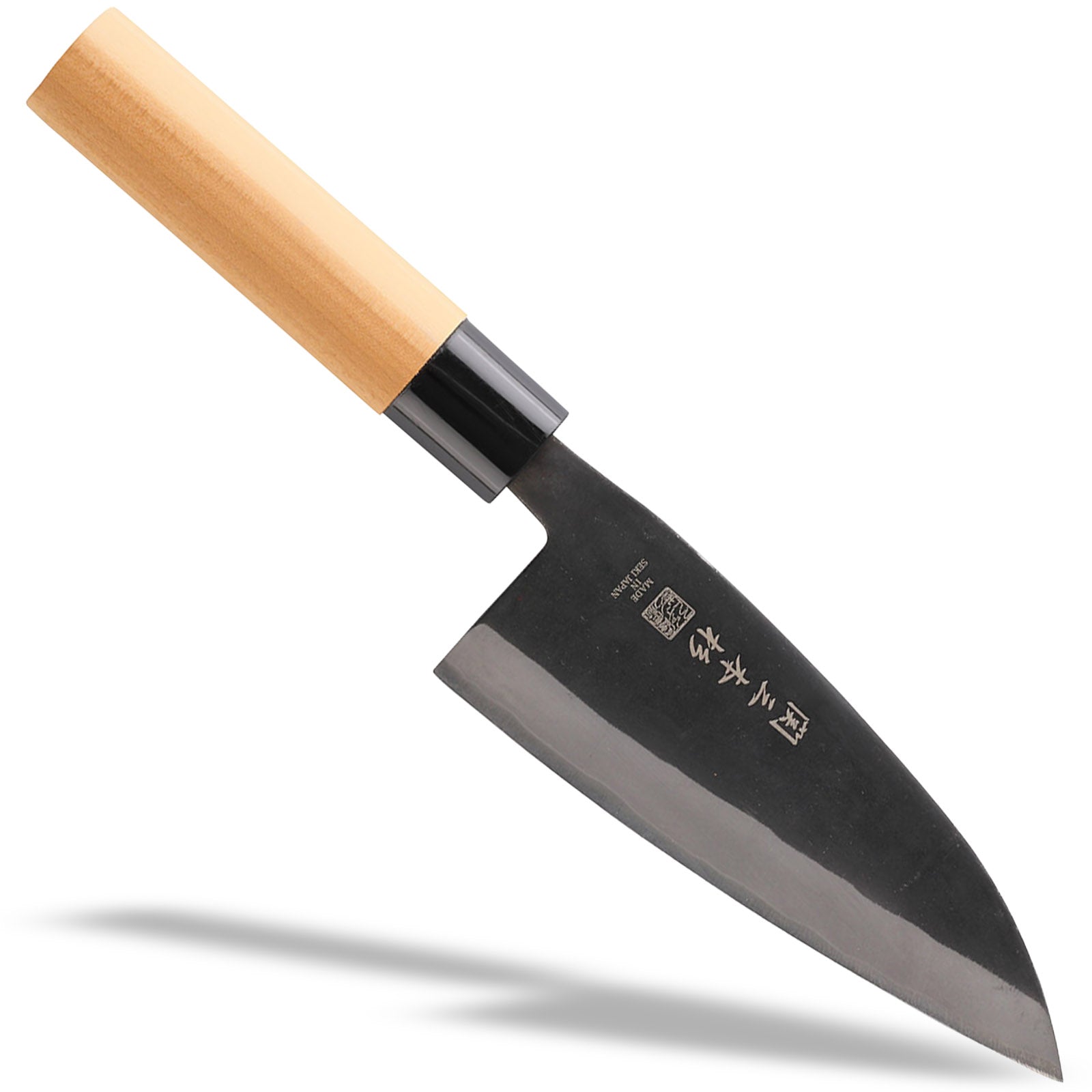
Deba knives are specialized for filleting fish and processing parts close to the bone, and their appeal lies in their powerful cutting ability, thanks to their thickness and weight. Usuba knives are suitable for thinly slicing vegetables and preparing sliced meat, and because the blade is finished to be extremely thin, they are ideal for those who want to pursue the ultimate beauty of the cross-section. If you list the types of dishes you frequently cook and the ingredients you use most often, you can choose a knife that prioritizes sharpness without wasting any money.
FAQ
Q1. What is the biggest advantage of choosing a Japanese kitchen knife if you prioritize sharpness?
A1. The cross-section of the ingredients becomes cleaner, improving the taste, aroma, and appearance, thus raising the overall quality of the dish.
Q2. Does a sharp knife really make a difference in the taste of food?
A2. Because the cells can be cut cleanly, the amount of drip and scum released is reduced, making it easier to preserve the original taste and aroma of the ingredients.
Q3. Why are Japanese kitchen knives said to have superior sharpness?
A3. Because the single-edged structure allows for a sharper blade angle and the use of hard materials such as steel, it offers advantages in terms of ease of cutting into food and the glossiness of the cut surface.
Q4. If sharpness is the priority, which is better, steel or stainless steel?
A4. If you prioritize pure sharpness and durability, steel is suitable. If you want a balance of sharpness, rust resistance, and ease of maintenance, high-quality stainless steel is a better choice.
Q5. If you could only choose one Japanese kitchen knife for home use, what kind would you recommend?
A5. If you're going to be cutting a wide variety of meats, fish, and vegetables, a stainless steel double-edged santoku knife is a good choice as it offers a good balance of sharpness and ease of use.
Q6. Are there any tips for making the blade stay sharp for longer?
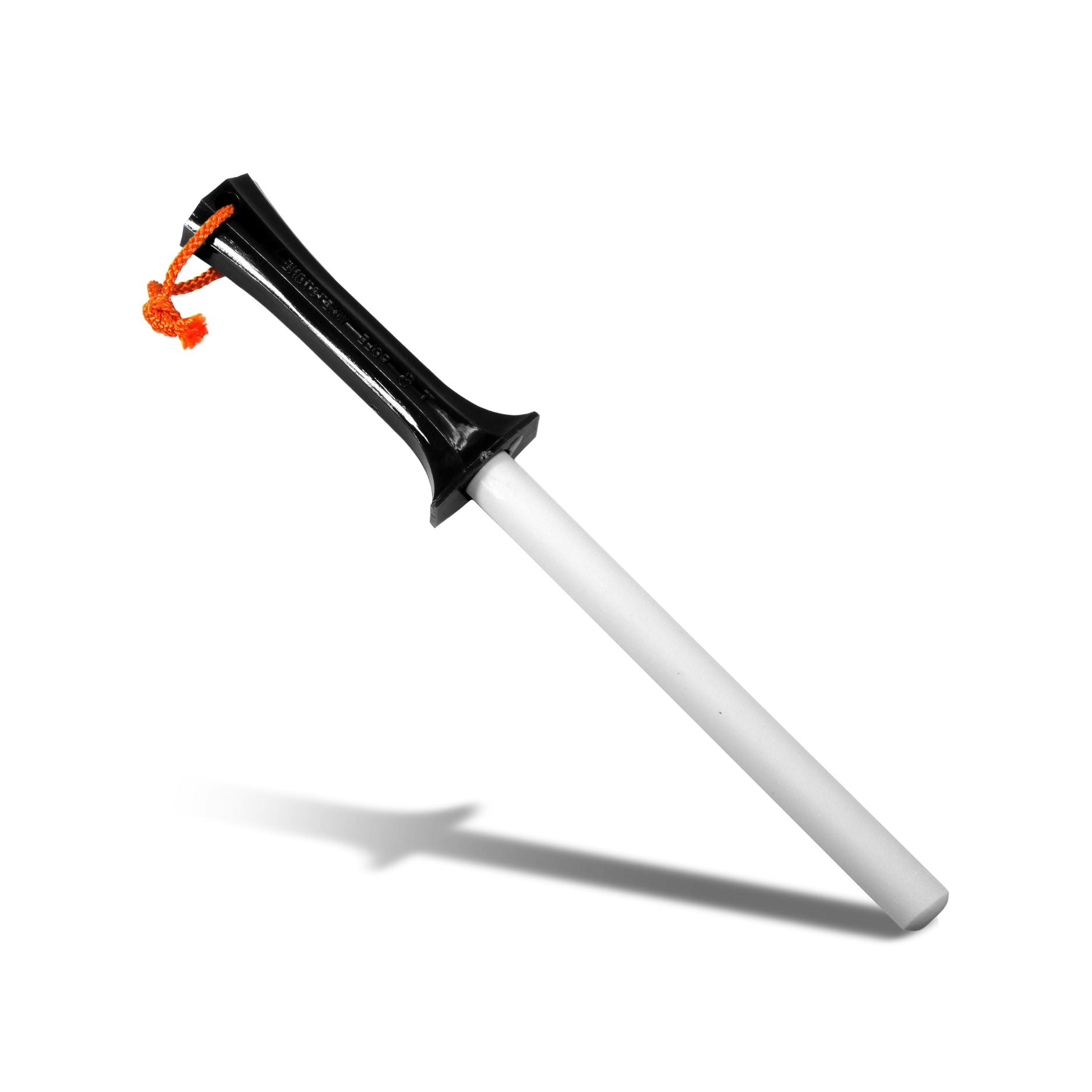
A6. It is important to choose a cutting board made of wood or resin, avoid hard ingredients such as frozen foods and bones, and regularly sharpen the blade with a whetstone to maintain its shape.
Q7. If sharpness is the priority, which is better: a whetstone or a sharpener?
A7. Sharpening stones, which allow you to shape the blade from the beginning, are superior in terms of sharpness quality and durability, and the use of sharpening stones is recommended for Japanese knives.
Q8. Do more expensive Japanese kitchen knives generally have better sharpness?
A8. Generally speaking, Japanese knives tend to have a correlation between sharpness and price, with more expensive knives being made with higher-quality materials and requiring more effort in the sharpening process.
Q9. Aren't Japanese knives, which prioritize sharpness, difficult for beginners to handle?
A9. Single-edged steel knives require some getting used to, but high-quality stainless steel double-edged Japanese knives offer both sharpness and ease of use, making them accessible even for beginners.
summary
When it comes to recommended Japanese kitchen knives, the emphasis on sharpness is key. Their benefits and advantages extend to the overall cooking experience, from the shine of the cut surface to the taste, aroma, appearance, work efficiency, and safety.
It's important to choose a knife that suits your cooking style, focusing on factors such as the material (steel/stainless steel), blade structure (single-edged/double-edged), and intended use (santoku, nakiri, yanagiba, etc.).
By choosing a Japanese kitchen knife for its sharpness and regularly sharpening it with a whetstone, you can enjoy consistent sharpness and excellent cooking results for a long time without having to replace it.