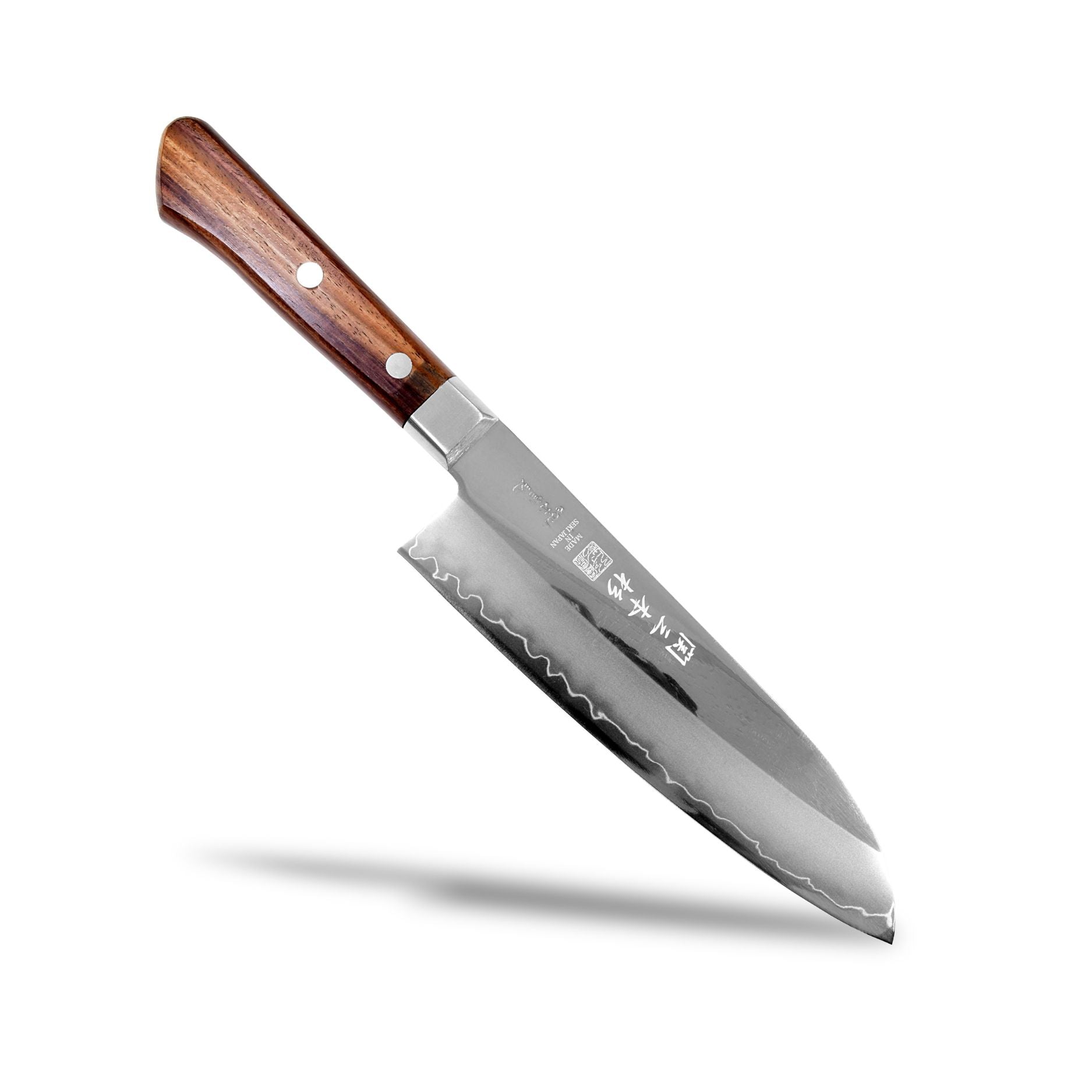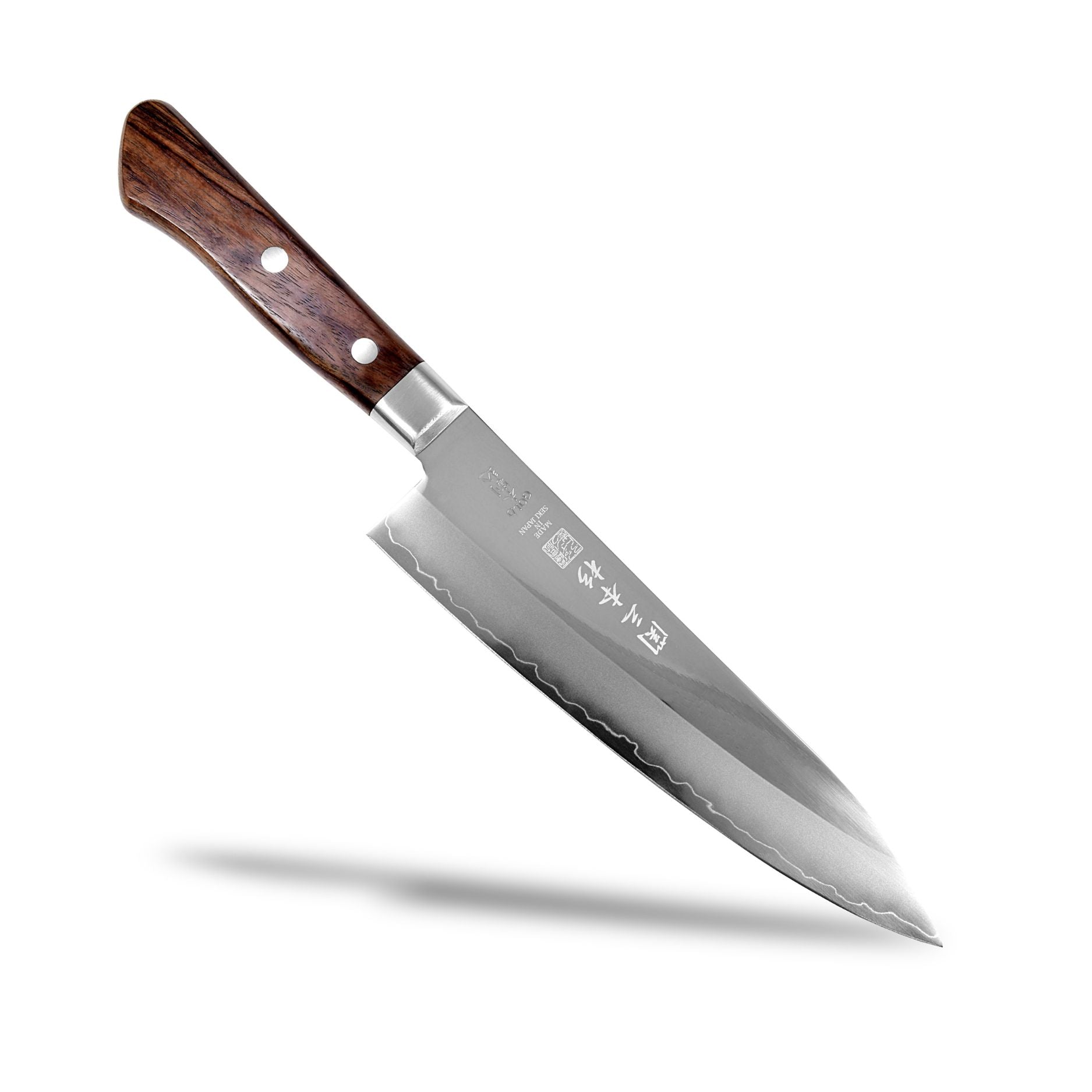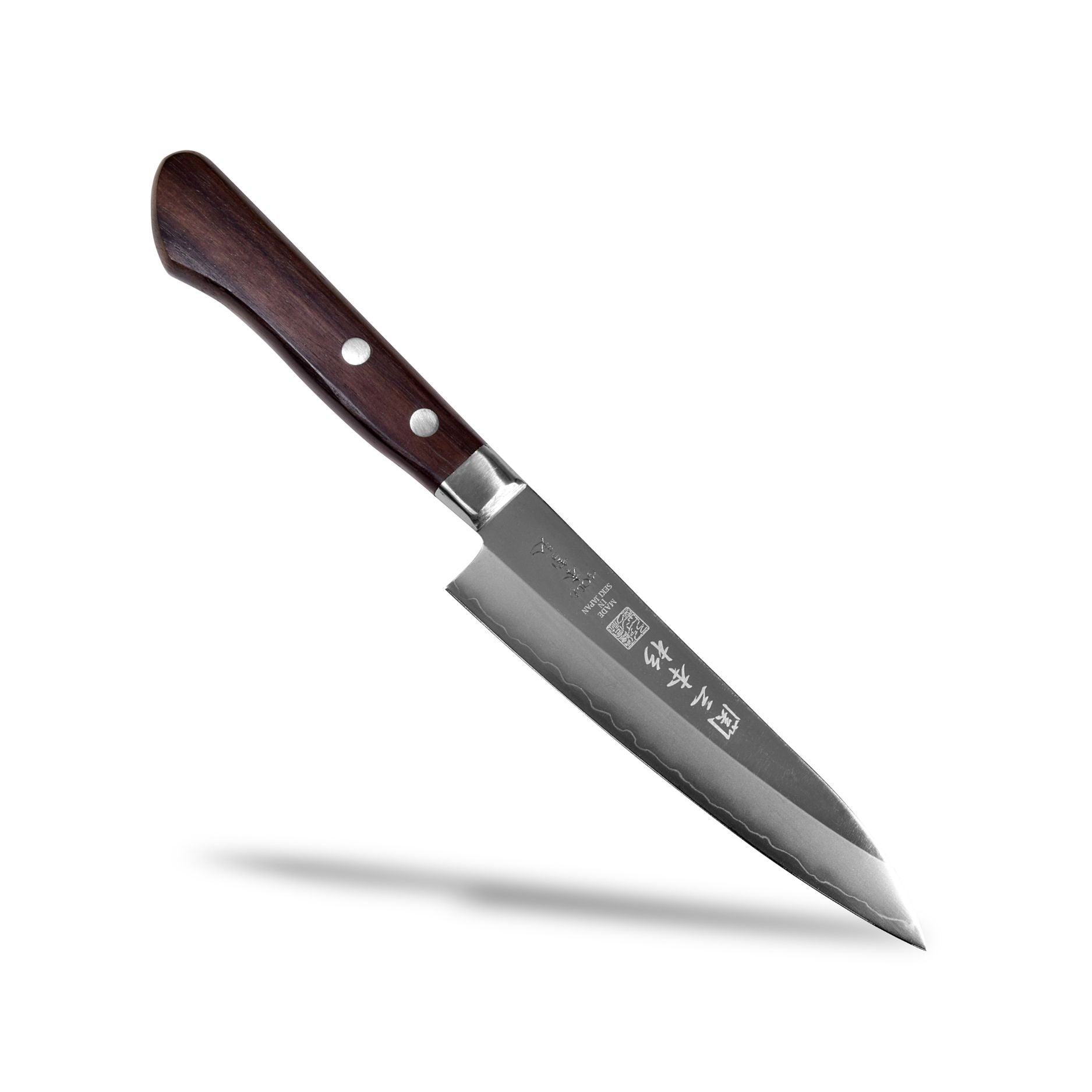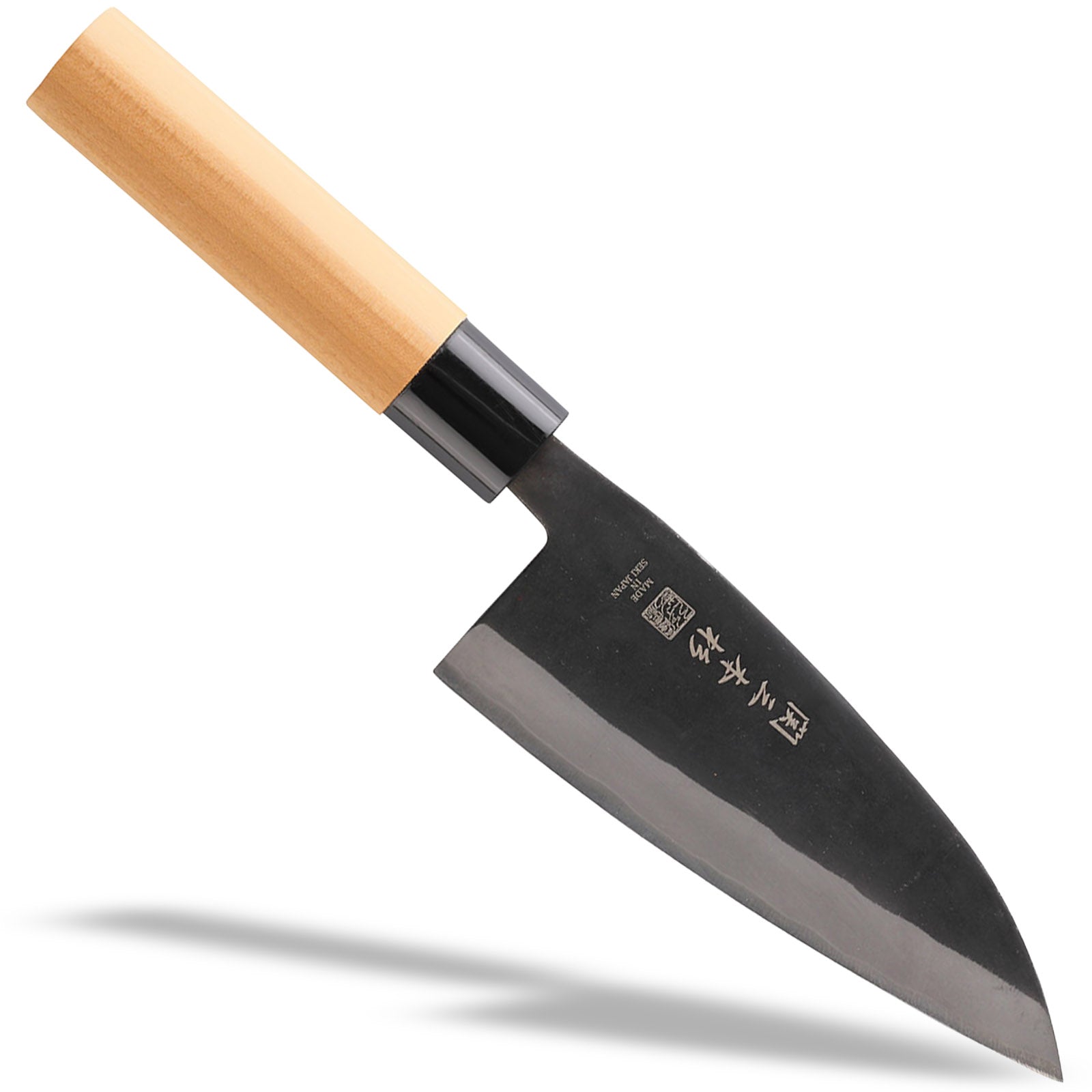

[Aogami Steel Knife Care] Precautions and Storage Methods to Prevent Rust in Japanese Kitchen Knives
In conclusion, the most important thing to remember when recommending a Japanese kitchen knife made of Aogami steel is "don't treat it like stainless steel." While Aogami steel excels in sharpness and edge retention, it is also very prone to rust and somewhat difficult to sharpen. Therefore, it is crucial to understand the necessary care and precautions, such as "thoroughly drying it after each use" and "applying oil as needed before storage," when choosing one.
This article explains how to care for and maintain Japanese kitchen knives made of Aogami steel to prevent rust.
In conclusion, to use a Japanese kitchen knife made of Aogami steel comfortably for a long time, you need to thoroughly follow three habits: "wash and wipe immediately after use," "store away from moisture," and "regularly sharpen and apply an oil film to prevent rust." Aogami steel is a high-carbon steel, and regardless of the grade, such as Aogami Super or Aogami No. 2, it is a steel that is much more susceptible to rust than stainless steel, so proper care based on this premise is essential. To make the most of the advantages of its sharpness and edge retention, it is important to first understand this premise.
[Key points of this article]
Today's review: 3 key points
- While Japanese kitchen knives made of Aogami steel are very appealing to those who prioritize sharpness and edge retention, it's essential to understand their susceptibility to rust and the difficulty of sharpening.
- The basic care for blue steel blades involves three steps: "wash immediately after use, wipe immediately, and apply a thin layer of oil as needed." Leaving them unattended or leaving them wet is strictly prohibited.
- For long-term storage, the key to preventing rust is to apply rust-preventive oil (such as camellia oil or olive oil), wrap it in newspaper or oiled paper, and store it in a place with low humidity.
Conclusion of this article
- In conclusion, Aogami steel Japanese kitchen knives are a high-performance steel that can only be recommended to those who can consistently follow the instructions of "completely drying them after each use, applying a regular oil coating, and proper storage."
- In short, it's a knife that offers the reward of sharpness but requires extra maintenance, and whether or not you enjoy that maintenance is the deciding factor when choosing one.
- Most importantly, just like with stainless steel knives, you should avoid leaving them in the sink, putting them in a dishwasher, or using bleach on them. These are all things you should avoid when dealing with Aogami steel knives.
- The first thing beginners should keep in mind is to incorporate the following routine into their daily lives as part of caring for their Aogami steel knives: "wash, wipe, and dry after each use," "apply oil occasionally," and "sharpen with a whetstone a few times a year."
What are the basics of rust prevention you should know before choosing a Japanese kitchen knife made of Aogami steel?
In conclusion, the key to preventing rust on a Japanese kitchen knife made of Aogami steel is to "avoid letting moisture and time work against you." Rust progresses when moisture, salt, and acid remain on the surface of the steel for extended periods, so even the highest quality steel will quickly develop red rust if used or left unattended. Due to the characteristics of carbon steel, rust progresses easily even with slight carelessness, so the best way to ensure long-term use is to make "wiping immediately after washing" a regular habit from the start.
What maintenance should you always do after using something every day?
If you use a blue steel knife every day, the basic maintenance procedure is as follows:
- Immediately after use, remove dirt and oil with a mild detergent and a sponge (do not use bleach, abrasive cleaners, or metal scrubbers).
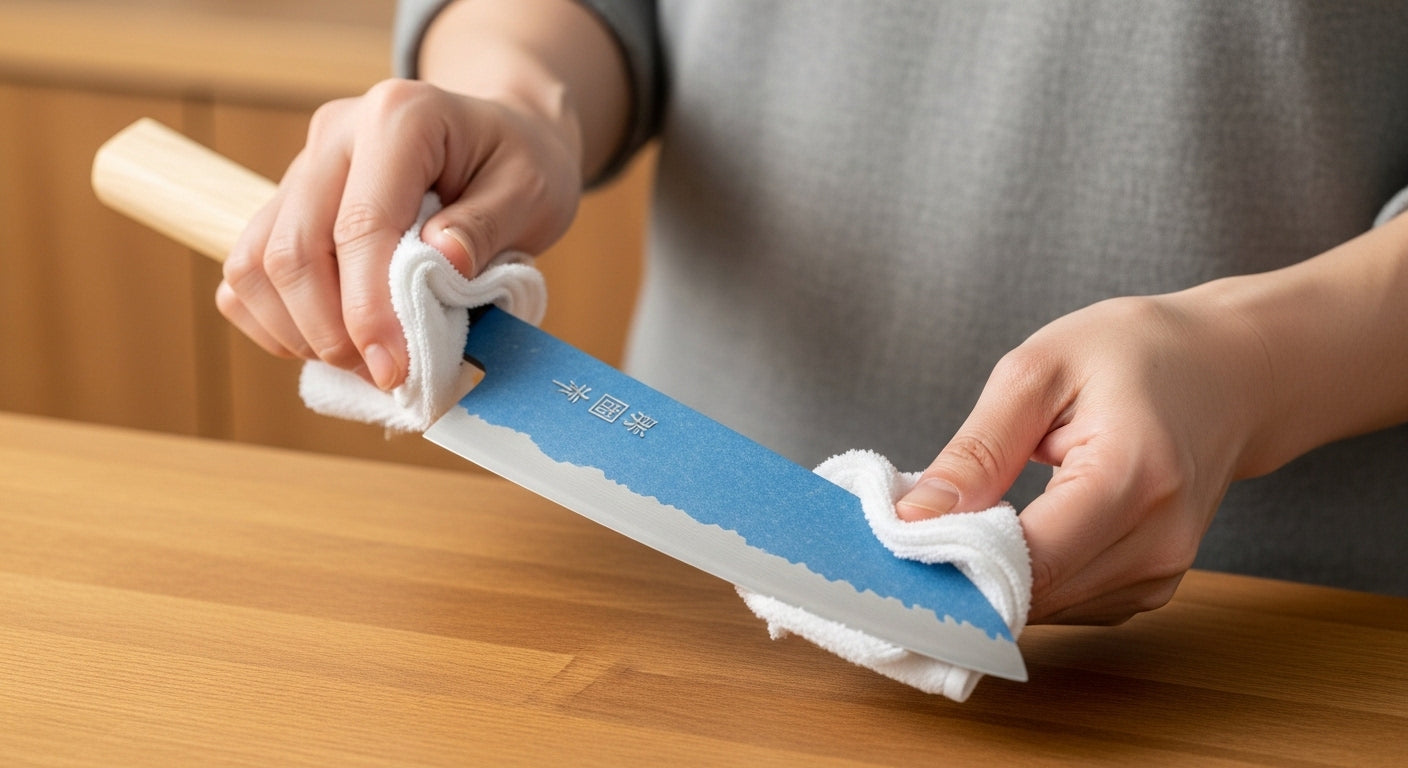
- Rinse thoroughly with fresh water and immediately wipe off all moisture with a dry cloth.
- If possible, pour boiling water over it at the end to evaporate it and remove any remaining moisture, then wipe it dry (do not use a gas flame to burn it).
By following this short routine, you can significantly prevent the "faint rust transfer" and "spotty black rust" that are characteristic of Aogami steel. It may seem a little troublesome at first, but once you get used to it, it only takes a few minutes. If you incorporate it while cleaning up after a meal, you can easily make it a habit without any burden.
Storage location and method for daily use
Ideally, Aogami steel knives should be completely dried after use and stored in a well-ventilated knife block or magnetic rack. It's best to avoid storing them under the sink or in damp drawers, as these areas are difficult to dry and prone to rust. Also, since contact with other metals can cause "transferred rust," it's important to choose a storage stand that prevents knives from bumping into each other. Ideally, choose a relatively dry area in the kitchen where the knives can be stored in an airy environment. The storage environment is especially important for knives that are used frequently, so reviewing your storage method will give you peace of mind.
How does the maintenance of a stainless steel knife differ from that of a regular knife?
While washing, wiping, and drying is important even for stainless steel knives, Aogami steel, lacking a protective coating, rusts much faster if left unattended. While stainless steel knives can often survive being left in a dish rack overnight, Aogami steel knives may develop noticeable red rust under the same conditions. This highlights the importance of recognizing that "the same care as stainless steel won't work"—this is the key factor in whether or not Aogami steel knives are recommended. Conversely, for those willing to put in this extra effort, the sharpness and edge retention of Aogami steel offer an unparalleled experience.
What are the care and precautions needed to ensure that a Japanese kitchen knife made of Aogami steel lasts a long time?
In practical terms, it's reassuring to have a three-part guide to the care and precautions for blue steel knives: "daily care," "dealing with rust," and "long-term storage." By understanding what to do and what not to do in each situation, you can prevent rust and damage to the blade due to careless mistakes.
Things you should NOT do in daily care
The following treatments are unacceptable for Aogami steel:
- Leave it in the sink or dish rack after use.
- Soak in bleach or chlorine-based cleaning agent for an extended period.
- Wash them in a dishwasher and leave them in the hot, humid environment inside.
- They try to dry it by roasting it over a gas flame.
In short, you should avoid methods that put stress on the steel in an attempt to take the easy way out, as there is a risk of the steel losing its temper due to heat or rust worsening due to chemicals. In particular, bleach can cause corrosion to begin the moment it comes into contact with Aogami steel, so it is important to always keep your knives separate when bleaching countertops or dishes. Simply being mindful of these no-nos in your daily life can significantly reduce the risk of rust.
How to remove and recover from rust that has appeared on the chorus
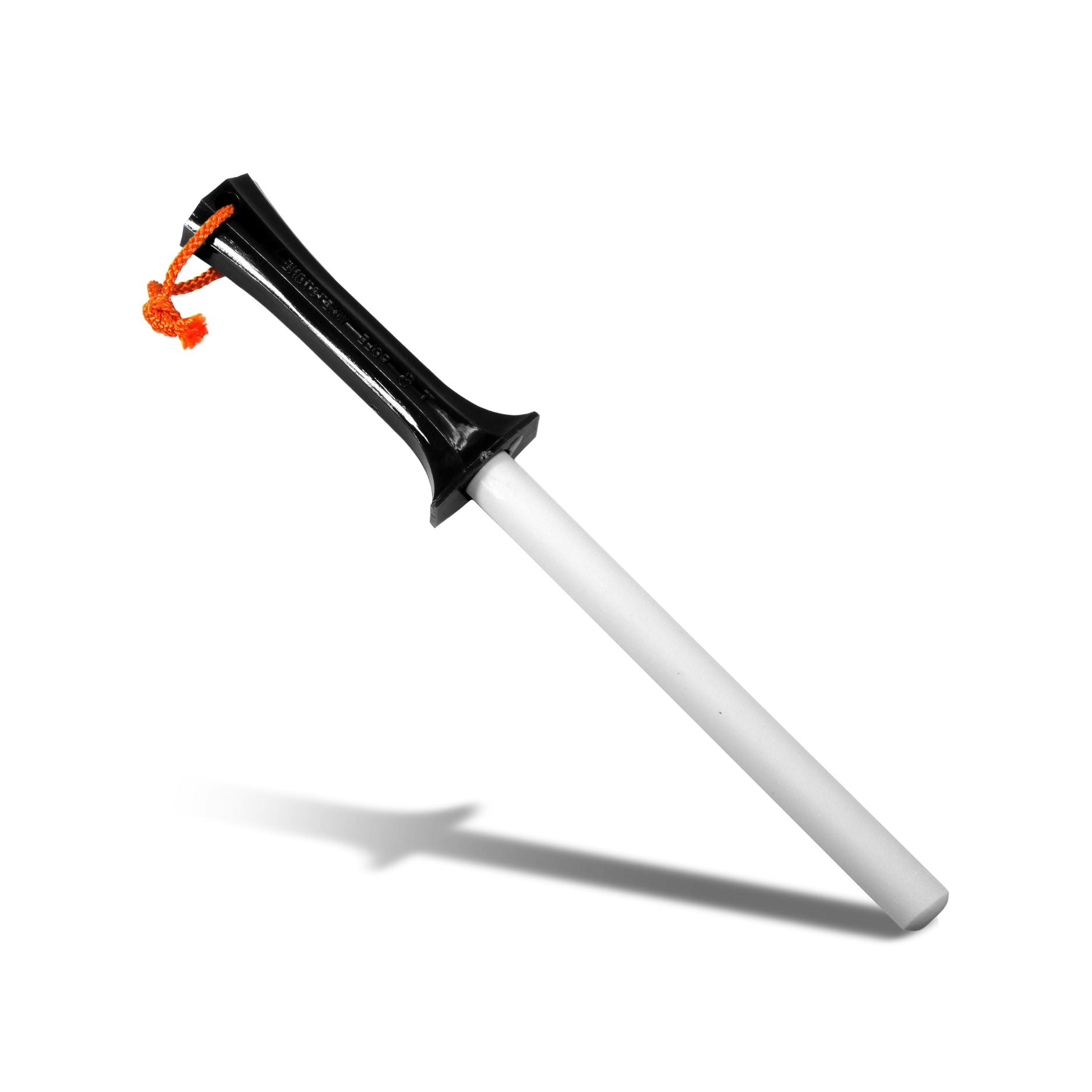
If you notice a light reddish rust or small rust spots, gently rub them off with a melamine sponge, rubber whetstone, or dedicated rust remover, then wash and dry as usual. For widespread or deep rust, you will need to resharpen the blade with a whetstone to expose the new surface. In this case, the idea is to grind away the rust along with the surface using a medium to coarse whetstone. If rust is left completely untreated, it will turn into "hole rust," which weakens the blade, so early detection and treatment are key. When you find rust, don't panic. Try a light treatment first, and if it doesn't come off, then use a whetstone to smooth it out. This will minimize damage. After removing rust, always apply a thin layer of rust-preventive oil to reduce the risk of recurrence.
Oil and wrapping methods for when not in use for a long period of time
When storing a blue steel knife that won't be used for a long period, apply a thin layer of non-drying oil such as knife oil, camellia oil, or olive oil, wrap it in newspaper, oiled paper, or kitchen paper, and store it in a dry place. Ideally, use rust-preventive oil for knives, but salad oil or olive oil will also have some rust-preventive effect at home. This simple step greatly increases the chances of being able to sharpen and use the blue steel knife again, even if it has been stored for several months to several years. It is essential to completely dry the entire blade before applying oil, as applying oil while moisture remains will actually accelerate rusting. This simple step before storage greatly affects the condition of the knife when you take it out next time.
FAQ
Q1. Are Japanese kitchen knives made of Aogami steel really prone to rusting?
A1. Because it is made of carbon steel and not stainless steel, it rusts very easily, and if left exposed to moisture, salt, or acid, rust will appear in a short time.
Q2. How much daily maintenance is necessary?
A2. It is essential to wash it with detergent immediately after use and wipe off all moisture completely. If you have time, pouring hot water over it to speed up the drying process will give you even better peace of mind.
Q3. What is the best way to store something when not using it for an extended period?
A3. It is recommended to lightly coat the blade with knife oil, camellia oil, or olive oil, wrap it in newspaper or oiled paper, and store it in a place with low humidity.
Q4. Can a rusted Aogami steel kitchen knife be restored?
A4. For light rust, you can remove it with a melamine sponge or rubber whetstone, and for more severe rust, you can restore it by scraping off the rusted area with a whetstone.
Q5. Is there a difference in the difficulty of maintenance between Aogami Super and Aogami No. 2?
A5. Both are prone to rusting, but Aogami Super is harder and more difficult to sharpen, so it requires more careful management in terms of whetstone selection and sharpening time.
Q6. Is it okay to wash a blue steel knife in a dishwasher?
A6. High temperatures, high humidity, detergents, and prolonged exposure to rust worsen the condition, so avoid using a dishwasher. Hand washing and immediate wiping are essential.
Q7. What kind of rust-preventive oil should I use?
A7. Camellia oil, blade oil, or non-drying olive oil are suitable and should be applied thinly to prevent hardening when dry.
Q8. What kind of person would you recommend a Japanese kitchen knife made of Aogami steel to?
A8. This knife is especially suitable for those who enjoy sharpening and maintaining their knives, those who handle large quantities of food, and those who prioritize sharpness and edge retention above all else.
Q9. What kind of steel is best if maintenance is troublesome?
A9. A knife made of stainless steel or molybdenum steel, which has high rust resistance and is relatively easy to maintain on a daily basis, is a more practical choice.
Q10. Is it a good idea to choose a blue steel knife as my first knife?
A10. If you are proactive about maintenance and sharpening, there is no problem, but if you are unsure, it is a wise choice to start with stainless steel to get into the habit before stepping up.
summary
- The key to caring for and maintaining Aogami steel is understanding that "its susceptibility to rust and its high performance go hand in hand," and thoroughly washing, wiping, and drying it after each use.
- For long-term storage, applying a thin layer of rust-preventive oil, wrapping it in newspaper or oil paper, and storing it in a place with low humidity will significantly reduce the risk of rusting, which is unique to Aogami steel.
- In conclusion, for those who enjoy the process of maintaining their knives, a Japanese kitchen knife made of Aogami steel is a very attractive option, offering sharp cutting performance and long-lasting edge retention. The key to maximizing its value is careful daily care.