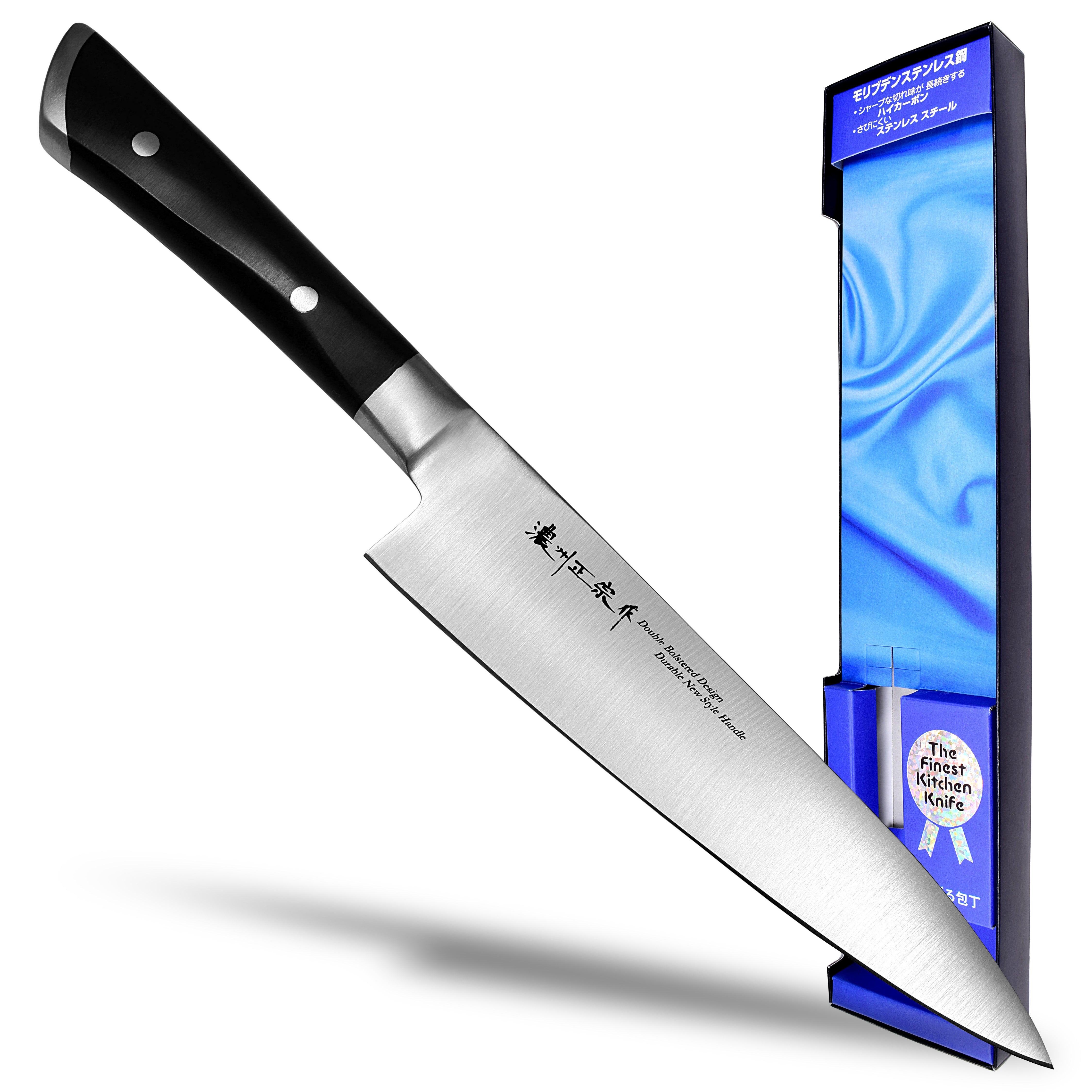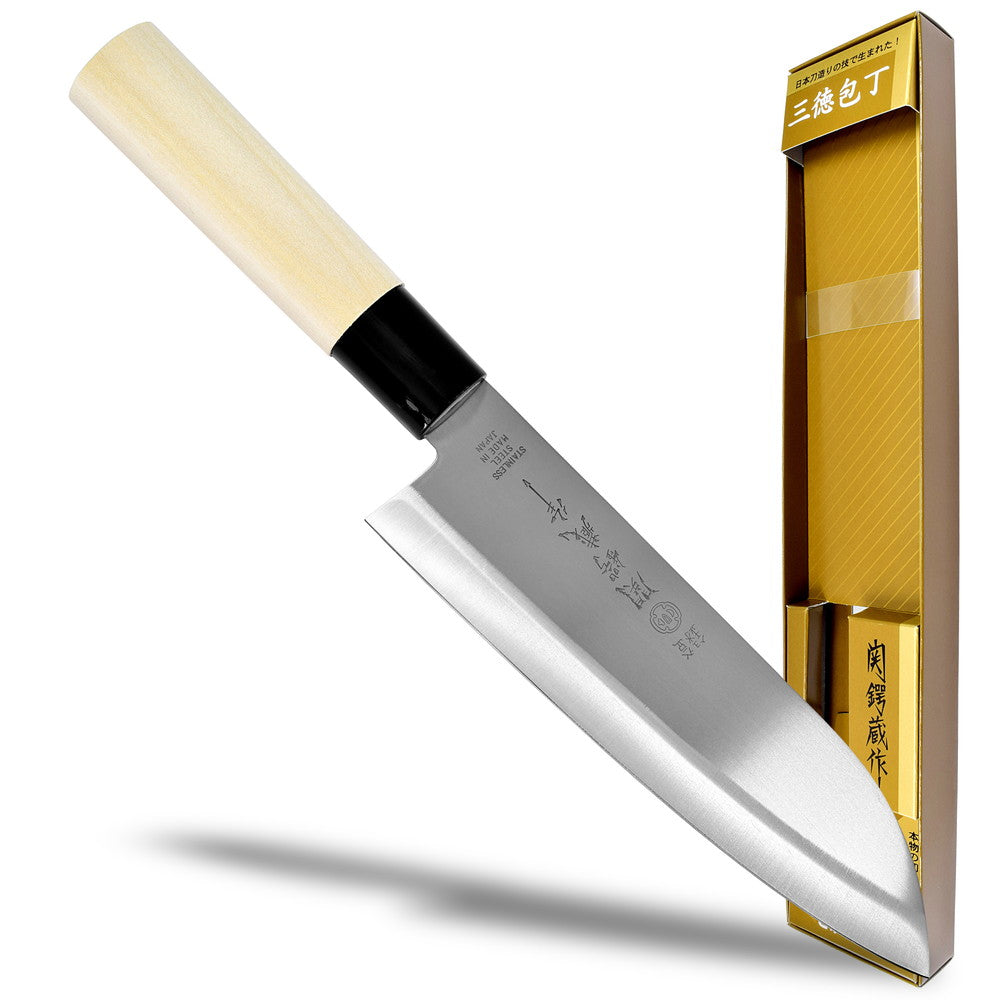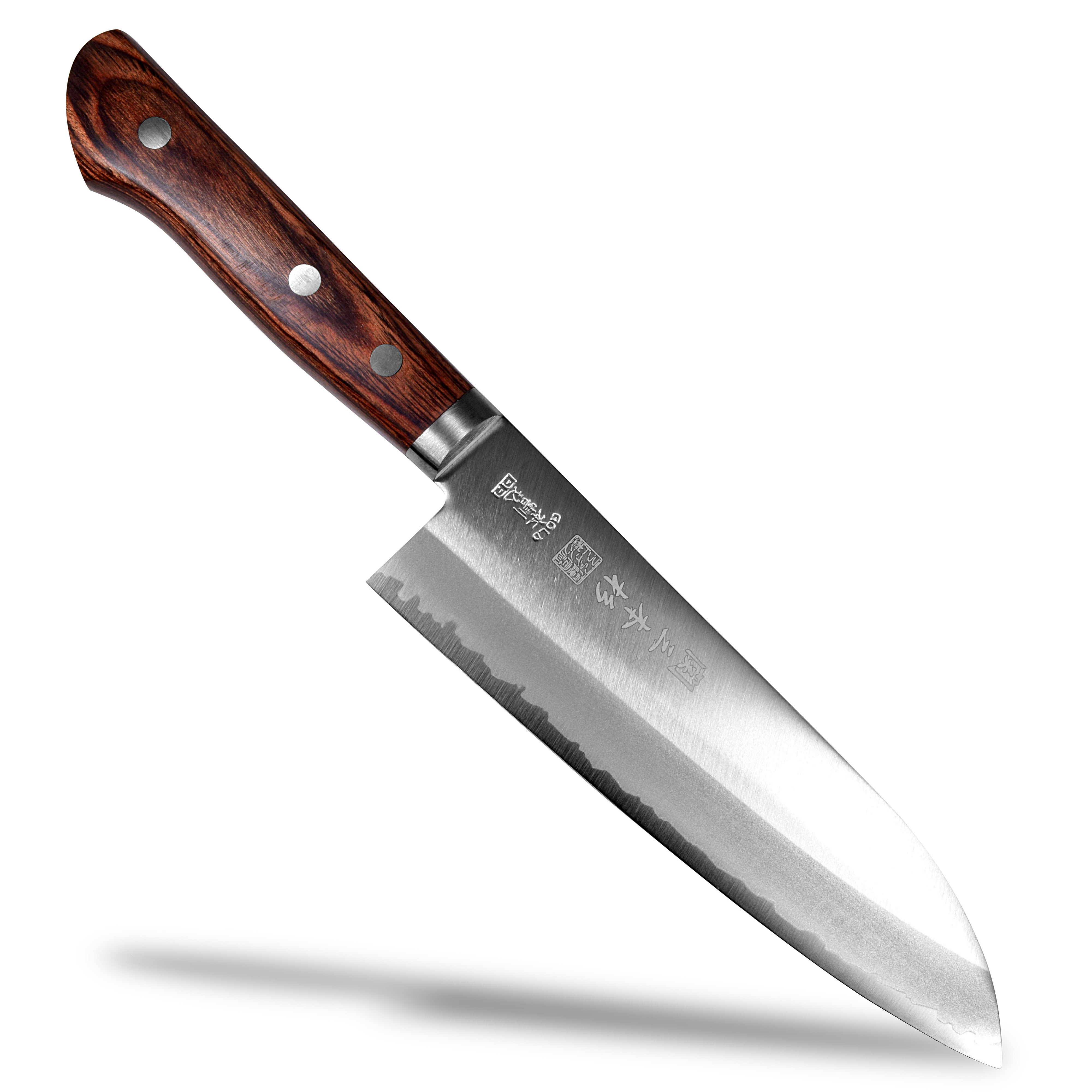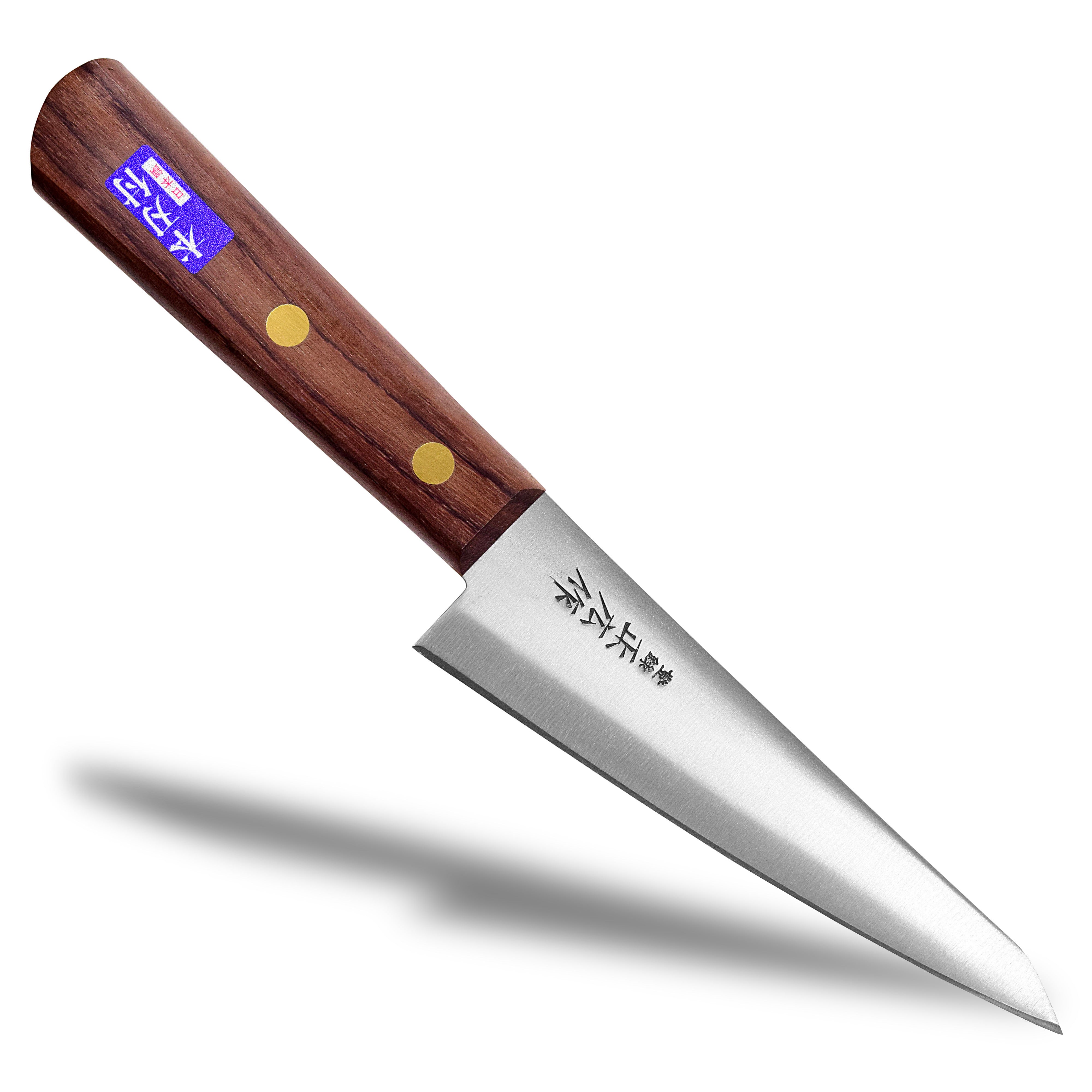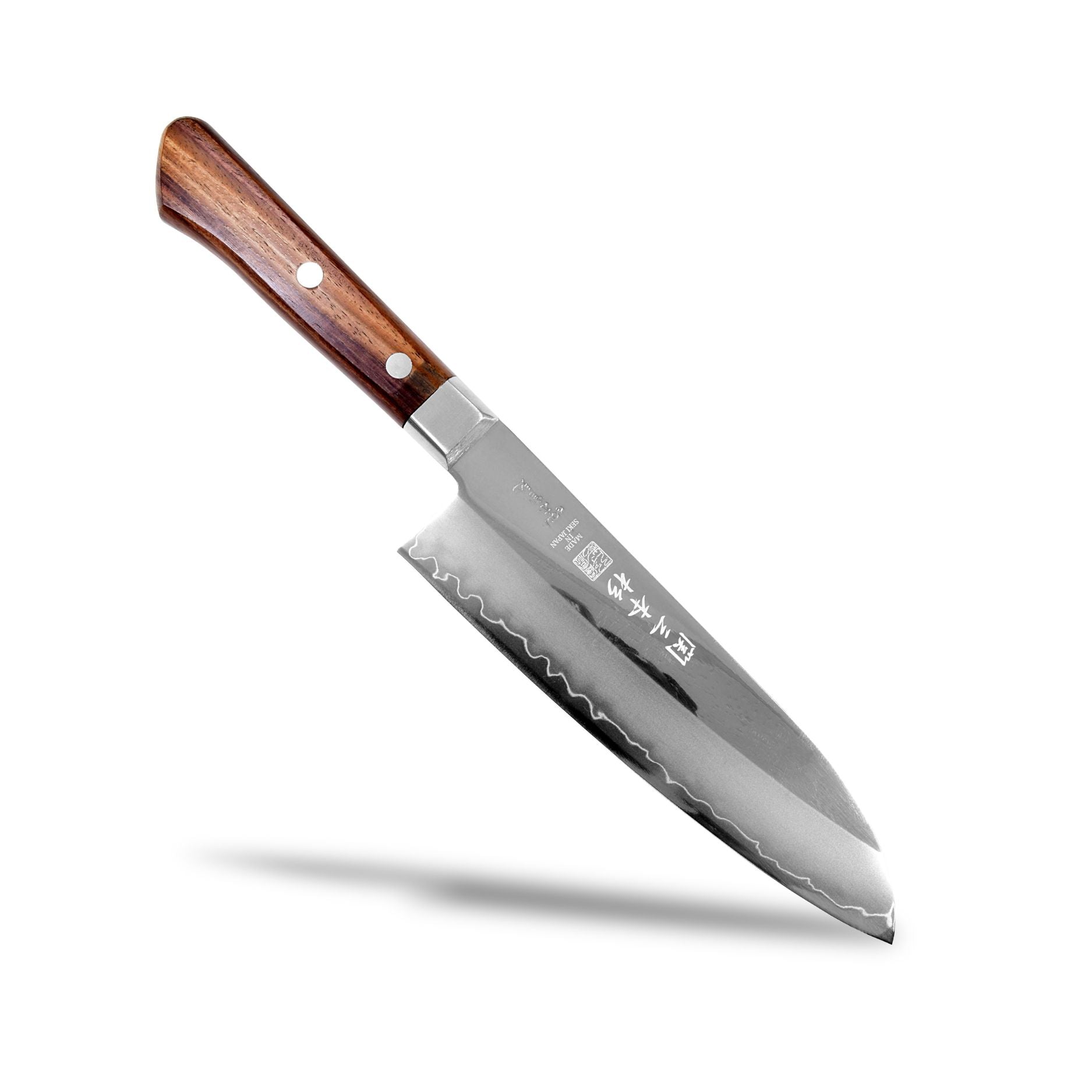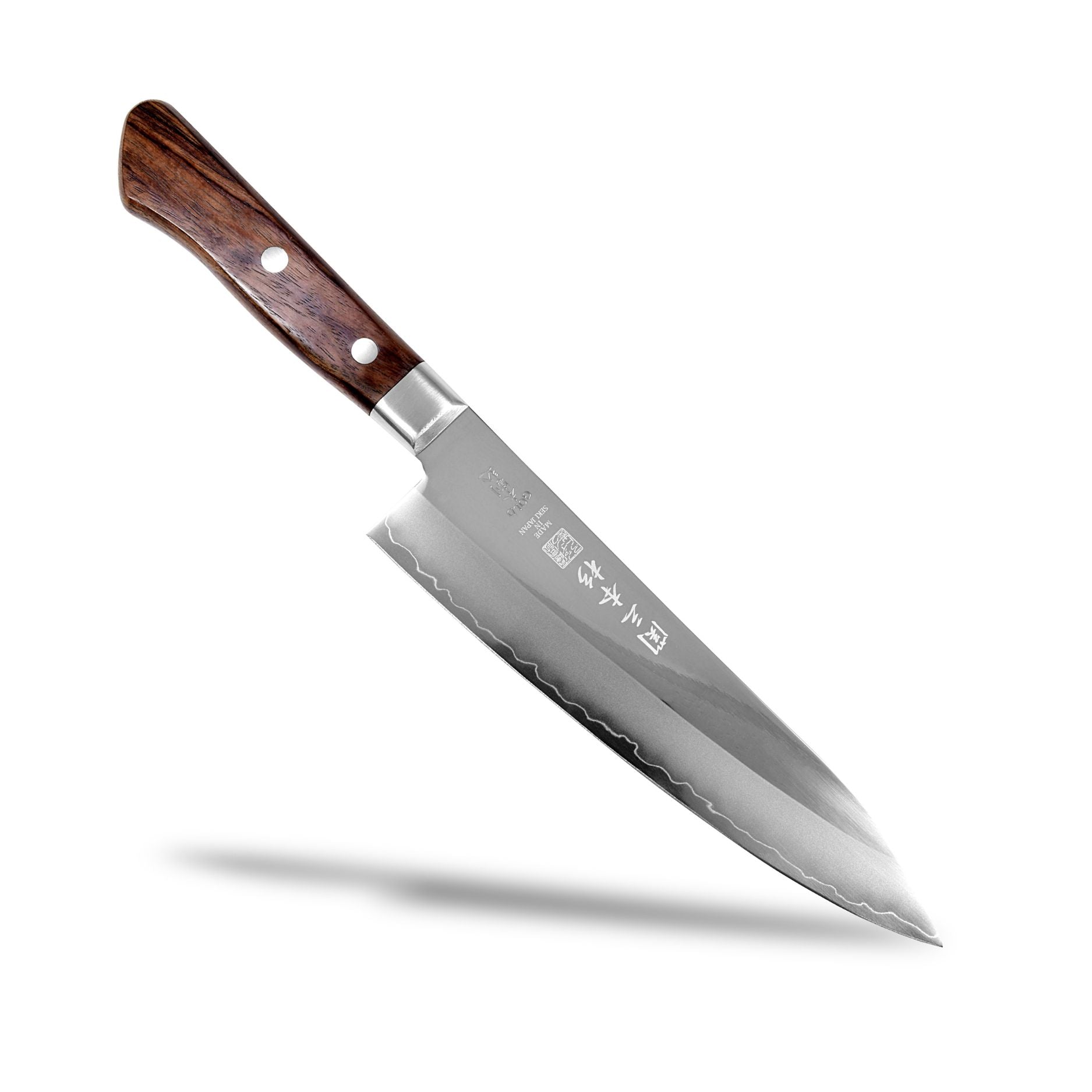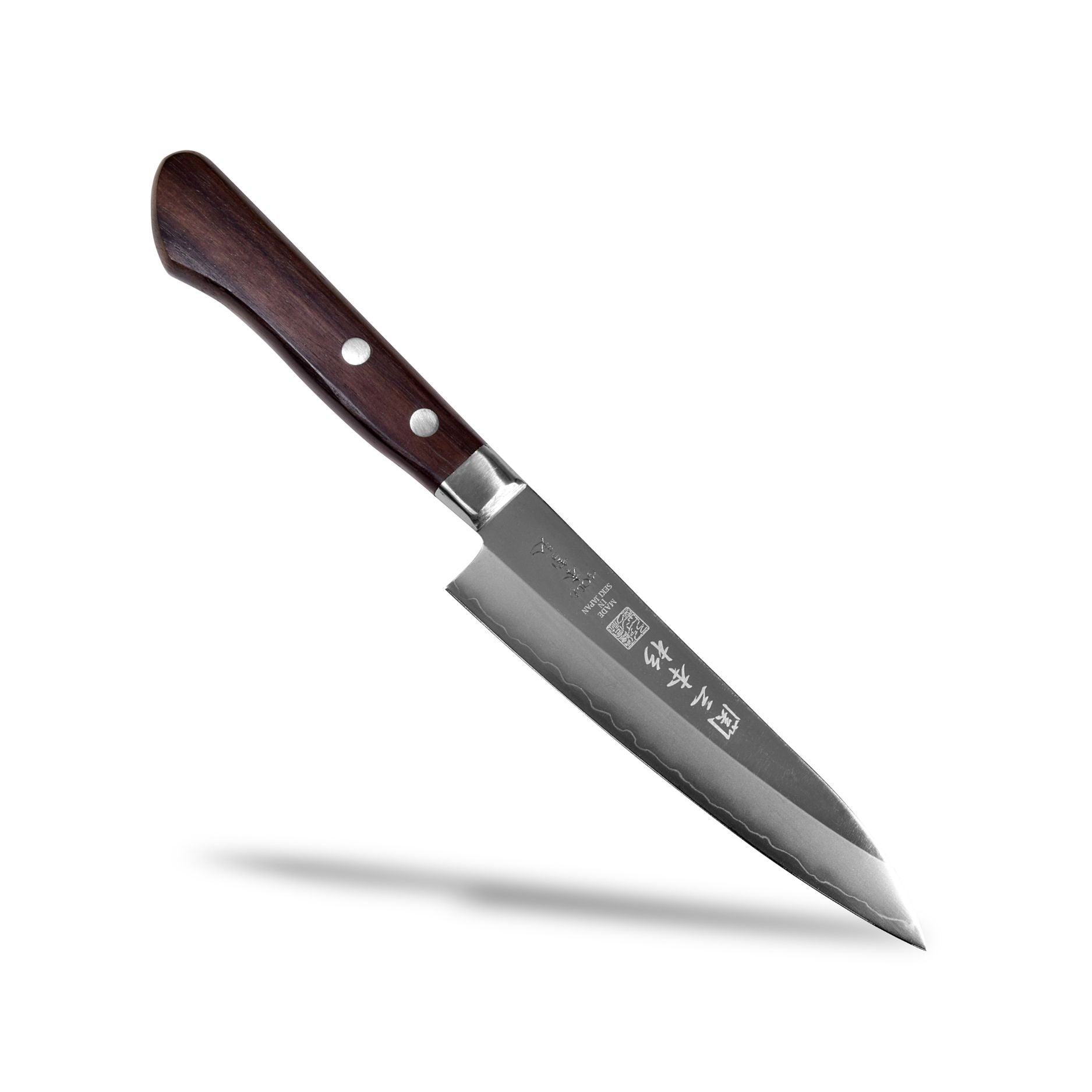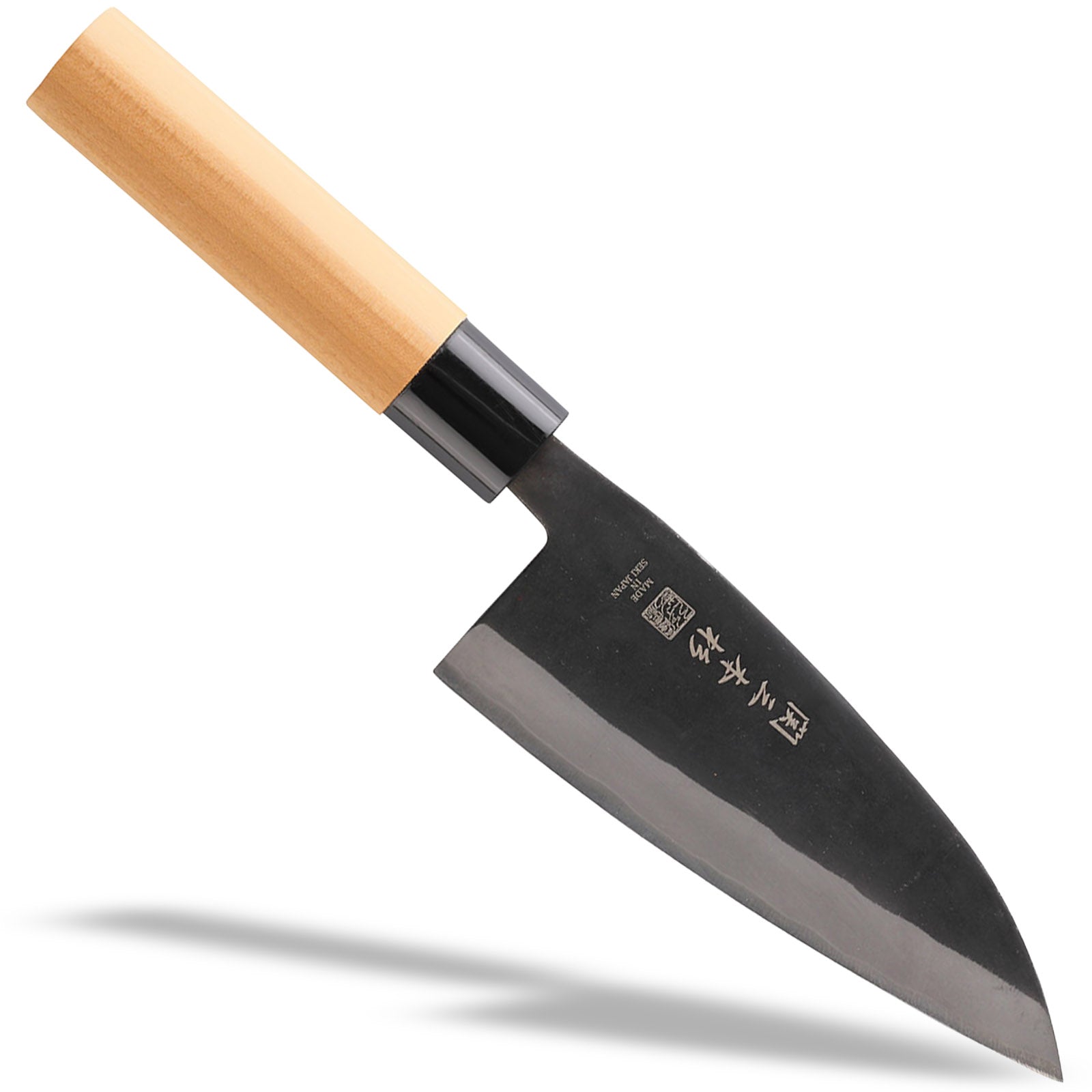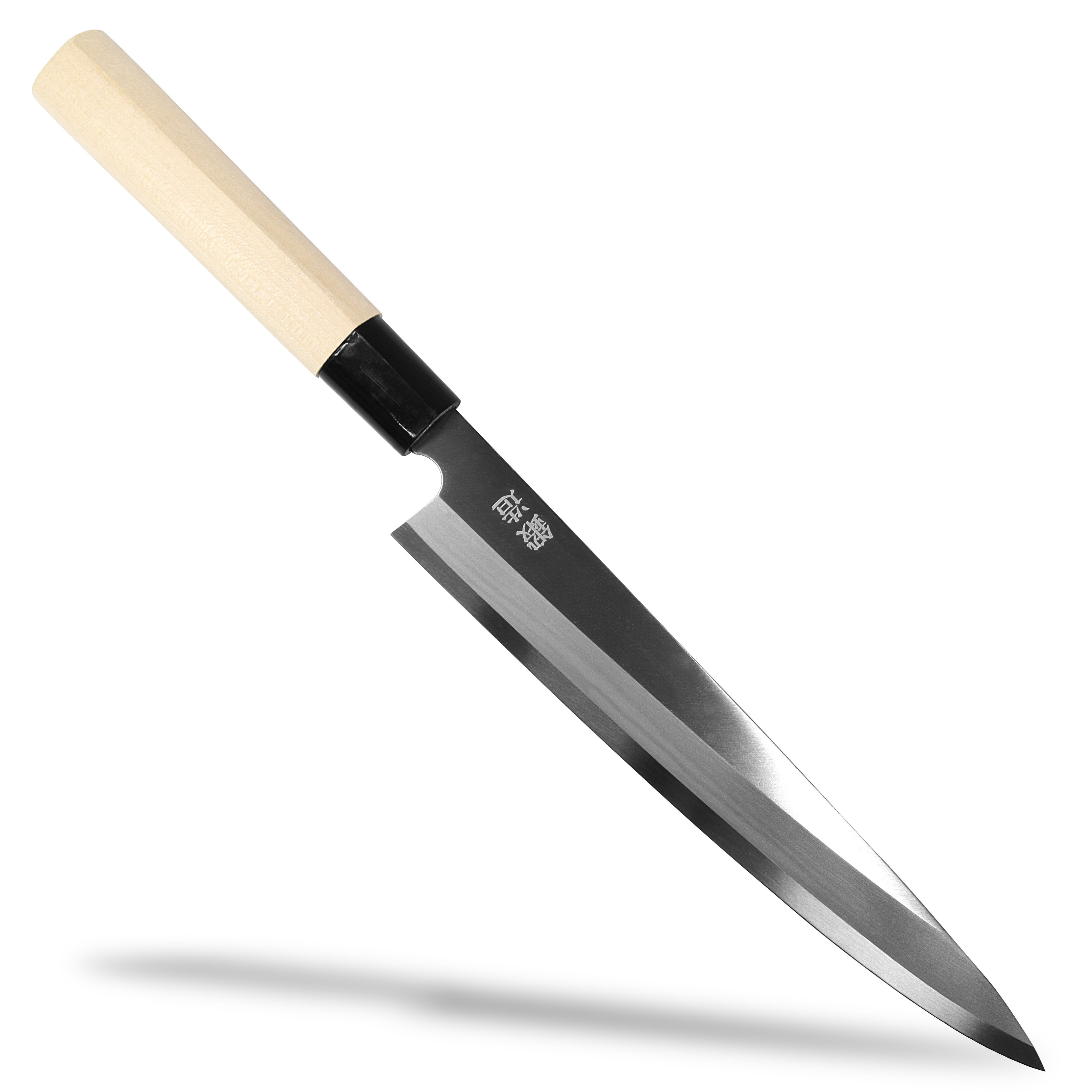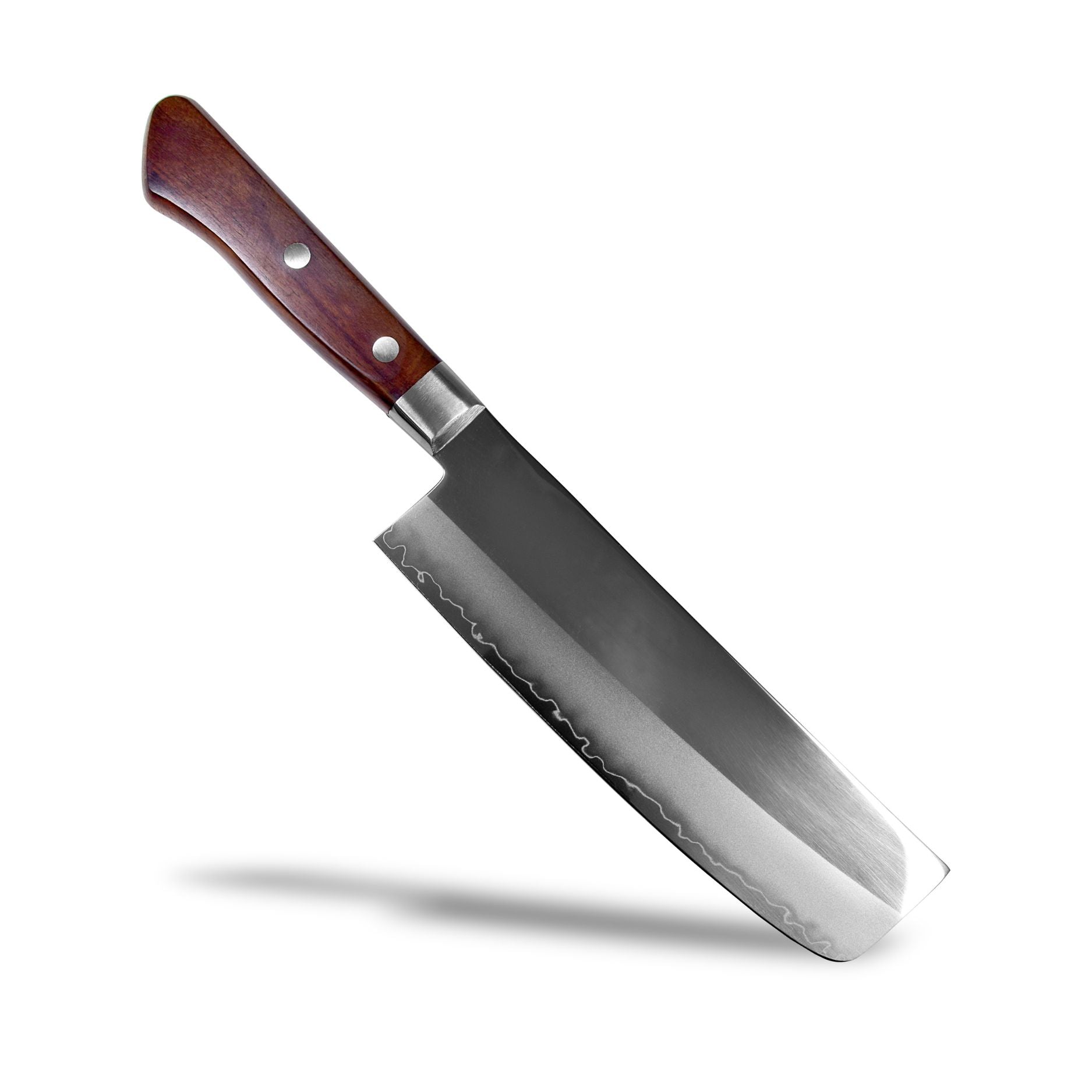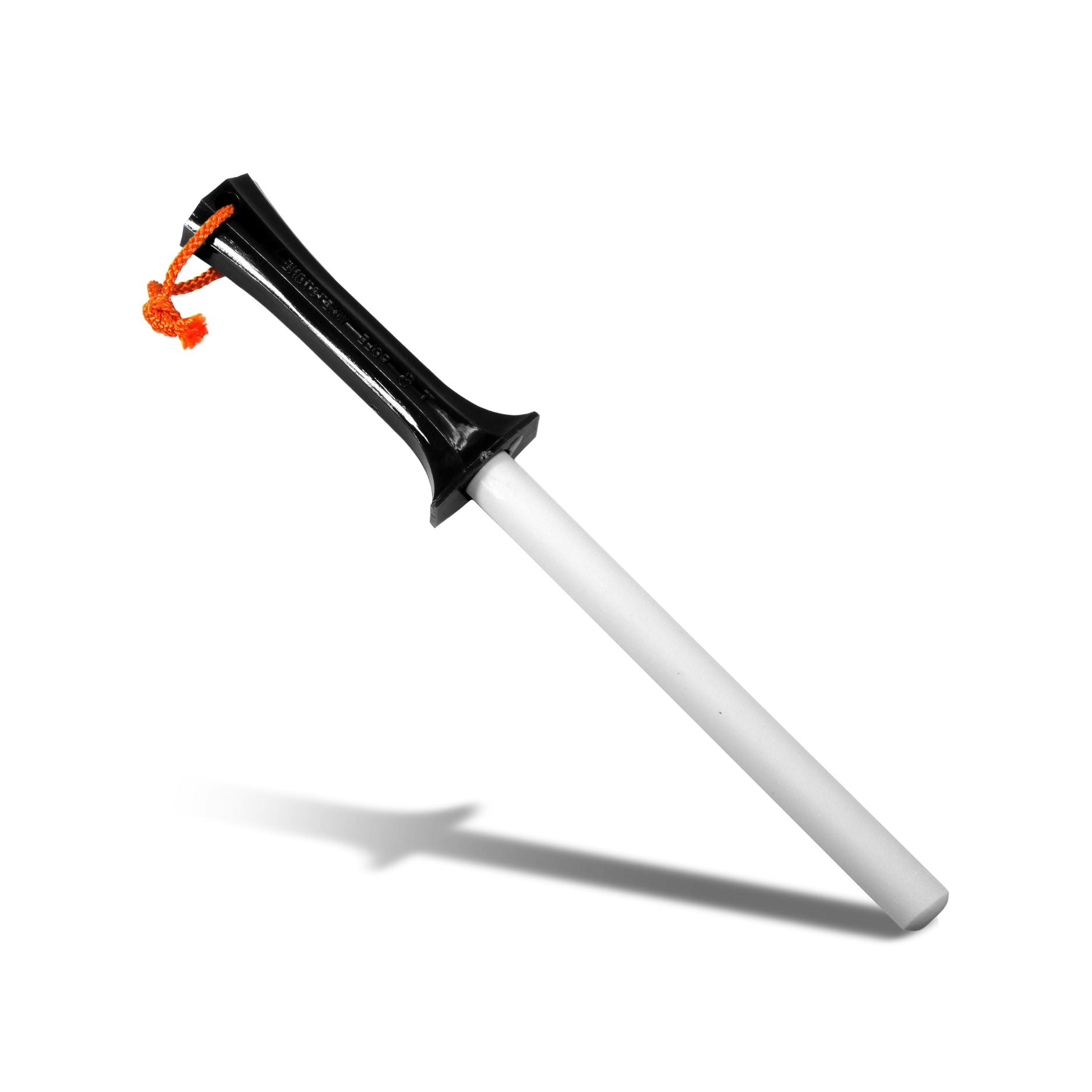


[Carbon Steel Japanese Kitchen Knives] Explanation of the basics of steel materials, their advantages, and maintenance tips.
In conclusion, carbon steel as a material for Japanese kitchen knives has three basic advantages: "sharpness," "ease of sharpening," and "ease of controlling the blade edge." With proper care, it is a material that can be highly recommended even for a first Japanese kitchen knife. In short, carbon steel is more prone to rusting than stainless steel, but it responds well to maintenance with a whetstone, and its appeal lies in the fact that you can enjoy both the "joy of cutting" and the "joy of nurturing" the knife.
This article explains the basics and advantages of carbon steel, a popular choice even for first-time Japanese kitchen knife users.
In conclusion, carbon steel is a blade material primarily composed of "iron + carbon." While it is more prone to rusting than stainless steel, it is easier to create a sharp edge, and its performance can be restored repeatedly through sharpening, which is why it is chosen for Japanese kitchen knives. As the carbon content increases, the hardness increases, which directly affects the sharpness, so carbon steel materials such as white steel and blue steel have traditionally been used for Japanese kitchen knives.
[Key points of this article]
Today's review: 3 key points
- Carbon steel used in Japanese kitchen knives has several basic advantages: it allows for the creation of extremely sharp blades, it's easy to sharpen and maintain yourself, and the characteristics of the blade edge can be easily adjusted with a whetstone.
- Although carbon steel is more prone to rusting than stainless steel, its sharpness and ease of sharpening have earned it the trust of professionals, and it forms the basis for many Japanese knives, including those made from white steel and blue steel.
- Even beginners can fully utilize carbon steel Japanese knives as long as they follow the habit of "washing → wiping → drying" after each use.
Conclusion of this article
- In conclusion, carbon steel is a fundamental steel material for Japanese kitchen knives, excelling in "sharpness," "ease of sharpening," and "edge control." If you are willing to put in the extra effort to maintain it, it is a strong option even for your first knife.
- In short, it's easier to understand if you think of it as a distinction between "carbon steel = cuts well and is easy to sharpen, but rusts easily" and "stainless steel = rust-resistant and easy to handle, but difficult to sharpen."
- Most importantly, to take advantage of the benefits of carbon steel, it's essential to understand that regular sharpening with a whetstone and daily care to prevent moisture, acid, and salt from remaining are indispensable when choosing a tool.
- The first thing beginners should understand is that "carbon steel is a material chosen for its sharpness and ease of sharpening," and the criteria for deciding whether to choose stainless steel is if ease of handling is the priority, or carbon steel if the enjoyment of developing and nurturing the tool is the priority.
What is carbon steel? A simple explanation of the basics of Japanese kitchen knife steel.
In conclusion, carbon steel is a type of steel made by removing impurities from iron and adding carbon to enhance its hardness and sharpness. Unlike stainless steel, it does not contain large amounts of chromium, making it a suitable material for blades. Although the carbon content is only about 1%, even a 0.1% difference can make a noticeable difference in sharpness and hardness, significantly impacting performance.
What are the basic characteristics of carbon steel?
The basic characteristics of carbon steel can be summarized in the following three points:
- It is easy to make very sharp blades.
- Easy to resharpen with a whetstone.
- It rusts easily and requires maintenance.
Carbon steel has a more even carbide distribution compared to stainless steel, making it easier to sharpen with a whetstone, and thus a material that is well-suited for creating thin, sharp blades. However, it lacks a chromium protective coating, so it has the disadvantage of rusting easily when exposed to moisture or acid.
Typical carbon steel used in Japanese kitchen knives
The most common types of carbon steel used in Japanese kitchen knives are "Shirogami steel (Shirogami No. 1, No. 2, etc.)" and "Aogami steel (Aogami No. 2, Aogami Super, etc.)". Shirogami steel is a high-purity carbon steel with extremely few impurities, making it easy to sharpen and giving it excellent peak sharpness. Aogami steel is an alloy steel made by adding chromium and tungsten to Shirogami steel, and while it is a carbon steel, it has improved edge retention and wear resistance.
The difference between carbon steel and stainless steel
Carbon steel is primarily composed of "iron + carbon," while stainless steel is a type of steel containing "carbon steel + 10.5% or more chromium." While chromium provides rust resistance, it also increases the size of carbides, which can be detrimental to creating a sharp edge. For this reason, carbon steel is still widely chosen for Japanese kitchen knives, prioritizing "sharpness and ease of sharpening."
What are the advantages of carbon steel in Japanese kitchen knives?
In practical terms, the advantages of carbon steel can be summarized into three points: "sharpness," "ease of sharpening," and "edge control." Here, we will explain the strengths of carbon steel in detail, taking into account the differences from stainless steel.
Benefit 1: Sharp cutting edge and clean cuts of food.
Carbon steel is a material that can be used to make extremely sharp blades, often described as having a "razor-sharp edge." It prevents tomato skins and sashimi from being crushed, and results in smooth vegetable cuts, making a difference in the quality of dishes in terms of both appearance and texture. In addition, carbon steel develops a "black patina" over time, which helps to suppress rust to some extent and also improves the blade's glide, allowing you to enjoy the changes over time.
Benefit 2: Easy to sharpen and you can easily restore the sharpness yourself.
Carbon steel has high grindability on whetstones, and because "metal is removed in fewer passes," it has the advantage of being easier to sharpen in a shorter time compared to stainless steel. Even in professional settings, there are many comments that "stainless steel is heavy to sharpen, while carbon steel is easy to grind," and carbon steel is preferred when sharpening is done daily. Carbon steel is also suitable as a material for beginners to practice with whetstones because its reaction is easy to see.
Benefit 3: The characteristics of the blade edge can be easily adjusted with a whetstone.
Carbon steel is a material that makes it easy to see how the blade edge changes depending on the grit of the whetstone and the sharpening method, allowing for fine adjustments. For example, it's easy to control whether you want a "good-biting edge" with a slight serration left after using only a medium-grit whetstone, or a "smooth-cutting edge" after using a finishing whetstone. This "ease of tuning to your preferred sharpness" is of great value to users who want to fine-tune their Japanese kitchen knives as tools.
What are the disadvantages of carbon steel, and what are the basic care instructions that even beginners can use?
On the other hand, carbon steel has disadvantages such as being prone to rusting and susceptible to acid, so it's important to understand these points before choosing it. However, the basic care is simple; as long as you thoroughly follow the "wash → wipe → dry" procedure, even beginners can handle it.
Disadvantage 1: Weakness to rust and corrosion
Carbon steel rusts more easily than stainless steel, and red rust can appear quickly, especially if salt, acid, or moisture remains on it. Leaving a carbon steel knife after cutting highly acidic foods (such as lemons, tomatoes, or onions) can cause the blade to discolor or give the food a metallic taste. For this reason, it is essential to "not leave carbon steel knives unattended" and "not leave them in the sink."
Disadvantage 2: It requires extra effort to maintain and store.
Japanese knives made of carbon steel require immediate care after use.
- Wash immediately after use with a mild detergent (do not use bleach or a dishwasher).
- Wipe away all moisture completely.
- If possible, let it dry in a well-ventilated place for a while.
For long-term storage, applying a thin layer of blade oil or vegetable oil, wrapping it in newspaper or oiled paper, and storing it in a dry place will greatly prevent rust.
Realistic measures to compensate for the disadvantages
In reality, a two-knife system—a carbon steel knife that you meticulously maintain daily plus a spare stainless steel knife—is manageable even on busy days. Furthermore, carbon steel knives develop a protective black rust layer with use, making them less prone to red rust. Therefore, once you get through the initial few months of care, they become easier to handle.
FAQ
Q1. Are carbon steel knives really sharper than stainless steel knives?
A1. High-quality carbon steel is said to be very easy to make a sharp blade out of, and it is said to have a sharper cutting edge than stainless steel knives.
Q2. Is it okay for beginners to use Japanese knives made of carbon steel?
A2. As long as you maintain the habit of washing, wiping, and drying it immediately after use, there is no problem, and it is also suitable for practicing with whetstones, so it is actually recommended for beginners who want to "break in" their tools.
Q3. Which is more suitable for home use, carbon steel or stainless steel?
A3. If ease of maintenance is your priority, choose stainless steel; if you want to enjoy sharpness and the process of sharpening, choose carbon steel. It's realistic to choose based on your lifestyle and priorities.
Q4. Can rust on carbon steel be completely prevented?
A4. While it's difficult to completely eliminate the problem, you can reduce it to a level that's perfectly acceptable for practical use by washing and drying it immediately after use and applying oil occasionally.
Q5. How often should I sharpen my knives with a whetstone?
A5. If you use it every day, a good guideline for sharpening is to use a medium-grit whetstone once every 1-2 months, and a light sharpening style is suitable for carbon steel knives when you feel the sharpness has decreased.
Q6. Is carbon steel really easy to sharpen?
A6. It is highly regarded for its ease of sharpening because the whetstone adheres well to it, and the metal is removed in fewer passes compared to stainless steel or blue steel, which have a high alloy content.
Q7. Are all knives labeled "carbon steel" high-performance?
A7. There are differences in quality even within carbon steel, so it is important to choose a knife made from reliable steel materials such as Yasugi steel (white paper or blue paper) and that has undergone heat treatment.
Q8. Is it okay to cut highly acidic foods with carbon steel?
A8. Cutting itself is not a problem, but if left as is after cutting, it can cause discoloration and rust, so it needs to be washed and dried as soon as possible.
Q9. Is the black color on carbon steel knives rust?
A9. The black film that forms over time is called "black rust," and it is more stable than red rust, and actually functions as a protective layer.
Q10. If someone is choosing carbon steel for the first time, what kind of Japanese kitchen knife would you recommend?
A10. For everyday use, a santoku knife is good, but if you often cook fish, a deba + yanagiba set is recommended. Choosing a knife that directly matches your cooking style will increase its usefulness.
summary
- The fundamental advantages of carbon steel used in Japanese kitchen knives lie in their "sharp cutting edge," "ease of sharpening," and "ease of adjusting the blade edge," allowing for a level of sharpness and culinary finish that is difficult to achieve with stainless steel.
- While carbon steel knives have drawbacks such as being prone to rusting and requiring daily care, even beginners can master using them if they thoroughly follow the "wash → wipe → dry" procedure after each use.
- In conclusion, for those who value the joy of "nurturing their tools" and "a commitment to sharpness," carbon steel is a strong choice, even as a first Japanese kitchen knife.