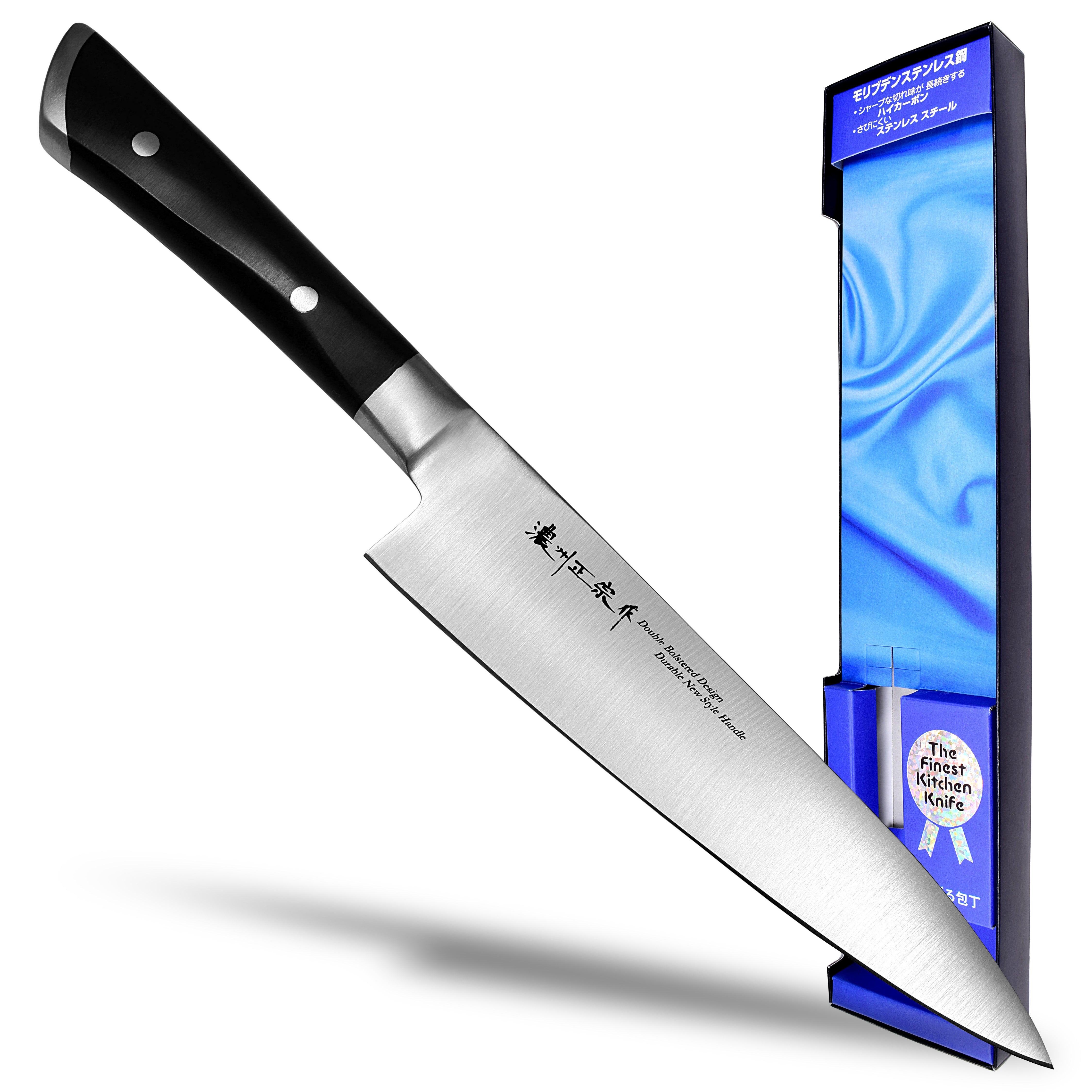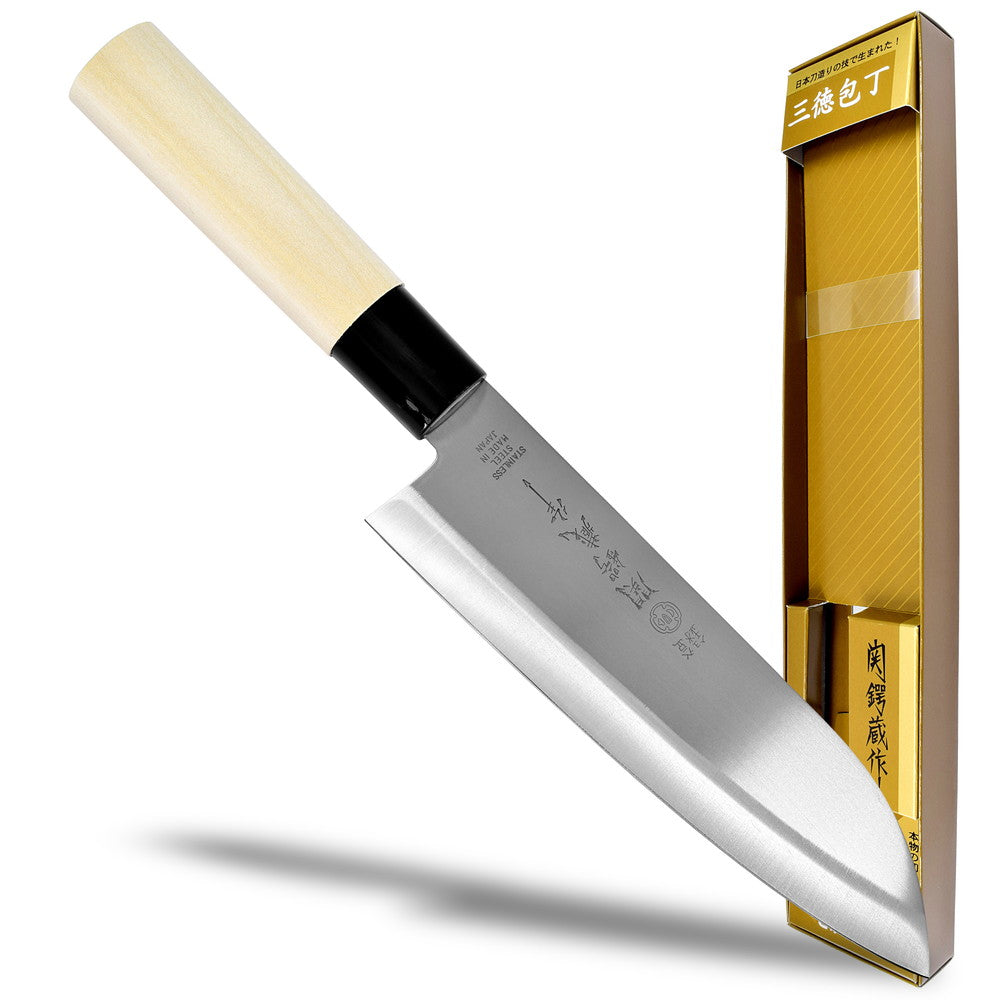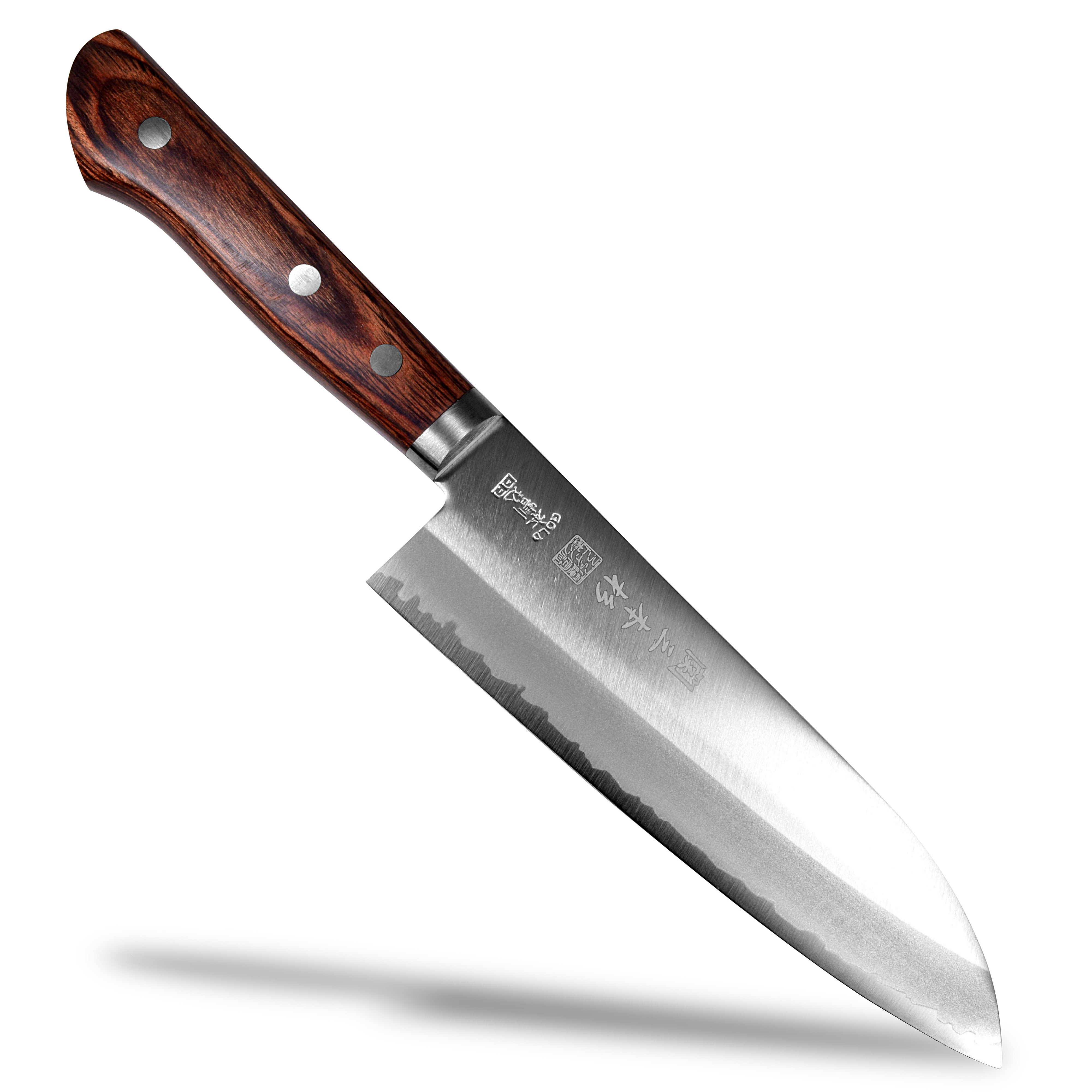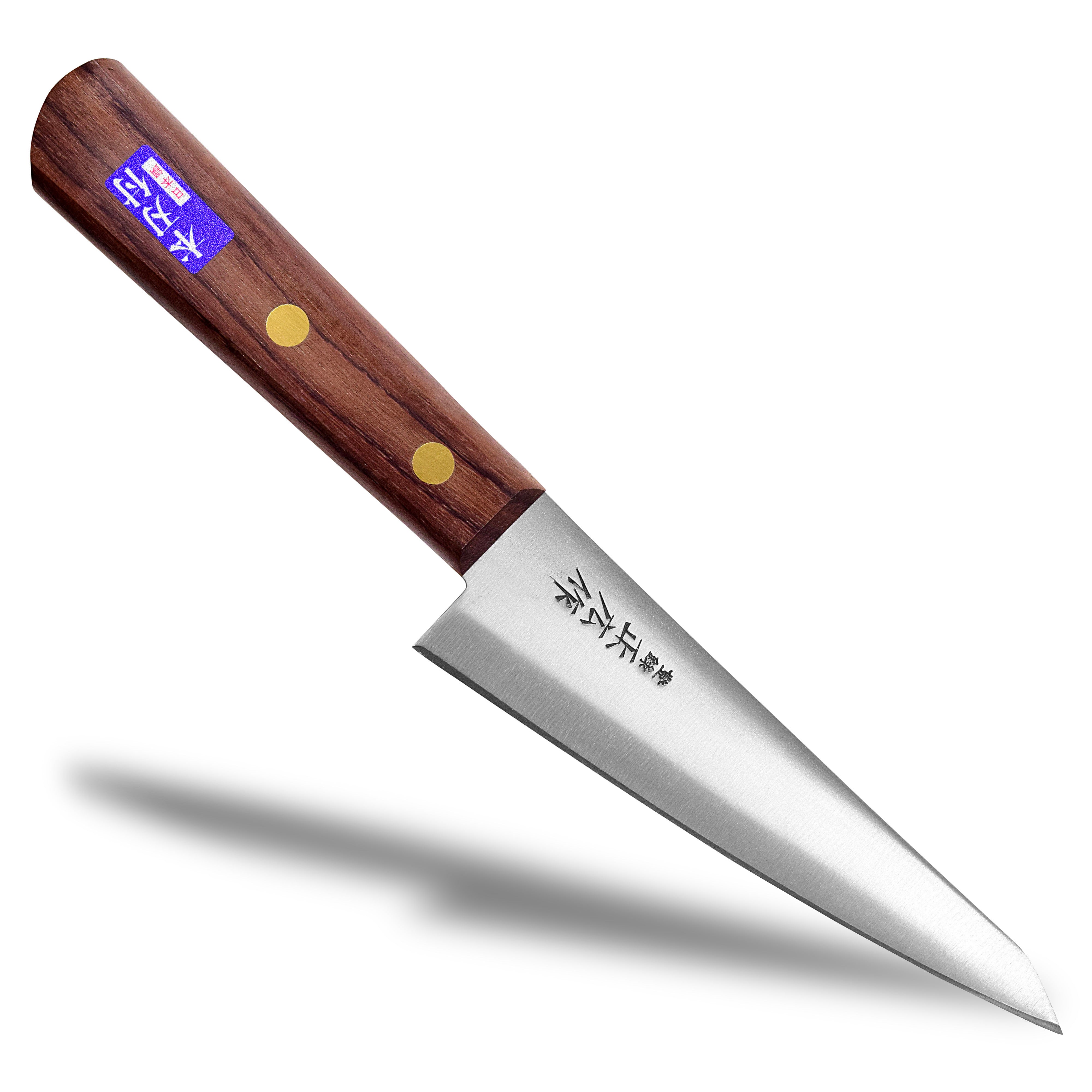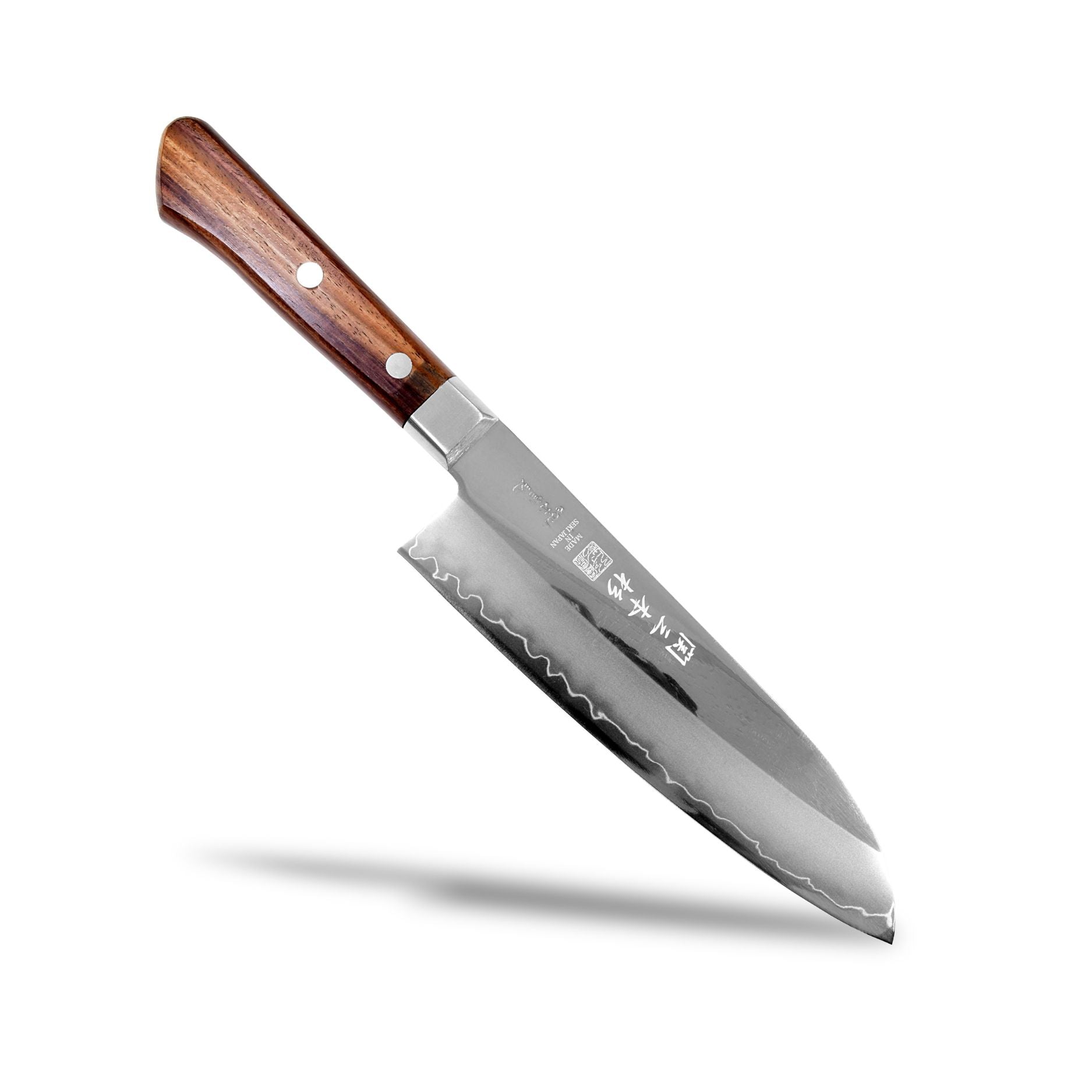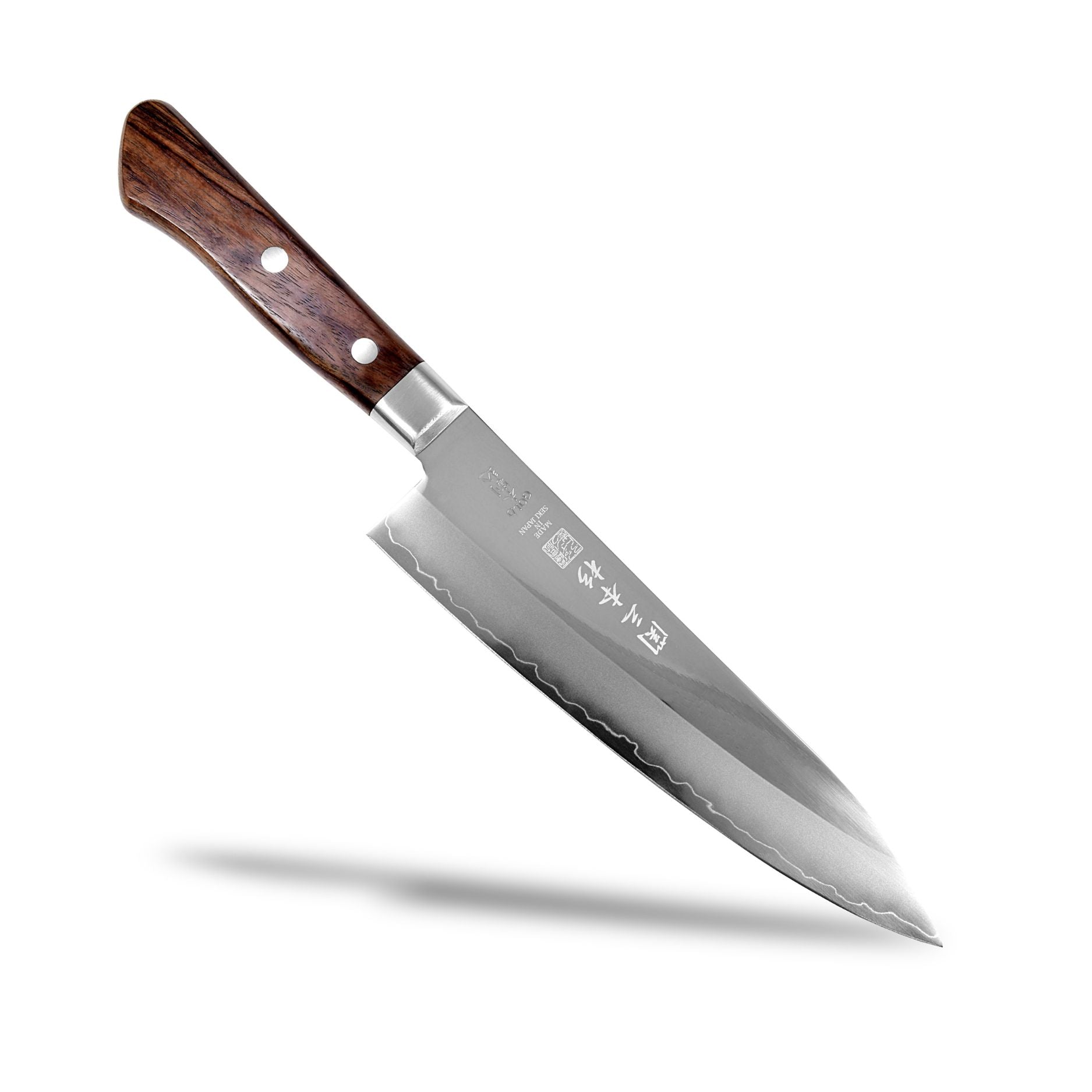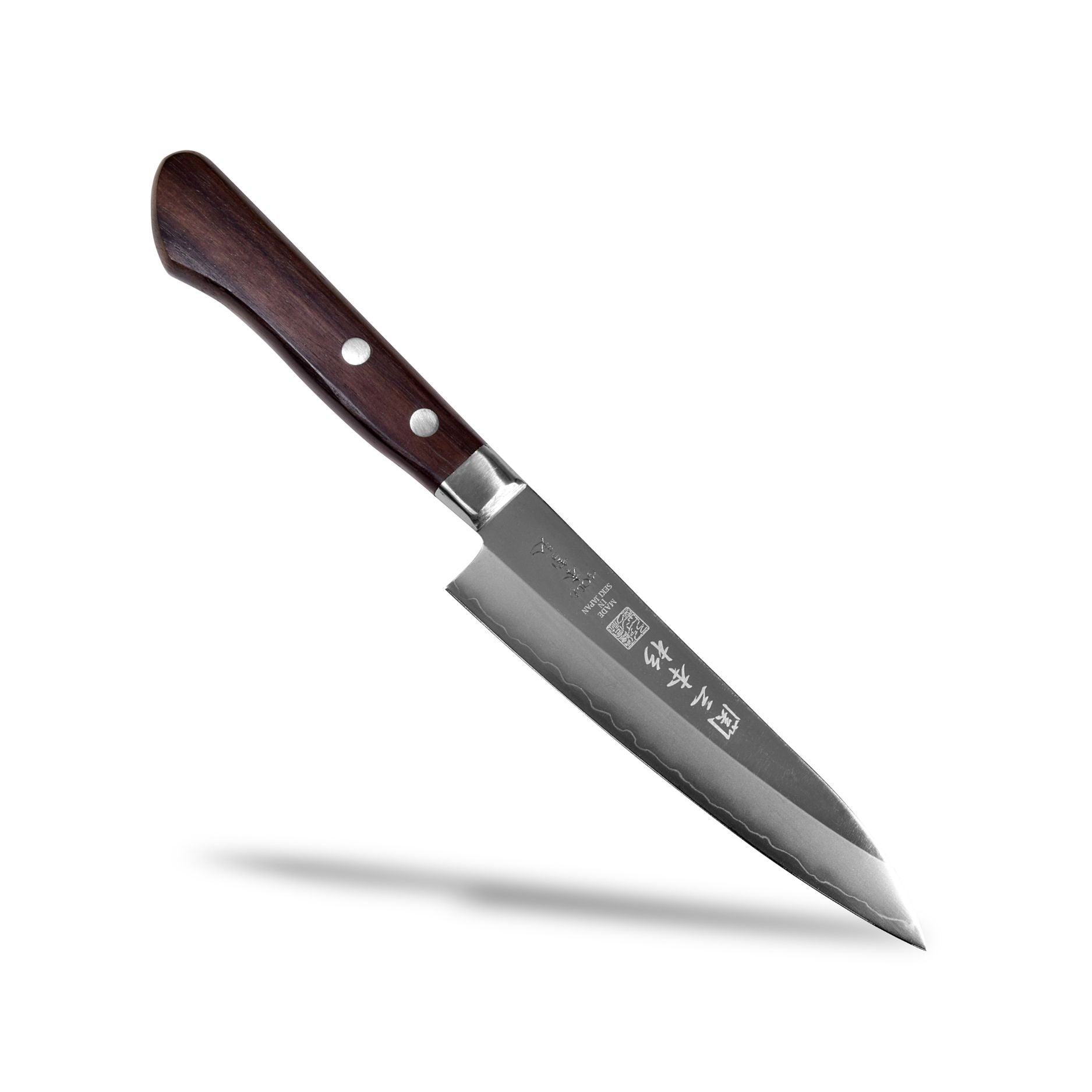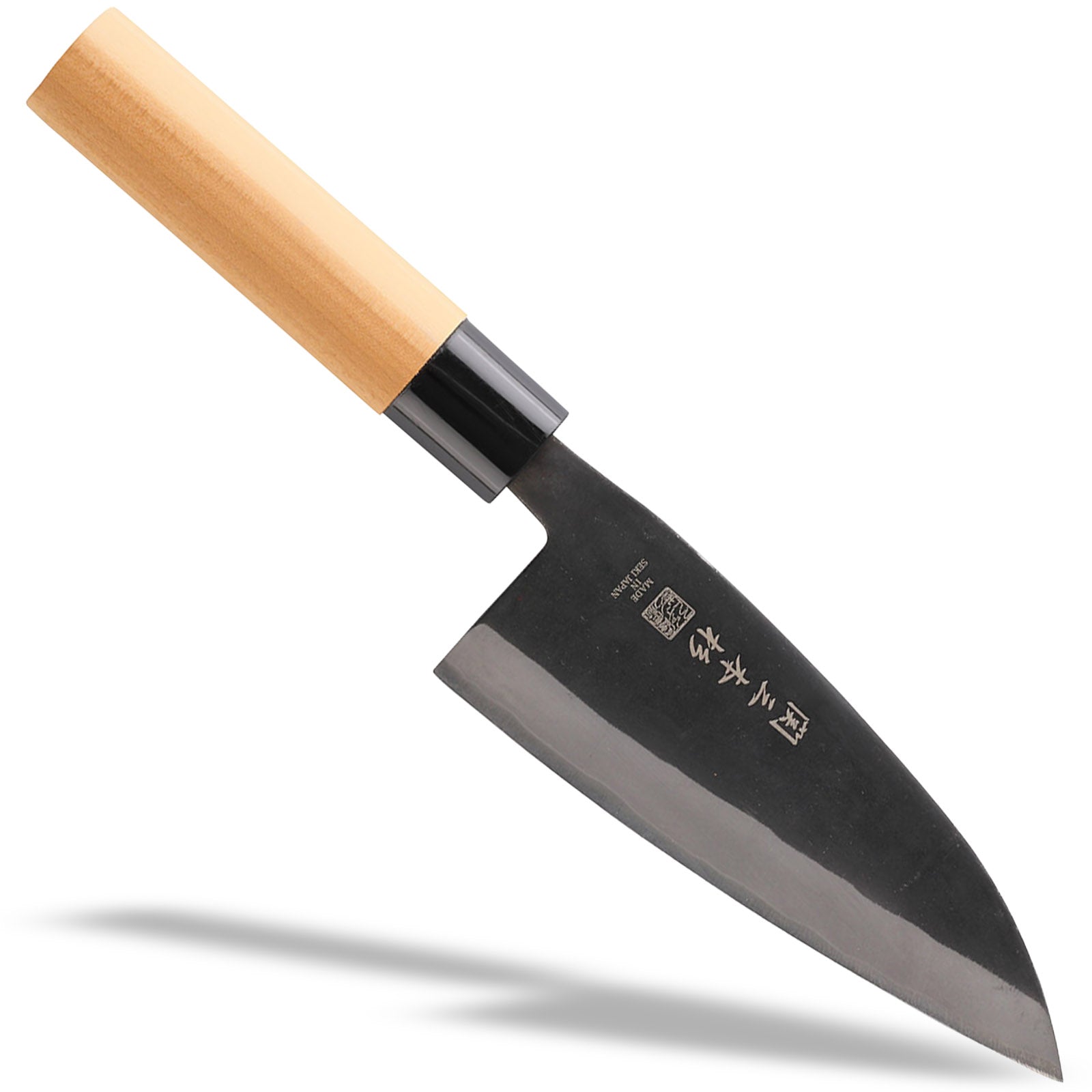

[Recommended Japanese Carbon Steel Kitchen Knives] Explaining the balance between ease of use and drawbacks, including maintenance.
Japanese knives made of carbon steel are "prone to rusting but have exceptional sharpness," and with regular maintenance, they are a perfectly recommendable material for home use.
[Key points of this article]
Carbon steel Japanese knives are recommended for those who prioritize sharpness and ease of sharpening. However, they are more prone to rusting than stainless steel knives, so regular care is necessary.
The type of carbon steel used, such as white steel or blue steel, affects the durability of the sharpness, the price, and the ease of handling.
If you take care to prevent rust and store them properly, a Japanese kitchen knife made of carbon steel can be a lifelong possession that you can cherish for many years.
Today's review: 3 key points
Carbon steel Japanese knives are recommended for those who prioritize sharpness and ease of sharpening. However, they are more prone to rusting than stainless steel knives, so regular care is necessary.
The type of carbon steel used, such as white steel or blue steel, affects the durability of the sharpness, the price, and the ease of handling.
If you take care to prevent rust and store them properly, a Japanese kitchen knife made of carbon steel can be a lifelong possession that you can cherish for many years.
Conclusion of this article
In conclusion, carbon steel Japanese knives are the perfect material for those who prioritize sharpness and also enjoy the process of maintaining them.
Although carbon steel is more prone to rusting than stainless steel, it is easy to sharpen and can produce a very sharp blade, allowing you to achieve professional-level cutting performance at home.
The downside is that it requires daily maintenance, such as washing and wiping it immediately after use and sharpening it occasionally.
Beginners are less likely to make mistakes if they choose a well-balanced Japanese kitchen knife made of carbon steel, such as Japanese steel (white paper or blue paper) or SK steel.
When considering the balance between budget and maintenance effort, the most important thing is to choose a bottle that matches the level of maintenance you can realistically maintain.
Why are carbon steel Japanese kitchen knives recommended?
In short, carbon steel Japanese knives are made from a material that, "in exchange for being prone to rusting, offers sharpness, ease of sharpening, and the joy of nurturing the blade."
Carbon steel, made by adding carbon to iron, is optimized for knife blades due to its high hardness and sharpness, achieved with a carbon content of around 0.4-1.2%. While it is more prone to rusting than stainless steel, a major advantage is that it is easy to create a sharp edge, and with proper sharpening, it maintains its sharpness for a long time.
For example, Japanese steels such as Shirogami and Aogami are widely used in authentic Japanese kitchen knives and are representative carbon steels chosen by professional chefs for their sharpness and the satisfaction they offer when sharpening. On the other hand, carbon tool steels such as SK steel have less brand recognition, but they are popular for home use because they offer the sharpness characteristic of carbon steel at a lower price.
The first thing beginners should understand is that carbon steel is a material that rusts easily but cuts well, and as long as you follow the basic rule of washing and wiping it immediately after use, it's not a difficult material to work with.
How to choose a carbon steel Japanese kitchen knife and representative steel types
Characteristics of different types of carbon steel: White Steel, Blue Steel, Japanese Steel, SK Steel
In conclusion, when choosing a Japanese kitchen knife made of carbon steel, it's easiest to consider them in two main categories: "Japanese steel such as Shirogami and Aogami" and "carbon tool steel such as SK steel."
White paper steel and blue paper steel have high carbon content and hardness, allowing for extremely sharp blades, but they are also suitable for serious users who need to be careful about rust and chipping. Carbon tool steels such as SK steel do not have the extreme sharpness of Japanese steel, but they are valued as "easy-to-handle carbon steels" because they are sharp enough for everyday use and are affordable.
Japanese steel is a traditional steel that has developed alongside the culture of Japanese kitchen knives, and is widely used in Japanese kitchen knives for professional chefs, such as yanagiba and deba. In contrast, SK steel has its roots in industrial carbon tool steel and is a material often used in mass-produced kitchen knives for home and commercial use where cost performance is a priority.
For beginners, a realistic approach is to start with entry-level Japanese steel knives or SK steel knives, and then gradually move up to a higher-hardness knife like Aogami steel once you're comfortable with maintenance.
Who would benefit most from a carbon steel Japanese kitchen knife?
The most important thing is "how much cooking frequency and maintenance effort you can tolerate."
For those who cook at home every day and are particular about the sharpness of their knives, the process of sharpening and "nurturing" a carbon steel blade tends to become an enjoyable experience. On the other hand, even if you only use it a few times a week, you can still fully enjoy the benefits of carbon steel for home use, as long as you make it a habit to wash and wipe it immediately after use.
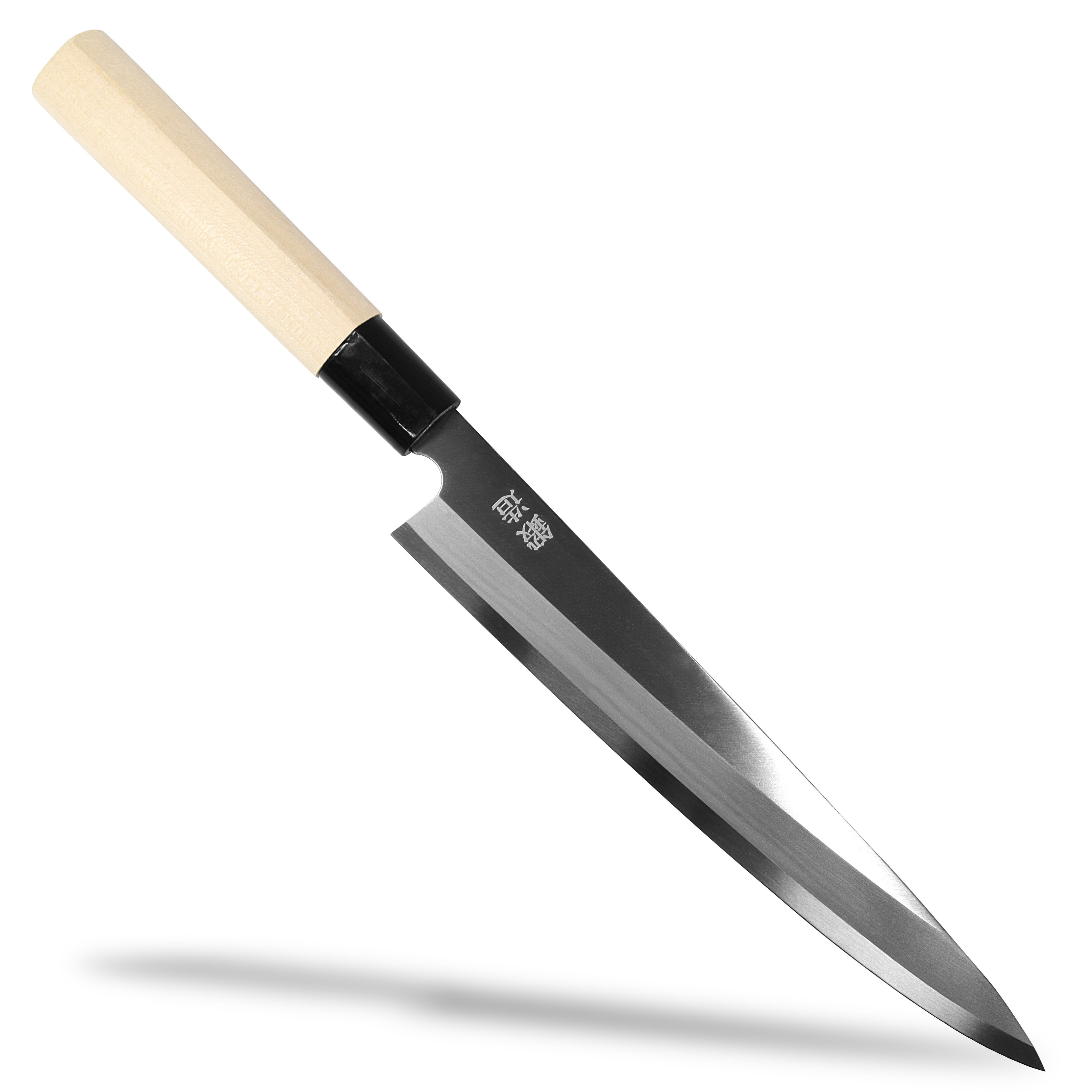
For example, in a household that primarily prepares Japanese food and frequently makes sashimi and thinly sliced dishes, simply adding a carbon steel yanagiba knife can dramatically improve the sharpness of the cut and the appearance of the food. Professional sushi restaurants and Japanese restaurants often use multiple Japanese knives made of blue steel or white steel, and it is common to see them being used for long periods of time with the understanding that they will be sharpened and maintained daily.
For those who want minimal maintenance but desire a sharper edge than stainless steel, we recommend starting with a relatively easy-to-handle entry-level Japanese steel knife or a Japanese kitchen knife made of SK steel.
Types of Japanese kitchen knives and their compatibility with carbon steel
In conclusion, carbon steel is an excellent material for the unique uses of Japanese knives, such as yanagiba, deba, and nakiri.
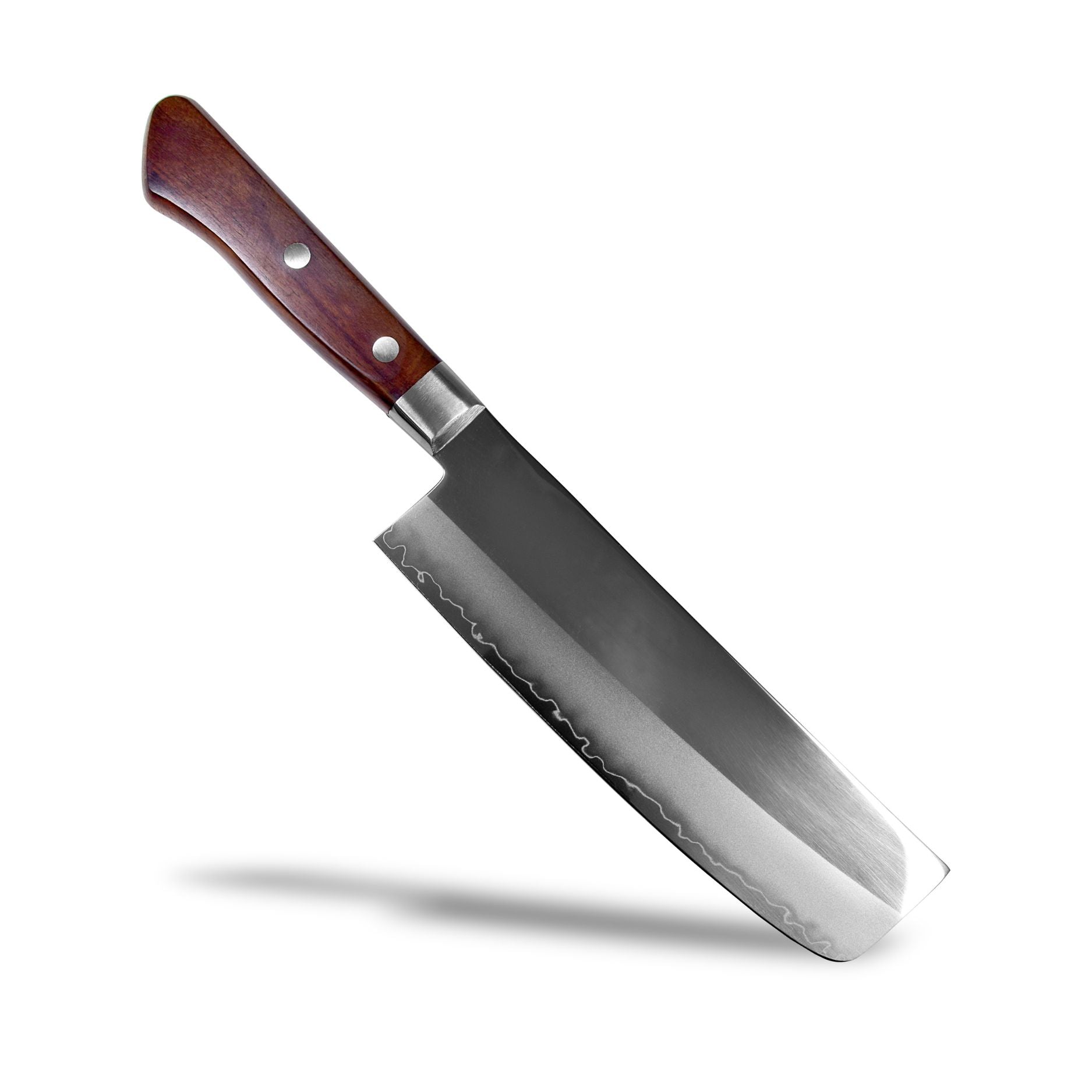
Yanagiba knives are used to slice sashimi, so sharpness and long-lasting edge retention are crucial, and carbon steel such as white steel and blue steel are often used. Deba knives require high strength to cut off fish heads and bones, and those made from high-hardness carbon steel finished with appropriate heat treatment are trusted by professionals. Even with nakiri knives and santoku knives, Japanese carbon steel knives have the advantage of cutting cleanly without crushing the fibers of vegetables, resulting in a beautiful cross-section that is less prone to discoloration.
In terms of price range, there are many yanagiba and nakiri knives made with white steel and blue steel in the 20,000 to 60,000 yen range, which are a bit expensive but are a popular choice for those looking for "the one and only knife." On the other hand, there are also more affordable carbon steel Japanese knives, and in some specialty stores, you can try entry-level models starting from just a few thousand yen.
What are the disadvantages of carbon steel? Rust, maintenance, and countermeasures.
The biggest drawbacks of carbon steel are its susceptibility to rust and discoloration.
In conclusion, the biggest drawbacks of carbon steel Japanese kitchen knives are their susceptibility to rust and discoloration, which are unavoidable due to the characteristics of the material.
Because carbon steel does not contain as much chromium as stainless steel, it is prone to oxidation, and prolonged exposure to moisture, salt, or acid can easily cause red rust or rust spots. Also, the blade may turn black with continued use, but this is not "rust" and acts as a protective coating, which can be seen as a sign of wear and tear.
Specific examples of problems include leaving the knife in the sink after use, which can result in rust spots appearing overnight, and neglecting to rinse the knife after cutting acidic foods like lemons or tomatoes, leading to further rusting. While minor rust can be removed by sharpening or cleaning, if it progresses, the blade becomes more prone to chipping and is undesirable from a hygiene standpoint.
The first thing beginners should understand is that carbon steel is a material that rusts, and therefore, reviewing how you use and store it is the best preventative measure.
Tips for daily maintenance to prevent rust and discoloration
In conclusion, the disadvantages of carbon steel can be largely eliminated by simple habits such as "wash and wipe immediately after use" and "don't leave it wet."
After use, it is important to gently wash the knife with a mild detergent and sponge, completely wipe off any moisture with a cloth or paper towel, and store it in a well-ventilated place. When storing it for a long period of time or during humid seasons, applying a thin layer of cooking oil or a special rust-preventive oil to the blade will further reduce the risk of rust formation.
For example, restaurants that are open every day keep their carbon steel blades in good condition by washing and wiping their knives after closing, and then lightly sharpening and checking the blades on the same day. Even at home, simply incorporating a routine of wiping the blades frequently while cooking and washing and wiping them immediately after use will greatly reduce rust problems.
Thus, even the disadvantage of "rusting easily" can be transformed into an opportunity to continue using your knife and develop an attachment to it by adding a little extra care to your daily routine.
Are carbon steel Japanese kitchen knives difficult for beginners to handle?
In short, carbon steel Japanese knives are "not suitable for people who tend to neglect their tools, but are perfectly manageable for beginners who handle their tools carefully."
If you don't understand how easily it rusts and put it in the dishwasher or leave it in the sink, it will deteriorate quickly, leaving you with the impression that it's a "difficult knife to use." However, if you follow the rules of daily washing, wiping, and simple storage, carbon steel is actually easy to sharpen, which can help improve your maintenance skills, and it's a suitable material for beginners to get started with knives.
For example, instead of starting with a high-end Aogami steel knife, it's more practical to start with a more affordable Japanese steel or SK steel knife and gradually get used to rust prevention and simple sharpening. Cooking schools and specialty stores are increasingly offering beginner courses that teach both how to use and care for carbon steel knives, conveying their appeal as "tools that respond well to care."
The most important thing is to choose a carbon steel Japanese kitchen knife after determining the level of maintenance that suits your personality and lifestyle.
What is the difference between a Japanese carbon steel kitchen knife and a stainless steel one?
Differences in sharpness, edge retention, and ease of sharpening
In conclusion, carbon steel is a material that prioritizes "sharpness and ease of sharpening," while stainless steel is a material that prioritizes "rust resistance and ease of maintenance."
Carbon steel, with its high carbon content and proper heat treatment, makes it easier to create sharper blades than stainless steel, and many professional Japanese knives use carbon steel. On the other hand, stainless steel, with its alloy design including chromium, has greatly improved rust resistance and is favored in workplaces where hygiene management and ease of maintenance are important.
From the perspective of ease of sharpening, carbon steel bites well into the whetstone and can be sharpened relatively quickly, making it a suitable material for those who want to learn how to sharpen. Stainless steel can be difficult to sharpen depending on the material and hardness, and you may need to be selective about the whetstone and sharpening technique, but on the other hand, the frequency of sharpening required to maintain everyday sharpness may be less than with carbon steel.
Given these differences, it's reasonable to choose based on a simple principle: "carbon steel if sharpness is the top priority, and stainless steel if maintenance is the top priority," and then use them accordingly depending on the application.
Differences in susceptibility to rust, hygiene, and storage.
In short, carbon steel is a material designed with rust prevention in mind, while stainless steel is a material designed with rust resistance in mind.
Carbon steel is susceptible to moisture, salt, and acid, and leaving it unattended after use, or washing it in a dishwasher or soaking it, are major causes of rust. Conversely, thorough hand washing and wiping will minimize these problems. Although stainless steel is rust-resistant, it is still a metal, so prolonged immersion in water or leaving it in a hot and humid environment can cause rust and discoloration, meaning it is not "completely maintenance-free."
In terms of hygiene, thorough washing, using a clean cutting board, and storing in a dry condition are important for both materials, and safety is not solely determined by the material. As for storage methods, carbon steel knives, in particular, should be stored in knife cases or under the sink where moisture can accumulate, and it is recommended to use magnetic racks or well-ventilated knife stands.
Considering these points, we can reconsider our view of carbon steel not as "unhygienic," but as "a material that delivers high performance with a little extra care."
Comparison of carbon steel and stainless steel
The most important thing is to understand the characteristics of carbon steel and stainless steel and choose the one that best suits your priorities.
In terms of sharpness, carbon steel is extremely sharp and maintains its edge well, while stainless steel is average to good, but often not as sharp as carbon steel. In terms of ease of sharpening, carbon steel is easier to handle and adheres well to the whetstone, while stainless steel can be difficult to sharpen depending on the type of steel. Regarding rust resistance, carbon steel requires frequent care, while stainless steel is rust-resistant and easy to maintain. Carbon steel is suitable for those who prioritize sharpness and enjoy sharpening and maintenance, while stainless steel is suitable for those who don't want to spend a lot of time on maintenance or who use a dishwasher.
In conclusion, carbon steel can be described as a high-performance material that requires maintenance, while stainless steel is a versatile material that prioritizes ease of use.
FAQ
Q1. Are carbon steel Japanese kitchen knives recommended for home use?
A1. Yes, if you prioritize sharpness and are willing to maintain it regularly, I would definitely recommend it.
Q2. What is the biggest disadvantage of carbon steel?
A2. The biggest drawbacks are its susceptibility to rust and discoloration; if left untreated, it is prone to developing red rust.
Q3. Which should I choose: a carbon steel Japanese kitchen knife or a stainless steel kitchen knife?
A3. If you prioritize sharpness and ease of sharpening, carbon steel is recommended; if you prioritize ease of maintenance, stainless steel is recommended.
Q4. What are the basic methods for preventing rust on carbon steel?
A4. The basic rule is to wash it immediately after use, wipe it thoroughly to dry, and not leave it wet.
Q5. Which carbon steel Japanese kitchen knife is suitable for beginners?
A5. A good choice would be an entry-level model using Japanese steel or SK steel, which offers a good balance between price and ease of use.
Q6. What kinds of dishes are best suited to using a Japanese carbon steel kitchen knife?
A6. It pairs well with dishes that require beautiful cuts and delicate work, such as sashimi, Japanese cuisine in general, and thinly sliced vegetables.
Q7. Can a carbon steel knife last a lifetime?
A7. With regular sharpening and rust prevention, it can become a "lifetime item" that can be used for many years, or even decades in some cases.
Q8. Is it okay to wash carbon steel Japanese knives in a dishwasher?
A8. High temperatures, high humidity, and impacts can cause rust and chipping, so hand washing is recommended for carbon steel knives.
Q9. Should the blackening on carbon steel be removed?
A9. The darkening is called patina and, to some extent, functions as a protective layer, so it is not always necessary to remove it completely.
Q10. What is the price range for Japanese-style knives made of carbon steel?
A10. Entry-level models start from a few thousand yen, while high-quality Japanese knives made from white steel or blue steel generally cost between 20,000 and tens of thousands of yen.
summary
Japanese knives made of carbon steel have the disadvantage of being prone to rusting, but in return they offer sharp cutting performance and are easy to sharpen, making them "a recommended choice for those who prioritize sharpness."
Since the durability of the sharpness, price, and ease of use vary depending on the type of carbon steel, such as white steel, blue steel, Japanese steel, and SK steel, it is important to choose one that suits your cooking style and the amount of maintenance you are willing to do.
If you follow basic maintenance such as washing and wiping immediately after use and storing it away from moisture, a Japanese carbon steel kitchen knife can serve as a "lifetime" tool in your home for many years to come.