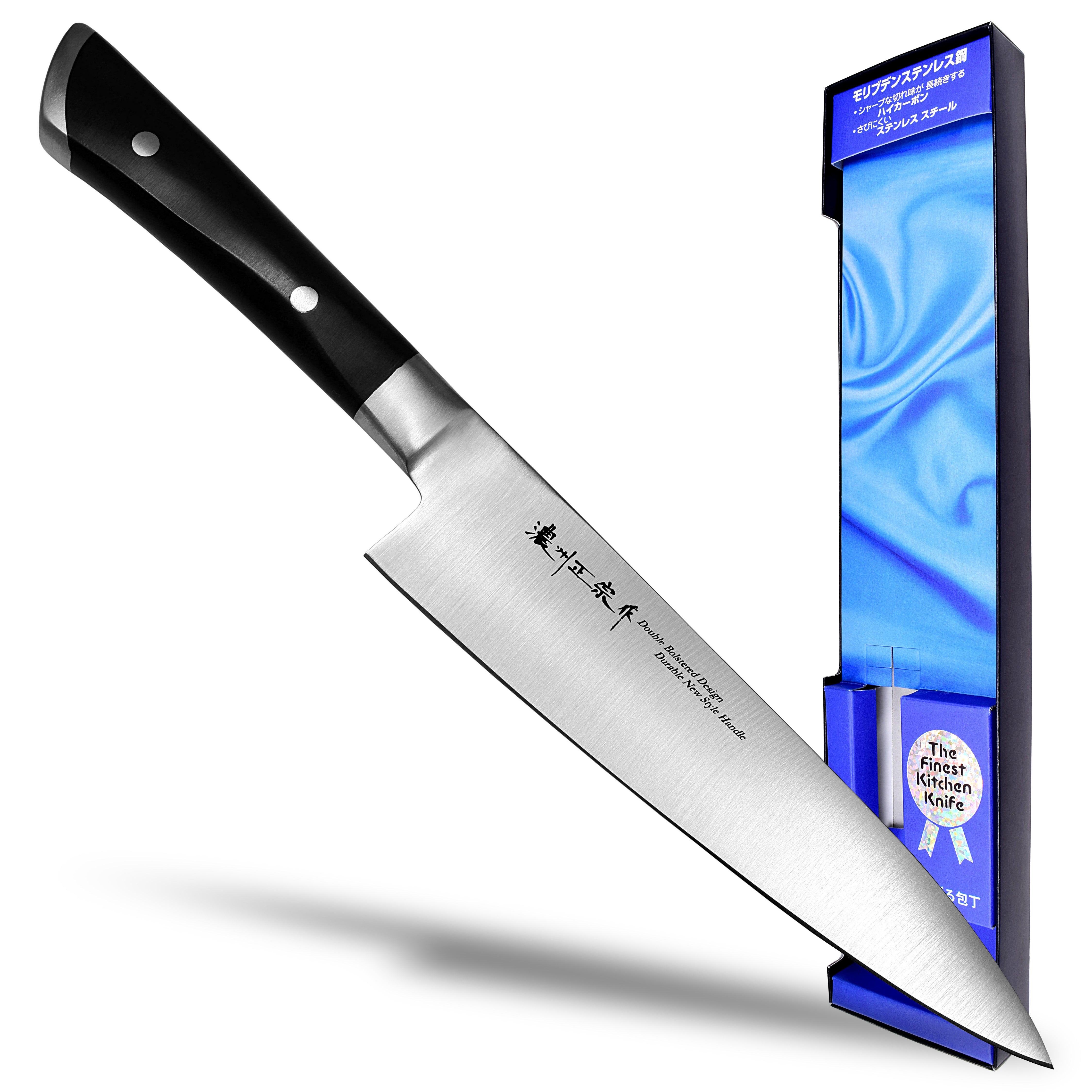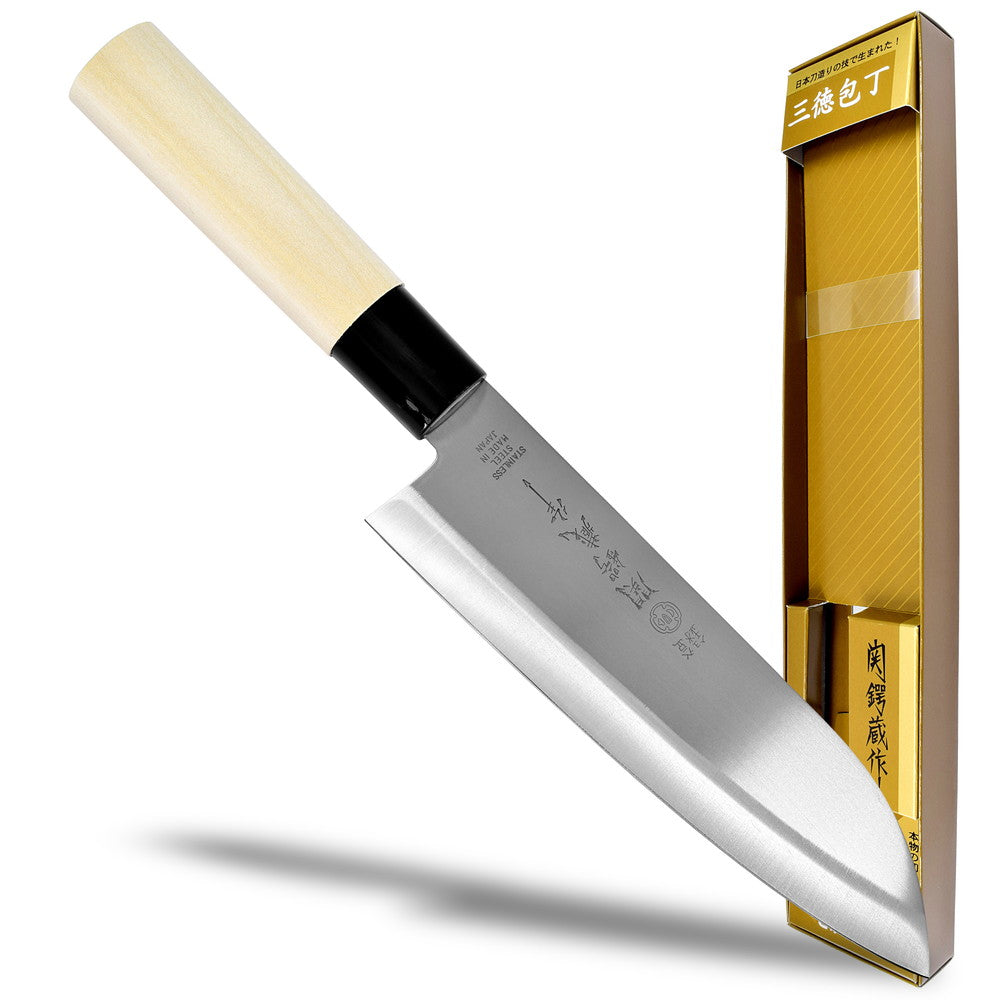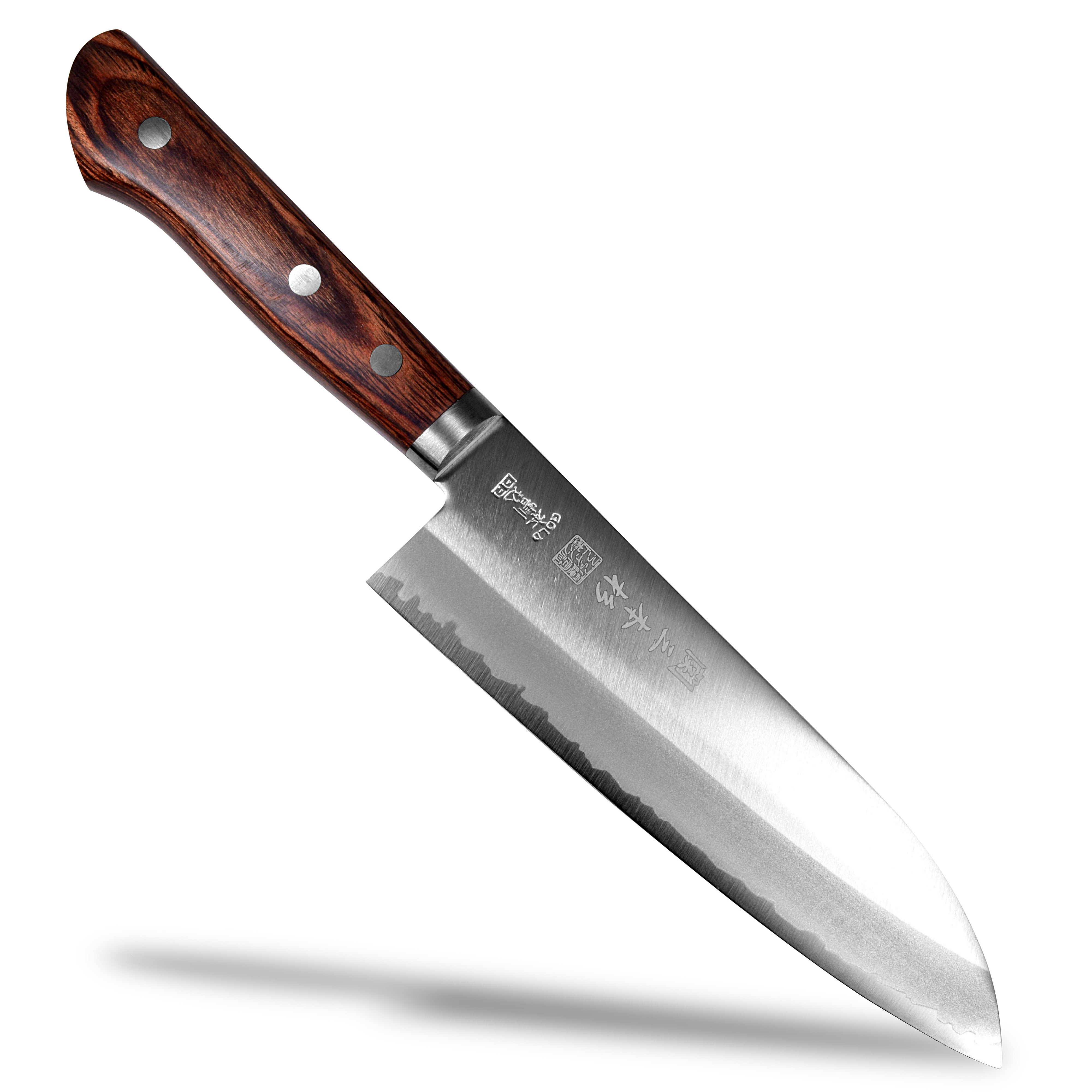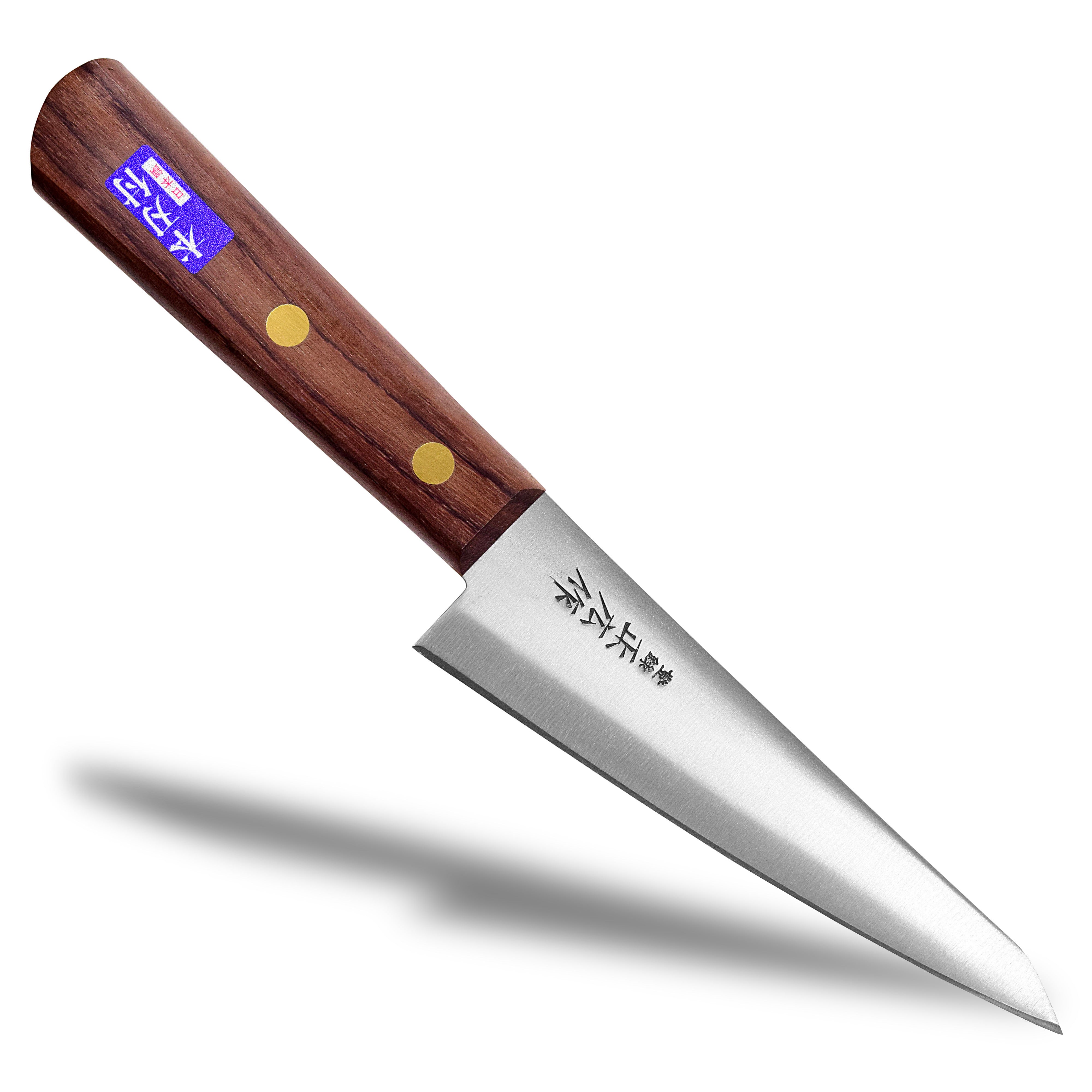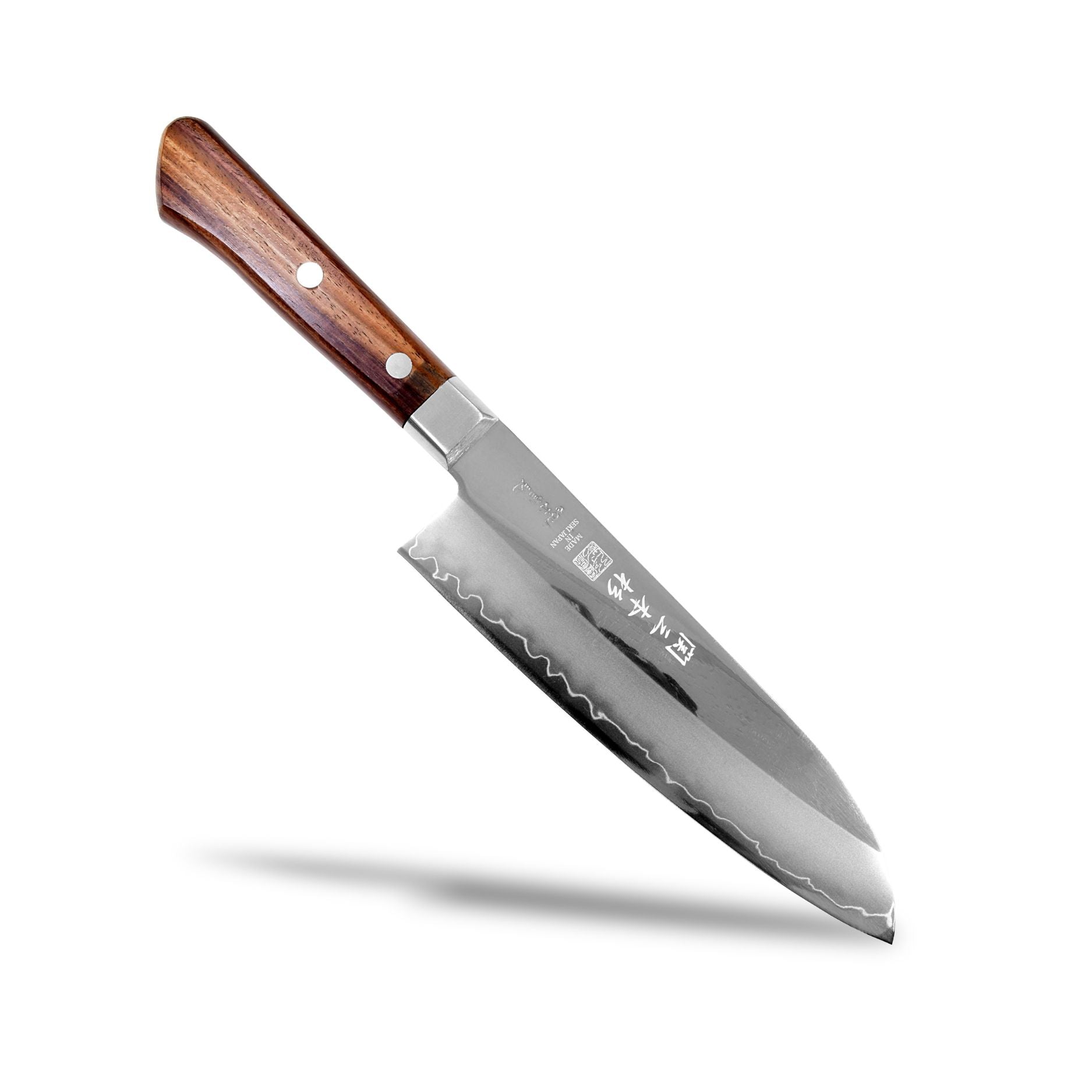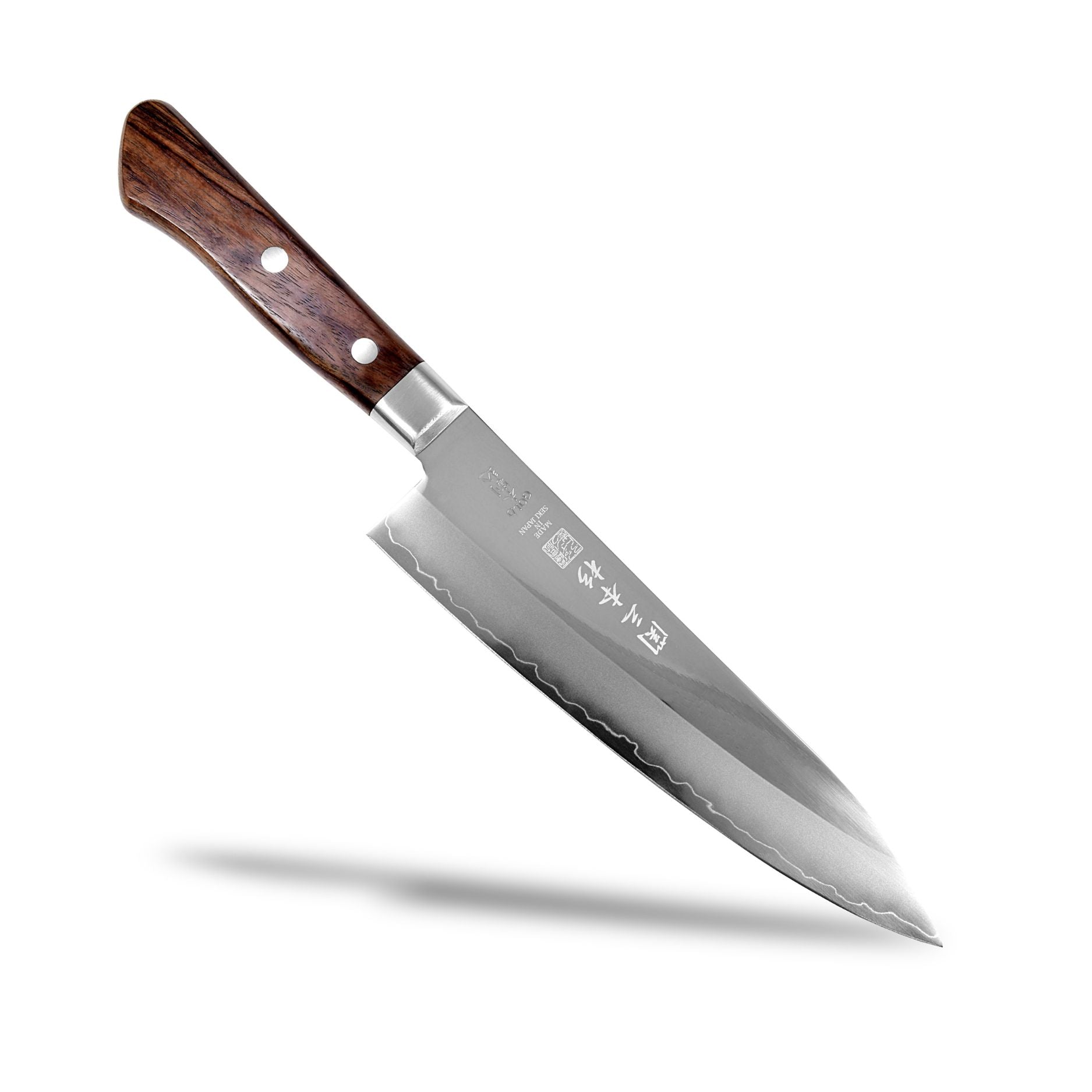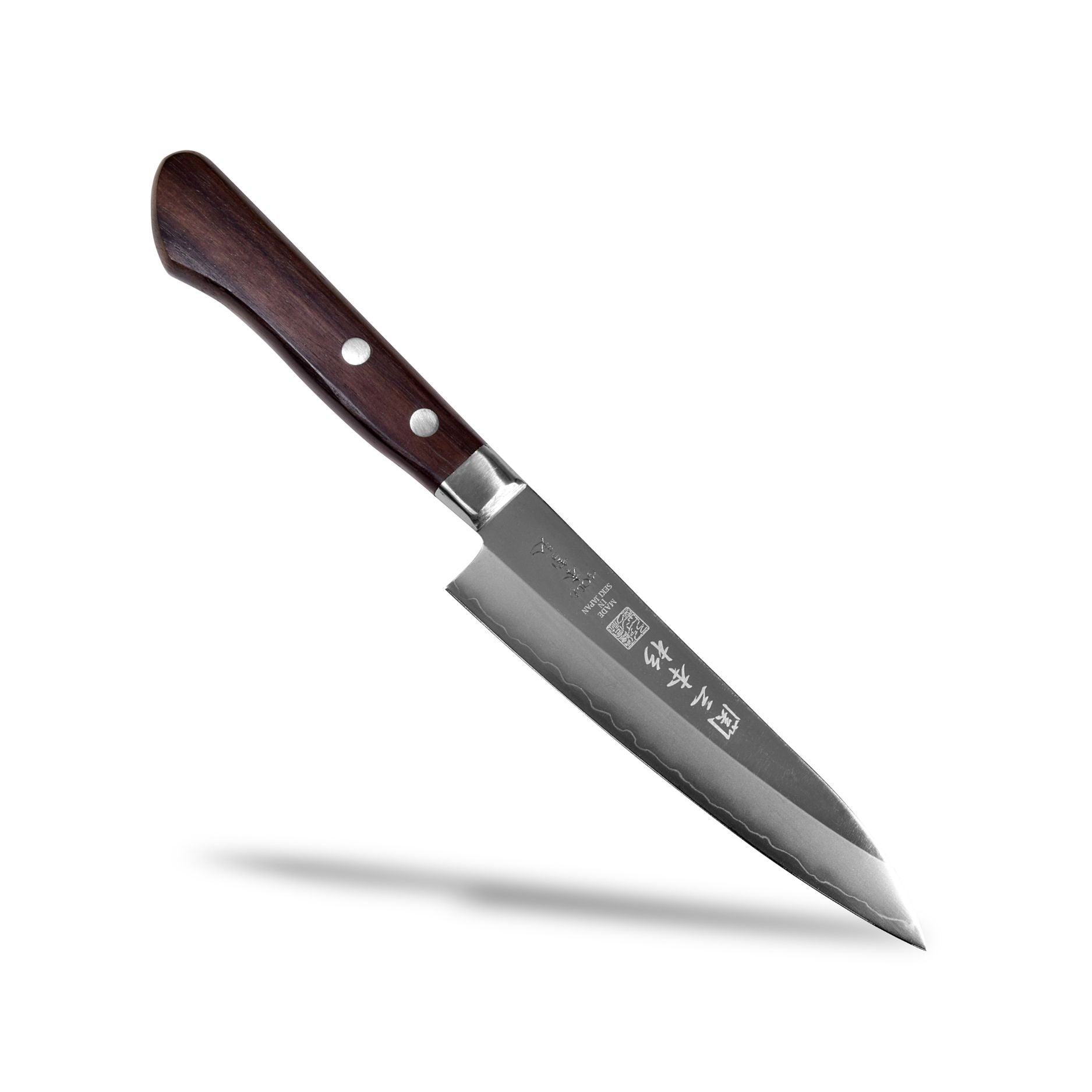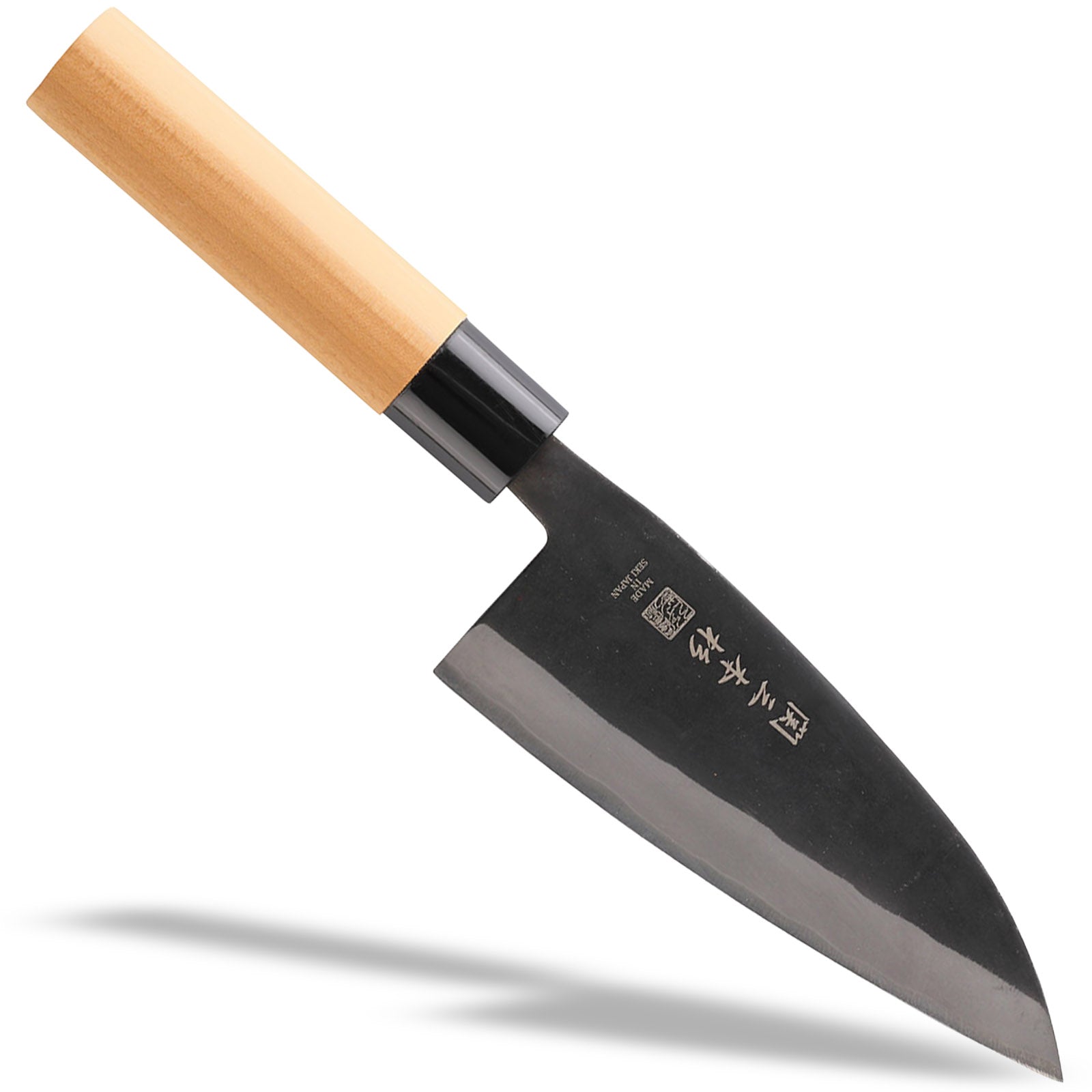

[Stainless Steel Japanese Kitchen Knives] Explaining the benefits of rust resistance and how to choose the right steel.
In conclusion, the biggest advantage of using stainless steel for Japanese kitchen knives is that they are "less prone to rust and much easier to maintain," making them a reliable and easy-to-use material even in a busy daily life. In short, while carbon steel prioritizes "sharpness and ease of sharpening," stainless steel prioritizes "rust resistance and ease of handling," making it a very popular choice for a first Japanese kitchen knife or a knife to be shared by the family.
For those who want easier maintenance, we'll explain the advantages of the rust-resistant properties of stainless steel used in Japanese kitchen knives.
In conclusion, stainless steel Japanese kitchen knives are made from a type of steel that contains a certain amount of chromium, which creates a protective film (passivation film) on the surface, making them significantly more rust-resistant than carbon steel and reducing the effort required for daily maintenance. The reason why many household kitchen knives are made of stainless steel is that it suits the style of being "rust-resistant and easy to use hygienically with just a light wipe."
[Key points of this article]
Today's review: 3 key points
- The advantages of stainless steel Japanese kitchen knives are threefold: they are rust-resistant due to a protective chromium coating, they are easy to maintain on a daily basis, and they are easy to use even for home use or for beginners.
- While stainless steel is more rust-resistant than carbon steel, it is slightly inferior in terms of peak sharpness and ease of sharpening. Therefore, it is important to choose based on whether you prioritize "maintenance or sharpness."
- Stainless steel comes in various grades, such as VG10, Gin-san, and molybdenum steel, and the balance of rust resistance, sharpness, and ease of sharpening differs for each type of steel.
Conclusion of this article
- In conclusion, stainless steel Japanese kitchen knives are the most practical and suitable material for everyday use for those who prioritize rust resistance and ease of maintenance.
- In short, the advantage of stainless steel's rust resistance is that "it's less likely to cause major problems even if left slightly wet, and it can be used hygienically with just a light wash and wipe."
- The most important thing is to understand that "stainless steel" does not mean "it will never rust," and to take basic care such as not exposing it to salt or acid for long periods of time or leaving it unattended for extended periods.
- For beginners and busy families, a combination of "a stainless steel Japanese kitchen knife as the main tool, with one carbon steel knife added as needed" is a good option that balances both maintenance and sharpness.
Why is stainless steel rust-resistant? The basics of Japanese kitchen knife steel.
In conclusion, the reason stainless steel is resistant to rust is that it contains approximately 10.5% or more chromium, which creates an extremely thin film of chromium oxide (passivation film) on its surface, making it difficult for the iron itself to come into direct contact with air and water. Thanks to this protective film, it does not rust as quickly as carbon steel and is more resistant to rough use in the home.
The basic structure of stainless steel and its rust-resistant properties.
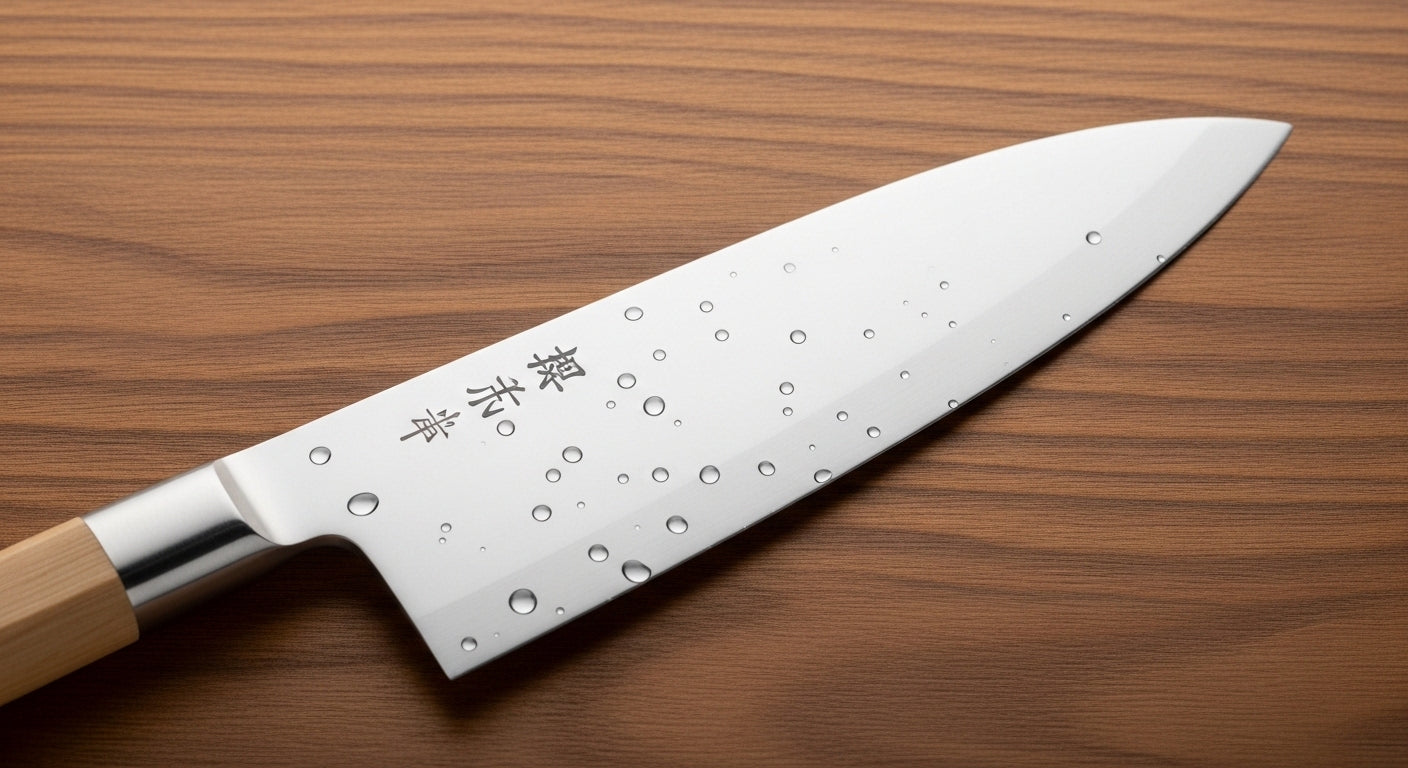
Stainless steel is composed of "iron + carbon + chromium (+ nickel, etc.)", and the protective film created by the oxidation of chromium slows down rusting. In short, it is "a state in which the surface is always protected by a thin, transparent film", and a major advantage is that it has "self-healing properties" in which this film can be reformed if it is damaged, as long as oxygen and moisture are available. For this reason, it is far less prone to rusting than carbon steel, even with daily washing and light wiping, making it a very practical material for kitchen use.
Main types of stainless steel used in Japanese kitchen knives
The stainless steel used in Japanese kitchen knives includes Gin-san, VG10, AUS10, and molybdenum steel, all of which are steels that prioritize a balance between rust resistance and sharpness.
- Gin-san: Among stainless steels, this steel is highly regarded for its good balance of sharpness and ease of sharpening, and for being usable with a "feel close to that of carbon steel."
- VG10: A popular material known for its excellent edge retention and rust resistance, made from high-performance stainless steel containing molybdenum, vanadium, and other elements.
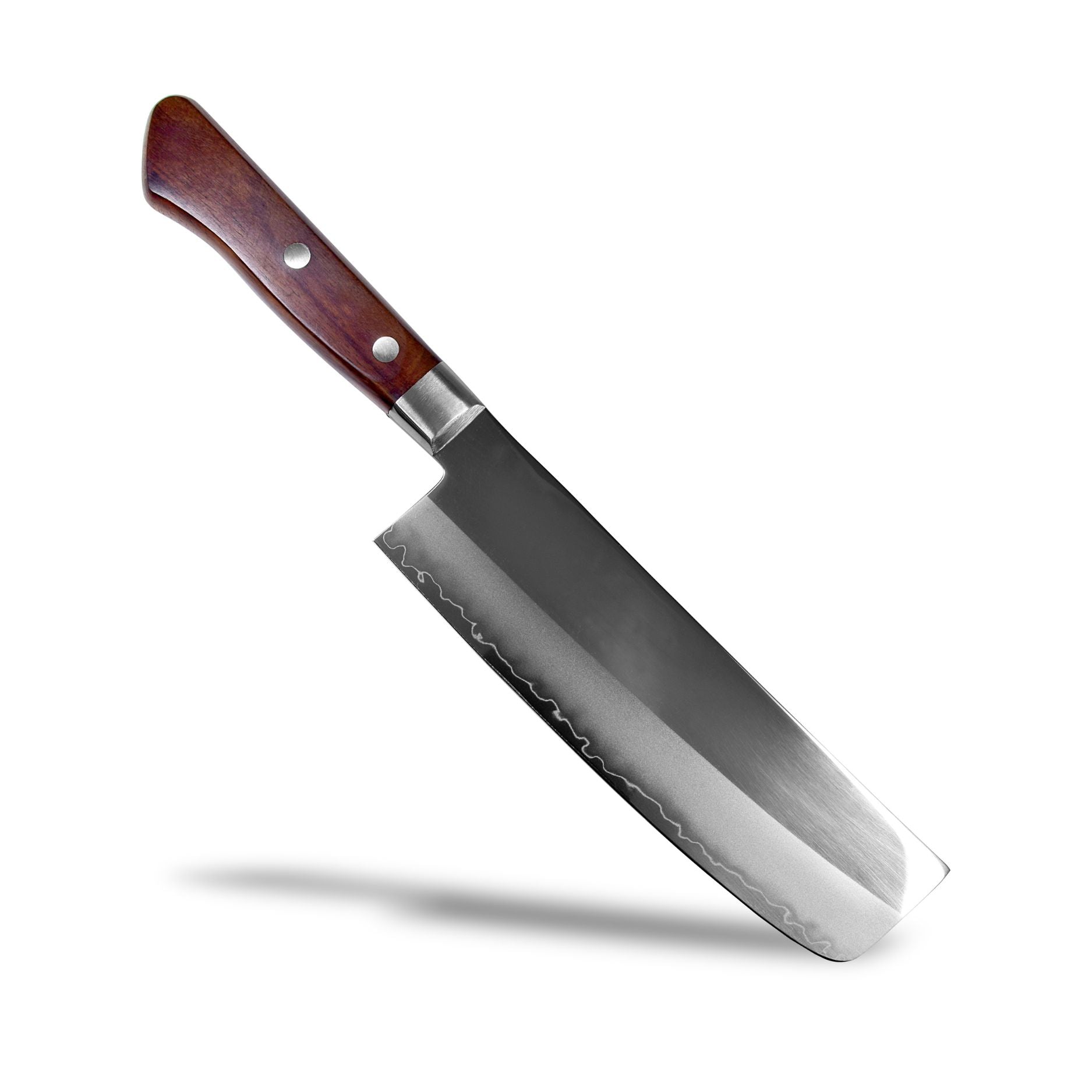
- Molybdenum steel: A standard stainless steel that is rust-resistant and easy to handle, widely used in household Western-style knives and santoku knives.
Its positioning as seen in comparison to carbon steel
Compared to carbon steel, stainless steel is generally considered superior in terms of rust resistance and ease of handling, but often falls short in terms of ease of sharpening and peak sharpness. For example, carbon steel can be easily sharpened with a whetstone, making it easy to create a sharp edge, while stainless steel contains many alloying elements and is more difficult to machine, often requiring more time and skill to sharpen.
Who would benefit most from the rust-resistant properties of stainless steel?
In reality, the rust-resistant properties of stainless steel are particularly beneficial in environments such as busy households, beginner kitchens, and shared family kitchens. Here, we'll outline the types of needs for which stainless steel is a good fit.
A sense of security for busy people and beginners.
Stainless steel knives offer a sense of psychological reassurance, as you don't have to worry as much about rust as you would with carbon steel knives, even if you can't wash them immediately after use. In households, meals often begin immediately after cooking, and washing dishes is often put off. With carbon steel knives, rust tends to progress during that time, but with stainless steel, the advantage is that actual damage is less likely to occur even if some time passes. Also, in situations where not everyone in the family is familiar with handling steel, stainless steel knives tend to cause fewer problems.
If you prioritize hygiene and appearance
Stainless steel is easy to maintain its silvery surface and is resistant to discoloration like black rust, making it ideal for those who want to keep their kitchen looking clean at all times. In open kitchens in restaurants or homes where guests often see the kitchen, the lack of rust and discoloration directly contributes to an impression of cleanliness. In short, the biggest strength of stainless steel is that it is easy to handle and reliable, including its appearance.
Easy to carry both with carbon steel.
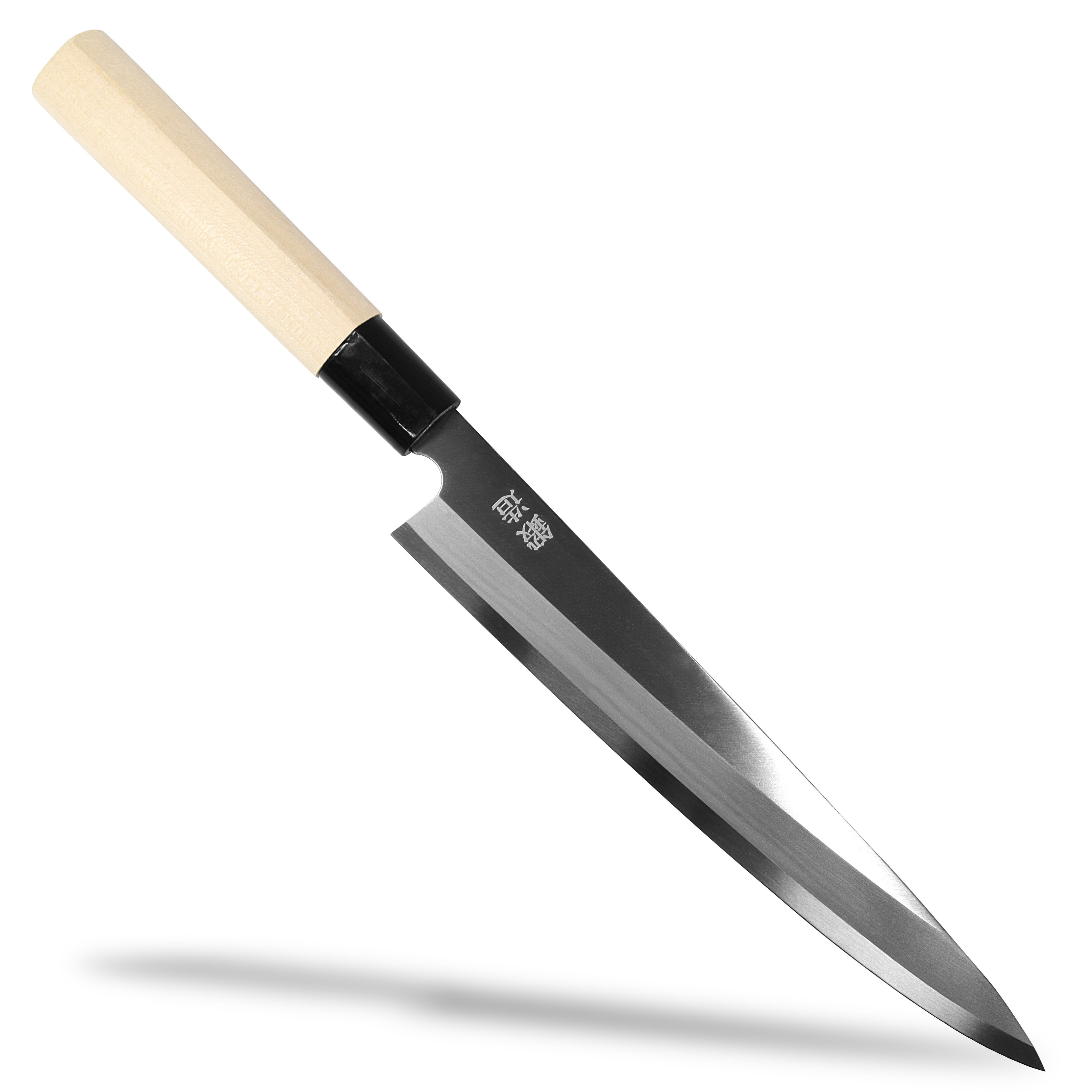
Stainless steel is also well-suited to a two-knife setup, where you use a stainless steel knife as your main santoku or chef's knife, and a carbon steel yanagiba or deba knife as a secondary knife. By using stainless steel for most everyday tasks and relying on carbon steel only for situations where exceptional sharpness is required, you can enjoy the advantages of both while minimizing maintenance.
Can stainless steel rust? Understanding its limits and basic care.
While stainless steel offers these advantages, it's important to avoid the misconception that "stainless steel never rusts." Even stainless steel can develop spot rust or galvanic corrosion under certain conditions, so some basic care is still necessary.
What are the patterns of rusting in stainless steel?
Even stainless steel will rust if the following conditions are met:
- Salt or acid (such as saltwater, lemon juice, or vinegar) has been present for a long time.
- It has been left wet in a humid place.
- Rust has been transferred from other metals.
In this case, small, spotty rust or slight discoloration may occur, and if left untreated, it may spread.
Essential daily care
Compared to carbon steel, it is easier to care for, and the following procedure is the basic one.
- After use, wash with a mild detergent and a sponge.
- Wipe off any moisture with a towel, and if possible, let it dry in a knife holder or magnetic rack.
- While some types of steel are dishwasher safe, hand washing is safer because high temperatures, detergents, and prolonged exposure can easily induce rust spots.
By following these guidelines, you can significantly extend the benefits of stainless steel's rust resistance.
Points to note regarding the sharpness of stainless steel
Stainless steel is not "rust-resistant = no sharpening needed"; it requires sharpening at the appropriate time. Inexpensive stainless steel knives may not have sufficient hardness or edge retention, and you may feel that they "get dull quickly," so it is important to choose a certain grade or higher, such as VG10 or Gin-san. What this shows is that "when choosing stainless steel, looking at the type and quality of the steel will lead to long-term satisfaction."
FAQ
Q1. Do stainless steel Japanese kitchen knives really never rust?
A1. It's not completely rust-proof; spot rust may appear due to salt, acid, or prolonged exposure, but it's significantly more rust-resistant than carbon steel.
Q2. Which is easier to handle for home use, stainless steel or carbon steel?
A2. Considering the ease of daily maintenance and the fact that it will be shared by the family, stainless steel, which is less prone to rust, is often easier to handle.
Q3. Is it true that stainless steel knives cannot be sharpened?
A3. It's hard and takes time, but with the right whetstone, it can be sharpened without any problems, and the sharpness will be fully restored. The idea that it "cannot be sharpened" is a misconception.
Q4. Is it better not to use a dishwasher even for stainless steel dishes?
A4. High temperatures, strong detergents, and prolonged exposure to humidity can easily cause rust spots and damage to the handle, so hand washing and wiping are recommended for long-term use.
Q5. Are stainless steel knives also made of stainless steel?
A5. More and more models of yanagiba, deba, and santoku knives are using stainless steel such as Gin-san or VG10, offering options for both professional and home use.
Q6. Besides its resistance to rust, what other advantages does stainless steel have?
A6. It offers advantages in terms of ease of use in everyday situations, such as being less prone to chipping, easier to maintain hygienically, and less likely to discolor.
Q7. Which type of stainless steel do you particularly recommend?
A7. Steels such as Gin-san, VG10, and molybdenum steel offer a good balance of rust resistance, sharpness, and ease of sharpening, making them highly regarded for use in Japanese kitchen knives.
Q8. For a first Japanese kitchen knife, which should I choose: stainless steel or carbon steel?
A8. If you don't have much time for maintenance, stainless steel is a good choice, but if you're particular about sharpening and cutting performance, carbon steel is recommended. Choose based on your lifestyle.
Q9. How often should stainless steel knives be sharpened?
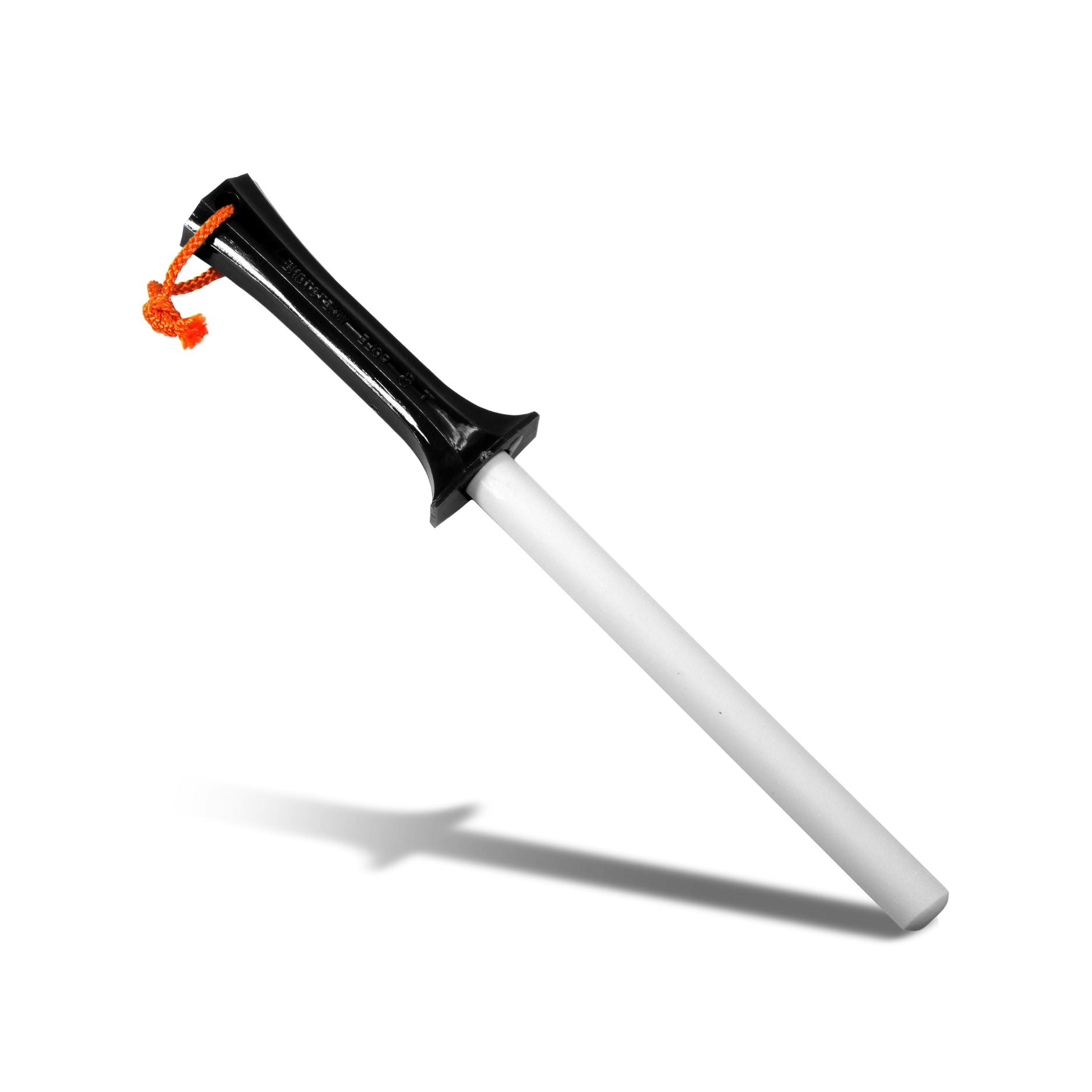
A9. Depending on how often you use them, for home use, lightly sharpening them with a whetstone or sharpener once every 3 to 6 months will help maintain their sharpness.
Q10. Can stainless steel achieve professional-grade sharpness?
A10. By selecting high-quality VG10 or powdered high-speed steel and sharpening it properly, it is possible to achieve a level of sharpness and edge retention comparable to carbon steel.
summary
- The core advantage of stainless steel Japanese kitchen knives lies in their rust-resistant properties thanks to a chromium protective coating, making them easy to maintain on a daily basis. This makes them a user-friendly material for busy households and beginners.
- While stainless steel is not as easy to sharpen or has a sharper peak than carbon steel, with proper sharpening, it offers sufficient sharpness and edge retention for everyday use, and also has advantages in terms of hygiene and appearance.
- In conclusion, if you're looking for a Japanese kitchen knife that's easy to maintain and can be used cleanly for a long time, a practical and recommended approach is to start with a stainless steel knife as your base and combine it with a carbon steel knife as needed.