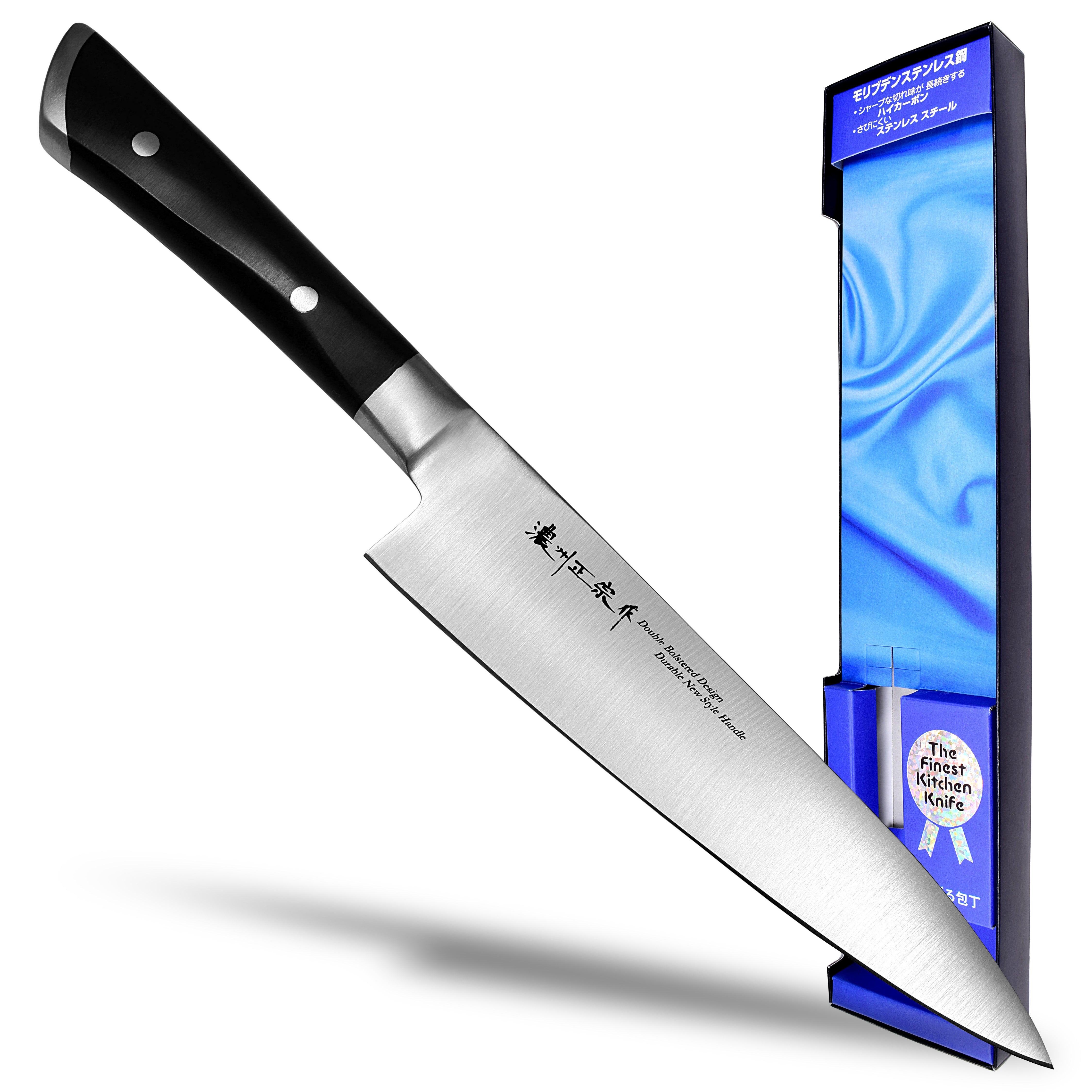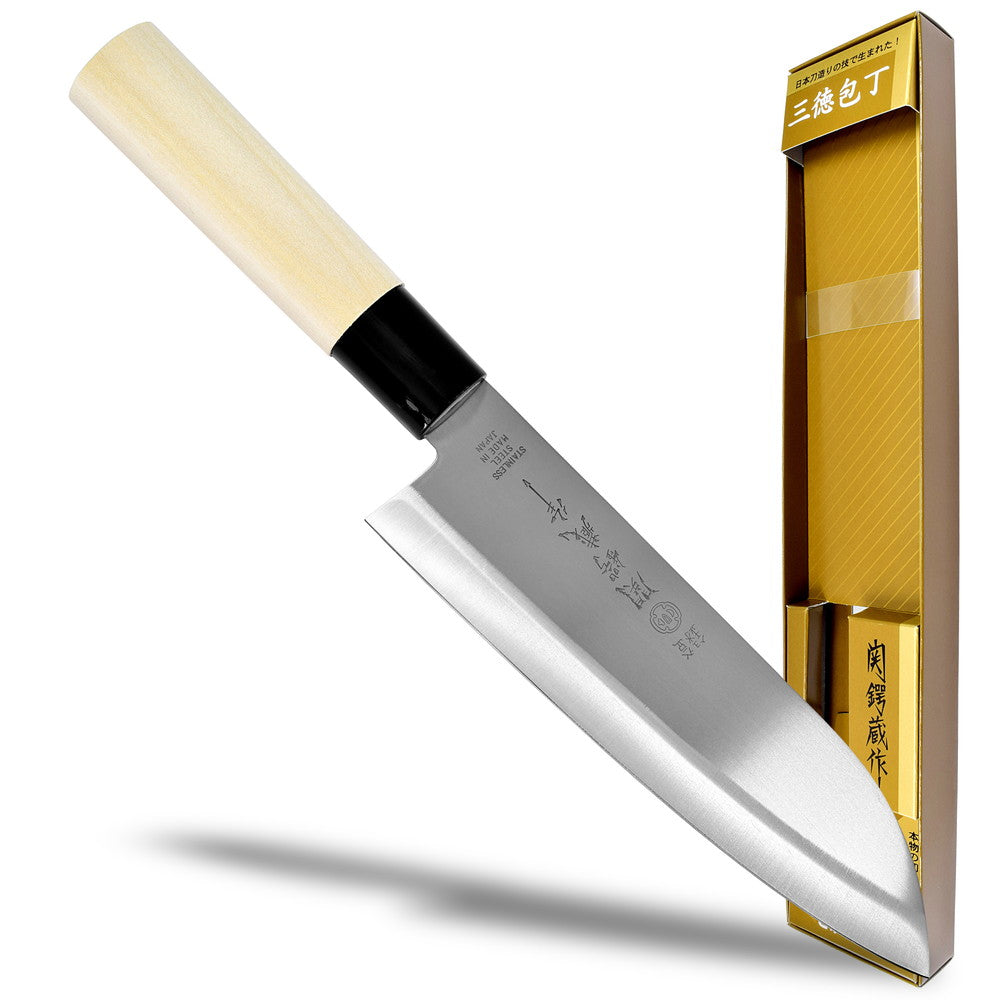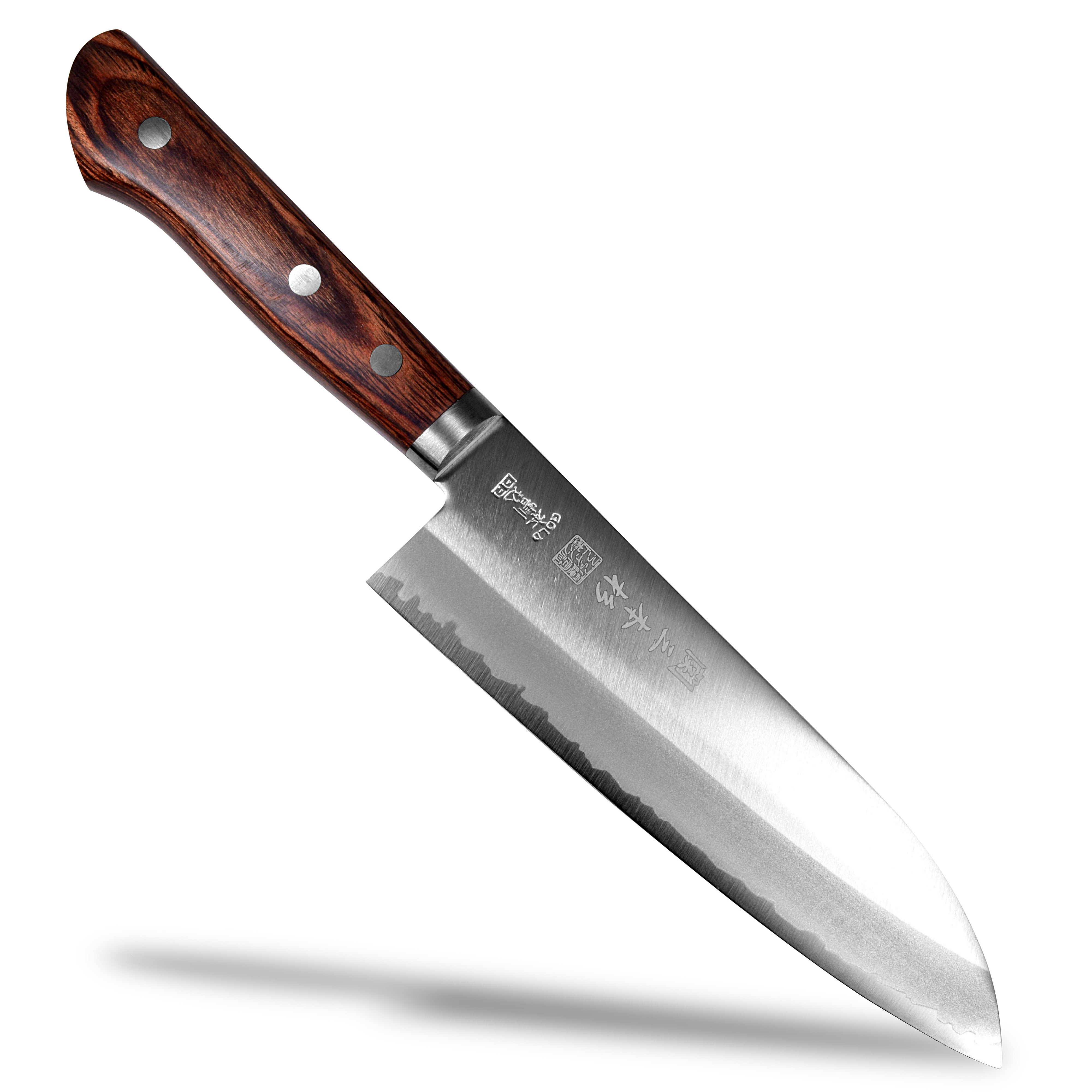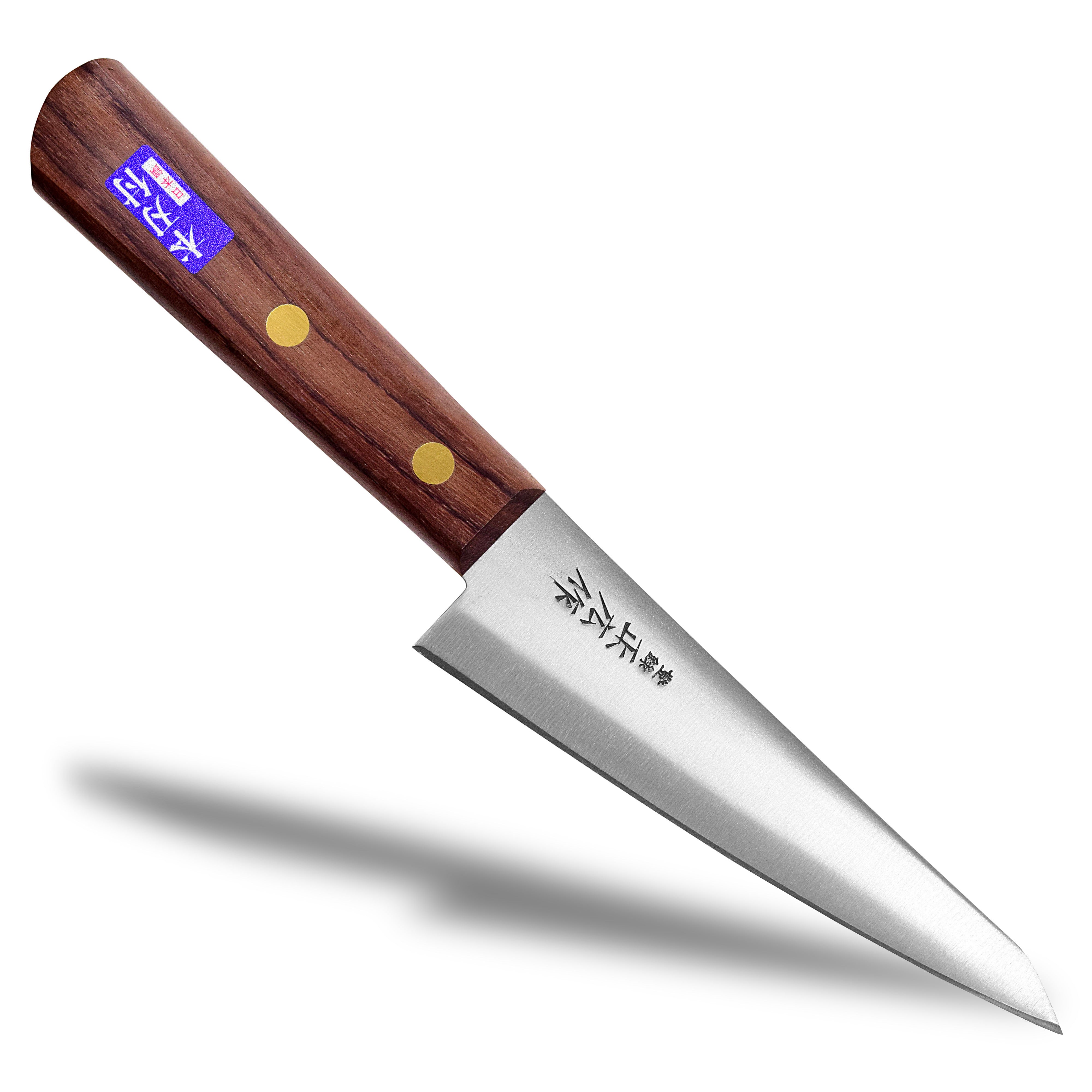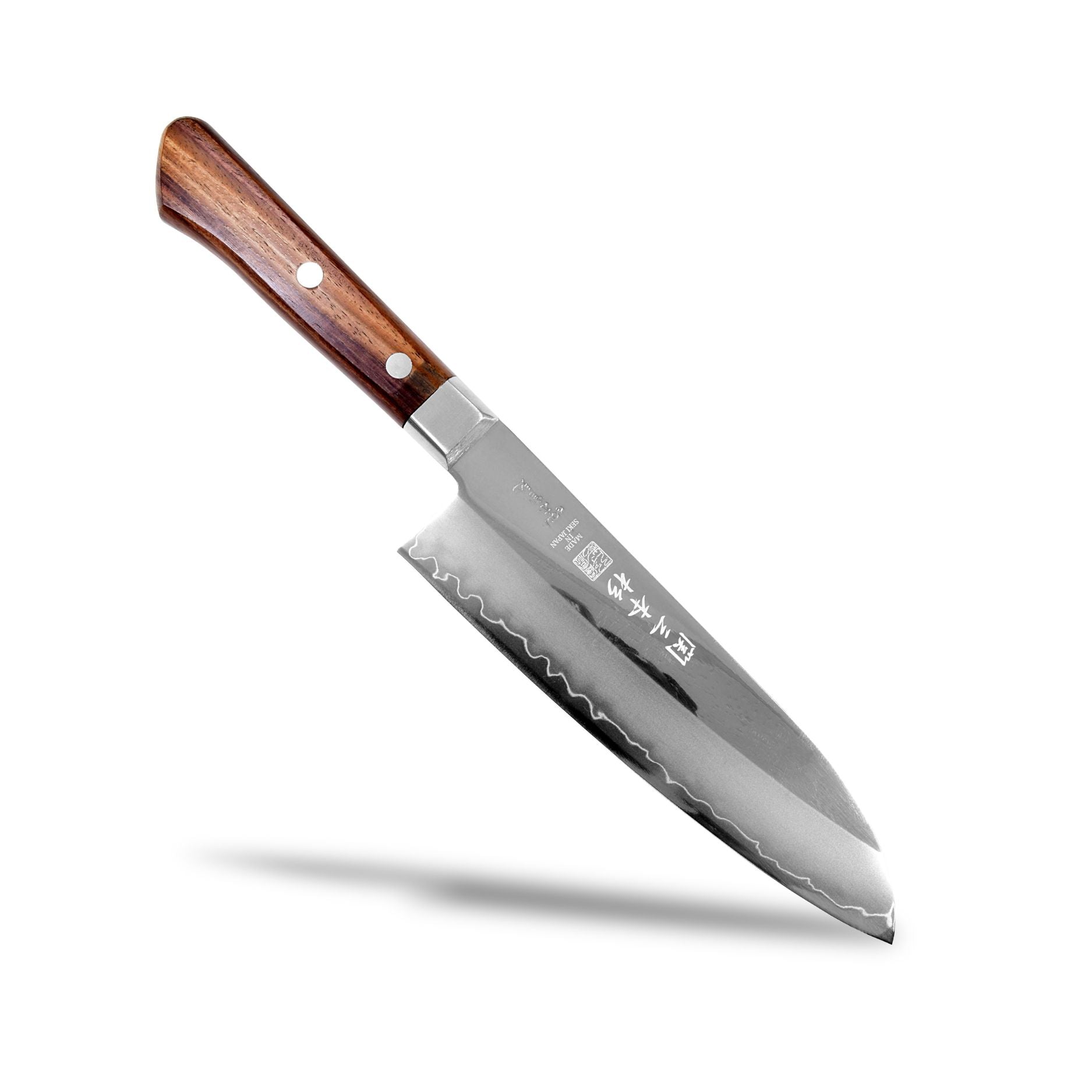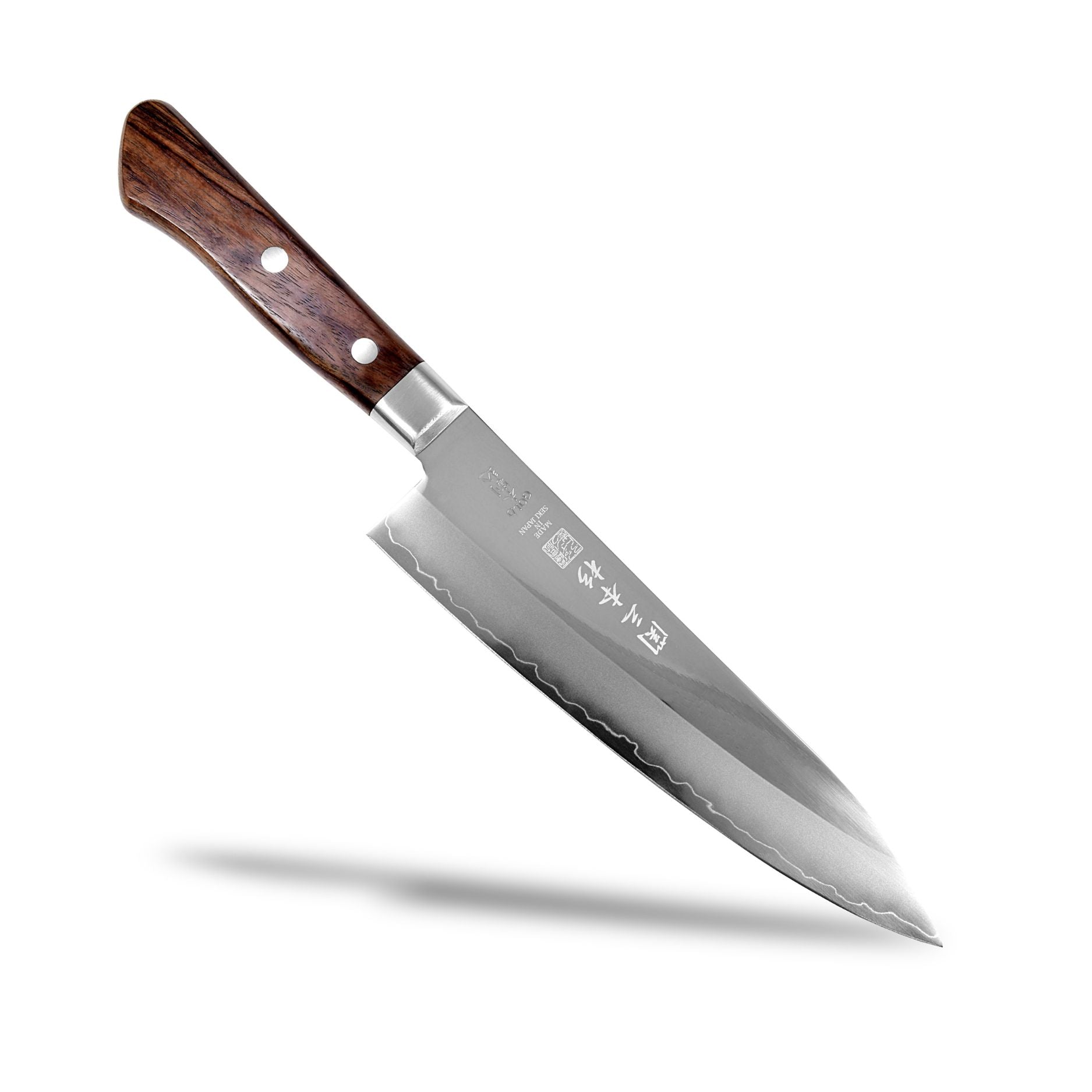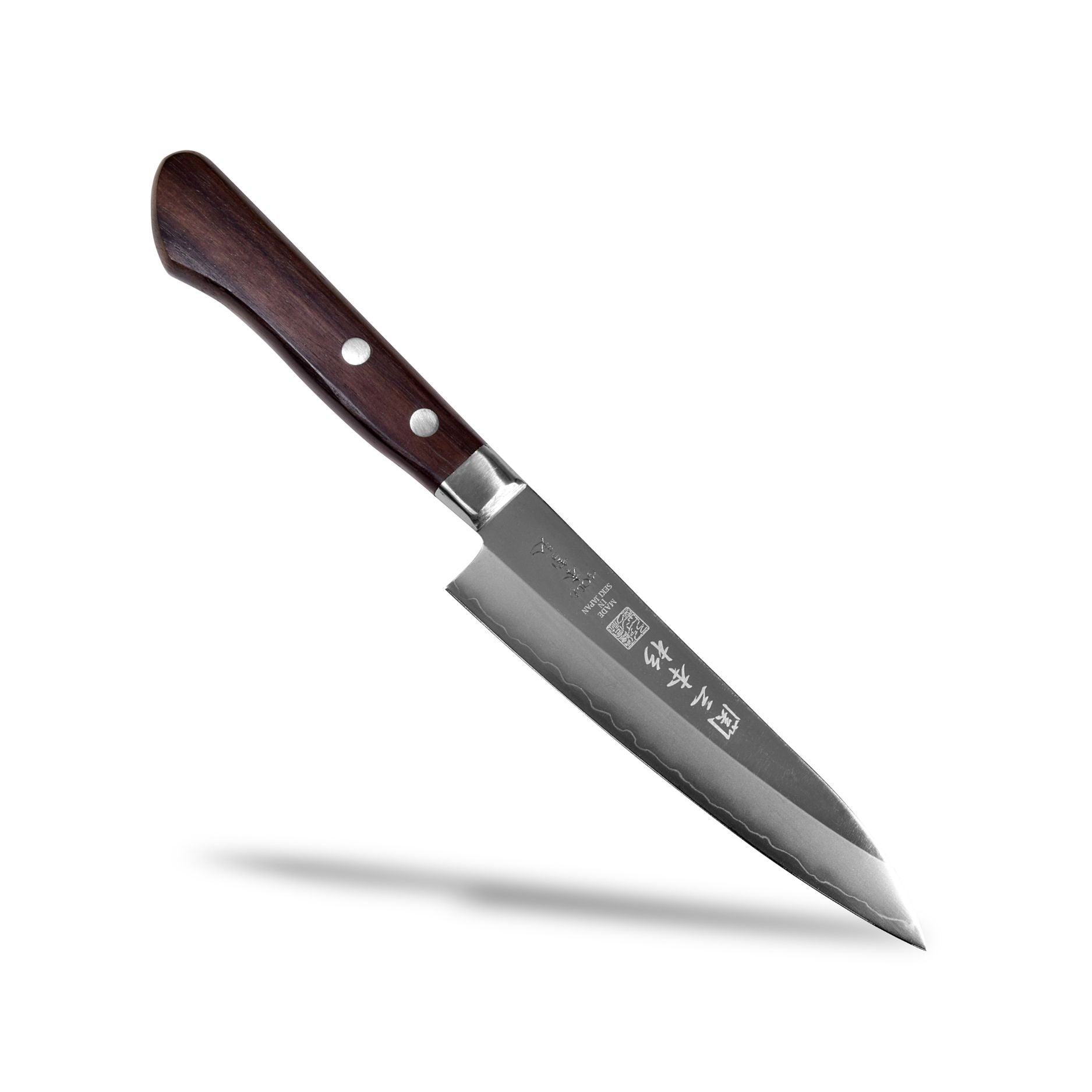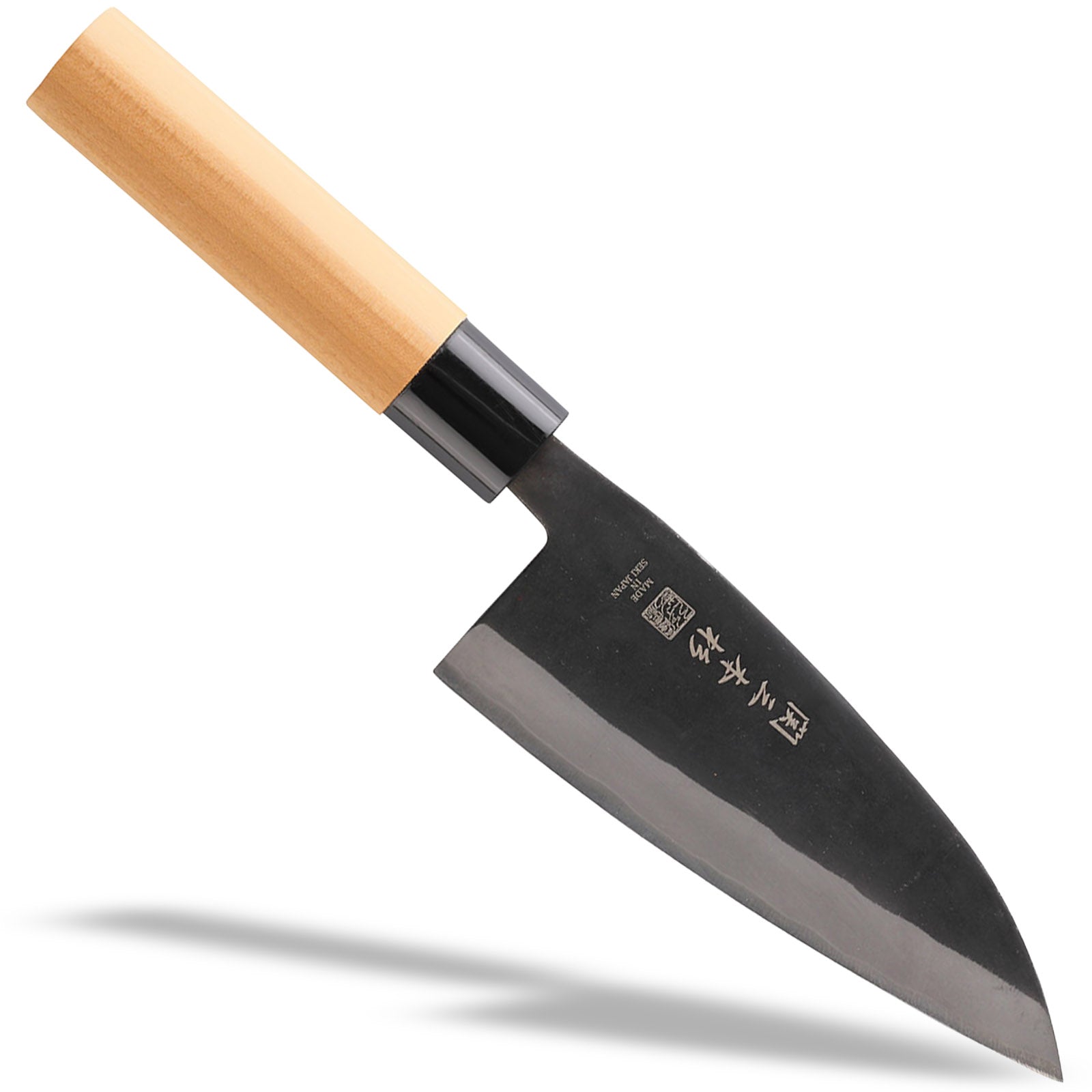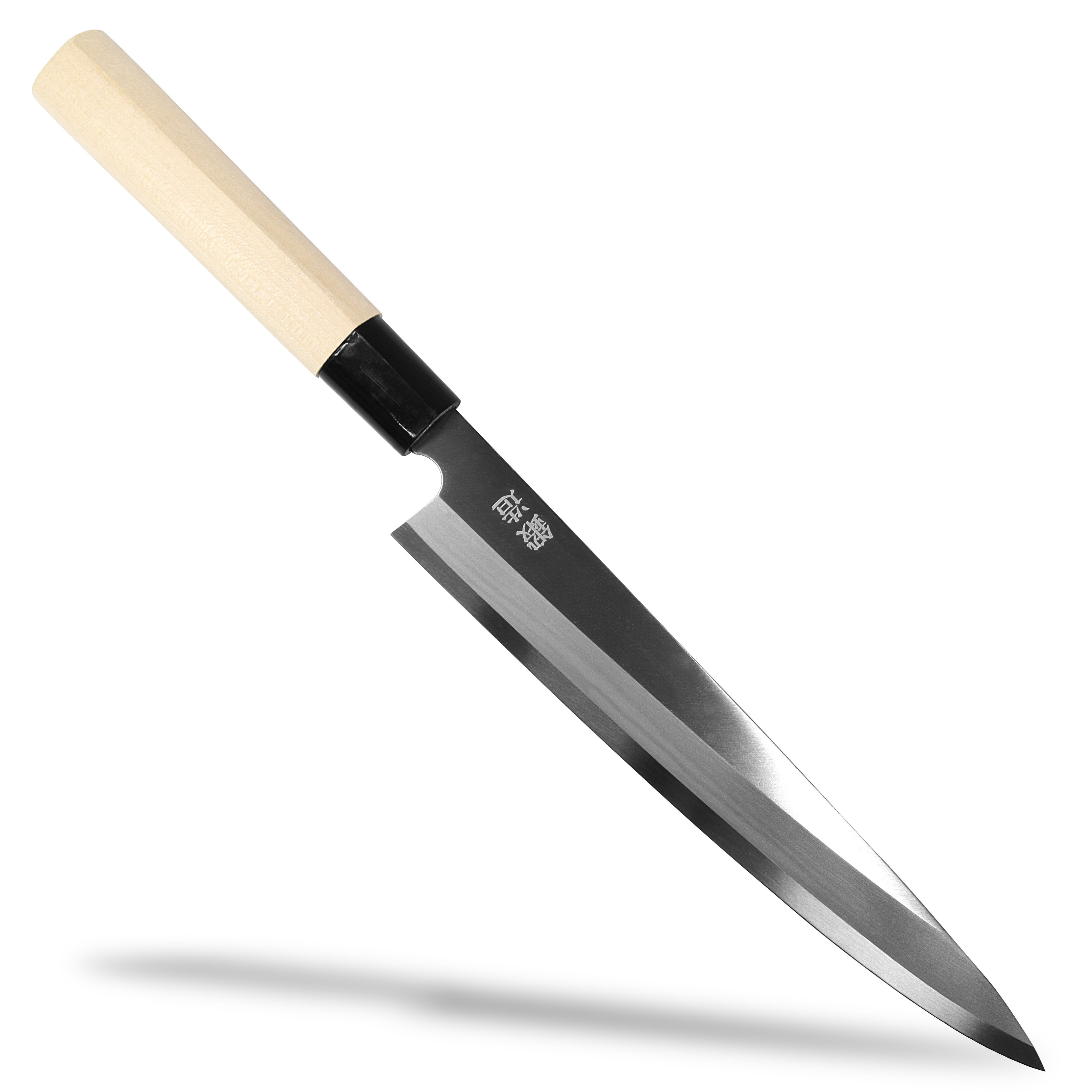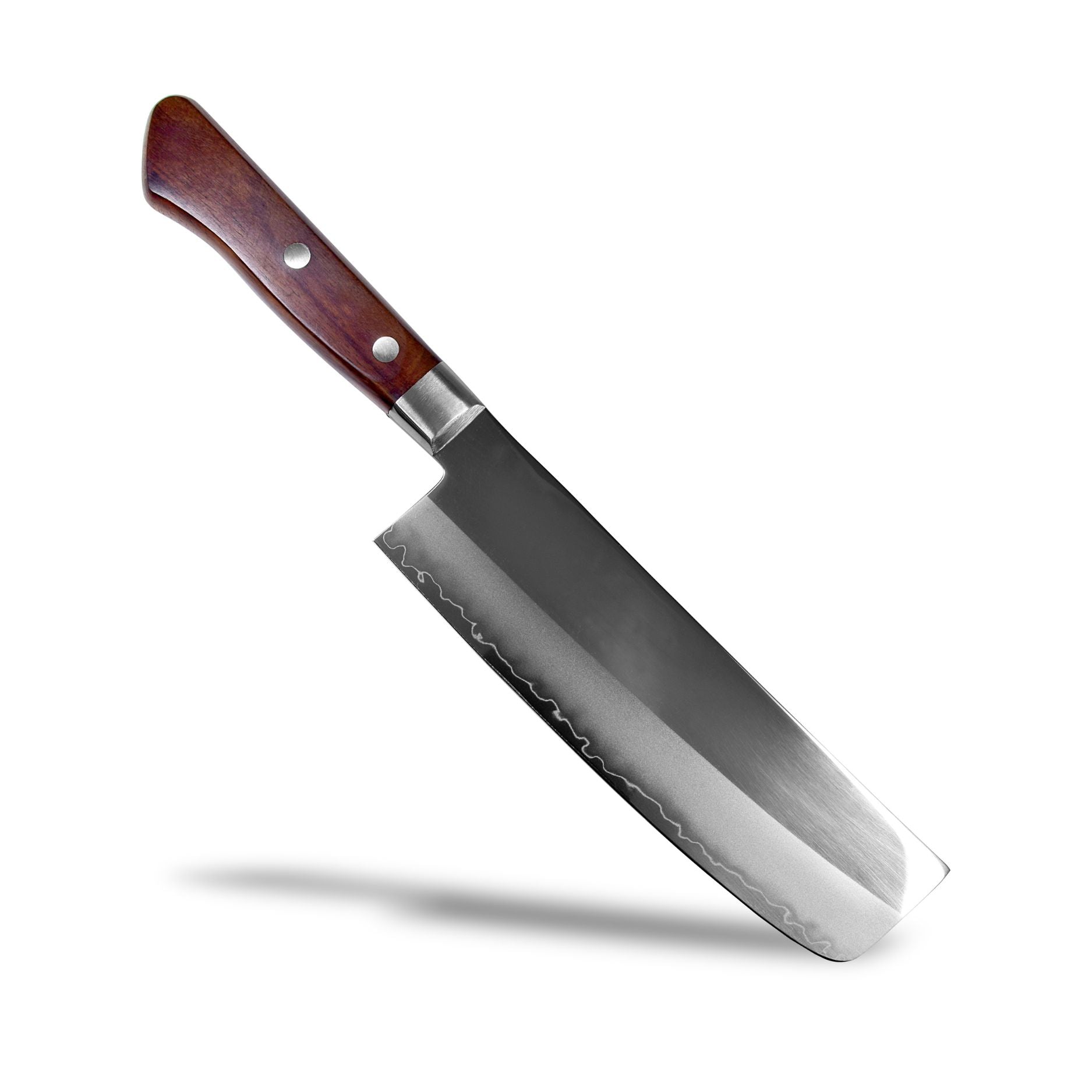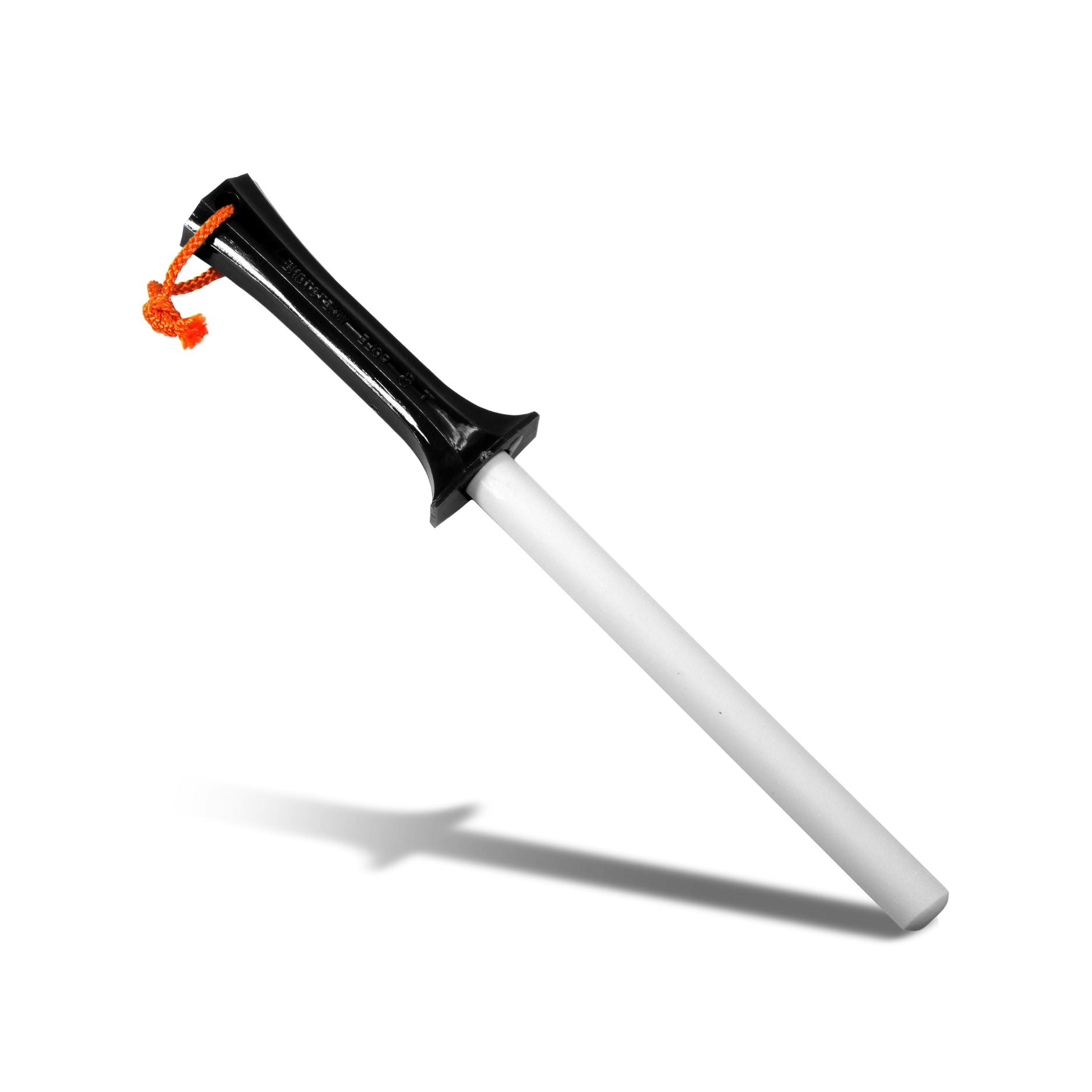

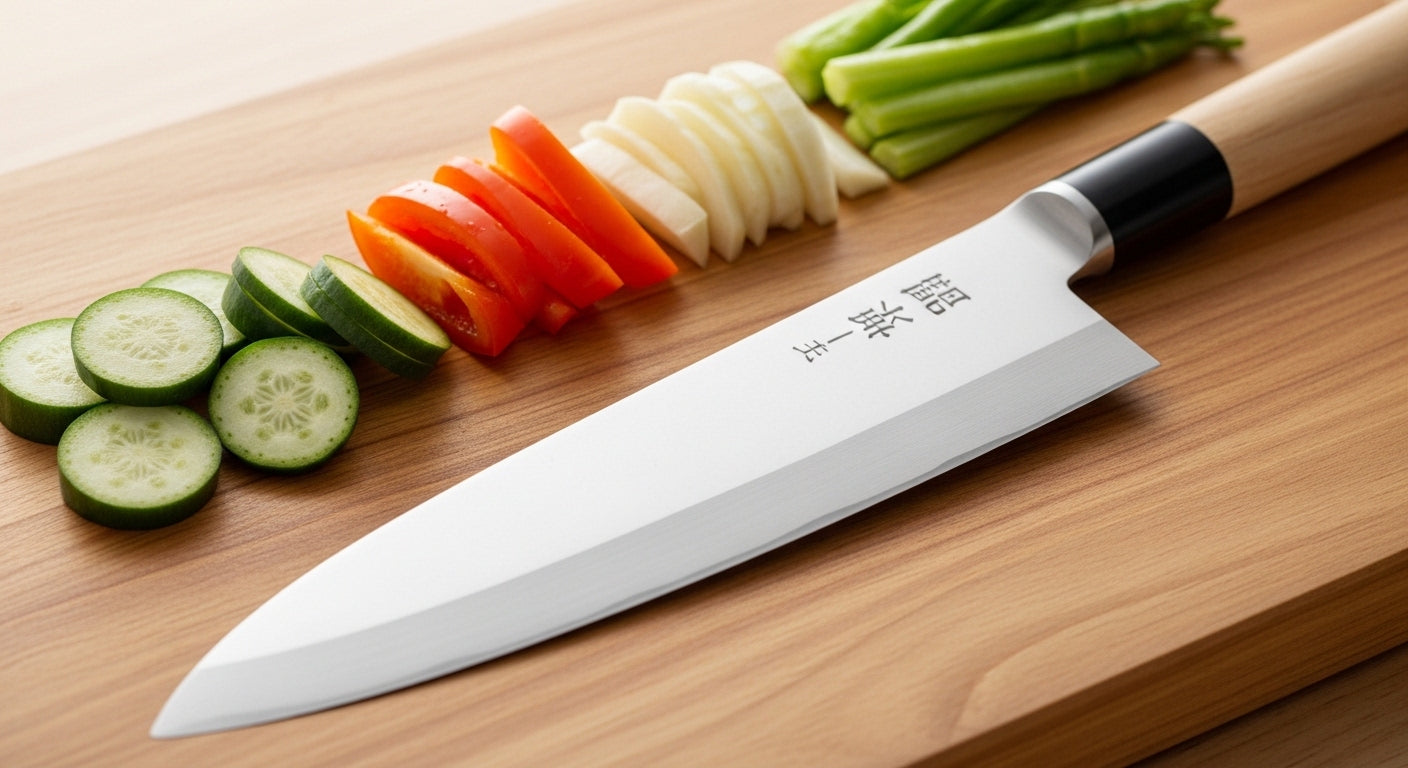
[Recommended Stainless Steel Japanese Kitchen Knives] Honest Review of Sharpness and Disadvantages
In conclusion, stainless steel Japanese kitchen knives are recommended for those who prioritize rust resistance and ease of use while still wanting to maintain sufficient sharpness for a long time. However, it's important not to expect the same level of sharpness or ease of sharpening as carbon steel knives.
[Key points of this article]
While stainless steel Japanese knives are rust-resistant and easy to maintain, they don't offer the same sharpness or ease of sharpening as steel knives.
High-grade stainless steels such as Gin-san steel and VG10 offer a good balance between sharpness retention and ease of maintenance, making them perfectly practical as Japanese kitchen knives.
By understanding the weaknesses of stainless steel knives and knowing how to properly sharpen and choose them, you can use them for a long time without stress, whether at home or professionally.
Today's review: 3 key points
While stainless steel Japanese knives are rust-resistant and easy to maintain, they don't offer the same sharpness or ease of sharpening as steel knives.
High-grade stainless steels such as Gin-san steel and VG10 offer a good balance between sharpness retention and ease of maintenance, making them perfectly practical as Japanese kitchen knives.
By understanding the weaknesses of stainless steel knives and knowing how to properly sharpen and choose them, you can use them for a long time without stress, whether at home or professionally.
Conclusion of this article
In conclusion, the main reasons to choose stainless steel for Japanese kitchen knives are their rust resistance and ease of maintenance, while their sharpness is sufficient for everyday use.
While stainless steel Japanese knives may not have the same sharpness or ease of sharpening as carbon steel knives, they offer an excellent balance of sharpness retention and ease of use.
The downsides are that they are "difficult to sharpen" and "cheaper models have poor cutting performance and a short lifespan." The solution is to choose high-quality stainless steel and learn the correct sharpening technique.
Most importantly, you should choose the stainless steel grade and type of Japanese knife that best suits how often you cook and the effort you're willing to put into maintenance.
What are the advantages of choosing stainless steel for a Japanese kitchen knife?
In conclusion, stainless steel Japanese kitchen knives are a good option because they are rust-resistant, easy to handle, and have sufficient sharpness for everyday use.
Stainless steel contains 10.5% or more alloying elements, including chromium, which form a passive film on the metal surface, giving it strong resistance to rust. On the other hand, it may not be as sharp as a steel knife, but it is sufficient for cutting vegetables, meat, and fish at home, and can be described as a "balanced type that combines sharpness and ease of use."
For example, Gin-san steel is a stainless steel that combines high sharpness with rust resistance, and is used in Japanese cuisine for thin slicing and delicate work. High-grade stainless steels such as VG10 and Cobalt Special are favored by professionals and home cooks who want to reduce the frequency of sharpening due to their high hardness and wear resistance, and their ability to maintain their sharpness for a long time.
The first thing beginners should understand is that stainless steel Japanese knives are tools where you buy "consistent sharpness and ease of use" rather than "the best sharpness."
How do you evaluate the sharpness of recommended stainless steel Japanese kitchen knives?
Is the sharpness of stainless steel really that unsatisfactory?
In conclusion, the consensus among experts is that "stainless steel is sufficient for everyday use, but it won't produce the same level of sharpness as carbon steel."
Stainless steel knives are considered to have a sharpness that is "comfortable for everyday use, even for cutting cheese and tomatoes," while steel knives are considered superior in that they are "sharper and cut through food more easily." However, high-grade stainless steel (such as Gin-san, VG10, and SG2) has high hardness and can produce a very sharp blade even for Japanese knives, leaving many users surprised that "stainless steel can cut this well."
Gin-san steel combines rust resistance with superior sharpness and is highly regarded by professional Japanese chefs. Knives made with molybdenum vanadium stainless steel, such as the Seki Magoroku series, have become a staple for home use due to their balance of long-lasting sharpness and ease of maintenance.
Stainless steel's cutting edge is "not top-of-the-line, but practical enough for on-site use," and the gap between it and steel tends to narrow as the material grade increases.
Who is a stainless steel Japanese kitchen knife suitable for, and who is it not suitable for?
The most important thing is "how much time and care you want to put into your kitchen knife."
Stainless steel Japanese knives are a good fit for lifestyles where you want to use them casually without worrying about rust, and where you don't want to be too particular about dishwasher and sink handling. On the other hand, if you want to pursue the "ultimate sharpness" for sashimi and thinly sliced fish, and enjoy carefully sharpening them with a whetstone, then a steel knife is likely to provide greater satisfaction.
Looking at it from a different perspective, for busy dual-income families, a setup centered around stainless steel santoku and gyuto knives, which can be used roughly without worrying about rust, is practical. For restaurants, a setup with a main steel Japanese knife and a stainless steel Japanese knife as a secondary knife for preparation and miscellaneous tasks makes hygiene management easier. Beginners in sharpening can start with stainless steel knives to get a feel for sharpening, and then move on to steel knives later.
Is stainless steel better for maintaining sharpness?
In conclusion, while the "sharpness retention" varies depending on the grade of stainless steel, high-grade stainless steel can be expected to retain its edge for more than enough time for everyday use.
Many stainless steel knives use materials that are harder and more wear-resistant than steel, and are said to maintain their sharpness for longer. On the other hand, inexpensive stainless steel knives have been criticized for their short lifespan and tendency to dull quickly, requiring frequent sharpening. This is a category where price often directly reflects performance differences.
Stainless steel Japanese knives using Cobalt Special or SG2 powder steel as the core material are said to have high hardness and wear resistance, significantly reducing the frequency of sharpening for typical household use. In contrast, generic stainless steel knives sold in mass retailers for around 1,000 yen often have limitations in terms of blade sharpening and materials, which is the cause of the image of "dull stainless steel knives."
If you prioritize long-lasting sharpness, one reason why we recommend stainless steel Japanese knives is to "check the material name (such as Gin-san, VG10, SG2, etc.) before choosing."
What are the disadvantages and weaknesses of stainless steel?
Why are stainless steel knives said to be "difficult to sharpen"?
In conclusion, because stainless steel contains many alloying elements such as chromium and molybdenum, it tends to slip easily on a whetstone and is more difficult to sharpen than a steel knife.
Stainless steel knives are difficult to sharpen because the rust-resistant components create a "coating" on the blade surface, making it harder for the whetstone to grip. Furthermore, their high viscosity and weak grip on the whetstone require "patience and consistent sharpening at a specific angle and with appropriate pressure," making it difficult for beginners to "feel when the blade is being sharpened."
Specifically, many stainless steel knife users have reported issues such as "it's difficult to create a burr" and "it's hard to feel if the sharpness is actually improving even after using a finishing whetstone." Therefore, when sharpening stainless steel, it's important to choose the right grit of the whetstone, the amount of force used, and to utilize tools such as angle guides. The key is to "optimize everything, including the whetstone and sharpening method."
Stainless steel is a material that is "difficult to sharpen, but not impossible to sharpen," and if you use the right tools and follow the correct procedure, you can definitely restore its sharpness.
Can stainless steel rust? Weaknesses and common problems.
In conclusion, stainless steel does not mean it will never rust; even stainless steel knives can rust or discolor under unfavorable conditions.
Although it is rust-resistant, it is said that it can still rust if submerged in water for a long time, left with salt or acid on it, or if it rusts due to contact with other metals. Examples of problems include cases where a knife was left submerged in a sink for several hours, resulting in small rust spots on the base of the blade, and cases where it rusted due to contact with other metals in a dishwasher.
As countermeasures, basic care is recommended, though not as stringent as with steel knives. This includes prompt washing and wiping after use, avoiding dishwasher use (or using the dedicated knife setting), and storing in a dry place.
The first thing beginners should understand is not that "stainless steel means you don't need to do anything," but rather that "you don't need to be as meticulous as with carbon steel, but the basic care is the same."
6 steps to extend the life of your stainless steel Japanese kitchen knife.
In conclusion, stainless steel Japanese kitchen knives can be long-lasting companions if you follow proper sharpening and daily care. Here's a breakdown of the basic usage and maintenance steps in six steps.
First, rinse the blade and handle lightly with water before use. Next, use a wooden or plastic cutting board, and avoid glass or metal boards. During use, rinse the blade with water as needed to remove dirt frequently. After use, hand wash with mild detergent and a sponge, and avoid using a dishwasher if possible. Wipe off moisture thoroughly with a soft cloth or kitchen paper, and let it dry a little before storing it. Finally, sharpen the blade with a whetstone of about 1000-2000 grit once a month to every few months to refresh the sharpness.
This procedure requires an initial investment in items such as whetstones and cutting boards, but in the long run, it leads to cost savings by reducing the frequency of knife replacements. Most importantly, it's crucial to understand the "weaknesses" of stainless steel Japanese knives (difficulty in sharpening and poor edge retention of cheaper models) and design a system for both usage and sharpening accordingly.
What is the difference between a stainless steel Japanese kitchen knife and a steel kitchen knife?
Comparison of sharpness, edge retention, and ease of sharpening
In conclusion, "steel excels in sharpness and ease of sharpening, while stainless steel is superior in rust resistance and ease of handling."
Stainless steel knives are often criticized for being "softer and not as sharp as steel knives even when new," "losing their sharpness relatively quickly," and "being difficult to sharpen," while steel knives are praised for their "excellent sharpness," "long-lasting sharpness," and "easy sharpening with whetstones." As a result, professionals and users who prioritize sharpness prefer steel knives, while stainless steel knives are widely used in households.
However, high-grade stainless steel (such as Gin-san, VG10, and SG2) is attracting attention as an option that aims to "take the best of both worlds," as it achieves sharpness and edge retention close to that of steel while also being rust-resistant. On the other hand, inexpensive stainless steel knives tend to have disadvantages such as "the sharpness quickly deteriorates even after sharpening" and "the sharpening feel is not great" due to limitations in blade sharpening and materials.
Steel knives generally have a high peak performance, while stainless steel Japanese knives tend to have a high average performance. It's realistic to choose based on your own priorities.
Differences in rust resistance, hygiene, and storage.
In conclusion, stainless steel has an advantage in terms of rust resistance and ease of hygiene management, but it is not completely maintenance-free.
Stainless steel knives are resistant to rust even if moisture remains on them, and as long as you follow the basic steps of "washing, wiping, and drying" in your daily cooking routine, it's easy to maintain a hygienic condition. Steel knives, on the other hand, rust if moisture remains on them, so frequent wiping and careful storage are essential, making hygiene management more troublesome than with stainless steel.
However, even stainless steel can rust under unfavorable conditions, so the same precautions apply: "Don't leave it wet for extended periods" and "Don't bump it against other metals in the dishwasher." For storage, even stainless steel Japanese knives are best stored in well-ventilated knife stands or magnetic racks, and should not be stored in high-humidity spaces like under the sink or while wet.
Stainless steel Japanese kitchen knives are a recommended material for those who want to simplify hygiene management, and they meet the needs of restaurants complying with HACCP standards as well as those who want to save time at home.
Key points for selecting materials based on performance and lifestyle
In conclusion, "material selection should be based not only on comparing specifications, but also on how well it fits your lifestyle."
In terms of sharpness, stainless steel is sufficient for everyday use but often not as sharp as steel, while steel is extremely sharp and offers a professional-grade cutting edge. High-quality stainless steel retains its edge well, but cheaper stainless steel tends to have a shorter edge retention, while steel maintains its sharpness for longer periods. Many people find stainless steel difficult to sharpen, while steel is easier to sharpen with a whetstone. Stainless steel is easier to handle in terms of rust, while steel requires more frequent care. Stainless steel is suitable for those who prioritize hygiene and don't want to spend a lot of time on maintenance, while steel is suitable for those who prioritize sharpness above all else and enjoy sharpening and maintaining their tools.
In conclusion, stainless steel knives are recommended for those who want to maintain a certain level of sharpness while keeping maintenance easy, while steel knives are suitable for those who want to pursue the ultimate sharpness.
FAQ
Q1. Are stainless steel Japanese kitchen knives sharp enough?
A1. Yes, it has sufficient sharpness for everyday use, and if it's made of high-quality stainless steel, you can expect a very sharp edge.
Q2. What is the biggest disadvantage of stainless steel knives?
A2. The main disadvantages are that they are less sharp than steel knives and many people find them difficult to sharpen.
Q3. Do stainless steel Japanese kitchen knives really never rust?
A3. While it is rust-resistant, it can rust depending on the conditions, such as prolonged immersion in water or contact with other materials, so basic care is necessary.
Q4. Why are stainless steel knives difficult to sharpen?
A4. This is because alloying elements such as chromium and molybdenum make the blade surface slippery, making it difficult for the whetstone to grip.
Q5. What stainless steel Japanese kitchen knife would you recommend for a beginner?
A5. Santoku and gyuto knives made with high-grade stainless steel such as Gin-san steel or VG10 are recommended because they offer a good balance of sharpness and maintenance.
Q6. Which should I choose: a Japanese kitchen knife made of stainless steel or carbon steel?
A6. If ease of maintenance is your priority, stainless steel is recommended, but if you want the best sharpness and ease of sharpening, then a carbon steel knife is recommended.
Q7. What is the lifespan of a stainless steel Japanese kitchen knife?
A7. Assuming high-quality stainless steel is used and the tools are properly sharpened, they can often be used for more than 10 years.
Q8. Is it okay to put stainless steel knives in the dishwasher?
A8. While it may be possible in some cases, many manufacturers recommend hand washing due to the risk of damaging the blade or causing rust from other sources.
Q9. What is a reasonable price range for stainless steel Japanese kitchen knives?
A9. For general household use, the price range is around a few thousand yen to 10,000 yen, while high-end stainless steel Japanese knives cost between 15,000 yen and tens of thousands of yen.
Q10. What are some tips for maintaining the sharpness of a stainless steel Japanese kitchen knife for a long time?
A10. The key is to thoroughly follow these three points: choose the right cutting board, avoid excessive twisting motions, and sharpen your knife regularly with a whetstone.
summary
Stainless steel Japanese kitchen knives are a recommended option for many households and workplaces because they are rust-resistant, easy to handle, and maintain sufficient sharpness for everyday use for a long time.
On the other hand, stainless steel knives do not offer the same sharpness or ease of sharpening as steel knives. It is important to understand the disadvantages, such as being "difficult to sharpen" and "cheaper models having poor edge retention," before choosing high-grade stainless steel materials like Gin-san steel or VG10.
Most importantly, choose the stainless steel grade and type of Japanese knife that suits your cooking style and the time you can dedicate to maintenance. This will result in a knife that you can use for a long time without stress.