
[Japanese Kitchen Knife Types for Beginners] Steel Selection Criteria and How to Choose Without Making Mistakes
In conclusion, when choosing a Japanese kitchen knife, you should consider two factors: "type" and "steel material."
Beginners can avoid mistakes by focusing on versatile knives like santoku or gyuto knives, and rust-resistant stainless steel knives (such as VG10 or AUS steel).
[Key points of this article]
The quickest way to choose your first Japanese kitchen knife is to consider "what kind of cooking you'll use it for" and "how much time you can dedicate to maintenance" when deciding on the type of knife and steel.
Japanese kitchen knives are highly specialized, with types such as yanagiba for sashimi, deba for fish, and usuba for vegetables. It is especially important for beginners to choose a knife for a specific purpose.
Steel knives offer exceptional sharpness but are prone to rusting, while stainless steel knives are rust-resistant and easier to handle. Therefore, stainless steel Japanese knives are a more practical choice to start with.
Today's review: 3 key points
- When it comes to "types," you should start by learning the basics of representative Japanese knives such as "santoku, gyuto, yanagiba, deba, and usuba."
- For beginners, choosing steel based on a balance of "rust resistance," "ease of sharpening," and "price" will prevent regrets.
- The most important thing is to "choose a knife that suits your cooking style and is made of a steel that you can maintain."
Conclusion of this article
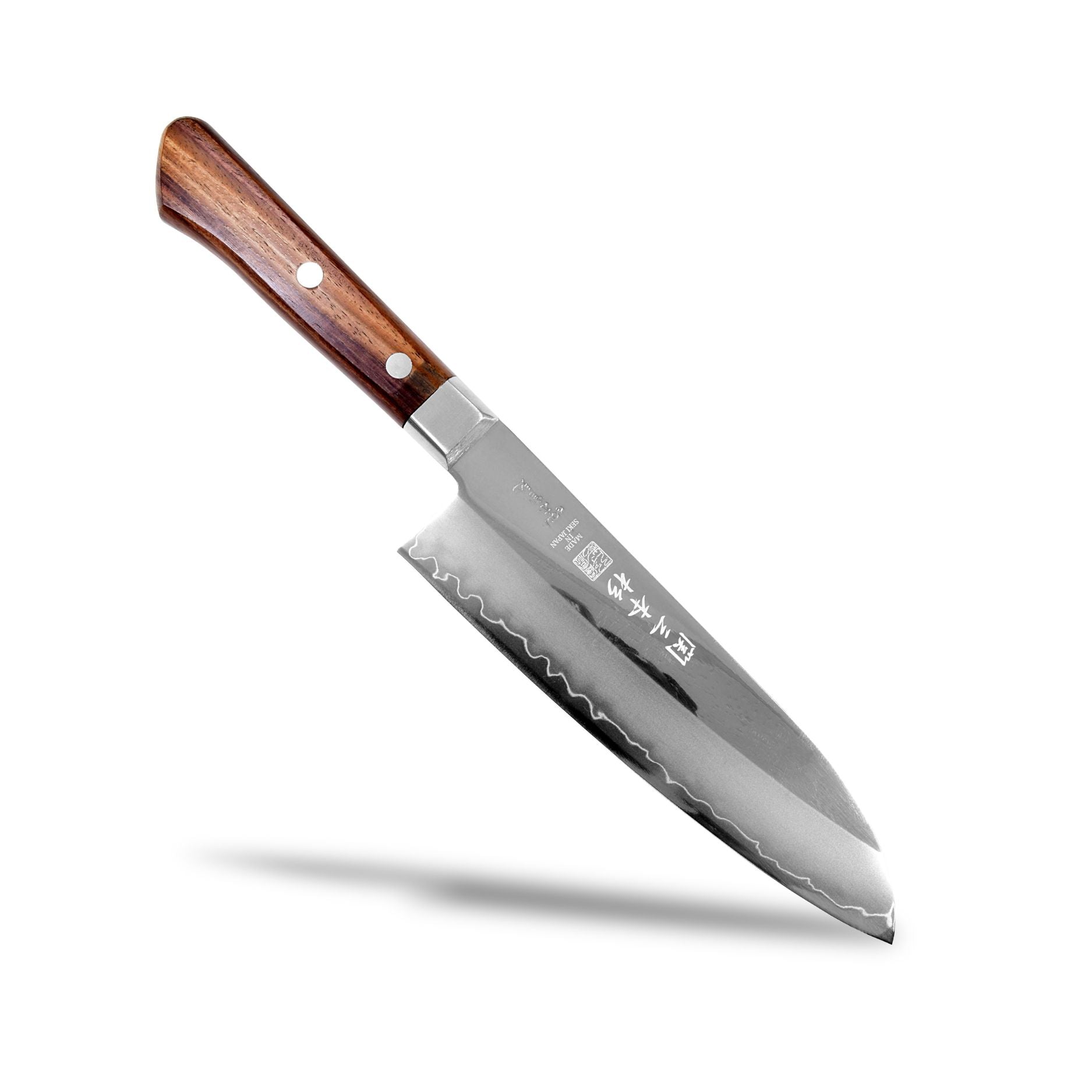
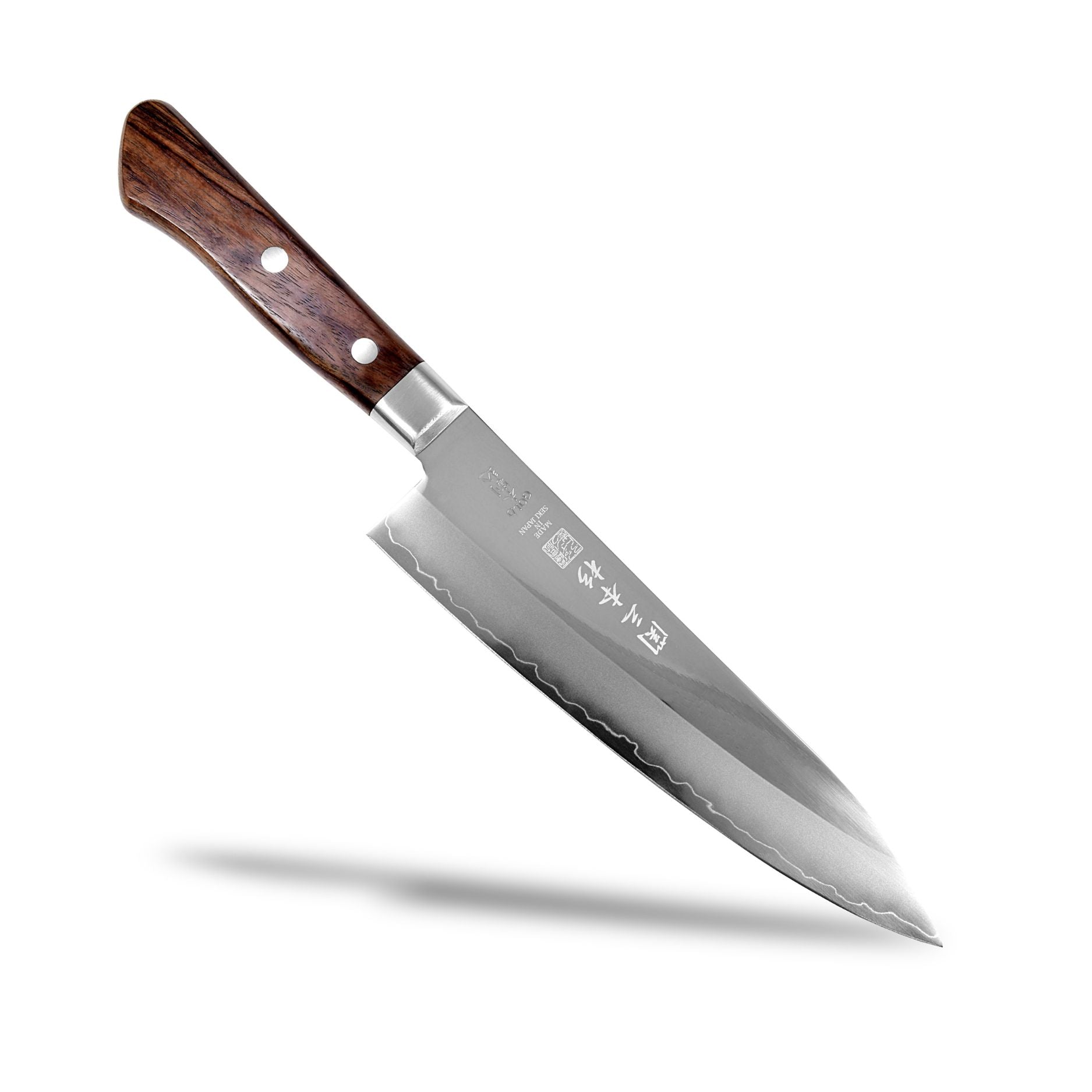
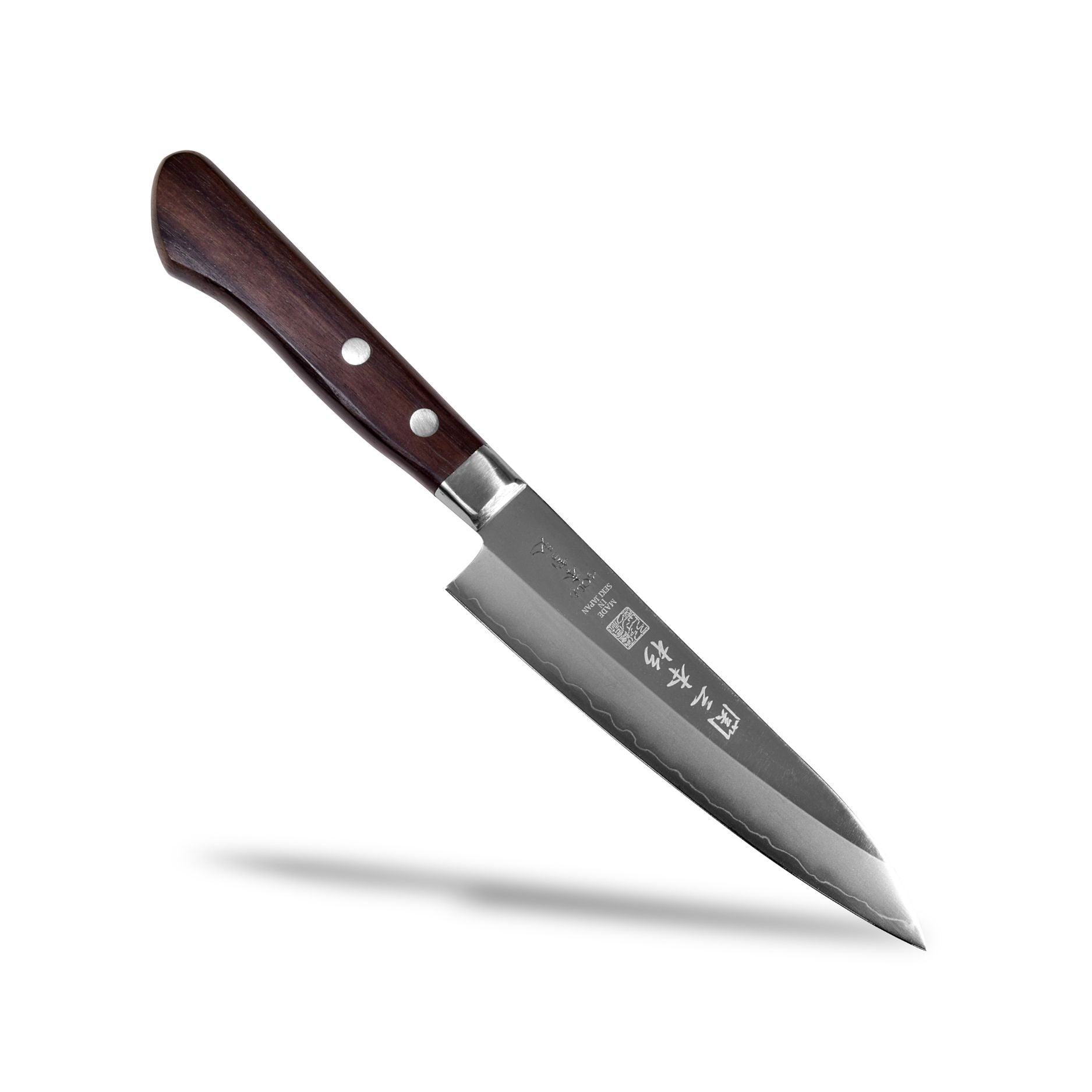
Japanese kitchen knives are specialized knives for specific purposes, such as yanagiba, deba, and usuba, so for home use, it's safest to start with a santoku or gyuto class knife.
In short, for beginners, the combination of a stainless steel Japanese knife and a general-purpose blade is the safest way to choose a knife.
While Japanese steel knives (such as those made from blue or white steel) are appealing for their sharpness, they rust easily and require regular maintenance, so it's recommended to consider them as your second or subsequent knife.
If rust resistance is your priority, choose stainless steel (VG10, AUS series, 4116 steel, etc.); if sharpness and the enjoyment of breaking in the blade are your priorities, choose carbon steel (Aogami, Shirogami, etc.). This is how you should define your selection criteria.
For beginners, the first thing to keep in mind is to narrow down your choices in this order: "Cooking purpose → Type of Japanese knife → Steel material → Size and price." Rather than trying to find the perfect knife from the start, simply organizing your criteria in this order will significantly narrow down your options and make it easier to find a knife that is actually easy to use.
What are the different types of Japanese kitchen knives, and which one should a beginner choose first?
While there appear to be many types of Japanese kitchen knives, the conclusion is that beginners should choose either a versatile all-purpose knife that is easy to use for home cooking, or one that specializes in handling the ingredients they frequently use.
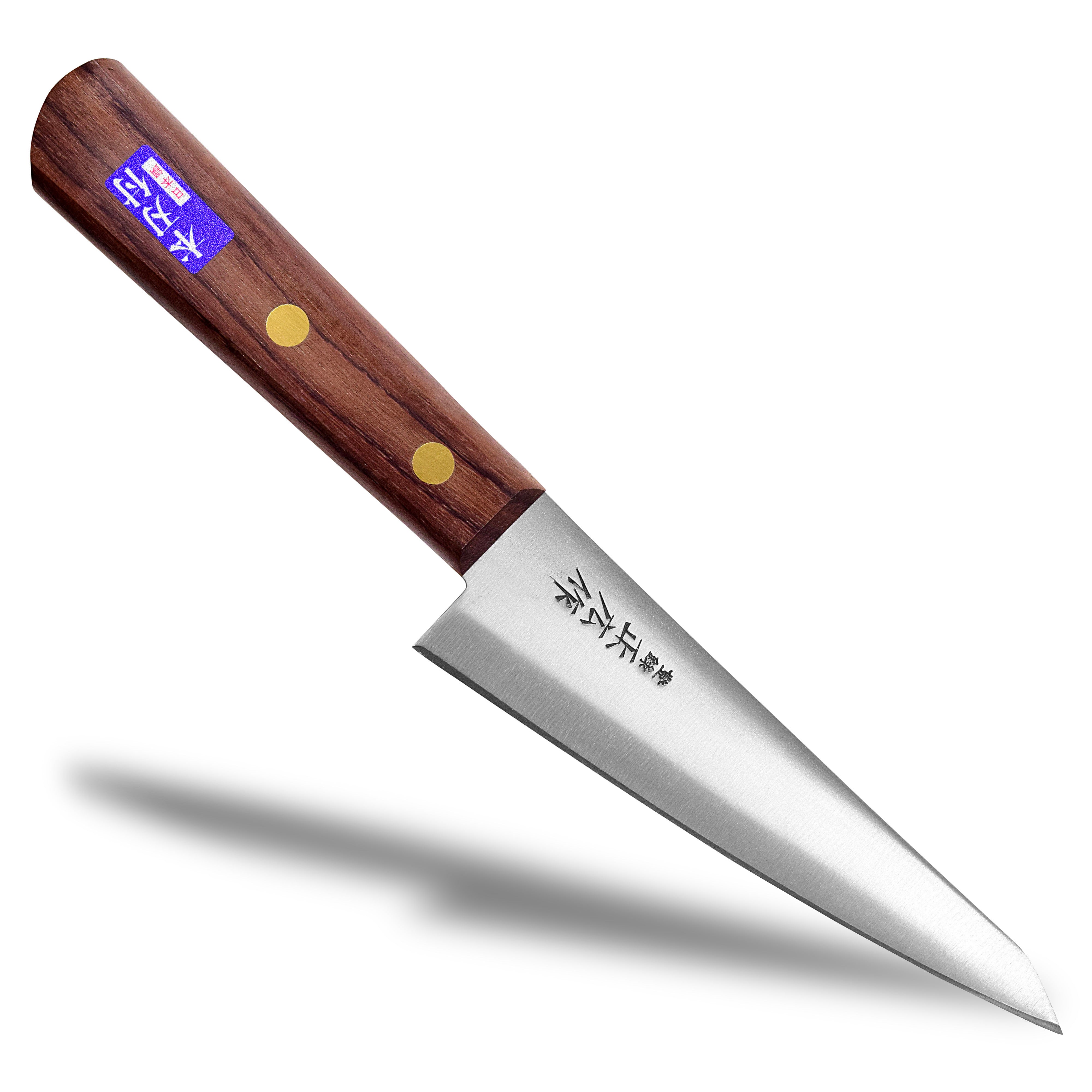
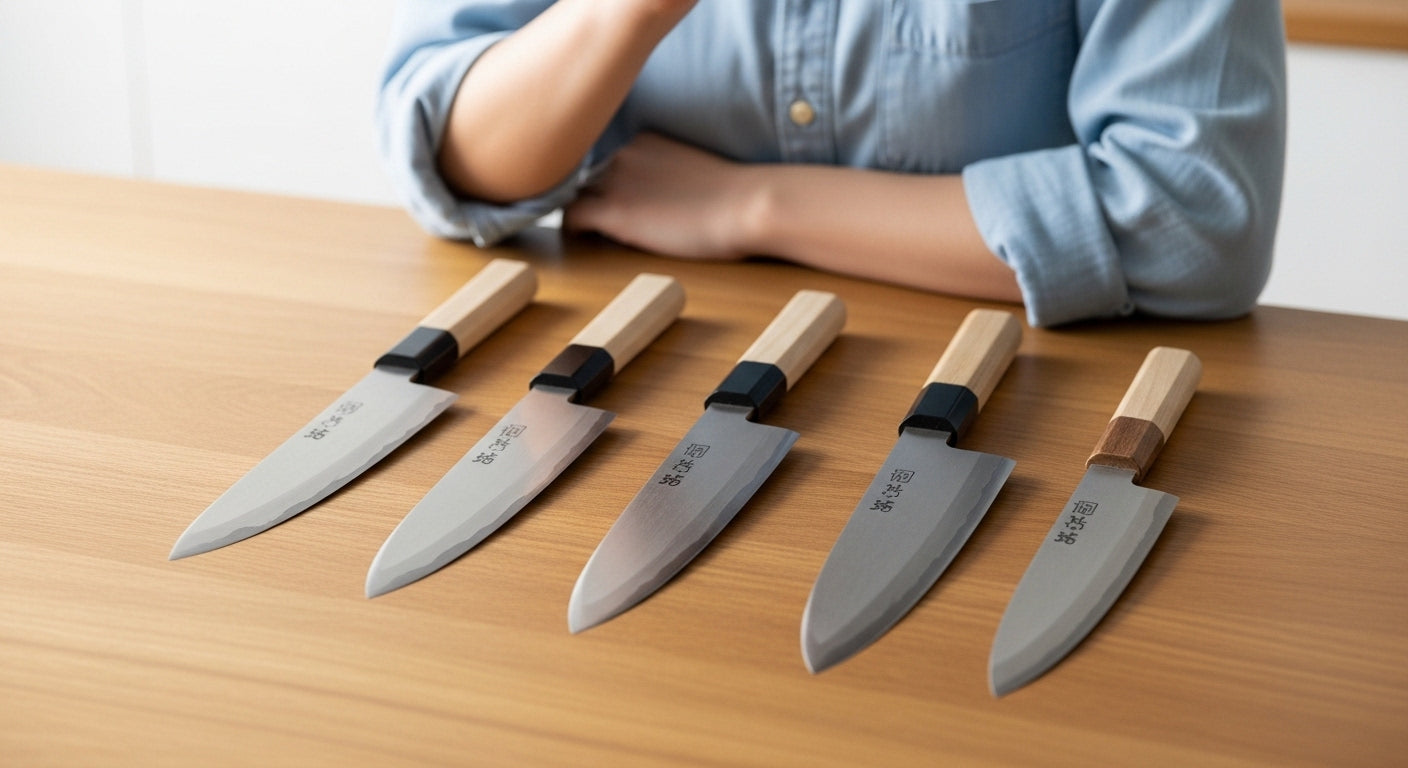
Compared to Western knives, Japanese knives are often single-edged, and are characterized by their clearly defined roles for each purpose, such as yanagiba for sashimi, deba for filleting fish, and usuba for vegetables.
For example, if you want to "slice sashimi neatly," choose a yanagiba; if you want to "fillet a whole fish," choose a deba; and if you want to "try your hand at katsura-muki (thinly peeling vegetables)," choose a usuba. Choosing a knife by working backward from the cooking scenario will make it easier to decide. Just having a general understanding of the role of each type of knife will give you a clear basis for your selection and help you choose a knife you won't regret.
What are some of the most common types of Japanese kitchen knives?
To put it simply, the basics of Japanese kitchen knives begin with mastering the three main types: the yanagiba for sashimi, the deba for fish, and the usuba for vegetables.
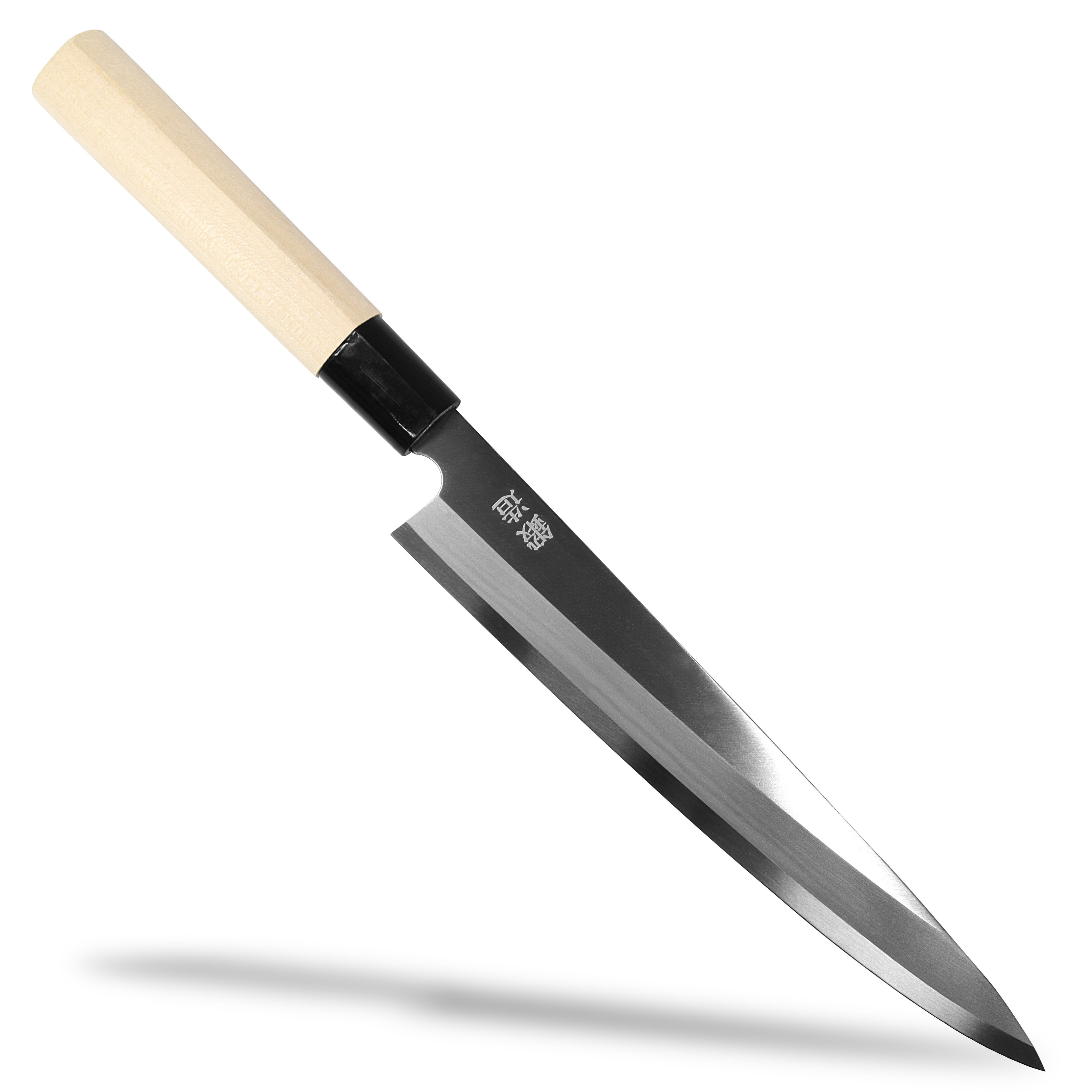
The yanagiba knife is characterized by its long blade, designed for slicing sashimi in a single stroke, and is specifically made for beautifully cutting sashimi from fish fillets. The longer the blade, the smoother the cut surface becomes with each stroke, making it an essential knife for those who are particular about the finish of their sashimi.
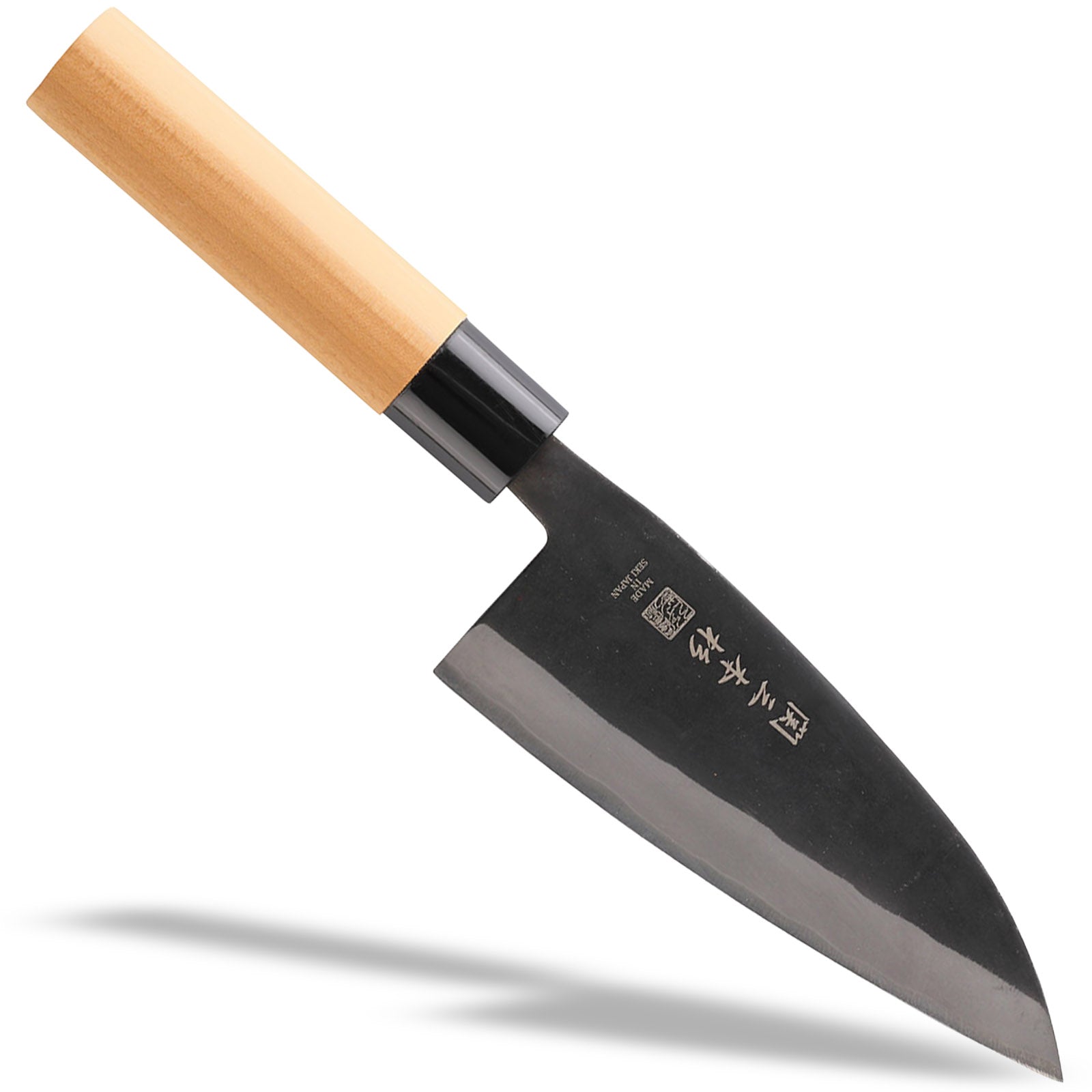
Deba knives have a thick, heavy blade and are ideal for preparing whole fish, such as removing the head, filleting, and handling small bones. Their thick blades make them sturdy and resistant to chipping even when hitting bones.
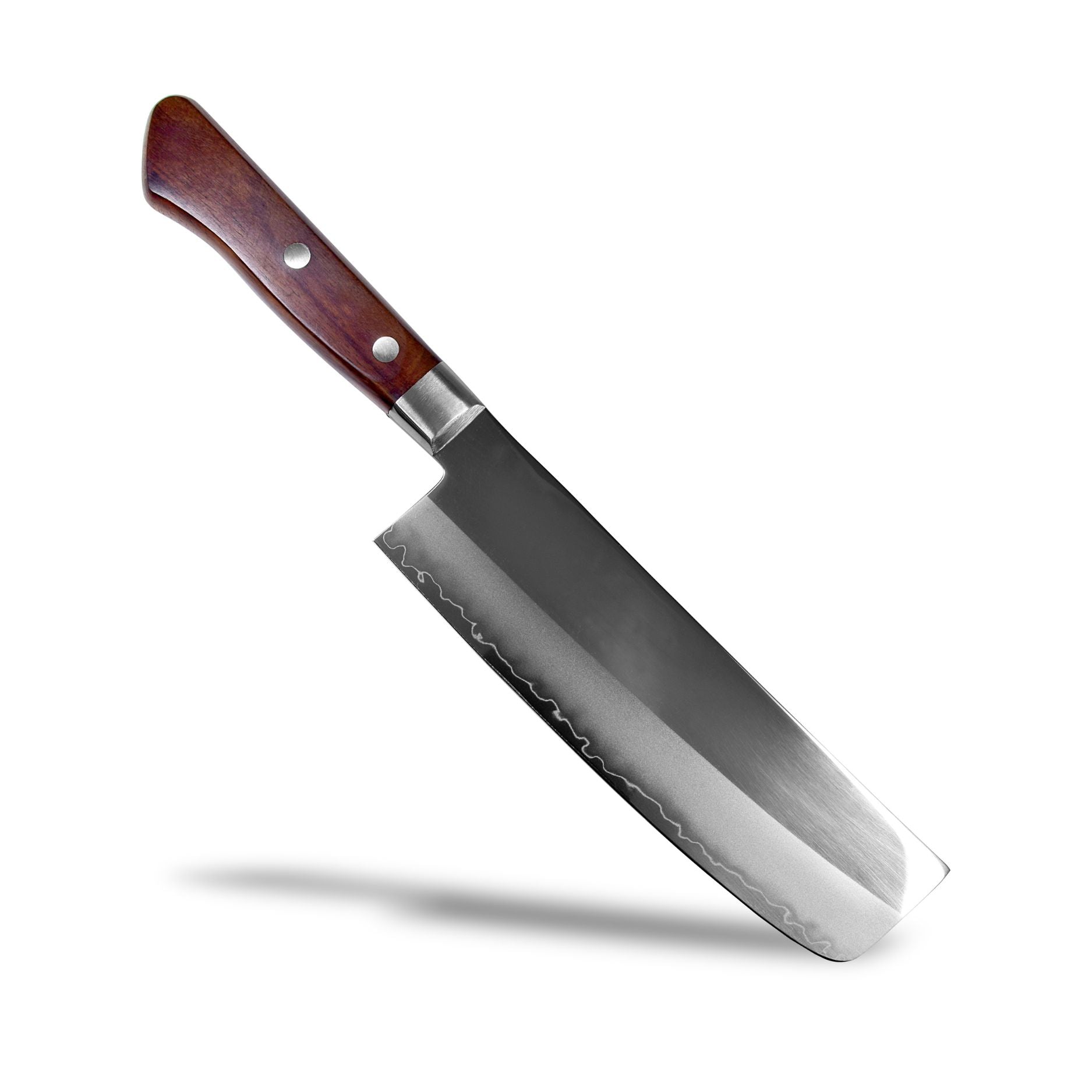
The thin-bladed knife is a type of Japanese vegetable knife. Its single-edged shape makes it easy to perform tasks such as peeling vegetables, and it is also suitable for delicate vegetable carving and decorative cutting. This type of knife is ideal for chefs who care about the appearance of their dishes, and for those who want to enjoy authentic Japanese cuisine at home.
For home use, should I choose a Japanese or Western-style kitchen knife first?
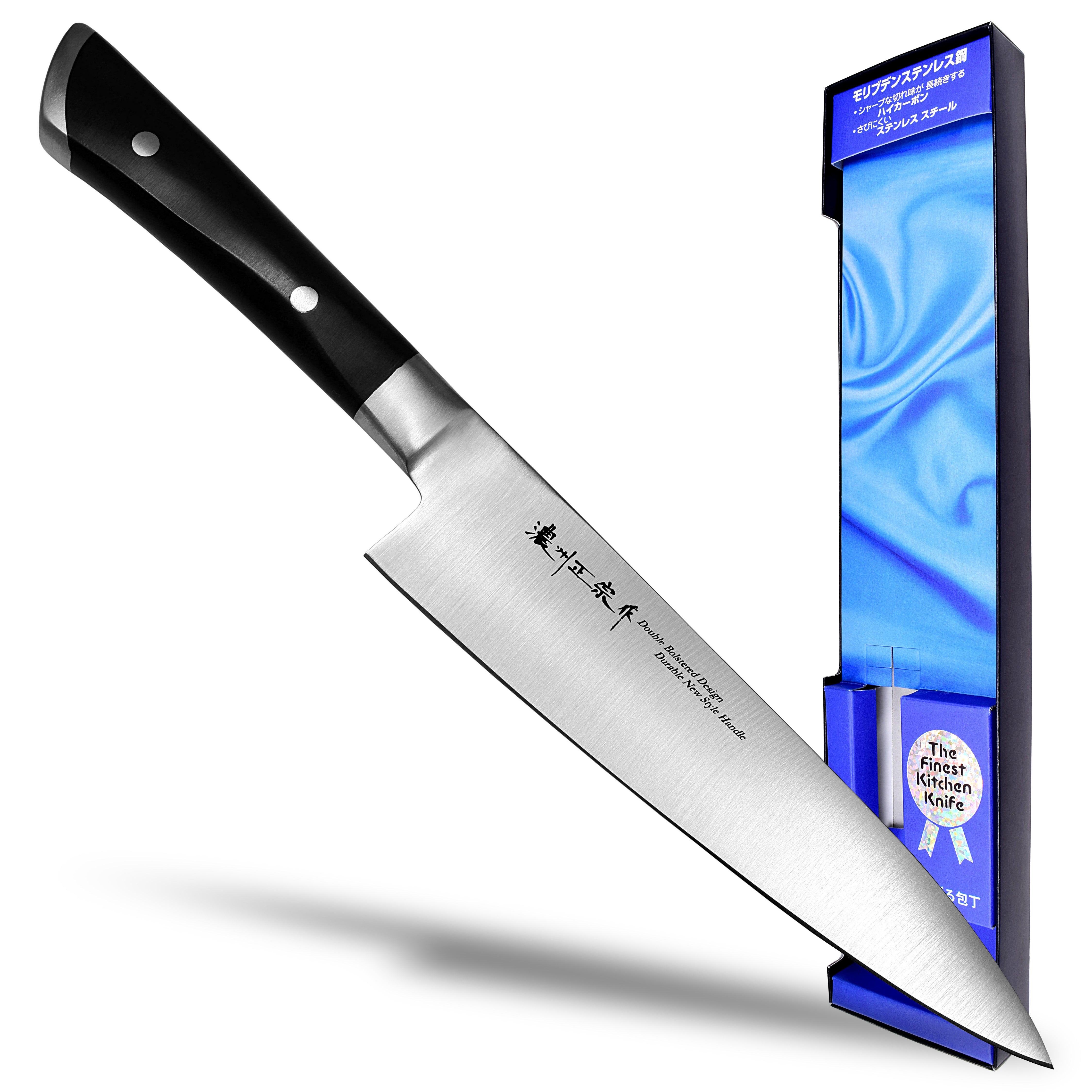
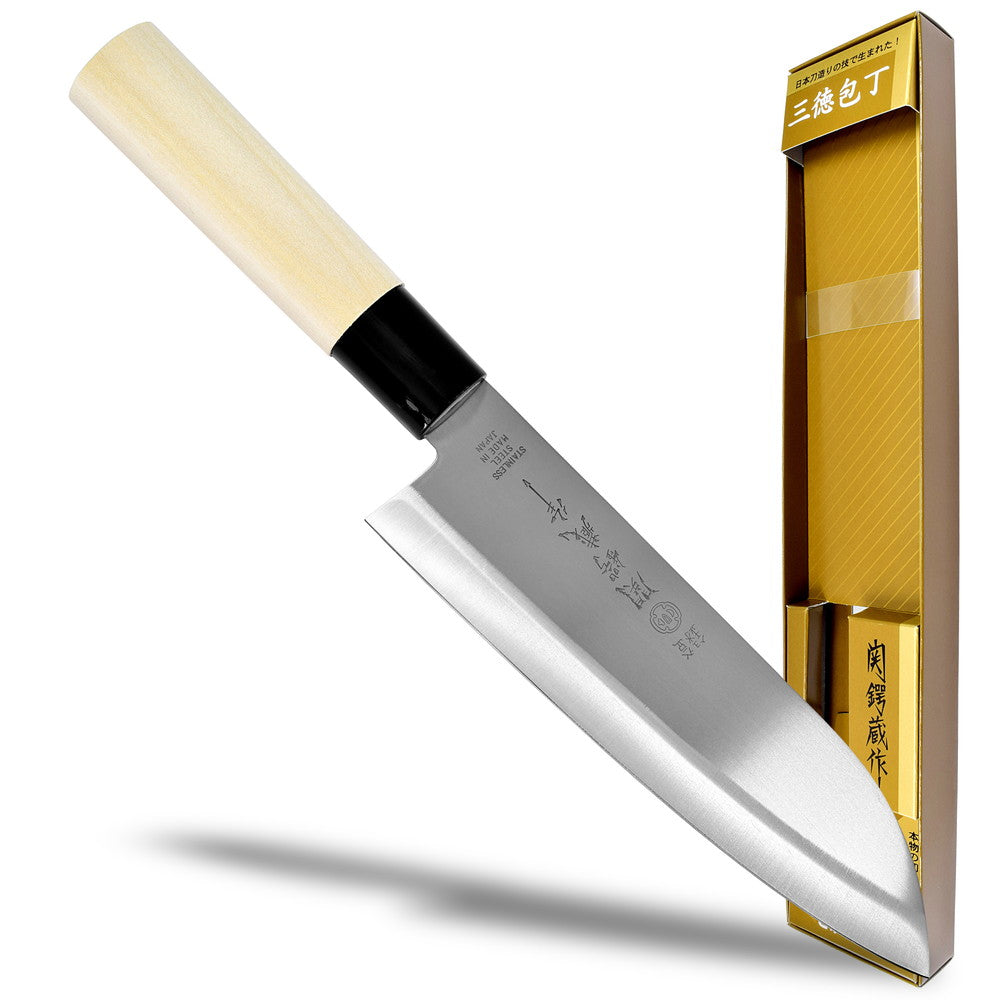
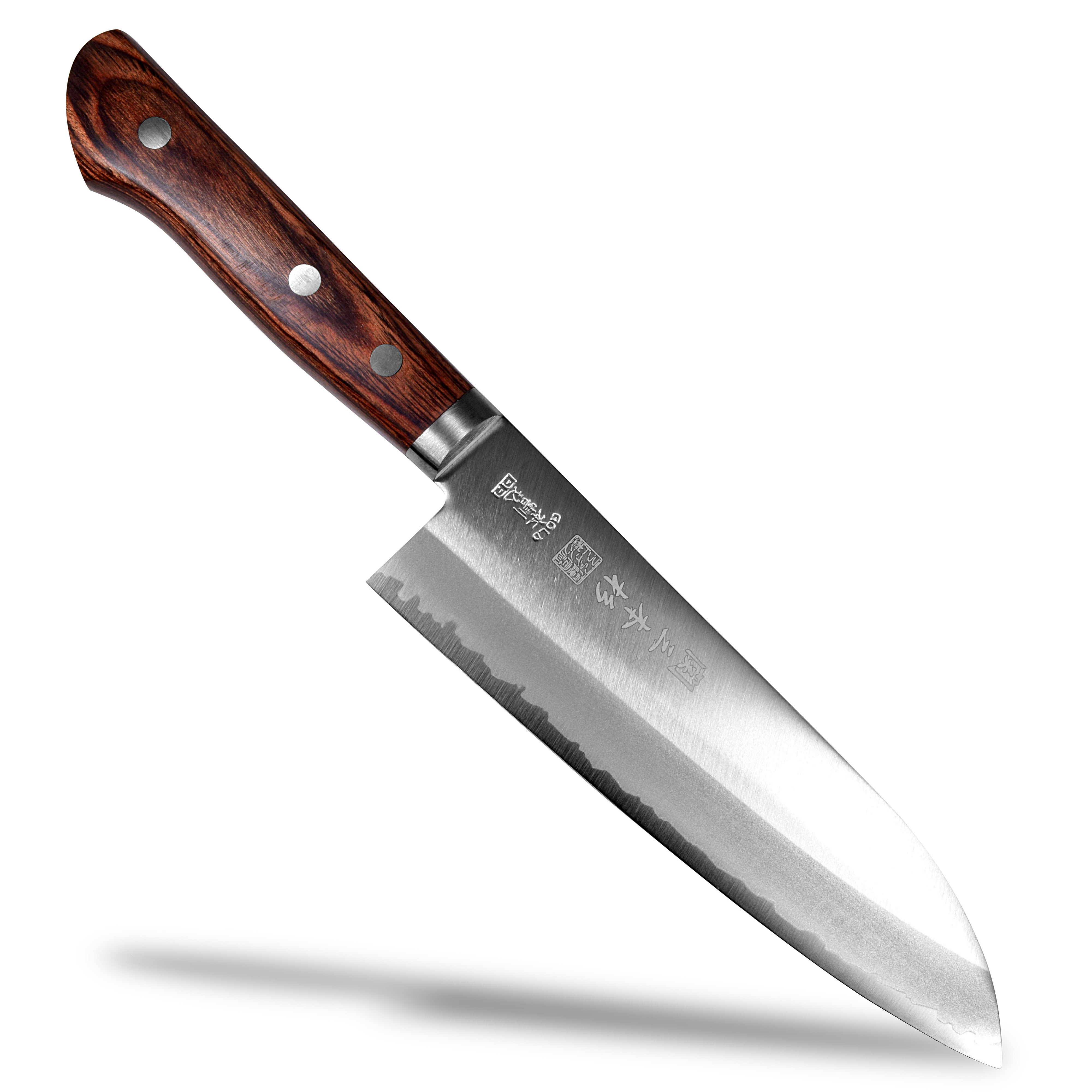
In short, if you're only buying one knife for home use, it's a practical choice to opt for a more versatile style, such as a santoku or gyuto (Japanese chef's knife), which is closer to a Western-style knife, rather than focusing on the specialized features of a traditional Japanese knife.
In many households, a santoku or gyuto knife, which can handle meat, fish, and vegetables, is the main knife used, and traditional Japanese knives such as yanagiba or deba are generally added when one wants to specialize in sashimi or fish dishes.
However, if your lifestyle involves frequently buying whole fish or preparing sashimi weekly, then choosing a Japanese knife set with a deba and yanagiba knife from the start is a reasonable approach. Reflecting on the ingredients you frequently use in your kitchen is the first step in choosing the right set.
Recommended configurations for beginners, categorized by purpose.
The first thing beginners should focus on is narrowing down the types of Japanese knives they choose to match their own cooking style.
For example, if you're mainly cooking fish and meat fillets purchased from the supermarket on the weekend, a santoku or chef's knife would be a good choice, with a yanagiba knife added later.
On the other hand, for those who enjoy fishing and often bring home whole fish, or for families who buy whole fish at the fish market, a combination of a 150-180mm deba knife and a 240mm yanagiba knife would function as a classic Japanese kitchen knife set. Rather than trying to acquire a complete set from the start, the most rational approach for long-term use of kitchen tools is to add knives one by one based on "what is missing from your current cooking needs."
What are the criteria for choosing steel materials for beginners when it comes to Japanese kitchen knives?
In conclusion, the most important factor when choosing steel for beginners is finding a balance between "rust resistance" and "ease of maintenance."
Kitchen knife steel can be broadly divided into two types: carbon steel (such as Aogami and Shirogami), which offers superior sharpness, and stainless steel (such as VG10, AUS series, and 4116 steel), which is resistant to rust.
For busy households or those unfamiliar with knife maintenance, it's recommended to choose a stainless steel Japanese knife as your first knife, and then consider a steel knife as a second or later purchase, as it offers the "joy of nurturing" the knife over time. The difference in steel directly impacts the daily feel of the knife, so honestly considering your lifestyle when making your choice is the quickest way to find a knife that will last a long time.
What's the difference between steel and stainless steel in one word?
In short, steel is a material where "sharpness is the top priority," while stainless steel is a material where "rust resistance is the top priority."
Steel knives are made from carbon steel, which is iron with added carbon. They are very hard and cut very well, but they rust easily, so washing and drying them immediately after use is essential. For people who enjoy this "maintenance required" aspect, steel knives are very appealing tools.
Stainless steel knives are made from an alloy of steel with added chromium and other elements. While their sharpness is slightly inferior to that of solid steel, they offer sufficient sharpness for home use, are rust-resistant, and require significantly less maintenance. They are a low-barrier choice for a first knife and can be used with confidence even by those unfamiliar with knives.
Typical steel materials for beginners
The steel materials that beginners should focus on first are stainless steel types such as VG10, AUS, and 4116, and carbon steel types such as Aogami and Shirogami.
VG10 is a high-performance stainless steel made in Japan. It boasts high hardness and durability, making it a well-balanced steel widely used by professionals and home cooks alike. Both its sharpness and edge retention are of a high standard, making it a great choice for your first stainless steel Japanese kitchen knife, one you can be satisfied with for a long time.
AUS-type steels, such as AUS-10, have a high chromium content and are slightly softer than VG10, resulting in a more resilient blade that is less prone to chipping and easier to handle. This steel is suitable for those who prioritize ease of use over sharpness.
Blue and white steels are carbon steels that become sharper the more they are sharpened, which is their main appeal. However, they are prone to rusting and require meticulous maintenance, making them a material for "advanced users or those buying their second or subsequent knives." If you want to experience the superb sharpness, it is recommended to try them after you have become accustomed to stainless steel knives.
Steel material selection criteria
The most important thing is to decide "what to prioritize."
If you prioritize rust resistance and ease of use, choose stainless steel (VG10, AUS, or 4116 steel). If you value sharpness and the satisfaction of sharpening, consider carbon steel such as Aogami or Shirogami.
In terms of price range, entry-level stainless steel knives are relatively affordable, while high-end carbon steel Japanese knives tend to be more expensive. Therefore, balancing your budget is a realistic criterion for beginners. It's important to consider the perspective of "investing in one knife that you'll use for a long time" while also carefully selecting a quality knife within a reasonable budget.
FAQ
Q1. What type of Japanese kitchen knife should a beginner choose?
A1. If you mainly cook at home, it's efficient to start with a santoku or gyuto knife for versatility, and then add a yanagiba or deba knife when you start to focus on sashimi and fish dishes.
Q2. Is steel (hagane) suitable for a first Japanese kitchen knife?
A2. While it offers excellent cutting performance, it is prone to rusting, making it suitable for those who can regularly clean, remove moisture, and dry it. For busy beginners, starting with stainless steel knives is easier.
Q3. Which is better for beginners, the VG10 or the AUS-10?
A3. VG10 is highly hard and offers excellent sharpness and durability, while AUS-10 is slightly softer and less prone to chipping. Therefore, a practical choice would be AUS-10 if ease of use is a priority, and VG10 if long-lasting sharpness is a priority.
Q4. What is the difference between a yanagiba knife and a deba knife?
A4. Yanagiba knives have long blades for slicing sashimi, while deba knives are for tasks that require more force, such as cutting off fish heads or filleting fish into three pieces. Their uses are clearly defined.
Q5. Which is better for beginners, Aogami steel or Shirogami steel?
A5. Both are made of carbon steel, which is prone to rusting and requires maintenance, but it's easier to choose if you think of white steel as being relatively easy to sharpen and suitable for beginners, while blue steel is for intermediate and advanced users who want higher sharpness and hardness.
Q6. What is the standard blade length for a Japanese kitchen knife used in home cooking?
A6. Yanagiba knives are typically 210-270mm long, and deba knives are 150-180mm long. Choose the size that best suits the size of fish you will be handling and your kitchen space.
Q7. What kind of budget should we budget for the first project?
A7. For beginners looking for a stainless steel Japanese kitchen knife, there are options starting from around 10,000 yen for home use grades. If you plan to use it long-term, it's worth increasing your budget a little and choosing a higher-quality knife.
Q8. Is it necessary to own both Japanese and Western-style knives?
A8. It's not essential. A more realistic approach is to start with a single general-purpose knife like a santoku or gyuto, and then add a yanagiba or deba as your interest in Japanese cuisine, such as sashimi and fish dishes, grows.
Q9. Are there any differences between right-handed and left-handed users when it comes to single-edged Japanese kitchen knives?
A9. Single-edged knives have different blade sharpening for right-handed and left-handed users. Left-handed users will find it difficult to cut unless they choose a model specifically designed for them, so it is essential to check the specifications before purchasing.
summary
- In conclusion, when beginners choose a Japanese kitchen knife, narrowing down your options in the following order will help you find the perfect knife without any hesitation.
- For your first knife, it's practical to consider a combination of a santoku/gyuto knife for home use, or a deba/yanagiba knife if you prioritize fish dishes, based on a stainless steel material that is rust-resistant and easy to handle (such as VG10, AUS, or 4116 steel).
- While steel (such as Aogami or Shirogami) is appealing for its exceptional sharpness and the "joy of nurturing" it, it also requires considerable maintenance. Therefore, it's wise to choose it as a second or subsequent knife when you're ready to enjoy the daily upkeep.