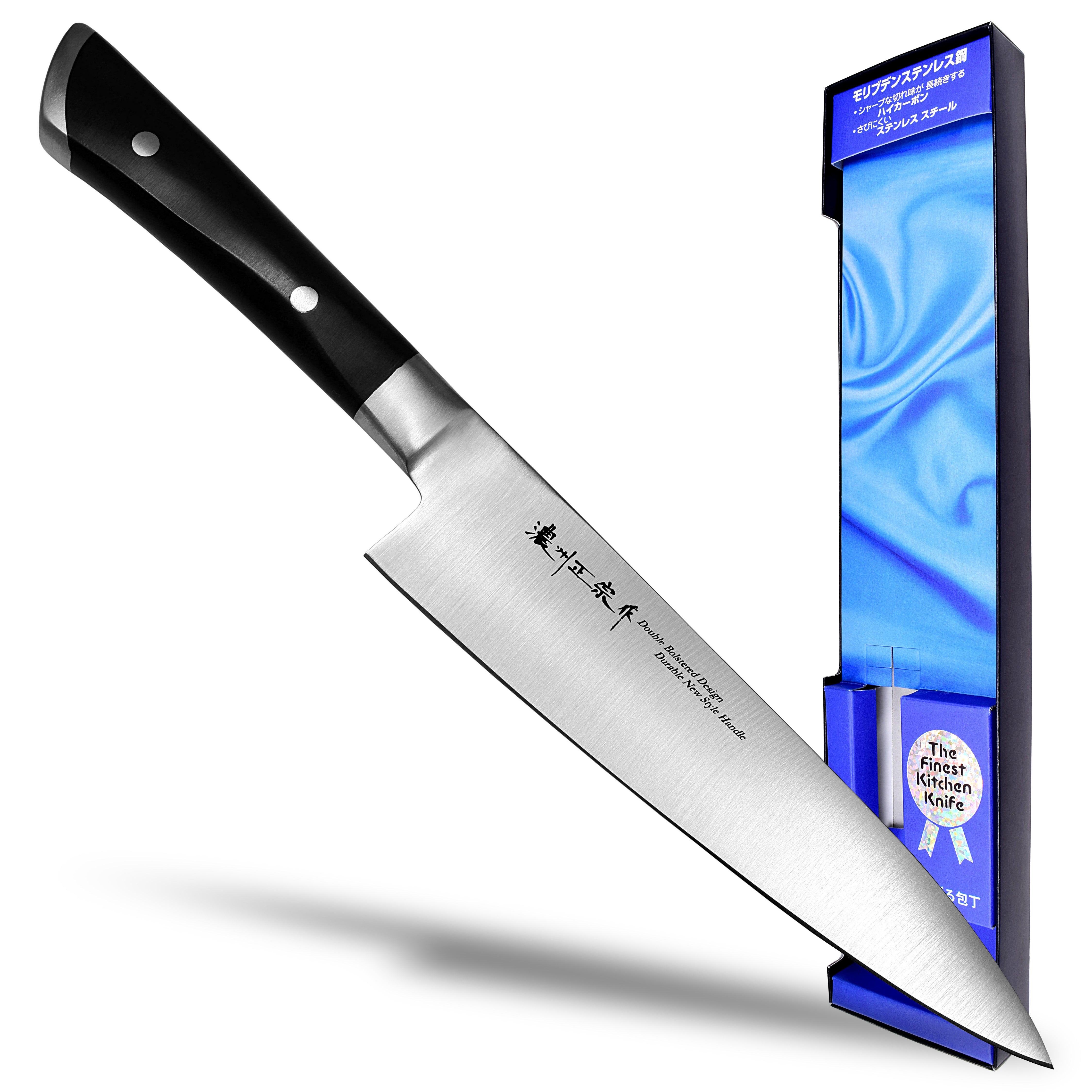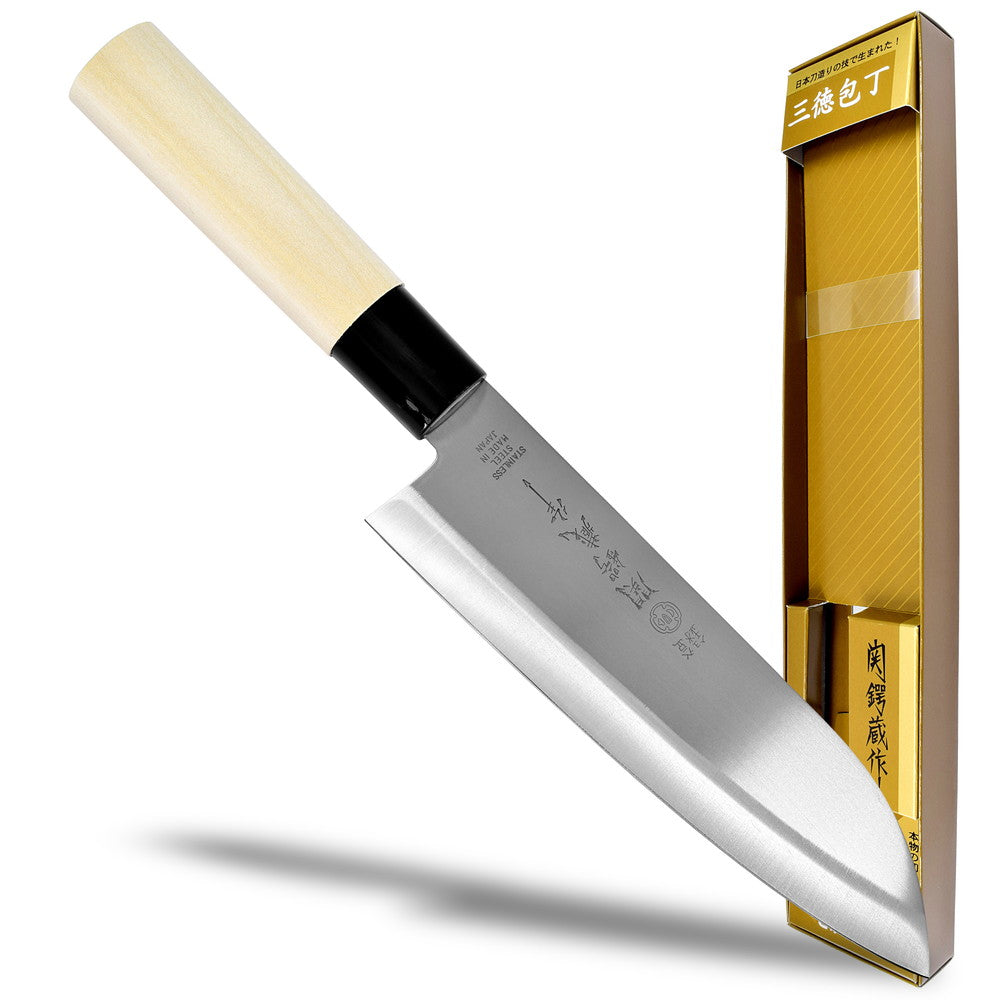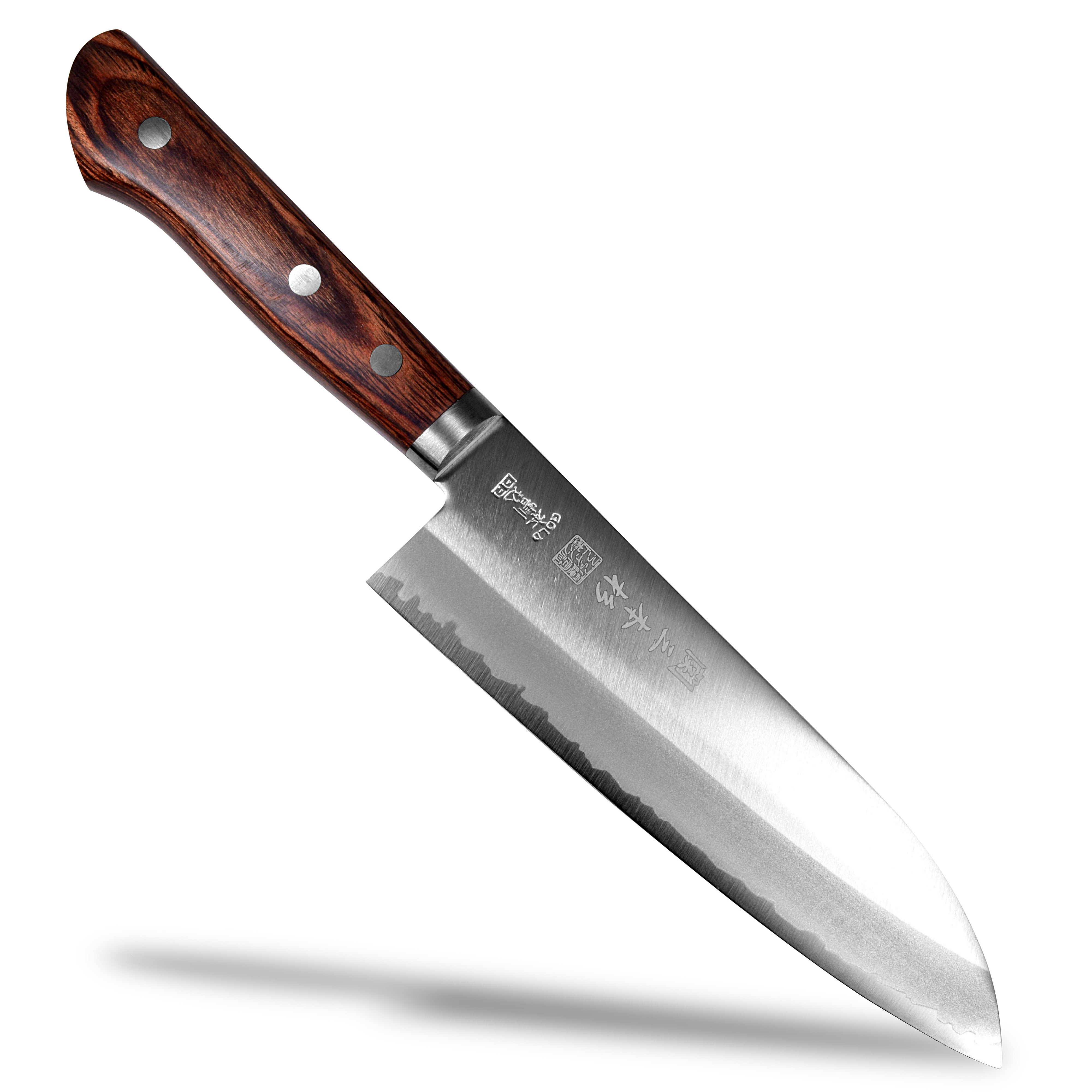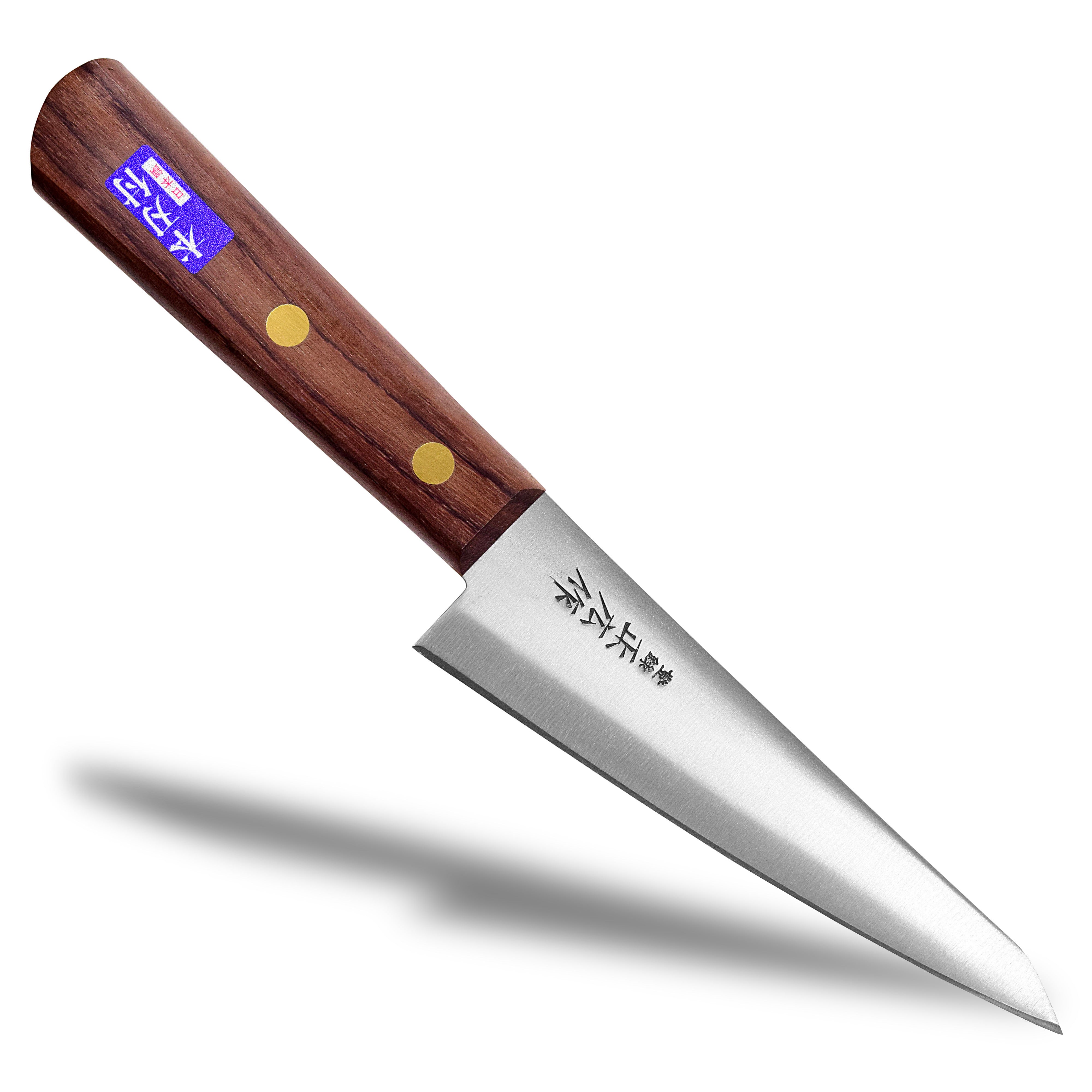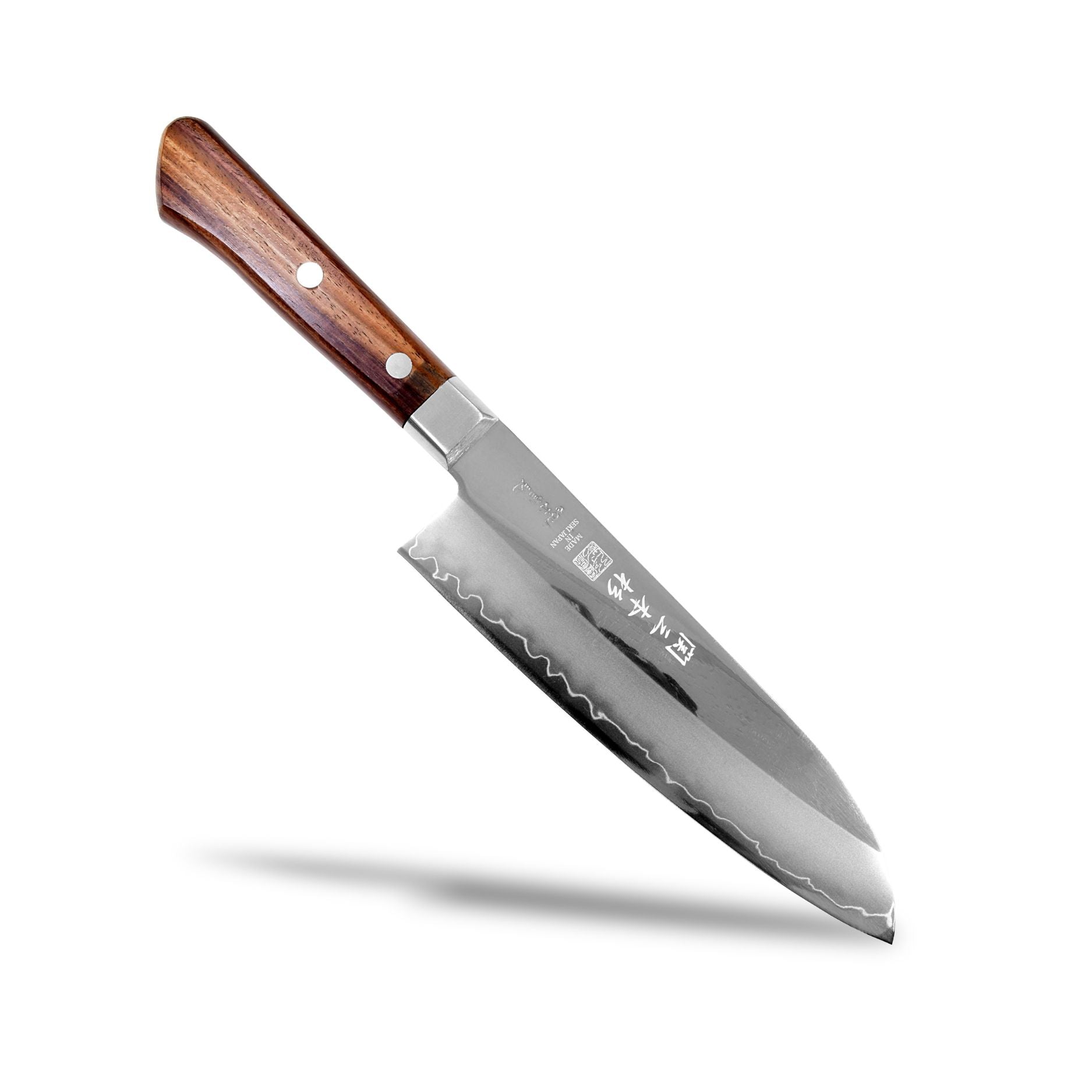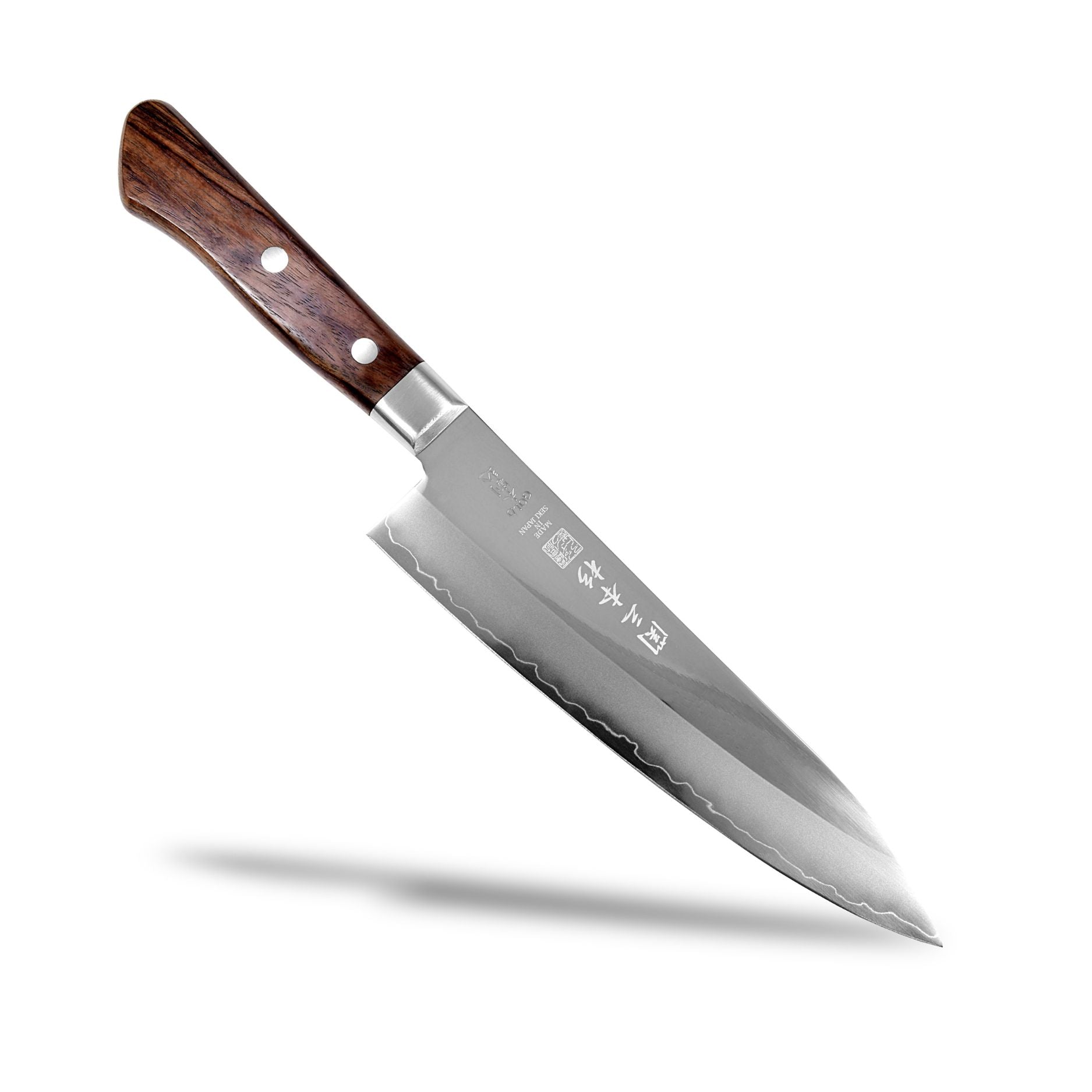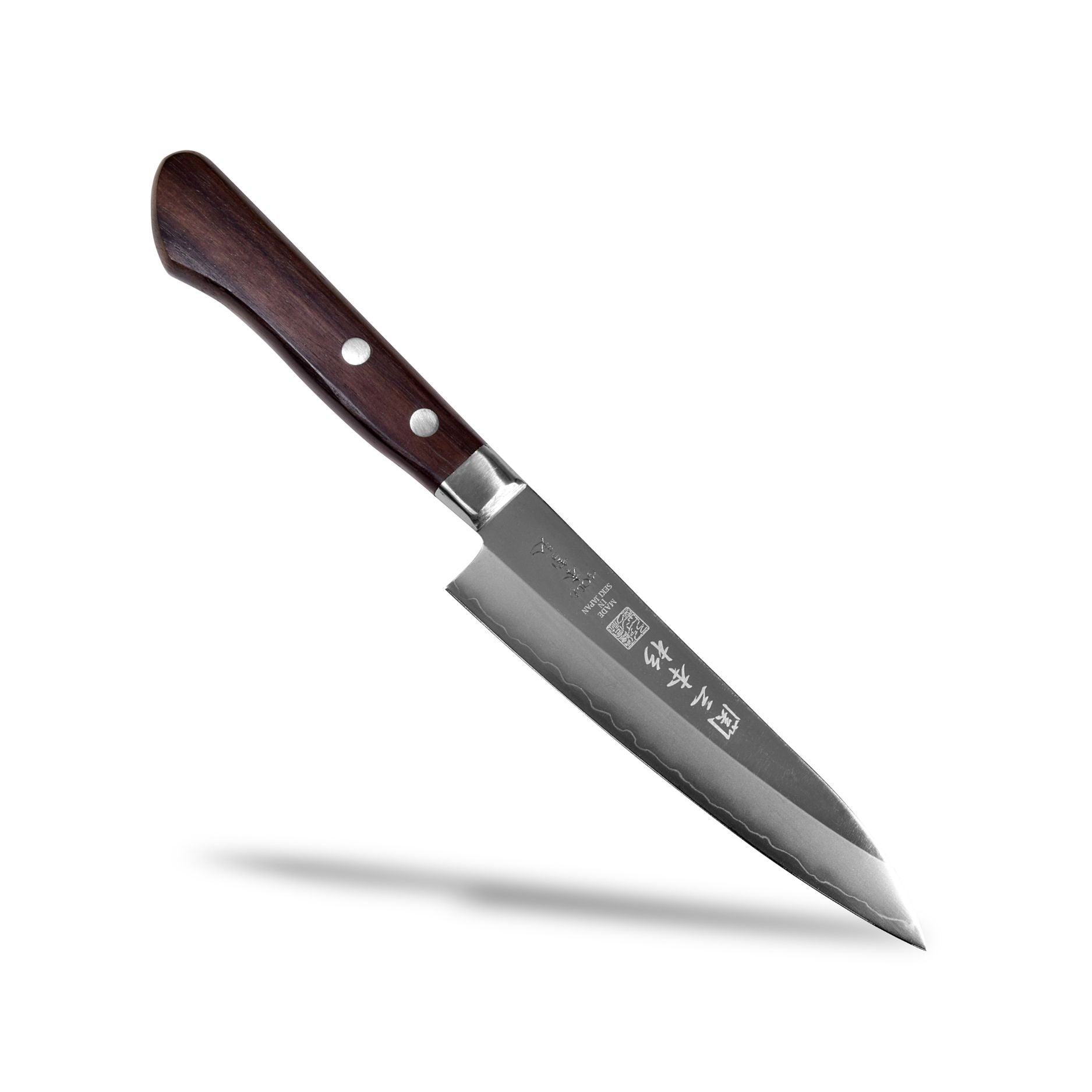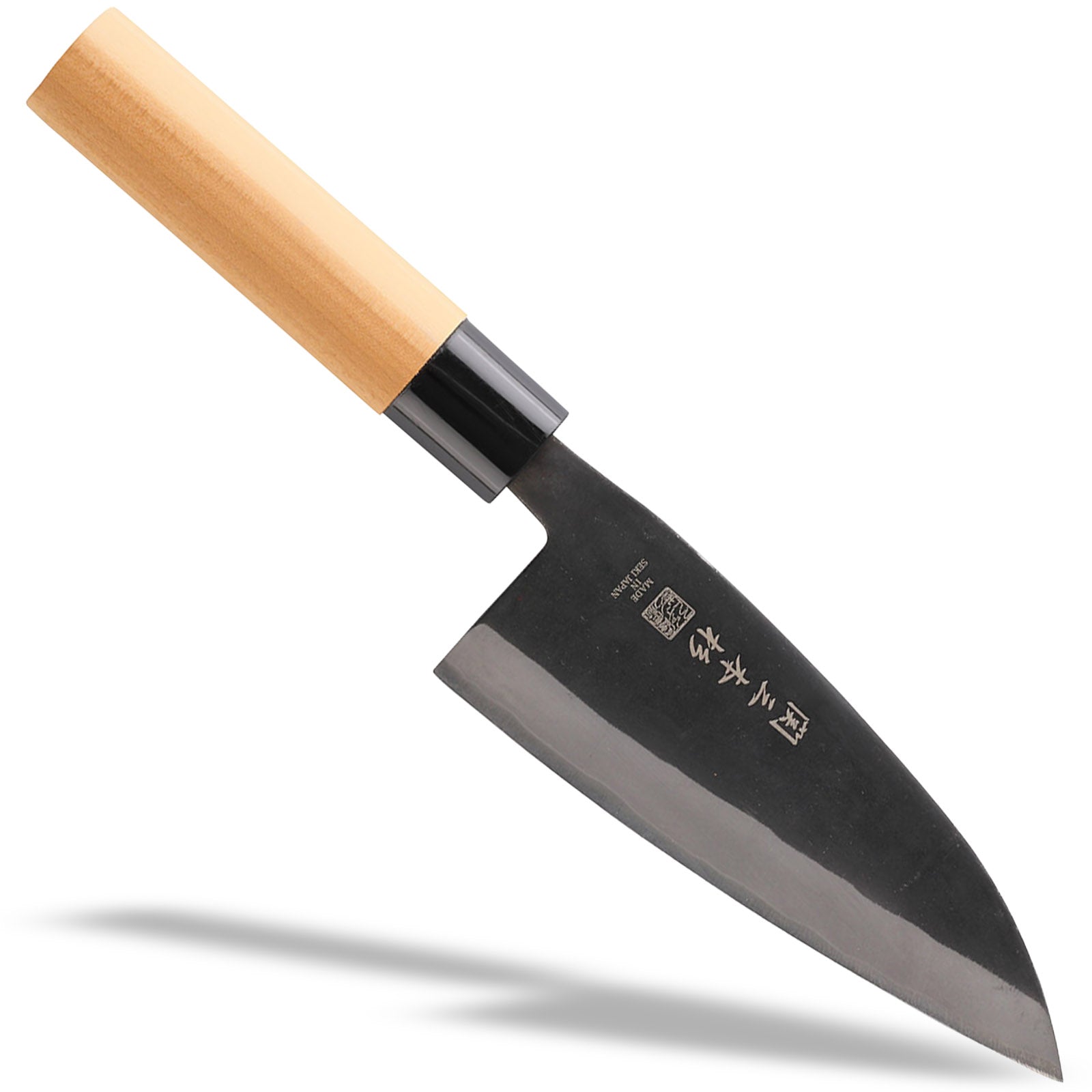

[Japanese Kitchen Knife Sharpening Techniques for Professionals] Understanding the Requirements of Steel and the Differences Between Home and Home Use Knives
In conclusion, a "Japanese kitchen knife that can be used in a professional setting" will only truly demonstrate its capabilities when you understand the correct sharpening techniques, the requirements for professional-grade steel, and the differences between it and a kitchen knife for home use.
[Key points of this article]
By following the correct angle, pressure, and order when sharpening a Japanese kitchen knife, even beginners can achieve a level of sharpness comparable to that of a professional.
The biggest difference between professional knives and household knives is the "quality of the steel, the precision of the blade, and their specialization for specific uses," and daily sharpening and maintenance are assumed.
The most important thing is to choose the right steel and blade shape for your specific work environment and to master a sharpening technique that you can stick with.
Today's review: 3 key points
By following the correct angle, pressure, and order when sharpening a Japanese kitchen knife, even beginners can achieve a level of sharpness comparable to that of a professional.
The biggest difference between professional knives and household knives is the "quality of the steel, the precision of the blade, and their specialization for specific uses," and daily sharpening and maintenance are assumed.
The most important thing is to choose the right steel and blade shape for your specific work environment and to master a sharpening technique that you can stick with.
Conclusion of this article
In conclusion, professional-grade Japanese knives are tools designed with the premise of "high-quality steel + specialized use + daily sharpening," and their design philosophy differs from that of household knives.
To sharpen a Japanese kitchen knife, you should follow the basic steps of "preparing the whetstone → sharpening the back → sharpening the front → finishing → creating a secondary bevel." This will help you achieve a consistently sharp edge.
To choose a knife that will be suitable for professional use, it's important to decide whether to use steel or stainless steel, single-edged or double-edged, and the size, based on the "menu, frequency of use, and the user's skill level."
The first thing beginners should understand is that "professional-grade" doesn't mean "expensive," but rather "professional-grade" means "a knife with performance and maintenance required for real-world use."
How to Sharpen a Japanese Kitchen Knife: Professional Level - Requirements and Differences (Roughly Summarized)
In short, "professional-grade Japanese knives" are designed to maximize sharpness and durability, but in return, they require a lot of effort to sharpen and maintain, and the key to unlocking their full potential lies in the sharpening technique.
Professional-grade knives, made with high-quality steel and featuring precisely handcrafted blades, have the potential to last for many years if properly sharpened. In contrast, household knives are primarily made of stainless steel, prioritizing rust resistance and ease of use, and are designed to require sharpening only once a month to every few months.
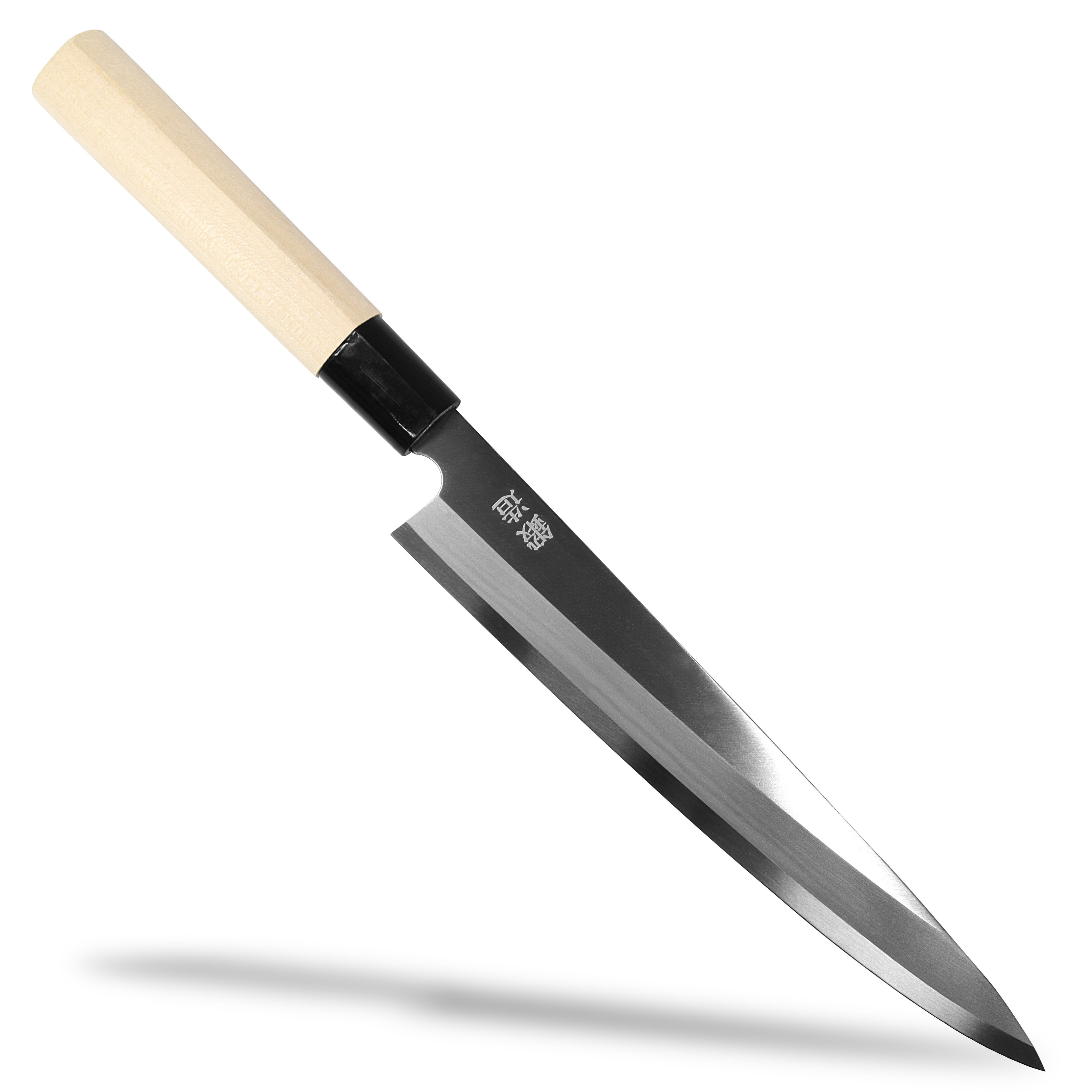
In professional kitchens, there's a culture of using multiple knives such as yanagiba, deba, gyuto, and petty knives, selecting the optimal blade type depending on the menu and your role. On the other hand, at home, the prevailing approach is to choose a versatile knife, using one or two santoku or gyuto knives to handle meat, fish, and vegetables. The prerequisites for "a knife that works in a professional setting" and "a knife that can be used without stress at home" are different.
In conclusion, the most important thing is to understand the difference between professional-grade and consumer-grade products not simply in terms of price, but in terms of the required level of maintenance and usage.
How to Sharpen a Japanese Kitchen Knife: Mastering the Basics for Professionals
What are the basic sharpening techniques for Japanese knives practiced by professionals?
In conclusion, the way professionals sharpen Japanese knives is to consistently follow this sequence: "back bevel → front (bevel side) → finishing → secondary bevel."
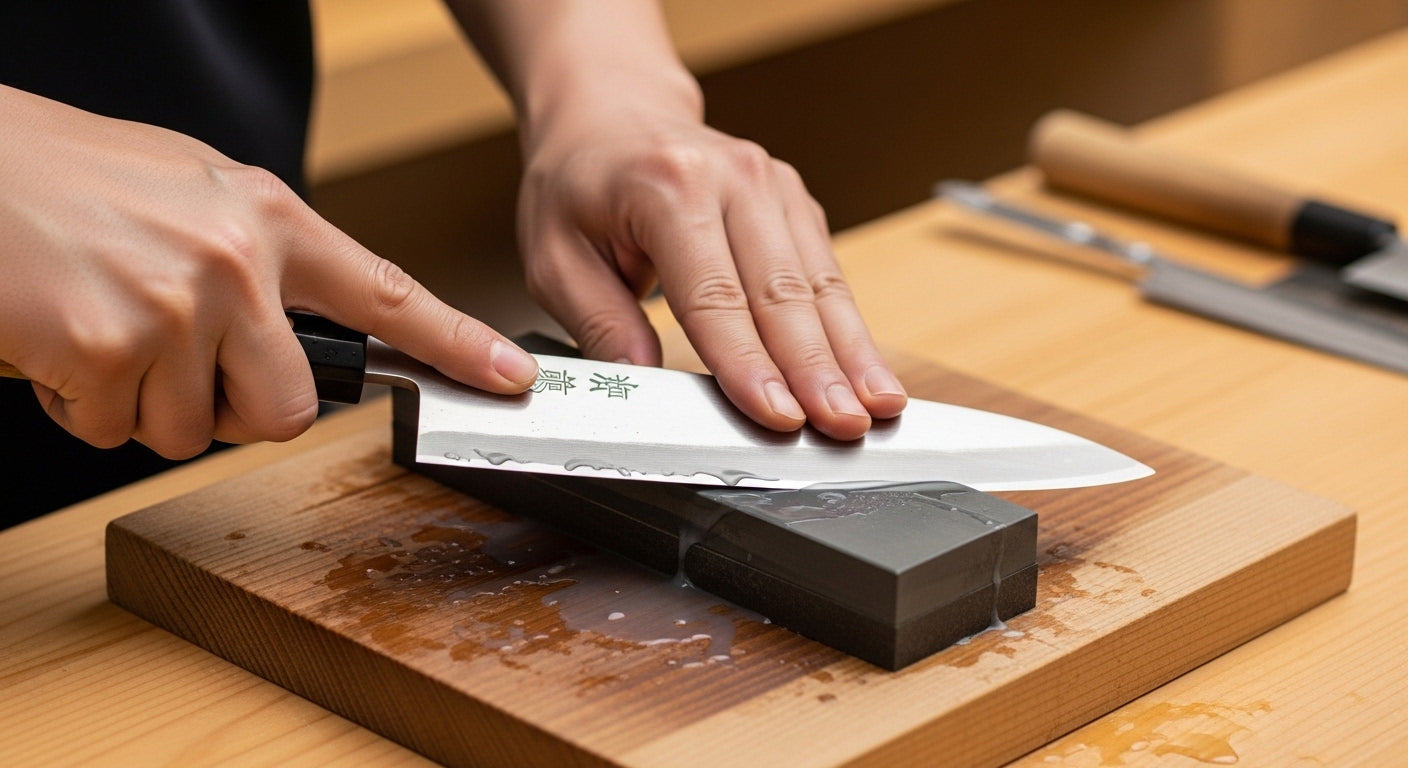
The basic technique for sharpening a knife is to place it at an angle of approximately 45 to 60 degrees to the whetstone, maintaining the blade angle, applying pressure when pushing and releasing when pulling. On the back side, sharpen it thinly and evenly by keeping it in close contact with the whetstone, and on the front side, adjust by moving your left hand fingers little by little from the tip to the base of the blade, ensuring that the point you want to sharpen makes firm contact with the whetstone.
For professionals, a key point is to first flatten the whetstone, then proceed in the order of coarse, medium, and fine whetstones, and finally, hold the whetstone at about a 45-degree angle and make a secondary bevel about 10 times to enhance the strength and stability of the blade. This "secondary bevel" is like adding a slight reinforcement to the edge, and in professional settings, it is an important element for achieving both edge retention and durability.
The first thing beginners should focus on is "maintaining the same angle and movement of the whetstone every time." Reproducibility is more important than flashy techniques when it comes to sharpness.
How many steps should I consider when sharpening a knife?
In conclusion, sharpening techniques that are effective in professional settings can be easily understood by organizing them into "2 preparation steps + 4 sharpening steps = a total of 6 steps."
First, soak the whetstone in water to flatten its surface. Next, prepare the sharpening environment and secure the whetstone so that it does not move. Then, as a back-grinding step, flatten the back side with a medium-grit whetstone, ensuring that it makes contact with the entire edge. For the front-grinding step, move the bevel side at a constant angle, sharpening evenly from the tip to the base of the blade. Use a finishing whetstone to refine the edge, remove any burrs, and create a smooth edge. Finally, as a secondary beveling step, hold the knife slightly upright and sharpen it a few times to give the edge strength and a stable cutting edge.
Once you get the hang of it, the time required is roughly 10 to 20 minutes per blade, and the initial investment in whetstones (coarse, medium, and fine) can be acquired for a few thousand to 10,000 yen. It is realistic to incorporate these six steps into your work schedule by doing at least 3 to 4 steps on busy days, or doing the full course on weekends.
In conclusion, maintaining the sharpness of professional-grade Japanese knives isn't about any "special tricks," but rather about whether you can diligently follow these basic steps.
What are the differences between professional sharpening and home sharpening?
In conclusion, the difference between professional sharpening and home sharpening boils down to three things: frequency, precision, and purpose.
Professional knives are often designed with the assumption that they will be sharpened daily, and sharpening involves not only restoring the edge but also making fine adjustments to suit the day's menu and ingredients. On the other hand, household knives are typically sharpened only once a month to once every few months, and in most cases, the priority is on creating a versatile edge that can handle any ingredient without issue.
For example, a sushi restaurant's yanagiba knife has a sharp, straight edge specifically for slicing sashimi, while a chef's knife for meat has a slightly blunter edge to prioritize edge retention. In home kitchens, a single santoku knife is used for meat, fish, and vegetables, so the blade angle is generally set moderately, and the sharpening method prioritizes durability and ease of use.
The most important thing to understand is the difference between professional kitchens, where a knife and sharpener are designed as a set, and home kitchens, where a compromise is taken to create a single knife that can do everything.
Japanese kitchen knife sharpening methods: Professional requirements and differences: What are the requirements for professional-grade sharpening?
What are the requirements for a professional-grade knife? How does it differ from a home-use knife?
In conclusion, the four main requirements for a professional-grade kitchen knife are "high-quality materials, a highly precise blade, specialized use, and a high price range."
Professional-grade knives are characterized by their use of highly durable and sharp materials such as hon-yaki (traditional hardened steel) and Damascus steel, as well as high purity of the steel and precision of the heat treatment process. Furthermore, the blade shape is optimized for each purpose, such as sashimi, meat, and vegetables, and the high level of specialization that requires "no unnecessary force and produces a beautiful finish" is a major difference from household knives.
In terms of price range, professional knives can easily cost tens or even hundreds of thousands of yen, with the value reflecting not only the materials but also the craftsmanship and brand reputation. Household knives, on the other hand, tend to be made from rust-resistant materials such as stainless steel, are lightweight and easy to handle, and are offered at a price range that makes them easy to replace.
Professional-grade knives aren't necessarily "expensive," but rather "tools designed to be sharpened and used daily in the field," and therefore possess high performance and require a high level of skill.
What are the requirements for professional-grade steel? What kinds of materials are chosen?
In conclusion, the requirements for professional-grade steel are a balance of high hardness, high purity, heat treatment precision, ease of sharpening, and edge retention.
Professional-grade Japanese kitchen knives often utilize carbon steel (such as white steel and blue steel), high-grade alloy steel, and traditionally forged steel, all of which are valued for their ability to achieve high hardness and sharp edges. The higher the purity of the steel and the precision of the heat treatment, the less prone the blade is to chipping and the longer it maintains its sharpness. However, this also means that proper sharpening and maintenance are required, making them tools that "select the right person to use."
On the other hand, for home use, materials that balance rust resistance with a certain level of sharpness, such as molybdenum vanadium stainless steel, are common, and many formulations prioritize "ease of handling" over "ease of sharpening." For restaurants and professional-oriented users, some specialty stores advise choosing steel if you prioritize sharpness and ease of sharpening, and stainless steel if you prioritize rust resistance and ease of maintenance.
The difference lies in the selection of steel materials: professional-grade steel is chosen based on "how far it can be pushed to its peak performance as a blade," while household-grade steel is chosen with the priority given to "a balance that won't fail in everyday use."
The conditions for a "product that works in the field" as seen from the menu and on-site experience.
In conclusion, a "knife that works in the field" is one with a size, steel material, and blade shape that fits the "menu, people, and place."
For restaurants, it's important to choose knives based on the menu, the material, and whether part-time staff will use them. The criteria for selection are steel if only professionals will use it, and stainless steel if all staff will use it. Additionally, the recommended size for a chef's knife is 24-30cm for men and 18-21cm for women, with the option of using 21-30cm depending on the kitchen space and the size of the ingredients being handled.
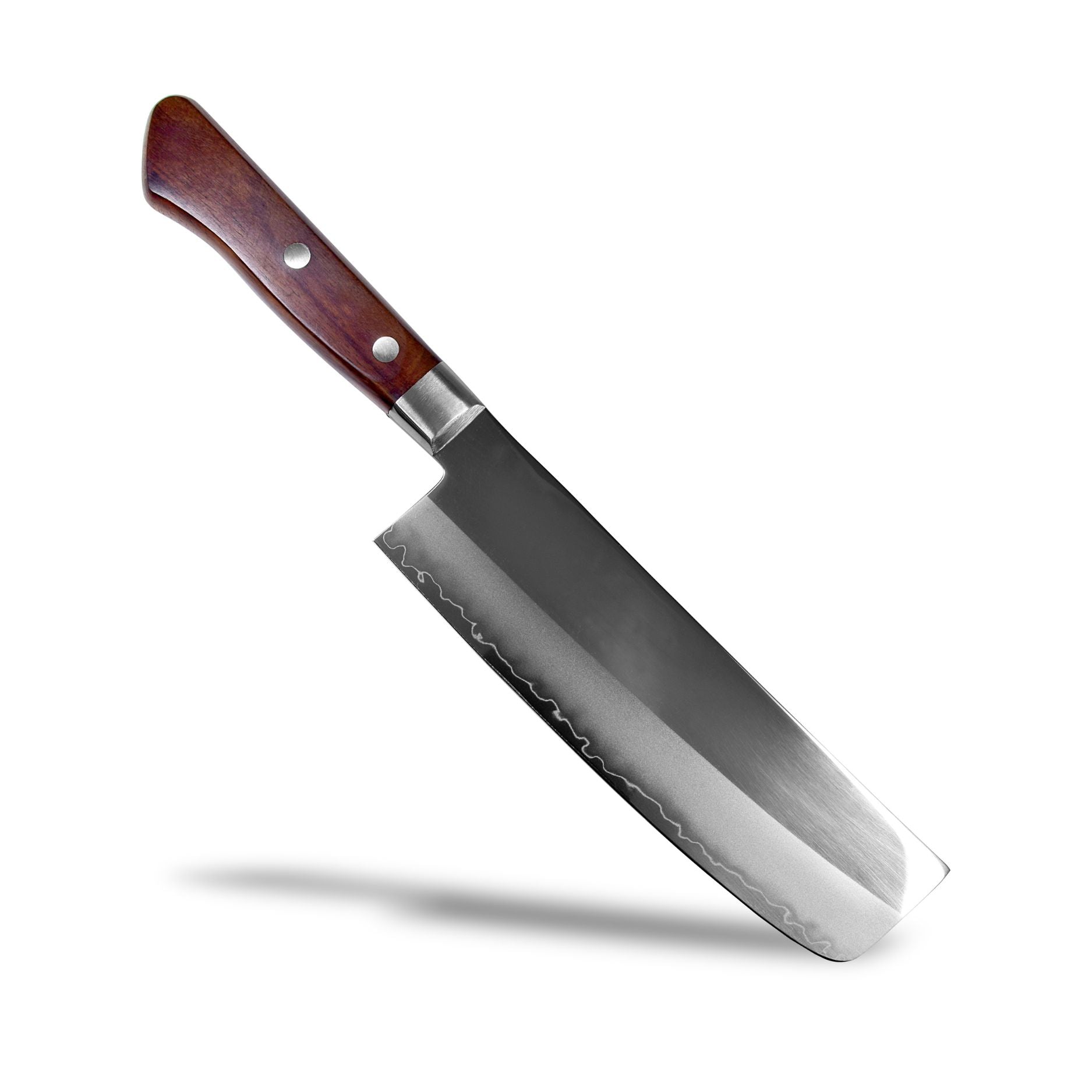
For home use, "a santoku or gyuto knife is recommended for first-time knife buyers," with the 18cm santoku being positioned as a versatile knife suitable for meat, fish, and vegetables. Santoku, gyuto, and petty knives are also commonly used in restaurants, and it's practical to increase the number and types of knives depending on whether the main ingredients are meat or fish, or whether desserts are emphasized.
The most important thing is to define "what and how much cutting will be done" before considering whether it's for professional or home use, and then choose a tool that meets those requirements.
FAQ
Q1. What is the biggest difference between professional-grade Japanese kitchen knives and those used for home use?
A1. The main difference lies in the materials and blade precision; professional-grade knives use high-quality steel and hand-finishing to maximize sharpness and durability.
Q2. Do professional-grade Japanese knives need to be sharpened every day?
A2. In many applications, the tools are designed with the assumption that they will be lightly sharpened daily, and their performance is maintained through frequent sharpening.
Q3. What is the basic order of sharpening a Japanese kitchen knife?
A3. The basic sharpening process is to sharpen the back, then the front, then finish, and finally create a secondary bevel.
Q4. What are the key points that a beginner should be aware of first when sharpening knives?
A4. Maintaining a consistent angle to the whetstone and applying force only when pressing is of paramount importance.
Q5. Is it overkill to use professional-grade steel materials at home?
A5. If you cook frequently and have time to dedicate to sharpening, it can be effective, but if maintenance is a burden, stainless steel is a more practical option.
Q6. What is the first kitchen knife I should acquire when opening a restaurant?
A6. A typical setup involves multiple santoku or gyuto knives, with additional yanagiba or deba knives added depending on the application.
Q7. If you were to choose a home-use model that would be "good enough for professional use," which one would you recommend?
A7. A 18cm Santoku knife or a 21cm Gyuto knife, made of steel or high-quality stainless steel, offers a wide range of applications.
Q8. How many types of whetstones are needed for sharpening?
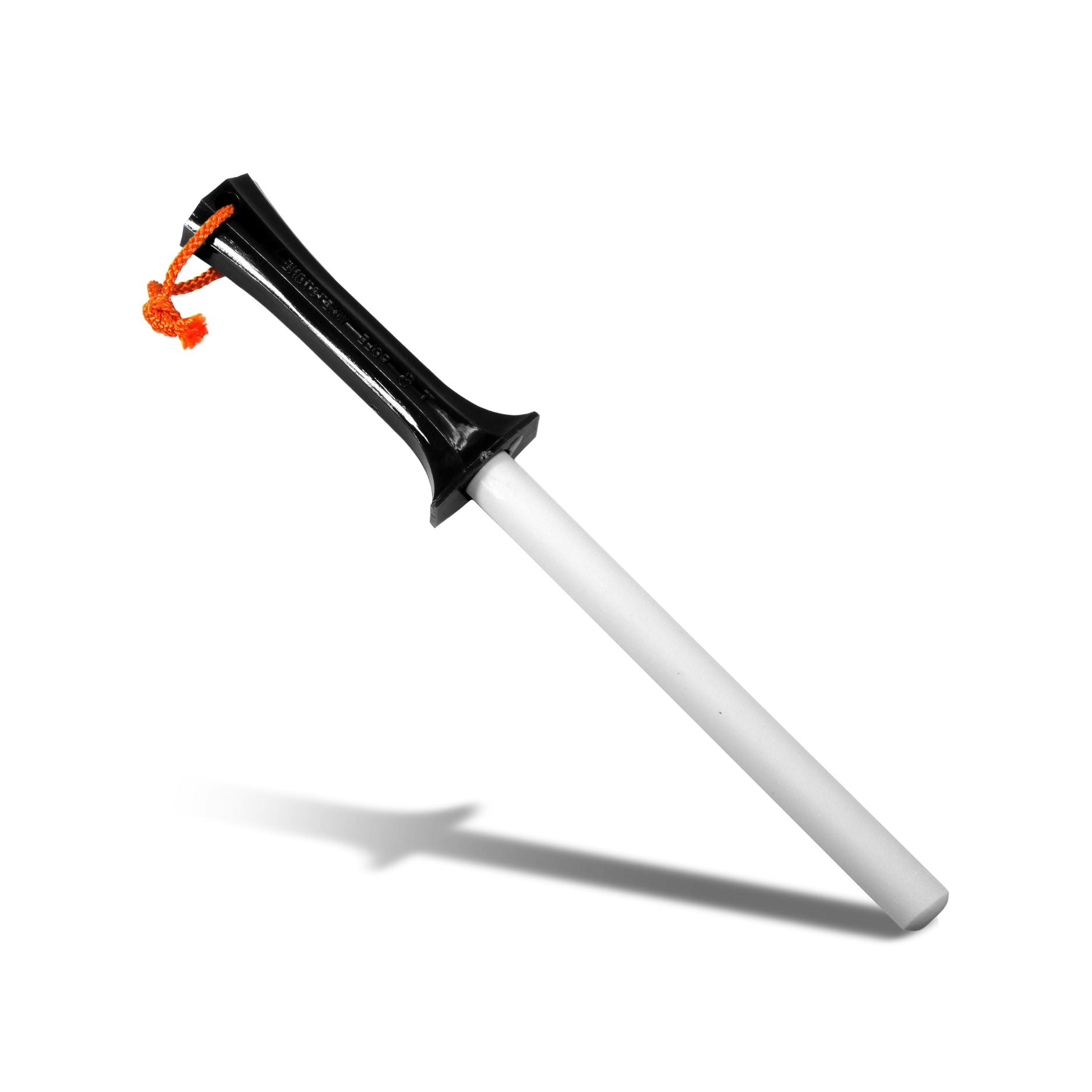
A8. Ideally, you should have three types of whetstones: coarse, medium, and fine. However, you can also start with just one medium whetstone.
Q9. What should be prioritized when part-time workers are using knives in a workplace?
A9. Prioritize rust-resistant stainless steel and easy-to-handle sizes, emphasizing safety and ease of maintenance.
Q10. What are the basics for choosing the right size of Japanese kitchen knife?
A10. A 18cm Santoku knife and a 21-24cm Gyuto knife are standard sizes, but choose according to the size of the ingredients and the user's physique.
summary
The basic sharpening method for Japanese knives involves "back beveling → front sharpening → finishing → secondary beveling," and by maintaining a consistent angle and pressure, you can consistently reproduce a sharpness close to that of a professional.
Professional knives are tools made with high-quality steel, precision blades, specialized designs, and are intended for daily sharpening. The level of maintenance and usage required is fundamentally different from that of household knives.
In conclusion, to choose a knife that will be effective in the field, it is essential to determine the steel type, blade shape, and size based on the menu, frequency of use, and the user's skill level, and then to make it a habit to sharpen it in a way that suits that choice.