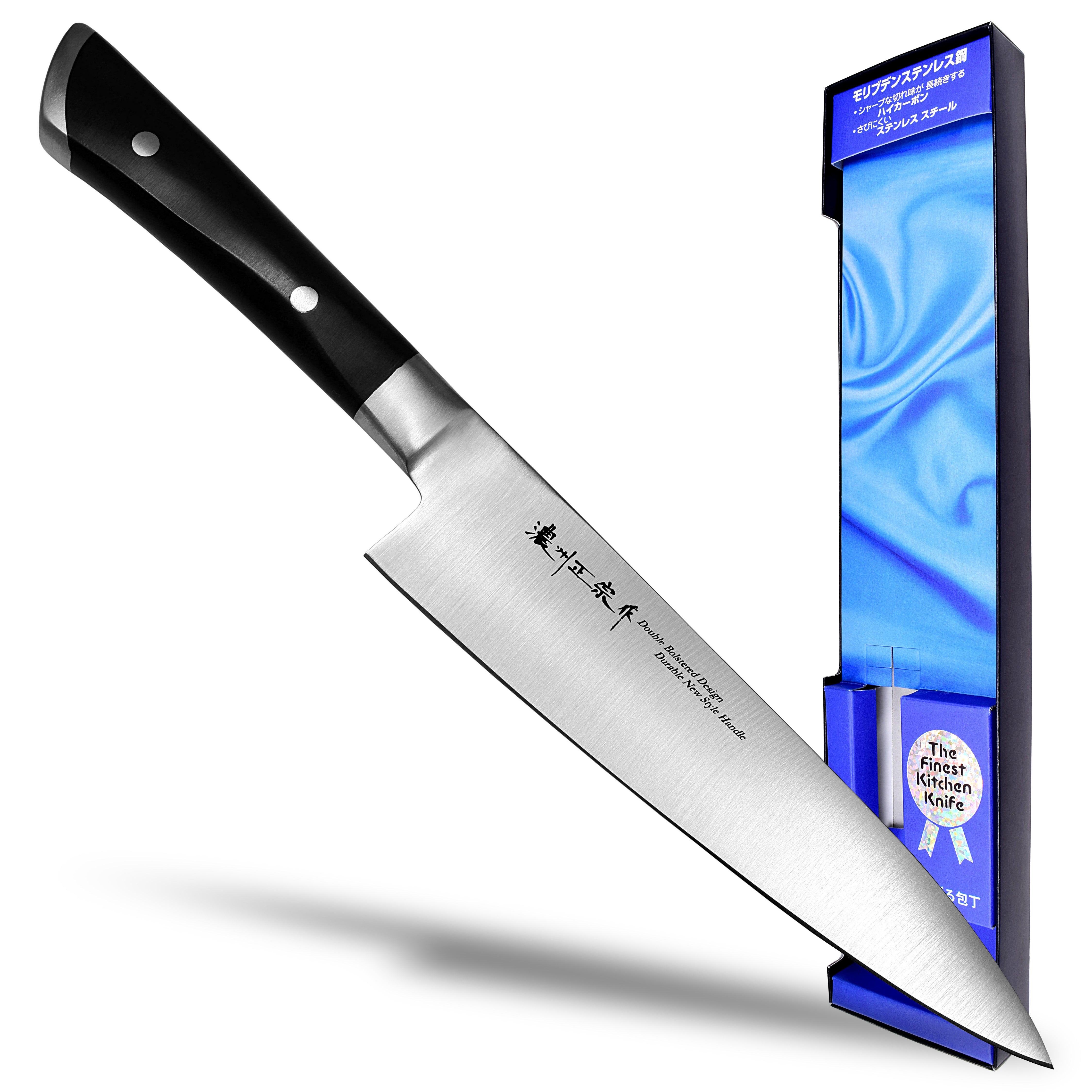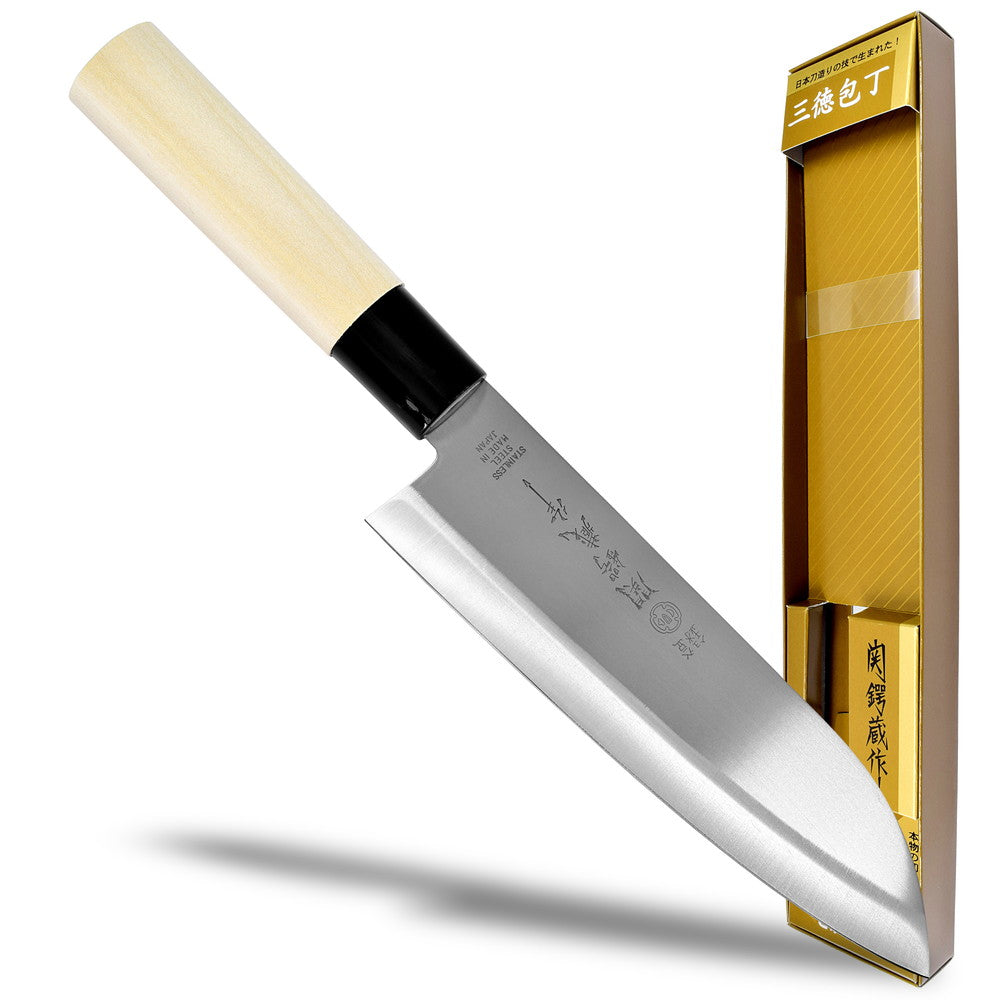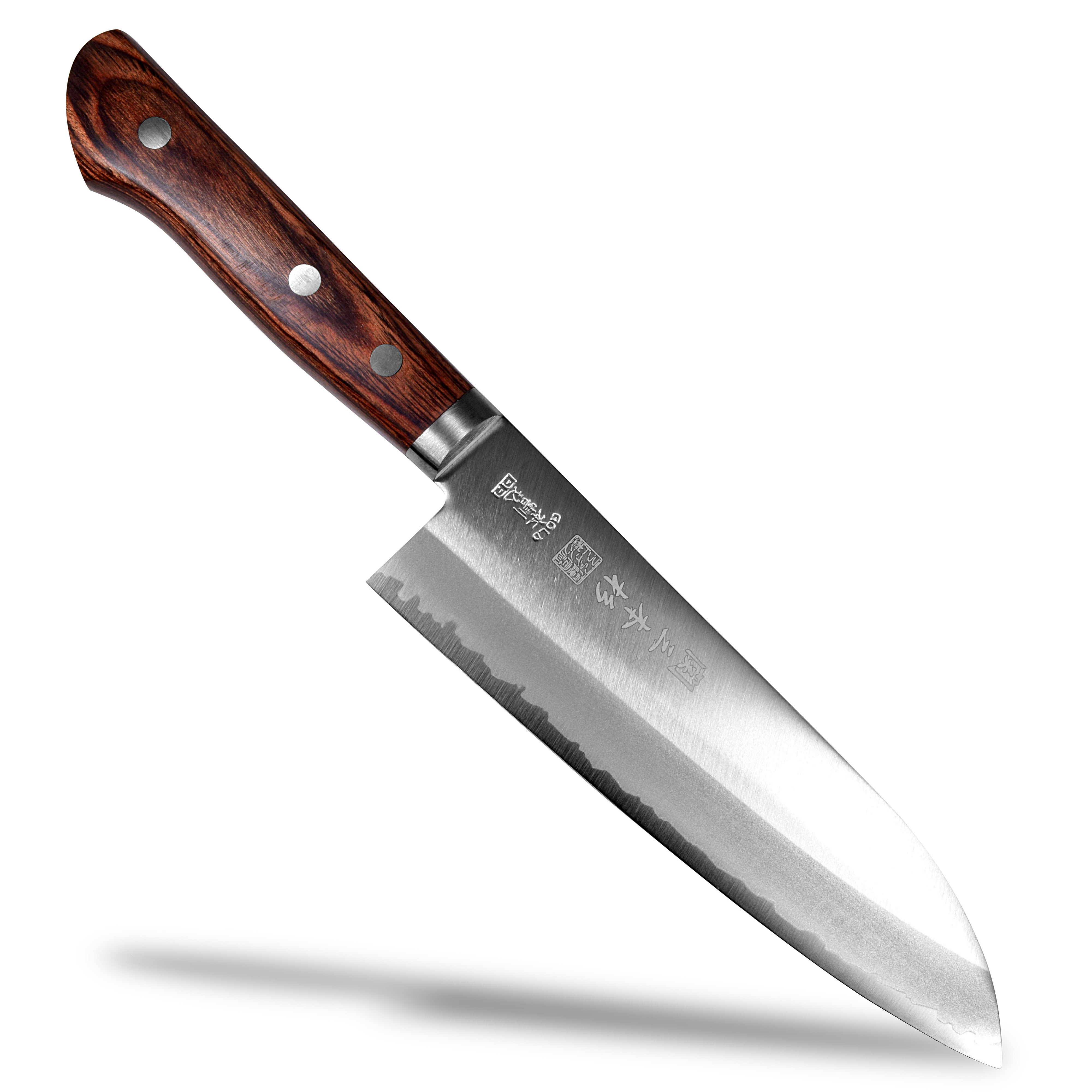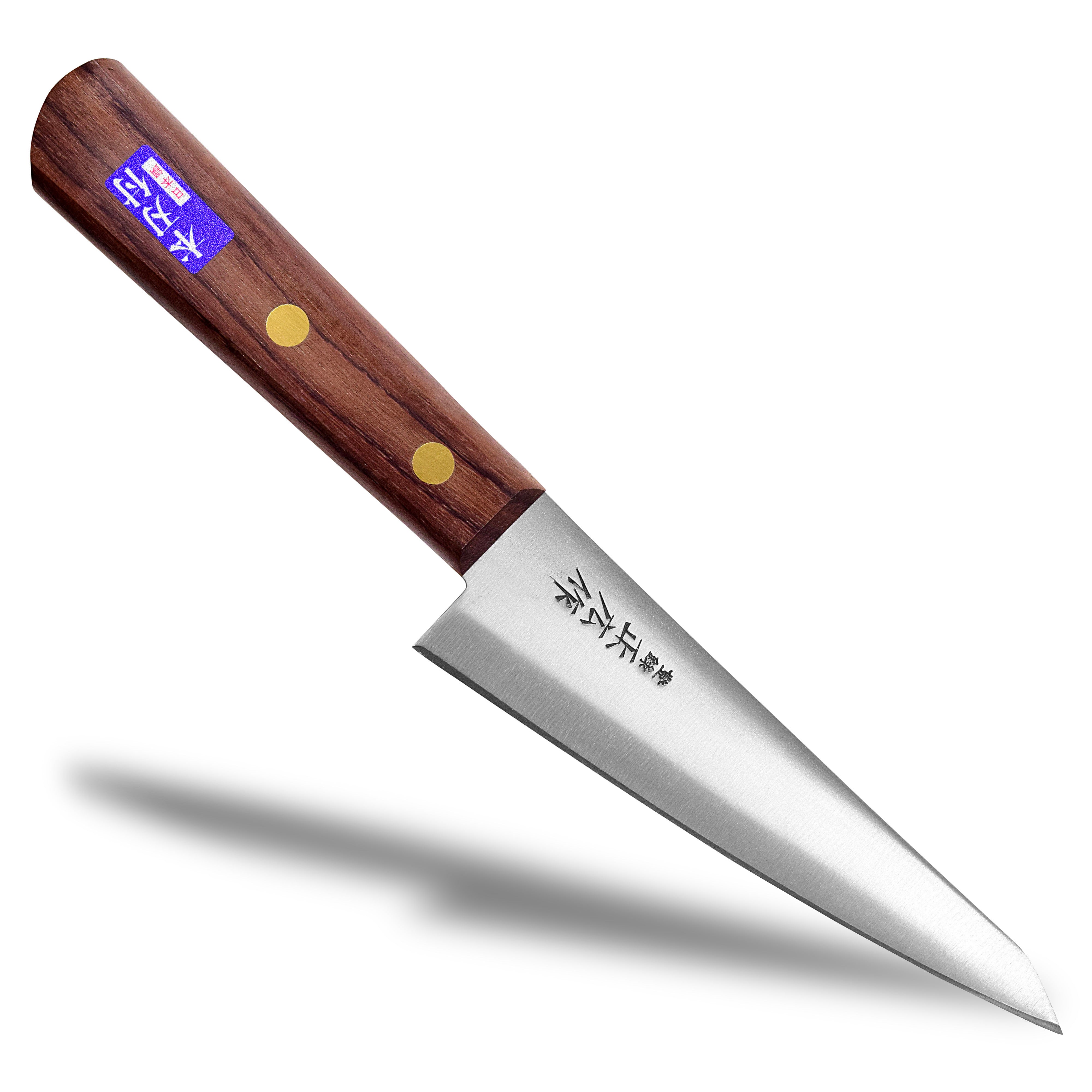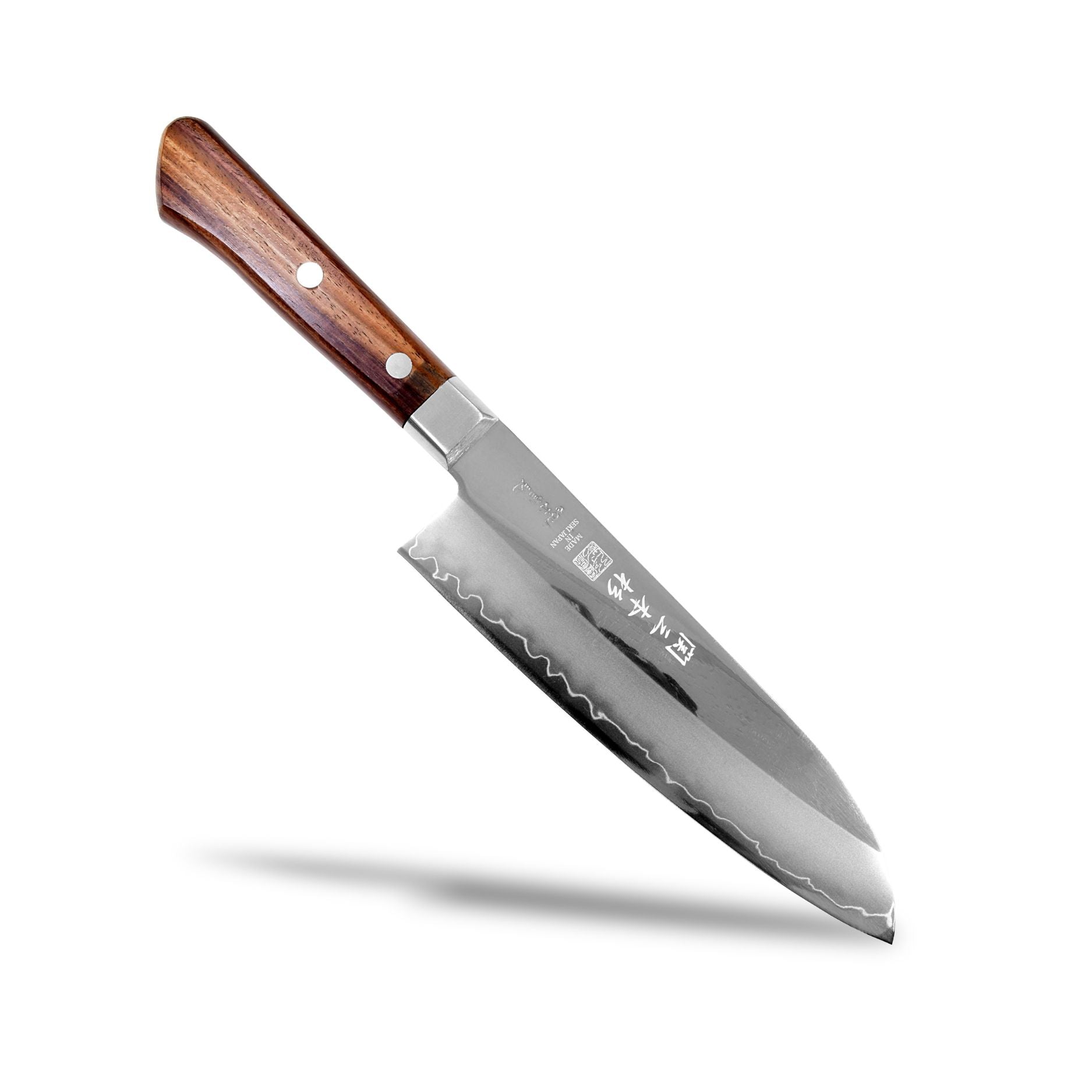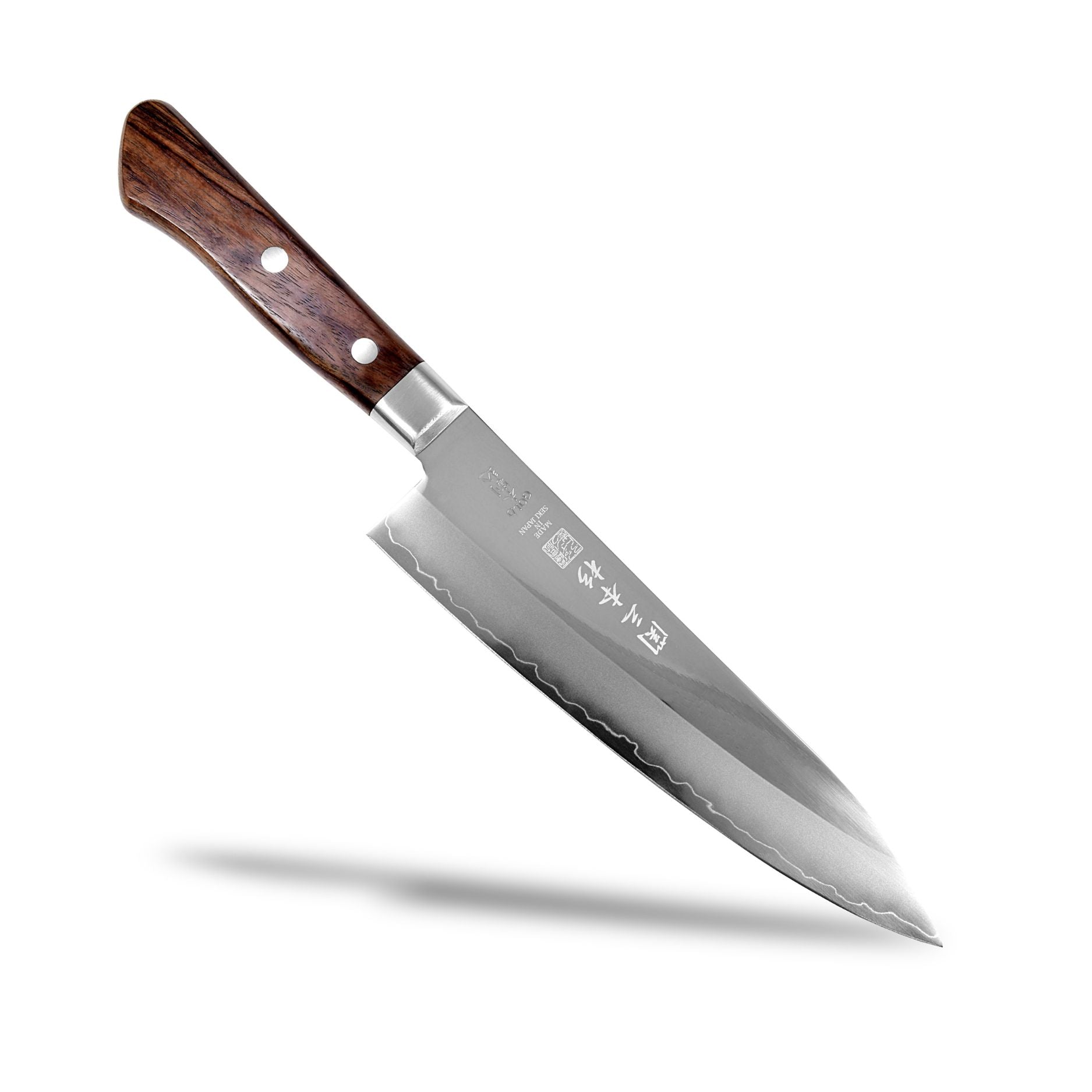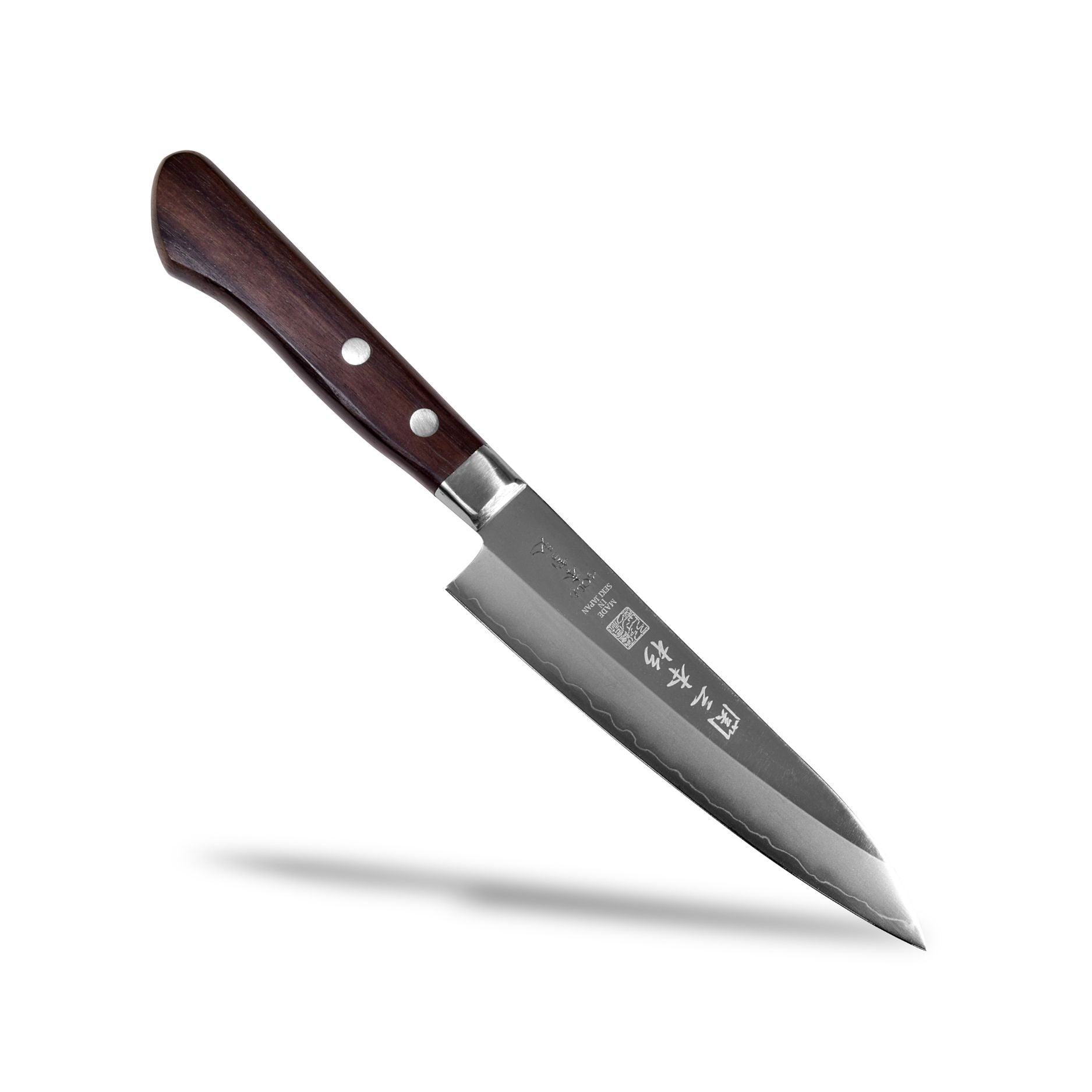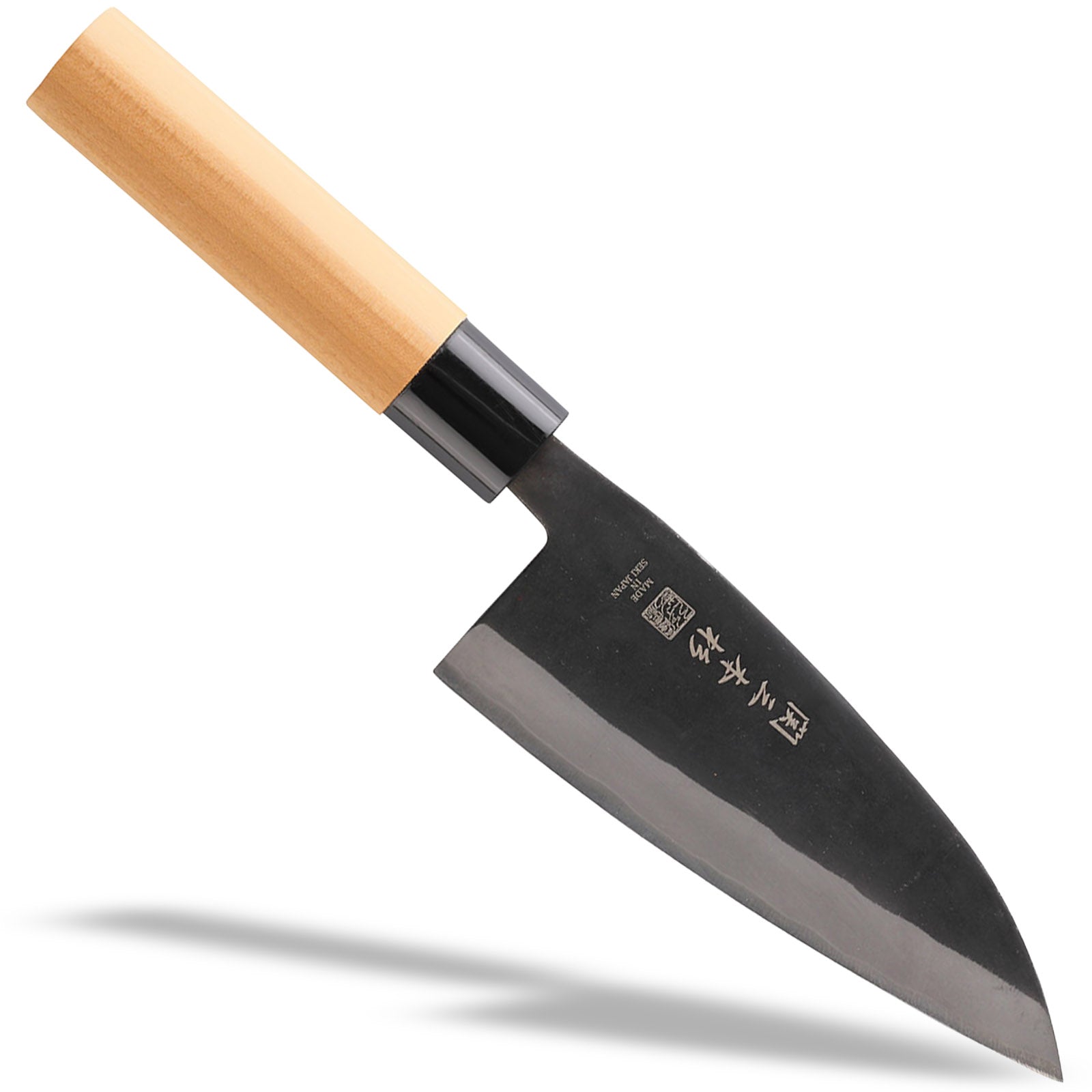


[Recommended Japanese Kitchen Knives for Home Use] A Guide to Choosing Steel Types Based on the Balance of Sharpness and Ease of Use
In conclusion, for home use, choosing a Japanese kitchen knife based on "stainless steel materials (VG10, AUS-10, 4116 steel, etc.)" is the best option as it offers the best balance between sharpness and ease of use.
[Key points of this article]
In short, the best balance for a Japanese kitchen knife used at home is to choose a steel material that is "rust-resistant stainless steel + has sufficient sharpness."
VG10, AUS-10, and 4116 steels are recommended for home use as they offer a high level of balance between sharpness, durability, and ease of maintenance.
Steel knives offer exceptional sharpness but are prone to rusting. For home use, stainless steel knives are the main choice, while those looking to take things a step further can maximize the benefits of using a high-quality steel knife as a second knife.
Today's review: 3 key points
- For home use, stainless steel Japanese knives (such as VG10, AUS-10, or 4116 steel) are the most recommended overall.
- When choosing a knife for home use, it's helpful to consider the following four factors to find the right balance: rust resistance, longevity of sharpness, ease of sharpening, and price.
- Most importantly, choose a steel material with performance that is just right for your cooking frequency and the time you can dedicate to maintenance.
Conclusion of this article
In conclusion, stainless steel materials (such as VG10, AUS-10, and 4116 steel) offer the best balance and are recommended for home-use Japanese kitchen knives as they are rust-resistant and easy to handle.
In short, if you want to cook every day without stress, a stainless steel Japanese knife is a good choice, while if you prioritize sharpness and the enjoyment of developing a unique cleavage, a steel Japanese knife would be a more logical choice as a second knife.
It's easiest to understand the differences between the steels if you think of them as follows: VG10 is a versatile type with high hardness and long-lasting sharpness; AUS-10 is tough and chip-resistant, prioritizing ease of use; and 4116 steel prioritizes rust resistance and ease of use.
For home use, the drawbacks of steel—rust, chipping, and difficulty in sharpening—often outweigh its advantages, so it's recommended to start with stainless steel.
The first thing beginners should focus on is choosing a blade shape that suits their intended use and a steel material that fits their lifestyle.
How should you choose a Japanese kitchen knife from a home kitchen perspective?
In conclusion, when choosing a Japanese kitchen knife for home use, the best type of steel depends on "what and how much you plan to cut" and "how much time you can dedicate to maintenance."
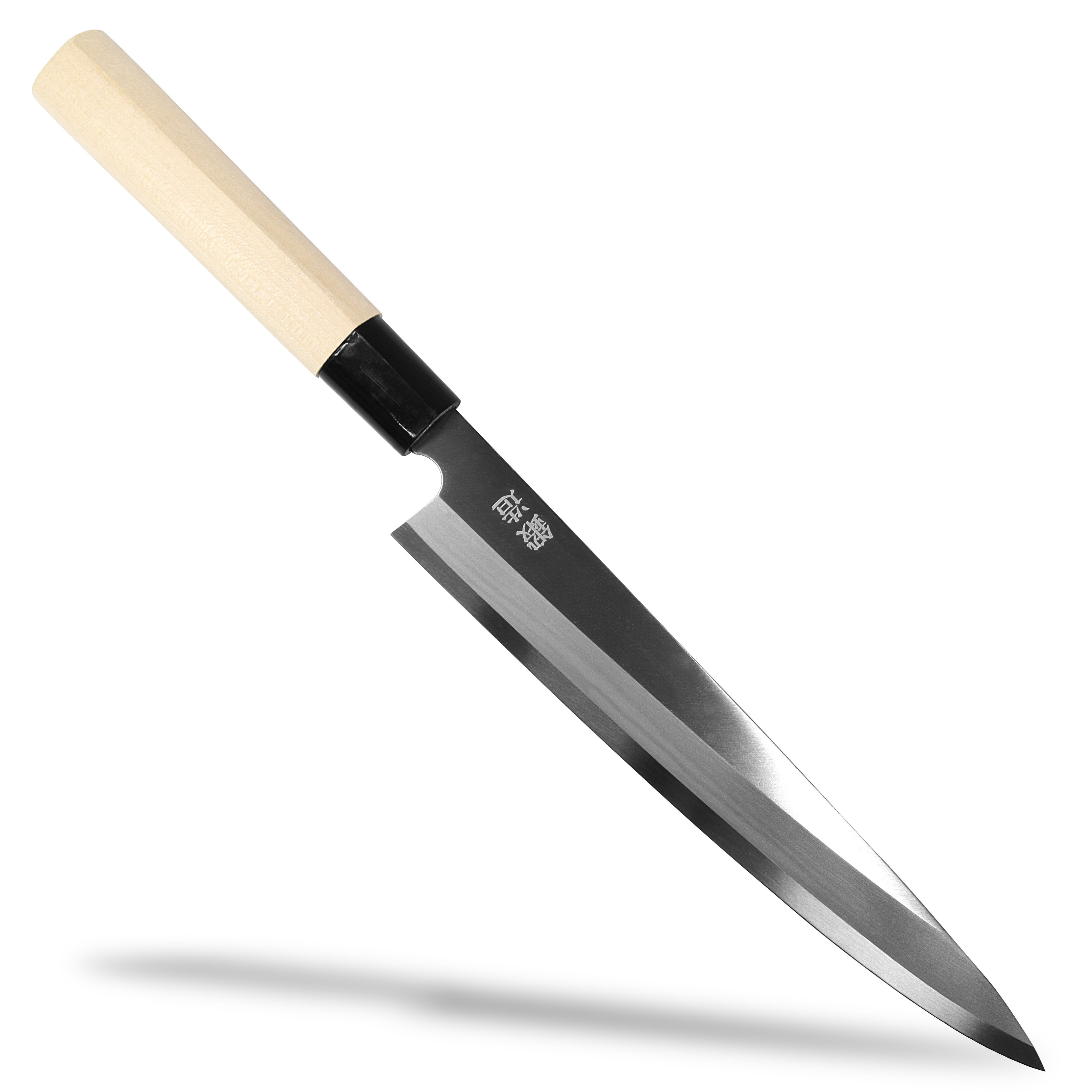
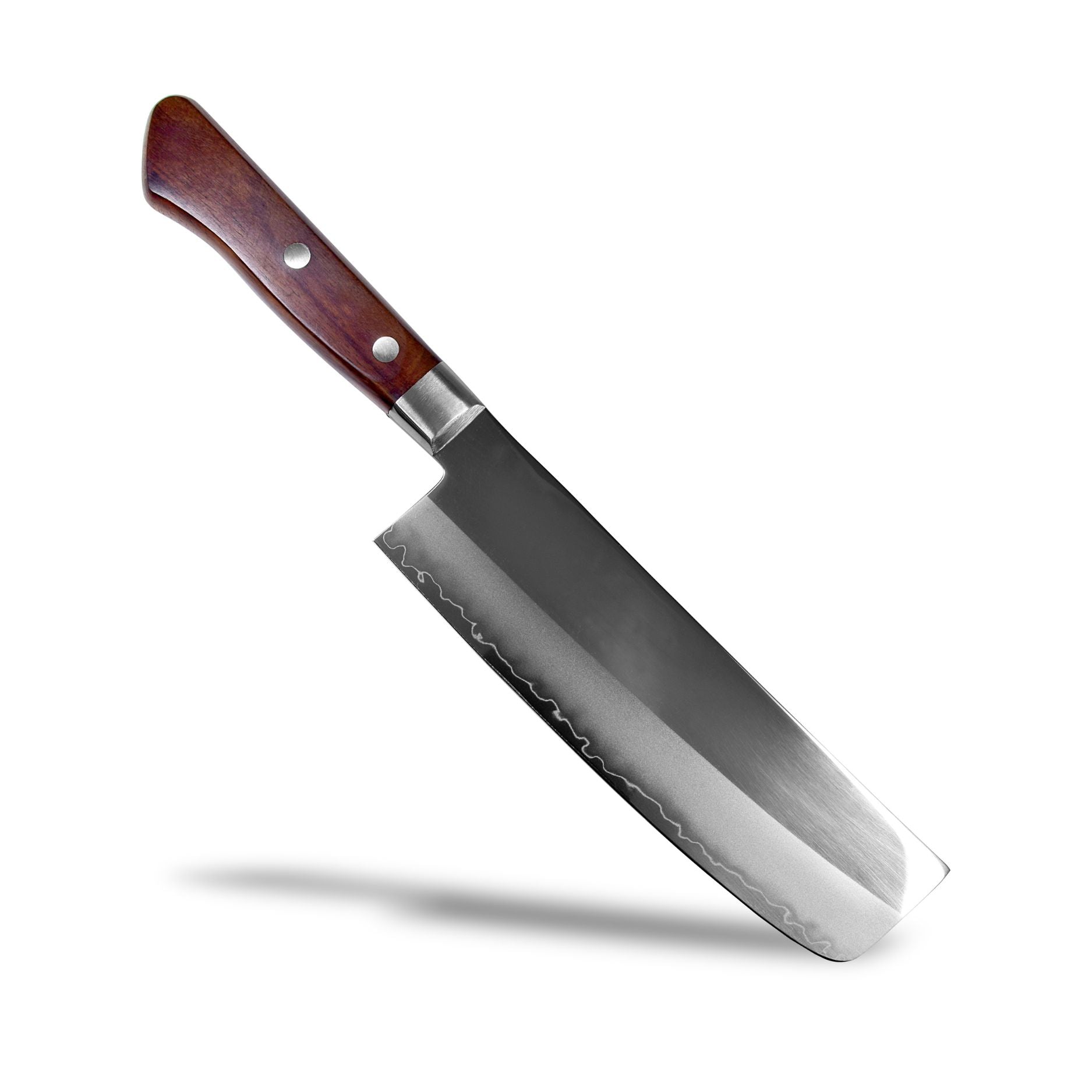
Japanese kitchen knives are categorized by type and function, such as the yanagiba for sashimi, the deba for filleting fish, and the usuba for vegetables. However, in home kitchens, they are often used in combination with general-purpose knives like the santoku or gyuto.
For example, if your family mainly cooks simple meals on weekdays and only enjoys sashimi and fish dishes on weekends, a stainless steel santoku knife as the main tool and a stainless steel yanagiba knife as a secondary tool offers an excellent balance of cost-effectiveness and convenience.
What is the "balance" that should be prioritized in home use?
In short, a well-balanced knife for home use is one that has all four of the following qualities: sufficient sharpness, rust resistance, ease of sharpening, and a reasonable price.
While high-end steel blades with superior cutting performance are valued in professional settings, at home, users often want a tool that's easy to clean (just wash and wipe), and that children and family members will also use. Therefore, overly delicate steel blades tend to be a source of stress.
Therefore, stainless steel materials such as VG10 and AUS-10, which offer sharpness comparable to steel while being rust-resistant, are ideal for home use and for those who prioritize balance.
Recommended usage examples
The first thing beginners should understand is what level of cooking frequency they have.
For light users who cook simple home-style meals a few times a week, a single santoku knife made of 4116 steel or Australian stainless steel will suffice for most cooking needs.
If you cook at home every day and enjoy preparing fish and elaborate dishes, a VG10 chef's knife and a stainless steel yanagiba knife are a recommended combination that offers an excellent balance of sharpness and maintenance.
Mismatches to avoid in home use
The most important thing is to "not start with high-end Japanese knives made of steel just because you admire them."
While steel blades made from blue or white steel are appealing for their professional-grade sharpness, they are prone to rusting. If sharpening and care are neglected, red rust and blackening can become noticeable after just a few uses, often leading to the disappointing result of "I bought such a good knife, but..."
For home use, it's best to start with a stainless steel Japanese-style knife to get used to the "use, wash, and wipe" rhythm, and then gradually move up to a steel knife. This way, you'll have fewer regrets and can enjoy your tools for a long time.
How do you compare the advantages of different steel materials used in Japanese kitchen knives?
In conclusion, understanding the characteristics of different steel types used in Japanese kitchen knives, such as VG10, AUS-10, 4116 steel, and various steel types (blue paper, white paper, etc.), will help you identify the advantages that best suit your needs.
These steels differ in their balance of factors such as sharpness, rust resistance, durability, and ease of sharpening, so which one is best depends on "which advantage you want to prioritize."
For example, if your top priority is "sharpness and long-lasting edge," choose VG10; if you prioritize "resistance to chipping and ease of use," choose AUS-10; and if you prioritize "ease of use," choose 4116 steel.
Characteristics and advantages of VG10, AUS-10, and 4116 steel for home use.
In short, VG10 is a leading example of high-performance stainless steel, a material that allows you to experience professional-grade sharpness even at home.
VG10 is characterized by its high hardness, excellent sharpness retention, and corrosion resistance. For those who can properly sharpen their knives with a whetstone, it offers the advantage of maintaining sharpness for a long time.
AUS-10 is slightly softer than VG10, which gives it more resilience and makes it less prone to chipping, making it an easy-to-handle material and a very suitable choice for home use where the whole family will be using it.
4116 steel is a European-style stainless steel that is attractive for its rust resistance and ease of maintenance, making it suitable for households that want to use it casually by simply "washing and wiping."
The appeal of steel-based products and their position in home use
In conclusion, steel-based Japanese knives offer significant advantages for cooking enthusiasts who want to "break in" the knife itself.
Aogami steel has a high carbon content, resulting in an extremely sharp edge and excellent sharpening properties. With proper care, it has the potential to be a "lifetime" material that can be cherished for many years.
White steel also boasts excellent sharpness, but it rusts easily and requires immediate cleaning, moisture removal, and drying after use. Therefore, it is a material best suited for those who enjoy routine maintenance.
A balanced and recommended configuration ideal for home use.
The first setup that beginners should focus on is a two-pronged approach: "stainless steel as the main component and steel as the secondary component."
For example, if you use an AUS-10 santoku knife for everyday cooking and a blue steel yanagiba knife for sashimi or special dishes on the weekends, you can enjoy the appeal of steel without adding too much extra work.
Conversely, if you equip yourself with all steel tools, rust, discoloration, and sharpening frequency will increase dramatically, which can be a burden for busy households. Therefore, it's more practical to start by introducing just one steel tool.
FAQ
Q1. What type of steel is most recommended for home use?
A1. Considering the balance between rust resistance and sharpness, stainless steel materials such as VG10 and AUS-10 are the most recommended for home use.
Q2. Are there any disadvantages to VG10 knives?
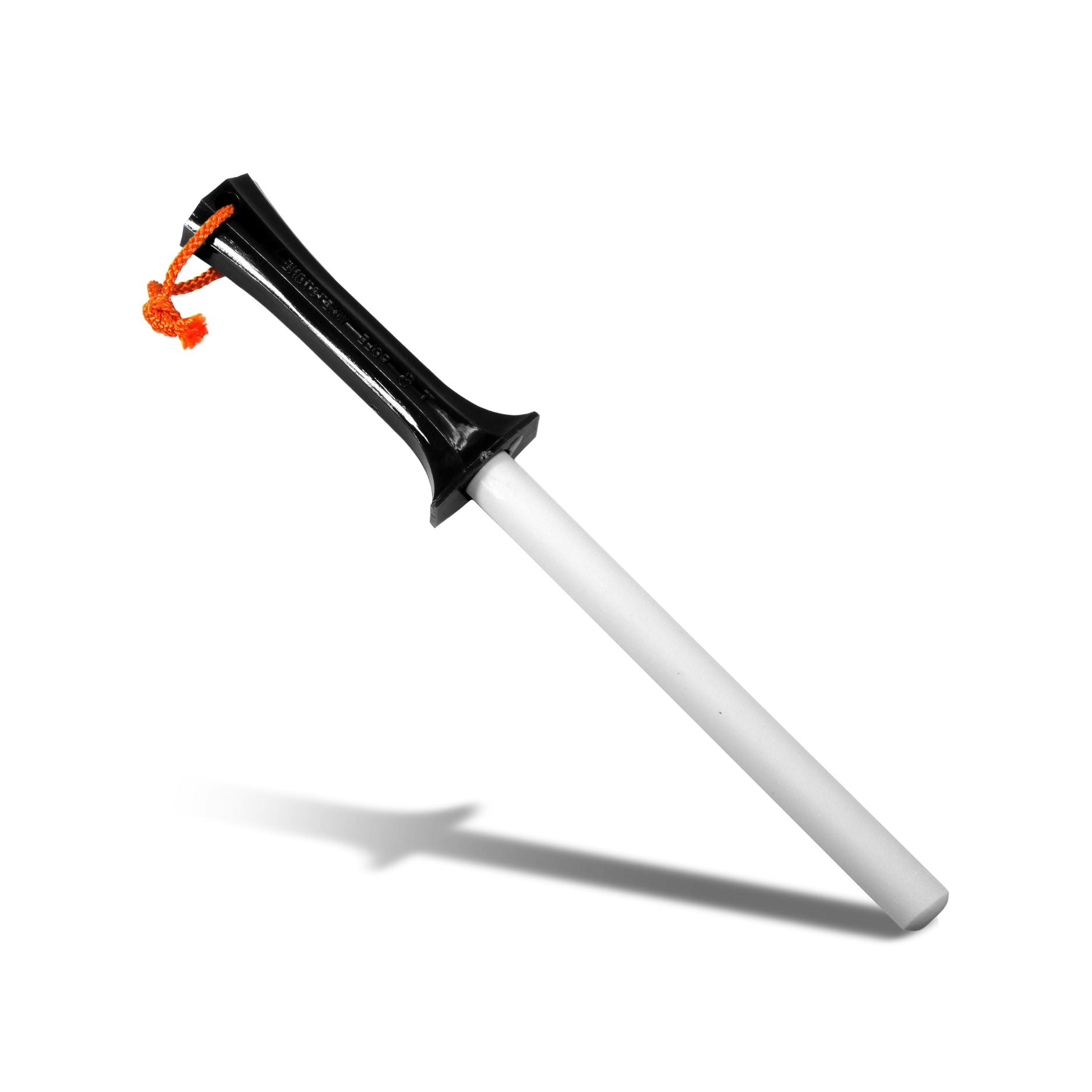
A2. Due to its high hardness, sharpening with a whetstone requires a certain level of skill, and a disadvantage is that it's difficult to fully utilize its performance with just a simple sharpener.
Q3. Which is more suitable for home use, the AUS-10 or the VG10?
A3. If you prioritize long-lasting sharpness, VG10 is suitable; if you prioritize chip resistance and ease of use, AUS-10 is better; and for home use shared by family, AUS-10 is the safer choice.
Q4. Are Japanese steel knives unsuitable for home use?
A4. It's not unsuitable, but it rusts easily and requires maintenance, so it's more practical to choose it for cooking enthusiasts who enjoy maintenance, or as a second or subsequent purchase.
Q5. Japanese kitchen knives made from 4116 steel have a reputation for being cheap. Is that true?
A5. 4116 steel is not a high-grade steel, but it excels in rust resistance and ease of handling, making it perfectly suitable for casual home use.
Q6. Are stainless steel knives really that difficult to sharpen?
A6. Although slightly more difficult to sharpen than steel, VG10 and AUS-10 can be sharpened sufficiently with the right whetstone, so this is not a major problem for home use.
Q7. For home use, should I prioritize buying Japanese-style or Western-style knives?
A7. It's efficient to start with a versatile Western-style knife such as a santoku or gyuto, and then add a Japanese-style knife (yanagiba or deba) as your interest in sashimi and fish dishes grows.
Q8. Is Gin-san steel suitable for home use?
A8. Gin-san steel combines the sharpness of steel with the rust resistance of stainless steel, making it a high-performance steel suitable for home use where both ease of maintenance and sharpness are desired.
Q9. If the budget is limited, which type of steel should I choose?
A9. If cost-performance is your priority, knives made with Australian or 4116 steel are recommended. Even in the entry-level price range, you can get sufficient sharpness and rust resistance.
Q10. Are there any Japanese kitchen knives that are easy to use even for people who are not good at maintenance?
A10. If you choose a stainless steel yanagiba or deba knife that is resistant to rust, simple care such as "wash and wipe after use" will be sufficient for home use.
summary
- In conclusion, the best choice for a Japanese kitchen knife for home use is stainless steel (such as VG10, AUS-10, or 4116 steel), which offers an excellent balance of rust resistance and sharpness.
- Steel knives (such as Aogami and Shirogami) are appealing for their exceptional sharpness and the satisfaction they offer from sharpening, but since they require maintenance, it's wise to start with stainless steel knives to get used to using them daily before adding a second knife.
- Most importantly, you should choose a steel with just the right performance to suit your cooking style and how much you care about maintenance, and find a knife that you can use for a long time.