

[Japanese Kitchen Knives: Types and Selection Guide] A comprehensive guide to answering frequently asked questions and providing criteria for making a decision.
In conclusion, the criteria for choosing a Japanese kitchen knife should be based on "the type that suits your intended use" and "the type of steel that suits your lifestyle."
In short, the safest way to choose a Japanese knife is to narrow down your options based on its intended use, such as sashimi, fish, or vegetables, and then decide whether to use stainless steel or carbon steel.
[Key points of this article]
Japanese kitchen knives are categorized by their intended use, such as the "deba" for filleting fish, the "yanagiba" for sashimi, and the "usuba" for vegetables. The best approach is to choose one by working backward from your own cooking needs.
Steel materials are broadly classified into stainless steel types that are resistant to rust (VG10, AUS-10, 4116 steel, etc.) and steel types that prioritize sharpness (Aogami, Shirogami, etc.). For home use, it is recommended to start with stainless steel.
If you're unsure about your criteria for choosing a Japanese kitchen knife, try going through the FAQs one by one in the following order: "Purpose → Type → Steel → Size and Price." This will naturally narrow down your choices to find the perfect Japanese kitchen knife for you.
Today's review: 3 key points
- Understanding the different types of Japanese knives, including the basic forms like deba, yanagiba, and usuba, as well as santoku and gyuto, will make choosing the right knife much clearer.
- The key to choosing the right tool is to work backward from the ingredients you frequently cut and how often you do so, and avoid immediately selecting a more specialized type than you need.
- Most importantly, you should familiarize yourself with common questions in the FAQ beforehand (such as the difference between single-edged and double-edged blades, the difference between VG10 and AUS-10, and size guidelines) and only purchase after you are satisfied with the answers.
Conclusion of this article
In conclusion, it's easier to distinguish between different types of Japanese knives if you remember that "deba = for filleting fish," "yanagiba = for slicing sashimi," and "usuba = for delicately cutting vegetables."
In short, for home use, it's practical to start with a general-purpose knife like a santoku or gyuto, and then add a deba or yanagiba Japanese knife when your interest in sashimi and fish dishes grows.
Choosing steel materials is simple if you consider it as a choice between two options: "If rust resistance is your priority, choose stainless steel" or "If sharpness and the satisfaction of sharpening are your priority, choose steel."
The first thing beginners should focus on is understanding the basic questions in the FAQ (size, single-edged vs. double-edged, steel type differences) and creating criteria based on their cooking frequency and willingness to maintain the knife. To avoid regretting your purchase later, we recommend creating your own criteria through the FAQ in this article before making a choice.
How to choose a Japanese kitchen knife? How to create criteria for making a decision.
In conclusion, the most logical way to choose a Japanese kitchen knife is to select it based on its intended cutting purpose.
Japanese kitchen knives have clearly defined uses in professional kitchens, such as the deba for filleting fish, the yanagiba for beautifully slicing sashimi, and the usuba for peeling vegetables. Understanding these roles will make it easier to choose the right knife for home use.
For example, if you enjoy fishing and frequently prepare whole fish, a deba knife is essential, and if you want to enjoy authentic sashimi at home, a yanagiba knife will make a huge difference in the final result. Don't be overwhelmed by the sheer variety; the first step is to ask yourself, "What is the biggest thing I'm missing from my current cooking?"
In a nutshell, what are the roles of a deba, yanagiba, and usuba knife?
In short, "the deba knife is for heavy lifting," "the yanagiba knife is for aesthetics," and "the usuba knife is for delicate vegetables."
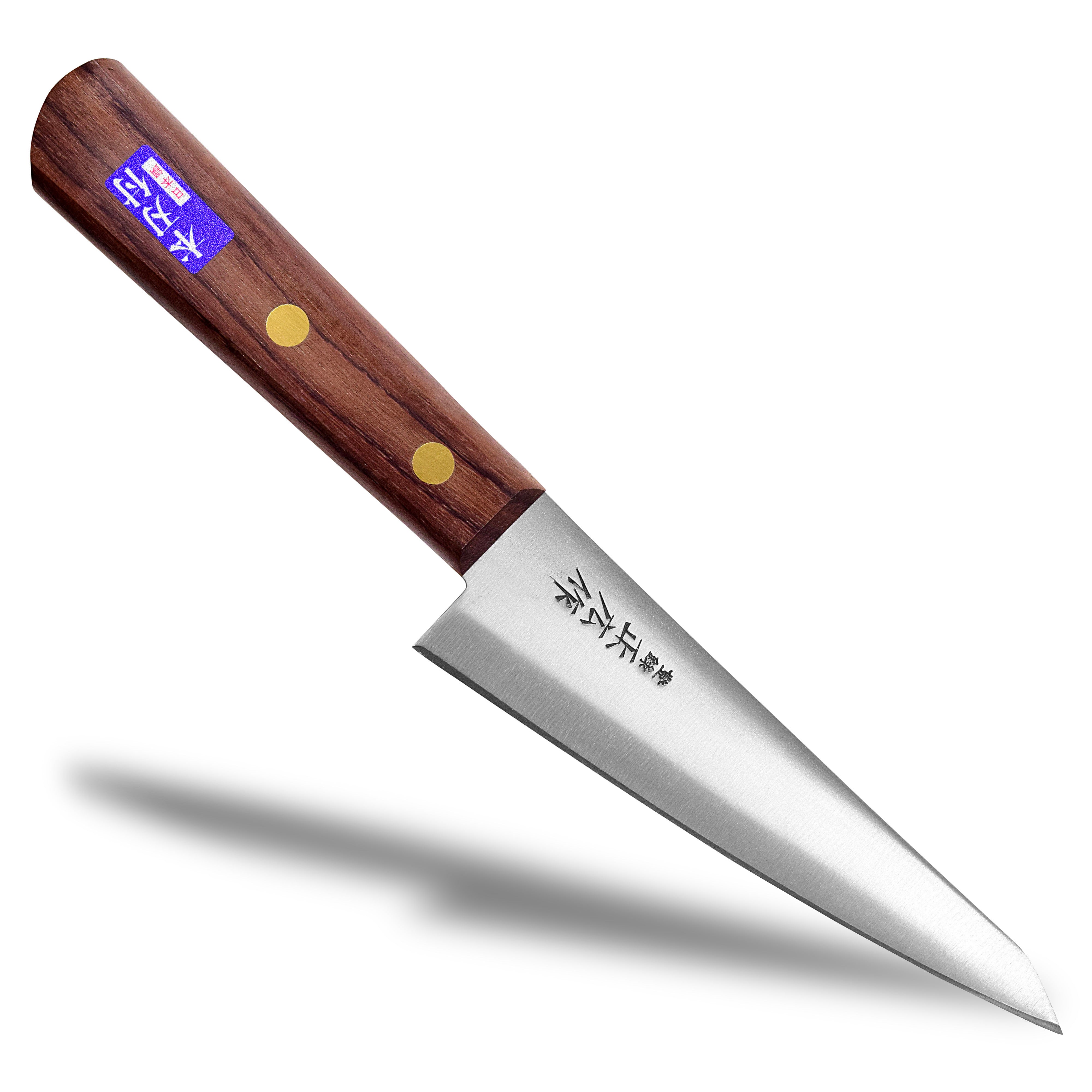
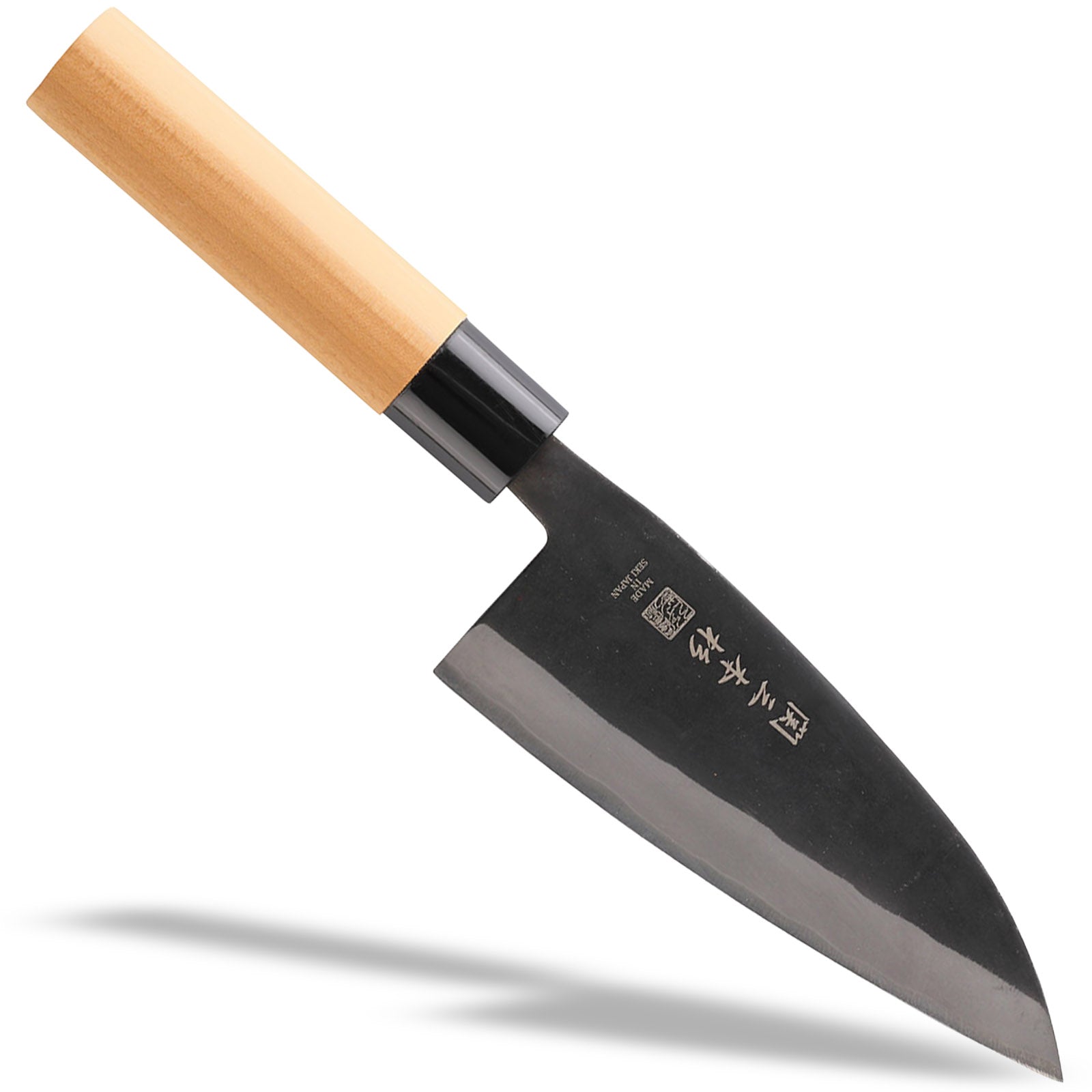
Deba knives have thick, heavy blades, making them suitable for the strenuous task of cutting through fish bones and heads. For small fish like horse mackerel, a length of around 120mm is appropriate, while for larger fish like sea bream and yellowtail, 150-180mm is a good guideline for home use. The thickness of the blade provides a sense of security when hitting bones, making it a reliable tool even when filleting a whole fish for the first time.
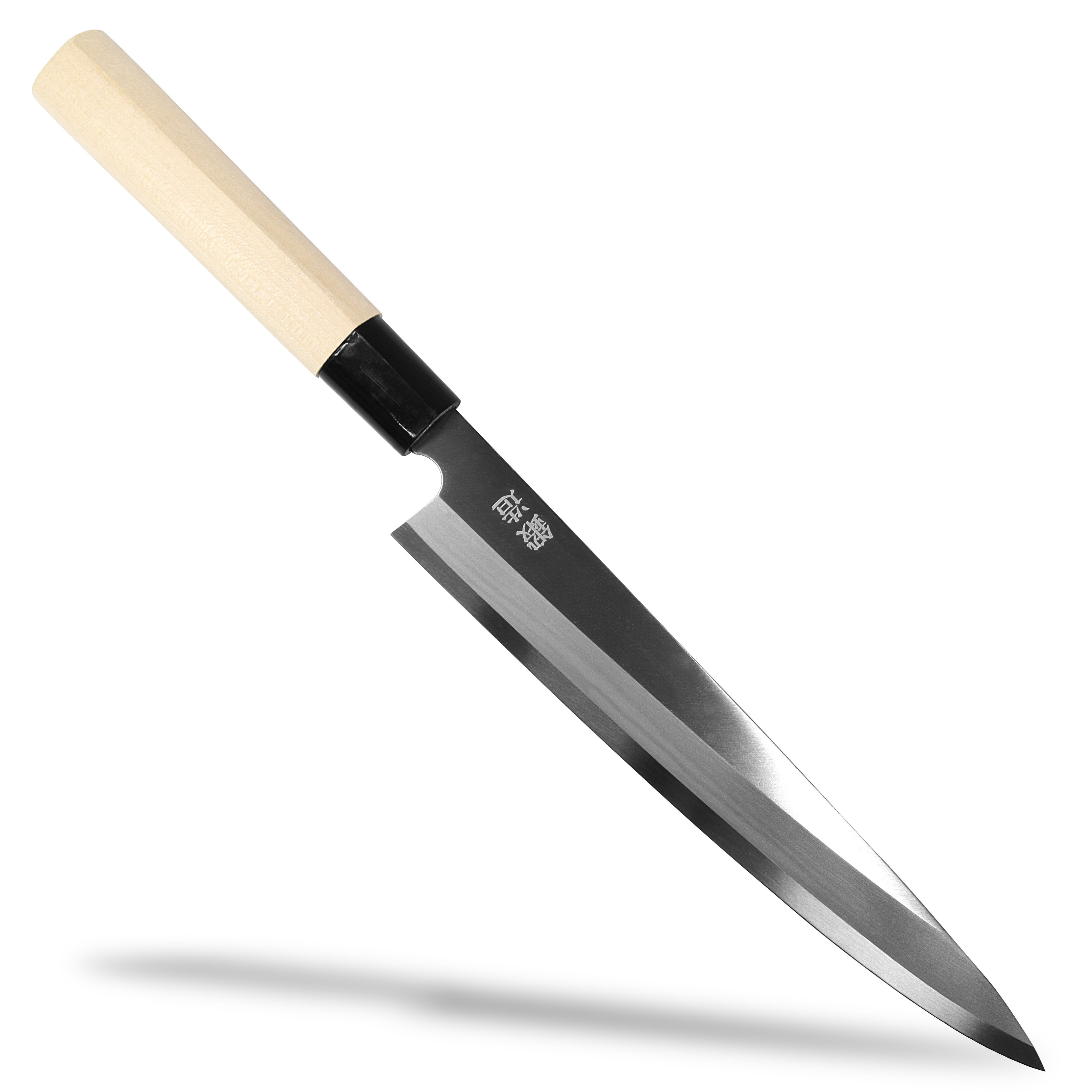
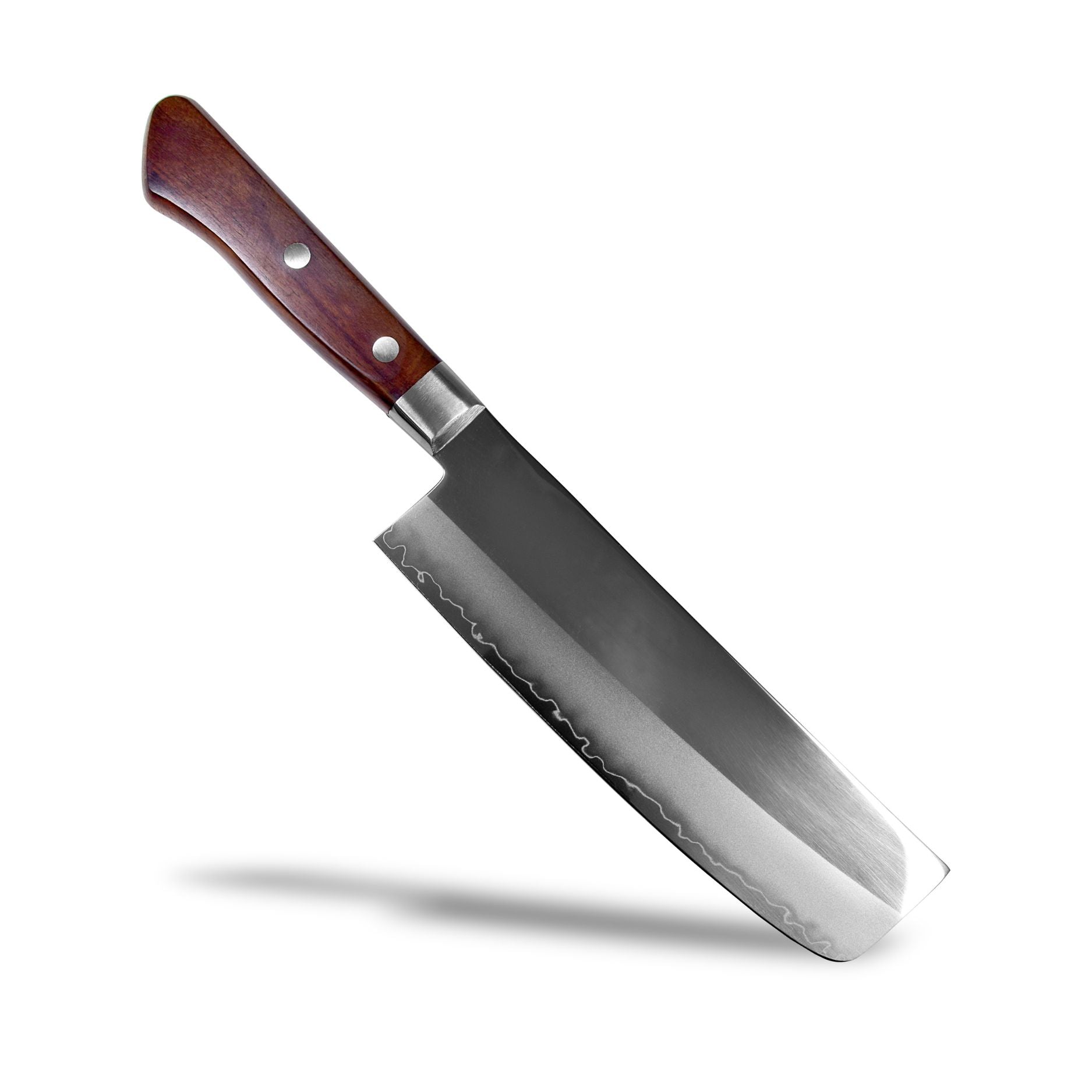
Yanagiba knives have long, slender blades and are excellent for slicing sashimi in a single stroke, while usuba knives have a single-edged structure and are suitable for thinly and evenly peeling or chopping vegetables. The longer the blade of a yanagiba knife, the easier it is to cut in one stroke, resulting in a cleaner cut that is less likely to fall apart, directly contributing to the beauty of the presentation. Usuba knives are specialized for katsura-muki (thinly peeling vegetables) and decorative cutting, and are suitable for those who want to elevate the finish of their Japanese cuisine.
How do single-edged and double-edged knives relate to choosing the right type of Japanese kitchen knife?
In conclusion, single-edged knives excel in "sharpness and straightness," while double-edged knives are strong in "ease of use and versatility."
Many Japanese kitchen knives (yanagiba, deba, usuba) are made with a single edge, making them easy to cut straight through food and ideal for the delicate work required in Japanese cuisine, such as creating beautifully finished sashimi slices. However, single-edged knives have different blade orientations for right-handed and left-handed users, so it's necessary to check your dominant hand before purchasing.
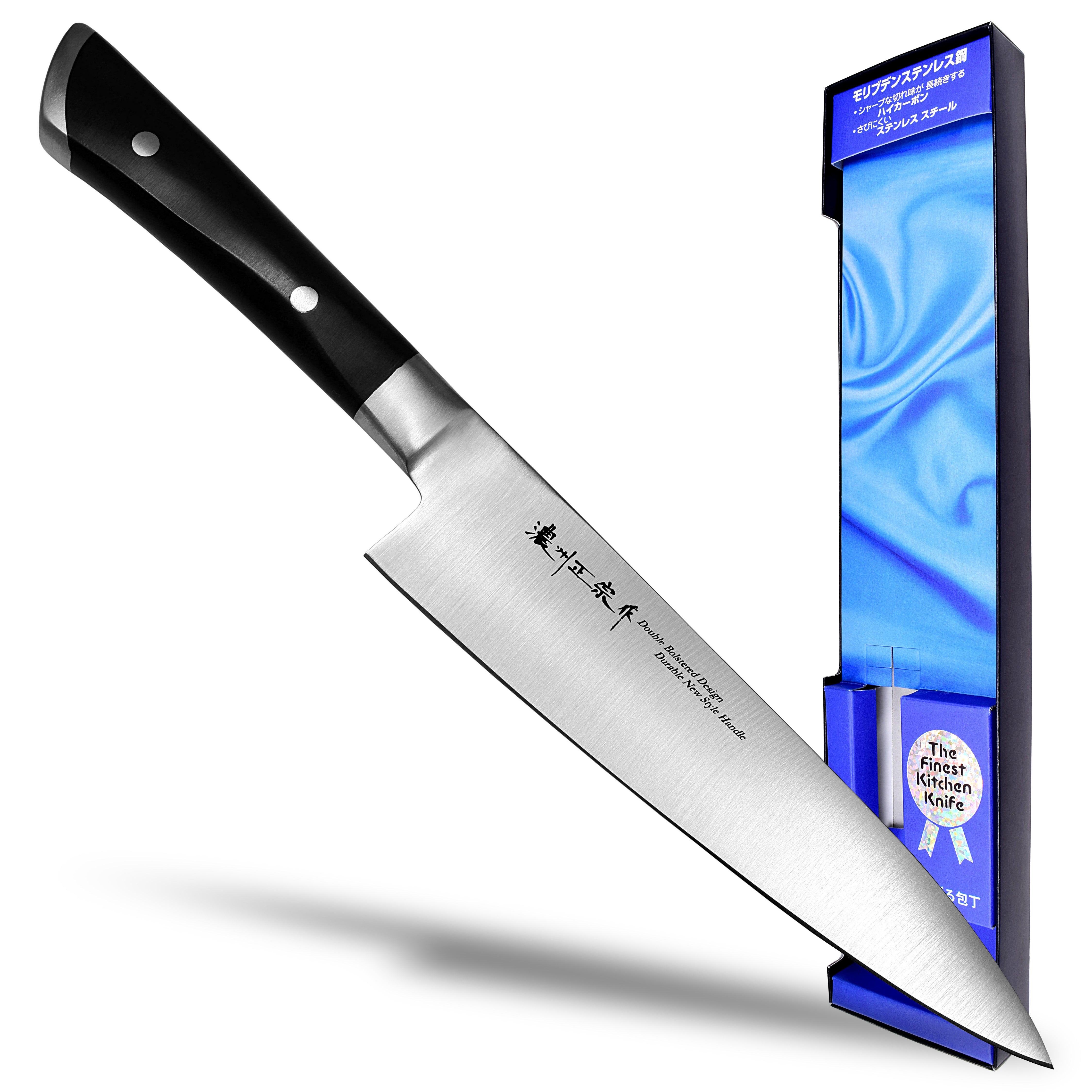
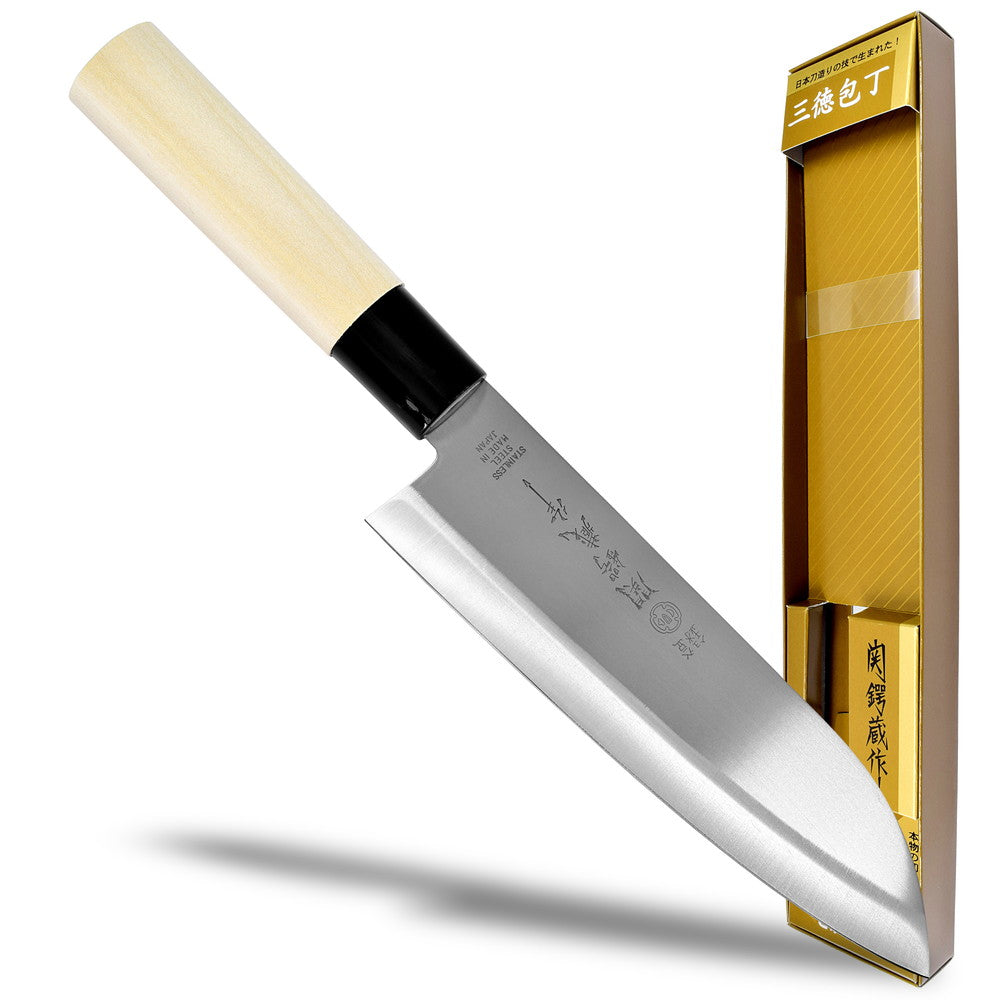
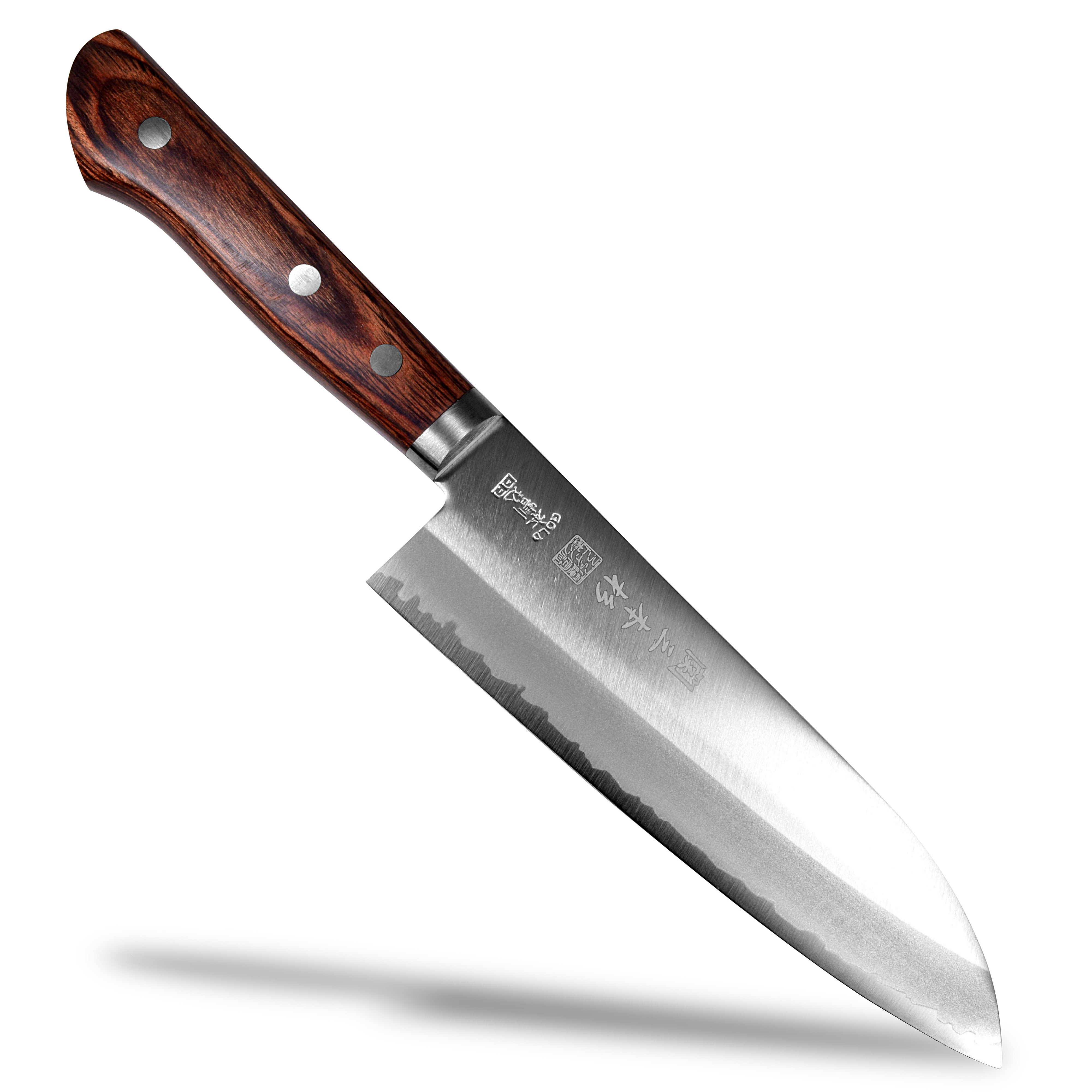
On the other hand, Western-style knives such as santoku and gyuto are predominantly double-edged, making them easy to handle regardless of your dominant hand. They can handle meat, fish, and vegetables with a single knife, so for home use, choosing a general-purpose double-edged knife as a base is a popular approach. Mastering a single-edged Japanese knife requires some practice, so it's safer to start with a double-edged knife to get a feel for the blade before transitioning to a single-edged one.
What types should I start with for home use?
The first thing beginners should keep in mind is to "acquire the necessary items gradually, rather than jumping straight into a full set."
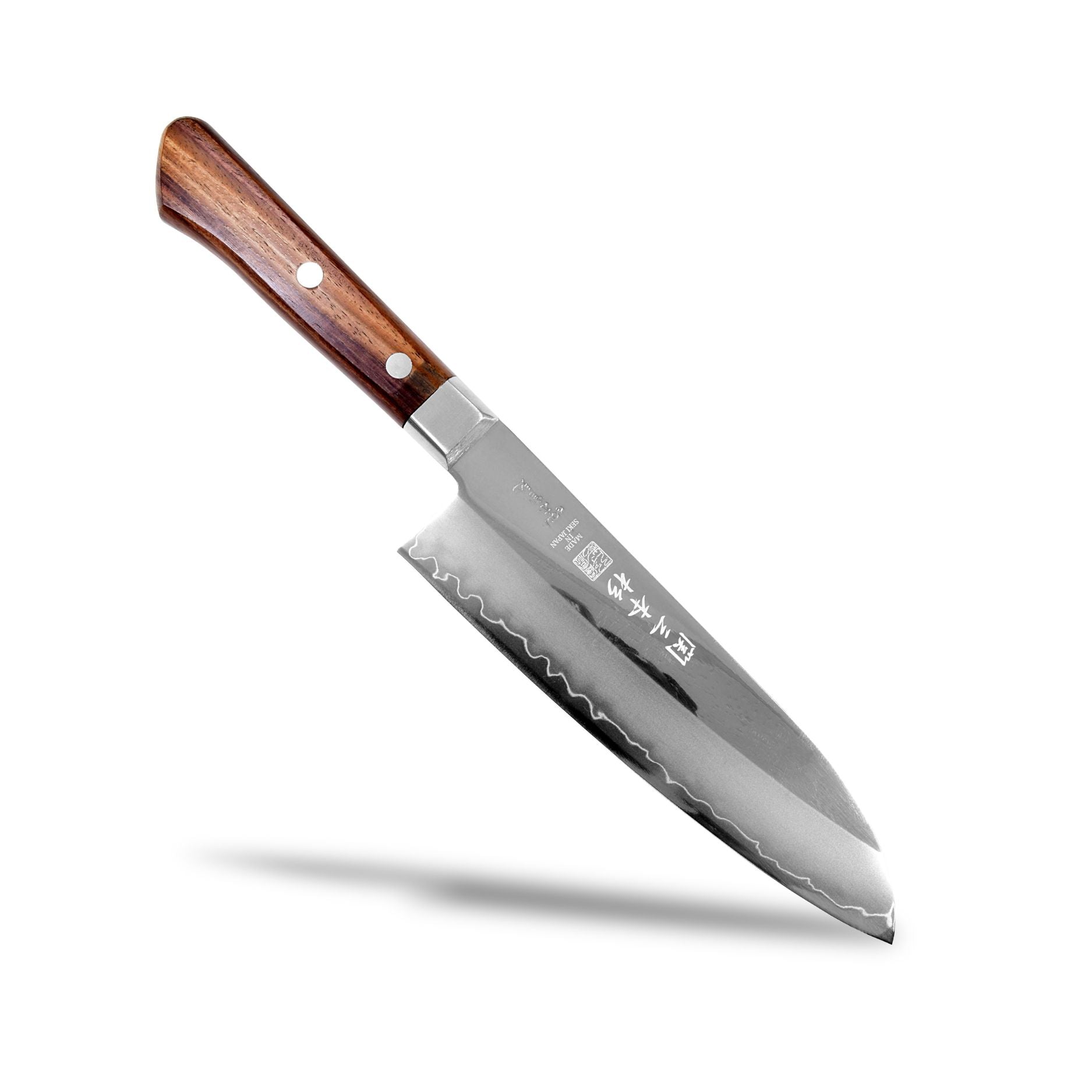
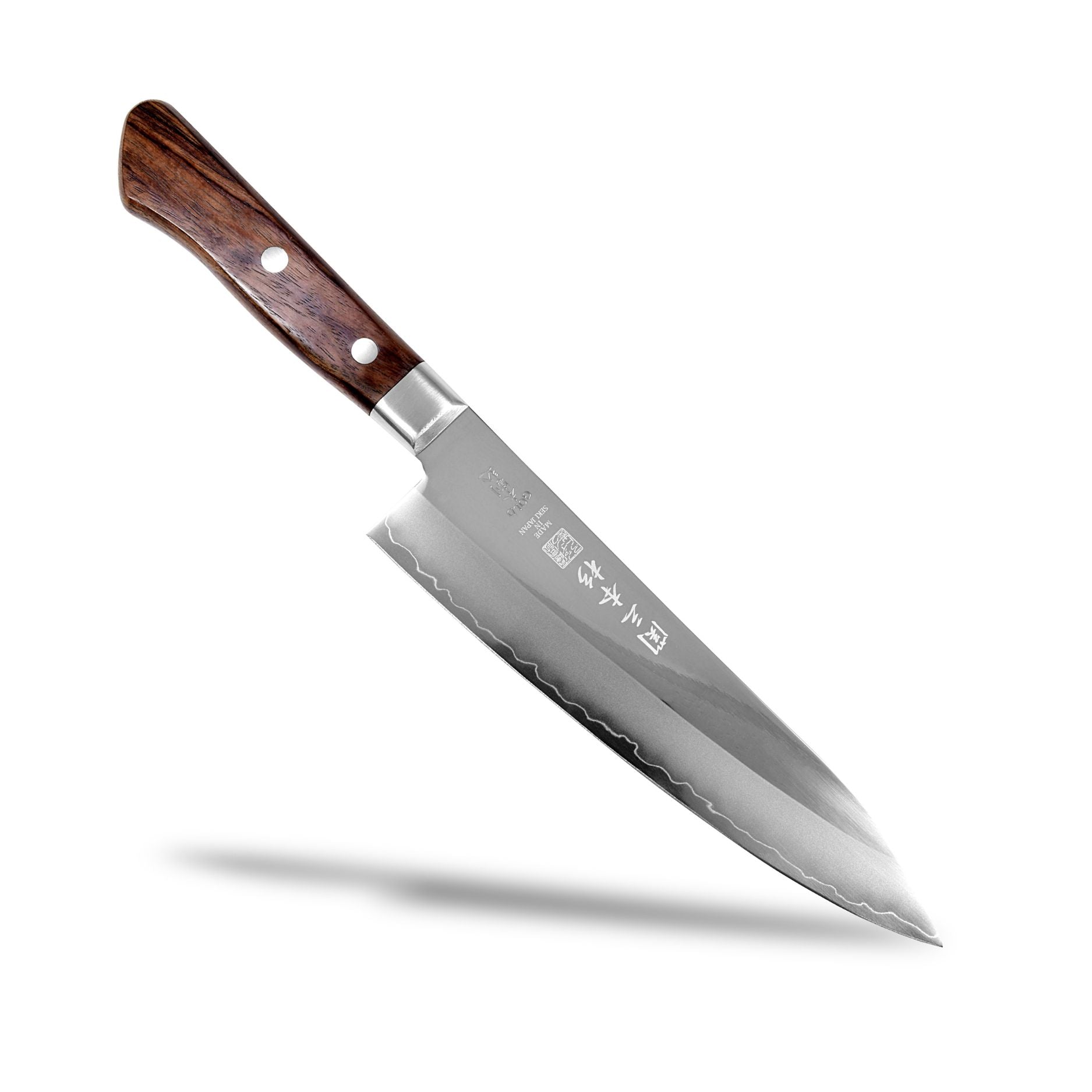
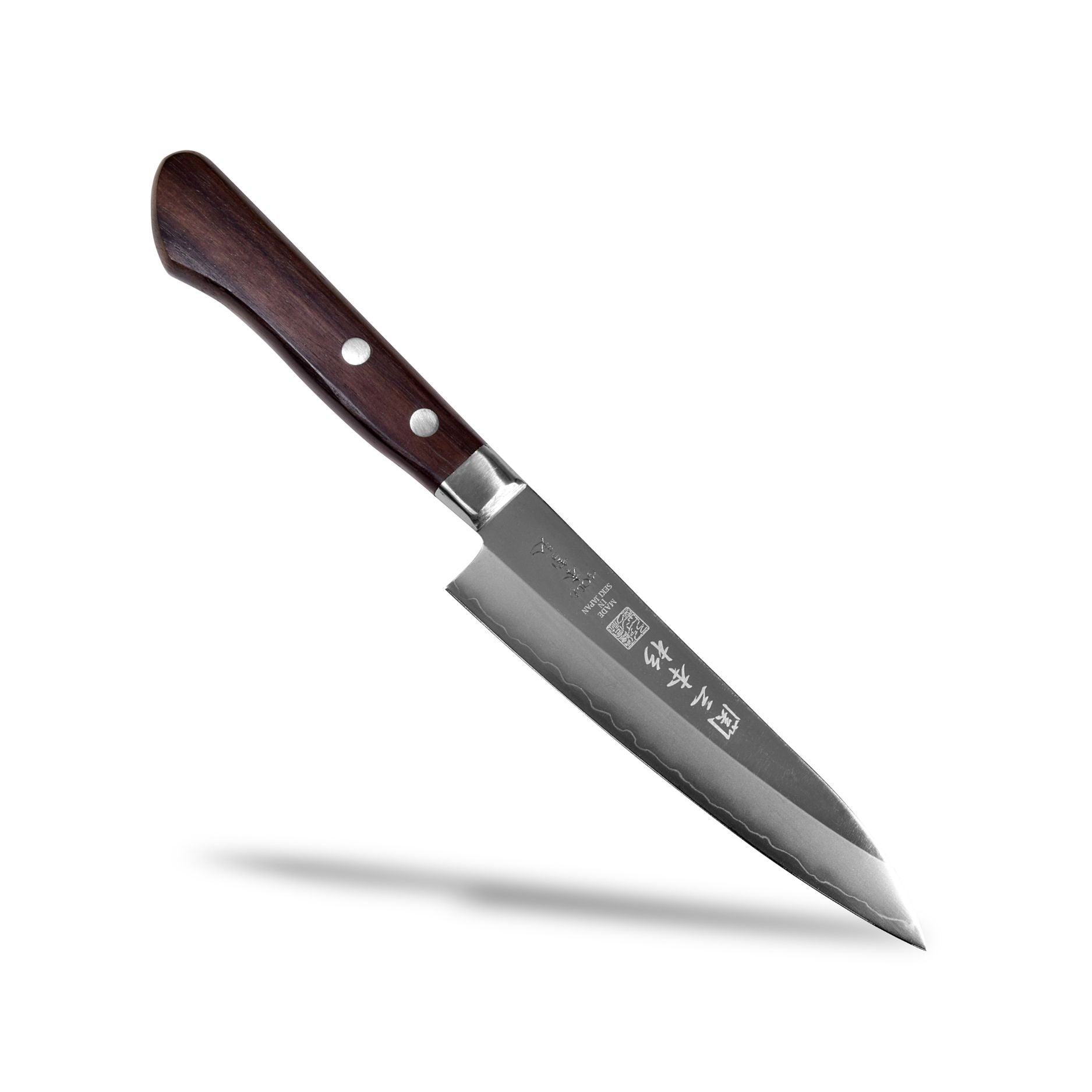
In many households, a santoku knife is used as the main knife, with a chef's knife and paring knife used as auxiliary knives. As one's interest in fish dishes and sashimi increases, a deba knife and yanagiba knife are added to the mix.
By acquiring them in this order, you can avoid the risk of having infrequently used Japanese knives go to waste, while naturally developing criteria for choosing the type that suits your cooking style. Rather than trying to acquire all types from the start, the best way to get along with your tools is to add them as you feel what you want next.
How to choose the right steel for a Japanese kitchen knife? Advantages and criteria for each type.
In conclusion, the criteria for choosing steel should be a balance of three factors: rust resistance, sharpness and ease of sharpening, and price.
Stainless steels such as VG10, AUS-10, and 4116 are easy to handle even for home use, while steels (such as Aogami and Shirogami) are appealing for their satisfying sharpening and sharp cutting edge, but require regular maintenance.
In short, the most practical criterion for deciding between stainless steel and steel is whether or not you can diligently maintain it every day. Being honest with yourself about your lifestyle is the quickest way to resolve any indecision about which to choose.
What are the differences between VG10, AUS-10, and 4116 steel?
In short, VG10 is a high-performance, balanced stainless steel, AUS-10 prioritizes ease of use, and 4116 steel prioritizes convenience.
VG10 is a high-hardness, long-lasting, and corrosion-resistant steel, so with proper sharpening using a whetstone, you can enjoy professional-grade sharpness even at home. It's a representative stainless steel material suitable for those who prioritize sharpness while also ensuring rust resistance.
AUS-10 is slightly softer than VG10, making it more resilient and less prone to chipping. Its ease of use makes it ideal for home use, even if you're a little rough with it on the cutting board. If you're choosing a knife for the whole family to use, the ease of handling of AUS-10 provides great peace of mind.
4116 steel offers a good balance of rust resistance and price, making it ideal for those who simply want a convenient, easy-to-use stainless steel kitchen knife for home use. Its appeal lies in its ease of maintenance, even in environments where daily upkeep is limited.
Who is suited to steel-based products?
In conclusion, steel knives are recommended for those who want to experience the joy of "breaking in" their knives.
Blue steel has a high carbon content, resulting in an extremely sharp edge, but it is also prone to rust, requiring immediate cleaning, moisture removal, and drying after use. For those who can positively enjoy this process as "time spent engaging with their tools," it offers a sense of fulfillment that cannot be obtained with other types of steel.
White steel also boasts excellent sharpness, but it is prone to staining and discoloration, making it a steel best suited for those who can "enjoy the time spent maintaining" their knives, including their appearance. Both are easy to sharpen, work well with whetstones, and their straightforwardness—responding directly to the amount of sharpening—is what makes them popular among users.
"Lifestyle" and "budget" as criteria for decision-making
The most important thing is to reflect your own lifestyle and budget when choosing steel materials.
In busy daily lives where knives are often left in the sink after use, steel Japanese knives rust quickly, which can be frustrating. In such environments, choosing stainless steel knives is a practical decision for long-term use and proper care.
Conversely, if you enjoy cooking in bulk on weekends and find maintenance such as sharpening with a whetstone and applying oil to be a hobby, then the advantages of choosing a steel yanagiba or deba knife are significant. Honestly considering your own lifestyle and deciding "which one suits me right now" is the starting point for choosing a knife you won't regret.
FAQ
Q1. What is the minimum number of Japanese kitchen knives I need?
A1. For home use, one santoku or gyuto knife is sufficient, plus a deba knife if you frequently prepare fish, and a yanagiba knife if you enjoy eating sashimi. A total of two to three knives should be enough.
Q2. Can you cut sashimi with a deba knife?
A2. Deba knives have thick blades that can crush the flesh, making them unsuitable for sashimi. Using a thin, flexible yanagiba knife will result in a cleaner finish.
Q3. For home use, should I choose a single-edged or double-edged knife?
A3. If ease of use is your priority, we recommend adding a double-edged knife (santoku or gyuto), but if you want to achieve a perfect finish for sashimi or fish dishes, we recommend adding a single-edged knife (yanagiba or deba).
Q4. Which is better for beginners, the VG10 or the AUS-10?
A4. If you prioritize long-lasting sharpness and high performance, VG10 is the better choice for beginners, while AUS-10 is a more user-friendly option if you prioritize chip resistance and ease of use.
Q5. Is it okay to choose a Japanese kitchen knife made of blue steel for home use?
A5. While it's perfectly acceptable to choose this option, it's prone to rusting and requires regular maintenance, so it's best suited for those who can make washing, wiping, and drying a regular habit after each use.
Q6. What is a good guideline for the blade length of a first Japanese kitchen knife?
A6. For yanagiba knives, around 240mm is a standard size that is easy to handle at home, and for deba knives, around 150-165mm is a standard size.
Q7. What is the most important criterion when choosing a kitchen knife?
A7. If you're going to use it every day, prioritize "ease of maintenance" and "convenience of use," and choose a type that suits your purpose and a rust-resistant steel material. This is key to ensuring it lasts a long time.
Q8. Japanese kitchen knives are often associated with professional use, but are they necessary for home use as well?
A8. If you want to beautifully finish sashimi and fish dishes, a yanagiba or deba knife is effective even at home, and it's practical to add one at a time depending on how often you use them.
Q9. If I'm unsure how to create decision-making criteria, how should I prioritize them?
A9. First, decide on the intended use (what you will cut), then the type of steel (whether it can be maintained), and finally the size and budget. This will help reduce indecision.
Q10. What are the key points to check when comparing different types in a store?
A10. Checking whether the shape suits your intended use, the weight and balance in your hand, and whether the size matches your cutting board at home will make it easier to choose the right one for you.
summary
- In conclusion, Japanese kitchen knives are categorized by their intended use (deba = filleting, yanagiba = slicing, usuba = vegetables), and it's practical for home use to start with a santoku and gyuto and gradually add other Japanese knives as needed.
- The key to choosing steel is to consider two main criteria: "If rust resistance is your priority, choose stainless steel (VG10, AUS-10, 4116 steel, etc.)" and "If sharpness and the satisfaction of sharpening are your priority, choose steel (Aogami, Shirogami, etc.)." The important thing is to choose according to your own lifestyle.
- Most importantly, you should understand the frequently asked questions in the FAQ (single-edged vs. double-edged, differences in steel, size guidelines), and then build your decision criteria in the order of "intended use → type → steel → size and budget" before making a purchase.